Photo source:
An article by

Trends are often portrayed as sudden. A look appears, a sound takes hold, a phrase circulates—and suddenly it is everywhere. This narrative suggests spontaneity, as if culture collectively wakes up one morning with the same idea.
In reality, trends rarely emerge overnight.
“They look sudden only at the moment they become visible,” said a cultural sociologist who studies diffusion and taste. “Most trends have long, quiet prehistories.”
Understanding how trends actually emerge requires looking beyond headlines and toward the slow accumulation of signals, decisions, and conditions that make change possible.
Get unlimited access to exclusive content
Monthly
$4.00
pay every month
Yearly
$24.00
pay once a year
By subscribing, I agree to the Privacy Policy, Cookie Policy and Membership Terms
✓ Unlimited access to all current and archived articles
✓ Read premium and in-depth stories without restrictions
✓ Ad-free reading across the entire site
✓ Priority access to selected features and long reads
✓ Help sustain high-quality, independent reporting
You can cancel anytime. Charges will apply after your subscription period ends, and automatic renewal will be initiated.
Other Articles by
Emma Clarke
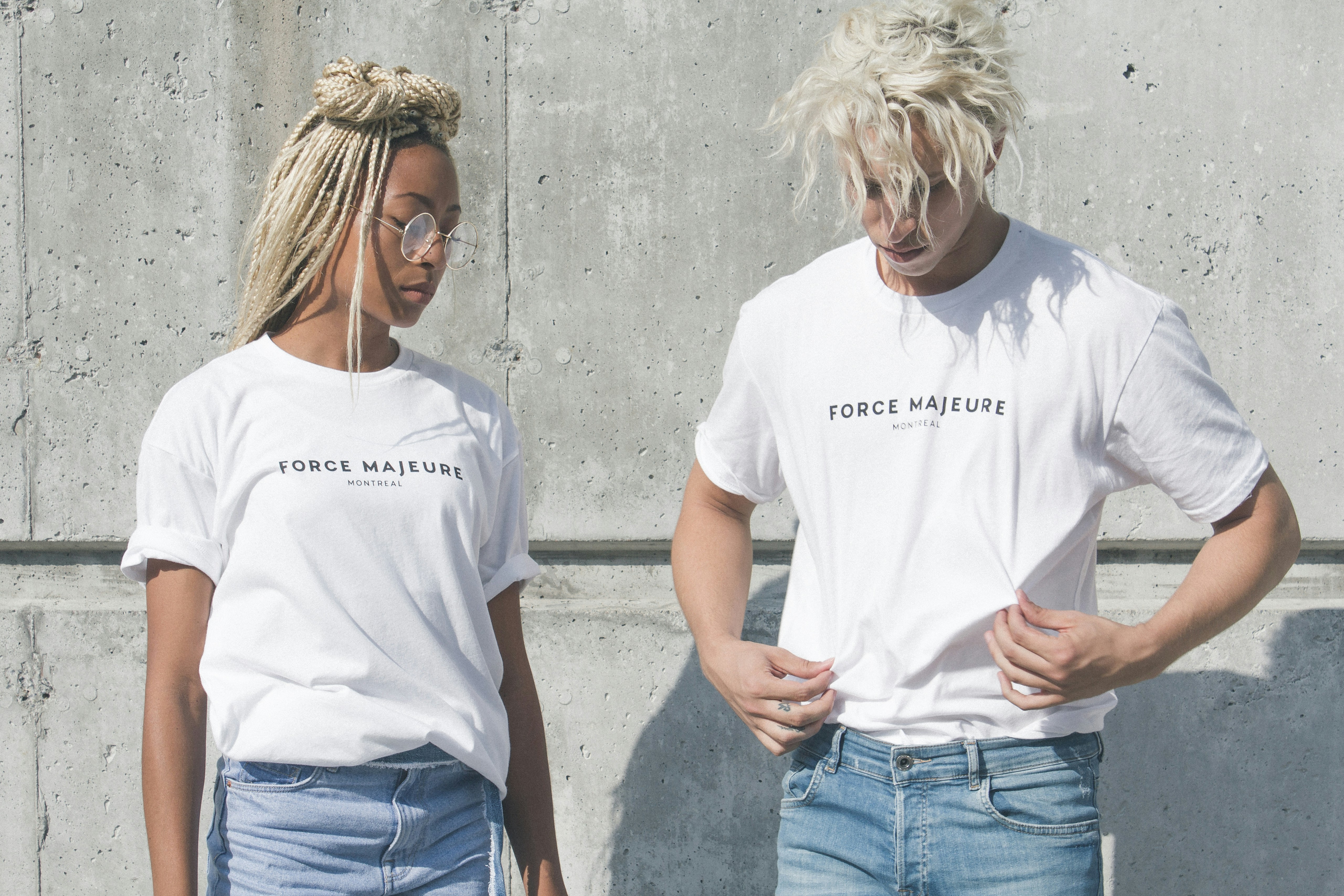
Personal style has always been more than clothing. It is a language—used to signal identity, belonging, aspiration, and resistance. Yet in recent years, the forces shaping personal style have shifted dramatically.
Digital platforms, fast fashion, sustainability concerns, and cultural fluidity are reshaping how people dress and why. Style is no longer dictated primarily by seasonal trends or elite tastemakers. It is negotiated daily—between algorithms, ethics, and individual expression.
“Personal style used to be about aspiration,” said a fashion sociologist. “Now it’s about alignment.”
The future of personal style lies not in what is worn, but in how meaning is constructed through choice.
From Trend Cycles to Continuous Influence
Traditional fashion operated on cycles.
Designers set seasonal trends. Magazines filtered them. Consumers adopted and adapted. This rhythm created shared reference points.
Digital culture disrupted that structure.
“Trends don’t arrive anymore,” said a creative director working across digital fashion platforms. “They circulate.”
Social media, resale platforms, and global access flatten time. Styles from different eras coexist. Inspiration travels instantly. Personal style becomes an ongoing collage rather than a linear progression.
The future is not seasonal—it is simultaneous.
Algorithms and the Illusion of Choice
Algorithms now play a central role in shaping style.
Recommendation systems surface looks based on engagement and similarity. They influence taste while appearing neutral.
“People think they’re choosing freely,” said the sociologist. “But choice is curated.”
This does not eliminate individuality. It reframes it. Personal style develops within invisible parameters—amplifying certain aesthetics while marginalizing others.
Understanding algorithmic influence becomes part of style literacy.
Sustainability as a Style Value
Sustainability is transforming the meaning of style.
Concerns about environmental impact, labor practices, and overconsumption influence purchasing decisions. Style choices increasingly signal values, not just taste.
“What you don’t buy matters as much as what you do,” said a sustainability consultant in the fashion industry.
Secondhand clothing, repair, and longevity gain status. Repetition becomes intentional rather than careless. Personal style shifts from novelty to stewardship.
Ethics enter the wardrobe.
Ownership, Access, and the Rise of the Wardrobe Ecosystem
The concept of ownership is evolving.
Rental services, resale platforms, and shared wardrobes challenge the idea of permanent possession. Clothing becomes fluid—circulating rather than accumulating.
“Style is becoming about access, not accumulation,” said the creative director.
This shift allows experimentation without excess. It also reframes personal style as curation rather than collection.
The future wardrobe is dynamic.
Gender Fluidity and Style Liberation
Personal style increasingly resists rigid gender categories.
Designers, consumers, and cultural movements challenge binary assumptions. Clothing becomes expressive rather than prescriptive.
“Style is one of the first places people test freedom,” said the sociologist.
This fluidity expands creative possibility. Silhouettes, colors, and textures detach from gendered expectations. Style becomes a space for exploration rather than conformity.
Expression replaces categorization.
Craft, Authenticity, and Story
As mass production accelerates, craft gains renewed value.
Handmade, local, and small-batch pieces carry narratives that differentiate them from fast fashion. Story becomes part of style.
“People want to know where things come from,” said the sustainability consultant.
Personal style incorporates narrative—of origin, process, and intention. Clothing becomes conversation rather than display.
Meaning outweighs novelty.
Personal Style and Identity Performance
Style remains deeply tied to identity—but that relationship is more complex.
Digital visibility encourages performance. Outfits are designed not only for physical spaces, but for images and feeds.
“You dress for multiple audiences now,” said the creative director.
This awareness can empower self-expression or create pressure to curate constantly. The future of personal style involves navigating authenticity within visibility.
Style becomes both private and public.
Comfort, Function, and the Redefinition of Elegance
The boundary between comfort and style has shifted.
Remote work, lifestyle changes, and health awareness elevate function. Comfort no longer signals casualness—it signals intelligence.
“Elegance has relaxed,” said the sociologist.
Soft tailoring, adaptable garments, and multifunctional design redefine what it means to dress well. The future values ease without sacrificing intention.
Function becomes aesthetic.
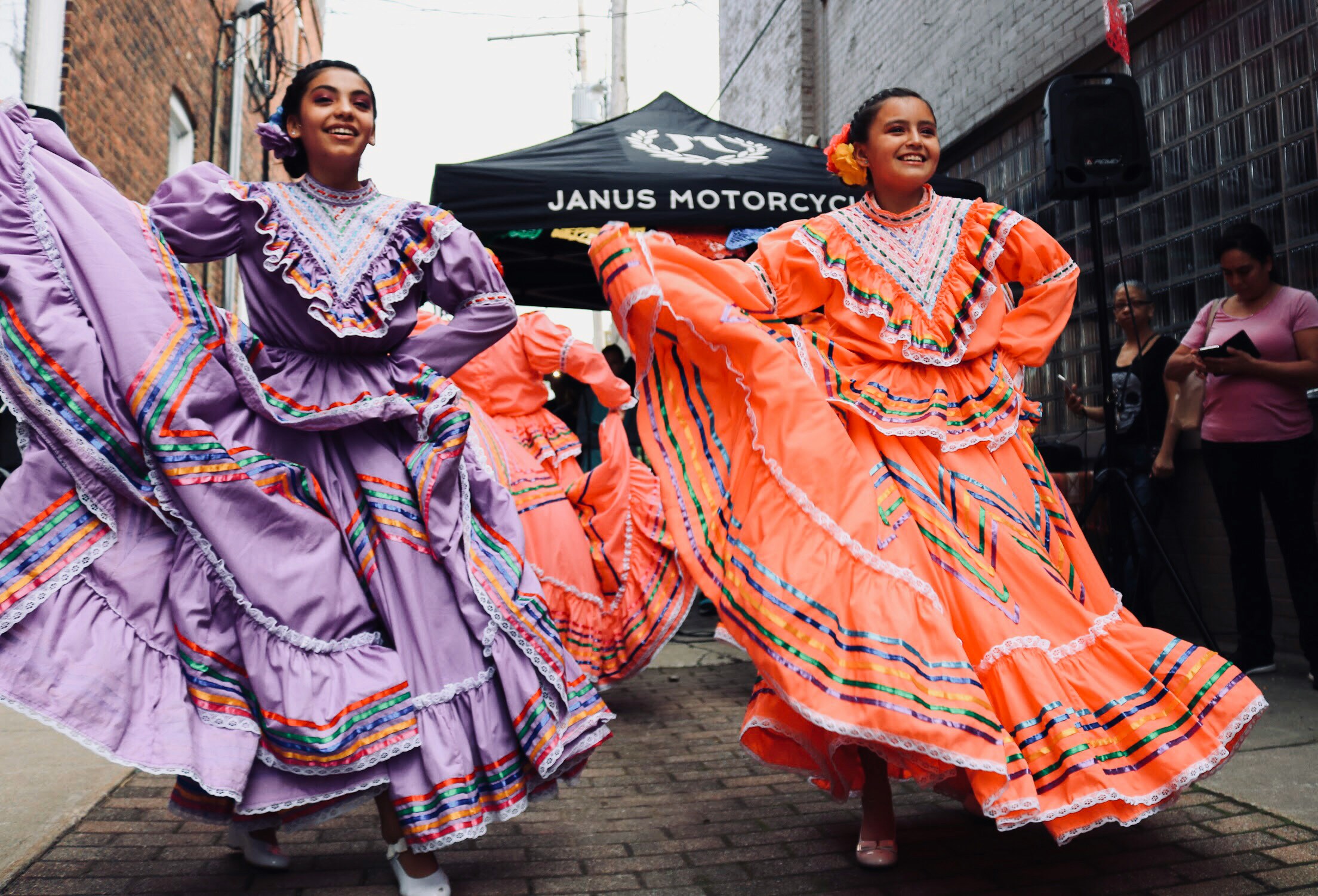
Cultural Hybridity and Global Influence
Personal style increasingly reflects cultural hybridity.
Global access introduces diverse references. Traditional garments are reinterpreted. Styles blend across regions and histories.
“Cultural exchange is visible in closets,” said the fashion historian.
This hybridity challenges authenticity narratives. Style becomes layered rather than pure—reflecting complex identities.
The future is mixed.
Style as Ongoing Practice
The future of personal style is not about finding a final look.
It is about cultivating a practice—of choosing thoughtfully, adapting responsibly, and expressing meaningfully.
“Style is no longer a destination,” said the creative director. “It’s a conversation.”
This conversation evolves with life stage, values, and context. Personal style becomes less performative and more reflective.
Dressing for What Comes Next
Personal style will continue to change because culture does.
What endures is the desire to express identity through material choices. What shifts is how those choices are made, justified, and understood.
The future of personal style is not louder or faster.
It is more intentional.
It values meaning over trend,
access over accumulation,
and expression over approval.
In a world of constant visibility,
personal style becomes one of the few places
where choice can still be deeply personal.
And that may be its most enduring power.

Members only
Self-care has become one of the most recognizable concepts in contemporary culture. Once associated with medical recovery or community-based resilience, it now appears everywhere—from morning routines and productivity advice to consumer goods and digital platforms.
The language of self-care promises relief, balance, and empowerment. But as it has expanded, its meaning has become less clear.
“Self-care started as a survival practice,” said a public health researcher. “It became a lifestyle.”
Understanding the culture of self-care requires examining how care shifted from collective responsibility to individual obligation—and what that shift reveals about modern life.
From Care as Necessity to Care as Identity
Historically, self-care emerged in response to scarcity.
In marginalized communities, caring for oneself was often a political act—a means of preservation in environments that offered little protection. Care was pragmatic and communal.
“Self-care was never indulgent,” said the researcher. “It was about staying functional.”
As wellness entered mainstream culture, self-care transformed. It became an identity marker—something to perform, curate, and display.
Care moved from survival to self-definition.
The Commodification of Care
The expansion of self-care coincided with market opportunity.
Products, services, and experiences promised restoration: supplements, retreats, apps, rituals. Care became something to purchase rather than practice.
“The market filled a vacuum,” said a sociologist studying wellness economies.
This commodification reframed care as consumption. Well-being appeared accessible through choice and spending, obscuring structural factors like workload, healthcare access, and inequality.
Care became transactional.
Individual Responsibility and Structural Absence
The culture of self-care often emphasizes personal responsibility.
Messages focus on habits, mindset, and optimization. Stress is framed as something to manage privately rather than address collectively.
“When systems fail, self-care becomes a substitute,” said the sociologist.
This shift places burden on individuals to cope with conditions they did not create. Burnout, anxiety, and exhaustion are treated as personal shortcomings rather than predictable outcomes.
Self-care fills gaps left by weakened social support.
Care, Productivity, and Control
Self-care is frequently linked to productivity.
Rest is justified as fuel for performance. Calm is marketed as efficiency. Care becomes instrumental.
“You’re allowed to rest if it makes you better at work,” said an organizational psychologist.
This framing limits care’s scope. It values restoration only insofar as it serves output. Care that does not translate into productivity risks being dismissed.
Well-being becomes conditional.
The Aesthetic of Wellness
Self-care is deeply visual.
Images of calm spaces, curated routines, and idealized bodies dominate representation. Wellness becomes aestheticized.
“The look of wellness can matter more than its substance,” said a cultural critic.
This aesthetic can inspire—but it can also exclude. It sets standards that are difficult to meet, reinforcing comparison and inadequacy.
Care becomes something to display rather than feel.
Access and Inequality
Not all self-care is equally accessible.
Time, money, and autonomy determine who can practice care consistently. Many people cannot opt out of exhausting conditions.
“Self-care assumes choice,” said the public health researcher. “Many don’t have it.”
When care is framed as individual choice, inequality is obscured. Structural barriers remain unaddressed.
Care becomes unevenly distributed.
Reclaiming Care as Collective Practice
Some movements seek to reclaim self-care’s collective roots.
Community-based care networks, mutual aid, and shared rest practices emphasize support beyond the individual.
“Care works best when it’s shared,” said the sociologist.
These approaches recognize that well-being is relational. They challenge narratives that isolate responsibility and instead emphasize interdependence.
Care expands outward.
Boundaries as Care
One of the most significant contemporary interpretations of self-care is boundary-setting.
Saying no, limiting exposure, and protecting time become acts of preservation.
“Boundaries are care without consumption,” said the organizational psychologist.
This form of care resists commodification. It addresses root causes rather than symptoms.
Care becomes structural, not decorative.
The Emotional Labor of Caring
Self-care also involves emotional labor.
Managing feelings, regulating stress, and sustaining relationships require effort—often unrecognized and gendered.
“Care work is work,” said the sociologist.
Acknowledging this labor reframes self-care as something that requires support, not perfection.
Care is effortful, not effortless.
What Self-Care Cannot Do
Self-care has limits.
It cannot compensate for unsafe work environments, inadequate healthcare, or systemic injustice. When expected to do so, it becomes a burden.
“Care without change becomes coping,” said the public health researcher.
Recognizing these limits protects care from being misused as a solution to structural problems.
Toward a More Honest Culture of Care
The culture of self-care is not inherently hollow.
At its best, it encourages awareness, rest, and compassion. But it must be disentangled from performance, consumption, and individualization.
Care should not be aspirational.
It should be accessible.
Care should not replace support.
It should accompany it.
In a culture that demands constant output,
self-care becomes meaningful only when it challenges the conditions that exhaust people in the first place.
True care is not about perfect routines.
It is about creating lives that do not require constant recovery.
And that work cannot be done alone.

Members only
Identity has always been shaped in relation to others. What has changed is the scale and immediacy of that relation. In a shared media world—where platforms collapse distance, amplify visibility, and blur public and private—identity is formed not only through lived experience, but through constant comparison, circulation, and interpretation.
Media no longer simply reflects who we are. It participates in making us legible—to others, and to ourselves.
“Identity today is negotiated in public,” said a sociologist who studies digital culture. “Even when we think we’re being private.”
Understanding identity in a shared media world requires examining how exposure, repetition, and feedback reshape the way people understand belonging, difference, and selfhood.
From Private Formation to Public Negotiation
Historically, identity formation was largely private.
Family, community, work, and local culture provided the primary mirrors through which people understood themselves. Public recognition was limited and episodic.
Shared media environments changed that dynamic.
Social platforms, comment sections, and algorithmic feeds turn identity into something continuously performed, interpreted, and responded to.
“You’re always slightly aware of being seen,” said the sociologist.
Identity becomes dialogic—shaped through response rather than reflection alone.
Visibility as a Condition of Selfhood
In a shared media world, visibility is not optional.
Even those who avoid public posting exist within media narratives shaped by representation, discourse, and data. Visibility becomes ambient rather than intentional.
“Identity is formed under observation,” said a media theorist. “Even silence is contextualized.”
This condition alters self-perception. People anticipate how they might be read, categorized, or misunderstood. Identity is adjusted preemptively.
The self becomes responsive before it is expressive.
Algorithms and the Shaping of Difference
Algorithms influence which identities are amplified.
Engagement-driven systems favor clarity, repetition, and recognizability. Nuanced or evolving identities struggle for visibility.
“Platforms reward what’s legible,” said a digital ethnographer. “Not what’s complex.”
As a result, identities are often simplified into categories that travel well—labels, aesthetics, and narratives that can be easily recognized and shared.
Difference becomes stylized.
The Pressure to Represent
Visibility brings responsibility.
Marginalized individuals, in particular, experience pressure to represent broader communities—often without consent. Personal expression is read as symbolic.
“You’re never just speaking for yourself,” said the ethnographer.
This burden shapes behavior. People self-monitor, anticipating scrutiny and interpretation. Identity becomes careful, strategic, and sometimes defensive.
Expression is filtered through expectation.
Identity as Performance—and Practice
The language of performance often dominates discussions of media identity.
While identity does involve presentation, many scholars emphasize practice instead—repeated actions shaped by context rather than deliberate display.
“Most identity work is unconscious,” said the sociologist. “It’s about adapting.”
Shared media accelerates this adaptation. Feedback loops reinforce certain expressions while discouraging others. Over time, identity settles into patterns.
The self is learned through repetition.
Shared Narratives and Collective Identity
Shared media environments also enable collective identity.
Movements, fandoms, and subcultures coalesce around shared references, language, and imagery. Media provides the infrastructure for belonging.
“People find themselves through others,” said the media theorist.
These collectives offer recognition and support—but they also enforce norms. Membership requires alignment. Divergence can be punished.
Belonging comes with boundaries.
Fragmentation and Context Collapse
Shared media collapses contexts.
Audiences that were once separate—family, colleagues, strangers—merge into a single field of visibility. Identity must operate across incompatible expectations.
“You’re speaking to everyone and no one at once,” said the ethnographer.
This collapse fragments identity. People compartmentalize, curate, or withdraw. Authenticity becomes difficult to sustain across divergent contexts.
The self becomes modular.
Memory, Permanence, and the Archived Self
Media records identity.
Posts, images, and interactions persist beyond their original moment. Past selves remain accessible, searchable, and reinterpretable.
“Identity acquires a memory it can’t control,” said the sociologist.
This permanence complicates growth. Change is visible, but not always forgiven. The archived self shadows the present one.
Becoming is constrained by record.
Resistance and Refusal
Not all responses to shared media are adaptive.
Some individuals resist visibility—limiting presence, anonymizing expression, or disengaging entirely. Refusal becomes a form of identity protection.
“Opting out is a political act,” said the media theorist.
Others embrace opacity—rejecting clarity, embracing contradiction, and refusing easy categorization.
Identity resists legibility.
Identity Beyond the Feed
Despite media saturation, identity does not exist only online.
Embodied experience, relationships, and private reflection continue to shape selfhood. Media intersects with identity—it does not replace it.
“The self is bigger than its representation,” said the sociologist.
Recognizing this distinction restores agency. Identity can be shaped intentionally, not only reactively.
Living With Shared Visibility
Identity in a shared media world is neither wholly constructed nor entirely authentic.
It is negotiated—between expression and expectation, visibility and privacy, belonging and autonomy.
Shared media does not erase identity.
It exposes it to constant relation.
The challenge is not to withdraw from this world,
but to inhabit it with awareness—
to recognize when identity is being shaped by feedback rather than intention.
In a culture of shared screens and overlapping audiences,
identity becomes less about declaring who you are
and more about deciding
which parts of yourself you allow to be shared.
And which you keep,
intentionally,
your own.
Members only




" height="25.00139023844741px" id="jBymG44fK" transform="translate(7.499 7.499)" width="25.001390238447406px"/></svg>)