
Emma Clarke writes about modern living, culture, and well-being, focusing on lifestyle trends, personal health, and how everyday choices shape quality of life. Her work explores the intersection of culture, habit, and health through reporting that emphasizes context and practicality.
Subcategory
Members only
Personal style has always been more than clothing. It is a language—used to signal identity, belonging, aspiration, and resistance. Yet in recent years, the forces shaping personal style have shifted dramatically.
Digital platforms, fast fashion, sustainability concerns, and cultural fluidity are reshaping how people dress and why. Style is no longer dictated primarily by seasonal trends or elite tastemakers. It is negotiated daily—between algorithms, ethics, and individual expression.
“Personal style used to be about aspiration,” said a fashion sociologist. “Now it’s about alignment.”
The future of personal style lies not in what is worn, but in how meaning is constructed through choice.
From Trend Cycles to Continuous Influence
Traditional fashion operated on cycles.
Designers set seasonal trends. Magazines filtered them. Consumers adopted and adapted. This rhythm created shared reference points.
Digital culture disrupted that structure.
“Trends don’t arrive anymore,” said a creative director working across digital fashion platforms. “They circulate.”
Social media, resale platforms, and global access flatten time. Styles from different eras coexist. Inspiration travels instantly. Personal style becomes an ongoing collage rather than a linear progression.
The future is not seasonal—it is simultaneous.
Algorithms and the Illusion of Choice
Algorithms now play a central role in shaping style.
Recommendation systems surface looks based on engagement and similarity. They influence taste while appearing neutral.
“People think they’re choosing freely,” said the sociologist. “But choice is curated.”
This does not eliminate individuality. It reframes it. Personal style develops within invisible parameters—amplifying certain aesthetics while marginalizing others.
Understanding algorithmic influence becomes part of style literacy.
Sustainability as a Style Value
Sustainability is transforming the meaning of style.
Concerns about environmental impact, labor practices, and overconsumption influence purchasing decisions. Style choices increasingly signal values, not just taste.
“What you don’t buy matters as much as what you do,” said a sustainability consultant in the fashion industry.
Secondhand clothing, repair, and longevity gain status. Repetition becomes intentional rather than careless. Personal style shifts from novelty to stewardship.
Ethics enter the wardrobe.
Ownership, Access, and the Rise of the Wardrobe Ecosystem
The concept of ownership is evolving.
Rental services, resale platforms, and shared wardrobes challenge the idea of permanent possession. Clothing becomes fluid—circulating rather than accumulating.
“Style is becoming about access, not accumulation,” said the creative director.
This shift allows experimentation without excess. It also reframes personal style as curation rather than collection.
The future wardrobe is dynamic.
Gender Fluidity and Style Liberation
Personal style increasingly resists rigid gender categories.
Designers, consumers, and cultural movements challenge binary assumptions. Clothing becomes expressive rather than prescriptive.
“Style is one of the first places people test freedom,” said the sociologist.
This fluidity expands creative possibility. Silhouettes, colors, and textures detach from gendered expectations. Style becomes a space for exploration rather than conformity.
Expression replaces categorization.
Craft, Authenticity, and Story
As mass production accelerates, craft gains renewed value.
Handmade, local, and small-batch pieces carry narratives that differentiate them from fast fashion. Story becomes part of style.
“People want to know where things come from,” said the sustainability consultant.
Personal style incorporates narrative—of origin, process, and intention. Clothing becomes conversation rather than display.
Meaning outweighs novelty.
Personal Style and Identity Performance
Style remains deeply tied to identity—but that relationship is more complex.
Digital visibility encourages performance. Outfits are designed not only for physical spaces, but for images and feeds.
“You dress for multiple audiences now,” said the creative director.
This awareness can empower self-expression or create pressure to curate constantly. The future of personal style involves navigating authenticity within visibility.
Style becomes both private and public.
Comfort, Function, and the Redefinition of Elegance
The boundary between comfort and style has shifted.
Remote work, lifestyle changes, and health awareness elevate function. Comfort no longer signals casualness—it signals intelligence.
“Elegance has relaxed,” said the sociologist.
Soft tailoring, adaptable garments, and multifunctional design redefine what it means to dress well. The future values ease without sacrificing intention.
Function becomes aesthetic.
Cultural Hybridity and Global Influence
Personal style increasingly reflects cultural hybridity.
Global access introduces diverse references. Traditional garments are reinterpreted. Styles blend across regions and histories.
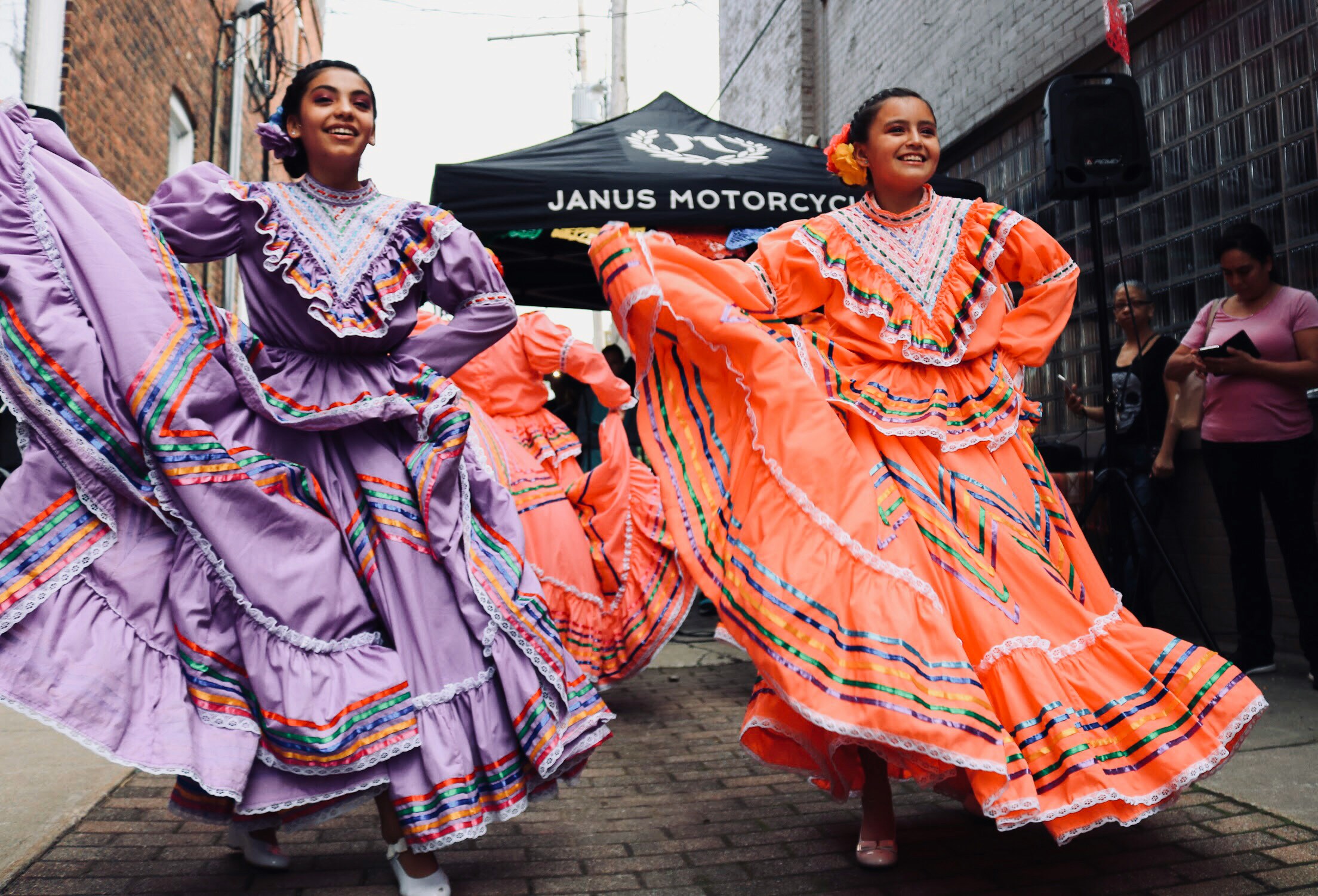
“Cultural exchange is visible in closets,” said the fashion historian.
This hybridity challenges authenticity narratives. Style becomes layered rather than pure—reflecting complex identities.
The future is mixed.
Style as Ongoing Practice
The future of personal style is not about finding a final look.
It is about cultivating a practice—of choosing thoughtfully, adapting responsibly, and expressing meaningfully.
“Style is no longer a destination,” said the creative director. “It’s a conversation.”
This conversation evolves with life stage, values, and context. Personal style becomes less performative and more reflective.
Dressing for What Comes Next
Personal style will continue to change because culture does.
What endures is the desire to express identity through material choices. What shifts is how those choices are made, justified, and understood.
The future of personal style is not louder or faster.
It is more intentional.
It values meaning over trend,
access over accumulation,
and expression over approval.
In a world of constant visibility,
personal style becomes one of the few places
where choice can still be deeply personal.
And that may be its most enduring power.

Subcategory
Members only
Personal style has always been more than clothing. It is a language—used to signal identity, belonging, aspiration, and resistance. Yet in recent years, the forces shaping personal style have shifted dramatically.
Digital platforms, fast fashion, sustainability concerns, and cultural fluidity are reshaping how people dress and why. Style is no longer dictated primarily by seasonal trends or elite tastemakers. It is negotiated daily—between algorithms, ethics, and individual expression.
“Personal style used to be about aspiration,” said a fashion sociologist. “Now it’s about alignment.”
The future of personal style lies not in what is worn, but in how meaning is constructed through choice.
From Trend Cycles to Continuous Influence
Traditional fashion operated on cycles.
Designers set seasonal trends. Magazines filtered them. Consumers adopted and adapted. This rhythm created shared reference points.
Digital culture disrupted that structure.
“Trends don’t arrive anymore,” said a creative director working across digital fashion platforms. “They circulate.”
Social media, resale platforms, and global access flatten time. Styles from different eras coexist. Inspiration travels instantly. Personal style becomes an ongoing collage rather than a linear progression.
The future is not seasonal—it is simultaneous.
Algorithms and the Illusion of Choice
Algorithms now play a central role in shaping style.
Recommendation systems surface looks based on engagement and similarity. They influence taste while appearing neutral.
“People think they’re choosing freely,” said the sociologist. “But choice is curated.”
This does not eliminate individuality. It reframes it. Personal style develops within invisible parameters—amplifying certain aesthetics while marginalizing others.
Understanding algorithmic influence becomes part of style literacy.
Sustainability as a Style Value
Sustainability is transforming the meaning of style.
Concerns about environmental impact, labor practices, and overconsumption influence purchasing decisions. Style choices increasingly signal values, not just taste.
“What you don’t buy matters as much as what you do,” said a sustainability consultant in the fashion industry.
Secondhand clothing, repair, and longevity gain status. Repetition becomes intentional rather than careless. Personal style shifts from novelty to stewardship.
Ethics enter the wardrobe.
Ownership, Access, and the Rise of the Wardrobe Ecosystem
The concept of ownership is evolving.
Rental services, resale platforms, and shared wardrobes challenge the idea of permanent possession. Clothing becomes fluid—circulating rather than accumulating.
“Style is becoming about access, not accumulation,” said the creative director.
This shift allows experimentation without excess. It also reframes personal style as curation rather than collection.
The future wardrobe is dynamic.
Gender Fluidity and Style Liberation
Personal style increasingly resists rigid gender categories.
Designers, consumers, and cultural movements challenge binary assumptions. Clothing becomes expressive rather than prescriptive.
“Style is one of the first places people test freedom,” said the sociologist.
This fluidity expands creative possibility. Silhouettes, colors, and textures detach from gendered expectations. Style becomes a space for exploration rather than conformity.
Expression replaces categorization.
Craft, Authenticity, and Story
As mass production accelerates, craft gains renewed value.
Handmade, local, and small-batch pieces carry narratives that differentiate them from fast fashion. Story becomes part of style.
“People want to know where things come from,” said the sustainability consultant.
Personal style incorporates narrative—of origin, process, and intention. Clothing becomes conversation rather than display.
Meaning outweighs novelty.
Personal Style and Identity Performance
Style remains deeply tied to identity—but that relationship is more complex.
Digital visibility encourages performance. Outfits are designed not only for physical spaces, but for images and feeds.
“You dress for multiple audiences now,” said the creative director.
This awareness can empower self-expression or create pressure to curate constantly. The future of personal style involves navigating authenticity within visibility.
Style becomes both private and public.
Comfort, Function, and the Redefinition of Elegance
The boundary between comfort and style has shifted.
Remote work, lifestyle changes, and health awareness elevate function. Comfort no longer signals casualness—it signals intelligence.
“Elegance has relaxed,” said the sociologist.
Soft tailoring, adaptable garments, and multifunctional design redefine what it means to dress well. The future values ease without sacrificing intention.
Function becomes aesthetic.
Cultural Hybridity and Global Influence
Personal style increasingly reflects cultural hybridity.
Global access introduces diverse references. Traditional garments are reinterpreted. Styles blend across regions and histories.
“Cultural exchange is visible in closets,” said the fashion historian.
This hybridity challenges authenticity narratives. Style becomes layered rather than pure—reflecting complex identities.
The future is mixed.
Style as Ongoing Practice
The future of personal style is not about finding a final look.
It is about cultivating a practice—of choosing thoughtfully, adapting responsibly, and expressing meaningfully.
“Style is no longer a destination,” said the creative director. “It’s a conversation.”
This conversation evolves with life stage, values, and context. Personal style becomes less performative and more reflective.
Dressing for What Comes Next
Personal style will continue to change because culture does.
What endures is the desire to express identity through material choices. What shifts is how those choices are made, justified, and understood.
The future of personal style is not louder or faster.
It is more intentional.
It values meaning over trend,
access over accumulation,
and expression over approval.
In a world of constant visibility,
personal style becomes one of the few places
where choice can still be deeply personal.
And that may be its most enduring power.
Subcategory
Members only
Personal style has always been more than clothing. It is a language—used to signal identity, belonging, aspiration, and resistance. Yet in recent years, the forces shaping personal style have shifted dramatically.
Digital platforms, fast fashion, sustainability concerns, and cultural fluidity are reshaping how people dress and why. Style is no longer dictated primarily by seasonal trends or elite tastemakers. It is negotiated daily—between algorithms, ethics, and individual expression.
“Personal style used to be about aspiration,” said a fashion sociologist. “Now it’s about alignment.”
The future of personal style lies not in what is worn, but in how meaning is constructed through choice.
From Trend Cycles to Continuous Influence
Traditional fashion operated on cycles.
Designers set seasonal trends. Magazines filtered them. Consumers adopted and adapted. This rhythm created shared reference points.
Digital culture disrupted that structure.
“Trends don’t arrive anymore,” said a creative director working across digital fashion platforms. “They circulate.”
Social media, resale platforms, and global access flatten time. Styles from different eras coexist. Inspiration travels instantly. Personal style becomes an ongoing collage rather than a linear progression.
The future is not seasonal—it is simultaneous.
Algorithms and the Illusion of Choice
Algorithms now play a central role in shaping style.
Recommendation systems surface looks based on engagement and similarity. They influence taste while appearing neutral.
“People think they’re choosing freely,” said the sociologist. “But choice is curated.”
This does not eliminate individuality. It reframes it. Personal style develops within invisible parameters—amplifying certain aesthetics while marginalizing others.
Understanding algorithmic influence becomes part of style literacy.
Sustainability as a Style Value
Sustainability is transforming the meaning of style.
Concerns about environmental impact, labor practices, and overconsumption influence purchasing decisions. Style choices increasingly signal values, not just taste.
“What you don’t buy matters as much as what you do,” said a sustainability consultant in the fashion industry.
Secondhand clothing, repair, and longevity gain status. Repetition becomes intentional rather than careless. Personal style shifts from novelty to stewardship.
Ethics enter the wardrobe.
Ownership, Access, and the Rise of the Wardrobe Ecosystem
The concept of ownership is evolving.
Rental services, resale platforms, and shared wardrobes challenge the idea of permanent possession. Clothing becomes fluid—circulating rather than accumulating.
“Style is becoming about access, not accumulation,” said the creative director.
This shift allows experimentation without excess. It also reframes personal style as curation rather than collection.
The future wardrobe is dynamic.
Gender Fluidity and Style Liberation
Personal style increasingly resists rigid gender categories.
Designers, consumers, and cultural movements challenge binary assumptions. Clothing becomes expressive rather than prescriptive.
“Style is one of the first places people test freedom,” said the sociologist.
This fluidity expands creative possibility. Silhouettes, colors, and textures detach from gendered expectations. Style becomes a space for exploration rather than conformity.
Expression replaces categorization.
Craft, Authenticity, and Story
As mass production accelerates, craft gains renewed value.
Handmade, local, and small-batch pieces carry narratives that differentiate them from fast fashion. Story becomes part of style.
“People want to know where things come from,” said the sustainability consultant.
Personal style incorporates narrative—of origin, process, and intention. Clothing becomes conversation rather than display.
Meaning outweighs novelty.
Personal Style and Identity Performance
Style remains deeply tied to identity—but that relationship is more complex.
Digital visibility encourages performance. Outfits are designed not only for physical spaces, but for images and feeds.
“You dress for multiple audiences now,” said the creative director.
This awareness can empower self-expression or create pressure to curate constantly. The future of personal style involves navigating authenticity within visibility.
Style becomes both private and public.
Comfort, Function, and the Redefinition of Elegance
The boundary between comfort and style has shifted.
Remote work, lifestyle changes, and health awareness elevate function. Comfort no longer signals casualness—it signals intelligence.
“Elegance has relaxed,” said the sociologist.
Soft tailoring, adaptable garments, and multifunctional design redefine what it means to dress well. The future values ease without sacrificing intention.
Function becomes aesthetic.
Cultural Hybridity and Global Influence
Personal style increasingly reflects cultural hybridity.
Global access introduces diverse references. Traditional garments are reinterpreted. Styles blend across regions and histories.
“Cultural exchange is visible in closets,” said the fashion historian.
This hybridity challenges authenticity narratives. Style becomes layered rather than pure—reflecting complex identities.
The future is mixed.
Style as Ongoing Practice
The future of personal style is not about finding a final look.
It is about cultivating a practice—of choosing thoughtfully, adapting responsibly, and expressing meaningfully.
“Style is no longer a destination,” said the creative director. “It’s a conversation.”
This conversation evolves with life stage, values, and context. Personal style becomes less performative and more reflective.
Dressing for What Comes Next
Personal style will continue to change because culture does.
What endures is the desire to express identity through material choices. What shifts is how those choices are made, justified, and understood.
The future of personal style is not louder or faster.
It is more intentional.
It values meaning over trend,
access over accumulation,
and expression over approval.
In a world of constant visibility,
personal style becomes one of the few places
where choice can still be deeply personal.
And that may be its most enduring power.
Subcategory
Members only
Self-care has become one of the most recognizable concepts in contemporary culture. Once associated with medical recovery or community-based resilience, it now appears everywhere—from morning routines and productivity advice to consumer goods and digital platforms.
The language of self-care promises relief, balance, and empowerment. But as it has expanded, its meaning has become less clear.
“Self-care started as a survival practice,” said a public health researcher. “It became a lifestyle.”
Understanding the culture of self-care requires examining how care shifted from collective responsibility to individual obligation—and what that shift reveals about modern life.
From Care as Necessity to Care as Identity
Historically, self-care emerged in response to scarcity.
In marginalized communities, caring for oneself was often a political act—a means of preservation in environments that offered little protection. Care was pragmatic and communal.
“Self-care was never indulgent,” said the researcher. “It was about staying functional.”
As wellness entered mainstream culture, self-care transformed. It became an identity marker—something to perform, curate, and display.
Care moved from survival to self-definition.
The Commodification of Care
The expansion of self-care coincided with market opportunity.
Products, services, and experiences promised restoration: supplements, retreats, apps, rituals. Care became something to purchase rather than practice.
“The market filled a vacuum,” said a sociologist studying wellness economies.
This commodification reframed care as consumption. Well-being appeared accessible through choice and spending, obscuring structural factors like workload, healthcare access, and inequality.
Care became transactional.
Individual Responsibility and Structural Absence
The culture of self-care often emphasizes personal responsibility.
Messages focus on habits, mindset, and optimization. Stress is framed as something to manage privately rather than address collectively.
“When systems fail, self-care becomes a substitute,” said the sociologist.
This shift places burden on individuals to cope with conditions they did not create. Burnout, anxiety, and exhaustion are treated as personal shortcomings rather than predictable outcomes.
Self-care fills gaps left by weakened social support.
Care, Productivity, and Control
Self-care is frequently linked to productivity.
Rest is justified as fuel for performance. Calm is marketed as efficiency. Care becomes instrumental.
“You’re allowed to rest if it makes you better at work,” said an organizational psychologist.
This framing limits care’s scope. It values restoration only insofar as it serves output. Care that does not translate into productivity risks being dismissed.
Well-being becomes conditional.
The Aesthetic of Wellness
Self-care is deeply visual.
Images of calm spaces, curated routines, and idealized bodies dominate representation. Wellness becomes aestheticized.
“The look of wellness can matter more than its substance,” said a cultural critic.
This aesthetic can inspire—but it can also exclude. It sets standards that are difficult to meet, reinforcing comparison and inadequacy.
Care becomes something to display rather than feel.
Access and Inequality
Not all self-care is equally accessible.
Time, money, and autonomy determine who can practice care consistently. Many people cannot opt out of exhausting conditions.
“Self-care assumes choice,” said the public health researcher. “Many don’t have it.”
When care is framed as individual choice, inequality is obscured. Structural barriers remain unaddressed.
Care becomes unevenly distributed.
Reclaiming Care as Collective Practice
Some movements seek to reclaim self-care’s collective roots.
Community-based care networks, mutual aid, and shared rest practices emphasize support beyond the individual.
“Care works best when it’s shared,” said the sociologist.
These approaches recognize that well-being is relational. They challenge narratives that isolate responsibility and instead emphasize interdependence.
Care expands outward.
Boundaries as Care
One of the most significant contemporary interpretations of self-care is boundary-setting.
Saying no, limiting exposure, and protecting time become acts of preservation.
“Boundaries are care without consumption,” said the organizational psychologist.
This form of care resists commodification. It addresses root causes rather than symptoms.
Care becomes structural, not decorative.
The Emotional Labor of Caring
Self-care also involves emotional labor.
Managing feelings, regulating stress, and sustaining relationships require effort—often unrecognized and gendered.
“Care work is work,” said the sociologist.
Acknowledging this labor reframes self-care as something that requires support, not perfection.
Care is effortful, not effortless.
What Self-Care Cannot Do
Self-care has limits.
It cannot compensate for unsafe work environments, inadequate healthcare, or systemic injustice. When expected to do so, it becomes a burden.
“Care without change becomes coping,” said the public health researcher.
Recognizing these limits protects care from being misused as a solution to structural problems.
Toward a More Honest Culture of Care
The culture of self-care is not inherently hollow.
At its best, it encourages awareness, rest, and compassion. But it must be disentangled from performance, consumption, and individualization.
Care should not be aspirational.
It should be accessible.
Care should not replace support.
It should accompany it.
In a culture that demands constant output,
self-care becomes meaningful only when it challenges the conditions that exhaust people in the first place.
True care is not about perfect routines.
It is about creating lives that do not require constant recovery.
And that work cannot be done alone.

Subcategory
Members only
Self-care has become one of the most recognizable concepts in contemporary culture. Once associated with medical recovery or community-based resilience, it now appears everywhere—from morning routines and productivity advice to consumer goods and digital platforms.
The language of self-care promises relief, balance, and empowerment. But as it has expanded, its meaning has become less clear.
“Self-care started as a survival practice,” said a public health researcher. “It became a lifestyle.”
Understanding the culture of self-care requires examining how care shifted from collective responsibility to individual obligation—and what that shift reveals about modern life.
From Care as Necessity to Care as Identity
Historically, self-care emerged in response to scarcity.
In marginalized communities, caring for oneself was often a political act—a means of preservation in environments that offered little protection. Care was pragmatic and communal.
“Self-care was never indulgent,” said the researcher. “It was about staying functional.”
As wellness entered mainstream culture, self-care transformed. It became an identity marker—something to perform, curate, and display.
Care moved from survival to self-definition.
The Commodification of Care
The expansion of self-care coincided with market opportunity.
Products, services, and experiences promised restoration: supplements, retreats, apps, rituals. Care became something to purchase rather than practice.
“The market filled a vacuum,” said a sociologist studying wellness economies.
This commodification reframed care as consumption. Well-being appeared accessible through choice and spending, obscuring structural factors like workload, healthcare access, and inequality.
Care became transactional.
Individual Responsibility and Structural Absence
The culture of self-care often emphasizes personal responsibility.
Messages focus on habits, mindset, and optimization. Stress is framed as something to manage privately rather than address collectively.
“When systems fail, self-care becomes a substitute,” said the sociologist.
This shift places burden on individuals to cope with conditions they did not create. Burnout, anxiety, and exhaustion are treated as personal shortcomings rather than predictable outcomes.
Self-care fills gaps left by weakened social support.
Care, Productivity, and Control
Self-care is frequently linked to productivity.
Rest is justified as fuel for performance. Calm is marketed as efficiency. Care becomes instrumental.
“You’re allowed to rest if it makes you better at work,” said an organizational psychologist.
This framing limits care’s scope. It values restoration only insofar as it serves output. Care that does not translate into productivity risks being dismissed.
Well-being becomes conditional.
The Aesthetic of Wellness
Self-care is deeply visual.
Images of calm spaces, curated routines, and idealized bodies dominate representation. Wellness becomes aestheticized.
“The look of wellness can matter more than its substance,” said a cultural critic.
This aesthetic can inspire—but it can also exclude. It sets standards that are difficult to meet, reinforcing comparison and inadequacy.
Care becomes something to display rather than feel.
Access and Inequality
Not all self-care is equally accessible.
Time, money, and autonomy determine who can practice care consistently. Many people cannot opt out of exhausting conditions.
“Self-care assumes choice,” said the public health researcher. “Many don’t have it.”
When care is framed as individual choice, inequality is obscured. Structural barriers remain unaddressed.
Care becomes unevenly distributed.
Reclaiming Care as Collective Practice
Some movements seek to reclaim self-care’s collective roots.
Community-based care networks, mutual aid, and shared rest practices emphasize support beyond the individual.
“Care works best when it’s shared,” said the sociologist.
These approaches recognize that well-being is relational. They challenge narratives that isolate responsibility and instead emphasize interdependence.
Care expands outward.
Boundaries as Care
One of the most significant contemporary interpretations of self-care is boundary-setting.
Saying no, limiting exposure, and protecting time become acts of preservation.
“Boundaries are care without consumption,” said the organizational psychologist.
This form of care resists commodification. It addresses root causes rather than symptoms.
Care becomes structural, not decorative.
The Emotional Labor of Caring
Self-care also involves emotional labor.
Managing feelings, regulating stress, and sustaining relationships require effort—often unrecognized and gendered.
“Care work is work,” said the sociologist.
Acknowledging this labor reframes self-care as something that requires support, not perfection.
Care is effortful, not effortless.
What Self-Care Cannot Do
Self-care has limits.
It cannot compensate for unsafe work environments, inadequate healthcare, or systemic injustice. When expected to do so, it becomes a burden.
“Care without change becomes coping,” said the public health researcher.
Recognizing these limits protects care from being misused as a solution to structural problems.
Toward a More Honest Culture of Care
The culture of self-care is not inherently hollow.
At its best, it encourages awareness, rest, and compassion. But it must be disentangled from performance, consumption, and individualization.
Care should not be aspirational.
It should be accessible.
Care should not replace support.
It should accompany it.
In a culture that demands constant output,
self-care becomes meaningful only when it challenges the conditions that exhaust people in the first place.
True care is not about perfect routines.
It is about creating lives that do not require constant recovery.
And that work cannot be done alone.
Subcategory
Members only
Self-care has become one of the most recognizable concepts in contemporary culture. Once associated with medical recovery or community-based resilience, it now appears everywhere—from morning routines and productivity advice to consumer goods and digital platforms.
The language of self-care promises relief, balance, and empowerment. But as it has expanded, its meaning has become less clear.
“Self-care started as a survival practice,” said a public health researcher. “It became a lifestyle.”
Understanding the culture of self-care requires examining how care shifted from collective responsibility to individual obligation—and what that shift reveals about modern life.
From Care as Necessity to Care as Identity
Historically, self-care emerged in response to scarcity.
In marginalized communities, caring for oneself was often a political act—a means of preservation in environments that offered little protection. Care was pragmatic and communal.
“Self-care was never indulgent,” said the researcher. “It was about staying functional.”
As wellness entered mainstream culture, self-care transformed. It became an identity marker—something to perform, curate, and display.
Care moved from survival to self-definition.
The Commodification of Care
The expansion of self-care coincided with market opportunity.
Products, services, and experiences promised restoration: supplements, retreats, apps, rituals. Care became something to purchase rather than practice.
“The market filled a vacuum,” said a sociologist studying wellness economies.
This commodification reframed care as consumption. Well-being appeared accessible through choice and spending, obscuring structural factors like workload, healthcare access, and inequality.
Care became transactional.
Individual Responsibility and Structural Absence
The culture of self-care often emphasizes personal responsibility.
Messages focus on habits, mindset, and optimization. Stress is framed as something to manage privately rather than address collectively.
“When systems fail, self-care becomes a substitute,” said the sociologist.
This shift places burden on individuals to cope with conditions they did not create. Burnout, anxiety, and exhaustion are treated as personal shortcomings rather than predictable outcomes.
Self-care fills gaps left by weakened social support.
Care, Productivity, and Control
Self-care is frequently linked to productivity.
Rest is justified as fuel for performance. Calm is marketed as efficiency. Care becomes instrumental.
“You’re allowed to rest if it makes you better at work,” said an organizational psychologist.
This framing limits care’s scope. It values restoration only insofar as it serves output. Care that does not translate into productivity risks being dismissed.
Well-being becomes conditional.
The Aesthetic of Wellness
Self-care is deeply visual.
Images of calm spaces, curated routines, and idealized bodies dominate representation. Wellness becomes aestheticized.
“The look of wellness can matter more than its substance,” said a cultural critic.
This aesthetic can inspire—but it can also exclude. It sets standards that are difficult to meet, reinforcing comparison and inadequacy.
Care becomes something to display rather than feel.
Access and Inequality
Not all self-care is equally accessible.
Time, money, and autonomy determine who can practice care consistently. Many people cannot opt out of exhausting conditions.
“Self-care assumes choice,” said the public health researcher. “Many don’t have it.”
When care is framed as individual choice, inequality is obscured. Structural barriers remain unaddressed.
Care becomes unevenly distributed.
Reclaiming Care as Collective Practice
Some movements seek to reclaim self-care’s collective roots.
Community-based care networks, mutual aid, and shared rest practices emphasize support beyond the individual.
“Care works best when it’s shared,” said the sociologist.
These approaches recognize that well-being is relational. They challenge narratives that isolate responsibility and instead emphasize interdependence.
Care expands outward.
Boundaries as Care
One of the most significant contemporary interpretations of self-care is boundary-setting.
Saying no, limiting exposure, and protecting time become acts of preservation.
“Boundaries are care without consumption,” said the organizational psychologist.
This form of care resists commodification. It addresses root causes rather than symptoms.
Care becomes structural, not decorative.
The Emotional Labor of Caring
Self-care also involves emotional labor.
Managing feelings, regulating stress, and sustaining relationships require effort—often unrecognized and gendered.
“Care work is work,” said the sociologist.
Acknowledging this labor reframes self-care as something that requires support, not perfection.
Care is effortful, not effortless.
What Self-Care Cannot Do
Self-care has limits.
It cannot compensate for unsafe work environments, inadequate healthcare, or systemic injustice. When expected to do so, it becomes a burden.
“Care without change becomes coping,” said the public health researcher.
Recognizing these limits protects care from being misused as a solution to structural problems.
Toward a More Honest Culture of Care
The culture of self-care is not inherently hollow.
At its best, it encourages awareness, rest, and compassion. But it must be disentangled from performance, consumption, and individualization.
Care should not be aspirational.
It should be accessible.
Care should not replace support.
It should accompany it.
In a culture that demands constant output,
self-care becomes meaningful only when it challenges the conditions that exhaust people in the first place.
True care is not about perfect routines.
It is about creating lives that do not require constant recovery.
And that work cannot be done alone.
Subcategory
Members only
Identity has always been shaped in relation to others. What has changed is the scale and immediacy of that relation. In a shared media world—where platforms collapse distance, amplify visibility, and blur public and private—identity is formed not only through lived experience, but through constant comparison, circulation, and interpretation.
Media no longer simply reflects who we are. It participates in making us legible—to others, and to ourselves.
“Identity today is negotiated in public,” said a sociologist who studies digital culture. “Even when we think we’re being private.”
Understanding identity in a shared media world requires examining how exposure, repetition, and feedback reshape the way people understand belonging, difference, and selfhood.
From Private Formation to Public Negotiation
Historically, identity formation was largely private.
Family, community, work, and local culture provided the primary mirrors through which people understood themselves. Public recognition was limited and episodic.
Shared media environments changed that dynamic.
Social platforms, comment sections, and algorithmic feeds turn identity into something continuously performed, interpreted, and responded to.
“You’re always slightly aware of being seen,” said the sociologist.
Identity becomes dialogic—shaped through response rather than reflection alone.
Visibility as a Condition of Selfhood
In a shared media world, visibility is not optional.
Even those who avoid public posting exist within media narratives shaped by representation, discourse, and data. Visibility becomes ambient rather than intentional.
“Identity is formed under observation,” said a media theorist. “Even silence is contextualized.”
This condition alters self-perception. People anticipate how they might be read, categorized, or misunderstood. Identity is adjusted preemptively.
The self becomes responsive before it is expressive.
Algorithms and the Shaping of Difference
Algorithms influence which identities are amplified.
Engagement-driven systems favor clarity, repetition, and recognizability. Nuanced or evolving identities struggle for visibility.
“Platforms reward what’s legible,” said a digital ethnographer. “Not what’s complex.”
As a result, identities are often simplified into categories that travel well—labels, aesthetics, and narratives that can be easily recognized and shared.
Difference becomes stylized.
The Pressure to Represent
Visibility brings responsibility.
Marginalized individuals, in particular, experience pressure to represent broader communities—often without consent. Personal expression is read as symbolic.
“You’re never just speaking for yourself,” said the ethnographer.
This burden shapes behavior. People self-monitor, anticipating scrutiny and interpretation. Identity becomes careful, strategic, and sometimes defensive.
Expression is filtered through expectation.
Identity as Performance—and Practice
The language of performance often dominates discussions of media identity.
While identity does involve presentation, many scholars emphasize practice instead—repeated actions shaped by context rather than deliberate display.
“Most identity work is unconscious,” said the sociologist. “It’s about adapting.”
Shared media accelerates this adaptation. Feedback loops reinforce certain expressions while discouraging others. Over time, identity settles into patterns.
The self is learned through repetition.
Shared Narratives and Collective Identity
Shared media environments also enable collective identity.
Movements, fandoms, and subcultures coalesce around shared references, language, and imagery. Media provides the infrastructure for belonging.
“People find themselves through others,” said the media theorist.
These collectives offer recognition and support—but they also enforce norms. Membership requires alignment. Divergence can be punished.
Belonging comes with boundaries.
Fragmentation and Context Collapse
Shared media collapses contexts.
Audiences that were once separate—family, colleagues, strangers—merge into a single field of visibility. Identity must operate across incompatible expectations.
“You’re speaking to everyone and no one at once,” said the ethnographer.
This collapse fragments identity. People compartmentalize, curate, or withdraw. Authenticity becomes difficult to sustain across divergent contexts.
The self becomes modular.
Memory, Permanence, and the Archived Self
Media records identity.
Posts, images, and interactions persist beyond their original moment. Past selves remain accessible, searchable, and reinterpretable.
“Identity acquires a memory it can’t control,” said the sociologist.
This permanence complicates growth. Change is visible, but not always forgiven. The archived self shadows the present one.
Becoming is constrained by record.
Resistance and Refusal
Not all responses to shared media are adaptive.
Some individuals resist visibility—limiting presence, anonymizing expression, or disengaging entirely. Refusal becomes a form of identity protection.
“Opting out is a political act,” said the media theorist.
Others embrace opacity—rejecting clarity, embracing contradiction, and refusing easy categorization.
Identity resists legibility.
Identity Beyond the Feed
Despite media saturation, identity does not exist only online.
Embodied experience, relationships, and private reflection continue to shape selfhood. Media intersects with identity—it does not replace it.
“The self is bigger than its representation,” said the sociologist.
Recognizing this distinction restores agency. Identity can be shaped intentionally, not only reactively.
Living With Shared Visibility
Identity in a shared media world is neither wholly constructed nor entirely authentic.
It is negotiated—between expression and expectation, visibility and privacy, belonging and autonomy.
Shared media does not erase identity.
It exposes it to constant relation.
The challenge is not to withdraw from this world,
but to inhabit it with awareness—
to recognize when identity is being shaped by feedback rather than intention.
In a culture of shared screens and overlapping audiences,
identity becomes less about declaring who you are
and more about deciding
which parts of yourself you allow to be shared.
And which you keep,
intentionally,
your own.
Subcategory
Members only
Identity has always been shaped in relation to others. What has changed is the scale and immediacy of that relation. In a shared media world—where platforms collapse distance, amplify visibility, and blur public and private—identity is formed not only through lived experience, but through constant comparison, circulation, and interpretation.
Media no longer simply reflects who we are. It participates in making us legible—to others, and to ourselves.
“Identity today is negotiated in public,” said a sociologist who studies digital culture. “Even when we think we’re being private.”
Understanding identity in a shared media world requires examining how exposure, repetition, and feedback reshape the way people understand belonging, difference, and selfhood.
From Private Formation to Public Negotiation
Historically, identity formation was largely private.
Family, community, work, and local culture provided the primary mirrors through which people understood themselves. Public recognition was limited and episodic.
Shared media environments changed that dynamic.
Social platforms, comment sections, and algorithmic feeds turn identity into something continuously performed, interpreted, and responded to.
“You’re always slightly aware of being seen,” said the sociologist.
Identity becomes dialogic—shaped through response rather than reflection alone.
Visibility as a Condition of Selfhood
In a shared media world, visibility is not optional.
Even those who avoid public posting exist within media narratives shaped by representation, discourse, and data. Visibility becomes ambient rather than intentional.
“Identity is formed under observation,” said a media theorist. “Even silence is contextualized.”
This condition alters self-perception. People anticipate how they might be read, categorized, or misunderstood. Identity is adjusted preemptively.
The self becomes responsive before it is expressive.
Algorithms and the Shaping of Difference
Algorithms influence which identities are amplified.
Engagement-driven systems favor clarity, repetition, and recognizability. Nuanced or evolving identities struggle for visibility.
“Platforms reward what’s legible,” said a digital ethnographer. “Not what’s complex.”
As a result, identities are often simplified into categories that travel well—labels, aesthetics, and narratives that can be easily recognized and shared.
Difference becomes stylized.
The Pressure to Represent
Visibility brings responsibility.
Marginalized individuals, in particular, experience pressure to represent broader communities—often without consent. Personal expression is read as symbolic.
“You’re never just speaking for yourself,” said the ethnographer.
This burden shapes behavior. People self-monitor, anticipating scrutiny and interpretation. Identity becomes careful, strategic, and sometimes defensive.
Expression is filtered through expectation.
Identity as Performance—and Practice
The language of performance often dominates discussions of media identity.
While identity does involve presentation, many scholars emphasize practice instead—repeated actions shaped by context rather than deliberate display.
“Most identity work is unconscious,” said the sociologist. “It’s about adapting.”
Shared media accelerates this adaptation. Feedback loops reinforce certain expressions while discouraging others. Over time, identity settles into patterns.
The self is learned through repetition.
Shared Narratives and Collective Identity
Shared media environments also enable collective identity.
Movements, fandoms, and subcultures coalesce around shared references, language, and imagery. Media provides the infrastructure for belonging.
“People find themselves through others,” said the media theorist.
These collectives offer recognition and support—but they also enforce norms. Membership requires alignment. Divergence can be punished.
Belonging comes with boundaries.
Fragmentation and Context Collapse
Shared media collapses contexts.
Audiences that were once separate—family, colleagues, strangers—merge into a single field of visibility. Identity must operate across incompatible expectations.
“You’re speaking to everyone and no one at once,” said the ethnographer.
This collapse fragments identity. People compartmentalize, curate, or withdraw. Authenticity becomes difficult to sustain across divergent contexts.
The self becomes modular.
Memory, Permanence, and the Archived Self
Media records identity.
Posts, images, and interactions persist beyond their original moment. Past selves remain accessible, searchable, and reinterpretable.
“Identity acquires a memory it can’t control,” said the sociologist.
This permanence complicates growth. Change is visible, but not always forgiven. The archived self shadows the present one.
Becoming is constrained by record.
Resistance and Refusal
Not all responses to shared media are adaptive.
Some individuals resist visibility—limiting presence, anonymizing expression, or disengaging entirely. Refusal becomes a form of identity protection.
“Opting out is a political act,” said the media theorist.
Others embrace opacity—rejecting clarity, embracing contradiction, and refusing easy categorization.
Identity resists legibility.
Identity Beyond the Feed
Despite media saturation, identity does not exist only online.
Embodied experience, relationships, and private reflection continue to shape selfhood. Media intersects with identity—it does not replace it.
“The self is bigger than its representation,” said the sociologist.
Recognizing this distinction restores agency. Identity can be shaped intentionally, not only reactively.
Living With Shared Visibility
Identity in a shared media world is neither wholly constructed nor entirely authentic.
It is negotiated—between expression and expectation, visibility and privacy, belonging and autonomy.
Shared media does not erase identity.
It exposes it to constant relation.
The challenge is not to withdraw from this world,
but to inhabit it with awareness—
to recognize when identity is being shaped by feedback rather than intention.
In a culture of shared screens and overlapping audiences,
identity becomes less about declaring who you are
and more about deciding
which parts of yourself you allow to be shared.
And which you keep,
intentionally,
your own.
Subcategory
Members only
Identity has always been shaped in relation to others. What has changed is the scale and immediacy of that relation. In a shared media world—where platforms collapse distance, amplify visibility, and blur public and private—identity is formed not only through lived experience, but through constant comparison, circulation, and interpretation.
Media no longer simply reflects who we are. It participates in making us legible—to others, and to ourselves.
“Identity today is negotiated in public,” said a sociologist who studies digital culture. “Even when we think we’re being private.”
Understanding identity in a shared media world requires examining how exposure, repetition, and feedback reshape the way people understand belonging, difference, and selfhood.
From Private Formation to Public Negotiation
Historically, identity formation was largely private.
Family, community, work, and local culture provided the primary mirrors through which people understood themselves. Public recognition was limited and episodic.
Shared media environments changed that dynamic.
Social platforms, comment sections, and algorithmic feeds turn identity into something continuously performed, interpreted, and responded to.
“You’re always slightly aware of being seen,” said the sociologist.
Identity becomes dialogic—shaped through response rather than reflection alone.
Visibility as a Condition of Selfhood
In a shared media world, visibility is not optional.
Even those who avoid public posting exist within media narratives shaped by representation, discourse, and data. Visibility becomes ambient rather than intentional.
“Identity is formed under observation,” said a media theorist. “Even silence is contextualized.”
This condition alters self-perception. People anticipate how they might be read, categorized, or misunderstood. Identity is adjusted preemptively.
The self becomes responsive before it is expressive.
Algorithms and the Shaping of Difference
Algorithms influence which identities are amplified.
Engagement-driven systems favor clarity, repetition, and recognizability. Nuanced or evolving identities struggle for visibility.
“Platforms reward what’s legible,” said a digital ethnographer. “Not what’s complex.”
As a result, identities are often simplified into categories that travel well—labels, aesthetics, and narratives that can be easily recognized and shared.
Difference becomes stylized.
The Pressure to Represent
Visibility brings responsibility.
Marginalized individuals, in particular, experience pressure to represent broader communities—often without consent. Personal expression is read as symbolic.
“You’re never just speaking for yourself,” said the ethnographer.
This burden shapes behavior. People self-monitor, anticipating scrutiny and interpretation. Identity becomes careful, strategic, and sometimes defensive.
Expression is filtered through expectation.
Identity as Performance—and Practice
The language of performance often dominates discussions of media identity.
While identity does involve presentation, many scholars emphasize practice instead—repeated actions shaped by context rather than deliberate display.
“Most identity work is unconscious,” said the sociologist. “It’s about adapting.”
Shared media accelerates this adaptation. Feedback loops reinforce certain expressions while discouraging others. Over time, identity settles into patterns.
The self is learned through repetition.
Shared Narratives and Collective Identity
Shared media environments also enable collective identity.
Movements, fandoms, and subcultures coalesce around shared references, language, and imagery. Media provides the infrastructure for belonging.
“People find themselves through others,” said the media theorist.
These collectives offer recognition and support—but they also enforce norms. Membership requires alignment. Divergence can be punished.
Belonging comes with boundaries.
Fragmentation and Context Collapse
Shared media collapses contexts.
Audiences that were once separate—family, colleagues, strangers—merge into a single field of visibility. Identity must operate across incompatible expectations.
“You’re speaking to everyone and no one at once,” said the ethnographer.
This collapse fragments identity. People compartmentalize, curate, or withdraw. Authenticity becomes difficult to sustain across divergent contexts.
The self becomes modular.
Memory, Permanence, and the Archived Self
Media records identity.
Posts, images, and interactions persist beyond their original moment. Past selves remain accessible, searchable, and reinterpretable.
“Identity acquires a memory it can’t control,” said the sociologist.
This permanence complicates growth. Change is visible, but not always forgiven. The archived self shadows the present one.
Becoming is constrained by record.
Resistance and Refusal
Not all responses to shared media are adaptive.
Some individuals resist visibility—limiting presence, anonymizing expression, or disengaging entirely. Refusal becomes a form of identity protection.
“Opting out is a political act,” said the media theorist.
Others embrace opacity—rejecting clarity, embracing contradiction, and refusing easy categorization.
Identity resists legibility.
Identity Beyond the Feed
Despite media saturation, identity does not exist only online.
Embodied experience, relationships, and private reflection continue to shape selfhood. Media intersects with identity—it does not replace it.
“The self is bigger than its representation,” said the sociologist.
Recognizing this distinction restores agency. Identity can be shaped intentionally, not only reactively.
Living With Shared Visibility
Identity in a shared media world is neither wholly constructed nor entirely authentic.
It is negotiated—between expression and expectation, visibility and privacy, belonging and autonomy.
Shared media does not erase identity.
It exposes it to constant relation.
The challenge is not to withdraw from this world,
but to inhabit it with awareness—
to recognize when identity is being shaped by feedback rather than intention.
In a culture of shared screens and overlapping audiences,
identity becomes less about declaring who you are
and more about deciding
which parts of yourself you allow to be shared.
And which you keep,
intentionally,
your own.
Subcategory
Members only
For decades, the runway defined fashion’s narrative. Twice a year, designers presented collections that set trends, influenced retailers, and shaped public taste. The runway offered clarity—who mattered, what mattered, and when change would arrive.
That model no longer holds.
Fashion today extends far beyond the runway, shaped by digital platforms, everyday wearers, cultural movements, and global systems. Style is not delivered from above; it emerges from below, from the street, the screen, and the social fabric.
“The runway used to be the center,” said a fashion historian. “Now it’s just one node.”
Understanding fashion beyond the runway requires looking at how meaning, value, and influence now circulate.
The Decentering of Authority
Runways once served as centralized authority.
Editors, buyers, and critics interpreted collections for the public. Trends flowed in one direction. Fashion discourse was relatively contained.
Digital media fractured that authority.
“Fashion has become conversational,” said a digital fashion strategist. “Everyone participates.”
Street style, social platforms, and independent creators now influence taste as much as designers. Authority is distributed, negotiated, and unstable.
Fashion becomes plural.
Style as Lived Practice
Beyond the runway, fashion exists as lived practice.
Clothing is worn, altered, repeated, and repurposed. Personal context shapes meaning more than seasonal intent.
“What matters isn’t the look—it’s how it’s lived in,” said a cultural sociologist studying dress and identity.
Everyday choices reflect climate, work, culture, and values. Fashion is shaped by comfort, function, and personal history.
Style becomes experiential rather than aspirational.
The Street as Cultural Laboratory
Street style operates as a testing ground.
Looks emerge organically, combining references across eras, cultures, and subcultures. What appears on the street often precedes runway adaptation.
“Street style isn’t imitation,” said the historian. “It’s innovation under constraint.”
This innovation reflects lived reality. It responds to economic pressure, cultural hybridity, and social movement. Fashion emerges as adaptation.
The street teaches the industry.
Digital Platforms and the New Runway
Digital platforms have become fashion’s most influential stages.
Images circulate instantly. Trends appear, mutate, and disappear within weeks. Fashion becomes visual, iterative, and performative.
“The feed is the runway now,” said the strategist.
Algorithms shape visibility. Engagement determines relevance. Fashion is no longer seasonal—it is continuous.
This acceleration favors immediacy over coherence.
The Rise of Micro-Influence
Influence has fragmented.
Rather than a few dominant tastemakers, fashion now moves through networks of micro-influencers—individuals with specific audiences and aesthetics.
“Influence is contextual,” said the sociologist. “It depends on trust, not scale.”
These figures shape style through relatability rather than aspiration. They reflect lived constraints and values.
Fashion influence becomes intimate.
Sustainability and Ethical Visibility
Beyond the runway, sustainability becomes unavoidable.
Environmental impact, labor conditions, and overproduction shape public perception. Consumers demand accountability.
“Fashion can’t hide behind spectacle anymore,” said a sustainability consultant.
Beyond-runway fashion emphasizes longevity, repair, and transparency. Value shifts from novelty to responsibility.
Ethics enter style discourse.
Craft, Repair, and Reuse
As mass production accelerates, craft regains importance.
Repair, customization, and reuse extend garment life. Clothing becomes something to maintain rather than discard.
“Care is becoming a fashion value,” said the consultant.
These practices resist disposability and reconnect wearers with process. Fashion becomes relational rather than consumptive.
Identity, Politics, and Dress
Fashion beyond the runway intersects with identity and politics.
Dress communicates stance—about gender, culture, resistance, and belonging. Clothing becomes language.
“What people wear signals how they navigate power,” said the sociologist.
Movements use fashion to assert presence and challenge norms. Visibility carries political weight.
Fashion becomes expression and declaration.
The Economic Reality of Fashion
Behind fashion’s cultural shifts lie economic pressures.
Rising costs, shrinking margins, and global supply chains reshape design and retail decisions.
“Creativity exists within constraint,” said the historian.
Independent designers navigate precarity. Large brands seek scale. Beyond the runway, fashion reflects economic structure as much as creativity.
Style follows survival.
Rethinking Fashion’s Value
Fashion beyond the runway forces a reevaluation of value.
Is fashion about innovation or continuity? Image or impact? Visibility or use?
“Value is moving from spectacle to substance,” said the strategist.
Clothing that endures, adapts, and aligns with values gains cultural weight.
Fashion becomes less about moments—and more about meaning.
Fashion as Cultural Ecosystem
Beyond the runway, fashion operates as an ecosystem.
Designers, wearers, workers, platforms, and environments interact. Influence circulates. Responsibility diffuses.
“Fashion isn’t an industry anymore,” said the historian. “It’s a system.”
Understanding this system requires attention beyond catwalks—toward everyday practices, invisible labor, and cultural context.
Dressing for a Changing World
Fashion beyond the runway reflects a world in transition.
It responds to climate urgency, social change, and digital life. It prioritizes adaptability over trend, identity over instruction.
The runway still matters—but it no longer defines the whole story.
Fashion now lives where people live—
in closets, on streets, across screens, and within communities.
Beyond the runway, fashion is not about what comes next.
It is about what endures.
And in that endurance,
fashion finds a new kind of relevance.

Subcategory
Members only
For decades, the runway defined fashion’s narrative. Twice a year, designers presented collections that set trends, influenced retailers, and shaped public taste. The runway offered clarity—who mattered, what mattered, and when change would arrive.
That model no longer holds.
Fashion today extends far beyond the runway, shaped by digital platforms, everyday wearers, cultural movements, and global systems. Style is not delivered from above; it emerges from below, from the street, the screen, and the social fabric.
“The runway used to be the center,” said a fashion historian. “Now it’s just one node.”
Understanding fashion beyond the runway requires looking at how meaning, value, and influence now circulate.
The Decentering of Authority
Runways once served as centralized authority.
Editors, buyers, and critics interpreted collections for the public. Trends flowed in one direction. Fashion discourse was relatively contained.
Digital media fractured that authority.
“Fashion has become conversational,” said a digital fashion strategist. “Everyone participates.”
Street style, social platforms, and independent creators now influence taste as much as designers. Authority is distributed, negotiated, and unstable.
Fashion becomes plural.
Style as Lived Practice
Beyond the runway, fashion exists as lived practice.
Clothing is worn, altered, repeated, and repurposed. Personal context shapes meaning more than seasonal intent.
“What matters isn’t the look—it’s how it’s lived in,” said a cultural sociologist studying dress and identity.
Everyday choices reflect climate, work, culture, and values. Fashion is shaped by comfort, function, and personal history.
Style becomes experiential rather than aspirational.
The Street as Cultural Laboratory
Street style operates as a testing ground.
Looks emerge organically, combining references across eras, cultures, and subcultures. What appears on the street often precedes runway adaptation.
“Street style isn’t imitation,” said the historian. “It’s innovation under constraint.”
This innovation reflects lived reality. It responds to economic pressure, cultural hybridity, and social movement. Fashion emerges as adaptation.
The street teaches the industry.
Digital Platforms and the New Runway
Digital platforms have become fashion’s most influential stages.
Images circulate instantly. Trends appear, mutate, and disappear within weeks. Fashion becomes visual, iterative, and performative.
“The feed is the runway now,” said the strategist.
Algorithms shape visibility. Engagement determines relevance. Fashion is no longer seasonal—it is continuous.
This acceleration favors immediacy over coherence.
The Rise of Micro-Influence
Influence has fragmented.
Rather than a few dominant tastemakers, fashion now moves through networks of micro-influencers—individuals with specific audiences and aesthetics.
“Influence is contextual,” said the sociologist. “It depends on trust, not scale.”
These figures shape style through relatability rather than aspiration. They reflect lived constraints and values.
Fashion influence becomes intimate.
Sustainability and Ethical Visibility
Beyond the runway, sustainability becomes unavoidable.
Environmental impact, labor conditions, and overproduction shape public perception. Consumers demand accountability.
“Fashion can’t hide behind spectacle anymore,” said a sustainability consultant.
Beyond-runway fashion emphasizes longevity, repair, and transparency. Value shifts from novelty to responsibility.
Ethics enter style discourse.
Craft, Repair, and Reuse
As mass production accelerates, craft regains importance.
Repair, customization, and reuse extend garment life. Clothing becomes something to maintain rather than discard.
“Care is becoming a fashion value,” said the consultant.
These practices resist disposability and reconnect wearers with process. Fashion becomes relational rather than consumptive.
Identity, Politics, and Dress
Fashion beyond the runway intersects with identity and politics.
Dress communicates stance—about gender, culture, resistance, and belonging. Clothing becomes language.
“What people wear signals how they navigate power,” said the sociologist.
Movements use fashion to assert presence and challenge norms. Visibility carries political weight.
Fashion becomes expression and declaration.
The Economic Reality of Fashion
Behind fashion’s cultural shifts lie economic pressures.
Rising costs, shrinking margins, and global supply chains reshape design and retail decisions.
“Creativity exists within constraint,” said the historian.
Independent designers navigate precarity. Large brands seek scale. Beyond the runway, fashion reflects economic structure as much as creativity.
Style follows survival.
Rethinking Fashion’s Value
Fashion beyond the runway forces a reevaluation of value.
Is fashion about innovation or continuity? Image or impact? Visibility or use?
“Value is moving from spectacle to substance,” said the strategist.
Clothing that endures, adapts, and aligns with values gains cultural weight.
Fashion becomes less about moments—and more about meaning.
Fashion as Cultural Ecosystem
Beyond the runway, fashion operates as an ecosystem.
Designers, wearers, workers, platforms, and environments interact. Influence circulates. Responsibility diffuses.
“Fashion isn’t an industry anymore,” said the historian. “It’s a system.”
Understanding this system requires attention beyond catwalks—toward everyday practices, invisible labor, and cultural context.
Dressing for a Changing World
Fashion beyond the runway reflects a world in transition.
It responds to climate urgency, social change, and digital life. It prioritizes adaptability over trend, identity over instruction.
The runway still matters—but it no longer defines the whole story.
Fashion now lives where people live—
in closets, on streets, across screens, and within communities.
Beyond the runway, fashion is not about what comes next.
It is about what endures.
And in that endurance,
fashion finds a new kind of relevance.
Subcategory
Members only
For decades, the runway defined fashion’s narrative. Twice a year, designers presented collections that set trends, influenced retailers, and shaped public taste. The runway offered clarity—who mattered, what mattered, and when change would arrive.
That model no longer holds.
Fashion today extends far beyond the runway, shaped by digital platforms, everyday wearers, cultural movements, and global systems. Style is not delivered from above; it emerges from below, from the street, the screen, and the social fabric.
“The runway used to be the center,” said a fashion historian. “Now it’s just one node.”
Understanding fashion beyond the runway requires looking at how meaning, value, and influence now circulate.
The Decentering of Authority
Runways once served as centralized authority.
Editors, buyers, and critics interpreted collections for the public. Trends flowed in one direction. Fashion discourse was relatively contained.
Digital media fractured that authority.
“Fashion has become conversational,” said a digital fashion strategist. “Everyone participates.”
Street style, social platforms, and independent creators now influence taste as much as designers. Authority is distributed, negotiated, and unstable.
Fashion becomes plural.
Style as Lived Practice
Beyond the runway, fashion exists as lived practice.
Clothing is worn, altered, repeated, and repurposed. Personal context shapes meaning more than seasonal intent.
“What matters isn’t the look—it’s how it’s lived in,” said a cultural sociologist studying dress and identity.
Everyday choices reflect climate, work, culture, and values. Fashion is shaped by comfort, function, and personal history.
Style becomes experiential rather than aspirational.
The Street as Cultural Laboratory
Street style operates as a testing ground.
Looks emerge organically, combining references across eras, cultures, and subcultures. What appears on the street often precedes runway adaptation.
“Street style isn’t imitation,” said the historian. “It’s innovation under constraint.”
This innovation reflects lived reality. It responds to economic pressure, cultural hybridity, and social movement. Fashion emerges as adaptation.
The street teaches the industry.
Digital Platforms and the New Runway
Digital platforms have become fashion’s most influential stages.
Images circulate instantly. Trends appear, mutate, and disappear within weeks. Fashion becomes visual, iterative, and performative.
“The feed is the runway now,” said the strategist.
Algorithms shape visibility. Engagement determines relevance. Fashion is no longer seasonal—it is continuous.
This acceleration favors immediacy over coherence.
The Rise of Micro-Influence
Influence has fragmented.
Rather than a few dominant tastemakers, fashion now moves through networks of micro-influencers—individuals with specific audiences and aesthetics.
“Influence is contextual,” said the sociologist. “It depends on trust, not scale.”
These figures shape style through relatability rather than aspiration. They reflect lived constraints and values.
Fashion influence becomes intimate.
Sustainability and Ethical Visibility
Beyond the runway, sustainability becomes unavoidable.
Environmental impact, labor conditions, and overproduction shape public perception. Consumers demand accountability.
“Fashion can’t hide behind spectacle anymore,” said a sustainability consultant.
Beyond-runway fashion emphasizes longevity, repair, and transparency. Value shifts from novelty to responsibility.
Ethics enter style discourse.
Craft, Repair, and Reuse
As mass production accelerates, craft regains importance.
Repair, customization, and reuse extend garment life. Clothing becomes something to maintain rather than discard.
“Care is becoming a fashion value,” said the consultant.
These practices resist disposability and reconnect wearers with process. Fashion becomes relational rather than consumptive.
Identity, Politics, and Dress
Fashion beyond the runway intersects with identity and politics.
Dress communicates stance—about gender, culture, resistance, and belonging. Clothing becomes language.
“What people wear signals how they navigate power,” said the sociologist.
Movements use fashion to assert presence and challenge norms. Visibility carries political weight.
Fashion becomes expression and declaration.
The Economic Reality of Fashion
Behind fashion’s cultural shifts lie economic pressures.
Rising costs, shrinking margins, and global supply chains reshape design and retail decisions.
“Creativity exists within constraint,” said the historian.
Independent designers navigate precarity. Large brands seek scale. Beyond the runway, fashion reflects economic structure as much as creativity.
Style follows survival.
Rethinking Fashion’s Value
Fashion beyond the runway forces a reevaluation of value.
Is fashion about innovation or continuity? Image or impact? Visibility or use?
“Value is moving from spectacle to substance,” said the strategist.
Clothing that endures, adapts, and aligns with values gains cultural weight.
Fashion becomes less about moments—and more about meaning.
Fashion as Cultural Ecosystem
Beyond the runway, fashion operates as an ecosystem.
Designers, wearers, workers, platforms, and environments interact. Influence circulates. Responsibility diffuses.
“Fashion isn’t an industry anymore,” said the historian. “It’s a system.”
Understanding this system requires attention beyond catwalks—toward everyday practices, invisible labor, and cultural context.
Dressing for a Changing World
Fashion beyond the runway reflects a world in transition.
It responds to climate urgency, social change, and digital life. It prioritizes adaptability over trend, identity over instruction.
The runway still matters—but it no longer defines the whole story.
Fashion now lives where people live—
in closets, on streets, across screens, and within communities.
Beyond the runway, fashion is not about what comes next.
It is about what endures.
And in that endurance,
fashion finds a new kind of relevance.
Subcategory
Members only
Most people know what healthy habits look like. Exercise regularly. Eat well. Sleep enough. Reduce stress. The difficulty lies not in understanding what to do, but in sustaining it.
Healthy habits often begin with enthusiasm and end in quiet abandonment. Motivation fades. Life intervenes. Routines collapse under pressure.
“Habits don’t fail because people are weak,” said a behavioral scientist who studies long-term behavior change. “They fail because systems aren’t designed to survive real life.”
Building healthy habits that last requires shifting focus—from willpower to structure, from intensity to consistency, and from perfection to durability.
Why Habits Don’t Stick
Many habits are built on unrealistic assumptions.
People assume time will remain stable, energy will stay high, and circumstances won’t change. But life is inherently variable.
“We build habits for ideal weeks,” said the scientist. “Then we judge ourselves during difficult ones.”
When routines break, people interpret disruption as failure rather than adaptation. This all-or-nothing thinking accelerates abandonment.
Habits fail when they can’t bend.
The Myth of Motivation
Motivation is unreliable.
It fluctuates with mood, stress, sleep, and environment. Habits that depend on constant motivation are fragile by design.
“Motivation is an outcome, not a resource,” said a health psychologist.
Lasting habits rely less on desire and more on default behavior. They reduce friction and minimize decision-making.
Consistency beats inspiration.
Habits as Environmental Design
Habits form where environment supports them.
Visible cues, easy access, and minimal barriers increase repetition. Friction—however small—reduces follow-through.
“Behavior follows convenience,” said the psychologist.
Placing walking shoes by the door, preparing meals in advance, or scheduling rest makes habits more likely to occur without conscious effort.
Healthy habits are often architectural, not aspirational.
Start Smaller Than You Think
One of the most common mistakes in habit-building is starting too big.
Ambitious routines collapse under their own weight. Small habits, repeated consistently, accumulate power over time.
“If a habit feels trivial, it’s probably the right size,” said the behavioral scientist.
Ten minutes of movement. One glass of water. A consistent bedtime cue. Small actions reduce resistance and build identity.
Durability begins with modesty.
Identity Before Outcome
Habits that last are tied to identity.
Instead of focusing on results—weight loss, productivity, performance—successful habits reinforce a sense of self.
“You don’t build habits to change outcomes,” said the psychologist. “You build them to change how you see yourself.”
Someone who identifies as a person who moves regularly, cooks often, or rests intentionally is more likely to maintain those behaviors over time.
Identity sustains repetition.
The Role of Flexibility
Rigid habits break easily.
Life disruptions—travel, illness, workload—inevitably interfere. Habits that allow variation survive these disruptions.
“Flexibility is a form of resilience,” said the scientist.
A habit that adapts—shorter workouts, simplified meals, modified schedules—maintains continuity even when conditions change.
Consistency does not require sameness.
Habit Stacking and Anchors
Successful habits often attach to existing routines.
Linking a new habit to a stable anchor—morning coffee, brushing teeth, commuting—reduces cognitive effort.
“Anchors create reliability,” said the psychologist.
For example, stretching after waking, walking after lunch, or journaling before sleep embeds new behavior within familiar patterns.
Habits thrive when they borrow stability.
The Importance of Recovery
Healthy habits are not only about action.
Rest, recovery, and pause are essential components of sustainable behavior. Without them, habits become extractive.
“Recovery is where habits regenerate,” said the health psychologist.
Sleep, unstructured time, and emotional rest protect long-term adherence. Burnout erodes even the best routines.
Rest is not the opposite of discipline—it is part of it.
Social Context Matters
Habits are shaped socially.
Supportive environments, shared routines, and cultural norms influence behavior more than individual resolve.
“Habits are contagious,” said the behavioral scientist.
Walking with others, cooking for family, or participating in group activities increases accountability and enjoyment.
Healthy habits are easier when they are shared.
Tracking Without Obsession
Tracking can support habit formation—but only when used lightly.
Rigid metrics can turn habits into pressure points. Missed days feel like failure. Progress becomes conditional.
“Tracking should inform, not judge,” said the psychologist.
Simple check-ins—weekly reflection rather than daily scoring—preserve awareness without anxiety.
Measurement should serve behavior, not dominate it.
When Habits Break
Every long-term habit includes interruptions.
Illness, stress, and life events will disrupt routines. The critical factor is not avoiding breaks—but returning without self-criticism.
“Recovery speed matters more than streak length,” said the scientist.
Self-compassion supports continuity. Shame accelerates abandonment.
Habits survive kindness.
Redefining Success
Success in habit-building is not intensity or perfection.
It is persistence.
A habit that continues imperfectly for years is more powerful than one followed perfectly for weeks.
“Sustainable habits prioritize longevity,” said the psychologist.
They evolve with life stage, capacity, and context. They serve health rather than dominate it.
Habits That Fit Real Life
Building healthy habits that last requires realism.
It means designing for busy days, low-energy moments, and unpredictable weeks. It means valuing consistency over optimization.
Healthy habits are not rigid routines.
They are adaptable practices.
They do not demand constant effort.
They reduce it.
And when habits are designed to fit real life—
rather than idealized versions of it—
they stop feeling like discipline
and start feeling like support.
That is when they last.

Subcategory
Members only
Most people know what healthy habits look like. Exercise regularly. Eat well. Sleep enough. Reduce stress. The difficulty lies not in understanding what to do, but in sustaining it.
Healthy habits often begin with enthusiasm and end in quiet abandonment. Motivation fades. Life intervenes. Routines collapse under pressure.
“Habits don’t fail because people are weak,” said a behavioral scientist who studies long-term behavior change. “They fail because systems aren’t designed to survive real life.”
Building healthy habits that last requires shifting focus—from willpower to structure, from intensity to consistency, and from perfection to durability.
Why Habits Don’t Stick
Many habits are built on unrealistic assumptions.
People assume time will remain stable, energy will stay high, and circumstances won’t change. But life is inherently variable.
“We build habits for ideal weeks,” said the scientist. “Then we judge ourselves during difficult ones.”
When routines break, people interpret disruption as failure rather than adaptation. This all-or-nothing thinking accelerates abandonment.
Habits fail when they can’t bend.
The Myth of Motivation
Motivation is unreliable.
It fluctuates with mood, stress, sleep, and environment. Habits that depend on constant motivation are fragile by design.
“Motivation is an outcome, not a resource,” said a health psychologist.
Lasting habits rely less on desire and more on default behavior. They reduce friction and minimize decision-making.
Consistency beats inspiration.
Habits as Environmental Design
Habits form where environment supports them.
Visible cues, easy access, and minimal barriers increase repetition. Friction—however small—reduces follow-through.
“Behavior follows convenience,” said the psychologist.
Placing walking shoes by the door, preparing meals in advance, or scheduling rest makes habits more likely to occur without conscious effort.
Healthy habits are often architectural, not aspirational.
Start Smaller Than You Think
One of the most common mistakes in habit-building is starting too big.
Ambitious routines collapse under their own weight. Small habits, repeated consistently, accumulate power over time.
“If a habit feels trivial, it’s probably the right size,” said the behavioral scientist.
Ten minutes of movement. One glass of water. A consistent bedtime cue. Small actions reduce resistance and build identity.
Durability begins with modesty.
Identity Before Outcome
Habits that last are tied to identity.
Instead of focusing on results—weight loss, productivity, performance—successful habits reinforce a sense of self.
“You don’t build habits to change outcomes,” said the psychologist. “You build them to change how you see yourself.”
Someone who identifies as a person who moves regularly, cooks often, or rests intentionally is more likely to maintain those behaviors over time.
Identity sustains repetition.
The Role of Flexibility
Rigid habits break easily.
Life disruptions—travel, illness, workload—inevitably interfere. Habits that allow variation survive these disruptions.
“Flexibility is a form of resilience,” said the scientist.
A habit that adapts—shorter workouts, simplified meals, modified schedules—maintains continuity even when conditions change.
Consistency does not require sameness.
Habit Stacking and Anchors
Successful habits often attach to existing routines.
Linking a new habit to a stable anchor—morning coffee, brushing teeth, commuting—reduces cognitive effort.
“Anchors create reliability,” said the psychologist.
For example, stretching after waking, walking after lunch, or journaling before sleep embeds new behavior within familiar patterns.
Habits thrive when they borrow stability.
The Importance of Recovery
Healthy habits are not only about action.
Rest, recovery, and pause are essential components of sustainable behavior. Without them, habits become extractive.
“Recovery is where habits regenerate,” said the health psychologist.
Sleep, unstructured time, and emotional rest protect long-term adherence. Burnout erodes even the best routines.
Rest is not the opposite of discipline—it is part of it.
Social Context Matters
Habits are shaped socially.
Supportive environments, shared routines, and cultural norms influence behavior more than individual resolve.
“Habits are contagious,” said the behavioral scientist.
Walking with others, cooking for family, or participating in group activities increases accountability and enjoyment.
Healthy habits are easier when they are shared.
Tracking Without Obsession
Tracking can support habit formation—but only when used lightly.
Rigid metrics can turn habits into pressure points. Missed days feel like failure. Progress becomes conditional.
“Tracking should inform, not judge,” said the psychologist.
Simple check-ins—weekly reflection rather than daily scoring—preserve awareness without anxiety.
Measurement should serve behavior, not dominate it.
When Habits Break
Every long-term habit includes interruptions.
Illness, stress, and life events will disrupt routines. The critical factor is not avoiding breaks—but returning without self-criticism.
“Recovery speed matters more than streak length,” said the scientist.
Self-compassion supports continuity. Shame accelerates abandonment.
Habits survive kindness.
Redefining Success
Success in habit-building is not intensity or perfection.
It is persistence.
A habit that continues imperfectly for years is more powerful than one followed perfectly for weeks.
“Sustainable habits prioritize longevity,” said the psychologist.
They evolve with life stage, capacity, and context. They serve health rather than dominate it.
Habits That Fit Real Life
Building healthy habits that last requires realism.
It means designing for busy days, low-energy moments, and unpredictable weeks. It means valuing consistency over optimization.
Healthy habits are not rigid routines.
They are adaptable practices.
They do not demand constant effort.
They reduce it.
And when habits are designed to fit real life—
rather than idealized versions of it—
they stop feeling like discipline
and start feeling like support.
That is when they last.
Subcategory
Members only
Most people know what healthy habits look like. Exercise regularly. Eat well. Sleep enough. Reduce stress. The difficulty lies not in understanding what to do, but in sustaining it.
Healthy habits often begin with enthusiasm and end in quiet abandonment. Motivation fades. Life intervenes. Routines collapse under pressure.
“Habits don’t fail because people are weak,” said a behavioral scientist who studies long-term behavior change. “They fail because systems aren’t designed to survive real life.”
Building healthy habits that last requires shifting focus—from willpower to structure, from intensity to consistency, and from perfection to durability.
Why Habits Don’t Stick
Many habits are built on unrealistic assumptions.
People assume time will remain stable, energy will stay high, and circumstances won’t change. But life is inherently variable.
“We build habits for ideal weeks,” said the scientist. “Then we judge ourselves during difficult ones.”
When routines break, people interpret disruption as failure rather than adaptation. This all-or-nothing thinking accelerates abandonment.
Habits fail when they can’t bend.
The Myth of Motivation
Motivation is unreliable.
It fluctuates with mood, stress, sleep, and environment. Habits that depend on constant motivation are fragile by design.
“Motivation is an outcome, not a resource,” said a health psychologist.
Lasting habits rely less on desire and more on default behavior. They reduce friction and minimize decision-making.
Consistency beats inspiration.
Habits as Environmental Design
Habits form where environment supports them.
Visible cues, easy access, and minimal barriers increase repetition. Friction—however small—reduces follow-through.
“Behavior follows convenience,” said the psychologist.
Placing walking shoes by the door, preparing meals in advance, or scheduling rest makes habits more likely to occur without conscious effort.
Healthy habits are often architectural, not aspirational.
Start Smaller Than You Think
One of the most common mistakes in habit-building is starting too big.
Ambitious routines collapse under their own weight. Small habits, repeated consistently, accumulate power over time.
“If a habit feels trivial, it’s probably the right size,” said the behavioral scientist.
Ten minutes of movement. One glass of water. A consistent bedtime cue. Small actions reduce resistance and build identity.
Durability begins with modesty.
Identity Before Outcome
Habits that last are tied to identity.
Instead of focusing on results—weight loss, productivity, performance—successful habits reinforce a sense of self.
“You don’t build habits to change outcomes,” said the psychologist. “You build them to change how you see yourself.”
Someone who identifies as a person who moves regularly, cooks often, or rests intentionally is more likely to maintain those behaviors over time.
Identity sustains repetition.
The Role of Flexibility
Rigid habits break easily.
Life disruptions—travel, illness, workload—inevitably interfere. Habits that allow variation survive these disruptions.
“Flexibility is a form of resilience,” said the scientist.
A habit that adapts—shorter workouts, simplified meals, modified schedules—maintains continuity even when conditions change.
Consistency does not require sameness.
Habit Stacking and Anchors
Successful habits often attach to existing routines.
Linking a new habit to a stable anchor—morning coffee, brushing teeth, commuting—reduces cognitive effort.
“Anchors create reliability,” said the psychologist.
For example, stretching after waking, walking after lunch, or journaling before sleep embeds new behavior within familiar patterns.
Habits thrive when they borrow stability.
The Importance of Recovery
Healthy habits are not only about action.
Rest, recovery, and pause are essential components of sustainable behavior. Without them, habits become extractive.
“Recovery is where habits regenerate,” said the health psychologist.
Sleep, unstructured time, and emotional rest protect long-term adherence. Burnout erodes even the best routines.
Rest is not the opposite of discipline—it is part of it.
Social Context Matters
Habits are shaped socially.
Supportive environments, shared routines, and cultural norms influence behavior more than individual resolve.
“Habits are contagious,” said the behavioral scientist.
Walking with others, cooking for family, or participating in group activities increases accountability and enjoyment.
Healthy habits are easier when they are shared.
Tracking Without Obsession
Tracking can support habit formation—but only when used lightly.
Rigid metrics can turn habits into pressure points. Missed days feel like failure. Progress becomes conditional.
“Tracking should inform, not judge,” said the psychologist.
Simple check-ins—weekly reflection rather than daily scoring—preserve awareness without anxiety.
Measurement should serve behavior, not dominate it.
When Habits Break
Every long-term habit includes interruptions.
Illness, stress, and life events will disrupt routines. The critical factor is not avoiding breaks—but returning without self-criticism.
“Recovery speed matters more than streak length,” said the scientist.
Self-compassion supports continuity. Shame accelerates abandonment.
Habits survive kindness.
Redefining Success
Success in habit-building is not intensity or perfection.
It is persistence.
A habit that continues imperfectly for years is more powerful than one followed perfectly for weeks.
“Sustainable habits prioritize longevity,” said the psychologist.
They evolve with life stage, capacity, and context. They serve health rather than dominate it.
Habits That Fit Real Life
Building healthy habits that last requires realism.
It means designing for busy days, low-energy moments, and unpredictable weeks. It means valuing consistency over optimization.
Healthy habits are not rigid routines.
They are adaptable practices.
They do not demand constant effort.
They reduce it.
And when habits are designed to fit real life—
rather than idealized versions of it—
they stop feeling like discipline
and start feeling like support.
That is when they last.
Subcategory
Members only
Culture is increasingly encountered as a product. Films are streamed, music is queued, books are ranked, exhibitions are ticketed, and experiences are packaged for easy access. Culture arrives pre-framed, ready to be consumed, reviewed, and replaced.
Yet culture did not begin as consumption—and it does not survive by it alone.
“Culture is not something people buy,” said a cultural sociologist who studies participation and ritual. “It’s something people do.”
To imagine culture beyond consumption is to return attention to creation, participation, transmission, and care—the practices that sustain meaning even when nothing is sold.
The Market Logic of Culture
Modern cultural life is deeply shaped by market logic.
Platforms optimize for engagement. Algorithms reward novelty. Cultural products compete for attention in crowded environments.
“When culture enters the market, it adopts the market’s values,” said the sociologist.
Speed, visibility, and scalability become measures of success. What cannot be monetized or quantified risks invisibility.
Consumption becomes the dominant mode of cultural interaction.
The Passive Cultural Subject
Consumption encourages passivity.
Audiences receive finished products rather than participating in their formation. Cultural engagement becomes transactional—watching, listening, liking.
“Consumption trains people to expect completion,” said a media theorist. “Not contribution.”
This passivity reshapes expectations. Culture is evaluated rather than practiced. Appreciation replaces participation.
The cultural subject becomes a consumer.
Culture as Practice
Beyond consumption, culture exists as practice.
It appears in storytelling, ritual, craft, conversation, and shared memory. These practices do not require markets to function.
“Culture survives through repetition, not sales,” said the sociologist.
Practices persist because people perform them together—singing, cooking, celebrating, mourning. Meaning emerges through doing.
Culture is enacted, not delivered.
Participation and Belonging
Participation changes the experience of culture.
When people contribute—by making, sharing, or sustaining—culture becomes relational. Belonging replaces ownership.
“You don’t consume your way into a culture,” said an anthropologist studying community art. “You participate your way in.”
Participation demands time, attention, and vulnerability. It creates responsibility as well as reward.
Belonging cannot be purchased.
The Problem of Endless Novelty
Consumption thrives on novelty.
Platforms reward what is new, trending, and replaceable. Cultural memory shortens. Attention moves quickly.
“Constant novelty erodes depth,” said the media theorist.
Practices, by contrast, rely on repetition. Meaning deepens through familiarity rather than surprise.
Culture endures through return.
Care as Cultural Labor
Culture requires care.
Archives must be maintained. Traditions must be taught. Spaces must be held. This labor is often unpaid and invisible.
“Care is the infrastructure of culture,” said the sociologist.
When culture is reduced to consumption, care is externalized or ignored. The work of sustaining meaning is undervalued.
Culture collapses without caretakers.
Amateurism and Cultural Freedom
Non-commercial cultural spaces—amateur choirs, community theaters, reading groups—offer freedom from performance pressure.
“These spaces allow experimentation without outcome,” said the anthropologist.
Amateurism resists optimization. It values presence over proficiency. Participants engage for meaning rather than reward.
Culture becomes accessible again.
Digital Platforms and the Illusion of Participation
Digital culture often simulates participation.
Likes, shares, and comments create a sense of involvement without commitment. Expression becomes fleeting.
“Digital participation is often symbolic,” said the media theorist.
While platforms enable connection, they also flatten engagement. Sustained cultural practice remains difficult within attention-driven systems.
Visibility replaces continuity.
Culture, Time, and Slowness
Practiced culture unfolds slowly.
It requires learning, repetition, and patience. Consumption accelerates; practice decelerates.
“Slowness is cultural resistance,” said the sociologist.
Time allows meaning to accumulate. Without time, culture becomes surface-level.
Depth depends on duration.
Resisting Cultural Extraction
Consumption extracts value from culture.
Practices are packaged. Traditions are aestheticized. Meaning is detached from context.
“When culture is extracted, communities lose control,” said the anthropologist.
Resisting extraction means supporting local, participatory forms. It means respecting context and lineage.
Culture cannot be separated from the people who sustain it.
Education as Cultural Transmission
Education plays a central role in culture beyond consumption.
Teaching skills, histories, and critical engagement enables participation rather than spectatorship.
“Literacy is cultural empowerment,” said the sociologist.
Education transforms audiences into contributors.
Reclaiming Culture as Shared Life
Culture beyond consumption is not anti-market.
It simply refuses to reduce meaning to transaction.
Culture lives in conversation, repetition, and shared effort. It exists where people invest time without immediate return.
Culture is not what remains after consumption.
It is what exists before it.
When people sing together, cook together, read together, and remember together,
culture becomes shared life rather than product.
Beyond consumption, culture is slower, quieter, and harder to monetize.
But it is also more durable.
And in a world saturated with content,
that durability may be culture’s most radical form.

Subcategory
Members only
Culture is increasingly encountered as a product. Films are streamed, music is queued, books are ranked, exhibitions are ticketed, and experiences are packaged for easy access. Culture arrives pre-framed, ready to be consumed, reviewed, and replaced.
Yet culture did not begin as consumption—and it does not survive by it alone.
“Culture is not something people buy,” said a cultural sociologist who studies participation and ritual. “It’s something people do.”
To imagine culture beyond consumption is to return attention to creation, participation, transmission, and care—the practices that sustain meaning even when nothing is sold.
The Market Logic of Culture
Modern cultural life is deeply shaped by market logic.
Platforms optimize for engagement. Algorithms reward novelty. Cultural products compete for attention in crowded environments.
“When culture enters the market, it adopts the market’s values,” said the sociologist.
Speed, visibility, and scalability become measures of success. What cannot be monetized or quantified risks invisibility.
Consumption becomes the dominant mode of cultural interaction.
The Passive Cultural Subject
Consumption encourages passivity.
Audiences receive finished products rather than participating in their formation. Cultural engagement becomes transactional—watching, listening, liking.
“Consumption trains people to expect completion,” said a media theorist. “Not contribution.”
This passivity reshapes expectations. Culture is evaluated rather than practiced. Appreciation replaces participation.
The cultural subject becomes a consumer.
Culture as Practice
Beyond consumption, culture exists as practice.
It appears in storytelling, ritual, craft, conversation, and shared memory. These practices do not require markets to function.
“Culture survives through repetition, not sales,” said the sociologist.
Practices persist because people perform them together—singing, cooking, celebrating, mourning. Meaning emerges through doing.
Culture is enacted, not delivered.
Participation and Belonging
Participation changes the experience of culture.
When people contribute—by making, sharing, or sustaining—culture becomes relational. Belonging replaces ownership.
“You don’t consume your way into a culture,” said an anthropologist studying community art. “You participate your way in.”
Participation demands time, attention, and vulnerability. It creates responsibility as well as reward.
Belonging cannot be purchased.
The Problem of Endless Novelty
Consumption thrives on novelty.
Platforms reward what is new, trending, and replaceable. Cultural memory shortens. Attention moves quickly.
“Constant novelty erodes depth,” said the media theorist.
Practices, by contrast, rely on repetition. Meaning deepens through familiarity rather than surprise.
Culture endures through return.
Care as Cultural Labor
Culture requires care.
Archives must be maintained. Traditions must be taught. Spaces must be held. This labor is often unpaid and invisible.
“Care is the infrastructure of culture,” said the sociologist.
When culture is reduced to consumption, care is externalized or ignored. The work of sustaining meaning is undervalued.
Culture collapses without caretakers.
Amateurism and Cultural Freedom
Non-commercial cultural spaces—amateur choirs, community theaters, reading groups—offer freedom from performance pressure.
“These spaces allow experimentation without outcome,” said the anthropologist.
Amateurism resists optimization. It values presence over proficiency. Participants engage for meaning rather than reward.
Culture becomes accessible again.
Digital Platforms and the Illusion of Participation
Digital culture often simulates participation.
Likes, shares, and comments create a sense of involvement without commitment. Expression becomes fleeting.
“Digital participation is often symbolic,” said the media theorist.
While platforms enable connection, they also flatten engagement. Sustained cultural practice remains difficult within attention-driven systems.
Visibility replaces continuity.
Culture, Time, and Slowness
Practiced culture unfolds slowly.
It requires learning, repetition, and patience. Consumption accelerates; practice decelerates.
“Slowness is cultural resistance,” said the sociologist.
Time allows meaning to accumulate. Without time, culture becomes surface-level.
Depth depends on duration.
Resisting Cultural Extraction
Consumption extracts value from culture.
Practices are packaged. Traditions are aestheticized. Meaning is detached from context.
“When culture is extracted, communities lose control,” said the anthropologist.
Resisting extraction means supporting local, participatory forms. It means respecting context and lineage.
Culture cannot be separated from the people who sustain it.
Education as Cultural Transmission
Education plays a central role in culture beyond consumption.
Teaching skills, histories, and critical engagement enables participation rather than spectatorship.
“Literacy is cultural empowerment,” said the sociologist.
Education transforms audiences into contributors.
Reclaiming Culture as Shared Life
Culture beyond consumption is not anti-market.
It simply refuses to reduce meaning to transaction.
Culture lives in conversation, repetition, and shared effort. It exists where people invest time without immediate return.
Culture is not what remains after consumption.
It is what exists before it.
When people sing together, cook together, read together, and remember together,
culture becomes shared life rather than product.
Beyond consumption, culture is slower, quieter, and harder to monetize.
But it is also more durable.
And in a world saturated with content,
that durability may be culture’s most radical form.
Subcategory
Members only
Culture is increasingly encountered as a product. Films are streamed, music is queued, books are ranked, exhibitions are ticketed, and experiences are packaged for easy access. Culture arrives pre-framed, ready to be consumed, reviewed, and replaced.
Yet culture did not begin as consumption—and it does not survive by it alone.
“Culture is not something people buy,” said a cultural sociologist who studies participation and ritual. “It’s something people do.”
To imagine culture beyond consumption is to return attention to creation, participation, transmission, and care—the practices that sustain meaning even when nothing is sold.
The Market Logic of Culture
Modern cultural life is deeply shaped by market logic.
Platforms optimize for engagement. Algorithms reward novelty. Cultural products compete for attention in crowded environments.
“When culture enters the market, it adopts the market’s values,” said the sociologist.
Speed, visibility, and scalability become measures of success. What cannot be monetized or quantified risks invisibility.
Consumption becomes the dominant mode of cultural interaction.
The Passive Cultural Subject
Consumption encourages passivity.
Audiences receive finished products rather than participating in their formation. Cultural engagement becomes transactional—watching, listening, liking.
“Consumption trains people to expect completion,” said a media theorist. “Not contribution.”
This passivity reshapes expectations. Culture is evaluated rather than practiced. Appreciation replaces participation.
The cultural subject becomes a consumer.
Culture as Practice
Beyond consumption, culture exists as practice.
It appears in storytelling, ritual, craft, conversation, and shared memory. These practices do not require markets to function.
“Culture survives through repetition, not sales,” said the sociologist.
Practices persist because people perform them together—singing, cooking, celebrating, mourning. Meaning emerges through doing.
Culture is enacted, not delivered.
Participation and Belonging
Participation changes the experience of culture.
When people contribute—by making, sharing, or sustaining—culture becomes relational. Belonging replaces ownership.
“You don’t consume your way into a culture,” said an anthropologist studying community art. “You participate your way in.”
Participation demands time, attention, and vulnerability. It creates responsibility as well as reward.
Belonging cannot be purchased.
The Problem of Endless Novelty
Consumption thrives on novelty.
Platforms reward what is new, trending, and replaceable. Cultural memory shortens. Attention moves quickly.
“Constant novelty erodes depth,” said the media theorist.
Practices, by contrast, rely on repetition. Meaning deepens through familiarity rather than surprise.
Culture endures through return.
Care as Cultural Labor
Culture requires care.
Archives must be maintained. Traditions must be taught. Spaces must be held. This labor is often unpaid and invisible.
“Care is the infrastructure of culture,” said the sociologist.
When culture is reduced to consumption, care is externalized or ignored. The work of sustaining meaning is undervalued.
Culture collapses without caretakers.
Amateurism and Cultural Freedom
Non-commercial cultural spaces—amateur choirs, community theaters, reading groups—offer freedom from performance pressure.
“These spaces allow experimentation without outcome,” said the anthropologist.
Amateurism resists optimization. It values presence over proficiency. Participants engage for meaning rather than reward.
Culture becomes accessible again.
Digital Platforms and the Illusion of Participation
Digital culture often simulates participation.
Likes, shares, and comments create a sense of involvement without commitment. Expression becomes fleeting.
“Digital participation is often symbolic,” said the media theorist.
While platforms enable connection, they also flatten engagement. Sustained cultural practice remains difficult within attention-driven systems.
Visibility replaces continuity.
Culture, Time, and Slowness
Practiced culture unfolds slowly.
It requires learning, repetition, and patience. Consumption accelerates; practice decelerates.
“Slowness is cultural resistance,” said the sociologist.
Time allows meaning to accumulate. Without time, culture becomes surface-level.
Depth depends on duration.
Resisting Cultural Extraction
Consumption extracts value from culture.
Practices are packaged. Traditions are aestheticized. Meaning is detached from context.
“When culture is extracted, communities lose control,” said the anthropologist.
Resisting extraction means supporting local, participatory forms. It means respecting context and lineage.
Culture cannot be separated from the people who sustain it.
Education as Cultural Transmission
Education plays a central role in culture beyond consumption.
Teaching skills, histories, and critical engagement enables participation rather than spectatorship.
“Literacy is cultural empowerment,” said the sociologist.
Education transforms audiences into contributors.
Reclaiming Culture as Shared Life
Culture beyond consumption is not anti-market.
It simply refuses to reduce meaning to transaction.
Culture lives in conversation, repetition, and shared effort. It exists where people invest time without immediate return.
Culture is not what remains after consumption.
It is what exists before it.
When people sing together, cook together, read together, and remember together,
culture becomes shared life rather than product.
Beyond consumption, culture is slower, quieter, and harder to monetize.
But it is also more durable.
And in a world saturated with content,
that durability may be culture’s most radical form.
Subcategory
Members only
Clothing is one of the first ways people learn to communicate who they are. Long before language becomes precise, garments signal belonging, difference, aspiration, and resistance. What we wear moves with us through public and private life, shaping how we are seen—and how we see ourselves.
Clothing is not just decoration.
It is social information.
“Dress is identity made visible,” said a sociologist who studies fashion and self-perception. “Even when people think they’re dressing neutrally, they’re still communicating.”
Understanding clothing and identity means recognizing dress as an ongoing negotiation between personal expression, cultural expectation, and social power.
Clothing as Social Signal
Every garment carries meaning.
Color, cut, fabric, and condition all communicate cues—about profession, status, gender, subculture, and mood. These signals are interpreted instantly, often unconsciously.
“People read clothes faster than faces,” said the sociologist.
Uniforms formalize this process. But even outside uniforms, dress organizes interaction. It shapes assumptions about competence, authority, and approachability.
Clothing speaks before we do.
Identity Is Not Fixed—and Neither Is Dress
Identity is not static.
It evolves across life stages, environments, and relationships. Clothing reflects these shifts, often before they are articulated.
“People change clothes when they’re trying to understand themselves,” said a fashion psychologist.
Moving to a new city, starting a new job, experiencing loss or growth—these moments often prompt wardrobe change. Dress becomes a way to rehearse identity before it feels settled.
Clothing allows experimentation without commitment.
Belonging and Recognition
Clothing plays a key role in belonging.
Shared styles signal membership in groups—professional, cultural, political, or creative. Dress provides recognition without explanation.
“You know who’s like you by how they’re dressed,” said the sociologist.
This recognition can be comforting or constraining. While it offers inclusion, it can also enforce conformity. Deviating from expected dress codes risks misunderstanding or exclusion.
Belonging has a uniform.
Clothing and Power
Dress is deeply entangled with power.
Who gets to dress casually, who must appear formal, who is judged as credible or respectable—these distinctions reflect structural inequality.
“Dress codes are never neutral,” said a cultural historian.
Marginalized groups are often policed more strictly. Clothing choices become sites of scrutiny rather than expression. What is read as stylish on one body may be read as inappropriate on another.
Power determines interpretation.
Gender and the Politics of Dress
Gender norms shape clothing expectations.
Historically rigid divisions assigned meaning to silhouettes, colors, and materials. While these boundaries are loosening, their influence persists.
“Clothing is one of the first places gender is enforced,” said the historian.
Contemporary fashion increasingly resists binary classification. Gender-fluid styles expand expressive range, but also challenge social comfort.
Dress becomes a site of negotiation between freedom and visibility.
Memory, Emotion, and the Body
Clothing holds memory.
Garments retain emotional residue—associated with events, people, and versions of the self. Putting on certain clothes can recall confidence, grief, or belonging.
“Clothes are emotional archives,” said the fashion psychologist.
This is why people struggle to discard certain items. The garment is no longer just fabric—it is narrative.
Identity lingers in what we keep.
The Private and the Public Self
Clothing mediates between private identity and public presentation.
What people wear at home often differs from what they wear outside. These shifts reflect audience awareness.
“You dress for who you might encounter,” said the sociologist.
Digital culture complicates this divide. Clothing is now documented, shared, and reinterpreted. Dress choices anticipate visibility.
Identity becomes performative without necessarily being inauthentic.
Resistance and Reclamation
Clothing has long been used as resistance.
Subcultures, political movements, and marginalized communities use dress to challenge norms and reclaim visibility.
“Dress can reject dominant narratives,” said the cultural historian.
From protest clothing to cultural revival, garments express refusal and affirmation simultaneously.
Identity asserts itself through material choice.
Consumer Culture and the Pressure to Perform
Modern consumer culture intensifies identity signaling.
Fast fashion and social media encourage constant reinvention. Identity risks becoming aesthetic rather than experiential.
“There’s pressure to look like a version of yourself,” said the fashion psychologist.
This pressure can detach clothing from lived meaning, turning expression into performance.
Identity becomes curated.
Comfort, Function, and Self-Trust
In recent years, comfort has gained legitimacy.
Functional clothing reflects shifting values—toward well-being, autonomy, and authenticity.
“Comfort is a form of self-trust,” said the sociologist.
Choosing clothes that support the body rather than impress an audience signals changing priorities.
Ease becomes expressive.
Dressing as Ongoing Dialogue
Clothing and identity exist in dialogue.
People respond to feedback—compliments, criticism, recognition—and adjust accordingly. Dress evolves through interaction.
“You’re always revising how you present yourself,” said the historian.
This dialogue is not superficial. It reflects deeper questions about belonging, agency, and self-understanding.
What Clothing Ultimately Reveals
Clothing does not reveal a single, fixed self.
It reveals negotiation—between who we are, who we’ve been, and who we might become.
Dress is not a mask.
It is a medium.
Through clothing, identity becomes visible, flexible, and relational. It adapts to context while retaining continuity.
In a world of constant exposure,
what we wear becomes one of the few tools we have
to shape how we are read—
and how we recognize ourselves.
Clothing does not define identity.
But it gives identity form.
And in that form,
we move through the world—
seen, interpreted, and continually becoming.

Subcategory
Members only
Clothing is one of the first ways people learn to communicate who they are. Long before language becomes precise, garments signal belonging, difference, aspiration, and resistance. What we wear moves with us through public and private life, shaping how we are seen—and how we see ourselves.
Clothing is not just decoration.
It is social information.
“Dress is identity made visible,” said a sociologist who studies fashion and self-perception. “Even when people think they’re dressing neutrally, they’re still communicating.”
Understanding clothing and identity means recognizing dress as an ongoing negotiation between personal expression, cultural expectation, and social power.
Clothing as Social Signal
Every garment carries meaning.
Color, cut, fabric, and condition all communicate cues—about profession, status, gender, subculture, and mood. These signals are interpreted instantly, often unconsciously.
“People read clothes faster than faces,” said the sociologist.
Uniforms formalize this process. But even outside uniforms, dress organizes interaction. It shapes assumptions about competence, authority, and approachability.
Clothing speaks before we do.
Identity Is Not Fixed—and Neither Is Dress
Identity is not static.
It evolves across life stages, environments, and relationships. Clothing reflects these shifts, often before they are articulated.
“People change clothes when they’re trying to understand themselves,” said a fashion psychologist.
Moving to a new city, starting a new job, experiencing loss or growth—these moments often prompt wardrobe change. Dress becomes a way to rehearse identity before it feels settled.
Clothing allows experimentation without commitment.
Belonging and Recognition
Clothing plays a key role in belonging.
Shared styles signal membership in groups—professional, cultural, political, or creative. Dress provides recognition without explanation.
“You know who’s like you by how they’re dressed,” said the sociologist.
This recognition can be comforting or constraining. While it offers inclusion, it can also enforce conformity. Deviating from expected dress codes risks misunderstanding or exclusion.
Belonging has a uniform.
Clothing and Power
Dress is deeply entangled with power.
Who gets to dress casually, who must appear formal, who is judged as credible or respectable—these distinctions reflect structural inequality.
“Dress codes are never neutral,” said a cultural historian.
Marginalized groups are often policed more strictly. Clothing choices become sites of scrutiny rather than expression. What is read as stylish on one body may be read as inappropriate on another.
Power determines interpretation.
Gender and the Politics of Dress
Gender norms shape clothing expectations.
Historically rigid divisions assigned meaning to silhouettes, colors, and materials. While these boundaries are loosening, their influence persists.
“Clothing is one of the first places gender is enforced,” said the historian.
Contemporary fashion increasingly resists binary classification. Gender-fluid styles expand expressive range, but also challenge social comfort.
Dress becomes a site of negotiation between freedom and visibility.
Memory, Emotion, and the Body
Clothing holds memory.
Garments retain emotional residue—associated with events, people, and versions of the self. Putting on certain clothes can recall confidence, grief, or belonging.
“Clothes are emotional archives,” said the fashion psychologist.
This is why people struggle to discard certain items. The garment is no longer just fabric—it is narrative.
Identity lingers in what we keep.
The Private and the Public Self
Clothing mediates between private identity and public presentation.
What people wear at home often differs from what they wear outside. These shifts reflect audience awareness.
“You dress for who you might encounter,” said the sociologist.
Digital culture complicates this divide. Clothing is now documented, shared, and reinterpreted. Dress choices anticipate visibility.
Identity becomes performative without necessarily being inauthentic.
Resistance and Reclamation
Clothing has long been used as resistance.
Subcultures, political movements, and marginalized communities use dress to challenge norms and reclaim visibility.
“Dress can reject dominant narratives,” said the cultural historian.
From protest clothing to cultural revival, garments express refusal and affirmation simultaneously.
Identity asserts itself through material choice.
Consumer Culture and the Pressure to Perform
Modern consumer culture intensifies identity signaling.
Fast fashion and social media encourage constant reinvention. Identity risks becoming aesthetic rather than experiential.
“There’s pressure to look like a version of yourself,” said the fashion psychologist.
This pressure can detach clothing from lived meaning, turning expression into performance.
Identity becomes curated.
Comfort, Function, and Self-Trust
In recent years, comfort has gained legitimacy.
Functional clothing reflects shifting values—toward well-being, autonomy, and authenticity.
“Comfort is a form of self-trust,” said the sociologist.
Choosing clothes that support the body rather than impress an audience signals changing priorities.
Ease becomes expressive.
Dressing as Ongoing Dialogue
Clothing and identity exist in dialogue.
People respond to feedback—compliments, criticism, recognition—and adjust accordingly. Dress evolves through interaction.
“You’re always revising how you present yourself,” said the historian.
This dialogue is not superficial. It reflects deeper questions about belonging, agency, and self-understanding.
What Clothing Ultimately Reveals
Clothing does not reveal a single, fixed self.
It reveals negotiation—between who we are, who we’ve been, and who we might become.
Dress is not a mask.
It is a medium.
Through clothing, identity becomes visible, flexible, and relational. It adapts to context while retaining continuity.
In a world of constant exposure,
what we wear becomes one of the few tools we have
to shape how we are read—
and how we recognize ourselves.
Clothing does not define identity.
But it gives identity form.
And in that form,
we move through the world—
seen, interpreted, and continually becoming.
Subcategory
Members only
Clothing is one of the first ways people learn to communicate who they are. Long before language becomes precise, garments signal belonging, difference, aspiration, and resistance. What we wear moves with us through public and private life, shaping how we are seen—and how we see ourselves.
Clothing is not just decoration.
It is social information.
“Dress is identity made visible,” said a sociologist who studies fashion and self-perception. “Even when people think they’re dressing neutrally, they’re still communicating.”
Understanding clothing and identity means recognizing dress as an ongoing negotiation between personal expression, cultural expectation, and social power.
Clothing as Social Signal
Every garment carries meaning.
Color, cut, fabric, and condition all communicate cues—about profession, status, gender, subculture, and mood. These signals are interpreted instantly, often unconsciously.
“People read clothes faster than faces,” said the sociologist.
Uniforms formalize this process. But even outside uniforms, dress organizes interaction. It shapes assumptions about competence, authority, and approachability.
Clothing speaks before we do.
Identity Is Not Fixed—and Neither Is Dress
Identity is not static.
It evolves across life stages, environments, and relationships. Clothing reflects these shifts, often before they are articulated.
“People change clothes when they’re trying to understand themselves,” said a fashion psychologist.
Moving to a new city, starting a new job, experiencing loss or growth—these moments often prompt wardrobe change. Dress becomes a way to rehearse identity before it feels settled.
Clothing allows experimentation without commitment.
Belonging and Recognition
Clothing plays a key role in belonging.
Shared styles signal membership in groups—professional, cultural, political, or creative. Dress provides recognition without explanation.
“You know who’s like you by how they’re dressed,” said the sociologist.
This recognition can be comforting or constraining. While it offers inclusion, it can also enforce conformity. Deviating from expected dress codes risks misunderstanding or exclusion.
Belonging has a uniform.
Clothing and Power
Dress is deeply entangled with power.
Who gets to dress casually, who must appear formal, who is judged as credible or respectable—these distinctions reflect structural inequality.
“Dress codes are never neutral,” said a cultural historian.
Marginalized groups are often policed more strictly. Clothing choices become sites of scrutiny rather than expression. What is read as stylish on one body may be read as inappropriate on another.
Power determines interpretation.
Gender and the Politics of Dress
Gender norms shape clothing expectations.
Historically rigid divisions assigned meaning to silhouettes, colors, and materials. While these boundaries are loosening, their influence persists.
“Clothing is one of the first places gender is enforced,” said the historian.
Contemporary fashion increasingly resists binary classification. Gender-fluid styles expand expressive range, but also challenge social comfort.
Dress becomes a site of negotiation between freedom and visibility.
Memory, Emotion, and the Body
Clothing holds memory.
Garments retain emotional residue—associated with events, people, and versions of the self. Putting on certain clothes can recall confidence, grief, or belonging.
“Clothes are emotional archives,” said the fashion psychologist.
This is why people struggle to discard certain items. The garment is no longer just fabric—it is narrative.
Identity lingers in what we keep.
The Private and the Public Self
Clothing mediates between private identity and public presentation.
What people wear at home often differs from what they wear outside. These shifts reflect audience awareness.
“You dress for who you might encounter,” said the sociologist.
Digital culture complicates this divide. Clothing is now documented, shared, and reinterpreted. Dress choices anticipate visibility.
Identity becomes performative without necessarily being inauthentic.
Resistance and Reclamation
Clothing has long been used as resistance.
Subcultures, political movements, and marginalized communities use dress to challenge norms and reclaim visibility.
“Dress can reject dominant narratives,” said the cultural historian.
From protest clothing to cultural revival, garments express refusal and affirmation simultaneously.
Identity asserts itself through material choice.
Consumer Culture and the Pressure to Perform
Modern consumer culture intensifies identity signaling.
Fast fashion and social media encourage constant reinvention. Identity risks becoming aesthetic rather than experiential.
“There’s pressure to look like a version of yourself,” said the fashion psychologist.
This pressure can detach clothing from lived meaning, turning expression into performance.
Identity becomes curated.
Comfort, Function, and Self-Trust
In recent years, comfort has gained legitimacy.
Functional clothing reflects shifting values—toward well-being, autonomy, and authenticity.
“Comfort is a form of self-trust,” said the sociologist.
Choosing clothes that support the body rather than impress an audience signals changing priorities.
Ease becomes expressive.
Dressing as Ongoing Dialogue
Clothing and identity exist in dialogue.
People respond to feedback—compliments, criticism, recognition—and adjust accordingly. Dress evolves through interaction.
“You’re always revising how you present yourself,” said the historian.
This dialogue is not superficial. It reflects deeper questions about belonging, agency, and self-understanding.
What Clothing Ultimately Reveals
Clothing does not reveal a single, fixed self.
It reveals negotiation—between who we are, who we’ve been, and who we might become.
Dress is not a mask.
It is a medium.
Through clothing, identity becomes visible, flexible, and relational. It adapts to context while retaining continuity.
In a world of constant exposure,
what we wear becomes one of the few tools we have
to shape how we are read—
and how we recognize ourselves.
Clothing does not define identity.
But it gives identity form.
And in that form,
we move through the world—
seen, interpreted, and continually becoming.
Subcategory
Members only
Wellness is often presented as a destination: a state of balance achieved through the right habits, routines, and mindset. Images of calm spaces, disciplined bodies, and flawless consistency dominate wellness culture.
But for many people, this ideal feels unreachable—and exhausting.
“The problem with perfection is that it turns care into pressure,” said a clinical psychologist who studies stress and self-regulation. “People stop listening to their bodies and start chasing an image.”
Wellness without perfection reframes health not as an achievement, but as an ongoing relationship with the body, mind, and environment—one that allows for inconsistency, limits, and change.
How Wellness Became a Standard
Modern wellness culture grew alongside self-improvement narratives.
Health was reframed as something individuals could optimize through behavior. Tracking, routines, and lifestyle choices promised control.
“Responsibility shifted from systems to individuals,” said a public health researcher.
This shift produced valuable awareness—but it also introduced judgment. Health became moralized. Deviations felt like failure.
Wellness became a standard to meet rather than a state to support.
The Cost of Chasing the Ideal
Perfection in wellness is unsustainable.
Rigid routines collapse under real life. Missed workouts trigger guilt. “Falling off track” becomes a recurring narrative.
“Perfection creates fragility,” said the psychologist.
This fragility leads to cycles of intensity and burnout. People oscillate between overcommitment and withdrawal.
Wellness becomes episodic rather than continuous.
Listening Instead of Controlling
Wellness without perfection emphasizes responsiveness.
Bodies change. Energy fluctuates. Stress reshapes capacity. Effective care adapts rather than resists these shifts.
“Health is dynamic,” said the public health researcher. “It requires adjustment, not enforcement.”
Listening—rather than controlling—restores trust. It allows people to respond to signals rather than override them.
Care becomes relational.
The Role of Self-Compassion
Self-compassion plays a critical role in sustainable wellness.
Research shows that people who respond to setbacks with kindness rather than criticism maintain healthier behaviors over time.
“Shame disrupts regulation,” said the psychologist. “Compassion restores it.”
Wellness without perfection treats missed habits as information, not evidence of failure.
Progress continues without punishment.
Health Beyond Metrics
Modern wellness often relies on numbers.
Steps counted. Calories tracked. Sleep scored. While metrics offer insight, they also narrow focus.
“Metrics are tools, not truths,” said the public health researcher.
When numbers dominate, people disconnect from subjective experience—fatigue, mood, satisfaction. Wellness becomes abstract.
Wellness without perfection rebalances measurement with intuition.
Rest Without Justification
Rest is frequently framed as recovery for productivity.
People feel permitted to rest only when exhausted—or when rest improves output.
“Rest shouldn’t have to earn its place,” said the psychologist.
Wellness without perfection recognizes rest as intrinsic. It values pause for its own sake.
Rest becomes a right, not a reward.
Movement as Support, Not Punishment
Exercise is often framed as discipline or correction.
Bodies are trained, reshaped, or improved. Movement becomes transactional.
“When movement is about punishment, people avoid it,” said the public health researcher.
Wellness without perfection reframes movement as support—something done with the body rather than to it.
Enjoyment replaces obligation.
Nutrition Without Moral Hierarchy
Food choices are frequently moralized.
Foods are labeled “good” or “bad,” clean or indulgent. Eating becomes evaluative.
“Food morality undermines health,” said a nutrition psychologist.
Wellness without perfection treats food as nourishment and pleasure, allowing flexibility and cultural context.
Eating becomes neutral again.
Social and Structural Context
Wellness does not exist in isolation.
Access to time, money, healthcare, and safe environments shapes capacity for care.
“You can’t separate wellness from context,” said the public health researcher.
Wellness without perfection acknowledges structural limits. It resists blame and emphasizes support.
Health becomes collective as well as personal.
Letting Go of the Wellness Performance
Wellness culture often emphasizes appearance.
Calm is aestheticized. Health is displayed. Wellness becomes performative.
“Looking well isn’t the same as being well,” said the psychologist.
Wellness without perfection allows for messiness. It accepts that well-being is not always visible.
Care becomes private again.
A More Sustainable Definition of Wellness
Wellness without perfection is not passive.
It still involves effort, attention, and intention. What changes is the standard.
“Wellness is about capacity, not control,” said the public health researcher.
It prioritizes continuity over intensity, responsiveness over rigidity.
Living Well Enough
Wellness does not require flawlessness.
It requires awareness, flexibility, and patience. It evolves with life stage, circumstance, and need.
Wellness without perfection does not ask for constant improvement.
It asks for care that can be sustained.
It allows for missed days, changing priorities, and imperfect routines.
And in doing so,
it creates something more valuable than an ideal:
a way of living that actually supports being human.

Subcategory
Members only
Wellness is often presented as a destination: a state of balance achieved through the right habits, routines, and mindset. Images of calm spaces, disciplined bodies, and flawless consistency dominate wellness culture.
But for many people, this ideal feels unreachable—and exhausting.
“The problem with perfection is that it turns care into pressure,” said a clinical psychologist who studies stress and self-regulation. “People stop listening to their bodies and start chasing an image.”
Wellness without perfection reframes health not as an achievement, but as an ongoing relationship with the body, mind, and environment—one that allows for inconsistency, limits, and change.
How Wellness Became a Standard
Modern wellness culture grew alongside self-improvement narratives.
Health was reframed as something individuals could optimize through behavior. Tracking, routines, and lifestyle choices promised control.
“Responsibility shifted from systems to individuals,” said a public health researcher.
This shift produced valuable awareness—but it also introduced judgment. Health became moralized. Deviations felt like failure.
Wellness became a standard to meet rather than a state to support.
The Cost of Chasing the Ideal
Perfection in wellness is unsustainable.
Rigid routines collapse under real life. Missed workouts trigger guilt. “Falling off track” becomes a recurring narrative.
“Perfection creates fragility,” said the psychologist.
This fragility leads to cycles of intensity and burnout. People oscillate between overcommitment and withdrawal.
Wellness becomes episodic rather than continuous.
Listening Instead of Controlling
Wellness without perfection emphasizes responsiveness.
Bodies change. Energy fluctuates. Stress reshapes capacity. Effective care adapts rather than resists these shifts.
“Health is dynamic,” said the public health researcher. “It requires adjustment, not enforcement.”
Listening—rather than controlling—restores trust. It allows people to respond to signals rather than override them.
Care becomes relational.
The Role of Self-Compassion
Self-compassion plays a critical role in sustainable wellness.
Research shows that people who respond to setbacks with kindness rather than criticism maintain healthier behaviors over time.
“Shame disrupts regulation,” said the psychologist. “Compassion restores it.”
Wellness without perfection treats missed habits as information, not evidence of failure.
Progress continues without punishment.
Health Beyond Metrics
Modern wellness often relies on numbers.
Steps counted. Calories tracked. Sleep scored. While metrics offer insight, they also narrow focus.
“Metrics are tools, not truths,” said the public health researcher.
When numbers dominate, people disconnect from subjective experience—fatigue, mood, satisfaction. Wellness becomes abstract.
Wellness without perfection rebalances measurement with intuition.
Rest Without Justification
Rest is frequently framed as recovery for productivity.
People feel permitted to rest only when exhausted—or when rest improves output.
“Rest shouldn’t have to earn its place,” said the psychologist.
Wellness without perfection recognizes rest as intrinsic. It values pause for its own sake.
Rest becomes a right, not a reward.
Movement as Support, Not Punishment
Exercise is often framed as discipline or correction.
Bodies are trained, reshaped, or improved. Movement becomes transactional.
“When movement is about punishment, people avoid it,” said the public health researcher.
Wellness without perfection reframes movement as support—something done with the body rather than to it.
Enjoyment replaces obligation.
Nutrition Without Moral Hierarchy
Food choices are frequently moralized.
Foods are labeled “good” or “bad,” clean or indulgent. Eating becomes evaluative.
“Food morality undermines health,” said a nutrition psychologist.
Wellness without perfection treats food as nourishment and pleasure, allowing flexibility and cultural context.
Eating becomes neutral again.
Social and Structural Context
Wellness does not exist in isolation.
Access to time, money, healthcare, and safe environments shapes capacity for care.
“You can’t separate wellness from context,” said the public health researcher.
Wellness without perfection acknowledges structural limits. It resists blame and emphasizes support.
Health becomes collective as well as personal.
Letting Go of the Wellness Performance
Wellness culture often emphasizes appearance.
Calm is aestheticized. Health is displayed. Wellness becomes performative.
“Looking well isn’t the same as being well,” said the psychologist.
Wellness without perfection allows for messiness. It accepts that well-being is not always visible.
Care becomes private again.
A More Sustainable Definition of Wellness
Wellness without perfection is not passive.
It still involves effort, attention, and intention. What changes is the standard.
“Wellness is about capacity, not control,” said the public health researcher.
It prioritizes continuity over intensity, responsiveness over rigidity.
Living Well Enough
Wellness does not require flawlessness.
It requires awareness, flexibility, and patience. It evolves with life stage, circumstance, and need.
Wellness without perfection does not ask for constant improvement.
It asks for care that can be sustained.
It allows for missed days, changing priorities, and imperfect routines.
And in doing so,
it creates something more valuable than an ideal:
a way of living that actually supports being human.
Subcategory
Members only
Wellness is often presented as a destination: a state of balance achieved through the right habits, routines, and mindset. Images of calm spaces, disciplined bodies, and flawless consistency dominate wellness culture.
But for many people, this ideal feels unreachable—and exhausting.
“The problem with perfection is that it turns care into pressure,” said a clinical psychologist who studies stress and self-regulation. “People stop listening to their bodies and start chasing an image.”
Wellness without perfection reframes health not as an achievement, but as an ongoing relationship with the body, mind, and environment—one that allows for inconsistency, limits, and change.
How Wellness Became a Standard
Modern wellness culture grew alongside self-improvement narratives.
Health was reframed as something individuals could optimize through behavior. Tracking, routines, and lifestyle choices promised control.
“Responsibility shifted from systems to individuals,” said a public health researcher.
This shift produced valuable awareness—but it also introduced judgment. Health became moralized. Deviations felt like failure.
Wellness became a standard to meet rather than a state to support.
The Cost of Chasing the Ideal
Perfection in wellness is unsustainable.
Rigid routines collapse under real life. Missed workouts trigger guilt. “Falling off track” becomes a recurring narrative.
“Perfection creates fragility,” said the psychologist.
This fragility leads to cycles of intensity and burnout. People oscillate between overcommitment and withdrawal.
Wellness becomes episodic rather than continuous.
Listening Instead of Controlling
Wellness without perfection emphasizes responsiveness.
Bodies change. Energy fluctuates. Stress reshapes capacity. Effective care adapts rather than resists these shifts.
“Health is dynamic,” said the public health researcher. “It requires adjustment, not enforcement.”
Listening—rather than controlling—restores trust. It allows people to respond to signals rather than override them.
Care becomes relational.
The Role of Self-Compassion
Self-compassion plays a critical role in sustainable wellness.
Research shows that people who respond to setbacks with kindness rather than criticism maintain healthier behaviors over time.
“Shame disrupts regulation,” said the psychologist. “Compassion restores it.”
Wellness without perfection treats missed habits as information, not evidence of failure.
Progress continues without punishment.
Health Beyond Metrics
Modern wellness often relies on numbers.
Steps counted. Calories tracked. Sleep scored. While metrics offer insight, they also narrow focus.
“Metrics are tools, not truths,” said the public health researcher.
When numbers dominate, people disconnect from subjective experience—fatigue, mood, satisfaction. Wellness becomes abstract.
Wellness without perfection rebalances measurement with intuition.
Rest Without Justification
Rest is frequently framed as recovery for productivity.
People feel permitted to rest only when exhausted—or when rest improves output.
“Rest shouldn’t have to earn its place,” said the psychologist.
Wellness without perfection recognizes rest as intrinsic. It values pause for its own sake.
Rest becomes a right, not a reward.
Movement as Support, Not Punishment
Exercise is often framed as discipline or correction.
Bodies are trained, reshaped, or improved. Movement becomes transactional.
“When movement is about punishment, people avoid it,” said the public health researcher.
Wellness without perfection reframes movement as support—something done with the body rather than to it.
Enjoyment replaces obligation.
Nutrition Without Moral Hierarchy
Food choices are frequently moralized.
Foods are labeled “good” or “bad,” clean or indulgent. Eating becomes evaluative.
“Food morality undermines health,” said a nutrition psychologist.
Wellness without perfection treats food as nourishment and pleasure, allowing flexibility and cultural context.
Eating becomes neutral again.
Social and Structural Context
Wellness does not exist in isolation.
Access to time, money, healthcare, and safe environments shapes capacity for care.
“You can’t separate wellness from context,” said the public health researcher.
Wellness without perfection acknowledges structural limits. It resists blame and emphasizes support.
Health becomes collective as well as personal.
Letting Go of the Wellness Performance
Wellness culture often emphasizes appearance.
Calm is aestheticized. Health is displayed. Wellness becomes performative.
“Looking well isn’t the same as being well,” said the psychologist.
Wellness without perfection allows for messiness. It accepts that well-being is not always visible.
Care becomes private again.
A More Sustainable Definition of Wellness
Wellness without perfection is not passive.
It still involves effort, attention, and intention. What changes is the standard.
“Wellness is about capacity, not control,” said the public health researcher.
It prioritizes continuity over intensity, responsiveness over rigidity.
Living Well Enough
Wellness does not require flawlessness.
It requires awareness, flexibility, and patience. It evolves with life stage, circumstance, and need.
Wellness without perfection does not ask for constant improvement.
It asks for care that can be sustained.
It allows for missed days, changing priorities, and imperfect routines.
And in doing so,
it creates something more valuable than an ideal:
a way of living that actually supports being human.
Subcategory
Members only
Taste once promised orientation. It helped people navigate culture—what to value, what to reject, and how to belong. It offered shared reference points shaped by tradition, institutions, and social class.
Today, taste appears everywhere and nowhere at once.
In a world of infinite choice, algorithmic curation, and collapsing hierarchies, taste no longer functions as a stable guide. It is constantly expressed, endlessly debated, and rarely settled.
“Taste hasn’t disappeared,” said a cultural sociologist who studies aesthetics and identity. “It’s just become unstable.”
Understanding the meaning of taste today requires examining how judgment, identity, and power operate in a cultural landscape defined by abundance and visibility.
From Authority to Circulation
Historically, taste was mediated by authority.
Critics, institutions, and cultural gatekeepers filtered value. Taste moved downward—from elite spaces to broader publics.
That structure has fractured.
“Taste now circulates laterally,” said the sociologist. “It moves through networks rather than hierarchies.”
Platforms enable immediate expression. Anyone can recommend, rank, or dismiss. Authority is replaced by volume. Consensus becomes temporary.
Taste becomes a flow rather than a standard.
Personal Taste as Identity Claim
Taste is increasingly framed as identity.
Preferences signal who someone is—or wants to be. Music, food, design, and media choices function as shorthand for values and belonging.
“People don’t just say what they like,” said a media theorist. “They say who they are through it.”
This personalization intensifies attachment. Criticism feels personal. Disagreement becomes moralized.
Taste shifts from evaluation to self-description.
The Algorithmic Mediation of Preference
Algorithms now play a central role in shaping taste.
Recommendation systems present choices that feel personal but are statistically derived. Exposure narrows under the appearance of customization.
“What you think you discovered was often predicted,” said a data ethicist.
This mediation stabilizes preference by repetition. Familiarity becomes preference. Difference recedes.
Taste becomes reinforced rather than expanded.
Abundance and the End of Scarcity
Taste historically operated under scarcity.
Limited access made selection meaningful. Cultural objects gained weight through rarity.
Abundance changes this dynamic.
“When everything is available, judgment becomes exhausting,” said the sociologist.
People rely on shortcuts—ratings, trends, influencers. Taste becomes outsourced.
Decision replaces discernment.
Taste and Cultural Anxiety
Contemporary taste carries anxiety.
People worry about liking the wrong things, missing trends, or appearing out of touch. Cultural literacy becomes performative.
“Taste is no longer just pleasure,” said the media theorist. “It’s risk management.”
This anxiety discourages exploration. Safe preferences dominate. Consensus substitutes curiosity.
Taste becomes defensive.
The Flattening of Hierarchy—and Its Consequences
The decline of hierarchy democratized taste.
Marginalized voices gained visibility. Alternative aesthetics flourished.
But flattening also removes shared standards.
“When everything is equally valid, evaluation becomes difficult,” said the sociologist.
Taste loses critical function. Judgment feels illegitimate. Conversation collapses into preference.
Meaning becomes harder to articulate.
Taste as Social Sorting
Despite claims of neutrality, taste continues to sort.
Preferences still correlate with class, education, geography, and access. What changes is how these correlations are explained.
“Class speaks quietly through taste,” said the sociologist.
The language of individuality obscures structural influence. Inequality hides behind preference.
Taste remains social—even when framed as personal.
Resistance and Reappropriation
Taste also remains a site of resistance.
Subcultures, diasporic communities, and counter-aesthetics assert value outside dominant frameworks.
“Taste can refuse assimilation,” said a cultural historian.
These practices reject optimization and legibility. They embrace excess, opacity, or contradiction.
Taste becomes political through refusal.
Slow Taste in a Fast Culture
In response to acceleration, some people pursue “slow taste.”
They repeat rather than refresh. They deepen rather than diversify. They value familiarity over novelty.
“Slow taste is about relationship,” said the historian. “Not discovery.”
This approach resists algorithmic pressure. It restores agency through commitment.
Taste becomes practice again.
Judgment Without Domination
One challenge today is reclaiming judgment without hierarchy.
How can people evaluate without excluding? Disagree without dismissing?
“Taste needs language, not authority,” said the sociologist.
Critical conversation requires explanation, context, and curiosity. It treats taste as something shaped—not owned.
Judgment becomes dialogue.
What Taste Means Now
Taste today is less about correctness and more about navigation.
It helps people orient themselves within overwhelming cultural space. It offers continuity in flux.
Taste is no longer a compass fixed to tradition.
It is a tool for making sense of abundance.
Its meaning lies not in agreement,
but in articulation—
in the ability to explain why something matters,
where it comes from,
and what it does.
Taste today is not neutral, stable, or final.
It is provisional, relational, and contested.
And in that instability,
taste becomes less about deciding what is best—
and more about learning how to choose,
thoughtfully,
in public,
and with awareness.

Subcategory
Members only
Taste once promised orientation. It helped people navigate culture—what to value, what to reject, and how to belong. It offered shared reference points shaped by tradition, institutions, and social class.
Today, taste appears everywhere and nowhere at once.
In a world of infinite choice, algorithmic curation, and collapsing hierarchies, taste no longer functions as a stable guide. It is constantly expressed, endlessly debated, and rarely settled.
“Taste hasn’t disappeared,” said a cultural sociologist who studies aesthetics and identity. “It’s just become unstable.”
Understanding the meaning of taste today requires examining how judgment, identity, and power operate in a cultural landscape defined by abundance and visibility.
From Authority to Circulation
Historically, taste was mediated by authority.
Critics, institutions, and cultural gatekeepers filtered value. Taste moved downward—from elite spaces to broader publics.
That structure has fractured.
“Taste now circulates laterally,” said the sociologist. “It moves through networks rather than hierarchies.”
Platforms enable immediate expression. Anyone can recommend, rank, or dismiss. Authority is replaced by volume. Consensus becomes temporary.
Taste becomes a flow rather than a standard.
Personal Taste as Identity Claim
Taste is increasingly framed as identity.
Preferences signal who someone is—or wants to be. Music, food, design, and media choices function as shorthand for values and belonging.
“People don’t just say what they like,” said a media theorist. “They say who they are through it.”
This personalization intensifies attachment. Criticism feels personal. Disagreement becomes moralized.
Taste shifts from evaluation to self-description.
The Algorithmic Mediation of Preference
Algorithms now play a central role in shaping taste.
Recommendation systems present choices that feel personal but are statistically derived. Exposure narrows under the appearance of customization.
“What you think you discovered was often predicted,” said a data ethicist.
This mediation stabilizes preference by repetition. Familiarity becomes preference. Difference recedes.
Taste becomes reinforced rather than expanded.
Abundance and the End of Scarcity
Taste historically operated under scarcity.
Limited access made selection meaningful. Cultural objects gained weight through rarity.
Abundance changes this dynamic.
“When everything is available, judgment becomes exhausting,” said the sociologist.
People rely on shortcuts—ratings, trends, influencers. Taste becomes outsourced.
Decision replaces discernment.
Taste and Cultural Anxiety
Contemporary taste carries anxiety.
People worry about liking the wrong things, missing trends, or appearing out of touch. Cultural literacy becomes performative.
“Taste is no longer just pleasure,” said the media theorist. “It’s risk management.”
This anxiety discourages exploration. Safe preferences dominate. Consensus substitutes curiosity.
Taste becomes defensive.
The Flattening of Hierarchy—and Its Consequences
The decline of hierarchy democratized taste.
Marginalized voices gained visibility. Alternative aesthetics flourished.
But flattening also removes shared standards.
“When everything is equally valid, evaluation becomes difficult,” said the sociologist.
Taste loses critical function. Judgment feels illegitimate. Conversation collapses into preference.
Meaning becomes harder to articulate.
Taste as Social Sorting
Despite claims of neutrality, taste continues to sort.
Preferences still correlate with class, education, geography, and access. What changes is how these correlations are explained.
“Class speaks quietly through taste,” said the sociologist.
The language of individuality obscures structural influence. Inequality hides behind preference.
Taste remains social—even when framed as personal.
Resistance and Reappropriation
Taste also remains a site of resistance.
Subcultures, diasporic communities, and counter-aesthetics assert value outside dominant frameworks.
“Taste can refuse assimilation,” said a cultural historian.
These practices reject optimization and legibility. They embrace excess, opacity, or contradiction.
Taste becomes political through refusal.
Slow Taste in a Fast Culture
In response to acceleration, some people pursue “slow taste.”
They repeat rather than refresh. They deepen rather than diversify. They value familiarity over novelty.
“Slow taste is about relationship,” said the historian. “Not discovery.”
This approach resists algorithmic pressure. It restores agency through commitment.
Taste becomes practice again.
Judgment Without Domination
One challenge today is reclaiming judgment without hierarchy.
How can people evaluate without excluding? Disagree without dismissing?
“Taste needs language, not authority,” said the sociologist.
Critical conversation requires explanation, context, and curiosity. It treats taste as something shaped—not owned.
Judgment becomes dialogue.
What Taste Means Now
Taste today is less about correctness and more about navigation.
It helps people orient themselves within overwhelming cultural space. It offers continuity in flux.
Taste is no longer a compass fixed to tradition.
It is a tool for making sense of abundance.
Its meaning lies not in agreement,
but in articulation—
in the ability to explain why something matters,
where it comes from,
and what it does.
Taste today is not neutral, stable, or final.
It is provisional, relational, and contested.
And in that instability,
taste becomes less about deciding what is best—
and more about learning how to choose,
thoughtfully,
in public,
and with awareness.
Subcategory
Members only
Taste once promised orientation. It helped people navigate culture—what to value, what to reject, and how to belong. It offered shared reference points shaped by tradition, institutions, and social class.
Today, taste appears everywhere and nowhere at once.
In a world of infinite choice, algorithmic curation, and collapsing hierarchies, taste no longer functions as a stable guide. It is constantly expressed, endlessly debated, and rarely settled.
“Taste hasn’t disappeared,” said a cultural sociologist who studies aesthetics and identity. “It’s just become unstable.”
Understanding the meaning of taste today requires examining how judgment, identity, and power operate in a cultural landscape defined by abundance and visibility.
From Authority to Circulation
Historically, taste was mediated by authority.
Critics, institutions, and cultural gatekeepers filtered value. Taste moved downward—from elite spaces to broader publics.
That structure has fractured.
“Taste now circulates laterally,” said the sociologist. “It moves through networks rather than hierarchies.”
Platforms enable immediate expression. Anyone can recommend, rank, or dismiss. Authority is replaced by volume. Consensus becomes temporary.
Taste becomes a flow rather than a standard.
Personal Taste as Identity Claim
Taste is increasingly framed as identity.
Preferences signal who someone is—or wants to be. Music, food, design, and media choices function as shorthand for values and belonging.
“People don’t just say what they like,” said a media theorist. “They say who they are through it.”
This personalization intensifies attachment. Criticism feels personal. Disagreement becomes moralized.
Taste shifts from evaluation to self-description.
The Algorithmic Mediation of Preference
Algorithms now play a central role in shaping taste.
Recommendation systems present choices that feel personal but are statistically derived. Exposure narrows under the appearance of customization.
“What you think you discovered was often predicted,” said a data ethicist.
This mediation stabilizes preference by repetition. Familiarity becomes preference. Difference recedes.
Taste becomes reinforced rather than expanded.
Abundance and the End of Scarcity
Taste historically operated under scarcity.
Limited access made selection meaningful. Cultural objects gained weight through rarity.
Abundance changes this dynamic.
“When everything is available, judgment becomes exhausting,” said the sociologist.
People rely on shortcuts—ratings, trends, influencers. Taste becomes outsourced.
Decision replaces discernment.
Taste and Cultural Anxiety
Contemporary taste carries anxiety.
People worry about liking the wrong things, missing trends, or appearing out of touch. Cultural literacy becomes performative.
“Taste is no longer just pleasure,” said the media theorist. “It’s risk management.”
This anxiety discourages exploration. Safe preferences dominate. Consensus substitutes curiosity.
Taste becomes defensive.
The Flattening of Hierarchy—and Its Consequences
The decline of hierarchy democratized taste.
Marginalized voices gained visibility. Alternative aesthetics flourished.
But flattening also removes shared standards.
“When everything is equally valid, evaluation becomes difficult,” said the sociologist.
Taste loses critical function. Judgment feels illegitimate. Conversation collapses into preference.
Meaning becomes harder to articulate.
Taste as Social Sorting
Despite claims of neutrality, taste continues to sort.
Preferences still correlate with class, education, geography, and access. What changes is how these correlations are explained.
“Class speaks quietly through taste,” said the sociologist.
The language of individuality obscures structural influence. Inequality hides behind preference.
Taste remains social—even when framed as personal.
Resistance and Reappropriation
Taste also remains a site of resistance.
Subcultures, diasporic communities, and counter-aesthetics assert value outside dominant frameworks.
“Taste can refuse assimilation,” said a cultural historian.
These practices reject optimization and legibility. They embrace excess, opacity, or contradiction.
Taste becomes political through refusal.
Slow Taste in a Fast Culture
In response to acceleration, some people pursue “slow taste.”
They repeat rather than refresh. They deepen rather than diversify. They value familiarity over novelty.
“Slow taste is about relationship,” said the historian. “Not discovery.”
This approach resists algorithmic pressure. It restores agency through commitment.
Taste becomes practice again.
Judgment Without Domination
One challenge today is reclaiming judgment without hierarchy.
How can people evaluate without excluding? Disagree without dismissing?
“Taste needs language, not authority,” said the sociologist.
Critical conversation requires explanation, context, and curiosity. It treats taste as something shaped—not owned.
Judgment becomes dialogue.
What Taste Means Now
Taste today is less about correctness and more about navigation.
It helps people orient themselves within overwhelming cultural space. It offers continuity in flux.
Taste is no longer a compass fixed to tradition.
It is a tool for making sense of abundance.
Its meaning lies not in agreement,
but in articulation—
in the ability to explain why something matters,
where it comes from,
and what it does.
Taste today is not neutral, stable, or final.
It is provisional, relational, and contested.
And in that instability,
taste becomes less about deciding what is best—
and more about learning how to choose,
thoughtfully,
in public,
and with awareness.
Subcategory
Members only
Style is often framed as expression—personal, creative, intuitive. Yet behind every look, trend, or aesthetic lies a complex commercial system. Fashion is not only a cultural force; it is a global business shaped by capital, labor, logistics, and branding.
To understand style today is to understand the business structures that enable—and constrain—it.
“Style feels spontaneous,” said a fashion industry analyst. “But almost everything about it is planned.”
The business of style determines what reaches consumers, how quickly trends change, and who benefits from fashion’s profits.
From Craft to Industry
Fashion began as craft.
Clothing was made locally, tailored individually, and tied to skill and scarcity. Industrialization transformed dress into mass production.
“Standardization made fashion scalable,” said the analyst.
Ready-to-wear expanded access but also centralized power. Brands replaced artisans. Speed replaced longevity.
Style became a product category.
The Economics of Trend Cycles
Trends drive fashion economics.
Short cycles encourage repeat purchases and maintain consumer attention. Each season promises novelty.
“Trend turnover is a revenue engine,” said a retail strategist.
Fast cycles increase volume but reduce durability. Inventory risk rises. Waste accumulates.
The system prioritizes momentum over meaning.
Branding as Value Creation
In fashion, brand often outweighs product.
Logos, narratives, and identity generate value beyond material cost. Branding turns clothing into status signals.
“You’re buying affiliation, not just fabric,” said the strategist.
Luxury brands sell scarcity and heritage. Mass brands sell accessibility and speed. Both rely on image.
Style is monetized through meaning.
Supply Chains and Invisible Labor
Fashion’s business relies on global supply chains.
Design happens in one place. Production occurs elsewhere. Labor is often hidden.
“The distance obscures responsibility,” said a labor economist studying garment production.
Low costs depend on wage disparity and regulatory gaps. Workers remain invisible to end consumers.
Style’s affordability is subsidized by labor inequality.
Pricing, Perception, and Power
Fashion pricing reflects perception more than cost.
High margins depend on brand power. Consumers pay for narrative, not materials.
“Price communicates position,” said the analyst.
Discounting, outlet strategies, and dynamic pricing manage demand and inventory—but also shape brand identity.
Price tells a story.
Digital Transformation and Speed
Digital platforms accelerated fashion’s business.
E-commerce reduces friction. Social media shortens trend adoption. Data informs design decisions.
“Fashion now reacts in near real time,” said the retail strategist.
Speed benefits agile brands but increases pressure on production and sustainability. Algorithms favor immediacy.
Style becomes data-driven.
Influencers and Marketing Economics
Influencer marketing reshaped fashion promotion.
Personalities replace magazines. Authenticity becomes currency.
“Influencers blur advertising and identity,” said a media researcher.
This shift reduces barriers to entry but increases competition. Visibility becomes pay-to-play.
Attention becomes an input cost.
Sustainability as Business Challenge
Sustainability disrupts fashion economics.
Slower production, ethical labor, and environmental responsibility increase costs and reduce volume.
“Sustainability challenges the growth model,” said the labor economist.
Brands struggle to reconcile values with profitability. Greenwashing fills gaps between rhetoric and practice.
Ethics compete with margins.
Independent Designers and Precarity
Independent designers face structural vulnerability.
Rising costs, marketing demands, and supply chain complexity strain small brands.
“Creativity exists within constraint,” said the analyst.
Without scale or capital, designers rely on passion and precarity. Success is uncertain.
Style creation remains risky labor.
Consumer Power and Its Limits
Consumers are often framed as agents of change.
Ethical consumption promises reform through choice. In practice, options are constrained.
“Choice exists within systems people didn’t design,” said the economist.
Individual decisions matter—but structural reform requires regulation and collective action.
Markets respond slowly.
Fashion as Economic Signal
Fashion reflects economic conditions.
During uncertainty, consumers seek comfort and durability. In boom periods, experimentation increases.
“Style mirrors confidence,” said the strategist.
Economic shifts reshape silhouettes, materials, and marketing narratives.
Fashion tracks mood as well as money.
Rethinking Value in Style
The business of style is under pressure.
Climate constraints, labor advocacy, and consumer fatigue demand re-evaluation.
“What would fashion look like if it valued care over growth?” asked the labor economist.
Alternative models—rental, resale, repair, and made-to-order—challenge traditional economics.
Value may shift from volume to longevity.
Style as Both Expression and Industry
Style cannot be separated from business.
Markets shape aesthetics. Capital influences creativity. Labor conditions affect outcomes.
Understanding fashion requires seeing both sides.
The business of style is not a hidden layer—it is the structure itself.
And as consumers, creators, and citizens,
engaging with style means engaging with its economics.
What we wear tells a story.
So does how it was made, priced, and sold.
In that intersection—
between expression and industry—
the future of style will be decided.

Subcategory
Members only
Style is often framed as expression—personal, creative, intuitive. Yet behind every look, trend, or aesthetic lies a complex commercial system. Fashion is not only a cultural force; it is a global business shaped by capital, labor, logistics, and branding.
To understand style today is to understand the business structures that enable—and constrain—it.
“Style feels spontaneous,” said a fashion industry analyst. “But almost everything about it is planned.”
The business of style determines what reaches consumers, how quickly trends change, and who benefits from fashion’s profits.
From Craft to Industry
Fashion began as craft.
Clothing was made locally, tailored individually, and tied to skill and scarcity. Industrialization transformed dress into mass production.
“Standardization made fashion scalable,” said the analyst.
Ready-to-wear expanded access but also centralized power. Brands replaced artisans. Speed replaced longevity.
Style became a product category.
The Economics of Trend Cycles
Trends drive fashion economics.
Short cycles encourage repeat purchases and maintain consumer attention. Each season promises novelty.
“Trend turnover is a revenue engine,” said a retail strategist.
Fast cycles increase volume but reduce durability. Inventory risk rises. Waste accumulates.
The system prioritizes momentum over meaning.
Branding as Value Creation
In fashion, brand often outweighs product.
Logos, narratives, and identity generate value beyond material cost. Branding turns clothing into status signals.
“You’re buying affiliation, not just fabric,” said the strategist.
Luxury brands sell scarcity and heritage. Mass brands sell accessibility and speed. Both rely on image.
Style is monetized through meaning.
Supply Chains and Invisible Labor
Fashion’s business relies on global supply chains.
Design happens in one place. Production occurs elsewhere. Labor is often hidden.
“The distance obscures responsibility,” said a labor economist studying garment production.
Low costs depend on wage disparity and regulatory gaps. Workers remain invisible to end consumers.
Style’s affordability is subsidized by labor inequality.
Pricing, Perception, and Power
Fashion pricing reflects perception more than cost.
High margins depend on brand power. Consumers pay for narrative, not materials.
“Price communicates position,” said the analyst.
Discounting, outlet strategies, and dynamic pricing manage demand and inventory—but also shape brand identity.
Price tells a story.
Digital Transformation and Speed
Digital platforms accelerated fashion’s business.
E-commerce reduces friction. Social media shortens trend adoption. Data informs design decisions.
“Fashion now reacts in near real time,” said the retail strategist.
Speed benefits agile brands but increases pressure on production and sustainability. Algorithms favor immediacy.
Style becomes data-driven.
Influencers and Marketing Economics
Influencer marketing reshaped fashion promotion.
Personalities replace magazines. Authenticity becomes currency.
“Influencers blur advertising and identity,” said a media researcher.
This shift reduces barriers to entry but increases competition. Visibility becomes pay-to-play.
Attention becomes an input cost.
Sustainability as Business Challenge
Sustainability disrupts fashion economics.
Slower production, ethical labor, and environmental responsibility increase costs and reduce volume.
“Sustainability challenges the growth model,” said the labor economist.
Brands struggle to reconcile values with profitability. Greenwashing fills gaps between rhetoric and practice.
Ethics compete with margins.
Independent Designers and Precarity
Independent designers face structural vulnerability.
Rising costs, marketing demands, and supply chain complexity strain small brands.
“Creativity exists within constraint,” said the analyst.
Without scale or capital, designers rely on passion and precarity. Success is uncertain.
Style creation remains risky labor.
Consumer Power and Its Limits
Consumers are often framed as agents of change.
Ethical consumption promises reform through choice. In practice, options are constrained.
“Choice exists within systems people didn’t design,” said the economist.
Individual decisions matter—but structural reform requires regulation and collective action.
Markets respond slowly.
Fashion as Economic Signal
Fashion reflects economic conditions.
During uncertainty, consumers seek comfort and durability. In boom periods, experimentation increases.
“Style mirrors confidence,” said the strategist.
Economic shifts reshape silhouettes, materials, and marketing narratives.
Fashion tracks mood as well as money.
Rethinking Value in Style
The business of style is under pressure.
Climate constraints, labor advocacy, and consumer fatigue demand re-evaluation.
“What would fashion look like if it valued care over growth?” asked the labor economist.
Alternative models—rental, resale, repair, and made-to-order—challenge traditional economics.
Value may shift from volume to longevity.
Style as Both Expression and Industry
Style cannot be separated from business.
Markets shape aesthetics. Capital influences creativity. Labor conditions affect outcomes.
Understanding fashion requires seeing both sides.
The business of style is not a hidden layer—it is the structure itself.
And as consumers, creators, and citizens,
engaging with style means engaging with its economics.
What we wear tells a story.
So does how it was made, priced, and sold.
In that intersection—
between expression and industry—
the future of style will be decided.
Subcategory
Members only
Style is often framed as expression—personal, creative, intuitive. Yet behind every look, trend, or aesthetic lies a complex commercial system. Fashion is not only a cultural force; it is a global business shaped by capital, labor, logistics, and branding.
To understand style today is to understand the business structures that enable—and constrain—it.
“Style feels spontaneous,” said a fashion industry analyst. “But almost everything about it is planned.”
The business of style determines what reaches consumers, how quickly trends change, and who benefits from fashion’s profits.
From Craft to Industry
Fashion began as craft.
Clothing was made locally, tailored individually, and tied to skill and scarcity. Industrialization transformed dress into mass production.
“Standardization made fashion scalable,” said the analyst.
Ready-to-wear expanded access but also centralized power. Brands replaced artisans. Speed replaced longevity.
Style became a product category.
The Economics of Trend Cycles
Trends drive fashion economics.
Short cycles encourage repeat purchases and maintain consumer attention. Each season promises novelty.
“Trend turnover is a revenue engine,” said a retail strategist.
Fast cycles increase volume but reduce durability. Inventory risk rises. Waste accumulates.
The system prioritizes momentum over meaning.
Branding as Value Creation
In fashion, brand often outweighs product.
Logos, narratives, and identity generate value beyond material cost. Branding turns clothing into status signals.
“You’re buying affiliation, not just fabric,” said the strategist.
Luxury brands sell scarcity and heritage. Mass brands sell accessibility and speed. Both rely on image.
Style is monetized through meaning.
Supply Chains and Invisible Labor
Fashion’s business relies on global supply chains.
Design happens in one place. Production occurs elsewhere. Labor is often hidden.
“The distance obscures responsibility,” said a labor economist studying garment production.
Low costs depend on wage disparity and regulatory gaps. Workers remain invisible to end consumers.
Style’s affordability is subsidized by labor inequality.
Pricing, Perception, and Power
Fashion pricing reflects perception more than cost.
High margins depend on brand power. Consumers pay for narrative, not materials.
“Price communicates position,” said the analyst.
Discounting, outlet strategies, and dynamic pricing manage demand and inventory—but also shape brand identity.
Price tells a story.
Digital Transformation and Speed
Digital platforms accelerated fashion’s business.
E-commerce reduces friction. Social media shortens trend adoption. Data informs design decisions.
“Fashion now reacts in near real time,” said the retail strategist.
Speed benefits agile brands but increases pressure on production and sustainability. Algorithms favor immediacy.
Style becomes data-driven.
Influencers and Marketing Economics
Influencer marketing reshaped fashion promotion.
Personalities replace magazines. Authenticity becomes currency.
“Influencers blur advertising and identity,” said a media researcher.
This shift reduces barriers to entry but increases competition. Visibility becomes pay-to-play.
Attention becomes an input cost.
Sustainability as Business Challenge
Sustainability disrupts fashion economics.
Slower production, ethical labor, and environmental responsibility increase costs and reduce volume.
“Sustainability challenges the growth model,” said the labor economist.
Brands struggle to reconcile values with profitability. Greenwashing fills gaps between rhetoric and practice.
Ethics compete with margins.
Independent Designers and Precarity
Independent designers face structural vulnerability.
Rising costs, marketing demands, and supply chain complexity strain small brands.
“Creativity exists within constraint,” said the analyst.
Without scale or capital, designers rely on passion and precarity. Success is uncertain.
Style creation remains risky labor.
Consumer Power and Its Limits
Consumers are often framed as agents of change.
Ethical consumption promises reform through choice. In practice, options are constrained.
“Choice exists within systems people didn’t design,” said the economist.
Individual decisions matter—but structural reform requires regulation and collective action.
Markets respond slowly.
Fashion as Economic Signal
Fashion reflects economic conditions.
During uncertainty, consumers seek comfort and durability. In boom periods, experimentation increases.
“Style mirrors confidence,” said the strategist.
Economic shifts reshape silhouettes, materials, and marketing narratives.
Fashion tracks mood as well as money.
Rethinking Value in Style
The business of style is under pressure.
Climate constraints, labor advocacy, and consumer fatigue demand re-evaluation.
“What would fashion look like if it valued care over growth?” asked the labor economist.
Alternative models—rental, resale, repair, and made-to-order—challenge traditional economics.
Value may shift from volume to longevity.
Style as Both Expression and Industry
Style cannot be separated from business.
Markets shape aesthetics. Capital influences creativity. Labor conditions affect outcomes.
Understanding fashion requires seeing both sides.
The business of style is not a hidden layer—it is the structure itself.
And as consumers, creators, and citizens,
engaging with style means engaging with its economics.
What we wear tells a story.
So does how it was made, priced, and sold.
In that intersection—
between expression and industry—
the future of style will be decided.
Subcategory
Members only
Optimization has become the dominant logic of modern life. We optimize productivity, nutrition, sleep, finances, fitness, and even relationships. Systems promise efficiency. Metrics promise control. The assumption is clear: if everything is fine-tuned, life improves.
But many people experience the opposite.
Burnout rises. Satisfaction declines. Decision fatigue increases. The more optimized life becomes, the harder it feels to live within it.
“Optimization treats life as a machine,” said a behavioral scientist who studies performance and well-being. “But humans don’t function like systems that can be endlessly tuned.”
Balance, by contrast, accepts limits. It prioritizes sustainability over maximization—and in doing so, often produces better outcomes.
The Appeal of Optimization
Optimization appeals because it offers certainty.
In complex environments, systems and metrics provide a sense of order. They promise that effort will translate directly into results.
“Optimization reduces anxiety by creating rules,” said the behavioral scientist.
But rules are only helpful when conditions are stable. Life rarely is.
Optimization assumes predictability. Balance assumes change.
When Optimization Becomes Fragile
Highly optimized systems lack redundancy.
They operate close to capacity, leaving little room for error. When disruptions occur—illness, stress, life changes—these systems fail quickly.
“Optimized lives break easily,” said an organizational psychologist.
Balance builds slack. It allows for fluctuation without collapse. It accepts that energy, attention, and motivation vary.
Resilience requires margin.
Balance Is Not Indifference
Balance is often misunderstood as passivity.
In reality, balance involves continuous adjustment—responding to changing conditions without rigid adherence to targets.
“Balance is active,” said the psychologist. “It requires attention, not control.”
Balancing effort and rest, ambition and recovery, focus and flexibility allows people to stay engaged without depletion.
Balance is dynamic, not static.
The Cost of Constant Measurement
Optimization relies heavily on measurement.
Tracking steps, hours, output, calories, and performance promises insight—but often increases pressure.
“Metrics turn life into a dashboard,” said a cognitive psychologist.
Constant measurement shifts attention outward. People begin to optimize numbers rather than experience.
Balance restores internal feedback—listening to fatigue, interest, and satisfaction.
Energy Over Time
Optimization focuses on peaks.
Balance focuses on duration.
“You can optimize for a sprint or for a marathon,” said the organizational psychologist. “Not both.”
Sustainable effort requires pacing. Balance distributes energy across time rather than concentrating it in bursts.
Consistency beats intensity.
Creativity and the Need for Slack
Creative thinking resists optimization.
Insight requires unstructured time, mental wandering, and emotional range.
“Creativity needs slack,” said an artist who studies creative process.
Balanced schedules allow for curiosity and incubation. Over-optimized ones crowd out imagination.
Balance creates space for emergence.
Health Beyond Targets
Health optimization often narrows focus.
Targets dominate—weight, metrics, benchmarks. Deviations feel like failure.
“Health isn’t a number,” said a public health researcher.
Balanced health practices prioritize responsiveness over rigidity. They adjust to stress, illness, and context.
Health becomes supportive rather than punitive.
Work, Identity, and Self-Worth
Optimization culture links performance to identity.
People measure worth through output and efficiency. Rest feels undeserved.
“When productivity becomes identity, imbalance follows,” said the behavioral scientist.
Balance separates self-worth from performance. It allows work to be meaningful without being all-consuming.
People become more than their systems.
Balance in Decision-Making
Balanced decision-making tolerates trade-offs.
Optimization seeks best possible outcomes. Balance accepts good-enough choices.
“Good decisions aren’t always optimal,” said the cognitive psychologist.
Accepting trade-offs reduces regret and indecision. It supports commitment.
Balance favors clarity over perfection.
Social and Cultural Context
Optimization thrives in competitive environments.
Balance requires supportive norms—reasonable expectations, flexible policies, and shared understanding.
“You can’t balance alone in an unbalanced system,” said the organizational psychologist.
Balance scales through culture.
Rethinking Success
Balance reframes success.
Success becomes sustainability, presence, and capacity to adapt—not constant improvement.
“Balance is about staying in the game,” said the behavioral scientist.
It values longevity over peak performance.
Choosing Balance in an Optimized World
Choosing balance is increasingly countercultural.
It means resisting the pressure to quantify everything. It means leaving room for rest, error, and change.
Balance does not reject improvement.
It places it within limits.
It asks not “How much more can I do?”
but “What can I sustain?”
In a world obsessed with optimization,
balance offers something more durable:
a way of living that holds together.
Not perfectly.
But well enough.

Subcategory
Members only
Optimization has become the dominant logic of modern life. We optimize productivity, nutrition, sleep, finances, fitness, and even relationships. Systems promise efficiency. Metrics promise control. The assumption is clear: if everything is fine-tuned, life improves.
But many people experience the opposite.
Burnout rises. Satisfaction declines. Decision fatigue increases. The more optimized life becomes, the harder it feels to live within it.
“Optimization treats life as a machine,” said a behavioral scientist who studies performance and well-being. “But humans don’t function like systems that can be endlessly tuned.”
Balance, by contrast, accepts limits. It prioritizes sustainability over maximization—and in doing so, often produces better outcomes.
The Appeal of Optimization
Optimization appeals because it offers certainty.
In complex environments, systems and metrics provide a sense of order. They promise that effort will translate directly into results.
“Optimization reduces anxiety by creating rules,” said the behavioral scientist.
But rules are only helpful when conditions are stable. Life rarely is.
Optimization assumes predictability. Balance assumes change.
When Optimization Becomes Fragile
Highly optimized systems lack redundancy.
They operate close to capacity, leaving little room for error. When disruptions occur—illness, stress, life changes—these systems fail quickly.
“Optimized lives break easily,” said an organizational psychologist.
Balance builds slack. It allows for fluctuation without collapse. It accepts that energy, attention, and motivation vary.
Resilience requires margin.
Balance Is Not Indifference
Balance is often misunderstood as passivity.
In reality, balance involves continuous adjustment—responding to changing conditions without rigid adherence to targets.
“Balance is active,” said the psychologist. “It requires attention, not control.”
Balancing effort and rest, ambition and recovery, focus and flexibility allows people to stay engaged without depletion.
Balance is dynamic, not static.
The Cost of Constant Measurement
Optimization relies heavily on measurement.
Tracking steps, hours, output, calories, and performance promises insight—but often increases pressure.
“Metrics turn life into a dashboard,” said a cognitive psychologist.
Constant measurement shifts attention outward. People begin to optimize numbers rather than experience.
Balance restores internal feedback—listening to fatigue, interest, and satisfaction.
Energy Over Time
Optimization focuses on peaks.
Balance focuses on duration.
“You can optimize for a sprint or for a marathon,” said the organizational psychologist. “Not both.”
Sustainable effort requires pacing. Balance distributes energy across time rather than concentrating it in bursts.
Consistency beats intensity.
Creativity and the Need for Slack
Creative thinking resists optimization.
Insight requires unstructured time, mental wandering, and emotional range.
“Creativity needs slack,” said an artist who studies creative process.
Balanced schedules allow for curiosity and incubation. Over-optimized ones crowd out imagination.
Balance creates space for emergence.
Health Beyond Targets
Health optimization often narrows focus.
Targets dominate—weight, metrics, benchmarks. Deviations feel like failure.
“Health isn’t a number,” said a public health researcher.
Balanced health practices prioritize responsiveness over rigidity. They adjust to stress, illness, and context.
Health becomes supportive rather than punitive.
Work, Identity, and Self-Worth
Optimization culture links performance to identity.
People measure worth through output and efficiency. Rest feels undeserved.
“When productivity becomes identity, imbalance follows,” said the behavioral scientist.
Balance separates self-worth from performance. It allows work to be meaningful without being all-consuming.
People become more than their systems.
Balance in Decision-Making
Balanced decision-making tolerates trade-offs.
Optimization seeks best possible outcomes. Balance accepts good-enough choices.
“Good decisions aren’t always optimal,” said the cognitive psychologist.
Accepting trade-offs reduces regret and indecision. It supports commitment.
Balance favors clarity over perfection.
Social and Cultural Context
Optimization thrives in competitive environments.
Balance requires supportive norms—reasonable expectations, flexible policies, and shared understanding.
“You can’t balance alone in an unbalanced system,” said the organizational psychologist.
Balance scales through culture.
Rethinking Success
Balance reframes success.
Success becomes sustainability, presence, and capacity to adapt—not constant improvement.
“Balance is about staying in the game,” said the behavioral scientist.
It values longevity over peak performance.
Choosing Balance in an Optimized World
Choosing balance is increasingly countercultural.
It means resisting the pressure to quantify everything. It means leaving room for rest, error, and change.
Balance does not reject improvement.
It places it within limits.
It asks not “How much more can I do?”
but “What can I sustain?”
In a world obsessed with optimization,
balance offers something more durable:
a way of living that holds together.
Not perfectly.
But well enough.
Subcategory
Members only
Optimization has become the dominant logic of modern life. We optimize productivity, nutrition, sleep, finances, fitness, and even relationships. Systems promise efficiency. Metrics promise control. The assumption is clear: if everything is fine-tuned, life improves.
But many people experience the opposite.
Burnout rises. Satisfaction declines. Decision fatigue increases. The more optimized life becomes, the harder it feels to live within it.
“Optimization treats life as a machine,” said a behavioral scientist who studies performance and well-being. “But humans don’t function like systems that can be endlessly tuned.”
Balance, by contrast, accepts limits. It prioritizes sustainability over maximization—and in doing so, often produces better outcomes.
The Appeal of Optimization
Optimization appeals because it offers certainty.
In complex environments, systems and metrics provide a sense of order. They promise that effort will translate directly into results.
“Optimization reduces anxiety by creating rules,” said the behavioral scientist.
But rules are only helpful when conditions are stable. Life rarely is.
Optimization assumes predictability. Balance assumes change.
When Optimization Becomes Fragile
Highly optimized systems lack redundancy.
They operate close to capacity, leaving little room for error. When disruptions occur—illness, stress, life changes—these systems fail quickly.
“Optimized lives break easily,” said an organizational psychologist.
Balance builds slack. It allows for fluctuation without collapse. It accepts that energy, attention, and motivation vary.
Resilience requires margin.
Balance Is Not Indifference
Balance is often misunderstood as passivity.
In reality, balance involves continuous adjustment—responding to changing conditions without rigid adherence to targets.
“Balance is active,” said the psychologist. “It requires attention, not control.”
Balancing effort and rest, ambition and recovery, focus and flexibility allows people to stay engaged without depletion.
Balance is dynamic, not static.
The Cost of Constant Measurement
Optimization relies heavily on measurement.
Tracking steps, hours, output, calories, and performance promises insight—but often increases pressure.
“Metrics turn life into a dashboard,” said a cognitive psychologist.
Constant measurement shifts attention outward. People begin to optimize numbers rather than experience.
Balance restores internal feedback—listening to fatigue, interest, and satisfaction.
Energy Over Time
Optimization focuses on peaks.
Balance focuses on duration.
“You can optimize for a sprint or for a marathon,” said the organizational psychologist. “Not both.”
Sustainable effort requires pacing. Balance distributes energy across time rather than concentrating it in bursts.
Consistency beats intensity.
Creativity and the Need for Slack
Creative thinking resists optimization.
Insight requires unstructured time, mental wandering, and emotional range.
“Creativity needs slack,” said an artist who studies creative process.
Balanced schedules allow for curiosity and incubation. Over-optimized ones crowd out imagination.
Balance creates space for emergence.
Health Beyond Targets
Health optimization often narrows focus.
Targets dominate—weight, metrics, benchmarks. Deviations feel like failure.
“Health isn’t a number,” said a public health researcher.
Balanced health practices prioritize responsiveness over rigidity. They adjust to stress, illness, and context.
Health becomes supportive rather than punitive.
Work, Identity, and Self-Worth
Optimization culture links performance to identity.
People measure worth through output and efficiency. Rest feels undeserved.
“When productivity becomes identity, imbalance follows,” said the behavioral scientist.
Balance separates self-worth from performance. It allows work to be meaningful without being all-consuming.
People become more than their systems.
Balance in Decision-Making
Balanced decision-making tolerates trade-offs.
Optimization seeks best possible outcomes. Balance accepts good-enough choices.
“Good decisions aren’t always optimal,” said the cognitive psychologist.
Accepting trade-offs reduces regret and indecision. It supports commitment.
Balance favors clarity over perfection.
Social and Cultural Context
Optimization thrives in competitive environments.
Balance requires supportive norms—reasonable expectations, flexible policies, and shared understanding.
“You can’t balance alone in an unbalanced system,” said the organizational psychologist.
Balance scales through culture.
Rethinking Success
Balance reframes success.
Success becomes sustainability, presence, and capacity to adapt—not constant improvement.
“Balance is about staying in the game,” said the behavioral scientist.
It values longevity over peak performance.
Choosing Balance in an Optimized World
Choosing balance is increasingly countercultural.
It means resisting the pressure to quantify everything. It means leaving room for rest, error, and change.
Balance does not reject improvement.
It places it within limits.
It asks not “How much more can I do?”
but “What can I sustain?”
In a world obsessed with optimization,
balance offers something more durable:
a way of living that holds together.
Not perfectly.
But well enough.
Subcategory
Members only
Change has always been part of human life. But today, it feels less episodic and more continuous. Technological shifts, economic uncertainty, cultural redefinition, and environmental instability create a sense that nothing stays settled for long.
What was once disruption has become condition.
“People aren’t just adapting to change anymore,” said a social psychologist who studies resilience and uncertainty. “They’re living inside it.”
Living with constant change requires more than flexibility. It demands new ways of understanding stability, identity, and control in a world where permanence feels increasingly rare.
From Transition to Permanence
Historically, change was framed as transition.
People moved from one stable state to another—education to work, peace to crisis, old systems to new ones. Today, transitions overlap and compound.
“There’s no clear ‘after’ anymore,” said the psychologist.
Work reorganizes before previous changes settle. Cultural norms shift mid-adoption. Technology updates faster than habits form.
Change becomes background rather than event.
The Psychological Cost of Uncertainty
Constant change increases cognitive and emotional load.
Decision-making becomes harder when rules are unstable. Planning feels provisional. Anxiety rises.
“Uncertainty drains mental energy,” said a neuroscientist studying stress responses.
When people cannot rely on continuity, they expend effort anticipating disruption. This chronic vigilance exhausts attention.
Stability is a psychological resource.
Adaptation Fatigue
Adaptation has limits.
While humans are flexible, constant adjustment without recovery leads to fatigue. Skills meant for occasional crises are overused.
“Resilience isn’t infinite,” said the psychologist.
When adaptation becomes continuous, people lose the sense of mastery that comes from routine. Everything feels temporary.
Fatigue replaces flexibility.
Identity in Motion
Identity is shaped by context.
When contexts change rapidly, identity feels unstable. Roles, values, and affiliations shift faster than self-understanding.
“People feel unmoored,” said a cultural theorist.
Career paths fragment. Cultural categories blur. Long-term narratives weaken.
Identity becomes iterative rather than cumulative.
Control Versus Agency
In unstable environments, people seek control.
Metrics, routines, and optimization offer a sense of order. But control is often illusory.
“Control and agency aren’t the same,” said the theorist.
Agency involves meaningful choice within constraint—not eliminating uncertainty, but navigating it.
Living with change requires redefining control.
The Loss of Shared Timelines
Constant change fragments collective time.
When everyone moves at different speeds, shared rhythms dissolve. Generational markers blur. Common reference points fade.
“Society loses synchrony,” said the theorist.
This fragmentation increases isolation. Without shared timelines, people struggle to orient themselves socially.
Time becomes personal.
The Role of Routine
Routine becomes essential in conditions of change.
Small, repeatable practices provide continuity amid instability.
“Routine anchors identity,” said the psychologist.
Routine does not resist change. It absorbs it. It creates pockets of predictability where attention can rest.
Stability does not require permanence.
Learning to Let Go of Certainty
Living with constant change requires releasing certain expectations.
The promise of linear progress, predictable outcomes, and permanent solutions no longer holds.
“Certainty was a luxury of stability,” said the theorist.
Letting go of certainty does not mean embracing chaos. It means adjusting expectations to reality.
Hope becomes conditional but realistic.
Relationships as Stabilizing Forces
Relationships offer continuity.
People change jobs, locations, and beliefs—but sustained relationships preserve coherence.
“Connection stabilizes identity,” said the psychologist.
Shared history anchors self-understanding. Even when environments shift, relational continuity provides grounding.
People become reference points.
Meaning Without Permanence
Meaning has often been associated with endurance.
Legacies, institutions, and traditions promised lasting impact. In constant change, meaning must be redefined.
“Meaning comes from engagement, not permanence,” said the cultural theorist.
Temporary projects, short-lived communities, and evolving goals still matter.
Meaning becomes experiential.
Developing Change Literacy
Living with change requires skill.
Change literacy includes recognizing patterns, pacing adaptation, and distinguishing signal from noise.
“Not all change requires response,” said the neuroscientist.
Selective engagement preserves energy. Discernment replaces reactivity.
Adaptation becomes intentional.
Designing for Uncertainty
Individuals and institutions can design for change.
Flexible systems, buffer capacity, and clear values support continuity without rigidity.
“Values should be stable; methods should be flexible,” said the psychologist.
Design shifts focus from prediction to preparedness.
Living Well in Motion
Living with constant change is not about embracing instability enthusiastically.
It is about learning to live well within it.
That means cultivating routines that ground, relationships that endure, and values that guide.
Change will not slow down.
But panic is not required.
Stability can exist without permanence.
Meaning can exist without certainty.
Living with constant change asks for something quieter than control:
attention, adaptability, and patience.
And in developing those capacities,
people do more than survive change—
they learn how to remain themselves within it.

Subcategory
Members only
Change has always been part of human life. But today, it feels less episodic and more continuous. Technological shifts, economic uncertainty, cultural redefinition, and environmental instability create a sense that nothing stays settled for long.
What was once disruption has become condition.
“People aren’t just adapting to change anymore,” said a social psychologist who studies resilience and uncertainty. “They’re living inside it.”
Living with constant change requires more than flexibility. It demands new ways of understanding stability, identity, and control in a world where permanence feels increasingly rare.
From Transition to Permanence
Historically, change was framed as transition.
People moved from one stable state to another—education to work, peace to crisis, old systems to new ones. Today, transitions overlap and compound.
“There’s no clear ‘after’ anymore,” said the psychologist.
Work reorganizes before previous changes settle. Cultural norms shift mid-adoption. Technology updates faster than habits form.
Change becomes background rather than event.
The Psychological Cost of Uncertainty
Constant change increases cognitive and emotional load.
Decision-making becomes harder when rules are unstable. Planning feels provisional. Anxiety rises.
“Uncertainty drains mental energy,” said a neuroscientist studying stress responses.
When people cannot rely on continuity, they expend effort anticipating disruption. This chronic vigilance exhausts attention.
Stability is a psychological resource.
Adaptation Fatigue
Adaptation has limits.
While humans are flexible, constant adjustment without recovery leads to fatigue. Skills meant for occasional crises are overused.
“Resilience isn’t infinite,” said the psychologist.
When adaptation becomes continuous, people lose the sense of mastery that comes from routine. Everything feels temporary.
Fatigue replaces flexibility.
Identity in Motion
Identity is shaped by context.
When contexts change rapidly, identity feels unstable. Roles, values, and affiliations shift faster than self-understanding.
“People feel unmoored,” said a cultural theorist.
Career paths fragment. Cultural categories blur. Long-term narratives weaken.
Identity becomes iterative rather than cumulative.
Control Versus Agency
In unstable environments, people seek control.
Metrics, routines, and optimization offer a sense of order. But control is often illusory.
“Control and agency aren’t the same,” said the theorist.
Agency involves meaningful choice within constraint—not eliminating uncertainty, but navigating it.
Living with change requires redefining control.
The Loss of Shared Timelines
Constant change fragments collective time.
When everyone moves at different speeds, shared rhythms dissolve. Generational markers blur. Common reference points fade.
“Society loses synchrony,” said the theorist.
This fragmentation increases isolation. Without shared timelines, people struggle to orient themselves socially.
Time becomes personal.
The Role of Routine
Routine becomes essential in conditions of change.
Small, repeatable practices provide continuity amid instability.
“Routine anchors identity,” said the psychologist.
Routine does not resist change. It absorbs it. It creates pockets of predictability where attention can rest.
Stability does not require permanence.
Learning to Let Go of Certainty
Living with constant change requires releasing certain expectations.
The promise of linear progress, predictable outcomes, and permanent solutions no longer holds.
“Certainty was a luxury of stability,” said the theorist.
Letting go of certainty does not mean embracing chaos. It means adjusting expectations to reality.
Hope becomes conditional but realistic.
Relationships as Stabilizing Forces
Relationships offer continuity.
People change jobs, locations, and beliefs—but sustained relationships preserve coherence.
“Connection stabilizes identity,” said the psychologist.
Shared history anchors self-understanding. Even when environments shift, relational continuity provides grounding.
People become reference points.
Meaning Without Permanence
Meaning has often been associated with endurance.
Legacies, institutions, and traditions promised lasting impact. In constant change, meaning must be redefined.
“Meaning comes from engagement, not permanence,” said the cultural theorist.
Temporary projects, short-lived communities, and evolving goals still matter.
Meaning becomes experiential.
Developing Change Literacy
Living with change requires skill.
Change literacy includes recognizing patterns, pacing adaptation, and distinguishing signal from noise.
“Not all change requires response,” said the neuroscientist.
Selective engagement preserves energy. Discernment replaces reactivity.
Adaptation becomes intentional.
Designing for Uncertainty
Individuals and institutions can design for change.
Flexible systems, buffer capacity, and clear values support continuity without rigidity.
“Values should be stable; methods should be flexible,” said the psychologist.
Design shifts focus from prediction to preparedness.
Living Well in Motion
Living with constant change is not about embracing instability enthusiastically.
It is about learning to live well within it.
That means cultivating routines that ground, relationships that endure, and values that guide.
Change will not slow down.
But panic is not required.
Stability can exist without permanence.
Meaning can exist without certainty.
Living with constant change asks for something quieter than control:
attention, adaptability, and patience.
And in developing those capacities,
people do more than survive change—
they learn how to remain themselves within it.
Subcategory
Members only
Change has always been part of human life. But today, it feels less episodic and more continuous. Technological shifts, economic uncertainty, cultural redefinition, and environmental instability create a sense that nothing stays settled for long.
What was once disruption has become condition.
“People aren’t just adapting to change anymore,” said a social psychologist who studies resilience and uncertainty. “They’re living inside it.”
Living with constant change requires more than flexibility. It demands new ways of understanding stability, identity, and control in a world where permanence feels increasingly rare.
From Transition to Permanence
Historically, change was framed as transition.
People moved from one stable state to another—education to work, peace to crisis, old systems to new ones. Today, transitions overlap and compound.
“There’s no clear ‘after’ anymore,” said the psychologist.
Work reorganizes before previous changes settle. Cultural norms shift mid-adoption. Technology updates faster than habits form.
Change becomes background rather than event.
The Psychological Cost of Uncertainty
Constant change increases cognitive and emotional load.
Decision-making becomes harder when rules are unstable. Planning feels provisional. Anxiety rises.
“Uncertainty drains mental energy,” said a neuroscientist studying stress responses.
When people cannot rely on continuity, they expend effort anticipating disruption. This chronic vigilance exhausts attention.
Stability is a psychological resource.
Adaptation Fatigue
Adaptation has limits.
While humans are flexible, constant adjustment without recovery leads to fatigue. Skills meant for occasional crises are overused.
“Resilience isn’t infinite,” said the psychologist.
When adaptation becomes continuous, people lose the sense of mastery that comes from routine. Everything feels temporary.
Fatigue replaces flexibility.
Identity in Motion
Identity is shaped by context.
When contexts change rapidly, identity feels unstable. Roles, values, and affiliations shift faster than self-understanding.
“People feel unmoored,” said a cultural theorist.
Career paths fragment. Cultural categories blur. Long-term narratives weaken.
Identity becomes iterative rather than cumulative.
Control Versus Agency
In unstable environments, people seek control.
Metrics, routines, and optimization offer a sense of order. But control is often illusory.
“Control and agency aren’t the same,” said the theorist.
Agency involves meaningful choice within constraint—not eliminating uncertainty, but navigating it.
Living with change requires redefining control.
The Loss of Shared Timelines
Constant change fragments collective time.
When everyone moves at different speeds, shared rhythms dissolve. Generational markers blur. Common reference points fade.
“Society loses synchrony,” said the theorist.
This fragmentation increases isolation. Without shared timelines, people struggle to orient themselves socially.
Time becomes personal.
The Role of Routine
Routine becomes essential in conditions of change.
Small, repeatable practices provide continuity amid instability.
“Routine anchors identity,” said the psychologist.
Routine does not resist change. It absorbs it. It creates pockets of predictability where attention can rest.
Stability does not require permanence.
Learning to Let Go of Certainty
Living with constant change requires releasing certain expectations.
The promise of linear progress, predictable outcomes, and permanent solutions no longer holds.
“Certainty was a luxury of stability,” said the theorist.
Letting go of certainty does not mean embracing chaos. It means adjusting expectations to reality.
Hope becomes conditional but realistic.
Relationships as Stabilizing Forces
Relationships offer continuity.
People change jobs, locations, and beliefs—but sustained relationships preserve coherence.
“Connection stabilizes identity,” said the psychologist.
Shared history anchors self-understanding. Even when environments shift, relational continuity provides grounding.
People become reference points.
Meaning Without Permanence
Meaning has often been associated with endurance.
Legacies, institutions, and traditions promised lasting impact. In constant change, meaning must be redefined.
“Meaning comes from engagement, not permanence,” said the cultural theorist.
Temporary projects, short-lived communities, and evolving goals still matter.
Meaning becomes experiential.
Developing Change Literacy
Living with change requires skill.
Change literacy includes recognizing patterns, pacing adaptation, and distinguishing signal from noise.
“Not all change requires response,” said the neuroscientist.
Selective engagement preserves energy. Discernment replaces reactivity.
Adaptation becomes intentional.
Designing for Uncertainty
Individuals and institutions can design for change.
Flexible systems, buffer capacity, and clear values support continuity without rigidity.
“Values should be stable; methods should be flexible,” said the psychologist.
Design shifts focus from prediction to preparedness.
Living Well in Motion
Living with constant change is not about embracing instability enthusiastically.
It is about learning to live well within it.
That means cultivating routines that ground, relationships that endure, and values that guide.
Change will not slow down.
But panic is not required.
Stability can exist without permanence.
Meaning can exist without certainty.
Living with constant change asks for something quieter than control:
attention, adaptability, and patience.
And in developing those capacities,
people do more than survive change—
they learn how to remain themselves within it.
Latest Articles
Subcategory
For much of the postwar era, coalition governments were treated as political compromises—necessary but undesirable arrangements formed when voters failed to deliver a clear mandate. They were assumed to be fragile, indecisive, and structurally weaker than single-party administrations.
That assumption is increasingly outdated.
Across parliamentary democracies, coalition governments are no longer transitional solutions. They are becoming the default framework through which power is exercised. And in the process, they are reshaping how authority, accountability, and leadership function in modern politics.
“Coalitions used to be seen as a sign of electoral failure,” said one senior parliamentary analyst in Berlin. “Today, they are better understood as a reflection of social and political plurality.”
From Electoral Winners to Negotiated Power
The classic theory of democratic governance relied on clear winners. Elections were expected to produce governing parties capable of translating campaign promises directly into policy. Coalition arrangements, by contrast, were often framed as temporary compromises that diluted political intent.
But as party systems fragment and voter alignments shift, decisive majorities have become the exception rather than the rule.
“In many countries, no single party can credibly claim to represent a majority of society,” said a political scientist who studies comparative governance. “Coalitions are not blocking democracy—they are how democracy now expresses itself.”
This shift has forced a redefinition of political power. Instead of being exercised through dominance, authority increasingly flows through negotiation, procedural control, and institutional coordination. Policy outcomes are shaped less by ideology alone and more by the architecture of coalition agreements, committee systems, and administrative continuity.
Executive Power Without Centralization
At first glance, coalition governments appear to weaken executive leadership. Prime ministers must consult partners, reconcile competing priorities, and accept constraints that majority leaders rarely face.
Yet this does not mean executives are powerless.
“What changes is not the existence of power, but its form,” said a former civil servant involved in coalition negotiations. “Decisions move from the podium to the process.”
In coalition systems, executive authority often relies more heavily on ministries, regulatory agencies, and legal frameworks. Individual ministers gain leverage within their policy domains, while prime ministers act less as commanders and more as coordinators.
This redistribution of authority can slow decision-making—but it can also stabilize it. Policies developed through coalition consensus tend to be more durable, precisely because they reflect broader political agreement.
“Once a policy survives coalition bargaining, it’s harder to undo,” the former official noted. “Too many actors have a stake in it.”
Parliament Reclaims Its Role
One of the most significant consequences of post-coalition governance is the renewed importance of legislatures.
Under majority governments, parliaments often functioned as confirmation bodies. In coalition systems, they become sites of genuine power. Committees matter. Procedural rules matter. Informal negotiations matter even more.
“In coalition politics, nothing is automatic,” said a senior legislator from a multiparty parliament. “Every vote has to be built.”
This dynamic empowers actors who were previously peripheral: committee chairs, policy specialists, and cross-party negotiators. Minority parties, often dismissed as marginal, become central to legislative outcomes.
Power, in this sense, is no longer vertical. It is horizontal, dispersed, and contingent.
The Rise of the Quiet Broker
As authority becomes more diffused, influence increasingly belongs to those who operate outside the spotlight.
Coalition governance rewards political actors who can manage relationships rather than dominate debates. These “quiet brokers” may not lead parties or headline campaigns, but they shape outcomes by maintaining trust across ideological lines.
“One of the biggest mistakes observers make is focusing only on party leaders,” said a longtime coalition negotiator. “The real work happens two levels below that.”
These actors translate political disagreements into workable compromises, often before conflicts become public. Their influence lies in process fluency: knowing when to intervene, when to delay, and how to frame concessions as shared gains.
It is a form of power that is subtle, procedural, and highly effective.
Accountability in a Shared-Responsibility System
Coalition governance complicates traditional notions of accountability.
When policies are negotiated across multiple parties, responsibility becomes collective. Voters may struggle to assign credit for success or blame for failure. Parties can emphasize their role in popular decisions while distancing themselves from unpopular outcomes.
Critics argue this erodes democratic clarity. Others see it as a more honest reflection of political reality.
“Accountability doesn’t disappear,” said a governance researcher. “It just moves—from personalities to institutions.”
In such systems, transparency mechanisms become essential. Legislative oversight, independent watchdogs, and clear documentation of coalition agreements play a larger role in maintaining democratic legitimacy.
Stability Through Complexity
Despite their reputation for fragility, coalition systems often prove remarkably resilient.
The constant negotiation that defines coalition governance acts as a stabilizing force. Extreme policy swings become less likely. Unilateral action becomes harder. Political shocks are absorbed through institutional processes rather than magnified by executive overreach.
“Coalitions are not slow because they are weak,” one analyst observed. “They are slow because they are complex.”
When coalitions fail, it is often not due to ideological differences alone, but to breakdowns in trust, communication, or external pressure. The system itself, however, tends to endure.
Power After the Era of Majorities
Post-coalition governance represents a shift in political logic.
Power is no longer measured by control alone, but by the ability to manage disagreement. Leadership is less about decisiveness in isolation and more about sustaining cooperation over time.
“This is not a temporary phase,” said one comparative politics scholar. “It’s a structural transformation.”
Coalition governments are not an aberration from democratic norms. They are the new normal. And in adapting to them, political systems are redefining what authority looks like—less centralized, less theatrical, and more deeply embedded in institutions.
Power, in the post-coalition era, is not louder.
It is quieter, negotiated, and shared.
Subcategory
Scientific discovery is often portrayed as a moment of revelation: a breakthrough experiment, a striking data point, a result that reshapes understanding overnight. In reality, discovery is rarely an ending. More often, it is the beginning of a longer, more uncertain process—one that determines whether new knowledge becomes useful, influential, or quietly forgotten.
“What people call a discovery is usually just the point at which uncertainty becomes visible,” said a senior research administrator at a European research institute. “What follows is the real work.”
That work unfolds far from the spotlight, across funding committees, peer review panels, regulatory systems, and institutional negotiations. It is here—after the discovery—that scientific progress is most fragile.
From Result to Recognition
The first stage after discovery is validation.
Before findings can shape policy, technology, or medicine, they must be tested, reproduced, and scrutinized. Peer review serves as the initial gatekeeper, but it is only one step in a longer process of acceptance.
“A published paper is not the same as an accepted truth,” said a journal editor familiar with high-impact research submissions. “It’s an invitation for the community to test your claim.”
Replication studies, follow-up experiments, and independent verification are essential—but they are often underfunded and undervalued. Research systems that reward novelty over confirmation can leave important findings insufficiently tested, slowing their integration into broader scientific understanding.
The Funding Gap
Once a discovery is validated, the question of funding becomes unavoidable.
Early-stage research is typically supported by public grants or academic institutions. But translating discovery into application—whether a new technology, treatment, or tool—often requires resources beyond the scope of basic research funding.
“This is where many promising ideas stall,” said a science policy advisor who studies research commercialization. “There’s a gap between discovery and deployment that few institutions are well equipped to bridge.”
Governments, private foundations, and industry partners play different roles at this stage, each with distinct priorities. Public funders may focus on societal benefit, while private investors prioritize scalability and return. Aligning these interests can be difficult, particularly for discoveries that promise long-term impact rather than immediate application.
Institutional Pathways and Friction
The journey from discovery to impact is shaped as much by institutions as by ideas.
Universities, research labs, and public agencies must decide how to support new findings: whether to patent them, license them, publish them openly, or pursue partnerships. Each choice carries trade-offs.
“Institutions are risk managers,” said a university technology transfer officer. “They’re balancing openness, reputation, and financial sustainability.”
These decisions influence who controls new knowledge, who benefits from it, and how quickly it spreads. In some cases, institutional caution can delay adoption. In others, aggressive commercialization can limit access or distort research priorities.
Regulation: Protection and Constraint
For discoveries that affect public health, safety, or the environment, regulation becomes central.
Regulatory frameworks are designed to protect the public—but they also shape the pace of innovation. Clinical trials, safety assessments, and compliance requirements can take years, even decades.
“Regulation is not the enemy of science,” said a former regulator involved in research oversight. “But it forces science to confront real-world consequences.”
The challenge lies in balancing caution with responsiveness. Too little oversight risks harm; too much can prevent beneficial discoveries from reaching society in time. The COVID-19 pandemic illustrated both the possibilities and tensions of accelerated scientific approval processes.
Credit, Ownership, and Conflict
As discoveries move toward application, questions of credit and ownership often intensify.
Who owns a discovery made with public funding? How should credit be distributed among collaborators? What happens when academic values collide with commercial interests?
“These are not peripheral issues,” said a sociologist of science. “They shape who participates in research and who trusts its outcomes.”
Disputes over authorship, patents, and intellectual property can slow progress and strain collaborations. Transparent policies and clear expectations are essential, yet many institutions struggle to keep pace with the complexity of modern research networks.
When Discovery Fails to Travel
Not all discoveries make the journey beyond the laboratory.
Some findings remain too specialized, too costly, or too disconnected from immediate needs to gain traction. Others are overtaken by competing technologies or shifts in political priorities.
“There’s a silent archive of discoveries that were technically sound but socially unadopted,” said a historian of science. “Their failure tells us as much as success does.”
Understanding why discoveries stall can inform better research design and funding strategies. It also challenges the assumption that progress is linear or inevitable.
The Role of Communication
Communication plays a decisive role in what happens after discovery.
Scientists must translate complex findings for policymakers, funders, and the public—often across disciplinary and cultural boundaries. Poor communication can undermine trust or lead to misapplication, while effective explanation can accelerate acceptance.
“Discovery doesn’t speak for itself,” said a science communication specialist. “Someone has to carry it into the world.”
Media coverage, institutional messaging, and public engagement shape how discoveries are perceived and used. In an era of misinformation, clarity and restraint are as important as enthusiasm.
A Process, Not a Moment
The mythology of discovery emphasizes moments of insight. The reality emphasizes systems.
Discovery initiates a process involving verification, funding, institutional negotiation, regulation, communication, and, often, compromise. Each step introduces friction—but also accountability.
“The question isn’t whether discovery changes the world,” said the research administrator. “It’s whether the systems around it are capable of change.”
Scientific progress depends not only on what is discovered, but on what follows: the structures that carry knowledge forward, the decisions that shape its use, and the values that guide its integration into society.
In the end, discovery is not an endpoint.
It is an opening—one that must be carefully, collectively navigated.
Subcategory
Sports have long been framed as a realm apart—a space governed by rules, records, and results, separate from the ethical tensions of politics, business, and society. Fair play, respect, and integrity are often treated as inherent values, embedded in the very idea of competition.
But ethics in sport do not begin at the whistle or end at the scoreboard.
They begin earlier, deeper, and often far from the field of play—shaped by institutions, incentives, and decisions that determine who gets to compete, under what conditions, and at what cost.
“Ethics in sports aren’t defined by what happens during a match,” said a former international sports administrator. “They’re defined by everything that happens before it.”
The Myth of the Neutral Arena
The idea that sport exists in a moral vacuum is persistent—and misleading.
Rules create the appearance of neutrality, but they are written, enforced, and interpreted by people operating within social and economic systems. Decisions about eligibility, funding, safety standards, and enforcement shape outcomes long before athletes take the field.
“Competition looks fair only if you ignore how uneven the starting lines are,” said a sports sociologist who studies inequality in athletics.
From access to training facilities to the distribution of resources across leagues and regions, ethical questions arise well before questions of performance. Who is supported, who is excluded, and who bears the risk are ethical choices, even when framed as logistical ones.
Performance, Pressure, and the Limits of Responsibility
Athletes are often positioned as the moral center of sport. They are expected to embody discipline, resilience, and integrity—while operating under intense pressure to perform.
This pressure is rarely self-generated.
“When careers are short and contracts are fragile, ethical decision-making becomes complicated,” said a former professional athlete. “The system rewards results, not restraint.”
Doping scandals, rule-bending, and risky training practices are frequently framed as individual failures. But they occur within environments that normalize extreme expectations and minimize long-term consequences.
Ethics, in this context, cannot be reduced to personal character alone. They must account for structural incentives that make certain choices more likely than others.
Institutions and the Delegation of Ethics
Governing bodies play a central role in defining ethical boundaries—but their authority is often constrained by competing interests.
Leagues and federations are tasked with enforcing rules while also protecting commercial value, audience engagement, and brand reputation. This dual mandate creates tension.
“Sports organizations want credibility without disruption,” said a governance expert who advises international federations. “Ethical enforcement is often strongest when it’s least costly.”
Sanctions may be applied unevenly. Investigations may stall. Reforms may follow public outrage rather than proactive oversight. In such cases, ethics become reactive—triggered by crisis rather than embedded in governance.
Safety, Risk, and Informed Consent
Few ethical issues in sport are as persistent as those surrounding athlete safety.
Contact sports, endurance competitions, and high-speed events expose participants to known risks. The ethical question is not whether risk exists, but how it is managed—and who is asked to bear it.
“Informed consent assumes equal power,” said a medical ethicist specializing in sports injuries. “In many cases, athletes don’t have that power.”
Young athletes, particularly those from disadvantaged backgrounds, may feel compelled to accept dangerous conditions in exchange for opportunity. When long-term health consequences emerge years later, accountability becomes diffuse.
Ethics begin, here, with transparency: clear communication of risks, independent medical oversight, and protections that prioritize health over spectacle.
Fairness Beyond the Rulebook
Fairness is often defined narrowly—as adherence to written rules. But ethical fairness extends further.
Technological advantages, unequal funding, and access to specialized training can tilt competition long before rules are broken. In some sports, success increasingly depends on resources rather than talent alone.
“When innovation moves faster than regulation, fairness becomes a moving target,” said a sports economist.
Ethical governance requires constant reassessment of what fairness means in evolving competitive landscapes. Static rules are rarely sufficient for dynamic systems.
The Role of Culture and Silence
Ethics are also shaped by what is tolerated—or ignored.
Cultures of silence around abuse, harassment, or exploitation have surfaced repeatedly across sports. In many cases, harmful behavior persisted not because rules were absent, but because enforcement threatened reputations and careers.
“Silence is not neutral,” said an advocate for athlete welfare. “It’s a choice that protects institutions over individuals.”
Where reporting mechanisms are weak or trust is absent, ethical failure becomes systemic rather than exceptional.
Fans, Media, and Shared Responsibility
Ethical responsibility does not rest solely with athletes and institutions.
Fans reward success, often regardless of cost. Media amplifies narratives that prioritize victory and spectacle over well-being and accountability. Commercial partners invest where attention flows.
“Ethics in sports are shaped by demand,” said a media analyst. “What audiences celebrate, organizations will defend.”
This shared ecosystem complicates moral judgment. Ethical reform requires not only rule changes, but shifts in expectation—about what success looks like and what trade-offs are acceptable.
Where Ethics Actually Begin
Ethics in sport do not begin with punishment. They begin with design.
They begin with how systems are built, incentives are aligned, and responsibilities are distributed. They begin with governance structures that value transparency over expediency and long-term welfare over short-term gain.
“The most ethical systems are the ones that make ethical behavior the easiest option,” said the governance expert.
This requires more than codes of conduct. It requires institutions willing to accept limits, fans willing to tolerate imperfection, and a culture that understands sport not as moral theater, but as a human system—capable of excellence, and error.
Ethics in sport do not start at the finish line.
They start long before the race is run.
Subcategory
For decades, personal finance advice has revolved around a narrow definition of success: higher returns, greater efficiency, earlier retirement. Money, in this framing, is something to optimize, accumulate, and measure against abstract benchmarks.
But for many people, that model no longer fits.
Rising living costs, unstable work patterns, longer life spans, and shifting priorities have forced a rethinking of what financial security actually means. Increasingly, the question is not how to make life serve finance—but how to make finance serve life.
“People don’t experience money as a spreadsheet,” said a financial counselor who works with middle-income households. “They experience it as stress, relief, freedom, or constraint.”
Beyond Optimization
Traditional financial advice often assumes stable careers, predictable incomes, and linear life paths. Save aggressively early. Invest consistently. Retire comfortably.
Those assumptions are breaking down.
“The old models were built for a different economy,” said a labor economist studying household finance. “Today, income volatility is the norm, not the exception.”
Freelance work, career changes, caregiving gaps, and geographic mobility complicate long-term planning. In this environment, financial success becomes less about maximizing returns and more about maintaining flexibility.
Optimization, once the goal, can become a liability when it leaves little room for uncertainty.
Redefining Financial Security
If wealth is no longer the sole measure of financial health, what replaces it?
For many households, security now means resilience: the ability to absorb shocks without long-term damage. Emergency savings matter not because they generate returns, but because they buy time and choice.
“Security is knowing you can say no,” said a personal finance educator. “No to a bad job, no to unsafe conditions, no to decisions made out of panic.”
This reframing shifts attention away from distant milestones and toward present stability—housing security, manageable debt, and access to healthcare.
The Emotional Dimension of Money
Money is often discussed as a rational tool. In practice, it is deeply emotional.
Spending and saving decisions are shaped by upbringing, cultural expectations, and past experiences. Financial behavior reflects identity as much as arithmetic.
“You can’t separate money from memory,” said a behavioral finance researcher. “People react to financial choices based on what money meant in their household growing up.”
Ignoring this emotional layer can lead to advice that feels technically sound but practically unworkable. Sustainable financial habits depend not on discipline alone, but on alignment with values and lived reality.
Work, Time, and Trade-Offs
Finance does not operate in isolation from work. The way people earn money shapes how they use it—and how they experience time.
Long hours, precarious contracts, and constant availability blur the boundary between earning and living. Financial strategies that demand perpetual sacrifice can erode well-being, even if they improve long-term projections.
“There’s a cost to every financial decision,” said a workplace researcher. “And sometimes that cost is time you don’t get back.”
Making finance work for life requires acknowledging trade-offs explicitly: income versus autonomy, savings versus rest, growth versus stability. There is no universal right answer—only context-specific choices.
Debt as a Structural Reality
Debt is often framed as a personal failure. In reality, it is frequently a structural necessity.
Housing, education, healthcare, and transportation costs have outpaced wages in many economies. For millions, debt is not optional—it is the price of participation.
“Moralizing debt misses the point,” said a policy analyst focused on household finance. “The question is not whether people borrow, but under what conditions.”
Ethical financial planning recognizes debt as a tool that can be harmful or helpful depending on terms, transparency, and alternatives. Managing debt responsibly often matters more than eliminating it entirely.
Simplicity Over Sophistication
In an era of financial apps, complex investment products, and algorithmic advice, sophistication is often mistaken for effectiveness.
Yet for most households, simpler systems outperform complex ones over time—not because they yield higher returns, but because they are easier to maintain.
“The best financial plan is the one you can stick with,” said a certified financial planner. “Complexity increases abandonment.”
Automated savings, clear budgets, and conservative assumptions reduce cognitive load and decision fatigue. Finance that fits into daily life is more durable than finance that demands constant attention.
Planning for Change, Not Perfection
Life rarely unfolds according to plan. Health changes, family responsibilities emerge, opportunities appear unexpectedly.
Financial systems built around rigidity struggle in such environments. Those designed for adaptation perform better.
“Flexibility is an asset,” said the financial counselor. “It’s just not one that shows up on a balance sheet.”
This means prioritizing liquidity, avoiding overcommitment, and revisiting plans regularly. Long-term goals still matter—but they must coexist with the reality of change.
A More Human Measure of Success
Making finance work for life requires a shift in perspective.
Success is not defined solely by net worth, early retirement, or outperforming benchmarks. It is defined by whether money supports the life a person wants to live—without constant anxiety or sacrifice of well-being.
“Money should be a stabilizer, not a source of permanent pressure,” said the educator.
This does not mean abandoning ambition or responsibility. It means grounding financial decisions in context, values, and realism.
Finance, at its best, is not a finish line.
It is a support system—quiet, adaptable, and in service of life itself.


" height="25.00139023844741px" id="jBymG44fK" transform="translate(7.499 7.499)" width="25.001390238447406px"/></svg>)