Motorsports
Reporting and analysis on motorsports focused on technology, strategy, and the institutional forces shaping competition. This section examines racing series, teams, and governing bodies, exploring how engineering decisions, data analysis, regulation, and risk management influence performance and outcomes. Coverage goes beyond race results to analyze innovation, competitive structure, and long-term trends in high-performance motorsport.
Motorsports
Members only
Motorsport has always been about speed. But beneath the spectacle of competition lies a quieter, equally consequential function: innovation.
For more than a century, racing series have operated as laboratories—testing materials, systems, and ideas under extreme conditions. What survives the track often finds its way into everyday vehicles.
“Motorsport is where engineering ideas are stress-tested in public,” said an automotive engineer who has worked across racing and production development. “If it works there, it can work anywhere.”
Motorsport’s innovation pipeline—how ideas move from racetrack to road—reveals how competition, regulation, and necessity accelerate technological progress.
Racing as a Controlled Extreme
Motorsport environments are uniquely demanding.
High speeds, thermal stress, vibration, and mechanical load push components beyond normal limits. Failure is visible, immediate, and costly.
“Racing exposes weaknesses faster than any lab,” said the engineer.
This intensity makes motorsport an ideal proving ground. Designs that endure racing conditions demonstrate durability, efficiency, and resilience.
Innovation is forged under pressure.
Regulation as a Catalyst
Contrary to popular belief, rules drive innovation.
Motorsport regulations constrain engine size, fuel use, materials, and aerodynamics. Engineers respond by optimizing within limits.
“Constraints force creativity,” said a technical director from a top-tier racing team.
Fuel-flow restrictions led to hybrid powertrains. Aero limits encouraged efficiency over raw downforce. Cost caps shifted focus toward smarter design.
Rules shape the direction of progress.
Powertrain Development and Efficiency
Some of the most influential innovations emerge from powertrain competition.
Turbocharging, hybrid systems, regenerative braking, and advanced combustion strategies were refined on track before appearing in road cars.
“Efficiency wins races now,” said the engineer. “Not just horsepower.”
Motorsport’s emphasis on extracting maximum energy from limited fuel mirrors modern automotive challenges: emissions, range, and sustainability.
Performance becomes efficiency.
Materials Science and Lightweighting
Racing accelerates material innovation.
Carbon fiber composites, advanced alloys, and additive manufacturing gained traction through motorsport adoption.
“Weight reduction is free performance,” said a materials specialist working with racing suppliers.
Once production costs decrease, these materials migrate to consumer vehicles—improving safety, efficiency, and handling.
The race to reduce mass reshapes manufacturing.
Aerodynamics and Computational Design
Aerodynamics once relied heavily on intuition.
Today, motorsport drives computational fluid dynamics (CFD), simulation, and wind-tunnel optimization.
“Racing teams run simulations constantly,” said the technical director. “Every millimeter matters.”
These tools enhance vehicle stability, efficiency, and cooling. Road cars benefit through improved fuel economy and noise reduction.
Invisible gains become everyday benefits.
Electronics, Sensors, and Data Systems
Modern motorsport vehicles generate massive data streams.
Sensors monitor temperatures, pressures, loads, and performance in real time.
“Data is the new horsepower,” said a race strategist.
Telemetry systems refined in motorsport influence driver-assistance technologies, predictive maintenance, and vehicle diagnostics in consumer cars.
Information becomes performance.
Safety Innovations Under Competitive Pressure
Motorsport’s risk profile accelerates safety innovation.
Crash structures, energy-absorbing materials, head protection systems, and advanced restraint designs are developed and validated on track.
“Safety tech evolves fastest when failure isn’t theoretical,” said a safety engineer.
These advances influence automotive safety standards worldwide.
Racing saves lives beyond the circuit.
Hybrid and Electric Pathways
Motorsport increasingly reflects the industry’s electrification shift.
Hybrid racing series and electric championships test battery management, thermal control, and energy recovery.
“Motorsport helps normalize new propulsion systems,” said the engineer.
While racing timelines differ from consumer markets, lessons translate across platforms.
Competition accelerates acceptance.
Cost Caps and Innovation Efficiency
Recent cost controls changed innovation strategy.
Unlimited spending once favored brute-force solutions. Budget limits reward efficiency and precision.
“Smart engineering beats expensive engineering now,” said the technical director.
This mirrors industry-wide pressure to innovate responsibly.
Efficiency becomes philosophy.
Talent Development and Knowledge Transfer
Motorsport trains engineers, designers, and technicians.
Skills developed in racing—rapid prototyping, systems integration, and decision-making under pressure—transfer to broader industry roles.
“Motorsport produces adaptable engineers,” said the materials specialist.
Human capital is part of the pipeline.
The Lag Between Track and Road
Not all innovations transfer immediately.
Cost, regulation, and consumer readiness slow adoption.
“Racing is ahead of the market,” said the engineer.
Some ideas remain niche. Others take decades to mature.
The pipeline is uneven—but persistent.
Motorsport’s Cultural Role in Innovation
Beyond technology, motorsport shapes perception.
It makes innovation visible, exciting, and aspirational.
“When fans care, progress accelerates,” said the race strategist.
Motorsport legitimizes experimentation.
The Future of the Pipeline
As automotive priorities shift—toward sustainability, autonomy, and digital systems—motorsport evolves alongside them.
Innovation will focus on efficiency, materials, software, and energy systems rather than raw speed alone.
“Racing reflects where the industry is going,” said the technical director.
Motorsport’s innovation pipeline remains intact—not because of tradition, but because competition remains one of the fastest ways to solve complex problems.
In the end, motorsport’s greatest contribution may not be entertainment—
but translation.
Turning extreme ideas into everyday reality.
Turning competition into progress.
And ensuring that what survives the racetrack
continues to shape how the world moves.

Rafael Costa
|
Motorsports
Members only
Motorsport has always been about speed. But beneath the spectacle of competition lies a quieter, equally consequential function: innovation.
For more than a century, racing series have operated as laboratories—testing materials, systems, and ideas under extreme conditions. What survives the track often finds its way into everyday vehicles.
“Motorsport is where engineering ideas are stress-tested in public,” said an automotive engineer who has worked across racing and production development. “If it works there, it can work anywhere.”
Motorsport’s innovation pipeline—how ideas move from racetrack to road—reveals how competition, regulation, and necessity accelerate technological progress.
Racing as a Controlled Extreme
Motorsport environments are uniquely demanding.
High speeds, thermal stress, vibration, and mechanical load push components beyond normal limits. Failure is visible, immediate, and costly.
“Racing exposes weaknesses faster than any lab,” said the engineer.
This intensity makes motorsport an ideal proving ground. Designs that endure racing conditions demonstrate durability, efficiency, and resilience.
Innovation is forged under pressure.
Regulation as a Catalyst
Contrary to popular belief, rules drive innovation.
Motorsport regulations constrain engine size, fuel use, materials, and aerodynamics. Engineers respond by optimizing within limits.
“Constraints force creativity,” said a technical director from a top-tier racing team.
Fuel-flow restrictions led to hybrid powertrains. Aero limits encouraged efficiency over raw downforce. Cost caps shifted focus toward smarter design.
Rules shape the direction of progress.
Powertrain Development and Efficiency
Some of the most influential innovations emerge from powertrain competition.
Turbocharging, hybrid systems, regenerative braking, and advanced combustion strategies were refined on track before appearing in road cars.
“Efficiency wins races now,” said the engineer. “Not just horsepower.”
Motorsport’s emphasis on extracting maximum energy from limited fuel mirrors modern automotive challenges: emissions, range, and sustainability.
Performance becomes efficiency.
Materials Science and Lightweighting
Racing accelerates material innovation.
Carbon fiber composites, advanced alloys, and additive manufacturing gained traction through motorsport adoption.
“Weight reduction is free performance,” said a materials specialist working with racing suppliers.
Once production costs decrease, these materials migrate to consumer vehicles—improving safety, efficiency, and handling.
The race to reduce mass reshapes manufacturing.
Aerodynamics and Computational Design
Aerodynamics once relied heavily on intuition.
Today, motorsport drives computational fluid dynamics (CFD), simulation, and wind-tunnel optimization.
“Racing teams run simulations constantly,” said the technical director. “Every millimeter matters.”
These tools enhance vehicle stability, efficiency, and cooling. Road cars benefit through improved fuel economy and noise reduction.
Invisible gains become everyday benefits.
Electronics, Sensors, and Data Systems
Modern motorsport vehicles generate massive data streams.
Sensors monitor temperatures, pressures, loads, and performance in real time.
“Data is the new horsepower,” said a race strategist.
Telemetry systems refined in motorsport influence driver-assistance technologies, predictive maintenance, and vehicle diagnostics in consumer cars.
Information becomes performance.
Safety Innovations Under Competitive Pressure
Motorsport’s risk profile accelerates safety innovation.
Crash structures, energy-absorbing materials, head protection systems, and advanced restraint designs are developed and validated on track.
“Safety tech evolves fastest when failure isn’t theoretical,” said a safety engineer.
These advances influence automotive safety standards worldwide.
Racing saves lives beyond the circuit.
Hybrid and Electric Pathways
Motorsport increasingly reflects the industry’s electrification shift.
Hybrid racing series and electric championships test battery management, thermal control, and energy recovery.
“Motorsport helps normalize new propulsion systems,” said the engineer.
While racing timelines differ from consumer markets, lessons translate across platforms.
Competition accelerates acceptance.
Cost Caps and Innovation Efficiency
Recent cost controls changed innovation strategy.
Unlimited spending once favored brute-force solutions. Budget limits reward efficiency and precision.
“Smart engineering beats expensive engineering now,” said the technical director.
This mirrors industry-wide pressure to innovate responsibly.
Efficiency becomes philosophy.
Talent Development and Knowledge Transfer
Motorsport trains engineers, designers, and technicians.
Skills developed in racing—rapid prototyping, systems integration, and decision-making under pressure—transfer to broader industry roles.
“Motorsport produces adaptable engineers,” said the materials specialist.
Human capital is part of the pipeline.
The Lag Between Track and Road
Not all innovations transfer immediately.
Cost, regulation, and consumer readiness slow adoption.
“Racing is ahead of the market,” said the engineer.
Some ideas remain niche. Others take decades to mature.
The pipeline is uneven—but persistent.
Motorsport’s Cultural Role in Innovation
Beyond technology, motorsport shapes perception.
It makes innovation visible, exciting, and aspirational.
“When fans care, progress accelerates,” said the race strategist.
Motorsport legitimizes experimentation.
The Future of the Pipeline
As automotive priorities shift—toward sustainability, autonomy, and digital systems—motorsport evolves alongside them.
Innovation will focus on efficiency, materials, software, and energy systems rather than raw speed alone.
“Racing reflects where the industry is going,” said the technical director.
Motorsport’s innovation pipeline remains intact—not because of tradition, but because competition remains one of the fastest ways to solve complex problems.
In the end, motorsport’s greatest contribution may not be entertainment—
but translation.
Turning extreme ideas into everyday reality.
Turning competition into progress.
And ensuring that what survives the racetrack
continues to shape how the world moves.
Rafael Costa
|
Motorsports
Members only
At the highest levels of competition, performance is no longer defined by raw ability alone. It is engineered—designed, simulated, refined, and stress-tested until margins disappear and only precision remains.
“In elite competition, you’re not chasing perfection,” said a senior race engineer who has worked across multiple top-tier series. “You’re chasing tolerance.”
Engineering competition at the limit means operating where failure is one miscalculation away, where improvement is measured in fractions, and where systems are pushed to their absolute boundaries—repeatedly, deliberately, and under public scrutiny.
What “the Limit” Really Means
The limit is not a fixed line.
It shifts as technology advances, regulations change, and competitors adapt. What was once exceptional becomes baseline.
“The limit is a moving target,” said the engineer. “And it moves faster the closer you get to it.”
Engineering at this edge requires constant recalibration. Designs that succeed one season become obsolete the next.
Stability is temporary. Adaptation is permanent.
Competition as a Design Constraint
Competition shapes engineering priorities.
Rules define dimensions, materials, energy use, and cost. Opponents define urgency.
“Your competitor is part of your design brief,” said a technical director.
Engineering decisions are made not in isolation, but in response—to rivals’ innovations, regulatory interpretation, and strategic intent.
Competition becomes a co-designer.
Marginal Gains and the Death of Big Leaps
At the limit, large breakthroughs are rare.
Most progress comes from accumulation—small gains layered over time.
“Half a percent here, a tenth there,” said the engineer. “That’s how performance moves now.”
Aerodynamics, materials, software, and process optimization converge. Improvements are often invisible individually—but decisive collectively.
Incrementalism becomes strategy.
Simulation Before Reality
Modern engineering competition begins in simulation.
Digital twins, computational fluid dynamics, and scenario modeling allow teams to explore thousands of possibilities before building anything physical.
“We race in software before we race on track,” said a simulation lead.
This reduces risk—but increases complexity. Models must reflect reality accurately. Errors propagate quickly.
Trust in simulation becomes critical infrastructure.
Data as Competitive Currency
Data underpins engineering at the limit.
Sensors capture temperature, pressure, vibration, and load in real time. Every component becomes a data source.
“Data doesn’t win races,” said the engineer. “Interpretation does.”
Teams compete not just on collection, but on analysis speed, insight quality, and decision-making under pressure.
Information becomes advantage.
Engineering Under Regulatory Pressure
Rules constrain innovation—and intensify it.
Limits on cost, materials, and design space force engineers to extract maximum value from minimal freedom.
“Restrictions don’t slow engineers,” said the technical director. “They focus them.”
Creative interpretation of regulations becomes a skill. Compliance and innovation coexist uneasily.
Engineering becomes legal as well as technical.
Reliability Versus Performance
At the limit, performance and reliability collide.
Pushing components harder increases risk. Conservatism sacrifices competitiveness.
“You’re always trading margin for speed,” said the engineer.
Engineering competition involves deciding where failure is acceptable—and where it isn’t. Strategic risk becomes part of design.
Failure is engineered out—except when it isn’t.
Human Factors in Extreme Engineering
Engineering does not eliminate human influence.
Engineers work under time pressure, public scrutiny, and constant comparison. Decision fatigue is real.
“Engineering at the limit is psychologically demanding,” said a performance psychologist working with technical teams.
Clear communication, structured decision-making, and trust are essential.
Systems fail when people do.
Rapid Iteration and the Pace of Change
Competition accelerates iteration.
Components are redesigned, tested, and deployed in compressed cycles. Feedback loops shrink.
“What takes years in industry happens in weeks,” said the engineer.
This pace creates learning—but also burnout. Sustainability of innovation becomes a challenge.
Speed is both asset and threat.
Cross-Disciplinary Integration
At the limit, specialization alone is insufficient.
Aerodynamics, materials science, software, and human performance intersect.
“The best solutions live between disciplines,” said the technical director.
Integration becomes a competitive differentiator. Silos slow progress.
Engineering becomes orchestration.
Ethics and Responsibility at the Edge
Pushing limits raises ethical questions.
Safety margins, environmental impact, and labor demands intersect with competitive pressure.
“Just because something is possible doesn’t mean it’s acceptable,” said a governance advisor.
Engineering competition must navigate responsibility alongside ambition.
Limits exist for reasons.
When Engineering Shapes the Competition
At extreme levels, engineering can redefine the sport itself.
Technological dominance alters competitive balance. Rules adjust. Norms shift.
“Engineering success changes the game,” said the engineer.
Innovation triggers recalibration—not just for teams, but for institutions.
Progress forces governance.
Learning From Failure at the Limit
Failure is unavoidable.
Components break. Models mislead. Strategies backfire.
“At the limit, failure is data,” said the simulation lead.
The difference between success and stagnation lies in response—how quickly insight replaces frustration.
Failure accelerates learning.
Engineering as Competitive Identity
Over time, engineering philosophy becomes identity.
Some teams prioritize reliability. Others chase aggression. Culture shapes design.
“You can see a team’s mindset in its engineering choices,” said the technical director.
Engineering expresses values—not just capability.
The Meaning of Competing at the Limit
Engineering competition at the limit is not about domination.
It is about coexistence with uncertainty.
It requires humility—accepting that perfection is unreachable.
Discipline—refining relentlessly.
And courage—operating where failure is visible.
At the limit, engineering becomes less about control
and more about judgment.
Knowing when to push.
When to hold.
And when to accept risk.
In that narrow space—
between possibility and collapse—
competition is no longer just about winning.
It becomes a test of how well humans can design, decide, and adapt
when the margin for error disappears.
And that is where engineering reveals its true purpose—not just to go faster,
but to understand how far is too far,
and why.
Rafael Costa
|
Motorsports
Members only
In motorsport, the car has always commanded attention. Horsepower figures, aerodynamic packages, and technical regulations dominate headlines. Yet beneath every machine sits a constant variable: the driver.
What it means to be a high-performing driver has changed profoundly over time.
“Drivers used to be defined by bravery,” said a former race engineer who has worked across multiple eras of professional racing. “Today, they’re defined by precision.”
The evolution of driver performance reflects broader shifts in technology, data, training, and psychology—transforming drivers from instinct-driven racers into highly optimized performance operators.
The Early Era: Courage and Mechanical Sympathy
In motorsport’s early decades, survival was performance.
Cars were unreliable. Safety standards were minimal. Circuits were unforgiving.
“Drivers needed mechanical sympathy as much as speed,” said a motorsport historian.
Understanding how to nurse engines, manage tires, and adapt to unpredictable machinery mattered more than outright pace.
Performance was measured in endurance—physical and mental.
Skill as Control, Not Aggression
As engineering improved, skill replaced survival.
Drivers learned to balance grip, throttle, and braking with increasing finesse.
“The fastest drivers weren’t the wildest,” said the historian. “They were the smoothest.”
Control became the defining trait. Precision overtook aggression.
Consistency mattered.
The Physical Demands of Modern Driving
Modern drivers are elite athletes.
High-speed cornering generates extreme g-forces. Cockpit temperatures soar. Reaction times shrink.
“Driving today is closer to combat aviation than traditional sport,” said a performance physiologist working with professional drivers.
Neck strength, cardiovascular endurance, and heat tolerance became prerequisites.
Physical conditioning is now non-negotiable.
Data as a Performance Mirror
Telemetry transformed driver development.
Throttle input, braking pressure, steering angle, and racing line are measured continuously.
“Drivers can no longer hide behind intuition,” said a race engineer.
Data exposes inefficiencies. Comparison between teammates reveals gaps.
Performance becomes measurable—and improvable.
The Feedback Loop Between Driver and Engineer
Modern performance is collaborative.
Drivers translate sensory input into feedback. Engineers translate data into adjustment.
“It’s a dialogue,” said the engineer. “Not a hierarchy.”
Drivers who articulate effectively gain advantage.
Communication becomes performance.
Mental Performance and Cognitive Load
The mental demands of driving intensified.
Drivers process massive information flows at speed—strategy, tire management, competitor behavior, and system settings.
“Decision-making speed defines modern performance,” said a sports psychologist specializing in motorsport.
Mental endurance matters as much as reflex.
Clarity under pressure separates elite drivers.
Simulation and Virtual Training
Simulators reshaped preparation.
Drivers practice circuits, scenarios, and setups digitally.
“Sim time reduces learning curves,” said a simulation engineer.
While virtual training cannot replicate physical sensation fully, it enhances anticipation and familiarity.
Preparation begins long before the race weekend.
Consistency Over Heroics
Modern racing rewards consistency.
Margins are tight. Reliability is high. Mistakes are punished.
“A single error can decide a season,” said the race engineer.
Drivers manage risk carefully—pushing within limits rather than beyond them.
Controlled aggression defines excellence.
Adaptation to Complex Systems
Modern cars are complex systems.
Hybrid power units, energy recovery systems, adjustable brake balance, and multiple driving modes require constant management.
“Drivers are systems operators,” said the engineer.
Understanding when and how to deploy performance becomes as important as raw speed.
Cognitive multitasking defines modern driving.
The Psychological Toll of Continuous Evaluation
Data transparency increases pressure.
Every lap is analyzed. Every deviation is noted.
“Drivers live under constant measurement,” said the psychologist.
Mental resilience protects confidence and focus.
Performance includes coping with scrutiny.
Experience Versus Youth
The performance curve evolved.
Young drivers adapt quickly to technology. Veteran drivers excel in race management.
“Experience still matters,” said the historian.
Elite performance often blends adaptability with wisdom.
Balance matters.
Safety and the Freedom to Push
Improved safety standards changed driver behavior.
Knowing that mistakes are survivable allows drivers to explore limits more confidently.
“Safety enables performance,” said the physiologist.
Risk becomes calculated rather than existential.
Freedom increases speed.
Cultural Shifts in Driver Identity
Driver identity has changed.
Drivers are now brands, media figures, and team representatives.
“The role expanded beyond the cockpit,” said a motorsport media analyst.
Public communication affects perception and opportunity.
Performance extends beyond the track.
The Role of Regulation
Regulations shape performance emphasis.
Spec series reduce technical variance, emphasizing driver skill. Open regulations reward adaptability.
“Rules define what performance looks like,” said the engineer.
Drivers evolve with the rulebook.
The Future Driver Profile
The future driver will be hybrid.
Physically resilient. Technically fluent. Psychologically regulated.
“Tomorrow’s drivers will be thinkers as much as racers,” said the psychologist.
Talent alone will not suffice.
What the Evolution Reveals
The evolution of driver performance mirrors motorsport itself.
From bravery to precision.
From instinct to intelligence.
From individual heroics to integrated systems.
Drivers no longer compete only against rivals—
they compete against data, simulation, and expectation.
And yet, despite all the technology,
the essence remains human.
At the limit, performance still depends on judgment—
knowing when to push,
when to conserve,
and when to trust instinct over numbers.
In that tension between machine and mind,
the modern driver is forged.
Not as a daredevil,
but as a disciplined interpreter of speed—
evolving with every lap,
as motorsport itself continues to evolve.
Rafael Costa
|
Motorsports
Members only
At extreme speeds, risk is not an abstract concept. It is immediate, measurable, and unforgiving. A misjudgment measured in milliseconds can end a race—or a life. In motorsport and other high-velocity environments, managing risk is not about eliminating danger. It is about understanding it deeply enough to operate within it.
“At 300 kilometers per hour, there’s no margin for denial,” said a senior safety engineer who has worked across multiple international racing series. “Risk isn’t something you avoid. It’s something you manage continuously.”
Managing risk at extreme speeds is a complex negotiation between human judgment, engineering safeguards, and institutional responsibility—where performance and survival are inseparable.
Why Speed Changes the Nature of Risk
Speed transforms risk qualitatively, not just quantitatively.
As velocity increases, reaction time shrinks, stopping distances expand exponentially, and mechanical failure escalates in consequence.
“At high speed, physics becomes absolute,” said the engineer. “There’s no room for interpretation.”
This reality forces a different mindset. Risk is no longer occasional—it is constant.
Every lap is exposure.
Risk as a System, Not an Event
In extreme-speed environments, risk is systemic.
It emerges from the interaction of vehicle design, track conditions, human behavior, and decision-making structures.
“Accidents are rarely single-point failures,” said a motorsport safety analyst. “They’re system failures.”
Managing risk means identifying weak links before they align.
Prevention replaces reaction.
Engineering the Margin
Modern motorsport relies heavily on engineered safety margins.
Crash structures, energy-absorbing materials, cockpit protection systems, and advanced restraints are designed to manage failure when it occurs.
“Safety engineering assumes things will go wrong,” said the safety engineer.
The goal is not to prevent crashes entirely—but to control outcomes when limits are exceeded.
Failure is planned for.
The Role of Regulation
Rules are a primary risk-management tool.
Speed limits in certain zones, technical restrictions, and standardized safety equipment reduce exposure.
“Regulation defines acceptable risk,” said a governance official involved in rule development.
These constraints often face resistance from competitors seeking advantage—but they shape survivability.
Rules translate ethics into structure.
Human Judgment Under Extreme Conditions
No system removes the human from risk.
Drivers make decisions at speed, under pressure, and while managing fatigue, heat, and cognitive overload.
“Risk management ultimately lives in the driver’s head,” said a performance psychologist working with elite racers.
Elite drivers develop situational awareness—knowing when to push and when to preserve.
Judgment becomes the final safeguard.
Risk Calibration, Not Risk Elimination
Elite performers do not seek maximum speed at all times.
They calibrate risk relative to context: tire condition, fuel load, weather, and race phase.
“Winning is about choosing when risk is worth it,” said a former champion.
Over-aggression increases crash probability. Excessive caution sacrifices competitiveness.
Risk is budgeted.
Data and Predictive Risk Modeling
Data plays an increasing role in risk management.
Telemetry identifies overheating components, brake degradation, and abnormal vibration.
“We can see risk forming before it’s visible,” said a race engineer.
Predictive modeling allows teams to intervene—altering strategy or instructing drivers to back off.
Data buys time.
Fatigue as a Hidden Risk Multiplier
Fatigue amplifies risk silently.
Reaction time slows. Decision quality declines. Emotional regulation weakens.
“Fatigue doesn’t announce itself,” said the psychologist. “It sneaks in.”
Training and scheduling account for cognitive endurance as much as physical strength.
Risk increases when fatigue is ignored.
Track Design and Environmental Control
Risk management extends beyond vehicles and drivers.
Track layout, runoff areas, barrier placement, and surface quality shape outcomes.
“Track design is safety design,” said the safety analyst.
Environmental control reduces consequence—even when mistakes occur.
Infrastructure absorbs error.
Communication as Risk Control
Clear communication mitigates risk.
Race control messages, flag systems, and team radio guide behavior.
“Confusion is dangerous at speed,” said the engineer.
Miscommunication can escalate minor issues into major incidents.
Clarity saves lives.
Learning From Failure
Every incident becomes data.
Accidents are analyzed exhaustively—mechanical, procedural, and human factors included.
“We don’t assign blame,” said the analyst. “We assign understanding.”
Learning prevents repetition.
Failure informs evolution.
The Psychological Weight of Risk
Living with constant risk affects mindset.
Drivers compartmentalize fear to function effectively.
“You can’t think about consequences in the moment,” said the former champion. “But you respect them.”
Mental resilience is essential.
Denial is dangerous. Obsession is paralyzing.
Balance sustains performance.
Public Perception and Risk Tolerance
Spectators are drawn to speed—but often underestimate risk.
Visibility of safety improvements can create false security.
“When safety works, people forget why it exists,” said the governance official.
Risk tolerance must be managed responsibly.
Entertainment does not justify recklessness.
Ethics at the Edge
Extreme-speed sport raises ethical questions.
How much risk is acceptable?
Who decides?
Who bears the cost when things go wrong?
“Risk is ethical when it’s informed and consensual,” said the safety engineer.
Institutions carry responsibility beyond competition.
Consent must be meaningful.
Why Managing Risk Is the Real Skill
At extreme speeds, success is not defined by fearlessness.
It is defined by awareness.
Drivers who survive and succeed are not reckless.
They are precise.
Measured.
Strategic.
Managing risk is not a limitation on performance—it is what enables performance to exist at all.
Because at the limit,
speed without judgment is chaos.
And judgment—
shaped by engineering, regulation, and human discipline—
is what allows humans to operate safely
where physics shows no mercy.
In the end, managing risk at extreme speeds is not about defying danger.
It is about respecting it enough
to keep going faster—
and coming back alive.
Rafael Costa
|
Motorsports
Members only
Elite motorsport is often framed as a spectacle of speed, innovation, and competition. But beneath the drama of race weekends lies a complex economic system—one defined by extreme costs, asymmetric returns, and strategic trade-offs that shape who competes, how long they survive, and what the sport ultimately becomes.
“Motorsport is not just racing,” said a former team principal now working as a financial consultant. “It’s a capital-intensive industry disguised as a sport.”
Understanding the economics of elite motorsport reveals why success is rare, sustainability is fragile, and governance has become as important as engineering.
Why Motorsport Is Uniquely Expensive
All sports require investment. Motorsport requires infrastructure.
Cars are not equipment—they are moving research projects. Facilities include wind tunnels, simulation centers, and advanced manufacturing capabilities.
“You’re funding continuous development,” said a motorsport economist. “Standing still is falling behind.”
Budgets escalate because innovation never pauses.
Fixed Costs, Variable Returns
Elite motorsport operates with high fixed costs.
Staff salaries, facilities, logistics, and research dominate expenditure.
“Once you enter, you’re locked in,” said the consultant.
Returns, however, are uncertain. Prize money rarely covers operating costs.
Performance does not guarantee profitability.
The Arms Race Problem
Technical competition drives spending.
Teams invest aggressively to gain marginal advantage.
“Innovation becomes compulsory,” said the economist.
Without regulation, wealthier teams dominate. Competitive imbalance increases.
The arms race forces intervention.
Cost Caps and Financial Regulation
To control spending, governing bodies introduced cost caps.
“These aren’t about fairness alone,” said a governance advisor. “They’re about survival.”
Cost controls stabilize competition and protect teams from self-destruction.
Regulation reshapes strategy.
Revenue Streams Beyond Prize Money
Elite motorsport teams rely on diverse revenue.
Sponsorships, manufacturer backing, licensing, and merchandising fund operations.
“Prize money is symbolic,” said the consultant. “Sponsors keep teams alive.”
Brand value matters as much as lap time.
Manufacturer Involvement and Strategic Risk
Manufacturers bring resources and technology.
But their commitment fluctuates with corporate strategy.
“When market priorities change, teams disappear,” said the economist.
Reliance on manufacturers introduces volatility.
Independence becomes resilience.
Sponsorship as Corporate Alignment
Sponsorship is no longer simple branding.
Partners seek technological association, sustainability messaging, and global visibility.
“Sponsors buy narratives,” said a marketing executive in motorsport.
Alignment influences team identity and long-term stability.
Media Rights and Commercial Distribution
Series-level media deals fund the ecosystem.
Broadcasting revenue supports teams and organizers.
“Visibility drives value,” said the governance advisor.
Global distribution expands audiences—but fragments attention.
Media strategy shapes economics.
The Talent Economy
Drivers are economic assets.
Top drivers command salaries tied to performance and marketability.
“Drivers bring sponsors and audiences,” said the consultant.
Talent allocation reflects both skill and commercial appeal.
Performance intersects branding.
Pay Drivers and Entry Economics
Entry-level and mid-tier teams often rely on pay drivers.
“Talent isn’t always enough,” said the economist.
This model lowers barriers—but raises equity concerns.
Opportunity correlates with wealth.
Technology Transfer and R&D Value
Elite motorsport generates technological spillovers.
Aerodynamics, materials, and energy systems migrate to consumer markets.
“R&D justifies investment,” said the economist.
Technology reframes cost as innovation pipeline.
Logistics and Global Scale
Global calendars increase cost.
Transporting cars, equipment, and personnel across continents strains budgets.
“Logistics is one of the fastest-growing expenses,” said the consultant.
Global reach increases exposure—but erodes margins.
Competitive Inequality and Market Concentration
Even with regulation, inequality persists.
Larger teams leverage historical advantage.
“Economics favors incumbents,” said the governance advisor.
Competitive balance remains fragile.
Sustainability and the Cost of Reform
Environmental pressure reshapes economics.
Hybrid systems, sustainable fuels, and carbon offsets require investment.
“Sustainability isn’t cheap,” said the economist.
But reputational risk demands adaptation.
Ownership Models and Financial Risk
Teams operate under varied ownership.
Private investors, manufacturers, and consortiums coexist.
“Ownership defines time horizon,” said the consultant.
Short-term investors prioritize results. Long-term owners prioritize stability.
Governance influences economics.
The Precarious Middle
Midfield teams face the toughest economics.
Too competitive to exit cheaply. Too under-resourced to dominate.
“The middle is where teams disappear,” said the economist.
Survival requires discipline and strategy.
Why Economics Shapes the Sport’s Future
The economics of elite motorsport determine who races, how innovation evolves, and whether competition remains credible.
Without financial sustainability, technical brilliance is irrelevant.
Motorsport survives not by being the fastest—
but by being economically viable.
The future of elite motorsport will be decided less by lap times
and more by balance:
between innovation and cost,
between spectacle and sustainability,
between competition and survival.
Because in a sport where speed defines identity,
economics ultimately defines existence.
And at the highest level,
the real race is not only on track—
but on the balance sheet.
Rafael Costa
|
Motorsports
Members only
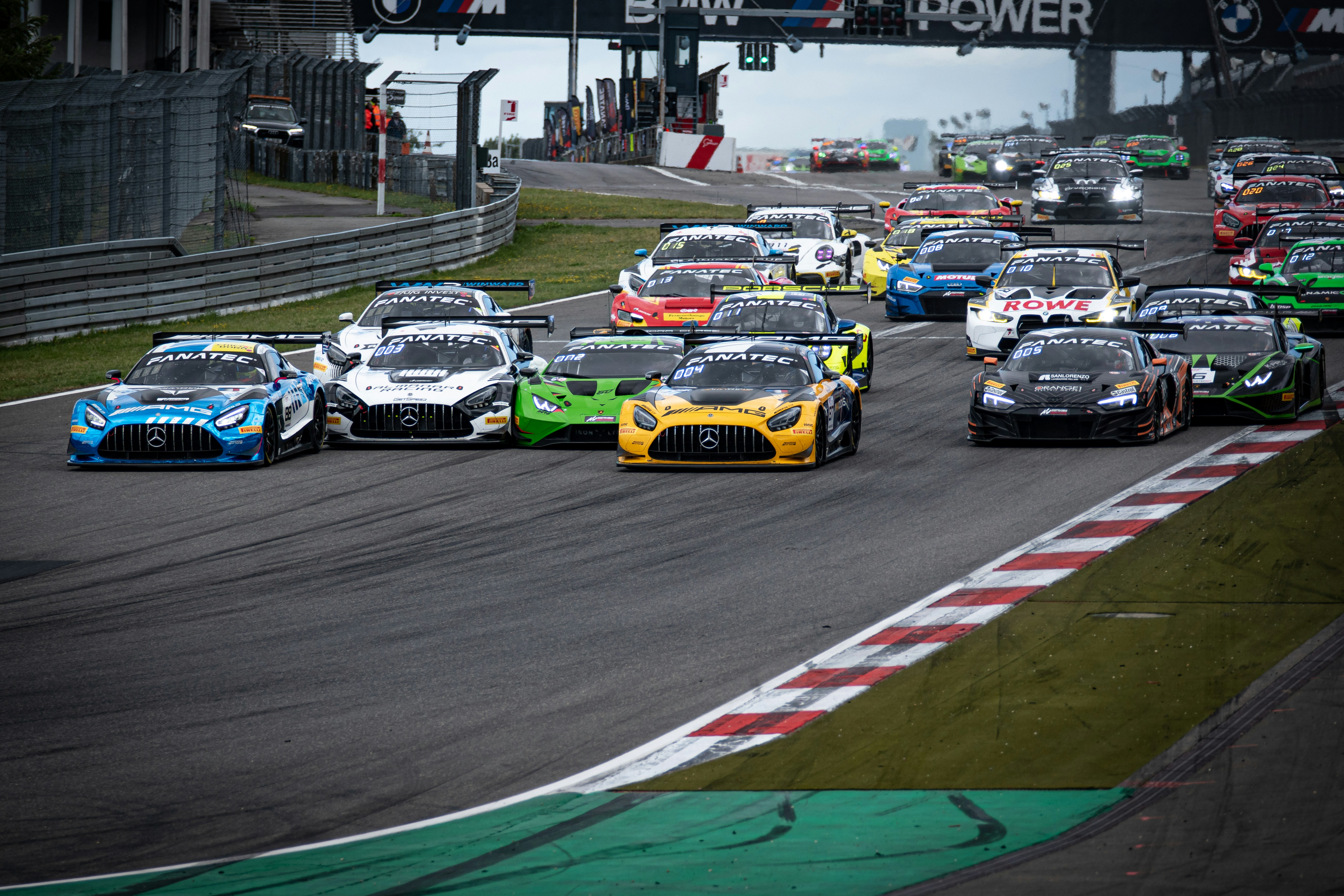
Race strategy once relied on experience, intuition, and instinctive calls made from the pit wall. While those elements still matter, modern motorsport has transformed strategy into a data-intensive discipline—one where thousands of variables are modeled, updated, and debated in real time.
“Strategy today starts hours before the lights go out,” said a senior race strategist at an elite motorsport team. “By the time the race begins, we’re executing probabilities, not guesses.”
Data now determines when cars pit, how hard drivers push, when risks are taken, and when restraint is rewarded. In high-speed environments where margins are measured in tenths of a second, data has become the backbone of competitive decision-making.
What Race Strategy Actually Means
Race strategy is the orchestration of decisions that influence outcome beyond raw speed.
It includes:
Tire selection and degradation modeling
Fuel consumption and energy deployment
Pit stop timing
Traffic management
Risk assessment under changing conditions
“Fast cars don’t win races alone,” said the strategist. “Smart sequencing does.”
Strategy transforms pace into result.
The Data Inputs That Shape Decisions
Modern race strategy relies on multiple data streams:
Live telemetry from the car
Tire temperature and wear models
Weather forecasting
Competitor tracking
Historical race simulations
“We’re processing millions of data points,” said a performance engineer. “But clarity matters more than volume.”
The goal is not information abundance—but decision relevance.
Tire Degradation as Strategic Currency
Tires define race rhythm.
Degradation curves predict how grip declines over laps.
“Tires tell you how aggressive you’re allowed to be,” said a tire performance specialist.
Data models simulate how long a tire remains competitive under varying loads, temperatures, and driving styles.
Strategy balances pace against longevity.
Fuel Modeling and Energy Management
Fuel and energy strategy shape flexibility.
Consumption models inform lift-and-coast decisions, engine modes, and attack windows.
“Saving half a kilo of fuel early can unlock aggression late,” said the strategist.
Energy deployment becomes tactical—not reactive.
Efficiency enables opportunity.
Pit Stop Timing and Undercut Logic
Pit timing is a core strategic lever.
Undercuts and overcuts depend on tire warm-up speed, traffic gaps, and degradation rates.
“You’re racing the stopwatch, not just opponents,” said the engineer.
Simulation tools model multiple scenarios simultaneously.
Timing is probabilistic.
Traffic, Air, and Track Position
Clean air increases performance.
Data tracks how traffic impacts lap time and tire wear.
“Being fast in traffic is different from being fast alone,” said the strategist.
Strategy accounts for overtaking difficulty and dirty air effects.
Position matters.
Real-Time Adaptation During the Race
Race strategy evolves continuously.
Live data updates simulations lap by lap.
“There is no fixed plan,” said the strategist. “Only evolving ones.”
Virtual safety cars, yellow flags, and weather changes force recalculation.
Adaptability defines advantage.
Weather Data and Predictive Uncertainty
Weather is strategic volatility.
Radar models predict rain onset and intensity.
“Weather strategy is risk management,” said a meteorological analyst.
Teams decide whether to gamble early or wait for confirmation.
Data frames—but does not eliminate—uncertainty.
Competitor Modeling and Anticipation
Strategy includes predicting rival behavior.
Data tracks opponent tire age, pace trends, and pit windows.
“We don’t just react—we anticipate,” said the strategist.
Counter-strategy emerges from comparative analysis.
Chess at speed.
Driver Feedback as Data Input
Driver input complements telemetry.
Subjective feedback contextualizes numbers.
“The driver feels things sensors can’t,” said the engineer.
Human perception validates or challenges models.
Dialogue refines strategy.
Risk Modeling and Probability Thresholds
Strategic risk is quantified.
Models estimate expected position outcomes for aggressive versus conservative choices.
“You’re choosing distributions, not certainties,” said the strategist.
Calculated risk replaces instinctive gambling.
Probability governs courage.
When Data Conflicts With Instinct
Tension arises when data contradicts intuition.
Veteran strategists manage this carefully.
“Data informs decisions—but humans decide,” said the strategist.
Trust is built through transparency and experience.
Balance sustains confidence.
Simulation Before and After the Race
Race simulations begin days before the event.
They continue long after.
“We learn more from rerunning races than from watching them,” said the engineer.
Post-race analysis refines future strategy models.
Learning compounds.
Technology and Remote Strategy Rooms
Strategy is no longer confined to the pit wall.
Remote operations centers support live decisions.
“Dozens of analysts are involved,” said the strategist.
Connectivity expands strategic bandwidth.
Collaboration accelerates insight.
The Cost of Over-Reliance on Data
Data has limits.
Unexpected incidents, driver error, and mechanical issues defy models.
“Race chaos can’t be simulated perfectly,” said the engineer.
Flexibility corrects rigidity.
Judgment protects against surprise.
Strategy as Competitive Differentiator
As performance converges, strategy separates winners.
“Everyone has data,” said the strategist. “Not everyone uses it well.”
Interpretation—not access—creates advantage.
Execution matters.
Why Data Now Drives Race Strategy
Modern motorsport operates at extreme precision.
Small advantages determine outcomes.
Data allows teams to:
Anticipate rather than react
Quantify risk
Adapt faster than rivals
Strategy becomes intelligence under pressure.
Conclusion: Racing the Unknown With Numbers
Data does not remove uncertainty from racing.
It makes uncertainty manageable.
It transforms instinct into inquiry, experience into probability, and chaos into structured decision-making.
But at its core, race strategy remains human.
Data may guide the plan—
but courage executes it.
And in a sport defined by speed, danger, and unpredictability,
the teams that succeed are not those who eliminate risk—
but those who understand it deeply,
measure it honestly,
and decide—again and again—
when to push,
and when to wait.
That is how data drives race strategy:
not by replacing racing instincts,
but by sharpening them at 300 kilometers per hour.
Rafael Costa
|
Motorsports
Members only
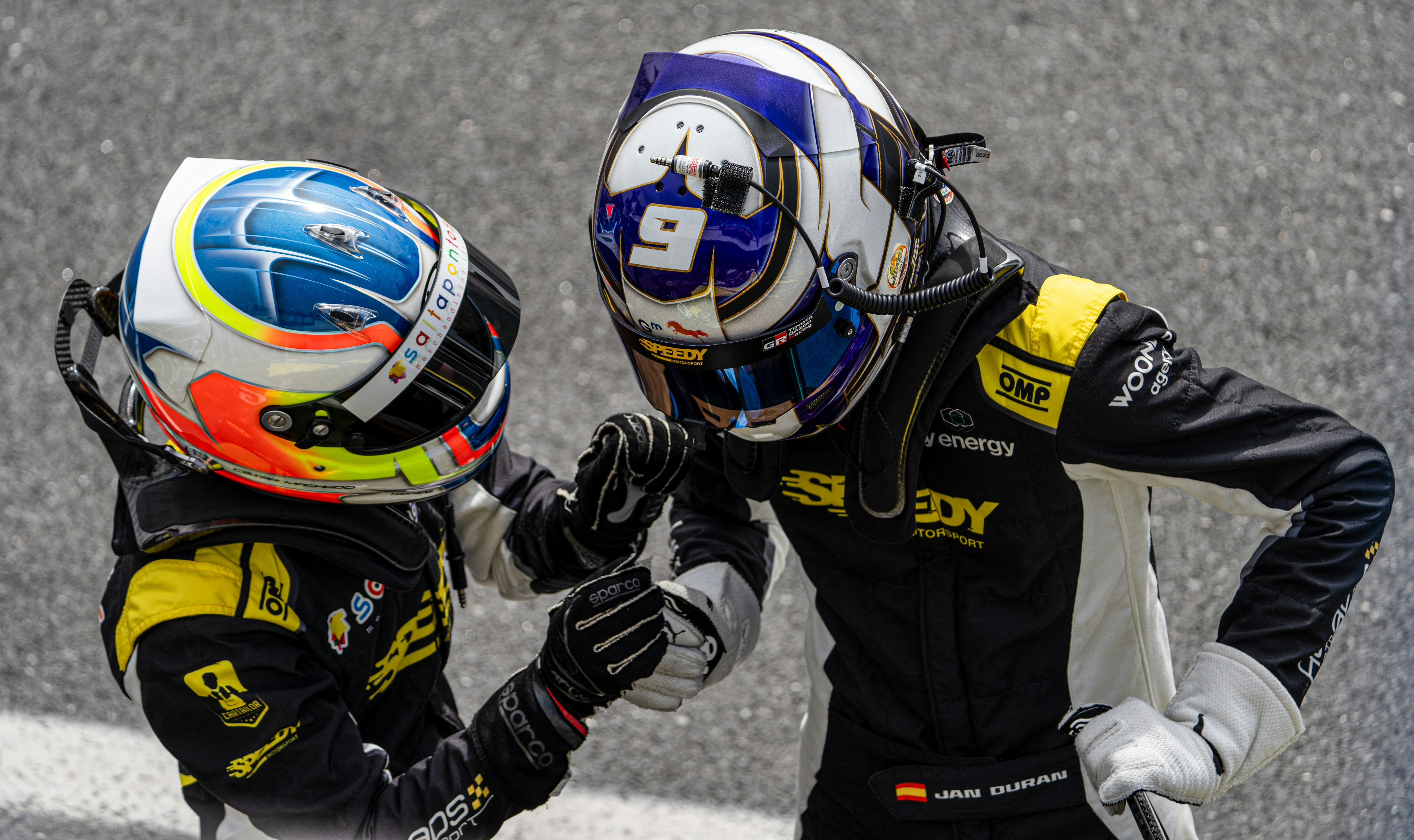
Racing dominance is often attributed to drivers—their courage, reflexes, and ability to perform under pressure. While talent remains indispensable, modern motorsport dominance is increasingly engineered long before a driver turns a wheel.
“In elite racing, dominance is designed,” said a former technical director who has worked with multiple championship-winning teams. “What happens on track reflects thousands of decisions made months earlier.”
Technology has become the quiet architect of success, shaping how speed is generated, sustained, and protected across an entire race season.
From Mechanical Reliability to Technological Systems
Early motorsport dominance depended on reliability.
Finishing races mattered more than outright speed.
“Survival used to be the advantage,” said a motorsport historian.
As reliability improved, competition shifted toward optimization. Technology moved from mechanical durability to integrated systems—where aerodynamics, power units, software, and data science converge.
Dominance became systemic.
Aerodynamics: The Invisible Force
Aerodynamics defines modern racing performance.
Downforce increases cornering speed. Drag reduces straight-line efficiency.
“Aero is free lap time—until it isn’t,” said an aerodynamicist.
Teams invest heavily in wind tunnels, computational fluid dynamics (CFD), and iterative design to extract marginal gains.
Small gains compound over race distance.
Power Units and Energy Management
Modern racing engines are no longer just engines.
Hybrid systems integrate internal combustion, electrical deployment, and energy recovery.
“Power delivery is strategic,” said a powertrain engineer.
Energy deployment profiles shape overtaking, defense, and tire preservation.
Efficiency becomes performance.
Software as Competitive Infrastructure
Software governs modern racing.
Control systems manage braking, traction, energy recovery, and engine modes.
“Software is the fastest way to gain advantage,” said the engineer.
Updates can transform behavior without changing hardware.
Code becomes horsepower.
Data Acquisition and Telemetry
Real-time data acquisition is foundational.
Sensors monitor temperatures, pressures, vibrations, and performance variables continuously.
“We race with feedback loops,” said a race engineer.
Telemetry informs setup changes, driver coaching, and strategic calls.
Information compresses reaction time.
Simulation and Virtual Development
Much racing now happens off-track.
Simulators test setups, strategies, and driver inputs.
“We validate ideas before risking them,” said the technical director.
Virtual environments reduce cost and accelerate learning.
Failure becomes digital—not physical.
Tire Science and Material Engineering
Tires are performance limiters.
Understanding compound behavior under heat, load, and degradation is critical.
“Tires dictate strategy,” said a tire performance specialist.
Technology models wear rates, temperature windows, and grip cycles.
Grip is engineered.
Manufacturing Precision and Rapid Iteration
Advanced manufacturing accelerates innovation.
Additive manufacturing, CNC machining, and rapid prototyping shorten development cycles.
“Speed of iteration matters,” said the engineer.
The fastest learners gain advantage.
Execution beats inspiration.
Driver-Aid Technologies and Human Integration
Technology enhances—not replaces—the driver.
Steering systems, braking feedback, and ergonomic design improve consistency.
“We design for predictability,” said the race engineer.
Drivers perform best when technology reduces variability.
Stability enables aggression.
Strategic Modeling and Decision Automation
Race strategy relies on models.
Simulations evaluate pit timing, fuel usage, and safety car scenarios.
“Strategy is computational,” said the technical director.
Human judgment selects among modeled options.
Probability guides instinct.
Budget, Access, and Technological Inequality
Technology requires investment.
Wealthier teams sustain larger development pipelines.
“Dominance often reflects infrastructure,” said a motorsport economist.
Cost caps attempt to limit disparity—but asymmetry persists.
Innovation follows resources.
Regulation as Technological Governor
Rules shape technological pathways.
Governing bodies constrain innovation to protect competition and safety.
“Regulation decides where engineers look,” said the aerodynamicist.
Dominant teams excel at interpreting rules creatively.
Innovation adapts.
The Risk of Technological Overreach
Technology introduces fragility.
Complex systems fail unpredictably.
“More systems mean more failure points,” said the engineer.
Dominance requires reliability as much as innovation.
Balance sustains advantage.
Human Judgment in a Technological World
Despite automation, humans remain central.
Drivers adapt to conditions. Engineers interpret anomalies. Strategists manage uncertainty.
“Technology informs—but people decide,” said the technical director.
Judgment integrates complexity.
When Technology Creates Dynasties
Sustained dominance emerges when technology, talent, and process align.
Feedback loops reinforce success.
“Winning teaches you how to win again,” said the historian.
Dynasties are engineered ecosystems.
Ethics, Safety, and the Cost of Speed
Technology also raises ethical questions.
Safety innovations reduce risk—but speed escalation tests limits.
“We race at the edge of what’s safe,” said a safety engineer.
Dominance must coexist with responsibility.
Why Technology Defines Modern Racing Dominance
Modern racing is too complex for intuition alone.
Margins are too thin. Stakes too high.
Technology enables:
Faster learning
Reduced uncertainty
Strategic precision
Sustainable performance
Dominance becomes reproducible.
Conclusion: Speed by Design
Technology does not diminish racing.
It explains it.
Behind every dominant car is a philosophy of integration—where data, design, and decision-making converge.
Drivers still matter. Courage still matters. Instinct still matters.
But in modern motorsport,
dominance is rarely accidental.
It is engineered—
line by line,
simulation by simulation,
decision by decision—
until speed becomes not just an advantage,
but a system.
And in a sport defined by fractions of a second,
technology is no longer a support tool.
It is the architecture of winning.
Rafael Costa
|

Motorsports
Members only
Motorsport has always been about speed. But beneath the spectacle of competition lies a quieter, equally consequential function: innovation.
For more than a century, racing series have operated as laboratories—testing materials, systems, and ideas under extreme conditions. What survives the track often finds its way into everyday vehicles.
“Motorsport is where engineering ideas are stress-tested in public,” said an automotive engineer who has worked across racing and production development. “If it works there, it can work anywhere.”
Motorsport’s innovation pipeline—how ideas move from racetrack to road—reveals how competition, regulation, and necessity accelerate technological progress.
Racing as a Controlled Extreme
Motorsport environments are uniquely demanding.
High speeds, thermal stress, vibration, and mechanical load push components beyond normal limits. Failure is visible, immediate, and costly.
“Racing exposes weaknesses faster than any lab,” said the engineer.
This intensity makes motorsport an ideal proving ground. Designs that endure racing conditions demonstrate durability, efficiency, and resilience.
Innovation is forged under pressure.
Regulation as a Catalyst
Contrary to popular belief, rules drive innovation.
Motorsport regulations constrain engine size, fuel use, materials, and aerodynamics. Engineers respond by optimizing within limits.
“Constraints force creativity,” said a technical director from a top-tier racing team.
Fuel-flow restrictions led to hybrid powertrains. Aero limits encouraged efficiency over raw downforce. Cost caps shifted focus toward smarter design.
Rules shape the direction of progress.
Powertrain Development and Efficiency
Some of the most influential innovations emerge from powertrain competition.
Turbocharging, hybrid systems, regenerative braking, and advanced combustion strategies were refined on track before appearing in road cars.
“Efficiency wins races now,” said the engineer. “Not just horsepower.”
Motorsport’s emphasis on extracting maximum energy from limited fuel mirrors modern automotive challenges: emissions, range, and sustainability.
Performance becomes efficiency.
Materials Science and Lightweighting
Racing accelerates material innovation.
Carbon fiber composites, advanced alloys, and additive manufacturing gained traction through motorsport adoption.
“Weight reduction is free performance,” said a materials specialist working with racing suppliers.
Once production costs decrease, these materials migrate to consumer vehicles—improving safety, efficiency, and handling.
The race to reduce mass reshapes manufacturing.
Aerodynamics and Computational Design
Aerodynamics once relied heavily on intuition.
Today, motorsport drives computational fluid dynamics (CFD), simulation, and wind-tunnel optimization.
“Racing teams run simulations constantly,” said the technical director. “Every millimeter matters.”
These tools enhance vehicle stability, efficiency, and cooling. Road cars benefit through improved fuel economy and noise reduction.
Invisible gains become everyday benefits.
Electronics, Sensors, and Data Systems
Modern motorsport vehicles generate massive data streams.
Sensors monitor temperatures, pressures, loads, and performance in real time.
“Data is the new horsepower,” said a race strategist.
Telemetry systems refined in motorsport influence driver-assistance technologies, predictive maintenance, and vehicle diagnostics in consumer cars.
Information becomes performance.
Safety Innovations Under Competitive Pressure
Motorsport’s risk profile accelerates safety innovation.
Crash structures, energy-absorbing materials, head protection systems, and advanced restraint designs are developed and validated on track.
“Safety tech evolves fastest when failure isn’t theoretical,” said a safety engineer.
These advances influence automotive safety standards worldwide.
Racing saves lives beyond the circuit.
Hybrid and Electric Pathways
Motorsport increasingly reflects the industry’s electrification shift.
Hybrid racing series and electric championships test battery management, thermal control, and energy recovery.
“Motorsport helps normalize new propulsion systems,” said the engineer.
While racing timelines differ from consumer markets, lessons translate across platforms.
Competition accelerates acceptance.
Cost Caps and Innovation Efficiency
Recent cost controls changed innovation strategy.
Unlimited spending once favored brute-force solutions. Budget limits reward efficiency and precision.
“Smart engineering beats expensive engineering now,” said the technical director.
This mirrors industry-wide pressure to innovate responsibly.
Efficiency becomes philosophy.
Talent Development and Knowledge Transfer
Motorsport trains engineers, designers, and technicians.
Skills developed in racing—rapid prototyping, systems integration, and decision-making under pressure—transfer to broader industry roles.
“Motorsport produces adaptable engineers,” said the materials specialist.
Human capital is part of the pipeline.
The Lag Between Track and Road
Not all innovations transfer immediately.
Cost, regulation, and consumer readiness slow adoption.
“Racing is ahead of the market,” said the engineer.
Some ideas remain niche. Others take decades to mature.
The pipeline is uneven—but persistent.
Motorsport’s Cultural Role in Innovation
Beyond technology, motorsport shapes perception.
It makes innovation visible, exciting, and aspirational.
“When fans care, progress accelerates,” said the race strategist.
Motorsport legitimizes experimentation.
The Future of the Pipeline
As automotive priorities shift—toward sustainability, autonomy, and digital systems—motorsport evolves alongside them.
Innovation will focus on efficiency, materials, software, and energy systems rather than raw speed alone.
“Racing reflects where the industry is going,” said the technical director.
Motorsport’s innovation pipeline remains intact—not because of tradition, but because competition remains one of the fastest ways to solve complex problems.
In the end, motorsport’s greatest contribution may not be entertainment—
but translation.
Turning extreme ideas into everyday reality.
Turning competition into progress.
And ensuring that what survives the racetrack
continues to shape how the world moves.
Rafael Costa
|
Motorsports
Members only
At the highest levels of competition, performance is no longer defined by raw ability alone. It is engineered—designed, simulated, refined, and stress-tested until margins disappear and only precision remains.
“In elite competition, you’re not chasing perfection,” said a senior race engineer who has worked across multiple top-tier series. “You’re chasing tolerance.”
Engineering competition at the limit means operating where failure is one miscalculation away, where improvement is measured in fractions, and where systems are pushed to their absolute boundaries—repeatedly, deliberately, and under public scrutiny.
What “the Limit” Really Means
The limit is not a fixed line.
It shifts as technology advances, regulations change, and competitors adapt. What was once exceptional becomes baseline.
“The limit is a moving target,” said the engineer. “And it moves faster the closer you get to it.”
Engineering at this edge requires constant recalibration. Designs that succeed one season become obsolete the next.
Stability is temporary. Adaptation is permanent.
Competition as a Design Constraint
Competition shapes engineering priorities.
Rules define dimensions, materials, energy use, and cost. Opponents define urgency.
“Your competitor is part of your design brief,” said a technical director.
Engineering decisions are made not in isolation, but in response—to rivals’ innovations, regulatory interpretation, and strategic intent.
Competition becomes a co-designer.
Marginal Gains and the Death of Big Leaps
At the limit, large breakthroughs are rare.
Most progress comes from accumulation—small gains layered over time.
“Half a percent here, a tenth there,” said the engineer. “That’s how performance moves now.”
Aerodynamics, materials, software, and process optimization converge. Improvements are often invisible individually—but decisive collectively.
Incrementalism becomes strategy.
Simulation Before Reality
Modern engineering competition begins in simulation.
Digital twins, computational fluid dynamics, and scenario modeling allow teams to explore thousands of possibilities before building anything physical.
“We race in software before we race on track,” said a simulation lead.
This reduces risk—but increases complexity. Models must reflect reality accurately. Errors propagate quickly.
Trust in simulation becomes critical infrastructure.
Data as Competitive Currency
Data underpins engineering at the limit.
Sensors capture temperature, pressure, vibration, and load in real time. Every component becomes a data source.
“Data doesn’t win races,” said the engineer. “Interpretation does.”
Teams compete not just on collection, but on analysis speed, insight quality, and decision-making under pressure.
Information becomes advantage.
Engineering Under Regulatory Pressure
Rules constrain innovation—and intensify it.
Limits on cost, materials, and design space force engineers to extract maximum value from minimal freedom.
“Restrictions don’t slow engineers,” said the technical director. “They focus them.”
Creative interpretation of regulations becomes a skill. Compliance and innovation coexist uneasily.
Engineering becomes legal as well as technical.
Reliability Versus Performance
At the limit, performance and reliability collide.
Pushing components harder increases risk. Conservatism sacrifices competitiveness.
“You’re always trading margin for speed,” said the engineer.
Engineering competition involves deciding where failure is acceptable—and where it isn’t. Strategic risk becomes part of design.
Failure is engineered out—except when it isn’t.
Human Factors in Extreme Engineering
Engineering does not eliminate human influence.
Engineers work under time pressure, public scrutiny, and constant comparison. Decision fatigue is real.
“Engineering at the limit is psychologically demanding,” said a performance psychologist working with technical teams.
Clear communication, structured decision-making, and trust are essential.
Systems fail when people do.
Rapid Iteration and the Pace of Change
Competition accelerates iteration.
Components are redesigned, tested, and deployed in compressed cycles. Feedback loops shrink.
“What takes years in industry happens in weeks,” said the engineer.
This pace creates learning—but also burnout. Sustainability of innovation becomes a challenge.
Speed is both asset and threat.
Cross-Disciplinary Integration
At the limit, specialization alone is insufficient.
Aerodynamics, materials science, software, and human performance intersect.
“The best solutions live between disciplines,” said the technical director.
Integration becomes a competitive differentiator. Silos slow progress.
Engineering becomes orchestration.
Ethics and Responsibility at the Edge
Pushing limits raises ethical questions.
Safety margins, environmental impact, and labor demands intersect with competitive pressure.
“Just because something is possible doesn’t mean it’s acceptable,” said a governance advisor.
Engineering competition must navigate responsibility alongside ambition.
Limits exist for reasons.
When Engineering Shapes the Competition
At extreme levels, engineering can redefine the sport itself.
Technological dominance alters competitive balance. Rules adjust. Norms shift.
“Engineering success changes the game,” said the engineer.
Innovation triggers recalibration—not just for teams, but for institutions.
Progress forces governance.
Learning From Failure at the Limit
Failure is unavoidable.
Components break. Models mislead. Strategies backfire.
“At the limit, failure is data,” said the simulation lead.
The difference between success and stagnation lies in response—how quickly insight replaces frustration.
Failure accelerates learning.
Engineering as Competitive Identity
Over time, engineering philosophy becomes identity.
Some teams prioritize reliability. Others chase aggression. Culture shapes design.
“You can see a team’s mindset in its engineering choices,” said the technical director.
Engineering expresses values—not just capability.
The Meaning of Competing at the Limit
Engineering competition at the limit is not about domination.
It is about coexistence with uncertainty.
It requires humility—accepting that perfection is unreachable.
Discipline—refining relentlessly.
And courage—operating where failure is visible.
At the limit, engineering becomes less about control
and more about judgment.
Knowing when to push.
When to hold.
And when to accept risk.
In that narrow space—
between possibility and collapse—
competition is no longer just about winning.
It becomes a test of how well humans can design, decide, and adapt
when the margin for error disappears.
And that is where engineering reveals its true purpose—not just to go faster,
but to understand how far is too far,
and why.
Rafael Costa
|
Motorsports
Members only
In motorsport, the car has always commanded attention. Horsepower figures, aerodynamic packages, and technical regulations dominate headlines. Yet beneath every machine sits a constant variable: the driver.
What it means to be a high-performing driver has changed profoundly over time.
“Drivers used to be defined by bravery,” said a former race engineer who has worked across multiple eras of professional racing. “Today, they’re defined by precision.”
The evolution of driver performance reflects broader shifts in technology, data, training, and psychology—transforming drivers from instinct-driven racers into highly optimized performance operators.
The Early Era: Courage and Mechanical Sympathy
In motorsport’s early decades, survival was performance.
Cars were unreliable. Safety standards were minimal. Circuits were unforgiving.
“Drivers needed mechanical sympathy as much as speed,” said a motorsport historian.
Understanding how to nurse engines, manage tires, and adapt to unpredictable machinery mattered more than outright pace.
Performance was measured in endurance—physical and mental.
Skill as Control, Not Aggression
As engineering improved, skill replaced survival.
Drivers learned to balance grip, throttle, and braking with increasing finesse.
“The fastest drivers weren’t the wildest,” said the historian. “They were the smoothest.”
Control became the defining trait. Precision overtook aggression.
Consistency mattered.
The Physical Demands of Modern Driving
Modern drivers are elite athletes.
High-speed cornering generates extreme g-forces. Cockpit temperatures soar. Reaction times shrink.
“Driving today is closer to combat aviation than traditional sport,” said a performance physiologist working with professional drivers.
Neck strength, cardiovascular endurance, and heat tolerance became prerequisites.
Physical conditioning is now non-negotiable.
Data as a Performance Mirror
Telemetry transformed driver development.
Throttle input, braking pressure, steering angle, and racing line are measured continuously.
“Drivers can no longer hide behind intuition,” said a race engineer.
Data exposes inefficiencies. Comparison between teammates reveals gaps.
Performance becomes measurable—and improvable.
The Feedback Loop Between Driver and Engineer
Modern performance is collaborative.
Drivers translate sensory input into feedback. Engineers translate data into adjustment.
“It’s a dialogue,” said the engineer. “Not a hierarchy.”
Drivers who articulate effectively gain advantage.
Communication becomes performance.
Mental Performance and Cognitive Load
The mental demands of driving intensified.
Drivers process massive information flows at speed—strategy, tire management, competitor behavior, and system settings.
“Decision-making speed defines modern performance,” said a sports psychologist specializing in motorsport.
Mental endurance matters as much as reflex.
Clarity under pressure separates elite drivers.
Simulation and Virtual Training
Simulators reshaped preparation.
Drivers practice circuits, scenarios, and setups digitally.
“Sim time reduces learning curves,” said a simulation engineer.
While virtual training cannot replicate physical sensation fully, it enhances anticipation and familiarity.
Preparation begins long before the race weekend.
Consistency Over Heroics
Modern racing rewards consistency.
Margins are tight. Reliability is high. Mistakes are punished.
“A single error can decide a season,” said the race engineer.
Drivers manage risk carefully—pushing within limits rather than beyond them.
Controlled aggression defines excellence.
Adaptation to Complex Systems
Modern cars are complex systems.
Hybrid power units, energy recovery systems, adjustable brake balance, and multiple driving modes require constant management.
“Drivers are systems operators,” said the engineer.
Understanding when and how to deploy performance becomes as important as raw speed.
Cognitive multitasking defines modern driving.
The Psychological Toll of Continuous Evaluation
Data transparency increases pressure.
Every lap is analyzed. Every deviation is noted.
“Drivers live under constant measurement,” said the psychologist.
Mental resilience protects confidence and focus.
Performance includes coping with scrutiny.
Experience Versus Youth
The performance curve evolved.
Young drivers adapt quickly to technology. Veteran drivers excel in race management.
“Experience still matters,” said the historian.
Elite performance often blends adaptability with wisdom.
Balance matters.
Safety and the Freedom to Push
Improved safety standards changed driver behavior.
Knowing that mistakes are survivable allows drivers to explore limits more confidently.
“Safety enables performance,” said the physiologist.
Risk becomes calculated rather than existential.
Freedom increases speed.
Cultural Shifts in Driver Identity
Driver identity has changed.
Drivers are now brands, media figures, and team representatives.
“The role expanded beyond the cockpit,” said a motorsport media analyst.
Public communication affects perception and opportunity.
Performance extends beyond the track.
The Role of Regulation
Regulations shape performance emphasis.
Spec series reduce technical variance, emphasizing driver skill. Open regulations reward adaptability.
“Rules define what performance looks like,” said the engineer.
Drivers evolve with the rulebook.
The Future Driver Profile
The future driver will be hybrid.
Physically resilient. Technically fluent. Psychologically regulated.
“Tomorrow’s drivers will be thinkers as much as racers,” said the psychologist.
Talent alone will not suffice.
What the Evolution Reveals
The evolution of driver performance mirrors motorsport itself.
From bravery to precision.
From instinct to intelligence.
From individual heroics to integrated systems.
Drivers no longer compete only against rivals—
they compete against data, simulation, and expectation.
And yet, despite all the technology,
the essence remains human.
At the limit, performance still depends on judgment—
knowing when to push,
when to conserve,
and when to trust instinct over numbers.
In that tension between machine and mind,
the modern driver is forged.
Not as a daredevil,
but as a disciplined interpreter of speed—
evolving with every lap,
as motorsport itself continues to evolve.
Rafael Costa
|
Motorsports
Members only
At extreme speeds, risk is not an abstract concept. It is immediate, measurable, and unforgiving. A misjudgment measured in milliseconds can end a race—or a life. In motorsport and other high-velocity environments, managing risk is not about eliminating danger. It is about understanding it deeply enough to operate within it.
“At 300 kilometers per hour, there’s no margin for denial,” said a senior safety engineer who has worked across multiple international racing series. “Risk isn’t something you avoid. It’s something you manage continuously.”
Managing risk at extreme speeds is a complex negotiation between human judgment, engineering safeguards, and institutional responsibility—where performance and survival are inseparable.
Why Speed Changes the Nature of Risk
Speed transforms risk qualitatively, not just quantitatively.
As velocity increases, reaction time shrinks, stopping distances expand exponentially, and mechanical failure escalates in consequence.
“At high speed, physics becomes absolute,” said the engineer. “There’s no room for interpretation.”
This reality forces a different mindset. Risk is no longer occasional—it is constant.
Every lap is exposure.
Risk as a System, Not an Event
In extreme-speed environments, risk is systemic.
It emerges from the interaction of vehicle design, track conditions, human behavior, and decision-making structures.
“Accidents are rarely single-point failures,” said a motorsport safety analyst. “They’re system failures.”
Managing risk means identifying weak links before they align.
Prevention replaces reaction.
Engineering the Margin
Modern motorsport relies heavily on engineered safety margins.
Crash structures, energy-absorbing materials, cockpit protection systems, and advanced restraints are designed to manage failure when it occurs.
“Safety engineering assumes things will go wrong,” said the safety engineer.
The goal is not to prevent crashes entirely—but to control outcomes when limits are exceeded.
Failure is planned for.
The Role of Regulation
Rules are a primary risk-management tool.
Speed limits in certain zones, technical restrictions, and standardized safety equipment reduce exposure.
“Regulation defines acceptable risk,” said a governance official involved in rule development.
These constraints often face resistance from competitors seeking advantage—but they shape survivability.
Rules translate ethics into structure.
Human Judgment Under Extreme Conditions
No system removes the human from risk.
Drivers make decisions at speed, under pressure, and while managing fatigue, heat, and cognitive overload.
“Risk management ultimately lives in the driver’s head,” said a performance psychologist working with elite racers.
Elite drivers develop situational awareness—knowing when to push and when to preserve.
Judgment becomes the final safeguard.
Risk Calibration, Not Risk Elimination
Elite performers do not seek maximum speed at all times.
They calibrate risk relative to context: tire condition, fuel load, weather, and race phase.
“Winning is about choosing when risk is worth it,” said a former champion.
Over-aggression increases crash probability. Excessive caution sacrifices competitiveness.
Risk is budgeted.
Data and Predictive Risk Modeling
Data plays an increasing role in risk management.
Telemetry identifies overheating components, brake degradation, and abnormal vibration.
“We can see risk forming before it’s visible,” said a race engineer.
Predictive modeling allows teams to intervene—altering strategy or instructing drivers to back off.
Data buys time.
Fatigue as a Hidden Risk Multiplier
Fatigue amplifies risk silently.
Reaction time slows. Decision quality declines. Emotional regulation weakens.
“Fatigue doesn’t announce itself,” said the psychologist. “It sneaks in.”
Training and scheduling account for cognitive endurance as much as physical strength.
Risk increases when fatigue is ignored.
Track Design and Environmental Control
Risk management extends beyond vehicles and drivers.
Track layout, runoff areas, barrier placement, and surface quality shape outcomes.
“Track design is safety design,” said the safety analyst.
Environmental control reduces consequence—even when mistakes occur.
Infrastructure absorbs error.
Communication as Risk Control
Clear communication mitigates risk.
Race control messages, flag systems, and team radio guide behavior.
“Confusion is dangerous at speed,” said the engineer.
Miscommunication can escalate minor issues into major incidents.
Clarity saves lives.
Learning From Failure
Every incident becomes data.
Accidents are analyzed exhaustively—mechanical, procedural, and human factors included.
“We don’t assign blame,” said the analyst. “We assign understanding.”
Learning prevents repetition.
Failure informs evolution.
The Psychological Weight of Risk
Living with constant risk affects mindset.
Drivers compartmentalize fear to function effectively.
“You can’t think about consequences in the moment,” said the former champion. “But you respect them.”
Mental resilience is essential.
Denial is dangerous. Obsession is paralyzing.
Balance sustains performance.
Public Perception and Risk Tolerance
Spectators are drawn to speed—but often underestimate risk.
Visibility of safety improvements can create false security.
“When safety works, people forget why it exists,” said the governance official.
Risk tolerance must be managed responsibly.
Entertainment does not justify recklessness.
Ethics at the Edge
Extreme-speed sport raises ethical questions.
How much risk is acceptable?
Who decides?
Who bears the cost when things go wrong?
“Risk is ethical when it’s informed and consensual,” said the safety engineer.
Institutions carry responsibility beyond competition.
Consent must be meaningful.
Why Managing Risk Is the Real Skill
At extreme speeds, success is not defined by fearlessness.
It is defined by awareness.
Drivers who survive and succeed are not reckless.
They are precise.
Measured.
Strategic.
Managing risk is not a limitation on performance—it is what enables performance to exist at all.
Because at the limit,
speed without judgment is chaos.
And judgment—
shaped by engineering, regulation, and human discipline—
is what allows humans to operate safely
where physics shows no mercy.
In the end, managing risk at extreme speeds is not about defying danger.
It is about respecting it enough
to keep going faster—
and coming back alive.
Rafael Costa
|
Featured
Opinion & Commentary
Members only
Sport is often described as a refuge from politics—a neutral space where competition replaces conflict and shared rules transcend ideology. This idea is deeply comforting, widely repeated, and fundamentally misleading.
“Sport has never been separate from politics,” said a political historian who studies public culture. “What changes is whether we acknowledge that relationship—or pretend it doesn’t exist.”
From national anthems and flags to funding, regulation, protest, and representation, sport is woven into political life. The claim that sports should stay apolitical misunderstands both what sport is and how power operates around it.
Where the Idea of “Apolitical Sport” Comes From
The idea of apolitical sport gained prominence in the 20th century.
International sporting bodies promoted neutrality to protect competition from overt state conflict.
“Neutrality was a strategy, not a fact,” said the historian.
Claiming apoliticism allowed institutions to avoid taking positions—while still benefiting from political support and legitimacy.
Neutrality became branding.
Sport as a Public Institution
Sport does not exist in isolation.
It relies on public infrastructure, legal frameworks, public funding, and state recognition.
“When governments build stadiums, regulate leagues, or host events, sport enters politics,” said a public policy analyst.
Public investment implies public consequence.
Visibility invites accountability.
National Representation Is Inherently Political
International sport organizes competition by nation.
Athletes wear national symbols. Anthems are played. Flags are raised.
“These are political symbols,” said the historian. “They don’t stop being political because they’re familiar.”
National identity, sovereignty, and recognition are embedded in competition structure.
Representation is political by design.
Hosting, Prestige, and Soft Power
Major sporting events function as tools of soft power.
Host nations use sport to project stability, modernity, and global relevance.
“Hosting is political communication,” said a diplomat who advised governments on international events.
The global audience interprets spectacle as statement.
Sport becomes diplomacy by other means.
Labor, Rights, and Political Economy
Sport depends on labor systems.
Athlete contracts, migration rules, unionization, and safety regulations are governed politically.
“When athletes demand fair treatment, they are engaging politics,” said a labor rights advocate.
Economic structures are not neutral.
Work is political.
Protest and the Politics of Silence
Athlete protest exposes the limits of apolitical claims.
Calls to “stick to sports” often target marginalized voices.
“Silence is not neutral,” said a sociologist who studies protest movements. “It usually protects existing power.”
Protest challenges the idea that sport can be insulated from society.
Visibility creates responsibility.
Race, Gender, and Representation
Who gets access to sport—and how they are treated—reflects social power.
Racial discrimination, gender inequality, and exclusion shape participation and recognition.
“These aren’t external issues entering sport,” said the sociologist. “They’re internal realities.”
Claiming apoliticism often means ignoring inequality.
Neutrality becomes selective.
Governance Decisions Are Political Acts
Rule changes, eligibility decisions, and disciplinary actions reflect values.
Who is allowed to compete? Under what conditions?
“Every rule encodes priorities,” said the historian.
Governance choices distribute power.
Administration is political.
Media, Narrative, and Framing
Media coverage politicizes sport by framing meaning.
Which stories are told, whose voices are amplified, and what context is omitted shape interpretation.
“Sport is narrated into politics,” said a media researcher.
Storytelling influences public perception.
Narrative is power.
Global Inequality and Access
Global sport reflects global inequality.
Wealthier nations dominate infrastructure, training, and exposure.
“Sport mirrors the world economy,” said a development economist.
Competition is shaped by unequal starting points.
Fairness requires policy—not denial.
The Myth of Equal Application
Rules are applied unevenly.
Star athletes, powerful nations, and wealthy leagues receive leniency.
“Apolitical claims mask selective enforcement,” said the historian.
Power influences consequence.
Equality is aspirational—not automatic.
When Sport Tries to Avoid Politics
Attempts to suppress politics often escalate conflict.
Bans on symbols, speech, or protest draw attention rather than resolve tension.
“Depoliticization is itself political,” said the sociologist.
Avoidance creates backlash.
Silencing fails.
Why the Demand for Apoliticism Persists
The call to keep sports apolitical serves comfort.
It preserves nostalgia, protects institutions, and avoids uncomfortable conversations.
“People want sport to feel simple,” said the historian.
But simplicity requires denial.
What Acknowledging Politics Enables
Acknowledging politics does not ruin sport.
It clarifies responsibility.
Transparency allows accountability.
Recognition enables reform.
Honesty builds trust.
“Admitting politics is the first step toward integrity,” said the public policy analyst.
Maturity replaces myth.
Sport as a Democratic Space
Sport is one of the few shared public arenas left.
It reaches audiences politics often cannot.
“That visibility is precisely why sport matters politically,” said the sociologist.
Its influence creates obligation.
Why Sports Can’t Stay Apolitical
Sports can’t stay apolitical because they are:
Public
Symbolic
Funded
Regulated
Representational
They involve bodies, borders, money, and meaning.
Pretending otherwise does not remove politics—it hides it.
Conclusion: Choosing Engagement Over Illusion
The question is not whether sport is political.
It always has been.
The real question is whether institutions and audiences engage that reality responsibly—or retreat into comforting myths.
Sport does not lose value by acknowledging politics.
It gains relevance.
Because when sport reflects society honestly—its tensions, inequalities, and aspirations—it becomes more than entertainment.
It becomes a space where collective values are negotiated in public view.
And in a world where politics often feels distant and abstract,
sport remains one of the rare places
where power, identity, and justice are visible—
played out not in policy papers,
but in moments millions care about.
That visibility is not a flaw.
It is why sports can’t stay apolitical—
and why they matter precisely because they never have.
Analytics & Stats
Members only
Advanced metrics have become a dominant language in modern sport. They appear in broadcasts, front-office presentations, contract negotiations, and fan debates. Acronyms replace adjectives. Percentiles replace impressions. And yet, despite their ubiquity, advanced metrics are often misunderstood—treated as definitive truths rather than interpretive tools.
“Advanced metrics don’t measure truth,” said a senior quantitative analyst who has built models for multiple professional teams. “They measure proxies.”
Understanding what advanced metrics actually measure—and what they don’t—is essential for using them responsibly, intelligently, and without illusion.
Why Advanced Metrics Exist in the First Place
Advanced metrics emerged to solve a problem.
Traditional statistics captured outcomes but missed process.
“The box score tells you what happened,” said a former coach turned analyst. “Metrics try to explain why.”
As sports became faster and more complex, decision-makers needed tools that accounted for context, efficiency, and interaction.
Advanced metrics attempt to model reality—not record it.
Metrics Measure Models, Not Events
At their core, advanced metrics are models.
They are mathematical representations of assumptions about value, contribution, and probability.
“A metric is an opinion expressed in math,” said the analyst.
Every metric reflects choices:
What data is included
How it is weighted
What outcomes are prioritized
Metrics measure according to theory.
Contextualizing Performance
One of the main contributions of advanced metrics is context adjustment.
They attempt to answer questions like:
How difficult was the situation?
What role was the player asked to perform?
What alternatives were available?
“Context is everything metrics try to restore,” said the analyst.
Without context, raw numbers mislead.
Measuring Probability, Not Certainty
Advanced metrics rarely measure outcomes directly.
They measure probability.
Expected goals, expected points, and win probability estimate likelihood based on historical patterns.
“These metrics tell you what should happen over time,” said a statistician.
Short-term variance remains.
Metrics describe expectation—not fate.
Efficiency Versus Volume
Many advanced metrics separate efficiency from volume.
High-volume players are not always high-impact players.
“Efficiency metrics ask how much value is created per opportunity,” said the analyst.
This distinction reshapes evaluation.
Doing more is not the same as doing better.
Aggregating Invisible Actions
Advanced metrics capture contributions that are hard to count.
Spacing, positioning, off-ball movement, and defensive pressure often escape traditional stats.
“Metrics aggregate the invisible,” said the analyst.
They infer impact from patterns and outcomes.
Inference replaces observation.
On-Off Metrics and Environmental Influence
Many metrics rely on comparative environments.
On-off metrics measure how teams perform with and without a player present.
“These metrics capture influence, not isolation,” said the statistician.
They reflect interaction effects—not individual purity.
Basketball, football, and hockey metrics all rely heavily on this logic.
What Advanced Metrics Don’t Measure Well
Advanced metrics struggle with certain domains:
Leadership and communication
Emotional influence
Tactical obedience
Situational sacrifice
“If it doesn’t produce a detectable signal, it doesn’t exist to the model,” said the analyst.
Absence of measurement is not absence of value.
The Problem of Role Dependency
Metrics evaluate within role constraints.
A defensive specialist and an offensive focal point will score differently.
“Metrics don’t judge intent,” said the analyst. “They judge outcome relative to role.”
Misinterpreting role skews evaluation.
Context prevents misuse.
Sample Size and Stability
Advanced metrics require sufficient data.
Small samples produce volatility.
“Precision without volume is illusion,” said the statistician.
Early-season metrics often mislead.
Stability emerges over time.
Metric Stacking and False Consensus
Using multiple metrics does not guarantee accuracy.
Many metrics share underlying data and assumptions.
“Different metrics can agree for the same wrong reason,” said the analyst.
Correlation does not imply validation.
Independence matters.
Weighting Value Judgments
Every advanced metric encodes values.
Does it prioritize scoring? Prevention? Possession? Versatility?
“Metrics reward what they believe matters,” said the analyst.
Understanding those beliefs is essential.
Otherwise, metrics appear objective when they are normative.
Why Metrics Disagree With Each Other
Metrics disagree because they answer different questions.
One may measure individual efficiency.
Another measures lineup impact.
Another measures decision quality.
“Disagreement is diagnostic,” said the statistician.
Conflict reveals complexity.
The Illusion of Precision
Decimal points create authority.
A player rated 3.4 versus 3.2 appears meaningfully different.
“In reality, those differences are often noise,” said the statistician.
Granularity exceeds certainty.
Humility protects interpretation.
Metrics as Decision Support, Not Decision Makers
Advanced metrics are most effective when used as filters—not verdicts.
They highlight anomalies, trends, and questions.
“Metrics point where to look,” said the analyst. “They don’t tell you where to go.”
Judgment completes analysis.
Teaching Metrics to Coaches and Players
Metrics must be translated.
Raw output alienates.
“We teach behavior, not numbers,” said a coach who integrates analytics into training.
Metrics succeed when they inform action.
Understanding drives adoption.
Ethics, Transparency, and Trust
Metrics influence contracts, playing time, and reputation.
Opaque models undermine trust.
“People deserve to know how they’re being evaluated,” said a governance advisor.
Transparency protects legitimacy.
What Advanced Metrics Are Best At
Advanced metrics excel at:
Comparing similar roles
Identifying inefficiency
Predicting long-term trends
Challenging bias
They are powerful lenses—but partial ones.
Conclusion: Measuring With Awareness
Advanced metrics do not measure reality.
They approximate it.
They translate complex systems into usable signals—at the cost of simplification.
When used critically, they improve understanding.
When used blindly, they distort it.
The most sophisticated organizations are not those with the most metrics—
but those who understand what each metric is trying to measure,
what it assumes,
and where it inevitably falls short.
Because in sport,
numbers are not answers.
They are questions—
expressed with confidence,
waiting for human judgment to decide what they mean.
Motorsports
Members only
Racing dominance is often attributed to drivers—their courage, reflexes, and ability to perform under pressure. While talent remains indispensable, modern motorsport dominance is increasingly engineered long before a driver turns a wheel.
“In elite racing, dominance is designed,” said a former technical director who has worked with multiple championship-winning teams. “What happens on track reflects thousands of decisions made months earlier.”
Technology has become the quiet architect of success, shaping how speed is generated, sustained, and protected across an entire race season.
From Mechanical Reliability to Technological Systems
Early motorsport dominance depended on reliability.
Finishing races mattered more than outright speed.
“Survival used to be the advantage,” said a motorsport historian.
As reliability improved, competition shifted toward optimization. Technology moved from mechanical durability to integrated systems—where aerodynamics, power units, software, and data science converge.
Dominance became systemic.
Aerodynamics: The Invisible Force
Aerodynamics defines modern racing performance.
Downforce increases cornering speed. Drag reduces straight-line efficiency.
“Aero is free lap time—until it isn’t,” said an aerodynamicist.
Teams invest heavily in wind tunnels, computational fluid dynamics (CFD), and iterative design to extract marginal gains.
Small gains compound over race distance.
Power Units and Energy Management
Modern racing engines are no longer just engines.
Hybrid systems integrate internal combustion, electrical deployment, and energy recovery.
“Power delivery is strategic,” said a powertrain engineer.
Energy deployment profiles shape overtaking, defense, and tire preservation.
Efficiency becomes performance.
Software as Competitive Infrastructure
Software governs modern racing.
Control systems manage braking, traction, energy recovery, and engine modes.
“Software is the fastest way to gain advantage,” said the engineer.
Updates can transform behavior without changing hardware.
Code becomes horsepower.
Data Acquisition and Telemetry
Real-time data acquisition is foundational.
Sensors monitor temperatures, pressures, vibrations, and performance variables continuously.
“We race with feedback loops,” said a race engineer.
Telemetry informs setup changes, driver coaching, and strategic calls.
Information compresses reaction time.
Simulation and Virtual Development
Much racing now happens off-track.
Simulators test setups, strategies, and driver inputs.
“We validate ideas before risking them,” said the technical director.
Virtual environments reduce cost and accelerate learning.
Failure becomes digital—not physical.
Tire Science and Material Engineering
Tires are performance limiters.
Understanding compound behavior under heat, load, and degradation is critical.
“Tires dictate strategy,” said a tire performance specialist.
Technology models wear rates, temperature windows, and grip cycles.
Grip is engineered.
Manufacturing Precision and Rapid Iteration
Advanced manufacturing accelerates innovation.
Additive manufacturing, CNC machining, and rapid prototyping shorten development cycles.
“Speed of iteration matters,” said the engineer.
The fastest learners gain advantage.
Execution beats inspiration.
Driver-Aid Technologies and Human Integration
Technology enhances—not replaces—the driver.
Steering systems, braking feedback, and ergonomic design improve consistency.
“We design for predictability,” said the race engineer.
Drivers perform best when technology reduces variability.
Stability enables aggression.
Strategic Modeling and Decision Automation
Race strategy relies on models.
Simulations evaluate pit timing, fuel usage, and safety car scenarios.
“Strategy is computational,” said the technical director.
Human judgment selects among modeled options.
Probability guides instinct.
Budget, Access, and Technological Inequality
Technology requires investment.
Wealthier teams sustain larger development pipelines.
“Dominance often reflects infrastructure,” said a motorsport economist.
Cost caps attempt to limit disparity—but asymmetry persists.
Innovation follows resources.
Regulation as Technological Governor
Rules shape technological pathways.
Governing bodies constrain innovation to protect competition and safety.
“Regulation decides where engineers look,” said the aerodynamicist.
Dominant teams excel at interpreting rules creatively.
Innovation adapts.
The Risk of Technological Overreach
Technology introduces fragility.
Complex systems fail unpredictably.
“More systems mean more failure points,” said the engineer.
Dominance requires reliability as much as innovation.
Balance sustains advantage.
Human Judgment in a Technological World
Despite automation, humans remain central.
Drivers adapt to conditions. Engineers interpret anomalies. Strategists manage uncertainty.
“Technology informs—but people decide,” said the technical director.
Judgment integrates complexity.
When Technology Creates Dynasties
Sustained dominance emerges when technology, talent, and process align.
Feedback loops reinforce success.
“Winning teaches you how to win again,” said the historian.
Dynasties are engineered ecosystems.
Ethics, Safety, and the Cost of Speed
Technology also raises ethical questions.
Safety innovations reduce risk—but speed escalation tests limits.
“We race at the edge of what’s safe,” said a safety engineer.
Dominance must coexist with responsibility.
Why Technology Defines Modern Racing Dominance
Modern racing is too complex for intuition alone.
Margins are too thin. Stakes too high.
Technology enables:
Faster learning
Reduced uncertainty
Strategic precision
Sustainable performance
Dominance becomes reproducible.
Conclusion: Speed by Design
Technology does not diminish racing.
It explains it.
Behind every dominant car is a philosophy of integration—where data, design, and decision-making converge.
Drivers still matter. Courage still matters. Instinct still matters.
But in modern motorsport,
dominance is rarely accidental.
It is engineered—
line by line,
simulation by simulation,
decision by decision—
until speed becomes not just an advantage,
but a system.
And in a sport defined by fractions of a second,
technology is no longer a support tool.
It is the architecture of winning.
Combat Sports
Members only
Modern mixed martial arts no longer resembles the chaotic, style-versus-style contests that defined its early years. What unfolds inside the cage today is highly structured, deeply strategic, and shaped by layers of preparation invisible to casual viewers.
“MMA looks wild,” said a veteran head coach who has cornered champions across multiple weight classes. “But at the elite level, nothing is accidental.”
The strategy behind modern MMA reflects a sport that has matured rapidly—absorbing lessons from analytics, sports science, and game theory while retaining the unpredictability that makes it compelling.
From Style Clashes to Systems
Early MMA revolved around stylistic opposition.
Striker versus grappler. Wrestler versus jiu-jitsu specialist.
“Back then, strategy meant imposing your style,” said the coach.
Modern MMA replaced this binary with integration. Fighters train across disciplines from the outset, producing athletes who operate within systems rather than styles.
Strategy became multidimensional.
The Importance of Phase Control
Modern MMA strategy revolves around phase management.
Standing, clinch, ground—each phase carries different risks and rewards.
“Winning isn’t about dominance everywhere,” said a fight strategist. “It’s about controlling transitions.”
Elite fighters dictate where exchanges occur—and how long they last.
Control beats chaos.
Distance Management and Cage Geography
Distance is strategic currency.
Footwork, feints, and stance switching manipulate range.
“The cage is a weapon,” said the strategist.
Cutting off space limits opponent options. Retreat paths are calculated. Angles replace linear movement.
Geometry shapes offense.
Feints as Information Warfare
Feints are no longer cosmetic.
They gather data.
“A feint tells you how someone reacts under stress,” said the coach.
Reactions reveal habits. Habits reveal openings.
Information precedes action.
Striking Strategy Beyond Power
Modern striking prioritizes efficiency.
Volume, accuracy, and shot selection matter more than raw power.
“You don’t need to knock someone out to break them,” said a striking coach.
Leg kicks, body shots, and jabs accumulate damage.
Attrition becomes strategy.
Grappling as Positional Economics
Grappling strategy has shifted from submission hunting to positional dominance.
Top control, fence pressure, and ride time score points and drain energy.
“Control wins rounds,” said the strategist.
Risk is minimized. Output is selective.
Efficiency governs grappling.
Wrestling as Strategic Glue
Wrestling connects phases.
It dictates where the fight happens.
“Wrestling is leverage,” said the coach.
Takedowns threaten strikes. Strikes set up takedowns.
Wrestling is not optional.
Defensive Prioritization and Damage Mitigation
Defense shapes modern strategy.
Blocking, parrying, and scrambling limit damage accumulation.
“You don’t win by absorbing less damage—but you lose by absorbing too much,” said a sports physician working in MMA.
Longevity influences tactical choices.
Preservation enables offense.
Cardio as Tactical Advantage
Conditioning is no longer just endurance.
It is pacing intelligence.
“We train athletes to manage output,” said the coach.
Burst control, recovery timing, and breathing discipline allow sustained performance.
Energy is allocated—not spent.
Round-by-Round Strategy and Scoring Awareness
Modern MMA strategy is round-specific.
Judging criteria influence risk tolerance.
“Fights are scored in segments,” said the strategist.
Winning rounds sometimes matters more than finishing fights.
Game theory enters the cage.
Film Study and Opponent Profiling
Preparation begins long before fight week.
Opponents are dissected for tendencies.
“Patterns repeat under pressure,” said the coach.
Strategy exploits predictability.
Preparation narrows uncertainty.
Adaptation Mid-Fight
Plans rarely survive first contact.
Elite fighters adapt.
“You win with adjustment,” said the coach.
Corner communication, round analysis, and live decision-making reshape strategy.
Flexibility defines greatness.
Psychological Pressure and Mental Warfare
Modern MMA strategy includes psychological elements.
Pressure fighting, stare-downs, and pace manipulation affect confidence.
“Fatigue breaks the mind before the body,” said the strategist.
Mental erosion creates physical opportunity.
Risk Management and Career Strategy
Fighters manage risk beyond individual bouts.
Styles are adapted to reduce damage.
“Longevity is strategic,” said the physician.
Career pacing shapes tactical decisions.
Survival influences aggression.
Weight Cutting and Strategic Constraint
Weight cuts affect performance strategy.
Dehydration limits cardio and durability.
“You adjust strategy to physiology,” said the coach.
Heavier cuts mean slower starts and conservative pacing.
Biology informs tactics.
The Role of Data and Performance Analytics
Analytics inform preparation.
Strike efficiency, takedown success rates, and positional metrics guide training emphasis.
“Data confirms instinct,” said the strategist.
Numbers support—but do not dictate—strategy.
Balance remains key.
Regulation and Meta Evolution
Rule changes influence strategy.
Judging emphasis, glove design, and round structure matter.
“The rules define incentives,” said the strategist.
Strategy evolves alongside governance.
The meta shifts.
Why Modern MMA Looks Different
Modern MMA looks calmer, more patient, more tactical.
Chaos is reduced. Efficiency increases.
“The sport grew up,” said the coach.
But unpredictability remains—because humans remain human.
Conclusion: Strategy as Survival
The strategy behind modern MMA is not about dominance—it is about control, efficiency, and adaptation.
It balances aggression with preservation, ambition with discipline.
Elite fighters win not by doing everything—
but by doing the right things,
at the right time,
for the right reasons.
In a sport where one mistake can end a career,
strategy becomes survival.
And in modern MMA,
the fighters who last longest are not always the strongest or fastest—
but the most strategic.
Because today, victory is rarely accidental.
It is planned—round by round, exchange by exchange—
until the cage door closes
and preparation meets reality.
Opinion & Commentary
Members only
Sport is often described as a refuge from politics—a neutral space where competition replaces conflict and shared rules transcend ideology. This idea is deeply comforting, widely repeated, and fundamentally misleading.
“Sport has never been separate from politics,” said a political historian who studies public culture. “What changes is whether we acknowledge that relationship—or pretend it doesn’t exist.”
From national anthems and flags to funding, regulation, protest, and representation, sport is woven into political life. The claim that sports should stay apolitical misunderstands both what sport is and how power operates around it.
Where the Idea of “Apolitical Sport” Comes From
The idea of apolitical sport gained prominence in the 20th century.
International sporting bodies promoted neutrality to protect competition from overt state conflict.
“Neutrality was a strategy, not a fact,” said the historian.
Claiming apoliticism allowed institutions to avoid taking positions—while still benefiting from political support and legitimacy.
Neutrality became branding.
Sport as a Public Institution
Sport does not exist in isolation.
It relies on public infrastructure, legal frameworks, public funding, and state recognition.
“When governments build stadiums, regulate leagues, or host events, sport enters politics,” said a public policy analyst.
Public investment implies public consequence.
Visibility invites accountability.
National Representation Is Inherently Political
International sport organizes competition by nation.
Athletes wear national symbols. Anthems are played. Flags are raised.
“These are political symbols,” said the historian. “They don’t stop being political because they’re familiar.”
National identity, sovereignty, and recognition are embedded in competition structure.
Representation is political by design.
Hosting, Prestige, and Soft Power
Major sporting events function as tools of soft power.
Host nations use sport to project stability, modernity, and global relevance.
“Hosting is political communication,” said a diplomat who advised governments on international events.
The global audience interprets spectacle as statement.
Sport becomes diplomacy by other means.
Labor, Rights, and Political Economy
Sport depends on labor systems.
Athlete contracts, migration rules, unionization, and safety regulations are governed politically.
“When athletes demand fair treatment, they are engaging politics,” said a labor rights advocate.
Economic structures are not neutral.
Work is political.
Protest and the Politics of Silence
Athlete protest exposes the limits of apolitical claims.
Calls to “stick to sports” often target marginalized voices.
“Silence is not neutral,” said a sociologist who studies protest movements. “It usually protects existing power.”
Protest challenges the idea that sport can be insulated from society.
Visibility creates responsibility.
Race, Gender, and Representation
Who gets access to sport—and how they are treated—reflects social power.
Racial discrimination, gender inequality, and exclusion shape participation and recognition.
“These aren’t external issues entering sport,” said the sociologist. “They’re internal realities.”
Claiming apoliticism often means ignoring inequality.
Neutrality becomes selective.
Governance Decisions Are Political Acts
Rule changes, eligibility decisions, and disciplinary actions reflect values.
Who is allowed to compete? Under what conditions?
“Every rule encodes priorities,” said the historian.
Governance choices distribute power.
Administration is political.
Media, Narrative, and Framing
Media coverage politicizes sport by framing meaning.
Which stories are told, whose voices are amplified, and what context is omitted shape interpretation.
“Sport is narrated into politics,” said a media researcher.
Storytelling influences public perception.
Narrative is power.
Global Inequality and Access
Global sport reflects global inequality.
Wealthier nations dominate infrastructure, training, and exposure.
“Sport mirrors the world economy,” said a development economist.
Competition is shaped by unequal starting points.
Fairness requires policy—not denial.
The Myth of Equal Application
Rules are applied unevenly.
Star athletes, powerful nations, and wealthy leagues receive leniency.
“Apolitical claims mask selective enforcement,” said the historian.
Power influences consequence.
Equality is aspirational—not automatic.
When Sport Tries to Avoid Politics
Attempts to suppress politics often escalate conflict.
Bans on symbols, speech, or protest draw attention rather than resolve tension.
“Depoliticization is itself political,” said the sociologist.
Avoidance creates backlash.
Silencing fails.
Why the Demand for Apoliticism Persists
The call to keep sports apolitical serves comfort.
It preserves nostalgia, protects institutions, and avoids uncomfortable conversations.
“People want sport to feel simple,” said the historian.
But simplicity requires denial.
What Acknowledging Politics Enables
Acknowledging politics does not ruin sport.
It clarifies responsibility.
Transparency allows accountability.
Recognition enables reform.
Honesty builds trust.
“Admitting politics is the first step toward integrity,” said the public policy analyst.
Maturity replaces myth.
Sport as a Democratic Space
Sport is one of the few shared public arenas left.
It reaches audiences politics often cannot.
“That visibility is precisely why sport matters politically,” said the sociologist.
Its influence creates obligation.
Why Sports Can’t Stay Apolitical
Sports can’t stay apolitical because they are:
Public
Symbolic
Funded
Regulated
Representational
They involve bodies, borders, money, and meaning.
Pretending otherwise does not remove politics—it hides it.
Conclusion: Choosing Engagement Over Illusion
The question is not whether sport is political.
It always has been.
The real question is whether institutions and audiences engage that reality responsibly—or retreat into comforting myths.
Sport does not lose value by acknowledging politics.
It gains relevance.
Because when sport reflects society honestly—its tensions, inequalities, and aspirations—it becomes more than entertainment.
It becomes a space where collective values are negotiated in public view.
And in a world where politics often feels distant and abstract,
sport remains one of the rare places
where power, identity, and justice are visible—
played out not in policy papers,
but in moments millions care about.
That visibility is not a flaw.
It is why sports can’t stay apolitical—
and why they matter precisely because they never have.
Analytics & Stats
Members only
Advanced metrics have become a dominant language in modern sport. They appear in broadcasts, front-office presentations, contract negotiations, and fan debates. Acronyms replace adjectives. Percentiles replace impressions. And yet, despite their ubiquity, advanced metrics are often misunderstood—treated as definitive truths rather than interpretive tools.
“Advanced metrics don’t measure truth,” said a senior quantitative analyst who has built models for multiple professional teams. “They measure proxies.”
Understanding what advanced metrics actually measure—and what they don’t—is essential for using them responsibly, intelligently, and without illusion.
Why Advanced Metrics Exist in the First Place
Advanced metrics emerged to solve a problem.
Traditional statistics captured outcomes but missed process.
“The box score tells you what happened,” said a former coach turned analyst. “Metrics try to explain why.”
As sports became faster and more complex, decision-makers needed tools that accounted for context, efficiency, and interaction.
Advanced metrics attempt to model reality—not record it.
Metrics Measure Models, Not Events
At their core, advanced metrics are models.
They are mathematical representations of assumptions about value, contribution, and probability.
“A metric is an opinion expressed in math,” said the analyst.
Every metric reflects choices:
What data is included
How it is weighted
What outcomes are prioritized
Metrics measure according to theory.
Contextualizing Performance
One of the main contributions of advanced metrics is context adjustment.
They attempt to answer questions like:
How difficult was the situation?
What role was the player asked to perform?
What alternatives were available?
“Context is everything metrics try to restore,” said the analyst.
Without context, raw numbers mislead.
Measuring Probability, Not Certainty
Advanced metrics rarely measure outcomes directly.
They measure probability.
Expected goals, expected points, and win probability estimate likelihood based on historical patterns.
“These metrics tell you what should happen over time,” said a statistician.
Short-term variance remains.
Metrics describe expectation—not fate.
Efficiency Versus Volume
Many advanced metrics separate efficiency from volume.
High-volume players are not always high-impact players.
“Efficiency metrics ask how much value is created per opportunity,” said the analyst.
This distinction reshapes evaluation.
Doing more is not the same as doing better.
Aggregating Invisible Actions
Advanced metrics capture contributions that are hard to count.
Spacing, positioning, off-ball movement, and defensive pressure often escape traditional stats.
“Metrics aggregate the invisible,” said the analyst.
They infer impact from patterns and outcomes.
Inference replaces observation.
On-Off Metrics and Environmental Influence
Many metrics rely on comparative environments.
On-off metrics measure how teams perform with and without a player present.
“These metrics capture influence, not isolation,” said the statistician.
They reflect interaction effects—not individual purity.
Basketball, football, and hockey metrics all rely heavily on this logic.
What Advanced Metrics Don’t Measure Well
Advanced metrics struggle with certain domains:
Leadership and communication
Emotional influence
Tactical obedience
Situational sacrifice
“If it doesn’t produce a detectable signal, it doesn’t exist to the model,” said the analyst.
Absence of measurement is not absence of value.
The Problem of Role Dependency
Metrics evaluate within role constraints.
A defensive specialist and an offensive focal point will score differently.
“Metrics don’t judge intent,” said the analyst. “They judge outcome relative to role.”
Misinterpreting role skews evaluation.
Context prevents misuse.
Sample Size and Stability
Advanced metrics require sufficient data.
Small samples produce volatility.
“Precision without volume is illusion,” said the statistician.
Early-season metrics often mislead.
Stability emerges over time.
Metric Stacking and False Consensus
Using multiple metrics does not guarantee accuracy.
Many metrics share underlying data and assumptions.
“Different metrics can agree for the same wrong reason,” said the analyst.
Correlation does not imply validation.
Independence matters.
Weighting Value Judgments
Every advanced metric encodes values.
Does it prioritize scoring? Prevention? Possession? Versatility?
“Metrics reward what they believe matters,” said the analyst.
Understanding those beliefs is essential.
Otherwise, metrics appear objective when they are normative.
Why Metrics Disagree With Each Other
Metrics disagree because they answer different questions.
One may measure individual efficiency.
Another measures lineup impact.
Another measures decision quality.
“Disagreement is diagnostic,” said the statistician.
Conflict reveals complexity.
The Illusion of Precision
Decimal points create authority.
A player rated 3.4 versus 3.2 appears meaningfully different.
“In reality, those differences are often noise,” said the statistician.
Granularity exceeds certainty.
Humility protects interpretation.
Metrics as Decision Support, Not Decision Makers
Advanced metrics are most effective when used as filters—not verdicts.
They highlight anomalies, trends, and questions.
“Metrics point where to look,” said the analyst. “They don’t tell you where to go.”
Judgment completes analysis.
Teaching Metrics to Coaches and Players
Metrics must be translated.
Raw output alienates.
“We teach behavior, not numbers,” said a coach who integrates analytics into training.
Metrics succeed when they inform action.
Understanding drives adoption.
Ethics, Transparency, and Trust
Metrics influence contracts, playing time, and reputation.
Opaque models undermine trust.
“People deserve to know how they’re being evaluated,” said a governance advisor.
Transparency protects legitimacy.
What Advanced Metrics Are Best At
Advanced metrics excel at:
Comparing similar roles
Identifying inefficiency
Predicting long-term trends
Challenging bias
They are powerful lenses—but partial ones.
Conclusion: Measuring With Awareness
Advanced metrics do not measure reality.
They approximate it.
They translate complex systems into usable signals—at the cost of simplification.
When used critically, they improve understanding.
When used blindly, they distort it.
The most sophisticated organizations are not those with the most metrics—
but those who understand what each metric is trying to measure,
what it assumes,
and where it inevitably falls short.
Because in sport,
numbers are not answers.
They are questions—
expressed with confidence,
waiting for human judgment to decide what they mean.
Motorsports
Members only
Racing dominance is often attributed to drivers—their courage, reflexes, and ability to perform under pressure. While talent remains indispensable, modern motorsport dominance is increasingly engineered long before a driver turns a wheel.
“In elite racing, dominance is designed,” said a former technical director who has worked with multiple championship-winning teams. “What happens on track reflects thousands of decisions made months earlier.”
Technology has become the quiet architect of success, shaping how speed is generated, sustained, and protected across an entire race season.
From Mechanical Reliability to Technological Systems
Early motorsport dominance depended on reliability.
Finishing races mattered more than outright speed.
“Survival used to be the advantage,” said a motorsport historian.
As reliability improved, competition shifted toward optimization. Technology moved from mechanical durability to integrated systems—where aerodynamics, power units, software, and data science converge.
Dominance became systemic.
Aerodynamics: The Invisible Force
Aerodynamics defines modern racing performance.
Downforce increases cornering speed. Drag reduces straight-line efficiency.
“Aero is free lap time—until it isn’t,” said an aerodynamicist.
Teams invest heavily in wind tunnels, computational fluid dynamics (CFD), and iterative design to extract marginal gains.
Small gains compound over race distance.
Power Units and Energy Management
Modern racing engines are no longer just engines.
Hybrid systems integrate internal combustion, electrical deployment, and energy recovery.
“Power delivery is strategic,” said a powertrain engineer.
Energy deployment profiles shape overtaking, defense, and tire preservation.
Efficiency becomes performance.
Software as Competitive Infrastructure
Software governs modern racing.
Control systems manage braking, traction, energy recovery, and engine modes.
“Software is the fastest way to gain advantage,” said the engineer.
Updates can transform behavior without changing hardware.
Code becomes horsepower.
Data Acquisition and Telemetry
Real-time data acquisition is foundational.
Sensors monitor temperatures, pressures, vibrations, and performance variables continuously.
“We race with feedback loops,” said a race engineer.
Telemetry informs setup changes, driver coaching, and strategic calls.
Information compresses reaction time.
Simulation and Virtual Development
Much racing now happens off-track.
Simulators test setups, strategies, and driver inputs.
“We validate ideas before risking them,” said the technical director.
Virtual environments reduce cost and accelerate learning.
Failure becomes digital—not physical.
Tire Science and Material Engineering
Tires are performance limiters.
Understanding compound behavior under heat, load, and degradation is critical.
“Tires dictate strategy,” said a tire performance specialist.
Technology models wear rates, temperature windows, and grip cycles.
Grip is engineered.
Manufacturing Precision and Rapid Iteration
Advanced manufacturing accelerates innovation.
Additive manufacturing, CNC machining, and rapid prototyping shorten development cycles.
“Speed of iteration matters,” said the engineer.
The fastest learners gain advantage.
Execution beats inspiration.
Driver-Aid Technologies and Human Integration
Technology enhances—not replaces—the driver.
Steering systems, braking feedback, and ergonomic design improve consistency.
“We design for predictability,” said the race engineer.
Drivers perform best when technology reduces variability.
Stability enables aggression.
Strategic Modeling and Decision Automation
Race strategy relies on models.
Simulations evaluate pit timing, fuel usage, and safety car scenarios.
“Strategy is computational,” said the technical director.
Human judgment selects among modeled options.
Probability guides instinct.
Budget, Access, and Technological Inequality
Technology requires investment.
Wealthier teams sustain larger development pipelines.
“Dominance often reflects infrastructure,” said a motorsport economist.
Cost caps attempt to limit disparity—but asymmetry persists.
Innovation follows resources.
Regulation as Technological Governor
Rules shape technological pathways.
Governing bodies constrain innovation to protect competition and safety.
“Regulation decides where engineers look,” said the aerodynamicist.
Dominant teams excel at interpreting rules creatively.
Innovation adapts.
The Risk of Technological Overreach
Technology introduces fragility.
Complex systems fail unpredictably.
“More systems mean more failure points,” said the engineer.
Dominance requires reliability as much as innovation.
Balance sustains advantage.
Human Judgment in a Technological World
Despite automation, humans remain central.
Drivers adapt to conditions. Engineers interpret anomalies. Strategists manage uncertainty.
“Technology informs—but people decide,” said the technical director.
Judgment integrates complexity.
When Technology Creates Dynasties
Sustained dominance emerges when technology, talent, and process align.
Feedback loops reinforce success.
“Winning teaches you how to win again,” said the historian.
Dynasties are engineered ecosystems.
Ethics, Safety, and the Cost of Speed
Technology also raises ethical questions.
Safety innovations reduce risk—but speed escalation tests limits.
“We race at the edge of what’s safe,” said a safety engineer.
Dominance must coexist with responsibility.
Why Technology Defines Modern Racing Dominance
Modern racing is too complex for intuition alone.
Margins are too thin. Stakes too high.
Technology enables:
Faster learning
Reduced uncertainty
Strategic precision
Sustainable performance
Dominance becomes reproducible.
Conclusion: Speed by Design
Technology does not diminish racing.
It explains it.
Behind every dominant car is a philosophy of integration—where data, design, and decision-making converge.
Drivers still matter. Courage still matters. Instinct still matters.
But in modern motorsport,
dominance is rarely accidental.
It is engineered—
line by line,
simulation by simulation,
decision by decision—
until speed becomes not just an advantage,
but a system.
And in a sport defined by fractions of a second,
technology is no longer a support tool.
It is the architecture of winning.


" height="25.00139023844741px" id="jBymG44fK" transform="translate(7.499 7.499)" width="25.001390238447406px"/></svg>)