
Lena Hoffman covers scientific research and innovation, focusing on translating complex findings into clear, evidence-based reporting. Her work examines how advances in science and technology move from research environments into public understanding, policy, and real-world application.
Subcategory
Scientific discovery is often portrayed as a moment of revelation: a breakthrough experiment, a striking data point, a result that reshapes understanding overnight. In reality, discovery is rarely an ending. More often, it is the beginning of a longer, more uncertain process—one that determines whether new knowledge becomes useful, influential, or quietly forgotten.
“What people call a discovery is usually just the point at which uncertainty becomes visible,” said a senior research administrator at a European research institute. “What follows is the real work.”
That work unfolds far from the spotlight, across funding committees, peer review panels, regulatory systems, and institutional negotiations. It is here—after the discovery—that scientific progress is most fragile.
From Result to Recognition
The first stage after discovery is validation.
Before findings can shape policy, technology, or medicine, they must be tested, reproduced, and scrutinized. Peer review serves as the initial gatekeeper, but it is only one step in a longer process of acceptance.
“A published paper is not the same as an accepted truth,” said a journal editor familiar with high-impact research submissions. “It’s an invitation for the community to test your claim.”
Replication studies, follow-up experiments, and independent verification are essential—but they are often underfunded and undervalued. Research systems that reward novelty over confirmation can leave important findings insufficiently tested, slowing their integration into broader scientific understanding.
The Funding Gap
Once a discovery is validated, the question of funding becomes unavoidable.
Early-stage research is typically supported by public grants or academic institutions. But translating discovery into application—whether a new technology, treatment, or tool—often requires resources beyond the scope of basic research funding.
“This is where many promising ideas stall,” said a science policy advisor who studies research commercialization. “There’s a gap between discovery and deployment that few institutions are well equipped to bridge.”
Governments, private foundations, and industry partners play different roles at this stage, each with distinct priorities. Public funders may focus on societal benefit, while private investors prioritize scalability and return. Aligning these interests can be difficult, particularly for discoveries that promise long-term impact rather than immediate application.
Institutional Pathways and Friction
The journey from discovery to impact is shaped as much by institutions as by ideas.
Universities, research labs, and public agencies must decide how to support new findings: whether to patent them, license them, publish them openly, or pursue partnerships. Each choice carries trade-offs.
“Institutions are risk managers,” said a university technology transfer officer. “They’re balancing openness, reputation, and financial sustainability.”
These decisions influence who controls new knowledge, who benefits from it, and how quickly it spreads. In some cases, institutional caution can delay adoption. In others, aggressive commercialization can limit access or distort research priorities.
Regulation: Protection and Constraint
For discoveries that affect public health, safety, or the environment, regulation becomes central.
Regulatory frameworks are designed to protect the public—but they also shape the pace of innovation. Clinical trials, safety assessments, and compliance requirements can take years, even decades.
“Regulation is not the enemy of science,” said a former regulator involved in research oversight. “But it forces science to confront real-world consequences.”
The challenge lies in balancing caution with responsiveness. Too little oversight risks harm; too much can prevent beneficial discoveries from reaching society in time. The COVID-19 pandemic illustrated both the possibilities and tensions of accelerated scientific approval processes.
Credit, Ownership, and Conflict
As discoveries move toward application, questions of credit and ownership often intensify.
Who owns a discovery made with public funding? How should credit be distributed among collaborators? What happens when academic values collide with commercial interests?
“These are not peripheral issues,” said a sociologist of science. “They shape who participates in research and who trusts its outcomes.”
Disputes over authorship, patents, and intellectual property can slow progress and strain collaborations. Transparent policies and clear expectations are essential, yet many institutions struggle to keep pace with the complexity of modern research networks.
When Discovery Fails to Travel
Not all discoveries make the journey beyond the laboratory.
Some findings remain too specialized, too costly, or too disconnected from immediate needs to gain traction. Others are overtaken by competing technologies or shifts in political priorities.
“There’s a silent archive of discoveries that were technically sound but socially unadopted,” said a historian of science. “Their failure tells us as much as success does.”
Understanding why discoveries stall can inform better research design and funding strategies. It also challenges the assumption that progress is linear or inevitable.
The Role of Communication
Communication plays a decisive role in what happens after discovery.
Scientists must translate complex findings for policymakers, funders, and the public—often across disciplinary and cultural boundaries. Poor communication can undermine trust or lead to misapplication, while effective explanation can accelerate acceptance.
“Discovery doesn’t speak for itself,” said a science communication specialist. “Someone has to carry it into the world.”
Media coverage, institutional messaging, and public engagement shape how discoveries are perceived and used. In an era of misinformation, clarity and restraint are as important as enthusiasm.
A Process, Not a Moment
The mythology of discovery emphasizes moments of insight. The reality emphasizes systems.
Discovery initiates a process involving verification, funding, institutional negotiation, regulation, communication, and, often, compromise. Each step introduces friction—but also accountability.
“The question isn’t whether discovery changes the world,” said the research administrator. “It’s whether the systems around it are capable of change.”
Scientific progress depends not only on what is discovered, but on what follows: the structures that carry knowledge forward, the decisions that shape its use, and the values that guide its integration into society.
In the end, discovery is not an endpoint.
It is an opening—one that must be carefully, collectively navigated.

Subcategory
Scientific discovery is often portrayed as a moment of revelation: a breakthrough experiment, a striking data point, a result that reshapes understanding overnight. In reality, discovery is rarely an ending. More often, it is the beginning of a longer, more uncertain process—one that determines whether new knowledge becomes useful, influential, or quietly forgotten.
“What people call a discovery is usually just the point at which uncertainty becomes visible,” said a senior research administrator at a European research institute. “What follows is the real work.”
That work unfolds far from the spotlight, across funding committees, peer review panels, regulatory systems, and institutional negotiations. It is here—after the discovery—that scientific progress is most fragile.
From Result to Recognition
The first stage after discovery is validation.
Before findings can shape policy, technology, or medicine, they must be tested, reproduced, and scrutinized. Peer review serves as the initial gatekeeper, but it is only one step in a longer process of acceptance.
“A published paper is not the same as an accepted truth,” said a journal editor familiar with high-impact research submissions. “It’s an invitation for the community to test your claim.”
Replication studies, follow-up experiments, and independent verification are essential—but they are often underfunded and undervalued. Research systems that reward novelty over confirmation can leave important findings insufficiently tested, slowing their integration into broader scientific understanding.
The Funding Gap
Once a discovery is validated, the question of funding becomes unavoidable.
Early-stage research is typically supported by public grants or academic institutions. But translating discovery into application—whether a new technology, treatment, or tool—often requires resources beyond the scope of basic research funding.
“This is where many promising ideas stall,” said a science policy advisor who studies research commercialization. “There’s a gap between discovery and deployment that few institutions are well equipped to bridge.”
Governments, private foundations, and industry partners play different roles at this stage, each with distinct priorities. Public funders may focus on societal benefit, while private investors prioritize scalability and return. Aligning these interests can be difficult, particularly for discoveries that promise long-term impact rather than immediate application.
Institutional Pathways and Friction
The journey from discovery to impact is shaped as much by institutions as by ideas.
Universities, research labs, and public agencies must decide how to support new findings: whether to patent them, license them, publish them openly, or pursue partnerships. Each choice carries trade-offs.
“Institutions are risk managers,” said a university technology transfer officer. “They’re balancing openness, reputation, and financial sustainability.”
These decisions influence who controls new knowledge, who benefits from it, and how quickly it spreads. In some cases, institutional caution can delay adoption. In others, aggressive commercialization can limit access or distort research priorities.
Regulation: Protection and Constraint
For discoveries that affect public health, safety, or the environment, regulation becomes central.
Regulatory frameworks are designed to protect the public—but they also shape the pace of innovation. Clinical trials, safety assessments, and compliance requirements can take years, even decades.
“Regulation is not the enemy of science,” said a former regulator involved in research oversight. “But it forces science to confront real-world consequences.”
The challenge lies in balancing caution with responsiveness. Too little oversight risks harm; too much can prevent beneficial discoveries from reaching society in time. The COVID-19 pandemic illustrated both the possibilities and tensions of accelerated scientific approval processes.
Credit, Ownership, and Conflict
As discoveries move toward application, questions of credit and ownership often intensify.
Who owns a discovery made with public funding? How should credit be distributed among collaborators? What happens when academic values collide with commercial interests?
“These are not peripheral issues,” said a sociologist of science. “They shape who participates in research and who trusts its outcomes.”
Disputes over authorship, patents, and intellectual property can slow progress and strain collaborations. Transparent policies and clear expectations are essential, yet many institutions struggle to keep pace with the complexity of modern research networks.
When Discovery Fails to Travel
Not all discoveries make the journey beyond the laboratory.
Some findings remain too specialized, too costly, or too disconnected from immediate needs to gain traction. Others are overtaken by competing technologies or shifts in political priorities.
“There’s a silent archive of discoveries that were technically sound but socially unadopted,” said a historian of science. “Their failure tells us as much as success does.”
Understanding why discoveries stall can inform better research design and funding strategies. It also challenges the assumption that progress is linear or inevitable.
The Role of Communication
Communication plays a decisive role in what happens after discovery.
Scientists must translate complex findings for policymakers, funders, and the public—often across disciplinary and cultural boundaries. Poor communication can undermine trust or lead to misapplication, while effective explanation can accelerate acceptance.
“Discovery doesn’t speak for itself,” said a science communication specialist. “Someone has to carry it into the world.”
Media coverage, institutional messaging, and public engagement shape how discoveries are perceived and used. In an era of misinformation, clarity and restraint are as important as enthusiasm.
A Process, Not a Moment
The mythology of discovery emphasizes moments of insight. The reality emphasizes systems.
Discovery initiates a process involving verification, funding, institutional negotiation, regulation, communication, and, often, compromise. Each step introduces friction—but also accountability.
“The question isn’t whether discovery changes the world,” said the research administrator. “It’s whether the systems around it are capable of change.”
Scientific progress depends not only on what is discovered, but on what follows: the structures that carry knowledge forward, the decisions that shape its use, and the values that guide its integration into society.
In the end, discovery is not an endpoint.
It is an opening—one that must be carefully, collectively navigated.
Subcategory
Scientific discovery is often portrayed as a moment of revelation: a breakthrough experiment, a striking data point, a result that reshapes understanding overnight. In reality, discovery is rarely an ending. More often, it is the beginning of a longer, more uncertain process—one that determines whether new knowledge becomes useful, influential, or quietly forgotten.
“What people call a discovery is usually just the point at which uncertainty becomes visible,” said a senior research administrator at a European research institute. “What follows is the real work.”
That work unfolds far from the spotlight, across funding committees, peer review panels, regulatory systems, and institutional negotiations. It is here—after the discovery—that scientific progress is most fragile.
From Result to Recognition
The first stage after discovery is validation.
Before findings can shape policy, technology, or medicine, they must be tested, reproduced, and scrutinized. Peer review serves as the initial gatekeeper, but it is only one step in a longer process of acceptance.
“A published paper is not the same as an accepted truth,” said a journal editor familiar with high-impact research submissions. “It’s an invitation for the community to test your claim.”
Replication studies, follow-up experiments, and independent verification are essential—but they are often underfunded and undervalued. Research systems that reward novelty over confirmation can leave important findings insufficiently tested, slowing their integration into broader scientific understanding.
The Funding Gap
Once a discovery is validated, the question of funding becomes unavoidable.
Early-stage research is typically supported by public grants or academic institutions. But translating discovery into application—whether a new technology, treatment, or tool—often requires resources beyond the scope of basic research funding.
“This is where many promising ideas stall,” said a science policy advisor who studies research commercialization. “There’s a gap between discovery and deployment that few institutions are well equipped to bridge.”
Governments, private foundations, and industry partners play different roles at this stage, each with distinct priorities. Public funders may focus on societal benefit, while private investors prioritize scalability and return. Aligning these interests can be difficult, particularly for discoveries that promise long-term impact rather than immediate application.
Institutional Pathways and Friction
The journey from discovery to impact is shaped as much by institutions as by ideas.
Universities, research labs, and public agencies must decide how to support new findings: whether to patent them, license them, publish them openly, or pursue partnerships. Each choice carries trade-offs.
“Institutions are risk managers,” said a university technology transfer officer. “They’re balancing openness, reputation, and financial sustainability.”
These decisions influence who controls new knowledge, who benefits from it, and how quickly it spreads. In some cases, institutional caution can delay adoption. In others, aggressive commercialization can limit access or distort research priorities.
Regulation: Protection and Constraint
For discoveries that affect public health, safety, or the environment, regulation becomes central.
Regulatory frameworks are designed to protect the public—but they also shape the pace of innovation. Clinical trials, safety assessments, and compliance requirements can take years, even decades.
“Regulation is not the enemy of science,” said a former regulator involved in research oversight. “But it forces science to confront real-world consequences.”
The challenge lies in balancing caution with responsiveness. Too little oversight risks harm; too much can prevent beneficial discoveries from reaching society in time. The COVID-19 pandemic illustrated both the possibilities and tensions of accelerated scientific approval processes.
Credit, Ownership, and Conflict
As discoveries move toward application, questions of credit and ownership often intensify.
Who owns a discovery made with public funding? How should credit be distributed among collaborators? What happens when academic values collide with commercial interests?
“These are not peripheral issues,” said a sociologist of science. “They shape who participates in research and who trusts its outcomes.”
Disputes over authorship, patents, and intellectual property can slow progress and strain collaborations. Transparent policies and clear expectations are essential, yet many institutions struggle to keep pace with the complexity of modern research networks.
When Discovery Fails to Travel
Not all discoveries make the journey beyond the laboratory.
Some findings remain too specialized, too costly, or too disconnected from immediate needs to gain traction. Others are overtaken by competing technologies or shifts in political priorities.
“There’s a silent archive of discoveries that were technically sound but socially unadopted,” said a historian of science. “Their failure tells us as much as success does.”
Understanding why discoveries stall can inform better research design and funding strategies. It also challenges the assumption that progress is linear or inevitable.
The Role of Communication
Communication plays a decisive role in what happens after discovery.
Scientists must translate complex findings for policymakers, funders, and the public—often across disciplinary and cultural boundaries. Poor communication can undermine trust or lead to misapplication, while effective explanation can accelerate acceptance.
“Discovery doesn’t speak for itself,” said a science communication specialist. “Someone has to carry it into the world.”
Media coverage, institutional messaging, and public engagement shape how discoveries are perceived and used. In an era of misinformation, clarity and restraint are as important as enthusiasm.
A Process, Not a Moment
The mythology of discovery emphasizes moments of insight. The reality emphasizes systems.
Discovery initiates a process involving verification, funding, institutional negotiation, regulation, communication, and, often, compromise. Each step introduces friction—but also accountability.
“The question isn’t whether discovery changes the world,” said the research administrator. “It’s whether the systems around it are capable of change.”
Scientific progress depends not only on what is discovered, but on what follows: the structures that carry knowledge forward, the decisions that shape its use, and the values that guide its integration into society.
In the end, discovery is not an endpoint.
It is an opening—one that must be carefully, collectively navigated.
Subcategory
Members only
Scientific consensus is often treated as a fixed endpoint—a settled truth reached through rigorous debate and definitive evidence. In public discourse, consensus is invoked as certainty, authority, and finality. But within science itself, consensus is something else entirely: provisional, dynamic, and subject to revision.
“Consensus is not a declaration of permanence,” said a senior research scientist who has served on multiple international review panels. “It’s a snapshot of the best explanation we have right now.”
When scientific consensus evolves, it can confuse the public, fuel skepticism, and invite political misuse. Yet this evolution is not a failure of science—it is one of its defining strengths.
What Scientific Consensus Actually Means
Scientific consensus does not mean unanimity.
It reflects broad agreement among experts based on accumulated evidence, peer review, and repeated validation.
“Consensus is convergence, not certainty,” said a philosopher of science.
It emerges when competing explanations are tested and weaker ones discarded.
Consensus is confidence proportional to evidence.
Why Consensus Is Always Provisional
Science operates under uncertainty.
New methods, new data, and new perspectives continually test existing frameworks.
“A theory survives until something explains the data better,” said the researcher.
Consensus evolves because knowledge expands.
Stability is conditional.
Historical Examples of Evolving Consensus
History offers many examples.
Germ theory replaced miasma theory.
Plate tectonics redefined geology.
Ulcers were reclassified from stress-related to bacterial.
“These shifts didn’t mean science was wrong,” said the historian of science. “They meant it learned.”
Revision is progress.
The Role of New Tools and Methods
Technological advances drive consensus change.
Improved imaging, computational modeling, and data collection reveal patterns previously invisible.
“We see more clearly—and sometimes we see differently,” said the researcher.
Tools shape questions.
Measurement reshapes understanding.
Replication, Error, and Self-Correction
Science corrects itself through replication.
When results fail to replicate, confidence adjusts.
“Error isn’t scandal—it’s signal,” said the philosopher.
Self-correction distinguishes science from belief systems that resist challenge.
Correction builds credibility.
Minority Views and the Edge of Consensus
Consensus does not eliminate dissent.
Minority hypotheses persist—sometimes rightly.
“Today’s fringe idea can become tomorrow’s framework,” said the historian.
But not all dissent is equal.
Evidence—not volume—determines legitimacy.
The Difference Between Uncertainty and Ignorance
Evolving consensus reflects uncertainty—not ignorance.
“We often know a lot—and still not enough,” said the researcher.
Uncertainty is quantified, constrained, and studied.
Ignorance is absence.
Confusing the two distorts public understanding.
Why Scientific Change Feels Like Contradiction
From the outside, evolving conclusions can look like reversal.
One study suggests X. Another revises it.
“To scientists, this is refinement,” said the philosopher. “To the public, it feels like contradiction.”
Communication gaps widen mistrust.
Language matters.
Media Simplification and False Finality
Media coverage often presents findings as definitive.
Headlines favor clarity over nuance.
“‘Scientists prove’ is almost always misleading,” said a science journalist.
When conclusions later change, trust erodes.
Overconfidence backfires.
Political and Cultural Pressure on Consensus
Scientific consensus exists within social context.
Political and economic interests can amplify or suppress findings.
“Consensus becomes weaponized,” said the researcher.
Disagreement is reframed as controversy—even when evidence is strong.
Context distorts perception.
Crisis Science and Accelerated Consensus
In crises, consensus evolves faster.
Pandemics, climate events, and emergencies compress timelines.
“We learn in public,” said the researcher.
Provisional guidance adapts rapidly as evidence accumulates.
Speed increases visibility of change.
Trust, Authority, and Public Expectations
The public often expects certainty.
Science offers probability.
“When expectations are mismatched, trust suffers,” said the philosopher.
Understanding science requires accepting uncertainty as feature—not flaw.
Humility builds trust.
Education and Scientific Literacy
Scientific literacy shapes perception of evolving consensus.
Those familiar with scientific process understand revision.
“Teaching uncertainty is essential,” said the historian.
Education must emphasize method—not just results.
Process matters.
Consensus Versus Policy Decisions
Scientific consensus informs—but does not dictate—policy.
Policy integrates values, risk tolerance, and trade-offs.
“Science describes options,” said the researcher. “Society chooses among them.”
Blurring this distinction politicizes science.
Roles must remain clear.
When Consensus Is Misused
Consensus can be misrepresented as absolute authority.
Dissent is dismissed prematurely. Questions are silenced.
“Consensus should guide inquiry—not end it,” said the philosopher.
Healthy science remains open.
Dogma halts progress.
Why Consensus Change Is Not Failure
Changing consensus is not weakness.
It demonstrates responsiveness to evidence.
“Adaptation is scientific integrity,” said the researcher.
Refusal to revise signals stagnation—not strength.
Progress requires change.
Communicating Evolving Knowledge Better
Better communication can reduce confusion.
Explicit uncertainty ranges.
Clear distinction between evidence and interpretation.
Contextualizing new findings within broader research.
“We must explain how we know, not just what we know,” said the journalist.
Transparency sustains trust.
What Evolution of Consensus Teaches Us
Evolving consensus teaches humility.
It reminds us that understanding is incomplete.
It encourages openness rather than certainty.
“Science advances by questioning itself,” said the philosopher.
Doubt is productive.
Conclusion: Knowledge in Motion
Scientific consensus is not a destination.
It is a process—constantly refined, challenged, and strengthened through evidence.
When consensus evolves, it does not mean science has failed.
It means science is working.
In a world hungry for certainty,
science offers something more valuable:
a disciplined way to reduce uncertainty,
to correct error,
and to revise belief when evidence demands it.
Accepting that knowledge moves—
sometimes slowly, sometimes abruptly—
is not a threat to trust.
It is the foundation of it.
Because the strength of science lies not in pretending to be finished—
but in its willingness to change its mind.

Subcategory
Members only
Scientific consensus is often treated as a fixed endpoint—a settled truth reached through rigorous debate and definitive evidence. In public discourse, consensus is invoked as certainty, authority, and finality. But within science itself, consensus is something else entirely: provisional, dynamic, and subject to revision.
“Consensus is not a declaration of permanence,” said a senior research scientist who has served on multiple international review panels. “It’s a snapshot of the best explanation we have right now.”
When scientific consensus evolves, it can confuse the public, fuel skepticism, and invite political misuse. Yet this evolution is not a failure of science—it is one of its defining strengths.
What Scientific Consensus Actually Means
Scientific consensus does not mean unanimity.
It reflects broad agreement among experts based on accumulated evidence, peer review, and repeated validation.
“Consensus is convergence, not certainty,” said a philosopher of science.
It emerges when competing explanations are tested and weaker ones discarded.
Consensus is confidence proportional to evidence.
Why Consensus Is Always Provisional
Science operates under uncertainty.
New methods, new data, and new perspectives continually test existing frameworks.
“A theory survives until something explains the data better,” said the researcher.
Consensus evolves because knowledge expands.
Stability is conditional.
Historical Examples of Evolving Consensus
History offers many examples.
Germ theory replaced miasma theory.
Plate tectonics redefined geology.
Ulcers were reclassified from stress-related to bacterial.
“These shifts didn’t mean science was wrong,” said the historian of science. “They meant it learned.”
Revision is progress.
The Role of New Tools and Methods
Technological advances drive consensus change.
Improved imaging, computational modeling, and data collection reveal patterns previously invisible.
“We see more clearly—and sometimes we see differently,” said the researcher.
Tools shape questions.
Measurement reshapes understanding.
Replication, Error, and Self-Correction
Science corrects itself through replication.
When results fail to replicate, confidence adjusts.
“Error isn’t scandal—it’s signal,” said the philosopher.
Self-correction distinguishes science from belief systems that resist challenge.
Correction builds credibility.
Minority Views and the Edge of Consensus
Consensus does not eliminate dissent.
Minority hypotheses persist—sometimes rightly.
“Today’s fringe idea can become tomorrow’s framework,” said the historian.
But not all dissent is equal.
Evidence—not volume—determines legitimacy.
The Difference Between Uncertainty and Ignorance
Evolving consensus reflects uncertainty—not ignorance.
“We often know a lot—and still not enough,” said the researcher.
Uncertainty is quantified, constrained, and studied.
Ignorance is absence.
Confusing the two distorts public understanding.
Why Scientific Change Feels Like Contradiction
From the outside, evolving conclusions can look like reversal.
One study suggests X. Another revises it.
“To scientists, this is refinement,” said the philosopher. “To the public, it feels like contradiction.”
Communication gaps widen mistrust.
Language matters.
Media Simplification and False Finality
Media coverage often presents findings as definitive.
Headlines favor clarity over nuance.
“‘Scientists prove’ is almost always misleading,” said a science journalist.
When conclusions later change, trust erodes.
Overconfidence backfires.
Political and Cultural Pressure on Consensus
Scientific consensus exists within social context.
Political and economic interests can amplify or suppress findings.
“Consensus becomes weaponized,” said the researcher.
Disagreement is reframed as controversy—even when evidence is strong.
Context distorts perception.
Crisis Science and Accelerated Consensus
In crises, consensus evolves faster.
Pandemics, climate events, and emergencies compress timelines.
“We learn in public,” said the researcher.
Provisional guidance adapts rapidly as evidence accumulates.
Speed increases visibility of change.
Trust, Authority, and Public Expectations
The public often expects certainty.
Science offers probability.
“When expectations are mismatched, trust suffers,” said the philosopher.
Understanding science requires accepting uncertainty as feature—not flaw.
Humility builds trust.
Education and Scientific Literacy
Scientific literacy shapes perception of evolving consensus.
Those familiar with scientific process understand revision.
“Teaching uncertainty is essential,” said the historian.
Education must emphasize method—not just results.
Process matters.
Consensus Versus Policy Decisions
Scientific consensus informs—but does not dictate—policy.
Policy integrates values, risk tolerance, and trade-offs.
“Science describes options,” said the researcher. “Society chooses among them.”
Blurring this distinction politicizes science.
Roles must remain clear.
When Consensus Is Misused
Consensus can be misrepresented as absolute authority.
Dissent is dismissed prematurely. Questions are silenced.
“Consensus should guide inquiry—not end it,” said the philosopher.
Healthy science remains open.
Dogma halts progress.
Why Consensus Change Is Not Failure
Changing consensus is not weakness.
It demonstrates responsiveness to evidence.
“Adaptation is scientific integrity,” said the researcher.
Refusal to revise signals stagnation—not strength.
Progress requires change.
Communicating Evolving Knowledge Better
Better communication can reduce confusion.
Explicit uncertainty ranges.
Clear distinction between evidence and interpretation.
Contextualizing new findings within broader research.
“We must explain how we know, not just what we know,” said the journalist.
Transparency sustains trust.
What Evolution of Consensus Teaches Us
Evolving consensus teaches humility.
It reminds us that understanding is incomplete.
It encourages openness rather than certainty.
“Science advances by questioning itself,” said the philosopher.
Doubt is productive.
Conclusion: Knowledge in Motion
Scientific consensus is not a destination.
It is a process—constantly refined, challenged, and strengthened through evidence.
When consensus evolves, it does not mean science has failed.
It means science is working.
In a world hungry for certainty,
science offers something more valuable:
a disciplined way to reduce uncertainty,
to correct error,
and to revise belief when evidence demands it.
Accepting that knowledge moves—
sometimes slowly, sometimes abruptly—
is not a threat to trust.
It is the foundation of it.
Because the strength of science lies not in pretending to be finished—
but in its willingness to change its mind.
Subcategory
Members only
Scientific consensus is often treated as a fixed endpoint—a settled truth reached through rigorous debate and definitive evidence. In public discourse, consensus is invoked as certainty, authority, and finality. But within science itself, consensus is something else entirely: provisional, dynamic, and subject to revision.
“Consensus is not a declaration of permanence,” said a senior research scientist who has served on multiple international review panels. “It’s a snapshot of the best explanation we have right now.”
When scientific consensus evolves, it can confuse the public, fuel skepticism, and invite political misuse. Yet this evolution is not a failure of science—it is one of its defining strengths.
What Scientific Consensus Actually Means
Scientific consensus does not mean unanimity.
It reflects broad agreement among experts based on accumulated evidence, peer review, and repeated validation.
“Consensus is convergence, not certainty,” said a philosopher of science.
It emerges when competing explanations are tested and weaker ones discarded.
Consensus is confidence proportional to evidence.
Why Consensus Is Always Provisional
Science operates under uncertainty.
New methods, new data, and new perspectives continually test existing frameworks.
“A theory survives until something explains the data better,” said the researcher.
Consensus evolves because knowledge expands.
Stability is conditional.
Historical Examples of Evolving Consensus
History offers many examples.
Germ theory replaced miasma theory.
Plate tectonics redefined geology.
Ulcers were reclassified from stress-related to bacterial.
“These shifts didn’t mean science was wrong,” said the historian of science. “They meant it learned.”
Revision is progress.
The Role of New Tools and Methods
Technological advances drive consensus change.
Improved imaging, computational modeling, and data collection reveal patterns previously invisible.
“We see more clearly—and sometimes we see differently,” said the researcher.
Tools shape questions.
Measurement reshapes understanding.
Replication, Error, and Self-Correction
Science corrects itself through replication.
When results fail to replicate, confidence adjusts.
“Error isn’t scandal—it’s signal,” said the philosopher.
Self-correction distinguishes science from belief systems that resist challenge.
Correction builds credibility.
Minority Views and the Edge of Consensus
Consensus does not eliminate dissent.
Minority hypotheses persist—sometimes rightly.
“Today’s fringe idea can become tomorrow’s framework,” said the historian.
But not all dissent is equal.
Evidence—not volume—determines legitimacy.
The Difference Between Uncertainty and Ignorance
Evolving consensus reflects uncertainty—not ignorance.
“We often know a lot—and still not enough,” said the researcher.
Uncertainty is quantified, constrained, and studied.
Ignorance is absence.
Confusing the two distorts public understanding.
Why Scientific Change Feels Like Contradiction
From the outside, evolving conclusions can look like reversal.
One study suggests X. Another revises it.
“To scientists, this is refinement,” said the philosopher. “To the public, it feels like contradiction.”
Communication gaps widen mistrust.
Language matters.
Media Simplification and False Finality
Media coverage often presents findings as definitive.
Headlines favor clarity over nuance.
“‘Scientists prove’ is almost always misleading,” said a science journalist.
When conclusions later change, trust erodes.
Overconfidence backfires.
Political and Cultural Pressure on Consensus
Scientific consensus exists within social context.
Political and economic interests can amplify or suppress findings.
“Consensus becomes weaponized,” said the researcher.
Disagreement is reframed as controversy—even when evidence is strong.
Context distorts perception.
Crisis Science and Accelerated Consensus
In crises, consensus evolves faster.
Pandemics, climate events, and emergencies compress timelines.
“We learn in public,” said the researcher.
Provisional guidance adapts rapidly as evidence accumulates.
Speed increases visibility of change.
Trust, Authority, and Public Expectations
The public often expects certainty.
Science offers probability.
“When expectations are mismatched, trust suffers,” said the philosopher.
Understanding science requires accepting uncertainty as feature—not flaw.
Humility builds trust.
Education and Scientific Literacy
Scientific literacy shapes perception of evolving consensus.
Those familiar with scientific process understand revision.
“Teaching uncertainty is essential,” said the historian.
Education must emphasize method—not just results.
Process matters.
Consensus Versus Policy Decisions
Scientific consensus informs—but does not dictate—policy.
Policy integrates values, risk tolerance, and trade-offs.
“Science describes options,” said the researcher. “Society chooses among them.”
Blurring this distinction politicizes science.
Roles must remain clear.
When Consensus Is Misused
Consensus can be misrepresented as absolute authority.
Dissent is dismissed prematurely. Questions are silenced.
“Consensus should guide inquiry—not end it,” said the philosopher.
Healthy science remains open.
Dogma halts progress.
Why Consensus Change Is Not Failure
Changing consensus is not weakness.
It demonstrates responsiveness to evidence.
“Adaptation is scientific integrity,” said the researcher.
Refusal to revise signals stagnation—not strength.
Progress requires change.
Communicating Evolving Knowledge Better
Better communication can reduce confusion.
Explicit uncertainty ranges.
Clear distinction between evidence and interpretation.
Contextualizing new findings within broader research.
“We must explain how we know, not just what we know,” said the journalist.
Transparency sustains trust.
What Evolution of Consensus Teaches Us
Evolving consensus teaches humility.
It reminds us that understanding is incomplete.
It encourages openness rather than certainty.
“Science advances by questioning itself,” said the philosopher.
Doubt is productive.
Conclusion: Knowledge in Motion
Scientific consensus is not a destination.
It is a process—constantly refined, challenged, and strengthened through evidence.
When consensus evolves, it does not mean science has failed.
It means science is working.
In a world hungry for certainty,
science offers something more valuable:
a disciplined way to reduce uncertainty,
to correct error,
and to revise belief when evidence demands it.
Accepting that knowledge moves—
sometimes slowly, sometimes abruptly—
is not a threat to trust.
It is the foundation of it.
Because the strength of science lies not in pretending to be finished—
but in its willingness to change its mind.
Subcategory
Members only
For decades, patents have been treated as innovation’s primary scorecard. Governments track them. Corporations celebrate them. Rankings rise and fall based on how many are filed, granted, and cited. Patents are clean, countable, and comparable—everything metrics like to be.
They are also deeply incomplete.
“Patents measure activity,” said an economist who studies innovation systems. “They don’t reliably measure impact.”
As innovation increasingly takes place in software, services, platforms, and organizational processes—often without formal intellectual property filings—the limits of patent-based measurement have become impossible to ignore. Understanding innovation today requires looking beyond patents to capture how ideas actually change economies and societies.
Why Patents Became the Default Metric
Patents offered something rare: standardized data.
They could be counted across time, sectors, and borders.
“Patents gave policymakers something concrete,” said the economist. “They were visible evidence that something new existed.”
In manufacturing-heavy economies, patents aligned reasonably well with technological progress. Hardware, pharmaceuticals, and industrial processes left clear intellectual property trails.
But the economy changed faster than the metric.
What Patents Actually Measure
At best, patents measure intent to protect novelty.
They reflect legal strategy, not necessarily innovation quality.
“Many patents never become products,” said a former patent examiner.
Others are defensive—filed to block competitors rather than advance technology.
Patents capture formalized invention—not diffusion, adoption, or usefulness.
Sector Bias and Structural Blind Spots
Patent metrics privilege certain sectors.
Pharmaceuticals, chemicals, and engineering patent heavily.
Software, design, education, and social innovation often do not.
“If you only count patents, you privilege hardware over behavior,” said the economist.
This skews national and corporate innovation assessments.
What gets measured gets funded.
Innovation Without Intellectual Property
Much innovation deliberately avoids patents.
Open-source software thrives on sharing.
Process improvements are kept as trade secrets.
Business model innovation resists formal protection.
“Innovation often spreads faster when it isn’t patented,” said a technology strategist.
Excluding these forms distorts reality.
The Rise of Intangible Innovation
Modern economies are dominated by intangibles.
Algorithms, data, brand, organizational culture, and user experience drive value.
“These assets don’t fit patent frameworks well,” said the strategist.
Innovation increasingly lives in systems—not artifacts.
Measurement lags transformation.
Adoption as a Missing Dimension
Innovation only matters if it is adopted.
A brilliant invention unused has little impact.
“Adoption is where value appears,” said a policy researcher focused on technology diffusion.
Patents say nothing about uptake, scalability, or social benefit.
Impact occurs downstream.
Measuring Innovation Through Diffusion
Some researchers track diffusion rather than invention.
How quickly do new practices spread?
Who adopts them?
What barriers slow uptake?
“Innovation is a social process,” said the researcher.
Diffusion metrics capture reach—not just novelty.
Productivity and Performance Outcomes
Another approach links innovation to outcomes.
Productivity growth, cost reduction, quality improvement, and resilience signal meaningful change.
“If innovation doesn’t improve outcomes, what did it do?” asked the economist.
Outcome-based metrics shift focus from input to effect.
Results matter.
Organizational and Process Innovation
Many breakthroughs occur inside organizations.
Workflow redesign, management innovation, and cultural change drive performance gains.
“These innovations are invisible to patent offices,” said the strategist.
Yet they often determine competitive advantage.
Structure innovates silently.
User-Led and Bottom-Up Innovation
Users innovate constantly.
Communities adapt tools creatively. Employees hack processes. Customers modify products.
“Some of the best ideas come from the edges,” said the policy researcher.
Patents rarely capture this activity.
Innovation emerges everywhere.
Innovation in the Public and Social Sectors
Public sector innovation reshapes service delivery.
Digital government, healthcare coordination, and education reform generate social value.
“These innovations aim for impact, not ownership,” said a public administration expert.
Patent counts miss public value creation.
Measuring Knowledge Spillovers
Innovation often benefits others beyond the originator.
Spillovers increase collective capacity.
“Knowledge leakage is not failure—it’s progress,” said the economist.
Patent metrics struggle to capture spillover effects.
Shared benefit defies ownership.
Diversity, Inclusion, and Innovation Capacity
Innovation systems depend on who participates.
Diverse teams produce broader solutions.
“Measurement ignores who gets to innovate,” said a sociologist studying technology equity.
Inclusive innovation expands possibility.
Participation is a metric.
Data, Skills, and Learning Rates
Some organizations measure innovation through learning speed.
How quickly do teams experiment, fail, and adapt?
“Innovation is learning under uncertainty,” said the strategist.
Learning velocity predicts future capacity.
Capability matters more than count.
Composite Innovation Indicators
Many experts advocate composite metrics.
Combining patents with:
Adoption rates
Productivity outcomes
Skill development
Diffusion speed
Social impact
“No single number works,” said the economist.
Plurality reflects complexity.
The Risk of Over-Simplification
Metrics shape behavior.
If innovation is measured narrowly, behavior narrows.
“People innovate to the metric,” said the policy researcher.
Broad measurement encourages meaningful experimentation.
Measurement is governance.
Why Patents Still Matter—But Less Alone
Patents remain useful indicators—especially in certain sectors.
They signal investment, technical exploration, and legal positioning.
“But they’re one instrument,” said the economist. “Not the orchestra.”
Context determines relevance.
Rethinking Innovation Policy
Policy built around patent counts misallocates resources.
Supporting diffusion, skills, and adoption may yield higher returns.
“Innovation policy should fund ecosystems, not paperwork,” said the researcher.
Capacity outlasts filings.
Conclusion: Measuring What Actually Changes Things
Innovation is not a document.
It is a change in how problems are solved, how value is created, and how lives improve.
Patents capture a sliver of that process—but not its essence.
Measuring innovation beyond patents means embracing complexity:
Impact over intent
Adoption over novelty
Learning over ownership
It means asking not just what was invented—
but what changed because of it.
In an economy increasingly driven by ideas, systems, and human capability,
the most important innovations are often the hardest to count.
And that is precisely why they matter most.

Subcategory
Members only
For decades, patents have been treated as innovation’s primary scorecard. Governments track them. Corporations celebrate them. Rankings rise and fall based on how many are filed, granted, and cited. Patents are clean, countable, and comparable—everything metrics like to be.
They are also deeply incomplete.
“Patents measure activity,” said an economist who studies innovation systems. “They don’t reliably measure impact.”
As innovation increasingly takes place in software, services, platforms, and organizational processes—often without formal intellectual property filings—the limits of patent-based measurement have become impossible to ignore. Understanding innovation today requires looking beyond patents to capture how ideas actually change economies and societies.
Why Patents Became the Default Metric
Patents offered something rare: standardized data.
They could be counted across time, sectors, and borders.
“Patents gave policymakers something concrete,” said the economist. “They were visible evidence that something new existed.”
In manufacturing-heavy economies, patents aligned reasonably well with technological progress. Hardware, pharmaceuticals, and industrial processes left clear intellectual property trails.
But the economy changed faster than the metric.
What Patents Actually Measure
At best, patents measure intent to protect novelty.
They reflect legal strategy, not necessarily innovation quality.
“Many patents never become products,” said a former patent examiner.
Others are defensive—filed to block competitors rather than advance technology.
Patents capture formalized invention—not diffusion, adoption, or usefulness.
Sector Bias and Structural Blind Spots
Patent metrics privilege certain sectors.
Pharmaceuticals, chemicals, and engineering patent heavily.
Software, design, education, and social innovation often do not.
“If you only count patents, you privilege hardware over behavior,” said the economist.
This skews national and corporate innovation assessments.
What gets measured gets funded.
Innovation Without Intellectual Property
Much innovation deliberately avoids patents.
Open-source software thrives on sharing.
Process improvements are kept as trade secrets.
Business model innovation resists formal protection.
“Innovation often spreads faster when it isn’t patented,” said a technology strategist.
Excluding these forms distorts reality.
The Rise of Intangible Innovation
Modern economies are dominated by intangibles.
Algorithms, data, brand, organizational culture, and user experience drive value.
“These assets don’t fit patent frameworks well,” said the strategist.
Innovation increasingly lives in systems—not artifacts.
Measurement lags transformation.
Adoption as a Missing Dimension
Innovation only matters if it is adopted.
A brilliant invention unused has little impact.
“Adoption is where value appears,” said a policy researcher focused on technology diffusion.
Patents say nothing about uptake, scalability, or social benefit.
Impact occurs downstream.
Measuring Innovation Through Diffusion
Some researchers track diffusion rather than invention.
How quickly do new practices spread?
Who adopts them?
What barriers slow uptake?
“Innovation is a social process,” said the researcher.
Diffusion metrics capture reach—not just novelty.
Productivity and Performance Outcomes
Another approach links innovation to outcomes.
Productivity growth, cost reduction, quality improvement, and resilience signal meaningful change.
“If innovation doesn’t improve outcomes, what did it do?” asked the economist.
Outcome-based metrics shift focus from input to effect.
Results matter.
Organizational and Process Innovation
Many breakthroughs occur inside organizations.
Workflow redesign, management innovation, and cultural change drive performance gains.
“These innovations are invisible to patent offices,” said the strategist.
Yet they often determine competitive advantage.
Structure innovates silently.
User-Led and Bottom-Up Innovation
Users innovate constantly.
Communities adapt tools creatively. Employees hack processes. Customers modify products.
“Some of the best ideas come from the edges,” said the policy researcher.
Patents rarely capture this activity.
Innovation emerges everywhere.
Innovation in the Public and Social Sectors
Public sector innovation reshapes service delivery.
Digital government, healthcare coordination, and education reform generate social value.
“These innovations aim for impact, not ownership,” said a public administration expert.
Patent counts miss public value creation.
Measuring Knowledge Spillovers
Innovation often benefits others beyond the originator.
Spillovers increase collective capacity.
“Knowledge leakage is not failure—it’s progress,” said the economist.
Patent metrics struggle to capture spillover effects.
Shared benefit defies ownership.
Diversity, Inclusion, and Innovation Capacity
Innovation systems depend on who participates.
Diverse teams produce broader solutions.
“Measurement ignores who gets to innovate,” said a sociologist studying technology equity.
Inclusive innovation expands possibility.
Participation is a metric.
Data, Skills, and Learning Rates
Some organizations measure innovation through learning speed.
How quickly do teams experiment, fail, and adapt?
“Innovation is learning under uncertainty,” said the strategist.
Learning velocity predicts future capacity.
Capability matters more than count.
Composite Innovation Indicators
Many experts advocate composite metrics.
Combining patents with:
Adoption rates
Productivity outcomes
Skill development
Diffusion speed
Social impact
“No single number works,” said the economist.
Plurality reflects complexity.
The Risk of Over-Simplification
Metrics shape behavior.
If innovation is measured narrowly, behavior narrows.
“People innovate to the metric,” said the policy researcher.
Broad measurement encourages meaningful experimentation.
Measurement is governance.
Why Patents Still Matter—But Less Alone
Patents remain useful indicators—especially in certain sectors.
They signal investment, technical exploration, and legal positioning.
“But they’re one instrument,” said the economist. “Not the orchestra.”
Context determines relevance.
Rethinking Innovation Policy
Policy built around patent counts misallocates resources.
Supporting diffusion, skills, and adoption may yield higher returns.
“Innovation policy should fund ecosystems, not paperwork,” said the researcher.
Capacity outlasts filings.
Conclusion: Measuring What Actually Changes Things
Innovation is not a document.
It is a change in how problems are solved, how value is created, and how lives improve.
Patents capture a sliver of that process—but not its essence.
Measuring innovation beyond patents means embracing complexity:
Impact over intent
Adoption over novelty
Learning over ownership
It means asking not just what was invented—
but what changed because of it.
In an economy increasingly driven by ideas, systems, and human capability,
the most important innovations are often the hardest to count.
And that is precisely why they matter most.
Subcategory
Members only
For decades, patents have been treated as innovation’s primary scorecard. Governments track them. Corporations celebrate them. Rankings rise and fall based on how many are filed, granted, and cited. Patents are clean, countable, and comparable—everything metrics like to be.
They are also deeply incomplete.
“Patents measure activity,” said an economist who studies innovation systems. “They don’t reliably measure impact.”
As innovation increasingly takes place in software, services, platforms, and organizational processes—often without formal intellectual property filings—the limits of patent-based measurement have become impossible to ignore. Understanding innovation today requires looking beyond patents to capture how ideas actually change economies and societies.
Why Patents Became the Default Metric
Patents offered something rare: standardized data.
They could be counted across time, sectors, and borders.
“Patents gave policymakers something concrete,” said the economist. “They were visible evidence that something new existed.”
In manufacturing-heavy economies, patents aligned reasonably well with technological progress. Hardware, pharmaceuticals, and industrial processes left clear intellectual property trails.
But the economy changed faster than the metric.
What Patents Actually Measure
At best, patents measure intent to protect novelty.
They reflect legal strategy, not necessarily innovation quality.
“Many patents never become products,” said a former patent examiner.
Others are defensive—filed to block competitors rather than advance technology.
Patents capture formalized invention—not diffusion, adoption, or usefulness.
Sector Bias and Structural Blind Spots
Patent metrics privilege certain sectors.
Pharmaceuticals, chemicals, and engineering patent heavily.
Software, design, education, and social innovation often do not.
“If you only count patents, you privilege hardware over behavior,” said the economist.
This skews national and corporate innovation assessments.
What gets measured gets funded.
Innovation Without Intellectual Property
Much innovation deliberately avoids patents.
Open-source software thrives on sharing.
Process improvements are kept as trade secrets.
Business model innovation resists formal protection.
“Innovation often spreads faster when it isn’t patented,” said a technology strategist.
Excluding these forms distorts reality.
The Rise of Intangible Innovation
Modern economies are dominated by intangibles.
Algorithms, data, brand, organizational culture, and user experience drive value.
“These assets don’t fit patent frameworks well,” said the strategist.
Innovation increasingly lives in systems—not artifacts.
Measurement lags transformation.
Adoption as a Missing Dimension
Innovation only matters if it is adopted.
A brilliant invention unused has little impact.
“Adoption is where value appears,” said a policy researcher focused on technology diffusion.
Patents say nothing about uptake, scalability, or social benefit.
Impact occurs downstream.
Measuring Innovation Through Diffusion
Some researchers track diffusion rather than invention.
How quickly do new practices spread?
Who adopts them?
What barriers slow uptake?
“Innovation is a social process,” said the researcher.
Diffusion metrics capture reach—not just novelty.
Productivity and Performance Outcomes
Another approach links innovation to outcomes.
Productivity growth, cost reduction, quality improvement, and resilience signal meaningful change.
“If innovation doesn’t improve outcomes, what did it do?” asked the economist.
Outcome-based metrics shift focus from input to effect.
Results matter.
Organizational and Process Innovation
Many breakthroughs occur inside organizations.
Workflow redesign, management innovation, and cultural change drive performance gains.
“These innovations are invisible to patent offices,” said the strategist.
Yet they often determine competitive advantage.
Structure innovates silently.
User-Led and Bottom-Up Innovation
Users innovate constantly.
Communities adapt tools creatively. Employees hack processes. Customers modify products.
“Some of the best ideas come from the edges,” said the policy researcher.
Patents rarely capture this activity.
Innovation emerges everywhere.
Innovation in the Public and Social Sectors
Public sector innovation reshapes service delivery.
Digital government, healthcare coordination, and education reform generate social value.
“These innovations aim for impact, not ownership,” said a public administration expert.
Patent counts miss public value creation.
Measuring Knowledge Spillovers
Innovation often benefits others beyond the originator.
Spillovers increase collective capacity.
“Knowledge leakage is not failure—it’s progress,” said the economist.
Patent metrics struggle to capture spillover effects.
Shared benefit defies ownership.
Diversity, Inclusion, and Innovation Capacity
Innovation systems depend on who participates.
Diverse teams produce broader solutions.
“Measurement ignores who gets to innovate,” said a sociologist studying technology equity.
Inclusive innovation expands possibility.
Participation is a metric.
Data, Skills, and Learning Rates
Some organizations measure innovation through learning speed.
How quickly do teams experiment, fail, and adapt?
“Innovation is learning under uncertainty,” said the strategist.
Learning velocity predicts future capacity.
Capability matters more than count.
Composite Innovation Indicators
Many experts advocate composite metrics.
Combining patents with:
Adoption rates
Productivity outcomes
Skill development
Diffusion speed
Social impact
“No single number works,” said the economist.
Plurality reflects complexity.
The Risk of Over-Simplification
Metrics shape behavior.
If innovation is measured narrowly, behavior narrows.
“People innovate to the metric,” said the policy researcher.
Broad measurement encourages meaningful experimentation.
Measurement is governance.
Why Patents Still Matter—But Less Alone
Patents remain useful indicators—especially in certain sectors.
They signal investment, technical exploration, and legal positioning.
“But they’re one instrument,” said the economist. “Not the orchestra.”
Context determines relevance.
Rethinking Innovation Policy
Policy built around patent counts misallocates resources.
Supporting diffusion, skills, and adoption may yield higher returns.
“Innovation policy should fund ecosystems, not paperwork,” said the researcher.
Capacity outlasts filings.
Conclusion: Measuring What Actually Changes Things
Innovation is not a document.
It is a change in how problems are solved, how value is created, and how lives improve.
Patents capture a sliver of that process—but not its essence.
Measuring innovation beyond patents means embracing complexity:
Impact over intent
Adoption over novelty
Learning over ownership
It means asking not just what was invented—
but what changed because of it.
In an economy increasingly driven by ideas, systems, and human capability,
the most important innovations are often the hardest to count.
And that is precisely why they matter most.
Subcategory
Members only
Modern life rewards speed. News breaks in seconds. Decisions are expected instantly. Products ship continuously. In this environment, accuracy often becomes negotiable—something to refine later, if at all.
“Speed has become a cultural value,” said a cognitive scientist who studies decision-making under pressure. “Accuracy is treated as optional—or retrospective.”
The tension between speed and accuracy is not new, but it has intensified dramatically. Across technology, media, science, business, and governance, institutions are forced to choose—explicitly or implicitly—between acting quickly and acting correctly. Understanding this tension reveals how power, incentives, and risk are managed in contemporary systems.
Why Speed Became Dominant
Speed aligns with competitive advantage.
Faster responses capture attention, market share, and relevance.
“In digital systems, latency is failure,” said a software engineer who works on large-scale platforms.
Speed is rewarded immediately. Accuracy often pays off later—if at all.
In markets driven by immediacy, delay is punished more harshly than error.
Accuracy as a Slower Virtue
Accuracy requires time.
It demands verification, reflection, and revision.
“Accuracy is cumulative,” said the cognitive scientist. “It improves with scrutiny.”
But scrutiny slows output.
In systems optimized for throughput, accuracy becomes friction.
The Economics of Being First
Being first carries disproportionate reward.
Breaking news outlets gain visibility. Startups gain users. Institutions gain narrative control.
“There’s a premium on immediacy,” said a media economist.
Corrections rarely match the reach of initial claims.
Error becomes cheap.
When Speed Outruns Verification
Speed compresses verification.
Sources are thinner. Signals are noisier.
“You make decisions with incomplete information,” said a crisis-response analyst.
This is sometimes necessary—but often normalized.
Emergency logic becomes default behavior.
Speed in Algorithmic Systems
Algorithms prioritize speed by design.
Automated systems act in milliseconds.
“Machines don’t pause to reflect,” said the engineer.
Optimization favors responsiveness over deliberation.
When algorithms err, they do so at scale.
Accuracy as a Liability in Competitive Systems
In some environments, accuracy is penalized.
Careful actors lose attention to faster competitors.
“If you wait to be right, someone else will be loud,” said the media economist.
This dynamic discourages restraint.
Truth becomes less visible than confidence.
Scientific Rigor Versus Public Demand
Science embodies the speed–accuracy tension.
Peer review is slow. Replication takes time.
But public crises demand answers now.
“Science is cautious by nature,” said a research scientist. “But society wants certainty immediately.”
Provisional findings are misinterpreted as conclusions.
Uncertainty is mistaken for weakness.
Media Cycles and Error Amplification
Media systems amplify speed.
Continuous publishing leaves little room for correction.
“Correction is structurally disadvantaged,” said the economist.
Once misinformation spreads, accuracy struggles to catch up.
Velocity outruns truth.
Decision-Making Under Pressure
In high-stakes environments—medicine, aviation, emergency response—speed saves lives.
But speed without accuracy risks harm.
“You’re constantly balancing urgency and precision,” said an emergency physician.
Protocols exist to manage this tension—but strain remains.
Trade-offs are unavoidable.
Organizational Incentives Shape Outcomes
Institutions encode preferences.
Performance metrics reward output speed, not accuracy.
“What you measure determines behavior,” said the cognitive scientist.
If accuracy isn’t rewarded, it erodes.
Culture follows incentives.
The Myth of Speed as Neutral
Speed is often framed as neutral progress.
But choosing speed redistributes risk.
“When things go wrong, someone pays the cost,” said the crisis analyst.
Speed benefits those who act. Accuracy protects those affected.
This asymmetry is rarely acknowledged.
Speed and the Illusion of Control
Fast decisions create a sense of control.
Action feels reassuring.
“Doing something feels better than waiting,” said the scientist.
But premature action can entrench mistakes.
Control is sometimes an illusion.
Correction as Structural Weakness
Correcting errors requires humility.
It also requires attention—which has moved on.
“Corrections lack drama,” said the media economist.
They do not restore trust automatically.
Speed erodes institutional credibility over time.
The Psychological Cost of Constant Acceleration
Individuals experience the speed–accuracy tension personally.
Cognitive overload reduces precision.
“Fast thinking relies on shortcuts,” said the cognitive scientist.
Shortcuts increase bias and error.
Mental fatigue becomes systemic.
Technology’s Role in Collapsing Deliberation
Technology collapses deliberation windows.
Notifications demand response. Dashboards demand action.
“There’s no space to think,” said the engineer.
Reflection becomes inefficiency.
Pause becomes resistance.
When Accuracy Finally Matters
Accuracy often matters only after failure.
Scandals, crashes, and crises trigger retrospective scrutiny.
“We audit after harm,” said the crisis analyst.
Learning becomes reactive.
Damage precedes reform.
Slowing Down Without Stopping
Some institutions attempt balance.
Staged decision-making.
Verification checkpoints.
Human-in-the-loop systems.
“Design can restore deliberation,” said the engineer.
Speed does not have to eliminate accuracy.
Architecture matters.
Choosing Where Speed Is Necessary
Not all decisions require speed.
Distinguishing urgency from impatience is critical.
“Everything feels urgent,” said the scientist. “Very little actually is.”
Discretion restores accuracy.
Priority clarifies action.
Reframing Accuracy as Strategic Asset
Accuracy can be reframed as advantage.
Trust accumulates. Reputation compounds.
“Being reliably right matters over time,” said the media economist.
Long-term systems reward credibility—even if short-term markets do not.
Patience pays quietly.
The Ethical Dimension of Speed
Speed decisions impose consequences on others.
Ethical responsibility increases with impact.
“Moving fast doesn’t absolve responsibility,” said the crisis analyst.
Harm does not care about timelines.
Ethics resists acceleration.
Why the Tension Will Persist
The tension between speed and accuracy is structural.
Technology accelerates. Markets compete. Attention fragments.
The goal is not elimination—but management.
“We need to decide where speed belongs—and where it doesn’t,” said the cognitive scientist.
Choice replaces default.
Conclusion: Deliberation as a Form of Power
Speed feels powerful.
Accuracy is powerful—just slower to reveal itself.
In a world obsessed with immediacy, choosing to slow down becomes an act of governance.
Accuracy requires patience, humility, and institutional support.
Without it, systems drift toward noise, error, and erosion of trust.
The future will belong not to those who move fastest—
but to those who know when to move fast,
and when to wait.
Because the real challenge is not choosing speed or accuracy.
It is learning how to live with their tension—
without letting one destroy the other.

Subcategory
Members only
Modern life rewards speed. News breaks in seconds. Decisions are expected instantly. Products ship continuously. In this environment, accuracy often becomes negotiable—something to refine later, if at all.
“Speed has become a cultural value,” said a cognitive scientist who studies decision-making under pressure. “Accuracy is treated as optional—or retrospective.”
The tension between speed and accuracy is not new, but it has intensified dramatically. Across technology, media, science, business, and governance, institutions are forced to choose—explicitly or implicitly—between acting quickly and acting correctly. Understanding this tension reveals how power, incentives, and risk are managed in contemporary systems.
Why Speed Became Dominant
Speed aligns with competitive advantage.
Faster responses capture attention, market share, and relevance.
“In digital systems, latency is failure,” said a software engineer who works on large-scale platforms.
Speed is rewarded immediately. Accuracy often pays off later—if at all.
In markets driven by immediacy, delay is punished more harshly than error.
Accuracy as a Slower Virtue
Accuracy requires time.
It demands verification, reflection, and revision.
“Accuracy is cumulative,” said the cognitive scientist. “It improves with scrutiny.”
But scrutiny slows output.
In systems optimized for throughput, accuracy becomes friction.
The Economics of Being First
Being first carries disproportionate reward.
Breaking news outlets gain visibility. Startups gain users. Institutions gain narrative control.
“There’s a premium on immediacy,” said a media economist.
Corrections rarely match the reach of initial claims.
Error becomes cheap.
When Speed Outruns Verification
Speed compresses verification.
Sources are thinner. Signals are noisier.
“You make decisions with incomplete information,” said a crisis-response analyst.
This is sometimes necessary—but often normalized.
Emergency logic becomes default behavior.
Speed in Algorithmic Systems
Algorithms prioritize speed by design.
Automated systems act in milliseconds.
“Machines don’t pause to reflect,” said the engineer.
Optimization favors responsiveness over deliberation.
When algorithms err, they do so at scale.
Accuracy as a Liability in Competitive Systems
In some environments, accuracy is penalized.
Careful actors lose attention to faster competitors.
“If you wait to be right, someone else will be loud,” said the media economist.
This dynamic discourages restraint.
Truth becomes less visible than confidence.
Scientific Rigor Versus Public Demand
Science embodies the speed–accuracy tension.
Peer review is slow. Replication takes time.
But public crises demand answers now.
“Science is cautious by nature,” said a research scientist. “But society wants certainty immediately.”
Provisional findings are misinterpreted as conclusions.
Uncertainty is mistaken for weakness.
Media Cycles and Error Amplification
Media systems amplify speed.
Continuous publishing leaves little room for correction.
“Correction is structurally disadvantaged,” said the economist.
Once misinformation spreads, accuracy struggles to catch up.
Velocity outruns truth.
Decision-Making Under Pressure
In high-stakes environments—medicine, aviation, emergency response—speed saves lives.
But speed without accuracy risks harm.
“You’re constantly balancing urgency and precision,” said an emergency physician.
Protocols exist to manage this tension—but strain remains.
Trade-offs are unavoidable.
Organizational Incentives Shape Outcomes
Institutions encode preferences.
Performance metrics reward output speed, not accuracy.
“What you measure determines behavior,” said the cognitive scientist.
If accuracy isn’t rewarded, it erodes.
Culture follows incentives.
The Myth of Speed as Neutral
Speed is often framed as neutral progress.
But choosing speed redistributes risk.
“When things go wrong, someone pays the cost,” said the crisis analyst.
Speed benefits those who act. Accuracy protects those affected.
This asymmetry is rarely acknowledged.
Speed and the Illusion of Control
Fast decisions create a sense of control.
Action feels reassuring.
“Doing something feels better than waiting,” said the scientist.
But premature action can entrench mistakes.
Control is sometimes an illusion.
Correction as Structural Weakness
Correcting errors requires humility.
It also requires attention—which has moved on.
“Corrections lack drama,” said the media economist.
They do not restore trust automatically.
Speed erodes institutional credibility over time.
The Psychological Cost of Constant Acceleration
Individuals experience the speed–accuracy tension personally.
Cognitive overload reduces precision.
“Fast thinking relies on shortcuts,” said the cognitive scientist.
Shortcuts increase bias and error.
Mental fatigue becomes systemic.
Technology’s Role in Collapsing Deliberation
Technology collapses deliberation windows.
Notifications demand response. Dashboards demand action.
“There’s no space to think,” said the engineer.
Reflection becomes inefficiency.
Pause becomes resistance.
When Accuracy Finally Matters
Accuracy often matters only after failure.
Scandals, crashes, and crises trigger retrospective scrutiny.
“We audit after harm,” said the crisis analyst.
Learning becomes reactive.
Damage precedes reform.
Slowing Down Without Stopping
Some institutions attempt balance.
Staged decision-making.
Verification checkpoints.
Human-in-the-loop systems.
“Design can restore deliberation,” said the engineer.
Speed does not have to eliminate accuracy.
Architecture matters.
Choosing Where Speed Is Necessary
Not all decisions require speed.
Distinguishing urgency from impatience is critical.
“Everything feels urgent,” said the scientist. “Very little actually is.”
Discretion restores accuracy.
Priority clarifies action.
Reframing Accuracy as Strategic Asset
Accuracy can be reframed as advantage.
Trust accumulates. Reputation compounds.
“Being reliably right matters over time,” said the media economist.
Long-term systems reward credibility—even if short-term markets do not.
Patience pays quietly.
The Ethical Dimension of Speed
Speed decisions impose consequences on others.
Ethical responsibility increases with impact.
“Moving fast doesn’t absolve responsibility,” said the crisis analyst.
Harm does not care about timelines.
Ethics resists acceleration.
Why the Tension Will Persist
The tension between speed and accuracy is structural.
Technology accelerates. Markets compete. Attention fragments.
The goal is not elimination—but management.
“We need to decide where speed belongs—and where it doesn’t,” said the cognitive scientist.
Choice replaces default.
Conclusion: Deliberation as a Form of Power
Speed feels powerful.
Accuracy is powerful—just slower to reveal itself.
In a world obsessed with immediacy, choosing to slow down becomes an act of governance.
Accuracy requires patience, humility, and institutional support.
Without it, systems drift toward noise, error, and erosion of trust.
The future will belong not to those who move fastest—
but to those who know when to move fast,
and when to wait.
Because the real challenge is not choosing speed or accuracy.
It is learning how to live with their tension—
without letting one destroy the other.
Subcategory
Members only
Modern life rewards speed. News breaks in seconds. Decisions are expected instantly. Products ship continuously. In this environment, accuracy often becomes negotiable—something to refine later, if at all.
“Speed has become a cultural value,” said a cognitive scientist who studies decision-making under pressure. “Accuracy is treated as optional—or retrospective.”
The tension between speed and accuracy is not new, but it has intensified dramatically. Across technology, media, science, business, and governance, institutions are forced to choose—explicitly or implicitly—between acting quickly and acting correctly. Understanding this tension reveals how power, incentives, and risk are managed in contemporary systems.
Why Speed Became Dominant
Speed aligns with competitive advantage.
Faster responses capture attention, market share, and relevance.
“In digital systems, latency is failure,” said a software engineer who works on large-scale platforms.
Speed is rewarded immediately. Accuracy often pays off later—if at all.
In markets driven by immediacy, delay is punished more harshly than error.
Accuracy as a Slower Virtue
Accuracy requires time.
It demands verification, reflection, and revision.
“Accuracy is cumulative,” said the cognitive scientist. “It improves with scrutiny.”
But scrutiny slows output.
In systems optimized for throughput, accuracy becomes friction.
The Economics of Being First
Being first carries disproportionate reward.
Breaking news outlets gain visibility. Startups gain users. Institutions gain narrative control.
“There’s a premium on immediacy,” said a media economist.
Corrections rarely match the reach of initial claims.
Error becomes cheap.
When Speed Outruns Verification
Speed compresses verification.
Sources are thinner. Signals are noisier.
“You make decisions with incomplete information,” said a crisis-response analyst.
This is sometimes necessary—but often normalized.
Emergency logic becomes default behavior.
Speed in Algorithmic Systems
Algorithms prioritize speed by design.
Automated systems act in milliseconds.
“Machines don’t pause to reflect,” said the engineer.
Optimization favors responsiveness over deliberation.
When algorithms err, they do so at scale.
Accuracy as a Liability in Competitive Systems
In some environments, accuracy is penalized.
Careful actors lose attention to faster competitors.
“If you wait to be right, someone else will be loud,” said the media economist.
This dynamic discourages restraint.
Truth becomes less visible than confidence.
Scientific Rigor Versus Public Demand
Science embodies the speed–accuracy tension.
Peer review is slow. Replication takes time.
But public crises demand answers now.
“Science is cautious by nature,” said a research scientist. “But society wants certainty immediately.”
Provisional findings are misinterpreted as conclusions.
Uncertainty is mistaken for weakness.
Media Cycles and Error Amplification
Media systems amplify speed.
Continuous publishing leaves little room for correction.
“Correction is structurally disadvantaged,” said the economist.
Once misinformation spreads, accuracy struggles to catch up.
Velocity outruns truth.
Decision-Making Under Pressure
In high-stakes environments—medicine, aviation, emergency response—speed saves lives.
But speed without accuracy risks harm.
“You’re constantly balancing urgency and precision,” said an emergency physician.
Protocols exist to manage this tension—but strain remains.
Trade-offs are unavoidable.
Organizational Incentives Shape Outcomes
Institutions encode preferences.
Performance metrics reward output speed, not accuracy.
“What you measure determines behavior,” said the cognitive scientist.
If accuracy isn’t rewarded, it erodes.
Culture follows incentives.
The Myth of Speed as Neutral
Speed is often framed as neutral progress.
But choosing speed redistributes risk.
“When things go wrong, someone pays the cost,” said the crisis analyst.
Speed benefits those who act. Accuracy protects those affected.
This asymmetry is rarely acknowledged.
Speed and the Illusion of Control
Fast decisions create a sense of control.
Action feels reassuring.
“Doing something feels better than waiting,” said the scientist.
But premature action can entrench mistakes.
Control is sometimes an illusion.
Correction as Structural Weakness
Correcting errors requires humility.
It also requires attention—which has moved on.
“Corrections lack drama,” said the media economist.
They do not restore trust automatically.
Speed erodes institutional credibility over time.
The Psychological Cost of Constant Acceleration
Individuals experience the speed–accuracy tension personally.
Cognitive overload reduces precision.
“Fast thinking relies on shortcuts,” said the cognitive scientist.
Shortcuts increase bias and error.
Mental fatigue becomes systemic.
Technology’s Role in Collapsing Deliberation
Technology collapses deliberation windows.
Notifications demand response. Dashboards demand action.
“There’s no space to think,” said the engineer.
Reflection becomes inefficiency.
Pause becomes resistance.
When Accuracy Finally Matters
Accuracy often matters only after failure.
Scandals, crashes, and crises trigger retrospective scrutiny.
“We audit after harm,” said the crisis analyst.
Learning becomes reactive.
Damage precedes reform.
Slowing Down Without Stopping
Some institutions attempt balance.
Staged decision-making.
Verification checkpoints.
Human-in-the-loop systems.
“Design can restore deliberation,” said the engineer.
Speed does not have to eliminate accuracy.
Architecture matters.
Choosing Where Speed Is Necessary
Not all decisions require speed.
Distinguishing urgency from impatience is critical.
“Everything feels urgent,” said the scientist. “Very little actually is.”
Discretion restores accuracy.
Priority clarifies action.
Reframing Accuracy as Strategic Asset
Accuracy can be reframed as advantage.
Trust accumulates. Reputation compounds.
“Being reliably right matters over time,” said the media economist.
Long-term systems reward credibility—even if short-term markets do not.
Patience pays quietly.
The Ethical Dimension of Speed
Speed decisions impose consequences on others.
Ethical responsibility increases with impact.
“Moving fast doesn’t absolve responsibility,” said the crisis analyst.
Harm does not care about timelines.
Ethics resists acceleration.
Why the Tension Will Persist
The tension between speed and accuracy is structural.
Technology accelerates. Markets compete. Attention fragments.
The goal is not elimination—but management.
“We need to decide where speed belongs—and where it doesn’t,” said the cognitive scientist.
Choice replaces default.
Conclusion: Deliberation as a Form of Power
Speed feels powerful.
Accuracy is powerful—just slower to reveal itself.
In a world obsessed with immediacy, choosing to slow down becomes an act of governance.
Accuracy requires patience, humility, and institutional support.
Without it, systems drift toward noise, error, and erosion of trust.
The future will belong not to those who move fastest—
but to those who know when to move fast,
and when to wait.
Because the real challenge is not choosing speed or accuracy.
It is learning how to live with their tension—
without letting one destroy the other.
Subcategory
Members only
Scientific progress is often narrated through the language of individual brilliance: a lone researcher, a breakthrough discovery, a name attached to a theory or law. While individual insight still matters, this story increasingly fails to capture how science actually changes in the modern world.
Today, most transformative scientific advances emerge not from isolation, but from collaboration—across disciplines, institutions, borders, and even sectors.
“Science has become a collective enterprise,” said a senior coordinator at an international research consortium. “The problems we’re trying to solve are simply too complex for any one person or field.”
Collaboration is no longer a supporting feature of scientific change. It is the engine that drives it.
From Individual Discovery to Networked Knowledge
Historically, scientific work was constrained by geography and communication. Researchers worked locally, correspondence was slow, and collaboration was limited.
“That environment naturally produced the image of the solitary scientist,” said a historian of science. “It wasn’t just mythology—it reflected material conditions.”
As communication improved and research communities expanded, science began to shift. Knowledge became cumulative and distributed. Discoveries increasingly depended on prior work, shared tools, and collective validation.
Scientific change moved from individual insight to networked intelligence.
Complexity as the Primary Driver of Collaboration
Modern scientific challenges are multidimensional.
Climate modeling requires physics, chemistry, ecology, and social science. Biomedical research integrates genetics, data science, and clinical practice. Artificial intelligence intersects with ethics, psychology, and policy.
“No single discipline contains all the necessary tools anymore,” said an interdisciplinary researcher working at the intersection of biology and computation.
Collaboration becomes not a choice, but a structural requirement.
Interdisciplinary Work and Conceptual Breakthroughs
Some of the most significant scientific shifts occur where disciplines intersect.
New questions emerge when methods and assumptions collide.
“Interdisciplinary collaboration forces you to explain your thinking to outsiders,” said the researcher. “That often exposes blind spots.”
These encounters challenge entrenched frameworks and generate conceptual innovation. Scientific change accelerates when ideas travel across disciplinary boundaries.
Institutional Collaboration and Scale
Scientific collaboration increasingly operates at institutional scale.
Large research infrastructures—particle accelerators, genomic databases, climate observatories—require pooled funding, shared governance, and coordinated expertise.
“Big science is collective by necessity,” said a science policy analyst. “No single institution can sustain it alone.”
Collaboration enables ambition. Ambition drives transformation.
Data Sharing and the Open Science Movement
Data has become a central currency of scientific collaboration.
Open-access journals, shared repositories, and collaborative platforms allow researchers to build on one another’s work more rapidly.
“When data is locked away, discovery slows,” said the consortium coordinator. “When it’s shared, innovation multiplies.”
Open science shifts emphasis from ownership to contribution, expanding who can participate in scientific change.
Peer Review as Collaborative Infrastructure
Even evaluation in science is collaborative.
Peer review distributes scrutiny across communities, ensuring that claims are tested rather than asserted.
“Peer review is a conversation, not a verdict,” said a journal editor.
Though imperfect, this process embeds collaboration into the very definition of scientific credibility.
Change becomes negotiated, not imposed.
Distributed Problem-Solving and Parallel Progress
Collaboration allows scientific work to proceed in parallel.
Different teams tackle related problems simultaneously, sharing failures and successes.
“You don’t wait for one path to succeed,” said the interdisciplinary researcher. “You explore many at once.”
This distributed approach shortens timelines and reduces risk, accelerating scientific change.
Global Collaboration and Diverse Perspectives
Scientific collaboration increasingly spans continents.
Global networks bring diverse perspectives shaped by different environments, populations, and constraints.
“Global collaboration reveals patterns you’d never see locally,” said the policy analyst.
However, disparities in funding and infrastructure persist. True collaboration requires equitable participation, not just global reach.
Technology as an Enabler—Not a Substitute
Digital tools have transformed collaboration.
Cloud computing, virtual labs, and real-time communication collapse distance and time zones.
“We collaborate continuously, not episodically,” said the consortium coordinator.
But technology alone is insufficient. Collaboration depends on trust, shared norms, and mutual respect.
Infrastructure enables collaboration; culture sustains it.
Trust as the Foundation of Scientific Change
Trust underpins collaboration.
Trust that data is reliable.
Trust that credit will be fairly assigned.
Trust that shared goals outweigh individual competition.
“Without trust, collaboration becomes performative,” said the journal editor.
Trust is built slowly—and lost quickly.
Credit, Authorship, and Recognition Challenges
Collaborative science complicates recognition.
Authorship lists grow. Individual contributions blur.
“Our reward systems are still built for individual achievement,” said the historian.
Misaligned incentives can discourage collaboration or distort behavior. Reforming evaluation systems is essential for sustaining collective progress.
Conflict as a Productive Force
Collaboration does not eliminate disagreement.
On the contrary, it often amplifies it.
“Good collaboration involves friction,” said the interdisciplinary researcher.
Disagreement forces clarification, strengthens arguments, and improves outcomes. Scientific change often emerges from structured conflict.
Replication and Reliability Through Collaboration
Collaborative networks strengthen replication.
Independent teams test findings using shared protocols and data.
“Replication thrives in connected communities,” said the editor.
Reliability increases when knowledge circulates widely.
Crisis Science and Accelerated Collaboration
Crises compress timelines and lower barriers.
During pandemics or environmental emergencies, collaboration intensifies.
“Urgency realigns incentives,” said the consortium coordinator.
Competition yields to coordination. Data sharing accelerates. Change happens in real time.
Power Dynamics and Ethical Considerations
Collaboration is not inherently egalitarian.
Prestige, funding, and geopolitical power shape influence.
“Not all collaborators have equal voice,” said the policy analyst.
Addressing power imbalances is critical—not just ethically, but scientifically. Exclusion limits insight.
Training Scientists for Collaborative Work
Scientific training is adapting.
Teamwork, communication, and interdisciplinary literacy are increasingly emphasized.
“We train scientists to collaborate, not just compete,” said the coordinator.
Collaboration becomes a core competency.
When Collaboration Fails
Collaboration can also fail.
Coordination costs rise. Decision-making slows. Responsibility diffuses.
“Collaboration needs structure,” said the historian. “Without it, ambition collapses into confusion.”
Effective collaboration requires governance, clarity, and leadership.
Why Collaboration Drives Scientific Change
Collaboration drives change because it aligns with how knowledge grows:
Through accumulation, not isolation
Through critique, not certainty
Through diversity, not uniformity
“Science advances when ideas collide,” said the interdisciplinary researcher.
Collaboration creates those collisions.
Conclusion: Science as a Collective Endeavor
Scientific change is no longer the product of solitary insight.
It is the outcome of shared effort—distributed across people, disciplines, and institutions.
Collaboration accelerates discovery, strengthens reliability, and expands participation.
In an era defined by complex, interconnected challenges, science advances not by standing alone—but by working together.
The future of scientific change will belong not to the loudest individual voice,
but to the most effective collaborations—
those capable of combining knowledge, managing disagreement, and turning collective effort into lasting understanding.
Because in modern science,
progress is not a solo achievement.
It is a shared one.

Subcategory
Members only
Scientific progress is often narrated through the language of individual brilliance: a lone researcher, a breakthrough discovery, a name attached to a theory or law. While individual insight still matters, this story increasingly fails to capture how science actually changes in the modern world.
Today, most transformative scientific advances emerge not from isolation, but from collaboration—across disciplines, institutions, borders, and even sectors.
“Science has become a collective enterprise,” said a senior coordinator at an international research consortium. “The problems we’re trying to solve are simply too complex for any one person or field.”
Collaboration is no longer a supporting feature of scientific change. It is the engine that drives it.
From Individual Discovery to Networked Knowledge
Historically, scientific work was constrained by geography and communication. Researchers worked locally, correspondence was slow, and collaboration was limited.
“That environment naturally produced the image of the solitary scientist,” said a historian of science. “It wasn’t just mythology—it reflected material conditions.”
As communication improved and research communities expanded, science began to shift. Knowledge became cumulative and distributed. Discoveries increasingly depended on prior work, shared tools, and collective validation.
Scientific change moved from individual insight to networked intelligence.
Complexity as the Primary Driver of Collaboration
Modern scientific challenges are multidimensional.
Climate modeling requires physics, chemistry, ecology, and social science. Biomedical research integrates genetics, data science, and clinical practice. Artificial intelligence intersects with ethics, psychology, and policy.
“No single discipline contains all the necessary tools anymore,” said an interdisciplinary researcher working at the intersection of biology and computation.
Collaboration becomes not a choice, but a structural requirement.
Interdisciplinary Work and Conceptual Breakthroughs
Some of the most significant scientific shifts occur where disciplines intersect.
New questions emerge when methods and assumptions collide.
“Interdisciplinary collaboration forces you to explain your thinking to outsiders,” said the researcher. “That often exposes blind spots.”
These encounters challenge entrenched frameworks and generate conceptual innovation. Scientific change accelerates when ideas travel across disciplinary boundaries.
Institutional Collaboration and Scale
Scientific collaboration increasingly operates at institutional scale.
Large research infrastructures—particle accelerators, genomic databases, climate observatories—require pooled funding, shared governance, and coordinated expertise.
“Big science is collective by necessity,” said a science policy analyst. “No single institution can sustain it alone.”
Collaboration enables ambition. Ambition drives transformation.
Data Sharing and the Open Science Movement
Data has become a central currency of scientific collaboration.
Open-access journals, shared repositories, and collaborative platforms allow researchers to build on one another’s work more rapidly.
“When data is locked away, discovery slows,” said the consortium coordinator. “When it’s shared, innovation multiplies.”
Open science shifts emphasis from ownership to contribution, expanding who can participate in scientific change.
Peer Review as Collaborative Infrastructure
Even evaluation in science is collaborative.
Peer review distributes scrutiny across communities, ensuring that claims are tested rather than asserted.
“Peer review is a conversation, not a verdict,” said a journal editor.
Though imperfect, this process embeds collaboration into the very definition of scientific credibility.
Change becomes negotiated, not imposed.
Distributed Problem-Solving and Parallel Progress
Collaboration allows scientific work to proceed in parallel.
Different teams tackle related problems simultaneously, sharing failures and successes.
“You don’t wait for one path to succeed,” said the interdisciplinary researcher. “You explore many at once.”
This distributed approach shortens timelines and reduces risk, accelerating scientific change.
Global Collaboration and Diverse Perspectives
Scientific collaboration increasingly spans continents.
Global networks bring diverse perspectives shaped by different environments, populations, and constraints.
“Global collaboration reveals patterns you’d never see locally,” said the policy analyst.
However, disparities in funding and infrastructure persist. True collaboration requires equitable participation, not just global reach.
Technology as an Enabler—Not a Substitute
Digital tools have transformed collaboration.
Cloud computing, virtual labs, and real-time communication collapse distance and time zones.
“We collaborate continuously, not episodically,” said the consortium coordinator.
But technology alone is insufficient. Collaboration depends on trust, shared norms, and mutual respect.
Infrastructure enables collaboration; culture sustains it.
Trust as the Foundation of Scientific Change
Trust underpins collaboration.
Trust that data is reliable.
Trust that credit will be fairly assigned.
Trust that shared goals outweigh individual competition.
“Without trust, collaboration becomes performative,” said the journal editor.
Trust is built slowly—and lost quickly.
Credit, Authorship, and Recognition Challenges
Collaborative science complicates recognition.
Authorship lists grow. Individual contributions blur.
“Our reward systems are still built for individual achievement,” said the historian.
Misaligned incentives can discourage collaboration or distort behavior. Reforming evaluation systems is essential for sustaining collective progress.
Conflict as a Productive Force
Collaboration does not eliminate disagreement.
On the contrary, it often amplifies it.
“Good collaboration involves friction,” said the interdisciplinary researcher.
Disagreement forces clarification, strengthens arguments, and improves outcomes. Scientific change often emerges from structured conflict.
Replication and Reliability Through Collaboration
Collaborative networks strengthen replication.
Independent teams test findings using shared protocols and data.
“Replication thrives in connected communities,” said the editor.
Reliability increases when knowledge circulates widely.
Crisis Science and Accelerated Collaboration
Crises compress timelines and lower barriers.
During pandemics or environmental emergencies, collaboration intensifies.
“Urgency realigns incentives,” said the consortium coordinator.
Competition yields to coordination. Data sharing accelerates. Change happens in real time.
Power Dynamics and Ethical Considerations
Collaboration is not inherently egalitarian.
Prestige, funding, and geopolitical power shape influence.
“Not all collaborators have equal voice,” said the policy analyst.
Addressing power imbalances is critical—not just ethically, but scientifically. Exclusion limits insight.
Training Scientists for Collaborative Work
Scientific training is adapting.
Teamwork, communication, and interdisciplinary literacy are increasingly emphasized.
“We train scientists to collaborate, not just compete,” said the coordinator.
Collaboration becomes a core competency.
When Collaboration Fails
Collaboration can also fail.
Coordination costs rise. Decision-making slows. Responsibility diffuses.
“Collaboration needs structure,” said the historian. “Without it, ambition collapses into confusion.”
Effective collaboration requires governance, clarity, and leadership.
Why Collaboration Drives Scientific Change
Collaboration drives change because it aligns with how knowledge grows:
Through accumulation, not isolation
Through critique, not certainty
Through diversity, not uniformity
“Science advances when ideas collide,” said the interdisciplinary researcher.
Collaboration creates those collisions.
Conclusion: Science as a Collective Endeavor
Scientific change is no longer the product of solitary insight.
It is the outcome of shared effort—distributed across people, disciplines, and institutions.
Collaboration accelerates discovery, strengthens reliability, and expands participation.
In an era defined by complex, interconnected challenges, science advances not by standing alone—but by working together.
The future of scientific change will belong not to the loudest individual voice,
but to the most effective collaborations—
those capable of combining knowledge, managing disagreement, and turning collective effort into lasting understanding.
Because in modern science,
progress is not a solo achievement.
It is a shared one.
Subcategory
Members only
Scientific progress is often narrated through the language of individual brilliance: a lone researcher, a breakthrough discovery, a name attached to a theory or law. While individual insight still matters, this story increasingly fails to capture how science actually changes in the modern world.
Today, most transformative scientific advances emerge not from isolation, but from collaboration—across disciplines, institutions, borders, and even sectors.
“Science has become a collective enterprise,” said a senior coordinator at an international research consortium. “The problems we’re trying to solve are simply too complex for any one person or field.”
Collaboration is no longer a supporting feature of scientific change. It is the engine that drives it.
From Individual Discovery to Networked Knowledge
Historically, scientific work was constrained by geography and communication. Researchers worked locally, correspondence was slow, and collaboration was limited.
“That environment naturally produced the image of the solitary scientist,” said a historian of science. “It wasn’t just mythology—it reflected material conditions.”
As communication improved and research communities expanded, science began to shift. Knowledge became cumulative and distributed. Discoveries increasingly depended on prior work, shared tools, and collective validation.
Scientific change moved from individual insight to networked intelligence.
Complexity as the Primary Driver of Collaboration
Modern scientific challenges are multidimensional.
Climate modeling requires physics, chemistry, ecology, and social science. Biomedical research integrates genetics, data science, and clinical practice. Artificial intelligence intersects with ethics, psychology, and policy.
“No single discipline contains all the necessary tools anymore,” said an interdisciplinary researcher working at the intersection of biology and computation.
Collaboration becomes not a choice, but a structural requirement.
Interdisciplinary Work and Conceptual Breakthroughs
Some of the most significant scientific shifts occur where disciplines intersect.
New questions emerge when methods and assumptions collide.
“Interdisciplinary collaboration forces you to explain your thinking to outsiders,” said the researcher. “That often exposes blind spots.”
These encounters challenge entrenched frameworks and generate conceptual innovation. Scientific change accelerates when ideas travel across disciplinary boundaries.
Institutional Collaboration and Scale
Scientific collaboration increasingly operates at institutional scale.
Large research infrastructures—particle accelerators, genomic databases, climate observatories—require pooled funding, shared governance, and coordinated expertise.
“Big science is collective by necessity,” said a science policy analyst. “No single institution can sustain it alone.”
Collaboration enables ambition. Ambition drives transformation.
Data Sharing and the Open Science Movement
Data has become a central currency of scientific collaboration.
Open-access journals, shared repositories, and collaborative platforms allow researchers to build on one another’s work more rapidly.
“When data is locked away, discovery slows,” said the consortium coordinator. “When it’s shared, innovation multiplies.”
Open science shifts emphasis from ownership to contribution, expanding who can participate in scientific change.
Peer Review as Collaborative Infrastructure
Even evaluation in science is collaborative.
Peer review distributes scrutiny across communities, ensuring that claims are tested rather than asserted.
“Peer review is a conversation, not a verdict,” said a journal editor.
Though imperfect, this process embeds collaboration into the very definition of scientific credibility.
Change becomes negotiated, not imposed.
Distributed Problem-Solving and Parallel Progress
Collaboration allows scientific work to proceed in parallel.
Different teams tackle related problems simultaneously, sharing failures and successes.
“You don’t wait for one path to succeed,” said the interdisciplinary researcher. “You explore many at once.”
This distributed approach shortens timelines and reduces risk, accelerating scientific change.
Global Collaboration and Diverse Perspectives
Scientific collaboration increasingly spans continents.
Global networks bring diverse perspectives shaped by different environments, populations, and constraints.
“Global collaboration reveals patterns you’d never see locally,” said the policy analyst.
However, disparities in funding and infrastructure persist. True collaboration requires equitable participation, not just global reach.
Technology as an Enabler—Not a Substitute
Digital tools have transformed collaboration.
Cloud computing, virtual labs, and real-time communication collapse distance and time zones.
“We collaborate continuously, not episodically,” said the consortium coordinator.
But technology alone is insufficient. Collaboration depends on trust, shared norms, and mutual respect.
Infrastructure enables collaboration; culture sustains it.
Trust as the Foundation of Scientific Change
Trust underpins collaboration.
Trust that data is reliable.
Trust that credit will be fairly assigned.
Trust that shared goals outweigh individual competition.
“Without trust, collaboration becomes performative,” said the journal editor.
Trust is built slowly—and lost quickly.
Credit, Authorship, and Recognition Challenges
Collaborative science complicates recognition.
Authorship lists grow. Individual contributions blur.
“Our reward systems are still built for individual achievement,” said the historian.
Misaligned incentives can discourage collaboration or distort behavior. Reforming evaluation systems is essential for sustaining collective progress.
Conflict as a Productive Force
Collaboration does not eliminate disagreement.
On the contrary, it often amplifies it.
“Good collaboration involves friction,” said the interdisciplinary researcher.
Disagreement forces clarification, strengthens arguments, and improves outcomes. Scientific change often emerges from structured conflict.
Replication and Reliability Through Collaboration
Collaborative networks strengthen replication.
Independent teams test findings using shared protocols and data.
“Replication thrives in connected communities,” said the editor.
Reliability increases when knowledge circulates widely.
Crisis Science and Accelerated Collaboration
Crises compress timelines and lower barriers.
During pandemics or environmental emergencies, collaboration intensifies.
“Urgency realigns incentives,” said the consortium coordinator.
Competition yields to coordination. Data sharing accelerates. Change happens in real time.
Power Dynamics and Ethical Considerations
Collaboration is not inherently egalitarian.
Prestige, funding, and geopolitical power shape influence.
“Not all collaborators have equal voice,” said the policy analyst.
Addressing power imbalances is critical—not just ethically, but scientifically. Exclusion limits insight.
Training Scientists for Collaborative Work
Scientific training is adapting.
Teamwork, communication, and interdisciplinary literacy are increasingly emphasized.
“We train scientists to collaborate, not just compete,” said the coordinator.
Collaboration becomes a core competency.
When Collaboration Fails
Collaboration can also fail.
Coordination costs rise. Decision-making slows. Responsibility diffuses.
“Collaboration needs structure,” said the historian. “Without it, ambition collapses into confusion.”
Effective collaboration requires governance, clarity, and leadership.
Why Collaboration Drives Scientific Change
Collaboration drives change because it aligns with how knowledge grows:
Through accumulation, not isolation
Through critique, not certainty
Through diversity, not uniformity
“Science advances when ideas collide,” said the interdisciplinary researcher.
Collaboration creates those collisions.
Conclusion: Science as a Collective Endeavor
Scientific change is no longer the product of solitary insight.
It is the outcome of shared effort—distributed across people, disciplines, and institutions.
Collaboration accelerates discovery, strengthens reliability, and expands participation.
In an era defined by complex, interconnected challenges, science advances not by standing alone—but by working together.
The future of scientific change will belong not to the loudest individual voice,
but to the most effective collaborations—
those capable of combining knowledge, managing disagreement, and turning collective effort into lasting understanding.
Because in modern science,
progress is not a solo achievement.
It is a shared one.
Subcategory
Members only
Scientific culture often celebrates results: the discovery, the breakthrough, the headline-grabbing finding. Journals reward novelty. Media amplifies surprise. Careers advance on what appears new and striking.
Yet science does not progress through results alone.
“Results tell us what happened once,” said a methodologist who studies research reliability. “Replication tells us whether it’s real.”
Replication—the independent verification of findings—lies at the heart of scientific credibility. In an era of accelerating publication and competitive pressure, its importance has become clearer than ever.
What Replication Actually Is
Replication involves repeating a study’s methods to see whether similar results emerge.
It can be direct—following the same protocol—or conceptual, testing the same hypothesis through different approaches.
“Replication is not copying,” said the methodologist. “It’s checking whether a claim survives scrutiny.”
It asks a simple question: does this finding hold beyond one context, sample, or lab?
Why Results Are Tempting but Fragile
Single results are inherently fragile.
They can be influenced by random variation, methodological quirks, or unrecognized bias.
“Noise can look like signal,” said a statistician working in experimental design.
Without replication, it is impossible to know which is which.
Novelty attracts attention—but attention is not evidence.
The Incentive Problem in Modern Science
Academic incentives favor results over reliability.
Publishing new findings advances careers. Replicating others’ work rarely does.
“We reward being first, not being careful,” said a journal editor.
Replication studies struggle to secure funding, publication space, and recognition.
Reliability becomes undervalued.
The Replication Crisis as Wake-Up Call
In fields ranging from psychology to biomedicine, large-scale replication efforts revealed troubling patterns.
Many well-known findings failed to reproduce.
“The crisis wasn’t about fraud,” said the editor. “It was about systems that encouraged weak evidence.”
Replication exposed structural issues—small samples, flexible analysis, and publication bias.
Replication as Quality Control
Replication functions as quality control.
It filters out false positives and strengthens true effects.
“Replication is science’s immune system,” said the statistician.
Without it, error accumulates unnoticed.
Correction depends on repetition.
False Confidence and the Cost of Irreproducible Results
Unreplicated results can mislead.
They shape policy, clinical practice, and public understanding.
“When findings don’t hold, trust suffers,” said the methodologist.
The cost is not just academic—it is societal.
Decisions built on unstable evidence carry risk.
Replication and Cumulative Knowledge
Science advances cumulatively.
Each finding builds on prior work.
“Replication determines whether that foundation is solid,” said the editor.
Without reliable base layers, scientific structures wobble.
Accumulation requires confirmation.
Conceptual Replication and Generalizability
Replication tests generalizability.
Does a finding apply across populations, settings, and methods?
“A result that only works once is not very useful,” said the statistician.
Conceptual replication expands understanding.
Robust findings adapt.
Transparency as Prerequisite for Replication
Replication requires transparency.
Clear methods, accessible data, and open code enable verification.
“You can’t replicate what you can’t see,” said the methodologist.
Open science practices lower barriers.
Visibility supports reliability.
The Role of Negative Results
Replication often produces null or negative findings.
These are scientifically valuable—but culturally undervalued.
“Null results correct the record,” said the editor.
Ignoring them distorts evidence.
Silence creates illusion.
Replication Versus Reproducibility
Replication differs from reproducibility.
Reproducibility checks whether original analyses can be repeated using the same data.
Replication tests whether results emerge again.
“Reproducibility is baseline,” said the statistician. “Replication is validation.”
Both matter—but replication carries greater epistemic weight.
The Myth of Replication as Policing
Replication is sometimes framed as adversarial.
But it is collaborative by design.
“Replication strengthens claims—it doesn’t attack them,” said the methodologist.
Researchers benefit when their findings endure.
Durability is achievement.
Cultural Resistance to Replication
Some resist replication.
It challenges prestige and threatens narratives.
“No one likes being told their result might not hold,” said the editor.
But science advances through challenge.
Comfort slows progress.
Replication and Public Trust
Public trust depends on reliability.
High-profile reversals damage credibility.
“When science appears inconsistent, people lose faith,” said the methodologist.
Replication reduces volatility.
Consistency builds trust.
Education and Statistical Literacy
Replication highlights the need for statistical literacy.
Understanding probability, uncertainty, and variability is essential.
“Many misunderstand what a single study means,” said the statistician.
Education must emphasize process over outcome.
Reforming Incentives for Replication
Reforms are emerging.
Registered reports.
Preprints.
Replication funding initiatives.
“These shift focus from results to rigor,” said the editor.
Structural change enables cultural change.
Replication in Policy-Relevant Science
Replication is crucial where stakes are high.
Health, climate, and economic policy require stable evidence.
“Policy can’t chase every new result,” said the methodologist.
Replication filters noise.
Decision-makers need reliability.
Why Replication Matters More Than Results
Results excite.
Replication endures.
A single result can be wrong for many reasons.
A replicated finding is wrong far less often.
“Replication turns claims into knowledge,” said the statistician.
It is the difference between observation and understanding.
Conclusion: Building Knowledge That Lasts
Science does not advance by being fast or flashy.
It advances by being reliable.
Replication anchors knowledge in evidence rather than novelty.
In a system increasingly driven by speed, replication insists on patience.
It reminds us that discovery is not a moment—but a process.
And that the most important scientific achievement
is not producing a result—
but producing one that holds.
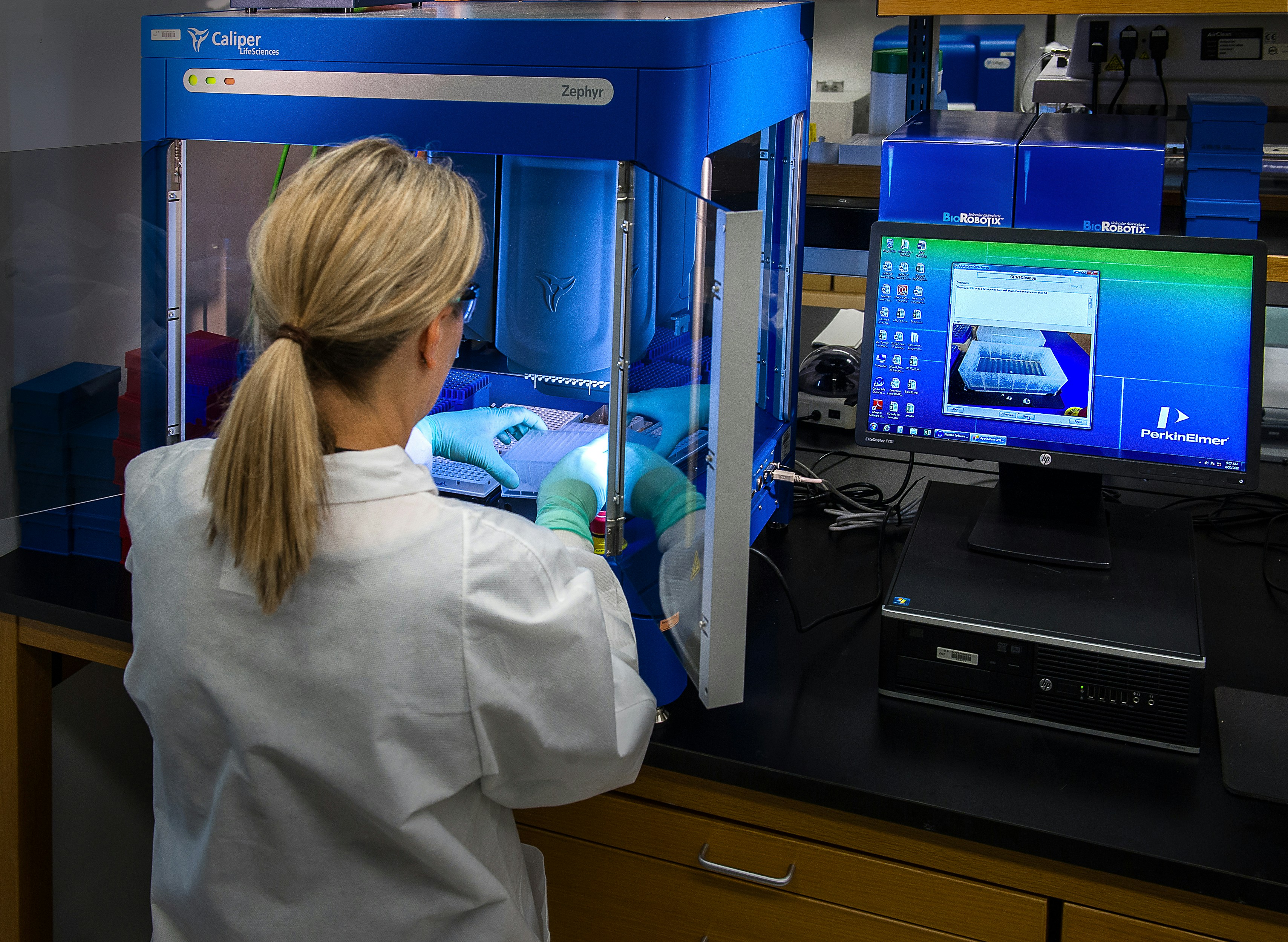
Subcategory
Members only
Scientific culture often celebrates results: the discovery, the breakthrough, the headline-grabbing finding. Journals reward novelty. Media amplifies surprise. Careers advance on what appears new and striking.
Yet science does not progress through results alone.
“Results tell us what happened once,” said a methodologist who studies research reliability. “Replication tells us whether it’s real.”
Replication—the independent verification of findings—lies at the heart of scientific credibility. In an era of accelerating publication and competitive pressure, its importance has become clearer than ever.
What Replication Actually Is
Replication involves repeating a study’s methods to see whether similar results emerge.
It can be direct—following the same protocol—or conceptual, testing the same hypothesis through different approaches.
“Replication is not copying,” said the methodologist. “It’s checking whether a claim survives scrutiny.”
It asks a simple question: does this finding hold beyond one context, sample, or lab?
Why Results Are Tempting but Fragile
Single results are inherently fragile.
They can be influenced by random variation, methodological quirks, or unrecognized bias.
“Noise can look like signal,” said a statistician working in experimental design.
Without replication, it is impossible to know which is which.
Novelty attracts attention—but attention is not evidence.
The Incentive Problem in Modern Science
Academic incentives favor results over reliability.
Publishing new findings advances careers. Replicating others’ work rarely does.
“We reward being first, not being careful,” said a journal editor.
Replication studies struggle to secure funding, publication space, and recognition.
Reliability becomes undervalued.
The Replication Crisis as Wake-Up Call
In fields ranging from psychology to biomedicine, large-scale replication efforts revealed troubling patterns.
Many well-known findings failed to reproduce.
“The crisis wasn’t about fraud,” said the editor. “It was about systems that encouraged weak evidence.”
Replication exposed structural issues—small samples, flexible analysis, and publication bias.
Replication as Quality Control
Replication functions as quality control.
It filters out false positives and strengthens true effects.
“Replication is science’s immune system,” said the statistician.
Without it, error accumulates unnoticed.
Correction depends on repetition.
False Confidence and the Cost of Irreproducible Results
Unreplicated results can mislead.
They shape policy, clinical practice, and public understanding.
“When findings don’t hold, trust suffers,” said the methodologist.
The cost is not just academic—it is societal.
Decisions built on unstable evidence carry risk.
Replication and Cumulative Knowledge
Science advances cumulatively.
Each finding builds on prior work.
“Replication determines whether that foundation is solid,” said the editor.
Without reliable base layers, scientific structures wobble.
Accumulation requires confirmation.
Conceptual Replication and Generalizability
Replication tests generalizability.
Does a finding apply across populations, settings, and methods?
“A result that only works once is not very useful,” said the statistician.
Conceptual replication expands understanding.
Robust findings adapt.
Transparency as Prerequisite for Replication
Replication requires transparency.
Clear methods, accessible data, and open code enable verification.
“You can’t replicate what you can’t see,” said the methodologist.
Open science practices lower barriers.
Visibility supports reliability.
The Role of Negative Results
Replication often produces null or negative findings.
These are scientifically valuable—but culturally undervalued.
“Null results correct the record,” said the editor.
Ignoring them distorts evidence.
Silence creates illusion.
Replication Versus Reproducibility
Replication differs from reproducibility.
Reproducibility checks whether original analyses can be repeated using the same data.
Replication tests whether results emerge again.
“Reproducibility is baseline,” said the statistician. “Replication is validation.”
Both matter—but replication carries greater epistemic weight.
The Myth of Replication as Policing
Replication is sometimes framed as adversarial.
But it is collaborative by design.
“Replication strengthens claims—it doesn’t attack them,” said the methodologist.
Researchers benefit when their findings endure.
Durability is achievement.
Cultural Resistance to Replication
Some resist replication.
It challenges prestige and threatens narratives.
“No one likes being told their result might not hold,” said the editor.
But science advances through challenge.
Comfort slows progress.
Replication and Public Trust
Public trust depends on reliability.
High-profile reversals damage credibility.
“When science appears inconsistent, people lose faith,” said the methodologist.
Replication reduces volatility.
Consistency builds trust.
Education and Statistical Literacy
Replication highlights the need for statistical literacy.
Understanding probability, uncertainty, and variability is essential.
“Many misunderstand what a single study means,” said the statistician.
Education must emphasize process over outcome.
Reforming Incentives for Replication
Reforms are emerging.
Registered reports.
Preprints.
Replication funding initiatives.
“These shift focus from results to rigor,” said the editor.
Structural change enables cultural change.
Replication in Policy-Relevant Science
Replication is crucial where stakes are high.
Health, climate, and economic policy require stable evidence.
“Policy can’t chase every new result,” said the methodologist.
Replication filters noise.
Decision-makers need reliability.
Why Replication Matters More Than Results
Results excite.
Replication endures.
A single result can be wrong for many reasons.
A replicated finding is wrong far less often.
“Replication turns claims into knowledge,” said the statistician.
It is the difference between observation and understanding.
Conclusion: Building Knowledge That Lasts
Science does not advance by being fast or flashy.
It advances by being reliable.
Replication anchors knowledge in evidence rather than novelty.
In a system increasingly driven by speed, replication insists on patience.
It reminds us that discovery is not a moment—but a process.
And that the most important scientific achievement
is not producing a result—
but producing one that holds.
Subcategory
Members only
Scientific culture often celebrates results: the discovery, the breakthrough, the headline-grabbing finding. Journals reward novelty. Media amplifies surprise. Careers advance on what appears new and striking.
Yet science does not progress through results alone.
“Results tell us what happened once,” said a methodologist who studies research reliability. “Replication tells us whether it’s real.”
Replication—the independent verification of findings—lies at the heart of scientific credibility. In an era of accelerating publication and competitive pressure, its importance has become clearer than ever.
What Replication Actually Is
Replication involves repeating a study’s methods to see whether similar results emerge.
It can be direct—following the same protocol—or conceptual, testing the same hypothesis through different approaches.
“Replication is not copying,” said the methodologist. “It’s checking whether a claim survives scrutiny.”
It asks a simple question: does this finding hold beyond one context, sample, or lab?
Why Results Are Tempting but Fragile
Single results are inherently fragile.
They can be influenced by random variation, methodological quirks, or unrecognized bias.
“Noise can look like signal,” said a statistician working in experimental design.
Without replication, it is impossible to know which is which.
Novelty attracts attention—but attention is not evidence.
The Incentive Problem in Modern Science
Academic incentives favor results over reliability.
Publishing new findings advances careers. Replicating others’ work rarely does.
“We reward being first, not being careful,” said a journal editor.
Replication studies struggle to secure funding, publication space, and recognition.
Reliability becomes undervalued.
The Replication Crisis as Wake-Up Call
In fields ranging from psychology to biomedicine, large-scale replication efforts revealed troubling patterns.
Many well-known findings failed to reproduce.
“The crisis wasn’t about fraud,” said the editor. “It was about systems that encouraged weak evidence.”
Replication exposed structural issues—small samples, flexible analysis, and publication bias.
Replication as Quality Control
Replication functions as quality control.
It filters out false positives and strengthens true effects.
“Replication is science’s immune system,” said the statistician.
Without it, error accumulates unnoticed.
Correction depends on repetition.
False Confidence and the Cost of Irreproducible Results
Unreplicated results can mislead.
They shape policy, clinical practice, and public understanding.
“When findings don’t hold, trust suffers,” said the methodologist.
The cost is not just academic—it is societal.
Decisions built on unstable evidence carry risk.
Replication and Cumulative Knowledge
Science advances cumulatively.
Each finding builds on prior work.
“Replication determines whether that foundation is solid,” said the editor.
Without reliable base layers, scientific structures wobble.
Accumulation requires confirmation.
Conceptual Replication and Generalizability
Replication tests generalizability.
Does a finding apply across populations, settings, and methods?
“A result that only works once is not very useful,” said the statistician.
Conceptual replication expands understanding.
Robust findings adapt.
Transparency as Prerequisite for Replication
Replication requires transparency.
Clear methods, accessible data, and open code enable verification.
“You can’t replicate what you can’t see,” said the methodologist.
Open science practices lower barriers.
Visibility supports reliability.
The Role of Negative Results
Replication often produces null or negative findings.
These are scientifically valuable—but culturally undervalued.
“Null results correct the record,” said the editor.
Ignoring them distorts evidence.
Silence creates illusion.
Replication Versus Reproducibility
Replication differs from reproducibility.
Reproducibility checks whether original analyses can be repeated using the same data.
Replication tests whether results emerge again.
“Reproducibility is baseline,” said the statistician. “Replication is validation.”
Both matter—but replication carries greater epistemic weight.
The Myth of Replication as Policing
Replication is sometimes framed as adversarial.
But it is collaborative by design.
“Replication strengthens claims—it doesn’t attack them,” said the methodologist.
Researchers benefit when their findings endure.
Durability is achievement.
Cultural Resistance to Replication
Some resist replication.
It challenges prestige and threatens narratives.
“No one likes being told their result might not hold,” said the editor.
But science advances through challenge.
Comfort slows progress.
Replication and Public Trust
Public trust depends on reliability.
High-profile reversals damage credibility.
“When science appears inconsistent, people lose faith,” said the methodologist.
Replication reduces volatility.
Consistency builds trust.
Education and Statistical Literacy
Replication highlights the need for statistical literacy.
Understanding probability, uncertainty, and variability is essential.
“Many misunderstand what a single study means,” said the statistician.
Education must emphasize process over outcome.
Reforming Incentives for Replication
Reforms are emerging.
Registered reports.
Preprints.
Replication funding initiatives.
“These shift focus from results to rigor,” said the editor.
Structural change enables cultural change.
Replication in Policy-Relevant Science
Replication is crucial where stakes are high.
Health, climate, and economic policy require stable evidence.
“Policy can’t chase every new result,” said the methodologist.
Replication filters noise.
Decision-makers need reliability.
Why Replication Matters More Than Results
Results excite.
Replication endures.
A single result can be wrong for many reasons.
A replicated finding is wrong far less often.
“Replication turns claims into knowledge,” said the statistician.
It is the difference between observation and understanding.
Conclusion: Building Knowledge That Lasts
Science does not advance by being fast or flashy.
It advances by being reliable.
Replication anchors knowledge in evidence rather than novelty.
In a system increasingly driven by speed, replication insists on patience.
It reminds us that discovery is not a moment—but a process.
And that the most important scientific achievement
is not producing a result—
but producing one that holds.
Subcategory
Members only
Every year, billions are invested in research. Thousands of studies are published. New insights reshape how experts understand the world. Yet far too often, this knowledge fails to translate into meaningful change beyond academic circles.
“Discovery is not the same as impact,” said a former research funder now working in science policy. “We are very good at producing knowledge—and much less effective at applying it.”
The gap between research and impact is one of the most persistent challenges in modern science. Understanding why it exists—and how it might be narrowed—requires examining incentives, institutions, communication, and power.
What We Mean by “Impact”
Impact is often assumed to be self-evident.
A study is published. Its implications seem clear. Change should follow.
But impact is not automatic.
“Impact means influencing decisions, behavior, or outcomes beyond academia,” said the policy expert.
It includes changes in policy, clinical practice, technology adoption, public understanding, and lived experience.
Publication alone does not produce any of these.
How Research Incentives Shape Behavior
Academic systems reward discovery—not application.
Career advancement depends on publications, citations, and grants.
“We train researchers to stop at the paper,” said a university administrator.
Once results are published, the system considers the job complete.
Translation is optional—and often unrewarded.
Time Horizons That Don’t Align
Research and impact operate on different timelines.
Scientific progress unfolds slowly. Policy and industry often move in cycles defined by elections, budgets, or market pressure.
“By the time evidence is ready, the decision window has closed,” said a public health researcher.
Misaligned timing widens the gap.
Urgency competes with rigor.
Complexity and Context Loss
Research often abstracts away complexity.
Controlled conditions produce clarity—but remove context.
“What works in a lab doesn’t always work in real life,” said the researcher.
Policymakers and practitioners operate in messy environments where variables cannot be isolated.
Translation requires adaptation—not replication.
Communication Barriers
Research is communicated in specialized language.
Jargon, statistical framing, and cautious phrasing limit accessibility.
“We don’t write for decision-makers,” said the administrator. “We write for reviewers.”
As a result, research struggles to travel beyond expert communities.
Clarity becomes casualty.
The Role of Intermediaries
Bridging research and impact often requires intermediaries.
Policy analysts, science communicators, and knowledge brokers translate findings into actionable insights.
“Impact doesn’t happen without translation,” said the policy expert.
Yet these roles are undervalued and underfunded.
Bridges remain narrow.
Evidence Versus Values
Research informs what can happen.
Policy decisions reflect what should happen.
“Evidence competes with values,” said a political scientist.
Even strong research may be ignored if it conflicts with ideology, economic interests, or public sentiment.
Impact is political.
Institutional Silos
Research institutions and implementation bodies operate separately.
Universities produce knowledge. Governments and industries apply it.
“These systems don’t talk enough,” said the administrator.
Silos slow learning and feedback.
Connection is structural—not incidental.
Risk Aversion and Accountability
Decision-makers face accountability pressures.
Applying new research carries risk.
“If something goes wrong, evidence won’t protect you,” said the public health researcher.
Sticking with existing practice feels safer—even when evidence suggests change.
Caution delays impact.
Scale as an Unrecognized Challenge
Impact requires scale.
Pilot studies succeed—but scaling fails.
“Scaling is a different problem than discovery,” said the policy expert.
It involves infrastructure, training, funding, and cultural change.
Research rarely addresses these dimensions.
Measuring Impact Poorly
Impact is difficult to measure.
It unfolds gradually and indirectly.
“We measure what’s easy, not what matters,” said the administrator.
As a result, impact efforts lack recognition.
Incentives remain misaligned.
The Role of Funding Structures
Funding often ends at publication.
Few grants support long-term implementation or evaluation.
“Funders want novelty, not follow-through,” said the researcher.
Impact requires sustained investment.
Short cycles undermine long-term change.
Global Inequality and Knowledge Transfer
Research impact is uneven globally.
Findings generated in high-income contexts may not translate elsewhere.
“Local conditions matter,” said a development specialist.
Without contextual adaptation, research reinforces inequality.
Impact must be local.
Co-Production as Alternative Model
Some advocate co-production.
Researchers collaborate with practitioners, policymakers, and communities from the start.
“When users shape the question, impact improves,” said the policy expert.
This model blurs boundaries between research and application.
Ownership increases.
Case for Embedded Research
Embedding researchers within institutions shortens the gap.
Evidence informs decisions in real time.
“Proximity matters,” said the administrator.
Distance delays relevance.
Embedded knowledge travels faster.
Cultural Resistance Within Academia
Some academics resist impact-focused work.
It is seen as applied, less rigorous, or politically risky.
“There’s a prestige hierarchy,” said the political scientist.
Pure research is valorized.
Impact is secondary.
Why the Gap Persists
The gap persists because:
Incentives reward publication
Institutions are siloed
Communication is misaligned
Risk is asymmetrically distributed
None of these are accidental.
They are system features.
What Closing the Gap Requires
Closing the gap requires structural change:
Rewarding translation and engagement
Funding long-term implementation
Training researchers in communication
Integrating research into decision-making
“Impact must be designed, not hoped for,” said the policy expert.
The Cost of Leaving the Gap Unaddressed
When research fails to translate, trust erodes.
Public investment appears wasted.
Evidence loses credibility.
“The gap feeds skepticism,” said the researcher.
Science becomes distant.
Relevance suffers.
Conclusion: From Knowledge to Change
Research has immense potential.
But potential alone does not improve lives.
Impact requires intention, infrastructure, and humility.
It requires recognizing that discovery is only the beginning.
If science aims to serve society, it must move beyond publication and toward engagement.
Because knowledge that does not travel—
does not change.
And closing the gap between research and impact
is not about asking scientists to do more—
but about building systems that allow what they already know
to matter where it counts most.

Subcategory
Members only
Every year, billions are invested in research. Thousands of studies are published. New insights reshape how experts understand the world. Yet far too often, this knowledge fails to translate into meaningful change beyond academic circles.
“Discovery is not the same as impact,” said a former research funder now working in science policy. “We are very good at producing knowledge—and much less effective at applying it.”
The gap between research and impact is one of the most persistent challenges in modern science. Understanding why it exists—and how it might be narrowed—requires examining incentives, institutions, communication, and power.
What We Mean by “Impact”
Impact is often assumed to be self-evident.
A study is published. Its implications seem clear. Change should follow.
But impact is not automatic.
“Impact means influencing decisions, behavior, or outcomes beyond academia,” said the policy expert.
It includes changes in policy, clinical practice, technology adoption, public understanding, and lived experience.
Publication alone does not produce any of these.
How Research Incentives Shape Behavior
Academic systems reward discovery—not application.
Career advancement depends on publications, citations, and grants.
“We train researchers to stop at the paper,” said a university administrator.
Once results are published, the system considers the job complete.
Translation is optional—and often unrewarded.
Time Horizons That Don’t Align
Research and impact operate on different timelines.
Scientific progress unfolds slowly. Policy and industry often move in cycles defined by elections, budgets, or market pressure.
“By the time evidence is ready, the decision window has closed,” said a public health researcher.
Misaligned timing widens the gap.
Urgency competes with rigor.
Complexity and Context Loss
Research often abstracts away complexity.
Controlled conditions produce clarity—but remove context.
“What works in a lab doesn’t always work in real life,” said the researcher.
Policymakers and practitioners operate in messy environments where variables cannot be isolated.
Translation requires adaptation—not replication.
Communication Barriers
Research is communicated in specialized language.
Jargon, statistical framing, and cautious phrasing limit accessibility.
“We don’t write for decision-makers,” said the administrator. “We write for reviewers.”
As a result, research struggles to travel beyond expert communities.
Clarity becomes casualty.
The Role of Intermediaries
Bridging research and impact often requires intermediaries.
Policy analysts, science communicators, and knowledge brokers translate findings into actionable insights.
“Impact doesn’t happen without translation,” said the policy expert.
Yet these roles are undervalued and underfunded.
Bridges remain narrow.
Evidence Versus Values
Research informs what can happen.
Policy decisions reflect what should happen.
“Evidence competes with values,” said a political scientist.
Even strong research may be ignored if it conflicts with ideology, economic interests, or public sentiment.
Impact is political.
Institutional Silos
Research institutions and implementation bodies operate separately.
Universities produce knowledge. Governments and industries apply it.
“These systems don’t talk enough,” said the administrator.
Silos slow learning and feedback.
Connection is structural—not incidental.
Risk Aversion and Accountability
Decision-makers face accountability pressures.
Applying new research carries risk.
“If something goes wrong, evidence won’t protect you,” said the public health researcher.
Sticking with existing practice feels safer—even when evidence suggests change.
Caution delays impact.
Scale as an Unrecognized Challenge
Impact requires scale.
Pilot studies succeed—but scaling fails.
“Scaling is a different problem than discovery,” said the policy expert.
It involves infrastructure, training, funding, and cultural change.
Research rarely addresses these dimensions.
Measuring Impact Poorly
Impact is difficult to measure.
It unfolds gradually and indirectly.
“We measure what’s easy, not what matters,” said the administrator.
As a result, impact efforts lack recognition.
Incentives remain misaligned.
The Role of Funding Structures
Funding often ends at publication.
Few grants support long-term implementation or evaluation.
“Funders want novelty, not follow-through,” said the researcher.
Impact requires sustained investment.
Short cycles undermine long-term change.
Global Inequality and Knowledge Transfer
Research impact is uneven globally.
Findings generated in high-income contexts may not translate elsewhere.
“Local conditions matter,” said a development specialist.
Without contextual adaptation, research reinforces inequality.
Impact must be local.
Co-Production as Alternative Model
Some advocate co-production.
Researchers collaborate with practitioners, policymakers, and communities from the start.
“When users shape the question, impact improves,” said the policy expert.
This model blurs boundaries between research and application.
Ownership increases.
Case for Embedded Research
Embedding researchers within institutions shortens the gap.
Evidence informs decisions in real time.
“Proximity matters,” said the administrator.
Distance delays relevance.
Embedded knowledge travels faster.
Cultural Resistance Within Academia
Some academics resist impact-focused work.
It is seen as applied, less rigorous, or politically risky.
“There’s a prestige hierarchy,” said the political scientist.
Pure research is valorized.
Impact is secondary.
Why the Gap Persists
The gap persists because:
Incentives reward publication
Institutions are siloed
Communication is misaligned
Risk is asymmetrically distributed
None of these are accidental.
They are system features.
What Closing the Gap Requires
Closing the gap requires structural change:
Rewarding translation and engagement
Funding long-term implementation
Training researchers in communication
Integrating research into decision-making
“Impact must be designed, not hoped for,” said the policy expert.
The Cost of Leaving the Gap Unaddressed
When research fails to translate, trust erodes.
Public investment appears wasted.
Evidence loses credibility.
“The gap feeds skepticism,” said the researcher.
Science becomes distant.
Relevance suffers.
Conclusion: From Knowledge to Change
Research has immense potential.
But potential alone does not improve lives.
Impact requires intention, infrastructure, and humility.
It requires recognizing that discovery is only the beginning.
If science aims to serve society, it must move beyond publication and toward engagement.
Because knowledge that does not travel—
does not change.
And closing the gap between research and impact
is not about asking scientists to do more—
but about building systems that allow what they already know
to matter where it counts most.
Subcategory
Members only
Every year, billions are invested in research. Thousands of studies are published. New insights reshape how experts understand the world. Yet far too often, this knowledge fails to translate into meaningful change beyond academic circles.
“Discovery is not the same as impact,” said a former research funder now working in science policy. “We are very good at producing knowledge—and much less effective at applying it.”
The gap between research and impact is one of the most persistent challenges in modern science. Understanding why it exists—and how it might be narrowed—requires examining incentives, institutions, communication, and power.
What We Mean by “Impact”
Impact is often assumed to be self-evident.
A study is published. Its implications seem clear. Change should follow.
But impact is not automatic.
“Impact means influencing decisions, behavior, or outcomes beyond academia,” said the policy expert.
It includes changes in policy, clinical practice, technology adoption, public understanding, and lived experience.
Publication alone does not produce any of these.
How Research Incentives Shape Behavior
Academic systems reward discovery—not application.
Career advancement depends on publications, citations, and grants.
“We train researchers to stop at the paper,” said a university administrator.
Once results are published, the system considers the job complete.
Translation is optional—and often unrewarded.
Time Horizons That Don’t Align
Research and impact operate on different timelines.
Scientific progress unfolds slowly. Policy and industry often move in cycles defined by elections, budgets, or market pressure.
“By the time evidence is ready, the decision window has closed,” said a public health researcher.
Misaligned timing widens the gap.
Urgency competes with rigor.
Complexity and Context Loss
Research often abstracts away complexity.
Controlled conditions produce clarity—but remove context.
“What works in a lab doesn’t always work in real life,” said the researcher.
Policymakers and practitioners operate in messy environments where variables cannot be isolated.
Translation requires adaptation—not replication.
Communication Barriers
Research is communicated in specialized language.
Jargon, statistical framing, and cautious phrasing limit accessibility.
“We don’t write for decision-makers,” said the administrator. “We write for reviewers.”
As a result, research struggles to travel beyond expert communities.
Clarity becomes casualty.
The Role of Intermediaries
Bridging research and impact often requires intermediaries.
Policy analysts, science communicators, and knowledge brokers translate findings into actionable insights.
“Impact doesn’t happen without translation,” said the policy expert.
Yet these roles are undervalued and underfunded.
Bridges remain narrow.
Evidence Versus Values
Research informs what can happen.
Policy decisions reflect what should happen.
“Evidence competes with values,” said a political scientist.
Even strong research may be ignored if it conflicts with ideology, economic interests, or public sentiment.
Impact is political.
Institutional Silos
Research institutions and implementation bodies operate separately.
Universities produce knowledge. Governments and industries apply it.
“These systems don’t talk enough,” said the administrator.
Silos slow learning and feedback.
Connection is structural—not incidental.
Risk Aversion and Accountability
Decision-makers face accountability pressures.
Applying new research carries risk.
“If something goes wrong, evidence won’t protect you,” said the public health researcher.
Sticking with existing practice feels safer—even when evidence suggests change.
Caution delays impact.
Scale as an Unrecognized Challenge
Impact requires scale.
Pilot studies succeed—but scaling fails.
“Scaling is a different problem than discovery,” said the policy expert.
It involves infrastructure, training, funding, and cultural change.
Research rarely addresses these dimensions.
Measuring Impact Poorly
Impact is difficult to measure.
It unfolds gradually and indirectly.
“We measure what’s easy, not what matters,” said the administrator.
As a result, impact efforts lack recognition.
Incentives remain misaligned.
The Role of Funding Structures
Funding often ends at publication.
Few grants support long-term implementation or evaluation.
“Funders want novelty, not follow-through,” said the researcher.
Impact requires sustained investment.
Short cycles undermine long-term change.
Global Inequality and Knowledge Transfer
Research impact is uneven globally.
Findings generated in high-income contexts may not translate elsewhere.
“Local conditions matter,” said a development specialist.
Without contextual adaptation, research reinforces inequality.
Impact must be local.
Co-Production as Alternative Model
Some advocate co-production.
Researchers collaborate with practitioners, policymakers, and communities from the start.
“When users shape the question, impact improves,” said the policy expert.
This model blurs boundaries between research and application.
Ownership increases.
Case for Embedded Research
Embedding researchers within institutions shortens the gap.
Evidence informs decisions in real time.
“Proximity matters,” said the administrator.
Distance delays relevance.
Embedded knowledge travels faster.
Cultural Resistance Within Academia
Some academics resist impact-focused work.
It is seen as applied, less rigorous, or politically risky.
“There’s a prestige hierarchy,” said the political scientist.
Pure research is valorized.
Impact is secondary.
Why the Gap Persists
The gap persists because:
Incentives reward publication
Institutions are siloed
Communication is misaligned
Risk is asymmetrically distributed
None of these are accidental.
They are system features.
What Closing the Gap Requires
Closing the gap requires structural change:
Rewarding translation and engagement
Funding long-term implementation
Training researchers in communication
Integrating research into decision-making
“Impact must be designed, not hoped for,” said the policy expert.
The Cost of Leaving the Gap Unaddressed
When research fails to translate, trust erodes.
Public investment appears wasted.
Evidence loses credibility.
“The gap feeds skepticism,” said the researcher.
Science becomes distant.
Relevance suffers.
Conclusion: From Knowledge to Change
Research has immense potential.
But potential alone does not improve lives.
Impact requires intention, infrastructure, and humility.
It requires recognizing that discovery is only the beginning.
If science aims to serve society, it must move beyond publication and toward engagement.
Because knowledge that does not travel—
does not change.
And closing the gap between research and impact
is not about asking scientists to do more—
but about building systems that allow what they already know
to matter where it counts most.
Subcategory
Members only
In an era obsessed with speed, disruption, and immediate results, scientific discovery is often imagined as sudden: a breakthrough paper, a decisive experiment, a moment of insight that changes everything. Funding announcements, press releases, and headlines reinforce this image of science as fast-moving and outcome-driven.
But behind nearly every major discovery lies a different story—one of patience, repetition, failure, and time.
“Big discoveries rarely arrive quickly,” said a senior physicist who has worked on long-term international research projects. “They emerge from years of quiet work that most people never see.”
The most transformative advances in science are often the product of slow science: sustained inquiry, incremental progress, and institutional patience in a system increasingly hostile to all three.
The Myth of the Sudden Breakthrough
Scientific culture celebrates moments of discovery.
Names become attached to findings. Dates mark turning points.
“This narrative is emotionally satisfying,” said a historian of science. “But it’s historically misleading.”
Breakthroughs appear sudden only in retrospect. In practice, they are the visible peaks of long processes—supported by prior failures, partial insights, and foundational work that often goes uncredited.
Discovery is compressed in memory.
Time as a Scientific Variable
Time is not merely a backdrop to science—it is an active ingredient.
Long observation periods reveal patterns invisible in short studies. Slow accumulation of data allows anomalies to surface. Repetition distinguishes signal from noise.
“Some questions cannot be rushed,” said the physicist. “They require time in the same way experiments require instruments.”
Patience is methodological.
Incremental Progress and Cumulative Knowledge
Most scientific work advances incrementally.
Small refinements, negative results, and methodological improvements build the conditions for later breakthroughs.
“Science grows sideways before it jumps forward,” said a research methodologist.
Incremental progress lacks spectacle—but it creates reliability.
Big discoveries depend on many small steps.
Failure as an Invisible Foundation
Slow science includes failure—often repeatedly.
Experiments do not work. Hypotheses collapse. Data contradict expectations.
“Failure is not a detour,” said the methodologist. “It’s the road.”
In fast-paced research environments, failure is hidden or discarded. In slow science, failure is documented, learned from, and incorporated.
Learning requires time.
Long-Term Questions and Persistent Inquiry
Some scientific questions span decades.
Understanding climate systems, evolutionary processes, or neurological diseases requires longitudinal study.
“You can’t understand slow phenomena with fast experiments,” said an environmental scientist.
Persistence enables insight.
Continuity matters.
Institutional Support for Slowness
Slow science depends on institutions willing to fund and sustain long-term work.
Universities, research centers, and public funders play a critical role.
“Without institutional patience, many discoveries would never happen,” said a science policy analyst.
Short funding cycles undermine long inquiry.
Stability enables depth.
The Pressure of Metrics and Acceleration
Modern science is governed by metrics.
Publication counts, citation indices, and grant turnover prioritize speed and volume.
“We reward productivity, not understanding,” said the analyst.
This pressure discourages long-term risk-taking and deep exploration.
Fast science crowds out slow science.
Replication and the Value of Time
Replication takes time.
Verifying results requires repeated effort across contexts.
“Replication slows science—but strengthens it,” said a statistician specializing in research reliability.
Slow science allows findings to mature.
Durability outlasts novelty.
Tools, Techniques, and Maturation
Some discoveries wait for tools to catch up.
Technological limitations delay insight.
“We often know the question long before we have the means to answer it,” said the physicist.
Slow science preserves questions until conditions align.
Patience meets possibility.
Intergenerational Science
Many scientific projects outlast individual careers.
Researchers contribute fragments of work they may never see completed.
“Science is often intergenerational,” said the historian. “You inherit problems—and pass them on.”
This continuity defies the narrative of individual achievement.
Collective time matters.
Slow Science and Ethical Responsibility
Slowness can also be ethical.
Rushing research risks harm, misinterpretation, and overconfidence.
“Care requires time,” said a bioethicist.
In medicine, environmental science, and social research, caution protects lives.
Speed amplifies risk.
The Quiet Role of Basic Research
Basic research often appears detached from application.
Its impact may take decades to materialize.
“Many practical technologies rest on theory developed long before use,” said the physicist.
Slow science builds invisible foundations.
Application follows understanding.
Public Misunderstanding of Scientific Time
Public expectations often misalign with scientific reality.
People expect rapid answers to complex problems.
“Slowness is mistaken for incompetence,” said the policy analyst.
Communicating the value of time is a persistent challenge.
Trust requires explanation.
Crises and the Compression of Time
Crises accelerate science.
Pandemics and emergencies compress timelines and intensify collaboration.
But even in crises, slow science underpins fast response.
“Rapid solutions rely on slow preparation,” said the environmental scientist.
Speed is borrowed from the past.
Resistance to Slow Science
Slow science faces resistance.
It appears inefficient, expensive, and uncertain.
“Slowness looks risky in a competitive system,” said the analyst.
But eliminating slowness increases fragility.
Resilience requires time.
Rediscovering Slowness as Scientific Strength
Some researchers advocate reclaiming slow science.
Fewer publications. Deeper questions. Longer projects.
“Depth over throughput,” said the methodologist.
This movement challenges prevailing incentives.
Quality competes with quantity.
Why Big Discoveries Still Depend on Slowness
Despite cultural pressure, big discoveries continue to depend on slow processes.
They require:
Long observation
Repeated testing
Institutional memory
Intellectual patience
“Speed may produce results,” said the physicist. “Time produces understanding.”
Understanding endures.
Conclusion: Time as the Unsung Partner of Discovery
The slow science behind big discoveries is rarely visible—but always present.
It is found in notebooks filled over years, datasets quietly growing, and questions revisited with new tools and fresh eyes.
In a world that demands immediacy, slow science offers something more durable: reliability, depth, and trust.
The future of discovery does not depend solely on faster computation or larger datasets.
It depends on whether scientific institutions—and societies—are willing to give knowledge the one resource it cannot do without.
Time.
Because the most important discoveries are not always the fastest ones.
They are the ones that last.

Subcategory
Members only
In an era obsessed with speed, disruption, and immediate results, scientific discovery is often imagined as sudden: a breakthrough paper, a decisive experiment, a moment of insight that changes everything. Funding announcements, press releases, and headlines reinforce this image of science as fast-moving and outcome-driven.
But behind nearly every major discovery lies a different story—one of patience, repetition, failure, and time.
“Big discoveries rarely arrive quickly,” said a senior physicist who has worked on long-term international research projects. “They emerge from years of quiet work that most people never see.”
The most transformative advances in science are often the product of slow science: sustained inquiry, incremental progress, and institutional patience in a system increasingly hostile to all three.
The Myth of the Sudden Breakthrough
Scientific culture celebrates moments of discovery.
Names become attached to findings. Dates mark turning points.
“This narrative is emotionally satisfying,” said a historian of science. “But it’s historically misleading.”
Breakthroughs appear sudden only in retrospect. In practice, they are the visible peaks of long processes—supported by prior failures, partial insights, and foundational work that often goes uncredited.
Discovery is compressed in memory.
Time as a Scientific Variable
Time is not merely a backdrop to science—it is an active ingredient.
Long observation periods reveal patterns invisible in short studies. Slow accumulation of data allows anomalies to surface. Repetition distinguishes signal from noise.
“Some questions cannot be rushed,” said the physicist. “They require time in the same way experiments require instruments.”
Patience is methodological.
Incremental Progress and Cumulative Knowledge
Most scientific work advances incrementally.
Small refinements, negative results, and methodological improvements build the conditions for later breakthroughs.
“Science grows sideways before it jumps forward,” said a research methodologist.
Incremental progress lacks spectacle—but it creates reliability.
Big discoveries depend on many small steps.
Failure as an Invisible Foundation
Slow science includes failure—often repeatedly.
Experiments do not work. Hypotheses collapse. Data contradict expectations.
“Failure is not a detour,” said the methodologist. “It’s the road.”
In fast-paced research environments, failure is hidden or discarded. In slow science, failure is documented, learned from, and incorporated.
Learning requires time.
Long-Term Questions and Persistent Inquiry
Some scientific questions span decades.
Understanding climate systems, evolutionary processes, or neurological diseases requires longitudinal study.
“You can’t understand slow phenomena with fast experiments,” said an environmental scientist.
Persistence enables insight.
Continuity matters.
Institutional Support for Slowness
Slow science depends on institutions willing to fund and sustain long-term work.
Universities, research centers, and public funders play a critical role.
“Without institutional patience, many discoveries would never happen,” said a science policy analyst.
Short funding cycles undermine long inquiry.
Stability enables depth.
The Pressure of Metrics and Acceleration
Modern science is governed by metrics.
Publication counts, citation indices, and grant turnover prioritize speed and volume.
“We reward productivity, not understanding,” said the analyst.
This pressure discourages long-term risk-taking and deep exploration.
Fast science crowds out slow science.
Replication and the Value of Time
Replication takes time.
Verifying results requires repeated effort across contexts.
“Replication slows science—but strengthens it,” said a statistician specializing in research reliability.
Slow science allows findings to mature.
Durability outlasts novelty.
Tools, Techniques, and Maturation
Some discoveries wait for tools to catch up.
Technological limitations delay insight.
“We often know the question long before we have the means to answer it,” said the physicist.
Slow science preserves questions until conditions align.
Patience meets possibility.
Intergenerational Science
Many scientific projects outlast individual careers.
Researchers contribute fragments of work they may never see completed.
“Science is often intergenerational,” said the historian. “You inherit problems—and pass them on.”
This continuity defies the narrative of individual achievement.
Collective time matters.
Slow Science and Ethical Responsibility
Slowness can also be ethical.
Rushing research risks harm, misinterpretation, and overconfidence.
“Care requires time,” said a bioethicist.
In medicine, environmental science, and social research, caution protects lives.
Speed amplifies risk.
The Quiet Role of Basic Research
Basic research often appears detached from application.
Its impact may take decades to materialize.
“Many practical technologies rest on theory developed long before use,” said the physicist.
Slow science builds invisible foundations.
Application follows understanding.
Public Misunderstanding of Scientific Time
Public expectations often misalign with scientific reality.
People expect rapid answers to complex problems.
“Slowness is mistaken for incompetence,” said the policy analyst.
Communicating the value of time is a persistent challenge.
Trust requires explanation.
Crises and the Compression of Time
Crises accelerate science.
Pandemics and emergencies compress timelines and intensify collaboration.
But even in crises, slow science underpins fast response.
“Rapid solutions rely on slow preparation,” said the environmental scientist.
Speed is borrowed from the past.
Resistance to Slow Science
Slow science faces resistance.
It appears inefficient, expensive, and uncertain.
“Slowness looks risky in a competitive system,” said the analyst.
But eliminating slowness increases fragility.
Resilience requires time.
Rediscovering Slowness as Scientific Strength
Some researchers advocate reclaiming slow science.
Fewer publications. Deeper questions. Longer projects.
“Depth over throughput,” said the methodologist.
This movement challenges prevailing incentives.
Quality competes with quantity.
Why Big Discoveries Still Depend on Slowness
Despite cultural pressure, big discoveries continue to depend on slow processes.
They require:
Long observation
Repeated testing
Institutional memory
Intellectual patience
“Speed may produce results,” said the physicist. “Time produces understanding.”
Understanding endures.
Conclusion: Time as the Unsung Partner of Discovery
The slow science behind big discoveries is rarely visible—but always present.
It is found in notebooks filled over years, datasets quietly growing, and questions revisited with new tools and fresh eyes.
In a world that demands immediacy, slow science offers something more durable: reliability, depth, and trust.
The future of discovery does not depend solely on faster computation or larger datasets.
It depends on whether scientific institutions—and societies—are willing to give knowledge the one resource it cannot do without.
Time.
Because the most important discoveries are not always the fastest ones.
They are the ones that last.
Subcategory
Members only
In an era obsessed with speed, disruption, and immediate results, scientific discovery is often imagined as sudden: a breakthrough paper, a decisive experiment, a moment of insight that changes everything. Funding announcements, press releases, and headlines reinforce this image of science as fast-moving and outcome-driven.
But behind nearly every major discovery lies a different story—one of patience, repetition, failure, and time.
“Big discoveries rarely arrive quickly,” said a senior physicist who has worked on long-term international research projects. “They emerge from years of quiet work that most people never see.”
The most transformative advances in science are often the product of slow science: sustained inquiry, incremental progress, and institutional patience in a system increasingly hostile to all three.
The Myth of the Sudden Breakthrough
Scientific culture celebrates moments of discovery.
Names become attached to findings. Dates mark turning points.
“This narrative is emotionally satisfying,” said a historian of science. “But it’s historically misleading.”
Breakthroughs appear sudden only in retrospect. In practice, they are the visible peaks of long processes—supported by prior failures, partial insights, and foundational work that often goes uncredited.
Discovery is compressed in memory.
Time as a Scientific Variable
Time is not merely a backdrop to science—it is an active ingredient.
Long observation periods reveal patterns invisible in short studies. Slow accumulation of data allows anomalies to surface. Repetition distinguishes signal from noise.
“Some questions cannot be rushed,” said the physicist. “They require time in the same way experiments require instruments.”
Patience is methodological.
Incremental Progress and Cumulative Knowledge
Most scientific work advances incrementally.
Small refinements, negative results, and methodological improvements build the conditions for later breakthroughs.
“Science grows sideways before it jumps forward,” said a research methodologist.
Incremental progress lacks spectacle—but it creates reliability.
Big discoveries depend on many small steps.
Failure as an Invisible Foundation
Slow science includes failure—often repeatedly.
Experiments do not work. Hypotheses collapse. Data contradict expectations.
“Failure is not a detour,” said the methodologist. “It’s the road.”
In fast-paced research environments, failure is hidden or discarded. In slow science, failure is documented, learned from, and incorporated.
Learning requires time.
Long-Term Questions and Persistent Inquiry
Some scientific questions span decades.
Understanding climate systems, evolutionary processes, or neurological diseases requires longitudinal study.
“You can’t understand slow phenomena with fast experiments,” said an environmental scientist.
Persistence enables insight.
Continuity matters.
Institutional Support for Slowness
Slow science depends on institutions willing to fund and sustain long-term work.
Universities, research centers, and public funders play a critical role.
“Without institutional patience, many discoveries would never happen,” said a science policy analyst.
Short funding cycles undermine long inquiry.
Stability enables depth.
The Pressure of Metrics and Acceleration
Modern science is governed by metrics.
Publication counts, citation indices, and grant turnover prioritize speed and volume.
“We reward productivity, not understanding,” said the analyst.
This pressure discourages long-term risk-taking and deep exploration.
Fast science crowds out slow science.
Replication and the Value of Time
Replication takes time.
Verifying results requires repeated effort across contexts.
“Replication slows science—but strengthens it,” said a statistician specializing in research reliability.
Slow science allows findings to mature.
Durability outlasts novelty.
Tools, Techniques, and Maturation
Some discoveries wait for tools to catch up.
Technological limitations delay insight.
“We often know the question long before we have the means to answer it,” said the physicist.
Slow science preserves questions until conditions align.
Patience meets possibility.
Intergenerational Science
Many scientific projects outlast individual careers.
Researchers contribute fragments of work they may never see completed.
“Science is often intergenerational,” said the historian. “You inherit problems—and pass them on.”
This continuity defies the narrative of individual achievement.
Collective time matters.
Slow Science and Ethical Responsibility
Slowness can also be ethical.
Rushing research risks harm, misinterpretation, and overconfidence.
“Care requires time,” said a bioethicist.
In medicine, environmental science, and social research, caution protects lives.
Speed amplifies risk.
The Quiet Role of Basic Research
Basic research often appears detached from application.
Its impact may take decades to materialize.
“Many practical technologies rest on theory developed long before use,” said the physicist.
Slow science builds invisible foundations.
Application follows understanding.
Public Misunderstanding of Scientific Time
Public expectations often misalign with scientific reality.
People expect rapid answers to complex problems.
“Slowness is mistaken for incompetence,” said the policy analyst.
Communicating the value of time is a persistent challenge.
Trust requires explanation.
Crises and the Compression of Time
Crises accelerate science.
Pandemics and emergencies compress timelines and intensify collaboration.
But even in crises, slow science underpins fast response.
“Rapid solutions rely on slow preparation,” said the environmental scientist.
Speed is borrowed from the past.
Resistance to Slow Science
Slow science faces resistance.
It appears inefficient, expensive, and uncertain.
“Slowness looks risky in a competitive system,” said the analyst.
But eliminating slowness increases fragility.
Resilience requires time.
Rediscovering Slowness as Scientific Strength
Some researchers advocate reclaiming slow science.
Fewer publications. Deeper questions. Longer projects.
“Depth over throughput,” said the methodologist.
This movement challenges prevailing incentives.
Quality competes with quantity.
Why Big Discoveries Still Depend on Slowness
Despite cultural pressure, big discoveries continue to depend on slow processes.
They require:
Long observation
Repeated testing
Institutional memory
Intellectual patience
“Speed may produce results,” said the physicist. “Time produces understanding.”
Understanding endures.
Conclusion: Time as the Unsung Partner of Discovery
The slow science behind big discoveries is rarely visible—but always present.
It is found in notebooks filled over years, datasets quietly growing, and questions revisited with new tools and fresh eyes.
In a world that demands immediacy, slow science offers something more durable: reliability, depth, and trust.
The future of discovery does not depend solely on faster computation or larger datasets.
It depends on whether scientific institutions—and societies—are willing to give knowledge the one resource it cannot do without.
Time.
Because the most important discoveries are not always the fastest ones.
They are the ones that last.
Subcategory
Members only
Breakthrough research is often framed through moments of discovery: a new theory, a decisive experiment, a revolutionary insight. These moments tend to be personalized, attached to names, faces, and narratives of individual brilliance. But behind nearly every major scientific breakthrough lies a dense institutional ecosystem that made it possible.
“Discoveries don’t happen in a vacuum,” said a former director of a national research institute. “They happen inside institutions that provide time, resources, and legitimacy.”
Understanding how science advances requires shifting attention from individual achievement to the institutions that sustain inquiry—often quietly, and over long periods.
Why Institutions Matter More Than We Admit
Scientific research is expensive, uncertain, and slow.
It requires laboratories, funding, administrative support, ethical oversight, and long-term stability.
“Institutional backing absorbs risk,” said a science policy analyst. “Without it, most breakthroughs would never survive long enough to happen.”
Institutions make uncertainty tolerable.
They create environments where failure is expected—and learning is possible.
Universities as Engines of Discovery
Universities remain central to breakthrough research.
They combine education, inquiry, and institutional continuity.
“Universities are uniquely structured to host open-ended questions,” said a senior academic administrator.
Tenure systems, research autonomy, and interdisciplinary proximity allow ideas to mature without immediate commercial pressure.
Freedom enables depth.
Research Institutes and Focused Inquiry
Specialized research institutes complement universities.
They concentrate expertise, infrastructure, and long-term mission.
“Institutes allow sustained focus on hard problems,” said a former institute director.
Whether in physics, medicine, or environmental science, these organizations prioritize continuity over short-term output.
Focus produces insight.
Public Funding and the Role of the State
Many major breakthroughs depend on public funding.
Governments fund basic research precisely because it is too risky or long-term for private investment.
“The state is science’s patient investor,” said the policy analyst.
Public funding socializes risk—while benefits often diffuse widely across society.
This asymmetry is intentional.
Grant Agencies as Gatekeepers of Possibility
Funding agencies shape research agendas.
Through priorities, peer review, and evaluation criteria, they influence which questions are pursued.
“Agencies don’t just fund science,” said the analyst. “They define what counts as fundable knowledge.”
This power requires careful stewardship.
Incentives shape outcomes.
Laboratories as Institutional Microcosms
The laboratory is a social institution.
Hierarchies, norms, and culture influence what research looks like.
“Labs train scientists in how to think—not just what to study,” said a sociologist of science.
Mentorship, collaboration, and internal governance matter as much as equipment.
Culture conditions discovery.
Infrastructure and Shared Resources
Breakthroughs often rely on shared infrastructure.
Particle accelerators, telescopes, biobanks, and supercomputers serve thousands of researchers.
“These tools are collective achievements,” said a research infrastructure coordinator.
They enable experiments no single institution could support alone.
Scale expands possibility.
Long-Term Projects and Institutional Memory
Some research spans decades.
Climate observation networks, longitudinal health studies, and space missions require continuity across generations.
“Institutional memory keeps projects alive beyond individual careers,” said the coordinator.
Breakthroughs emerge from persistence.
Continuity enables accumulation.
Peer Review as Institutional Safeguard
Peer review is an institutional mechanism.
It distributes authority and enforces standards.
“Peer review protects science from individual overconfidence,” said a journal editor.
Though imperfect, it embeds critique into knowledge production.
Trust is institutionalized.
Collaboration Across Institutions
Breakthrough research increasingly crosses institutional boundaries.
Universities partner with hospitals, government labs, and international consortia.
“Modern science is inter-institutional by default,” said the policy analyst.
Collaboration distributes expertise and risk.
Networks outperform silos.
Private Sector Institutions and Translation
Private institutions play a role in translating research into application.
Industry labs, startups, and foundations accelerate development.
“Industry excels at scaling,” said a technology transfer officer.
However, private incentives differ.
Balance matters.
Philanthropy and Mission-Driven Funding
Philanthropic institutions fund high-risk, unconventional research.
They often support ideas overlooked by traditional agencies.
“Philanthropy can tolerate uncertainty,” said a foundation program officer.
Flexibility expands the frontier.
But accountability remains essential.
Institutional Inequality in Research
Not all institutions have equal capacity.
Elite universities dominate funding and visibility.
“This concentration shapes who gets to produce knowledge,” said the sociologist.
Breakthroughs reflect structural inequality.
Access influences discovery.
Governance, Ethics, and Oversight
Institutions provide ethical governance.
Review boards, compliance offices, and oversight committees protect participants and integrity.
“Ethics is institutional labor,” said the administrator.
Responsible science requires structure.
Freedom operates within bounds.
Metrics, Pressure, and Institutional Drift
Institutions are not immune to distortion.
Publication metrics and funding competition can narrow inquiry.
“When institutions chase metrics, risk-taking declines,” said the policy analyst.
Short-termism undermines long-term discovery.
Governance shapes culture.
Crisis Science and Institutional Flexibility
Crises test institutions.
Pandemics and emergencies require rapid coordination.
“Institutions that adapt quickly save lives,” said the former institute director.
Preparedness reflects institutional maturity.
Resilience matters.
The Invisible Work Behind Visibility
Administrative staff, technicians, and coordinators rarely receive recognition.
Yet their work sustains research ecosystems.
“Breakthroughs are supported by invisible labor,” said the sociologist.
Recognition remains uneven.
Contribution is collective.
Why Institutions Shape What We Discover
Institutions determine:
Which questions are asked
Which risks are acceptable
Which voices are amplified
Which discoveries endure
“They are the architecture of possibility,” said the policy analyst.
Architecture shapes outcome.
Rethinking Institutional Support for Discovery
Some argue institutions must evolve.
Longer funding cycles.
Support for replication.
Rewarding collaboration.
“Breakthroughs require patience,” said the administrator.
Institutional reform sustains innovation.
Conclusion: Discovery Is an Institutional Achievement
Breakthrough research is often attributed to individuals.
In reality, it is institutional achievement.
It depends on funding structures that tolerate uncertainty, organizations that sustain inquiry, and cultures that value patience over immediacy.
Without institutions, discovery would be sporadic, fragile, and fleeting.
With them, knowledge accumulates.
The future of breakthrough research will depend not only on brilliant ideas—
but on whether institutions are willing to protect the conditions that allow those ideas to survive long enough to change the world.
Because behind every discovery that reshapes understanding,
there is an institution that made it possible—
often quietly,
often imperfectly,
but indispensably.

Subcategory
Members only
Breakthrough research is often framed through moments of discovery: a new theory, a decisive experiment, a revolutionary insight. These moments tend to be personalized, attached to names, faces, and narratives of individual brilliance. But behind nearly every major scientific breakthrough lies a dense institutional ecosystem that made it possible.
“Discoveries don’t happen in a vacuum,” said a former director of a national research institute. “They happen inside institutions that provide time, resources, and legitimacy.”
Understanding how science advances requires shifting attention from individual achievement to the institutions that sustain inquiry—often quietly, and over long periods.
Why Institutions Matter More Than We Admit
Scientific research is expensive, uncertain, and slow.
It requires laboratories, funding, administrative support, ethical oversight, and long-term stability.
“Institutional backing absorbs risk,” said a science policy analyst. “Without it, most breakthroughs would never survive long enough to happen.”
Institutions make uncertainty tolerable.
They create environments where failure is expected—and learning is possible.
Universities as Engines of Discovery
Universities remain central to breakthrough research.
They combine education, inquiry, and institutional continuity.
“Universities are uniquely structured to host open-ended questions,” said a senior academic administrator.
Tenure systems, research autonomy, and interdisciplinary proximity allow ideas to mature without immediate commercial pressure.
Freedom enables depth.
Research Institutes and Focused Inquiry
Specialized research institutes complement universities.
They concentrate expertise, infrastructure, and long-term mission.
“Institutes allow sustained focus on hard problems,” said a former institute director.
Whether in physics, medicine, or environmental science, these organizations prioritize continuity over short-term output.
Focus produces insight.
Public Funding and the Role of the State
Many major breakthroughs depend on public funding.
Governments fund basic research precisely because it is too risky or long-term for private investment.
“The state is science’s patient investor,” said the policy analyst.
Public funding socializes risk—while benefits often diffuse widely across society.
This asymmetry is intentional.
Grant Agencies as Gatekeepers of Possibility
Funding agencies shape research agendas.
Through priorities, peer review, and evaluation criteria, they influence which questions are pursued.
“Agencies don’t just fund science,” said the analyst. “They define what counts as fundable knowledge.”
This power requires careful stewardship.
Incentives shape outcomes.
Laboratories as Institutional Microcosms
The laboratory is a social institution.
Hierarchies, norms, and culture influence what research looks like.
“Labs train scientists in how to think—not just what to study,” said a sociologist of science.
Mentorship, collaboration, and internal governance matter as much as equipment.
Culture conditions discovery.
Infrastructure and Shared Resources
Breakthroughs often rely on shared infrastructure.
Particle accelerators, telescopes, biobanks, and supercomputers serve thousands of researchers.
“These tools are collective achievements,” said a research infrastructure coordinator.
They enable experiments no single institution could support alone.
Scale expands possibility.
Long-Term Projects and Institutional Memory
Some research spans decades.
Climate observation networks, longitudinal health studies, and space missions require continuity across generations.
“Institutional memory keeps projects alive beyond individual careers,” said the coordinator.
Breakthroughs emerge from persistence.
Continuity enables accumulation.
Peer Review as Institutional Safeguard
Peer review is an institutional mechanism.
It distributes authority and enforces standards.
“Peer review protects science from individual overconfidence,” said a journal editor.
Though imperfect, it embeds critique into knowledge production.
Trust is institutionalized.
Collaboration Across Institutions
Breakthrough research increasingly crosses institutional boundaries.
Universities partner with hospitals, government labs, and international consortia.
“Modern science is inter-institutional by default,” said the policy analyst.
Collaboration distributes expertise and risk.
Networks outperform silos.
Private Sector Institutions and Translation
Private institutions play a role in translating research into application.
Industry labs, startups, and foundations accelerate development.
“Industry excels at scaling,” said a technology transfer officer.
However, private incentives differ.
Balance matters.
Philanthropy and Mission-Driven Funding
Philanthropic institutions fund high-risk, unconventional research.
They often support ideas overlooked by traditional agencies.
“Philanthropy can tolerate uncertainty,” said a foundation program officer.
Flexibility expands the frontier.
But accountability remains essential.
Institutional Inequality in Research
Not all institutions have equal capacity.
Elite universities dominate funding and visibility.
“This concentration shapes who gets to produce knowledge,” said the sociologist.
Breakthroughs reflect structural inequality.
Access influences discovery.
Governance, Ethics, and Oversight
Institutions provide ethical governance.
Review boards, compliance offices, and oversight committees protect participants and integrity.
“Ethics is institutional labor,” said the administrator.
Responsible science requires structure.
Freedom operates within bounds.
Metrics, Pressure, and Institutional Drift
Institutions are not immune to distortion.
Publication metrics and funding competition can narrow inquiry.
“When institutions chase metrics, risk-taking declines,” said the policy analyst.
Short-termism undermines long-term discovery.
Governance shapes culture.
Crisis Science and Institutional Flexibility
Crises test institutions.
Pandemics and emergencies require rapid coordination.
“Institutions that adapt quickly save lives,” said the former institute director.
Preparedness reflects institutional maturity.
Resilience matters.
The Invisible Work Behind Visibility
Administrative staff, technicians, and coordinators rarely receive recognition.
Yet their work sustains research ecosystems.
“Breakthroughs are supported by invisible labor,” said the sociologist.
Recognition remains uneven.
Contribution is collective.
Why Institutions Shape What We Discover
Institutions determine:
Which questions are asked
Which risks are acceptable
Which voices are amplified
Which discoveries endure
“They are the architecture of possibility,” said the policy analyst.
Architecture shapes outcome.
Rethinking Institutional Support for Discovery
Some argue institutions must evolve.
Longer funding cycles.
Support for replication.
Rewarding collaboration.
“Breakthroughs require patience,” said the administrator.
Institutional reform sustains innovation.
Conclusion: Discovery Is an Institutional Achievement
Breakthrough research is often attributed to individuals.
In reality, it is institutional achievement.
It depends on funding structures that tolerate uncertainty, organizations that sustain inquiry, and cultures that value patience over immediacy.
Without institutions, discovery would be sporadic, fragile, and fleeting.
With them, knowledge accumulates.
The future of breakthrough research will depend not only on brilliant ideas—
but on whether institutions are willing to protect the conditions that allow those ideas to survive long enough to change the world.
Because behind every discovery that reshapes understanding,
there is an institution that made it possible—
often quietly,
often imperfectly,
but indispensably.
Subcategory
Members only
Breakthrough research is often framed through moments of discovery: a new theory, a decisive experiment, a revolutionary insight. These moments tend to be personalized, attached to names, faces, and narratives of individual brilliance. But behind nearly every major scientific breakthrough lies a dense institutional ecosystem that made it possible.
“Discoveries don’t happen in a vacuum,” said a former director of a national research institute. “They happen inside institutions that provide time, resources, and legitimacy.”
Understanding how science advances requires shifting attention from individual achievement to the institutions that sustain inquiry—often quietly, and over long periods.
Why Institutions Matter More Than We Admit
Scientific research is expensive, uncertain, and slow.
It requires laboratories, funding, administrative support, ethical oversight, and long-term stability.
“Institutional backing absorbs risk,” said a science policy analyst. “Without it, most breakthroughs would never survive long enough to happen.”
Institutions make uncertainty tolerable.
They create environments where failure is expected—and learning is possible.
Universities as Engines of Discovery
Universities remain central to breakthrough research.
They combine education, inquiry, and institutional continuity.
“Universities are uniquely structured to host open-ended questions,” said a senior academic administrator.
Tenure systems, research autonomy, and interdisciplinary proximity allow ideas to mature without immediate commercial pressure.
Freedom enables depth.
Research Institutes and Focused Inquiry
Specialized research institutes complement universities.
They concentrate expertise, infrastructure, and long-term mission.
“Institutes allow sustained focus on hard problems,” said a former institute director.
Whether in physics, medicine, or environmental science, these organizations prioritize continuity over short-term output.
Focus produces insight.
Public Funding and the Role of the State
Many major breakthroughs depend on public funding.
Governments fund basic research precisely because it is too risky or long-term for private investment.
“The state is science’s patient investor,” said the policy analyst.
Public funding socializes risk—while benefits often diffuse widely across society.
This asymmetry is intentional.
Grant Agencies as Gatekeepers of Possibility
Funding agencies shape research agendas.
Through priorities, peer review, and evaluation criteria, they influence which questions are pursued.
“Agencies don’t just fund science,” said the analyst. “They define what counts as fundable knowledge.”
This power requires careful stewardship.
Incentives shape outcomes.
Laboratories as Institutional Microcosms
The laboratory is a social institution.
Hierarchies, norms, and culture influence what research looks like.
“Labs train scientists in how to think—not just what to study,” said a sociologist of science.
Mentorship, collaboration, and internal governance matter as much as equipment.
Culture conditions discovery.
Infrastructure and Shared Resources
Breakthroughs often rely on shared infrastructure.
Particle accelerators, telescopes, biobanks, and supercomputers serve thousands of researchers.
“These tools are collective achievements,” said a research infrastructure coordinator.
They enable experiments no single institution could support alone.
Scale expands possibility.
Long-Term Projects and Institutional Memory
Some research spans decades.
Climate observation networks, longitudinal health studies, and space missions require continuity across generations.
“Institutional memory keeps projects alive beyond individual careers,” said the coordinator.
Breakthroughs emerge from persistence.
Continuity enables accumulation.
Peer Review as Institutional Safeguard
Peer review is an institutional mechanism.
It distributes authority and enforces standards.
“Peer review protects science from individual overconfidence,” said a journal editor.
Though imperfect, it embeds critique into knowledge production.
Trust is institutionalized.
Collaboration Across Institutions
Breakthrough research increasingly crosses institutional boundaries.
Universities partner with hospitals, government labs, and international consortia.
“Modern science is inter-institutional by default,” said the policy analyst.
Collaboration distributes expertise and risk.
Networks outperform silos.
Private Sector Institutions and Translation
Private institutions play a role in translating research into application.
Industry labs, startups, and foundations accelerate development.
“Industry excels at scaling,” said a technology transfer officer.
However, private incentives differ.
Balance matters.
Philanthropy and Mission-Driven Funding
Philanthropic institutions fund high-risk, unconventional research.
They often support ideas overlooked by traditional agencies.
“Philanthropy can tolerate uncertainty,” said a foundation program officer.
Flexibility expands the frontier.
But accountability remains essential.
Institutional Inequality in Research
Not all institutions have equal capacity.
Elite universities dominate funding and visibility.
“This concentration shapes who gets to produce knowledge,” said the sociologist.
Breakthroughs reflect structural inequality.
Access influences discovery.
Governance, Ethics, and Oversight
Institutions provide ethical governance.
Review boards, compliance offices, and oversight committees protect participants and integrity.
“Ethics is institutional labor,” said the administrator.
Responsible science requires structure.
Freedom operates within bounds.
Metrics, Pressure, and Institutional Drift
Institutions are not immune to distortion.
Publication metrics and funding competition can narrow inquiry.
“When institutions chase metrics, risk-taking declines,” said the policy analyst.
Short-termism undermines long-term discovery.
Governance shapes culture.
Crisis Science and Institutional Flexibility
Crises test institutions.
Pandemics and emergencies require rapid coordination.
“Institutions that adapt quickly save lives,” said the former institute director.
Preparedness reflects institutional maturity.
Resilience matters.
The Invisible Work Behind Visibility
Administrative staff, technicians, and coordinators rarely receive recognition.
Yet their work sustains research ecosystems.
“Breakthroughs are supported by invisible labor,” said the sociologist.
Recognition remains uneven.
Contribution is collective.
Why Institutions Shape What We Discover
Institutions determine:
Which questions are asked
Which risks are acceptable
Which voices are amplified
Which discoveries endure
“They are the architecture of possibility,” said the policy analyst.
Architecture shapes outcome.
Rethinking Institutional Support for Discovery
Some argue institutions must evolve.
Longer funding cycles.
Support for replication.
Rewarding collaboration.
“Breakthroughs require patience,” said the administrator.
Institutional reform sustains innovation.
Conclusion: Discovery Is an Institutional Achievement
Breakthrough research is often attributed to individuals.
In reality, it is institutional achievement.
It depends on funding structures that tolerate uncertainty, organizations that sustain inquiry, and cultures that value patience over immediacy.
Without institutions, discovery would be sporadic, fragile, and fleeting.
With them, knowledge accumulates.
The future of breakthrough research will depend not only on brilliant ideas—
but on whether institutions are willing to protect the conditions that allow those ideas to survive long enough to change the world.
Because behind every discovery that reshapes understanding,
there is an institution that made it possible—
often quietly,
often imperfectly,
but indispensably.
Subcategory
Members only
Peer review is often described as a gatekeeper of science—a quality-control mechanism that determines what counts as valid knowledge. To many outside academia, it appears as a neutral filter, separating sound research from flawed work. To those inside it, peer review is more complex: imperfect, human, and deeply influential.
“Peer review doesn’t just evaluate knowledge,” said a former journal editor with decades of experience. “It actively shapes what knowledge becomes visible.”
Understanding how peer review shapes knowledge requires looking beyond its formal role and examining how it structures incentives, influences research questions, and determines which ideas gain legitimacy—and which remain unseen.
What Peer Review Is—and Is Not
At its core, peer review is a process in which experts evaluate research before publication.
They assess:
Methodological soundness
Originality
Relevance to the field
Clarity of argument
“It’s meant to test credibility, not truth,” said a research methodologist.
Peer review cannot prove findings correct. It can only assess whether claims meet disciplinary standards at a given moment.
Knowledge remains provisional.
Peer Review as an Institutional Filter
Peer review functions as an institutional filter.
It controls access to journals, funding, and prestige.
“Acceptance confers legitimacy,” said the editor. “Rejection often means invisibility.”
Because publication is tied to career advancement, peer review shapes not just knowledge—but behavior.
Researchers adapt to what reviewers expect.
How Standards Shape Questions
Peer review enforces norms.
It favors familiar methods, established frameworks, and incremental advances.
“Reviewers tend to reward what they recognize,” said a sociologist of science.
This stabilizes fields—but can slow radical innovation.
Risk becomes costly.
Conservatism and Intellectual Boundaries
Peer review is often conservative.
Novel ideas challenge existing paradigms—and those paradigms are held by reviewers.
“Innovation must be legible to survive review,” said the sociologist.
Ideas that fall outside disciplinary language or method struggle to pass.
Boundaries harden.
Peer Review and the Pace of Science
Peer review slows dissemination.
This delay is intentional.
“Slowness is a feature, not a bug,” said the methodologist.
Time allows scrutiny, revision, and reflection.
But in fast-moving fields, delay can hinder responsiveness.
Balance is contested.
The Role of Anonymity
Anonymity is designed to reduce bias.
Reviewers critique without fear of reprisal.
Authors submit without knowing their evaluators.
“Anonymity protects candor,” said the editor.
But it can also shield unconstructive behavior.
Power dynamics persist invisibly.
Bias and Unequal Outcomes
Peer review is not immune to bias.
Institutional prestige, geographic location, and language influence outcomes.
“Blind review is never fully blind,” said the sociologist.
Structural inequalities shape whose knowledge is validated.
Authority compounds.
Peer Review as Collaborative Process
Despite its reputation, peer review is collaborative.
Authors revise in response to critique.
Papers evolve through dialogue.
“Most published work is co-shaped by reviewers,” said the editor.
Knowledge is negotiated—not declared.
The Hidden Curriculum of Review
Early-career researchers learn how to write for reviewers.
They internalize stylistic norms and rhetorical strategies.
“Peer review teaches you how to sound credible,” said the methodologist.
This training shapes how ideas are expressed—and constrained.
Language becomes strategy.
Gatekeeping Versus Stewardship
Peer review balances gatekeeping and stewardship.
It excludes flawed work—but also nurtures promising research.
“Good reviewers improve papers,” said the editor.
Bad review discourages inquiry.
Quality depends on care.
Review Fatigue and Systemic Strain
Peer review relies on unpaid labor.
Reviewers are overburdened.
“Fatigue affects judgment,” said the sociologist.
As submission volumes rise, review quality varies.
Strain threatens consistency.
Peer Review and Funding Decisions
Peer review extends beyond journals.
Grant proposals undergo similar evaluation.
“Funding review shapes the future more than publication,” said a science policy analyst.
Which projects receive resources determines which knowledge gets produced.
Review influences direction.
Replication and Methodological Rigor
Peer review influences methodological standards.
Statistical expectations, reporting norms, and transparency requirements evolve through review.
“Reviewers set the bar,” said the methodologist.
Rigor becomes institutionalized.
Innovation at the Margins
Some innovation emerges outside traditional peer review.
Preprints, open review, and alternative journals experiment with new models.
“Peer review is adapting under pressure,” said the editor.
Change is incremental—but visible.
The Problem of Negative Results
Peer review favors positive findings.
Null results struggle to publish.
“This skews the scientific record,” said the sociologist.
Knowledge becomes distorted.
Absence masquerades as evidence.
Open Peer Review and Transparency
Some advocate open peer review.
Signed reviews. Public commentary. Transparent revision histories.
“Transparency redistributes power,” said the editor.
But openness introduces new risks—especially for junior scholars.
Trade-offs remain.
Peer Review as Cultural Practice
Peer review reflects disciplinary culture.
Different fields review differently.
“There is no single peer review,” said the sociologist.
Norms shape expectations.
Knowledge reflects culture.
The Limits of Peer Review
Peer review does not detect all errors.
Fraud, bias, and flawed assumptions can pass.
“Peer review is a filter, not a guarantee,” said the methodologist.
Replication and post-publication scrutiny remain essential.
No system is sufficient alone.
Why Peer Review Still Matters
Despite criticism, peer review remains central.
It provides shared standards.
It enforces accountability.
It embeds critique into knowledge production.
“Without peer review, science fragments,” said the editor.
Consensus requires process.
Conclusion: Knowledge Shaped by Process
Peer review does more than judge research.
It shapes what questions are asked, how findings are framed, and which ideas enter collective understanding.
Its influence is subtle—but profound.
Peer review is neither neutral nor infallible.
It is a human system—reflecting values, incentives, and power structures.
Recognizing this does not weaken science.
It strengthens it.
Because understanding how knowledge is shaped
is the first step toward shaping it better.
And in a world increasingly reliant on scientific authority,
the processes that determine what counts as knowledge
deserve as much scrutiny
as the knowledge itself.
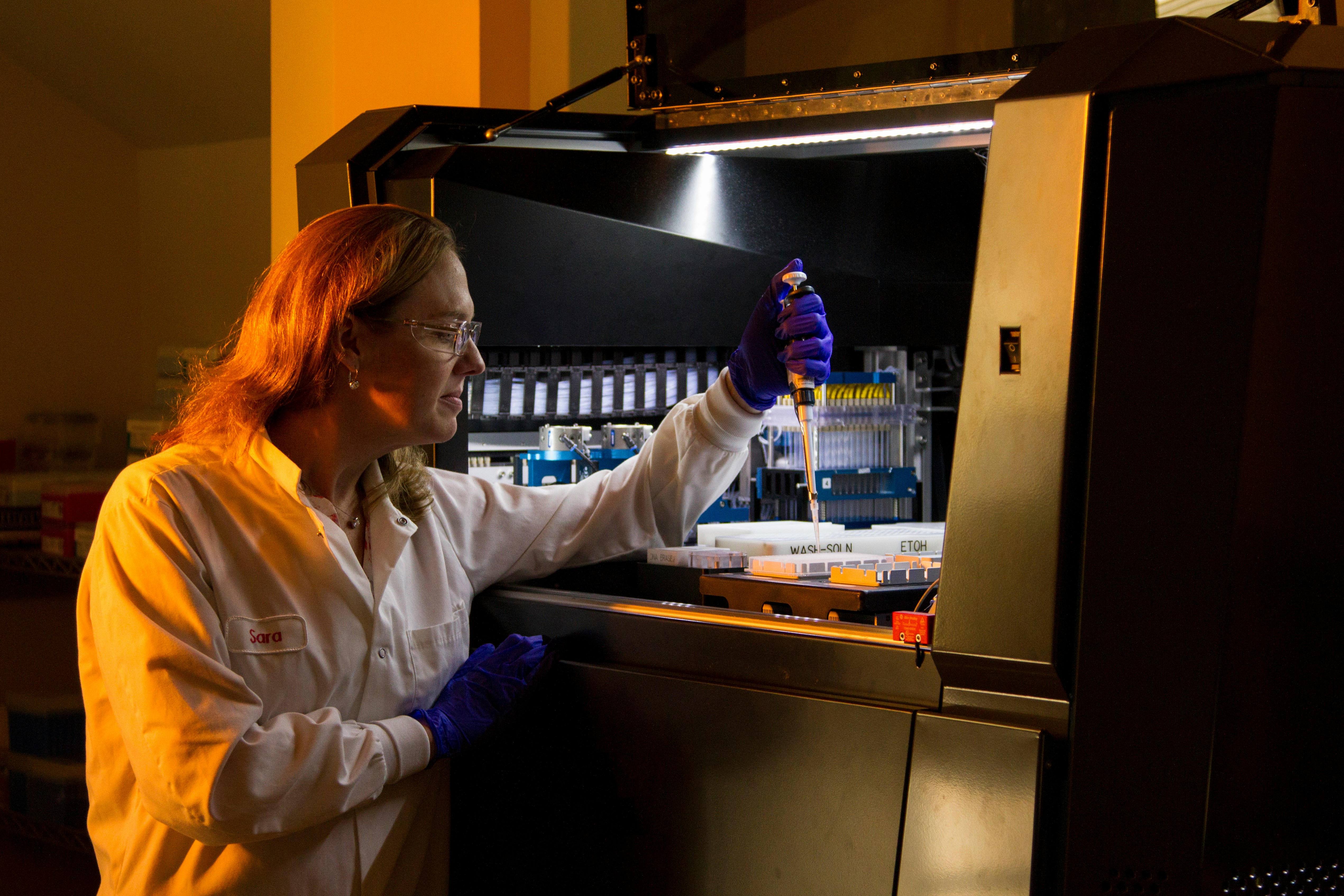
Subcategory
Members only
Peer review is often described as a gatekeeper of science—a quality-control mechanism that determines what counts as valid knowledge. To many outside academia, it appears as a neutral filter, separating sound research from flawed work. To those inside it, peer review is more complex: imperfect, human, and deeply influential.
“Peer review doesn’t just evaluate knowledge,” said a former journal editor with decades of experience. “It actively shapes what knowledge becomes visible.”
Understanding how peer review shapes knowledge requires looking beyond its formal role and examining how it structures incentives, influences research questions, and determines which ideas gain legitimacy—and which remain unseen.
What Peer Review Is—and Is Not
At its core, peer review is a process in which experts evaluate research before publication.
They assess:
Methodological soundness
Originality
Relevance to the field
Clarity of argument
“It’s meant to test credibility, not truth,” said a research methodologist.
Peer review cannot prove findings correct. It can only assess whether claims meet disciplinary standards at a given moment.
Knowledge remains provisional.
Peer Review as an Institutional Filter
Peer review functions as an institutional filter.
It controls access to journals, funding, and prestige.
“Acceptance confers legitimacy,” said the editor. “Rejection often means invisibility.”
Because publication is tied to career advancement, peer review shapes not just knowledge—but behavior.
Researchers adapt to what reviewers expect.
How Standards Shape Questions
Peer review enforces norms.
It favors familiar methods, established frameworks, and incremental advances.
“Reviewers tend to reward what they recognize,” said a sociologist of science.
This stabilizes fields—but can slow radical innovation.
Risk becomes costly.
Conservatism and Intellectual Boundaries
Peer review is often conservative.
Novel ideas challenge existing paradigms—and those paradigms are held by reviewers.
“Innovation must be legible to survive review,” said the sociologist.
Ideas that fall outside disciplinary language or method struggle to pass.
Boundaries harden.
Peer Review and the Pace of Science
Peer review slows dissemination.
This delay is intentional.
“Slowness is a feature, not a bug,” said the methodologist.
Time allows scrutiny, revision, and reflection.
But in fast-moving fields, delay can hinder responsiveness.
Balance is contested.
The Role of Anonymity
Anonymity is designed to reduce bias.
Reviewers critique without fear of reprisal.
Authors submit without knowing their evaluators.
“Anonymity protects candor,” said the editor.
But it can also shield unconstructive behavior.
Power dynamics persist invisibly.
Bias and Unequal Outcomes
Peer review is not immune to bias.
Institutional prestige, geographic location, and language influence outcomes.
“Blind review is never fully blind,” said the sociologist.
Structural inequalities shape whose knowledge is validated.
Authority compounds.
Peer Review as Collaborative Process
Despite its reputation, peer review is collaborative.
Authors revise in response to critique.
Papers evolve through dialogue.
“Most published work is co-shaped by reviewers,” said the editor.
Knowledge is negotiated—not declared.
The Hidden Curriculum of Review
Early-career researchers learn how to write for reviewers.
They internalize stylistic norms and rhetorical strategies.
“Peer review teaches you how to sound credible,” said the methodologist.
This training shapes how ideas are expressed—and constrained.
Language becomes strategy.
Gatekeeping Versus Stewardship
Peer review balances gatekeeping and stewardship.
It excludes flawed work—but also nurtures promising research.
“Good reviewers improve papers,” said the editor.
Bad review discourages inquiry.
Quality depends on care.
Review Fatigue and Systemic Strain
Peer review relies on unpaid labor.
Reviewers are overburdened.
“Fatigue affects judgment,” said the sociologist.
As submission volumes rise, review quality varies.
Strain threatens consistency.
Peer Review and Funding Decisions
Peer review extends beyond journals.
Grant proposals undergo similar evaluation.
“Funding review shapes the future more than publication,” said a science policy analyst.
Which projects receive resources determines which knowledge gets produced.
Review influences direction.
Replication and Methodological Rigor
Peer review influences methodological standards.
Statistical expectations, reporting norms, and transparency requirements evolve through review.
“Reviewers set the bar,” said the methodologist.
Rigor becomes institutionalized.
Innovation at the Margins
Some innovation emerges outside traditional peer review.
Preprints, open review, and alternative journals experiment with new models.
“Peer review is adapting under pressure,” said the editor.
Change is incremental—but visible.
The Problem of Negative Results
Peer review favors positive findings.
Null results struggle to publish.
“This skews the scientific record,” said the sociologist.
Knowledge becomes distorted.
Absence masquerades as evidence.
Open Peer Review and Transparency
Some advocate open peer review.
Signed reviews. Public commentary. Transparent revision histories.
“Transparency redistributes power,” said the editor.
But openness introduces new risks—especially for junior scholars.
Trade-offs remain.
Peer Review as Cultural Practice
Peer review reflects disciplinary culture.
Different fields review differently.
“There is no single peer review,” said the sociologist.
Norms shape expectations.
Knowledge reflects culture.
The Limits of Peer Review
Peer review does not detect all errors.
Fraud, bias, and flawed assumptions can pass.
“Peer review is a filter, not a guarantee,” said the methodologist.
Replication and post-publication scrutiny remain essential.
No system is sufficient alone.
Why Peer Review Still Matters
Despite criticism, peer review remains central.
It provides shared standards.
It enforces accountability.
It embeds critique into knowledge production.
“Without peer review, science fragments,” said the editor.
Consensus requires process.
Conclusion: Knowledge Shaped by Process
Peer review does more than judge research.
It shapes what questions are asked, how findings are framed, and which ideas enter collective understanding.
Its influence is subtle—but profound.
Peer review is neither neutral nor infallible.
It is a human system—reflecting values, incentives, and power structures.
Recognizing this does not weaken science.
It strengthens it.
Because understanding how knowledge is shaped
is the first step toward shaping it better.
And in a world increasingly reliant on scientific authority,
the processes that determine what counts as knowledge
deserve as much scrutiny
as the knowledge itself.
Subcategory
Members only
Peer review is often described as a gatekeeper of science—a quality-control mechanism that determines what counts as valid knowledge. To many outside academia, it appears as a neutral filter, separating sound research from flawed work. To those inside it, peer review is more complex: imperfect, human, and deeply influential.
“Peer review doesn’t just evaluate knowledge,” said a former journal editor with decades of experience. “It actively shapes what knowledge becomes visible.”
Understanding how peer review shapes knowledge requires looking beyond its formal role and examining how it structures incentives, influences research questions, and determines which ideas gain legitimacy—and which remain unseen.
What Peer Review Is—and Is Not
At its core, peer review is a process in which experts evaluate research before publication.
They assess:
Methodological soundness
Originality
Relevance to the field
Clarity of argument
“It’s meant to test credibility, not truth,” said a research methodologist.
Peer review cannot prove findings correct. It can only assess whether claims meet disciplinary standards at a given moment.
Knowledge remains provisional.
Peer Review as an Institutional Filter
Peer review functions as an institutional filter.
It controls access to journals, funding, and prestige.
“Acceptance confers legitimacy,” said the editor. “Rejection often means invisibility.”
Because publication is tied to career advancement, peer review shapes not just knowledge—but behavior.
Researchers adapt to what reviewers expect.
How Standards Shape Questions
Peer review enforces norms.
It favors familiar methods, established frameworks, and incremental advances.
“Reviewers tend to reward what they recognize,” said a sociologist of science.
This stabilizes fields—but can slow radical innovation.
Risk becomes costly.
Conservatism and Intellectual Boundaries
Peer review is often conservative.
Novel ideas challenge existing paradigms—and those paradigms are held by reviewers.
“Innovation must be legible to survive review,” said the sociologist.
Ideas that fall outside disciplinary language or method struggle to pass.
Boundaries harden.
Peer Review and the Pace of Science
Peer review slows dissemination.
This delay is intentional.
“Slowness is a feature, not a bug,” said the methodologist.
Time allows scrutiny, revision, and reflection.
But in fast-moving fields, delay can hinder responsiveness.
Balance is contested.
The Role of Anonymity
Anonymity is designed to reduce bias.
Reviewers critique without fear of reprisal.
Authors submit without knowing their evaluators.
“Anonymity protects candor,” said the editor.
But it can also shield unconstructive behavior.
Power dynamics persist invisibly.
Bias and Unequal Outcomes
Peer review is not immune to bias.
Institutional prestige, geographic location, and language influence outcomes.
“Blind review is never fully blind,” said the sociologist.
Structural inequalities shape whose knowledge is validated.
Authority compounds.
Peer Review as Collaborative Process
Despite its reputation, peer review is collaborative.
Authors revise in response to critique.
Papers evolve through dialogue.
“Most published work is co-shaped by reviewers,” said the editor.
Knowledge is negotiated—not declared.
The Hidden Curriculum of Review
Early-career researchers learn how to write for reviewers.
They internalize stylistic norms and rhetorical strategies.
“Peer review teaches you how to sound credible,” said the methodologist.
This training shapes how ideas are expressed—and constrained.
Language becomes strategy.
Gatekeeping Versus Stewardship
Peer review balances gatekeeping and stewardship.
It excludes flawed work—but also nurtures promising research.
“Good reviewers improve papers,” said the editor.
Bad review discourages inquiry.
Quality depends on care.
Review Fatigue and Systemic Strain
Peer review relies on unpaid labor.
Reviewers are overburdened.
“Fatigue affects judgment,” said the sociologist.
As submission volumes rise, review quality varies.
Strain threatens consistency.
Peer Review and Funding Decisions
Peer review extends beyond journals.
Grant proposals undergo similar evaluation.
“Funding review shapes the future more than publication,” said a science policy analyst.
Which projects receive resources determines which knowledge gets produced.
Review influences direction.
Replication and Methodological Rigor
Peer review influences methodological standards.
Statistical expectations, reporting norms, and transparency requirements evolve through review.
“Reviewers set the bar,” said the methodologist.
Rigor becomes institutionalized.
Innovation at the Margins
Some innovation emerges outside traditional peer review.
Preprints, open review, and alternative journals experiment with new models.
“Peer review is adapting under pressure,” said the editor.
Change is incremental—but visible.
The Problem of Negative Results
Peer review favors positive findings.
Null results struggle to publish.
“This skews the scientific record,” said the sociologist.
Knowledge becomes distorted.
Absence masquerades as evidence.
Open Peer Review and Transparency
Some advocate open peer review.
Signed reviews. Public commentary. Transparent revision histories.
“Transparency redistributes power,” said the editor.
But openness introduces new risks—especially for junior scholars.
Trade-offs remain.
Peer Review as Cultural Practice
Peer review reflects disciplinary culture.
Different fields review differently.
“There is no single peer review,” said the sociologist.
Norms shape expectations.
Knowledge reflects culture.
The Limits of Peer Review
Peer review does not detect all errors.
Fraud, bias, and flawed assumptions can pass.
“Peer review is a filter, not a guarantee,” said the methodologist.
Replication and post-publication scrutiny remain essential.
No system is sufficient alone.
Why Peer Review Still Matters
Despite criticism, peer review remains central.
It provides shared standards.
It enforces accountability.
It embeds critique into knowledge production.
“Without peer review, science fragments,” said the editor.
Consensus requires process.
Conclusion: Knowledge Shaped by Process
Peer review does more than judge research.
It shapes what questions are asked, how findings are framed, and which ideas enter collective understanding.
Its influence is subtle—but profound.
Peer review is neither neutral nor infallible.
It is a human system—reflecting values, incentives, and power structures.
Recognizing this does not weaken science.
It strengthens it.
Because understanding how knowledge is shaped
is the first step toward shaping it better.
And in a world increasingly reliant on scientific authority,
the processes that determine what counts as knowledge
deserve as much scrutiny
as the knowledge itself.
Subcategory
Members only
Innovation is often imagined as a clean progression: a problem identified, a solution designed, a breakthrough achieved. Popular narratives celebrate visionary moments and decisive leaps forward. In this telling, innovation is linear—moving predictably from idea to impact.
Reality tells a different story.
“Innovation is messy, indirect, and often accidental,” said a historian of technology. “What looks like progress in hindsight is usually confusion in real time.”
Understanding how innovation actually unfolds requires abandoning the myth of linearity and examining the detours, failures, and feedback loops that define change.
The Appeal of Linear Narratives
Linear innovation stories are comforting.
They imply control, intention, and inevitability.
“Linear stories make innovation seem manageable,” said the historian. “They reassure investors, policymakers, and institutions.”
But they simplify complexity.
They compress uncertainty.
Narrative clarity replaces historical accuracy.
Discovery Without Application—and Vice Versa
Many innovations begin without clear application.
Conversely, many applications emerge before theory catches up.
“Use often precedes understanding,” said a research scientist involved in applied technology.
Innovation advances through mismatches.
Theory and practice chase each other.
Failure as a Structural Feature
Failure is not an exception—it is foundational.
Most ideas do not work as intended.
“Failure is where learning happens,” said a product engineer.
Iterative failure reveals constraints and possibilities.
Linear narratives erase these dead ends.
But innovation depends on them.
Serendipity and Unintended Consequences
Some innovations emerge accidentally.
Unexpected uses, repurposed tools, and side effects generate new directions.
“Many breakthroughs begin as mistakes,” said the engineer.
Serendipity thrives in flexible environments.
Rigid plans resist discovery.
Feedback Loops and Course Correction
Innovation unfolds through feedback.
User behavior, market response, and institutional constraint reshape ideas.
“You build, observe, revise,” said the engineer.
Each cycle alters direction.
Progress zigzags.
Institutional Friction and Delay
Institutions slow innovation.
Regulation, bureaucracy, and risk aversion introduce delay.
“Friction feels like failure—but it often improves outcomes,” said a policy analyst.
Delay allows evaluation.
Resistance refines ideas.
Path Dependence and Early Lock-In
Early choices constrain future options.
Standards, platforms, and infrastructures create lock-in.
“Innovation inherits its own past,” said the historian.
Paths narrow over time.
Change becomes incremental.
Competing Visions and False Starts
Multiple solutions often compete.
Some win—not because they’re superior, but because they align with power or timing.
“History selects, not merit alone,” said the historian.
Innovation reflects social context.
Victory is contingent.
The Role of Users in Shaping Innovation
Users shape innovation in unexpected ways.
Adaptation, misuse, and resistance influence direction.
“Users finish the design,” said the engineer.
Innovation is co-produced.
Intent evolves through use.
Cross-Pollination Across Fields
Innovation rarely stays within boundaries.
Ideas migrate across disciplines and industries.
“Breakthroughs happen at intersections,” said the research scientist.
Translation sparks change.
Hybridization fuels progress.
Time Horizons That Don’t Match
Innovation timelines clash.
Research moves slowly. Markets move quickly. Policy moves unevenly.
“Misaligned time horizons distort decision-making,” said the analyst.
Pressure accelerates shortcuts.
Shortcuts create risk.
Innovation Under Uncertainty
Innovation proceeds without full knowledge.
Decisions are made with incomplete information.
“You never know which path will work,” said the engineer.
Exploration replaces optimization.
Certainty arrives late.
Measurement Distorts Direction
Metrics influence behavior.
What is measured guides effort.
“When metrics dominate, innovation narrows,” said the analyst.
Quantification favors incremental gains.
Exploration suffers.
The Myth of the Lone Innovator
Linear stories focus on individuals.
In reality, innovation is collective.
Teams, institutions, and networks contribute.
“No one innovates alone,” said the historian.
Credit simplifies history.
Complexity disappears.
Innovation and Power Structures
Innovation unfolds within power structures.
Funding, regulation, and control shape outcomes.
“Some ideas survive because they fit existing power,” said the analyst.
Innovation is political.
Direction reflects influence.
Adaptation and Reinterpretation Over Time
Innovations change meaning.
What begins as one thing becomes another.
“Technologies evolve culturally,” said the historian.
Purpose shifts.
Use redefines design.
Why Straight Lines Are a Retrospective Illusion
Looking back, paths appear linear.
But hindsight compresses complexity.
“We draw straight lines after the fact,” said the historian.
Messiness is edited out.
Narrative replaces reality.
Embracing Nonlinearity as Strength
Nonlinearity allows resilience.
Multiple paths reduce risk.
Flexibility enables adjustment.
“Innovation needs room to wander,” said the engineer.
Wandering finds possibility.
Rethinking How We Support Innovation
Supporting innovation requires tolerance for uncertainty.
Longer time horizons.
Acceptance of failure.
Diverse approaches.
“Rigid planning undermines discovery,” said the analyst.
Support structures must adapt.
Conclusion: Innovation as Exploration, Not Execution
Innovation rarely follows a straight line because it cannot.
It unfolds through exploration, error, and reinterpretation.
Its path is shaped by feedback, context, and constraint.
Understanding this does not weaken innovation.
It strengthens it.
Because when we stop expecting clarity at the beginning,
we become better at learning along the way.
And when we accept that progress zigzags,
we design systems that support exploration—
rather than forcing discovery to follow paths that only exist in hindsight.
Innovation moves forward not by marching straight ahead,
but by navigating complexity—
one uncertain step at a time.

Subcategory
Members only
Innovation is often imagined as a clean progression: a problem identified, a solution designed, a breakthrough achieved. Popular narratives celebrate visionary moments and decisive leaps forward. In this telling, innovation is linear—moving predictably from idea to impact.
Reality tells a different story.
“Innovation is messy, indirect, and often accidental,” said a historian of technology. “What looks like progress in hindsight is usually confusion in real time.”
Understanding how innovation actually unfolds requires abandoning the myth of linearity and examining the detours, failures, and feedback loops that define change.
The Appeal of Linear Narratives
Linear innovation stories are comforting.
They imply control, intention, and inevitability.
“Linear stories make innovation seem manageable,” said the historian. “They reassure investors, policymakers, and institutions.”
But they simplify complexity.
They compress uncertainty.
Narrative clarity replaces historical accuracy.
Discovery Without Application—and Vice Versa
Many innovations begin without clear application.
Conversely, many applications emerge before theory catches up.
“Use often precedes understanding,” said a research scientist involved in applied technology.
Innovation advances through mismatches.
Theory and practice chase each other.
Failure as a Structural Feature
Failure is not an exception—it is foundational.
Most ideas do not work as intended.
“Failure is where learning happens,” said a product engineer.
Iterative failure reveals constraints and possibilities.
Linear narratives erase these dead ends.
But innovation depends on them.
Serendipity and Unintended Consequences
Some innovations emerge accidentally.
Unexpected uses, repurposed tools, and side effects generate new directions.
“Many breakthroughs begin as mistakes,” said the engineer.
Serendipity thrives in flexible environments.
Rigid plans resist discovery.
Feedback Loops and Course Correction
Innovation unfolds through feedback.
User behavior, market response, and institutional constraint reshape ideas.
“You build, observe, revise,” said the engineer.
Each cycle alters direction.
Progress zigzags.
Institutional Friction and Delay
Institutions slow innovation.
Regulation, bureaucracy, and risk aversion introduce delay.
“Friction feels like failure—but it often improves outcomes,” said a policy analyst.
Delay allows evaluation.
Resistance refines ideas.
Path Dependence and Early Lock-In
Early choices constrain future options.
Standards, platforms, and infrastructures create lock-in.
“Innovation inherits its own past,” said the historian.
Paths narrow over time.
Change becomes incremental.
Competing Visions and False Starts
Multiple solutions often compete.
Some win—not because they’re superior, but because they align with power or timing.
“History selects, not merit alone,” said the historian.
Innovation reflects social context.
Victory is contingent.
The Role of Users in Shaping Innovation
Users shape innovation in unexpected ways.
Adaptation, misuse, and resistance influence direction.
“Users finish the design,” said the engineer.
Innovation is co-produced.
Intent evolves through use.
Cross-Pollination Across Fields
Innovation rarely stays within boundaries.
Ideas migrate across disciplines and industries.
“Breakthroughs happen at intersections,” said the research scientist.
Translation sparks change.
Hybridization fuels progress.
Time Horizons That Don’t Match
Innovation timelines clash.
Research moves slowly. Markets move quickly. Policy moves unevenly.
“Misaligned time horizons distort decision-making,” said the analyst.
Pressure accelerates shortcuts.
Shortcuts create risk.
Innovation Under Uncertainty
Innovation proceeds without full knowledge.
Decisions are made with incomplete information.
“You never know which path will work,” said the engineer.
Exploration replaces optimization.
Certainty arrives late.
Measurement Distorts Direction
Metrics influence behavior.
What is measured guides effort.
“When metrics dominate, innovation narrows,” said the analyst.
Quantification favors incremental gains.
Exploration suffers.
The Myth of the Lone Innovator
Linear stories focus on individuals.
In reality, innovation is collective.
Teams, institutions, and networks contribute.
“No one innovates alone,” said the historian.
Credit simplifies history.
Complexity disappears.
Innovation and Power Structures
Innovation unfolds within power structures.
Funding, regulation, and control shape outcomes.
“Some ideas survive because they fit existing power,” said the analyst.
Innovation is political.
Direction reflects influence.
Adaptation and Reinterpretation Over Time
Innovations change meaning.
What begins as one thing becomes another.
“Technologies evolve culturally,” said the historian.
Purpose shifts.
Use redefines design.
Why Straight Lines Are a Retrospective Illusion
Looking back, paths appear linear.
But hindsight compresses complexity.
“We draw straight lines after the fact,” said the historian.
Messiness is edited out.
Narrative replaces reality.
Embracing Nonlinearity as Strength
Nonlinearity allows resilience.
Multiple paths reduce risk.
Flexibility enables adjustment.
“Innovation needs room to wander,” said the engineer.
Wandering finds possibility.
Rethinking How We Support Innovation
Supporting innovation requires tolerance for uncertainty.
Longer time horizons.
Acceptance of failure.
Diverse approaches.
“Rigid planning undermines discovery,” said the analyst.
Support structures must adapt.
Conclusion: Innovation as Exploration, Not Execution
Innovation rarely follows a straight line because it cannot.
It unfolds through exploration, error, and reinterpretation.
Its path is shaped by feedback, context, and constraint.
Understanding this does not weaken innovation.
It strengthens it.
Because when we stop expecting clarity at the beginning,
we become better at learning along the way.
And when we accept that progress zigzags,
we design systems that support exploration—
rather than forcing discovery to follow paths that only exist in hindsight.
Innovation moves forward not by marching straight ahead,
but by navigating complexity—
one uncertain step at a time.
Subcategory
Members only
Innovation is often imagined as a clean progression: a problem identified, a solution designed, a breakthrough achieved. Popular narratives celebrate visionary moments and decisive leaps forward. In this telling, innovation is linear—moving predictably from idea to impact.
Reality tells a different story.
“Innovation is messy, indirect, and often accidental,” said a historian of technology. “What looks like progress in hindsight is usually confusion in real time.”
Understanding how innovation actually unfolds requires abandoning the myth of linearity and examining the detours, failures, and feedback loops that define change.
The Appeal of Linear Narratives
Linear innovation stories are comforting.
They imply control, intention, and inevitability.
“Linear stories make innovation seem manageable,” said the historian. “They reassure investors, policymakers, and institutions.”
But they simplify complexity.
They compress uncertainty.
Narrative clarity replaces historical accuracy.
Discovery Without Application—and Vice Versa
Many innovations begin without clear application.
Conversely, many applications emerge before theory catches up.
“Use often precedes understanding,” said a research scientist involved in applied technology.
Innovation advances through mismatches.
Theory and practice chase each other.
Failure as a Structural Feature
Failure is not an exception—it is foundational.
Most ideas do not work as intended.
“Failure is where learning happens,” said a product engineer.
Iterative failure reveals constraints and possibilities.
Linear narratives erase these dead ends.
But innovation depends on them.
Serendipity and Unintended Consequences
Some innovations emerge accidentally.
Unexpected uses, repurposed tools, and side effects generate new directions.
“Many breakthroughs begin as mistakes,” said the engineer.
Serendipity thrives in flexible environments.
Rigid plans resist discovery.
Feedback Loops and Course Correction
Innovation unfolds through feedback.
User behavior, market response, and institutional constraint reshape ideas.
“You build, observe, revise,” said the engineer.
Each cycle alters direction.
Progress zigzags.
Institutional Friction and Delay
Institutions slow innovation.
Regulation, bureaucracy, and risk aversion introduce delay.
“Friction feels like failure—but it often improves outcomes,” said a policy analyst.
Delay allows evaluation.
Resistance refines ideas.
Path Dependence and Early Lock-In
Early choices constrain future options.
Standards, platforms, and infrastructures create lock-in.
“Innovation inherits its own past,” said the historian.
Paths narrow over time.
Change becomes incremental.
Competing Visions and False Starts
Multiple solutions often compete.
Some win—not because they’re superior, but because they align with power or timing.
“History selects, not merit alone,” said the historian.
Innovation reflects social context.
Victory is contingent.
The Role of Users in Shaping Innovation
Users shape innovation in unexpected ways.
Adaptation, misuse, and resistance influence direction.
“Users finish the design,” said the engineer.
Innovation is co-produced.
Intent evolves through use.
Cross-Pollination Across Fields
Innovation rarely stays within boundaries.
Ideas migrate across disciplines and industries.
“Breakthroughs happen at intersections,” said the research scientist.
Translation sparks change.
Hybridization fuels progress.
Time Horizons That Don’t Match
Innovation timelines clash.
Research moves slowly. Markets move quickly. Policy moves unevenly.
“Misaligned time horizons distort decision-making,” said the analyst.
Pressure accelerates shortcuts.
Shortcuts create risk.
Innovation Under Uncertainty
Innovation proceeds without full knowledge.
Decisions are made with incomplete information.
“You never know which path will work,” said the engineer.
Exploration replaces optimization.
Certainty arrives late.
Measurement Distorts Direction
Metrics influence behavior.
What is measured guides effort.
“When metrics dominate, innovation narrows,” said the analyst.
Quantification favors incremental gains.
Exploration suffers.
The Myth of the Lone Innovator
Linear stories focus on individuals.
In reality, innovation is collective.
Teams, institutions, and networks contribute.
“No one innovates alone,” said the historian.
Credit simplifies history.
Complexity disappears.
Innovation and Power Structures
Innovation unfolds within power structures.
Funding, regulation, and control shape outcomes.
“Some ideas survive because they fit existing power,” said the analyst.
Innovation is political.
Direction reflects influence.
Adaptation and Reinterpretation Over Time
Innovations change meaning.
What begins as one thing becomes another.
“Technologies evolve culturally,” said the historian.
Purpose shifts.
Use redefines design.
Why Straight Lines Are a Retrospective Illusion
Looking back, paths appear linear.
But hindsight compresses complexity.
“We draw straight lines after the fact,” said the historian.
Messiness is edited out.
Narrative replaces reality.
Embracing Nonlinearity as Strength
Nonlinearity allows resilience.
Multiple paths reduce risk.
Flexibility enables adjustment.
“Innovation needs room to wander,” said the engineer.
Wandering finds possibility.
Rethinking How We Support Innovation
Supporting innovation requires tolerance for uncertainty.
Longer time horizons.
Acceptance of failure.
Diverse approaches.
“Rigid planning undermines discovery,” said the analyst.
Support structures must adapt.
Conclusion: Innovation as Exploration, Not Execution
Innovation rarely follows a straight line because it cannot.
It unfolds through exploration, error, and reinterpretation.
Its path is shaped by feedback, context, and constraint.
Understanding this does not weaken innovation.
It strengthens it.
Because when we stop expecting clarity at the beginning,
we become better at learning along the way.
And when we accept that progress zigzags,
we design systems that support exploration—
rather than forcing discovery to follow paths that only exist in hindsight.
Innovation moves forward not by marching straight ahead,
but by navigating complexity—
one uncertain step at a time.
Subcategory
Members only
Science occupies a privileged position in modern society. It informs policy, guides medicine, shapes technology, and underwrites public trust in expertise. Scientific findings are often treated as authoritative—clear answers to complex questions. In moments of crisis, science is asked to deliver certainty.
But science is not built on certainty.
“Uncertainty isn’t a flaw in science,” said a philosopher of science who studies epistemology. “It’s a defining feature.”
Understanding the limits of scientific certainty is essential—not to weaken trust in science, but to ground it in reality. Scientific knowledge advances not by eliminating uncertainty, but by managing it carefully, transparently, and humbly.
What Scientific Certainty Is—and Is Not
Scientific certainty is often misunderstood as absolute truth.
In practice, science offers probabilistic claims supported by evidence, theory, and replication.
“Science tells us what is most likely given the best available evidence,” said a statistician specializing in experimental design. “It does not deliver final answers.”
Certainty in science is always conditional.
It depends on methods, assumptions, data quality, and context.
Provisional Knowledge as a Strength
All scientific knowledge is provisional.
Findings remain open to revision as new evidence emerges.
“This is not weakness—it’s discipline,” said the philosopher.
Scientific claims are intentionally framed to allow correction.
Revision is progress.
Measurement and the Problem of Precision
Scientific certainty is constrained by measurement.
Every instrument has limits.
Every dataset contains noise.
“We never measure reality directly,” said the statistician. “We measure proxies.”
Precision can improve—but never reach perfection.
Uncertainty persists at the margins.
Models as Simplifications, Not Mirrors
Many scientific conclusions rely on models.
Models abstract reality to make it understandable.
“All models are simplifications,” said a climate scientist involved in large-scale simulations.
They clarify patterns—but omit complexity.
Certainty is bounded by abstraction.
Probability and the Misinterpretation of Confidence
Scientific results are often expressed in probabilities and confidence intervals.
These are frequently misunderstood as guarantees.
“A high confidence level doesn’t mean certainty,” said the statistician.
It reflects likelihood under specific assumptions.
Misinterpretation creates false expectations.
Replication and the Boundaries of Reliability
Replication strengthens confidence—but does not eliminate uncertainty.
Results may replicate under some conditions but not others.
“Replication tells us where findings hold—and where they don’t,” said a methodologist.
Knowledge becomes scoped, not absolute.
Context matters.
The Role of Assumptions
Every scientific claim rests on assumptions.
These may be theoretical, methodological, or statistical.
“When assumptions shift, conclusions can change,” said the philosopher.
Certainty depends on what is taken for granted.
Assumptions are rarely neutral.
Complexity and Emergent Behavior
In complex systems—climate, ecosystems, economies, brains—certainty is especially limited.
Small changes can produce disproportionate effects.
“Complex systems resist prediction,” said the climate scientist.
Emergence defies linear expectation.
Certainty collapses at scale.
The Problem of Incomplete Data
Scientific conclusions are constrained by available data.
Some phenomena are difficult or impossible to observe directly.
“We infer more than we observe,” said the methodologist.
Inference carries uncertainty.
Absence of evidence is not evidence of absence.
Science and the Arrow of Time
Scientific certainty often weakens when projecting forward.
Prediction is harder than explanation.
“We understand the past better than the future,” said the climate scientist.
Forecasts accumulate uncertainty over time.
Confidence decays with distance.
Consensus Versus Certainty
Scientific consensus is often mistaken for certainty.
Consensus reflects agreement among experts—not final truth.
“Consensus indicates robustness, not infallibility,” said the philosopher.
It signals convergence—not closure.
Public Pressure for Definitive Answers
Society often demands certainty from science.
Policy, media, and public discourse reward clarity.
“Ambiguity is politically inconvenient,” said a science communication researcher.
But overstating certainty undermines trust when revisions occur.
Honesty protects credibility.
The Cost of Overconfidence
When science is presented as absolute, corrections appear as failures.
This fuels skepticism.
“Overconfidence damages trust more than uncertainty ever could,” said the researcher.
Transparency sustains legitimacy.
Science, Values, and Interpretation
Scientific findings do not interpret themselves.
Values influence framing, emphasis, and application.
“Science informs decisions—it doesn’t make them,” said the philosopher.
Certainty ends where judgment begins.
Ethical Limits to Scientific Knowledge
Some knowledge cannot be pursued ethically.
Constraints on experimentation limit certainty.
“We accept uncertainty to protect human dignity,” said a bioethicist.
Ethics shapes epistemology.
Limits are chosen.
The Role of Disagreement
Scientific disagreement is not failure.
It reflects uncertainty and active inquiry.
“Disagreement is how knowledge sharpens,” said the methodologist.
Consensus emerges slowly.
Conflict refines understanding.
The Myth of the Final Answer
The idea of definitive scientific answers persists.
But science rarely closes questions completely.
“Each answer opens new uncertainty,” said the philosopher.
Knowledge expands by deepening questions.
Finality is illusion.
Communicating Uncertainty Responsibly
Communicating uncertainty is difficult.
Too much nuance confuses. Too little misleads.
“We need better literacy around uncertainty,” said the science communicator.
Understanding probability is essential to trust.
Why Limits Matter More Than Certainty
Recognizing limits protects science from misuse.
It prevents overreach.
It clarifies responsibility.
“Knowing what we don’t know is part of knowing,” said the statistician.
Humility strengthens authority.
Conclusion: Trusting Science Without Demanding Certainty
The limits of scientific certainty are not a reason to distrust science.
They are the reason science works.
Scientific knowledge advances through doubt, testing, revision, and restraint.
It does not promise infallibility.
It promises honesty.
In a world hungry for clear answers, science offers something more durable:
A method for learning under uncertainty.
And the courage to say not only what we know—
but how well we know it,
why we might be wrong,
and what it would take to know more.
That humility is not a weakness.
It is science’s greatest strength.

Subcategory
Members only
Science occupies a privileged position in modern society. It informs policy, guides medicine, shapes technology, and underwrites public trust in expertise. Scientific findings are often treated as authoritative—clear answers to complex questions. In moments of crisis, science is asked to deliver certainty.
But science is not built on certainty.
“Uncertainty isn’t a flaw in science,” said a philosopher of science who studies epistemology. “It’s a defining feature.”
Understanding the limits of scientific certainty is essential—not to weaken trust in science, but to ground it in reality. Scientific knowledge advances not by eliminating uncertainty, but by managing it carefully, transparently, and humbly.
What Scientific Certainty Is—and Is Not
Scientific certainty is often misunderstood as absolute truth.
In practice, science offers probabilistic claims supported by evidence, theory, and replication.
“Science tells us what is most likely given the best available evidence,” said a statistician specializing in experimental design. “It does not deliver final answers.”
Certainty in science is always conditional.
It depends on methods, assumptions, data quality, and context.
Provisional Knowledge as a Strength
All scientific knowledge is provisional.
Findings remain open to revision as new evidence emerges.
“This is not weakness—it’s discipline,” said the philosopher.
Scientific claims are intentionally framed to allow correction.
Revision is progress.
Measurement and the Problem of Precision
Scientific certainty is constrained by measurement.
Every instrument has limits.
Every dataset contains noise.
“We never measure reality directly,” said the statistician. “We measure proxies.”
Precision can improve—but never reach perfection.
Uncertainty persists at the margins.
Models as Simplifications, Not Mirrors
Many scientific conclusions rely on models.
Models abstract reality to make it understandable.
“All models are simplifications,” said a climate scientist involved in large-scale simulations.
They clarify patterns—but omit complexity.
Certainty is bounded by abstraction.
Probability and the Misinterpretation of Confidence
Scientific results are often expressed in probabilities and confidence intervals.
These are frequently misunderstood as guarantees.
“A high confidence level doesn’t mean certainty,” said the statistician.
It reflects likelihood under specific assumptions.
Misinterpretation creates false expectations.
Replication and the Boundaries of Reliability
Replication strengthens confidence—but does not eliminate uncertainty.
Results may replicate under some conditions but not others.
“Replication tells us where findings hold—and where they don’t,” said a methodologist.
Knowledge becomes scoped, not absolute.
Context matters.
The Role of Assumptions
Every scientific claim rests on assumptions.
These may be theoretical, methodological, or statistical.
“When assumptions shift, conclusions can change,” said the philosopher.
Certainty depends on what is taken for granted.
Assumptions are rarely neutral.
Complexity and Emergent Behavior
In complex systems—climate, ecosystems, economies, brains—certainty is especially limited.
Small changes can produce disproportionate effects.
“Complex systems resist prediction,” said the climate scientist.
Emergence defies linear expectation.
Certainty collapses at scale.
The Problem of Incomplete Data
Scientific conclusions are constrained by available data.
Some phenomena are difficult or impossible to observe directly.
“We infer more than we observe,” said the methodologist.
Inference carries uncertainty.
Absence of evidence is not evidence of absence.
Science and the Arrow of Time
Scientific certainty often weakens when projecting forward.
Prediction is harder than explanation.
“We understand the past better than the future,” said the climate scientist.
Forecasts accumulate uncertainty over time.
Confidence decays with distance.
Consensus Versus Certainty
Scientific consensus is often mistaken for certainty.
Consensus reflects agreement among experts—not final truth.
“Consensus indicates robustness, not infallibility,” said the philosopher.
It signals convergence—not closure.
Public Pressure for Definitive Answers
Society often demands certainty from science.
Policy, media, and public discourse reward clarity.
“Ambiguity is politically inconvenient,” said a science communication researcher.
But overstating certainty undermines trust when revisions occur.
Honesty protects credibility.
The Cost of Overconfidence
When science is presented as absolute, corrections appear as failures.
This fuels skepticism.
“Overconfidence damages trust more than uncertainty ever could,” said the researcher.
Transparency sustains legitimacy.
Science, Values, and Interpretation
Scientific findings do not interpret themselves.
Values influence framing, emphasis, and application.
“Science informs decisions—it doesn’t make them,” said the philosopher.
Certainty ends where judgment begins.
Ethical Limits to Scientific Knowledge
Some knowledge cannot be pursued ethically.
Constraints on experimentation limit certainty.
“We accept uncertainty to protect human dignity,” said a bioethicist.
Ethics shapes epistemology.
Limits are chosen.
The Role of Disagreement
Scientific disagreement is not failure.
It reflects uncertainty and active inquiry.
“Disagreement is how knowledge sharpens,” said the methodologist.
Consensus emerges slowly.
Conflict refines understanding.
The Myth of the Final Answer
The idea of definitive scientific answers persists.
But science rarely closes questions completely.
“Each answer opens new uncertainty,” said the philosopher.
Knowledge expands by deepening questions.
Finality is illusion.
Communicating Uncertainty Responsibly
Communicating uncertainty is difficult.
Too much nuance confuses. Too little misleads.
“We need better literacy around uncertainty,” said the science communicator.
Understanding probability is essential to trust.
Why Limits Matter More Than Certainty
Recognizing limits protects science from misuse.
It prevents overreach.
It clarifies responsibility.
“Knowing what we don’t know is part of knowing,” said the statistician.
Humility strengthens authority.
Conclusion: Trusting Science Without Demanding Certainty
The limits of scientific certainty are not a reason to distrust science.
They are the reason science works.
Scientific knowledge advances through doubt, testing, revision, and restraint.
It does not promise infallibility.
It promises honesty.
In a world hungry for clear answers, science offers something more durable:
A method for learning under uncertainty.
And the courage to say not only what we know—
but how well we know it,
why we might be wrong,
and what it would take to know more.
That humility is not a weakness.
It is science’s greatest strength.
Subcategory
Members only
Science occupies a privileged position in modern society. It informs policy, guides medicine, shapes technology, and underwrites public trust in expertise. Scientific findings are often treated as authoritative—clear answers to complex questions. In moments of crisis, science is asked to deliver certainty.
But science is not built on certainty.
“Uncertainty isn’t a flaw in science,” said a philosopher of science who studies epistemology. “It’s a defining feature.”
Understanding the limits of scientific certainty is essential—not to weaken trust in science, but to ground it in reality. Scientific knowledge advances not by eliminating uncertainty, but by managing it carefully, transparently, and humbly.
What Scientific Certainty Is—and Is Not
Scientific certainty is often misunderstood as absolute truth.
In practice, science offers probabilistic claims supported by evidence, theory, and replication.
“Science tells us what is most likely given the best available evidence,” said a statistician specializing in experimental design. “It does not deliver final answers.”
Certainty in science is always conditional.
It depends on methods, assumptions, data quality, and context.
Provisional Knowledge as a Strength
All scientific knowledge is provisional.
Findings remain open to revision as new evidence emerges.
“This is not weakness—it’s discipline,” said the philosopher.
Scientific claims are intentionally framed to allow correction.
Revision is progress.
Measurement and the Problem of Precision
Scientific certainty is constrained by measurement.
Every instrument has limits.
Every dataset contains noise.
“We never measure reality directly,” said the statistician. “We measure proxies.”
Precision can improve—but never reach perfection.
Uncertainty persists at the margins.
Models as Simplifications, Not Mirrors
Many scientific conclusions rely on models.
Models abstract reality to make it understandable.
“All models are simplifications,” said a climate scientist involved in large-scale simulations.
They clarify patterns—but omit complexity.
Certainty is bounded by abstraction.
Probability and the Misinterpretation of Confidence
Scientific results are often expressed in probabilities and confidence intervals.
These are frequently misunderstood as guarantees.
“A high confidence level doesn’t mean certainty,” said the statistician.
It reflects likelihood under specific assumptions.
Misinterpretation creates false expectations.
Replication and the Boundaries of Reliability
Replication strengthens confidence—but does not eliminate uncertainty.
Results may replicate under some conditions but not others.
“Replication tells us where findings hold—and where they don’t,” said a methodologist.
Knowledge becomes scoped, not absolute.
Context matters.
The Role of Assumptions
Every scientific claim rests on assumptions.
These may be theoretical, methodological, or statistical.
“When assumptions shift, conclusions can change,” said the philosopher.
Certainty depends on what is taken for granted.
Assumptions are rarely neutral.
Complexity and Emergent Behavior
In complex systems—climate, ecosystems, economies, brains—certainty is especially limited.
Small changes can produce disproportionate effects.
“Complex systems resist prediction,” said the climate scientist.
Emergence defies linear expectation.
Certainty collapses at scale.
The Problem of Incomplete Data
Scientific conclusions are constrained by available data.
Some phenomena are difficult or impossible to observe directly.
“We infer more than we observe,” said the methodologist.
Inference carries uncertainty.
Absence of evidence is not evidence of absence.
Science and the Arrow of Time
Scientific certainty often weakens when projecting forward.
Prediction is harder than explanation.
“We understand the past better than the future,” said the climate scientist.
Forecasts accumulate uncertainty over time.
Confidence decays with distance.
Consensus Versus Certainty
Scientific consensus is often mistaken for certainty.
Consensus reflects agreement among experts—not final truth.
“Consensus indicates robustness, not infallibility,” said the philosopher.
It signals convergence—not closure.
Public Pressure for Definitive Answers
Society often demands certainty from science.
Policy, media, and public discourse reward clarity.
“Ambiguity is politically inconvenient,” said a science communication researcher.
But overstating certainty undermines trust when revisions occur.
Honesty protects credibility.
The Cost of Overconfidence
When science is presented as absolute, corrections appear as failures.
This fuels skepticism.
“Overconfidence damages trust more than uncertainty ever could,” said the researcher.
Transparency sustains legitimacy.
Science, Values, and Interpretation
Scientific findings do not interpret themselves.
Values influence framing, emphasis, and application.
“Science informs decisions—it doesn’t make them,” said the philosopher.
Certainty ends where judgment begins.
Ethical Limits to Scientific Knowledge
Some knowledge cannot be pursued ethically.
Constraints on experimentation limit certainty.
“We accept uncertainty to protect human dignity,” said a bioethicist.
Ethics shapes epistemology.
Limits are chosen.
The Role of Disagreement
Scientific disagreement is not failure.
It reflects uncertainty and active inquiry.
“Disagreement is how knowledge sharpens,” said the methodologist.
Consensus emerges slowly.
Conflict refines understanding.
The Myth of the Final Answer
The idea of definitive scientific answers persists.
But science rarely closes questions completely.
“Each answer opens new uncertainty,” said the philosopher.
Knowledge expands by deepening questions.
Finality is illusion.
Communicating Uncertainty Responsibly
Communicating uncertainty is difficult.
Too much nuance confuses. Too little misleads.
“We need better literacy around uncertainty,” said the science communicator.
Understanding probability is essential to trust.
Why Limits Matter More Than Certainty
Recognizing limits protects science from misuse.
It prevents overreach.
It clarifies responsibility.
“Knowing what we don’t know is part of knowing,” said the statistician.
Humility strengthens authority.
Conclusion: Trusting Science Without Demanding Certainty
The limits of scientific certainty are not a reason to distrust science.
They are the reason science works.
Scientific knowledge advances through doubt, testing, revision, and restraint.
It does not promise infallibility.
It promises honesty.
In a world hungry for clear answers, science offers something more durable:
A method for learning under uncertainty.
And the courage to say not only what we know—
but how well we know it,
why we might be wrong,
and what it would take to know more.
That humility is not a weakness.
It is science’s greatest strength.
Latest Articles
Subcategory
For much of the postwar era, coalition governments were treated as political compromises—necessary but undesirable arrangements formed when voters failed to deliver a clear mandate. They were assumed to be fragile, indecisive, and structurally weaker than single-party administrations.
That assumption is increasingly outdated.
Across parliamentary democracies, coalition governments are no longer transitional solutions. They are becoming the default framework through which power is exercised. And in the process, they are reshaping how authority, accountability, and leadership function in modern politics.
“Coalitions used to be seen as a sign of electoral failure,” said one senior parliamentary analyst in Berlin. “Today, they are better understood as a reflection of social and political plurality.”
From Electoral Winners to Negotiated Power
The classic theory of democratic governance relied on clear winners. Elections were expected to produce governing parties capable of translating campaign promises directly into policy. Coalition arrangements, by contrast, were often framed as temporary compromises that diluted political intent.
But as party systems fragment and voter alignments shift, decisive majorities have become the exception rather than the rule.
“In many countries, no single party can credibly claim to represent a majority of society,” said a political scientist who studies comparative governance. “Coalitions are not blocking democracy—they are how democracy now expresses itself.”
This shift has forced a redefinition of political power. Instead of being exercised through dominance, authority increasingly flows through negotiation, procedural control, and institutional coordination. Policy outcomes are shaped less by ideology alone and more by the architecture of coalition agreements, committee systems, and administrative continuity.
Executive Power Without Centralization
At first glance, coalition governments appear to weaken executive leadership. Prime ministers must consult partners, reconcile competing priorities, and accept constraints that majority leaders rarely face.
Yet this does not mean executives are powerless.
“What changes is not the existence of power, but its form,” said a former civil servant involved in coalition negotiations. “Decisions move from the podium to the process.”
In coalition systems, executive authority often relies more heavily on ministries, regulatory agencies, and legal frameworks. Individual ministers gain leverage within their policy domains, while prime ministers act less as commanders and more as coordinators.
This redistribution of authority can slow decision-making—but it can also stabilize it. Policies developed through coalition consensus tend to be more durable, precisely because they reflect broader political agreement.
“Once a policy survives coalition bargaining, it’s harder to undo,” the former official noted. “Too many actors have a stake in it.”
Parliament Reclaims Its Role
One of the most significant consequences of post-coalition governance is the renewed importance of legislatures.
Under majority governments, parliaments often functioned as confirmation bodies. In coalition systems, they become sites of genuine power. Committees matter. Procedural rules matter. Informal negotiations matter even more.
“In coalition politics, nothing is automatic,” said a senior legislator from a multiparty parliament. “Every vote has to be built.”
This dynamic empowers actors who were previously peripheral: committee chairs, policy specialists, and cross-party negotiators. Minority parties, often dismissed as marginal, become central to legislative outcomes.
Power, in this sense, is no longer vertical. It is horizontal, dispersed, and contingent.
The Rise of the Quiet Broker
As authority becomes more diffused, influence increasingly belongs to those who operate outside the spotlight.
Coalition governance rewards political actors who can manage relationships rather than dominate debates. These “quiet brokers” may not lead parties or headline campaigns, but they shape outcomes by maintaining trust across ideological lines.
“One of the biggest mistakes observers make is focusing only on party leaders,” said a longtime coalition negotiator. “The real work happens two levels below that.”
These actors translate political disagreements into workable compromises, often before conflicts become public. Their influence lies in process fluency: knowing when to intervene, when to delay, and how to frame concessions as shared gains.
It is a form of power that is subtle, procedural, and highly effective.
Accountability in a Shared-Responsibility System
Coalition governance complicates traditional notions of accountability.
When policies are negotiated across multiple parties, responsibility becomes collective. Voters may struggle to assign credit for success or blame for failure. Parties can emphasize their role in popular decisions while distancing themselves from unpopular outcomes.
Critics argue this erodes democratic clarity. Others see it as a more honest reflection of political reality.
“Accountability doesn’t disappear,” said a governance researcher. “It just moves—from personalities to institutions.”
In such systems, transparency mechanisms become essential. Legislative oversight, independent watchdogs, and clear documentation of coalition agreements play a larger role in maintaining democratic legitimacy.
Stability Through Complexity
Despite their reputation for fragility, coalition systems often prove remarkably resilient.
The constant negotiation that defines coalition governance acts as a stabilizing force. Extreme policy swings become less likely. Unilateral action becomes harder. Political shocks are absorbed through institutional processes rather than magnified by executive overreach.
“Coalitions are not slow because they are weak,” one analyst observed. “They are slow because they are complex.”
When coalitions fail, it is often not due to ideological differences alone, but to breakdowns in trust, communication, or external pressure. The system itself, however, tends to endure.
Power After the Era of Majorities
Post-coalition governance represents a shift in political logic.
Power is no longer measured by control alone, but by the ability to manage disagreement. Leadership is less about decisiveness in isolation and more about sustaining cooperation over time.
“This is not a temporary phase,” said one comparative politics scholar. “It’s a structural transformation.”
Coalition governments are not an aberration from democratic norms. They are the new normal. And in adapting to them, political systems are redefining what authority looks like—less centralized, less theatrical, and more deeply embedded in institutions.
Power, in the post-coalition era, is not louder.
It is quieter, negotiated, and shared.
Subcategory
Scientific discovery is often portrayed as a moment of revelation: a breakthrough experiment, a striking data point, a result that reshapes understanding overnight. In reality, discovery is rarely an ending. More often, it is the beginning of a longer, more uncertain process—one that determines whether new knowledge becomes useful, influential, or quietly forgotten.
“What people call a discovery is usually just the point at which uncertainty becomes visible,” said a senior research administrator at a European research institute. “What follows is the real work.”
That work unfolds far from the spotlight, across funding committees, peer review panels, regulatory systems, and institutional negotiations. It is here—after the discovery—that scientific progress is most fragile.
From Result to Recognition
The first stage after discovery is validation.
Before findings can shape policy, technology, or medicine, they must be tested, reproduced, and scrutinized. Peer review serves as the initial gatekeeper, but it is only one step in a longer process of acceptance.
“A published paper is not the same as an accepted truth,” said a journal editor familiar with high-impact research submissions. “It’s an invitation for the community to test your claim.”
Replication studies, follow-up experiments, and independent verification are essential—but they are often underfunded and undervalued. Research systems that reward novelty over confirmation can leave important findings insufficiently tested, slowing their integration into broader scientific understanding.
The Funding Gap
Once a discovery is validated, the question of funding becomes unavoidable.
Early-stage research is typically supported by public grants or academic institutions. But translating discovery into application—whether a new technology, treatment, or tool—often requires resources beyond the scope of basic research funding.
“This is where many promising ideas stall,” said a science policy advisor who studies research commercialization. “There’s a gap between discovery and deployment that few institutions are well equipped to bridge.”
Governments, private foundations, and industry partners play different roles at this stage, each with distinct priorities. Public funders may focus on societal benefit, while private investors prioritize scalability and return. Aligning these interests can be difficult, particularly for discoveries that promise long-term impact rather than immediate application.
Institutional Pathways and Friction
The journey from discovery to impact is shaped as much by institutions as by ideas.
Universities, research labs, and public agencies must decide how to support new findings: whether to patent them, license them, publish them openly, or pursue partnerships. Each choice carries trade-offs.
“Institutions are risk managers,” said a university technology transfer officer. “They’re balancing openness, reputation, and financial sustainability.”
These decisions influence who controls new knowledge, who benefits from it, and how quickly it spreads. In some cases, institutional caution can delay adoption. In others, aggressive commercialization can limit access or distort research priorities.
Regulation: Protection and Constraint
For discoveries that affect public health, safety, or the environment, regulation becomes central.
Regulatory frameworks are designed to protect the public—but they also shape the pace of innovation. Clinical trials, safety assessments, and compliance requirements can take years, even decades.
“Regulation is not the enemy of science,” said a former regulator involved in research oversight. “But it forces science to confront real-world consequences.”
The challenge lies in balancing caution with responsiveness. Too little oversight risks harm; too much can prevent beneficial discoveries from reaching society in time. The COVID-19 pandemic illustrated both the possibilities and tensions of accelerated scientific approval processes.
Credit, Ownership, and Conflict
As discoveries move toward application, questions of credit and ownership often intensify.
Who owns a discovery made with public funding? How should credit be distributed among collaborators? What happens when academic values collide with commercial interests?
“These are not peripheral issues,” said a sociologist of science. “They shape who participates in research and who trusts its outcomes.”
Disputes over authorship, patents, and intellectual property can slow progress and strain collaborations. Transparent policies and clear expectations are essential, yet many institutions struggle to keep pace with the complexity of modern research networks.
When Discovery Fails to Travel
Not all discoveries make the journey beyond the laboratory.
Some findings remain too specialized, too costly, or too disconnected from immediate needs to gain traction. Others are overtaken by competing technologies or shifts in political priorities.
“There’s a silent archive of discoveries that were technically sound but socially unadopted,” said a historian of science. “Their failure tells us as much as success does.”
Understanding why discoveries stall can inform better research design and funding strategies. It also challenges the assumption that progress is linear or inevitable.
The Role of Communication
Communication plays a decisive role in what happens after discovery.
Scientists must translate complex findings for policymakers, funders, and the public—often across disciplinary and cultural boundaries. Poor communication can undermine trust or lead to misapplication, while effective explanation can accelerate acceptance.
“Discovery doesn’t speak for itself,” said a science communication specialist. “Someone has to carry it into the world.”
Media coverage, institutional messaging, and public engagement shape how discoveries are perceived and used. In an era of misinformation, clarity and restraint are as important as enthusiasm.
A Process, Not a Moment
The mythology of discovery emphasizes moments of insight. The reality emphasizes systems.
Discovery initiates a process involving verification, funding, institutional negotiation, regulation, communication, and, often, compromise. Each step introduces friction—but also accountability.
“The question isn’t whether discovery changes the world,” said the research administrator. “It’s whether the systems around it are capable of change.”
Scientific progress depends not only on what is discovered, but on what follows: the structures that carry knowledge forward, the decisions that shape its use, and the values that guide its integration into society.
In the end, discovery is not an endpoint.
It is an opening—one that must be carefully, collectively navigated.
Subcategory
Sports have long been framed as a realm apart—a space governed by rules, records, and results, separate from the ethical tensions of politics, business, and society. Fair play, respect, and integrity are often treated as inherent values, embedded in the very idea of competition.
But ethics in sport do not begin at the whistle or end at the scoreboard.
They begin earlier, deeper, and often far from the field of play—shaped by institutions, incentives, and decisions that determine who gets to compete, under what conditions, and at what cost.
“Ethics in sports aren’t defined by what happens during a match,” said a former international sports administrator. “They’re defined by everything that happens before it.”
The Myth of the Neutral Arena
The idea that sport exists in a moral vacuum is persistent—and misleading.
Rules create the appearance of neutrality, but they are written, enforced, and interpreted by people operating within social and economic systems. Decisions about eligibility, funding, safety standards, and enforcement shape outcomes long before athletes take the field.
“Competition looks fair only if you ignore how uneven the starting lines are,” said a sports sociologist who studies inequality in athletics.
From access to training facilities to the distribution of resources across leagues and regions, ethical questions arise well before questions of performance. Who is supported, who is excluded, and who bears the risk are ethical choices, even when framed as logistical ones.
Performance, Pressure, and the Limits of Responsibility
Athletes are often positioned as the moral center of sport. They are expected to embody discipline, resilience, and integrity—while operating under intense pressure to perform.
This pressure is rarely self-generated.
“When careers are short and contracts are fragile, ethical decision-making becomes complicated,” said a former professional athlete. “The system rewards results, not restraint.”
Doping scandals, rule-bending, and risky training practices are frequently framed as individual failures. But they occur within environments that normalize extreme expectations and minimize long-term consequences.
Ethics, in this context, cannot be reduced to personal character alone. They must account for structural incentives that make certain choices more likely than others.
Institutions and the Delegation of Ethics
Governing bodies play a central role in defining ethical boundaries—but their authority is often constrained by competing interests.
Leagues and federations are tasked with enforcing rules while also protecting commercial value, audience engagement, and brand reputation. This dual mandate creates tension.
“Sports organizations want credibility without disruption,” said a governance expert who advises international federations. “Ethical enforcement is often strongest when it’s least costly.”
Sanctions may be applied unevenly. Investigations may stall. Reforms may follow public outrage rather than proactive oversight. In such cases, ethics become reactive—triggered by crisis rather than embedded in governance.
Safety, Risk, and Informed Consent
Few ethical issues in sport are as persistent as those surrounding athlete safety.
Contact sports, endurance competitions, and high-speed events expose participants to known risks. The ethical question is not whether risk exists, but how it is managed—and who is asked to bear it.
“Informed consent assumes equal power,” said a medical ethicist specializing in sports injuries. “In many cases, athletes don’t have that power.”
Young athletes, particularly those from disadvantaged backgrounds, may feel compelled to accept dangerous conditions in exchange for opportunity. When long-term health consequences emerge years later, accountability becomes diffuse.
Ethics begin, here, with transparency: clear communication of risks, independent medical oversight, and protections that prioritize health over spectacle.
Fairness Beyond the Rulebook
Fairness is often defined narrowly—as adherence to written rules. But ethical fairness extends further.
Technological advantages, unequal funding, and access to specialized training can tilt competition long before rules are broken. In some sports, success increasingly depends on resources rather than talent alone.
“When innovation moves faster than regulation, fairness becomes a moving target,” said a sports economist.
Ethical governance requires constant reassessment of what fairness means in evolving competitive landscapes. Static rules are rarely sufficient for dynamic systems.
The Role of Culture and Silence
Ethics are also shaped by what is tolerated—or ignored.
Cultures of silence around abuse, harassment, or exploitation have surfaced repeatedly across sports. In many cases, harmful behavior persisted not because rules were absent, but because enforcement threatened reputations and careers.
“Silence is not neutral,” said an advocate for athlete welfare. “It’s a choice that protects institutions over individuals.”
Where reporting mechanisms are weak or trust is absent, ethical failure becomes systemic rather than exceptional.
Fans, Media, and Shared Responsibility
Ethical responsibility does not rest solely with athletes and institutions.
Fans reward success, often regardless of cost. Media amplifies narratives that prioritize victory and spectacle over well-being and accountability. Commercial partners invest where attention flows.
“Ethics in sports are shaped by demand,” said a media analyst. “What audiences celebrate, organizations will defend.”
This shared ecosystem complicates moral judgment. Ethical reform requires not only rule changes, but shifts in expectation—about what success looks like and what trade-offs are acceptable.
Where Ethics Actually Begin
Ethics in sport do not begin with punishment. They begin with design.
They begin with how systems are built, incentives are aligned, and responsibilities are distributed. They begin with governance structures that value transparency over expediency and long-term welfare over short-term gain.
“The most ethical systems are the ones that make ethical behavior the easiest option,” said the governance expert.
This requires more than codes of conduct. It requires institutions willing to accept limits, fans willing to tolerate imperfection, and a culture that understands sport not as moral theater, but as a human system—capable of excellence, and error.
Ethics in sport do not start at the finish line.
They start long before the race is run.
Subcategory
For decades, personal finance advice has revolved around a narrow definition of success: higher returns, greater efficiency, earlier retirement. Money, in this framing, is something to optimize, accumulate, and measure against abstract benchmarks.
But for many people, that model no longer fits.
Rising living costs, unstable work patterns, longer life spans, and shifting priorities have forced a rethinking of what financial security actually means. Increasingly, the question is not how to make life serve finance—but how to make finance serve life.
“People don’t experience money as a spreadsheet,” said a financial counselor who works with middle-income households. “They experience it as stress, relief, freedom, or constraint.”
Beyond Optimization
Traditional financial advice often assumes stable careers, predictable incomes, and linear life paths. Save aggressively early. Invest consistently. Retire comfortably.
Those assumptions are breaking down.
“The old models were built for a different economy,” said a labor economist studying household finance. “Today, income volatility is the norm, not the exception.”
Freelance work, career changes, caregiving gaps, and geographic mobility complicate long-term planning. In this environment, financial success becomes less about maximizing returns and more about maintaining flexibility.
Optimization, once the goal, can become a liability when it leaves little room for uncertainty.
Redefining Financial Security
If wealth is no longer the sole measure of financial health, what replaces it?
For many households, security now means resilience: the ability to absorb shocks without long-term damage. Emergency savings matter not because they generate returns, but because they buy time and choice.
“Security is knowing you can say no,” said a personal finance educator. “No to a bad job, no to unsafe conditions, no to decisions made out of panic.”
This reframing shifts attention away from distant milestones and toward present stability—housing security, manageable debt, and access to healthcare.
The Emotional Dimension of Money
Money is often discussed as a rational tool. In practice, it is deeply emotional.
Spending and saving decisions are shaped by upbringing, cultural expectations, and past experiences. Financial behavior reflects identity as much as arithmetic.
“You can’t separate money from memory,” said a behavioral finance researcher. “People react to financial choices based on what money meant in their household growing up.”
Ignoring this emotional layer can lead to advice that feels technically sound but practically unworkable. Sustainable financial habits depend not on discipline alone, but on alignment with values and lived reality.
Work, Time, and Trade-Offs
Finance does not operate in isolation from work. The way people earn money shapes how they use it—and how they experience time.
Long hours, precarious contracts, and constant availability blur the boundary between earning and living. Financial strategies that demand perpetual sacrifice can erode well-being, even if they improve long-term projections.
“There’s a cost to every financial decision,” said a workplace researcher. “And sometimes that cost is time you don’t get back.”
Making finance work for life requires acknowledging trade-offs explicitly: income versus autonomy, savings versus rest, growth versus stability. There is no universal right answer—only context-specific choices.
Debt as a Structural Reality
Debt is often framed as a personal failure. In reality, it is frequently a structural necessity.
Housing, education, healthcare, and transportation costs have outpaced wages in many economies. For millions, debt is not optional—it is the price of participation.
“Moralizing debt misses the point,” said a policy analyst focused on household finance. “The question is not whether people borrow, but under what conditions.”
Ethical financial planning recognizes debt as a tool that can be harmful or helpful depending on terms, transparency, and alternatives. Managing debt responsibly often matters more than eliminating it entirely.
Simplicity Over Sophistication
In an era of financial apps, complex investment products, and algorithmic advice, sophistication is often mistaken for effectiveness.
Yet for most households, simpler systems outperform complex ones over time—not because they yield higher returns, but because they are easier to maintain.
“The best financial plan is the one you can stick with,” said a certified financial planner. “Complexity increases abandonment.”
Automated savings, clear budgets, and conservative assumptions reduce cognitive load and decision fatigue. Finance that fits into daily life is more durable than finance that demands constant attention.
Planning for Change, Not Perfection
Life rarely unfolds according to plan. Health changes, family responsibilities emerge, opportunities appear unexpectedly.
Financial systems built around rigidity struggle in such environments. Those designed for adaptation perform better.
“Flexibility is an asset,” said the financial counselor. “It’s just not one that shows up on a balance sheet.”
This means prioritizing liquidity, avoiding overcommitment, and revisiting plans regularly. Long-term goals still matter—but they must coexist with the reality of change.
A More Human Measure of Success
Making finance work for life requires a shift in perspective.
Success is not defined solely by net worth, early retirement, or outperforming benchmarks. It is defined by whether money supports the life a person wants to live—without constant anxiety or sacrifice of well-being.
“Money should be a stabilizer, not a source of permanent pressure,” said the educator.
This does not mean abandoning ambition or responsibility. It means grounding financial decisions in context, values, and realism.
Finance, at its best, is not a finish line.
It is a support system—quiet, adaptable, and in service of life itself.


" height="25.00139023844741px" id="jBymG44fK" transform="translate(7.499 7.499)" width="25.001390238447406px"/></svg>)