Tennis
Reporting and analysis on tennis focused on performance, competition structure, and the evolution of the modern game. This section examines professional tours, tournaments, player development, and regulatory frameworks, exploring how physical demands, surface variation, and scheduling shape outcomes at the highest level. Coverage goes beyond match results to analyze strategy, preparation, and long-term trends.
Tennis
Members only
Elite tennis is often described in physical terms—speed, power, and precision. But at the highest level, matches are rarely decided by fitness alone. They are decided by attention, emotional control, and the ability to sustain belief under prolonged pressure.
“Tennis is a mental marathon,” said a sports psychologist who works with professional players on the international tour. “You don’t just play the opponent—you play yourself for hours.”
Mental endurance—the capacity to maintain focus, regulate emotion, and recover psychologically from setbacks—has become one of the defining traits of elite tennis performance.
Why Tennis Is Uniquely Demanding Mentally
Tennis isolates the athlete.
There are no substitutions, no timeouts for tactical reset, and limited coaching input during matches. Every decision is immediate. Every mistake is public.
“In team sports, responsibility is shared,” said the psychologist. “In tennis, it’s absolute.”
Players must manage momentum, self-talk, and decision-making without external support.
Mental load accumulates point by point.
The Length and Structure of Matches
Elite tennis matches are unpredictable in duration.
A match can last under an hour—or extend beyond five. There is no clock to manage. No guaranteed endpoint.
“Not knowing when it will end is exhausting,” said a former Grand Slam quarterfinalist.
Mental endurance requires sustaining competitive intent without pacing certainty.
Endurance becomes psychological as much as physical.
Point-to-Point Resetting
Tennis demands constant mental resetting.
Each point is independent. A mistake must be forgotten before the next serve.
“The ability to let go is critical,” said the psychologist.
Elite players develop routines—breathing, gestures, self-cues—to reset attention.
Rumination costs matches.
Managing Momentum Swings
Momentum in tennis is fragile.
A single break of serve can alter belief. Crowd reactions amplify pressure.
“Momentum isn’t real physically,” said the former player. “But mentally, it’s everything.”
Elite players anticipate momentum shifts and respond with controlled aggression or patience.
They don’t chase momentum—they stabilize it.
Emotional Regulation Under Pressure
Tennis places athletes in emotionally charged situations repeatedly.
Break points, tiebreaks, and match points demand precision under stress.
“Pressure narrows perception,” said the psychologist.
Elite players train emotional regulation—slowing breath, neutralizing internal dialogue, and preventing panic.
Control outperforms intensity.
Fatigue and Cognitive Decline
Mental endurance is challenged by fatigue.
As matches progress, decision quality declines. Shot selection becomes conservative or reckless.
“Fatigue affects thinking before movement,” said a performance analyst.
Elite players manage energy to protect cognitive clarity—choosing when to extend rallies and when to finish points.
Smart fatigue management preserves judgment.
Confidence as a Renewable Resource
Confidence fluctuates within matches.
It is influenced by execution, self-talk, and interpretation of events.
“Confidence isn’t constant,” said the psychologist. “It’s regenerated.”
Elite players avoid catastrophizing errors. They frame mistakes as information rather than failure.
Interpretation sustains belief.
Training Mental Endurance
Mental endurance is trained intentionally.
Visualization, mindfulness, pressure simulations, and post-match reflection are standard practices.
“We train minds like muscles,” said the psychologist.
Practice sessions include stressors—score deficits, fatigue drills, and decision challenges.
Pressure is rehearsed.
The Role of Experience
Experience builds mental endurance.
Repeated exposure to high-stakes situations reduces novelty.
“Experience teaches perspective,” said the former player.
Veteran players understand that matches unfold in waves. Panic decreases.
Familiarity breeds calm.
Isolation and Self-Reliance
Tennis life reinforces mental independence.
Travel, solitude, and individual responsibility shape resilience.
“You’re alone a lot,” said the former player.
This isolation can strengthen self-regulation—or expose vulnerability.
Mental endurance extends beyond the court.
The Fine Line Between Toughness and Burnout
Mental endurance has limits.
Over-identification with performance increases burnout risk.
“Toughness without recovery is unsustainable,” said the psychologist.
Elite players increasingly prioritize mental recovery—rest, boundaries, and support systems.
Endurance requires renewal.
The Invisible Advantage
Mental endurance often decides matches when skill is equal.
Small differences in attention and belief produce decisive outcomes.
“At the top, everyone hits the ball well,” said the analyst. “The mind separates them.”
Mental endurance is an invisible advantage.
Why Mental Endurance Defines Champions
Champions are not those who never falter—but those who recover fastest.
They manage frustration. They sustain effort. They trust process under pressure.
Mental endurance allows players to remain competitive across points, sets, and seasons.
In elite tennis, strength is not just physical.
It is the ability to stay present when everything urges escape.
To reset after failure.
To endure uncertainty.
To compete with clarity when fatigue clouds judgment.
That quiet resilience—
repeated hundreds of times in a match—
is what ultimately defines greatness on the tennis court.

Jordan Miles
|

Tennis
Members only
Elite tennis is often described in physical terms—speed, power, and precision. But at the highest level, matches are rarely decided by fitness alone. They are decided by attention, emotional control, and the ability to sustain belief under prolonged pressure.
“Tennis is a mental marathon,” said a sports psychologist who works with professional players on the international tour. “You don’t just play the opponent—you play yourself for hours.”
Mental endurance—the capacity to maintain focus, regulate emotion, and recover psychologically from setbacks—has become one of the defining traits of elite tennis performance.
Why Tennis Is Uniquely Demanding Mentally
Tennis isolates the athlete.
There are no substitutions, no timeouts for tactical reset, and limited coaching input during matches. Every decision is immediate. Every mistake is public.
“In team sports, responsibility is shared,” said the psychologist. “In tennis, it’s absolute.”
Players must manage momentum, self-talk, and decision-making without external support.
Mental load accumulates point by point.
The Length and Structure of Matches
Elite tennis matches are unpredictable in duration.
A match can last under an hour—or extend beyond five. There is no clock to manage. No guaranteed endpoint.
“Not knowing when it will end is exhausting,” said a former Grand Slam quarterfinalist.
Mental endurance requires sustaining competitive intent without pacing certainty.
Endurance becomes psychological as much as physical.
Point-to-Point Resetting
Tennis demands constant mental resetting.
Each point is independent. A mistake must be forgotten before the next serve.
“The ability to let go is critical,” said the psychologist.
Elite players develop routines—breathing, gestures, self-cues—to reset attention.
Rumination costs matches.
Managing Momentum Swings
Momentum in tennis is fragile.
A single break of serve can alter belief. Crowd reactions amplify pressure.
“Momentum isn’t real physically,” said the former player. “But mentally, it’s everything.”
Elite players anticipate momentum shifts and respond with controlled aggression or patience.
They don’t chase momentum—they stabilize it.
Emotional Regulation Under Pressure
Tennis places athletes in emotionally charged situations repeatedly.
Break points, tiebreaks, and match points demand precision under stress.
“Pressure narrows perception,” said the psychologist.
Elite players train emotional regulation—slowing breath, neutralizing internal dialogue, and preventing panic.
Control outperforms intensity.
Fatigue and Cognitive Decline
Mental endurance is challenged by fatigue.
As matches progress, decision quality declines. Shot selection becomes conservative or reckless.
“Fatigue affects thinking before movement,” said a performance analyst.
Elite players manage energy to protect cognitive clarity—choosing when to extend rallies and when to finish points.
Smart fatigue management preserves judgment.
Confidence as a Renewable Resource
Confidence fluctuates within matches.
It is influenced by execution, self-talk, and interpretation of events.
“Confidence isn’t constant,” said the psychologist. “It’s regenerated.”
Elite players avoid catastrophizing errors. They frame mistakes as information rather than failure.
Interpretation sustains belief.
Training Mental Endurance
Mental endurance is trained intentionally.
Visualization, mindfulness, pressure simulations, and post-match reflection are standard practices.
“We train minds like muscles,” said the psychologist.
Practice sessions include stressors—score deficits, fatigue drills, and decision challenges.
Pressure is rehearsed.
The Role of Experience
Experience builds mental endurance.
Repeated exposure to high-stakes situations reduces novelty.
“Experience teaches perspective,” said the former player.
Veteran players understand that matches unfold in waves. Panic decreases.
Familiarity breeds calm.
Isolation and Self-Reliance
Tennis life reinforces mental independence.
Travel, solitude, and individual responsibility shape resilience.
“You’re alone a lot,” said the former player.
This isolation can strengthen self-regulation—or expose vulnerability.
Mental endurance extends beyond the court.
The Fine Line Between Toughness and Burnout
Mental endurance has limits.
Over-identification with performance increases burnout risk.
“Toughness without recovery is unsustainable,” said the psychologist.
Elite players increasingly prioritize mental recovery—rest, boundaries, and support systems.
Endurance requires renewal.
The Invisible Advantage
Mental endurance often decides matches when skill is equal.
Small differences in attention and belief produce decisive outcomes.
“At the top, everyone hits the ball well,” said the analyst. “The mind separates them.”
Mental endurance is an invisible advantage.
Why Mental Endurance Defines Champions
Champions are not those who never falter—but those who recover fastest.
They manage frustration. They sustain effort. They trust process under pressure.
Mental endurance allows players to remain competitive across points, sets, and seasons.
In elite tennis, strength is not just physical.
It is the ability to stay present when everything urges escape.
To reset after failure.
To endure uncertainty.
To compete with clarity when fatigue clouds judgment.
That quiet resilience—
repeated hundreds of times in a match—
is what ultimately defines greatness on the tennis court.
Jordan Miles
|
Tennis
Members only
In tennis, no two shots shape the modern game more decisively than the serve and the return. Together, they define who controls the point, how rallies unfold, and where pressure accumulates.
Once treated as separate phases—initiation and response—serve and return have evolved into a continuous tactical exchange. The balance between them has shifted repeatedly over decades, reshaping styles, surfaces, and competitive advantage.
“The serve used to start the point,” said a former tour coach now working in performance analysis. “Now it often ends it—or determines how the point will be played before it even begins.”
Understanding the evolution of serve and return is to trace how tennis adapted to technology, athleticism, and strategic thinking.
The Early Era: Placement Over Power
In the early professional era, serves emphasized placement rather than velocity.
Wooden racquets limited power. Grass and faster courts rewarded precision and net approaches.
“The serve was a setup shot,” said the coach. “You served to get forward.”
Returns were often defensive, designed to neutralize and pass or force a volley.
Serve-and-volley dominated not through speed—but geometry.
The Power Revolution
The introduction of graphite racquets transformed serving.
Increased stiffness and lighter frames allowed players to generate unprecedented pace and spin.
“Technology changed biomechanics,” said a biomechanics specialist studying tennis motion.
Serves became weapons. Flat serves exceeded 200 km/h regularly. Kick and slice variations expanded.
Returns struggled to keep pace.
Power shifted control decisively toward servers.
Surface Changes and the Return’s Decline
Court speeds increased the serve’s dominance.
Faster grass, slick indoor courts, and lower-bouncing hard courts reduced reaction time.
“You had less than half a second to react,” said a former top-50 returner.
Breaks of serve became rare. Matches hinged on tiebreaks.
The return was marginalized—not by skill, but by physics.
The Countermovement: Slower Courts, Higher Bounce
Governing bodies responded.
Surfaces were slowed. Balls became heavier. Bounce increased.
“The goal was balance,” said a tournament director involved in court standardization.
These changes restored rally potential and elevated the importance of the return.
Serve remained powerful—but no longer decisive by default.
Balance returned to the baseline.
The Rise of the Aggressive Return
As courts slowed, players reimagined the return.
Instead of blocking back serves, elite returners attacked them.
“The return became an offensive shot,” said the coach.
Short backswings, early contact, and court positioning allowed players to seize initiative immediately.
Aggressive returns changed momentum.
Standing Inside the Baseline
Modern returners often stand inside the baseline on second serves.
This positioning applies pressure, reduces server recovery time, and disrupts rhythm.
“It’s psychological as much as tactical,” said a sports psychologist working with tour players.
Servers feel rushed. Margins shrink.
Return position becomes statement.
Serve Variation Over Raw Speed
As returns improved, servers adapted.
Placement, disguise, and variation regained importance.
“Power alone stopped being enough,” said the biomechanics specialist.
Players developed hybrid serves—mixing pace, spin, and body targeting.
The serve evolved from hammer to chess move.
The Return as a Mental Test
Returning tests anticipation as much as reflex.
Reading toss, patterns, and tendencies matters.
“The best returners solve puzzles,” said the coach.
Studying opponents’ serving habits becomes preparation.
Intelligence amplifies reaction.
The Second Serve Battleground
The second serve emerged as a critical frontier.
Kick serves grew heavier. Returns became more aggressive.
“Second serves decide matches now,” said a former Grand Slam doubles champion.
Risk management defines success.
The second serve is no longer a safety net.
Data, Analytics, and Pattern Recognition
Analytics reshaped serve-and-return strategy.
Teams analyze serve direction, point construction, and return positioning.
“We don’t guess anymore,” said a performance analyst. “We prepare.”
Serve-plus-one patterns and return targets are refined.
Information sharpens execution.
The Physical Toll of Returning
Returning is physically demanding.
Explosive lateral movement, repeated split steps, and sustained concentration tax the body.
“Returning well is exhausting,” said a tour fitness coach.
Endurance influences late-set effectiveness.
Fatigue shapes return quality.
Serve Dominance Reconsidered
Despite advances in returning, serve remains powerful.
Ace counts remain high. Holding serve is still the norm.
“The serve still controls tempo,” said the coach.
But its dominance is conditional—not absolute.
Control is negotiated point by point.
Doubles Influence and Net Pressure
Doubles strategies influenced singles returns.
Poaching, chip returns, and net pressure reintroduced variety.
“Doubles teaches creativity,” said the former champion.
Cross-pollination enriches tactics.
Youth Development and Early Balance
Modern coaching emphasizes serve and return equally.
Young players train return skills earlier than previous generations.
“We teach return as a weapon from the start,” said a junior development coach.
Balance is built early.
The Ongoing Evolution
The serve and return continue to evolve.
New materials, biomechanics research, and training methods will shift balance again.
“There’s no final equilibrium,” said the coach. “The game keeps adjusting.”
Tennis remains a dialogue—between delivery and response.
Why Serve and Return Define Modern Tennis
Serve and return frame every point.
They set rhythm, pressure, and possibility.
Their evolution reflects tennis itself—adapting to speed, technology, and intelligence.
Modern tennis is not about overpowering opponents.
It is about negotiating control.
The serve asserts.
The return challenges.
Between them lies the true contest—
not just of strength,
but of timing, anticipation, and resolve.
And as long as players search for advantage at the margins,
the evolution of serve and return will continue—
quietly redefining the game,
one point at a time.
Jordan Miles
|

Tennis
Members only
At the highest levels of sport, excellence is no longer rare. What is rare is repetition. The gap between winning once and performing reliably, week after week, defines the difference between contenders and champions.
“Everyone at the top can peak,” said a high-performance director who has worked with Olympic and professional athletes. “The hard part is showing up the same way every time.”
Training for consistency—rather than occasional brilliance—has become one of elite sport’s central challenges. It requires a shift in mindset, structure, and preparation, where stability is valued as much as intensity.
Why Consistency Matters More Than Peak Performance
Peak performance captures attention. Consistency wins careers.
Championships, rankings, and contracts are determined over seasons—not moments.
“Athletes aren’t judged on their best day,” said the director. “They’re judged on their average.”
Consistency reduces variance. It limits catastrophic dips. It builds trust—with coaches, teammates, and organizations.
Reliability becomes competitive advantage.
Redefining What Training Is For
Traditional training emphasized maximal output.
More speed. More strength. More volume.
Elite training now emphasizes repeatability.
“We train the floor as much as the ceiling,” said a strength and conditioning coach working in elite programs.
The goal is not the highest possible performance—but the highest sustainable performance.
Stability is trained deliberately.
Process Over Outcome
Consistency begins with process.
Athletes who rely on emotion or motivation fluctuate. Those who rely on routine endure.
“Motivation is unreliable,” said a sports psychologist. “Systems are not.”
Elite performers anchor training to process goals: execution quality, preparation habits, and decision consistency.
Outcome follows behavior.
Managing Load and Avoiding Overreach
Overtraining undermines consistency.
Excessive volume increases injury risk, fatigue, and mental burnout.
“The body adapts in waves,” said the conditioning coach. “Ignore recovery and performance collapses.”
Elite programs track workload, recovery markers, and readiness—adjusting training dynamically.
Consistency requires restraint.
Skill Under Fatigue
Top-level performance rarely occurs at full freshness.
Training incorporates fatigue to simulate competitive reality.
“We train skills when tired,” said the high-performance director. “That’s where consistency is tested.”
Execution under fatigue reveals technical robustness.
Fragile technique breaks down. Stable technique persists.
Psychological Regulation and Emotional Control
Emotional volatility disrupts consistency.
Anxiety spikes. Confidence dips. Focus fragments.
“Mental consistency is about regulation,” said the psychologist.
Elite athletes train breathing, attentional control, and emotional labeling to stabilize internal state.
Calm becomes a skill.
Decision-Making as a Consistency Metric
Consistency is cognitive as much as physical.
Elite performers make similar decisions in similar situations.
“We evaluate choices, not just outcomes,” said a performance analyst.
Training emphasizes pattern recognition and decision rehearsal.
Clarity reduces variance.
Routines as Performance Infrastructure
Pre-performance routines anchor consistency.
Sleep, nutrition, warm-up, and preparation sequences reduce uncertainty.
“Routines protect against chaos,” said the director.
They reduce cognitive load and preserve focus.
Consistency begins before competition starts.
Training the Minimum Effective Dose
Elite training prioritizes efficiency.
More is not always better.
“We look for the smallest input that maintains output,” said the conditioning coach.
This approach preserves freshness and longevity.
Sustainability replaces excess.
Feedback Loops and Honest Assessment
Consistency requires accurate feedback.
Video, data, and coaching input identify drift early.
“Small deviations compound,” said the analyst.
Early correction prevents collapse.
Feedback maintains alignment.
Individualization at the Top Level
Consistency is personal.
Athletes respond differently to stress, load, and feedback.
“There is no universal program,” said the director.
Elite systems adapt training to individual rhythms.
Uniformity kills consistency.
Confidence Without Overreliance
Confidence supports consistency—but must be grounded.
Overconfidence invites risk. Underconfidence breeds hesitation.
“Confidence should come from preparation,” said the psychologist.
Trusting process stabilizes belief.
Confidence becomes quiet.
Dealing With External Pressure
Media, rankings, and expectation disrupt consistency.
Elite athletes manage external noise intentionally.
“We protect internal standards,” said the director.
Performance criteria remain internal.
Focus narrows.
Recovery as a Performance Skill
Recovery is not passive.
Sleep quality, nutrition timing, mental decompression, and mobility work are trained.
“Recovery determines tomorrow’s consistency,” said the conditioning coach.
Neglecting recovery erodes reliability.
Rest is strategic.
Longevity and Career Consistency
Consistency sustains careers.
Injury avoidance, mental health, and adaptation extend performance lifespan.
“Careers are built on availability,” said the director.
Longevity is performance.
Why Consistency Is the True Measure of Mastery
Consistency reflects mastery.
It indicates control over body, mind, and environment.
Peak performance proves potential.
Consistency proves command.
At the top level, the margin between athletes is thin.
The difference lies not in what they can do once—
but in what they can do every time it matters.
Training for consistency is not glamorous.
It is repetitive.
Measured.
Restrained.
But it is what allows excellence to persist.
And in elite sport, persistence—
not brilliance—
is what ultimately defines greatness.
Jordan Miles
|

Tennis
Members only
Dominance in sport is often described emotionally. Teams are said to “control the game,” “impose their will,” or “outclass the opposition.” These descriptions feel intuitive—but they are rarely precise.
Modern sports analytics offers a sharper lens.
“Dominance isn’t about highlights,” said a senior performance analyst working with elite clubs across multiple leagues. “It’s about repeatable advantages.”
The data behind match dominance reveals how control is built, sustained, and translated into outcomes—often long before the scoreboard reflects it.
What Dominance Actually Means
Dominance is not simply winning.
A team can win narrowly while being dominated—or dominate without winning.
“Results tell you what happened,” said the analyst. “Data tells you how it happened.”
Dominance refers to a team’s ability to consistently tilt probability in its favor—across possession, territory, chance quality, and decision-making.
It is structural, not episodic.
Possession Is a Starting Point—Not the Answer
Possession has long been treated as a proxy for control.
But raw possession percentages are blunt instruments.
“Fifty-five percent possession doesn’t mean dominance,” said a tactical analyst. “It means context.”
Modern analysis distinguishes between sterile possession and progressive possession—measuring where the ball is held and what it enables.
Dominance depends on use, not volume.
Territory and Field Position
Territorial data offers clearer insight.
Metrics tracking time spent in advanced zones reveal pressure accumulation.
“When you pin teams back, mistakes increase,” said the analyst.
Territorial dominance forces defensive decisions, compresses space, and limits counterattacks.
Location shapes probability.
Expected Goals and Chance Quality
Expected goals (xG) transformed dominance analysis.
Rather than counting shots, xG evaluates shot quality based on location, angle, pressure, and buildup.
“Dominant teams don’t just shoot more,” said the analyst. “They shoot better.”
Sustained xG superiority indicates structural advantage—regardless of finishing variance.
Quality outweighs quantity.
Shot Suppression and Defensive Control
Dominance also appears defensively.
Limiting opponent shot quality matters more than blocking attempts.
“Good defenses erase options before shots exist,” said a defensive analyst.
Metrics like expected goals against (xGA), shot location allowed, and forced turnovers indicate control without possession.
Prevention is dominance.
Tempo Control and Game State Management
Data captures tempo manipulation.
Teams that dominate adjust pace deliberately—slowing play when ahead, accelerating when chasing advantage.
“Tempo is invisible until you measure it,” said the analyst.
Pass speed, sequence length, and restart timing reveal intent.
Control includes timing.
Pressing Metrics and Disruption
Pressing data reveals off-ball dominance.
Metrics such as passes per defensive action (PPDA) measure pressure intensity.
“Dominant teams dictate where opponents play,” said the analyst.
High-pressure zones force predictable buildup and increase turnover value.
Disruption creates opportunity.
Buildup Efficiency and Sequence Value
Modern models evaluate entire possessions.
Expected threat (xT) and possession value frameworks assess how actions increase scoring probability over time.
“Dominance is cumulative,” said the analyst.
Teams that consistently advance possession into dangerous zones—even without shots—exert control.
Progress matters.
Individual Influence Within Collective Dominance
Data identifies which players drive dominance.
On-off metrics show how team performance changes with player presence.
“Some players stabilize systems,” said the analyst.
Impact is measured not just by goals—but by spacing, tempo, and defensive structure.
Contribution is contextual.
Spatial Control and Shape Integrity
Tracking data measures team shape.
Distances between lines, compactness, and width reveal organizational discipline.
“Structure sustains dominance,” said a tactical coach.
Teams that maintain shape reduce defensive transitions and preserve control.
Geometry matters.
Transition Control
Dominance includes managing transitions.
Data measures how quickly teams recover shape after losing possession—and how effectively they exploit turnovers.
“Transitions decide modern matches,” said the analyst.
Teams that dominate transitions minimize chaos.
Order wins.
Game State Bias and Score Effects
Data accounts for score effects.
Teams leading often concede possession strategically.
“You have to adjust for game state,” said the analyst.
True dominance persists across states—not just when chasing goals.
Context prevents misreading.
Consistency Across Matches
Single matches can mislead.
Dominance emerges through repetition.
“One match is variance,” said the analyst. “Ten matches are signal.”
Rolling averages reveal sustainable advantage.
Consistency confirms truth.
When Dominance Doesn’t Convert
Data also explains failure.
Teams may dominate metrics but fail to score due to finishing variance or goalkeeper performance.
“Dominance guarantees opportunity, not outcome,” said the analyst.
Short-term failure does not invalidate long-term control.
Patience is analytical discipline.
Dominance as Predictive Power
Dominance metrics predict future performance better than results.
Clubs use them for forecasting, recruitment, and coaching evaluation.
“Dominance is tomorrow’s scoreboard,” said the analyst.
Probability beats narrative.
Why Understanding Dominance Matters
Understanding the data behind match dominance changes interpretation.
It shifts focus from moments to mechanisms.
From heroes to systems.
From outcomes to process.
Dominance is not loud.
It is methodical.
Often invisible in isolation.
But over time, it reveals which teams truly control competition—and which are merely surviving it.
In modern sport, dominance is no longer a feeling.
It is a pattern.
Jordan Miles
|

Tennis
Members only
High-intensity sport is built on acceleration—faster reactions, stronger outputs, shorter margins. What it rarely rewards is time. Careers are often brief, peaks fleeting, and decline sudden. Yet some athletes manage to remain competitive long after others fade.
Longevity, in this context, is not accidental.
“Longevity isn’t about lasting longer,” said a high-performance director who has worked with elite athletes across multiple sports. “It’s about adapting faster than your body declines.”
In high-intensity environments, longevity becomes a discipline—one that blends physiology, psychology, and strategic restraint.
Why High-Intensity Sports Shorten Careers
High-intensity sports place extreme stress on the body.
Repeated maximal efforts strain muscles, joints, and connective tissue. Neurological fatigue accumulates. Recovery windows shrink.
“These sports demand outputs that the body was never designed to sustain indefinitely,” said a sports physician specializing in elite performance.
The issue is not single injuries—but cumulative load.
Wear replaces trauma.
Rethinking Peak Performance
Longevity begins with redefining success.
Early careers often prioritize peak output: maximum speed, strength, or volume.
“Sustainable careers shift focus from peaks to averages,” said the performance director.
Athletes who last learn to perform slightly below maximum—consistently.
Control replaces excess.
Load Management as Career Strategy
Modern longevity relies on load management.
Training volume, intensity, and frequency are calibrated precisely.
“More training doesn’t equal more readiness,” said a strength and conditioning coach.
Tracking workload prevents overreach and injury.
Restraint becomes tactical.
Recovery as an Active Skill
Recovery is no longer passive.
Sleep quality, nutrition timing, mobility work, and nervous system regulation are trained deliberately.
“Recovery is performance delayed,” said the physician.
Athletes who last treat recovery as non-negotiable.
Rest becomes structured.
Technique Over Raw Output
As physical capacity declines, efficiency matters more.
Technique reduces stress per action.
“Good mechanics save careers,” said the coach.
Veteran athletes refine movement to preserve joints and reduce energy cost.
Skill compensates for decline.
Psychological Adaptation and Ego Management
Longevity requires ego adjustment.
Athletes must accept changing roles and capabilities.
“The hardest part is letting go of who you were,” said a sports psychologist.
Those who cling to past identity push too hard—and break.
Acceptance preserves relevance.
Decision-Making Under Fatigue
Elite longevity depends on decision quality.
Older athletes compensate for reduced explosiveness with anticipation and positioning.
“They arrive earlier mentally,” said the performance director.
Experience reduces unnecessary effort.
Intelligence extends careers.
Injury Literacy and Early Intervention
Long careers demand injury awareness.
Athletes learn to recognize warning signs.
“Pain is information,” said the physician. “Ignoring it shortens careers.”
Early intervention prevents escalation.
Listening becomes survival.
Training for Durability, Not Dominance
Training programs evolve over time.
Explosive emphasis decreases. Stability, balance, and resilience increase.
“We train for durability,” said the conditioning coach.
Strength becomes protective rather than maximal.
Nutrition and Body Composition Over Time
Metabolic needs change with age.
Nutrition shifts toward inflammation control and recovery support.
“What you eat affects how fast you heal,” said a sports nutritionist.
Body composition stabilizes performance.
Fuel becomes medicine.
Scheduling and Competition Selection
Longevity includes strategic absence.
Athletes choose competitions selectively.
“Not every opportunity is worth the cost,” said the performance director.
Skipping events preserves capacity for meaningful moments.
Availability beats exposure.
Social Support and Environment
Support systems matter.
Coaches, medical staff, and family influence decision-making.
“Longevity is collective,” said the psychologist.
Isolation increases risk.
Support sustains discipline.
Mental Health and Burnout Prevention
Burnout ends careers as surely as injury.
Monotony, pressure, and identity strain accumulate.
“Mental fatigue shows up physically,” said the psychologist.
Psychological care becomes preventive.
Well-being preserves motivation.
Reinvention and Role Evolution
Athletes who last reinvent themselves.
They adapt playing styles, leadership roles, or strategic emphasis.
“Longevity favors adaptability,” said the coach.
Relevance requires evolution.
When to Push—and When to Stop
Longevity includes knowing when to stop.
Retirement timing protects dignity and health.
“The best exit is proactive,” said the physician.
Ending on your terms preserves legacy.
What Longevity Reveals About Performance
Longevity reframes performance.
It rewards discipline over intensity, intelligence over aggression, patience over impulse.
High-intensity sport celebrates extremes—but longevity thrives in balance.
Those who last are not the ones who ignore limits—
but those who understand them deeply.
Longevity is not about resisting decline.
It is about negotiating with it—
adjusting expectations, refining process, and respecting cost.
In the end, the athletes who endure longest are rarely the loudest.
They are the most attentive—to their bodies, their minds, and the quiet signals that determine whether a career continues or collapses.
And in a world that rewards speed,
longevity remains one of the rarest—and most demanding—forms of excellence.
Jordan Miles
|
Tennis
Members only
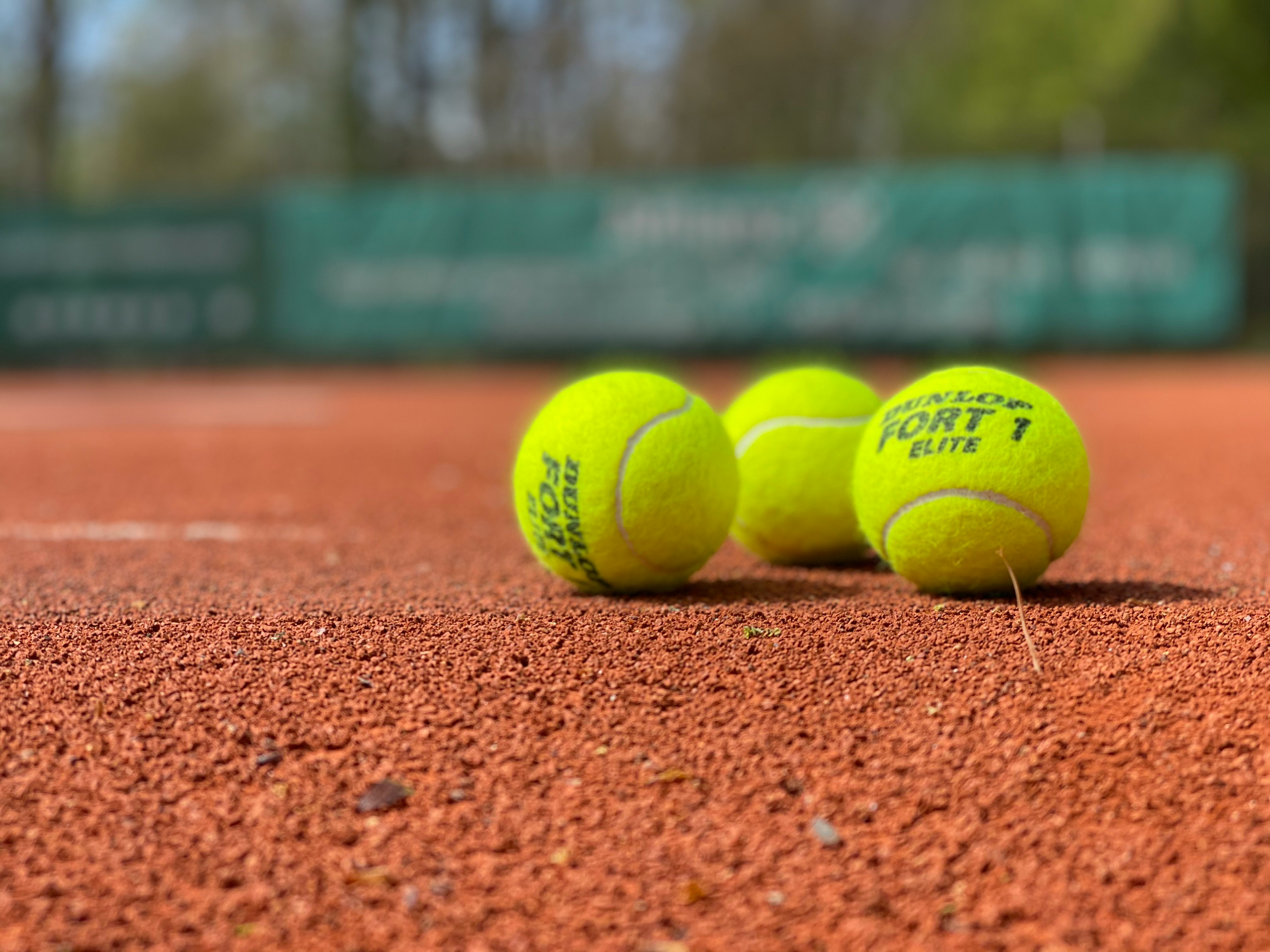
Surface conditions are often treated as background details—something athletes adapt to instinctively, without altering the deeper logic of competition. In reality, surface changes quietly reshape strategy, influencing how games are played, how risk is managed, and which skills are rewarded.
“The surface isn’t neutral,” said a performance analyst who works across multiple sports and competitive environments. “It changes the game before the first play begins.”
From grass to turf, clay to hard court, wet asphalt to dry track, surface characteristics alter movement, timing, and decision-making. Strategy begins underfoot.
Why Surface Is a Strategic Variable
Every surface introduces constraints.
Grip, friction, bounce, hardness, and consistency affect how force is transferred between athlete and environment.
“You’re not just competing against opponents,” said a biomechanist. “You’re negotiating physics.”
Strategy adapts to those physical realities—sometimes subtly, sometimes dramatically.
Speed Versus Control
Surface speed is one of the most immediate strategic factors.
Faster surfaces reward direct play and quick execution. Slower surfaces extend exchanges and emphasize endurance.
“Speed changes risk tolerance,” said a veteran coach. “You commit earlier or you fall behind.”
Athletes adjust aggression based on how quickly actions resolve.
Footing, Balance, and Movement Patterns
Surfaces influence movement mechanics.
Loose or soft surfaces demand stability and controlled acceleration. Hard, consistent surfaces reward explosive starts.
“Footing determines how hard you can push,” said the biomechanist.
Strategy adapts to protect joints, conserve energy, and maintain balance.
Movement becomes tactical.
Bounce, Trajectory, and Timing
In ball sports, surface determines bounce height and predictability.
High, slow bounces extend rallies. Low, skidding bounces compress reaction time.
“Timing is surface-dependent,” said the analyst.
Shot selection, spacing, and positioning adjust accordingly.
Technique adapts to environment.
Risk Management and Error Profiles
Different surfaces change the cost of mistakes.
On fast surfaces, errors are punished immediately. On slower surfaces, recovery is possible.
“Some surfaces forgive,” said the coach. “Others expose.”
Strategic patience varies with error tolerance.
Risk is recalibrated.
Endurance and Energy Expenditure
Surfaces influence physiological demand.
Soft surfaces increase muscular workload. Hard surfaces increase impact stress.
“You manage fatigue differently,” said a sports physiologist.
Strategy accounts for energy conservation, rotation, and pacing.
Longevity becomes surface-specific.
Defensive Versus Offensive Bias
Some surfaces favor offense. Others empower defense.
Faster surfaces reward first-strike advantages. Slower surfaces allow defensive recovery and counterplay.
“Defense exists differently on each surface,” said the analyst.
Strategic balance shifts accordingly.
Identity adapts.
Equipment and Setup Adjustments
Surface changes drive equipment choices.
Footwear, tire compounds, string tension, and aerodynamic setups vary.
“Setup is strategy,” said an equipment engineer.
Choosing the wrong setup neutralizes skill advantage.
Preparation is environmental.
Training Specificity and Preparation Cycles
Elite preparation mirrors surface demands.
Athletes train movement patterns and tactics tailored to upcoming conditions.
“You can’t prepare abstractly,” said the coach. “Specificity wins.”
Surface transitions require recalibration.
Adaptation takes time.
Psychological Impact of Surface Changes
Surface familiarity affects confidence.
Unfamiliar conditions increase hesitation and cognitive load.
“Uncertainty slows decision-making,” said a sports psychologist.
Athletes simplify strategy under uncertainty.
Comfort breeds execution.
Tactical Matchups and Personnel Selection
Surface influences lineup and matchup decisions.
Certain players excel under specific conditions.
“Surface exposes strengths and weaknesses,” said the analyst.
Selection becomes strategic.
Fit matters.
Weather, Surface, and Compound Effects
Surface interacts with weather.
Rain, heat, and cold amplify surface characteristics.
“A wet surface isn’t just slippery—it’s different sport,” said the physiologist.
Strategy must anticipate compound effects.
Complexity increases.
In-Game Adaptation and Feedback Loops
Surfaces evolve during competition.
Wear, temperature, and usage change conditions.
“You adapt continuously,” said the coach.
Real-time feedback shapes tactical shifts.
Flexibility preserves advantage.
Injury Risk and Strategic Conservatism
Surface hardness and traction influence injury probability.
Strategy adjusts to minimize exposure.
“You protect availability,” said the physiologist.
Aggression is calibrated against risk.
Health informs tactics.
When Surface Neutrality Is a Myth
Standardization aims to reduce surface advantage—but neutrality is elusive.
Even “identical” surfaces vary.
“Consistency is aspirational,” said the analyst.
Strategy acknowledges variability.
Illusion fades.
Case for Surface Intelligence
Elite competitors develop surface intelligence—the ability to read and adapt conditions quickly.
“It’s a skill,” said the coach.
Surface intelligence accelerates adaptation and reduces errors.
Awareness becomes advantage.
Why Surface Strategy Is Often Invisible
Surface-driven strategy is subtle.
Fans notice outcomes, not adjustments.
“Good adaptation looks effortless,” said the analyst.
Success hides process.
The Competitive Edge Beneath the Feet
Surface changes affect:
Pace and timing
Movement and energy use
Risk tolerance
Tactical identity
Injury management
Ignoring surface strategy is competitive negligence.
Conclusion: Strategy Starts at Ground Level
Surface conditions shape competition before tactics are drawn or lineups announced.
They define what is possible, what is risky, and what is efficient.
In elite sport, adaptation to surface is not optional.
It is foundational.
Those who understand surfaces do not merely react to conditions—
they anticipate them,
train for them,
and build strategy around them.
Because while competition happens above the ground,
strategy begins beneath it.
And in that often-overlooked space between foot and surface,
outcomes quietly take shape—long before the final score is decided.
Jordan Miles
|
Tennis
Members only
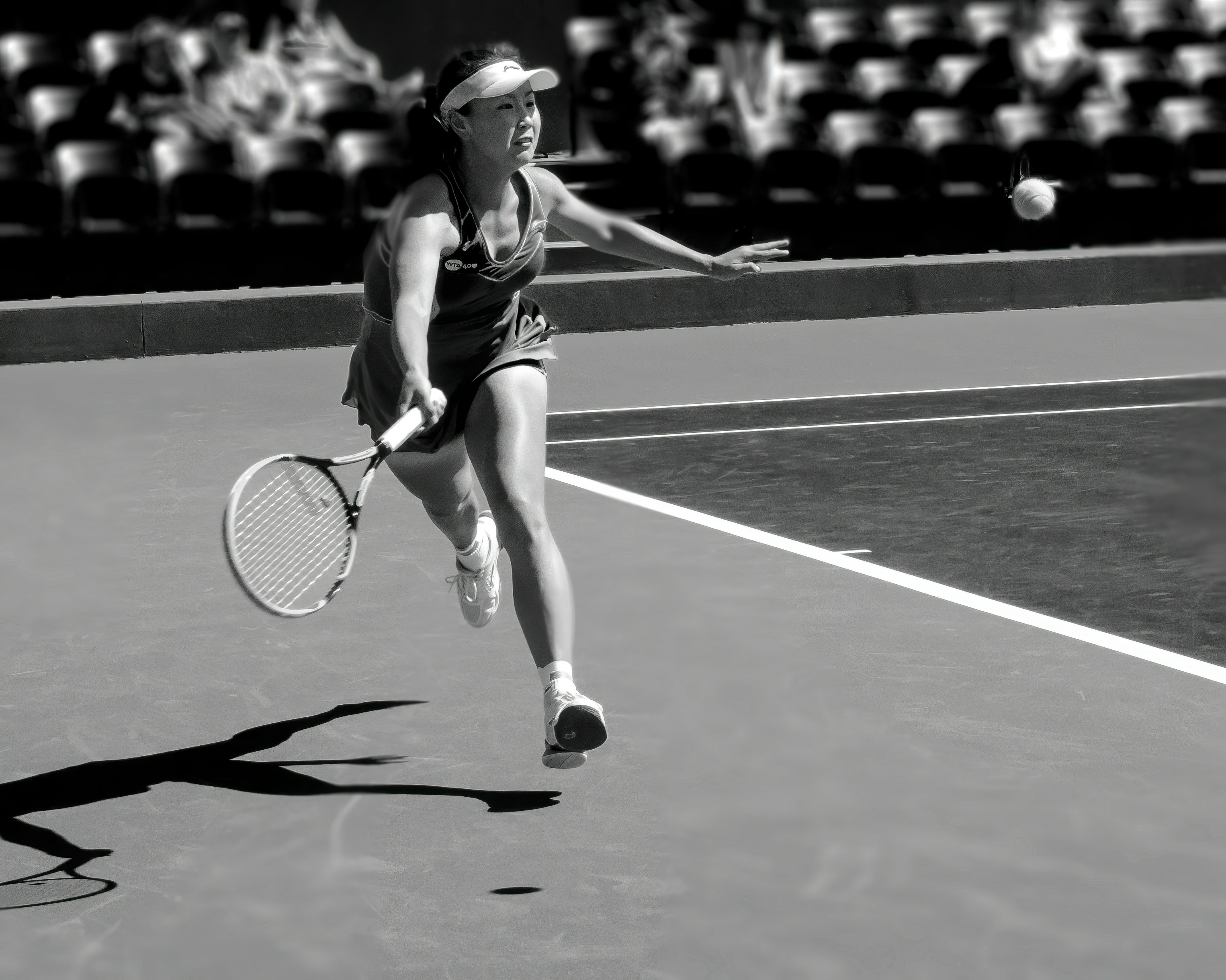
Modern tennis is often described as a game of finesse, precision, and mental strength. While those qualities remain essential, they now sit atop one of the most physically demanding profiles in elite sport. Matches stretch for hours. Rallies extend longer. Schedules compress recovery windows. Surfaces vary. And the margins between winning and losing increasingly depend on who can endure the longest without losing efficiency.
“Tennis today is closer to an endurance-combat sport than people realize,” said a high-performance coach who works with top-ranked professionals. “The physical demands are relentless—and cumulative.”
Understanding modern tennis requires looking beyond strokes and tactics to the physiological engine that sustains them.
How Tennis Became Physically Heavier
Tennis has not always looked this way.
Rackets were heavier, points were shorter, and serve-and-volley dominated many eras.
“The game slowed, then sped up again—but differently,” said a tennis historian.
Advances in racket technology, string tension, and athletic conditioning transformed rallies into high-intensity exchanges. Players now generate extreme topspin, defend deeper, and recover faster.
Power did not eliminate endurance—it amplified it.
Movement as the Core Physical Demand
At its core, tennis is a movement sport.
Short sprints, lateral shuffles, explosive changes of direction, and deceleration dominate match play.
“Players may cover several kilometers per match—but it’s the stop-start nature that taxes the body,” said a sports physiologist specializing in tennis.
Acceleration and braking strain joints, tendons, and muscles.
Movement efficiency defines longevity.
Repeated Explosive Efforts
Modern tennis requires repeated maximal or near-maximal efforts.
Serves, forehands, and recovery sprints demand explosive power—again and again.
“This isn’t one big effort,” said the physiologist. “It’s hundreds of them.”
The challenge lies in sustaining power output deep into matches and tournaments.
Fatigue alters mechanics.
Upper-Body Load and Rotational Stress
The physical load is not limited to the legs.
Serving and groundstrokes impose heavy rotational stress on the shoulders, spine, and core.
“Tennis is asymmetric by design,” said a performance trainer.
Repetition creates imbalance. Preventing overuse injuries requires targeted strength and mobility work.
Symmetry must be trained deliberately.
Endurance Beyond Cardio
While cardiovascular fitness is crucial, tennis endurance is sport-specific.
Players must sustain high heart rates while executing fine motor skills.
“You’re not just running—you’re hitting accurately under stress,” said the coach.
Fatigue degrades precision before it causes collapse.
Control under fatigue separates elite performers.
Heat, Hydration, and Environmental Stress
Modern tennis often unfolds under extreme conditions.
Heat, humidity, and sun exposure amplify physiological demand.
“Thermoregulation becomes performance,” said a sports physician who works on tour.
Dehydration and electrolyte imbalance impair decision-making and coordination.
Survival strategies matter.
Recovery Between Points and Games
Recovery in tennis is fragmented.
Short breaks between points and longer pauses between games create uneven recovery opportunities.
“You recover in bursts,” said the physiologist.
Breathing control, heart rate management, and mental reset are trained skills.
Recovery is active.
Match Length Uncertainty
Unlike timed sports, tennis matches have no fixed duration.
A match can last 45 minutes—or five hours.
“This uncertainty changes preparation entirely,” said the coach.
Athletes must prepare for worst-case scenarios without knowing when they’ll arrive.
Energy conservation becomes strategic.
Tournament Load and Accumulated Fatigue
Physical demand compounds over tournaments.
Matches on consecutive days limit recovery.
“You’re rarely fully fresh after round one,” said the coach.
Accumulated fatigue increases injury risk and affects late-round performance.
Scheduling becomes a performance variable.
Surface-Specific Physical Stress
Different surfaces impose different loads.
Clay increases rally length and muscular endurance demands.
Hard courts increase joint impact.
Grass requires rapid reaction and balance.
“Each surface taxes the body differently,” said the physiologist.
Modern players must adapt physiologically across seasons.
Versatility demands resilience.
Injury Risk and Preventive Conditioning
Modern tennis carries high injury risk.
Common issues include tendinopathy, stress fractures, and muscle strains.
“Injury prevention is now part of training, not rehab,” said the sports physician.
Load monitoring, strength balance, and recovery protocols protect careers.
Availability equals competitiveness.
The Role of Strength Training
Strength training is foundational.
Lower-body power supports movement. Core stability supports stroke mechanics. Upper-body strength protects joints.
“Strength allows efficiency,” said the performance trainer.
Stronger athletes waste less energy per action.
Efficiency preserves endurance.
Mental Fatigue as a Physical Limiter
Mental fatigue affects physical execution.
Decision-making slows. Timing slips. Risk tolerance shifts.
“When the mind tires, the body follows,” said a sports psychologist working with elite players.
Mental endurance is trained alongside physical capacity.
Psychology shapes physiology.
Age, Longevity, and Physical Adaptation
Modern tennis careers are extending—but adaptation is required.
Veteran players adjust training volume, recovery emphasis, and match tactics.
“Longevity is about managing output,” said the coach.
Experience compensates for declining raw capacity.
Wisdom replaces excess.
Data, Monitoring, and Load Management
Technology now tracks movement, heart rate, and workload.
“We manage stress before it becomes injury,” said the physiologist.
Data informs scheduling and training decisions.
Measurement protects health.
Why Physicality Now Decides Matches
At the elite level, technical differences are minimal.
Physical resilience becomes decisive.
“When everyone hits hard, the one who lasts wins,” said the coach.
Late-match execution reflects preparation, not talent alone.
Conclusion: Endurance Disguised as Elegance
Modern tennis still looks graceful.
But beneath the elegance lies one of the most demanding physical profiles in sport—an unforgiving blend of explosiveness, endurance, asymmetry, and environmental stress.
The players who succeed are not just skilled.
They are durable.
Adaptable.
Strategic with their bodies.
In today’s game, physical preparation is not a supplement to talent.
It is the foundation that allows talent to survive.
And as tennis continues to evolve—faster, longer, and more global—the physical demands will only intensify.
Because in modern tennis,
the match is not just played with the racket—
it is carried, point by point,
by the body that holds it.
Jordan Miles
|
Tennis
Members only
Elite tennis is often described in physical terms—speed, power, and precision. But at the highest level, matches are rarely decided by fitness alone. They are decided by attention, emotional control, and the ability to sustain belief under prolonged pressure.
“Tennis is a mental marathon,” said a sports psychologist who works with professional players on the international tour. “You don’t just play the opponent—you play yourself for hours.”
Mental endurance—the capacity to maintain focus, regulate emotion, and recover psychologically from setbacks—has become one of the defining traits of elite tennis performance.
Why Tennis Is Uniquely Demanding Mentally
Tennis isolates the athlete.
There are no substitutions, no timeouts for tactical reset, and limited coaching input during matches. Every decision is immediate. Every mistake is public.
“In team sports, responsibility is shared,” said the psychologist. “In tennis, it’s absolute.”
Players must manage momentum, self-talk, and decision-making without external support.
Mental load accumulates point by point.
The Length and Structure of Matches
Elite tennis matches are unpredictable in duration.
A match can last under an hour—or extend beyond five. There is no clock to manage. No guaranteed endpoint.
“Not knowing when it will end is exhausting,” said a former Grand Slam quarterfinalist.
Mental endurance requires sustaining competitive intent without pacing certainty.
Endurance becomes psychological as much as physical.
Point-to-Point Resetting
Tennis demands constant mental resetting.
Each point is independent. A mistake must be forgotten before the next serve.
“The ability to let go is critical,” said the psychologist.
Elite players develop routines—breathing, gestures, self-cues—to reset attention.
Rumination costs matches.
Managing Momentum Swings
Momentum in tennis is fragile.
A single break of serve can alter belief. Crowd reactions amplify pressure.
“Momentum isn’t real physically,” said the former player. “But mentally, it’s everything.”
Elite players anticipate momentum shifts and respond with controlled aggression or patience.
They don’t chase momentum—they stabilize it.
Emotional Regulation Under Pressure
Tennis places athletes in emotionally charged situations repeatedly.
Break points, tiebreaks, and match points demand precision under stress.
“Pressure narrows perception,” said the psychologist.
Elite players train emotional regulation—slowing breath, neutralizing internal dialogue, and preventing panic.
Control outperforms intensity.
Fatigue and Cognitive Decline
Mental endurance is challenged by fatigue.
As matches progress, decision quality declines. Shot selection becomes conservative or reckless.
“Fatigue affects thinking before movement,” said a performance analyst.
Elite players manage energy to protect cognitive clarity—choosing when to extend rallies and when to finish points.
Smart fatigue management preserves judgment.
Confidence as a Renewable Resource
Confidence fluctuates within matches.
It is influenced by execution, self-talk, and interpretation of events.
“Confidence isn’t constant,” said the psychologist. “It’s regenerated.”
Elite players avoid catastrophizing errors. They frame mistakes as information rather than failure.
Interpretation sustains belief.
Training Mental Endurance
Mental endurance is trained intentionally.
Visualization, mindfulness, pressure simulations, and post-match reflection are standard practices.
“We train minds like muscles,” said the psychologist.
Practice sessions include stressors—score deficits, fatigue drills, and decision challenges.
Pressure is rehearsed.
The Role of Experience
Experience builds mental endurance.
Repeated exposure to high-stakes situations reduces novelty.
“Experience teaches perspective,” said the former player.
Veteran players understand that matches unfold in waves. Panic decreases.
Familiarity breeds calm.
Isolation and Self-Reliance
Tennis life reinforces mental independence.
Travel, solitude, and individual responsibility shape resilience.
“You’re alone a lot,” said the former player.
This isolation can strengthen self-regulation—or expose vulnerability.
Mental endurance extends beyond the court.
The Fine Line Between Toughness and Burnout
Mental endurance has limits.
Over-identification with performance increases burnout risk.
“Toughness without recovery is unsustainable,” said the psychologist.
Elite players increasingly prioritize mental recovery—rest, boundaries, and support systems.
Endurance requires renewal.
The Invisible Advantage
Mental endurance often decides matches when skill is equal.
Small differences in attention and belief produce decisive outcomes.
“At the top, everyone hits the ball well,” said the analyst. “The mind separates them.”
Mental endurance is an invisible advantage.
Why Mental Endurance Defines Champions
Champions are not those who never falter—but those who recover fastest.
They manage frustration. They sustain effort. They trust process under pressure.
Mental endurance allows players to remain competitive across points, sets, and seasons.
In elite tennis, strength is not just physical.
It is the ability to stay present when everything urges escape.
To reset after failure.
To endure uncertainty.
To compete with clarity when fatigue clouds judgment.
That quiet resilience—
repeated hundreds of times in a match—
is what ultimately defines greatness on the tennis court.
Jordan Miles
|
Tennis
Members only
In tennis, no two shots shape the modern game more decisively than the serve and the return. Together, they define who controls the point, how rallies unfold, and where pressure accumulates.
Once treated as separate phases—initiation and response—serve and return have evolved into a continuous tactical exchange. The balance between them has shifted repeatedly over decades, reshaping styles, surfaces, and competitive advantage.
“The serve used to start the point,” said a former tour coach now working in performance analysis. “Now it often ends it—or determines how the point will be played before it even begins.”
Understanding the evolution of serve and return is to trace how tennis adapted to technology, athleticism, and strategic thinking.
The Early Era: Placement Over Power
In the early professional era, serves emphasized placement rather than velocity.
Wooden racquets limited power. Grass and faster courts rewarded precision and net approaches.
“The serve was a setup shot,” said the coach. “You served to get forward.”
Returns were often defensive, designed to neutralize and pass or force a volley.
Serve-and-volley dominated not through speed—but geometry.
The Power Revolution
The introduction of graphite racquets transformed serving.
Increased stiffness and lighter frames allowed players to generate unprecedented pace and spin.
“Technology changed biomechanics,” said a biomechanics specialist studying tennis motion.
Serves became weapons. Flat serves exceeded 200 km/h regularly. Kick and slice variations expanded.
Returns struggled to keep pace.
Power shifted control decisively toward servers.
Surface Changes and the Return’s Decline
Court speeds increased the serve’s dominance.
Faster grass, slick indoor courts, and lower-bouncing hard courts reduced reaction time.
“You had less than half a second to react,” said a former top-50 returner.
Breaks of serve became rare. Matches hinged on tiebreaks.
The return was marginalized—not by skill, but by physics.
The Countermovement: Slower Courts, Higher Bounce
Governing bodies responded.
Surfaces were slowed. Balls became heavier. Bounce increased.
“The goal was balance,” said a tournament director involved in court standardization.
These changes restored rally potential and elevated the importance of the return.
Serve remained powerful—but no longer decisive by default.
Balance returned to the baseline.
The Rise of the Aggressive Return
As courts slowed, players reimagined the return.
Instead of blocking back serves, elite returners attacked them.
“The return became an offensive shot,” said the coach.
Short backswings, early contact, and court positioning allowed players to seize initiative immediately.
Aggressive returns changed momentum.
Standing Inside the Baseline
Modern returners often stand inside the baseline on second serves.
This positioning applies pressure, reduces server recovery time, and disrupts rhythm.
“It’s psychological as much as tactical,” said a sports psychologist working with tour players.
Servers feel rushed. Margins shrink.
Return position becomes statement.
Serve Variation Over Raw Speed
As returns improved, servers adapted.
Placement, disguise, and variation regained importance.
“Power alone stopped being enough,” said the biomechanics specialist.
Players developed hybrid serves—mixing pace, spin, and body targeting.
The serve evolved from hammer to chess move.
The Return as a Mental Test
Returning tests anticipation as much as reflex.
Reading toss, patterns, and tendencies matters.
“The best returners solve puzzles,” said the coach.
Studying opponents’ serving habits becomes preparation.
Intelligence amplifies reaction.
The Second Serve Battleground
The second serve emerged as a critical frontier.
Kick serves grew heavier. Returns became more aggressive.
“Second serves decide matches now,” said a former Grand Slam doubles champion.
Risk management defines success.
The second serve is no longer a safety net.
Data, Analytics, and Pattern Recognition
Analytics reshaped serve-and-return strategy.
Teams analyze serve direction, point construction, and return positioning.
“We don’t guess anymore,” said a performance analyst. “We prepare.”
Serve-plus-one patterns and return targets are refined.
Information sharpens execution.
The Physical Toll of Returning
Returning is physically demanding.
Explosive lateral movement, repeated split steps, and sustained concentration tax the body.
“Returning well is exhausting,” said a tour fitness coach.
Endurance influences late-set effectiveness.
Fatigue shapes return quality.
Serve Dominance Reconsidered
Despite advances in returning, serve remains powerful.
Ace counts remain high. Holding serve is still the norm.
“The serve still controls tempo,” said the coach.
But its dominance is conditional—not absolute.
Control is negotiated point by point.
Doubles Influence and Net Pressure
Doubles strategies influenced singles returns.
Poaching, chip returns, and net pressure reintroduced variety.
“Doubles teaches creativity,” said the former champion.
Cross-pollination enriches tactics.
Youth Development and Early Balance
Modern coaching emphasizes serve and return equally.
Young players train return skills earlier than previous generations.
“We teach return as a weapon from the start,” said a junior development coach.
Balance is built early.
The Ongoing Evolution
The serve and return continue to evolve.
New materials, biomechanics research, and training methods will shift balance again.
“There’s no final equilibrium,” said the coach. “The game keeps adjusting.”
Tennis remains a dialogue—between delivery and response.
Why Serve and Return Define Modern Tennis
Serve and return frame every point.
They set rhythm, pressure, and possibility.
Their evolution reflects tennis itself—adapting to speed, technology, and intelligence.
Modern tennis is not about overpowering opponents.
It is about negotiating control.
The serve asserts.
The return challenges.
Between them lies the true contest—
not just of strength,
but of timing, anticipation, and resolve.
And as long as players search for advantage at the margins,
the evolution of serve and return will continue—
quietly redefining the game,
one point at a time.
Jordan Miles
|
Tennis
Members only
At the highest levels of sport, excellence is no longer rare. What is rare is repetition. The gap between winning once and performing reliably, week after week, defines the difference between contenders and champions.
“Everyone at the top can peak,” said a high-performance director who has worked with Olympic and professional athletes. “The hard part is showing up the same way every time.”
Training for consistency—rather than occasional brilliance—has become one of elite sport’s central challenges. It requires a shift in mindset, structure, and preparation, where stability is valued as much as intensity.
Why Consistency Matters More Than Peak Performance
Peak performance captures attention. Consistency wins careers.
Championships, rankings, and contracts are determined over seasons—not moments.
“Athletes aren’t judged on their best day,” said the director. “They’re judged on their average.”
Consistency reduces variance. It limits catastrophic dips. It builds trust—with coaches, teammates, and organizations.
Reliability becomes competitive advantage.
Redefining What Training Is For
Traditional training emphasized maximal output.
More speed. More strength. More volume.
Elite training now emphasizes repeatability.
“We train the floor as much as the ceiling,” said a strength and conditioning coach working in elite programs.
The goal is not the highest possible performance—but the highest sustainable performance.
Stability is trained deliberately.
Process Over Outcome
Consistency begins with process.
Athletes who rely on emotion or motivation fluctuate. Those who rely on routine endure.
“Motivation is unreliable,” said a sports psychologist. “Systems are not.”
Elite performers anchor training to process goals: execution quality, preparation habits, and decision consistency.
Outcome follows behavior.
Managing Load and Avoiding Overreach
Overtraining undermines consistency.
Excessive volume increases injury risk, fatigue, and mental burnout.
“The body adapts in waves,” said the conditioning coach. “Ignore recovery and performance collapses.”
Elite programs track workload, recovery markers, and readiness—adjusting training dynamically.
Consistency requires restraint.
Skill Under Fatigue
Top-level performance rarely occurs at full freshness.
Training incorporates fatigue to simulate competitive reality.
“We train skills when tired,” said the high-performance director. “That’s where consistency is tested.”
Execution under fatigue reveals technical robustness.
Fragile technique breaks down. Stable technique persists.
Psychological Regulation and Emotional Control
Emotional volatility disrupts consistency.
Anxiety spikes. Confidence dips. Focus fragments.
“Mental consistency is about regulation,” said the psychologist.
Elite athletes train breathing, attentional control, and emotional labeling to stabilize internal state.
Calm becomes a skill.
Decision-Making as a Consistency Metric
Consistency is cognitive as much as physical.
Elite performers make similar decisions in similar situations.
“We evaluate choices, not just outcomes,” said a performance analyst.
Training emphasizes pattern recognition and decision rehearsal.
Clarity reduces variance.
Routines as Performance Infrastructure
Pre-performance routines anchor consistency.
Sleep, nutrition, warm-up, and preparation sequences reduce uncertainty.
“Routines protect against chaos,” said the director.
They reduce cognitive load and preserve focus.
Consistency begins before competition starts.
Training the Minimum Effective Dose
Elite training prioritizes efficiency.
More is not always better.
“We look for the smallest input that maintains output,” said the conditioning coach.
This approach preserves freshness and longevity.
Sustainability replaces excess.
Feedback Loops and Honest Assessment
Consistency requires accurate feedback.
Video, data, and coaching input identify drift early.
“Small deviations compound,” said the analyst.
Early correction prevents collapse.
Feedback maintains alignment.
Individualization at the Top Level
Consistency is personal.
Athletes respond differently to stress, load, and feedback.
“There is no universal program,” said the director.
Elite systems adapt training to individual rhythms.
Uniformity kills consistency.
Confidence Without Overreliance
Confidence supports consistency—but must be grounded.
Overconfidence invites risk. Underconfidence breeds hesitation.
“Confidence should come from preparation,” said the psychologist.
Trusting process stabilizes belief.
Confidence becomes quiet.
Dealing With External Pressure
Media, rankings, and expectation disrupt consistency.
Elite athletes manage external noise intentionally.
“We protect internal standards,” said the director.
Performance criteria remain internal.
Focus narrows.
Recovery as a Performance Skill
Recovery is not passive.
Sleep quality, nutrition timing, mental decompression, and mobility work are trained.
“Recovery determines tomorrow’s consistency,” said the conditioning coach.
Neglecting recovery erodes reliability.
Rest is strategic.
Longevity and Career Consistency
Consistency sustains careers.
Injury avoidance, mental health, and adaptation extend performance lifespan.
“Careers are built on availability,” said the director.
Longevity is performance.
Why Consistency Is the True Measure of Mastery
Consistency reflects mastery.
It indicates control over body, mind, and environment.
Peak performance proves potential.
Consistency proves command.
At the top level, the margin between athletes is thin.
The difference lies not in what they can do once—
but in what they can do every time it matters.
Training for consistency is not glamorous.
It is repetitive.
Measured.
Restrained.
But it is what allows excellence to persist.
And in elite sport, persistence—
not brilliance—
is what ultimately defines greatness.
Jordan Miles
|
Tennis
Members only
Dominance in sport is often described emotionally. Teams are said to “control the game,” “impose their will,” or “outclass the opposition.” These descriptions feel intuitive—but they are rarely precise.
Modern sports analytics offers a sharper lens.
“Dominance isn’t about highlights,” said a senior performance analyst working with elite clubs across multiple leagues. “It’s about repeatable advantages.”
The data behind match dominance reveals how control is built, sustained, and translated into outcomes—often long before the scoreboard reflects it.
What Dominance Actually Means
Dominance is not simply winning.
A team can win narrowly while being dominated—or dominate without winning.
“Results tell you what happened,” said the analyst. “Data tells you how it happened.”
Dominance refers to a team’s ability to consistently tilt probability in its favor—across possession, territory, chance quality, and decision-making.
It is structural, not episodic.
Possession Is a Starting Point—Not the Answer
Possession has long been treated as a proxy for control.
But raw possession percentages are blunt instruments.
“Fifty-five percent possession doesn’t mean dominance,” said a tactical analyst. “It means context.”
Modern analysis distinguishes between sterile possession and progressive possession—measuring where the ball is held and what it enables.
Dominance depends on use, not volume.
Territory and Field Position
Territorial data offers clearer insight.
Metrics tracking time spent in advanced zones reveal pressure accumulation.
“When you pin teams back, mistakes increase,” said the analyst.
Territorial dominance forces defensive decisions, compresses space, and limits counterattacks.
Location shapes probability.
Expected Goals and Chance Quality
Expected goals (xG) transformed dominance analysis.
Rather than counting shots, xG evaluates shot quality based on location, angle, pressure, and buildup.
“Dominant teams don’t just shoot more,” said the analyst. “They shoot better.”
Sustained xG superiority indicates structural advantage—regardless of finishing variance.
Quality outweighs quantity.
Shot Suppression and Defensive Control
Dominance also appears defensively.
Limiting opponent shot quality matters more than blocking attempts.
“Good defenses erase options before shots exist,” said a defensive analyst.
Metrics like expected goals against (xGA), shot location allowed, and forced turnovers indicate control without possession.
Prevention is dominance.
Tempo Control and Game State Management
Data captures tempo manipulation.
Teams that dominate adjust pace deliberately—slowing play when ahead, accelerating when chasing advantage.
“Tempo is invisible until you measure it,” said the analyst.
Pass speed, sequence length, and restart timing reveal intent.
Control includes timing.
Pressing Metrics and Disruption
Pressing data reveals off-ball dominance.
Metrics such as passes per defensive action (PPDA) measure pressure intensity.
“Dominant teams dictate where opponents play,” said the analyst.
High-pressure zones force predictable buildup and increase turnover value.
Disruption creates opportunity.
Buildup Efficiency and Sequence Value
Modern models evaluate entire possessions.
Expected threat (xT) and possession value frameworks assess how actions increase scoring probability over time.
“Dominance is cumulative,” said the analyst.
Teams that consistently advance possession into dangerous zones—even without shots—exert control.
Progress matters.
Individual Influence Within Collective Dominance
Data identifies which players drive dominance.
On-off metrics show how team performance changes with player presence.
“Some players stabilize systems,” said the analyst.
Impact is measured not just by goals—but by spacing, tempo, and defensive structure.
Contribution is contextual.
Spatial Control and Shape Integrity
Tracking data measures team shape.
Distances between lines, compactness, and width reveal organizational discipline.
“Structure sustains dominance,” said a tactical coach.
Teams that maintain shape reduce defensive transitions and preserve control.
Geometry matters.
Transition Control
Dominance includes managing transitions.
Data measures how quickly teams recover shape after losing possession—and how effectively they exploit turnovers.
“Transitions decide modern matches,” said the analyst.
Teams that dominate transitions minimize chaos.
Order wins.
Game State Bias and Score Effects
Data accounts for score effects.
Teams leading often concede possession strategically.
“You have to adjust for game state,” said the analyst.
True dominance persists across states—not just when chasing goals.
Context prevents misreading.
Consistency Across Matches
Single matches can mislead.
Dominance emerges through repetition.
“One match is variance,” said the analyst. “Ten matches are signal.”
Rolling averages reveal sustainable advantage.
Consistency confirms truth.
When Dominance Doesn’t Convert
Data also explains failure.
Teams may dominate metrics but fail to score due to finishing variance or goalkeeper performance.
“Dominance guarantees opportunity, not outcome,” said the analyst.
Short-term failure does not invalidate long-term control.
Patience is analytical discipline.
Dominance as Predictive Power
Dominance metrics predict future performance better than results.
Clubs use them for forecasting, recruitment, and coaching evaluation.
“Dominance is tomorrow’s scoreboard,” said the analyst.
Probability beats narrative.
Why Understanding Dominance Matters
Understanding the data behind match dominance changes interpretation.
It shifts focus from moments to mechanisms.
From heroes to systems.
From outcomes to process.
Dominance is not loud.
It is methodical.
Often invisible in isolation.
But over time, it reveals which teams truly control competition—and which are merely surviving it.
In modern sport, dominance is no longer a feeling.
It is a pattern.
Jordan Miles
|
Featured
Opinion & Commentary
Members only
Sport is often described as a refuge from politics—a neutral space where competition replaces conflict and shared rules transcend ideology. This idea is deeply comforting, widely repeated, and fundamentally misleading.
“Sport has never been separate from politics,” said a political historian who studies public culture. “What changes is whether we acknowledge that relationship—or pretend it doesn’t exist.”
From national anthems and flags to funding, regulation, protest, and representation, sport is woven into political life. The claim that sports should stay apolitical misunderstands both what sport is and how power operates around it.
Where the Idea of “Apolitical Sport” Comes From
The idea of apolitical sport gained prominence in the 20th century.
International sporting bodies promoted neutrality to protect competition from overt state conflict.
“Neutrality was a strategy, not a fact,” said the historian.
Claiming apoliticism allowed institutions to avoid taking positions—while still benefiting from political support and legitimacy.
Neutrality became branding.
Sport as a Public Institution
Sport does not exist in isolation.
It relies on public infrastructure, legal frameworks, public funding, and state recognition.
“When governments build stadiums, regulate leagues, or host events, sport enters politics,” said a public policy analyst.
Public investment implies public consequence.
Visibility invites accountability.
National Representation Is Inherently Political
International sport organizes competition by nation.
Athletes wear national symbols. Anthems are played. Flags are raised.
“These are political symbols,” said the historian. “They don’t stop being political because they’re familiar.”
National identity, sovereignty, and recognition are embedded in competition structure.
Representation is political by design.
Hosting, Prestige, and Soft Power
Major sporting events function as tools of soft power.
Host nations use sport to project stability, modernity, and global relevance.
“Hosting is political communication,” said a diplomat who advised governments on international events.
The global audience interprets spectacle as statement.
Sport becomes diplomacy by other means.
Labor, Rights, and Political Economy
Sport depends on labor systems.
Athlete contracts, migration rules, unionization, and safety regulations are governed politically.
“When athletes demand fair treatment, they are engaging politics,” said a labor rights advocate.
Economic structures are not neutral.
Work is political.
Protest and the Politics of Silence
Athlete protest exposes the limits of apolitical claims.
Calls to “stick to sports” often target marginalized voices.
“Silence is not neutral,” said a sociologist who studies protest movements. “It usually protects existing power.”
Protest challenges the idea that sport can be insulated from society.
Visibility creates responsibility.
Race, Gender, and Representation
Who gets access to sport—and how they are treated—reflects social power.
Racial discrimination, gender inequality, and exclusion shape participation and recognition.
“These aren’t external issues entering sport,” said the sociologist. “They’re internal realities.”
Claiming apoliticism often means ignoring inequality.
Neutrality becomes selective.
Governance Decisions Are Political Acts
Rule changes, eligibility decisions, and disciplinary actions reflect values.
Who is allowed to compete? Under what conditions?
“Every rule encodes priorities,” said the historian.
Governance choices distribute power.
Administration is political.
Media, Narrative, and Framing
Media coverage politicizes sport by framing meaning.
Which stories are told, whose voices are amplified, and what context is omitted shape interpretation.
“Sport is narrated into politics,” said a media researcher.
Storytelling influences public perception.
Narrative is power.
Global Inequality and Access
Global sport reflects global inequality.
Wealthier nations dominate infrastructure, training, and exposure.
“Sport mirrors the world economy,” said a development economist.
Competition is shaped by unequal starting points.
Fairness requires policy—not denial.
The Myth of Equal Application
Rules are applied unevenly.
Star athletes, powerful nations, and wealthy leagues receive leniency.
“Apolitical claims mask selective enforcement,” said the historian.
Power influences consequence.
Equality is aspirational—not automatic.
When Sport Tries to Avoid Politics
Attempts to suppress politics often escalate conflict.
Bans on symbols, speech, or protest draw attention rather than resolve tension.
“Depoliticization is itself political,” said the sociologist.
Avoidance creates backlash.
Silencing fails.
Why the Demand for Apoliticism Persists
The call to keep sports apolitical serves comfort.
It preserves nostalgia, protects institutions, and avoids uncomfortable conversations.
“People want sport to feel simple,” said the historian.
But simplicity requires denial.
What Acknowledging Politics Enables
Acknowledging politics does not ruin sport.
It clarifies responsibility.
Transparency allows accountability.
Recognition enables reform.
Honesty builds trust.
“Admitting politics is the first step toward integrity,” said the public policy analyst.
Maturity replaces myth.
Sport as a Democratic Space
Sport is one of the few shared public arenas left.
It reaches audiences politics often cannot.
“That visibility is precisely why sport matters politically,” said the sociologist.
Its influence creates obligation.
Why Sports Can’t Stay Apolitical
Sports can’t stay apolitical because they are:
Public
Symbolic
Funded
Regulated
Representational
They involve bodies, borders, money, and meaning.
Pretending otherwise does not remove politics—it hides it.
Conclusion: Choosing Engagement Over Illusion
The question is not whether sport is political.
It always has been.
The real question is whether institutions and audiences engage that reality responsibly—or retreat into comforting myths.
Sport does not lose value by acknowledging politics.
It gains relevance.
Because when sport reflects society honestly—its tensions, inequalities, and aspirations—it becomes more than entertainment.
It becomes a space where collective values are negotiated in public view.
And in a world where politics often feels distant and abstract,
sport remains one of the rare places
where power, identity, and justice are visible—
played out not in policy papers,
but in moments millions care about.
That visibility is not a flaw.
It is why sports can’t stay apolitical—
and why they matter precisely because they never have.
Analytics & Stats
Members only
Advanced metrics have become a dominant language in modern sport. They appear in broadcasts, front-office presentations, contract negotiations, and fan debates. Acronyms replace adjectives. Percentiles replace impressions. And yet, despite their ubiquity, advanced metrics are often misunderstood—treated as definitive truths rather than interpretive tools.
“Advanced metrics don’t measure truth,” said a senior quantitative analyst who has built models for multiple professional teams. “They measure proxies.”
Understanding what advanced metrics actually measure—and what they don’t—is essential for using them responsibly, intelligently, and without illusion.
Why Advanced Metrics Exist in the First Place
Advanced metrics emerged to solve a problem.
Traditional statistics captured outcomes but missed process.
“The box score tells you what happened,” said a former coach turned analyst. “Metrics try to explain why.”
As sports became faster and more complex, decision-makers needed tools that accounted for context, efficiency, and interaction.
Advanced metrics attempt to model reality—not record it.
Metrics Measure Models, Not Events
At their core, advanced metrics are models.
They are mathematical representations of assumptions about value, contribution, and probability.
“A metric is an opinion expressed in math,” said the analyst.
Every metric reflects choices:
What data is included
How it is weighted
What outcomes are prioritized
Metrics measure according to theory.
Contextualizing Performance
One of the main contributions of advanced metrics is context adjustment.
They attempt to answer questions like:
How difficult was the situation?
What role was the player asked to perform?
What alternatives were available?
“Context is everything metrics try to restore,” said the analyst.
Without context, raw numbers mislead.
Measuring Probability, Not Certainty
Advanced metrics rarely measure outcomes directly.
They measure probability.
Expected goals, expected points, and win probability estimate likelihood based on historical patterns.
“These metrics tell you what should happen over time,” said a statistician.
Short-term variance remains.
Metrics describe expectation—not fate.
Efficiency Versus Volume
Many advanced metrics separate efficiency from volume.
High-volume players are not always high-impact players.
“Efficiency metrics ask how much value is created per opportunity,” said the analyst.
This distinction reshapes evaluation.
Doing more is not the same as doing better.
Aggregating Invisible Actions
Advanced metrics capture contributions that are hard to count.
Spacing, positioning, off-ball movement, and defensive pressure often escape traditional stats.
“Metrics aggregate the invisible,” said the analyst.
They infer impact from patterns and outcomes.
Inference replaces observation.
On-Off Metrics and Environmental Influence
Many metrics rely on comparative environments.
On-off metrics measure how teams perform with and without a player present.
“These metrics capture influence, not isolation,” said the statistician.
They reflect interaction effects—not individual purity.
Basketball, football, and hockey metrics all rely heavily on this logic.
What Advanced Metrics Don’t Measure Well
Advanced metrics struggle with certain domains:
Leadership and communication
Emotional influence
Tactical obedience
Situational sacrifice
“If it doesn’t produce a detectable signal, it doesn’t exist to the model,” said the analyst.
Absence of measurement is not absence of value.
The Problem of Role Dependency
Metrics evaluate within role constraints.
A defensive specialist and an offensive focal point will score differently.
“Metrics don’t judge intent,” said the analyst. “They judge outcome relative to role.”
Misinterpreting role skews evaluation.
Context prevents misuse.
Sample Size and Stability
Advanced metrics require sufficient data.
Small samples produce volatility.
“Precision without volume is illusion,” said the statistician.
Early-season metrics often mislead.
Stability emerges over time.
Metric Stacking and False Consensus
Using multiple metrics does not guarantee accuracy.
Many metrics share underlying data and assumptions.
“Different metrics can agree for the same wrong reason,” said the analyst.
Correlation does not imply validation.
Independence matters.
Weighting Value Judgments
Every advanced metric encodes values.
Does it prioritize scoring? Prevention? Possession? Versatility?
“Metrics reward what they believe matters,” said the analyst.
Understanding those beliefs is essential.
Otherwise, metrics appear objective when they are normative.
Why Metrics Disagree With Each Other
Metrics disagree because they answer different questions.
One may measure individual efficiency.
Another measures lineup impact.
Another measures decision quality.
“Disagreement is diagnostic,” said the statistician.
Conflict reveals complexity.
The Illusion of Precision
Decimal points create authority.
A player rated 3.4 versus 3.2 appears meaningfully different.
“In reality, those differences are often noise,” said the statistician.
Granularity exceeds certainty.
Humility protects interpretation.
Metrics as Decision Support, Not Decision Makers
Advanced metrics are most effective when used as filters—not verdicts.
They highlight anomalies, trends, and questions.
“Metrics point where to look,” said the analyst. “They don’t tell you where to go.”
Judgment completes analysis.
Teaching Metrics to Coaches and Players
Metrics must be translated.
Raw output alienates.
“We teach behavior, not numbers,” said a coach who integrates analytics into training.
Metrics succeed when they inform action.
Understanding drives adoption.
Ethics, Transparency, and Trust
Metrics influence contracts, playing time, and reputation.
Opaque models undermine trust.
“People deserve to know how they’re being evaluated,” said a governance advisor.
Transparency protects legitimacy.
What Advanced Metrics Are Best At
Advanced metrics excel at:
Comparing similar roles
Identifying inefficiency
Predicting long-term trends
Challenging bias
They are powerful lenses—but partial ones.
Conclusion: Measuring With Awareness
Advanced metrics do not measure reality.
They approximate it.
They translate complex systems into usable signals—at the cost of simplification.
When used critically, they improve understanding.
When used blindly, they distort it.
The most sophisticated organizations are not those with the most metrics—
but those who understand what each metric is trying to measure,
what it assumes,
and where it inevitably falls short.
Because in sport,
numbers are not answers.
They are questions—
expressed with confidence,
waiting for human judgment to decide what they mean.
Motorsports
Members only
Racing dominance is often attributed to drivers—their courage, reflexes, and ability to perform under pressure. While talent remains indispensable, modern motorsport dominance is increasingly engineered long before a driver turns a wheel.
“In elite racing, dominance is designed,” said a former technical director who has worked with multiple championship-winning teams. “What happens on track reflects thousands of decisions made months earlier.”
Technology has become the quiet architect of success, shaping how speed is generated, sustained, and protected across an entire race season.
From Mechanical Reliability to Technological Systems
Early motorsport dominance depended on reliability.
Finishing races mattered more than outright speed.
“Survival used to be the advantage,” said a motorsport historian.
As reliability improved, competition shifted toward optimization. Technology moved from mechanical durability to integrated systems—where aerodynamics, power units, software, and data science converge.
Dominance became systemic.
Aerodynamics: The Invisible Force
Aerodynamics defines modern racing performance.
Downforce increases cornering speed. Drag reduces straight-line efficiency.
“Aero is free lap time—until it isn’t,” said an aerodynamicist.
Teams invest heavily in wind tunnels, computational fluid dynamics (CFD), and iterative design to extract marginal gains.
Small gains compound over race distance.
Power Units and Energy Management
Modern racing engines are no longer just engines.
Hybrid systems integrate internal combustion, electrical deployment, and energy recovery.
“Power delivery is strategic,” said a powertrain engineer.
Energy deployment profiles shape overtaking, defense, and tire preservation.
Efficiency becomes performance.
Software as Competitive Infrastructure
Software governs modern racing.
Control systems manage braking, traction, energy recovery, and engine modes.
“Software is the fastest way to gain advantage,” said the engineer.
Updates can transform behavior without changing hardware.
Code becomes horsepower.
Data Acquisition and Telemetry
Real-time data acquisition is foundational.
Sensors monitor temperatures, pressures, vibrations, and performance variables continuously.
“We race with feedback loops,” said a race engineer.
Telemetry informs setup changes, driver coaching, and strategic calls.
Information compresses reaction time.
Simulation and Virtual Development
Much racing now happens off-track.
Simulators test setups, strategies, and driver inputs.
“We validate ideas before risking them,” said the technical director.
Virtual environments reduce cost and accelerate learning.
Failure becomes digital—not physical.
Tire Science and Material Engineering
Tires are performance limiters.
Understanding compound behavior under heat, load, and degradation is critical.
“Tires dictate strategy,” said a tire performance specialist.
Technology models wear rates, temperature windows, and grip cycles.
Grip is engineered.
Manufacturing Precision and Rapid Iteration
Advanced manufacturing accelerates innovation.
Additive manufacturing, CNC machining, and rapid prototyping shorten development cycles.
“Speed of iteration matters,” said the engineer.
The fastest learners gain advantage.
Execution beats inspiration.
Driver-Aid Technologies and Human Integration
Technology enhances—not replaces—the driver.
Steering systems, braking feedback, and ergonomic design improve consistency.
“We design for predictability,” said the race engineer.
Drivers perform best when technology reduces variability.
Stability enables aggression.
Strategic Modeling and Decision Automation
Race strategy relies on models.
Simulations evaluate pit timing, fuel usage, and safety car scenarios.
“Strategy is computational,” said the technical director.
Human judgment selects among modeled options.
Probability guides instinct.
Budget, Access, and Technological Inequality
Technology requires investment.
Wealthier teams sustain larger development pipelines.
“Dominance often reflects infrastructure,” said a motorsport economist.
Cost caps attempt to limit disparity—but asymmetry persists.
Innovation follows resources.
Regulation as Technological Governor
Rules shape technological pathways.
Governing bodies constrain innovation to protect competition and safety.
“Regulation decides where engineers look,” said the aerodynamicist.
Dominant teams excel at interpreting rules creatively.
Innovation adapts.
The Risk of Technological Overreach
Technology introduces fragility.
Complex systems fail unpredictably.
“More systems mean more failure points,” said the engineer.
Dominance requires reliability as much as innovation.
Balance sustains advantage.
Human Judgment in a Technological World
Despite automation, humans remain central.
Drivers adapt to conditions. Engineers interpret anomalies. Strategists manage uncertainty.
“Technology informs—but people decide,” said the technical director.
Judgment integrates complexity.
When Technology Creates Dynasties
Sustained dominance emerges when technology, talent, and process align.
Feedback loops reinforce success.
“Winning teaches you how to win again,” said the historian.
Dynasties are engineered ecosystems.
Ethics, Safety, and the Cost of Speed
Technology also raises ethical questions.
Safety innovations reduce risk—but speed escalation tests limits.
“We race at the edge of what’s safe,” said a safety engineer.
Dominance must coexist with responsibility.
Why Technology Defines Modern Racing Dominance
Modern racing is too complex for intuition alone.
Margins are too thin. Stakes too high.
Technology enables:
Faster learning
Reduced uncertainty
Strategic precision
Sustainable performance
Dominance becomes reproducible.
Conclusion: Speed by Design
Technology does not diminish racing.
It explains it.
Behind every dominant car is a philosophy of integration—where data, design, and decision-making converge.
Drivers still matter. Courage still matters. Instinct still matters.
But in modern motorsport,
dominance is rarely accidental.
It is engineered—
line by line,
simulation by simulation,
decision by decision—
until speed becomes not just an advantage,
but a system.
And in a sport defined by fractions of a second,
technology is no longer a support tool.
It is the architecture of winning.
Combat Sports
Members only
Modern mixed martial arts no longer resembles the chaotic, style-versus-style contests that defined its early years. What unfolds inside the cage today is highly structured, deeply strategic, and shaped by layers of preparation invisible to casual viewers.
“MMA looks wild,” said a veteran head coach who has cornered champions across multiple weight classes. “But at the elite level, nothing is accidental.”
The strategy behind modern MMA reflects a sport that has matured rapidly—absorbing lessons from analytics, sports science, and game theory while retaining the unpredictability that makes it compelling.
From Style Clashes to Systems
Early MMA revolved around stylistic opposition.
Striker versus grappler. Wrestler versus jiu-jitsu specialist.
“Back then, strategy meant imposing your style,” said the coach.
Modern MMA replaced this binary with integration. Fighters train across disciplines from the outset, producing athletes who operate within systems rather than styles.
Strategy became multidimensional.
The Importance of Phase Control
Modern MMA strategy revolves around phase management.
Standing, clinch, ground—each phase carries different risks and rewards.
“Winning isn’t about dominance everywhere,” said a fight strategist. “It’s about controlling transitions.”
Elite fighters dictate where exchanges occur—and how long they last.
Control beats chaos.
Distance Management and Cage Geography
Distance is strategic currency.
Footwork, feints, and stance switching manipulate range.
“The cage is a weapon,” said the strategist.
Cutting off space limits opponent options. Retreat paths are calculated. Angles replace linear movement.
Geometry shapes offense.
Feints as Information Warfare
Feints are no longer cosmetic.
They gather data.
“A feint tells you how someone reacts under stress,” said the coach.
Reactions reveal habits. Habits reveal openings.
Information precedes action.
Striking Strategy Beyond Power
Modern striking prioritizes efficiency.
Volume, accuracy, and shot selection matter more than raw power.
“You don’t need to knock someone out to break them,” said a striking coach.
Leg kicks, body shots, and jabs accumulate damage.
Attrition becomes strategy.
Grappling as Positional Economics
Grappling strategy has shifted from submission hunting to positional dominance.
Top control, fence pressure, and ride time score points and drain energy.
“Control wins rounds,” said the strategist.
Risk is minimized. Output is selective.
Efficiency governs grappling.
Wrestling as Strategic Glue
Wrestling connects phases.
It dictates where the fight happens.
“Wrestling is leverage,” said the coach.
Takedowns threaten strikes. Strikes set up takedowns.
Wrestling is not optional.
Defensive Prioritization and Damage Mitigation
Defense shapes modern strategy.
Blocking, parrying, and scrambling limit damage accumulation.
“You don’t win by absorbing less damage—but you lose by absorbing too much,” said a sports physician working in MMA.
Longevity influences tactical choices.
Preservation enables offense.
Cardio as Tactical Advantage
Conditioning is no longer just endurance.
It is pacing intelligence.
“We train athletes to manage output,” said the coach.
Burst control, recovery timing, and breathing discipline allow sustained performance.
Energy is allocated—not spent.
Round-by-Round Strategy and Scoring Awareness
Modern MMA strategy is round-specific.
Judging criteria influence risk tolerance.
“Fights are scored in segments,” said the strategist.
Winning rounds sometimes matters more than finishing fights.
Game theory enters the cage.
Film Study and Opponent Profiling
Preparation begins long before fight week.
Opponents are dissected for tendencies.
“Patterns repeat under pressure,” said the coach.
Strategy exploits predictability.
Preparation narrows uncertainty.
Adaptation Mid-Fight
Plans rarely survive first contact.
Elite fighters adapt.
“You win with adjustment,” said the coach.
Corner communication, round analysis, and live decision-making reshape strategy.
Flexibility defines greatness.
Psychological Pressure and Mental Warfare
Modern MMA strategy includes psychological elements.
Pressure fighting, stare-downs, and pace manipulation affect confidence.
“Fatigue breaks the mind before the body,” said the strategist.
Mental erosion creates physical opportunity.
Risk Management and Career Strategy
Fighters manage risk beyond individual bouts.
Styles are adapted to reduce damage.
“Longevity is strategic,” said the physician.
Career pacing shapes tactical decisions.
Survival influences aggression.
Weight Cutting and Strategic Constraint
Weight cuts affect performance strategy.
Dehydration limits cardio and durability.
“You adjust strategy to physiology,” said the coach.
Heavier cuts mean slower starts and conservative pacing.
Biology informs tactics.
The Role of Data and Performance Analytics
Analytics inform preparation.
Strike efficiency, takedown success rates, and positional metrics guide training emphasis.
“Data confirms instinct,” said the strategist.
Numbers support—but do not dictate—strategy.
Balance remains key.
Regulation and Meta Evolution
Rule changes influence strategy.
Judging emphasis, glove design, and round structure matter.
“The rules define incentives,” said the strategist.
Strategy evolves alongside governance.
The meta shifts.
Why Modern MMA Looks Different
Modern MMA looks calmer, more patient, more tactical.
Chaos is reduced. Efficiency increases.
“The sport grew up,” said the coach.
But unpredictability remains—because humans remain human.
Conclusion: Strategy as Survival
The strategy behind modern MMA is not about dominance—it is about control, efficiency, and adaptation.
It balances aggression with preservation, ambition with discipline.
Elite fighters win not by doing everything—
but by doing the right things,
at the right time,
for the right reasons.
In a sport where one mistake can end a career,
strategy becomes survival.
And in modern MMA,
the fighters who last longest are not always the strongest or fastest—
but the most strategic.
Because today, victory is rarely accidental.
It is planned—round by round, exchange by exchange—
until the cage door closes
and preparation meets reality.
Opinion & Commentary
Members only
Sport is often described as a refuge from politics—a neutral space where competition replaces conflict and shared rules transcend ideology. This idea is deeply comforting, widely repeated, and fundamentally misleading.
“Sport has never been separate from politics,” said a political historian who studies public culture. “What changes is whether we acknowledge that relationship—or pretend it doesn’t exist.”
From national anthems and flags to funding, regulation, protest, and representation, sport is woven into political life. The claim that sports should stay apolitical misunderstands both what sport is and how power operates around it.
Where the Idea of “Apolitical Sport” Comes From
The idea of apolitical sport gained prominence in the 20th century.
International sporting bodies promoted neutrality to protect competition from overt state conflict.
“Neutrality was a strategy, not a fact,” said the historian.
Claiming apoliticism allowed institutions to avoid taking positions—while still benefiting from political support and legitimacy.
Neutrality became branding.
Sport as a Public Institution
Sport does not exist in isolation.
It relies on public infrastructure, legal frameworks, public funding, and state recognition.
“When governments build stadiums, regulate leagues, or host events, sport enters politics,” said a public policy analyst.
Public investment implies public consequence.
Visibility invites accountability.
National Representation Is Inherently Political
International sport organizes competition by nation.
Athletes wear national symbols. Anthems are played. Flags are raised.
“These are political symbols,” said the historian. “They don’t stop being political because they’re familiar.”
National identity, sovereignty, and recognition are embedded in competition structure.
Representation is political by design.
Hosting, Prestige, and Soft Power
Major sporting events function as tools of soft power.
Host nations use sport to project stability, modernity, and global relevance.
“Hosting is political communication,” said a diplomat who advised governments on international events.
The global audience interprets spectacle as statement.
Sport becomes diplomacy by other means.
Labor, Rights, and Political Economy
Sport depends on labor systems.
Athlete contracts, migration rules, unionization, and safety regulations are governed politically.
“When athletes demand fair treatment, they are engaging politics,” said a labor rights advocate.
Economic structures are not neutral.
Work is political.
Protest and the Politics of Silence
Athlete protest exposes the limits of apolitical claims.
Calls to “stick to sports” often target marginalized voices.
“Silence is not neutral,” said a sociologist who studies protest movements. “It usually protects existing power.”
Protest challenges the idea that sport can be insulated from society.
Visibility creates responsibility.
Race, Gender, and Representation
Who gets access to sport—and how they are treated—reflects social power.
Racial discrimination, gender inequality, and exclusion shape participation and recognition.
“These aren’t external issues entering sport,” said the sociologist. “They’re internal realities.”
Claiming apoliticism often means ignoring inequality.
Neutrality becomes selective.
Governance Decisions Are Political Acts
Rule changes, eligibility decisions, and disciplinary actions reflect values.
Who is allowed to compete? Under what conditions?
“Every rule encodes priorities,” said the historian.
Governance choices distribute power.
Administration is political.
Media, Narrative, and Framing
Media coverage politicizes sport by framing meaning.
Which stories are told, whose voices are amplified, and what context is omitted shape interpretation.
“Sport is narrated into politics,” said a media researcher.
Storytelling influences public perception.
Narrative is power.
Global Inequality and Access
Global sport reflects global inequality.
Wealthier nations dominate infrastructure, training, and exposure.
“Sport mirrors the world economy,” said a development economist.
Competition is shaped by unequal starting points.
Fairness requires policy—not denial.
The Myth of Equal Application
Rules are applied unevenly.
Star athletes, powerful nations, and wealthy leagues receive leniency.
“Apolitical claims mask selective enforcement,” said the historian.
Power influences consequence.
Equality is aspirational—not automatic.
When Sport Tries to Avoid Politics
Attempts to suppress politics often escalate conflict.
Bans on symbols, speech, or protest draw attention rather than resolve tension.
“Depoliticization is itself political,” said the sociologist.
Avoidance creates backlash.
Silencing fails.
Why the Demand for Apoliticism Persists
The call to keep sports apolitical serves comfort.
It preserves nostalgia, protects institutions, and avoids uncomfortable conversations.
“People want sport to feel simple,” said the historian.
But simplicity requires denial.
What Acknowledging Politics Enables
Acknowledging politics does not ruin sport.
It clarifies responsibility.
Transparency allows accountability.
Recognition enables reform.
Honesty builds trust.
“Admitting politics is the first step toward integrity,” said the public policy analyst.
Maturity replaces myth.
Sport as a Democratic Space
Sport is one of the few shared public arenas left.
It reaches audiences politics often cannot.
“That visibility is precisely why sport matters politically,” said the sociologist.
Its influence creates obligation.
Why Sports Can’t Stay Apolitical
Sports can’t stay apolitical because they are:
Public
Symbolic
Funded
Regulated
Representational
They involve bodies, borders, money, and meaning.
Pretending otherwise does not remove politics—it hides it.
Conclusion: Choosing Engagement Over Illusion
The question is not whether sport is political.
It always has been.
The real question is whether institutions and audiences engage that reality responsibly—or retreat into comforting myths.
Sport does not lose value by acknowledging politics.
It gains relevance.
Because when sport reflects society honestly—its tensions, inequalities, and aspirations—it becomes more than entertainment.
It becomes a space where collective values are negotiated in public view.
And in a world where politics often feels distant and abstract,
sport remains one of the rare places
where power, identity, and justice are visible—
played out not in policy papers,
but in moments millions care about.
That visibility is not a flaw.
It is why sports can’t stay apolitical—
and why they matter precisely because they never have.
Analytics & Stats
Members only
Advanced metrics have become a dominant language in modern sport. They appear in broadcasts, front-office presentations, contract negotiations, and fan debates. Acronyms replace adjectives. Percentiles replace impressions. And yet, despite their ubiquity, advanced metrics are often misunderstood—treated as definitive truths rather than interpretive tools.
“Advanced metrics don’t measure truth,” said a senior quantitative analyst who has built models for multiple professional teams. “They measure proxies.”
Understanding what advanced metrics actually measure—and what they don’t—is essential for using them responsibly, intelligently, and without illusion.
Why Advanced Metrics Exist in the First Place
Advanced metrics emerged to solve a problem.
Traditional statistics captured outcomes but missed process.
“The box score tells you what happened,” said a former coach turned analyst. “Metrics try to explain why.”
As sports became faster and more complex, decision-makers needed tools that accounted for context, efficiency, and interaction.
Advanced metrics attempt to model reality—not record it.
Metrics Measure Models, Not Events
At their core, advanced metrics are models.
They are mathematical representations of assumptions about value, contribution, and probability.
“A metric is an opinion expressed in math,” said the analyst.
Every metric reflects choices:
What data is included
How it is weighted
What outcomes are prioritized
Metrics measure according to theory.
Contextualizing Performance
One of the main contributions of advanced metrics is context adjustment.
They attempt to answer questions like:
How difficult was the situation?
What role was the player asked to perform?
What alternatives were available?
“Context is everything metrics try to restore,” said the analyst.
Without context, raw numbers mislead.
Measuring Probability, Not Certainty
Advanced metrics rarely measure outcomes directly.
They measure probability.
Expected goals, expected points, and win probability estimate likelihood based on historical patterns.
“These metrics tell you what should happen over time,” said a statistician.
Short-term variance remains.
Metrics describe expectation—not fate.
Efficiency Versus Volume
Many advanced metrics separate efficiency from volume.
High-volume players are not always high-impact players.
“Efficiency metrics ask how much value is created per opportunity,” said the analyst.
This distinction reshapes evaluation.
Doing more is not the same as doing better.
Aggregating Invisible Actions
Advanced metrics capture contributions that are hard to count.
Spacing, positioning, off-ball movement, and defensive pressure often escape traditional stats.
“Metrics aggregate the invisible,” said the analyst.
They infer impact from patterns and outcomes.
Inference replaces observation.
On-Off Metrics and Environmental Influence
Many metrics rely on comparative environments.
On-off metrics measure how teams perform with and without a player present.
“These metrics capture influence, not isolation,” said the statistician.
They reflect interaction effects—not individual purity.
Basketball, football, and hockey metrics all rely heavily on this logic.
What Advanced Metrics Don’t Measure Well
Advanced metrics struggle with certain domains:
Leadership and communication
Emotional influence
Tactical obedience
Situational sacrifice
“If it doesn’t produce a detectable signal, it doesn’t exist to the model,” said the analyst.
Absence of measurement is not absence of value.
The Problem of Role Dependency
Metrics evaluate within role constraints.
A defensive specialist and an offensive focal point will score differently.
“Metrics don’t judge intent,” said the analyst. “They judge outcome relative to role.”
Misinterpreting role skews evaluation.
Context prevents misuse.
Sample Size and Stability
Advanced metrics require sufficient data.
Small samples produce volatility.
“Precision without volume is illusion,” said the statistician.
Early-season metrics often mislead.
Stability emerges over time.
Metric Stacking and False Consensus
Using multiple metrics does not guarantee accuracy.
Many metrics share underlying data and assumptions.
“Different metrics can agree for the same wrong reason,” said the analyst.
Correlation does not imply validation.
Independence matters.
Weighting Value Judgments
Every advanced metric encodes values.
Does it prioritize scoring? Prevention? Possession? Versatility?
“Metrics reward what they believe matters,” said the analyst.
Understanding those beliefs is essential.
Otherwise, metrics appear objective when they are normative.
Why Metrics Disagree With Each Other
Metrics disagree because they answer different questions.
One may measure individual efficiency.
Another measures lineup impact.
Another measures decision quality.
“Disagreement is diagnostic,” said the statistician.
Conflict reveals complexity.
The Illusion of Precision
Decimal points create authority.
A player rated 3.4 versus 3.2 appears meaningfully different.
“In reality, those differences are often noise,” said the statistician.
Granularity exceeds certainty.
Humility protects interpretation.
Metrics as Decision Support, Not Decision Makers
Advanced metrics are most effective when used as filters—not verdicts.
They highlight anomalies, trends, and questions.
“Metrics point where to look,” said the analyst. “They don’t tell you where to go.”
Judgment completes analysis.
Teaching Metrics to Coaches and Players
Metrics must be translated.
Raw output alienates.
“We teach behavior, not numbers,” said a coach who integrates analytics into training.
Metrics succeed when they inform action.
Understanding drives adoption.
Ethics, Transparency, and Trust
Metrics influence contracts, playing time, and reputation.
Opaque models undermine trust.
“People deserve to know how they’re being evaluated,” said a governance advisor.
Transparency protects legitimacy.
What Advanced Metrics Are Best At
Advanced metrics excel at:
Comparing similar roles
Identifying inefficiency
Predicting long-term trends
Challenging bias
They are powerful lenses—but partial ones.
Conclusion: Measuring With Awareness
Advanced metrics do not measure reality.
They approximate it.
They translate complex systems into usable signals—at the cost of simplification.
When used critically, they improve understanding.
When used blindly, they distort it.
The most sophisticated organizations are not those with the most metrics—
but those who understand what each metric is trying to measure,
what it assumes,
and where it inevitably falls short.
Because in sport,
numbers are not answers.
They are questions—
expressed with confidence,
waiting for human judgment to decide what they mean.
Motorsports
Members only
Racing dominance is often attributed to drivers—their courage, reflexes, and ability to perform under pressure. While talent remains indispensable, modern motorsport dominance is increasingly engineered long before a driver turns a wheel.
“In elite racing, dominance is designed,” said a former technical director who has worked with multiple championship-winning teams. “What happens on track reflects thousands of decisions made months earlier.”
Technology has become the quiet architect of success, shaping how speed is generated, sustained, and protected across an entire race season.
From Mechanical Reliability to Technological Systems
Early motorsport dominance depended on reliability.
Finishing races mattered more than outright speed.
“Survival used to be the advantage,” said a motorsport historian.
As reliability improved, competition shifted toward optimization. Technology moved from mechanical durability to integrated systems—where aerodynamics, power units, software, and data science converge.
Dominance became systemic.
Aerodynamics: The Invisible Force
Aerodynamics defines modern racing performance.
Downforce increases cornering speed. Drag reduces straight-line efficiency.
“Aero is free lap time—until it isn’t,” said an aerodynamicist.
Teams invest heavily in wind tunnels, computational fluid dynamics (CFD), and iterative design to extract marginal gains.
Small gains compound over race distance.
Power Units and Energy Management
Modern racing engines are no longer just engines.
Hybrid systems integrate internal combustion, electrical deployment, and energy recovery.
“Power delivery is strategic,” said a powertrain engineer.
Energy deployment profiles shape overtaking, defense, and tire preservation.
Efficiency becomes performance.
Software as Competitive Infrastructure
Software governs modern racing.
Control systems manage braking, traction, energy recovery, and engine modes.
“Software is the fastest way to gain advantage,” said the engineer.
Updates can transform behavior without changing hardware.
Code becomes horsepower.
Data Acquisition and Telemetry
Real-time data acquisition is foundational.
Sensors monitor temperatures, pressures, vibrations, and performance variables continuously.
“We race with feedback loops,” said a race engineer.
Telemetry informs setup changes, driver coaching, and strategic calls.
Information compresses reaction time.
Simulation and Virtual Development
Much racing now happens off-track.
Simulators test setups, strategies, and driver inputs.
“We validate ideas before risking them,” said the technical director.
Virtual environments reduce cost and accelerate learning.
Failure becomes digital—not physical.
Tire Science and Material Engineering
Tires are performance limiters.
Understanding compound behavior under heat, load, and degradation is critical.
“Tires dictate strategy,” said a tire performance specialist.
Technology models wear rates, temperature windows, and grip cycles.
Grip is engineered.
Manufacturing Precision and Rapid Iteration
Advanced manufacturing accelerates innovation.
Additive manufacturing, CNC machining, and rapid prototyping shorten development cycles.
“Speed of iteration matters,” said the engineer.
The fastest learners gain advantage.
Execution beats inspiration.
Driver-Aid Technologies and Human Integration
Technology enhances—not replaces—the driver.
Steering systems, braking feedback, and ergonomic design improve consistency.
“We design for predictability,” said the race engineer.
Drivers perform best when technology reduces variability.
Stability enables aggression.
Strategic Modeling and Decision Automation
Race strategy relies on models.
Simulations evaluate pit timing, fuel usage, and safety car scenarios.
“Strategy is computational,” said the technical director.
Human judgment selects among modeled options.
Probability guides instinct.
Budget, Access, and Technological Inequality
Technology requires investment.
Wealthier teams sustain larger development pipelines.
“Dominance often reflects infrastructure,” said a motorsport economist.
Cost caps attempt to limit disparity—but asymmetry persists.
Innovation follows resources.
Regulation as Technological Governor
Rules shape technological pathways.
Governing bodies constrain innovation to protect competition and safety.
“Regulation decides where engineers look,” said the aerodynamicist.
Dominant teams excel at interpreting rules creatively.
Innovation adapts.
The Risk of Technological Overreach
Technology introduces fragility.
Complex systems fail unpredictably.
“More systems mean more failure points,” said the engineer.
Dominance requires reliability as much as innovation.
Balance sustains advantage.
Human Judgment in a Technological World
Despite automation, humans remain central.
Drivers adapt to conditions. Engineers interpret anomalies. Strategists manage uncertainty.
“Technology informs—but people decide,” said the technical director.
Judgment integrates complexity.
When Technology Creates Dynasties
Sustained dominance emerges when technology, talent, and process align.
Feedback loops reinforce success.
“Winning teaches you how to win again,” said the historian.
Dynasties are engineered ecosystems.
Ethics, Safety, and the Cost of Speed
Technology also raises ethical questions.
Safety innovations reduce risk—but speed escalation tests limits.
“We race at the edge of what’s safe,” said a safety engineer.
Dominance must coexist with responsibility.
Why Technology Defines Modern Racing Dominance
Modern racing is too complex for intuition alone.
Margins are too thin. Stakes too high.
Technology enables:
Faster learning
Reduced uncertainty
Strategic precision
Sustainable performance
Dominance becomes reproducible.
Conclusion: Speed by Design
Technology does not diminish racing.
It explains it.
Behind every dominant car is a philosophy of integration—where data, design, and decision-making converge.
Drivers still matter. Courage still matters. Instinct still matters.
But in modern motorsport,
dominance is rarely accidental.
It is engineered—
line by line,
simulation by simulation,
decision by decision—
until speed becomes not just an advantage,
but a system.
And in a sport defined by fractions of a second,
technology is no longer a support tool.
It is the architecture of winning.


" height="25.00139023844741px" id="jBymG44fK" transform="translate(7.499 7.499)" width="25.001390238447406px"/></svg>)