
Camille Dupont writes about visual arts and design, with a focus on creative practice and in-depth interviews. Her work explores how artists and designers think, work, and respond to cultural, material, and institutional contexts.
Subcategory
In an age defined by speed, commentary, and constant response, listening has become an undervalued act. Conversation often moves faster than understanding, and visibility is frequently mistaken for insight. To listen—to pause, absorb, and withhold immediate judgment—can feel almost countercultural.
Yet across creative fields, from art and design to journalism and performance, listening is increasingly recognized not as a passive skill, but as an active discipline. It shapes how stories are told, how power is distributed, and how meaning is created.
“Listening is not the absence of speaking,” said a curator who works closely with interdisciplinary artists. “It’s a form of participation.”
Listening as a Creative Practice
In interviews, listening is often treated as a means to an end—a way to extract quotes or confirm narratives already in mind. But for many practitioners, listening itself is the work.
Artists and designers describe listening as a method for uncovering perspectives that resist easy categorization. It requires openness to uncertainty and a willingness to let conversations move in unexpected directions.
“The most interesting ideas rarely arrive fully formed,” said a documentary filmmaker. “They surface when you give people the space to think out loud.”
This kind of listening prioritizes process over outcome. It values silence as much as speech and treats hesitation not as a flaw, but as a signal that something meaningful is emerging.
Power, Voice, and Who Gets Heard
Listening is inseparable from questions of power.
In cultural institutions, whose voices are amplified—and whose are overlooked—shapes collective understanding. Listening, in this context, is not neutral. It can reinforce hierarchies or challenge them, depending on how it is practiced.
“Being invited to speak is not the same as being listened to,” said a writer whose work explores representation in media. “Listening implies responsibility.”
True listening requires attention to context: who is speaking, under what conditions, and with what risks. It demands recognition of structural barriers that limit who feels able to speak freely—and who is accustomed to being heard without challenge.
The Discipline of Silence
Silence is often uncomfortable. In interviews and public conversations, it can feel like failure or loss of control.
But many experienced interviewers see silence as essential.
“If you don’t rush to fill the gap, people often say what they were holding back,” said a cultural journalist. “Silence gives permission.”
This discipline runs counter to the rhythms of modern media, which reward immediacy and reaction. Listening well means resisting the urge to respond instantly, to clarify prematurely, or to steer conversation toward familiar conclusions.
It requires patience—and trust in the process.
Listening Across Difference
Listening becomes more complex when conversations cross cultural, social, or experiential boundaries.
Misunderstanding is not always a failure of intent. Often, it reflects differences in reference points, language, or expectation. Effective listening acknowledges these gaps rather than attempting to erase them.
“You don’t listen to confirm sameness,” said a sociologist studying intercultural dialogue. “You listen to understand difference without trying to resolve it too quickly.”
In creative interviews, this means allowing contradictions to stand, resisting simplification, and accepting that not all perspectives will align neatly.
The Ethics of Listening
Listening carries ethical weight.
When stories involve vulnerability—personal histories, trauma, or marginalization—the listener assumes responsibility. How information is received, framed, and shared matters.
“Listening creates an obligation,” said an oral historian. “Once someone trusts you with their experience, how you handle it becomes part of the story.”
Ethical listening requires transparency, consent, and care in representation. It also demands restraint: knowing when not to publish, when to anonymize, and when to step back.
Listening in a Noisy Culture
The value of listening is sharpened by its scarcity.
Digital platforms encourage broadcasting rather than dialogue. Algorithms reward certainty and outrage over nuance. In this environment, listening becomes a form of resistance.
“To listen deeply today is to slow down,” said the curator. “And slowing down is increasingly radical.”
Cultural spaces—galleries, interviews, long-form journalism—offer rare opportunities for sustained attention. They create conditions where listening can unfold without immediate pressure to conclude or convert.
What Listening Makes Possible
Listening does not guarantee agreement. It does not eliminate conflict or misunderstanding.
What it offers instead is the possibility of complexity.
By listening carefully, interviewers and artists can surface tensions without flattening them, present voices without appropriating them, and create work that reflects lived experience rather than imposed narratives.
“The goal isn’t harmony,” said the filmmaker. “It’s honesty.”
Listening, in this sense, becomes a method of inquiry—one that values presence over performance and curiosity over certainty.
An Act Worth Protecting
As public discourse grows louder, the value of listening becomes clearer.
It is not a soft skill or a courtesy. It is a practice that shapes how culture is documented, how stories are preserved, and how understanding is built over time.
Listening does not demand agreement.
It demands attention.
And in a culture defined by noise, attention may be the most meaningful offering of all.

Subcategory
In an age defined by speed, commentary, and constant response, listening has become an undervalued act. Conversation often moves faster than understanding, and visibility is frequently mistaken for insight. To listen—to pause, absorb, and withhold immediate judgment—can feel almost countercultural.
Yet across creative fields, from art and design to journalism and performance, listening is increasingly recognized not as a passive skill, but as an active discipline. It shapes how stories are told, how power is distributed, and how meaning is created.
“Listening is not the absence of speaking,” said a curator who works closely with interdisciplinary artists. “It’s a form of participation.”
Listening as a Creative Practice
In interviews, listening is often treated as a means to an end—a way to extract quotes or confirm narratives already in mind. But for many practitioners, listening itself is the work.
Artists and designers describe listening as a method for uncovering perspectives that resist easy categorization. It requires openness to uncertainty and a willingness to let conversations move in unexpected directions.
“The most interesting ideas rarely arrive fully formed,” said a documentary filmmaker. “They surface when you give people the space to think out loud.”
This kind of listening prioritizes process over outcome. It values silence as much as speech and treats hesitation not as a flaw, but as a signal that something meaningful is emerging.
Power, Voice, and Who Gets Heard
Listening is inseparable from questions of power.
In cultural institutions, whose voices are amplified—and whose are overlooked—shapes collective understanding. Listening, in this context, is not neutral. It can reinforce hierarchies or challenge them, depending on how it is practiced.
“Being invited to speak is not the same as being listened to,” said a writer whose work explores representation in media. “Listening implies responsibility.”
True listening requires attention to context: who is speaking, under what conditions, and with what risks. It demands recognition of structural barriers that limit who feels able to speak freely—and who is accustomed to being heard without challenge.
The Discipline of Silence
Silence is often uncomfortable. In interviews and public conversations, it can feel like failure or loss of control.
But many experienced interviewers see silence as essential.
“If you don’t rush to fill the gap, people often say what they were holding back,” said a cultural journalist. “Silence gives permission.”
This discipline runs counter to the rhythms of modern media, which reward immediacy and reaction. Listening well means resisting the urge to respond instantly, to clarify prematurely, or to steer conversation toward familiar conclusions.
It requires patience—and trust in the process.
Listening Across Difference
Listening becomes more complex when conversations cross cultural, social, or experiential boundaries.
Misunderstanding is not always a failure of intent. Often, it reflects differences in reference points, language, or expectation. Effective listening acknowledges these gaps rather than attempting to erase them.
“You don’t listen to confirm sameness,” said a sociologist studying intercultural dialogue. “You listen to understand difference without trying to resolve it too quickly.”
In creative interviews, this means allowing contradictions to stand, resisting simplification, and accepting that not all perspectives will align neatly.
The Ethics of Listening
Listening carries ethical weight.
When stories involve vulnerability—personal histories, trauma, or marginalization—the listener assumes responsibility. How information is received, framed, and shared matters.
“Listening creates an obligation,” said an oral historian. “Once someone trusts you with their experience, how you handle it becomes part of the story.”
Ethical listening requires transparency, consent, and care in representation. It also demands restraint: knowing when not to publish, when to anonymize, and when to step back.
Listening in a Noisy Culture
The value of listening is sharpened by its scarcity.
Digital platforms encourage broadcasting rather than dialogue. Algorithms reward certainty and outrage over nuance. In this environment, listening becomes a form of resistance.
“To listen deeply today is to slow down,” said the curator. “And slowing down is increasingly radical.”
Cultural spaces—galleries, interviews, long-form journalism—offer rare opportunities for sustained attention. They create conditions where listening can unfold without immediate pressure to conclude or convert.
What Listening Makes Possible
Listening does not guarantee agreement. It does not eliminate conflict or misunderstanding.
What it offers instead is the possibility of complexity.
By listening carefully, interviewers and artists can surface tensions without flattening them, present voices without appropriating them, and create work that reflects lived experience rather than imposed narratives.
“The goal isn’t harmony,” said the filmmaker. “It’s honesty.”
Listening, in this sense, becomes a method of inquiry—one that values presence over performance and curiosity over certainty.
An Act Worth Protecting
As public discourse grows louder, the value of listening becomes clearer.
It is not a soft skill or a courtesy. It is a practice that shapes how culture is documented, how stories are preserved, and how understanding is built over time.
Listening does not demand agreement.
It demands attention.
And in a culture defined by noise, attention may be the most meaningful offering of all.
Subcategory
In an age defined by speed, commentary, and constant response, listening has become an undervalued act. Conversation often moves faster than understanding, and visibility is frequently mistaken for insight. To listen—to pause, absorb, and withhold immediate judgment—can feel almost countercultural.
Yet across creative fields, from art and design to journalism and performance, listening is increasingly recognized not as a passive skill, but as an active discipline. It shapes how stories are told, how power is distributed, and how meaning is created.
“Listening is not the absence of speaking,” said a curator who works closely with interdisciplinary artists. “It’s a form of participation.”
Listening as a Creative Practice
In interviews, listening is often treated as a means to an end—a way to extract quotes or confirm narratives already in mind. But for many practitioners, listening itself is the work.
Artists and designers describe listening as a method for uncovering perspectives that resist easy categorization. It requires openness to uncertainty and a willingness to let conversations move in unexpected directions.
“The most interesting ideas rarely arrive fully formed,” said a documentary filmmaker. “They surface when you give people the space to think out loud.”
This kind of listening prioritizes process over outcome. It values silence as much as speech and treats hesitation not as a flaw, but as a signal that something meaningful is emerging.
Power, Voice, and Who Gets Heard
Listening is inseparable from questions of power.
In cultural institutions, whose voices are amplified—and whose are overlooked—shapes collective understanding. Listening, in this context, is not neutral. It can reinforce hierarchies or challenge them, depending on how it is practiced.
“Being invited to speak is not the same as being listened to,” said a writer whose work explores representation in media. “Listening implies responsibility.”
True listening requires attention to context: who is speaking, under what conditions, and with what risks. It demands recognition of structural barriers that limit who feels able to speak freely—and who is accustomed to being heard without challenge.
The Discipline of Silence
Silence is often uncomfortable. In interviews and public conversations, it can feel like failure or loss of control.
But many experienced interviewers see silence as essential.
“If you don’t rush to fill the gap, people often say what they were holding back,” said a cultural journalist. “Silence gives permission.”
This discipline runs counter to the rhythms of modern media, which reward immediacy and reaction. Listening well means resisting the urge to respond instantly, to clarify prematurely, or to steer conversation toward familiar conclusions.
It requires patience—and trust in the process.
Listening Across Difference
Listening becomes more complex when conversations cross cultural, social, or experiential boundaries.
Misunderstanding is not always a failure of intent. Often, it reflects differences in reference points, language, or expectation. Effective listening acknowledges these gaps rather than attempting to erase them.
“You don’t listen to confirm sameness,” said a sociologist studying intercultural dialogue. “You listen to understand difference without trying to resolve it too quickly.”
In creative interviews, this means allowing contradictions to stand, resisting simplification, and accepting that not all perspectives will align neatly.
The Ethics of Listening
Listening carries ethical weight.
When stories involve vulnerability—personal histories, trauma, or marginalization—the listener assumes responsibility. How information is received, framed, and shared matters.
“Listening creates an obligation,” said an oral historian. “Once someone trusts you with their experience, how you handle it becomes part of the story.”
Ethical listening requires transparency, consent, and care in representation. It also demands restraint: knowing when not to publish, when to anonymize, and when to step back.
Listening in a Noisy Culture
The value of listening is sharpened by its scarcity.
Digital platforms encourage broadcasting rather than dialogue. Algorithms reward certainty and outrage over nuance. In this environment, listening becomes a form of resistance.
“To listen deeply today is to slow down,” said the curator. “And slowing down is increasingly radical.”
Cultural spaces—galleries, interviews, long-form journalism—offer rare opportunities for sustained attention. They create conditions where listening can unfold without immediate pressure to conclude or convert.
What Listening Makes Possible
Listening does not guarantee agreement. It does not eliminate conflict or misunderstanding.
What it offers instead is the possibility of complexity.
By listening carefully, interviewers and artists can surface tensions without flattening them, present voices without appropriating them, and create work that reflects lived experience rather than imposed narratives.
“The goal isn’t harmony,” said the filmmaker. “It’s honesty.”
Listening, in this sense, becomes a method of inquiry—one that values presence over performance and curiosity over certainty.
An Act Worth Protecting
As public discourse grows louder, the value of listening becomes clearer.
It is not a soft skill or a courtesy. It is a practice that shapes how culture is documented, how stories are preserved, and how understanding is built over time.
Listening does not demand agreement.
It demands attention.
And in a culture defined by noise, attention may be the most meaningful offering of all.
Subcategory
Members only
Art has always existed in tension with commerce. From patronage systems and royal commissions to galleries, auctions, and brand collaborations, artistic expression has rarely been separate from economic reality. Yet the nature of that relationship—and the balance of power within it—has changed dramatically.
Today, artists navigate a cultural landscape shaped not only by institutions and markets, but by visibility metrics, social platforms, and global branding. The question is no longer whether art and commerce intersect, but how that intersection shapes what art becomes.
“Art doesn’t lose meaning when money enters the room,” said a curator at a contemporary art museum. “It changes meaning. And that change deserves scrutiny.”
Patronage, Markets, and the Myth of Purity
The idea of a “pure” artistic practice, untouched by economic considerations, is largely a modern construction.
Historically, artists worked within systems of patronage. Religious institutions, monarchs, and wealthy families funded creative work—often dictating subject matter, scale, and form. Artistic autonomy, as it is understood today, emerged gradually alongside modern markets.
“The romantic image of the isolated artist is misleading,” said an art historian specializing in early modern Europe. “Artists have always negotiated power.”
What has shifted is not the presence of money, but the mechanisms through which it operates. Markets now function at unprecedented speed and scale, shaping reputations, prices, and careers in real time.
The Gallery System as Mediator
Galleries occupy a central position in the contemporary art ecosystem, mediating between artists, collectors, institutions, and the public.
At their best, galleries provide artists with financial stability, professional advocacy, and critical visibility. At their worst, they function as gatekeepers, privileging marketability over experimentation.
“A gallery relationship is a partnership,” said a gallery director based in Paris. “But it’s also a negotiation of expectations.”
Commercial pressures can influence not only what is shown, but how frequently artists are expected to produce, which styles are encouraged, and how work is contextualized. This can subtly shape artistic output, even when explicit constraints are absent.
Visibility as Currency
In the digital era, visibility has become a form of currency.
Social media platforms allow artists to reach global audiences without institutional mediation. At the same time, they introduce new incentives: consistency, recognizability, and algorithmic favor.
“Artists are now expected to perform their practice,” said a cultural critic who studies digital aesthetics. “Not just in the studio, but online.”
This performance economy rewards work that translates well into images, captions, and feeds. Subtlety, process-based practices, or work that resists easy documentation may struggle for attention—even if critically significant.
Commerce, in this context, is no longer limited to sales. It includes attention, engagement, and personal branding.
Institutions, Funding, and Constraint
Museums and public institutions play a crucial role in legitimizing artistic work. Exhibitions, acquisitions, and grants confer cultural authority that often precedes market recognition.
Yet institutions themselves operate within financial constraints.
Corporate sponsorships, donor relationships, and audience metrics increasingly influence programming decisions. While overt censorship is rare, subtler forms of influence persist.
“Institutional independence is negotiated, not guaranteed,” said a museum administrator. “Every exhibition exists within a web of obligations.”
This reality complicates the assumption that institutional validation is inherently separate from commercial interest. Cultural legitimacy and economic sustainability are often intertwined.
Artists and the Cost of Sustainability
For artists, the intersection of commerce and expression is deeply personal.
Making art requires time, materials, and emotional investment. Financial precarity can limit experimentation, while commercial success can bring its own pressures—expectations to repeat what sells, to maintain a recognizable style, to remain visible.
“Success can be as constraining as obscurity,” said a mid-career artist whose work spans installation and sculpture. “Once there’s demand, there’s pressure not to change.”
Ethical tension arises not from selling work, but from the conditions under which work is produced and valued. Sustainability, for many artists, involves compromise—between income and autonomy, visibility and privacy, experimentation and expectation.
The Role of the Collector
Collectors are often framed as consumers, but their influence extends beyond purchase.
Through acquisition, exhibition loans, and patronage, collectors shape artistic trajectories and institutional narratives. Their tastes and values can amplify certain practices while sidelining others.
“Collecting is a form of authorship,” said an advisor to private collections. “It tells a story about what matters.”
Responsible collecting, critics argue, involves engagement beyond speculation—supporting artists over time, funding research-driven work, and resisting purely investment-driven approaches.
Expression Without Illusion
The tension between commerce and expression is sometimes framed as a binary: authenticity versus selling out. This framing oversimplifies a complex reality.
Expression does not disappear when art enters the market. But neither does commerce remain neutral. Each influences the other, shaping not only outcomes but possibilities.
“The danger isn’t money,” said the curator. “It’s pretending money isn’t there.”
Acknowledging economic context allows for more honest conversations about power, access, and responsibility within the art world.
Toward a More Transparent Balance
As art systems grow more complex, calls for transparency have intensified.
Artists, institutions, and intermediaries are increasingly expected to disclose funding sources, contractual norms, and decision-making processes. Transparency does not eliminate tension, but it can clarify it.
“When the rules are visible, artists can choose how to engage,” said the cultural critic.
This shift reflects a broader cultural demand: not for purity, but for accountability.
Art’s Enduring Question
Art’s relationship with commerce is not a problem to be solved. It is a condition to be navigated.
Expression gains meaning through context, and context is shaped by systems of exchange. The challenge lies in preserving space for experimentation, dissent, and ambiguity within structures that reward predictability and scale.
Art endures not because it escapes commerce,
but because it continues to ask questions within it.
Between market and meaning, constraint and possibility, art negotiates its place—not by rejecting reality, but by interpreting it.
Subcategory
Members only
Art has always existed in tension with commerce. From patronage systems and royal commissions to galleries, auctions, and brand collaborations, artistic expression has rarely been separate from economic reality. Yet the nature of that relationship—and the balance of power within it—has changed dramatically.
Today, artists navigate a cultural landscape shaped not only by institutions and markets, but by visibility metrics, social platforms, and global branding. The question is no longer whether art and commerce intersect, but how that intersection shapes what art becomes.
“Art doesn’t lose meaning when money enters the room,” said a curator at a contemporary art museum. “It changes meaning. And that change deserves scrutiny.”
Patronage, Markets, and the Myth of Purity
The idea of a “pure” artistic practice, untouched by economic considerations, is largely a modern construction.
Historically, artists worked within systems of patronage. Religious institutions, monarchs, and wealthy families funded creative work—often dictating subject matter, scale, and form. Artistic autonomy, as it is understood today, emerged gradually alongside modern markets.
“The romantic image of the isolated artist is misleading,” said an art historian specializing in early modern Europe. “Artists have always negotiated power.”
What has shifted is not the presence of money, but the mechanisms through which it operates. Markets now function at unprecedented speed and scale, shaping reputations, prices, and careers in real time.
The Gallery System as Mediator
Galleries occupy a central position in the contemporary art ecosystem, mediating between artists, collectors, institutions, and the public.
At their best, galleries provide artists with financial stability, professional advocacy, and critical visibility. At their worst, they function as gatekeepers, privileging marketability over experimentation.
“A gallery relationship is a partnership,” said a gallery director based in Paris. “But it’s also a negotiation of expectations.”
Commercial pressures can influence not only what is shown, but how frequently artists are expected to produce, which styles are encouraged, and how work is contextualized. This can subtly shape artistic output, even when explicit constraints are absent.
Visibility as Currency
In the digital era, visibility has become a form of currency.
Social media platforms allow artists to reach global audiences without institutional mediation. At the same time, they introduce new incentives: consistency, recognizability, and algorithmic favor.
“Artists are now expected to perform their practice,” said a cultural critic who studies digital aesthetics. “Not just in the studio, but online.”
This performance economy rewards work that translates well into images, captions, and feeds. Subtlety, process-based practices, or work that resists easy documentation may struggle for attention—even if critically significant.
Commerce, in this context, is no longer limited to sales. It includes attention, engagement, and personal branding.
Institutions, Funding, and Constraint
Museums and public institutions play a crucial role in legitimizing artistic work. Exhibitions, acquisitions, and grants confer cultural authority that often precedes market recognition.
Yet institutions themselves operate within financial constraints.
Corporate sponsorships, donor relationships, and audience metrics increasingly influence programming decisions. While overt censorship is rare, subtler forms of influence persist.
“Institutional independence is negotiated, not guaranteed,” said a museum administrator. “Every exhibition exists within a web of obligations.”
This reality complicates the assumption that institutional validation is inherently separate from commercial interest. Cultural legitimacy and economic sustainability are often intertwined.
Artists and the Cost of Sustainability
For artists, the intersection of commerce and expression is deeply personal.
Making art requires time, materials, and emotional investment. Financial precarity can limit experimentation, while commercial success can bring its own pressures—expectations to repeat what sells, to maintain a recognizable style, to remain visible.
“Success can be as constraining as obscurity,” said a mid-career artist whose work spans installation and sculpture. “Once there’s demand, there’s pressure not to change.”
Ethical tension arises not from selling work, but from the conditions under which work is produced and valued. Sustainability, for many artists, involves compromise—between income and autonomy, visibility and privacy, experimentation and expectation.
The Role of the Collector
Collectors are often framed as consumers, but their influence extends beyond purchase.
Through acquisition, exhibition loans, and patronage, collectors shape artistic trajectories and institutional narratives. Their tastes and values can amplify certain practices while sidelining others.
“Collecting is a form of authorship,” said an advisor to private collections. “It tells a story about what matters.”
Responsible collecting, critics argue, involves engagement beyond speculation—supporting artists over time, funding research-driven work, and resisting purely investment-driven approaches.
Expression Without Illusion
The tension between commerce and expression is sometimes framed as a binary: authenticity versus selling out. This framing oversimplifies a complex reality.
Expression does not disappear when art enters the market. But neither does commerce remain neutral. Each influences the other, shaping not only outcomes but possibilities.
“The danger isn’t money,” said the curator. “It’s pretending money isn’t there.”
Acknowledging economic context allows for more honest conversations about power, access, and responsibility within the art world.
Toward a More Transparent Balance
As art systems grow more complex, calls for transparency have intensified.
Artists, institutions, and intermediaries are increasingly expected to disclose funding sources, contractual norms, and decision-making processes. Transparency does not eliminate tension, but it can clarify it.
“When the rules are visible, artists can choose how to engage,” said the cultural critic.
This shift reflects a broader cultural demand: not for purity, but for accountability.
Art’s Enduring Question
Art’s relationship with commerce is not a problem to be solved. It is a condition to be navigated.
Expression gains meaning through context, and context is shaped by systems of exchange. The challenge lies in preserving space for experimentation, dissent, and ambiguity within structures that reward predictability and scale.
Art endures not because it escapes commerce,
but because it continues to ask questions within it.
Between market and meaning, constraint and possibility, art negotiates its place—not by rejecting reality, but by interpreting it.
Subcategory
Members only
Art has always existed in tension with commerce. From patronage systems and royal commissions to galleries, auctions, and brand collaborations, artistic expression has rarely been separate from economic reality. Yet the nature of that relationship—and the balance of power within it—has changed dramatically.
Today, artists navigate a cultural landscape shaped not only by institutions and markets, but by visibility metrics, social platforms, and global branding. The question is no longer whether art and commerce intersect, but how that intersection shapes what art becomes.
“Art doesn’t lose meaning when money enters the room,” said a curator at a contemporary art museum. “It changes meaning. And that change deserves scrutiny.”
Patronage, Markets, and the Myth of Purity
The idea of a “pure” artistic practice, untouched by economic considerations, is largely a modern construction.
Historically, artists worked within systems of patronage. Religious institutions, monarchs, and wealthy families funded creative work—often dictating subject matter, scale, and form. Artistic autonomy, as it is understood today, emerged gradually alongside modern markets.
“The romantic image of the isolated artist is misleading,” said an art historian specializing in early modern Europe. “Artists have always negotiated power.”
What has shifted is not the presence of money, but the mechanisms through which it operates. Markets now function at unprecedented speed and scale, shaping reputations, prices, and careers in real time.
The Gallery System as Mediator
Galleries occupy a central position in the contemporary art ecosystem, mediating between artists, collectors, institutions, and the public.
At their best, galleries provide artists with financial stability, professional advocacy, and critical visibility. At their worst, they function as gatekeepers, privileging marketability over experimentation.
“A gallery relationship is a partnership,” said a gallery director based in Paris. “But it’s also a negotiation of expectations.”
Commercial pressures can influence not only what is shown, but how frequently artists are expected to produce, which styles are encouraged, and how work is contextualized. This can subtly shape artistic output, even when explicit constraints are absent.
Visibility as Currency
In the digital era, visibility has become a form of currency.
Social media platforms allow artists to reach global audiences without institutional mediation. At the same time, they introduce new incentives: consistency, recognizability, and algorithmic favor.
“Artists are now expected to perform their practice,” said a cultural critic who studies digital aesthetics. “Not just in the studio, but online.”
This performance economy rewards work that translates well into images, captions, and feeds. Subtlety, process-based practices, or work that resists easy documentation may struggle for attention—even if critically significant.
Commerce, in this context, is no longer limited to sales. It includes attention, engagement, and personal branding.
Institutions, Funding, and Constraint
Museums and public institutions play a crucial role in legitimizing artistic work. Exhibitions, acquisitions, and grants confer cultural authority that often precedes market recognition.
Yet institutions themselves operate within financial constraints.
Corporate sponsorships, donor relationships, and audience metrics increasingly influence programming decisions. While overt censorship is rare, subtler forms of influence persist.
“Institutional independence is negotiated, not guaranteed,” said a museum administrator. “Every exhibition exists within a web of obligations.”
This reality complicates the assumption that institutional validation is inherently separate from commercial interest. Cultural legitimacy and economic sustainability are often intertwined.
Artists and the Cost of Sustainability
For artists, the intersection of commerce and expression is deeply personal.
Making art requires time, materials, and emotional investment. Financial precarity can limit experimentation, while commercial success can bring its own pressures—expectations to repeat what sells, to maintain a recognizable style, to remain visible.
“Success can be as constraining as obscurity,” said a mid-career artist whose work spans installation and sculpture. “Once there’s demand, there’s pressure not to change.”
Ethical tension arises not from selling work, but from the conditions under which work is produced and valued. Sustainability, for many artists, involves compromise—between income and autonomy, visibility and privacy, experimentation and expectation.
The Role of the Collector
Collectors are often framed as consumers, but their influence extends beyond purchase.
Through acquisition, exhibition loans, and patronage, collectors shape artistic trajectories and institutional narratives. Their tastes and values can amplify certain practices while sidelining others.
“Collecting is a form of authorship,” said an advisor to private collections. “It tells a story about what matters.”
Responsible collecting, critics argue, involves engagement beyond speculation—supporting artists over time, funding research-driven work, and resisting purely investment-driven approaches.
Expression Without Illusion
The tension between commerce and expression is sometimes framed as a binary: authenticity versus selling out. This framing oversimplifies a complex reality.
Expression does not disappear when art enters the market. But neither does commerce remain neutral. Each influences the other, shaping not only outcomes but possibilities.
“The danger isn’t money,” said the curator. “It’s pretending money isn’t there.”
Acknowledging economic context allows for more honest conversations about power, access, and responsibility within the art world.
Toward a More Transparent Balance
As art systems grow more complex, calls for transparency have intensified.
Artists, institutions, and intermediaries are increasingly expected to disclose funding sources, contractual norms, and decision-making processes. Transparency does not eliminate tension, but it can clarify it.
“When the rules are visible, artists can choose how to engage,” said the cultural critic.
This shift reflects a broader cultural demand: not for purity, but for accountability.
Art’s Enduring Question
Art’s relationship with commerce is not a problem to be solved. It is a condition to be navigated.
Expression gains meaning through context, and context is shaped by systems of exchange. The challenge lies in preserving space for experimentation, dissent, and ambiguity within structures that reward predictability and scale.
Art endures not because it escapes commerce,
but because it continues to ask questions within it.
Between market and meaning, constraint and possibility, art negotiates its place—not by rejecting reality, but by interpreting it.
Subcategory
Members only
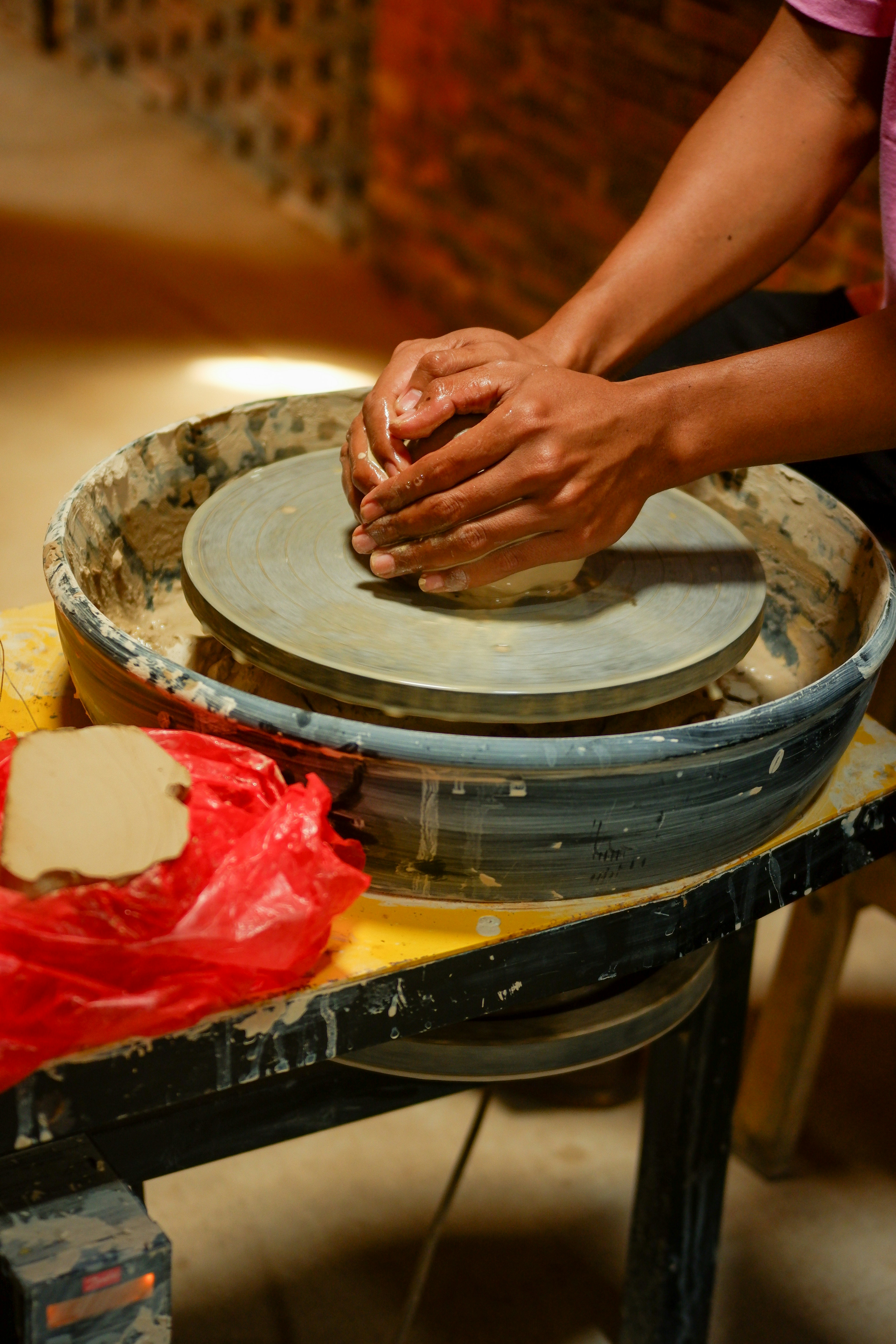
Craft has long been associated with skill, patience, and tradition. It evokes images of hands at work—wood shaped, clay formed, fabric woven—processes grounded in time and repetition. For much of the modern era, craft was positioned as something secondary to art: practical rather than conceptual, functional rather than expressive.
That hierarchy is quietly dissolving.
Across contemporary culture, craft is being reconsidered not as a nostalgic practice, but as a framework for thinking about value, labor, and meaning in a world increasingly shaped by speed and abstraction.
“Craft is no longer about resisting the present,” said a design historian who studies material culture. “It’s about responding to it.”
From Margins to Center
Historically, distinctions between art, design, and craft reflected social divisions.
Fine art was associated with intellectual authorship and cultural prestige. Craft was linked to utility, repetition, and manual labor—often feminized, localized, or marginalized within cultural institutions.
“These categories were never neutral,” said a museum curator focused on decorative arts. “They reflected who had the authority to define value.”
In recent decades, those boundaries have blurred. Museums exhibit ceramics alongside sculpture. Fashion embraces techniques once considered purely artisanal. Designers foreground process as much as outcome.
Craft has moved from the margins to the center of cultural discourse—not by abandoning tradition, but by reframing it.
Craft as Process, Not Aesthetic
One of the most significant shifts in how craft is understood today is its emphasis on process over style.
Craft is no longer defined solely by how something looks, but by how it is made. Time, technique, and material knowledge become integral to meaning.
“When you understand the process, you read the object differently,” said a contemporary ceramicist. “You see the decisions, the risks, the labor.”
This focus on making resonates in a culture saturated with frictionless digital production. Craft introduces resistance—materials push back, mistakes are visible, outcomes are uncertain.
In this sense, craft offers an alternative rhythm to mass production and instant replication.
Labor, Visibility, and Value
Craft foregrounds labor in a way many contemporary systems obscure.
In industrial and digital economies, work is often hidden behind interfaces and automation. Craft makes labor legible. Time is embedded in the object.
“Craft reminds people that things don’t appear fully formed,” said a sociologist studying work and production. “They’re the result of effort.”
This visibility has political implications. It challenges assumptions about efficiency, cost, and disposability. It asks viewers to consider who made something, under what conditions, and at what pace.
In an era of precarious labor, craft becomes a lens through which work itself is re-examined.
Craft and Technology: Not Opposites
Craft is often framed as the opposite of technology. In practice, the relationship is more complex.
Digital tools are increasingly integrated into craft practices—from computer-guided looms to 3D-printed molds and laser-cut patterns. Technology becomes an extension of the hand rather than its replacement.
“The question isn’t analog versus digital,” said a designer working at the intersection of code and textiles. “It’s how tools are used, and who controls them.”
This hybrid approach challenges simplistic narratives about authenticity. Craft today can involve software, algorithms, and machines—without abandoning attention, skill, or intention.
Sustainability and the Ethics of Making
Craft has gained renewed attention amid growing concern about sustainability.
Slow production, durable materials, and repairability contrast sharply with fast fashion and planned obsolescence. Craft practices often emphasize longevity over volume.
“Craft asks you to think in terms of care,” said an environmental design researcher. “Not just creation, but maintenance.”
Yet craft is not automatically sustainable. Materials sourcing, scale, and access all matter. The ethical value of craft lies not in romanticism, but in transparency—clear choices about process and impact.
Craft, Identity, and Community
For many practitioners, craft is inseparable from identity.
Techniques are passed through families, regions, and cultural traditions. Making becomes a form of storytelling—encoding history, memory, and belonging into objects.
“Craft carries knowledge that isn’t always written down,” said an anthropologist who studies traditional practices. “It lives in bodies.”
At the same time, contemporary craft communities are increasingly global, connected through digital platforms and shared concerns. This creates opportunities for exchange—but also risks appropriation when context is lost.
Respectful engagement requires attention to origin, authorship, and cultural meaning.
The Marketplace and the Pressure of Authenticity
As interest in craft grows, so does its market value.
Handmade objects are marketed as authentic, ethical, and unique. These narratives can elevate craft—but they can also burden makers with expectations.
“There’s pressure to perform authenticity,” said a craft practitioner who sells work internationally. “To stay small, visible, and personal, even as demand grows.”
Craft becomes both labor and brand. Navigating this tension requires balancing sustainability—financial and creative—without reducing craft to a lifestyle aesthetic.
Education and the Return of Making
Craft is also re-emerging in educational contexts.
Design schools, art programs, and even technology curricula increasingly emphasize hands-on learning. Making is seen not just as skill acquisition, but as a way of thinking.
“Working with materials teaches patience and problem-solving,” said an educator who integrates craft into interdisciplinary courses. “You learn by doing.”
This pedagogical shift reflects broader recognition that knowledge is not only abstract. It is embodied, iterative, and shaped by interaction with the physical world.
Why Craft Matters Now
The renewed attention to craft is not accidental.
In a world defined by speed, scale, and abstraction, craft offers a counterpoint. It values slowness, specificity, and care. It insists that how something is made matters—not just what it becomes.
“Craft is a form of attention,” said the design historian. “And attention is increasingly rare.”
This does not mean craft rejects modernity. It means it asks modernity to account for its processes.
A Practice of Presence
Craft today is not about retreating into the past. It is about engaging the present with intention.
It invites a reconsideration of value—not as efficiency alone, but as depth. Not as scale, but as meaning. Not as novelty, but as continuity.
Craft does not promise solutions.
It offers a practice.
A way of working—and of seeing—that reminds us that making is never neutral, and that care, once embedded, leaves a trace.
Subcategory
Members only
Craft has long been associated with skill, patience, and tradition. It evokes images of hands at work—wood shaped, clay formed, fabric woven—processes grounded in time and repetition. For much of the modern era, craft was positioned as something secondary to art: practical rather than conceptual, functional rather than expressive.
That hierarchy is quietly dissolving.
Across contemporary culture, craft is being reconsidered not as a nostalgic practice, but as a framework for thinking about value, labor, and meaning in a world increasingly shaped by speed and abstraction.
“Craft is no longer about resisting the present,” said a design historian who studies material culture. “It’s about responding to it.”
From Margins to Center
Historically, distinctions between art, design, and craft reflected social divisions.
Fine art was associated with intellectual authorship and cultural prestige. Craft was linked to utility, repetition, and manual labor—often feminized, localized, or marginalized within cultural institutions.
“These categories were never neutral,” said a museum curator focused on decorative arts. “They reflected who had the authority to define value.”
In recent decades, those boundaries have blurred. Museums exhibit ceramics alongside sculpture. Fashion embraces techniques once considered purely artisanal. Designers foreground process as much as outcome.
Craft has moved from the margins to the center of cultural discourse—not by abandoning tradition, but by reframing it.
Craft as Process, Not Aesthetic
One of the most significant shifts in how craft is understood today is its emphasis on process over style.
Craft is no longer defined solely by how something looks, but by how it is made. Time, technique, and material knowledge become integral to meaning.
“When you understand the process, you read the object differently,” said a contemporary ceramicist. “You see the decisions, the risks, the labor.”
This focus on making resonates in a culture saturated with frictionless digital production. Craft introduces resistance—materials push back, mistakes are visible, outcomes are uncertain.
In this sense, craft offers an alternative rhythm to mass production and instant replication.
Labor, Visibility, and Value
Craft foregrounds labor in a way many contemporary systems obscure.
In industrial and digital economies, work is often hidden behind interfaces and automation. Craft makes labor legible. Time is embedded in the object.
“Craft reminds people that things don’t appear fully formed,” said a sociologist studying work and production. “They’re the result of effort.”
This visibility has political implications. It challenges assumptions about efficiency, cost, and disposability. It asks viewers to consider who made something, under what conditions, and at what pace.
In an era of precarious labor, craft becomes a lens through which work itself is re-examined.
Craft and Technology: Not Opposites
Craft is often framed as the opposite of technology. In practice, the relationship is more complex.
Digital tools are increasingly integrated into craft practices—from computer-guided looms to 3D-printed molds and laser-cut patterns. Technology becomes an extension of the hand rather than its replacement.
“The question isn’t analog versus digital,” said a designer working at the intersection of code and textiles. “It’s how tools are used, and who controls them.”
This hybrid approach challenges simplistic narratives about authenticity. Craft today can involve software, algorithms, and machines—without abandoning attention, skill, or intention.
Sustainability and the Ethics of Making
Craft has gained renewed attention amid growing concern about sustainability.
Slow production, durable materials, and repairability contrast sharply with fast fashion and planned obsolescence. Craft practices often emphasize longevity over volume.
“Craft asks you to think in terms of care,” said an environmental design researcher. “Not just creation, but maintenance.”
Yet craft is not automatically sustainable. Materials sourcing, scale, and access all matter. The ethical value of craft lies not in romanticism, but in transparency—clear choices about process and impact.
Craft, Identity, and Community
For many practitioners, craft is inseparable from identity.
Techniques are passed through families, regions, and cultural traditions. Making becomes a form of storytelling—encoding history, memory, and belonging into objects.
“Craft carries knowledge that isn’t always written down,” said an anthropologist who studies traditional practices. “It lives in bodies.”
At the same time, contemporary craft communities are increasingly global, connected through digital platforms and shared concerns. This creates opportunities for exchange—but also risks appropriation when context is lost.
Respectful engagement requires attention to origin, authorship, and cultural meaning.
The Marketplace and the Pressure of Authenticity
As interest in craft grows, so does its market value.
Handmade objects are marketed as authentic, ethical, and unique. These narratives can elevate craft—but they can also burden makers with expectations.
“There’s pressure to perform authenticity,” said a craft practitioner who sells work internationally. “To stay small, visible, and personal, even as demand grows.”
Craft becomes both labor and brand. Navigating this tension requires balancing sustainability—financial and creative—without reducing craft to a lifestyle aesthetic.
Education and the Return of Making
Craft is also re-emerging in educational contexts.
Design schools, art programs, and even technology curricula increasingly emphasize hands-on learning. Making is seen not just as skill acquisition, but as a way of thinking.
“Working with materials teaches patience and problem-solving,” said an educator who integrates craft into interdisciplinary courses. “You learn by doing.”
This pedagogical shift reflects broader recognition that knowledge is not only abstract. It is embodied, iterative, and shaped by interaction with the physical world.
Why Craft Matters Now
The renewed attention to craft is not accidental.
In a world defined by speed, scale, and abstraction, craft offers a counterpoint. It values slowness, specificity, and care. It insists that how something is made matters—not just what it becomes.
“Craft is a form of attention,” said the design historian. “And attention is increasingly rare.”
This does not mean craft rejects modernity. It means it asks modernity to account for its processes.
A Practice of Presence
Craft today is not about retreating into the past. It is about engaging the present with intention.
It invites a reconsideration of value—not as efficiency alone, but as depth. Not as scale, but as meaning. Not as novelty, but as continuity.
Craft does not promise solutions.
It offers a practice.
A way of working—and of seeing—that reminds us that making is never neutral, and that care, once embedded, leaves a trace.
Subcategory
Members only
Craft has long been associated with skill, patience, and tradition. It evokes images of hands at work—wood shaped, clay formed, fabric woven—processes grounded in time and repetition. For much of the modern era, craft was positioned as something secondary to art: practical rather than conceptual, functional rather than expressive.
That hierarchy is quietly dissolving.
Across contemporary culture, craft is being reconsidered not as a nostalgic practice, but as a framework for thinking about value, labor, and meaning in a world increasingly shaped by speed and abstraction.
“Craft is no longer about resisting the present,” said a design historian who studies material culture. “It’s about responding to it.”
From Margins to Center
Historically, distinctions between art, design, and craft reflected social divisions.
Fine art was associated with intellectual authorship and cultural prestige. Craft was linked to utility, repetition, and manual labor—often feminized, localized, or marginalized within cultural institutions.
“These categories were never neutral,” said a museum curator focused on decorative arts. “They reflected who had the authority to define value.”
In recent decades, those boundaries have blurred. Museums exhibit ceramics alongside sculpture. Fashion embraces techniques once considered purely artisanal. Designers foreground process as much as outcome.
Craft has moved from the margins to the center of cultural discourse—not by abandoning tradition, but by reframing it.
Craft as Process, Not Aesthetic
One of the most significant shifts in how craft is understood today is its emphasis on process over style.
Craft is no longer defined solely by how something looks, but by how it is made. Time, technique, and material knowledge become integral to meaning.
“When you understand the process, you read the object differently,” said a contemporary ceramicist. “You see the decisions, the risks, the labor.”
This focus on making resonates in a culture saturated with frictionless digital production. Craft introduces resistance—materials push back, mistakes are visible, outcomes are uncertain.
In this sense, craft offers an alternative rhythm to mass production and instant replication.
Labor, Visibility, and Value
Craft foregrounds labor in a way many contemporary systems obscure.
In industrial and digital economies, work is often hidden behind interfaces and automation. Craft makes labor legible. Time is embedded in the object.
“Craft reminds people that things don’t appear fully formed,” said a sociologist studying work and production. “They’re the result of effort.”
This visibility has political implications. It challenges assumptions about efficiency, cost, and disposability. It asks viewers to consider who made something, under what conditions, and at what pace.
In an era of precarious labor, craft becomes a lens through which work itself is re-examined.
Craft and Technology: Not Opposites
Craft is often framed as the opposite of technology. In practice, the relationship is more complex.
Digital tools are increasingly integrated into craft practices—from computer-guided looms to 3D-printed molds and laser-cut patterns. Technology becomes an extension of the hand rather than its replacement.
“The question isn’t analog versus digital,” said a designer working at the intersection of code and textiles. “It’s how tools are used, and who controls them.”
This hybrid approach challenges simplistic narratives about authenticity. Craft today can involve software, algorithms, and machines—without abandoning attention, skill, or intention.
Sustainability and the Ethics of Making
Craft has gained renewed attention amid growing concern about sustainability.
Slow production, durable materials, and repairability contrast sharply with fast fashion and planned obsolescence. Craft practices often emphasize longevity over volume.
“Craft asks you to think in terms of care,” said an environmental design researcher. “Not just creation, but maintenance.”
Yet craft is not automatically sustainable. Materials sourcing, scale, and access all matter. The ethical value of craft lies not in romanticism, but in transparency—clear choices about process and impact.
Craft, Identity, and Community
For many practitioners, craft is inseparable from identity.
Techniques are passed through families, regions, and cultural traditions. Making becomes a form of storytelling—encoding history, memory, and belonging into objects.
“Craft carries knowledge that isn’t always written down,” said an anthropologist who studies traditional practices. “It lives in bodies.”
At the same time, contemporary craft communities are increasingly global, connected through digital platforms and shared concerns. This creates opportunities for exchange—but also risks appropriation when context is lost.
Respectful engagement requires attention to origin, authorship, and cultural meaning.
The Marketplace and the Pressure of Authenticity
As interest in craft grows, so does its market value.
Handmade objects are marketed as authentic, ethical, and unique. These narratives can elevate craft—but they can also burden makers with expectations.
“There’s pressure to perform authenticity,” said a craft practitioner who sells work internationally. “To stay small, visible, and personal, even as demand grows.”
Craft becomes both labor and brand. Navigating this tension requires balancing sustainability—financial and creative—without reducing craft to a lifestyle aesthetic.
Education and the Return of Making
Craft is also re-emerging in educational contexts.
Design schools, art programs, and even technology curricula increasingly emphasize hands-on learning. Making is seen not just as skill acquisition, but as a way of thinking.
“Working with materials teaches patience and problem-solving,” said an educator who integrates craft into interdisciplinary courses. “You learn by doing.”
This pedagogical shift reflects broader recognition that knowledge is not only abstract. It is embodied, iterative, and shaped by interaction with the physical world.
Why Craft Matters Now
The renewed attention to craft is not accidental.
In a world defined by speed, scale, and abstraction, craft offers a counterpoint. It values slowness, specificity, and care. It insists that how something is made matters—not just what it becomes.
“Craft is a form of attention,” said the design historian. “And attention is increasingly rare.”
This does not mean craft rejects modernity. It means it asks modernity to account for its processes.
A Practice of Presence
Craft today is not about retreating into the past. It is about engaging the present with intention.
It invites a reconsideration of value—not as efficiency alone, but as depth. Not as scale, but as meaning. Not as novelty, but as continuity.
Craft does not promise solutions.
It offers a practice.
A way of working—and of seeing—that reminds us that making is never neutral, and that care, once embedded, leaves a trace.
Subcategory
Members only
Dialogue is often understood as exchange: a conversation between two or more voices, a mechanism for clarification or persuasion. In cultural life, however, dialogue performs a deeper function. It is not simply a means of communication, but a method of understanding—one that reveals how meaning is formed, contested, and shared.
“Dialogue doesn’t just transmit ideas,” said a cultural theorist who studies discourse and interpretation. “It exposes the assumptions beneath them.”
Across interviews, public conversations, artistic collaborations, and civic debate, dialogue operates as a lens through which cultures examine themselves. What is said matters—but how people respond, interrupt, hesitate, or refuse to answer often matters just as much.
Dialogue Beyond Agreement
Dialogue is frequently framed as a path to consensus. In practice, its value often lies elsewhere.
Cultural dialogue rarely resolves differences. Instead, it surfaces them—bringing tensions, contradictions, and competing frameworks into view.
“The goal of dialogue isn’t harmony,” said a sociologist focused on public discourse. “It’s intelligibility.”
When individuals speak from different histories, values, or power positions, dialogue becomes a site of exposure. It reveals where language aligns and where it fractures, offering insight into the boundaries of shared understanding.
The Interview as Cultural Form
Few formats illustrate dialogue’s cultural function more clearly than the interview.
An interview is not merely a vehicle for extracting information. It is a constructed encounter shaped by power, trust, framing, and time. The questions asked—and those left unasked—define the intellectual space of the exchange.
“A good interview is an act of listening under pressure,” said a journalist with decades of experience conducting long-form conversations. “You’re responsible for both curiosity and restraint.”
Through interviews, cultural values become legible. What a society asks its artists, thinkers, or public figures reflects what it finds important—or troubling—at a given moment.
Power and Asymmetry in Dialogue
Dialogue is never neutral.
Who is invited to speak, who is expected to listen, and whose words are recorded or amplified reflect existing power structures. Even the most well-intentioned conversations are shaped by asymmetry.
“Dialogue doesn’t erase hierarchy,” said a researcher studying institutional communication. “It reveals how hierarchy operates.”
Cultural insight emerges not only from what marginalized voices say, but from the conditions under which they are asked to speak—and the risks attached to speaking at all. Silence, deflection, or guarded language can be as revealing as openness.
Listening as Cultural Labor
Listening is often treated as passive. In dialogue, it is active labor.
To listen across difference requires attention, patience, and the willingness to remain unsettled. It demands suspension of immediate judgment and resistance to premature interpretation.
“Listening is work,” said an oral historian. “It requires effort, especially when what you hear challenges your framework.”
In cultural contexts, listening becomes a form of interpretation. How responses are received—whether they are respected, reframed, or dismissed—shapes what dialogue produces.
Dialogue and the Construction of Meaning
Meaning in dialogue is not fixed at the moment of speech.
It emerges through interaction: through follow-up questions, clarification, disagreement, and reflection. Dialogue allows ideas to be tested publicly, refined in response to others, or exposed as incomplete.
“Dialogue is where thinking becomes visible,” said a philosophy lecturer. “You can watch ideas change in real time.”
This visibility makes dialogue valuable not only for its conclusions, but for its process. It documents how understanding is built—incrementally, collaboratively, and often imperfectly.
Cultural Translation and Misunderstanding
Dialogue frequently involves translation—not only between languages, but between cultural reference points.
Misunderstanding is not necessarily failure. In many cases, it reveals the limits of shared assumptions and the work required to bridge them.
“When people talk past each other, it’s usually because they’re using the same words differently,” said a linguist who studies intercultural communication.
Dialogue, when sustained, can clarify these divergences. When rushed or instrumentalized, it can entrench them.
Public Dialogue and Performance
In contemporary media environments, dialogue increasingly takes place in public—on stages, screens, and platforms where visibility shapes behavior.
Public dialogue often carries performative pressure. Participants may speak not only to each other, but to imagined audiences, critics, or supporters.
“Public dialogue is never just conversation,” said a media studies scholar. “It’s also positioning.”
This dynamic can constrain openness, encouraging certainty over exploration. Yet it can also expand dialogue’s reach, turning individual exchanges into shared cultural reference points.
The Ethics of Dialogue
Dialogue carries ethical responsibility.
Those who facilitate or publish conversations—journalists, editors, curators—shape how dialogue is framed, edited, and contextualized. These choices influence interpretation.
“Dialogue doesn’t end when the conversation ends,” said the oral historian. “It continues in how it’s presented.”
Ethical dialogue requires care: accurate representation, respect for context, and acknowledgment of limits. It involves knowing when to probe, when to pause, and when not to speak for others.
Dialogue as Cultural Record
Over time, dialogues become archives.
Interviews, debates, and recorded conversations document how societies think about themselves at particular moments. They capture uncertainty as well as conviction, transition as well as stability.
“When future readers look back, they won’t just see what people believed,” said the cultural theorist. “They’ll see how they argued, questioned, and justified.”
Dialogue preserves the texture of thought—not as finished doctrine, but as lived process.
Why Dialogue Still Matters
In an era of accelerated opinion and polarized discourse, dialogue can feel fragile or inefficient. It requires time, trust, and tolerance for ambiguity.
Yet its cultural value lies precisely in these demands.
Dialogue slows interpretation. It resists simplification. It creates space for complexity in environments that often reward certainty.
Dialogue does not promise resolution.
It offers insight.
And in cultural life, insight—how people think, listen, and respond—is often the most revealing story of all.

Subcategory
Members only
Dialogue is often understood as exchange: a conversation between two or more voices, a mechanism for clarification or persuasion. In cultural life, however, dialogue performs a deeper function. It is not simply a means of communication, but a method of understanding—one that reveals how meaning is formed, contested, and shared.
“Dialogue doesn’t just transmit ideas,” said a cultural theorist who studies discourse and interpretation. “It exposes the assumptions beneath them.”
Across interviews, public conversations, artistic collaborations, and civic debate, dialogue operates as a lens through which cultures examine themselves. What is said matters—but how people respond, interrupt, hesitate, or refuse to answer often matters just as much.
Dialogue Beyond Agreement
Dialogue is frequently framed as a path to consensus. In practice, its value often lies elsewhere.
Cultural dialogue rarely resolves differences. Instead, it surfaces them—bringing tensions, contradictions, and competing frameworks into view.
“The goal of dialogue isn’t harmony,” said a sociologist focused on public discourse. “It’s intelligibility.”
When individuals speak from different histories, values, or power positions, dialogue becomes a site of exposure. It reveals where language aligns and where it fractures, offering insight into the boundaries of shared understanding.
The Interview as Cultural Form
Few formats illustrate dialogue’s cultural function more clearly than the interview.
An interview is not merely a vehicle for extracting information. It is a constructed encounter shaped by power, trust, framing, and time. The questions asked—and those left unasked—define the intellectual space of the exchange.
“A good interview is an act of listening under pressure,” said a journalist with decades of experience conducting long-form conversations. “You’re responsible for both curiosity and restraint.”
Through interviews, cultural values become legible. What a society asks its artists, thinkers, or public figures reflects what it finds important—or troubling—at a given moment.
Power and Asymmetry in Dialogue
Dialogue is never neutral.
Who is invited to speak, who is expected to listen, and whose words are recorded or amplified reflect existing power structures. Even the most well-intentioned conversations are shaped by asymmetry.
“Dialogue doesn’t erase hierarchy,” said a researcher studying institutional communication. “It reveals how hierarchy operates.”
Cultural insight emerges not only from what marginalized voices say, but from the conditions under which they are asked to speak—and the risks attached to speaking at all. Silence, deflection, or guarded language can be as revealing as openness.
Listening as Cultural Labor
Listening is often treated as passive. In dialogue, it is active labor.
To listen across difference requires attention, patience, and the willingness to remain unsettled. It demands suspension of immediate judgment and resistance to premature interpretation.
“Listening is work,” said an oral historian. “It requires effort, especially when what you hear challenges your framework.”
In cultural contexts, listening becomes a form of interpretation. How responses are received—whether they are respected, reframed, or dismissed—shapes what dialogue produces.
Dialogue and the Construction of Meaning
Meaning in dialogue is not fixed at the moment of speech.
It emerges through interaction: through follow-up questions, clarification, disagreement, and reflection. Dialogue allows ideas to be tested publicly, refined in response to others, or exposed as incomplete.
“Dialogue is where thinking becomes visible,” said a philosophy lecturer. “You can watch ideas change in real time.”
This visibility makes dialogue valuable not only for its conclusions, but for its process. It documents how understanding is built—incrementally, collaboratively, and often imperfectly.
Cultural Translation and Misunderstanding
Dialogue frequently involves translation—not only between languages, but between cultural reference points.
Misunderstanding is not necessarily failure. In many cases, it reveals the limits of shared assumptions and the work required to bridge them.
“When people talk past each other, it’s usually because they’re using the same words differently,” said a linguist who studies intercultural communication.
Dialogue, when sustained, can clarify these divergences. When rushed or instrumentalized, it can entrench them.
Public Dialogue and Performance
In contemporary media environments, dialogue increasingly takes place in public—on stages, screens, and platforms where visibility shapes behavior.
Public dialogue often carries performative pressure. Participants may speak not only to each other, but to imagined audiences, critics, or supporters.
“Public dialogue is never just conversation,” said a media studies scholar. “It’s also positioning.”
This dynamic can constrain openness, encouraging certainty over exploration. Yet it can also expand dialogue’s reach, turning individual exchanges into shared cultural reference points.
The Ethics of Dialogue
Dialogue carries ethical responsibility.
Those who facilitate or publish conversations—journalists, editors, curators—shape how dialogue is framed, edited, and contextualized. These choices influence interpretation.
“Dialogue doesn’t end when the conversation ends,” said the oral historian. “It continues in how it’s presented.”
Ethical dialogue requires care: accurate representation, respect for context, and acknowledgment of limits. It involves knowing when to probe, when to pause, and when not to speak for others.
Dialogue as Cultural Record
Over time, dialogues become archives.
Interviews, debates, and recorded conversations document how societies think about themselves at particular moments. They capture uncertainty as well as conviction, transition as well as stability.
“When future readers look back, they won’t just see what people believed,” said the cultural theorist. “They’ll see how they argued, questioned, and justified.”
Dialogue preserves the texture of thought—not as finished doctrine, but as lived process.
Why Dialogue Still Matters
In an era of accelerated opinion and polarized discourse, dialogue can feel fragile or inefficient. It requires time, trust, and tolerance for ambiguity.
Yet its cultural value lies precisely in these demands.
Dialogue slows interpretation. It resists simplification. It creates space for complexity in environments that often reward certainty.
Dialogue does not promise resolution.
It offers insight.
And in cultural life, insight—how people think, listen, and respond—is often the most revealing story of all.
Subcategory
Members only
Dialogue is often understood as exchange: a conversation between two or more voices, a mechanism for clarification or persuasion. In cultural life, however, dialogue performs a deeper function. It is not simply a means of communication, but a method of understanding—one that reveals how meaning is formed, contested, and shared.
“Dialogue doesn’t just transmit ideas,” said a cultural theorist who studies discourse and interpretation. “It exposes the assumptions beneath them.”
Across interviews, public conversations, artistic collaborations, and civic debate, dialogue operates as a lens through which cultures examine themselves. What is said matters—but how people respond, interrupt, hesitate, or refuse to answer often matters just as much.
Dialogue Beyond Agreement
Dialogue is frequently framed as a path to consensus. In practice, its value often lies elsewhere.
Cultural dialogue rarely resolves differences. Instead, it surfaces them—bringing tensions, contradictions, and competing frameworks into view.
“The goal of dialogue isn’t harmony,” said a sociologist focused on public discourse. “It’s intelligibility.”
When individuals speak from different histories, values, or power positions, dialogue becomes a site of exposure. It reveals where language aligns and where it fractures, offering insight into the boundaries of shared understanding.
The Interview as Cultural Form
Few formats illustrate dialogue’s cultural function more clearly than the interview.
An interview is not merely a vehicle for extracting information. It is a constructed encounter shaped by power, trust, framing, and time. The questions asked—and those left unasked—define the intellectual space of the exchange.
“A good interview is an act of listening under pressure,” said a journalist with decades of experience conducting long-form conversations. “You’re responsible for both curiosity and restraint.”
Through interviews, cultural values become legible. What a society asks its artists, thinkers, or public figures reflects what it finds important—or troubling—at a given moment.
Power and Asymmetry in Dialogue
Dialogue is never neutral.
Who is invited to speak, who is expected to listen, and whose words are recorded or amplified reflect existing power structures. Even the most well-intentioned conversations are shaped by asymmetry.
“Dialogue doesn’t erase hierarchy,” said a researcher studying institutional communication. “It reveals how hierarchy operates.”
Cultural insight emerges not only from what marginalized voices say, but from the conditions under which they are asked to speak—and the risks attached to speaking at all. Silence, deflection, or guarded language can be as revealing as openness.
Listening as Cultural Labor
Listening is often treated as passive. In dialogue, it is active labor.
To listen across difference requires attention, patience, and the willingness to remain unsettled. It demands suspension of immediate judgment and resistance to premature interpretation.
“Listening is work,” said an oral historian. “It requires effort, especially when what you hear challenges your framework.”
In cultural contexts, listening becomes a form of interpretation. How responses are received—whether they are respected, reframed, or dismissed—shapes what dialogue produces.
Dialogue and the Construction of Meaning
Meaning in dialogue is not fixed at the moment of speech.
It emerges through interaction: through follow-up questions, clarification, disagreement, and reflection. Dialogue allows ideas to be tested publicly, refined in response to others, or exposed as incomplete.
“Dialogue is where thinking becomes visible,” said a philosophy lecturer. “You can watch ideas change in real time.”
This visibility makes dialogue valuable not only for its conclusions, but for its process. It documents how understanding is built—incrementally, collaboratively, and often imperfectly.
Cultural Translation and Misunderstanding
Dialogue frequently involves translation—not only between languages, but between cultural reference points.
Misunderstanding is not necessarily failure. In many cases, it reveals the limits of shared assumptions and the work required to bridge them.
“When people talk past each other, it’s usually because they’re using the same words differently,” said a linguist who studies intercultural communication.
Dialogue, when sustained, can clarify these divergences. When rushed or instrumentalized, it can entrench them.
Public Dialogue and Performance
In contemporary media environments, dialogue increasingly takes place in public—on stages, screens, and platforms where visibility shapes behavior.
Public dialogue often carries performative pressure. Participants may speak not only to each other, but to imagined audiences, critics, or supporters.
“Public dialogue is never just conversation,” said a media studies scholar. “It’s also positioning.”
This dynamic can constrain openness, encouraging certainty over exploration. Yet it can also expand dialogue’s reach, turning individual exchanges into shared cultural reference points.
The Ethics of Dialogue
Dialogue carries ethical responsibility.
Those who facilitate or publish conversations—journalists, editors, curators—shape how dialogue is framed, edited, and contextualized. These choices influence interpretation.
“Dialogue doesn’t end when the conversation ends,” said the oral historian. “It continues in how it’s presented.”
Ethical dialogue requires care: accurate representation, respect for context, and acknowledgment of limits. It involves knowing when to probe, when to pause, and when not to speak for others.
Dialogue as Cultural Record
Over time, dialogues become archives.
Interviews, debates, and recorded conversations document how societies think about themselves at particular moments. They capture uncertainty as well as conviction, transition as well as stability.
“When future readers look back, they won’t just see what people believed,” said the cultural theorist. “They’ll see how they argued, questioned, and justified.”
Dialogue preserves the texture of thought—not as finished doctrine, but as lived process.
Why Dialogue Still Matters
In an era of accelerated opinion and polarized discourse, dialogue can feel fragile or inefficient. It requires time, trust, and tolerance for ambiguity.
Yet its cultural value lies precisely in these demands.
Dialogue slows interpretation. It resists simplification. It creates space for complexity in environments that often reward certainty.
Dialogue does not promise resolution.
It offers insight.
And in cultural life, insight—how people think, listen, and respond—is often the most revealing story of all.
Subcategory
Members only
For much of Western cultural history, aesthetics has been synonymous with beauty. Harmony, proportion, balance, and pleasure formed the core vocabulary through which art and design were evaluated. To be aesthetic was to be pleasing—to the eye, to the senses, to taste.
That equation no longer holds.
Contemporary aesthetics increasingly moves beyond beauty, embracing discomfort, ambiguity, and friction as legitimate—and often necessary—modes of expression. What matters now is not whether something is beautiful, but what it does, what it reveals, and how it positions the viewer.
“Aesthetics isn’t about decoration anymore,” said a philosopher of art who studies contemporary theory. “It’s about perception and consequence.”
The Limits of Beauty
Beauty, long treated as a universal category, has always been culturally specific.
Standards of beauty shift across time, geography, and social context. What one era celebrates, another may reject. Even classical ideals were shaped by power, access, and exclusion.
“Beauty was never neutral,” said a cultural historian. “It reflected who had the authority to define value.”
As artists and designers confront histories of inequality and representation, reliance on beauty alone feels insufficient. Aesthetic practices increasingly question whose standards are being applied—and who is left outside them.
From Pleasure to Experience
Modern aesthetic theory has expanded its scope from pleasure to experience.
Art is no longer expected to soothe or delight. It may unsettle, confuse, provoke, or exhaust. These responses are not failures of aesthetics, but expressions of it.
“Feeling disturbed is still a form of engagement,” said a contemporary artist whose work explores political themes. “It means something reached you.”
Installations that overwhelm the senses, performances that challenge endurance, and designs that foreground discomfort all participate in this broader aesthetic field. They ask viewers not simply to look, but to confront.
Aesthetics and Ethics
As aesthetics move beyond beauty, they increasingly intersect with ethics.
Questions of responsibility—toward materials, labor, audiences, and environments—shape how work is perceived. A visually pleasing object may raise ethical concerns if its production involves exploitation or environmental harm.
“You can’t separate how something looks from how it’s made,” said a design ethicist.
In this context, aesthetic judgment expands to include process and impact. Beauty without accountability can feel hollow. Conversely, work that prioritizes ethical coherence may gain aesthetic significance even if it resists traditional notions of appeal.
The Politics of the Uncomfortable
Discomfort has become a central aesthetic strategy.
Artists and designers use unease to expose contradictions, disrupt habits, and force reconsideration. What feels unpleasant may be precisely what demands attention.
“Comfort is often aligned with privilege,” said a curator working with socially engaged art. “Discomfort can be clarifying.”
This does not mean shock for its own sake. Rather, discomfort functions as a tool—redirecting perception toward realities that are easier to ignore when filtered through beauty alone.
Everyday Aesthetics
Aesthetics beyond beauty are not confined to galleries or studios.
They appear in everyday environments: in urban design that prioritizes function over visual charm, in digital interfaces that reveal rather than conceal complexity, in objects that show wear instead of hiding it.
“There’s an honesty to things that don’t pretend to be perfect,” said an industrial designer.
Patina, irregularity, and repair become aesthetic qualities. They signal time, use, and human presence. The everyday aesthetic shifts from idealized appearance to lived experience.
Technology and New Sensibilities
Digital technologies have further expanded aesthetic possibilities.
Virtual environments, generative systems, and algorithmic design challenge traditional sensory frameworks. Aesthetic experience becomes interactive, procedural, and often unpredictable.
“Digital aesthetics are about behavior, not surface,” said a researcher studying computational design.
In these contexts, beauty may emerge from patterns, responsiveness, or emergent complexity rather than visual harmony. The aesthetic object is no longer static—it unfolds.
Cultural Difference and Plural Aesthetics
Moving beyond beauty also means acknowledging aesthetic plurality.
Different cultures prioritize different sensory values: texture over form, rhythm over symmetry, ritual over display. Global exchange has exposed the limitations of universal aesthetic criteria.
“There isn’t one aesthetic language,” said an anthropologist specializing in material culture. “There are many, shaped by context.”
Recognizing this plurality allows aesthetics to function less as judgment and more as inquiry—asking how and why certain forms resonate within specific communities.
Criticism Without Hierarchy
As aesthetics broaden, criticism must adapt.
Evaluating work solely on beauty risks misunderstanding its intention. Critics increasingly focus on coherence, relevance, and effect rather than attractiveness.
“Not everything is meant to be liked,” said a cultural critic. “Some things are meant to be understood.”
This shift does not eliminate standards. It reframes them. The question becomes not “Is it beautiful?” but “Is it doing what it sets out to do—and at what cost?”
Why Beauty Still Matters
Moving beyond beauty does not mean rejecting it entirely.
Beauty remains a powerful mode of experience—capable of offering relief, connection, and wonder. But it no longer holds exclusive authority.
“Beauty is one register among many,” said the philosopher. “Not the endpoint.”
In contemporary aesthetics, beauty coexists with disruption, care, and critique. It is contextual rather than absolute.
An Expanded Field
Aesthetics beyond beauty reflect a broader cultural shift.
As societies grapple with complexity, inequality, and ecological constraint, aesthetic practices adapt. They seek relevance over refinement, meaning over ornament, engagement over approval.
Aesthetics becomes not the pursuit of ideal form,
but the exploration of how things feel, function, and matter.
Beyond beauty lies a richer, more demanding terrain—one that asks not only what we see, but how we respond, and why.

Subcategory
Members only
For much of Western cultural history, aesthetics has been synonymous with beauty. Harmony, proportion, balance, and pleasure formed the core vocabulary through which art and design were evaluated. To be aesthetic was to be pleasing—to the eye, to the senses, to taste.
That equation no longer holds.
Contemporary aesthetics increasingly moves beyond beauty, embracing discomfort, ambiguity, and friction as legitimate—and often necessary—modes of expression. What matters now is not whether something is beautiful, but what it does, what it reveals, and how it positions the viewer.
“Aesthetics isn’t about decoration anymore,” said a philosopher of art who studies contemporary theory. “It’s about perception and consequence.”
The Limits of Beauty
Beauty, long treated as a universal category, has always been culturally specific.
Standards of beauty shift across time, geography, and social context. What one era celebrates, another may reject. Even classical ideals were shaped by power, access, and exclusion.
“Beauty was never neutral,” said a cultural historian. “It reflected who had the authority to define value.”
As artists and designers confront histories of inequality and representation, reliance on beauty alone feels insufficient. Aesthetic practices increasingly question whose standards are being applied—and who is left outside them.
From Pleasure to Experience
Modern aesthetic theory has expanded its scope from pleasure to experience.
Art is no longer expected to soothe or delight. It may unsettle, confuse, provoke, or exhaust. These responses are not failures of aesthetics, but expressions of it.
“Feeling disturbed is still a form of engagement,” said a contemporary artist whose work explores political themes. “It means something reached you.”
Installations that overwhelm the senses, performances that challenge endurance, and designs that foreground discomfort all participate in this broader aesthetic field. They ask viewers not simply to look, but to confront.
Aesthetics and Ethics
As aesthetics move beyond beauty, they increasingly intersect with ethics.
Questions of responsibility—toward materials, labor, audiences, and environments—shape how work is perceived. A visually pleasing object may raise ethical concerns if its production involves exploitation or environmental harm.
“You can’t separate how something looks from how it’s made,” said a design ethicist.
In this context, aesthetic judgment expands to include process and impact. Beauty without accountability can feel hollow. Conversely, work that prioritizes ethical coherence may gain aesthetic significance even if it resists traditional notions of appeal.
The Politics of the Uncomfortable
Discomfort has become a central aesthetic strategy.
Artists and designers use unease to expose contradictions, disrupt habits, and force reconsideration. What feels unpleasant may be precisely what demands attention.
“Comfort is often aligned with privilege,” said a curator working with socially engaged art. “Discomfort can be clarifying.”
This does not mean shock for its own sake. Rather, discomfort functions as a tool—redirecting perception toward realities that are easier to ignore when filtered through beauty alone.
Everyday Aesthetics
Aesthetics beyond beauty are not confined to galleries or studios.
They appear in everyday environments: in urban design that prioritizes function over visual charm, in digital interfaces that reveal rather than conceal complexity, in objects that show wear instead of hiding it.
“There’s an honesty to things that don’t pretend to be perfect,” said an industrial designer.
Patina, irregularity, and repair become aesthetic qualities. They signal time, use, and human presence. The everyday aesthetic shifts from idealized appearance to lived experience.
Technology and New Sensibilities
Digital technologies have further expanded aesthetic possibilities.
Virtual environments, generative systems, and algorithmic design challenge traditional sensory frameworks. Aesthetic experience becomes interactive, procedural, and often unpredictable.
“Digital aesthetics are about behavior, not surface,” said a researcher studying computational design.
In these contexts, beauty may emerge from patterns, responsiveness, or emergent complexity rather than visual harmony. The aesthetic object is no longer static—it unfolds.
Cultural Difference and Plural Aesthetics
Moving beyond beauty also means acknowledging aesthetic plurality.
Different cultures prioritize different sensory values: texture over form, rhythm over symmetry, ritual over display. Global exchange has exposed the limitations of universal aesthetic criteria.
“There isn’t one aesthetic language,” said an anthropologist specializing in material culture. “There are many, shaped by context.”
Recognizing this plurality allows aesthetics to function less as judgment and more as inquiry—asking how and why certain forms resonate within specific communities.
Criticism Without Hierarchy
As aesthetics broaden, criticism must adapt.
Evaluating work solely on beauty risks misunderstanding its intention. Critics increasingly focus on coherence, relevance, and effect rather than attractiveness.
“Not everything is meant to be liked,” said a cultural critic. “Some things are meant to be understood.”
This shift does not eliminate standards. It reframes them. The question becomes not “Is it beautiful?” but “Is it doing what it sets out to do—and at what cost?”
Why Beauty Still Matters
Moving beyond beauty does not mean rejecting it entirely.
Beauty remains a powerful mode of experience—capable of offering relief, connection, and wonder. But it no longer holds exclusive authority.
“Beauty is one register among many,” said the philosopher. “Not the endpoint.”
In contemporary aesthetics, beauty coexists with disruption, care, and critique. It is contextual rather than absolute.
An Expanded Field
Aesthetics beyond beauty reflect a broader cultural shift.
As societies grapple with complexity, inequality, and ecological constraint, aesthetic practices adapt. They seek relevance over refinement, meaning over ornament, engagement over approval.
Aesthetics becomes not the pursuit of ideal form,
but the exploration of how things feel, function, and matter.
Beyond beauty lies a richer, more demanding terrain—one that asks not only what we see, but how we respond, and why.
Subcategory
Members only
For much of Western cultural history, aesthetics has been synonymous with beauty. Harmony, proportion, balance, and pleasure formed the core vocabulary through which art and design were evaluated. To be aesthetic was to be pleasing—to the eye, to the senses, to taste.
That equation no longer holds.
Contemporary aesthetics increasingly moves beyond beauty, embracing discomfort, ambiguity, and friction as legitimate—and often necessary—modes of expression. What matters now is not whether something is beautiful, but what it does, what it reveals, and how it positions the viewer.
“Aesthetics isn’t about decoration anymore,” said a philosopher of art who studies contemporary theory. “It’s about perception and consequence.”
The Limits of Beauty
Beauty, long treated as a universal category, has always been culturally specific.
Standards of beauty shift across time, geography, and social context. What one era celebrates, another may reject. Even classical ideals were shaped by power, access, and exclusion.
“Beauty was never neutral,” said a cultural historian. “It reflected who had the authority to define value.”
As artists and designers confront histories of inequality and representation, reliance on beauty alone feels insufficient. Aesthetic practices increasingly question whose standards are being applied—and who is left outside them.
From Pleasure to Experience
Modern aesthetic theory has expanded its scope from pleasure to experience.
Art is no longer expected to soothe or delight. It may unsettle, confuse, provoke, or exhaust. These responses are not failures of aesthetics, but expressions of it.
“Feeling disturbed is still a form of engagement,” said a contemporary artist whose work explores political themes. “It means something reached you.”
Installations that overwhelm the senses, performances that challenge endurance, and designs that foreground discomfort all participate in this broader aesthetic field. They ask viewers not simply to look, but to confront.
Aesthetics and Ethics
As aesthetics move beyond beauty, they increasingly intersect with ethics.
Questions of responsibility—toward materials, labor, audiences, and environments—shape how work is perceived. A visually pleasing object may raise ethical concerns if its production involves exploitation or environmental harm.
“You can’t separate how something looks from how it’s made,” said a design ethicist.
In this context, aesthetic judgment expands to include process and impact. Beauty without accountability can feel hollow. Conversely, work that prioritizes ethical coherence may gain aesthetic significance even if it resists traditional notions of appeal.
The Politics of the Uncomfortable
Discomfort has become a central aesthetic strategy.
Artists and designers use unease to expose contradictions, disrupt habits, and force reconsideration. What feels unpleasant may be precisely what demands attention.
“Comfort is often aligned with privilege,” said a curator working with socially engaged art. “Discomfort can be clarifying.”
This does not mean shock for its own sake. Rather, discomfort functions as a tool—redirecting perception toward realities that are easier to ignore when filtered through beauty alone.
Everyday Aesthetics
Aesthetics beyond beauty are not confined to galleries or studios.
They appear in everyday environments: in urban design that prioritizes function over visual charm, in digital interfaces that reveal rather than conceal complexity, in objects that show wear instead of hiding it.
“There’s an honesty to things that don’t pretend to be perfect,” said an industrial designer.
Patina, irregularity, and repair become aesthetic qualities. They signal time, use, and human presence. The everyday aesthetic shifts from idealized appearance to lived experience.
Technology and New Sensibilities
Digital technologies have further expanded aesthetic possibilities.
Virtual environments, generative systems, and algorithmic design challenge traditional sensory frameworks. Aesthetic experience becomes interactive, procedural, and often unpredictable.
“Digital aesthetics are about behavior, not surface,” said a researcher studying computational design.
In these contexts, beauty may emerge from patterns, responsiveness, or emergent complexity rather than visual harmony. The aesthetic object is no longer static—it unfolds.
Cultural Difference and Plural Aesthetics
Moving beyond beauty also means acknowledging aesthetic plurality.
Different cultures prioritize different sensory values: texture over form, rhythm over symmetry, ritual over display. Global exchange has exposed the limitations of universal aesthetic criteria.
“There isn’t one aesthetic language,” said an anthropologist specializing in material culture. “There are many, shaped by context.”
Recognizing this plurality allows aesthetics to function less as judgment and more as inquiry—asking how and why certain forms resonate within specific communities.
Criticism Without Hierarchy
As aesthetics broaden, criticism must adapt.
Evaluating work solely on beauty risks misunderstanding its intention. Critics increasingly focus on coherence, relevance, and effect rather than attractiveness.
“Not everything is meant to be liked,” said a cultural critic. “Some things are meant to be understood.”
This shift does not eliminate standards. It reframes them. The question becomes not “Is it beautiful?” but “Is it doing what it sets out to do—and at what cost?”
Why Beauty Still Matters
Moving beyond beauty does not mean rejecting it entirely.
Beauty remains a powerful mode of experience—capable of offering relief, connection, and wonder. But it no longer holds exclusive authority.
“Beauty is one register among many,” said the philosopher. “Not the endpoint.”
In contemporary aesthetics, beauty coexists with disruption, care, and critique. It is contextual rather than absolute.
An Expanded Field
Aesthetics beyond beauty reflect a broader cultural shift.
As societies grapple with complexity, inequality, and ecological constraint, aesthetic practices adapt. They seek relevance over refinement, meaning over ornament, engagement over approval.
Aesthetics becomes not the pursuit of ideal form,
but the exploration of how things feel, function, and matter.
Beyond beauty lies a richer, more demanding terrain—one that asks not only what we see, but how we respond, and why.
Subcategory
Members only
Design rarely emerges in isolation. Every object, interface, or system is shaped by what came before it—by traditions, technologies, cultural movements, and the work of others. Yet influence is often discussed vaguely, as inspiration rather than structure. Craft, meanwhile, is sometimes reduced to technique, detached from the intellectual frameworks that guide it.
For many designers working today, the relationship between influence and craft is neither abstract nor nostalgic. It is practical, negotiated, and deeply tied to how work is made under contemporary conditions.
“Influence isn’t something you borrow,” said an independent designer whose work spans print and digital. “It’s something you work through.”
Influence as Context, Not Imitation
Design influence is often misunderstood as stylistic borrowing—visible references, familiar forms, recognizable gestures. In practice, influence operates more subtly.
Designers describe influence as a context they inhabit rather than a source they replicate. It shapes assumptions about proportion, hierarchy, material, and function long before aesthetic decisions are made.
“You absorb influence before you’re conscious of it,” said a design educator. “It becomes part of how you see problems.”
This absorption is cumulative. Designers carry traces of movements, mentors, tools, and constraints across projects. The challenge is not avoiding influence, but understanding it well enough to move beyond repetition.
Craft as Thinking Through Making
For designers, craft is not merely execution. It is a way of thinking.
Material decisions—type weight, spacing, texture, interaction—are not secondary to concept. They are how concepts become legible.
“Craft is where intention meets resistance,” said a typographer known for experimental work. “Materials push back. That’s where design happens.”
This resistance forces designers to clarify priorities. Constraints reveal values. Craft becomes a site of decision-making rather than decoration.
In this sense, craft is intellectual labor as much as manual skill.
Learning From Lineage
Many designers locate influence through lineage rather than trend.
They study historical practices not to replicate them, but to understand how problems were approached under different conditions. Print designers look to pre-digital typography. Interaction designers revisit early interface logic. Industrial designers study vernacular tools.
“History shows you how people solved similar problems with fewer resources,” said a product designer. “That’s instructive.”
Lineage provides continuity. It grounds contemporary practice in longer conversations about form, usability, and meaning—conversations that predate current platforms and tools.
Technology and the Shifting Nature of Craft
Digital tools have transformed design practice, but not eliminated craft.
Software accelerates production and expands possibility, yet it introduces its own constraints—default settings, presets, algorithmic behaviors.
“The tool teaches you how to design,” said an interaction designer. “Sometimes without asking.”
Craft, in this environment, involves resisting automation where necessary and embracing it where appropriate. Designers describe craft as knowing when to rely on tools and when to intervene manually.
The question is not analog versus digital, but control versus convenience.
Influence in a Saturated Visual Culture
Designers work within an unprecedented volume of visual reference.
Platforms surface endless examples, often detached from context. Influence becomes ambient—always present, difficult to trace.
“There’s so much reference that originality becomes about selection,” said a creative director at a multidisciplinary studio.
In this environment, designers emphasize intentionality. They curate influence rather than consume it indiscriminately, seeking depth over breadth.
Influence, here, is less about novelty and more about discernment.
Craft, Time, and Value
Craft requires time—often more than commercial environments readily allow.
Designers speak openly about the tension between speed and care. Tight deadlines can flatten decision-making. Extended timelines allow exploration, revision, and refinement.
“Craft lives in the extra iteration,” said a brand designer. “The one you don’t have time for.”
This tension raises questions about value: what is rewarded, what is visible, and what is sacrificed. Craft becomes a quiet negotiation between ideal practice and real conditions.
Collaboration and Shared Influence
Design is rarely solitary.
Teams bring different influences, priorities, and skill sets into shared work. Craft, in collaborative contexts, becomes relational—dependent on communication, trust, and alignment.
“You’re negotiating taste constantly,” said a design lead managing cross-functional teams. “Craft is collective.”
Shared influence can strengthen work by expanding perspective. It can also dilute vision if left unarticulated. Designers emphasize the importance of naming influences explicitly, making assumptions visible.
Ethics, Influence, and Responsibility
Influence carries responsibility.
Designers are increasingly aware that visual and functional choices shape behavior, perception, and access. Influences drawn from specific cultures or communities require care, credit, and context.
“You can’t separate craft from consequence,” said a researcher studying design ethics.
This awareness reframes influence as an ethical relationship rather than a resource. Craft includes how references are acknowledged, adapted, and situated.
Teaching Craft in Contemporary Design
Design education plays a crucial role in shaping how influence and craft are understood.
Educators emphasize critical reading of reference, encouraging students to articulate why certain influences resonate and how they inform decisions.
“Craft isn’t just skill-building,” said the design educator. “It’s learning how to justify choices.”
Teaching craft as reflective practice prepares designers to adapt across tools and contexts, rather than mastering a single aesthetic or technique.
Craft as Continuity
For many designers, craft provides continuity amid rapid change.
Tools evolve. Platforms shift. Trends cycle. Craft—understood as attention, care, and intentional decision-making—remains stable.
“Craft is what survives when everything else changes,” said the typographer.
Influence shapes where designers come from. Craft determines how they move forward.
Together, they form a practice that is less about originality as isolation, and more about contribution—adding something considered to an ongoing conversation.
Design, in this view, is not the pursuit of the new for its own sake.
It is the careful negotiation between what has been learned and what still needs to be made.

Subcategory
Members only
Design rarely emerges in isolation. Every object, interface, or system is shaped by what came before it—by traditions, technologies, cultural movements, and the work of others. Yet influence is often discussed vaguely, as inspiration rather than structure. Craft, meanwhile, is sometimes reduced to technique, detached from the intellectual frameworks that guide it.
For many designers working today, the relationship between influence and craft is neither abstract nor nostalgic. It is practical, negotiated, and deeply tied to how work is made under contemporary conditions.
“Influence isn’t something you borrow,” said an independent designer whose work spans print and digital. “It’s something you work through.”
Influence as Context, Not Imitation
Design influence is often misunderstood as stylistic borrowing—visible references, familiar forms, recognizable gestures. In practice, influence operates more subtly.
Designers describe influence as a context they inhabit rather than a source they replicate. It shapes assumptions about proportion, hierarchy, material, and function long before aesthetic decisions are made.
“You absorb influence before you’re conscious of it,” said a design educator. “It becomes part of how you see problems.”
This absorption is cumulative. Designers carry traces of movements, mentors, tools, and constraints across projects. The challenge is not avoiding influence, but understanding it well enough to move beyond repetition.
Craft as Thinking Through Making
For designers, craft is not merely execution. It is a way of thinking.
Material decisions—type weight, spacing, texture, interaction—are not secondary to concept. They are how concepts become legible.
“Craft is where intention meets resistance,” said a typographer known for experimental work. “Materials push back. That’s where design happens.”
This resistance forces designers to clarify priorities. Constraints reveal values. Craft becomes a site of decision-making rather than decoration.
In this sense, craft is intellectual labor as much as manual skill.
Learning From Lineage
Many designers locate influence through lineage rather than trend.
They study historical practices not to replicate them, but to understand how problems were approached under different conditions. Print designers look to pre-digital typography. Interaction designers revisit early interface logic. Industrial designers study vernacular tools.
“History shows you how people solved similar problems with fewer resources,” said a product designer. “That’s instructive.”
Lineage provides continuity. It grounds contemporary practice in longer conversations about form, usability, and meaning—conversations that predate current platforms and tools.
Technology and the Shifting Nature of Craft
Digital tools have transformed design practice, but not eliminated craft.
Software accelerates production and expands possibility, yet it introduces its own constraints—default settings, presets, algorithmic behaviors.
“The tool teaches you how to design,” said an interaction designer. “Sometimes without asking.”
Craft, in this environment, involves resisting automation where necessary and embracing it where appropriate. Designers describe craft as knowing when to rely on tools and when to intervene manually.
The question is not analog versus digital, but control versus convenience.
Influence in a Saturated Visual Culture
Designers work within an unprecedented volume of visual reference.
Platforms surface endless examples, often detached from context. Influence becomes ambient—always present, difficult to trace.
“There’s so much reference that originality becomes about selection,” said a creative director at a multidisciplinary studio.
In this environment, designers emphasize intentionality. They curate influence rather than consume it indiscriminately, seeking depth over breadth.
Influence, here, is less about novelty and more about discernment.
Craft, Time, and Value
Craft requires time—often more than commercial environments readily allow.
Designers speak openly about the tension between speed and care. Tight deadlines can flatten decision-making. Extended timelines allow exploration, revision, and refinement.
“Craft lives in the extra iteration,” said a brand designer. “The one you don’t have time for.”
This tension raises questions about value: what is rewarded, what is visible, and what is sacrificed. Craft becomes a quiet negotiation between ideal practice and real conditions.
Collaboration and Shared Influence
Design is rarely solitary.
Teams bring different influences, priorities, and skill sets into shared work. Craft, in collaborative contexts, becomes relational—dependent on communication, trust, and alignment.
“You’re negotiating taste constantly,” said a design lead managing cross-functional teams. “Craft is collective.”
Shared influence can strengthen work by expanding perspective. It can also dilute vision if left unarticulated. Designers emphasize the importance of naming influences explicitly, making assumptions visible.
Ethics, Influence, and Responsibility
Influence carries responsibility.
Designers are increasingly aware that visual and functional choices shape behavior, perception, and access. Influences drawn from specific cultures or communities require care, credit, and context.
“You can’t separate craft from consequence,” said a researcher studying design ethics.
This awareness reframes influence as an ethical relationship rather than a resource. Craft includes how references are acknowledged, adapted, and situated.
Teaching Craft in Contemporary Design
Design education plays a crucial role in shaping how influence and craft are understood.
Educators emphasize critical reading of reference, encouraging students to articulate why certain influences resonate and how they inform decisions.
“Craft isn’t just skill-building,” said the design educator. “It’s learning how to justify choices.”
Teaching craft as reflective practice prepares designers to adapt across tools and contexts, rather than mastering a single aesthetic or technique.
Craft as Continuity
For many designers, craft provides continuity amid rapid change.
Tools evolve. Platforms shift. Trends cycle. Craft—understood as attention, care, and intentional decision-making—remains stable.
“Craft is what survives when everything else changes,” said the typographer.
Influence shapes where designers come from. Craft determines how they move forward.
Together, they form a practice that is less about originality as isolation, and more about contribution—adding something considered to an ongoing conversation.
Design, in this view, is not the pursuit of the new for its own sake.
It is the careful negotiation between what has been learned and what still needs to be made.
Subcategory
Members only
Design rarely emerges in isolation. Every object, interface, or system is shaped by what came before it—by traditions, technologies, cultural movements, and the work of others. Yet influence is often discussed vaguely, as inspiration rather than structure. Craft, meanwhile, is sometimes reduced to technique, detached from the intellectual frameworks that guide it.
For many designers working today, the relationship between influence and craft is neither abstract nor nostalgic. It is practical, negotiated, and deeply tied to how work is made under contemporary conditions.
“Influence isn’t something you borrow,” said an independent designer whose work spans print and digital. “It’s something you work through.”
Influence as Context, Not Imitation
Design influence is often misunderstood as stylistic borrowing—visible references, familiar forms, recognizable gestures. In practice, influence operates more subtly.
Designers describe influence as a context they inhabit rather than a source they replicate. It shapes assumptions about proportion, hierarchy, material, and function long before aesthetic decisions are made.
“You absorb influence before you’re conscious of it,” said a design educator. “It becomes part of how you see problems.”
This absorption is cumulative. Designers carry traces of movements, mentors, tools, and constraints across projects. The challenge is not avoiding influence, but understanding it well enough to move beyond repetition.
Craft as Thinking Through Making
For designers, craft is not merely execution. It is a way of thinking.
Material decisions—type weight, spacing, texture, interaction—are not secondary to concept. They are how concepts become legible.
“Craft is where intention meets resistance,” said a typographer known for experimental work. “Materials push back. That’s where design happens.”
This resistance forces designers to clarify priorities. Constraints reveal values. Craft becomes a site of decision-making rather than decoration.
In this sense, craft is intellectual labor as much as manual skill.
Learning From Lineage
Many designers locate influence through lineage rather than trend.
They study historical practices not to replicate them, but to understand how problems were approached under different conditions. Print designers look to pre-digital typography. Interaction designers revisit early interface logic. Industrial designers study vernacular tools.
“History shows you how people solved similar problems with fewer resources,” said a product designer. “That’s instructive.”
Lineage provides continuity. It grounds contemporary practice in longer conversations about form, usability, and meaning—conversations that predate current platforms and tools.
Technology and the Shifting Nature of Craft
Digital tools have transformed design practice, but not eliminated craft.
Software accelerates production and expands possibility, yet it introduces its own constraints—default settings, presets, algorithmic behaviors.
“The tool teaches you how to design,” said an interaction designer. “Sometimes without asking.”
Craft, in this environment, involves resisting automation where necessary and embracing it where appropriate. Designers describe craft as knowing when to rely on tools and when to intervene manually.
The question is not analog versus digital, but control versus convenience.
Influence in a Saturated Visual Culture
Designers work within an unprecedented volume of visual reference.
Platforms surface endless examples, often detached from context. Influence becomes ambient—always present, difficult to trace.
“There’s so much reference that originality becomes about selection,” said a creative director at a multidisciplinary studio.
In this environment, designers emphasize intentionality. They curate influence rather than consume it indiscriminately, seeking depth over breadth.
Influence, here, is less about novelty and more about discernment.
Craft, Time, and Value
Craft requires time—often more than commercial environments readily allow.
Designers speak openly about the tension between speed and care. Tight deadlines can flatten decision-making. Extended timelines allow exploration, revision, and refinement.
“Craft lives in the extra iteration,” said a brand designer. “The one you don’t have time for.”
This tension raises questions about value: what is rewarded, what is visible, and what is sacrificed. Craft becomes a quiet negotiation between ideal practice and real conditions.
Collaboration and Shared Influence
Design is rarely solitary.
Teams bring different influences, priorities, and skill sets into shared work. Craft, in collaborative contexts, becomes relational—dependent on communication, trust, and alignment.
“You’re negotiating taste constantly,” said a design lead managing cross-functional teams. “Craft is collective.”
Shared influence can strengthen work by expanding perspective. It can also dilute vision if left unarticulated. Designers emphasize the importance of naming influences explicitly, making assumptions visible.
Ethics, Influence, and Responsibility
Influence carries responsibility.
Designers are increasingly aware that visual and functional choices shape behavior, perception, and access. Influences drawn from specific cultures or communities require care, credit, and context.
“You can’t separate craft from consequence,” said a researcher studying design ethics.
This awareness reframes influence as an ethical relationship rather than a resource. Craft includes how references are acknowledged, adapted, and situated.
Teaching Craft in Contemporary Design
Design education plays a crucial role in shaping how influence and craft are understood.
Educators emphasize critical reading of reference, encouraging students to articulate why certain influences resonate and how they inform decisions.
“Craft isn’t just skill-building,” said the design educator. “It’s learning how to justify choices.”
Teaching craft as reflective practice prepares designers to adapt across tools and contexts, rather than mastering a single aesthetic or technique.
Craft as Continuity
For many designers, craft provides continuity amid rapid change.
Tools evolve. Platforms shift. Trends cycle. Craft—understood as attention, care, and intentional decision-making—remains stable.
“Craft is what survives when everything else changes,” said the typographer.
Influence shapes where designers come from. Craft determines how they move forward.
Together, they form a practice that is less about originality as isolation, and more about contribution—adding something considered to an ongoing conversation.
Design, in this view, is not the pursuit of the new for its own sake.
It is the careful negotiation between what has been learned and what still needs to be made.
Subcategory
Members only
Design is often discussed as a matter of appearance—how things look, how they are styled, how they attract attention. In practice, design operates at a deeper level. It structures experience itself: guiding behavior, shaping expectations, and influencing how people feel, decide, and remember.
Most of this influence goes unnoticed.
“Good design is invisible until it fails,” said a user experience researcher who studies everyday interactions. “But it’s always doing something.”
From the layout of a city street to the flow of a mobile app, design mediates how people move through the world. It frames choice, creates friction or ease, and silently communicates values.
Experience Before Aesthetics
Design shapes experience before it shapes perception.
Long before users register color, typography, or style, they encounter structure: sequence, hierarchy, affordance. These elements determine what feels intuitive, confusing, welcoming, or exclusionary.
“Experience is the sum of decisions users don’t realize they’re making,” said a service designer working in public systems.
A well-designed environment reduces cognitive load. It allows people to act without constant interpretation. Poor design demands effort, making experience feel heavy or hostile even when intentions are good.
In this sense, design is not about taste—it is about orientation.
Design as Behavioral Architecture
Design does not simply reflect behavior; it influences it.
Physical and digital environments are forms of behavioral architecture. They encourage certain actions while discouraging others—sometimes explicitly, often subtly.
“Design creates defaults,” said a behavioral economist who advises on public policy. “And defaults shape outcomes.”
Placement of buttons, paths through spaces, timing of prompts—all nudge behavior. These nudges may be benign or consequential, depending on context. Design can support autonomy, or quietly limit it.
Every design decision carries behavioral weight.
Friction, Ease, and Meaning
Ease is often treated as the goal of good design. But friction, when used intentionally, also shapes experience.
Speed matters in emergencies. Slowness matters in reflection. Design that eliminates all friction can flatten experience, removing moments of pause that give actions meaning.
“Not everything should be optimized,” said an interaction designer. “Some things need resistance.”
Checkouts that encourage review, interfaces that slow irreversible actions, spaces that invite lingering rather than transit—these designs acknowledge that experience is not only about efficiency.
Meaning often emerges where design allows time to register consequence.
Emotional Design and Memory
Experience is emotional.
Design choices influence how environments feel, not just how they function. Light, sound, spacing, and rhythm all contribute to emotional tone.
“People remember how an experience made them feel long after they forget the details,” said a cognitive psychologist specializing in memory.
Design can create calm, urgency, trust, or anxiety. These emotional cues shape memory and future behavior. A confusing system may deter return even if it technically works. A welcoming one builds loyalty without explicit persuasion.
Experience is shaped as much by affect as by logic.
Inclusion and Exclusion by Design
Design shapes experience differently for different people.
Assumptions about ability, language, access, and familiarity are embedded in design systems. When those assumptions go unexamined, experiences become uneven.
“Inclusion isn’t an add-on,” said an accessibility consultant. “It’s a design choice made early or not at all.”
Stairs without ramps, interfaces without clear language, systems that assume constant connectivity—these designs communicate who is expected to participate.
Design reveals whose experience is prioritized.
Design and Power
Because design structures experience, it also structures power.
Those who design systems decide how people encounter institutions, information, and one another. This influence is rarely visible, but it is consequential.
“Power is embedded in interfaces,” said a researcher studying technology and governance. “They define what’s possible.”
Whether in civic services, financial tools, or media platforms, design mediates access. It can empower users—or constrain them through complexity, opacity, or dependency.
Design is never neutral. It carries values forward into experience.
The Role of Context
Experience is shaped not only by design, but by context.
The same design can feel intuitive in one environment and alien in another. Cultural norms, prior knowledge, and situational pressure all influence interpretation.
“Design doesn’t exist in isolation,” said a cultural anthropologist working with design teams. “It’s read through lived experience.”
Recognizing context requires designers to observe, test, and revise rather than assume. Experience design becomes iterative—responsive to real use rather than ideal scenarios.
Digital Experience and Attention
In digital environments, design increasingly shapes experience through attention.
Notifications, feeds, and interaction loops structure how users allocate focus. Design determines what interrupts, what persists, and what fades.
“Attention is designed,” said a product strategist. “It doesn’t just happen.”
These choices affect not only usability, but well-being. Design can support sustained engagement—or fragment experience into constant reaction.
The ethics of experience design are inseparable from these decisions.
Designing for Care
A growing movement within design emphasizes care over control.
Rather than optimizing for engagement or throughput, designers focus on clarity, respect, and user agency. Experience is treated as something to be supported, not extracted.
“Care shows up in small decisions,” said the service designer. “Clear language. Honest feedback. Predictable systems.”
Designing for care recognizes that experience accumulates. Repeated interactions shape trust, confidence, and comfort over time.
Experience as the Outcome
Design ultimately shapes experience because experience is its outcome.
Objects, interfaces, and environments are not ends in themselves. They are means through which people act, feel, and understand.
“Design succeeds when it disappears into experience,” said the researcher. “When it lets people focus on living, not navigating.”
Understanding design as experience reframes evaluation. The question is no longer simply whether something looks good or works efficiently, but how it participates in daily life.
Design shapes experience not by commanding attention,
but by organizing it.
In doing so, it quietly determines how the world is encountered—one decision, one interaction, one moment at a time.
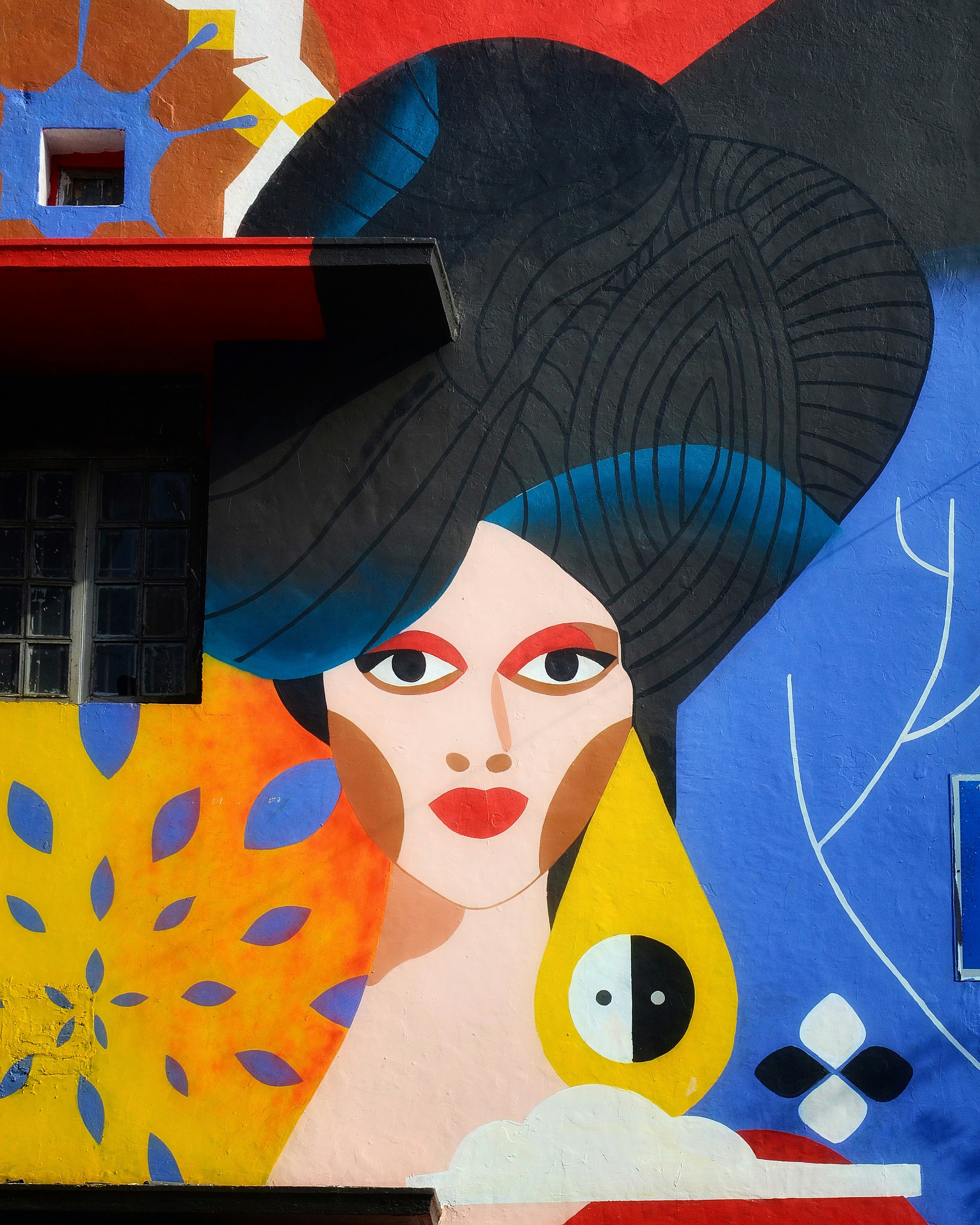
Subcategory
Members only
Design is often discussed as a matter of appearance—how things look, how they are styled, how they attract attention. In practice, design operates at a deeper level. It structures experience itself: guiding behavior, shaping expectations, and influencing how people feel, decide, and remember.
Most of this influence goes unnoticed.
“Good design is invisible until it fails,” said a user experience researcher who studies everyday interactions. “But it’s always doing something.”
From the layout of a city street to the flow of a mobile app, design mediates how people move through the world. It frames choice, creates friction or ease, and silently communicates values.
Experience Before Aesthetics
Design shapes experience before it shapes perception.
Long before users register color, typography, or style, they encounter structure: sequence, hierarchy, affordance. These elements determine what feels intuitive, confusing, welcoming, or exclusionary.
“Experience is the sum of decisions users don’t realize they’re making,” said a service designer working in public systems.
A well-designed environment reduces cognitive load. It allows people to act without constant interpretation. Poor design demands effort, making experience feel heavy or hostile even when intentions are good.
In this sense, design is not about taste—it is about orientation.
Design as Behavioral Architecture
Design does not simply reflect behavior; it influences it.
Physical and digital environments are forms of behavioral architecture. They encourage certain actions while discouraging others—sometimes explicitly, often subtly.
“Design creates defaults,” said a behavioral economist who advises on public policy. “And defaults shape outcomes.”
Placement of buttons, paths through spaces, timing of prompts—all nudge behavior. These nudges may be benign or consequential, depending on context. Design can support autonomy, or quietly limit it.
Every design decision carries behavioral weight.
Friction, Ease, and Meaning
Ease is often treated as the goal of good design. But friction, when used intentionally, also shapes experience.
Speed matters in emergencies. Slowness matters in reflection. Design that eliminates all friction can flatten experience, removing moments of pause that give actions meaning.
“Not everything should be optimized,” said an interaction designer. “Some things need resistance.”
Checkouts that encourage review, interfaces that slow irreversible actions, spaces that invite lingering rather than transit—these designs acknowledge that experience is not only about efficiency.
Meaning often emerges where design allows time to register consequence.
Emotional Design and Memory
Experience is emotional.
Design choices influence how environments feel, not just how they function. Light, sound, spacing, and rhythm all contribute to emotional tone.
“People remember how an experience made them feel long after they forget the details,” said a cognitive psychologist specializing in memory.
Design can create calm, urgency, trust, or anxiety. These emotional cues shape memory and future behavior. A confusing system may deter return even if it technically works. A welcoming one builds loyalty without explicit persuasion.
Experience is shaped as much by affect as by logic.
Inclusion and Exclusion by Design
Design shapes experience differently for different people.
Assumptions about ability, language, access, and familiarity are embedded in design systems. When those assumptions go unexamined, experiences become uneven.
“Inclusion isn’t an add-on,” said an accessibility consultant. “It’s a design choice made early or not at all.”
Stairs without ramps, interfaces without clear language, systems that assume constant connectivity—these designs communicate who is expected to participate.
Design reveals whose experience is prioritized.
Design and Power
Because design structures experience, it also structures power.
Those who design systems decide how people encounter institutions, information, and one another. This influence is rarely visible, but it is consequential.
“Power is embedded in interfaces,” said a researcher studying technology and governance. “They define what’s possible.”
Whether in civic services, financial tools, or media platforms, design mediates access. It can empower users—or constrain them through complexity, opacity, or dependency.
Design is never neutral. It carries values forward into experience.
The Role of Context
Experience is shaped not only by design, but by context.
The same design can feel intuitive in one environment and alien in another. Cultural norms, prior knowledge, and situational pressure all influence interpretation.
“Design doesn’t exist in isolation,” said a cultural anthropologist working with design teams. “It’s read through lived experience.”
Recognizing context requires designers to observe, test, and revise rather than assume. Experience design becomes iterative—responsive to real use rather than ideal scenarios.
Digital Experience and Attention
In digital environments, design increasingly shapes experience through attention.
Notifications, feeds, and interaction loops structure how users allocate focus. Design determines what interrupts, what persists, and what fades.
“Attention is designed,” said a product strategist. “It doesn’t just happen.”
These choices affect not only usability, but well-being. Design can support sustained engagement—or fragment experience into constant reaction.
The ethics of experience design are inseparable from these decisions.
Designing for Care
A growing movement within design emphasizes care over control.
Rather than optimizing for engagement or throughput, designers focus on clarity, respect, and user agency. Experience is treated as something to be supported, not extracted.
“Care shows up in small decisions,” said the service designer. “Clear language. Honest feedback. Predictable systems.”
Designing for care recognizes that experience accumulates. Repeated interactions shape trust, confidence, and comfort over time.
Experience as the Outcome
Design ultimately shapes experience because experience is its outcome.
Objects, interfaces, and environments are not ends in themselves. They are means through which people act, feel, and understand.
“Design succeeds when it disappears into experience,” said the researcher. “When it lets people focus on living, not navigating.”
Understanding design as experience reframes evaluation. The question is no longer simply whether something looks good or works efficiently, but how it participates in daily life.
Design shapes experience not by commanding attention,
but by organizing it.
In doing so, it quietly determines how the world is encountered—one decision, one interaction, one moment at a time.
Subcategory
Members only
Design is often discussed as a matter of appearance—how things look, how they are styled, how they attract attention. In practice, design operates at a deeper level. It structures experience itself: guiding behavior, shaping expectations, and influencing how people feel, decide, and remember.
Most of this influence goes unnoticed.
“Good design is invisible until it fails,” said a user experience researcher who studies everyday interactions. “But it’s always doing something.”
From the layout of a city street to the flow of a mobile app, design mediates how people move through the world. It frames choice, creates friction or ease, and silently communicates values.
Experience Before Aesthetics
Design shapes experience before it shapes perception.
Long before users register color, typography, or style, they encounter structure: sequence, hierarchy, affordance. These elements determine what feels intuitive, confusing, welcoming, or exclusionary.
“Experience is the sum of decisions users don’t realize they’re making,” said a service designer working in public systems.
A well-designed environment reduces cognitive load. It allows people to act without constant interpretation. Poor design demands effort, making experience feel heavy or hostile even when intentions are good.
In this sense, design is not about taste—it is about orientation.
Design as Behavioral Architecture
Design does not simply reflect behavior; it influences it.
Physical and digital environments are forms of behavioral architecture. They encourage certain actions while discouraging others—sometimes explicitly, often subtly.
“Design creates defaults,” said a behavioral economist who advises on public policy. “And defaults shape outcomes.”
Placement of buttons, paths through spaces, timing of prompts—all nudge behavior. These nudges may be benign or consequential, depending on context. Design can support autonomy, or quietly limit it.
Every design decision carries behavioral weight.
Friction, Ease, and Meaning
Ease is often treated as the goal of good design. But friction, when used intentionally, also shapes experience.
Speed matters in emergencies. Slowness matters in reflection. Design that eliminates all friction can flatten experience, removing moments of pause that give actions meaning.
“Not everything should be optimized,” said an interaction designer. “Some things need resistance.”
Checkouts that encourage review, interfaces that slow irreversible actions, spaces that invite lingering rather than transit—these designs acknowledge that experience is not only about efficiency.
Meaning often emerges where design allows time to register consequence.
Emotional Design and Memory
Experience is emotional.
Design choices influence how environments feel, not just how they function. Light, sound, spacing, and rhythm all contribute to emotional tone.
“People remember how an experience made them feel long after they forget the details,” said a cognitive psychologist specializing in memory.
Design can create calm, urgency, trust, or anxiety. These emotional cues shape memory and future behavior. A confusing system may deter return even if it technically works. A welcoming one builds loyalty without explicit persuasion.
Experience is shaped as much by affect as by logic.
Inclusion and Exclusion by Design
Design shapes experience differently for different people.
Assumptions about ability, language, access, and familiarity are embedded in design systems. When those assumptions go unexamined, experiences become uneven.
“Inclusion isn’t an add-on,” said an accessibility consultant. “It’s a design choice made early or not at all.”
Stairs without ramps, interfaces without clear language, systems that assume constant connectivity—these designs communicate who is expected to participate.
Design reveals whose experience is prioritized.
Design and Power
Because design structures experience, it also structures power.
Those who design systems decide how people encounter institutions, information, and one another. This influence is rarely visible, but it is consequential.
“Power is embedded in interfaces,” said a researcher studying technology and governance. “They define what’s possible.”
Whether in civic services, financial tools, or media platforms, design mediates access. It can empower users—or constrain them through complexity, opacity, or dependency.
Design is never neutral. It carries values forward into experience.
The Role of Context
Experience is shaped not only by design, but by context.
The same design can feel intuitive in one environment and alien in another. Cultural norms, prior knowledge, and situational pressure all influence interpretation.
“Design doesn’t exist in isolation,” said a cultural anthropologist working with design teams. “It’s read through lived experience.”
Recognizing context requires designers to observe, test, and revise rather than assume. Experience design becomes iterative—responsive to real use rather than ideal scenarios.
Digital Experience and Attention
In digital environments, design increasingly shapes experience through attention.
Notifications, feeds, and interaction loops structure how users allocate focus. Design determines what interrupts, what persists, and what fades.
“Attention is designed,” said a product strategist. “It doesn’t just happen.”
These choices affect not only usability, but well-being. Design can support sustained engagement—or fragment experience into constant reaction.
The ethics of experience design are inseparable from these decisions.
Designing for Care
A growing movement within design emphasizes care over control.
Rather than optimizing for engagement or throughput, designers focus on clarity, respect, and user agency. Experience is treated as something to be supported, not extracted.
“Care shows up in small decisions,” said the service designer. “Clear language. Honest feedback. Predictable systems.”
Designing for care recognizes that experience accumulates. Repeated interactions shape trust, confidence, and comfort over time.
Experience as the Outcome
Design ultimately shapes experience because experience is its outcome.
Objects, interfaces, and environments are not ends in themselves. They are means through which people act, feel, and understand.
“Design succeeds when it disappears into experience,” said the researcher. “When it lets people focus on living, not navigating.”
Understanding design as experience reframes evaluation. The question is no longer simply whether something looks good or works efficiently, but how it participates in daily life.
Design shapes experience not by commanding attention,
but by organizing it.
In doing so, it quietly determines how the world is encountered—one decision, one interaction, one moment at a time.
Subcategory
Members only
Creativity is often framed as a moment—an idea arriving fully formed, a flash of inspiration that distinguishes the talented from the ordinary. In reality, creative work rarely begins or ends with such clarity. It unfolds through uncertainty, revision, and sustained attention.
The creative process is not a single method, but a set of practices shaped by discipline, context, and constraint.
“Most of creativity is invisible,” said a multidisciplinary artist whose work spans visual art and design. “What people see is the residue.”
Understanding how creative work actually happens requires moving beyond myth and into process: how ideas are generated, tested, abandoned, and remade.
From Spark to Structure
Most creative projects begin with a spark—but that spark is rarely sufficient.
Initial ideas often arrive as fragments: images, phrases, questions, or tensions rather than solutions. The early stage of creation is less about execution and more about exploration.
“The first idea is almost never the right one,” said a novelist who teaches creative writing. “It’s a door, not a destination.”
Creative practitioners describe this phase as expansive. They gather reference, experiment freely, and resist premature judgment. Ambiguity is tolerated—sometimes cultivated.
Structure comes later.
Research as Creative Fuel
Research plays a critical role in creative work, even in fields commonly associated with intuition.
Artists research materials, histories, and contexts. Designers study users and systems. Writers immerse themselves in archives, interviews, and lived experience.
“Research gives ideas weight,” said a documentary filmmaker. “It keeps imagination grounded.”
Rather than constraining creativity, research expands possibility by revealing complexity. It introduces friction that sharpens intention and deepens meaning.
Iteration and the Work of Revision
Creative work advances through iteration.
Drafts are produced, tested, and reworked. Feedback is incorporated selectively. Ideas are refined or discarded. This phase is often the longest—and least glamorous.
“Revision is where the work actually becomes itself,” said the novelist.
Iteration transforms intuition into coherence. It exposes weaknesses, clarifies priorities, and forces decisions. Each version carries lessons forward, even when it is ultimately abandoned.
Progress is rarely linear.
Constraint as Catalyst
Contrary to popular belief, constraint often enhances creativity.
Limitations of time, budget, format, or medium force focus. They narrow the field of possibility, making decision-making more intentional.
“Constraints give you something to push against,” said an industrial designer. “They prevent paralysis.”
Creative practitioners frequently impose artificial constraints—working within strict parameters to stimulate problem-solving. Constraint becomes not an obstacle, but a catalyst.
The Role of Failure
Failure is an integral part of the creative process.
Most ideas do not work. Experiments collapse. Drafts disappoint. These failures are not deviations from creativity—they are its mechanism.
“You fail constantly,” said the artist. “You just don’t show it.”
Learning from failure requires psychological resilience. Creative environments that punish risk discourage innovation. Those that normalize experimentation enable it.
Failure, when acknowledged, becomes informative.
Solitude and Collaboration
Creativity oscillates between solitude and collaboration.
Solitude allows for deep focus and internal dialogue. Collaboration introduces external perspective, challenge, and synthesis. Most creative processes require both.
“Working alone helps you hear your own voice,” said a composer. “Working with others tests it.”
Effective collaboration depends on trust and clarity. Roles must be defined. Feedback must be constructive. When collaboration works, it accelerates insight rather than diluting vision.
Time, Rhythm, and Attention
Creative work unfolds in time—and rhythm matters.
Some practitioners work best in long, uninterrupted sessions. Others rely on short, regular intervals. Finding a sustainable rhythm is part of the process.
“Creativity responds to consistency,” said a cognitive psychologist studying creative habits. “Not pressure.”
Attention is a finite resource. Protecting it—through routines, boundaries, and environment—is essential. Creativity thrives when attention is respected.
Emotional Labor and Vulnerability
Creative work involves emotional exposure.
Ideas are personal, even when projects are professional. Sharing unfinished work requires vulnerability. Rejection can feel like personal judgment.
“You’re offering something unproven,” said the filmmaker. “That’s risky.”
Managing this vulnerability is part of creative maturity. Experienced practitioners learn to separate self-worth from outcomes, allowing critique to inform rather than derail.
Knowing When to Stop
One of the most difficult aspects of the creative process is knowing when a work is finished.
Perfection is unreachable. At some point, additional changes no longer improve clarity or impact. Completion becomes a decision rather than a discovery.
“You stop when the work can stand without you,” said the artist.
This moment varies. It depends on context, deadline, and purpose. Letting go is as much a skill as making.
Creativity as Practice
The creative process is not a formula. It is a practice.
It evolves with experience, shaped by habit, failure, and reflection. What works for one project may not work for the next.
“Process isn’t something you find once,” said the designer. “You build it over time.”
Understanding creativity as practice rather than inspiration demystifies it. It shifts focus from talent to effort, from outcome to engagement.
What Happens Between the Moments
What defines creative work is not the moments of inspiration that receive attention, but the sustained effort that surrounds them.
The notes taken and discarded. The drafts revised and abandoned. The quiet hours of thinking and making that never appear in final form.
Inside the creative process is not magic.
It is commitment.
A commitment to uncertainty, to patience, and to returning—again and again—to work that does not yet know what it will become.

Subcategory
Members only
Creativity is often framed as a moment—an idea arriving fully formed, a flash of inspiration that distinguishes the talented from the ordinary. In reality, creative work rarely begins or ends with such clarity. It unfolds through uncertainty, revision, and sustained attention.
The creative process is not a single method, but a set of practices shaped by discipline, context, and constraint.
“Most of creativity is invisible,” said a multidisciplinary artist whose work spans visual art and design. “What people see is the residue.”
Understanding how creative work actually happens requires moving beyond myth and into process: how ideas are generated, tested, abandoned, and remade.
From Spark to Structure
Most creative projects begin with a spark—but that spark is rarely sufficient.
Initial ideas often arrive as fragments: images, phrases, questions, or tensions rather than solutions. The early stage of creation is less about execution and more about exploration.
“The first idea is almost never the right one,” said a novelist who teaches creative writing. “It’s a door, not a destination.”
Creative practitioners describe this phase as expansive. They gather reference, experiment freely, and resist premature judgment. Ambiguity is tolerated—sometimes cultivated.
Structure comes later.
Research as Creative Fuel
Research plays a critical role in creative work, even in fields commonly associated with intuition.
Artists research materials, histories, and contexts. Designers study users and systems. Writers immerse themselves in archives, interviews, and lived experience.
“Research gives ideas weight,” said a documentary filmmaker. “It keeps imagination grounded.”
Rather than constraining creativity, research expands possibility by revealing complexity. It introduces friction that sharpens intention and deepens meaning.
Iteration and the Work of Revision
Creative work advances through iteration.
Drafts are produced, tested, and reworked. Feedback is incorporated selectively. Ideas are refined or discarded. This phase is often the longest—and least glamorous.
“Revision is where the work actually becomes itself,” said the novelist.
Iteration transforms intuition into coherence. It exposes weaknesses, clarifies priorities, and forces decisions. Each version carries lessons forward, even when it is ultimately abandoned.
Progress is rarely linear.
Constraint as Catalyst
Contrary to popular belief, constraint often enhances creativity.
Limitations of time, budget, format, or medium force focus. They narrow the field of possibility, making decision-making more intentional.
“Constraints give you something to push against,” said an industrial designer. “They prevent paralysis.”
Creative practitioners frequently impose artificial constraints—working within strict parameters to stimulate problem-solving. Constraint becomes not an obstacle, but a catalyst.
The Role of Failure
Failure is an integral part of the creative process.
Most ideas do not work. Experiments collapse. Drafts disappoint. These failures are not deviations from creativity—they are its mechanism.
“You fail constantly,” said the artist. “You just don’t show it.”
Learning from failure requires psychological resilience. Creative environments that punish risk discourage innovation. Those that normalize experimentation enable it.
Failure, when acknowledged, becomes informative.
Solitude and Collaboration
Creativity oscillates between solitude and collaboration.
Solitude allows for deep focus and internal dialogue. Collaboration introduces external perspective, challenge, and synthesis. Most creative processes require both.
“Working alone helps you hear your own voice,” said a composer. “Working with others tests it.”
Effective collaboration depends on trust and clarity. Roles must be defined. Feedback must be constructive. When collaboration works, it accelerates insight rather than diluting vision.
Time, Rhythm, and Attention
Creative work unfolds in time—and rhythm matters.
Some practitioners work best in long, uninterrupted sessions. Others rely on short, regular intervals. Finding a sustainable rhythm is part of the process.
“Creativity responds to consistency,” said a cognitive psychologist studying creative habits. “Not pressure.”
Attention is a finite resource. Protecting it—through routines, boundaries, and environment—is essential. Creativity thrives when attention is respected.
Emotional Labor and Vulnerability
Creative work involves emotional exposure.
Ideas are personal, even when projects are professional. Sharing unfinished work requires vulnerability. Rejection can feel like personal judgment.
“You’re offering something unproven,” said the filmmaker. “That’s risky.”
Managing this vulnerability is part of creative maturity. Experienced practitioners learn to separate self-worth from outcomes, allowing critique to inform rather than derail.
Knowing When to Stop
One of the most difficult aspects of the creative process is knowing when a work is finished.
Perfection is unreachable. At some point, additional changes no longer improve clarity or impact. Completion becomes a decision rather than a discovery.
“You stop when the work can stand without you,” said the artist.
This moment varies. It depends on context, deadline, and purpose. Letting go is as much a skill as making.
Creativity as Practice
The creative process is not a formula. It is a practice.
It evolves with experience, shaped by habit, failure, and reflection. What works for one project may not work for the next.
“Process isn’t something you find once,” said the designer. “You build it over time.”
Understanding creativity as practice rather than inspiration demystifies it. It shifts focus from talent to effort, from outcome to engagement.
What Happens Between the Moments
What defines creative work is not the moments of inspiration that receive attention, but the sustained effort that surrounds them.
The notes taken and discarded. The drafts revised and abandoned. The quiet hours of thinking and making that never appear in final form.
Inside the creative process is not magic.
It is commitment.
A commitment to uncertainty, to patience, and to returning—again and again—to work that does not yet know what it will become.
Subcategory
Members only
Creativity is often framed as a moment—an idea arriving fully formed, a flash of inspiration that distinguishes the talented from the ordinary. In reality, creative work rarely begins or ends with such clarity. It unfolds through uncertainty, revision, and sustained attention.
The creative process is not a single method, but a set of practices shaped by discipline, context, and constraint.
“Most of creativity is invisible,” said a multidisciplinary artist whose work spans visual art and design. “What people see is the residue.”
Understanding how creative work actually happens requires moving beyond myth and into process: how ideas are generated, tested, abandoned, and remade.
From Spark to Structure
Most creative projects begin with a spark—but that spark is rarely sufficient.
Initial ideas often arrive as fragments: images, phrases, questions, or tensions rather than solutions. The early stage of creation is less about execution and more about exploration.
“The first idea is almost never the right one,” said a novelist who teaches creative writing. “It’s a door, not a destination.”
Creative practitioners describe this phase as expansive. They gather reference, experiment freely, and resist premature judgment. Ambiguity is tolerated—sometimes cultivated.
Structure comes later.
Research as Creative Fuel
Research plays a critical role in creative work, even in fields commonly associated with intuition.
Artists research materials, histories, and contexts. Designers study users and systems. Writers immerse themselves in archives, interviews, and lived experience.
“Research gives ideas weight,” said a documentary filmmaker. “It keeps imagination grounded.”
Rather than constraining creativity, research expands possibility by revealing complexity. It introduces friction that sharpens intention and deepens meaning.
Iteration and the Work of Revision
Creative work advances through iteration.
Drafts are produced, tested, and reworked. Feedback is incorporated selectively. Ideas are refined or discarded. This phase is often the longest—and least glamorous.
“Revision is where the work actually becomes itself,” said the novelist.
Iteration transforms intuition into coherence. It exposes weaknesses, clarifies priorities, and forces decisions. Each version carries lessons forward, even when it is ultimately abandoned.
Progress is rarely linear.
Constraint as Catalyst
Contrary to popular belief, constraint often enhances creativity.
Limitations of time, budget, format, or medium force focus. They narrow the field of possibility, making decision-making more intentional.
“Constraints give you something to push against,” said an industrial designer. “They prevent paralysis.”
Creative practitioners frequently impose artificial constraints—working within strict parameters to stimulate problem-solving. Constraint becomes not an obstacle, but a catalyst.
The Role of Failure
Failure is an integral part of the creative process.
Most ideas do not work. Experiments collapse. Drafts disappoint. These failures are not deviations from creativity—they are its mechanism.
“You fail constantly,” said the artist. “You just don’t show it.”
Learning from failure requires psychological resilience. Creative environments that punish risk discourage innovation. Those that normalize experimentation enable it.
Failure, when acknowledged, becomes informative.
Solitude and Collaboration
Creativity oscillates between solitude and collaboration.
Solitude allows for deep focus and internal dialogue. Collaboration introduces external perspective, challenge, and synthesis. Most creative processes require both.
“Working alone helps you hear your own voice,” said a composer. “Working with others tests it.”
Effective collaboration depends on trust and clarity. Roles must be defined. Feedback must be constructive. When collaboration works, it accelerates insight rather than diluting vision.
Time, Rhythm, and Attention
Creative work unfolds in time—and rhythm matters.
Some practitioners work best in long, uninterrupted sessions. Others rely on short, regular intervals. Finding a sustainable rhythm is part of the process.
“Creativity responds to consistency,” said a cognitive psychologist studying creative habits. “Not pressure.”
Attention is a finite resource. Protecting it—through routines, boundaries, and environment—is essential. Creativity thrives when attention is respected.
Emotional Labor and Vulnerability
Creative work involves emotional exposure.
Ideas are personal, even when projects are professional. Sharing unfinished work requires vulnerability. Rejection can feel like personal judgment.
“You’re offering something unproven,” said the filmmaker. “That’s risky.”
Managing this vulnerability is part of creative maturity. Experienced practitioners learn to separate self-worth from outcomes, allowing critique to inform rather than derail.
Knowing When to Stop
One of the most difficult aspects of the creative process is knowing when a work is finished.
Perfection is unreachable. At some point, additional changes no longer improve clarity or impact. Completion becomes a decision rather than a discovery.
“You stop when the work can stand without you,” said the artist.
This moment varies. It depends on context, deadline, and purpose. Letting go is as much a skill as making.
Creativity as Practice
The creative process is not a formula. It is a practice.
It evolves with experience, shaped by habit, failure, and reflection. What works for one project may not work for the next.
“Process isn’t something you find once,” said the designer. “You build it over time.”
Understanding creativity as practice rather than inspiration demystifies it. It shifts focus from talent to effort, from outcome to engagement.
What Happens Between the Moments
What defines creative work is not the moments of inspiration that receive attention, but the sustained effort that surrounds them.
The notes taken and discarded. The drafts revised and abandoned. The quiet hours of thinking and making that never appear in final form.
Inside the creative process is not magic.
It is commitment.
A commitment to uncertainty, to patience, and to returning—again and again—to work that does not yet know what it will become.
Subcategory
Members only
Art has always existed in tension with replication. From engravings and casts to photographs and prints, the desire to reproduce images has shaped how art is circulated, valued, and understood. What distinguishes the present moment is not reproduction itself, but its total integration into cultural life.
Today, artworks are encountered first—and often only—as images. They circulate endlessly across screens, feeds, and archives, detached from original scale, material, and context.
“Most people meet art through reproduction now,” said a historian of visual culture. “And that encounter defines their understanding of it.”
Art in the age of reproduction is not diminished—but it is transformed.
From Original to Infinite Copy
Historically, reproduction was limited.
Copies required labor, skill, and time. Each reproduction introduced variation, reinforcing the distinction between original and copy. Scarcity preserved hierarchy.
Digital reproduction erased those limits.
Images can now be duplicated perfectly, instantly, and endlessly. A painting, sculpture, or installation becomes a file—shareable, searchable, and portable.
“The copy no longer points back to the original,” said a contemporary art theorist. “It becomes the primary object.”
In this environment, originality is not lost—but it competes with ubiquity.
Aura, Presence, and Distance
The physical presence of an artwork has traditionally been central to its meaning.
Scale, texture, material, and spatial relation contribute to experience. Standing before an artwork involves distance, movement, and time.
Reproductions collapse that distance.
“Screens flatten experience,” said a museum curator. “They remove friction.”
This flattening alters perception. Details become emphasized while context fades. Art is consumed quickly, often alongside unrelated content, its rhythm dictated by platforms rather than contemplation.
Yet reproduction also expands access—bringing works to audiences who might never encounter them otherwise.
Visibility as Value
In the age of reproduction, visibility becomes a primary measure of value.
Artworks gain cultural presence through circulation. Images that travel widely accrue recognition, even when their material originals remain obscure.
“Circulation now competes with craftsmanship,” said a gallery director.
This shift influences production. Artists consider how work will photograph, how it will appear on screens, how it will perform at reduced scale. Reproducibility becomes part of the creative process.
The artwork is designed not only for space, but for transmission.
Reproduction and Democratization
Reproduction has long been associated with democratization.
Printed images, museum catalogs, and now digital archives allow art to move beyond elite institutions. Students, researchers, and the public access visual culture without geographic constraint.
“Reproduction breaks monopolies on access,” said an art educator.
This expansion reshapes art history itself. Lesser-known works circulate alongside canonical ones. Marginalized artists gain visibility through digital platforms, bypassing traditional gatekeepers.
Reproduction redistributes attention—even if unevenly.
Loss, Gain, and Transformation
Reproduction inevitably involves loss.
Material qualities disappear. Scale is distorted. Spatial relationships are abstracted. The artwork becomes informational rather than experiential.
But reproduction also produces something new.
“Every reproduction is an interpretation,” said the theorist. “It emphasizes certain aspects and suppresses others.”
Close-ups reveal detail invisible in person. Juxtaposition creates new meaning. Context shifts interpretation. Reproduction is not neutral—it is creative in its own way.
Authorship and Control
Reproduction complicates authorship.
Once images circulate freely, artists lose control over how their work is framed, cropped, captioned, or contextualized. Meaning becomes distributed.
“You release the work, and it lives elsewhere,” said a contemporary artist.
This loss of control can feel threatening—but it also reflects a broader cultural shift. Art participates in conversation rather than remaining fixed.
Authorship becomes less about authority and more about contribution.
Institutions in a Reproductive Culture
Museums and galleries have adapted to reproduction rather than resisting it.
Digital collections, virtual tours, and social media outreach extend institutional presence. Exhibitions are designed with photographic documentation in mind.
“Exhibitions now exist in parallel worlds,” said the curator. “The physical and the digital.”
Institutions must balance preservation with circulation—maintaining the integrity of objects while acknowledging that most engagement occurs remotely.
The Market and the Image
Reproduction reshapes art markets as well.
Collectors encounter work online before seeing it in person. Auctions circulate images globally. Reputation precedes experience.
“The image creates demand,” said the gallery director.
Yet material authenticity remains central to economic value. Originals command prices precisely because they cannot be replicated in the same way as images.
Scarcity persists—not in visibility, but in ownership.
Contemporary Artistic Responses
Many contemporary artists engage reproduction directly.
Some foreground replication, remixing existing images to question originality. Others create works that exist only digitally, abandoning the original-copy distinction altogether.
“Reproduction isn’t a problem to solve,” said the artist. “It’s a condition to work with.”
Art becomes reflexive—aware of its circulation, its mediation, its life beyond physical space.
Seeing With Awareness
Art in the age of reproduction requires new forms of attention.
Viewers must recognize what reproduction enables and what it obscures. Awareness replaces purity. Context replaces illusion.
“To look carefully now is an active choice,” said the educator.
The reproduced image is not inferior—it is incomplete. It gestures toward something larger, something absent, something situated elsewhere.
Art After Uniqueness
Reproduction has not ended art’s relevance.
It has changed how art functions—how it is encountered, remembered, and discussed. Art no longer relies solely on singular presence. It exists across versions, platforms, and interpretations.
The question is no longer whether reproduction diminishes art,
but how art adapts to being everywhere at once.
In the age of reproduction, art does not disappear.
It multiplies.
And in that multiplication, meaning becomes shared, contested, and continuously remade.
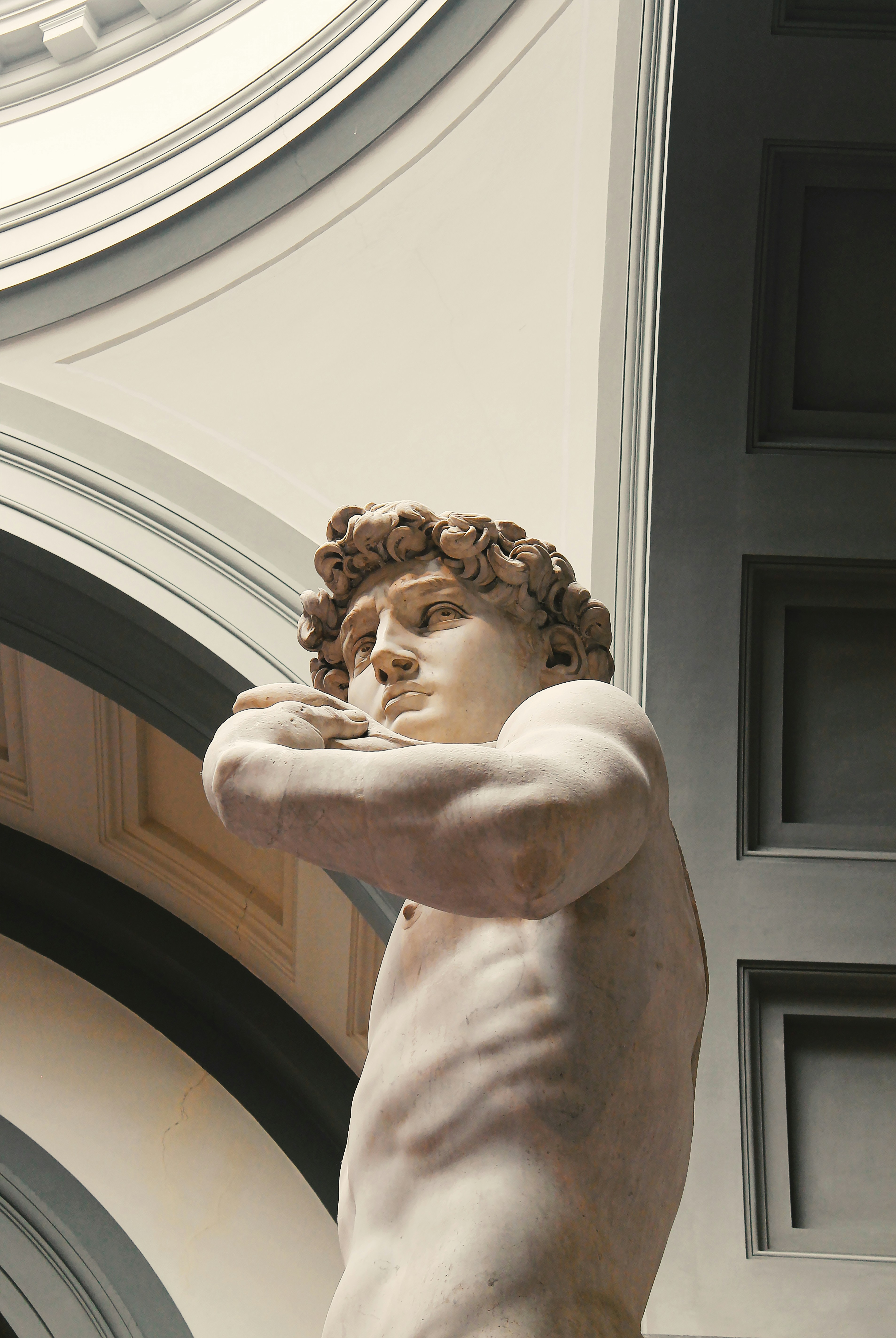
Subcategory
Members only
Art has always existed in tension with replication. From engravings and casts to photographs and prints, the desire to reproduce images has shaped how art is circulated, valued, and understood. What distinguishes the present moment is not reproduction itself, but its total integration into cultural life.
Today, artworks are encountered first—and often only—as images. They circulate endlessly across screens, feeds, and archives, detached from original scale, material, and context.
“Most people meet art through reproduction now,” said a historian of visual culture. “And that encounter defines their understanding of it.”
Art in the age of reproduction is not diminished—but it is transformed.
From Original to Infinite Copy
Historically, reproduction was limited.
Copies required labor, skill, and time. Each reproduction introduced variation, reinforcing the distinction between original and copy. Scarcity preserved hierarchy.
Digital reproduction erased those limits.
Images can now be duplicated perfectly, instantly, and endlessly. A painting, sculpture, or installation becomes a file—shareable, searchable, and portable.
“The copy no longer points back to the original,” said a contemporary art theorist. “It becomes the primary object.”
In this environment, originality is not lost—but it competes with ubiquity.
Aura, Presence, and Distance
The physical presence of an artwork has traditionally been central to its meaning.
Scale, texture, material, and spatial relation contribute to experience. Standing before an artwork involves distance, movement, and time.
Reproductions collapse that distance.
“Screens flatten experience,” said a museum curator. “They remove friction.”
This flattening alters perception. Details become emphasized while context fades. Art is consumed quickly, often alongside unrelated content, its rhythm dictated by platforms rather than contemplation.
Yet reproduction also expands access—bringing works to audiences who might never encounter them otherwise.
Visibility as Value
In the age of reproduction, visibility becomes a primary measure of value.
Artworks gain cultural presence through circulation. Images that travel widely accrue recognition, even when their material originals remain obscure.
“Circulation now competes with craftsmanship,” said a gallery director.
This shift influences production. Artists consider how work will photograph, how it will appear on screens, how it will perform at reduced scale. Reproducibility becomes part of the creative process.
The artwork is designed not only for space, but for transmission.
Reproduction and Democratization
Reproduction has long been associated with democratization.
Printed images, museum catalogs, and now digital archives allow art to move beyond elite institutions. Students, researchers, and the public access visual culture without geographic constraint.
“Reproduction breaks monopolies on access,” said an art educator.
This expansion reshapes art history itself. Lesser-known works circulate alongside canonical ones. Marginalized artists gain visibility through digital platforms, bypassing traditional gatekeepers.
Reproduction redistributes attention—even if unevenly.
Loss, Gain, and Transformation
Reproduction inevitably involves loss.
Material qualities disappear. Scale is distorted. Spatial relationships are abstracted. The artwork becomes informational rather than experiential.
But reproduction also produces something new.
“Every reproduction is an interpretation,” said the theorist. “It emphasizes certain aspects and suppresses others.”
Close-ups reveal detail invisible in person. Juxtaposition creates new meaning. Context shifts interpretation. Reproduction is not neutral—it is creative in its own way.
Authorship and Control
Reproduction complicates authorship.
Once images circulate freely, artists lose control over how their work is framed, cropped, captioned, or contextualized. Meaning becomes distributed.
“You release the work, and it lives elsewhere,” said a contemporary artist.
This loss of control can feel threatening—but it also reflects a broader cultural shift. Art participates in conversation rather than remaining fixed.
Authorship becomes less about authority and more about contribution.
Institutions in a Reproductive Culture
Museums and galleries have adapted to reproduction rather than resisting it.
Digital collections, virtual tours, and social media outreach extend institutional presence. Exhibitions are designed with photographic documentation in mind.
“Exhibitions now exist in parallel worlds,” said the curator. “The physical and the digital.”
Institutions must balance preservation with circulation—maintaining the integrity of objects while acknowledging that most engagement occurs remotely.
The Market and the Image
Reproduction reshapes art markets as well.
Collectors encounter work online before seeing it in person. Auctions circulate images globally. Reputation precedes experience.
“The image creates demand,” said the gallery director.
Yet material authenticity remains central to economic value. Originals command prices precisely because they cannot be replicated in the same way as images.
Scarcity persists—not in visibility, but in ownership.
Contemporary Artistic Responses
Many contemporary artists engage reproduction directly.
Some foreground replication, remixing existing images to question originality. Others create works that exist only digitally, abandoning the original-copy distinction altogether.
“Reproduction isn’t a problem to solve,” said the artist. “It’s a condition to work with.”
Art becomes reflexive—aware of its circulation, its mediation, its life beyond physical space.
Seeing With Awareness
Art in the age of reproduction requires new forms of attention.
Viewers must recognize what reproduction enables and what it obscures. Awareness replaces purity. Context replaces illusion.
“To look carefully now is an active choice,” said the educator.
The reproduced image is not inferior—it is incomplete. It gestures toward something larger, something absent, something situated elsewhere.
Art After Uniqueness
Reproduction has not ended art’s relevance.
It has changed how art functions—how it is encountered, remembered, and discussed. Art no longer relies solely on singular presence. It exists across versions, platforms, and interpretations.
The question is no longer whether reproduction diminishes art,
but how art adapts to being everywhere at once.
In the age of reproduction, art does not disappear.
It multiplies.
And in that multiplication, meaning becomes shared, contested, and continuously remade.
Subcategory
Members only
Art has always existed in tension with replication. From engravings and casts to photographs and prints, the desire to reproduce images has shaped how art is circulated, valued, and understood. What distinguishes the present moment is not reproduction itself, but its total integration into cultural life.
Today, artworks are encountered first—and often only—as images. They circulate endlessly across screens, feeds, and archives, detached from original scale, material, and context.
“Most people meet art through reproduction now,” said a historian of visual culture. “And that encounter defines their understanding of it.”
Art in the age of reproduction is not diminished—but it is transformed.
From Original to Infinite Copy
Historically, reproduction was limited.
Copies required labor, skill, and time. Each reproduction introduced variation, reinforcing the distinction between original and copy. Scarcity preserved hierarchy.
Digital reproduction erased those limits.
Images can now be duplicated perfectly, instantly, and endlessly. A painting, sculpture, or installation becomes a file—shareable, searchable, and portable.
“The copy no longer points back to the original,” said a contemporary art theorist. “It becomes the primary object.”
In this environment, originality is not lost—but it competes with ubiquity.
Aura, Presence, and Distance
The physical presence of an artwork has traditionally been central to its meaning.
Scale, texture, material, and spatial relation contribute to experience. Standing before an artwork involves distance, movement, and time.
Reproductions collapse that distance.
“Screens flatten experience,” said a museum curator. “They remove friction.”
This flattening alters perception. Details become emphasized while context fades. Art is consumed quickly, often alongside unrelated content, its rhythm dictated by platforms rather than contemplation.
Yet reproduction also expands access—bringing works to audiences who might never encounter them otherwise.
Visibility as Value
In the age of reproduction, visibility becomes a primary measure of value.
Artworks gain cultural presence through circulation. Images that travel widely accrue recognition, even when their material originals remain obscure.
“Circulation now competes with craftsmanship,” said a gallery director.
This shift influences production. Artists consider how work will photograph, how it will appear on screens, how it will perform at reduced scale. Reproducibility becomes part of the creative process.
The artwork is designed not only for space, but for transmission.
Reproduction and Democratization
Reproduction has long been associated with democratization.
Printed images, museum catalogs, and now digital archives allow art to move beyond elite institutions. Students, researchers, and the public access visual culture without geographic constraint.
“Reproduction breaks monopolies on access,” said an art educator.
This expansion reshapes art history itself. Lesser-known works circulate alongside canonical ones. Marginalized artists gain visibility through digital platforms, bypassing traditional gatekeepers.
Reproduction redistributes attention—even if unevenly.
Loss, Gain, and Transformation
Reproduction inevitably involves loss.
Material qualities disappear. Scale is distorted. Spatial relationships are abstracted. The artwork becomes informational rather than experiential.
But reproduction also produces something new.
“Every reproduction is an interpretation,” said the theorist. “It emphasizes certain aspects and suppresses others.”
Close-ups reveal detail invisible in person. Juxtaposition creates new meaning. Context shifts interpretation. Reproduction is not neutral—it is creative in its own way.
Authorship and Control
Reproduction complicates authorship.
Once images circulate freely, artists lose control over how their work is framed, cropped, captioned, or contextualized. Meaning becomes distributed.
“You release the work, and it lives elsewhere,” said a contemporary artist.
This loss of control can feel threatening—but it also reflects a broader cultural shift. Art participates in conversation rather than remaining fixed.
Authorship becomes less about authority and more about contribution.
Institutions in a Reproductive Culture
Museums and galleries have adapted to reproduction rather than resisting it.
Digital collections, virtual tours, and social media outreach extend institutional presence. Exhibitions are designed with photographic documentation in mind.
“Exhibitions now exist in parallel worlds,” said the curator. “The physical and the digital.”
Institutions must balance preservation with circulation—maintaining the integrity of objects while acknowledging that most engagement occurs remotely.
The Market and the Image
Reproduction reshapes art markets as well.
Collectors encounter work online before seeing it in person. Auctions circulate images globally. Reputation precedes experience.
“The image creates demand,” said the gallery director.
Yet material authenticity remains central to economic value. Originals command prices precisely because they cannot be replicated in the same way as images.
Scarcity persists—not in visibility, but in ownership.
Contemporary Artistic Responses
Many contemporary artists engage reproduction directly.
Some foreground replication, remixing existing images to question originality. Others create works that exist only digitally, abandoning the original-copy distinction altogether.
“Reproduction isn’t a problem to solve,” said the artist. “It’s a condition to work with.”
Art becomes reflexive—aware of its circulation, its mediation, its life beyond physical space.
Seeing With Awareness
Art in the age of reproduction requires new forms of attention.
Viewers must recognize what reproduction enables and what it obscures. Awareness replaces purity. Context replaces illusion.
“To look carefully now is an active choice,” said the educator.
The reproduced image is not inferior—it is incomplete. It gestures toward something larger, something absent, something situated elsewhere.
Art After Uniqueness
Reproduction has not ended art’s relevance.
It has changed how art functions—how it is encountered, remembered, and discussed. Art no longer relies solely on singular presence. It exists across versions, platforms, and interpretations.
The question is no longer whether reproduction diminishes art,
but how art adapts to being everywhere at once.
In the age of reproduction, art does not disappear.
It multiplies.
And in that multiplication, meaning becomes shared, contested, and continuously remade.
Subcategory
Members only
Cultural change is often discussed in the language of policy, technology, or economics. Artists encounter it differently. They experience it as atmosphere—felt before it is named, embodied before it is theorized.
Through material, image, sound, and form, artists respond to shifts in how people live, communicate, and assign meaning. Their work does not simply illustrate change; it absorbs and refracts it.
“Artists are often reacting to something they can’t yet explain,” said a curator who works across contemporary disciplines. “The work comes before the language.”
In conversations with artists working in visual art, design, music, and performance, a shared theme emerges: cultural change is not linear or uniform. It is uneven, contradictory, and deeply personal.
Change as Pressure, Not Progress
Artists resist framing cultural change as simple progress.
While technological and social shifts create new possibilities, they also generate pressure—on attention, identity, and labor. Artists often experience these pressures directly, as conditions of making.
“Change feels less like momentum and more like compression,” said a visual artist whose practice spans installation and digital media. “Everything is happening at once.”
Acceleration reshapes process. Time for reflection contracts. Audiences fragment. Visibility becomes volatile. For many artists, responding to change means slowing it down—making space to observe its effects.
The Body as Cultural Sensor
Several artists described the body as their primary site of cultural awareness.
Before change registers intellectually, it is felt physically—in fatigue, anxiety, restlessness, or disorientation. Performance artists, in particular, translate these sensations into form.
“The body picks up cultural stress early,” said a choreographer working with endurance-based movement. “It’s where pressure accumulates.”
Through gesture, repetition, and restraint, bodily practices articulate experiences that remain difficult to verbalize. The body becomes both subject and instrument of cultural reflection.
Technology as Condition, Not Theme
Artists rarely treat technology as a subject in isolation.
Instead, technology appears as a condition—shaping how work is made, seen, and circulated. Digital tools alter scale, speed, and permanence. They influence not just aesthetics, but expectations.
“You’re always aware of the afterlife of the work,” said a photographer. “How it will be cropped, shared, compressed.”
Some artists embrace this condition, designing work for reproduction and circulation. Others resist it, creating objects or experiences that emphasize presence and irreproducibility.
Both approaches reflect an awareness that technology is not neutral—it frames perception.
Fragmentation and the Loss of Shared Reference
Many artists spoke about fragmentation as a defining feature of contemporary culture.
Shared reference points—canonical texts, dominant styles, common narratives—have weakened. Audiences encounter art through personalized channels, shaped by algorithms rather than institutions.
“There’s less agreement about what matters,” said a sound artist. “And more freedom, but also more isolation.”
This fragmentation affects how artists imagine audience. Some work toward intimacy, addressing smaller, more specific publics. Others aim to create connective experiences—spaces where attention briefly converges.
Art becomes a site of recombination rather than consensus.
Identity, Representation, and Exhaustion
Questions of identity remain central—but artists describe them with increasing complexity.
Representation is no longer only about visibility. It involves responsibility, context, and fatigue. Being seen does not always feel empowering.
“There’s pressure to stand in for something larger than your work,” said a painter whose practice engages personal history. “That can be heavy.”
Artists navigate expectations from institutions, audiences, and markets, balancing personal expression with symbolic demand. Cultural change brings recognition—but also obligation.
Many respond by refusing clarity, allowing ambiguity to protect the work from overdetermination.
Memory, Loss, and Continuity
Cultural change often carries loss alongside possibility.
Artists reflect on disappearing practices, eroding attention spans, and the fading of tactile experience. Memory becomes both subject and method.
“I work with what’s slipping away,” said a sculptor focused on material decay. “Not to preserve it, but to acknowledge it.”
This acknowledgment resists nostalgia. It treats loss as part of cultural movement rather than a failure to progress. Art becomes a record of transition rather than resolution.
Institutions in Flux
Artists’ relationships with institutions are also changing.
Museums, galleries, and cultural organizations face pressure to adapt—expanding access, addressing inequality, and responding to digital culture. Artists encounter these shifts unevenly.
“Institutions are asking different questions now,” said a multimedia artist. “Sometimes they don’t know the answers yet.”
Artists note both opportunity and uncertainty. Expanded platforms create visibility, but also blur boundaries between production, promotion, and participation.
Institutional change reshapes artistic labor as much as artistic meaning.
Art as Cultural Lag
Several artists described their work as operating slightly behind or beside the present.
Art does not always respond immediately to events. It absorbs them slowly, allowing patterns to emerge.
“Art works in lag time,” said a writer and visual artist. “That’s where insight comes from.”
This lag resists reaction culture. It allows for synthesis rather than response, depth rather than commentary. In this sense, art functions as delayed analysis—cultural thinking extended through form.
Community and Reassembly
Despite fragmentation, artists continue to seek community.
Studios, collectives, and informal networks provide spaces for exchange beyond metrics and visibility. These communities often operate quietly, outside dominant narratives.
“Culture isn’t only what’s loud,” said the curator. “It’s what’s sustained.”
Artists see cultural change not only as rupture, but as reassembly—new forms of gathering, collaboration, and mutual support emerging in response to instability.
What Artists Notice First
Artists often notice cultural shifts before they are named.
They sense changes in rhythm, tone, and attention. They respond through material decisions, formal constraints, and process choices.
“We’re not predicting the future,” said the photographer. “We’re reacting to the present before it settles.”
This sensitivity does not make artists prophets. It makes them witnesses—engaged observers working through uncertainty rather than explaining it away.
Art as Reflection, Not Resolution
Artists do not claim to resolve cultural change.
They reflect it, complicate it, and sometimes resist it. Their work creates space for attention rather than answers.
Art, in this sense, is not a solution.
It is a practice of staying with complexity.
As cultures shift—unevenly, ambiguously, and often without consensus—artists continue to respond in ways that are provisional, embodied, and open-ended.
They reflect not where culture is going,
but what it feels like to be inside it.
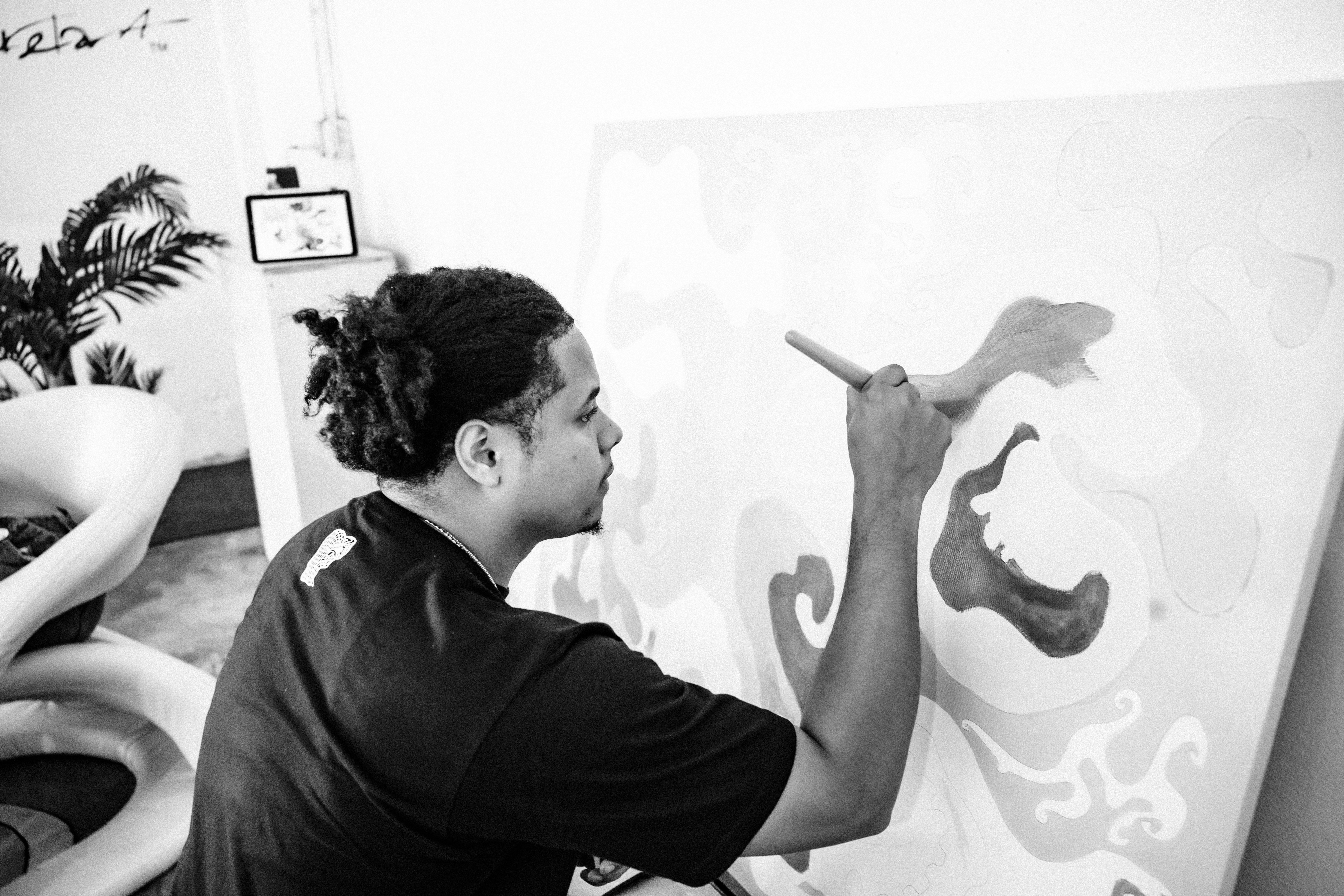
Subcategory
Members only
Cultural change is often discussed in the language of policy, technology, or economics. Artists encounter it differently. They experience it as atmosphere—felt before it is named, embodied before it is theorized.
Through material, image, sound, and form, artists respond to shifts in how people live, communicate, and assign meaning. Their work does not simply illustrate change; it absorbs and refracts it.
“Artists are often reacting to something they can’t yet explain,” said a curator who works across contemporary disciplines. “The work comes before the language.”
In conversations with artists working in visual art, design, music, and performance, a shared theme emerges: cultural change is not linear or uniform. It is uneven, contradictory, and deeply personal.
Change as Pressure, Not Progress
Artists resist framing cultural change as simple progress.
While technological and social shifts create new possibilities, they also generate pressure—on attention, identity, and labor. Artists often experience these pressures directly, as conditions of making.
“Change feels less like momentum and more like compression,” said a visual artist whose practice spans installation and digital media. “Everything is happening at once.”
Acceleration reshapes process. Time for reflection contracts. Audiences fragment. Visibility becomes volatile. For many artists, responding to change means slowing it down—making space to observe its effects.
The Body as Cultural Sensor
Several artists described the body as their primary site of cultural awareness.
Before change registers intellectually, it is felt physically—in fatigue, anxiety, restlessness, or disorientation. Performance artists, in particular, translate these sensations into form.
“The body picks up cultural stress early,” said a choreographer working with endurance-based movement. “It’s where pressure accumulates.”
Through gesture, repetition, and restraint, bodily practices articulate experiences that remain difficult to verbalize. The body becomes both subject and instrument of cultural reflection.
Technology as Condition, Not Theme
Artists rarely treat technology as a subject in isolation.
Instead, technology appears as a condition—shaping how work is made, seen, and circulated. Digital tools alter scale, speed, and permanence. They influence not just aesthetics, but expectations.
“You’re always aware of the afterlife of the work,” said a photographer. “How it will be cropped, shared, compressed.”
Some artists embrace this condition, designing work for reproduction and circulation. Others resist it, creating objects or experiences that emphasize presence and irreproducibility.
Both approaches reflect an awareness that technology is not neutral—it frames perception.
Fragmentation and the Loss of Shared Reference
Many artists spoke about fragmentation as a defining feature of contemporary culture.
Shared reference points—canonical texts, dominant styles, common narratives—have weakened. Audiences encounter art through personalized channels, shaped by algorithms rather than institutions.
“There’s less agreement about what matters,” said a sound artist. “And more freedom, but also more isolation.”
This fragmentation affects how artists imagine audience. Some work toward intimacy, addressing smaller, more specific publics. Others aim to create connective experiences—spaces where attention briefly converges.
Art becomes a site of recombination rather than consensus.
Identity, Representation, and Exhaustion
Questions of identity remain central—but artists describe them with increasing complexity.
Representation is no longer only about visibility. It involves responsibility, context, and fatigue. Being seen does not always feel empowering.
“There’s pressure to stand in for something larger than your work,” said a painter whose practice engages personal history. “That can be heavy.”
Artists navigate expectations from institutions, audiences, and markets, balancing personal expression with symbolic demand. Cultural change brings recognition—but also obligation.
Many respond by refusing clarity, allowing ambiguity to protect the work from overdetermination.
Memory, Loss, and Continuity
Cultural change often carries loss alongside possibility.
Artists reflect on disappearing practices, eroding attention spans, and the fading of tactile experience. Memory becomes both subject and method.
“I work with what’s slipping away,” said a sculptor focused on material decay. “Not to preserve it, but to acknowledge it.”
This acknowledgment resists nostalgia. It treats loss as part of cultural movement rather than a failure to progress. Art becomes a record of transition rather than resolution.
Institutions in Flux
Artists’ relationships with institutions are also changing.
Museums, galleries, and cultural organizations face pressure to adapt—expanding access, addressing inequality, and responding to digital culture. Artists encounter these shifts unevenly.
“Institutions are asking different questions now,” said a multimedia artist. “Sometimes they don’t know the answers yet.”
Artists note both opportunity and uncertainty. Expanded platforms create visibility, but also blur boundaries between production, promotion, and participation.
Institutional change reshapes artistic labor as much as artistic meaning.
Art as Cultural Lag
Several artists described their work as operating slightly behind or beside the present.
Art does not always respond immediately to events. It absorbs them slowly, allowing patterns to emerge.
“Art works in lag time,” said a writer and visual artist. “That’s where insight comes from.”
This lag resists reaction culture. It allows for synthesis rather than response, depth rather than commentary. In this sense, art functions as delayed analysis—cultural thinking extended through form.
Community and Reassembly
Despite fragmentation, artists continue to seek community.
Studios, collectives, and informal networks provide spaces for exchange beyond metrics and visibility. These communities often operate quietly, outside dominant narratives.
“Culture isn’t only what’s loud,” said the curator. “It’s what’s sustained.”
Artists see cultural change not only as rupture, but as reassembly—new forms of gathering, collaboration, and mutual support emerging in response to instability.
What Artists Notice First
Artists often notice cultural shifts before they are named.
They sense changes in rhythm, tone, and attention. They respond through material decisions, formal constraints, and process choices.
“We’re not predicting the future,” said the photographer. “We’re reacting to the present before it settles.”
This sensitivity does not make artists prophets. It makes them witnesses—engaged observers working through uncertainty rather than explaining it away.
Art as Reflection, Not Resolution
Artists do not claim to resolve cultural change.
They reflect it, complicate it, and sometimes resist it. Their work creates space for attention rather than answers.
Art, in this sense, is not a solution.
It is a practice of staying with complexity.
As cultures shift—unevenly, ambiguously, and often without consensus—artists continue to respond in ways that are provisional, embodied, and open-ended.
They reflect not where culture is going,
but what it feels like to be inside it.
Subcategory
Members only
Cultural change is often discussed in the language of policy, technology, or economics. Artists encounter it differently. They experience it as atmosphere—felt before it is named, embodied before it is theorized.
Through material, image, sound, and form, artists respond to shifts in how people live, communicate, and assign meaning. Their work does not simply illustrate change; it absorbs and refracts it.
“Artists are often reacting to something they can’t yet explain,” said a curator who works across contemporary disciplines. “The work comes before the language.”
In conversations with artists working in visual art, design, music, and performance, a shared theme emerges: cultural change is not linear or uniform. It is uneven, contradictory, and deeply personal.
Change as Pressure, Not Progress
Artists resist framing cultural change as simple progress.
While technological and social shifts create new possibilities, they also generate pressure—on attention, identity, and labor. Artists often experience these pressures directly, as conditions of making.
“Change feels less like momentum and more like compression,” said a visual artist whose practice spans installation and digital media. “Everything is happening at once.”
Acceleration reshapes process. Time for reflection contracts. Audiences fragment. Visibility becomes volatile. For many artists, responding to change means slowing it down—making space to observe its effects.
The Body as Cultural Sensor
Several artists described the body as their primary site of cultural awareness.
Before change registers intellectually, it is felt physically—in fatigue, anxiety, restlessness, or disorientation. Performance artists, in particular, translate these sensations into form.
“The body picks up cultural stress early,” said a choreographer working with endurance-based movement. “It’s where pressure accumulates.”
Through gesture, repetition, and restraint, bodily practices articulate experiences that remain difficult to verbalize. The body becomes both subject and instrument of cultural reflection.
Technology as Condition, Not Theme
Artists rarely treat technology as a subject in isolation.
Instead, technology appears as a condition—shaping how work is made, seen, and circulated. Digital tools alter scale, speed, and permanence. They influence not just aesthetics, but expectations.
“You’re always aware of the afterlife of the work,” said a photographer. “How it will be cropped, shared, compressed.”
Some artists embrace this condition, designing work for reproduction and circulation. Others resist it, creating objects or experiences that emphasize presence and irreproducibility.
Both approaches reflect an awareness that technology is not neutral—it frames perception.
Fragmentation and the Loss of Shared Reference
Many artists spoke about fragmentation as a defining feature of contemporary culture.
Shared reference points—canonical texts, dominant styles, common narratives—have weakened. Audiences encounter art through personalized channels, shaped by algorithms rather than institutions.
“There’s less agreement about what matters,” said a sound artist. “And more freedom, but also more isolation.”
This fragmentation affects how artists imagine audience. Some work toward intimacy, addressing smaller, more specific publics. Others aim to create connective experiences—spaces where attention briefly converges.
Art becomes a site of recombination rather than consensus.
Identity, Representation, and Exhaustion
Questions of identity remain central—but artists describe them with increasing complexity.
Representation is no longer only about visibility. It involves responsibility, context, and fatigue. Being seen does not always feel empowering.
“There’s pressure to stand in for something larger than your work,” said a painter whose practice engages personal history. “That can be heavy.”
Artists navigate expectations from institutions, audiences, and markets, balancing personal expression with symbolic demand. Cultural change brings recognition—but also obligation.
Many respond by refusing clarity, allowing ambiguity to protect the work from overdetermination.
Memory, Loss, and Continuity
Cultural change often carries loss alongside possibility.
Artists reflect on disappearing practices, eroding attention spans, and the fading of tactile experience. Memory becomes both subject and method.
“I work with what’s slipping away,” said a sculptor focused on material decay. “Not to preserve it, but to acknowledge it.”
This acknowledgment resists nostalgia. It treats loss as part of cultural movement rather than a failure to progress. Art becomes a record of transition rather than resolution.
Institutions in Flux
Artists’ relationships with institutions are also changing.
Museums, galleries, and cultural organizations face pressure to adapt—expanding access, addressing inequality, and responding to digital culture. Artists encounter these shifts unevenly.
“Institutions are asking different questions now,” said a multimedia artist. “Sometimes they don’t know the answers yet.”
Artists note both opportunity and uncertainty. Expanded platforms create visibility, but also blur boundaries between production, promotion, and participation.
Institutional change reshapes artistic labor as much as artistic meaning.
Art as Cultural Lag
Several artists described their work as operating slightly behind or beside the present.
Art does not always respond immediately to events. It absorbs them slowly, allowing patterns to emerge.
“Art works in lag time,” said a writer and visual artist. “That’s where insight comes from.”
This lag resists reaction culture. It allows for synthesis rather than response, depth rather than commentary. In this sense, art functions as delayed analysis—cultural thinking extended through form.
Community and Reassembly
Despite fragmentation, artists continue to seek community.
Studios, collectives, and informal networks provide spaces for exchange beyond metrics and visibility. These communities often operate quietly, outside dominant narratives.
“Culture isn’t only what’s loud,” said the curator. “It’s what’s sustained.”
Artists see cultural change not only as rupture, but as reassembly—new forms of gathering, collaboration, and mutual support emerging in response to instability.
What Artists Notice First
Artists often notice cultural shifts before they are named.
They sense changes in rhythm, tone, and attention. They respond through material decisions, formal constraints, and process choices.
“We’re not predicting the future,” said the photographer. “We’re reacting to the present before it settles.”
This sensitivity does not make artists prophets. It makes them witnesses—engaged observers working through uncertainty rather than explaining it away.
Art as Reflection, Not Resolution
Artists do not claim to resolve cultural change.
They reflect it, complicate it, and sometimes resist it. Their work creates space for attention rather than answers.
Art, in this sense, is not a solution.
It is a practice of staying with complexity.
As cultures shift—unevenly, ambiguously, and often without consensus—artists continue to respond in ways that are provisional, embodied, and open-ended.
They reflect not where culture is going,
but what it feels like to be inside it.
Subcategory
Members only
From photographs and films to charts, interfaces, and symbols, visual language structures how reality is perceived, understood, and debated. Choices about framing, scale, color, and omission shape meaning long before words enter the conversation.
“Visual language feels immediate, but it’s never neutral,” said a visual culture theorist. “It carries assumptions about power, authority, and value.”
The politics of visual language lie not in overt messaging alone, but in the systems that determine how images are produced, circulated, and read.
Seeing as a Political Act
Seeing is not passive.
Visual perception is shaped by culture, education, and expectation. What appears obvious to one viewer may be invisible or ambiguous to another. Visual language draws on shared codes—symbols, conventions, and norms—that are learned rather than innate.
“We’re trained to see in certain ways,” said a media literacy researcher. “That training has political consequences.”
Which images are considered credible, beautiful, threatening, or legitimate reflects broader social structures. Visual language reinforces hierarchy by normalizing certain viewpoints while marginalizing others.
To see is already to interpret.
Framing and Power
Framing is one of the most political aspects of visual language.
What is included in the frame—and what is excluded—determines meaning. Cropping, angle, distance, and perspective subtly guide interpretation.
“A frame is a decision about relevance,” said a photo editor with experience in international news.
A protest photographed from above appears as a crowd; photographed from within, it appears as a collective of individuals. Both images are factual. Their political implications differ.
Visual framing directs empathy and judgment without explicit argument.
Authority and the Look of Objectivity
Certain visual forms carry an aura of objectivity.
Charts, maps, surveillance footage, and infographics often appear neutral because they are associated with measurement and data. Yet these visuals involve interpretation at every stage—from data selection to design choice.
“Data visualizations tell stories,” said an information designer. “They just do it quietly.”
Color scales suggest urgency or calm. Axes prioritize certain comparisons. Simplification removes context. The political effect lies not in falsification, but in emphasis.
Visual objectivity is a style, not a guarantee.
Representation and Visibility
Visual language determines who is seen—and how.
Patterns of representation shape public perception of identity, belonging, and threat. Repetition normalizes certain images while rendering others exceptional or invisible.
“Representation isn’t just about inclusion,” said a cultural sociologist. “It’s about framing.”
Who is shown as active or passive, central or peripheral, dignified or diminished reflects underlying power relations. Even well-intentioned imagery can reproduce stereotypes through familiarity.
Visibility without agency remains political.
Emotion, Affect, and Persuasion
Images operate powerfully through emotion.
Color, composition, and facial expression trigger affective responses that precede rational evaluation. Fear, empathy, pride, and disgust are mobilized visually before they are named.
“Emotion is the gateway to meaning,” said a cognitive psychologist studying visual communication.
Political messaging often relies on emotional visual cues rather than explicit argument. Images circulate rapidly because they are felt immediately. Their persuasive power lies in speed and repetition.
Visual language persuades by shaping feeling.
Digital Platforms and Visual Dominance
In digital environments, visual language dominates communication.
Feeds prioritize images and video. Text becomes secondary. Meaning is compressed into thumbnails, icons, and gestures.
“Platforms are designed for visual immediacy,” said a digital media analyst. “They reward what can be grasped instantly.”
This compression favors clarity over complexity, impact over nuance. Visuals that provoke reaction spread more widely than those that require interpretation.
The politics of visibility are amplified by algorithmic selection.
Aesthetics as Ideology
Aesthetic choices carry ideological weight.
Minimalism, realism, saturation, and abstraction all signal values. Clean design may suggest efficiency and authority. Disorder may suggest authenticity or dissent.
“Aesthetics are never just taste,” said the visual culture theorist. “They’re arguments.”
Political movements, brands, and institutions invest heavily in visual coherence because aesthetics shape trust. Visual language becomes a proxy for legitimacy.
Style communicates alignment before content is processed.
Resistance Through Visual Language
Visual language is not only a tool of power—it is also a site of resistance.
Artists, designers, and activists disrupt dominant visual codes by reworking symbols, reclaiming representation, and exposing framing mechanisms.
“Counter-visuals teach people how to see differently,” said a curator specializing in political art.
Satire, collage, and appropriation challenge authority by revealing constructedness. They slow down interpretation, forcing viewers to question what feels natural.
Resistance often begins with re-seeing.
Literacy and Interpretation
Understanding the politics of visual language requires visual literacy.
This literacy involves recognizing conventions, questioning sources, and analyzing framing. It treats images not as evidence alone, but as arguments.
“Visual literacy restores agency,” said the media literacy researcher.
In a world saturated with images, the ability to interpret visuals critically becomes as important as reading text. Without it, visual language operates unchecked.
Images That Shape Memory
Visual language also shapes collective memory.
Iconic images come to represent events, simplifying complexity into single frames. These images endure, shaping historical understanding.
“Memory is often visual before it’s verbal,” said the sociologist.
Which images are preserved, repeated, or forgotten influences how societies remember—and what they choose to forget.
The politics of visual language extend across time.
Seeing With Awareness
The power of visual language lies in its subtlety.
It influences perception not by declaring intent, but by shaping what feels obvious, natural, or inevitable. This makes it effective—and dangerous.
To engage visual language critically is not to reject images, but to look at them with awareness.
The politics of visual language are not hidden.
They are embedded.
In frames and colors,
in angles and absences,
in what is shown—and what is not.
Learning to see these choices is not about suspicion.
It is about understanding how meaning is made visible.
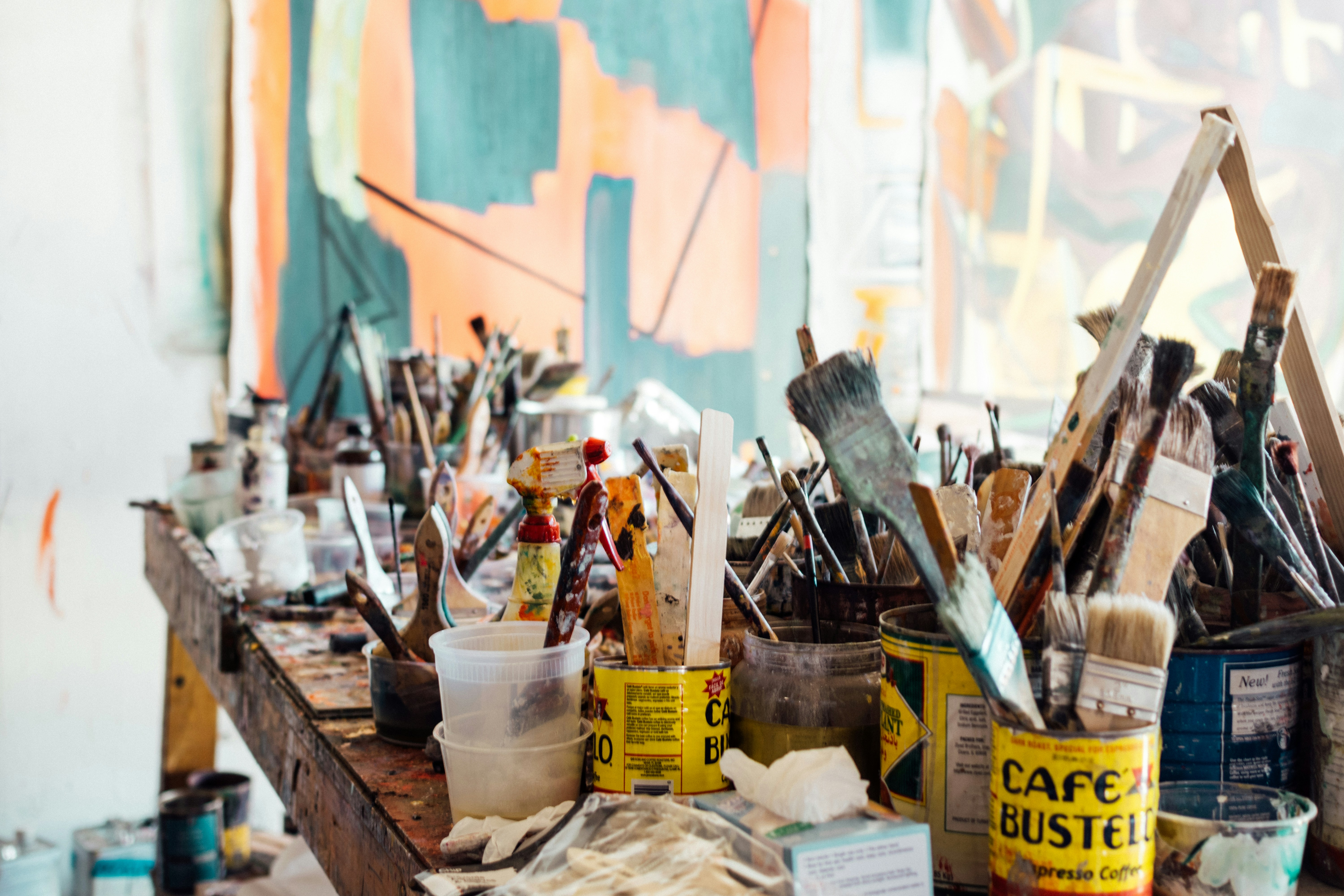
Subcategory
Members only
From photographs and films to charts, interfaces, and symbols, visual language structures how reality is perceived, understood, and debated. Choices about framing, scale, color, and omission shape meaning long before words enter the conversation.
“Visual language feels immediate, but it’s never neutral,” said a visual culture theorist. “It carries assumptions about power, authority, and value.”
The politics of visual language lie not in overt messaging alone, but in the systems that determine how images are produced, circulated, and read.
Seeing as a Political Act
Seeing is not passive.
Visual perception is shaped by culture, education, and expectation. What appears obvious to one viewer may be invisible or ambiguous to another. Visual language draws on shared codes—symbols, conventions, and norms—that are learned rather than innate.
“We’re trained to see in certain ways,” said a media literacy researcher. “That training has political consequences.”
Which images are considered credible, beautiful, threatening, or legitimate reflects broader social structures. Visual language reinforces hierarchy by normalizing certain viewpoints while marginalizing others.
To see is already to interpret.
Framing and Power
Framing is one of the most political aspects of visual language.
What is included in the frame—and what is excluded—determines meaning. Cropping, angle, distance, and perspective subtly guide interpretation.
“A frame is a decision about relevance,” said a photo editor with experience in international news.
A protest photographed from above appears as a crowd; photographed from within, it appears as a collective of individuals. Both images are factual. Their political implications differ.
Visual framing directs empathy and judgment without explicit argument.
Authority and the Look of Objectivity
Certain visual forms carry an aura of objectivity.
Charts, maps, surveillance footage, and infographics often appear neutral because they are associated with measurement and data. Yet these visuals involve interpretation at every stage—from data selection to design choice.
“Data visualizations tell stories,” said an information designer. “They just do it quietly.”
Color scales suggest urgency or calm. Axes prioritize certain comparisons. Simplification removes context. The political effect lies not in falsification, but in emphasis.
Visual objectivity is a style, not a guarantee.
Representation and Visibility
Visual language determines who is seen—and how.
Patterns of representation shape public perception of identity, belonging, and threat. Repetition normalizes certain images while rendering others exceptional or invisible.
“Representation isn’t just about inclusion,” said a cultural sociologist. “It’s about framing.”
Who is shown as active or passive, central or peripheral, dignified or diminished reflects underlying power relations. Even well-intentioned imagery can reproduce stereotypes through familiarity.
Visibility without agency remains political.
Emotion, Affect, and Persuasion
Images operate powerfully through emotion.
Color, composition, and facial expression trigger affective responses that precede rational evaluation. Fear, empathy, pride, and disgust are mobilized visually before they are named.
“Emotion is the gateway to meaning,” said a cognitive psychologist studying visual communication.
Political messaging often relies on emotional visual cues rather than explicit argument. Images circulate rapidly because they are felt immediately. Their persuasive power lies in speed and repetition.
Visual language persuades by shaping feeling.
Digital Platforms and Visual Dominance
In digital environments, visual language dominates communication.
Feeds prioritize images and video. Text becomes secondary. Meaning is compressed into thumbnails, icons, and gestures.
“Platforms are designed for visual immediacy,” said a digital media analyst. “They reward what can be grasped instantly.”
This compression favors clarity over complexity, impact over nuance. Visuals that provoke reaction spread more widely than those that require interpretation.
The politics of visibility are amplified by algorithmic selection.
Aesthetics as Ideology
Aesthetic choices carry ideological weight.
Minimalism, realism, saturation, and abstraction all signal values. Clean design may suggest efficiency and authority. Disorder may suggest authenticity or dissent.
“Aesthetics are never just taste,” said the visual culture theorist. “They’re arguments.”
Political movements, brands, and institutions invest heavily in visual coherence because aesthetics shape trust. Visual language becomes a proxy for legitimacy.
Style communicates alignment before content is processed.
Resistance Through Visual Language
Visual language is not only a tool of power—it is also a site of resistance.
Artists, designers, and activists disrupt dominant visual codes by reworking symbols, reclaiming representation, and exposing framing mechanisms.
“Counter-visuals teach people how to see differently,” said a curator specializing in political art.
Satire, collage, and appropriation challenge authority by revealing constructedness. They slow down interpretation, forcing viewers to question what feels natural.
Resistance often begins with re-seeing.
Literacy and Interpretation
Understanding the politics of visual language requires visual literacy.
This literacy involves recognizing conventions, questioning sources, and analyzing framing. It treats images not as evidence alone, but as arguments.
“Visual literacy restores agency,” said the media literacy researcher.
In a world saturated with images, the ability to interpret visuals critically becomes as important as reading text. Without it, visual language operates unchecked.
Images That Shape Memory
Visual language also shapes collective memory.
Iconic images come to represent events, simplifying complexity into single frames. These images endure, shaping historical understanding.
“Memory is often visual before it’s verbal,” said the sociologist.
Which images are preserved, repeated, or forgotten influences how societies remember—and what they choose to forget.
The politics of visual language extend across time.
Seeing With Awareness
The power of visual language lies in its subtlety.
It influences perception not by declaring intent, but by shaping what feels obvious, natural, or inevitable. This makes it effective—and dangerous.
To engage visual language critically is not to reject images, but to look at them with awareness.
The politics of visual language are not hidden.
They are embedded.
In frames and colors,
in angles and absences,
in what is shown—and what is not.
Learning to see these choices is not about suspicion.
It is about understanding how meaning is made visible.
Subcategory
Members only
From photographs and films to charts, interfaces, and symbols, visual language structures how reality is perceived, understood, and debated. Choices about framing, scale, color, and omission shape meaning long before words enter the conversation.
“Visual language feels immediate, but it’s never neutral,” said a visual culture theorist. “It carries assumptions about power, authority, and value.”
The politics of visual language lie not in overt messaging alone, but in the systems that determine how images are produced, circulated, and read.
Seeing as a Political Act
Seeing is not passive.
Visual perception is shaped by culture, education, and expectation. What appears obvious to one viewer may be invisible or ambiguous to another. Visual language draws on shared codes—symbols, conventions, and norms—that are learned rather than innate.
“We’re trained to see in certain ways,” said a media literacy researcher. “That training has political consequences.”
Which images are considered credible, beautiful, threatening, or legitimate reflects broader social structures. Visual language reinforces hierarchy by normalizing certain viewpoints while marginalizing others.
To see is already to interpret.
Framing and Power
Framing is one of the most political aspects of visual language.
What is included in the frame—and what is excluded—determines meaning. Cropping, angle, distance, and perspective subtly guide interpretation.
“A frame is a decision about relevance,” said a photo editor with experience in international news.
A protest photographed from above appears as a crowd; photographed from within, it appears as a collective of individuals. Both images are factual. Their political implications differ.
Visual framing directs empathy and judgment without explicit argument.
Authority and the Look of Objectivity
Certain visual forms carry an aura of objectivity.
Charts, maps, surveillance footage, and infographics often appear neutral because they are associated with measurement and data. Yet these visuals involve interpretation at every stage—from data selection to design choice.
“Data visualizations tell stories,” said an information designer. “They just do it quietly.”
Color scales suggest urgency or calm. Axes prioritize certain comparisons. Simplification removes context. The political effect lies not in falsification, but in emphasis.
Visual objectivity is a style, not a guarantee.
Representation and Visibility
Visual language determines who is seen—and how.
Patterns of representation shape public perception of identity, belonging, and threat. Repetition normalizes certain images while rendering others exceptional or invisible.
“Representation isn’t just about inclusion,” said a cultural sociologist. “It’s about framing.”
Who is shown as active or passive, central or peripheral, dignified or diminished reflects underlying power relations. Even well-intentioned imagery can reproduce stereotypes through familiarity.
Visibility without agency remains political.
Emotion, Affect, and Persuasion
Images operate powerfully through emotion.
Color, composition, and facial expression trigger affective responses that precede rational evaluation. Fear, empathy, pride, and disgust are mobilized visually before they are named.
“Emotion is the gateway to meaning,” said a cognitive psychologist studying visual communication.
Political messaging often relies on emotional visual cues rather than explicit argument. Images circulate rapidly because they are felt immediately. Their persuasive power lies in speed and repetition.
Visual language persuades by shaping feeling.
Digital Platforms and Visual Dominance
In digital environments, visual language dominates communication.
Feeds prioritize images and video. Text becomes secondary. Meaning is compressed into thumbnails, icons, and gestures.
“Platforms are designed for visual immediacy,” said a digital media analyst. “They reward what can be grasped instantly.”
This compression favors clarity over complexity, impact over nuance. Visuals that provoke reaction spread more widely than those that require interpretation.
The politics of visibility are amplified by algorithmic selection.
Aesthetics as Ideology
Aesthetic choices carry ideological weight.
Minimalism, realism, saturation, and abstraction all signal values. Clean design may suggest efficiency and authority. Disorder may suggest authenticity or dissent.
“Aesthetics are never just taste,” said the visual culture theorist. “They’re arguments.”
Political movements, brands, and institutions invest heavily in visual coherence because aesthetics shape trust. Visual language becomes a proxy for legitimacy.
Style communicates alignment before content is processed.
Resistance Through Visual Language
Visual language is not only a tool of power—it is also a site of resistance.
Artists, designers, and activists disrupt dominant visual codes by reworking symbols, reclaiming representation, and exposing framing mechanisms.
“Counter-visuals teach people how to see differently,” said a curator specializing in political art.
Satire, collage, and appropriation challenge authority by revealing constructedness. They slow down interpretation, forcing viewers to question what feels natural.
Resistance often begins with re-seeing.
Literacy and Interpretation
Understanding the politics of visual language requires visual literacy.
This literacy involves recognizing conventions, questioning sources, and analyzing framing. It treats images not as evidence alone, but as arguments.
“Visual literacy restores agency,” said the media literacy researcher.
In a world saturated with images, the ability to interpret visuals critically becomes as important as reading text. Without it, visual language operates unchecked.
Images That Shape Memory
Visual language also shapes collective memory.
Iconic images come to represent events, simplifying complexity into single frames. These images endure, shaping historical understanding.
“Memory is often visual before it’s verbal,” said the sociologist.
Which images are preserved, repeated, or forgotten influences how societies remember—and what they choose to forget.
The politics of visual language extend across time.
Seeing With Awareness
The power of visual language lies in its subtlety.
It influences perception not by declaring intent, but by shaping what feels obvious, natural, or inevitable. This makes it effective—and dangerous.
To engage visual language critically is not to reject images, but to look at them with awareness.
The politics of visual language are not hidden.
They are embedded.
In frames and colors,
in angles and absences,
in what is shown—and what is not.
Learning to see these choices is not about suspicion.
It is about understanding how meaning is made visible.
Subcategory
Members only
Periods of uncertainty have always unsettled creative life. Economic instability, political upheaval, technological disruption, and social transformation alter not only what artists make, but how—and why—they make it.
Uncertainty reshapes the conditions of creativity: time becomes precarious, resources fragile, attention fragmented. Yet history suggests that creative work does not disappear under pressure. It adapts.
“Uncertainty doesn’t stop creativity,” said a cultural historian who studies artistic production during crises. “It changes its tempo.”
Creativity in uncertain times is rarely triumphant. More often, it is provisional, searching, and deeply responsive to context.
Uncertainty as a Creative Condition
Uncertainty is not merely an external backdrop. It enters the creative process itself.
When futures feel unstable, long-term planning becomes difficult. Projects shorten. Processes fragment. Artists work with incomplete information and shifting expectations.
“You’re constantly adjusting,” said a visual artist whose practice spans installation and publishing. “You don’t know what conditions will exist when the work is finished.”
This instability alters creative ambition. Rather than pursuing permanence or mastery, many creators focus on responsiveness—making work that can exist flexibly across contexts.
Creativity becomes adaptive rather than monumental.
Historical Patterns of Creative Response
Looking across history, periods of uncertainty often produce distinctive creative responses.
Modernism emerged amid industrialization and war. Documentary practices expanded during economic depression. Experimental forms flourished in moments of political repression.
“Uncertainty doesn’t invent creativity,” said the historian. “It redirects it.”
Artists respond not by escaping uncertainty, but by formalizing it—through fragmentation, abstraction, and open-ended structure. The instability of the world becomes embedded in the work itself.
Form absorbs condition.
The Pressure of the Present
Contemporary uncertainty carries a particular intensity.
Digital acceleration compresses time. News cycles collapse distance. Crises overlap rather than resolve. Creators experience uncertainty not as an interruption, but as a constant.
“There’s no clear before and after,” said a writer working across fiction and essays. “Just ongoing disruption.”
This pressure affects attention. Sustained focus becomes difficult. Creative work competes with anxiety, information overload, and economic precarity.
Making anything at all becomes an act of resistance.
Economic Precarity and Creative Risk
Uncertain times often coincide with economic instability—and creative labor feels this acutely.
Irregular income, shrinking institutional support, and increased competition reduce tolerance for risk. Artists may self-censor or simplify to survive.
“When resources disappear, experimentation becomes dangerous,” said a labor researcher studying creative industries.
Yet uncertainty also exposes the fragility of existing systems. Some creators respond by rejecting traditional pathways, experimenting with new models of distribution, collaboration, and funding.
Risk shifts form rather than disappearing.
Creativity as Sense-Making
In uncertain times, creativity often functions as sense-making.
Rather than offering solutions, creative work articulates confusion, contradiction, and emotional complexity. It gives form to experiences that resist clarity.
“Art doesn’t explain uncertainty,” said a performance artist. “It holds it.”
This holding creates shared recognition. Audiences encounter their own anxieties reflected and reframed, discovering language for what feels inexpressible.
Creativity becomes a site of collective processing.
Slowness, Care, and Refusal
Some creative responses to uncertainty take the form of refusal.
Rather than accelerating production, artists slow down. They emphasize care, repetition, and small-scale practice. Slowness becomes political.
“Speed feels imposed,” said a designer focused on sustainable practice. “Slowness is a choice.”
This approach resists the demand to constantly respond. It protects attention and reclaims time as a creative resource.
Uncertainty prompts not only urgency—but retreat.
Community and Mutual Support
Uncertain times reveal the limits of individualism.
Creative work becomes more collective as artists form networks of mutual support—sharing resources, space, and knowledge. Collaboration replaces competition.
“You survive by working together,” said a curator involved in artist-led initiatives.
These communities often operate informally, outside institutional visibility. Their strength lies not in scale, but in continuity.
Creativity persists through relationship.
Technology as Both Tool and Stressor
Technology plays an ambivalent role in uncertain times.
Digital tools enable connection, distribution, and experimentation. They also intensify exposure, comparison, and instability.
“You’re always aware of the wider chaos,” said the writer. “It’s in your pocket.”
Creators navigate this tension carefully—using technology to sustain practice while limiting its intrusion. Boundaries become part of the creative process.
Tools shape not just output, but mental space.
The Emotional Labor of Making
Uncertainty places emotional demands on creative work.
Artists absorb social anxiety, political tension, and personal instability into their practice. Making becomes emotionally taxing as well as intellectually demanding.
“You’re working with raw material all the time,” said the visual artist. “Sometimes it’s overwhelming.”
Acknowledging this labor challenges romantic myths of effortless creativity. It reframes creative resilience as effortful, not innate.
Endurance replaces inspiration as the dominant virtue.
What Creativity Does Not Do
Creativity in uncertain times is often miscast as solution-oriented.
Artists are expected to heal, inspire, or explain. In reality, creative work rarely resolves uncertainty. It does not restore stability or offer closure.
“Art doesn’t fix the moment,” said the historian. “It documents how people live through it.”
This limitation is not a failure. It defines creativity’s role: not as answer, but as witness.
Creativity as Continuity
Ultimately, creativity in uncertain times functions as continuity.
It asserts that thought, attention, and care persist even when conditions are unstable. Making becomes a way of marking time—of insisting that experience is worth recording.
“To keep making is to keep believing in the future, even tentatively,” said the curator.
Creativity does not eliminate uncertainty.
It lives alongside it.
It adapts, contracts, and reshapes itself—
finding form not in certainty,
but in response.
In uncertain times, creativity is not louder or grander.
It is quieter, more provisional, and more necessary.
It reminds us not of what comes next,
but of what it feels like to be here—
now.
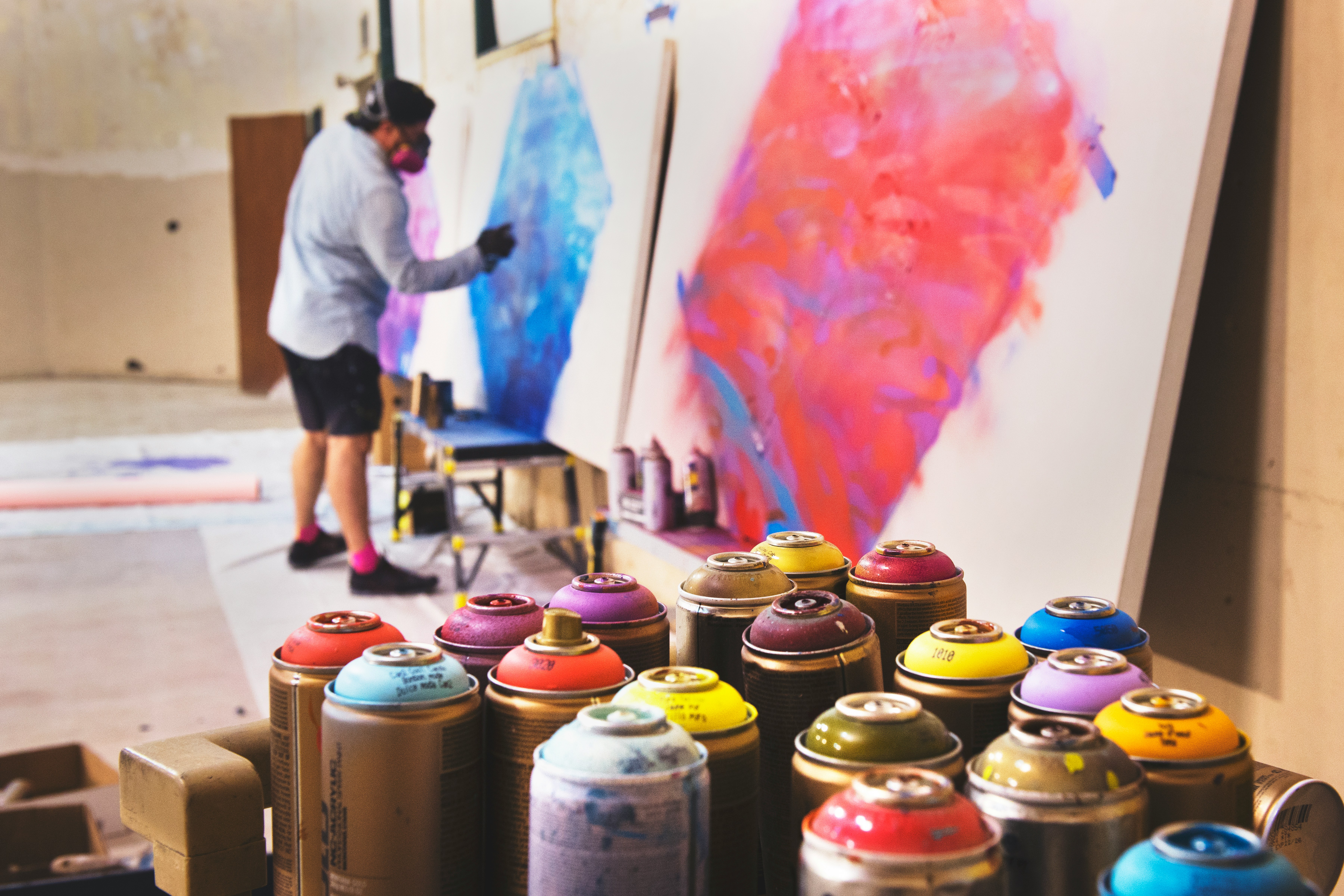
Subcategory
Members only
Periods of uncertainty have always unsettled creative life. Economic instability, political upheaval, technological disruption, and social transformation alter not only what artists make, but how—and why—they make it.
Uncertainty reshapes the conditions of creativity: time becomes precarious, resources fragile, attention fragmented. Yet history suggests that creative work does not disappear under pressure. It adapts.
“Uncertainty doesn’t stop creativity,” said a cultural historian who studies artistic production during crises. “It changes its tempo.”
Creativity in uncertain times is rarely triumphant. More often, it is provisional, searching, and deeply responsive to context.
Uncertainty as a Creative Condition
Uncertainty is not merely an external backdrop. It enters the creative process itself.
When futures feel unstable, long-term planning becomes difficult. Projects shorten. Processes fragment. Artists work with incomplete information and shifting expectations.
“You’re constantly adjusting,” said a visual artist whose practice spans installation and publishing. “You don’t know what conditions will exist when the work is finished.”
This instability alters creative ambition. Rather than pursuing permanence or mastery, many creators focus on responsiveness—making work that can exist flexibly across contexts.
Creativity becomes adaptive rather than monumental.
Historical Patterns of Creative Response
Looking across history, periods of uncertainty often produce distinctive creative responses.
Modernism emerged amid industrialization and war. Documentary practices expanded during economic depression. Experimental forms flourished in moments of political repression.
“Uncertainty doesn’t invent creativity,” said the historian. “It redirects it.”
Artists respond not by escaping uncertainty, but by formalizing it—through fragmentation, abstraction, and open-ended structure. The instability of the world becomes embedded in the work itself.
Form absorbs condition.
The Pressure of the Present
Contemporary uncertainty carries a particular intensity.
Digital acceleration compresses time. News cycles collapse distance. Crises overlap rather than resolve. Creators experience uncertainty not as an interruption, but as a constant.
“There’s no clear before and after,” said a writer working across fiction and essays. “Just ongoing disruption.”
This pressure affects attention. Sustained focus becomes difficult. Creative work competes with anxiety, information overload, and economic precarity.
Making anything at all becomes an act of resistance.
Economic Precarity and Creative Risk
Uncertain times often coincide with economic instability—and creative labor feels this acutely.
Irregular income, shrinking institutional support, and increased competition reduce tolerance for risk. Artists may self-censor or simplify to survive.
“When resources disappear, experimentation becomes dangerous,” said a labor researcher studying creative industries.
Yet uncertainty also exposes the fragility of existing systems. Some creators respond by rejecting traditional pathways, experimenting with new models of distribution, collaboration, and funding.
Risk shifts form rather than disappearing.
Creativity as Sense-Making
In uncertain times, creativity often functions as sense-making.
Rather than offering solutions, creative work articulates confusion, contradiction, and emotional complexity. It gives form to experiences that resist clarity.
“Art doesn’t explain uncertainty,” said a performance artist. “It holds it.”
This holding creates shared recognition. Audiences encounter their own anxieties reflected and reframed, discovering language for what feels inexpressible.
Creativity becomes a site of collective processing.
Slowness, Care, and Refusal
Some creative responses to uncertainty take the form of refusal.
Rather than accelerating production, artists slow down. They emphasize care, repetition, and small-scale practice. Slowness becomes political.
“Speed feels imposed,” said a designer focused on sustainable practice. “Slowness is a choice.”
This approach resists the demand to constantly respond. It protects attention and reclaims time as a creative resource.
Uncertainty prompts not only urgency—but retreat.
Community and Mutual Support
Uncertain times reveal the limits of individualism.
Creative work becomes more collective as artists form networks of mutual support—sharing resources, space, and knowledge. Collaboration replaces competition.
“You survive by working together,” said a curator involved in artist-led initiatives.
These communities often operate informally, outside institutional visibility. Their strength lies not in scale, but in continuity.
Creativity persists through relationship.
Technology as Both Tool and Stressor
Technology plays an ambivalent role in uncertain times.
Digital tools enable connection, distribution, and experimentation. They also intensify exposure, comparison, and instability.
“You’re always aware of the wider chaos,” said the writer. “It’s in your pocket.”
Creators navigate this tension carefully—using technology to sustain practice while limiting its intrusion. Boundaries become part of the creative process.
Tools shape not just output, but mental space.
The Emotional Labor of Making
Uncertainty places emotional demands on creative work.
Artists absorb social anxiety, political tension, and personal instability into their practice. Making becomes emotionally taxing as well as intellectually demanding.
“You’re working with raw material all the time,” said the visual artist. “Sometimes it’s overwhelming.”
Acknowledging this labor challenges romantic myths of effortless creativity. It reframes creative resilience as effortful, not innate.
Endurance replaces inspiration as the dominant virtue.
What Creativity Does Not Do
Creativity in uncertain times is often miscast as solution-oriented.
Artists are expected to heal, inspire, or explain. In reality, creative work rarely resolves uncertainty. It does not restore stability or offer closure.
“Art doesn’t fix the moment,” said the historian. “It documents how people live through it.”
This limitation is not a failure. It defines creativity’s role: not as answer, but as witness.
Creativity as Continuity
Ultimately, creativity in uncertain times functions as continuity.
It asserts that thought, attention, and care persist even when conditions are unstable. Making becomes a way of marking time—of insisting that experience is worth recording.
“To keep making is to keep believing in the future, even tentatively,” said the curator.
Creativity does not eliminate uncertainty.
It lives alongside it.
It adapts, contracts, and reshapes itself—
finding form not in certainty,
but in response.
In uncertain times, creativity is not louder or grander.
It is quieter, more provisional, and more necessary.
It reminds us not of what comes next,
but of what it feels like to be here—
now.
Subcategory
Members only
Periods of uncertainty have always unsettled creative life. Economic instability, political upheaval, technological disruption, and social transformation alter not only what artists make, but how—and why—they make it.
Uncertainty reshapes the conditions of creativity: time becomes precarious, resources fragile, attention fragmented. Yet history suggests that creative work does not disappear under pressure. It adapts.
“Uncertainty doesn’t stop creativity,” said a cultural historian who studies artistic production during crises. “It changes its tempo.”
Creativity in uncertain times is rarely triumphant. More often, it is provisional, searching, and deeply responsive to context.
Uncertainty as a Creative Condition
Uncertainty is not merely an external backdrop. It enters the creative process itself.
When futures feel unstable, long-term planning becomes difficult. Projects shorten. Processes fragment. Artists work with incomplete information and shifting expectations.
“You’re constantly adjusting,” said a visual artist whose practice spans installation and publishing. “You don’t know what conditions will exist when the work is finished.”
This instability alters creative ambition. Rather than pursuing permanence or mastery, many creators focus on responsiveness—making work that can exist flexibly across contexts.
Creativity becomes adaptive rather than monumental.
Historical Patterns of Creative Response
Looking across history, periods of uncertainty often produce distinctive creative responses.
Modernism emerged amid industrialization and war. Documentary practices expanded during economic depression. Experimental forms flourished in moments of political repression.
“Uncertainty doesn’t invent creativity,” said the historian. “It redirects it.”
Artists respond not by escaping uncertainty, but by formalizing it—through fragmentation, abstraction, and open-ended structure. The instability of the world becomes embedded in the work itself.
Form absorbs condition.
The Pressure of the Present
Contemporary uncertainty carries a particular intensity.
Digital acceleration compresses time. News cycles collapse distance. Crises overlap rather than resolve. Creators experience uncertainty not as an interruption, but as a constant.
“There’s no clear before and after,” said a writer working across fiction and essays. “Just ongoing disruption.”
This pressure affects attention. Sustained focus becomes difficult. Creative work competes with anxiety, information overload, and economic precarity.
Making anything at all becomes an act of resistance.
Economic Precarity and Creative Risk
Uncertain times often coincide with economic instability—and creative labor feels this acutely.
Irregular income, shrinking institutional support, and increased competition reduce tolerance for risk. Artists may self-censor or simplify to survive.
“When resources disappear, experimentation becomes dangerous,” said a labor researcher studying creative industries.
Yet uncertainty also exposes the fragility of existing systems. Some creators respond by rejecting traditional pathways, experimenting with new models of distribution, collaboration, and funding.
Risk shifts form rather than disappearing.
Creativity as Sense-Making
In uncertain times, creativity often functions as sense-making.
Rather than offering solutions, creative work articulates confusion, contradiction, and emotional complexity. It gives form to experiences that resist clarity.
“Art doesn’t explain uncertainty,” said a performance artist. “It holds it.”
This holding creates shared recognition. Audiences encounter their own anxieties reflected and reframed, discovering language for what feels inexpressible.
Creativity becomes a site of collective processing.
Slowness, Care, and Refusal
Some creative responses to uncertainty take the form of refusal.
Rather than accelerating production, artists slow down. They emphasize care, repetition, and small-scale practice. Slowness becomes political.
“Speed feels imposed,” said a designer focused on sustainable practice. “Slowness is a choice.”
This approach resists the demand to constantly respond. It protects attention and reclaims time as a creative resource.
Uncertainty prompts not only urgency—but retreat.
Community and Mutual Support
Uncertain times reveal the limits of individualism.
Creative work becomes more collective as artists form networks of mutual support—sharing resources, space, and knowledge. Collaboration replaces competition.
“You survive by working together,” said a curator involved in artist-led initiatives.
These communities often operate informally, outside institutional visibility. Their strength lies not in scale, but in continuity.
Creativity persists through relationship.
Technology as Both Tool and Stressor
Technology plays an ambivalent role in uncertain times.
Digital tools enable connection, distribution, and experimentation. They also intensify exposure, comparison, and instability.
“You’re always aware of the wider chaos,” said the writer. “It’s in your pocket.”
Creators navigate this tension carefully—using technology to sustain practice while limiting its intrusion. Boundaries become part of the creative process.
Tools shape not just output, but mental space.
The Emotional Labor of Making
Uncertainty places emotional demands on creative work.
Artists absorb social anxiety, political tension, and personal instability into their practice. Making becomes emotionally taxing as well as intellectually demanding.
“You’re working with raw material all the time,” said the visual artist. “Sometimes it’s overwhelming.”
Acknowledging this labor challenges romantic myths of effortless creativity. It reframes creative resilience as effortful, not innate.
Endurance replaces inspiration as the dominant virtue.
What Creativity Does Not Do
Creativity in uncertain times is often miscast as solution-oriented.
Artists are expected to heal, inspire, or explain. In reality, creative work rarely resolves uncertainty. It does not restore stability or offer closure.
“Art doesn’t fix the moment,” said the historian. “It documents how people live through it.”
This limitation is not a failure. It defines creativity’s role: not as answer, but as witness.
Creativity as Continuity
Ultimately, creativity in uncertain times functions as continuity.
It asserts that thought, attention, and care persist even when conditions are unstable. Making becomes a way of marking time—of insisting that experience is worth recording.
“To keep making is to keep believing in the future, even tentatively,” said the curator.
Creativity does not eliminate uncertainty.
It lives alongside it.
It adapts, contracts, and reshapes itself—
finding form not in certainty,
but in response.
In uncertain times, creativity is not louder or grander.
It is quieter, more provisional, and more necessary.
It reminds us not of what comes next,
but of what it feels like to be here—
now.
Latest Articles
Subcategory
For much of the postwar era, coalition governments were treated as political compromises—necessary but undesirable arrangements formed when voters failed to deliver a clear mandate. They were assumed to be fragile, indecisive, and structurally weaker than single-party administrations.
That assumption is increasingly outdated.
Across parliamentary democracies, coalition governments are no longer transitional solutions. They are becoming the default framework through which power is exercised. And in the process, they are reshaping how authority, accountability, and leadership function in modern politics.
“Coalitions used to be seen as a sign of electoral failure,” said one senior parliamentary analyst in Berlin. “Today, they are better understood as a reflection of social and political plurality.”
From Electoral Winners to Negotiated Power
The classic theory of democratic governance relied on clear winners. Elections were expected to produce governing parties capable of translating campaign promises directly into policy. Coalition arrangements, by contrast, were often framed as temporary compromises that diluted political intent.
But as party systems fragment and voter alignments shift, decisive majorities have become the exception rather than the rule.
“In many countries, no single party can credibly claim to represent a majority of society,” said a political scientist who studies comparative governance. “Coalitions are not blocking democracy—they are how democracy now expresses itself.”
This shift has forced a redefinition of political power. Instead of being exercised through dominance, authority increasingly flows through negotiation, procedural control, and institutional coordination. Policy outcomes are shaped less by ideology alone and more by the architecture of coalition agreements, committee systems, and administrative continuity.
Executive Power Without Centralization
At first glance, coalition governments appear to weaken executive leadership. Prime ministers must consult partners, reconcile competing priorities, and accept constraints that majority leaders rarely face.
Yet this does not mean executives are powerless.
“What changes is not the existence of power, but its form,” said a former civil servant involved in coalition negotiations. “Decisions move from the podium to the process.”
In coalition systems, executive authority often relies more heavily on ministries, regulatory agencies, and legal frameworks. Individual ministers gain leverage within their policy domains, while prime ministers act less as commanders and more as coordinators.
This redistribution of authority can slow decision-making—but it can also stabilize it. Policies developed through coalition consensus tend to be more durable, precisely because they reflect broader political agreement.
“Once a policy survives coalition bargaining, it’s harder to undo,” the former official noted. “Too many actors have a stake in it.”
Parliament Reclaims Its Role
One of the most significant consequences of post-coalition governance is the renewed importance of legislatures.
Under majority governments, parliaments often functioned as confirmation bodies. In coalition systems, they become sites of genuine power. Committees matter. Procedural rules matter. Informal negotiations matter even more.
“In coalition politics, nothing is automatic,” said a senior legislator from a multiparty parliament. “Every vote has to be built.”
This dynamic empowers actors who were previously peripheral: committee chairs, policy specialists, and cross-party negotiators. Minority parties, often dismissed as marginal, become central to legislative outcomes.
Power, in this sense, is no longer vertical. It is horizontal, dispersed, and contingent.
The Rise of the Quiet Broker
As authority becomes more diffused, influence increasingly belongs to those who operate outside the spotlight.
Coalition governance rewards political actors who can manage relationships rather than dominate debates. These “quiet brokers” may not lead parties or headline campaigns, but they shape outcomes by maintaining trust across ideological lines.
“One of the biggest mistakes observers make is focusing only on party leaders,” said a longtime coalition negotiator. “The real work happens two levels below that.”
These actors translate political disagreements into workable compromises, often before conflicts become public. Their influence lies in process fluency: knowing when to intervene, when to delay, and how to frame concessions as shared gains.
It is a form of power that is subtle, procedural, and highly effective.
Accountability in a Shared-Responsibility System
Coalition governance complicates traditional notions of accountability.
When policies are negotiated across multiple parties, responsibility becomes collective. Voters may struggle to assign credit for success or blame for failure. Parties can emphasize their role in popular decisions while distancing themselves from unpopular outcomes.
Critics argue this erodes democratic clarity. Others see it as a more honest reflection of political reality.
“Accountability doesn’t disappear,” said a governance researcher. “It just moves—from personalities to institutions.”
In such systems, transparency mechanisms become essential. Legislative oversight, independent watchdogs, and clear documentation of coalition agreements play a larger role in maintaining democratic legitimacy.
Stability Through Complexity
Despite their reputation for fragility, coalition systems often prove remarkably resilient.
The constant negotiation that defines coalition governance acts as a stabilizing force. Extreme policy swings become less likely. Unilateral action becomes harder. Political shocks are absorbed through institutional processes rather than magnified by executive overreach.
“Coalitions are not slow because they are weak,” one analyst observed. “They are slow because they are complex.”
When coalitions fail, it is often not due to ideological differences alone, but to breakdowns in trust, communication, or external pressure. The system itself, however, tends to endure.
Power After the Era of Majorities
Post-coalition governance represents a shift in political logic.
Power is no longer measured by control alone, but by the ability to manage disagreement. Leadership is less about decisiveness in isolation and more about sustaining cooperation over time.
“This is not a temporary phase,” said one comparative politics scholar. “It’s a structural transformation.”
Coalition governments are not an aberration from democratic norms. They are the new normal. And in adapting to them, political systems are redefining what authority looks like—less centralized, less theatrical, and more deeply embedded in institutions.
Power, in the post-coalition era, is not louder.
It is quieter, negotiated, and shared.
Subcategory
Scientific discovery is often portrayed as a moment of revelation: a breakthrough experiment, a striking data point, a result that reshapes understanding overnight. In reality, discovery is rarely an ending. More often, it is the beginning of a longer, more uncertain process—one that determines whether new knowledge becomes useful, influential, or quietly forgotten.
“What people call a discovery is usually just the point at which uncertainty becomes visible,” said a senior research administrator at a European research institute. “What follows is the real work.”
That work unfolds far from the spotlight, across funding committees, peer review panels, regulatory systems, and institutional negotiations. It is here—after the discovery—that scientific progress is most fragile.
From Result to Recognition
The first stage after discovery is validation.
Before findings can shape policy, technology, or medicine, they must be tested, reproduced, and scrutinized. Peer review serves as the initial gatekeeper, but it is only one step in a longer process of acceptance.
“A published paper is not the same as an accepted truth,” said a journal editor familiar with high-impact research submissions. “It’s an invitation for the community to test your claim.”
Replication studies, follow-up experiments, and independent verification are essential—but they are often underfunded and undervalued. Research systems that reward novelty over confirmation can leave important findings insufficiently tested, slowing their integration into broader scientific understanding.
The Funding Gap
Once a discovery is validated, the question of funding becomes unavoidable.
Early-stage research is typically supported by public grants or academic institutions. But translating discovery into application—whether a new technology, treatment, or tool—often requires resources beyond the scope of basic research funding.
“This is where many promising ideas stall,” said a science policy advisor who studies research commercialization. “There’s a gap between discovery and deployment that few institutions are well equipped to bridge.”
Governments, private foundations, and industry partners play different roles at this stage, each with distinct priorities. Public funders may focus on societal benefit, while private investors prioritize scalability and return. Aligning these interests can be difficult, particularly for discoveries that promise long-term impact rather than immediate application.
Institutional Pathways and Friction
The journey from discovery to impact is shaped as much by institutions as by ideas.
Universities, research labs, and public agencies must decide how to support new findings: whether to patent them, license them, publish them openly, or pursue partnerships. Each choice carries trade-offs.
“Institutions are risk managers,” said a university technology transfer officer. “They’re balancing openness, reputation, and financial sustainability.”
These decisions influence who controls new knowledge, who benefits from it, and how quickly it spreads. In some cases, institutional caution can delay adoption. In others, aggressive commercialization can limit access or distort research priorities.
Regulation: Protection and Constraint
For discoveries that affect public health, safety, or the environment, regulation becomes central.
Regulatory frameworks are designed to protect the public—but they also shape the pace of innovation. Clinical trials, safety assessments, and compliance requirements can take years, even decades.
“Regulation is not the enemy of science,” said a former regulator involved in research oversight. “But it forces science to confront real-world consequences.”
The challenge lies in balancing caution with responsiveness. Too little oversight risks harm; too much can prevent beneficial discoveries from reaching society in time. The COVID-19 pandemic illustrated both the possibilities and tensions of accelerated scientific approval processes.
Credit, Ownership, and Conflict
As discoveries move toward application, questions of credit and ownership often intensify.
Who owns a discovery made with public funding? How should credit be distributed among collaborators? What happens when academic values collide with commercial interests?
“These are not peripheral issues,” said a sociologist of science. “They shape who participates in research and who trusts its outcomes.”
Disputes over authorship, patents, and intellectual property can slow progress and strain collaborations. Transparent policies and clear expectations are essential, yet many institutions struggle to keep pace with the complexity of modern research networks.
When Discovery Fails to Travel
Not all discoveries make the journey beyond the laboratory.
Some findings remain too specialized, too costly, or too disconnected from immediate needs to gain traction. Others are overtaken by competing technologies or shifts in political priorities.
“There’s a silent archive of discoveries that were technically sound but socially unadopted,” said a historian of science. “Their failure tells us as much as success does.”
Understanding why discoveries stall can inform better research design and funding strategies. It also challenges the assumption that progress is linear or inevitable.
The Role of Communication
Communication plays a decisive role in what happens after discovery.
Scientists must translate complex findings for policymakers, funders, and the public—often across disciplinary and cultural boundaries. Poor communication can undermine trust or lead to misapplication, while effective explanation can accelerate acceptance.
“Discovery doesn’t speak for itself,” said a science communication specialist. “Someone has to carry it into the world.”
Media coverage, institutional messaging, and public engagement shape how discoveries are perceived and used. In an era of misinformation, clarity and restraint are as important as enthusiasm.
A Process, Not a Moment
The mythology of discovery emphasizes moments of insight. The reality emphasizes systems.
Discovery initiates a process involving verification, funding, institutional negotiation, regulation, communication, and, often, compromise. Each step introduces friction—but also accountability.
“The question isn’t whether discovery changes the world,” said the research administrator. “It’s whether the systems around it are capable of change.”
Scientific progress depends not only on what is discovered, but on what follows: the structures that carry knowledge forward, the decisions that shape its use, and the values that guide its integration into society.
In the end, discovery is not an endpoint.
It is an opening—one that must be carefully, collectively navigated.
Subcategory
Sports have long been framed as a realm apart—a space governed by rules, records, and results, separate from the ethical tensions of politics, business, and society. Fair play, respect, and integrity are often treated as inherent values, embedded in the very idea of competition.
But ethics in sport do not begin at the whistle or end at the scoreboard.
They begin earlier, deeper, and often far from the field of play—shaped by institutions, incentives, and decisions that determine who gets to compete, under what conditions, and at what cost.
“Ethics in sports aren’t defined by what happens during a match,” said a former international sports administrator. “They’re defined by everything that happens before it.”
The Myth of the Neutral Arena
The idea that sport exists in a moral vacuum is persistent—and misleading.
Rules create the appearance of neutrality, but they are written, enforced, and interpreted by people operating within social and economic systems. Decisions about eligibility, funding, safety standards, and enforcement shape outcomes long before athletes take the field.
“Competition looks fair only if you ignore how uneven the starting lines are,” said a sports sociologist who studies inequality in athletics.
From access to training facilities to the distribution of resources across leagues and regions, ethical questions arise well before questions of performance. Who is supported, who is excluded, and who bears the risk are ethical choices, even when framed as logistical ones.
Performance, Pressure, and the Limits of Responsibility
Athletes are often positioned as the moral center of sport. They are expected to embody discipline, resilience, and integrity—while operating under intense pressure to perform.
This pressure is rarely self-generated.
“When careers are short and contracts are fragile, ethical decision-making becomes complicated,” said a former professional athlete. “The system rewards results, not restraint.”
Doping scandals, rule-bending, and risky training practices are frequently framed as individual failures. But they occur within environments that normalize extreme expectations and minimize long-term consequences.
Ethics, in this context, cannot be reduced to personal character alone. They must account for structural incentives that make certain choices more likely than others.
Institutions and the Delegation of Ethics
Governing bodies play a central role in defining ethical boundaries—but their authority is often constrained by competing interests.
Leagues and federations are tasked with enforcing rules while also protecting commercial value, audience engagement, and brand reputation. This dual mandate creates tension.
“Sports organizations want credibility without disruption,” said a governance expert who advises international federations. “Ethical enforcement is often strongest when it’s least costly.”
Sanctions may be applied unevenly. Investigations may stall. Reforms may follow public outrage rather than proactive oversight. In such cases, ethics become reactive—triggered by crisis rather than embedded in governance.
Safety, Risk, and Informed Consent
Few ethical issues in sport are as persistent as those surrounding athlete safety.
Contact sports, endurance competitions, and high-speed events expose participants to known risks. The ethical question is not whether risk exists, but how it is managed—and who is asked to bear it.
“Informed consent assumes equal power,” said a medical ethicist specializing in sports injuries. “In many cases, athletes don’t have that power.”
Young athletes, particularly those from disadvantaged backgrounds, may feel compelled to accept dangerous conditions in exchange for opportunity. When long-term health consequences emerge years later, accountability becomes diffuse.
Ethics begin, here, with transparency: clear communication of risks, independent medical oversight, and protections that prioritize health over spectacle.
Fairness Beyond the Rulebook
Fairness is often defined narrowly—as adherence to written rules. But ethical fairness extends further.
Technological advantages, unequal funding, and access to specialized training can tilt competition long before rules are broken. In some sports, success increasingly depends on resources rather than talent alone.
“When innovation moves faster than regulation, fairness becomes a moving target,” said a sports economist.
Ethical governance requires constant reassessment of what fairness means in evolving competitive landscapes. Static rules are rarely sufficient for dynamic systems.
The Role of Culture and Silence
Ethics are also shaped by what is tolerated—or ignored.
Cultures of silence around abuse, harassment, or exploitation have surfaced repeatedly across sports. In many cases, harmful behavior persisted not because rules were absent, but because enforcement threatened reputations and careers.
“Silence is not neutral,” said an advocate for athlete welfare. “It’s a choice that protects institutions over individuals.”
Where reporting mechanisms are weak or trust is absent, ethical failure becomes systemic rather than exceptional.
Fans, Media, and Shared Responsibility
Ethical responsibility does not rest solely with athletes and institutions.
Fans reward success, often regardless of cost. Media amplifies narratives that prioritize victory and spectacle over well-being and accountability. Commercial partners invest where attention flows.
“Ethics in sports are shaped by demand,” said a media analyst. “What audiences celebrate, organizations will defend.”
This shared ecosystem complicates moral judgment. Ethical reform requires not only rule changes, but shifts in expectation—about what success looks like and what trade-offs are acceptable.
Where Ethics Actually Begin
Ethics in sport do not begin with punishment. They begin with design.
They begin with how systems are built, incentives are aligned, and responsibilities are distributed. They begin with governance structures that value transparency over expediency and long-term welfare over short-term gain.
“The most ethical systems are the ones that make ethical behavior the easiest option,” said the governance expert.
This requires more than codes of conduct. It requires institutions willing to accept limits, fans willing to tolerate imperfection, and a culture that understands sport not as moral theater, but as a human system—capable of excellence, and error.
Ethics in sport do not start at the finish line.
They start long before the race is run.
Subcategory
For decades, personal finance advice has revolved around a narrow definition of success: higher returns, greater efficiency, earlier retirement. Money, in this framing, is something to optimize, accumulate, and measure against abstract benchmarks.
But for many people, that model no longer fits.
Rising living costs, unstable work patterns, longer life spans, and shifting priorities have forced a rethinking of what financial security actually means. Increasingly, the question is not how to make life serve finance—but how to make finance serve life.
“People don’t experience money as a spreadsheet,” said a financial counselor who works with middle-income households. “They experience it as stress, relief, freedom, or constraint.”
Beyond Optimization
Traditional financial advice often assumes stable careers, predictable incomes, and linear life paths. Save aggressively early. Invest consistently. Retire comfortably.
Those assumptions are breaking down.
“The old models were built for a different economy,” said a labor economist studying household finance. “Today, income volatility is the norm, not the exception.”
Freelance work, career changes, caregiving gaps, and geographic mobility complicate long-term planning. In this environment, financial success becomes less about maximizing returns and more about maintaining flexibility.
Optimization, once the goal, can become a liability when it leaves little room for uncertainty.
Redefining Financial Security
If wealth is no longer the sole measure of financial health, what replaces it?
For many households, security now means resilience: the ability to absorb shocks without long-term damage. Emergency savings matter not because they generate returns, but because they buy time and choice.
“Security is knowing you can say no,” said a personal finance educator. “No to a bad job, no to unsafe conditions, no to decisions made out of panic.”
This reframing shifts attention away from distant milestones and toward present stability—housing security, manageable debt, and access to healthcare.
The Emotional Dimension of Money
Money is often discussed as a rational tool. In practice, it is deeply emotional.
Spending and saving decisions are shaped by upbringing, cultural expectations, and past experiences. Financial behavior reflects identity as much as arithmetic.
“You can’t separate money from memory,” said a behavioral finance researcher. “People react to financial choices based on what money meant in their household growing up.”
Ignoring this emotional layer can lead to advice that feels technically sound but practically unworkable. Sustainable financial habits depend not on discipline alone, but on alignment with values and lived reality.
Work, Time, and Trade-Offs
Finance does not operate in isolation from work. The way people earn money shapes how they use it—and how they experience time.
Long hours, precarious contracts, and constant availability blur the boundary between earning and living. Financial strategies that demand perpetual sacrifice can erode well-being, even if they improve long-term projections.
“There’s a cost to every financial decision,” said a workplace researcher. “And sometimes that cost is time you don’t get back.”
Making finance work for life requires acknowledging trade-offs explicitly: income versus autonomy, savings versus rest, growth versus stability. There is no universal right answer—only context-specific choices.
Debt as a Structural Reality
Debt is often framed as a personal failure. In reality, it is frequently a structural necessity.
Housing, education, healthcare, and transportation costs have outpaced wages in many economies. For millions, debt is not optional—it is the price of participation.
“Moralizing debt misses the point,” said a policy analyst focused on household finance. “The question is not whether people borrow, but under what conditions.”
Ethical financial planning recognizes debt as a tool that can be harmful or helpful depending on terms, transparency, and alternatives. Managing debt responsibly often matters more than eliminating it entirely.
Simplicity Over Sophistication
In an era of financial apps, complex investment products, and algorithmic advice, sophistication is often mistaken for effectiveness.
Yet for most households, simpler systems outperform complex ones over time—not because they yield higher returns, but because they are easier to maintain.
“The best financial plan is the one you can stick with,” said a certified financial planner. “Complexity increases abandonment.”
Automated savings, clear budgets, and conservative assumptions reduce cognitive load and decision fatigue. Finance that fits into daily life is more durable than finance that demands constant attention.
Planning for Change, Not Perfection
Life rarely unfolds according to plan. Health changes, family responsibilities emerge, opportunities appear unexpectedly.
Financial systems built around rigidity struggle in such environments. Those designed for adaptation perform better.
“Flexibility is an asset,” said the financial counselor. “It’s just not one that shows up on a balance sheet.”
This means prioritizing liquidity, avoiding overcommitment, and revisiting plans regularly. Long-term goals still matter—but they must coexist with the reality of change.
A More Human Measure of Success
Making finance work for life requires a shift in perspective.
Success is not defined solely by net worth, early retirement, or outperforming benchmarks. It is defined by whether money supports the life a person wants to live—without constant anxiety or sacrifice of well-being.
“Money should be a stabilizer, not a source of permanent pressure,” said the educator.
This does not mean abandoning ambition or responsibility. It means grounding financial decisions in context, values, and realism.
Finance, at its best, is not a finish line.
It is a support system—quiet, adaptable, and in service of life itself.

" height="25.00139023844741px" id="jBymG44fK" transform="translate(7.499 7.499)" width="25.001390238447406px"/></svg>)