
Daniel Whitmore covers national politics and economic policy, with a particular focus on institutions, governance, and long-term structural trends. His reporting examines how policy decisions are shaped, implemented, and experienced over time. He has reported from Washington and Brussels, and writes analytical features and editorials that place current events in broader political and economic context.
Subcategory
For much of the postwar era, coalition governments were treated as political compromises—necessary but undesirable arrangements formed when voters failed to deliver a clear mandate. They were assumed to be fragile, indecisive, and structurally weaker than single-party administrations.
That assumption is increasingly outdated.
Across parliamentary democracies, coalition governments are no longer transitional solutions. They are becoming the default framework through which power is exercised. And in the process, they are reshaping how authority, accountability, and leadership function in modern politics.
“Coalitions used to be seen as a sign of electoral failure,” said one senior parliamentary analyst in Berlin. “Today, they are better understood as a reflection of social and political plurality.”
From Electoral Winners to Negotiated Power
The classic theory of democratic governance relied on clear winners. Elections were expected to produce governing parties capable of translating campaign promises directly into policy. Coalition arrangements, by contrast, were often framed as temporary compromises that diluted political intent.
But as party systems fragment and voter alignments shift, decisive majorities have become the exception rather than the rule.
“In many countries, no single party can credibly claim to represent a majority of society,” said a political scientist who studies comparative governance. “Coalitions are not blocking democracy—they are how democracy now expresses itself.”
This shift has forced a redefinition of political power. Instead of being exercised through dominance, authority increasingly flows through negotiation, procedural control, and institutional coordination. Policy outcomes are shaped less by ideology alone and more by the architecture of coalition agreements, committee systems, and administrative continuity.
Executive Power Without Centralization
At first glance, coalition governments appear to weaken executive leadership. Prime ministers must consult partners, reconcile competing priorities, and accept constraints that majority leaders rarely face.
Yet this does not mean executives are powerless.
“What changes is not the existence of power, but its form,” said a former civil servant involved in coalition negotiations. “Decisions move from the podium to the process.”
In coalition systems, executive authority often relies more heavily on ministries, regulatory agencies, and legal frameworks. Individual ministers gain leverage within their policy domains, while prime ministers act less as commanders and more as coordinators.
This redistribution of authority can slow decision-making—but it can also stabilize it. Policies developed through coalition consensus tend to be more durable, precisely because they reflect broader political agreement.
“Once a policy survives coalition bargaining, it’s harder to undo,” the former official noted. “Too many actors have a stake in it.”
Parliament Reclaims Its Role
One of the most significant consequences of post-coalition governance is the renewed importance of legislatures.
Under majority governments, parliaments often functioned as confirmation bodies. In coalition systems, they become sites of genuine power. Committees matter. Procedural rules matter. Informal negotiations matter even more.
“In coalition politics, nothing is automatic,” said a senior legislator from a multiparty parliament. “Every vote has to be built.”
This dynamic empowers actors who were previously peripheral: committee chairs, policy specialists, and cross-party negotiators. Minority parties, often dismissed as marginal, become central to legislative outcomes.
Power, in this sense, is no longer vertical. It is horizontal, dispersed, and contingent.
The Rise of the Quiet Broker
As authority becomes more diffused, influence increasingly belongs to those who operate outside the spotlight.
Coalition governance rewards political actors who can manage relationships rather than dominate debates. These “quiet brokers” may not lead parties or headline campaigns, but they shape outcomes by maintaining trust across ideological lines.
“One of the biggest mistakes observers make is focusing only on party leaders,” said a longtime coalition negotiator. “The real work happens two levels below that.”
These actors translate political disagreements into workable compromises, often before conflicts become public. Their influence lies in process fluency: knowing when to intervene, when to delay, and how to frame concessions as shared gains.
It is a form of power that is subtle, procedural, and highly effective.
Accountability in a Shared-Responsibility System
Coalition governance complicates traditional notions of accountability.
When policies are negotiated across multiple parties, responsibility becomes collective. Voters may struggle to assign credit for success or blame for failure. Parties can emphasize their role in popular decisions while distancing themselves from unpopular outcomes.
Critics argue this erodes democratic clarity. Others see it as a more honest reflection of political reality.
“Accountability doesn’t disappear,” said a governance researcher. “It just moves—from personalities to institutions.”
In such systems, transparency mechanisms become essential. Legislative oversight, independent watchdogs, and clear documentation of coalition agreements play a larger role in maintaining democratic legitimacy.
Stability Through Complexity
Despite their reputation for fragility, coalition systems often prove remarkably resilient.
The constant negotiation that defines coalition governance acts as a stabilizing force. Extreme policy swings become less likely. Unilateral action becomes harder. Political shocks are absorbed through institutional processes rather than magnified by executive overreach.
“Coalitions are not slow because they are weak,” one analyst observed. “They are slow because they are complex.”
When coalitions fail, it is often not due to ideological differences alone, but to breakdowns in trust, communication, or external pressure. The system itself, however, tends to endure.
Power After the Era of Majorities
Post-coalition governance represents a shift in political logic.
Power is no longer measured by control alone, but by the ability to manage disagreement. Leadership is less about decisiveness in isolation and more about sustaining cooperation over time.
“This is not a temporary phase,” said one comparative politics scholar. “It’s a structural transformation.”
Coalition governments are not an aberration from democratic norms. They are the new normal. And in adapting to them, political systems are redefining what authority looks like—less centralized, less theatrical, and more deeply embedded in institutions.
Power, in the post-coalition era, is not louder.
It is quieter, negotiated, and shared.
Subcategory
For much of the postwar era, coalition governments were treated as political compromises—necessary but undesirable arrangements formed when voters failed to deliver a clear mandate. They were assumed to be fragile, indecisive, and structurally weaker than single-party administrations.
That assumption is increasingly outdated.
Across parliamentary democracies, coalition governments are no longer transitional solutions. They are becoming the default framework through which power is exercised. And in the process, they are reshaping how authority, accountability, and leadership function in modern politics.
“Coalitions used to be seen as a sign of electoral failure,” said one senior parliamentary analyst in Berlin. “Today, they are better understood as a reflection of social and political plurality.”
From Electoral Winners to Negotiated Power
The classic theory of democratic governance relied on clear winners. Elections were expected to produce governing parties capable of translating campaign promises directly into policy. Coalition arrangements, by contrast, were often framed as temporary compromises that diluted political intent.
But as party systems fragment and voter alignments shift, decisive majorities have become the exception rather than the rule.
“In many countries, no single party can credibly claim to represent a majority of society,” said a political scientist who studies comparative governance. “Coalitions are not blocking democracy—they are how democracy now expresses itself.”
This shift has forced a redefinition of political power. Instead of being exercised through dominance, authority increasingly flows through negotiation, procedural control, and institutional coordination. Policy outcomes are shaped less by ideology alone and more by the architecture of coalition agreements, committee systems, and administrative continuity.
Executive Power Without Centralization
At first glance, coalition governments appear to weaken executive leadership. Prime ministers must consult partners, reconcile competing priorities, and accept constraints that majority leaders rarely face.
Yet this does not mean executives are powerless.
“What changes is not the existence of power, but its form,” said a former civil servant involved in coalition negotiations. “Decisions move from the podium to the process.”
In coalition systems, executive authority often relies more heavily on ministries, regulatory agencies, and legal frameworks. Individual ministers gain leverage within their policy domains, while prime ministers act less as commanders and more as coordinators.
This redistribution of authority can slow decision-making—but it can also stabilize it. Policies developed through coalition consensus tend to be more durable, precisely because they reflect broader political agreement.
“Once a policy survives coalition bargaining, it’s harder to undo,” the former official noted. “Too many actors have a stake in it.”
Parliament Reclaims Its Role
One of the most significant consequences of post-coalition governance is the renewed importance of legislatures.
Under majority governments, parliaments often functioned as confirmation bodies. In coalition systems, they become sites of genuine power. Committees matter. Procedural rules matter. Informal negotiations matter even more.
“In coalition politics, nothing is automatic,” said a senior legislator from a multiparty parliament. “Every vote has to be built.”
This dynamic empowers actors who were previously peripheral: committee chairs, policy specialists, and cross-party negotiators. Minority parties, often dismissed as marginal, become central to legislative outcomes.
Power, in this sense, is no longer vertical. It is horizontal, dispersed, and contingent.
The Rise of the Quiet Broker
As authority becomes more diffused, influence increasingly belongs to those who operate outside the spotlight.
Coalition governance rewards political actors who can manage relationships rather than dominate debates. These “quiet brokers” may not lead parties or headline campaigns, but they shape outcomes by maintaining trust across ideological lines.
“One of the biggest mistakes observers make is focusing only on party leaders,” said a longtime coalition negotiator. “The real work happens two levels below that.”
These actors translate political disagreements into workable compromises, often before conflicts become public. Their influence lies in process fluency: knowing when to intervene, when to delay, and how to frame concessions as shared gains.
It is a form of power that is subtle, procedural, and highly effective.
Accountability in a Shared-Responsibility System
Coalition governance complicates traditional notions of accountability.
When policies are negotiated across multiple parties, responsibility becomes collective. Voters may struggle to assign credit for success or blame for failure. Parties can emphasize their role in popular decisions while distancing themselves from unpopular outcomes.
Critics argue this erodes democratic clarity. Others see it as a more honest reflection of political reality.
“Accountability doesn’t disappear,” said a governance researcher. “It just moves—from personalities to institutions.”
In such systems, transparency mechanisms become essential. Legislative oversight, independent watchdogs, and clear documentation of coalition agreements play a larger role in maintaining democratic legitimacy.
Stability Through Complexity
Despite their reputation for fragility, coalition systems often prove remarkably resilient.
The constant negotiation that defines coalition governance acts as a stabilizing force. Extreme policy swings become less likely. Unilateral action becomes harder. Political shocks are absorbed through institutional processes rather than magnified by executive overreach.
“Coalitions are not slow because they are weak,” one analyst observed. “They are slow because they are complex.”
When coalitions fail, it is often not due to ideological differences alone, but to breakdowns in trust, communication, or external pressure. The system itself, however, tends to endure.
Power After the Era of Majorities
Post-coalition governance represents a shift in political logic.
Power is no longer measured by control alone, but by the ability to manage disagreement. Leadership is less about decisiveness in isolation and more about sustaining cooperation over time.
“This is not a temporary phase,” said one comparative politics scholar. “It’s a structural transformation.”
Coalition governments are not an aberration from democratic norms. They are the new normal. And in adapting to them, political systems are redefining what authority looks like—less centralized, less theatrical, and more deeply embedded in institutions.
Power, in the post-coalition era, is not louder.
It is quieter, negotiated, and shared.
Subcategory
For much of the postwar era, coalition governments were treated as political compromises—necessary but undesirable arrangements formed when voters failed to deliver a clear mandate. They were assumed to be fragile, indecisive, and structurally weaker than single-party administrations.
That assumption is increasingly outdated.
Across parliamentary democracies, coalition governments are no longer transitional solutions. They are becoming the default framework through which power is exercised. And in the process, they are reshaping how authority, accountability, and leadership function in modern politics.
“Coalitions used to be seen as a sign of electoral failure,” said one senior parliamentary analyst in Berlin. “Today, they are better understood as a reflection of social and political plurality.”
From Electoral Winners to Negotiated Power
The classic theory of democratic governance relied on clear winners. Elections were expected to produce governing parties capable of translating campaign promises directly into policy. Coalition arrangements, by contrast, were often framed as temporary compromises that diluted political intent.
But as party systems fragment and voter alignments shift, decisive majorities have become the exception rather than the rule.
“In many countries, no single party can credibly claim to represent a majority of society,” said a political scientist who studies comparative governance. “Coalitions are not blocking democracy—they are how democracy now expresses itself.”
This shift has forced a redefinition of political power. Instead of being exercised through dominance, authority increasingly flows through negotiation, procedural control, and institutional coordination. Policy outcomes are shaped less by ideology alone and more by the architecture of coalition agreements, committee systems, and administrative continuity.
Executive Power Without Centralization
At first glance, coalition governments appear to weaken executive leadership. Prime ministers must consult partners, reconcile competing priorities, and accept constraints that majority leaders rarely face.
Yet this does not mean executives are powerless.
“What changes is not the existence of power, but its form,” said a former civil servant involved in coalition negotiations. “Decisions move from the podium to the process.”
In coalition systems, executive authority often relies more heavily on ministries, regulatory agencies, and legal frameworks. Individual ministers gain leverage within their policy domains, while prime ministers act less as commanders and more as coordinators.
This redistribution of authority can slow decision-making—but it can also stabilize it. Policies developed through coalition consensus tend to be more durable, precisely because they reflect broader political agreement.
“Once a policy survives coalition bargaining, it’s harder to undo,” the former official noted. “Too many actors have a stake in it.”
Parliament Reclaims Its Role
One of the most significant consequences of post-coalition governance is the renewed importance of legislatures.
Under majority governments, parliaments often functioned as confirmation bodies. In coalition systems, they become sites of genuine power. Committees matter. Procedural rules matter. Informal negotiations matter even more.
“In coalition politics, nothing is automatic,” said a senior legislator from a multiparty parliament. “Every vote has to be built.”
This dynamic empowers actors who were previously peripheral: committee chairs, policy specialists, and cross-party negotiators. Minority parties, often dismissed as marginal, become central to legislative outcomes.
Power, in this sense, is no longer vertical. It is horizontal, dispersed, and contingent.
The Rise of the Quiet Broker
As authority becomes more diffused, influence increasingly belongs to those who operate outside the spotlight.
Coalition governance rewards political actors who can manage relationships rather than dominate debates. These “quiet brokers” may not lead parties or headline campaigns, but they shape outcomes by maintaining trust across ideological lines.
“One of the biggest mistakes observers make is focusing only on party leaders,” said a longtime coalition negotiator. “The real work happens two levels below that.”
These actors translate political disagreements into workable compromises, often before conflicts become public. Their influence lies in process fluency: knowing when to intervene, when to delay, and how to frame concessions as shared gains.
It is a form of power that is subtle, procedural, and highly effective.
Accountability in a Shared-Responsibility System
Coalition governance complicates traditional notions of accountability.
When policies are negotiated across multiple parties, responsibility becomes collective. Voters may struggle to assign credit for success or blame for failure. Parties can emphasize their role in popular decisions while distancing themselves from unpopular outcomes.
Critics argue this erodes democratic clarity. Others see it as a more honest reflection of political reality.
“Accountability doesn’t disappear,” said a governance researcher. “It just moves—from personalities to institutions.”
In such systems, transparency mechanisms become essential. Legislative oversight, independent watchdogs, and clear documentation of coalition agreements play a larger role in maintaining democratic legitimacy.
Stability Through Complexity
Despite their reputation for fragility, coalition systems often prove remarkably resilient.
The constant negotiation that defines coalition governance acts as a stabilizing force. Extreme policy swings become less likely. Unilateral action becomes harder. Political shocks are absorbed through institutional processes rather than magnified by executive overreach.
“Coalitions are not slow because they are weak,” one analyst observed. “They are slow because they are complex.”
When coalitions fail, it is often not due to ideological differences alone, but to breakdowns in trust, communication, or external pressure. The system itself, however, tends to endure.
Power After the Era of Majorities
Post-coalition governance represents a shift in political logic.
Power is no longer measured by control alone, but by the ability to manage disagreement. Leadership is less about decisiveness in isolation and more about sustaining cooperation over time.
“This is not a temporary phase,” said one comparative politics scholar. “It’s a structural transformation.”
Coalition governments are not an aberration from democratic norms. They are the new normal. And in adapting to them, political systems are redefining what authority looks like—less centralized, less theatrical, and more deeply embedded in institutions.
Power, in the post-coalition era, is not louder.
It is quieter, negotiated, and shared.
Subcategory
Members only
The expansion of executive power is often imagined as dramatic: emergency decrees, constitutional showdowns, or leaders openly challenging legal limits. But in many democracies, authority has grown not through spectacle, but through routine.
It has expanded quietly—through procedures, precedents, and administrative practices that rarely attract sustained public attention.
“What’s striking is not how visible this shift has been,” said a constitutional law scholar who studies executive governance. “It’s how normal it feels.”
Over time, decisions once debated publicly have moved behind closed doors. Powers once justified as temporary have become permanent. And authority once shared across institutions has increasingly flowed toward the executive—often with broad political consent.
From Exception to Infrastructure
Historically, executive power expanded most clearly during crises: war, economic collapse, public emergencies. In such moments, legislatures ceded authority in the name of speed and coordination.
What has changed is not the existence of emergency powers, but their persistence.
“Temporary measures have a habit of outliving the circumstances that created them,” said a former government legal adviser. “They become part of the institutional baseline.”
Emergency authorities are now frequently embedded into ordinary governance. Special procedures, fast-track approvals, and delegated powers—once justified as exceptional—are increasingly treated as standard tools of administration.
The result is a slow redefinition of what counts as normal executive action.
Governing by Delegation
One of the least visible drivers of executive expansion is delegation.
Legislatures continue to pass laws, but many now do so in broad terms, granting executives wide discretion in implementation. Regulatory detail, enforcement priorities, and interpretive authority are often left to ministries and agencies.
“Parliament sets the frame,” said a senior civil servant. “The executive fills in the picture.”
This shift is often pragmatic. Complex societies require technical expertise and rapid adjustment. But delegation also shifts power away from public deliberation and toward administrative decision-making, where oversight is weaker and accountability more diffuse.
Over time, discretion becomes authority.
The Rise of Administrative Lawmaking
Modern governance increasingly takes place through regulations rather than statutes.
Executives issue rules, guidelines, and directives that carry legal force without undergoing full legislative scrutiny. These instruments are less visible than laws, but no less consequential.
“Most of what shapes people’s daily lives never passes through a parliamentary vote,” said a regulatory policy analyst. “It passes through an agency.”
While such mechanisms allow governments to respond quickly to changing conditions, they also concentrate power in executive hands—particularly when legislative review is limited or symbolic.
Courts as Enablers and Constraints
Judicial institutions play an ambiguous role in the expansion of executive authority.
Courts are often positioned as checks on executive power, and at times they are. But they also legitimize executive action by interpreting laws, validating procedures, and deferring to administrative expertise.
“Judicial restraint can function as an endorsement,” said a former appellate judge. “Especially when courts assume executives are acting in good faith.”
In many jurisdictions, courts have adopted doctrines that grant executives wide latitude in areas deemed technical, urgent, or policy-laden. This deference, while rooted in institutional respect, can reinforce executive dominance.
Coalition Governments and Centralized Control
Paradoxically, executive authority has expanded even as coalition governments have become more common.
Coalitions are often assumed to weaken leadership. In practice, they can strengthen executive coordination. To manage internal complexity, power is frequently centralized within executive offices, where negotiation and agenda-setting are more controllable.
“When decision-making gets harder, control becomes more valuable,” said a political analyst specializing in coalition systems.
Rather than dispersing authority, coalitions can incentivize executives to rely on procedural tools, informal agreements, and centralized coordination to maintain stability.
Accountability Without Visibility
As executive authority expands through routine mechanisms, accountability becomes harder to trace.
Decisions made through delegated powers, regulatory guidance, or inter-agency coordination rarely generate the same public scrutiny as legislation. Responsibility is shared—or obscured—across institutions.
“Everyone is involved, and no one is clearly accountable,” said a governance researcher.
This diffusion complicates democratic oversight. Voters may sense that power has shifted, but struggle to identify where decisions are made or how to challenge them.
Why Resistance Is Rare
Perhaps the most notable feature of this expansion is the lack of sustained resistance.
Legislatures often benefit from delegation, which allows them to avoid difficult trade-offs. Courts hesitate to intervene in complex administrative matters. The public, facing policy fatigue, rarely mobilizes around procedural change.
“There’s no single moment to protest,” said the constitutional scholar. “It’s accumulation, not rupture.”
Executive authority grows not because institutions fail, but because they adapt—to complexity, to crisis, and to each other.
Power Without a Villain
The quiet expansion of executive authority resists simple narratives.
There is no single leader to blame, no obvious constitutional break. Instead, there is a gradual rebalancing driven by efficiency, expertise, and institutional convenience.
This makes the trend harder to confront—and easier to accept.
“The danger isn’t authoritarianism,” said the former legal adviser. “It’s complacency.”
A Question of Democratic Design
The expansion of executive power raises fundamental questions about democratic design.
How much discretion is necessary for effective governance? How much visibility is required for accountability? And how should institutions adapt without surrendering their core roles?
Executive authority is not inherently illegitimate. But when it grows quietly, without sustained debate, it reshapes the balance of power in ways that are difficult to reverse.
Democracy rarely erodes overnight.
More often, it changes by habit.
And it is in those habits—unnoticed, procedural, and normalized—that power most often takes root.

Subcategory
Members only
The expansion of executive power is often imagined as dramatic: emergency decrees, constitutional showdowns, or leaders openly challenging legal limits. But in many democracies, authority has grown not through spectacle, but through routine.
It has expanded quietly—through procedures, precedents, and administrative practices that rarely attract sustained public attention.
“What’s striking is not how visible this shift has been,” said a constitutional law scholar who studies executive governance. “It’s how normal it feels.”
Over time, decisions once debated publicly have moved behind closed doors. Powers once justified as temporary have become permanent. And authority once shared across institutions has increasingly flowed toward the executive—often with broad political consent.
From Exception to Infrastructure
Historically, executive power expanded most clearly during crises: war, economic collapse, public emergencies. In such moments, legislatures ceded authority in the name of speed and coordination.
What has changed is not the existence of emergency powers, but their persistence.
“Temporary measures have a habit of outliving the circumstances that created them,” said a former government legal adviser. “They become part of the institutional baseline.”
Emergency authorities are now frequently embedded into ordinary governance. Special procedures, fast-track approvals, and delegated powers—once justified as exceptional—are increasingly treated as standard tools of administration.
The result is a slow redefinition of what counts as normal executive action.
Governing by Delegation
One of the least visible drivers of executive expansion is delegation.
Legislatures continue to pass laws, but many now do so in broad terms, granting executives wide discretion in implementation. Regulatory detail, enforcement priorities, and interpretive authority are often left to ministries and agencies.
“Parliament sets the frame,” said a senior civil servant. “The executive fills in the picture.”
This shift is often pragmatic. Complex societies require technical expertise and rapid adjustment. But delegation also shifts power away from public deliberation and toward administrative decision-making, where oversight is weaker and accountability more diffuse.
Over time, discretion becomes authority.
The Rise of Administrative Lawmaking
Modern governance increasingly takes place through regulations rather than statutes.
Executives issue rules, guidelines, and directives that carry legal force without undergoing full legislative scrutiny. These instruments are less visible than laws, but no less consequential.
“Most of what shapes people’s daily lives never passes through a parliamentary vote,” said a regulatory policy analyst. “It passes through an agency.”
While such mechanisms allow governments to respond quickly to changing conditions, they also concentrate power in executive hands—particularly when legislative review is limited or symbolic.
Courts as Enablers and Constraints
Judicial institutions play an ambiguous role in the expansion of executive authority.
Courts are often positioned as checks on executive power, and at times they are. But they also legitimize executive action by interpreting laws, validating procedures, and deferring to administrative expertise.
“Judicial restraint can function as an endorsement,” said a former appellate judge. “Especially when courts assume executives are acting in good faith.”
In many jurisdictions, courts have adopted doctrines that grant executives wide latitude in areas deemed technical, urgent, or policy-laden. This deference, while rooted in institutional respect, can reinforce executive dominance.
Coalition Governments and Centralized Control
Paradoxically, executive authority has expanded even as coalition governments have become more common.
Coalitions are often assumed to weaken leadership. In practice, they can strengthen executive coordination. To manage internal complexity, power is frequently centralized within executive offices, where negotiation and agenda-setting are more controllable.
“When decision-making gets harder, control becomes more valuable,” said a political analyst specializing in coalition systems.
Rather than dispersing authority, coalitions can incentivize executives to rely on procedural tools, informal agreements, and centralized coordination to maintain stability.
Accountability Without Visibility
As executive authority expands through routine mechanisms, accountability becomes harder to trace.
Decisions made through delegated powers, regulatory guidance, or inter-agency coordination rarely generate the same public scrutiny as legislation. Responsibility is shared—or obscured—across institutions.
“Everyone is involved, and no one is clearly accountable,” said a governance researcher.
This diffusion complicates democratic oversight. Voters may sense that power has shifted, but struggle to identify where decisions are made or how to challenge them.
Why Resistance Is Rare
Perhaps the most notable feature of this expansion is the lack of sustained resistance.
Legislatures often benefit from delegation, which allows them to avoid difficult trade-offs. Courts hesitate to intervene in complex administrative matters. The public, facing policy fatigue, rarely mobilizes around procedural change.
“There’s no single moment to protest,” said the constitutional scholar. “It’s accumulation, not rupture.”
Executive authority grows not because institutions fail, but because they adapt—to complexity, to crisis, and to each other.
Power Without a Villain
The quiet expansion of executive authority resists simple narratives.
There is no single leader to blame, no obvious constitutional break. Instead, there is a gradual rebalancing driven by efficiency, expertise, and institutional convenience.
This makes the trend harder to confront—and easier to accept.
“The danger isn’t authoritarianism,” said the former legal adviser. “It’s complacency.”
A Question of Democratic Design
The expansion of executive power raises fundamental questions about democratic design.
How much discretion is necessary for effective governance? How much visibility is required for accountability? And how should institutions adapt without surrendering their core roles?
Executive authority is not inherently illegitimate. But when it grows quietly, without sustained debate, it reshapes the balance of power in ways that are difficult to reverse.
Democracy rarely erodes overnight.
More often, it changes by habit.
And it is in those habits—unnoticed, procedural, and normalized—that power most often takes root.
Subcategory
Members only
The expansion of executive power is often imagined as dramatic: emergency decrees, constitutional showdowns, or leaders openly challenging legal limits. But in many democracies, authority has grown not through spectacle, but through routine.
It has expanded quietly—through procedures, precedents, and administrative practices that rarely attract sustained public attention.
“What’s striking is not how visible this shift has been,” said a constitutional law scholar who studies executive governance. “It’s how normal it feels.”
Over time, decisions once debated publicly have moved behind closed doors. Powers once justified as temporary have become permanent. And authority once shared across institutions has increasingly flowed toward the executive—often with broad political consent.
From Exception to Infrastructure
Historically, executive power expanded most clearly during crises: war, economic collapse, public emergencies. In such moments, legislatures ceded authority in the name of speed and coordination.
What has changed is not the existence of emergency powers, but their persistence.
“Temporary measures have a habit of outliving the circumstances that created them,” said a former government legal adviser. “They become part of the institutional baseline.”
Emergency authorities are now frequently embedded into ordinary governance. Special procedures, fast-track approvals, and delegated powers—once justified as exceptional—are increasingly treated as standard tools of administration.
The result is a slow redefinition of what counts as normal executive action.
Governing by Delegation
One of the least visible drivers of executive expansion is delegation.
Legislatures continue to pass laws, but many now do so in broad terms, granting executives wide discretion in implementation. Regulatory detail, enforcement priorities, and interpretive authority are often left to ministries and agencies.
“Parliament sets the frame,” said a senior civil servant. “The executive fills in the picture.”
This shift is often pragmatic. Complex societies require technical expertise and rapid adjustment. But delegation also shifts power away from public deliberation and toward administrative decision-making, where oversight is weaker and accountability more diffuse.
Over time, discretion becomes authority.
The Rise of Administrative Lawmaking
Modern governance increasingly takes place through regulations rather than statutes.
Executives issue rules, guidelines, and directives that carry legal force without undergoing full legislative scrutiny. These instruments are less visible than laws, but no less consequential.
“Most of what shapes people’s daily lives never passes through a parliamentary vote,” said a regulatory policy analyst. “It passes through an agency.”
While such mechanisms allow governments to respond quickly to changing conditions, they also concentrate power in executive hands—particularly when legislative review is limited or symbolic.
Courts as Enablers and Constraints
Judicial institutions play an ambiguous role in the expansion of executive authority.
Courts are often positioned as checks on executive power, and at times they are. But they also legitimize executive action by interpreting laws, validating procedures, and deferring to administrative expertise.
“Judicial restraint can function as an endorsement,” said a former appellate judge. “Especially when courts assume executives are acting in good faith.”
In many jurisdictions, courts have adopted doctrines that grant executives wide latitude in areas deemed technical, urgent, or policy-laden. This deference, while rooted in institutional respect, can reinforce executive dominance.
Coalition Governments and Centralized Control
Paradoxically, executive authority has expanded even as coalition governments have become more common.
Coalitions are often assumed to weaken leadership. In practice, they can strengthen executive coordination. To manage internal complexity, power is frequently centralized within executive offices, where negotiation and agenda-setting are more controllable.
“When decision-making gets harder, control becomes more valuable,” said a political analyst specializing in coalition systems.
Rather than dispersing authority, coalitions can incentivize executives to rely on procedural tools, informal agreements, and centralized coordination to maintain stability.
Accountability Without Visibility
As executive authority expands through routine mechanisms, accountability becomes harder to trace.
Decisions made through delegated powers, regulatory guidance, or inter-agency coordination rarely generate the same public scrutiny as legislation. Responsibility is shared—or obscured—across institutions.
“Everyone is involved, and no one is clearly accountable,” said a governance researcher.
This diffusion complicates democratic oversight. Voters may sense that power has shifted, but struggle to identify where decisions are made or how to challenge them.
Why Resistance Is Rare
Perhaps the most notable feature of this expansion is the lack of sustained resistance.
Legislatures often benefit from delegation, which allows them to avoid difficult trade-offs. Courts hesitate to intervene in complex administrative matters. The public, facing policy fatigue, rarely mobilizes around procedural change.
“There’s no single moment to protest,” said the constitutional scholar. “It’s accumulation, not rupture.”
Executive authority grows not because institutions fail, but because they adapt—to complexity, to crisis, and to each other.
Power Without a Villain
The quiet expansion of executive authority resists simple narratives.
There is no single leader to blame, no obvious constitutional break. Instead, there is a gradual rebalancing driven by efficiency, expertise, and institutional convenience.
This makes the trend harder to confront—and easier to accept.
“The danger isn’t authoritarianism,” said the former legal adviser. “It’s complacency.”
A Question of Democratic Design
The expansion of executive power raises fundamental questions about democratic design.
How much discretion is necessary for effective governance? How much visibility is required for accountability? And how should institutions adapt without surrendering their core roles?
Executive authority is not inherently illegitimate. But when it grows quietly, without sustained debate, it reshapes the balance of power in ways that are difficult to reverse.
Democracy rarely erodes overnight.
More often, it changes by habit.
And it is in those habits—unnoticed, procedural, and normalized—that power most often takes root.
Subcategory
Members only
Modern politics increasingly resembles theater. Campaigns are staged like product launches, debates are engineered for viral moments, and policy announcements are optimized for optics rather than substance. Political actors perform not only for voters, but for cameras, algorithms, and attention economies.
“When politics becomes performance, accountability becomes optional,” said a political theorist who studies democratic institutions. “The spectacle replaces governance.”
Treating politics as performance is not merely a stylistic shift. It fundamentally alters how power operates, how citizens engage, and how democracy functions.
From Representation to Spectacle
Democratic politics traditionally revolves around representation.
Elected officials are tasked with deliberation, compromise, and governance.
Performance reframes that role.
“The politician becomes a character,” said the theorist. “Not a representative, but a brand.”
Identity overtakes policy.
Image replaces institution.
Media Logic and the Attention Economy
Politics now operates within media systems optimized for attention.
Conflict, emotion, and simplicity dominate coverage.
“Media logic rewards drama over depth,” said a political communications scholar.
Performance fits the medium.
Substance struggles to survive.
Algorithms and Amplification
Digital platforms amplify performative behavior.
Outrage travels faster than explanation.
“Algorithms reward what triggers reaction,” said the communications scholar.
Politicians adapt.
Visibility becomes power.
Short-Term Optics, Long-Term Damage
Performance prioritizes immediate impact.
Policy outcomes unfold slowly.
“The incentives are misaligned,” said the theorist.
Politicians optimize for moments rather than results.
Governance suffers.
Erosion of Accountability
Performance allows evasion.
Symbolic gestures substitute for action.
“If you look like you’re doing something, scrutiny fades,” said the theorist.
Responsibility blurs.
Failure is reframed as narrative.
Simplification of Complex Issues
Complex policy requires nuance.
Performance demands clarity and conflict.
“Nuance doesn’t trend,” said the communications scholar.
Issues are reduced to slogans.
Trade-offs disappear.
Polarization as Product
Performance thrives on division.
Conflict drives engagement.
“Polarization is profitable,” said the scholar.
Political identity hardens.
Compromise becomes betrayal.
Citizens as Audience, Not Participants
Performance recasts citizens as spectators.
Engagement becomes passive.
“Democracy becomes consumption,” said the theorist.
Voting feels like fandom.
Agency erodes.
The Personalization of Power
Performance centers individuals.
Institutions fade into background.
“Personalization weakens institutional accountability,” said the theorist.
Leaders overshadow systems.
Checks and balances appear optional.
Crisis Politics and Permanent Theater
Crises amplify performative politics.
Emergency framing legitimizes spectacle.
“Crisis creates justification for dramatic leadership,” said the scholar.
Temporary measures linger.
Theater becomes permanent.
Trust and the Cost of Cynicism
When politics feels staged, trust declines.
Citizens grow cynical.
“People stop believing anything is real,” said the theorist.
Disengagement follows.
Democracy weakens.
The Illusion of Authenticity
Performance often masquerades as authenticity.
Informality and provocation signal “realness.”
“Authenticity becomes another script,” said the scholar.
Calculated spontaneity replaces sincerity.
Media Complicity
Media institutions contribute to the problem.
Coverage favors spectacle.
“Outrage is easier to cover than policy,” said the communications scholar.
Economic pressures distort priorities.
Information becomes entertainment.
The Feedback Loop of Performance
Performance creates feedback loops.
Media amplifies spectacle.
Public reacts.
Politicians escalate.
“It’s a self-reinforcing cycle,” said the theorist.
Breaking it is difficult.
Performance Without Governance Capacity
Performance can elevate leaders unprepared to govern.
Visibility outpaces competence.
“Being seen is mistaken for being capable,” said the scholar.
Institutions strain.
Outcomes disappoint.
Democracy as Process, Not Show
Democracy depends on slow processes.
Deliberation, compromise, oversight.
“These processes are invisible,” said the theorist.
They do not perform well.
But they matter most.
Resisting the Performance Trap
Resisting performative politics requires institutional resilience.
Stronger norms.
Transparent procedures.
Media reform.
“Institutions must reassert substance over spectacle,” said the theorist.
Culture must shift.
The Role of Citizens
Citizens shape incentives.
Demanding substance alters behavior.
“Attention is power,” said the scholar.
What we reward grows.
Discipline matters.
Conclusion: Reclaiming Politics From the Stage
Politics will always involve performance.
Rhetoric and symbolism matter.
But when performance becomes the point, democracy erodes.
Treating politics as theater transforms governance into spectacle, accountability into narrative, and citizens into an audience.
The danger is not that politics looks dramatic.
It is that drama replaces decision-making.
Because democracy is not meant to entertain.
It is meant to govern.
And governance, by its nature, is slower, quieter, and less visually compelling than performance.
But without it, the show eventually collapses—
leaving behind the consequences that no performance can explain away.

Subcategory
Members only
Modern politics increasingly resembles theater. Campaigns are staged like product launches, debates are engineered for viral moments, and policy announcements are optimized for optics rather than substance. Political actors perform not only for voters, but for cameras, algorithms, and attention economies.
“When politics becomes performance, accountability becomes optional,” said a political theorist who studies democratic institutions. “The spectacle replaces governance.”
Treating politics as performance is not merely a stylistic shift. It fundamentally alters how power operates, how citizens engage, and how democracy functions.
From Representation to Spectacle
Democratic politics traditionally revolves around representation.
Elected officials are tasked with deliberation, compromise, and governance.
Performance reframes that role.
“The politician becomes a character,” said the theorist. “Not a representative, but a brand.”
Identity overtakes policy.
Image replaces institution.
Media Logic and the Attention Economy
Politics now operates within media systems optimized for attention.
Conflict, emotion, and simplicity dominate coverage.
“Media logic rewards drama over depth,” said a political communications scholar.
Performance fits the medium.
Substance struggles to survive.
Algorithms and Amplification
Digital platforms amplify performative behavior.
Outrage travels faster than explanation.
“Algorithms reward what triggers reaction,” said the communications scholar.
Politicians adapt.
Visibility becomes power.
Short-Term Optics, Long-Term Damage
Performance prioritizes immediate impact.
Policy outcomes unfold slowly.
“The incentives are misaligned,” said the theorist.
Politicians optimize for moments rather than results.
Governance suffers.
Erosion of Accountability
Performance allows evasion.
Symbolic gestures substitute for action.
“If you look like you’re doing something, scrutiny fades,” said the theorist.
Responsibility blurs.
Failure is reframed as narrative.
Simplification of Complex Issues
Complex policy requires nuance.
Performance demands clarity and conflict.
“Nuance doesn’t trend,” said the communications scholar.
Issues are reduced to slogans.
Trade-offs disappear.
Polarization as Product
Performance thrives on division.
Conflict drives engagement.
“Polarization is profitable,” said the scholar.
Political identity hardens.
Compromise becomes betrayal.
Citizens as Audience, Not Participants
Performance recasts citizens as spectators.
Engagement becomes passive.
“Democracy becomes consumption,” said the theorist.
Voting feels like fandom.
Agency erodes.
The Personalization of Power
Performance centers individuals.
Institutions fade into background.
“Personalization weakens institutional accountability,” said the theorist.
Leaders overshadow systems.
Checks and balances appear optional.
Crisis Politics and Permanent Theater
Crises amplify performative politics.
Emergency framing legitimizes spectacle.
“Crisis creates justification for dramatic leadership,” said the scholar.
Temporary measures linger.
Theater becomes permanent.
Trust and the Cost of Cynicism
When politics feels staged, trust declines.
Citizens grow cynical.
“People stop believing anything is real,” said the theorist.
Disengagement follows.
Democracy weakens.
The Illusion of Authenticity
Performance often masquerades as authenticity.
Informality and provocation signal “realness.”
“Authenticity becomes another script,” said the scholar.
Calculated spontaneity replaces sincerity.
Media Complicity
Media institutions contribute to the problem.
Coverage favors spectacle.
“Outrage is easier to cover than policy,” said the communications scholar.
Economic pressures distort priorities.
Information becomes entertainment.
The Feedback Loop of Performance
Performance creates feedback loops.
Media amplifies spectacle.
Public reacts.
Politicians escalate.
“It’s a self-reinforcing cycle,” said the theorist.
Breaking it is difficult.
Performance Without Governance Capacity
Performance can elevate leaders unprepared to govern.
Visibility outpaces competence.
“Being seen is mistaken for being capable,” said the scholar.
Institutions strain.
Outcomes disappoint.
Democracy as Process, Not Show
Democracy depends on slow processes.
Deliberation, compromise, oversight.
“These processes are invisible,” said the theorist.
They do not perform well.
But they matter most.
Resisting the Performance Trap
Resisting performative politics requires institutional resilience.
Stronger norms.
Transparent procedures.
Media reform.
“Institutions must reassert substance over spectacle,” said the theorist.
Culture must shift.
The Role of Citizens
Citizens shape incentives.
Demanding substance alters behavior.
“Attention is power,” said the scholar.
What we reward grows.
Discipline matters.
Conclusion: Reclaiming Politics From the Stage
Politics will always involve performance.
Rhetoric and symbolism matter.
But when performance becomes the point, democracy erodes.
Treating politics as theater transforms governance into spectacle, accountability into narrative, and citizens into an audience.
The danger is not that politics looks dramatic.
It is that drama replaces decision-making.
Because democracy is not meant to entertain.
It is meant to govern.
And governance, by its nature, is slower, quieter, and less visually compelling than performance.
But without it, the show eventually collapses—
leaving behind the consequences that no performance can explain away.
Subcategory
Members only
Modern politics increasingly resembles theater. Campaigns are staged like product launches, debates are engineered for viral moments, and policy announcements are optimized for optics rather than substance. Political actors perform not only for voters, but for cameras, algorithms, and attention economies.
“When politics becomes performance, accountability becomes optional,” said a political theorist who studies democratic institutions. “The spectacle replaces governance.”
Treating politics as performance is not merely a stylistic shift. It fundamentally alters how power operates, how citizens engage, and how democracy functions.
From Representation to Spectacle
Democratic politics traditionally revolves around representation.
Elected officials are tasked with deliberation, compromise, and governance.
Performance reframes that role.
“The politician becomes a character,” said the theorist. “Not a representative, but a brand.”
Identity overtakes policy.
Image replaces institution.
Media Logic and the Attention Economy
Politics now operates within media systems optimized for attention.
Conflict, emotion, and simplicity dominate coverage.
“Media logic rewards drama over depth,” said a political communications scholar.
Performance fits the medium.
Substance struggles to survive.
Algorithms and Amplification
Digital platforms amplify performative behavior.
Outrage travels faster than explanation.
“Algorithms reward what triggers reaction,” said the communications scholar.
Politicians adapt.
Visibility becomes power.
Short-Term Optics, Long-Term Damage
Performance prioritizes immediate impact.
Policy outcomes unfold slowly.
“The incentives are misaligned,” said the theorist.
Politicians optimize for moments rather than results.
Governance suffers.
Erosion of Accountability
Performance allows evasion.
Symbolic gestures substitute for action.
“If you look like you’re doing something, scrutiny fades,” said the theorist.
Responsibility blurs.
Failure is reframed as narrative.
Simplification of Complex Issues
Complex policy requires nuance.
Performance demands clarity and conflict.
“Nuance doesn’t trend,” said the communications scholar.
Issues are reduced to slogans.
Trade-offs disappear.
Polarization as Product
Performance thrives on division.
Conflict drives engagement.
“Polarization is profitable,” said the scholar.
Political identity hardens.
Compromise becomes betrayal.
Citizens as Audience, Not Participants
Performance recasts citizens as spectators.
Engagement becomes passive.
“Democracy becomes consumption,” said the theorist.
Voting feels like fandom.
Agency erodes.
The Personalization of Power
Performance centers individuals.
Institutions fade into background.
“Personalization weakens institutional accountability,” said the theorist.
Leaders overshadow systems.
Checks and balances appear optional.
Crisis Politics and Permanent Theater
Crises amplify performative politics.
Emergency framing legitimizes spectacle.
“Crisis creates justification for dramatic leadership,” said the scholar.
Temporary measures linger.
Theater becomes permanent.
Trust and the Cost of Cynicism
When politics feels staged, trust declines.
Citizens grow cynical.
“People stop believing anything is real,” said the theorist.
Disengagement follows.
Democracy weakens.
The Illusion of Authenticity
Performance often masquerades as authenticity.
Informality and provocation signal “realness.”
“Authenticity becomes another script,” said the scholar.
Calculated spontaneity replaces sincerity.
Media Complicity
Media institutions contribute to the problem.
Coverage favors spectacle.
“Outrage is easier to cover than policy,” said the communications scholar.
Economic pressures distort priorities.
Information becomes entertainment.
The Feedback Loop of Performance
Performance creates feedback loops.
Media amplifies spectacle.
Public reacts.
Politicians escalate.
“It’s a self-reinforcing cycle,” said the theorist.
Breaking it is difficult.
Performance Without Governance Capacity
Performance can elevate leaders unprepared to govern.
Visibility outpaces competence.
“Being seen is mistaken for being capable,” said the scholar.
Institutions strain.
Outcomes disappoint.
Democracy as Process, Not Show
Democracy depends on slow processes.
Deliberation, compromise, oversight.
“These processes are invisible,” said the theorist.
They do not perform well.
But they matter most.
Resisting the Performance Trap
Resisting performative politics requires institutional resilience.
Stronger norms.
Transparent procedures.
Media reform.
“Institutions must reassert substance over spectacle,” said the theorist.
Culture must shift.
The Role of Citizens
Citizens shape incentives.
Demanding substance alters behavior.
“Attention is power,” said the scholar.
What we reward grows.
Discipline matters.
Conclusion: Reclaiming Politics From the Stage
Politics will always involve performance.
Rhetoric and symbolism matter.
But when performance becomes the point, democracy erodes.
Treating politics as theater transforms governance into spectacle, accountability into narrative, and citizens into an audience.
The danger is not that politics looks dramatic.
It is that drama replaces decision-making.
Because democracy is not meant to entertain.
It is meant to govern.
And governance, by its nature, is slower, quieter, and less visually compelling than performance.
But without it, the show eventually collapses—
leaving behind the consequences that no performance can explain away.
Subcategory
Members only
Central banks occupy a paradoxical position in modern economies. They are among the most powerful institutions in the world—capable of moving markets, influencing employment, and shaping the cost of living—yet they operate within carefully defined limits. Over the past two decades, those limits have been tested repeatedly by financial crises, pandemics, inflation shocks, and geopolitical instability.
“Central banks were never designed to be the first line of defense for every economic problem,” said a former senior central bank official. “But that’s increasingly what they’ve become.”
Understanding the limits of central bank intervention is essential to grasp both the scope of their power and the risks of overreliance on monetary policy to solve structural economic challenges.
What Central Banks Are Meant to Do
At their core, central banks have a narrow mandate.
Typically, they are tasked with:
Maintaining price stability
Supporting financial system stability
In some cases, promoting maximum employment
“These mandates are intentionally limited,” said a monetary historian. “They exist to protect central banks from political pressure.”
Independence is the foundation of credibility.
But independence does not mean omnipotence.
The Expansion of Central Bank Power
Since the global financial crisis of 2008, central banks have taken on unprecedented roles.
Interest rates were pushed to historic lows.
Balance sheets expanded dramatically.
Unconventional tools—quantitative easing, forward guidance, emergency lending—became routine.
“Extraordinary measures became normalized,” said the former official.
Intervention filled gaps left by constrained fiscal policy.
When Monetary Policy Becomes a Substitute
As governments struggled to act, central banks stepped in.
“The danger is not what central banks did,” said the historian. “It’s what others stopped doing.”
Monetary policy became a substitute for:
Fiscal investment
Structural reform
Political compromise
This shift placed impossible expectations on technocratic institutions.
The Limits of Interest Rates
Interest rates remain the primary tool of central banks.
But their effectiveness is constrained.
“Lowering rates doesn’t guarantee productive investment,” said an economist specializing in credit markets.
In low-growth environments, cheap money can fuel asset inflation rather than real economic expansion.
Distributional effects widen.
Asset Prices and Unequal Outcomes
Central bank interventions often raise asset prices.
Stocks, bonds, and real estate benefit.
“We’ve learned that monetary policy is not distribution-neutral,” said the economist.
Those who own assets gain.
Those who rely on wages often do not.
Central banks cannot easily correct inequality they did not create.
Financial Stability Versus Market Discipline
Intervention can stabilize markets—but at a cost.
Repeated rescues reduce perceived risk.
“Markets learn that central banks will step in,” said the former official.
This creates moral hazard.
Risk-taking increases.
Discipline erodes.
Inflation and the Credibility Test
Inflation tests the limits of intervention.
Raising rates curbs inflation—but risks recession.
Delay erodes credibility.
“Central banks face asymmetric risks,” said the historian.
Act too early, and growth suffers.
Act too late, and trust evaporates.
Supply Shocks and Monetary Blind Spots
Many recent inflationary pressures stem from supply shocks.
Energy disruptions.
Supply chain breakdowns.
Geopolitical conflict.
“Monetary policy cannot produce oil or unclog ports,” said the economist.
Rate hikes address demand—but not root causes.
Blunt tools meet complex problems.
Political Pressure and Independence
As interventions grow more consequential, political pressure increases.
Central banks are criticized from all sides.
“Independence becomes harder to defend when decisions affect everyone,” said the former official.
Transparency helps—but does not eliminate tension.
Technocracy meets democracy.
The Communication Trap
Central bank communication is itself a policy tool.
Markets parse every word.
But guidance can backfire.
“Too much signaling locks central banks in,” said the historian.
Flexibility declines.
Credibility becomes fragile.
Global Spillovers and Asymmetric Impact
Major central banks influence global conditions.
Rate changes ripple across borders.
“Emerging markets often bear the cost of decisions made elsewhere,” said an international finance analyst.
Capital flows destabilize weaker economies.
Global coordination remains limited.
The Limits of Balance Sheet Expansion
Central bank balance sheets grew enormously.
Asset purchases stabilized markets.
But exit is difficult.
“Unwinding intervention is harder than deploying it,” said the former official.
Market dependence develops.
Normalization triggers volatility.
Blurring Fiscal and Monetary Boundaries
Large-scale asset purchases blur lines between fiscal and monetary policy.
Central banks finance government debt indirectly.
“This raises democratic questions,” said the historian.
Who decides resource allocation?
Technocrats or elected officials?
The Expectation Problem
Markets and governments now expect intervention.
This expectation narrows options.
“When intervention is assumed, restraint looks like failure,” said the economist.
Central banks are judged by outcomes they cannot fully control.
Limits become liabilities.
Structural Problems Beyond Monetary Reach
Many economic challenges lie outside monetary policy.
Productivity stagnation.
Demographic change.
Climate transition.
Inequality.
“These are political problems,” said the historian.
Monetary tools cannot replace governance.
The Risk of Overextension
Overextension threatens legitimacy.
If central banks promise too much, they risk delivering too little.
“Credibility depends on knowing your limits,” said the former official.
Failure erodes trust.
Trust is difficult to rebuild.
Rethinking the Policy Mix
Many economists argue for rebalancing.
Fiscal policy must play a larger role.
Structural reform must return to politics.
“Central banks should not be the only adults in the room,” said the economist.
Shared responsibility matters.
Accountability Without Politicization
Central banks must remain accountable without becoming political.
Clear mandates.
Transparent decision-making.
Defined limits.
“Legitimacy requires restraint,” said the historian.
Power must be bounded.
Conclusion: Power That Works Best When It Knows Its Limits
Central banks are indispensable institutions.
Their interventions have prevented deeper crises and stabilized fragile systems.
But they are not all-purpose problem solvers.
The limits of central bank intervention are not signs of failure.
They are reminders of institutional design.
When central banks are forced to compensate for political paralysis, the system becomes unbalanced.
Economic stability requires more than monetary policy.
It requires democratic decision-making, fiscal responsibility, and long-term vision.
Because when unelected institutions are asked to do too much,
they risk losing the very legitimacy that makes their limited power effective.
And in the end, the most dangerous assumption is not that central banks are weak—
It is that they are limitless.

Subcategory
Members only
Central banks occupy a paradoxical position in modern economies. They are among the most powerful institutions in the world—capable of moving markets, influencing employment, and shaping the cost of living—yet they operate within carefully defined limits. Over the past two decades, those limits have been tested repeatedly by financial crises, pandemics, inflation shocks, and geopolitical instability.
“Central banks were never designed to be the first line of defense for every economic problem,” said a former senior central bank official. “But that’s increasingly what they’ve become.”
Understanding the limits of central bank intervention is essential to grasp both the scope of their power and the risks of overreliance on monetary policy to solve structural economic challenges.
What Central Banks Are Meant to Do
At their core, central banks have a narrow mandate.
Typically, they are tasked with:
Maintaining price stability
Supporting financial system stability
In some cases, promoting maximum employment
“These mandates are intentionally limited,” said a monetary historian. “They exist to protect central banks from political pressure.”
Independence is the foundation of credibility.
But independence does not mean omnipotence.
The Expansion of Central Bank Power
Since the global financial crisis of 2008, central banks have taken on unprecedented roles.
Interest rates were pushed to historic lows.
Balance sheets expanded dramatically.
Unconventional tools—quantitative easing, forward guidance, emergency lending—became routine.
“Extraordinary measures became normalized,” said the former official.
Intervention filled gaps left by constrained fiscal policy.
When Monetary Policy Becomes a Substitute
As governments struggled to act, central banks stepped in.
“The danger is not what central banks did,” said the historian. “It’s what others stopped doing.”
Monetary policy became a substitute for:
Fiscal investment
Structural reform
Political compromise
This shift placed impossible expectations on technocratic institutions.
The Limits of Interest Rates
Interest rates remain the primary tool of central banks.
But their effectiveness is constrained.
“Lowering rates doesn’t guarantee productive investment,” said an economist specializing in credit markets.
In low-growth environments, cheap money can fuel asset inflation rather than real economic expansion.
Distributional effects widen.
Asset Prices and Unequal Outcomes
Central bank interventions often raise asset prices.
Stocks, bonds, and real estate benefit.
“We’ve learned that monetary policy is not distribution-neutral,” said the economist.
Those who own assets gain.
Those who rely on wages often do not.
Central banks cannot easily correct inequality they did not create.
Financial Stability Versus Market Discipline
Intervention can stabilize markets—but at a cost.
Repeated rescues reduce perceived risk.
“Markets learn that central banks will step in,” said the former official.
This creates moral hazard.
Risk-taking increases.
Discipline erodes.
Inflation and the Credibility Test
Inflation tests the limits of intervention.
Raising rates curbs inflation—but risks recession.
Delay erodes credibility.
“Central banks face asymmetric risks,” said the historian.
Act too early, and growth suffers.
Act too late, and trust evaporates.
Supply Shocks and Monetary Blind Spots
Many recent inflationary pressures stem from supply shocks.
Energy disruptions.
Supply chain breakdowns.
Geopolitical conflict.
“Monetary policy cannot produce oil or unclog ports,” said the economist.
Rate hikes address demand—but not root causes.
Blunt tools meet complex problems.
Political Pressure and Independence
As interventions grow more consequential, political pressure increases.
Central banks are criticized from all sides.
“Independence becomes harder to defend when decisions affect everyone,” said the former official.
Transparency helps—but does not eliminate tension.
Technocracy meets democracy.
The Communication Trap
Central bank communication is itself a policy tool.
Markets parse every word.
But guidance can backfire.
“Too much signaling locks central banks in,” said the historian.
Flexibility declines.
Credibility becomes fragile.
Global Spillovers and Asymmetric Impact
Major central banks influence global conditions.
Rate changes ripple across borders.
“Emerging markets often bear the cost of decisions made elsewhere,” said an international finance analyst.
Capital flows destabilize weaker economies.
Global coordination remains limited.
The Limits of Balance Sheet Expansion
Central bank balance sheets grew enormously.
Asset purchases stabilized markets.
But exit is difficult.
“Unwinding intervention is harder than deploying it,” said the former official.
Market dependence develops.
Normalization triggers volatility.
Blurring Fiscal and Monetary Boundaries
Large-scale asset purchases blur lines between fiscal and monetary policy.
Central banks finance government debt indirectly.
“This raises democratic questions,” said the historian.
Who decides resource allocation?
Technocrats or elected officials?
The Expectation Problem
Markets and governments now expect intervention.
This expectation narrows options.
“When intervention is assumed, restraint looks like failure,” said the economist.
Central banks are judged by outcomes they cannot fully control.
Limits become liabilities.
Structural Problems Beyond Monetary Reach
Many economic challenges lie outside monetary policy.
Productivity stagnation.
Demographic change.
Climate transition.
Inequality.
“These are political problems,” said the historian.
Monetary tools cannot replace governance.
The Risk of Overextension
Overextension threatens legitimacy.
If central banks promise too much, they risk delivering too little.
“Credibility depends on knowing your limits,” said the former official.
Failure erodes trust.
Trust is difficult to rebuild.
Rethinking the Policy Mix
Many economists argue for rebalancing.
Fiscal policy must play a larger role.
Structural reform must return to politics.
“Central banks should not be the only adults in the room,” said the economist.
Shared responsibility matters.
Accountability Without Politicization
Central banks must remain accountable without becoming political.
Clear mandates.
Transparent decision-making.
Defined limits.
“Legitimacy requires restraint,” said the historian.
Power must be bounded.
Conclusion: Power That Works Best When It Knows Its Limits
Central banks are indispensable institutions.
Their interventions have prevented deeper crises and stabilized fragile systems.
But they are not all-purpose problem solvers.
The limits of central bank intervention are not signs of failure.
They are reminders of institutional design.
When central banks are forced to compensate for political paralysis, the system becomes unbalanced.
Economic stability requires more than monetary policy.
It requires democratic decision-making, fiscal responsibility, and long-term vision.
Because when unelected institutions are asked to do too much,
they risk losing the very legitimacy that makes their limited power effective.
And in the end, the most dangerous assumption is not that central banks are weak—
It is that they are limitless.
Subcategory
Members only
Central banks occupy a paradoxical position in modern economies. They are among the most powerful institutions in the world—capable of moving markets, influencing employment, and shaping the cost of living—yet they operate within carefully defined limits. Over the past two decades, those limits have been tested repeatedly by financial crises, pandemics, inflation shocks, and geopolitical instability.
“Central banks were never designed to be the first line of defense for every economic problem,” said a former senior central bank official. “But that’s increasingly what they’ve become.”
Understanding the limits of central bank intervention is essential to grasp both the scope of their power and the risks of overreliance on monetary policy to solve structural economic challenges.
What Central Banks Are Meant to Do
At their core, central banks have a narrow mandate.
Typically, they are tasked with:
Maintaining price stability
Supporting financial system stability
In some cases, promoting maximum employment
“These mandates are intentionally limited,” said a monetary historian. “They exist to protect central banks from political pressure.”
Independence is the foundation of credibility.
But independence does not mean omnipotence.
The Expansion of Central Bank Power
Since the global financial crisis of 2008, central banks have taken on unprecedented roles.
Interest rates were pushed to historic lows.
Balance sheets expanded dramatically.
Unconventional tools—quantitative easing, forward guidance, emergency lending—became routine.
“Extraordinary measures became normalized,” said the former official.
Intervention filled gaps left by constrained fiscal policy.
When Monetary Policy Becomes a Substitute
As governments struggled to act, central banks stepped in.
“The danger is not what central banks did,” said the historian. “It’s what others stopped doing.”
Monetary policy became a substitute for:
Fiscal investment
Structural reform
Political compromise
This shift placed impossible expectations on technocratic institutions.
The Limits of Interest Rates
Interest rates remain the primary tool of central banks.
But their effectiveness is constrained.
“Lowering rates doesn’t guarantee productive investment,” said an economist specializing in credit markets.
In low-growth environments, cheap money can fuel asset inflation rather than real economic expansion.
Distributional effects widen.
Asset Prices and Unequal Outcomes
Central bank interventions often raise asset prices.
Stocks, bonds, and real estate benefit.
“We’ve learned that monetary policy is not distribution-neutral,” said the economist.
Those who own assets gain.
Those who rely on wages often do not.
Central banks cannot easily correct inequality they did not create.
Financial Stability Versus Market Discipline
Intervention can stabilize markets—but at a cost.
Repeated rescues reduce perceived risk.
“Markets learn that central banks will step in,” said the former official.
This creates moral hazard.
Risk-taking increases.
Discipline erodes.
Inflation and the Credibility Test
Inflation tests the limits of intervention.
Raising rates curbs inflation—but risks recession.
Delay erodes credibility.
“Central banks face asymmetric risks,” said the historian.
Act too early, and growth suffers.
Act too late, and trust evaporates.
Supply Shocks and Monetary Blind Spots
Many recent inflationary pressures stem from supply shocks.
Energy disruptions.
Supply chain breakdowns.
Geopolitical conflict.
“Monetary policy cannot produce oil or unclog ports,” said the economist.
Rate hikes address demand—but not root causes.
Blunt tools meet complex problems.
Political Pressure and Independence
As interventions grow more consequential, political pressure increases.
Central banks are criticized from all sides.
“Independence becomes harder to defend when decisions affect everyone,” said the former official.
Transparency helps—but does not eliminate tension.
Technocracy meets democracy.
The Communication Trap
Central bank communication is itself a policy tool.
Markets parse every word.
But guidance can backfire.
“Too much signaling locks central banks in,” said the historian.
Flexibility declines.
Credibility becomes fragile.
Global Spillovers and Asymmetric Impact
Major central banks influence global conditions.
Rate changes ripple across borders.
“Emerging markets often bear the cost of decisions made elsewhere,” said an international finance analyst.
Capital flows destabilize weaker economies.
Global coordination remains limited.
The Limits of Balance Sheet Expansion
Central bank balance sheets grew enormously.
Asset purchases stabilized markets.
But exit is difficult.
“Unwinding intervention is harder than deploying it,” said the former official.
Market dependence develops.
Normalization triggers volatility.
Blurring Fiscal and Monetary Boundaries
Large-scale asset purchases blur lines between fiscal and monetary policy.
Central banks finance government debt indirectly.
“This raises democratic questions,” said the historian.
Who decides resource allocation?
Technocrats or elected officials?
The Expectation Problem
Markets and governments now expect intervention.
This expectation narrows options.
“When intervention is assumed, restraint looks like failure,” said the economist.
Central banks are judged by outcomes they cannot fully control.
Limits become liabilities.
Structural Problems Beyond Monetary Reach
Many economic challenges lie outside monetary policy.
Productivity stagnation.
Demographic change.
Climate transition.
Inequality.
“These are political problems,” said the historian.
Monetary tools cannot replace governance.
The Risk of Overextension
Overextension threatens legitimacy.
If central banks promise too much, they risk delivering too little.
“Credibility depends on knowing your limits,” said the former official.
Failure erodes trust.
Trust is difficult to rebuild.
Rethinking the Policy Mix
Many economists argue for rebalancing.
Fiscal policy must play a larger role.
Structural reform must return to politics.
“Central banks should not be the only adults in the room,” said the economist.
Shared responsibility matters.
Accountability Without Politicization
Central banks must remain accountable without becoming political.
Clear mandates.
Transparent decision-making.
Defined limits.
“Legitimacy requires restraint,” said the historian.
Power must be bounded.
Conclusion: Power That Works Best When It Knows Its Limits
Central banks are indispensable institutions.
Their interventions have prevented deeper crises and stabilized fragile systems.
But they are not all-purpose problem solvers.
The limits of central bank intervention are not signs of failure.
They are reminders of institutional design.
When central banks are forced to compensate for political paralysis, the system becomes unbalanced.
Economic stability requires more than monetary policy.
It requires democratic decision-making, fiscal responsibility, and long-term vision.
Because when unelected institutions are asked to do too much,
they risk losing the very legitimacy that makes their limited power effective.
And in the end, the most dangerous assumption is not that central banks are weak—
It is that they are limitless.
Subcategory
Members only
Power is unavoidable in governance. Decisions must be made, rules enforced, resources allocated, and priorities set. Every governing system concentrates power somewhere—within executives, legislatures, agencies, courts, or institutions tasked with acting on behalf of the public.
But power alone does not constitute governance.
“Power without accountability is not governance,” said a constitutional scholar who studies democratic institutions. “It is authority without obligation.”
Governance emerges not from the possession of power, but from the mechanisms that constrain it, justify it, and make it answerable to those affected. When accountability weakens or disappears, power ceases to govern and begins to dominate.
Defining Governance Beyond Control
Governance is often confused with control.
Control enforces outcomes.
Governance legitimizes them.
“Governance requires explanation, justification, and correction,” said the scholar.
Without accountability, decisions may be effective—but they are not legitimate.
Legitimacy is relational.
It depends on consent, transparency, and recourse.
Why Accountability Is Foundational
Accountability links authority to responsibility.
It answers three basic questions:
Who decided?
On what basis?
With what consequences?
“When accountability is absent, harm becomes procedural,” said a public administration researcher.
Decisions appear inevitable.
Responsibility evaporates.
Power That Answers Only to Itself
Unchecked power often presents itself as necessity.
Rules are framed as technical.
Decisions are described as unavoidable.
“Invoking inevitability is a way to silence challenge,” said the researcher.
When power cannot be questioned, it ceases to govern democratically.
Institutions That Exercise Power Without Oversight
Modern governance increasingly relies on institutions insulated from public scrutiny.
Regulatory agencies.
Security bodies.
Financial authorities.
Digital platforms performing quasi-governmental roles.
“These institutions wield enormous power with limited accountability,” said the scholar.
Insulation may protect expertise.
It can also protect error.
The Illusion of Neutral Authority
Power often claims neutrality.
Technical language replaces political debate.
“If power is framed as neutral, accountability is treated as interference,” said the researcher.
But neutrality is not absence of values.
It is unexamined preference.
Procedural Legitimacy and Moral Distance
Institutions often rely on procedure to justify outcomes.
If rules are followed, decisions are deemed legitimate.
“Procedure creates moral distance,” said the public administration researcher.
Those enforcing decisions feel absolved.
Those harmed feel unheard.
Accountability and the Right to Explanation
Governance requires explanation.
Affected parties deserve to understand decisions.
“Explanation is a democratic right,” said the scholar.
Without explanation, power feels arbitrary—even when intentions are good.
Opacity undermines trust.
Power That Cannot Be Appealed
Appeal mechanisms are central to accountability.
They allow correction.
They acknowledge fallibility.
“When decisions are final by design, governance fails,” said the researcher.
Irreversible power breeds resentment.
Correction sustains legitimacy.
Concentration of Power and the Accountability Gap
As power concentrates, accountability often thins.
Scale dilutes responsibility.
“No one person feels accountable for systemic outcomes,” said the scholar.
Diffusion protects institutions from blame.
But citizens experience harm collectively.
Accountability Is Not Punishment
Accountability is often misunderstood as punishment.
In reality, it is about answerability.
“Accountability is not about blame,” said the researcher.
“It’s about explanation, learning, and correction.”
Punishment without learning is symbolic.
Learning without accountability is unlikely.
Democratic Governance Versus Managerial Power
Managerial systems prioritize efficiency.
Democratic systems prioritize legitimacy.
“These priorities often conflict,” said the scholar.
Efficiency without accountability produces brittle systems.
Governance requires friction.
Crisis and the Suspension of Accountability
Crises justify exceptional power.
Oversight is relaxed.
Decisions accelerate.
“Emergency power is accountability deferred,” said the public administration researcher.
Temporary suspensions often become permanent.
Exceptional authority normalizes.
Power That Produces Compliance Without Consent
When accountability weakens, compliance replaces consent.
People obey—but disengage.
“Compliance is not legitimacy,” said the scholar.
Governance becomes coercive by default.
Trust erodes quietly.
Accountability as Ongoing Practice
Accountability is not a single mechanism.
It is an ecosystem:
Transparency
Oversight
Independent review
Public participation
“When any one element fails, accountability weakens,” said the researcher.
Governance becomes fragile.
Accountability in the Age of Systems and Algorithms
Automated systems increasingly exercise power.
Decisions are encoded.
Responsibility becomes obscure.
“When systems decide, accountability is harder to locate,” said the scholar.
Governance cannot be automated without human responsibility.
Code must be answerable.
Who Benefits From Unaccountable Power
Unaccountable power consistently benefits the same actors.
Insiders navigate systems.
Outsiders absorb consequences.
“Patterns reveal intent,” said the researcher.
If harm concentrates, accountability has failed.
Restoring Accountability Without Paralyzing Governance
Accountability need not paralyze action.
Clear mandates.
Defined limits.
Independent oversight.
Transparent decision-making.
“Good accountability improves decision quality,” said the scholar.
Scrutiny sharpens judgment.
Why Accountability Is the Price of Authority
Authority is granted conditionally.
It is lent, not owned.
“Power is borrowed from the public,” said the public administration researcher.
Accountability is the price of that loan.
Without it, authority expires.
Conclusion: Governance Begins Where Accountability Exists
Power alone can compel.
But only accountable power can govern.
Governance requires institutions willing to explain decisions, accept scrutiny, and correct mistakes.
Without accountability, power becomes self-justifying.
Decisions become unchallengeable.
Legitimacy dissolves.
In democratic societies, authority must do more than act.
It must answer.
Because when power cannot be questioned,
it is no longer governance—
it is domination by another name.
And history shows that domination, no matter how efficient or well-intentioned,
eventually fails the very societies it claims to manage.

Subcategory
Members only
Power is unavoidable in governance. Decisions must be made, rules enforced, resources allocated, and priorities set. Every governing system concentrates power somewhere—within executives, legislatures, agencies, courts, or institutions tasked with acting on behalf of the public.
But power alone does not constitute governance.
“Power without accountability is not governance,” said a constitutional scholar who studies democratic institutions. “It is authority without obligation.”
Governance emerges not from the possession of power, but from the mechanisms that constrain it, justify it, and make it answerable to those affected. When accountability weakens or disappears, power ceases to govern and begins to dominate.
Defining Governance Beyond Control
Governance is often confused with control.
Control enforces outcomes.
Governance legitimizes them.
“Governance requires explanation, justification, and correction,” said the scholar.
Without accountability, decisions may be effective—but they are not legitimate.
Legitimacy is relational.
It depends on consent, transparency, and recourse.
Why Accountability Is Foundational
Accountability links authority to responsibility.
It answers three basic questions:
Who decided?
On what basis?
With what consequences?
“When accountability is absent, harm becomes procedural,” said a public administration researcher.
Decisions appear inevitable.
Responsibility evaporates.
Power That Answers Only to Itself
Unchecked power often presents itself as necessity.
Rules are framed as technical.
Decisions are described as unavoidable.
“Invoking inevitability is a way to silence challenge,” said the researcher.
When power cannot be questioned, it ceases to govern democratically.
Institutions That Exercise Power Without Oversight
Modern governance increasingly relies on institutions insulated from public scrutiny.
Regulatory agencies.
Security bodies.
Financial authorities.
Digital platforms performing quasi-governmental roles.
“These institutions wield enormous power with limited accountability,” said the scholar.
Insulation may protect expertise.
It can also protect error.
The Illusion of Neutral Authority
Power often claims neutrality.
Technical language replaces political debate.
“If power is framed as neutral, accountability is treated as interference,” said the researcher.
But neutrality is not absence of values.
It is unexamined preference.
Procedural Legitimacy and Moral Distance
Institutions often rely on procedure to justify outcomes.
If rules are followed, decisions are deemed legitimate.
“Procedure creates moral distance,” said the public administration researcher.
Those enforcing decisions feel absolved.
Those harmed feel unheard.
Accountability and the Right to Explanation
Governance requires explanation.
Affected parties deserve to understand decisions.
“Explanation is a democratic right,” said the scholar.
Without explanation, power feels arbitrary—even when intentions are good.
Opacity undermines trust.
Power That Cannot Be Appealed
Appeal mechanisms are central to accountability.
They allow correction.
They acknowledge fallibility.
“When decisions are final by design, governance fails,” said the researcher.
Irreversible power breeds resentment.
Correction sustains legitimacy.
Concentration of Power and the Accountability Gap
As power concentrates, accountability often thins.
Scale dilutes responsibility.
“No one person feels accountable for systemic outcomes,” said the scholar.
Diffusion protects institutions from blame.
But citizens experience harm collectively.
Accountability Is Not Punishment
Accountability is often misunderstood as punishment.
In reality, it is about answerability.
“Accountability is not about blame,” said the researcher.
“It’s about explanation, learning, and correction.”
Punishment without learning is symbolic.
Learning without accountability is unlikely.
Democratic Governance Versus Managerial Power
Managerial systems prioritize efficiency.
Democratic systems prioritize legitimacy.
“These priorities often conflict,” said the scholar.
Efficiency without accountability produces brittle systems.
Governance requires friction.
Crisis and the Suspension of Accountability
Crises justify exceptional power.
Oversight is relaxed.
Decisions accelerate.
“Emergency power is accountability deferred,” said the public administration researcher.
Temporary suspensions often become permanent.
Exceptional authority normalizes.
Power That Produces Compliance Without Consent
When accountability weakens, compliance replaces consent.
People obey—but disengage.
“Compliance is not legitimacy,” said the scholar.
Governance becomes coercive by default.
Trust erodes quietly.
Accountability as Ongoing Practice
Accountability is not a single mechanism.
It is an ecosystem:
Transparency
Oversight
Independent review
Public participation
“When any one element fails, accountability weakens,” said the researcher.
Governance becomes fragile.
Accountability in the Age of Systems and Algorithms
Automated systems increasingly exercise power.
Decisions are encoded.
Responsibility becomes obscure.
“When systems decide, accountability is harder to locate,” said the scholar.
Governance cannot be automated without human responsibility.
Code must be answerable.
Who Benefits From Unaccountable Power
Unaccountable power consistently benefits the same actors.
Insiders navigate systems.
Outsiders absorb consequences.
“Patterns reveal intent,” said the researcher.
If harm concentrates, accountability has failed.
Restoring Accountability Without Paralyzing Governance
Accountability need not paralyze action.
Clear mandates.
Defined limits.
Independent oversight.
Transparent decision-making.
“Good accountability improves decision quality,” said the scholar.
Scrutiny sharpens judgment.
Why Accountability Is the Price of Authority
Authority is granted conditionally.
It is lent, not owned.
“Power is borrowed from the public,” said the public administration researcher.
Accountability is the price of that loan.
Without it, authority expires.
Conclusion: Governance Begins Where Accountability Exists
Power alone can compel.
But only accountable power can govern.
Governance requires institutions willing to explain decisions, accept scrutiny, and correct mistakes.
Without accountability, power becomes self-justifying.
Decisions become unchallengeable.
Legitimacy dissolves.
In democratic societies, authority must do more than act.
It must answer.
Because when power cannot be questioned,
it is no longer governance—
it is domination by another name.
And history shows that domination, no matter how efficient or well-intentioned,
eventually fails the very societies it claims to manage.
Subcategory
Members only
Power is unavoidable in governance. Decisions must be made, rules enforced, resources allocated, and priorities set. Every governing system concentrates power somewhere—within executives, legislatures, agencies, courts, or institutions tasked with acting on behalf of the public.
But power alone does not constitute governance.
“Power without accountability is not governance,” said a constitutional scholar who studies democratic institutions. “It is authority without obligation.”
Governance emerges not from the possession of power, but from the mechanisms that constrain it, justify it, and make it answerable to those affected. When accountability weakens or disappears, power ceases to govern and begins to dominate.
Defining Governance Beyond Control
Governance is often confused with control.
Control enforces outcomes.
Governance legitimizes them.
“Governance requires explanation, justification, and correction,” said the scholar.
Without accountability, decisions may be effective—but they are not legitimate.
Legitimacy is relational.
It depends on consent, transparency, and recourse.
Why Accountability Is Foundational
Accountability links authority to responsibility.
It answers three basic questions:
Who decided?
On what basis?
With what consequences?
“When accountability is absent, harm becomes procedural,” said a public administration researcher.
Decisions appear inevitable.
Responsibility evaporates.
Power That Answers Only to Itself
Unchecked power often presents itself as necessity.
Rules are framed as technical.
Decisions are described as unavoidable.
“Invoking inevitability is a way to silence challenge,” said the researcher.
When power cannot be questioned, it ceases to govern democratically.
Institutions That Exercise Power Without Oversight
Modern governance increasingly relies on institutions insulated from public scrutiny.
Regulatory agencies.
Security bodies.
Financial authorities.
Digital platforms performing quasi-governmental roles.
“These institutions wield enormous power with limited accountability,” said the scholar.
Insulation may protect expertise.
It can also protect error.
The Illusion of Neutral Authority
Power often claims neutrality.
Technical language replaces political debate.
“If power is framed as neutral, accountability is treated as interference,” said the researcher.
But neutrality is not absence of values.
It is unexamined preference.
Procedural Legitimacy and Moral Distance
Institutions often rely on procedure to justify outcomes.
If rules are followed, decisions are deemed legitimate.
“Procedure creates moral distance,” said the public administration researcher.
Those enforcing decisions feel absolved.
Those harmed feel unheard.
Accountability and the Right to Explanation
Governance requires explanation.
Affected parties deserve to understand decisions.
“Explanation is a democratic right,” said the scholar.
Without explanation, power feels arbitrary—even when intentions are good.
Opacity undermines trust.
Power That Cannot Be Appealed
Appeal mechanisms are central to accountability.
They allow correction.
They acknowledge fallibility.
“When decisions are final by design, governance fails,” said the researcher.
Irreversible power breeds resentment.
Correction sustains legitimacy.
Concentration of Power and the Accountability Gap
As power concentrates, accountability often thins.
Scale dilutes responsibility.
“No one person feels accountable for systemic outcomes,” said the scholar.
Diffusion protects institutions from blame.
But citizens experience harm collectively.
Accountability Is Not Punishment
Accountability is often misunderstood as punishment.
In reality, it is about answerability.
“Accountability is not about blame,” said the researcher.
“It’s about explanation, learning, and correction.”
Punishment without learning is symbolic.
Learning without accountability is unlikely.
Democratic Governance Versus Managerial Power
Managerial systems prioritize efficiency.
Democratic systems prioritize legitimacy.
“These priorities often conflict,” said the scholar.
Efficiency without accountability produces brittle systems.
Governance requires friction.
Crisis and the Suspension of Accountability
Crises justify exceptional power.
Oversight is relaxed.
Decisions accelerate.
“Emergency power is accountability deferred,” said the public administration researcher.
Temporary suspensions often become permanent.
Exceptional authority normalizes.
Power That Produces Compliance Without Consent
When accountability weakens, compliance replaces consent.
People obey—but disengage.
“Compliance is not legitimacy,” said the scholar.
Governance becomes coercive by default.
Trust erodes quietly.
Accountability as Ongoing Practice
Accountability is not a single mechanism.
It is an ecosystem:
Transparency
Oversight
Independent review
Public participation
“When any one element fails, accountability weakens,” said the researcher.
Governance becomes fragile.
Accountability in the Age of Systems and Algorithms
Automated systems increasingly exercise power.
Decisions are encoded.
Responsibility becomes obscure.
“When systems decide, accountability is harder to locate,” said the scholar.
Governance cannot be automated without human responsibility.
Code must be answerable.
Who Benefits From Unaccountable Power
Unaccountable power consistently benefits the same actors.
Insiders navigate systems.
Outsiders absorb consequences.
“Patterns reveal intent,” said the researcher.
If harm concentrates, accountability has failed.
Restoring Accountability Without Paralyzing Governance
Accountability need not paralyze action.
Clear mandates.
Defined limits.
Independent oversight.
Transparent decision-making.
“Good accountability improves decision quality,” said the scholar.
Scrutiny sharpens judgment.
Why Accountability Is the Price of Authority
Authority is granted conditionally.
It is lent, not owned.
“Power is borrowed from the public,” said the public administration researcher.
Accountability is the price of that loan.
Without it, authority expires.
Conclusion: Governance Begins Where Accountability Exists
Power alone can compel.
But only accountable power can govern.
Governance requires institutions willing to explain decisions, accept scrutiny, and correct mistakes.
Without accountability, power becomes self-justifying.
Decisions become unchallengeable.
Legitimacy dissolves.
In democratic societies, authority must do more than act.
It must answer.
Because when power cannot be questioned,
it is no longer governance—
it is domination by another name.
And history shows that domination, no matter how efficient or well-intentioned,
eventually fails the very societies it claims to manage.
Subcategory
Members only
Capital has always moved in response to opportunity and risk. What has changed is the scale, speed, and sensitivity with which it now responds to instability. In a world shaped by geopolitical rivalry, climate shocks, monetary tightening, and technological disruption, capital flows have become more volatile—and more consequential—than at any point in recent history.
“Capital today is hyper-reactive,” said a senior economist at a global investment institution. “It doesn’t wait for certainty. It moves on signals, expectations, and fear.”
Understanding capital flows in an age of instability is essential to understanding how power, vulnerability, and inequality are being redistributed across the global economy.
From Stability to Permanent Uncertainty
For much of the late 20th century, global finance operated under assumptions of relative stability.
Predictable trade relationships.
Gradual monetary shifts.
Incremental globalization.
“That environment allowed long-term capital planning,” said the economist.
Today, instability is not episodic.
It is structural.
Capital no longer assumes continuity.
Speed as a Defining Feature
Modern capital moves faster than ever.
Digital trading, automated strategies, and global connectivity compress reaction time.
“Capital used to assess,” said a market strategist. “Now it anticipates.”
Flows respond to rumors, policy hints, and geopolitical headlines.
Speed amplifies volatility.
Correction lags movement.
Monetary Policy and Sudden Reversals
Central bank decisions exert outsized influence.
Rate hikes in major economies trigger immediate reallocations.
“When liquidity tightens, capital retreats to perceived safety,” said the economist.
Emerging markets often experience abrupt outflows.
Stability elsewhere creates fragility elsewhere.
Safe Havens and the Geography of Trust
Instability reshapes the geography of capital.
Funds concentrate in currencies, assets, and jurisdictions perceived as safe.
“Capital is voting with its feet,” said the strategist.
Trust—not return alone—drives allocation.
Perceived safety attracts disproportionate inflows.
The Asymmetry of Capital Mobility
Capital is mobile.
Labor is not.
This asymmetry creates imbalance.
“Capital escapes risk faster than societies can adjust,” said a development economist.
Countries bear the cost of volatility they did not create.
Adjustment is uneven.
Emerging Markets and the Exposure Gap
Emerging economies face heightened vulnerability.
They rely on foreign capital to fund growth.
Outflows trigger currency depreciation, inflation, and fiscal stress.
“These economies are structurally exposed,” said the development economist.
Stability depends on external confidence.
Confidence is fragile.
Financialization and Short-Termism
Financial markets prioritize liquidity.
Short-term performance dominates.
“Long-term investment is crowded out by tactical positioning,” said the strategist.
Capital chases yield—but flees risk at the first sign of instability.
Development suffers.
Capital Flows and Political Risk
Political instability reshapes investment patterns.
Elections, protests, and policy shifts trigger reassessment.
“Politics has become a market variable,” said the economist.
Uncertainty raises risk premiums.
Capital demands compensation—or withdraws.
Sanctions, Fragmentation, and Financial Borders
Geopolitical conflict increasingly restricts capital movement.
Sanctions freeze assets.
Payment systems fragment.
“Finance is becoming a tool of statecraft,” said a geopolitical analyst.
Capital flows reflect alignment.
Neutrality narrows.
Climate Risk and Capital Allocation
Climate instability reshapes capital decisions.
Physical risk.
Transition risk.
Regulatory risk.
“Climate risk is now financial risk,” said the economist.
Capital increasingly avoids exposed regions.
Vulnerability compounds.
Capital Controls Reconsidered
Once taboo, capital controls are re-entering policy debate.
Some governments seek to manage volatility.
“Controls are no longer ideological,” said the development economist. “They’re pragmatic.”
The question is not whether capital should move—but how freely.
The Role of Multinational Corporations
Corporate capital flows rival state flows.
Investment decisions shape national outcomes.
“Corporate balance sheets are geopolitical actors,” said the strategist.
Location choices redistribute employment, technology, and tax base.
Private decisions have public consequence.
Digital Assets and New Channels of Flight
Cryptocurrencies and digital assets introduce new escape routes.
Capital evades traditional controls.
“Digital finance accelerates exit,” said the economist.
Regulation struggles to keep pace.
Containment weakens.
Inequality Between Capital Senders and Receivers
Capital flows favor already-strong economies.
Returns accumulate where risk is lowest.
“This reinforces global inequality,” said the development economist.
Capital scarcity deepens vulnerability.
Opportunity concentrates.
The Illusion of Neutral Markets
Markets are often described as neutral allocators.
But instability reveals preference.
“Markets choose sides,” said the strategist.
They reward stability and punish uncertainty.
Outcomes reflect power structures.
Systemic Risk and Feedback Loops
Volatile capital flows create feedback loops.
Outflows weaken economies.
Weakness triggers further outflows.
“Self-fulfilling crises are real,” said the economist.
Markets amplify perception.
Stability erodes rapidly.
Rethinking Global Financial Governance
Existing institutions struggle to manage volatility.
Coordination lags.
Tools are limited.
“Global finance is integrated, governance is not,” said the development economist.
Reform remains slow.
Instability persists.
Capital in a Fragmented World
As global order fragments, capital aligns with blocs.
Investment reflects political alignment.
“Capital follows security,” said the geopolitical analyst.
Fragmentation reshapes financial geography.
What Stability Now Requires
Stability no longer means openness alone.
It requires:
Resilient institutions
Credible policy frameworks
Risk buffers
International coordination
“Stability is constructed, not assumed,” said the economist.
Markets respond to confidence.
Conclusion: Capital as a Mirror of Instability
Capital flows do not cause instability alone.
They reveal it.
They magnify it.
They redistribute its consequences.
In an age of instability, capital moves faster than governance can respond—rewarding confidence, punishing fragility, and reshaping global inequality in the process.
The challenge ahead is not to stop capital from moving.
It is to build systems resilient enough to withstand its movement—
without allowing volatility to determine destiny.
Because in a world where capital flows freely but stability does not,
the true measure of power is not how much capital a country attracts—
but how well it can endure when capital decides to leave.

Subcategory
Members only
Capital has always moved in response to opportunity and risk. What has changed is the scale, speed, and sensitivity with which it now responds to instability. In a world shaped by geopolitical rivalry, climate shocks, monetary tightening, and technological disruption, capital flows have become more volatile—and more consequential—than at any point in recent history.
“Capital today is hyper-reactive,” said a senior economist at a global investment institution. “It doesn’t wait for certainty. It moves on signals, expectations, and fear.”
Understanding capital flows in an age of instability is essential to understanding how power, vulnerability, and inequality are being redistributed across the global economy.
From Stability to Permanent Uncertainty
For much of the late 20th century, global finance operated under assumptions of relative stability.
Predictable trade relationships.
Gradual monetary shifts.
Incremental globalization.
“That environment allowed long-term capital planning,” said the economist.
Today, instability is not episodic.
It is structural.
Capital no longer assumes continuity.
Speed as a Defining Feature
Modern capital moves faster than ever.
Digital trading, automated strategies, and global connectivity compress reaction time.
“Capital used to assess,” said a market strategist. “Now it anticipates.”
Flows respond to rumors, policy hints, and geopolitical headlines.
Speed amplifies volatility.
Correction lags movement.
Monetary Policy and Sudden Reversals
Central bank decisions exert outsized influence.
Rate hikes in major economies trigger immediate reallocations.
“When liquidity tightens, capital retreats to perceived safety,” said the economist.
Emerging markets often experience abrupt outflows.
Stability elsewhere creates fragility elsewhere.
Safe Havens and the Geography of Trust
Instability reshapes the geography of capital.
Funds concentrate in currencies, assets, and jurisdictions perceived as safe.
“Capital is voting with its feet,” said the strategist.
Trust—not return alone—drives allocation.
Perceived safety attracts disproportionate inflows.
The Asymmetry of Capital Mobility
Capital is mobile.
Labor is not.
This asymmetry creates imbalance.
“Capital escapes risk faster than societies can adjust,” said a development economist.
Countries bear the cost of volatility they did not create.
Adjustment is uneven.
Emerging Markets and the Exposure Gap
Emerging economies face heightened vulnerability.
They rely on foreign capital to fund growth.
Outflows trigger currency depreciation, inflation, and fiscal stress.
“These economies are structurally exposed,” said the development economist.
Stability depends on external confidence.
Confidence is fragile.
Financialization and Short-Termism
Financial markets prioritize liquidity.
Short-term performance dominates.
“Long-term investment is crowded out by tactical positioning,” said the strategist.
Capital chases yield—but flees risk at the first sign of instability.
Development suffers.
Capital Flows and Political Risk
Political instability reshapes investment patterns.
Elections, protests, and policy shifts trigger reassessment.
“Politics has become a market variable,” said the economist.
Uncertainty raises risk premiums.
Capital demands compensation—or withdraws.
Sanctions, Fragmentation, and Financial Borders
Geopolitical conflict increasingly restricts capital movement.
Sanctions freeze assets.
Payment systems fragment.
“Finance is becoming a tool of statecraft,” said a geopolitical analyst.
Capital flows reflect alignment.
Neutrality narrows.
Climate Risk and Capital Allocation
Climate instability reshapes capital decisions.
Physical risk.
Transition risk.
Regulatory risk.
“Climate risk is now financial risk,” said the economist.
Capital increasingly avoids exposed regions.
Vulnerability compounds.
Capital Controls Reconsidered
Once taboo, capital controls are re-entering policy debate.
Some governments seek to manage volatility.
“Controls are no longer ideological,” said the development economist. “They’re pragmatic.”
The question is not whether capital should move—but how freely.
The Role of Multinational Corporations
Corporate capital flows rival state flows.
Investment decisions shape national outcomes.
“Corporate balance sheets are geopolitical actors,” said the strategist.
Location choices redistribute employment, technology, and tax base.
Private decisions have public consequence.
Digital Assets and New Channels of Flight
Cryptocurrencies and digital assets introduce new escape routes.
Capital evades traditional controls.
“Digital finance accelerates exit,” said the economist.
Regulation struggles to keep pace.
Containment weakens.
Inequality Between Capital Senders and Receivers
Capital flows favor already-strong economies.
Returns accumulate where risk is lowest.
“This reinforces global inequality,” said the development economist.
Capital scarcity deepens vulnerability.
Opportunity concentrates.
The Illusion of Neutral Markets
Markets are often described as neutral allocators.
But instability reveals preference.
“Markets choose sides,” said the strategist.
They reward stability and punish uncertainty.
Outcomes reflect power structures.
Systemic Risk and Feedback Loops
Volatile capital flows create feedback loops.
Outflows weaken economies.
Weakness triggers further outflows.
“Self-fulfilling crises are real,” said the economist.
Markets amplify perception.
Stability erodes rapidly.
Rethinking Global Financial Governance
Existing institutions struggle to manage volatility.
Coordination lags.
Tools are limited.
“Global finance is integrated, governance is not,” said the development economist.
Reform remains slow.
Instability persists.
Capital in a Fragmented World
As global order fragments, capital aligns with blocs.
Investment reflects political alignment.
“Capital follows security,” said the geopolitical analyst.
Fragmentation reshapes financial geography.
What Stability Now Requires
Stability no longer means openness alone.
It requires:
Resilient institutions
Credible policy frameworks
Risk buffers
International coordination
“Stability is constructed, not assumed,” said the economist.
Markets respond to confidence.
Conclusion: Capital as a Mirror of Instability
Capital flows do not cause instability alone.
They reveal it.
They magnify it.
They redistribute its consequences.
In an age of instability, capital moves faster than governance can respond—rewarding confidence, punishing fragility, and reshaping global inequality in the process.
The challenge ahead is not to stop capital from moving.
It is to build systems resilient enough to withstand its movement—
without allowing volatility to determine destiny.
Because in a world where capital flows freely but stability does not,
the true measure of power is not how much capital a country attracts—
but how well it can endure when capital decides to leave.
Subcategory
Members only
Capital has always moved in response to opportunity and risk. What has changed is the scale, speed, and sensitivity with which it now responds to instability. In a world shaped by geopolitical rivalry, climate shocks, monetary tightening, and technological disruption, capital flows have become more volatile—and more consequential—than at any point in recent history.
“Capital today is hyper-reactive,” said a senior economist at a global investment institution. “It doesn’t wait for certainty. It moves on signals, expectations, and fear.”
Understanding capital flows in an age of instability is essential to understanding how power, vulnerability, and inequality are being redistributed across the global economy.
From Stability to Permanent Uncertainty
For much of the late 20th century, global finance operated under assumptions of relative stability.
Predictable trade relationships.
Gradual monetary shifts.
Incremental globalization.
“That environment allowed long-term capital planning,” said the economist.
Today, instability is not episodic.
It is structural.
Capital no longer assumes continuity.
Speed as a Defining Feature
Modern capital moves faster than ever.
Digital trading, automated strategies, and global connectivity compress reaction time.
“Capital used to assess,” said a market strategist. “Now it anticipates.”
Flows respond to rumors, policy hints, and geopolitical headlines.
Speed amplifies volatility.
Correction lags movement.
Monetary Policy and Sudden Reversals
Central bank decisions exert outsized influence.
Rate hikes in major economies trigger immediate reallocations.
“When liquidity tightens, capital retreats to perceived safety,” said the economist.
Emerging markets often experience abrupt outflows.
Stability elsewhere creates fragility elsewhere.
Safe Havens and the Geography of Trust
Instability reshapes the geography of capital.
Funds concentrate in currencies, assets, and jurisdictions perceived as safe.
“Capital is voting with its feet,” said the strategist.
Trust—not return alone—drives allocation.
Perceived safety attracts disproportionate inflows.
The Asymmetry of Capital Mobility
Capital is mobile.
Labor is not.
This asymmetry creates imbalance.
“Capital escapes risk faster than societies can adjust,” said a development economist.
Countries bear the cost of volatility they did not create.
Adjustment is uneven.
Emerging Markets and the Exposure Gap
Emerging economies face heightened vulnerability.
They rely on foreign capital to fund growth.
Outflows trigger currency depreciation, inflation, and fiscal stress.
“These economies are structurally exposed,” said the development economist.
Stability depends on external confidence.
Confidence is fragile.
Financialization and Short-Termism
Financial markets prioritize liquidity.
Short-term performance dominates.
“Long-term investment is crowded out by tactical positioning,” said the strategist.
Capital chases yield—but flees risk at the first sign of instability.
Development suffers.
Capital Flows and Political Risk
Political instability reshapes investment patterns.
Elections, protests, and policy shifts trigger reassessment.
“Politics has become a market variable,” said the economist.
Uncertainty raises risk premiums.
Capital demands compensation—or withdraws.
Sanctions, Fragmentation, and Financial Borders
Geopolitical conflict increasingly restricts capital movement.
Sanctions freeze assets.
Payment systems fragment.
“Finance is becoming a tool of statecraft,” said a geopolitical analyst.
Capital flows reflect alignment.
Neutrality narrows.
Climate Risk and Capital Allocation
Climate instability reshapes capital decisions.
Physical risk.
Transition risk.
Regulatory risk.
“Climate risk is now financial risk,” said the economist.
Capital increasingly avoids exposed regions.
Vulnerability compounds.
Capital Controls Reconsidered
Once taboo, capital controls are re-entering policy debate.
Some governments seek to manage volatility.
“Controls are no longer ideological,” said the development economist. “They’re pragmatic.”
The question is not whether capital should move—but how freely.
The Role of Multinational Corporations
Corporate capital flows rival state flows.
Investment decisions shape national outcomes.
“Corporate balance sheets are geopolitical actors,” said the strategist.
Location choices redistribute employment, technology, and tax base.
Private decisions have public consequence.
Digital Assets and New Channels of Flight
Cryptocurrencies and digital assets introduce new escape routes.
Capital evades traditional controls.
“Digital finance accelerates exit,” said the economist.
Regulation struggles to keep pace.
Containment weakens.
Inequality Between Capital Senders and Receivers
Capital flows favor already-strong economies.
Returns accumulate where risk is lowest.
“This reinforces global inequality,” said the development economist.
Capital scarcity deepens vulnerability.
Opportunity concentrates.
The Illusion of Neutral Markets
Markets are often described as neutral allocators.
But instability reveals preference.
“Markets choose sides,” said the strategist.
They reward stability and punish uncertainty.
Outcomes reflect power structures.
Systemic Risk and Feedback Loops
Volatile capital flows create feedback loops.
Outflows weaken economies.
Weakness triggers further outflows.
“Self-fulfilling crises are real,” said the economist.
Markets amplify perception.
Stability erodes rapidly.
Rethinking Global Financial Governance
Existing institutions struggle to manage volatility.
Coordination lags.
Tools are limited.
“Global finance is integrated, governance is not,” said the development economist.
Reform remains slow.
Instability persists.
Capital in a Fragmented World
As global order fragments, capital aligns with blocs.
Investment reflects political alignment.
“Capital follows security,” said the geopolitical analyst.
Fragmentation reshapes financial geography.
What Stability Now Requires
Stability no longer means openness alone.
It requires:
Resilient institutions
Credible policy frameworks
Risk buffers
International coordination
“Stability is constructed, not assumed,” said the economist.
Markets respond to confidence.
Conclusion: Capital as a Mirror of Instability
Capital flows do not cause instability alone.
They reveal it.
They magnify it.
They redistribute its consequences.
In an age of instability, capital moves faster than governance can respond—rewarding confidence, punishing fragility, and reshaping global inequality in the process.
The challenge ahead is not to stop capital from moving.
It is to build systems resilient enough to withstand its movement—
without allowing volatility to determine destiny.
Because in a world where capital flows freely but stability does not,
the true measure of power is not how much capital a country attracts—
but how well it can endure when capital decides to leave.
Subcategory
Members only
The next decade will not be defined by a single ideological contest or policy agenda. Instead, it will be shaped by a series of overlapping, high-stakes policy battles unfolding across governments, institutions, and societies—often quietly, and often before the public fully realizes their consequences.
“These aren’t headline-grabbing fights,” said a senior policy strategist who has advised multiple governments. “They’re structural battles over how power is exercised, who bears risk, and what the state is expected to do.”
From climate transition and industrial strategy to digital governance, fiscal capacity, and social resilience, these policy struggles will determine not only outcomes—but the rules under which future decisions are made.
From Crisis Management to Structural Choice
The past decade was dominated by crisis response.
Financial instability.
Pandemics.
Geopolitical shocks.
Policy was reactive.
“The next decade is about institutional choice,” said the strategist.
Governments can no longer rely on emergency measures.
They must decide what kind of systems they want to build—and sustain.
The Battle Over the Role of the State
At the center of many policy disputes is a fundamental question: what is the state for?
Minimal regulator?
Market coordinator?
Direct investor?
Crisis insurer?
“This is the quiet return of the state as a strategic actor,” said a political economist.
Industrial policy, public investment, and strategic planning are back on the agenda.
So are debates about legitimacy, capacity, and accountability.
Climate Policy as Systemic Transformation
Climate policy is no longer confined to environmental ministries.
It cuts across energy, transport, housing, finance, and labor.
“Climate policy is now economic policy,” said an energy transition advisor.
Battles rage over:
Speed versus equity
Market incentives versus public investment
National targets versus global coordination
Decisions made now will lock in infrastructure for decades.
Delay narrows options.
Technology Governance and the Rules of the Digital World
Technology policy will shape economic and political power.
AI governance, data ownership, platform regulation, and cybersecurity are emerging fault lines.
“We’re deciding whether digital systems will be governed democratically—or by default,” said a technology policy researcher.
The battle is not innovation versus regulation.
It is governance versus vacuum.
Economic Security and the End of Assumed Openness
Global openness is no longer taken for granted.
Supply chains are scrutinized.
Investment is screened.
Trade policy is securitized.
“Economic security has become a policy priority,” said a former trade negotiator.
This shift challenges decades of liberalization.
Balancing resilience with openness will define economic policy debates.
Fiscal Capacity and the Politics of Spending
Public spending debates are intensifying.
Aging populations, climate adaptation, defense, and social protection all demand resources.
“The real fight is over fiscal capacity,” said a public finance expert.
Who pays?
Who benefits?
What is debt for?
These questions will shape political coalitions.
Monetary Policy and Its Political Limits
Central banks face pressure to do more.
But their limits are clearer than before.
“Monetary policy has reached the edge of its mandate,” said a former central bank official.
Fiscal-monetary coordination is returning—controversially.
The line between technocracy and democracy is under negotiation.
Social Policy and the Resilience Question
Social policy debates are shifting from redistribution to resilience.
Healthcare capacity.
Labor market transitions.
Housing affordability.
“Social systems are being stress-tested,” said a social policy analyst.
The battle is not just over generosity—but over design.
Who absorbs shocks?
Demographics and Long-Term Planning
Demographic change is slow—but decisive.
Aging societies strain pensions, healthcare, and labor supply.
“You can’t short-term your way out of demographics,” said the analyst.
Policies on migration, retirement, and productivity will shape economic sustainability.
Avoidance is no longer an option.
Education, Skills, and the Future Workforce
Education policy is becoming economic policy.
Automation and transition demand reskilling.
“The workforce of 2035 is being trained—or neglected—now,” said a labor economist.
Battles over funding, access, and curriculum reflect deeper questions about opportunity.
Federalism, Decentralization, and Local Power
Power is shifting within states.
Cities and regions demand autonomy.
National governments seek coherence.
“The next decade will test multilevel governance,” said the policy strategist.
Coordination failures create inequality.
Design matters.
Public Trust and Institutional Legitimacy
Policy battles unfold amid declining trust.
Institutions struggle to persuade.
“Legitimacy is now a policy constraint,” said the political economist.
Transparency, participation, and accountability shape feasibility.
Policy without trust fails.
The Media and Narrative Control
Narrative framing influences policy outcomes.
Complex reforms struggle to gain support.
“Simplicity wins politically—but complexity governs reality,” said the strategist.
The tension between explanation and persuasion is unresolved.
Crisis as Opportunity—or Excuse
Crises open policy windows.
They also justify overreach.
“Emergency powers are seductive,” said a constitutional scholar.
Which crisis-driven measures become permanent will shape governance norms.
Precedent matters.
Global Coordination Versus National Constraint
Many policy challenges are global.
Most political authority remains national.
“This mismatch defines the next decade,” said a global governance expert.
Coordination is necessary—but politically costly.
Fragmentation persists.
Winners, Losers, and Policy Trade-Offs
Every policy battle produces winners and losers.
The next decade will test whether governments acknowledge this openly.
“Denial erodes trust,” said the public finance expert.
Honest trade-offs sustain legitimacy.
Why These Battles Matter More Than Outcomes
Policy battles shape institutions.
Institutions shape future choices.
“The most important decisions are often procedural,” said the strategist.
Rules outlast governments.
Design outlasts intent.
Conclusion: A Decade Defined by Choice
The next decade will not be shaped by inevitability.
It will be shaped by policy choices made under pressure, uncertainty, and constraint.
These choices will determine:
How resilient economies become
How power is distributed
How legitimacy is sustained
Inside today’s policy battles lie tomorrow’s institutions.
And while individual reforms may succeed or fail, the deeper question is whether governance evolves to meet complexity—or retreats into short-term management and symbolic politics.
Because the defining struggle of the next decade is not between left and right, or state and market.
It is between systems designed to endure—and systems that merely react.
The future will belong to those willing to govern with foresight, humility, and accountability—long after the immediate battles have faded from view.

Subcategory
Members only
The next decade will not be defined by a single ideological contest or policy agenda. Instead, it will be shaped by a series of overlapping, high-stakes policy battles unfolding across governments, institutions, and societies—often quietly, and often before the public fully realizes their consequences.
“These aren’t headline-grabbing fights,” said a senior policy strategist who has advised multiple governments. “They’re structural battles over how power is exercised, who bears risk, and what the state is expected to do.”
From climate transition and industrial strategy to digital governance, fiscal capacity, and social resilience, these policy struggles will determine not only outcomes—but the rules under which future decisions are made.
From Crisis Management to Structural Choice
The past decade was dominated by crisis response.
Financial instability.
Pandemics.
Geopolitical shocks.
Policy was reactive.
“The next decade is about institutional choice,” said the strategist.
Governments can no longer rely on emergency measures.
They must decide what kind of systems they want to build—and sustain.
The Battle Over the Role of the State
At the center of many policy disputes is a fundamental question: what is the state for?
Minimal regulator?
Market coordinator?
Direct investor?
Crisis insurer?
“This is the quiet return of the state as a strategic actor,” said a political economist.
Industrial policy, public investment, and strategic planning are back on the agenda.
So are debates about legitimacy, capacity, and accountability.
Climate Policy as Systemic Transformation
Climate policy is no longer confined to environmental ministries.
It cuts across energy, transport, housing, finance, and labor.
“Climate policy is now economic policy,” said an energy transition advisor.
Battles rage over:
Speed versus equity
Market incentives versus public investment
National targets versus global coordination
Decisions made now will lock in infrastructure for decades.
Delay narrows options.
Technology Governance and the Rules of the Digital World
Technology policy will shape economic and political power.
AI governance, data ownership, platform regulation, and cybersecurity are emerging fault lines.
“We’re deciding whether digital systems will be governed democratically—or by default,” said a technology policy researcher.
The battle is not innovation versus regulation.
It is governance versus vacuum.
Economic Security and the End of Assumed Openness
Global openness is no longer taken for granted.
Supply chains are scrutinized.
Investment is screened.
Trade policy is securitized.
“Economic security has become a policy priority,” said a former trade negotiator.
This shift challenges decades of liberalization.
Balancing resilience with openness will define economic policy debates.
Fiscal Capacity and the Politics of Spending
Public spending debates are intensifying.
Aging populations, climate adaptation, defense, and social protection all demand resources.
“The real fight is over fiscal capacity,” said a public finance expert.
Who pays?
Who benefits?
What is debt for?
These questions will shape political coalitions.
Monetary Policy and Its Political Limits
Central banks face pressure to do more.
But their limits are clearer than before.
“Monetary policy has reached the edge of its mandate,” said a former central bank official.
Fiscal-monetary coordination is returning—controversially.
The line between technocracy and democracy is under negotiation.
Social Policy and the Resilience Question
Social policy debates are shifting from redistribution to resilience.
Healthcare capacity.
Labor market transitions.
Housing affordability.
“Social systems are being stress-tested,” said a social policy analyst.
The battle is not just over generosity—but over design.
Who absorbs shocks?
Demographics and Long-Term Planning
Demographic change is slow—but decisive.
Aging societies strain pensions, healthcare, and labor supply.
“You can’t short-term your way out of demographics,” said the analyst.
Policies on migration, retirement, and productivity will shape economic sustainability.
Avoidance is no longer an option.
Education, Skills, and the Future Workforce
Education policy is becoming economic policy.
Automation and transition demand reskilling.
“The workforce of 2035 is being trained—or neglected—now,” said a labor economist.
Battles over funding, access, and curriculum reflect deeper questions about opportunity.
Federalism, Decentralization, and Local Power
Power is shifting within states.
Cities and regions demand autonomy.
National governments seek coherence.
“The next decade will test multilevel governance,” said the policy strategist.
Coordination failures create inequality.
Design matters.
Public Trust and Institutional Legitimacy
Policy battles unfold amid declining trust.
Institutions struggle to persuade.
“Legitimacy is now a policy constraint,” said the political economist.
Transparency, participation, and accountability shape feasibility.
Policy without trust fails.
The Media and Narrative Control
Narrative framing influences policy outcomes.
Complex reforms struggle to gain support.
“Simplicity wins politically—but complexity governs reality,” said the strategist.
The tension between explanation and persuasion is unresolved.
Crisis as Opportunity—or Excuse
Crises open policy windows.
They also justify overreach.
“Emergency powers are seductive,” said a constitutional scholar.
Which crisis-driven measures become permanent will shape governance norms.
Precedent matters.
Global Coordination Versus National Constraint
Many policy challenges are global.
Most political authority remains national.
“This mismatch defines the next decade,” said a global governance expert.
Coordination is necessary—but politically costly.
Fragmentation persists.
Winners, Losers, and Policy Trade-Offs
Every policy battle produces winners and losers.
The next decade will test whether governments acknowledge this openly.
“Denial erodes trust,” said the public finance expert.
Honest trade-offs sustain legitimacy.
Why These Battles Matter More Than Outcomes
Policy battles shape institutions.
Institutions shape future choices.
“The most important decisions are often procedural,” said the strategist.
Rules outlast governments.
Design outlasts intent.
Conclusion: A Decade Defined by Choice
The next decade will not be shaped by inevitability.
It will be shaped by policy choices made under pressure, uncertainty, and constraint.
These choices will determine:
How resilient economies become
How power is distributed
How legitimacy is sustained
Inside today’s policy battles lie tomorrow’s institutions.
And while individual reforms may succeed or fail, the deeper question is whether governance evolves to meet complexity—or retreats into short-term management and symbolic politics.
Because the defining struggle of the next decade is not between left and right, or state and market.
It is between systems designed to endure—and systems that merely react.
The future will belong to those willing to govern with foresight, humility, and accountability—long after the immediate battles have faded from view.
Subcategory
Members only
The next decade will not be defined by a single ideological contest or policy agenda. Instead, it will be shaped by a series of overlapping, high-stakes policy battles unfolding across governments, institutions, and societies—often quietly, and often before the public fully realizes their consequences.
“These aren’t headline-grabbing fights,” said a senior policy strategist who has advised multiple governments. “They’re structural battles over how power is exercised, who bears risk, and what the state is expected to do.”
From climate transition and industrial strategy to digital governance, fiscal capacity, and social resilience, these policy struggles will determine not only outcomes—but the rules under which future decisions are made.
From Crisis Management to Structural Choice
The past decade was dominated by crisis response.
Financial instability.
Pandemics.
Geopolitical shocks.
Policy was reactive.
“The next decade is about institutional choice,” said the strategist.
Governments can no longer rely on emergency measures.
They must decide what kind of systems they want to build—and sustain.
The Battle Over the Role of the State
At the center of many policy disputes is a fundamental question: what is the state for?
Minimal regulator?
Market coordinator?
Direct investor?
Crisis insurer?
“This is the quiet return of the state as a strategic actor,” said a political economist.
Industrial policy, public investment, and strategic planning are back on the agenda.
So are debates about legitimacy, capacity, and accountability.
Climate Policy as Systemic Transformation
Climate policy is no longer confined to environmental ministries.
It cuts across energy, transport, housing, finance, and labor.
“Climate policy is now economic policy,” said an energy transition advisor.
Battles rage over:
Speed versus equity
Market incentives versus public investment
National targets versus global coordination
Decisions made now will lock in infrastructure for decades.
Delay narrows options.
Technology Governance and the Rules of the Digital World
Technology policy will shape economic and political power.
AI governance, data ownership, platform regulation, and cybersecurity are emerging fault lines.
“We’re deciding whether digital systems will be governed democratically—or by default,” said a technology policy researcher.
The battle is not innovation versus regulation.
It is governance versus vacuum.
Economic Security and the End of Assumed Openness
Global openness is no longer taken for granted.
Supply chains are scrutinized.
Investment is screened.
Trade policy is securitized.
“Economic security has become a policy priority,” said a former trade negotiator.
This shift challenges decades of liberalization.
Balancing resilience with openness will define economic policy debates.
Fiscal Capacity and the Politics of Spending
Public spending debates are intensifying.
Aging populations, climate adaptation, defense, and social protection all demand resources.
“The real fight is over fiscal capacity,” said a public finance expert.
Who pays?
Who benefits?
What is debt for?
These questions will shape political coalitions.
Monetary Policy and Its Political Limits
Central banks face pressure to do more.
But their limits are clearer than before.
“Monetary policy has reached the edge of its mandate,” said a former central bank official.
Fiscal-monetary coordination is returning—controversially.
The line between technocracy and democracy is under negotiation.
Social Policy and the Resilience Question
Social policy debates are shifting from redistribution to resilience.
Healthcare capacity.
Labor market transitions.
Housing affordability.
“Social systems are being stress-tested,” said a social policy analyst.
The battle is not just over generosity—but over design.
Who absorbs shocks?
Demographics and Long-Term Planning
Demographic change is slow—but decisive.
Aging societies strain pensions, healthcare, and labor supply.
“You can’t short-term your way out of demographics,” said the analyst.
Policies on migration, retirement, and productivity will shape economic sustainability.
Avoidance is no longer an option.
Education, Skills, and the Future Workforce
Education policy is becoming economic policy.
Automation and transition demand reskilling.
“The workforce of 2035 is being trained—or neglected—now,” said a labor economist.
Battles over funding, access, and curriculum reflect deeper questions about opportunity.
Federalism, Decentralization, and Local Power
Power is shifting within states.
Cities and regions demand autonomy.
National governments seek coherence.
“The next decade will test multilevel governance,” said the policy strategist.
Coordination failures create inequality.
Design matters.
Public Trust and Institutional Legitimacy
Policy battles unfold amid declining trust.
Institutions struggle to persuade.
“Legitimacy is now a policy constraint,” said the political economist.
Transparency, participation, and accountability shape feasibility.
Policy without trust fails.
The Media and Narrative Control
Narrative framing influences policy outcomes.
Complex reforms struggle to gain support.
“Simplicity wins politically—but complexity governs reality,” said the strategist.
The tension between explanation and persuasion is unresolved.
Crisis as Opportunity—or Excuse
Crises open policy windows.
They also justify overreach.
“Emergency powers are seductive,” said a constitutional scholar.
Which crisis-driven measures become permanent will shape governance norms.
Precedent matters.
Global Coordination Versus National Constraint
Many policy challenges are global.
Most political authority remains national.
“This mismatch defines the next decade,” said a global governance expert.
Coordination is necessary—but politically costly.
Fragmentation persists.
Winners, Losers, and Policy Trade-Offs
Every policy battle produces winners and losers.
The next decade will test whether governments acknowledge this openly.
“Denial erodes trust,” said the public finance expert.
Honest trade-offs sustain legitimacy.
Why These Battles Matter More Than Outcomes
Policy battles shape institutions.
Institutions shape future choices.
“The most important decisions are often procedural,” said the strategist.
Rules outlast governments.
Design outlasts intent.
Conclusion: A Decade Defined by Choice
The next decade will not be shaped by inevitability.
It will be shaped by policy choices made under pressure, uncertainty, and constraint.
These choices will determine:
How resilient economies become
How power is distributed
How legitimacy is sustained
Inside today’s policy battles lie tomorrow’s institutions.
And while individual reforms may succeed or fail, the deeper question is whether governance evolves to meet complexity—or retreats into short-term management and symbolic politics.
Because the defining struggle of the next decade is not between left and right, or state and market.
It is between systems designed to endure—and systems that merely react.
The future will belong to those willing to govern with foresight, humility, and accountability—long after the immediate battles have faded from view.
Subcategory
Members only
Institutions are easy to overlook when they function well. Courts issue rulings, agencies administer services, regulators enforce standards, and public bodies coordinate complex systems quietly and predictably. Their presence is often felt only when they fail—or begin to disappear.
“Institutional erosion rarely looks dramatic,” said a political historian who studies state capacity. “It feels incremental, procedural, and distant—until the consequences become unavoidable.”
When institutions erode, societies do not simply lose efficiency or order. They lose trust, predictability, fairness, and the shared frameworks that make collective life possible. The costs are diffuse at first—but profound over time.
Institutions as Invisible Infrastructure
Institutions function like infrastructure.
They support daily life without demanding constant attention.
Legal systems.
Public health agencies.
Regulatory bodies.
Electoral systems.
“These structures create the conditions for stability,” said the historian.
Their value lies not in visibility, but in reliability.
When they weaken, uncertainty spreads.
The Erosion of Trust
Trust is one of the first casualties.
When institutions falter, confidence in outcomes declines.
“People stop believing that rules apply equally,” said a sociologist of governance.
This skepticism does not remain contained.
It spills into politics, markets, and social relations.
Trust, once lost, is difficult to restore.
Predictability and the Loss of Fairness
Institutions provide predictability.
They make outcomes legible.
When institutions erode, outcomes appear arbitrary.
“Fairness depends on consistency,” said the sociologist.
Without it, compliance becomes conditional.
People follow rules only when it suits them.
The Shift From Rules to Power
As institutions weaken, personal power fills the gap.
Connections matter more than procedures.
Influence replaces process.
“When institutions erode, power becomes personalized,” said the historian.
Access depends on who you know—not what the rules say.
Inequality deepens.
The Normalization of Exception
Erosion often occurs through exceptions.
Emergency powers linger.
Rules are bent “temporarily.”
“Exception becomes routine,” said a constitutional scholar.
What was once extraordinary becomes normal.
Boundaries blur.
Accountability Without Institutions
Accountability depends on institutions.
Oversight bodies.
Courts.
Auditors.
Independent regulators.
“When these weaken, accountability becomes symbolic,” said the scholar.
Exposure replaces correction.
Outrage replaces reform.
Consequences fade.
Expertise and the Devaluation of Knowledge
Institutions house expertise.
They accumulate institutional memory.
“When institutions erode, expertise is devalued,” said a former senior civil servant.
Decisions rely on intuition or ideology.
Learning resets repeatedly.
Mistakes recur.
The Cost to Policy Continuity
Institutions provide continuity beyond political cycles.
They sustain long-term policy.
Without them, governance becomes episodic.
“Short-termism flourishes in weak institutional environments,” said the historian.
Long-term planning collapses.
Future costs rise.
Inequality as an Institutional Outcome
Erosion does not affect everyone equally.
Those with resources navigate instability.
Others absorb its costs.
“Weak institutions amplify inequality,” said the sociologist.
Protection becomes privatized.
Public goods deteriorate.
Markets Without Institutional Guardrails
Markets depend on institutions.
Contracts.
Regulation.
Enforcement.
“When institutions weaken, markets distort,” said an economist.
Risk increases.
Trust declines.
Speculation replaces investment.
Civic Engagement and Democratic Fatigue
Institutional erosion breeds disengagement.
Participation feels futile.
“People withdraw when institutions feel hollow,” said the political historian.
Democracy becomes performative.
Cynicism grows.
Informal Systems Replace Formal Ones
As formal institutions erode, informal systems emerge.
Networks.
Patronage.
Parallel structures.
“These systems reward loyalty over competence,” said the sociologist.
Transparency declines.
Corruption risks rise.
The International Dimension
Institutional erosion weakens global standing.
States struggle to coordinate.
Agreements lack credibility.
“Institutional capacity is geopolitical power,” said a former diplomat.
Weak institutions invite pressure.
Autonomy erodes.
Crisis Response and Institutional Fragility
Crises expose institutional weakness.
Pandemics, disasters, and financial shocks test capacity.
“When institutions are hollowed out, crisis response falters,” said the civil servant.
Ad hoc solutions replace preparedness.
Recovery slows.
The Cultural Cost of Erosion
Institutions shape norms.
They teach expectations.
“When institutions erode, norms decay,” said the sociologist.
Rule-following feels optional.
Collective responsibility weakens.
Rebuilding Is Harder Than Preserving
Institutional decay is easier than renewal.
Capacity takes years to rebuild.
Trust takes longer.
“You can dismantle faster than you can reconstruct,” said the historian.
Neglect accumulates silently.
Repair is visible—and costly.
Why Erosion Often Goes Unnoticed
Institutional decline rarely triggers alarm.
It lacks spectacle.
It happens through budgets, appointments, and procedural changes.
“Erosion is boring until it isn’t,” said the scholar.
By the time consequences appear, reversal is difficult.
What Strong Institutions Actually Provide
Strong institutions provide:
Predictable rules
Fair process
Credible enforcement
Long-term memory
“They create the possibility of collective action,” said the historian.
Without them, coordination collapses.
The Myth of Institutional Irrelevance
Some argue institutions are outdated.
Flexible networks replace rigid structures.
But flexibility without structure breeds volatility.
“Institutional skepticism ignores what institutions quietly do,” said the sociologist.
Adaptation requires capacity.
Preserving Institutions Without Freezing Them
Institutions must evolve.
But erosion is not reform.
“Change without capacity is decay,” said the civil servant.
Maintenance matters.
Governance requires care.
Conclusion: What Erodes Is More Than Structure
When institutions erode, societies lose more than procedures or buildings.
They lose:
Shared expectations
Collective memory
Fairness without favoritism
Trust that tomorrow will resemble today
Institutional erosion replaces governance with improvisation.
Stability with contingency.
Rights with discretion.
In democratic societies, institutions are not obstacles to freedom.
They are what make freedom durable.
And when they erode, what disappears is not only efficiency or order—but the quiet assurance that power is constrained, rules matter, and the future is not entirely unpredictable.
Once that assurance fades, rebuilding it becomes one of the hardest political tasks a society can face.

Subcategory
Members only
Institutions are easy to overlook when they function well. Courts issue rulings, agencies administer services, regulators enforce standards, and public bodies coordinate complex systems quietly and predictably. Their presence is often felt only when they fail—or begin to disappear.
“Institutional erosion rarely looks dramatic,” said a political historian who studies state capacity. “It feels incremental, procedural, and distant—until the consequences become unavoidable.”
When institutions erode, societies do not simply lose efficiency or order. They lose trust, predictability, fairness, and the shared frameworks that make collective life possible. The costs are diffuse at first—but profound over time.
Institutions as Invisible Infrastructure
Institutions function like infrastructure.
They support daily life without demanding constant attention.
Legal systems.
Public health agencies.
Regulatory bodies.
Electoral systems.
“These structures create the conditions for stability,” said the historian.
Their value lies not in visibility, but in reliability.
When they weaken, uncertainty spreads.
The Erosion of Trust
Trust is one of the first casualties.
When institutions falter, confidence in outcomes declines.
“People stop believing that rules apply equally,” said a sociologist of governance.
This skepticism does not remain contained.
It spills into politics, markets, and social relations.
Trust, once lost, is difficult to restore.
Predictability and the Loss of Fairness
Institutions provide predictability.
They make outcomes legible.
When institutions erode, outcomes appear arbitrary.
“Fairness depends on consistency,” said the sociologist.
Without it, compliance becomes conditional.
People follow rules only when it suits them.
The Shift From Rules to Power
As institutions weaken, personal power fills the gap.
Connections matter more than procedures.
Influence replaces process.
“When institutions erode, power becomes personalized,” said the historian.
Access depends on who you know—not what the rules say.
Inequality deepens.
The Normalization of Exception
Erosion often occurs through exceptions.
Emergency powers linger.
Rules are bent “temporarily.”
“Exception becomes routine,” said a constitutional scholar.
What was once extraordinary becomes normal.
Boundaries blur.
Accountability Without Institutions
Accountability depends on institutions.
Oversight bodies.
Courts.
Auditors.
Independent regulators.
“When these weaken, accountability becomes symbolic,” said the scholar.
Exposure replaces correction.
Outrage replaces reform.
Consequences fade.
Expertise and the Devaluation of Knowledge
Institutions house expertise.
They accumulate institutional memory.
“When institutions erode, expertise is devalued,” said a former senior civil servant.
Decisions rely on intuition or ideology.
Learning resets repeatedly.
Mistakes recur.
The Cost to Policy Continuity
Institutions provide continuity beyond political cycles.
They sustain long-term policy.
Without them, governance becomes episodic.
“Short-termism flourishes in weak institutional environments,” said the historian.
Long-term planning collapses.
Future costs rise.
Inequality as an Institutional Outcome
Erosion does not affect everyone equally.
Those with resources navigate instability.
Others absorb its costs.
“Weak institutions amplify inequality,” said the sociologist.
Protection becomes privatized.
Public goods deteriorate.
Markets Without Institutional Guardrails
Markets depend on institutions.
Contracts.
Regulation.
Enforcement.
“When institutions weaken, markets distort,” said an economist.
Risk increases.
Trust declines.
Speculation replaces investment.
Civic Engagement and Democratic Fatigue
Institutional erosion breeds disengagement.
Participation feels futile.
“People withdraw when institutions feel hollow,” said the political historian.
Democracy becomes performative.
Cynicism grows.
Informal Systems Replace Formal Ones
As formal institutions erode, informal systems emerge.
Networks.
Patronage.
Parallel structures.
“These systems reward loyalty over competence,” said the sociologist.
Transparency declines.
Corruption risks rise.
The International Dimension
Institutional erosion weakens global standing.
States struggle to coordinate.
Agreements lack credibility.
“Institutional capacity is geopolitical power,” said a former diplomat.
Weak institutions invite pressure.
Autonomy erodes.
Crisis Response and Institutional Fragility
Crises expose institutional weakness.
Pandemics, disasters, and financial shocks test capacity.
“When institutions are hollowed out, crisis response falters,” said the civil servant.
Ad hoc solutions replace preparedness.
Recovery slows.
The Cultural Cost of Erosion
Institutions shape norms.
They teach expectations.
“When institutions erode, norms decay,” said the sociologist.
Rule-following feels optional.
Collective responsibility weakens.
Rebuilding Is Harder Than Preserving
Institutional decay is easier than renewal.
Capacity takes years to rebuild.
Trust takes longer.
“You can dismantle faster than you can reconstruct,” said the historian.
Neglect accumulates silently.
Repair is visible—and costly.
Why Erosion Often Goes Unnoticed
Institutional decline rarely triggers alarm.
It lacks spectacle.
It happens through budgets, appointments, and procedural changes.
“Erosion is boring until it isn’t,” said the scholar.
By the time consequences appear, reversal is difficult.
What Strong Institutions Actually Provide
Strong institutions provide:
Predictable rules
Fair process
Credible enforcement
Long-term memory
“They create the possibility of collective action,” said the historian.
Without them, coordination collapses.
The Myth of Institutional Irrelevance
Some argue institutions are outdated.
Flexible networks replace rigid structures.
But flexibility without structure breeds volatility.
“Institutional skepticism ignores what institutions quietly do,” said the sociologist.
Adaptation requires capacity.
Preserving Institutions Without Freezing Them
Institutions must evolve.
But erosion is not reform.
“Change without capacity is decay,” said the civil servant.
Maintenance matters.
Governance requires care.
Conclusion: What Erodes Is More Than Structure
When institutions erode, societies lose more than procedures or buildings.
They lose:
Shared expectations
Collective memory
Fairness without favoritism
Trust that tomorrow will resemble today
Institutional erosion replaces governance with improvisation.
Stability with contingency.
Rights with discretion.
In democratic societies, institutions are not obstacles to freedom.
They are what make freedom durable.
And when they erode, what disappears is not only efficiency or order—but the quiet assurance that power is constrained, rules matter, and the future is not entirely unpredictable.
Once that assurance fades, rebuilding it becomes one of the hardest political tasks a society can face.
Subcategory
Members only
Institutions are easy to overlook when they function well. Courts issue rulings, agencies administer services, regulators enforce standards, and public bodies coordinate complex systems quietly and predictably. Their presence is often felt only when they fail—or begin to disappear.
“Institutional erosion rarely looks dramatic,” said a political historian who studies state capacity. “It feels incremental, procedural, and distant—until the consequences become unavoidable.”
When institutions erode, societies do not simply lose efficiency or order. They lose trust, predictability, fairness, and the shared frameworks that make collective life possible. The costs are diffuse at first—but profound over time.
Institutions as Invisible Infrastructure
Institutions function like infrastructure.
They support daily life without demanding constant attention.
Legal systems.
Public health agencies.
Regulatory bodies.
Electoral systems.
“These structures create the conditions for stability,” said the historian.
Their value lies not in visibility, but in reliability.
When they weaken, uncertainty spreads.
The Erosion of Trust
Trust is one of the first casualties.
When institutions falter, confidence in outcomes declines.
“People stop believing that rules apply equally,” said a sociologist of governance.
This skepticism does not remain contained.
It spills into politics, markets, and social relations.
Trust, once lost, is difficult to restore.
Predictability and the Loss of Fairness
Institutions provide predictability.
They make outcomes legible.
When institutions erode, outcomes appear arbitrary.
“Fairness depends on consistency,” said the sociologist.
Without it, compliance becomes conditional.
People follow rules only when it suits them.
The Shift From Rules to Power
As institutions weaken, personal power fills the gap.
Connections matter more than procedures.
Influence replaces process.
“When institutions erode, power becomes personalized,” said the historian.
Access depends on who you know—not what the rules say.
Inequality deepens.
The Normalization of Exception
Erosion often occurs through exceptions.
Emergency powers linger.
Rules are bent “temporarily.”
“Exception becomes routine,” said a constitutional scholar.
What was once extraordinary becomes normal.
Boundaries blur.
Accountability Without Institutions
Accountability depends on institutions.
Oversight bodies.
Courts.
Auditors.
Independent regulators.
“When these weaken, accountability becomes symbolic,” said the scholar.
Exposure replaces correction.
Outrage replaces reform.
Consequences fade.
Expertise and the Devaluation of Knowledge
Institutions house expertise.
They accumulate institutional memory.
“When institutions erode, expertise is devalued,” said a former senior civil servant.
Decisions rely on intuition or ideology.
Learning resets repeatedly.
Mistakes recur.
The Cost to Policy Continuity
Institutions provide continuity beyond political cycles.
They sustain long-term policy.
Without them, governance becomes episodic.
“Short-termism flourishes in weak institutional environments,” said the historian.
Long-term planning collapses.
Future costs rise.
Inequality as an Institutional Outcome
Erosion does not affect everyone equally.
Those with resources navigate instability.
Others absorb its costs.
“Weak institutions amplify inequality,” said the sociologist.
Protection becomes privatized.
Public goods deteriorate.
Markets Without Institutional Guardrails
Markets depend on institutions.
Contracts.
Regulation.
Enforcement.
“When institutions weaken, markets distort,” said an economist.
Risk increases.
Trust declines.
Speculation replaces investment.
Civic Engagement and Democratic Fatigue
Institutional erosion breeds disengagement.
Participation feels futile.
“People withdraw when institutions feel hollow,” said the political historian.
Democracy becomes performative.
Cynicism grows.
Informal Systems Replace Formal Ones
As formal institutions erode, informal systems emerge.
Networks.
Patronage.
Parallel structures.
“These systems reward loyalty over competence,” said the sociologist.
Transparency declines.
Corruption risks rise.
The International Dimension
Institutional erosion weakens global standing.
States struggle to coordinate.
Agreements lack credibility.
“Institutional capacity is geopolitical power,” said a former diplomat.
Weak institutions invite pressure.
Autonomy erodes.
Crisis Response and Institutional Fragility
Crises expose institutional weakness.
Pandemics, disasters, and financial shocks test capacity.
“When institutions are hollowed out, crisis response falters,” said the civil servant.
Ad hoc solutions replace preparedness.
Recovery slows.
The Cultural Cost of Erosion
Institutions shape norms.
They teach expectations.
“When institutions erode, norms decay,” said the sociologist.
Rule-following feels optional.
Collective responsibility weakens.
Rebuilding Is Harder Than Preserving
Institutional decay is easier than renewal.
Capacity takes years to rebuild.
Trust takes longer.
“You can dismantle faster than you can reconstruct,” said the historian.
Neglect accumulates silently.
Repair is visible—and costly.
Why Erosion Often Goes Unnoticed
Institutional decline rarely triggers alarm.
It lacks spectacle.
It happens through budgets, appointments, and procedural changes.
“Erosion is boring until it isn’t,” said the scholar.
By the time consequences appear, reversal is difficult.
What Strong Institutions Actually Provide
Strong institutions provide:
Predictable rules
Fair process
Credible enforcement
Long-term memory
“They create the possibility of collective action,” said the historian.
Without them, coordination collapses.
The Myth of Institutional Irrelevance
Some argue institutions are outdated.
Flexible networks replace rigid structures.
But flexibility without structure breeds volatility.
“Institutional skepticism ignores what institutions quietly do,” said the sociologist.
Adaptation requires capacity.
Preserving Institutions Without Freezing Them
Institutions must evolve.
But erosion is not reform.
“Change without capacity is decay,” said the civil servant.
Maintenance matters.
Governance requires care.
Conclusion: What Erodes Is More Than Structure
When institutions erode, societies lose more than procedures or buildings.
They lose:
Shared expectations
Collective memory
Fairness without favoritism
Trust that tomorrow will resemble today
Institutional erosion replaces governance with improvisation.
Stability with contingency.
Rights with discretion.
In democratic societies, institutions are not obstacles to freedom.
They are what make freedom durable.
And when they erode, what disappears is not only efficiency or order—but the quiet assurance that power is constrained, rules matter, and the future is not entirely unpredictable.
Once that assurance fades, rebuilding it becomes one of the hardest political tasks a society can face.
Subcategory
Members only
Market volatility is often treated as a technical phenomenon—an outcome of earnings surprises, macroeconomic data, or shifts in investor sentiment. But beneath the surface, volatility frequently signals something deeper: uncertainty about policy.
“Markets can price bad news,” said a senior macro strategist at a global investment firm. “What they struggle to price is unclear governance.”
Periods of sharp market movement are rarely just about numbers. They are reflections of doubt—about rules, credibility, and the durability of political commitments. In that sense, volatility is not merely a financial event. It is a diagnostic tool.
Volatility as a Signal, Not an Anomaly
Volatility is often described as noise.
In reality, it is information.
“When markets become volatile, they are telling you that assumptions have broken down,” said the strategist.
Those assumptions often relate to policy:
Fiscal discipline
Regulatory stability
Central bank independence
Trade continuity
Volatility emerges when these foundations appear uncertain.
Policy Risk Defined
Policy risk refers to uncertainty about government actions that affect economic outcomes.
It includes:
Sudden regulatory changes
Inconsistent enforcement
Political interference in institutions
Unclear long-term direction
“Policy risk isn’t about disagreement,” said a public finance economist. “It’s about unpredictability.”
Markets can adapt to almost any policy.
They struggle with volatility in policy itself.
When Credibility Falters
Credibility anchors expectations.
When institutions lose credibility, volatility rises.
“Markets react less to decisions than to doubts about decision-makers,” said the strategist.
Mixed signals, delayed action, or political pressure on independent bodies undermine confidence.
Once credibility erodes, restoring it is costly.
Central Banks and Volatility Sensitivity
Monetary policy is a key volatility driver.
Markets scrutinize:
Central bank communication
Perceived independence
Consistency between words and action
“Volatility spikes when investors question whether central banks can—or will—do what they say,” said a former central bank advisor.
Policy ambiguity amplifies market reaction.
Fiscal Policy and Confidence Shocks
Fiscal volatility creates market stress.
Unfunded spending promises.
Abrupt tax changes.
Budgetary reversals.
“Markets don’t demand austerity,” said the economist. “They demand coherence.”
When fiscal policy lacks a clear framework, volatility increases—even before deficits materialize.
Regulatory Uncertainty and Asset Repricing
Regulatory unpredictability forces repricing.
Energy policy shifts.
Technology regulation.
Trade restrictions.
“When the rules of the game change suddenly, asset values adjust violently,” said a sector analyst.
Markets discount uncertainty aggressively.
Investment slows.
Political Polarization as Market Risk
Polarized political environments increase volatility.
Policy reversals become likely.
Long-term commitments lose credibility.
“Markets fear policy whiplash,” said the strategist.
Uncertainty about who governs—and how—raises risk premiums.
Elections and Anticipatory Volatility
Markets do not wait for elections.
They price expectations.
“Volatility ahead of elections reflects uncertainty about institutional continuity,” said the economist.
Stable frameworks reduce volatility—even amid political change.
Weak institutions magnify it.
Volatility and the Cost of Capital
Volatility raises the cost of capital.
Risk premiums increase.
Investment declines.
“Policy uncertainty acts like a tax on growth,” said the public finance economist.
Firms delay decisions.
Long-term projects stall.
Emerging Markets and Amplified Risk
Policy risk hits emerging markets harder.
Capital is more mobile.
Institutions are scrutinized more intensely.
“Volatility is often imported,” said an emerging markets strategist.
External policy shifts trigger domestic instability.
Confidence is fragile.
Markets as Enforcers of Discipline
Markets reward coherence.
They punish confusion.
“In this sense, markets act as informal policy enforcers,” said the strategist.
This discipline is blunt.
It affects citizens as well as policymakers.
Volatility and Feedback Loops
Market volatility can shape policy.
Governments respond to market stress.
But reaction can increase uncertainty.
“Reactive policymaking feeds volatility,” said the economist.
Feedback loops form.
Stability erodes.
The Difference Between Risk and Uncertainty
Markets can price risk.
They struggle with uncertainty.
“Risk has probabilities,” said the strategist. “Uncertainty does not.”
Policy risk becomes destabilizing when outcomes feel unbounded.
Rules matter more than outcomes.
Communication as Policy Infrastructure
Clear communication reduces volatility.
Consistent frameworks anchor expectations.
“Communication is not cosmetic,” said the former central bank advisor. “It’s policy infrastructure.”
Silence, contradiction, or ambiguity amplifies stress.
Volatility as a Governance Indicator
High volatility often signals governance weakness.
Not failure—but fragility.
“Markets sense institutional stress before it shows up in data,” said the economist.
Volatility is anticipatory.
It reflects future concern.
When Volatility Becomes Systemic
Occasional volatility is healthy.
Persistent volatility is dangerous.
“Chronic instability erodes trust,” said the strategist.
It discourages long-term investment.
It favors speculation.
Systemic risk rises.
What Reduces Policy-Driven Volatility
Effective governance lowers volatility.
Key elements include:
Credible institutions
Clear policy frameworks
Predictable rulemaking
Transparent decision-making
“Stability is a governance outcome,” said the economist.
It is not accidental.
The Limits of Market Signals
Markets are not perfect judges.
They can overreact.
They can misprice.
But persistent volatility rarely lies.
“When markets stay nervous, something deeper is wrong,” said the strategist.
Dismissal is costly.
Reading Volatility Correctly
Volatility should not prompt panic.
It should prompt inquiry.
“What assumption has changed?” asked the economist.
Often, the answer is political—not financial.
Conclusion: Volatility as a Mirror of Policy Risk
Market volatility is not just about fear or speculation.
It is a mirror.
It reflects uncertainty about governance, credibility, and the durability of policy choices.
In stable systems, markets absorb shocks.
In unstable systems, they amplify them.
Understanding what volatility reveals about policy risk allows policymakers to respond not with reassurance alone—but with clarity, coherence, and institutional strength.
Because markets can live with tough decisions.
What they cannot live with is not knowing who decides, how they decide, or whether those decisions will hold.
In the end, volatility is not a verdict.
It is a warning.

Subcategory
Members only
Market volatility is often treated as a technical phenomenon—an outcome of earnings surprises, macroeconomic data, or shifts in investor sentiment. But beneath the surface, volatility frequently signals something deeper: uncertainty about policy.
“Markets can price bad news,” said a senior macro strategist at a global investment firm. “What they struggle to price is unclear governance.”
Periods of sharp market movement are rarely just about numbers. They are reflections of doubt—about rules, credibility, and the durability of political commitments. In that sense, volatility is not merely a financial event. It is a diagnostic tool.
Volatility as a Signal, Not an Anomaly
Volatility is often described as noise.
In reality, it is information.
“When markets become volatile, they are telling you that assumptions have broken down,” said the strategist.
Those assumptions often relate to policy:
Fiscal discipline
Regulatory stability
Central bank independence
Trade continuity
Volatility emerges when these foundations appear uncertain.
Policy Risk Defined
Policy risk refers to uncertainty about government actions that affect economic outcomes.
It includes:
Sudden regulatory changes
Inconsistent enforcement
Political interference in institutions
Unclear long-term direction
“Policy risk isn’t about disagreement,” said a public finance economist. “It’s about unpredictability.”
Markets can adapt to almost any policy.
They struggle with volatility in policy itself.
When Credibility Falters
Credibility anchors expectations.
When institutions lose credibility, volatility rises.
“Markets react less to decisions than to doubts about decision-makers,” said the strategist.
Mixed signals, delayed action, or political pressure on independent bodies undermine confidence.
Once credibility erodes, restoring it is costly.
Central Banks and Volatility Sensitivity
Monetary policy is a key volatility driver.
Markets scrutinize:
Central bank communication
Perceived independence
Consistency between words and action
“Volatility spikes when investors question whether central banks can—or will—do what they say,” said a former central bank advisor.
Policy ambiguity amplifies market reaction.
Fiscal Policy and Confidence Shocks
Fiscal volatility creates market stress.
Unfunded spending promises.
Abrupt tax changes.
Budgetary reversals.
“Markets don’t demand austerity,” said the economist. “They demand coherence.”
When fiscal policy lacks a clear framework, volatility increases—even before deficits materialize.
Regulatory Uncertainty and Asset Repricing
Regulatory unpredictability forces repricing.
Energy policy shifts.
Technology regulation.
Trade restrictions.
“When the rules of the game change suddenly, asset values adjust violently,” said a sector analyst.
Markets discount uncertainty aggressively.
Investment slows.
Political Polarization as Market Risk
Polarized political environments increase volatility.
Policy reversals become likely.
Long-term commitments lose credibility.
“Markets fear policy whiplash,” said the strategist.
Uncertainty about who governs—and how—raises risk premiums.
Elections and Anticipatory Volatility
Markets do not wait for elections.
They price expectations.
“Volatility ahead of elections reflects uncertainty about institutional continuity,” said the economist.
Stable frameworks reduce volatility—even amid political change.
Weak institutions magnify it.
Volatility and the Cost of Capital
Volatility raises the cost of capital.
Risk premiums increase.
Investment declines.
“Policy uncertainty acts like a tax on growth,” said the public finance economist.
Firms delay decisions.
Long-term projects stall.
Emerging Markets and Amplified Risk
Policy risk hits emerging markets harder.
Capital is more mobile.
Institutions are scrutinized more intensely.
“Volatility is often imported,” said an emerging markets strategist.
External policy shifts trigger domestic instability.
Confidence is fragile.
Markets as Enforcers of Discipline
Markets reward coherence.
They punish confusion.
“In this sense, markets act as informal policy enforcers,” said the strategist.
This discipline is blunt.
It affects citizens as well as policymakers.
Volatility and Feedback Loops
Market volatility can shape policy.
Governments respond to market stress.
But reaction can increase uncertainty.
“Reactive policymaking feeds volatility,” said the economist.
Feedback loops form.
Stability erodes.
The Difference Between Risk and Uncertainty
Markets can price risk.
They struggle with uncertainty.
“Risk has probabilities,” said the strategist. “Uncertainty does not.”
Policy risk becomes destabilizing when outcomes feel unbounded.
Rules matter more than outcomes.
Communication as Policy Infrastructure
Clear communication reduces volatility.
Consistent frameworks anchor expectations.
“Communication is not cosmetic,” said the former central bank advisor. “It’s policy infrastructure.”
Silence, contradiction, or ambiguity amplifies stress.
Volatility as a Governance Indicator
High volatility often signals governance weakness.
Not failure—but fragility.
“Markets sense institutional stress before it shows up in data,” said the economist.
Volatility is anticipatory.
It reflects future concern.
When Volatility Becomes Systemic
Occasional volatility is healthy.
Persistent volatility is dangerous.
“Chronic instability erodes trust,” said the strategist.
It discourages long-term investment.
It favors speculation.
Systemic risk rises.
What Reduces Policy-Driven Volatility
Effective governance lowers volatility.
Key elements include:
Credible institutions
Clear policy frameworks
Predictable rulemaking
Transparent decision-making
“Stability is a governance outcome,” said the economist.
It is not accidental.
The Limits of Market Signals
Markets are not perfect judges.
They can overreact.
They can misprice.
But persistent volatility rarely lies.
“When markets stay nervous, something deeper is wrong,” said the strategist.
Dismissal is costly.
Reading Volatility Correctly
Volatility should not prompt panic.
It should prompt inquiry.
“What assumption has changed?” asked the economist.
Often, the answer is political—not financial.
Conclusion: Volatility as a Mirror of Policy Risk
Market volatility is not just about fear or speculation.
It is a mirror.
It reflects uncertainty about governance, credibility, and the durability of policy choices.
In stable systems, markets absorb shocks.
In unstable systems, they amplify them.
Understanding what volatility reveals about policy risk allows policymakers to respond not with reassurance alone—but with clarity, coherence, and institutional strength.
Because markets can live with tough decisions.
What they cannot live with is not knowing who decides, how they decide, or whether those decisions will hold.
In the end, volatility is not a verdict.
It is a warning.
Subcategory
Members only
Market volatility is often treated as a technical phenomenon—an outcome of earnings surprises, macroeconomic data, or shifts in investor sentiment. But beneath the surface, volatility frequently signals something deeper: uncertainty about policy.
“Markets can price bad news,” said a senior macro strategist at a global investment firm. “What they struggle to price is unclear governance.”
Periods of sharp market movement are rarely just about numbers. They are reflections of doubt—about rules, credibility, and the durability of political commitments. In that sense, volatility is not merely a financial event. It is a diagnostic tool.
Volatility as a Signal, Not an Anomaly
Volatility is often described as noise.
In reality, it is information.
“When markets become volatile, they are telling you that assumptions have broken down,” said the strategist.
Those assumptions often relate to policy:
Fiscal discipline
Regulatory stability
Central bank independence
Trade continuity
Volatility emerges when these foundations appear uncertain.
Policy Risk Defined
Policy risk refers to uncertainty about government actions that affect economic outcomes.
It includes:
Sudden regulatory changes
Inconsistent enforcement
Political interference in institutions
Unclear long-term direction
“Policy risk isn’t about disagreement,” said a public finance economist. “It’s about unpredictability.”
Markets can adapt to almost any policy.
They struggle with volatility in policy itself.
When Credibility Falters
Credibility anchors expectations.
When institutions lose credibility, volatility rises.
“Markets react less to decisions than to doubts about decision-makers,” said the strategist.
Mixed signals, delayed action, or political pressure on independent bodies undermine confidence.
Once credibility erodes, restoring it is costly.
Central Banks and Volatility Sensitivity
Monetary policy is a key volatility driver.
Markets scrutinize:
Central bank communication
Perceived independence
Consistency between words and action
“Volatility spikes when investors question whether central banks can—or will—do what they say,” said a former central bank advisor.
Policy ambiguity amplifies market reaction.
Fiscal Policy and Confidence Shocks
Fiscal volatility creates market stress.
Unfunded spending promises.
Abrupt tax changes.
Budgetary reversals.
“Markets don’t demand austerity,” said the economist. “They demand coherence.”
When fiscal policy lacks a clear framework, volatility increases—even before deficits materialize.
Regulatory Uncertainty and Asset Repricing
Regulatory unpredictability forces repricing.
Energy policy shifts.
Technology regulation.
Trade restrictions.
“When the rules of the game change suddenly, asset values adjust violently,” said a sector analyst.
Markets discount uncertainty aggressively.
Investment slows.
Political Polarization as Market Risk
Polarized political environments increase volatility.
Policy reversals become likely.
Long-term commitments lose credibility.
“Markets fear policy whiplash,” said the strategist.
Uncertainty about who governs—and how—raises risk premiums.
Elections and Anticipatory Volatility
Markets do not wait for elections.
They price expectations.
“Volatility ahead of elections reflects uncertainty about institutional continuity,” said the economist.
Stable frameworks reduce volatility—even amid political change.
Weak institutions magnify it.
Volatility and the Cost of Capital
Volatility raises the cost of capital.
Risk premiums increase.
Investment declines.
“Policy uncertainty acts like a tax on growth,” said the public finance economist.
Firms delay decisions.
Long-term projects stall.
Emerging Markets and Amplified Risk
Policy risk hits emerging markets harder.
Capital is more mobile.
Institutions are scrutinized more intensely.
“Volatility is often imported,” said an emerging markets strategist.
External policy shifts trigger domestic instability.
Confidence is fragile.
Markets as Enforcers of Discipline
Markets reward coherence.
They punish confusion.
“In this sense, markets act as informal policy enforcers,” said the strategist.
This discipline is blunt.
It affects citizens as well as policymakers.
Volatility and Feedback Loops
Market volatility can shape policy.
Governments respond to market stress.
But reaction can increase uncertainty.
“Reactive policymaking feeds volatility,” said the economist.
Feedback loops form.
Stability erodes.
The Difference Between Risk and Uncertainty
Markets can price risk.
They struggle with uncertainty.
“Risk has probabilities,” said the strategist. “Uncertainty does not.”
Policy risk becomes destabilizing when outcomes feel unbounded.
Rules matter more than outcomes.
Communication as Policy Infrastructure
Clear communication reduces volatility.
Consistent frameworks anchor expectations.
“Communication is not cosmetic,” said the former central bank advisor. “It’s policy infrastructure.”
Silence, contradiction, or ambiguity amplifies stress.
Volatility as a Governance Indicator
High volatility often signals governance weakness.
Not failure—but fragility.
“Markets sense institutional stress before it shows up in data,” said the economist.
Volatility is anticipatory.
It reflects future concern.
When Volatility Becomes Systemic
Occasional volatility is healthy.
Persistent volatility is dangerous.
“Chronic instability erodes trust,” said the strategist.
It discourages long-term investment.
It favors speculation.
Systemic risk rises.
What Reduces Policy-Driven Volatility
Effective governance lowers volatility.
Key elements include:
Credible institutions
Clear policy frameworks
Predictable rulemaking
Transparent decision-making
“Stability is a governance outcome,” said the economist.
It is not accidental.
The Limits of Market Signals
Markets are not perfect judges.
They can overreact.
They can misprice.
But persistent volatility rarely lies.
“When markets stay nervous, something deeper is wrong,” said the strategist.
Dismissal is costly.
Reading Volatility Correctly
Volatility should not prompt panic.
It should prompt inquiry.
“What assumption has changed?” asked the economist.
Often, the answer is political—not financial.
Conclusion: Volatility as a Mirror of Policy Risk
Market volatility is not just about fear or speculation.
It is a mirror.
It reflects uncertainty about governance, credibility, and the durability of policy choices.
In stable systems, markets absorb shocks.
In unstable systems, they amplify them.
Understanding what volatility reveals about policy risk allows policymakers to respond not with reassurance alone—but with clarity, coherence, and institutional strength.
Because markets can live with tough decisions.
What they cannot live with is not knowing who decides, how they decide, or whether those decisions will hold.
In the end, volatility is not a verdict.
It is a warning.
Subcategory
Members only
For much of the postwar period, governance in many democracies rested on a shared foundation. While parties disagreed on priorities, they largely accepted the same institutional rules, economic frameworks, and political norms. That era of consensus—sometimes narrow, sometimes exclusionary—nonetheless provided a common baseline for governing.
That baseline has eroded.
“We are governing in a world where agreement on fundamentals can no longer be assumed,” said a political theorist who studies democratic legitimacy. “The challenge is not polarization alone—it’s the absence of a shared frame.”
As consensus fades, governance does not stop. But it changes form. Decision-making becomes more fragile, legitimacy more contested, and institutions more exposed. Understanding what governing looks like after consensus requires abandoning the idea that disagreement is temporary—and confronting the reality that pluralism is now structural.
The End of the Consensus Model
The consensus model relied on tacit agreement.
Acceptance of market capitalism.
Trust in expert institutions.
Commitment to procedural democracy.
“These assumptions quietly organized politics,” said the theorist.
Their erosion has left governments operating without a common reference point.
Disagreement now extends to:
The role of the state
The legitimacy of institutions
The meaning of representation
Governance proceeds without shared ground.
From Policy Disputes to Framework Disputes
In post-consensus politics, disputes are no longer only about outcomes.
They are about frameworks.
“People aren’t arguing about tax rates,” said a senior civil servant. “They’re arguing about who gets to decide.”
Rules themselves are contested.
Institutions once seen as neutral become political actors.
Legitimacy becomes conditional.
Governing Without Broad Mandates
Electoral victories no longer signal broad consent.
Plurality replaces majority.
Coalitions fragment.
“Governments govern with thinner mandates,” said the civil servant.
This weakens authority.
Policy implementation becomes contentious.
Resistance is constant.
Institutions Under Continuous Scrutiny
In a post-consensus environment, institutions are never settled.
Courts, regulators, and central banks face ongoing challenge.
“Institutional authority used to be deferred,” said the theorist. “Now it must be re-earned daily.”
Every decision is politicized.
Neutrality is questioned.
Silence is interpreted.
Procedural Governance Over Visionary Reform
Without consensus, ambitious reform becomes risky.
Governments turn to procedure.
Incrementalism replaces transformation.
“Process becomes the safest form of action,” said the civil servant.
This protects stability—but limits imagination.
Governance becomes defensive.
Executive Power and the Temptation of Decisiveness
Fragmentation increases pressure on executives.
Gridlock invites unilateral action.
“Decisiveness becomes a substitute for legitimacy,” said the theorist.
Executive authority expands.
Oversight weakens.
Short-term clarity replaces long-term consent.
Governing Through Crisis
Crises become governing tools.
Emergency powers bypass disagreement.
“Crisis creates temporary consensus,” said the civil servant.
But crisis governance erodes norms.
Exceptional measures linger.
Routine decision-making atrophies.
The Burden Placed on Bureaucracy
As politics fragments, bureaucracy absorbs strain.
Administrators interpret contested mandates.
“They become de facto policymakers,” said the theorist.
Discretion expands.
Accountability blurs.
Civil servants operate under pressure from all sides.
Policy as Signal Rather Than Solution
In post-consensus politics, policy often serves symbolic functions.
Signaling values replaces solving problems.
“Policy becomes performance,” said the civil servant.
Complex challenges resist simple solutions.
Communication outpaces implementation.
The Rise of Veto Players
Post-consensus governance empowers veto points.
Courts.
Minor parties.
Interest groups.
Procedural rules.
“Everyone can block; few can build,” said the theorist.
Negative power dominates.
Stalemate becomes normal.
Fragmented Accountability
Responsibility diffuses.
Coalitions blur ownership.
Opposition rejects legitimacy.
“Accountability becomes contested,” said the civil servant.
Failure is blamed externally.
Learning slows.
Governing Through Negotiation, Not Authority
Authority alone no longer compels compliance.
Governance relies on negotiation.
“Withdrawing consent is always an option,” said the theorist.
Stakeholder management becomes central.
Policy is provisional.
The Role of Media and Narrative Competition
Narratives fragment alongside consensus.
No single story dominates.
“Governance now competes with counter-narratives in real time,” said a media analyst.
Trust fractures.
Explanation struggles.
Persuasion replaces authority.
Inequality and the Limits of Pluralism
Post-consensus politics is not neutral.
Power disparities persist.
Some voices dominate negotiation.
“Pluralism without equity reproduces inequality,” said the theorist.
Governance risks favoring the loudest.
Representation weakens.
When Institutions Become the Last Consensus
As social consensus erodes, institutions themselves become the remaining point of agreement.
“They are the last shared structure,” said the civil servant.
Attacks on institutions escalate.
Defending process becomes political.
The Risk of Permanent Provisionality
Governing after consensus often feels temporary.
Policies are reversible.
Commitments feel fragile.
“This creates strategic short-termism,” said the theorist.
Long-term planning suffers.
Credibility declines.
Reimagining Legitimacy
Legitimacy can no longer rely on consensus.
It must be earned procedurally.
Through:
Transparency
Participation
Explanation
Responsiveness
“Legitimacy becomes iterative,” said the theorist.
It is practiced, not assumed.
Governing With, Not Over, Disagreement
Post-consensus governance cannot eliminate disagreement.
It must accommodate it.
“The goal shifts from agreement to manageability,” said the civil servant.
Institutions must absorb conflict without breaking.
This requires humility.
The Democratic Risk
Failure to adapt governance risks authoritarian shortcuts.
“If disagreement is framed as obstruction, repression follows,” warned the theorist.
Democracy requires patience.
Power must tolerate dissent.
What Effective Governing Looks Like Now
Effective post-consensus governance emphasizes:
Clear procedures
Honest trade-offs
Incremental trust-building
Institutional restraint
“It’s less heroic—and more durable,” said the civil servant.
Governance becomes maintenance work.
Conclusion: Governing Without Illusions
Governing after consensus is harder, slower, and more exposed.
It lacks the comfort of shared assumptions.
It demands continuous justification.
But it is not impossible.
It requires institutions designed to withstand disagreement, leaders willing to explain rather than impose, and citizens willing to accept that democracy does not promise harmony—only a framework for managing difference.
Consensus once made governance easier.
Its absence makes governance more honest.
Because in plural societies, legitimacy does not come from agreement.
It comes from the ability to govern fairly—
even when no one agrees on why.
And that, increasingly, is what governing looks like now.
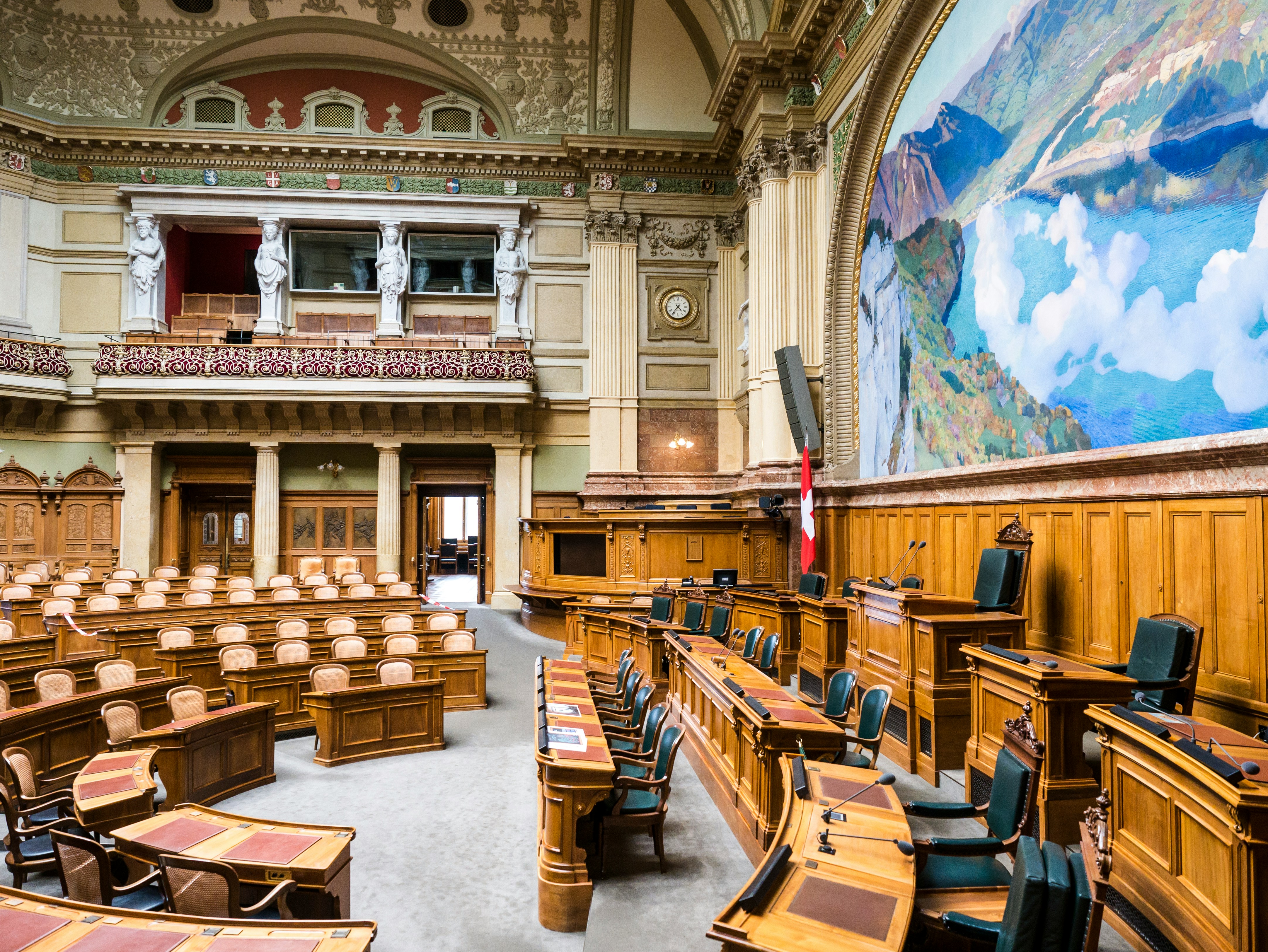
Subcategory
Members only
For much of the postwar period, governance in many democracies rested on a shared foundation. While parties disagreed on priorities, they largely accepted the same institutional rules, economic frameworks, and political norms. That era of consensus—sometimes narrow, sometimes exclusionary—nonetheless provided a common baseline for governing.
That baseline has eroded.
“We are governing in a world where agreement on fundamentals can no longer be assumed,” said a political theorist who studies democratic legitimacy. “The challenge is not polarization alone—it’s the absence of a shared frame.”
As consensus fades, governance does not stop. But it changes form. Decision-making becomes more fragile, legitimacy more contested, and institutions more exposed. Understanding what governing looks like after consensus requires abandoning the idea that disagreement is temporary—and confronting the reality that pluralism is now structural.
The End of the Consensus Model
The consensus model relied on tacit agreement.
Acceptance of market capitalism.
Trust in expert institutions.
Commitment to procedural democracy.
“These assumptions quietly organized politics,” said the theorist.
Their erosion has left governments operating without a common reference point.
Disagreement now extends to:
The role of the state
The legitimacy of institutions
The meaning of representation
Governance proceeds without shared ground.
From Policy Disputes to Framework Disputes
In post-consensus politics, disputes are no longer only about outcomes.
They are about frameworks.
“People aren’t arguing about tax rates,” said a senior civil servant. “They’re arguing about who gets to decide.”
Rules themselves are contested.
Institutions once seen as neutral become political actors.
Legitimacy becomes conditional.
Governing Without Broad Mandates
Electoral victories no longer signal broad consent.
Plurality replaces majority.
Coalitions fragment.
“Governments govern with thinner mandates,” said the civil servant.
This weakens authority.
Policy implementation becomes contentious.
Resistance is constant.
Institutions Under Continuous Scrutiny
In a post-consensus environment, institutions are never settled.
Courts, regulators, and central banks face ongoing challenge.
“Institutional authority used to be deferred,” said the theorist. “Now it must be re-earned daily.”
Every decision is politicized.
Neutrality is questioned.
Silence is interpreted.
Procedural Governance Over Visionary Reform
Without consensus, ambitious reform becomes risky.
Governments turn to procedure.
Incrementalism replaces transformation.
“Process becomes the safest form of action,” said the civil servant.
This protects stability—but limits imagination.
Governance becomes defensive.
Executive Power and the Temptation of Decisiveness
Fragmentation increases pressure on executives.
Gridlock invites unilateral action.
“Decisiveness becomes a substitute for legitimacy,” said the theorist.
Executive authority expands.
Oversight weakens.
Short-term clarity replaces long-term consent.
Governing Through Crisis
Crises become governing tools.
Emergency powers bypass disagreement.
“Crisis creates temporary consensus,” said the civil servant.
But crisis governance erodes norms.
Exceptional measures linger.
Routine decision-making atrophies.
The Burden Placed on Bureaucracy
As politics fragments, bureaucracy absorbs strain.
Administrators interpret contested mandates.
“They become de facto policymakers,” said the theorist.
Discretion expands.
Accountability blurs.
Civil servants operate under pressure from all sides.
Policy as Signal Rather Than Solution
In post-consensus politics, policy often serves symbolic functions.
Signaling values replaces solving problems.
“Policy becomes performance,” said the civil servant.
Complex challenges resist simple solutions.
Communication outpaces implementation.
The Rise of Veto Players
Post-consensus governance empowers veto points.
Courts.
Minor parties.
Interest groups.
Procedural rules.
“Everyone can block; few can build,” said the theorist.
Negative power dominates.
Stalemate becomes normal.
Fragmented Accountability
Responsibility diffuses.
Coalitions blur ownership.
Opposition rejects legitimacy.
“Accountability becomes contested,” said the civil servant.
Failure is blamed externally.
Learning slows.
Governing Through Negotiation, Not Authority
Authority alone no longer compels compliance.
Governance relies on negotiation.
“Withdrawing consent is always an option,” said the theorist.
Stakeholder management becomes central.
Policy is provisional.
The Role of Media and Narrative Competition
Narratives fragment alongside consensus.
No single story dominates.
“Governance now competes with counter-narratives in real time,” said a media analyst.
Trust fractures.
Explanation struggles.
Persuasion replaces authority.
Inequality and the Limits of Pluralism
Post-consensus politics is not neutral.
Power disparities persist.
Some voices dominate negotiation.
“Pluralism without equity reproduces inequality,” said the theorist.
Governance risks favoring the loudest.
Representation weakens.
When Institutions Become the Last Consensus
As social consensus erodes, institutions themselves become the remaining point of agreement.
“They are the last shared structure,” said the civil servant.
Attacks on institutions escalate.
Defending process becomes political.
The Risk of Permanent Provisionality
Governing after consensus often feels temporary.
Policies are reversible.
Commitments feel fragile.
“This creates strategic short-termism,” said the theorist.
Long-term planning suffers.
Credibility declines.
Reimagining Legitimacy
Legitimacy can no longer rely on consensus.
It must be earned procedurally.
Through:
Transparency
Participation
Explanation
Responsiveness
“Legitimacy becomes iterative,” said the theorist.
It is practiced, not assumed.
Governing With, Not Over, Disagreement
Post-consensus governance cannot eliminate disagreement.
It must accommodate it.
“The goal shifts from agreement to manageability,” said the civil servant.
Institutions must absorb conflict without breaking.
This requires humility.
The Democratic Risk
Failure to adapt governance risks authoritarian shortcuts.
“If disagreement is framed as obstruction, repression follows,” warned the theorist.
Democracy requires patience.
Power must tolerate dissent.
What Effective Governing Looks Like Now
Effective post-consensus governance emphasizes:
Clear procedures
Honest trade-offs
Incremental trust-building
Institutional restraint
“It’s less heroic—and more durable,” said the civil servant.
Governance becomes maintenance work.
Conclusion: Governing Without Illusions
Governing after consensus is harder, slower, and more exposed.
It lacks the comfort of shared assumptions.
It demands continuous justification.
But it is not impossible.
It requires institutions designed to withstand disagreement, leaders willing to explain rather than impose, and citizens willing to accept that democracy does not promise harmony—only a framework for managing difference.
Consensus once made governance easier.
Its absence makes governance more honest.
Because in plural societies, legitimacy does not come from agreement.
It comes from the ability to govern fairly—
even when no one agrees on why.
And that, increasingly, is what governing looks like now.
Subcategory
Members only
For much of the postwar period, governance in many democracies rested on a shared foundation. While parties disagreed on priorities, they largely accepted the same institutional rules, economic frameworks, and political norms. That era of consensus—sometimes narrow, sometimes exclusionary—nonetheless provided a common baseline for governing.
That baseline has eroded.
“We are governing in a world where agreement on fundamentals can no longer be assumed,” said a political theorist who studies democratic legitimacy. “The challenge is not polarization alone—it’s the absence of a shared frame.”
As consensus fades, governance does not stop. But it changes form. Decision-making becomes more fragile, legitimacy more contested, and institutions more exposed. Understanding what governing looks like after consensus requires abandoning the idea that disagreement is temporary—and confronting the reality that pluralism is now structural.
The End of the Consensus Model
The consensus model relied on tacit agreement.
Acceptance of market capitalism.
Trust in expert institutions.
Commitment to procedural democracy.
“These assumptions quietly organized politics,” said the theorist.
Their erosion has left governments operating without a common reference point.
Disagreement now extends to:
The role of the state
The legitimacy of institutions
The meaning of representation
Governance proceeds without shared ground.
From Policy Disputes to Framework Disputes
In post-consensus politics, disputes are no longer only about outcomes.
They are about frameworks.
“People aren’t arguing about tax rates,” said a senior civil servant. “They’re arguing about who gets to decide.”
Rules themselves are contested.
Institutions once seen as neutral become political actors.
Legitimacy becomes conditional.
Governing Without Broad Mandates
Electoral victories no longer signal broad consent.
Plurality replaces majority.
Coalitions fragment.
“Governments govern with thinner mandates,” said the civil servant.
This weakens authority.
Policy implementation becomes contentious.
Resistance is constant.
Institutions Under Continuous Scrutiny
In a post-consensus environment, institutions are never settled.
Courts, regulators, and central banks face ongoing challenge.
“Institutional authority used to be deferred,” said the theorist. “Now it must be re-earned daily.”
Every decision is politicized.
Neutrality is questioned.
Silence is interpreted.
Procedural Governance Over Visionary Reform
Without consensus, ambitious reform becomes risky.
Governments turn to procedure.
Incrementalism replaces transformation.
“Process becomes the safest form of action,” said the civil servant.
This protects stability—but limits imagination.
Governance becomes defensive.
Executive Power and the Temptation of Decisiveness
Fragmentation increases pressure on executives.
Gridlock invites unilateral action.
“Decisiveness becomes a substitute for legitimacy,” said the theorist.
Executive authority expands.
Oversight weakens.
Short-term clarity replaces long-term consent.
Governing Through Crisis
Crises become governing tools.
Emergency powers bypass disagreement.
“Crisis creates temporary consensus,” said the civil servant.
But crisis governance erodes norms.
Exceptional measures linger.
Routine decision-making atrophies.
The Burden Placed on Bureaucracy
As politics fragments, bureaucracy absorbs strain.
Administrators interpret contested mandates.
“They become de facto policymakers,” said the theorist.
Discretion expands.
Accountability blurs.
Civil servants operate under pressure from all sides.
Policy as Signal Rather Than Solution
In post-consensus politics, policy often serves symbolic functions.
Signaling values replaces solving problems.
“Policy becomes performance,” said the civil servant.
Complex challenges resist simple solutions.
Communication outpaces implementation.
The Rise of Veto Players
Post-consensus governance empowers veto points.
Courts.
Minor parties.
Interest groups.
Procedural rules.
“Everyone can block; few can build,” said the theorist.
Negative power dominates.
Stalemate becomes normal.
Fragmented Accountability
Responsibility diffuses.
Coalitions blur ownership.
Opposition rejects legitimacy.
“Accountability becomes contested,” said the civil servant.
Failure is blamed externally.
Learning slows.
Governing Through Negotiation, Not Authority
Authority alone no longer compels compliance.
Governance relies on negotiation.
“Withdrawing consent is always an option,” said the theorist.
Stakeholder management becomes central.
Policy is provisional.
The Role of Media and Narrative Competition
Narratives fragment alongside consensus.
No single story dominates.
“Governance now competes with counter-narratives in real time,” said a media analyst.
Trust fractures.
Explanation struggles.
Persuasion replaces authority.
Inequality and the Limits of Pluralism
Post-consensus politics is not neutral.
Power disparities persist.
Some voices dominate negotiation.
“Pluralism without equity reproduces inequality,” said the theorist.
Governance risks favoring the loudest.
Representation weakens.
When Institutions Become the Last Consensus
As social consensus erodes, institutions themselves become the remaining point of agreement.
“They are the last shared structure,” said the civil servant.
Attacks on institutions escalate.
Defending process becomes political.
The Risk of Permanent Provisionality
Governing after consensus often feels temporary.
Policies are reversible.
Commitments feel fragile.
“This creates strategic short-termism,” said the theorist.
Long-term planning suffers.
Credibility declines.
Reimagining Legitimacy
Legitimacy can no longer rely on consensus.
It must be earned procedurally.
Through:
Transparency
Participation
Explanation
Responsiveness
“Legitimacy becomes iterative,” said the theorist.
It is practiced, not assumed.
Governing With, Not Over, Disagreement
Post-consensus governance cannot eliminate disagreement.
It must accommodate it.
“The goal shifts from agreement to manageability,” said the civil servant.
Institutions must absorb conflict without breaking.
This requires humility.
The Democratic Risk
Failure to adapt governance risks authoritarian shortcuts.
“If disagreement is framed as obstruction, repression follows,” warned the theorist.
Democracy requires patience.
Power must tolerate dissent.
What Effective Governing Looks Like Now
Effective post-consensus governance emphasizes:
Clear procedures
Honest trade-offs
Incremental trust-building
Institutional restraint
“It’s less heroic—and more durable,” said the civil servant.
Governance becomes maintenance work.
Conclusion: Governing Without Illusions
Governing after consensus is harder, slower, and more exposed.
It lacks the comfort of shared assumptions.
It demands continuous justification.
But it is not impossible.
It requires institutions designed to withstand disagreement, leaders willing to explain rather than impose, and citizens willing to accept that democracy does not promise harmony—only a framework for managing difference.
Consensus once made governance easier.
Its absence makes governance more honest.
Because in plural societies, legitimacy does not come from agreement.
It comes from the ability to govern fairly—
even when no one agrees on why.
And that, increasingly, is what governing looks like now.
Subcategory
Members only
Modern politics often appears stable on the surface. Elections occur on schedule. Institutions continue to operate. Laws are enforced. Markets respond predictably. To many observers, this continuity suggests resilience—a system holding together despite tension.
But beneath this appearance lies a more fragile reality.
“Stability today is often procedural rather than substantive,” said a political sociologist who studies institutional change. “The system looks intact because it keeps moving—but the foundations are shifting.”
The illusion of stability in modern politics is not the absence of disruption. It is the postponement of reckoning. And the longer that reckoning is delayed, the more destabilizing it becomes when it finally arrives.
Stability as Performance, Not Condition
Political stability is frequently measured by continuity.
Regular elections.
Functioning legislatures.
Orderly transitions of power.
“These are signals of stability, not guarantees,” said the sociologist.
Institutions can continue to function even as legitimacy erodes.
What persists is form.
What weakens is trust.
The Difference Between Order and Consent
Order can exist without consent.
Rules can be enforced even when they are no longer broadly accepted.
“Authoritarian systems are often very orderly,” said a historian of political systems.
Democratic stability, by contrast, depends on consent—on the belief that institutions are fair, responsive, and legitimate.
When consent weakens, order alone becomes brittle.
Incremental Erosion and Invisible Change
Instability rarely arrives suddenly.
It accumulates through small changes:
Norms quietly abandoned
Precedents stretched
Oversight weakened
Accountability deferred
“Institutional erosion is usually boring,” said the historian. “That’s why it’s dangerous.”
By the time instability becomes visible, it is already advanced.
Crisis Management as a Substitute for Governance
Modern politics increasingly governs through crisis.
Emergency powers.
Fast-tracked legislation.
Exceptional measures.
“Crisis governance creates the impression of control,” said a former senior civil servant.
But crisis management does not build long-term capacity.
It postpones structural decisions.
Stability becomes reactive.
The Normalization of Temporary Measures
What begins as temporary often becomes permanent.
Emergency laws persist.
Exceptional authority normalizes.
“Temporary solutions are politically convenient,” said the civil servant.
Reversal is harder than adoption.
Stability becomes institutionalized exception.
Fragmented Legitimacy
Modern societies are pluralistic.
Values diverge.
Identities multiply.
“In fragmented societies, legitimacy is uneven,” said the sociologist.
Institutions may retain legitimacy with some groups while losing it with others.
Stability appears intact—until conflict crosses institutional boundaries.
Elections Without Resolution
Elections no longer resolve political conflict.
They redistribute power temporarily.
“Elections manage disagreement,” said the historian. “They don’t settle it.”
Close margins intensify contestation.
Losers question legitimacy.
Winners govern narrowly.
The system continues—but trust thins.
Policy Continuity Masking Structural Disagreement
Policy may continue even as consensus disappears.
Budgets pass.
Regulations persist.
“But continuity can mask unresolved conflict,” said the sociologist.
Underlying disagreements over the role of the state, markets, and institutions remain.
Stability becomes superficial.
Institutional Load-Bearing Without Reinforcement
Institutions absorb pressure.
Courts resolve disputes.
Agencies implement contested policies.
Bureaucracies maintain continuity.
“These institutions are carrying more than they were designed for,” said the civil servant.
Load-bearing capacity is finite.
Reinforcement lags.
The Expansion of Executive Power
Fragmentation empowers executives.
Decisiveness substitutes for deliberation.
“Strong executives project stability,” said the historian.
But concentration of power erodes checks.
Short-term clarity undermines long-term balance.
Stability becomes personalized.
Markets as False Indicators of Political Health
Economic calm is often mistaken for political stability.
Markets may remain steady even as political systems destabilize.
“Markets price risk, not legitimacy,” said a political economist.
They respond late to institutional decay.
By the time markets react, instability is systemic.
Media Cycles and the Compression of Attention
Rapid media cycles distort perception.
Each controversy replaces the last.
“There’s no time to register cumulative damage,” said the sociologist.
Instability is fragmented into moments.
The pattern disappears.
Inequality and the Stability Gap
Instability is not experienced equally.
Some groups remain insulated.
Others face chronic precarity.
“Stability is unevenly distributed,” said the historian.
Those protected perceive continuity.
Those exposed perceive collapse.
The illusion persists because impact is asymmetric.
The Decline of Institutional Memory
Turnover erodes continuity.
Expertise departs.
Experience is lost.
“Institutions forget how they used to function,” said the former civil servant.
Mistakes recur.
Lessons vanish.
Stability loses depth.
When Stability Depends on Exhaustion
Political stability can persist through fatigue.
Disengagement replaces conflict.
People withdraw rather than challenge.
“Apathy can look like stability,” said the sociologist.
But disengagement hollowes democracy.
Participation declines.
Legitimacy thins.
Why Illusions Are Comforting
The illusion of stability reassures.
It delays hard choices.
It avoids confrontation.
“Stability narratives protect incumbents,” said the historian.
They frame disruption as irresponsible.
Reform becomes risky.
The Suddenness of Breakdown
Illusions collapse abruptly.
Triggers appear minor.
Protests escalate.
Legitimacy evaporates.
“Instability feels sudden only because erosion was ignored,” said the sociologist.
Systems fail quickly once thresholds are crossed.
Stability Versus Resilience
True stability is resilient.
It absorbs shock.
It adapts.
Illusory stability resists change.
It preserves form at the expense of function.
“Resilience requires renewal,” said the civil servant.
Without it, stability is brittle.
Governing for Appearance or Capacity
Modern politics often prioritizes appearance.
Optics over repair.
Messaging over maintenance.
“Governing for stability optics undermines actual stability,” said the historian.
Capacity matters more than continuity.
What Durable Stability Requires
Durable political stability depends on:
Legitimate institutions
Clear accountability
Adaptable governance
Social inclusion
Honest confrontation of conflict
“Stability is built, not assumed,” said the sociologist.
Maintenance matters.
Conclusion: Stability Is Not Stillness
The illusion of stability in modern politics rests on motion without direction, order without consent, and continuity without renewal.
True stability is not the absence of disruption.
It is the capacity to confront change without breaking.
When politics mistakes endurance for health, it delays necessary adaptation.
And when adaptation is postponed too long, stability collapses—not gradually, but all at once.
In democratic systems, stability is not preserved by pretending everything is fine.
It is preserved by recognizing when it isn’t—and having the institutional courage to change before the illusion shatters.

Subcategory
Members only
Modern politics often appears stable on the surface. Elections occur on schedule. Institutions continue to operate. Laws are enforced. Markets respond predictably. To many observers, this continuity suggests resilience—a system holding together despite tension.
But beneath this appearance lies a more fragile reality.
“Stability today is often procedural rather than substantive,” said a political sociologist who studies institutional change. “The system looks intact because it keeps moving—but the foundations are shifting.”
The illusion of stability in modern politics is not the absence of disruption. It is the postponement of reckoning. And the longer that reckoning is delayed, the more destabilizing it becomes when it finally arrives.
Stability as Performance, Not Condition
Political stability is frequently measured by continuity.
Regular elections.
Functioning legislatures.
Orderly transitions of power.
“These are signals of stability, not guarantees,” said the sociologist.
Institutions can continue to function even as legitimacy erodes.
What persists is form.
What weakens is trust.
The Difference Between Order and Consent
Order can exist without consent.
Rules can be enforced even when they are no longer broadly accepted.
“Authoritarian systems are often very orderly,” said a historian of political systems.
Democratic stability, by contrast, depends on consent—on the belief that institutions are fair, responsive, and legitimate.
When consent weakens, order alone becomes brittle.
Incremental Erosion and Invisible Change
Instability rarely arrives suddenly.
It accumulates through small changes:
Norms quietly abandoned
Precedents stretched
Oversight weakened
Accountability deferred
“Institutional erosion is usually boring,” said the historian. “That’s why it’s dangerous.”
By the time instability becomes visible, it is already advanced.
Crisis Management as a Substitute for Governance
Modern politics increasingly governs through crisis.
Emergency powers.
Fast-tracked legislation.
Exceptional measures.
“Crisis governance creates the impression of control,” said a former senior civil servant.
But crisis management does not build long-term capacity.
It postpones structural decisions.
Stability becomes reactive.
The Normalization of Temporary Measures
What begins as temporary often becomes permanent.
Emergency laws persist.
Exceptional authority normalizes.
“Temporary solutions are politically convenient,” said the civil servant.
Reversal is harder than adoption.
Stability becomes institutionalized exception.
Fragmented Legitimacy
Modern societies are pluralistic.
Values diverge.
Identities multiply.
“In fragmented societies, legitimacy is uneven,” said the sociologist.
Institutions may retain legitimacy with some groups while losing it with others.
Stability appears intact—until conflict crosses institutional boundaries.
Elections Without Resolution
Elections no longer resolve political conflict.
They redistribute power temporarily.
“Elections manage disagreement,” said the historian. “They don’t settle it.”
Close margins intensify contestation.
Losers question legitimacy.
Winners govern narrowly.
The system continues—but trust thins.
Policy Continuity Masking Structural Disagreement
Policy may continue even as consensus disappears.
Budgets pass.
Regulations persist.
“But continuity can mask unresolved conflict,” said the sociologist.
Underlying disagreements over the role of the state, markets, and institutions remain.
Stability becomes superficial.
Institutional Load-Bearing Without Reinforcement
Institutions absorb pressure.
Courts resolve disputes.
Agencies implement contested policies.
Bureaucracies maintain continuity.
“These institutions are carrying more than they were designed for,” said the civil servant.
Load-bearing capacity is finite.
Reinforcement lags.
The Expansion of Executive Power
Fragmentation empowers executives.
Decisiveness substitutes for deliberation.
“Strong executives project stability,” said the historian.
But concentration of power erodes checks.
Short-term clarity undermines long-term balance.
Stability becomes personalized.
Markets as False Indicators of Political Health
Economic calm is often mistaken for political stability.
Markets may remain steady even as political systems destabilize.
“Markets price risk, not legitimacy,” said a political economist.
They respond late to institutional decay.
By the time markets react, instability is systemic.
Media Cycles and the Compression of Attention
Rapid media cycles distort perception.
Each controversy replaces the last.
“There’s no time to register cumulative damage,” said the sociologist.
Instability is fragmented into moments.
The pattern disappears.
Inequality and the Stability Gap
Instability is not experienced equally.
Some groups remain insulated.
Others face chronic precarity.
“Stability is unevenly distributed,” said the historian.
Those protected perceive continuity.
Those exposed perceive collapse.
The illusion persists because impact is asymmetric.
The Decline of Institutional Memory
Turnover erodes continuity.
Expertise departs.
Experience is lost.
“Institutions forget how they used to function,” said the former civil servant.
Mistakes recur.
Lessons vanish.
Stability loses depth.
When Stability Depends on Exhaustion
Political stability can persist through fatigue.
Disengagement replaces conflict.
People withdraw rather than challenge.
“Apathy can look like stability,” said the sociologist.
But disengagement hollowes democracy.
Participation declines.
Legitimacy thins.
Why Illusions Are Comforting
The illusion of stability reassures.
It delays hard choices.
It avoids confrontation.
“Stability narratives protect incumbents,” said the historian.
They frame disruption as irresponsible.
Reform becomes risky.
The Suddenness of Breakdown
Illusions collapse abruptly.
Triggers appear minor.
Protests escalate.
Legitimacy evaporates.
“Instability feels sudden only because erosion was ignored,” said the sociologist.
Systems fail quickly once thresholds are crossed.
Stability Versus Resilience
True stability is resilient.
It absorbs shock.
It adapts.
Illusory stability resists change.
It preserves form at the expense of function.
“Resilience requires renewal,” said the civil servant.
Without it, stability is brittle.
Governing for Appearance or Capacity
Modern politics often prioritizes appearance.
Optics over repair.
Messaging over maintenance.
“Governing for stability optics undermines actual stability,” said the historian.
Capacity matters more than continuity.
What Durable Stability Requires
Durable political stability depends on:
Legitimate institutions
Clear accountability
Adaptable governance
Social inclusion
Honest confrontation of conflict
“Stability is built, not assumed,” said the sociologist.
Maintenance matters.
Conclusion: Stability Is Not Stillness
The illusion of stability in modern politics rests on motion without direction, order without consent, and continuity without renewal.
True stability is not the absence of disruption.
It is the capacity to confront change without breaking.
When politics mistakes endurance for health, it delays necessary adaptation.
And when adaptation is postponed too long, stability collapses—not gradually, but all at once.
In democratic systems, stability is not preserved by pretending everything is fine.
It is preserved by recognizing when it isn’t—and having the institutional courage to change before the illusion shatters.
Subcategory
Members only
Modern politics often appears stable on the surface. Elections occur on schedule. Institutions continue to operate. Laws are enforced. Markets respond predictably. To many observers, this continuity suggests resilience—a system holding together despite tension.
But beneath this appearance lies a more fragile reality.
“Stability today is often procedural rather than substantive,” said a political sociologist who studies institutional change. “The system looks intact because it keeps moving—but the foundations are shifting.”
The illusion of stability in modern politics is not the absence of disruption. It is the postponement of reckoning. And the longer that reckoning is delayed, the more destabilizing it becomes when it finally arrives.
Stability as Performance, Not Condition
Political stability is frequently measured by continuity.
Regular elections.
Functioning legislatures.
Orderly transitions of power.
“These are signals of stability, not guarantees,” said the sociologist.
Institutions can continue to function even as legitimacy erodes.
What persists is form.
What weakens is trust.
The Difference Between Order and Consent
Order can exist without consent.
Rules can be enforced even when they are no longer broadly accepted.
“Authoritarian systems are often very orderly,” said a historian of political systems.
Democratic stability, by contrast, depends on consent—on the belief that institutions are fair, responsive, and legitimate.
When consent weakens, order alone becomes brittle.
Incremental Erosion and Invisible Change
Instability rarely arrives suddenly.
It accumulates through small changes:
Norms quietly abandoned
Precedents stretched
Oversight weakened
Accountability deferred
“Institutional erosion is usually boring,” said the historian. “That’s why it’s dangerous.”
By the time instability becomes visible, it is already advanced.
Crisis Management as a Substitute for Governance
Modern politics increasingly governs through crisis.
Emergency powers.
Fast-tracked legislation.
Exceptional measures.
“Crisis governance creates the impression of control,” said a former senior civil servant.
But crisis management does not build long-term capacity.
It postpones structural decisions.
Stability becomes reactive.
The Normalization of Temporary Measures
What begins as temporary often becomes permanent.
Emergency laws persist.
Exceptional authority normalizes.
“Temporary solutions are politically convenient,” said the civil servant.
Reversal is harder than adoption.
Stability becomes institutionalized exception.
Fragmented Legitimacy
Modern societies are pluralistic.
Values diverge.
Identities multiply.
“In fragmented societies, legitimacy is uneven,” said the sociologist.
Institutions may retain legitimacy with some groups while losing it with others.
Stability appears intact—until conflict crosses institutional boundaries.
Elections Without Resolution
Elections no longer resolve political conflict.
They redistribute power temporarily.
“Elections manage disagreement,” said the historian. “They don’t settle it.”
Close margins intensify contestation.
Losers question legitimacy.
Winners govern narrowly.
The system continues—but trust thins.
Policy Continuity Masking Structural Disagreement
Policy may continue even as consensus disappears.
Budgets pass.
Regulations persist.
“But continuity can mask unresolved conflict,” said the sociologist.
Underlying disagreements over the role of the state, markets, and institutions remain.
Stability becomes superficial.
Institutional Load-Bearing Without Reinforcement
Institutions absorb pressure.
Courts resolve disputes.
Agencies implement contested policies.
Bureaucracies maintain continuity.
“These institutions are carrying more than they were designed for,” said the civil servant.
Load-bearing capacity is finite.
Reinforcement lags.
The Expansion of Executive Power
Fragmentation empowers executives.
Decisiveness substitutes for deliberation.
“Strong executives project stability,” said the historian.
But concentration of power erodes checks.
Short-term clarity undermines long-term balance.
Stability becomes personalized.
Markets as False Indicators of Political Health
Economic calm is often mistaken for political stability.
Markets may remain steady even as political systems destabilize.
“Markets price risk, not legitimacy,” said a political economist.
They respond late to institutional decay.
By the time markets react, instability is systemic.
Media Cycles and the Compression of Attention
Rapid media cycles distort perception.
Each controversy replaces the last.
“There’s no time to register cumulative damage,” said the sociologist.
Instability is fragmented into moments.
The pattern disappears.
Inequality and the Stability Gap
Instability is not experienced equally.
Some groups remain insulated.
Others face chronic precarity.
“Stability is unevenly distributed,” said the historian.
Those protected perceive continuity.
Those exposed perceive collapse.
The illusion persists because impact is asymmetric.
The Decline of Institutional Memory
Turnover erodes continuity.
Expertise departs.
Experience is lost.
“Institutions forget how they used to function,” said the former civil servant.
Mistakes recur.
Lessons vanish.
Stability loses depth.
When Stability Depends on Exhaustion
Political stability can persist through fatigue.
Disengagement replaces conflict.
People withdraw rather than challenge.
“Apathy can look like stability,” said the sociologist.
But disengagement hollowes democracy.
Participation declines.
Legitimacy thins.
Why Illusions Are Comforting
The illusion of stability reassures.
It delays hard choices.
It avoids confrontation.
“Stability narratives protect incumbents,” said the historian.
They frame disruption as irresponsible.
Reform becomes risky.
The Suddenness of Breakdown
Illusions collapse abruptly.
Triggers appear minor.
Protests escalate.
Legitimacy evaporates.
“Instability feels sudden only because erosion was ignored,” said the sociologist.
Systems fail quickly once thresholds are crossed.
Stability Versus Resilience
True stability is resilient.
It absorbs shock.
It adapts.
Illusory stability resists change.
It preserves form at the expense of function.
“Resilience requires renewal,” said the civil servant.
Without it, stability is brittle.
Governing for Appearance or Capacity
Modern politics often prioritizes appearance.
Optics over repair.
Messaging over maintenance.
“Governing for stability optics undermines actual stability,” said the historian.
Capacity matters more than continuity.
What Durable Stability Requires
Durable political stability depends on:
Legitimate institutions
Clear accountability
Adaptable governance
Social inclusion
Honest confrontation of conflict
“Stability is built, not assumed,” said the sociologist.
Maintenance matters.
Conclusion: Stability Is Not Stillness
The illusion of stability in modern politics rests on motion without direction, order without consent, and continuity without renewal.
True stability is not the absence of disruption.
It is the capacity to confront change without breaking.
When politics mistakes endurance for health, it delays necessary adaptation.
And when adaptation is postponed too long, stability collapses—not gradually, but all at once.
In democratic systems, stability is not preserved by pretending everything is fine.
It is preserved by recognizing when it isn’t—and having the institutional courage to change before the illusion shatters.
Subcategory
Members only
For much of the late twentieth century, economic policy rested on a relatively simple equation: growth would outpace debt. Expanding economies would generate the revenues needed to service borrowing, while rising productivity would lift incomes and stabilize public finances. Debt was a tool—temporary, manageable, and ultimately subordinate to growth.
That equation no longer holds.
“We are living in an era where debt is not an exception to growth—it is embedded in it,” said a senior macroeconomist who advises international financial institutions. “The question is no longer how to eliminate debt, but how to live with it.”
Across advanced and emerging economies alike, high debt levels coexist with modest growth, aging populations, and persistent uncertainty. This combination has reshaped what policymakers, investors, and citizens consider “normal.” Understanding this new economic landscape requires abandoning old assumptions—and confronting uncomfortable trade-offs.
The Long Shadow of Post-Crisis Economics
The global financial crisis marked a turning point.
Governments borrowed heavily to stabilize collapsing systems.
Central banks intervened at unprecedented scale.
“Extraordinary measures became ordinary policy,” said the macroeconomist.
What was framed as temporary stimulus became a durable feature of economic management.
Debt ratios rose—and never fully retreated.
Why Growth Has Slowed
Slower growth is not cyclical alone.
It reflects structural forces:
Aging populations
Slower productivity gains
Saturated markets
Rising inequality
“Demographics alone changed the growth equation,” said a labor economist.
Fewer workers support more dependents.
Consumption patterns shift.
Potential growth declines.
Debt as a Substitute for Growth
In the absence of strong growth, debt has filled the gap.
Public spending maintains demand.
Private borrowing sustains consumption.
“Debt has become a way to postpone distributional conflict,” said a political economist.
Rather than resolve structural issues, systems borrow time.
Literally.
The New Tolerance for High Debt
High debt was once treated as an emergency.
Today, it is normalized.
Low interest rates reduced servicing costs.
Markets adjusted expectations.
“Debt matters differently when rates stay low,” said the macroeconomist.
This has altered political incentives.
Urgency faded.
Structural reform slowed.
Central Banks and the Redefined Boundary
Central banks now play a central role in managing debt dynamics.
Asset purchases.
Yield management.
Forward guidance.
“They are no longer just inflation managers,” said a former central bank official. “They are system stabilizers.”
This expanded role blurs institutional boundaries.
Monetary policy absorbs fiscal stress.
Fiscal Policy Without Clear Limits
Fiscal restraint once anchored policy.
Deficits were temporary.
Debt was constrained.
That framework has loosened.
“There is no longer consensus on what ‘too much’ debt means,” said a public finance scholar.
Fiscal policy has become more flexible—but also more contested.
Limits are political, not technical.
The Investment Question
High debt raises a critical question: what is borrowing for?
Debt used for consumption differs from debt used for investment.
“Infrastructure and human capital can justify borrowing,” said the labor economist.
But not all debt funds future growth.
Misallocation risks stagnation.
Inequality and the Debt-Growth Trade-Off
Inequality complicates debt dynamics.
High inequality dampens consumption.
Borrowing compensates.
“Debt smooths inequality in the short term,” said the political economist. “But it entrenches it long term.”
Servicing costs shift resources upward.
Social tension grows.
The Political Economy of Permanent Debt
Debt reshapes politics.
Promises are easier to make than pay for.
Adjustment is deferred.
“Debt pushes hard choices into the future,” said the macroeconomist.
Future voters inherit constraints they did not choose.
Intergenerational tension rises.
Market Discipline Reconsidered
Markets once enforced fiscal discipline.
Bond yields rose.
Capital fled.
Today, intervention alters that dynamic.
“Markets are less disciplinarian when central banks backstop risk,” said the former official.
This stabilizes systems—but weakens signals.
Risk perception changes.
Emerging Economies and Fragile Balance
For emerging economies, the new normal is riskier.
They borrow in volatile conditions.
Capital flows reverse quickly.
“Debt tolerance is asymmetric,” said an emerging markets strategist.
What advanced economies can sustain, others cannot.
Global inequality widens.
Climate Transition and Debt Expansion
Climate investment demands large borrowing.
Energy transition requires capital.
Public balance sheets absorb risk.
“Climate policy and debt policy are now inseparable,” said an environmental economist.
The choice is between debt today or disruption tomorrow.
Delay increases cost.
Productivity as the Missing Variable
Debt sustainability ultimately depends on productivity.
Without productivity growth, debt compounds.
“This is the uncomfortable truth,” said the labor economist.
Innovation matters.
Education matters.
Institutions matter.
Debt can buy time—but not transformation.
The Risk of Complacency
Normalization carries danger.
Low rates may not persist.
Shocks remain likely.
“Debt feels manageable—until it doesn’t,” warned the macroeconomist.
Confidence can turn quickly.
Adjustment can be abrupt.
Policy Trade-Offs in the New Normal
The new economic normal forces trade-offs:
Stability versus reform
Investment versus consumption
Flexibility versus discipline
“There are no painless paths,” said the public finance scholar.
Choices are distributional.
Politics cannot be avoided.
Rethinking Sustainability
Sustainability must be redefined.
Not just debt ratios—but capacity.
Institutions.
Social cohesion.
Growth potential.
“Sustainability is multidimensional,” said the political economist.
Balance sheets alone mislead.
Debt as a Governance Question
Debt is not merely economic.
It reflects governance choices.
Who benefits?
Who pays?
When?
“Debt is a political decision with economic consequences,” said the macroeconomist.
Transparency matters.
Accountability matters.
Living With the New Normal
The new normal is not temporary.
High debt and modest growth coexist.
Managing this reality requires realism—not denial.
“Pretending we can return to old growth rates is a mistake,” said the labor economist.
Adaptation matters more than nostalgia.
What the New Normal Demands
Effective policy in this era requires:
Strategic investment
Institutional credibility
Long-term planning
Honest communication
“Debt buys time,” said the former central banker. “What you do with that time determines the outcome.”
Conclusion: Debt Without Illusions
Debt, growth, and the new economic normal form a delicate equilibrium.
High debt is no longer a sign of failure—but neither is it harmless.
Growth is slower—but not absent.
Stability is achievable—but fragile.
The challenge of this era is not to eliminate debt, but to use it wisely—to invest rather than postpone, to reform rather than defer, and to recognize that borrowing cannot replace growth forever.
Because debt can support an economy.
It can stabilize systems.
It can soften shocks.
But it cannot substitute for the hard work of building productive capacity, equitable institutions, and credible governance.
In the new economic normal, the real risk is not debt itself.
It is the illusion that debt has solved the problem of growth—
when in fact, it has only delayed its reckoning.

Subcategory
Members only
For much of the late twentieth century, economic policy rested on a relatively simple equation: growth would outpace debt. Expanding economies would generate the revenues needed to service borrowing, while rising productivity would lift incomes and stabilize public finances. Debt was a tool—temporary, manageable, and ultimately subordinate to growth.
That equation no longer holds.
“We are living in an era where debt is not an exception to growth—it is embedded in it,” said a senior macroeconomist who advises international financial institutions. “The question is no longer how to eliminate debt, but how to live with it.”
Across advanced and emerging economies alike, high debt levels coexist with modest growth, aging populations, and persistent uncertainty. This combination has reshaped what policymakers, investors, and citizens consider “normal.” Understanding this new economic landscape requires abandoning old assumptions—and confronting uncomfortable trade-offs.
The Long Shadow of Post-Crisis Economics
The global financial crisis marked a turning point.
Governments borrowed heavily to stabilize collapsing systems.
Central banks intervened at unprecedented scale.
“Extraordinary measures became ordinary policy,” said the macroeconomist.
What was framed as temporary stimulus became a durable feature of economic management.
Debt ratios rose—and never fully retreated.
Why Growth Has Slowed
Slower growth is not cyclical alone.
It reflects structural forces:
Aging populations
Slower productivity gains
Saturated markets
Rising inequality
“Demographics alone changed the growth equation,” said a labor economist.
Fewer workers support more dependents.
Consumption patterns shift.
Potential growth declines.
Debt as a Substitute for Growth
In the absence of strong growth, debt has filled the gap.
Public spending maintains demand.
Private borrowing sustains consumption.
“Debt has become a way to postpone distributional conflict,” said a political economist.
Rather than resolve structural issues, systems borrow time.
Literally.
The New Tolerance for High Debt
High debt was once treated as an emergency.
Today, it is normalized.
Low interest rates reduced servicing costs.
Markets adjusted expectations.
“Debt matters differently when rates stay low,” said the macroeconomist.
This has altered political incentives.
Urgency faded.
Structural reform slowed.
Central Banks and the Redefined Boundary
Central banks now play a central role in managing debt dynamics.
Asset purchases.
Yield management.
Forward guidance.
“They are no longer just inflation managers,” said a former central bank official. “They are system stabilizers.”
This expanded role blurs institutional boundaries.
Monetary policy absorbs fiscal stress.
Fiscal Policy Without Clear Limits
Fiscal restraint once anchored policy.
Deficits were temporary.
Debt was constrained.
That framework has loosened.
“There is no longer consensus on what ‘too much’ debt means,” said a public finance scholar.
Fiscal policy has become more flexible—but also more contested.
Limits are political, not technical.
The Investment Question
High debt raises a critical question: what is borrowing for?
Debt used for consumption differs from debt used for investment.
“Infrastructure and human capital can justify borrowing,” said the labor economist.
But not all debt funds future growth.
Misallocation risks stagnation.
Inequality and the Debt-Growth Trade-Off
Inequality complicates debt dynamics.
High inequality dampens consumption.
Borrowing compensates.
“Debt smooths inequality in the short term,” said the political economist. “But it entrenches it long term.”
Servicing costs shift resources upward.
Social tension grows.
The Political Economy of Permanent Debt
Debt reshapes politics.
Promises are easier to make than pay for.
Adjustment is deferred.
“Debt pushes hard choices into the future,” said the macroeconomist.
Future voters inherit constraints they did not choose.
Intergenerational tension rises.
Market Discipline Reconsidered
Markets once enforced fiscal discipline.
Bond yields rose.
Capital fled.
Today, intervention alters that dynamic.
“Markets are less disciplinarian when central banks backstop risk,” said the former official.
This stabilizes systems—but weakens signals.
Risk perception changes.
Emerging Economies and Fragile Balance
For emerging economies, the new normal is riskier.
They borrow in volatile conditions.
Capital flows reverse quickly.
“Debt tolerance is asymmetric,” said an emerging markets strategist.
What advanced economies can sustain, others cannot.
Global inequality widens.
Climate Transition and Debt Expansion
Climate investment demands large borrowing.
Energy transition requires capital.
Public balance sheets absorb risk.
“Climate policy and debt policy are now inseparable,” said an environmental economist.
The choice is between debt today or disruption tomorrow.
Delay increases cost.
Productivity as the Missing Variable
Debt sustainability ultimately depends on productivity.
Without productivity growth, debt compounds.
“This is the uncomfortable truth,” said the labor economist.
Innovation matters.
Education matters.
Institutions matter.
Debt can buy time—but not transformation.
The Risk of Complacency
Normalization carries danger.
Low rates may not persist.
Shocks remain likely.
“Debt feels manageable—until it doesn’t,” warned the macroeconomist.
Confidence can turn quickly.
Adjustment can be abrupt.
Policy Trade-Offs in the New Normal
The new economic normal forces trade-offs:
Stability versus reform
Investment versus consumption
Flexibility versus discipline
“There are no painless paths,” said the public finance scholar.
Choices are distributional.
Politics cannot be avoided.
Rethinking Sustainability
Sustainability must be redefined.
Not just debt ratios—but capacity.
Institutions.
Social cohesion.
Growth potential.
“Sustainability is multidimensional,” said the political economist.
Balance sheets alone mislead.
Debt as a Governance Question
Debt is not merely economic.
It reflects governance choices.
Who benefits?
Who pays?
When?
“Debt is a political decision with economic consequences,” said the macroeconomist.
Transparency matters.
Accountability matters.
Living With the New Normal
The new normal is not temporary.
High debt and modest growth coexist.
Managing this reality requires realism—not denial.
“Pretending we can return to old growth rates is a mistake,” said the labor economist.
Adaptation matters more than nostalgia.
What the New Normal Demands
Effective policy in this era requires:
Strategic investment
Institutional credibility
Long-term planning
Honest communication
“Debt buys time,” said the former central banker. “What you do with that time determines the outcome.”
Conclusion: Debt Without Illusions
Debt, growth, and the new economic normal form a delicate equilibrium.
High debt is no longer a sign of failure—but neither is it harmless.
Growth is slower—but not absent.
Stability is achievable—but fragile.
The challenge of this era is not to eliminate debt, but to use it wisely—to invest rather than postpone, to reform rather than defer, and to recognize that borrowing cannot replace growth forever.
Because debt can support an economy.
It can stabilize systems.
It can soften shocks.
But it cannot substitute for the hard work of building productive capacity, equitable institutions, and credible governance.
In the new economic normal, the real risk is not debt itself.
It is the illusion that debt has solved the problem of growth—
when in fact, it has only delayed its reckoning.
Subcategory
Members only
For much of the late twentieth century, economic policy rested on a relatively simple equation: growth would outpace debt. Expanding economies would generate the revenues needed to service borrowing, while rising productivity would lift incomes and stabilize public finances. Debt was a tool—temporary, manageable, and ultimately subordinate to growth.
That equation no longer holds.
“We are living in an era where debt is not an exception to growth—it is embedded in it,” said a senior macroeconomist who advises international financial institutions. “The question is no longer how to eliminate debt, but how to live with it.”
Across advanced and emerging economies alike, high debt levels coexist with modest growth, aging populations, and persistent uncertainty. This combination has reshaped what policymakers, investors, and citizens consider “normal.” Understanding this new economic landscape requires abandoning old assumptions—and confronting uncomfortable trade-offs.
The Long Shadow of Post-Crisis Economics
The global financial crisis marked a turning point.
Governments borrowed heavily to stabilize collapsing systems.
Central banks intervened at unprecedented scale.
“Extraordinary measures became ordinary policy,” said the macroeconomist.
What was framed as temporary stimulus became a durable feature of economic management.
Debt ratios rose—and never fully retreated.
Why Growth Has Slowed
Slower growth is not cyclical alone.
It reflects structural forces:
Aging populations
Slower productivity gains
Saturated markets
Rising inequality
“Demographics alone changed the growth equation,” said a labor economist.
Fewer workers support more dependents.
Consumption patterns shift.
Potential growth declines.
Debt as a Substitute for Growth
In the absence of strong growth, debt has filled the gap.
Public spending maintains demand.
Private borrowing sustains consumption.
“Debt has become a way to postpone distributional conflict,” said a political economist.
Rather than resolve structural issues, systems borrow time.
Literally.
The New Tolerance for High Debt
High debt was once treated as an emergency.
Today, it is normalized.
Low interest rates reduced servicing costs.
Markets adjusted expectations.
“Debt matters differently when rates stay low,” said the macroeconomist.
This has altered political incentives.
Urgency faded.
Structural reform slowed.
Central Banks and the Redefined Boundary
Central banks now play a central role in managing debt dynamics.
Asset purchases.
Yield management.
Forward guidance.
“They are no longer just inflation managers,” said a former central bank official. “They are system stabilizers.”
This expanded role blurs institutional boundaries.
Monetary policy absorbs fiscal stress.
Fiscal Policy Without Clear Limits
Fiscal restraint once anchored policy.
Deficits were temporary.
Debt was constrained.
That framework has loosened.
“There is no longer consensus on what ‘too much’ debt means,” said a public finance scholar.
Fiscal policy has become more flexible—but also more contested.
Limits are political, not technical.
The Investment Question
High debt raises a critical question: what is borrowing for?
Debt used for consumption differs from debt used for investment.
“Infrastructure and human capital can justify borrowing,” said the labor economist.
But not all debt funds future growth.
Misallocation risks stagnation.
Inequality and the Debt-Growth Trade-Off
Inequality complicates debt dynamics.
High inequality dampens consumption.
Borrowing compensates.
“Debt smooths inequality in the short term,” said the political economist. “But it entrenches it long term.”
Servicing costs shift resources upward.
Social tension grows.
The Political Economy of Permanent Debt
Debt reshapes politics.
Promises are easier to make than pay for.
Adjustment is deferred.
“Debt pushes hard choices into the future,” said the macroeconomist.
Future voters inherit constraints they did not choose.
Intergenerational tension rises.
Market Discipline Reconsidered
Markets once enforced fiscal discipline.
Bond yields rose.
Capital fled.
Today, intervention alters that dynamic.
“Markets are less disciplinarian when central banks backstop risk,” said the former official.
This stabilizes systems—but weakens signals.
Risk perception changes.
Emerging Economies and Fragile Balance
For emerging economies, the new normal is riskier.
They borrow in volatile conditions.
Capital flows reverse quickly.
“Debt tolerance is asymmetric,” said an emerging markets strategist.
What advanced economies can sustain, others cannot.
Global inequality widens.
Climate Transition and Debt Expansion
Climate investment demands large borrowing.
Energy transition requires capital.
Public balance sheets absorb risk.
“Climate policy and debt policy are now inseparable,” said an environmental economist.
The choice is between debt today or disruption tomorrow.
Delay increases cost.
Productivity as the Missing Variable
Debt sustainability ultimately depends on productivity.
Without productivity growth, debt compounds.
“This is the uncomfortable truth,” said the labor economist.
Innovation matters.
Education matters.
Institutions matter.
Debt can buy time—but not transformation.
The Risk of Complacency
Normalization carries danger.
Low rates may not persist.
Shocks remain likely.
“Debt feels manageable—until it doesn’t,” warned the macroeconomist.
Confidence can turn quickly.
Adjustment can be abrupt.
Policy Trade-Offs in the New Normal
The new economic normal forces trade-offs:
Stability versus reform
Investment versus consumption
Flexibility versus discipline
“There are no painless paths,” said the public finance scholar.
Choices are distributional.
Politics cannot be avoided.
Rethinking Sustainability
Sustainability must be redefined.
Not just debt ratios—but capacity.
Institutions.
Social cohesion.
Growth potential.
“Sustainability is multidimensional,” said the political economist.
Balance sheets alone mislead.
Debt as a Governance Question
Debt is not merely economic.
It reflects governance choices.
Who benefits?
Who pays?
When?
“Debt is a political decision with economic consequences,” said the macroeconomist.
Transparency matters.
Accountability matters.
Living With the New Normal
The new normal is not temporary.
High debt and modest growth coexist.
Managing this reality requires realism—not denial.
“Pretending we can return to old growth rates is a mistake,” said the labor economist.
Adaptation matters more than nostalgia.
What the New Normal Demands
Effective policy in this era requires:
Strategic investment
Institutional credibility
Long-term planning
Honest communication
“Debt buys time,” said the former central banker. “What you do with that time determines the outcome.”
Conclusion: Debt Without Illusions
Debt, growth, and the new economic normal form a delicate equilibrium.
High debt is no longer a sign of failure—but neither is it harmless.
Growth is slower—but not absent.
Stability is achievable—but fragile.
The challenge of this era is not to eliminate debt, but to use it wisely—to invest rather than postpone, to reform rather than defer, and to recognize that borrowing cannot replace growth forever.
Because debt can support an economy.
It can stabilize systems.
It can soften shocks.
But it cannot substitute for the hard work of building productive capacity, equitable institutions, and credible governance.
In the new economic normal, the real risk is not debt itself.
It is the illusion that debt has solved the problem of growth—
when in fact, it has only delayed its reckoning.
Latest Articles
Subcategory
For much of the postwar era, coalition governments were treated as political compromises—necessary but undesirable arrangements formed when voters failed to deliver a clear mandate. They were assumed to be fragile, indecisive, and structurally weaker than single-party administrations.
That assumption is increasingly outdated.
Across parliamentary democracies, coalition governments are no longer transitional solutions. They are becoming the default framework through which power is exercised. And in the process, they are reshaping how authority, accountability, and leadership function in modern politics.
“Coalitions used to be seen as a sign of electoral failure,” said one senior parliamentary analyst in Berlin. “Today, they are better understood as a reflection of social and political plurality.”
From Electoral Winners to Negotiated Power
The classic theory of democratic governance relied on clear winners. Elections were expected to produce governing parties capable of translating campaign promises directly into policy. Coalition arrangements, by contrast, were often framed as temporary compromises that diluted political intent.
But as party systems fragment and voter alignments shift, decisive majorities have become the exception rather than the rule.
“In many countries, no single party can credibly claim to represent a majority of society,” said a political scientist who studies comparative governance. “Coalitions are not blocking democracy—they are how democracy now expresses itself.”
This shift has forced a redefinition of political power. Instead of being exercised through dominance, authority increasingly flows through negotiation, procedural control, and institutional coordination. Policy outcomes are shaped less by ideology alone and more by the architecture of coalition agreements, committee systems, and administrative continuity.
Executive Power Without Centralization
At first glance, coalition governments appear to weaken executive leadership. Prime ministers must consult partners, reconcile competing priorities, and accept constraints that majority leaders rarely face.
Yet this does not mean executives are powerless.
“What changes is not the existence of power, but its form,” said a former civil servant involved in coalition negotiations. “Decisions move from the podium to the process.”
In coalition systems, executive authority often relies more heavily on ministries, regulatory agencies, and legal frameworks. Individual ministers gain leverage within their policy domains, while prime ministers act less as commanders and more as coordinators.
This redistribution of authority can slow decision-making—but it can also stabilize it. Policies developed through coalition consensus tend to be more durable, precisely because they reflect broader political agreement.
“Once a policy survives coalition bargaining, it’s harder to undo,” the former official noted. “Too many actors have a stake in it.”
Parliament Reclaims Its Role
One of the most significant consequences of post-coalition governance is the renewed importance of legislatures.
Under majority governments, parliaments often functioned as confirmation bodies. In coalition systems, they become sites of genuine power. Committees matter. Procedural rules matter. Informal negotiations matter even more.
“In coalition politics, nothing is automatic,” said a senior legislator from a multiparty parliament. “Every vote has to be built.”
This dynamic empowers actors who were previously peripheral: committee chairs, policy specialists, and cross-party negotiators. Minority parties, often dismissed as marginal, become central to legislative outcomes.
Power, in this sense, is no longer vertical. It is horizontal, dispersed, and contingent.
The Rise of the Quiet Broker
As authority becomes more diffused, influence increasingly belongs to those who operate outside the spotlight.
Coalition governance rewards political actors who can manage relationships rather than dominate debates. These “quiet brokers” may not lead parties or headline campaigns, but they shape outcomes by maintaining trust across ideological lines.
“One of the biggest mistakes observers make is focusing only on party leaders,” said a longtime coalition negotiator. “The real work happens two levels below that.”
These actors translate political disagreements into workable compromises, often before conflicts become public. Their influence lies in process fluency: knowing when to intervene, when to delay, and how to frame concessions as shared gains.
It is a form of power that is subtle, procedural, and highly effective.
Accountability in a Shared-Responsibility System
Coalition governance complicates traditional notions of accountability.
When policies are negotiated across multiple parties, responsibility becomes collective. Voters may struggle to assign credit for success or blame for failure. Parties can emphasize their role in popular decisions while distancing themselves from unpopular outcomes.
Critics argue this erodes democratic clarity. Others see it as a more honest reflection of political reality.
“Accountability doesn’t disappear,” said a governance researcher. “It just moves—from personalities to institutions.”
In such systems, transparency mechanisms become essential. Legislative oversight, independent watchdogs, and clear documentation of coalition agreements play a larger role in maintaining democratic legitimacy.
Stability Through Complexity
Despite their reputation for fragility, coalition systems often prove remarkably resilient.
The constant negotiation that defines coalition governance acts as a stabilizing force. Extreme policy swings become less likely. Unilateral action becomes harder. Political shocks are absorbed through institutional processes rather than magnified by executive overreach.
“Coalitions are not slow because they are weak,” one analyst observed. “They are slow because they are complex.”
When coalitions fail, it is often not due to ideological differences alone, but to breakdowns in trust, communication, or external pressure. The system itself, however, tends to endure.
Power After the Era of Majorities
Post-coalition governance represents a shift in political logic.
Power is no longer measured by control alone, but by the ability to manage disagreement. Leadership is less about decisiveness in isolation and more about sustaining cooperation over time.
“This is not a temporary phase,” said one comparative politics scholar. “It’s a structural transformation.”
Coalition governments are not an aberration from democratic norms. They are the new normal. And in adapting to them, political systems are redefining what authority looks like—less centralized, less theatrical, and more deeply embedded in institutions.
Power, in the post-coalition era, is not louder.
It is quieter, negotiated, and shared.
Subcategory
Scientific discovery is often portrayed as a moment of revelation: a breakthrough experiment, a striking data point, a result that reshapes understanding overnight. In reality, discovery is rarely an ending. More often, it is the beginning of a longer, more uncertain process—one that determines whether new knowledge becomes useful, influential, or quietly forgotten.
“What people call a discovery is usually just the point at which uncertainty becomes visible,” said a senior research administrator at a European research institute. “What follows is the real work.”
That work unfolds far from the spotlight, across funding committees, peer review panels, regulatory systems, and institutional negotiations. It is here—after the discovery—that scientific progress is most fragile.
From Result to Recognition
The first stage after discovery is validation.
Before findings can shape policy, technology, or medicine, they must be tested, reproduced, and scrutinized. Peer review serves as the initial gatekeeper, but it is only one step in a longer process of acceptance.
“A published paper is not the same as an accepted truth,” said a journal editor familiar with high-impact research submissions. “It’s an invitation for the community to test your claim.”
Replication studies, follow-up experiments, and independent verification are essential—but they are often underfunded and undervalued. Research systems that reward novelty over confirmation can leave important findings insufficiently tested, slowing their integration into broader scientific understanding.
The Funding Gap
Once a discovery is validated, the question of funding becomes unavoidable.
Early-stage research is typically supported by public grants or academic institutions. But translating discovery into application—whether a new technology, treatment, or tool—often requires resources beyond the scope of basic research funding.
“This is where many promising ideas stall,” said a science policy advisor who studies research commercialization. “There’s a gap between discovery and deployment that few institutions are well equipped to bridge.”
Governments, private foundations, and industry partners play different roles at this stage, each with distinct priorities. Public funders may focus on societal benefit, while private investors prioritize scalability and return. Aligning these interests can be difficult, particularly for discoveries that promise long-term impact rather than immediate application.
Institutional Pathways and Friction
The journey from discovery to impact is shaped as much by institutions as by ideas.
Universities, research labs, and public agencies must decide how to support new findings: whether to patent them, license them, publish them openly, or pursue partnerships. Each choice carries trade-offs.
“Institutions are risk managers,” said a university technology transfer officer. “They’re balancing openness, reputation, and financial sustainability.”
These decisions influence who controls new knowledge, who benefits from it, and how quickly it spreads. In some cases, institutional caution can delay adoption. In others, aggressive commercialization can limit access or distort research priorities.
Regulation: Protection and Constraint
For discoveries that affect public health, safety, or the environment, regulation becomes central.
Regulatory frameworks are designed to protect the public—but they also shape the pace of innovation. Clinical trials, safety assessments, and compliance requirements can take years, even decades.
“Regulation is not the enemy of science,” said a former regulator involved in research oversight. “But it forces science to confront real-world consequences.”
The challenge lies in balancing caution with responsiveness. Too little oversight risks harm; too much can prevent beneficial discoveries from reaching society in time. The COVID-19 pandemic illustrated both the possibilities and tensions of accelerated scientific approval processes.
Credit, Ownership, and Conflict
As discoveries move toward application, questions of credit and ownership often intensify.
Who owns a discovery made with public funding? How should credit be distributed among collaborators? What happens when academic values collide with commercial interests?
“These are not peripheral issues,” said a sociologist of science. “They shape who participates in research and who trusts its outcomes.”
Disputes over authorship, patents, and intellectual property can slow progress and strain collaborations. Transparent policies and clear expectations are essential, yet many institutions struggle to keep pace with the complexity of modern research networks.
When Discovery Fails to Travel
Not all discoveries make the journey beyond the laboratory.
Some findings remain too specialized, too costly, or too disconnected from immediate needs to gain traction. Others are overtaken by competing technologies or shifts in political priorities.
“There’s a silent archive of discoveries that were technically sound but socially unadopted,” said a historian of science. “Their failure tells us as much as success does.”
Understanding why discoveries stall can inform better research design and funding strategies. It also challenges the assumption that progress is linear or inevitable.
The Role of Communication
Communication plays a decisive role in what happens after discovery.
Scientists must translate complex findings for policymakers, funders, and the public—often across disciplinary and cultural boundaries. Poor communication can undermine trust or lead to misapplication, while effective explanation can accelerate acceptance.
“Discovery doesn’t speak for itself,” said a science communication specialist. “Someone has to carry it into the world.”
Media coverage, institutional messaging, and public engagement shape how discoveries are perceived and used. In an era of misinformation, clarity and restraint are as important as enthusiasm.
A Process, Not a Moment
The mythology of discovery emphasizes moments of insight. The reality emphasizes systems.
Discovery initiates a process involving verification, funding, institutional negotiation, regulation, communication, and, often, compromise. Each step introduces friction—but also accountability.
“The question isn’t whether discovery changes the world,” said the research administrator. “It’s whether the systems around it are capable of change.”
Scientific progress depends not only on what is discovered, but on what follows: the structures that carry knowledge forward, the decisions that shape its use, and the values that guide its integration into society.
In the end, discovery is not an endpoint.
It is an opening—one that must be carefully, collectively navigated.
Subcategory
Sports have long been framed as a realm apart—a space governed by rules, records, and results, separate from the ethical tensions of politics, business, and society. Fair play, respect, and integrity are often treated as inherent values, embedded in the very idea of competition.
But ethics in sport do not begin at the whistle or end at the scoreboard.
They begin earlier, deeper, and often far from the field of play—shaped by institutions, incentives, and decisions that determine who gets to compete, under what conditions, and at what cost.
“Ethics in sports aren’t defined by what happens during a match,” said a former international sports administrator. “They’re defined by everything that happens before it.”
The Myth of the Neutral Arena
The idea that sport exists in a moral vacuum is persistent—and misleading.
Rules create the appearance of neutrality, but they are written, enforced, and interpreted by people operating within social and economic systems. Decisions about eligibility, funding, safety standards, and enforcement shape outcomes long before athletes take the field.
“Competition looks fair only if you ignore how uneven the starting lines are,” said a sports sociologist who studies inequality in athletics.
From access to training facilities to the distribution of resources across leagues and regions, ethical questions arise well before questions of performance. Who is supported, who is excluded, and who bears the risk are ethical choices, even when framed as logistical ones.
Performance, Pressure, and the Limits of Responsibility
Athletes are often positioned as the moral center of sport. They are expected to embody discipline, resilience, and integrity—while operating under intense pressure to perform.
This pressure is rarely self-generated.
“When careers are short and contracts are fragile, ethical decision-making becomes complicated,” said a former professional athlete. “The system rewards results, not restraint.”
Doping scandals, rule-bending, and risky training practices are frequently framed as individual failures. But they occur within environments that normalize extreme expectations and minimize long-term consequences.
Ethics, in this context, cannot be reduced to personal character alone. They must account for structural incentives that make certain choices more likely than others.
Institutions and the Delegation of Ethics
Governing bodies play a central role in defining ethical boundaries—but their authority is often constrained by competing interests.
Leagues and federations are tasked with enforcing rules while also protecting commercial value, audience engagement, and brand reputation. This dual mandate creates tension.
“Sports organizations want credibility without disruption,” said a governance expert who advises international federations. “Ethical enforcement is often strongest when it’s least costly.”
Sanctions may be applied unevenly. Investigations may stall. Reforms may follow public outrage rather than proactive oversight. In such cases, ethics become reactive—triggered by crisis rather than embedded in governance.
Safety, Risk, and Informed Consent
Few ethical issues in sport are as persistent as those surrounding athlete safety.
Contact sports, endurance competitions, and high-speed events expose participants to known risks. The ethical question is not whether risk exists, but how it is managed—and who is asked to bear it.
“Informed consent assumes equal power,” said a medical ethicist specializing in sports injuries. “In many cases, athletes don’t have that power.”
Young athletes, particularly those from disadvantaged backgrounds, may feel compelled to accept dangerous conditions in exchange for opportunity. When long-term health consequences emerge years later, accountability becomes diffuse.
Ethics begin, here, with transparency: clear communication of risks, independent medical oversight, and protections that prioritize health over spectacle.
Fairness Beyond the Rulebook
Fairness is often defined narrowly—as adherence to written rules. But ethical fairness extends further.
Technological advantages, unequal funding, and access to specialized training can tilt competition long before rules are broken. In some sports, success increasingly depends on resources rather than talent alone.
“When innovation moves faster than regulation, fairness becomes a moving target,” said a sports economist.
Ethical governance requires constant reassessment of what fairness means in evolving competitive landscapes. Static rules are rarely sufficient for dynamic systems.
The Role of Culture and Silence
Ethics are also shaped by what is tolerated—or ignored.
Cultures of silence around abuse, harassment, or exploitation have surfaced repeatedly across sports. In many cases, harmful behavior persisted not because rules were absent, but because enforcement threatened reputations and careers.
“Silence is not neutral,” said an advocate for athlete welfare. “It’s a choice that protects institutions over individuals.”
Where reporting mechanisms are weak or trust is absent, ethical failure becomes systemic rather than exceptional.
Fans, Media, and Shared Responsibility
Ethical responsibility does not rest solely with athletes and institutions.
Fans reward success, often regardless of cost. Media amplifies narratives that prioritize victory and spectacle over well-being and accountability. Commercial partners invest where attention flows.
“Ethics in sports are shaped by demand,” said a media analyst. “What audiences celebrate, organizations will defend.”
This shared ecosystem complicates moral judgment. Ethical reform requires not only rule changes, but shifts in expectation—about what success looks like and what trade-offs are acceptable.
Where Ethics Actually Begin
Ethics in sport do not begin with punishment. They begin with design.
They begin with how systems are built, incentives are aligned, and responsibilities are distributed. They begin with governance structures that value transparency over expediency and long-term welfare over short-term gain.
“The most ethical systems are the ones that make ethical behavior the easiest option,” said the governance expert.
This requires more than codes of conduct. It requires institutions willing to accept limits, fans willing to tolerate imperfection, and a culture that understands sport not as moral theater, but as a human system—capable of excellence, and error.
Ethics in sport do not start at the finish line.
They start long before the race is run.
Subcategory
For decades, personal finance advice has revolved around a narrow definition of success: higher returns, greater efficiency, earlier retirement. Money, in this framing, is something to optimize, accumulate, and measure against abstract benchmarks.
But for many people, that model no longer fits.
Rising living costs, unstable work patterns, longer life spans, and shifting priorities have forced a rethinking of what financial security actually means. Increasingly, the question is not how to make life serve finance—but how to make finance serve life.
“People don’t experience money as a spreadsheet,” said a financial counselor who works with middle-income households. “They experience it as stress, relief, freedom, or constraint.”
Beyond Optimization
Traditional financial advice often assumes stable careers, predictable incomes, and linear life paths. Save aggressively early. Invest consistently. Retire comfortably.
Those assumptions are breaking down.
“The old models were built for a different economy,” said a labor economist studying household finance. “Today, income volatility is the norm, not the exception.”
Freelance work, career changes, caregiving gaps, and geographic mobility complicate long-term planning. In this environment, financial success becomes less about maximizing returns and more about maintaining flexibility.
Optimization, once the goal, can become a liability when it leaves little room for uncertainty.
Redefining Financial Security
If wealth is no longer the sole measure of financial health, what replaces it?
For many households, security now means resilience: the ability to absorb shocks without long-term damage. Emergency savings matter not because they generate returns, but because they buy time and choice.
“Security is knowing you can say no,” said a personal finance educator. “No to a bad job, no to unsafe conditions, no to decisions made out of panic.”
This reframing shifts attention away from distant milestones and toward present stability—housing security, manageable debt, and access to healthcare.
The Emotional Dimension of Money
Money is often discussed as a rational tool. In practice, it is deeply emotional.
Spending and saving decisions are shaped by upbringing, cultural expectations, and past experiences. Financial behavior reflects identity as much as arithmetic.
“You can’t separate money from memory,” said a behavioral finance researcher. “People react to financial choices based on what money meant in their household growing up.”
Ignoring this emotional layer can lead to advice that feels technically sound but practically unworkable. Sustainable financial habits depend not on discipline alone, but on alignment with values and lived reality.
Work, Time, and Trade-Offs
Finance does not operate in isolation from work. The way people earn money shapes how they use it—and how they experience time.
Long hours, precarious contracts, and constant availability blur the boundary between earning and living. Financial strategies that demand perpetual sacrifice can erode well-being, even if they improve long-term projections.
“There’s a cost to every financial decision,” said a workplace researcher. “And sometimes that cost is time you don’t get back.”
Making finance work for life requires acknowledging trade-offs explicitly: income versus autonomy, savings versus rest, growth versus stability. There is no universal right answer—only context-specific choices.
Debt as a Structural Reality
Debt is often framed as a personal failure. In reality, it is frequently a structural necessity.
Housing, education, healthcare, and transportation costs have outpaced wages in many economies. For millions, debt is not optional—it is the price of participation.
“Moralizing debt misses the point,” said a policy analyst focused on household finance. “The question is not whether people borrow, but under what conditions.”
Ethical financial planning recognizes debt as a tool that can be harmful or helpful depending on terms, transparency, and alternatives. Managing debt responsibly often matters more than eliminating it entirely.
Simplicity Over Sophistication
In an era of financial apps, complex investment products, and algorithmic advice, sophistication is often mistaken for effectiveness.
Yet for most households, simpler systems outperform complex ones over time—not because they yield higher returns, but because they are easier to maintain.
“The best financial plan is the one you can stick with,” said a certified financial planner. “Complexity increases abandonment.”
Automated savings, clear budgets, and conservative assumptions reduce cognitive load and decision fatigue. Finance that fits into daily life is more durable than finance that demands constant attention.
Planning for Change, Not Perfection
Life rarely unfolds according to plan. Health changes, family responsibilities emerge, opportunities appear unexpectedly.
Financial systems built around rigidity struggle in such environments. Those designed for adaptation perform better.
“Flexibility is an asset,” said the financial counselor. “It’s just not one that shows up on a balance sheet.”
This means prioritizing liquidity, avoiding overcommitment, and revisiting plans regularly. Long-term goals still matter—but they must coexist with the reality of change.
A More Human Measure of Success
Making finance work for life requires a shift in perspective.
Success is not defined solely by net worth, early retirement, or outperforming benchmarks. It is defined by whether money supports the life a person wants to live—without constant anxiety or sacrifice of well-being.
“Money should be a stabilizer, not a source of permanent pressure,” said the educator.
This does not mean abandoning ambition or responsibility. It means grounding financial decisions in context, values, and realism.
Finance, at its best, is not a finish line.
It is a support system—quiet, adaptable, and in service of life itself.


" height="25.00139023844741px" id="jBymG44fK" transform="translate(7.499 7.499)" width="25.001390238447406px"/></svg>)