
Rafael Costa is a sports columnist covering competition across combat sports and motorsports. His writing focuses on opinion, analysis, and the cultural impact of sport, examining how competition reflects broader social narratives and values.
Subcategory
Sports have long been framed as a realm apart—a space governed by rules, records, and results, separate from the ethical tensions of politics, business, and society. Fair play, respect, and integrity are often treated as inherent values, embedded in the very idea of competition.
But ethics in sport do not begin at the whistle or end at the scoreboard.
They begin earlier, deeper, and often far from the field of play—shaped by institutions, incentives, and decisions that determine who gets to compete, under what conditions, and at what cost.
“Ethics in sports aren’t defined by what happens during a match,” said a former international sports administrator. “They’re defined by everything that happens before it.”
The Myth of the Neutral Arena
The idea that sport exists in a moral vacuum is persistent—and misleading.
Rules create the appearance of neutrality, but they are written, enforced, and interpreted by people operating within social and economic systems. Decisions about eligibility, funding, safety standards, and enforcement shape outcomes long before athletes take the field.
“Competition looks fair only if you ignore how uneven the starting lines are,” said a sports sociologist who studies inequality in athletics.
From access to training facilities to the distribution of resources across leagues and regions, ethical questions arise well before questions of performance. Who is supported, who is excluded, and who bears the risk are ethical choices, even when framed as logistical ones.
Performance, Pressure, and the Limits of Responsibility
Athletes are often positioned as the moral center of sport. They are expected to embody discipline, resilience, and integrity—while operating under intense pressure to perform.
This pressure is rarely self-generated.
“When careers are short and contracts are fragile, ethical decision-making becomes complicated,” said a former professional athlete. “The system rewards results, not restraint.”
Doping scandals, rule-bending, and risky training practices are frequently framed as individual failures. But they occur within environments that normalize extreme expectations and minimize long-term consequences.
Ethics, in this context, cannot be reduced to personal character alone. They must account for structural incentives that make certain choices more likely than others.
Institutions and the Delegation of Ethics
Governing bodies play a central role in defining ethical boundaries—but their authority is often constrained by competing interests.
Leagues and federations are tasked with enforcing rules while also protecting commercial value, audience engagement, and brand reputation. This dual mandate creates tension.
“Sports organizations want credibility without disruption,” said a governance expert who advises international federations. “Ethical enforcement is often strongest when it’s least costly.”
Sanctions may be applied unevenly. Investigations may stall. Reforms may follow public outrage rather than proactive oversight. In such cases, ethics become reactive—triggered by crisis rather than embedded in governance.
Safety, Risk, and Informed Consent
Few ethical issues in sport are as persistent as those surrounding athlete safety.
Contact sports, endurance competitions, and high-speed events expose participants to known risks. The ethical question is not whether risk exists, but how it is managed—and who is asked to bear it.
“Informed consent assumes equal power,” said a medical ethicist specializing in sports injuries. “In many cases, athletes don’t have that power.”
Young athletes, particularly those from disadvantaged backgrounds, may feel compelled to accept dangerous conditions in exchange for opportunity. When long-term health consequences emerge years later, accountability becomes diffuse.
Ethics begin, here, with transparency: clear communication of risks, independent medical oversight, and protections that prioritize health over spectacle.
Fairness Beyond the Rulebook
Fairness is often defined narrowly—as adherence to written rules. But ethical fairness extends further.
Technological advantages, unequal funding, and access to specialized training can tilt competition long before rules are broken. In some sports, success increasingly depends on resources rather than talent alone.
“When innovation moves faster than regulation, fairness becomes a moving target,” said a sports economist.
Ethical governance requires constant reassessment of what fairness means in evolving competitive landscapes. Static rules are rarely sufficient for dynamic systems.
The Role of Culture and Silence
Ethics are also shaped by what is tolerated—or ignored.
Cultures of silence around abuse, harassment, or exploitation have surfaced repeatedly across sports. In many cases, harmful behavior persisted not because rules were absent, but because enforcement threatened reputations and careers.
“Silence is not neutral,” said an advocate for athlete welfare. “It’s a choice that protects institutions over individuals.”
Where reporting mechanisms are weak or trust is absent, ethical failure becomes systemic rather than exceptional.
Fans, Media, and Shared Responsibility
Ethical responsibility does not rest solely with athletes and institutions.
Fans reward success, often regardless of cost. Media amplifies narratives that prioritize victory and spectacle over well-being and accountability. Commercial partners invest where attention flows.
“Ethics in sports are shaped by demand,” said a media analyst. “What audiences celebrate, organizations will defend.”
This shared ecosystem complicates moral judgment. Ethical reform requires not only rule changes, but shifts in expectation—about what success looks like and what trade-offs are acceptable.
Where Ethics Actually Begin
Ethics in sport do not begin with punishment. They begin with design.
They begin with how systems are built, incentives are aligned, and responsibilities are distributed. They begin with governance structures that value transparency over expediency and long-term welfare over short-term gain.
“The most ethical systems are the ones that make ethical behavior the easiest option,” said the governance expert.
This requires more than codes of conduct. It requires institutions willing to accept limits, fans willing to tolerate imperfection, and a culture that understands sport not as moral theater, but as a human system—capable of excellence, and error.
Ethics in sport do not start at the finish line.
They start long before the race is run.
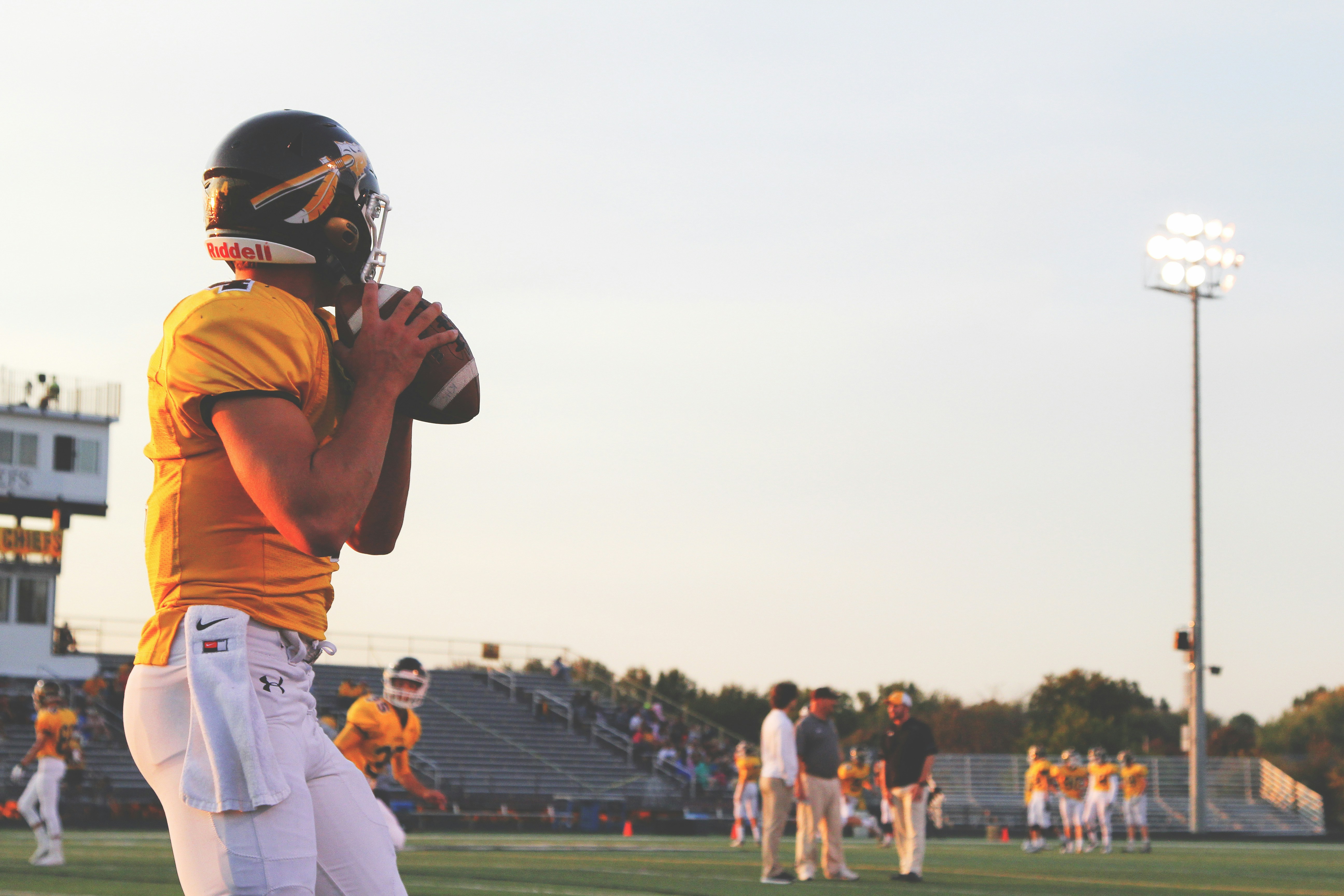
Subcategory
Sports have long been framed as a realm apart—a space governed by rules, records, and results, separate from the ethical tensions of politics, business, and society. Fair play, respect, and integrity are often treated as inherent values, embedded in the very idea of competition.
But ethics in sport do not begin at the whistle or end at the scoreboard.
They begin earlier, deeper, and often far from the field of play—shaped by institutions, incentives, and decisions that determine who gets to compete, under what conditions, and at what cost.
“Ethics in sports aren’t defined by what happens during a match,” said a former international sports administrator. “They’re defined by everything that happens before it.”
The Myth of the Neutral Arena
The idea that sport exists in a moral vacuum is persistent—and misleading.
Rules create the appearance of neutrality, but they are written, enforced, and interpreted by people operating within social and economic systems. Decisions about eligibility, funding, safety standards, and enforcement shape outcomes long before athletes take the field.
“Competition looks fair only if you ignore how uneven the starting lines are,” said a sports sociologist who studies inequality in athletics.
From access to training facilities to the distribution of resources across leagues and regions, ethical questions arise well before questions of performance. Who is supported, who is excluded, and who bears the risk are ethical choices, even when framed as logistical ones.
Performance, Pressure, and the Limits of Responsibility
Athletes are often positioned as the moral center of sport. They are expected to embody discipline, resilience, and integrity—while operating under intense pressure to perform.
This pressure is rarely self-generated.
“When careers are short and contracts are fragile, ethical decision-making becomes complicated,” said a former professional athlete. “The system rewards results, not restraint.”
Doping scandals, rule-bending, and risky training practices are frequently framed as individual failures. But they occur within environments that normalize extreme expectations and minimize long-term consequences.
Ethics, in this context, cannot be reduced to personal character alone. They must account for structural incentives that make certain choices more likely than others.
Institutions and the Delegation of Ethics
Governing bodies play a central role in defining ethical boundaries—but their authority is often constrained by competing interests.
Leagues and federations are tasked with enforcing rules while also protecting commercial value, audience engagement, and brand reputation. This dual mandate creates tension.
“Sports organizations want credibility without disruption,” said a governance expert who advises international federations. “Ethical enforcement is often strongest when it’s least costly.”
Sanctions may be applied unevenly. Investigations may stall. Reforms may follow public outrage rather than proactive oversight. In such cases, ethics become reactive—triggered by crisis rather than embedded in governance.
Safety, Risk, and Informed Consent
Few ethical issues in sport are as persistent as those surrounding athlete safety.
Contact sports, endurance competitions, and high-speed events expose participants to known risks. The ethical question is not whether risk exists, but how it is managed—and who is asked to bear it.
“Informed consent assumes equal power,” said a medical ethicist specializing in sports injuries. “In many cases, athletes don’t have that power.”
Young athletes, particularly those from disadvantaged backgrounds, may feel compelled to accept dangerous conditions in exchange for opportunity. When long-term health consequences emerge years later, accountability becomes diffuse.
Ethics begin, here, with transparency: clear communication of risks, independent medical oversight, and protections that prioritize health over spectacle.
Fairness Beyond the Rulebook
Fairness is often defined narrowly—as adherence to written rules. But ethical fairness extends further.
Technological advantages, unequal funding, and access to specialized training can tilt competition long before rules are broken. In some sports, success increasingly depends on resources rather than talent alone.
“When innovation moves faster than regulation, fairness becomes a moving target,” said a sports economist.
Ethical governance requires constant reassessment of what fairness means in evolving competitive landscapes. Static rules are rarely sufficient for dynamic systems.
The Role of Culture and Silence
Ethics are also shaped by what is tolerated—or ignored.
Cultures of silence around abuse, harassment, or exploitation have surfaced repeatedly across sports. In many cases, harmful behavior persisted not because rules were absent, but because enforcement threatened reputations and careers.
“Silence is not neutral,” said an advocate for athlete welfare. “It’s a choice that protects institutions over individuals.”
Where reporting mechanisms are weak or trust is absent, ethical failure becomes systemic rather than exceptional.
Fans, Media, and Shared Responsibility
Ethical responsibility does not rest solely with athletes and institutions.
Fans reward success, often regardless of cost. Media amplifies narratives that prioritize victory and spectacle over well-being and accountability. Commercial partners invest where attention flows.
“Ethics in sports are shaped by demand,” said a media analyst. “What audiences celebrate, organizations will defend.”
This shared ecosystem complicates moral judgment. Ethical reform requires not only rule changes, but shifts in expectation—about what success looks like and what trade-offs are acceptable.
Where Ethics Actually Begin
Ethics in sport do not begin with punishment. They begin with design.
They begin with how systems are built, incentives are aligned, and responsibilities are distributed. They begin with governance structures that value transparency over expediency and long-term welfare over short-term gain.
“The most ethical systems are the ones that make ethical behavior the easiest option,” said the governance expert.
This requires more than codes of conduct. It requires institutions willing to accept limits, fans willing to tolerate imperfection, and a culture that understands sport not as moral theater, but as a human system—capable of excellence, and error.
Ethics in sport do not start at the finish line.
They start long before the race is run.
Subcategory
Sports have long been framed as a realm apart—a space governed by rules, records, and results, separate from the ethical tensions of politics, business, and society. Fair play, respect, and integrity are often treated as inherent values, embedded in the very idea of competition.
But ethics in sport do not begin at the whistle or end at the scoreboard.
They begin earlier, deeper, and often far from the field of play—shaped by institutions, incentives, and decisions that determine who gets to compete, under what conditions, and at what cost.
“Ethics in sports aren’t defined by what happens during a match,” said a former international sports administrator. “They’re defined by everything that happens before it.”
The Myth of the Neutral Arena
The idea that sport exists in a moral vacuum is persistent—and misleading.
Rules create the appearance of neutrality, but they are written, enforced, and interpreted by people operating within social and economic systems. Decisions about eligibility, funding, safety standards, and enforcement shape outcomes long before athletes take the field.
“Competition looks fair only if you ignore how uneven the starting lines are,” said a sports sociologist who studies inequality in athletics.
From access to training facilities to the distribution of resources across leagues and regions, ethical questions arise well before questions of performance. Who is supported, who is excluded, and who bears the risk are ethical choices, even when framed as logistical ones.
Performance, Pressure, and the Limits of Responsibility
Athletes are often positioned as the moral center of sport. They are expected to embody discipline, resilience, and integrity—while operating under intense pressure to perform.
This pressure is rarely self-generated.
“When careers are short and contracts are fragile, ethical decision-making becomes complicated,” said a former professional athlete. “The system rewards results, not restraint.”
Doping scandals, rule-bending, and risky training practices are frequently framed as individual failures. But they occur within environments that normalize extreme expectations and minimize long-term consequences.
Ethics, in this context, cannot be reduced to personal character alone. They must account for structural incentives that make certain choices more likely than others.
Institutions and the Delegation of Ethics
Governing bodies play a central role in defining ethical boundaries—but their authority is often constrained by competing interests.
Leagues and federations are tasked with enforcing rules while also protecting commercial value, audience engagement, and brand reputation. This dual mandate creates tension.
“Sports organizations want credibility without disruption,” said a governance expert who advises international federations. “Ethical enforcement is often strongest when it’s least costly.”
Sanctions may be applied unevenly. Investigations may stall. Reforms may follow public outrage rather than proactive oversight. In such cases, ethics become reactive—triggered by crisis rather than embedded in governance.
Safety, Risk, and Informed Consent
Few ethical issues in sport are as persistent as those surrounding athlete safety.
Contact sports, endurance competitions, and high-speed events expose participants to known risks. The ethical question is not whether risk exists, but how it is managed—and who is asked to bear it.
“Informed consent assumes equal power,” said a medical ethicist specializing in sports injuries. “In many cases, athletes don’t have that power.”
Young athletes, particularly those from disadvantaged backgrounds, may feel compelled to accept dangerous conditions in exchange for opportunity. When long-term health consequences emerge years later, accountability becomes diffuse.
Ethics begin, here, with transparency: clear communication of risks, independent medical oversight, and protections that prioritize health over spectacle.
Fairness Beyond the Rulebook
Fairness is often defined narrowly—as adherence to written rules. But ethical fairness extends further.
Technological advantages, unequal funding, and access to specialized training can tilt competition long before rules are broken. In some sports, success increasingly depends on resources rather than talent alone.
“When innovation moves faster than regulation, fairness becomes a moving target,” said a sports economist.
Ethical governance requires constant reassessment of what fairness means in evolving competitive landscapes. Static rules are rarely sufficient for dynamic systems.
The Role of Culture and Silence
Ethics are also shaped by what is tolerated—or ignored.
Cultures of silence around abuse, harassment, or exploitation have surfaced repeatedly across sports. In many cases, harmful behavior persisted not because rules were absent, but because enforcement threatened reputations and careers.
“Silence is not neutral,” said an advocate for athlete welfare. “It’s a choice that protects institutions over individuals.”
Where reporting mechanisms are weak or trust is absent, ethical failure becomes systemic rather than exceptional.
Fans, Media, and Shared Responsibility
Ethical responsibility does not rest solely with athletes and institutions.
Fans reward success, often regardless of cost. Media amplifies narratives that prioritize victory and spectacle over well-being and accountability. Commercial partners invest where attention flows.
“Ethics in sports are shaped by demand,” said a media analyst. “What audiences celebrate, organizations will defend.”
This shared ecosystem complicates moral judgment. Ethical reform requires not only rule changes, but shifts in expectation—about what success looks like and what trade-offs are acceptable.
Where Ethics Actually Begin
Ethics in sport do not begin with punishment. They begin with design.
They begin with how systems are built, incentives are aligned, and responsibilities are distributed. They begin with governance structures that value transparency over expediency and long-term welfare over short-term gain.
“The most ethical systems are the ones that make ethical behavior the easiest option,” said the governance expert.
This requires more than codes of conduct. It requires institutions willing to accept limits, fans willing to tolerate imperfection, and a culture that understands sport not as moral theater, but as a human system—capable of excellence, and error.
Ethics in sport do not start at the finish line.
They start long before the race is run.
Subcategory
Members only
Few ideas generate as much unease—and as much inevitability—as commercialization. From art and journalism to wellness, education, and activism, the question resurfaces repeatedly: What happens when something meaningful becomes a product?
The commercialization debate is not new. But its scope has expanded.
“Commercialization used to be a phase,” said an economic sociologist who studies markets and culture. “Now it’s a condition.”
Understanding this debate requires moving beyond simple opposition—selling out versus sustainability—and examining how commerce reshapes value, authority, and public life.
What Commercialization Really Means
Commercialization is often misunderstood as selling something.
In practice, it is broader: the process by which activities, ideas, or relationships are organized around market logic.
“When something becomes commercialized, it starts answering to revenue,” said the sociologist.
This shift affects priorities, incentives, and behavior. What gets funded, amplified, and preserved changes when economic return becomes central.
Commercialization is not just transaction—it is reorientation.
A Historical Perspective
Commercialization has accompanied modernity.
The rise of mass media, consumer goods, and entertainment industries transformed culture in the twentieth century.
“Markets didn’t replace culture,” said a cultural historian. “They reorganized it.”
Newspapers relied on advertising. Music relied on record sales. Film relied on box office returns. These arrangements expanded access—but also introduced dependency.
The debate has always been about balance, not presence.
Access Versus Integrity
One of the strongest arguments for commercialization is access.
Markets enable scale. They distribute ideas widely and sustainably.
“Without commercialization, many cultural forms would remain elite,” said a media economist.
Yet scale introduces compromise. Content adapts to audience demand. Risk narrows. Complexity declines.
Access increases—but integrity is tested.
Incentives and Distortion
Commercial systems reward certain behaviors.
Attention, engagement, and profitability become metrics of success.
“When incentives change, output changes,” said the sociologist.
In journalism, speed may replace verification. In art, familiarity may replace experimentation. In wellness, promises may replace evidence.
Distortion is rarely intentional—it is structural.
The Fear of Dilution
Critics often describe commercialization as dilution.
Depth becomes surface. Meaning becomes branding.
“Commercialization simplifies,” said the cultural historian. “It has to.”
Complex ideas are harder to sell. Nuance slows consumption. The result is often reduction—not falsification, but flattening.
What survives is what fits.
Sustainability and Survival
Supporters of commercialization argue from necessity.
Creative labor requires funding. Institutions need revenue to exist.
“Purity doesn’t pay rent,” said a producer working in independent media.
Without commercial models, many projects disappear. Commercialization can provide continuity where patronage or public funding fails.
Survival matters.
Power and Ownership
Commercialization raises questions of control.
Who owns the product? Who sets the terms? Who benefits from success?
“When markets enter, power consolidates,” said the sociologist.
Platforms, investors, and distributors often gain leverage over creators and communities.
Commercial success can mean loss of autonomy.
The Platform Effect
Digital platforms intensified the commercialization debate.
Algorithms reward engagement. Monetization is embedded. Visibility is conditional.
“Platforms don’t just distribute content,” said a media analyst. “They shape it.”
Creators adapt output to platform logic—shorter, faster, more reactive. Commercial incentives merge with technical constraints.
The medium becomes the message—economically.
The Commodification of Identity
One of the most controversial aspects of commercialization is identity.
Personal experience, activism, and authenticity become marketable assets.
“When identity becomes product, the self becomes work,” said the sociologist.
This creates opportunity—but also pressure. Expression becomes strategic. Vulnerability becomes currency.
The line between voice and brand blurs.
Resistance and Alternative Models
Not all responses accept full commercialization.
Subscription models, cooperatives, public funding, and community-supported projects offer alternatives.
“People are experimenting with limits,” said the media economist.
These models seek sustainability without total market dependence. They trade scale for autonomy.
Resistance often takes structural form.
Commercialization Is Not Binary
The debate often frames commercialization as all-or-nothing.
In reality, most systems exist on a spectrum.
“Commercialization is a degree, not a switch,” said the cultural historian.
Partial funding, mixed models, and ethical constraints shape outcomes. The question is not whether commerce is present—but how dominant it becomes.
Balance is negotiated.
Audience Responsibility
Commercialization is not imposed unilaterally.
Audiences participate through attention, consumption, and expectation.
“Demand shapes supply,” said the sociologist.
What people click, share, and pay for influences what survives. Cultural outcomes reflect collective behavior.
Responsibility is distributed.
Reframing the Debate
The commercialization debate often stalls because it moralizes.
Selling is framed as corruption. Refusal is framed as naivety.
A more useful framing asks different questions:
What values are protected?
What incentives dominate?
Who holds power?
What trade-offs are accepted?
“Commercialization isn’t evil,” said the media economist. “But it’s never neutral.”
Living With the Tension
Commercialization is unlikely to disappear.
Markets remain central to modern life. The challenge is not elimination—but governance.
The debate persists because the tension is real:
between access and depth,
between sustainability and autonomy,
between reach and responsibility.
Commercialization changes what things become.
The task is deciding which changes are acceptable—and which are not.
In engaging honestly with that tension,
society moves beyond nostalgia and cynicism—
toward systems that acknowledge economic reality
without surrendering meaning entirely.
That ongoing negotiation—
uneasy, imperfect, and necessary—
is what the commercialization debate is really about.
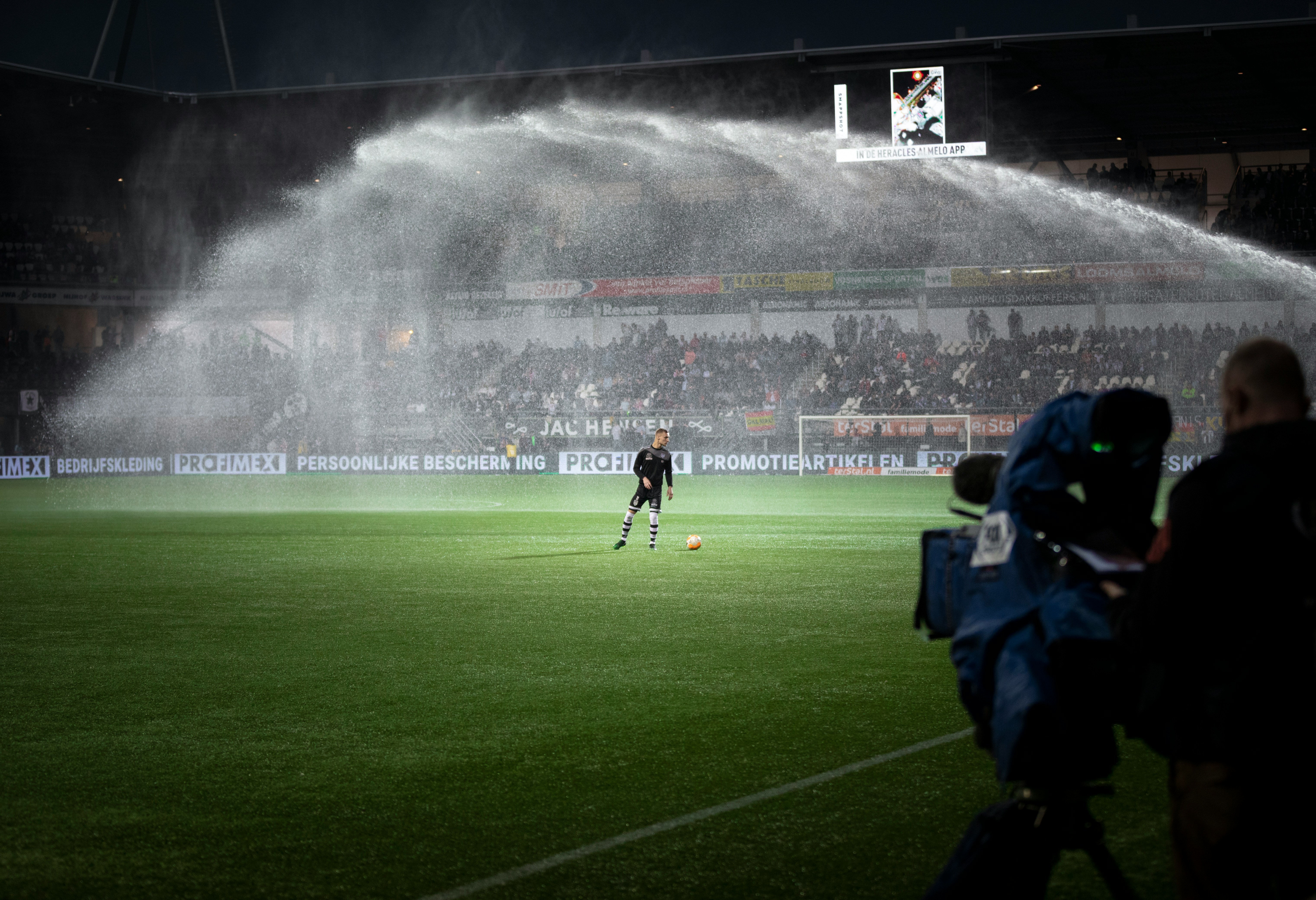
Subcategory
Members only
Few ideas generate as much unease—and as much inevitability—as commercialization. From art and journalism to wellness, education, and activism, the question resurfaces repeatedly: What happens when something meaningful becomes a product?
The commercialization debate is not new. But its scope has expanded.
“Commercialization used to be a phase,” said an economic sociologist who studies markets and culture. “Now it’s a condition.”
Understanding this debate requires moving beyond simple opposition—selling out versus sustainability—and examining how commerce reshapes value, authority, and public life.
What Commercialization Really Means
Commercialization is often misunderstood as selling something.
In practice, it is broader: the process by which activities, ideas, or relationships are organized around market logic.
“When something becomes commercialized, it starts answering to revenue,” said the sociologist.
This shift affects priorities, incentives, and behavior. What gets funded, amplified, and preserved changes when economic return becomes central.
Commercialization is not just transaction—it is reorientation.
A Historical Perspective
Commercialization has accompanied modernity.
The rise of mass media, consumer goods, and entertainment industries transformed culture in the twentieth century.
“Markets didn’t replace culture,” said a cultural historian. “They reorganized it.”
Newspapers relied on advertising. Music relied on record sales. Film relied on box office returns. These arrangements expanded access—but also introduced dependency.
The debate has always been about balance, not presence.
Access Versus Integrity
One of the strongest arguments for commercialization is access.
Markets enable scale. They distribute ideas widely and sustainably.
“Without commercialization, many cultural forms would remain elite,” said a media economist.
Yet scale introduces compromise. Content adapts to audience demand. Risk narrows. Complexity declines.
Access increases—but integrity is tested.
Incentives and Distortion
Commercial systems reward certain behaviors.
Attention, engagement, and profitability become metrics of success.
“When incentives change, output changes,” said the sociologist.
In journalism, speed may replace verification. In art, familiarity may replace experimentation. In wellness, promises may replace evidence.
Distortion is rarely intentional—it is structural.
The Fear of Dilution
Critics often describe commercialization as dilution.
Depth becomes surface. Meaning becomes branding.
“Commercialization simplifies,” said the cultural historian. “It has to.”
Complex ideas are harder to sell. Nuance slows consumption. The result is often reduction—not falsification, but flattening.
What survives is what fits.
Sustainability and Survival
Supporters of commercialization argue from necessity.
Creative labor requires funding. Institutions need revenue to exist.
“Purity doesn’t pay rent,” said a producer working in independent media.
Without commercial models, many projects disappear. Commercialization can provide continuity where patronage or public funding fails.
Survival matters.
Power and Ownership
Commercialization raises questions of control.
Who owns the product? Who sets the terms? Who benefits from success?
“When markets enter, power consolidates,” said the sociologist.
Platforms, investors, and distributors often gain leverage over creators and communities.
Commercial success can mean loss of autonomy.
The Platform Effect
Digital platforms intensified the commercialization debate.
Algorithms reward engagement. Monetization is embedded. Visibility is conditional.
“Platforms don’t just distribute content,” said a media analyst. “They shape it.”
Creators adapt output to platform logic—shorter, faster, more reactive. Commercial incentives merge with technical constraints.
The medium becomes the message—economically.
The Commodification of Identity
One of the most controversial aspects of commercialization is identity.
Personal experience, activism, and authenticity become marketable assets.
“When identity becomes product, the self becomes work,” said the sociologist.
This creates opportunity—but also pressure. Expression becomes strategic. Vulnerability becomes currency.
The line between voice and brand blurs.
Resistance and Alternative Models
Not all responses accept full commercialization.
Subscription models, cooperatives, public funding, and community-supported projects offer alternatives.
“People are experimenting with limits,” said the media economist.
These models seek sustainability without total market dependence. They trade scale for autonomy.
Resistance often takes structural form.
Commercialization Is Not Binary
The debate often frames commercialization as all-or-nothing.
In reality, most systems exist on a spectrum.
“Commercialization is a degree, not a switch,” said the cultural historian.
Partial funding, mixed models, and ethical constraints shape outcomes. The question is not whether commerce is present—but how dominant it becomes.
Balance is negotiated.
Audience Responsibility
Commercialization is not imposed unilaterally.
Audiences participate through attention, consumption, and expectation.
“Demand shapes supply,” said the sociologist.
What people click, share, and pay for influences what survives. Cultural outcomes reflect collective behavior.
Responsibility is distributed.
Reframing the Debate
The commercialization debate often stalls because it moralizes.
Selling is framed as corruption. Refusal is framed as naivety.
A more useful framing asks different questions:
What values are protected?
What incentives dominate?
Who holds power?
What trade-offs are accepted?
“Commercialization isn’t evil,” said the media economist. “But it’s never neutral.”
Living With the Tension
Commercialization is unlikely to disappear.
Markets remain central to modern life. The challenge is not elimination—but governance.
The debate persists because the tension is real:
between access and depth,
between sustainability and autonomy,
between reach and responsibility.
Commercialization changes what things become.
The task is deciding which changes are acceptable—and which are not.
In engaging honestly with that tension,
society moves beyond nostalgia and cynicism—
toward systems that acknowledge economic reality
without surrendering meaning entirely.
That ongoing negotiation—
uneasy, imperfect, and necessary—
is what the commercialization debate is really about.
Subcategory
Members only
Few ideas generate as much unease—and as much inevitability—as commercialization. From art and journalism to wellness, education, and activism, the question resurfaces repeatedly: What happens when something meaningful becomes a product?
The commercialization debate is not new. But its scope has expanded.
“Commercialization used to be a phase,” said an economic sociologist who studies markets and culture. “Now it’s a condition.”
Understanding this debate requires moving beyond simple opposition—selling out versus sustainability—and examining how commerce reshapes value, authority, and public life.
What Commercialization Really Means
Commercialization is often misunderstood as selling something.
In practice, it is broader: the process by which activities, ideas, or relationships are organized around market logic.
“When something becomes commercialized, it starts answering to revenue,” said the sociologist.
This shift affects priorities, incentives, and behavior. What gets funded, amplified, and preserved changes when economic return becomes central.
Commercialization is not just transaction—it is reorientation.
A Historical Perspective
Commercialization has accompanied modernity.
The rise of mass media, consumer goods, and entertainment industries transformed culture in the twentieth century.
“Markets didn’t replace culture,” said a cultural historian. “They reorganized it.”
Newspapers relied on advertising. Music relied on record sales. Film relied on box office returns. These arrangements expanded access—but also introduced dependency.
The debate has always been about balance, not presence.
Access Versus Integrity
One of the strongest arguments for commercialization is access.
Markets enable scale. They distribute ideas widely and sustainably.
“Without commercialization, many cultural forms would remain elite,” said a media economist.
Yet scale introduces compromise. Content adapts to audience demand. Risk narrows. Complexity declines.
Access increases—but integrity is tested.
Incentives and Distortion
Commercial systems reward certain behaviors.
Attention, engagement, and profitability become metrics of success.
“When incentives change, output changes,” said the sociologist.
In journalism, speed may replace verification. In art, familiarity may replace experimentation. In wellness, promises may replace evidence.
Distortion is rarely intentional—it is structural.
The Fear of Dilution
Critics often describe commercialization as dilution.
Depth becomes surface. Meaning becomes branding.
“Commercialization simplifies,” said the cultural historian. “It has to.”
Complex ideas are harder to sell. Nuance slows consumption. The result is often reduction—not falsification, but flattening.
What survives is what fits.
Sustainability and Survival
Supporters of commercialization argue from necessity.
Creative labor requires funding. Institutions need revenue to exist.
“Purity doesn’t pay rent,” said a producer working in independent media.
Without commercial models, many projects disappear. Commercialization can provide continuity where patronage or public funding fails.
Survival matters.
Power and Ownership
Commercialization raises questions of control.
Who owns the product? Who sets the terms? Who benefits from success?
“When markets enter, power consolidates,” said the sociologist.
Platforms, investors, and distributors often gain leverage over creators and communities.
Commercial success can mean loss of autonomy.
The Platform Effect
Digital platforms intensified the commercialization debate.
Algorithms reward engagement. Monetization is embedded. Visibility is conditional.
“Platforms don’t just distribute content,” said a media analyst. “They shape it.”
Creators adapt output to platform logic—shorter, faster, more reactive. Commercial incentives merge with technical constraints.
The medium becomes the message—economically.
The Commodification of Identity
One of the most controversial aspects of commercialization is identity.
Personal experience, activism, and authenticity become marketable assets.
“When identity becomes product, the self becomes work,” said the sociologist.
This creates opportunity—but also pressure. Expression becomes strategic. Vulnerability becomes currency.
The line between voice and brand blurs.
Resistance and Alternative Models
Not all responses accept full commercialization.
Subscription models, cooperatives, public funding, and community-supported projects offer alternatives.
“People are experimenting with limits,” said the media economist.
These models seek sustainability without total market dependence. They trade scale for autonomy.
Resistance often takes structural form.
Commercialization Is Not Binary
The debate often frames commercialization as all-or-nothing.
In reality, most systems exist on a spectrum.
“Commercialization is a degree, not a switch,” said the cultural historian.
Partial funding, mixed models, and ethical constraints shape outcomes. The question is not whether commerce is present—but how dominant it becomes.
Balance is negotiated.
Audience Responsibility
Commercialization is not imposed unilaterally.
Audiences participate through attention, consumption, and expectation.
“Demand shapes supply,” said the sociologist.
What people click, share, and pay for influences what survives. Cultural outcomes reflect collective behavior.
Responsibility is distributed.
Reframing the Debate
The commercialization debate often stalls because it moralizes.
Selling is framed as corruption. Refusal is framed as naivety.
A more useful framing asks different questions:
What values are protected?
What incentives dominate?
Who holds power?
What trade-offs are accepted?
“Commercialization isn’t evil,” said the media economist. “But it’s never neutral.”
Living With the Tension
Commercialization is unlikely to disappear.
Markets remain central to modern life. The challenge is not elimination—but governance.
The debate persists because the tension is real:
between access and depth,
between sustainability and autonomy,
between reach and responsibility.
Commercialization changes what things become.
The task is deciding which changes are acceptable—and which are not.
In engaging honestly with that tension,
society moves beyond nostalgia and cynicism—
toward systems that acknowledge economic reality
without surrendering meaning entirely.
That ongoing negotiation—
uneasy, imperfect, and necessary—
is what the commercialization debate is really about.
Subcategory
Members only
Motorsport has always been about speed. But beneath the spectacle of competition lies a quieter, equally consequential function: innovation.
For more than a century, racing series have operated as laboratories—testing materials, systems, and ideas under extreme conditions. What survives the track often finds its way into everyday vehicles.
“Motorsport is where engineering ideas are stress-tested in public,” said an automotive engineer who has worked across racing and production development. “If it works there, it can work anywhere.”
Motorsport’s innovation pipeline—how ideas move from racetrack to road—reveals how competition, regulation, and necessity accelerate technological progress.
Racing as a Controlled Extreme
Motorsport environments are uniquely demanding.
High speeds, thermal stress, vibration, and mechanical load push components beyond normal limits. Failure is visible, immediate, and costly.
“Racing exposes weaknesses faster than any lab,” said the engineer.
This intensity makes motorsport an ideal proving ground. Designs that endure racing conditions demonstrate durability, efficiency, and resilience.
Innovation is forged under pressure.
Regulation as a Catalyst
Contrary to popular belief, rules drive innovation.
Motorsport regulations constrain engine size, fuel use, materials, and aerodynamics. Engineers respond by optimizing within limits.
“Constraints force creativity,” said a technical director from a top-tier racing team.
Fuel-flow restrictions led to hybrid powertrains. Aero limits encouraged efficiency over raw downforce. Cost caps shifted focus toward smarter design.
Rules shape the direction of progress.
Powertrain Development and Efficiency
Some of the most influential innovations emerge from powertrain competition.
Turbocharging, hybrid systems, regenerative braking, and advanced combustion strategies were refined on track before appearing in road cars.
“Efficiency wins races now,” said the engineer. “Not just horsepower.”
Motorsport’s emphasis on extracting maximum energy from limited fuel mirrors modern automotive challenges: emissions, range, and sustainability.
Performance becomes efficiency.
Materials Science and Lightweighting
Racing accelerates material innovation.
Carbon fiber composites, advanced alloys, and additive manufacturing gained traction through motorsport adoption.
“Weight reduction is free performance,” said a materials specialist working with racing suppliers.
Once production costs decrease, these materials migrate to consumer vehicles—improving safety, efficiency, and handling.
The race to reduce mass reshapes manufacturing.
Aerodynamics and Computational Design
Aerodynamics once relied heavily on intuition.
Today, motorsport drives computational fluid dynamics (CFD), simulation, and wind-tunnel optimization.
“Racing teams run simulations constantly,” said the technical director. “Every millimeter matters.”
These tools enhance vehicle stability, efficiency, and cooling. Road cars benefit through improved fuel economy and noise reduction.
Invisible gains become everyday benefits.
Electronics, Sensors, and Data Systems
Modern motorsport vehicles generate massive data streams.
Sensors monitor temperatures, pressures, loads, and performance in real time.
“Data is the new horsepower,” said a race strategist.
Telemetry systems refined in motorsport influence driver-assistance technologies, predictive maintenance, and vehicle diagnostics in consumer cars.
Information becomes performance.
Safety Innovations Under Competitive Pressure
Motorsport’s risk profile accelerates safety innovation.
Crash structures, energy-absorbing materials, head protection systems, and advanced restraint designs are developed and validated on track.
“Safety tech evolves fastest when failure isn’t theoretical,” said a safety engineer.
These advances influence automotive safety standards worldwide.
Racing saves lives beyond the circuit.
Hybrid and Electric Pathways
Motorsport increasingly reflects the industry’s electrification shift.
Hybrid racing series and electric championships test battery management, thermal control, and energy recovery.
“Motorsport helps normalize new propulsion systems,” said the engineer.
While racing timelines differ from consumer markets, lessons translate across platforms.
Competition accelerates acceptance.
Cost Caps and Innovation Efficiency
Recent cost controls changed innovation strategy.
Unlimited spending once favored brute-force solutions. Budget limits reward efficiency and precision.
“Smart engineering beats expensive engineering now,” said the technical director.
This mirrors industry-wide pressure to innovate responsibly.
Efficiency becomes philosophy.
Talent Development and Knowledge Transfer
Motorsport trains engineers, designers, and technicians.
Skills developed in racing—rapid prototyping, systems integration, and decision-making under pressure—transfer to broader industry roles.
“Motorsport produces adaptable engineers,” said the materials specialist.
Human capital is part of the pipeline.
The Lag Between Track and Road
Not all innovations transfer immediately.
Cost, regulation, and consumer readiness slow adoption.
“Racing is ahead of the market,” said the engineer.
Some ideas remain niche. Others take decades to mature.
The pipeline is uneven—but persistent.
Motorsport’s Cultural Role in Innovation
Beyond technology, motorsport shapes perception.
It makes innovation visible, exciting, and aspirational.
“When fans care, progress accelerates,” said the race strategist.
Motorsport legitimizes experimentation.
The Future of the Pipeline
As automotive priorities shift—toward sustainability, autonomy, and digital systems—motorsport evolves alongside them.
Innovation will focus on efficiency, materials, software, and energy systems rather than raw speed alone.
“Racing reflects where the industry is going,” said the technical director.
Motorsport’s innovation pipeline remains intact—not because of tradition, but because competition remains one of the fastest ways to solve complex problems.
In the end, motorsport’s greatest contribution may not be entertainment—
but translation.
Turning extreme ideas into everyday reality.
Turning competition into progress.
And ensuring that what survives the racetrack
continues to shape how the world moves.

Subcategory
Members only
Motorsport has always been about speed. But beneath the spectacle of competition lies a quieter, equally consequential function: innovation.
For more than a century, racing series have operated as laboratories—testing materials, systems, and ideas under extreme conditions. What survives the track often finds its way into everyday vehicles.
“Motorsport is where engineering ideas are stress-tested in public,” said an automotive engineer who has worked across racing and production development. “If it works there, it can work anywhere.”
Motorsport’s innovation pipeline—how ideas move from racetrack to road—reveals how competition, regulation, and necessity accelerate technological progress.
Racing as a Controlled Extreme
Motorsport environments are uniquely demanding.
High speeds, thermal stress, vibration, and mechanical load push components beyond normal limits. Failure is visible, immediate, and costly.
“Racing exposes weaknesses faster than any lab,” said the engineer.
This intensity makes motorsport an ideal proving ground. Designs that endure racing conditions demonstrate durability, efficiency, and resilience.
Innovation is forged under pressure.
Regulation as a Catalyst
Contrary to popular belief, rules drive innovation.
Motorsport regulations constrain engine size, fuel use, materials, and aerodynamics. Engineers respond by optimizing within limits.
“Constraints force creativity,” said a technical director from a top-tier racing team.
Fuel-flow restrictions led to hybrid powertrains. Aero limits encouraged efficiency over raw downforce. Cost caps shifted focus toward smarter design.
Rules shape the direction of progress.
Powertrain Development and Efficiency
Some of the most influential innovations emerge from powertrain competition.
Turbocharging, hybrid systems, regenerative braking, and advanced combustion strategies were refined on track before appearing in road cars.
“Efficiency wins races now,” said the engineer. “Not just horsepower.”
Motorsport’s emphasis on extracting maximum energy from limited fuel mirrors modern automotive challenges: emissions, range, and sustainability.
Performance becomes efficiency.
Materials Science and Lightweighting
Racing accelerates material innovation.
Carbon fiber composites, advanced alloys, and additive manufacturing gained traction through motorsport adoption.
“Weight reduction is free performance,” said a materials specialist working with racing suppliers.
Once production costs decrease, these materials migrate to consumer vehicles—improving safety, efficiency, and handling.
The race to reduce mass reshapes manufacturing.
Aerodynamics and Computational Design
Aerodynamics once relied heavily on intuition.
Today, motorsport drives computational fluid dynamics (CFD), simulation, and wind-tunnel optimization.
“Racing teams run simulations constantly,” said the technical director. “Every millimeter matters.”
These tools enhance vehicle stability, efficiency, and cooling. Road cars benefit through improved fuel economy and noise reduction.
Invisible gains become everyday benefits.
Electronics, Sensors, and Data Systems
Modern motorsport vehicles generate massive data streams.
Sensors monitor temperatures, pressures, loads, and performance in real time.
“Data is the new horsepower,” said a race strategist.
Telemetry systems refined in motorsport influence driver-assistance technologies, predictive maintenance, and vehicle diagnostics in consumer cars.
Information becomes performance.
Safety Innovations Under Competitive Pressure
Motorsport’s risk profile accelerates safety innovation.
Crash structures, energy-absorbing materials, head protection systems, and advanced restraint designs are developed and validated on track.
“Safety tech evolves fastest when failure isn’t theoretical,” said a safety engineer.
These advances influence automotive safety standards worldwide.
Racing saves lives beyond the circuit.
Hybrid and Electric Pathways
Motorsport increasingly reflects the industry’s electrification shift.
Hybrid racing series and electric championships test battery management, thermal control, and energy recovery.
“Motorsport helps normalize new propulsion systems,” said the engineer.
While racing timelines differ from consumer markets, lessons translate across platforms.
Competition accelerates acceptance.
Cost Caps and Innovation Efficiency
Recent cost controls changed innovation strategy.
Unlimited spending once favored brute-force solutions. Budget limits reward efficiency and precision.
“Smart engineering beats expensive engineering now,” said the technical director.
This mirrors industry-wide pressure to innovate responsibly.
Efficiency becomes philosophy.
Talent Development and Knowledge Transfer
Motorsport trains engineers, designers, and technicians.
Skills developed in racing—rapid prototyping, systems integration, and decision-making under pressure—transfer to broader industry roles.
“Motorsport produces adaptable engineers,” said the materials specialist.
Human capital is part of the pipeline.
The Lag Between Track and Road
Not all innovations transfer immediately.
Cost, regulation, and consumer readiness slow adoption.
“Racing is ahead of the market,” said the engineer.
Some ideas remain niche. Others take decades to mature.
The pipeline is uneven—but persistent.
Motorsport’s Cultural Role in Innovation
Beyond technology, motorsport shapes perception.
It makes innovation visible, exciting, and aspirational.
“When fans care, progress accelerates,” said the race strategist.
Motorsport legitimizes experimentation.
The Future of the Pipeline
As automotive priorities shift—toward sustainability, autonomy, and digital systems—motorsport evolves alongside them.
Innovation will focus on efficiency, materials, software, and energy systems rather than raw speed alone.
“Racing reflects where the industry is going,” said the technical director.
Motorsport’s innovation pipeline remains intact—not because of tradition, but because competition remains one of the fastest ways to solve complex problems.
In the end, motorsport’s greatest contribution may not be entertainment—
but translation.
Turning extreme ideas into everyday reality.
Turning competition into progress.
And ensuring that what survives the racetrack
continues to shape how the world moves.
Subcategory
Members only
Motorsport has always been about speed. But beneath the spectacle of competition lies a quieter, equally consequential function: innovation.
For more than a century, racing series have operated as laboratories—testing materials, systems, and ideas under extreme conditions. What survives the track often finds its way into everyday vehicles.
“Motorsport is where engineering ideas are stress-tested in public,” said an automotive engineer who has worked across racing and production development. “If it works there, it can work anywhere.”
Motorsport’s innovation pipeline—how ideas move from racetrack to road—reveals how competition, regulation, and necessity accelerate technological progress.
Racing as a Controlled Extreme
Motorsport environments are uniquely demanding.
High speeds, thermal stress, vibration, and mechanical load push components beyond normal limits. Failure is visible, immediate, and costly.
“Racing exposes weaknesses faster than any lab,” said the engineer.
This intensity makes motorsport an ideal proving ground. Designs that endure racing conditions demonstrate durability, efficiency, and resilience.
Innovation is forged under pressure.
Regulation as a Catalyst
Contrary to popular belief, rules drive innovation.
Motorsport regulations constrain engine size, fuel use, materials, and aerodynamics. Engineers respond by optimizing within limits.
“Constraints force creativity,” said a technical director from a top-tier racing team.
Fuel-flow restrictions led to hybrid powertrains. Aero limits encouraged efficiency over raw downforce. Cost caps shifted focus toward smarter design.
Rules shape the direction of progress.
Powertrain Development and Efficiency
Some of the most influential innovations emerge from powertrain competition.
Turbocharging, hybrid systems, regenerative braking, and advanced combustion strategies were refined on track before appearing in road cars.
“Efficiency wins races now,” said the engineer. “Not just horsepower.”
Motorsport’s emphasis on extracting maximum energy from limited fuel mirrors modern automotive challenges: emissions, range, and sustainability.
Performance becomes efficiency.
Materials Science and Lightweighting
Racing accelerates material innovation.
Carbon fiber composites, advanced alloys, and additive manufacturing gained traction through motorsport adoption.
“Weight reduction is free performance,” said a materials specialist working with racing suppliers.
Once production costs decrease, these materials migrate to consumer vehicles—improving safety, efficiency, and handling.
The race to reduce mass reshapes manufacturing.
Aerodynamics and Computational Design
Aerodynamics once relied heavily on intuition.
Today, motorsport drives computational fluid dynamics (CFD), simulation, and wind-tunnel optimization.
“Racing teams run simulations constantly,” said the technical director. “Every millimeter matters.”
These tools enhance vehicle stability, efficiency, and cooling. Road cars benefit through improved fuel economy and noise reduction.
Invisible gains become everyday benefits.
Electronics, Sensors, and Data Systems
Modern motorsport vehicles generate massive data streams.
Sensors monitor temperatures, pressures, loads, and performance in real time.
“Data is the new horsepower,” said a race strategist.
Telemetry systems refined in motorsport influence driver-assistance technologies, predictive maintenance, and vehicle diagnostics in consumer cars.
Information becomes performance.
Safety Innovations Under Competitive Pressure
Motorsport’s risk profile accelerates safety innovation.
Crash structures, energy-absorbing materials, head protection systems, and advanced restraint designs are developed and validated on track.
“Safety tech evolves fastest when failure isn’t theoretical,” said a safety engineer.
These advances influence automotive safety standards worldwide.
Racing saves lives beyond the circuit.
Hybrid and Electric Pathways
Motorsport increasingly reflects the industry’s electrification shift.
Hybrid racing series and electric championships test battery management, thermal control, and energy recovery.
“Motorsport helps normalize new propulsion systems,” said the engineer.
While racing timelines differ from consumer markets, lessons translate across platforms.
Competition accelerates acceptance.
Cost Caps and Innovation Efficiency
Recent cost controls changed innovation strategy.
Unlimited spending once favored brute-force solutions. Budget limits reward efficiency and precision.
“Smart engineering beats expensive engineering now,” said the technical director.
This mirrors industry-wide pressure to innovate responsibly.
Efficiency becomes philosophy.
Talent Development and Knowledge Transfer
Motorsport trains engineers, designers, and technicians.
Skills developed in racing—rapid prototyping, systems integration, and decision-making under pressure—transfer to broader industry roles.
“Motorsport produces adaptable engineers,” said the materials specialist.
Human capital is part of the pipeline.
The Lag Between Track and Road
Not all innovations transfer immediately.
Cost, regulation, and consumer readiness slow adoption.
“Racing is ahead of the market,” said the engineer.
Some ideas remain niche. Others take decades to mature.
The pipeline is uneven—but persistent.
Motorsport’s Cultural Role in Innovation
Beyond technology, motorsport shapes perception.
It makes innovation visible, exciting, and aspirational.
“When fans care, progress accelerates,” said the race strategist.
Motorsport legitimizes experimentation.
The Future of the Pipeline
As automotive priorities shift—toward sustainability, autonomy, and digital systems—motorsport evolves alongside them.
Innovation will focus on efficiency, materials, software, and energy systems rather than raw speed alone.
“Racing reflects where the industry is going,” said the technical director.
Motorsport’s innovation pipeline remains intact—not because of tradition, but because competition remains one of the fastest ways to solve complex problems.
In the end, motorsport’s greatest contribution may not be entertainment—
but translation.
Turning extreme ideas into everyday reality.
Turning competition into progress.
And ensuring that what survives the racetrack
continues to shape how the world moves.
Subcategory
Members only
Combat sports occupy a complicated place in modern culture. They are among the oldest forms of organized competition—rooted in ritual, survival, and honor—yet they remain some of the most debated. Celebrated by some as expressions of discipline and resilience, they are criticized by others as spectacles of violence.
“Combat sports reveal what a society is willing to watch,” said a cultural sociologist who studies sport and identity. “And what it prefers not to examine too closely.”
Understanding how combat sports are perceived culturally requires looking beyond the ring or cage. These sports reflect ideas about masculinity, control, risk, class, and power—and those ideas shift as societies change.
Ritualized Violence and Social Meaning
Combat sports are not random violence.
They are highly structured, rule-bound, and ritualized. Weight classes, time limits, referees, and codes of conduct distinguish sport from chaos.
“Rules are what make violence legible,” said the sociologist.
This structure allows societies to tolerate—and even celebrate—physical confrontation. Combat sports become symbolic performances rather than uncontrolled aggression.
Violence is framed as discipline.
Historical Roots and Cultural Legacy
Combat sports appear across cultures and history.
From ancient wrestling and boxing traditions to martial arts and fencing, societies have long used controlled combat to train warriors, settle disputes, and demonstrate virtue.
“Combat has always been a way to rehearse survival,” said a sports historian.
Over time, these practices transformed into sport. But traces of their origins remain—in ceremony, language, and symbolism.
History lingers in the present.
Masculinity and the Burden of Strength
Combat sports are deeply tied to cultural ideas of masculinity.
Strength, endurance, and emotional control are emphasized. Pain is endured quietly. Vulnerability is minimized.
“Combat sports reflect the kind of masculinity a culture rewards,” said a gender studies scholar.
As cultural ideas about gender evolve, these expectations are questioned. The rise of women’s divisions and broader representations challenges traditional narratives.
Combat sports become sites of renegotiation.
Skill Versus Brutality
Public perception often oscillates between admiration and discomfort.
Supporters emphasize technique, strategy, and respect. Critics focus on injury and spectacle.
“What fans see as mastery, critics see as harm,” said the sociologist.
This divide reflects broader cultural tension between appreciation of skill and anxiety about bodily risk.
The same action can signify art or excess.
Class, Labor, and Opportunity
Combat sports often attract athletes from marginalized backgrounds.
Low barriers to entry, global accessibility, and individual advancement make them pathways out of poverty.
“For many fighters, the sport is economic mobility,” said a former professional fighter turned trainer.
This reality complicates moral judgment. Criticism of combat sports must account for labor conditions and alternatives.
The body becomes both tool and risk.
Media, Spectacle, and Narrative
Modern media reshapes combat sports perception.
Highlight reels, trash talk, and promotion emphasize drama. Rivalries are exaggerated. Violence is aestheticized.
“Media framing determines meaning,” said a sports media analyst.
Narratives of dominance or redemption attract audiences—but can obscure nuance.
Spectacle competes with understanding.
Regulation, Safety, and Ethical Debate
Cultural perception is influenced by safety standards.
Medical oversight, rule changes, and protective equipment reshape legitimacy.
“Safety is central to public acceptance,” said a sports physician specializing in combat athletics.
As awareness of brain injury and long-term health risks increases, ethical scrutiny intensifies.
Tolerance depends on care.
Globalization and Cultural Translation
Combat sports are global.
Boxing, wrestling, judo, taekwondo, and mixed martial arts cross borders and adapt culturally.
“Combat sports absorb local values,” said the historian.
Rules, aesthetics, and presentation vary by region. Cultural meaning shifts with context.
What feels brutal in one culture may feel disciplined in another.
Women, Visibility, and Changing Norms
The rise of women in combat sports has reshaped perception.
Skill, competitiveness, and professionalism challenge stereotypes.
“Women fighters disrupt assumptions,” said the gender scholar.
Their visibility reframes combat sports as technical rather than purely masculine.
Inclusion alters meaning.
Fans, Identity, and Emotional Investment
Fans engage deeply with combat sports.
Identification with fighters reflects values—resilience, defiance, authenticity.
“Fighters become avatars for struggle,” said the sociologist.
The intensity of combat mirrors emotional narratives of survival and perseverance.
Sport becomes symbolic identification.
The Line Between Consent and Exploitation
One of the central debates concerns consent.
Fighters choose risk—but choice occurs within economic and cultural constraints.
“Consent doesn’t erase responsibility,” said the sociologist.
Balancing autonomy with protection remains unresolved.
The debate reflects broader questions about labor and risk in society.
Why Combat Sports Endure
Despite controversy, combat sports persist.
They address something fundamental: confrontation with limits—physical, mental, and emotional.
“Combat sports externalize internal struggle,” said the historian.
They allow societies to witness controlled confrontation in a world that increasingly avoids physical risk.
Rethinking Cultural Perception
Combat sports are not inherently noble or barbaric.
They are mirrors.
They reflect how societies understand strength, vulnerability, risk, and dignity.
As culture evolves, perception evolves with it.
The question is not whether combat sports are violent—
but what that violence is understood to mean.
In examining combat sports and cultural perception,
we learn less about fighting—
and more about ourselves.
About what we admire.
What we fear.
And what forms of struggle we are willing to recognize
when they are made visible in the ring.

Subcategory
Members only
Combat sports occupy a complicated place in modern culture. They are among the oldest forms of organized competition—rooted in ritual, survival, and honor—yet they remain some of the most debated. Celebrated by some as expressions of discipline and resilience, they are criticized by others as spectacles of violence.
“Combat sports reveal what a society is willing to watch,” said a cultural sociologist who studies sport and identity. “And what it prefers not to examine too closely.”
Understanding how combat sports are perceived culturally requires looking beyond the ring or cage. These sports reflect ideas about masculinity, control, risk, class, and power—and those ideas shift as societies change.
Ritualized Violence and Social Meaning
Combat sports are not random violence.
They are highly structured, rule-bound, and ritualized. Weight classes, time limits, referees, and codes of conduct distinguish sport from chaos.
“Rules are what make violence legible,” said the sociologist.
This structure allows societies to tolerate—and even celebrate—physical confrontation. Combat sports become symbolic performances rather than uncontrolled aggression.
Violence is framed as discipline.
Historical Roots and Cultural Legacy
Combat sports appear across cultures and history.
From ancient wrestling and boxing traditions to martial arts and fencing, societies have long used controlled combat to train warriors, settle disputes, and demonstrate virtue.
“Combat has always been a way to rehearse survival,” said a sports historian.
Over time, these practices transformed into sport. But traces of their origins remain—in ceremony, language, and symbolism.
History lingers in the present.
Masculinity and the Burden of Strength
Combat sports are deeply tied to cultural ideas of masculinity.
Strength, endurance, and emotional control are emphasized. Pain is endured quietly. Vulnerability is minimized.
“Combat sports reflect the kind of masculinity a culture rewards,” said a gender studies scholar.
As cultural ideas about gender evolve, these expectations are questioned. The rise of women’s divisions and broader representations challenges traditional narratives.
Combat sports become sites of renegotiation.
Skill Versus Brutality
Public perception often oscillates between admiration and discomfort.
Supporters emphasize technique, strategy, and respect. Critics focus on injury and spectacle.
“What fans see as mastery, critics see as harm,” said the sociologist.
This divide reflects broader cultural tension between appreciation of skill and anxiety about bodily risk.
The same action can signify art or excess.
Class, Labor, and Opportunity
Combat sports often attract athletes from marginalized backgrounds.
Low barriers to entry, global accessibility, and individual advancement make them pathways out of poverty.
“For many fighters, the sport is economic mobility,” said a former professional fighter turned trainer.
This reality complicates moral judgment. Criticism of combat sports must account for labor conditions and alternatives.
The body becomes both tool and risk.
Media, Spectacle, and Narrative
Modern media reshapes combat sports perception.
Highlight reels, trash talk, and promotion emphasize drama. Rivalries are exaggerated. Violence is aestheticized.
“Media framing determines meaning,” said a sports media analyst.
Narratives of dominance or redemption attract audiences—but can obscure nuance.
Spectacle competes with understanding.
Regulation, Safety, and Ethical Debate
Cultural perception is influenced by safety standards.
Medical oversight, rule changes, and protective equipment reshape legitimacy.
“Safety is central to public acceptance,” said a sports physician specializing in combat athletics.
As awareness of brain injury and long-term health risks increases, ethical scrutiny intensifies.
Tolerance depends on care.
Globalization and Cultural Translation
Combat sports are global.
Boxing, wrestling, judo, taekwondo, and mixed martial arts cross borders and adapt culturally.
“Combat sports absorb local values,” said the historian.
Rules, aesthetics, and presentation vary by region. Cultural meaning shifts with context.
What feels brutal in one culture may feel disciplined in another.
Women, Visibility, and Changing Norms
The rise of women in combat sports has reshaped perception.
Skill, competitiveness, and professionalism challenge stereotypes.
“Women fighters disrupt assumptions,” said the gender scholar.
Their visibility reframes combat sports as technical rather than purely masculine.
Inclusion alters meaning.
Fans, Identity, and Emotional Investment
Fans engage deeply with combat sports.
Identification with fighters reflects values—resilience, defiance, authenticity.
“Fighters become avatars for struggle,” said the sociologist.
The intensity of combat mirrors emotional narratives of survival and perseverance.
Sport becomes symbolic identification.
The Line Between Consent and Exploitation
One of the central debates concerns consent.
Fighters choose risk—but choice occurs within economic and cultural constraints.
“Consent doesn’t erase responsibility,” said the sociologist.
Balancing autonomy with protection remains unresolved.
The debate reflects broader questions about labor and risk in society.
Why Combat Sports Endure
Despite controversy, combat sports persist.
They address something fundamental: confrontation with limits—physical, mental, and emotional.
“Combat sports externalize internal struggle,” said the historian.
They allow societies to witness controlled confrontation in a world that increasingly avoids physical risk.
Rethinking Cultural Perception
Combat sports are not inherently noble or barbaric.
They are mirrors.
They reflect how societies understand strength, vulnerability, risk, and dignity.
As culture evolves, perception evolves with it.
The question is not whether combat sports are violent—
but what that violence is understood to mean.
In examining combat sports and cultural perception,
we learn less about fighting—
and more about ourselves.
About what we admire.
What we fear.
And what forms of struggle we are willing to recognize
when they are made visible in the ring.
Subcategory
Members only
Combat sports occupy a complicated place in modern culture. They are among the oldest forms of organized competition—rooted in ritual, survival, and honor—yet they remain some of the most debated. Celebrated by some as expressions of discipline and resilience, they are criticized by others as spectacles of violence.
“Combat sports reveal what a society is willing to watch,” said a cultural sociologist who studies sport and identity. “And what it prefers not to examine too closely.”
Understanding how combat sports are perceived culturally requires looking beyond the ring or cage. These sports reflect ideas about masculinity, control, risk, class, and power—and those ideas shift as societies change.
Ritualized Violence and Social Meaning
Combat sports are not random violence.
They are highly structured, rule-bound, and ritualized. Weight classes, time limits, referees, and codes of conduct distinguish sport from chaos.
“Rules are what make violence legible,” said the sociologist.
This structure allows societies to tolerate—and even celebrate—physical confrontation. Combat sports become symbolic performances rather than uncontrolled aggression.
Violence is framed as discipline.
Historical Roots and Cultural Legacy
Combat sports appear across cultures and history.
From ancient wrestling and boxing traditions to martial arts and fencing, societies have long used controlled combat to train warriors, settle disputes, and demonstrate virtue.
“Combat has always been a way to rehearse survival,” said a sports historian.
Over time, these practices transformed into sport. But traces of their origins remain—in ceremony, language, and symbolism.
History lingers in the present.
Masculinity and the Burden of Strength
Combat sports are deeply tied to cultural ideas of masculinity.
Strength, endurance, and emotional control are emphasized. Pain is endured quietly. Vulnerability is minimized.
“Combat sports reflect the kind of masculinity a culture rewards,” said a gender studies scholar.
As cultural ideas about gender evolve, these expectations are questioned. The rise of women’s divisions and broader representations challenges traditional narratives.
Combat sports become sites of renegotiation.
Skill Versus Brutality
Public perception often oscillates between admiration and discomfort.
Supporters emphasize technique, strategy, and respect. Critics focus on injury and spectacle.
“What fans see as mastery, critics see as harm,” said the sociologist.
This divide reflects broader cultural tension between appreciation of skill and anxiety about bodily risk.
The same action can signify art or excess.
Class, Labor, and Opportunity
Combat sports often attract athletes from marginalized backgrounds.
Low barriers to entry, global accessibility, and individual advancement make them pathways out of poverty.
“For many fighters, the sport is economic mobility,” said a former professional fighter turned trainer.
This reality complicates moral judgment. Criticism of combat sports must account for labor conditions and alternatives.
The body becomes both tool and risk.
Media, Spectacle, and Narrative
Modern media reshapes combat sports perception.
Highlight reels, trash talk, and promotion emphasize drama. Rivalries are exaggerated. Violence is aestheticized.
“Media framing determines meaning,” said a sports media analyst.
Narratives of dominance or redemption attract audiences—but can obscure nuance.
Spectacle competes with understanding.
Regulation, Safety, and Ethical Debate
Cultural perception is influenced by safety standards.
Medical oversight, rule changes, and protective equipment reshape legitimacy.
“Safety is central to public acceptance,” said a sports physician specializing in combat athletics.
As awareness of brain injury and long-term health risks increases, ethical scrutiny intensifies.
Tolerance depends on care.
Globalization and Cultural Translation
Combat sports are global.
Boxing, wrestling, judo, taekwondo, and mixed martial arts cross borders and adapt culturally.
“Combat sports absorb local values,” said the historian.
Rules, aesthetics, and presentation vary by region. Cultural meaning shifts with context.
What feels brutal in one culture may feel disciplined in another.
Women, Visibility, and Changing Norms
The rise of women in combat sports has reshaped perception.
Skill, competitiveness, and professionalism challenge stereotypes.
“Women fighters disrupt assumptions,” said the gender scholar.
Their visibility reframes combat sports as technical rather than purely masculine.
Inclusion alters meaning.
Fans, Identity, and Emotional Investment
Fans engage deeply with combat sports.
Identification with fighters reflects values—resilience, defiance, authenticity.
“Fighters become avatars for struggle,” said the sociologist.
The intensity of combat mirrors emotional narratives of survival and perseverance.
Sport becomes symbolic identification.
The Line Between Consent and Exploitation
One of the central debates concerns consent.
Fighters choose risk—but choice occurs within economic and cultural constraints.
“Consent doesn’t erase responsibility,” said the sociologist.
Balancing autonomy with protection remains unresolved.
The debate reflects broader questions about labor and risk in society.
Why Combat Sports Endure
Despite controversy, combat sports persist.
They address something fundamental: confrontation with limits—physical, mental, and emotional.
“Combat sports externalize internal struggle,” said the historian.
They allow societies to witness controlled confrontation in a world that increasingly avoids physical risk.
Rethinking Cultural Perception
Combat sports are not inherently noble or barbaric.
They are mirrors.
They reflect how societies understand strength, vulnerability, risk, and dignity.
As culture evolves, perception evolves with it.
The question is not whether combat sports are violent—
but what that violence is understood to mean.
In examining combat sports and cultural perception,
we learn less about fighting—
and more about ourselves.
About what we admire.
What we fear.
And what forms of struggle we are willing to recognize
when they are made visible in the ring.
Subcategory
Members only
At the highest levels of competition, performance is no longer defined by raw ability alone. It is engineered—designed, simulated, refined, and stress-tested until margins disappear and only precision remains.
“In elite competition, you’re not chasing perfection,” said a senior race engineer who has worked across multiple top-tier series. “You’re chasing tolerance.”
Engineering competition at the limit means operating where failure is one miscalculation away, where improvement is measured in fractions, and where systems are pushed to their absolute boundaries—repeatedly, deliberately, and under public scrutiny.
What “the Limit” Really Means
The limit is not a fixed line.
It shifts as technology advances, regulations change, and competitors adapt. What was once exceptional becomes baseline.
“The limit is a moving target,” said the engineer. “And it moves faster the closer you get to it.”
Engineering at this edge requires constant recalibration. Designs that succeed one season become obsolete the next.
Stability is temporary. Adaptation is permanent.
Competition as a Design Constraint
Competition shapes engineering priorities.
Rules define dimensions, materials, energy use, and cost. Opponents define urgency.
“Your competitor is part of your design brief,” said a technical director.
Engineering decisions are made not in isolation, but in response—to rivals’ innovations, regulatory interpretation, and strategic intent.
Competition becomes a co-designer.
Marginal Gains and the Death of Big Leaps
At the limit, large breakthroughs are rare.
Most progress comes from accumulation—small gains layered over time.
“Half a percent here, a tenth there,” said the engineer. “That’s how performance moves now.”
Aerodynamics, materials, software, and process optimization converge. Improvements are often invisible individually—but decisive collectively.
Incrementalism becomes strategy.
Simulation Before Reality
Modern engineering competition begins in simulation.
Digital twins, computational fluid dynamics, and scenario modeling allow teams to explore thousands of possibilities before building anything physical.
“We race in software before we race on track,” said a simulation lead.
This reduces risk—but increases complexity. Models must reflect reality accurately. Errors propagate quickly.
Trust in simulation becomes critical infrastructure.
Data as Competitive Currency
Data underpins engineering at the limit.
Sensors capture temperature, pressure, vibration, and load in real time. Every component becomes a data source.
“Data doesn’t win races,” said the engineer. “Interpretation does.”
Teams compete not just on collection, but on analysis speed, insight quality, and decision-making under pressure.
Information becomes advantage.
Engineering Under Regulatory Pressure
Rules constrain innovation—and intensify it.
Limits on cost, materials, and design space force engineers to extract maximum value from minimal freedom.
“Restrictions don’t slow engineers,” said the technical director. “They focus them.”
Creative interpretation of regulations becomes a skill. Compliance and innovation coexist uneasily.
Engineering becomes legal as well as technical.
Reliability Versus Performance
At the limit, performance and reliability collide.
Pushing components harder increases risk. Conservatism sacrifices competitiveness.
“You’re always trading margin for speed,” said the engineer.
Engineering competition involves deciding where failure is acceptable—and where it isn’t. Strategic risk becomes part of design.
Failure is engineered out—except when it isn’t.
Human Factors in Extreme Engineering
Engineering does not eliminate human influence.
Engineers work under time pressure, public scrutiny, and constant comparison. Decision fatigue is real.
“Engineering at the limit is psychologically demanding,” said a performance psychologist working with technical teams.
Clear communication, structured decision-making, and trust are essential.
Systems fail when people do.
Rapid Iteration and the Pace of Change
Competition accelerates iteration.
Components are redesigned, tested, and deployed in compressed cycles. Feedback loops shrink.
“What takes years in industry happens in weeks,” said the engineer.
This pace creates learning—but also burnout. Sustainability of innovation becomes a challenge.
Speed is both asset and threat.
Cross-Disciplinary Integration
At the limit, specialization alone is insufficient.
Aerodynamics, materials science, software, and human performance intersect.
“The best solutions live between disciplines,” said the technical director.
Integration becomes a competitive differentiator. Silos slow progress.
Engineering becomes orchestration.
Ethics and Responsibility at the Edge
Pushing limits raises ethical questions.
Safety margins, environmental impact, and labor demands intersect with competitive pressure.
“Just because something is possible doesn’t mean it’s acceptable,” said a governance advisor.
Engineering competition must navigate responsibility alongside ambition.
Limits exist for reasons.
When Engineering Shapes the Competition
At extreme levels, engineering can redefine the sport itself.
Technological dominance alters competitive balance. Rules adjust. Norms shift.
“Engineering success changes the game,” said the engineer.
Innovation triggers recalibration—not just for teams, but for institutions.
Progress forces governance.
Learning From Failure at the Limit
Failure is unavoidable.
Components break. Models mislead. Strategies backfire.
“At the limit, failure is data,” said the simulation lead.
The difference between success and stagnation lies in response—how quickly insight replaces frustration.
Failure accelerates learning.
Engineering as Competitive Identity
Over time, engineering philosophy becomes identity.
Some teams prioritize reliability. Others chase aggression. Culture shapes design.
“You can see a team’s mindset in its engineering choices,” said the technical director.
Engineering expresses values—not just capability.
The Meaning of Competing at the Limit
Engineering competition at the limit is not about domination.
It is about coexistence with uncertainty.
It requires humility—accepting that perfection is unreachable.
Discipline—refining relentlessly.
And courage—operating where failure is visible.
At the limit, engineering becomes less about control
and more about judgment.
Knowing when to push.
When to hold.
And when to accept risk.
In that narrow space—
between possibility and collapse—
competition is no longer just about winning.
It becomes a test of how well humans can design, decide, and adapt
when the margin for error disappears.
And that is where engineering reveals its true purpose—not just to go faster,
but to understand how far is too far,
and why.

Subcategory
Members only
At the highest levels of competition, performance is no longer defined by raw ability alone. It is engineered—designed, simulated, refined, and stress-tested until margins disappear and only precision remains.
“In elite competition, you’re not chasing perfection,” said a senior race engineer who has worked across multiple top-tier series. “You’re chasing tolerance.”
Engineering competition at the limit means operating where failure is one miscalculation away, where improvement is measured in fractions, and where systems are pushed to their absolute boundaries—repeatedly, deliberately, and under public scrutiny.
What “the Limit” Really Means
The limit is not a fixed line.
It shifts as technology advances, regulations change, and competitors adapt. What was once exceptional becomes baseline.
“The limit is a moving target,” said the engineer. “And it moves faster the closer you get to it.”
Engineering at this edge requires constant recalibration. Designs that succeed one season become obsolete the next.
Stability is temporary. Adaptation is permanent.
Competition as a Design Constraint
Competition shapes engineering priorities.
Rules define dimensions, materials, energy use, and cost. Opponents define urgency.
“Your competitor is part of your design brief,” said a technical director.
Engineering decisions are made not in isolation, but in response—to rivals’ innovations, regulatory interpretation, and strategic intent.
Competition becomes a co-designer.
Marginal Gains and the Death of Big Leaps
At the limit, large breakthroughs are rare.
Most progress comes from accumulation—small gains layered over time.
“Half a percent here, a tenth there,” said the engineer. “That’s how performance moves now.”
Aerodynamics, materials, software, and process optimization converge. Improvements are often invisible individually—but decisive collectively.
Incrementalism becomes strategy.
Simulation Before Reality
Modern engineering competition begins in simulation.
Digital twins, computational fluid dynamics, and scenario modeling allow teams to explore thousands of possibilities before building anything physical.
“We race in software before we race on track,” said a simulation lead.
This reduces risk—but increases complexity. Models must reflect reality accurately. Errors propagate quickly.
Trust in simulation becomes critical infrastructure.
Data as Competitive Currency
Data underpins engineering at the limit.
Sensors capture temperature, pressure, vibration, and load in real time. Every component becomes a data source.
“Data doesn’t win races,” said the engineer. “Interpretation does.”
Teams compete not just on collection, but on analysis speed, insight quality, and decision-making under pressure.
Information becomes advantage.
Engineering Under Regulatory Pressure
Rules constrain innovation—and intensify it.
Limits on cost, materials, and design space force engineers to extract maximum value from minimal freedom.
“Restrictions don’t slow engineers,” said the technical director. “They focus them.”
Creative interpretation of regulations becomes a skill. Compliance and innovation coexist uneasily.
Engineering becomes legal as well as technical.
Reliability Versus Performance
At the limit, performance and reliability collide.
Pushing components harder increases risk. Conservatism sacrifices competitiveness.
“You’re always trading margin for speed,” said the engineer.
Engineering competition involves deciding where failure is acceptable—and where it isn’t. Strategic risk becomes part of design.
Failure is engineered out—except when it isn’t.
Human Factors in Extreme Engineering
Engineering does not eliminate human influence.
Engineers work under time pressure, public scrutiny, and constant comparison. Decision fatigue is real.
“Engineering at the limit is psychologically demanding,” said a performance psychologist working with technical teams.
Clear communication, structured decision-making, and trust are essential.
Systems fail when people do.
Rapid Iteration and the Pace of Change
Competition accelerates iteration.
Components are redesigned, tested, and deployed in compressed cycles. Feedback loops shrink.
“What takes years in industry happens in weeks,” said the engineer.
This pace creates learning—but also burnout. Sustainability of innovation becomes a challenge.
Speed is both asset and threat.
Cross-Disciplinary Integration
At the limit, specialization alone is insufficient.
Aerodynamics, materials science, software, and human performance intersect.
“The best solutions live between disciplines,” said the technical director.
Integration becomes a competitive differentiator. Silos slow progress.
Engineering becomes orchestration.
Ethics and Responsibility at the Edge
Pushing limits raises ethical questions.
Safety margins, environmental impact, and labor demands intersect with competitive pressure.
“Just because something is possible doesn’t mean it’s acceptable,” said a governance advisor.
Engineering competition must navigate responsibility alongside ambition.
Limits exist for reasons.
When Engineering Shapes the Competition
At extreme levels, engineering can redefine the sport itself.
Technological dominance alters competitive balance. Rules adjust. Norms shift.
“Engineering success changes the game,” said the engineer.
Innovation triggers recalibration—not just for teams, but for institutions.
Progress forces governance.
Learning From Failure at the Limit
Failure is unavoidable.
Components break. Models mislead. Strategies backfire.
“At the limit, failure is data,” said the simulation lead.
The difference between success and stagnation lies in response—how quickly insight replaces frustration.
Failure accelerates learning.
Engineering as Competitive Identity
Over time, engineering philosophy becomes identity.
Some teams prioritize reliability. Others chase aggression. Culture shapes design.
“You can see a team’s mindset in its engineering choices,” said the technical director.
Engineering expresses values—not just capability.
The Meaning of Competing at the Limit
Engineering competition at the limit is not about domination.
It is about coexistence with uncertainty.
It requires humility—accepting that perfection is unreachable.
Discipline—refining relentlessly.
And courage—operating where failure is visible.
At the limit, engineering becomes less about control
and more about judgment.
Knowing when to push.
When to hold.
And when to accept risk.
In that narrow space—
between possibility and collapse—
competition is no longer just about winning.
It becomes a test of how well humans can design, decide, and adapt
when the margin for error disappears.
And that is where engineering reveals its true purpose—not just to go faster,
but to understand how far is too far,
and why.
Subcategory
Members only
At the highest levels of competition, performance is no longer defined by raw ability alone. It is engineered—designed, simulated, refined, and stress-tested until margins disappear and only precision remains.
“In elite competition, you’re not chasing perfection,” said a senior race engineer who has worked across multiple top-tier series. “You’re chasing tolerance.”
Engineering competition at the limit means operating where failure is one miscalculation away, where improvement is measured in fractions, and where systems are pushed to their absolute boundaries—repeatedly, deliberately, and under public scrutiny.
What “the Limit” Really Means
The limit is not a fixed line.
It shifts as technology advances, regulations change, and competitors adapt. What was once exceptional becomes baseline.
“The limit is a moving target,” said the engineer. “And it moves faster the closer you get to it.”
Engineering at this edge requires constant recalibration. Designs that succeed one season become obsolete the next.
Stability is temporary. Adaptation is permanent.
Competition as a Design Constraint
Competition shapes engineering priorities.
Rules define dimensions, materials, energy use, and cost. Opponents define urgency.
“Your competitor is part of your design brief,” said a technical director.
Engineering decisions are made not in isolation, but in response—to rivals’ innovations, regulatory interpretation, and strategic intent.
Competition becomes a co-designer.
Marginal Gains and the Death of Big Leaps
At the limit, large breakthroughs are rare.
Most progress comes from accumulation—small gains layered over time.
“Half a percent here, a tenth there,” said the engineer. “That’s how performance moves now.”
Aerodynamics, materials, software, and process optimization converge. Improvements are often invisible individually—but decisive collectively.
Incrementalism becomes strategy.
Simulation Before Reality
Modern engineering competition begins in simulation.
Digital twins, computational fluid dynamics, and scenario modeling allow teams to explore thousands of possibilities before building anything physical.
“We race in software before we race on track,” said a simulation lead.
This reduces risk—but increases complexity. Models must reflect reality accurately. Errors propagate quickly.
Trust in simulation becomes critical infrastructure.
Data as Competitive Currency
Data underpins engineering at the limit.
Sensors capture temperature, pressure, vibration, and load in real time. Every component becomes a data source.
“Data doesn’t win races,” said the engineer. “Interpretation does.”
Teams compete not just on collection, but on analysis speed, insight quality, and decision-making under pressure.
Information becomes advantage.
Engineering Under Regulatory Pressure
Rules constrain innovation—and intensify it.
Limits on cost, materials, and design space force engineers to extract maximum value from minimal freedom.
“Restrictions don’t slow engineers,” said the technical director. “They focus them.”
Creative interpretation of regulations becomes a skill. Compliance and innovation coexist uneasily.
Engineering becomes legal as well as technical.
Reliability Versus Performance
At the limit, performance and reliability collide.
Pushing components harder increases risk. Conservatism sacrifices competitiveness.
“You’re always trading margin for speed,” said the engineer.
Engineering competition involves deciding where failure is acceptable—and where it isn’t. Strategic risk becomes part of design.
Failure is engineered out—except when it isn’t.
Human Factors in Extreme Engineering
Engineering does not eliminate human influence.
Engineers work under time pressure, public scrutiny, and constant comparison. Decision fatigue is real.
“Engineering at the limit is psychologically demanding,” said a performance psychologist working with technical teams.
Clear communication, structured decision-making, and trust are essential.
Systems fail when people do.
Rapid Iteration and the Pace of Change
Competition accelerates iteration.
Components are redesigned, tested, and deployed in compressed cycles. Feedback loops shrink.
“What takes years in industry happens in weeks,” said the engineer.
This pace creates learning—but also burnout. Sustainability of innovation becomes a challenge.
Speed is both asset and threat.
Cross-Disciplinary Integration
At the limit, specialization alone is insufficient.
Aerodynamics, materials science, software, and human performance intersect.
“The best solutions live between disciplines,” said the technical director.
Integration becomes a competitive differentiator. Silos slow progress.
Engineering becomes orchestration.
Ethics and Responsibility at the Edge
Pushing limits raises ethical questions.
Safety margins, environmental impact, and labor demands intersect with competitive pressure.
“Just because something is possible doesn’t mean it’s acceptable,” said a governance advisor.
Engineering competition must navigate responsibility alongside ambition.
Limits exist for reasons.
When Engineering Shapes the Competition
At extreme levels, engineering can redefine the sport itself.
Technological dominance alters competitive balance. Rules adjust. Norms shift.
“Engineering success changes the game,” said the engineer.
Innovation triggers recalibration—not just for teams, but for institutions.
Progress forces governance.
Learning From Failure at the Limit
Failure is unavoidable.
Components break. Models mislead. Strategies backfire.
“At the limit, failure is data,” said the simulation lead.
The difference between success and stagnation lies in response—how quickly insight replaces frustration.
Failure accelerates learning.
Engineering as Competitive Identity
Over time, engineering philosophy becomes identity.
Some teams prioritize reliability. Others chase aggression. Culture shapes design.
“You can see a team’s mindset in its engineering choices,” said the technical director.
Engineering expresses values—not just capability.
The Meaning of Competing at the Limit
Engineering competition at the limit is not about domination.
It is about coexistence with uncertainty.
It requires humility—accepting that perfection is unreachable.
Discipline—refining relentlessly.
And courage—operating where failure is visible.
At the limit, engineering becomes less about control
and more about judgment.
Knowing when to push.
When to hold.
And when to accept risk.
In that narrow space—
between possibility and collapse—
competition is no longer just about winning.
It becomes a test of how well humans can design, decide, and adapt
when the margin for error disappears.
And that is where engineering reveals its true purpose—not just to go faster,
but to understand how far is too far,
and why.
Subcategory
Members only
The Octagon is often described as a place of violence. But for those who step inside it, the defining battle is rarely physical alone. The cage amplifies emotion, cognition, and perception in ways that reshape how fighters think, react, and endure.
“People focus on punches and takedowns,” said a sports psychologist who works with elite mixed martial artists. “But what determines outcomes is how fighters manage fear, fatigue, and decision-making under extreme stress.”
The psychology of the Octagon reveals how environment, pressure, and identity converge in moments where control must be maintained while chaos unfolds.
Entering the Cage: Anticipation and Arousal
Psychological stress peaks before the fight begins.
The walkout triggers adrenaline. Heart rate spikes. Sensory input intensifies.
“That walk is the hardest part for many fighters,” said the psychologist.
Fighters must regulate arousal—too much leads to panic, too little dulls reaction.
Optimal performance depends on balance.
The Cage as Psychological Space
The Octagon alters perception.
Limited space compresses options. Walls restrict escape. The audience surrounds fighters from all sides.
“The cage removes the illusion of retreat,” said a veteran coach.
This spatial constraint forces confrontation—physically and mentally.
Pressure becomes unavoidable.
Fear Management and Cognitive Control
Fear is constant.
Fear of injury, failure, embarrassment, or letting others down.
“Fear never disappears,” said the psychologist. “It gets managed.”
Elite fighters acknowledge fear without allowing it to dominate. Techniques include breathing control, attentional focus, and cognitive reframing.
Fear becomes information—not paralysis.
Decision-Making Under Threat
Cognitive load skyrockets in combat.
Fighters must process movement, distance, fatigue, and threat simultaneously.
“Under stress, the brain simplifies,” said a neuroscientist studying combat decision-making.
Training builds automaticity—reducing conscious decision burden. Drills embed responses.
Repetition preserves clarity.
Pain, Fatigue, and Psychological Endurance
Pain is inevitable.
Fatigue distorts perception. Reaction slows. Emotion fluctuates.
“The mind quits before the body,” said the coach.
Elite fighters develop tolerance—not just physical, but mental—by normalizing discomfort.
Pain becomes background noise.
Emotional Regulation During Combat
Emotions fluctuate rapidly.
Confidence surges after success. Doubt follows mistakes.
“Emotional swings are dangerous,” said the psychologist.
Successful fighters maintain emotional neutrality. They avoid celebrating or catastrophizing mid-fight.
Stability beats intensity.
Identity and Ego in the Cage
Fighters carry identity into the Octagon.
Reputation, persona, and expectations influence behavior.
“Ego can sabotage strategy,” said the coach.
Fighters who tie identity too tightly to dominance may overcommit. Those who separate self-worth from outcome adapt more effectively.
Identity management is performance management.
The Role of Corner Communication
Coaches serve as psychological anchors.
Between rounds, communication must cut through fatigue and noise.
“Clear language matters,” said the coach.
Effective corners reinforce focus, adjust strategy, and regulate emotion.
Trust amplifies clarity.
Time Perception and Distortion
Time behaves differently under stress.
Rounds feel shorter or longer than they are.
“Time distortion is common,” said the psychologist.
Fighters trained in time awareness pace themselves more effectively.
Perception shapes strategy.
The Crowd and External Pressure
Audience presence intensifies pressure.
Cheering, booing, and expectation influence emotion.
“The crowd tries to pull you into reaction,” said a former champion.
Elite fighters narrow attention to opponent and corner—excluding external noise.
Selective attention protects performance.
Recovery After Adversity
Getting hurt tests mental resilience.
Knockdowns, cuts, and near-finishes challenge belief.
“The ability to reset after damage separates fighters,” said the psychologist.
Elite fighters compartmentalize—addressing injury tactically without emotional spiral.
Recovery begins mentally.
Training the Psychological Game
Mental training is systematic.
Visualization, pressure simulation, mindfulness, and scenario rehearsal prepare fighters for chaos.
“We don’t just train techniques,” said the coach. “We train reactions.”
Preparation reduces shock.
Psychological Warfare and Mind Games
Mental games extend beyond the fight.
Trash talk, staredowns, and media presence influence perception.
“Some fighters win rounds before the bell,” said the psychologist.
However, psychological warfare carries risk—provocation can backfire.
Control remains essential.
The Aftermath: Victory, Loss, and Identity
Post-fight psychology matters.
Victory brings relief and emptiness. Loss triggers doubt and reflection.
“The cage doesn’t give closure,” said the psychologist.
How fighters process outcome influences longevity.
Reflection replaces reaction.
Why the Octagon Is Psychological First
The Octagon magnifies everything.
Fear. Fatigue. Confidence. Doubt.
Physical skill matters—but psychological control determines how skill is expressed.
The psychology of the Octagon is about operating under unavoidable pressure—where escape is impossible and decisions carry immediate consequence.
Fighters who succeed are not fearless.
They are regulated.
They do not eliminate emotion.
They manage it.
Inside the cage,
strength is not just measured in strikes or submissions—
but in the ability to think clearly
when everything urges chaos.
That quiet control—
maintained under the most extreme conditions—
is the true battle of the Octagon.

Subcategory
Members only
The Octagon is often described as a place of violence. But for those who step inside it, the defining battle is rarely physical alone. The cage amplifies emotion, cognition, and perception in ways that reshape how fighters think, react, and endure.
“People focus on punches and takedowns,” said a sports psychologist who works with elite mixed martial artists. “But what determines outcomes is how fighters manage fear, fatigue, and decision-making under extreme stress.”
The psychology of the Octagon reveals how environment, pressure, and identity converge in moments where control must be maintained while chaos unfolds.
Entering the Cage: Anticipation and Arousal
Psychological stress peaks before the fight begins.
The walkout triggers adrenaline. Heart rate spikes. Sensory input intensifies.
“That walk is the hardest part for many fighters,” said the psychologist.
Fighters must regulate arousal—too much leads to panic, too little dulls reaction.
Optimal performance depends on balance.
The Cage as Psychological Space
The Octagon alters perception.
Limited space compresses options. Walls restrict escape. The audience surrounds fighters from all sides.
“The cage removes the illusion of retreat,” said a veteran coach.
This spatial constraint forces confrontation—physically and mentally.
Pressure becomes unavoidable.
Fear Management and Cognitive Control
Fear is constant.
Fear of injury, failure, embarrassment, or letting others down.
“Fear never disappears,” said the psychologist. “It gets managed.”
Elite fighters acknowledge fear without allowing it to dominate. Techniques include breathing control, attentional focus, and cognitive reframing.
Fear becomes information—not paralysis.
Decision-Making Under Threat
Cognitive load skyrockets in combat.
Fighters must process movement, distance, fatigue, and threat simultaneously.
“Under stress, the brain simplifies,” said a neuroscientist studying combat decision-making.
Training builds automaticity—reducing conscious decision burden. Drills embed responses.
Repetition preserves clarity.
Pain, Fatigue, and Psychological Endurance
Pain is inevitable.
Fatigue distorts perception. Reaction slows. Emotion fluctuates.
“The mind quits before the body,” said the coach.
Elite fighters develop tolerance—not just physical, but mental—by normalizing discomfort.
Pain becomes background noise.
Emotional Regulation During Combat
Emotions fluctuate rapidly.
Confidence surges after success. Doubt follows mistakes.
“Emotional swings are dangerous,” said the psychologist.
Successful fighters maintain emotional neutrality. They avoid celebrating or catastrophizing mid-fight.
Stability beats intensity.
Identity and Ego in the Cage
Fighters carry identity into the Octagon.
Reputation, persona, and expectations influence behavior.
“Ego can sabotage strategy,” said the coach.
Fighters who tie identity too tightly to dominance may overcommit. Those who separate self-worth from outcome adapt more effectively.
Identity management is performance management.
The Role of Corner Communication
Coaches serve as psychological anchors.
Between rounds, communication must cut through fatigue and noise.
“Clear language matters,” said the coach.
Effective corners reinforce focus, adjust strategy, and regulate emotion.
Trust amplifies clarity.
Time Perception and Distortion
Time behaves differently under stress.
Rounds feel shorter or longer than they are.
“Time distortion is common,” said the psychologist.
Fighters trained in time awareness pace themselves more effectively.
Perception shapes strategy.
The Crowd and External Pressure
Audience presence intensifies pressure.
Cheering, booing, and expectation influence emotion.
“The crowd tries to pull you into reaction,” said a former champion.
Elite fighters narrow attention to opponent and corner—excluding external noise.
Selective attention protects performance.
Recovery After Adversity
Getting hurt tests mental resilience.
Knockdowns, cuts, and near-finishes challenge belief.
“The ability to reset after damage separates fighters,” said the psychologist.
Elite fighters compartmentalize—addressing injury tactically without emotional spiral.
Recovery begins mentally.
Training the Psychological Game
Mental training is systematic.
Visualization, pressure simulation, mindfulness, and scenario rehearsal prepare fighters for chaos.
“We don’t just train techniques,” said the coach. “We train reactions.”
Preparation reduces shock.
Psychological Warfare and Mind Games
Mental games extend beyond the fight.
Trash talk, staredowns, and media presence influence perception.
“Some fighters win rounds before the bell,” said the psychologist.
However, psychological warfare carries risk—provocation can backfire.
Control remains essential.
The Aftermath: Victory, Loss, and Identity
Post-fight psychology matters.
Victory brings relief and emptiness. Loss triggers doubt and reflection.
“The cage doesn’t give closure,” said the psychologist.
How fighters process outcome influences longevity.
Reflection replaces reaction.
Why the Octagon Is Psychological First
The Octagon magnifies everything.
Fear. Fatigue. Confidence. Doubt.
Physical skill matters—but psychological control determines how skill is expressed.
The psychology of the Octagon is about operating under unavoidable pressure—where escape is impossible and decisions carry immediate consequence.
Fighters who succeed are not fearless.
They are regulated.
They do not eliminate emotion.
They manage it.
Inside the cage,
strength is not just measured in strikes or submissions—
but in the ability to think clearly
when everything urges chaos.
That quiet control—
maintained under the most extreme conditions—
is the true battle of the Octagon.
Subcategory
Members only
The Octagon is often described as a place of violence. But for those who step inside it, the defining battle is rarely physical alone. The cage amplifies emotion, cognition, and perception in ways that reshape how fighters think, react, and endure.
“People focus on punches and takedowns,” said a sports psychologist who works with elite mixed martial artists. “But what determines outcomes is how fighters manage fear, fatigue, and decision-making under extreme stress.”
The psychology of the Octagon reveals how environment, pressure, and identity converge in moments where control must be maintained while chaos unfolds.
Entering the Cage: Anticipation and Arousal
Psychological stress peaks before the fight begins.
The walkout triggers adrenaline. Heart rate spikes. Sensory input intensifies.
“That walk is the hardest part for many fighters,” said the psychologist.
Fighters must regulate arousal—too much leads to panic, too little dulls reaction.
Optimal performance depends on balance.
The Cage as Psychological Space
The Octagon alters perception.
Limited space compresses options. Walls restrict escape. The audience surrounds fighters from all sides.
“The cage removes the illusion of retreat,” said a veteran coach.
This spatial constraint forces confrontation—physically and mentally.
Pressure becomes unavoidable.
Fear Management and Cognitive Control
Fear is constant.
Fear of injury, failure, embarrassment, or letting others down.
“Fear never disappears,” said the psychologist. “It gets managed.”
Elite fighters acknowledge fear without allowing it to dominate. Techniques include breathing control, attentional focus, and cognitive reframing.
Fear becomes information—not paralysis.
Decision-Making Under Threat
Cognitive load skyrockets in combat.
Fighters must process movement, distance, fatigue, and threat simultaneously.
“Under stress, the brain simplifies,” said a neuroscientist studying combat decision-making.
Training builds automaticity—reducing conscious decision burden. Drills embed responses.
Repetition preserves clarity.
Pain, Fatigue, and Psychological Endurance
Pain is inevitable.
Fatigue distorts perception. Reaction slows. Emotion fluctuates.
“The mind quits before the body,” said the coach.
Elite fighters develop tolerance—not just physical, but mental—by normalizing discomfort.
Pain becomes background noise.
Emotional Regulation During Combat
Emotions fluctuate rapidly.
Confidence surges after success. Doubt follows mistakes.
“Emotional swings are dangerous,” said the psychologist.
Successful fighters maintain emotional neutrality. They avoid celebrating or catastrophizing mid-fight.
Stability beats intensity.
Identity and Ego in the Cage
Fighters carry identity into the Octagon.
Reputation, persona, and expectations influence behavior.
“Ego can sabotage strategy,” said the coach.
Fighters who tie identity too tightly to dominance may overcommit. Those who separate self-worth from outcome adapt more effectively.
Identity management is performance management.
The Role of Corner Communication
Coaches serve as psychological anchors.
Between rounds, communication must cut through fatigue and noise.
“Clear language matters,” said the coach.
Effective corners reinforce focus, adjust strategy, and regulate emotion.
Trust amplifies clarity.
Time Perception and Distortion
Time behaves differently under stress.
Rounds feel shorter or longer than they are.
“Time distortion is common,” said the psychologist.
Fighters trained in time awareness pace themselves more effectively.
Perception shapes strategy.
The Crowd and External Pressure
Audience presence intensifies pressure.
Cheering, booing, and expectation influence emotion.
“The crowd tries to pull you into reaction,” said a former champion.
Elite fighters narrow attention to opponent and corner—excluding external noise.
Selective attention protects performance.
Recovery After Adversity
Getting hurt tests mental resilience.
Knockdowns, cuts, and near-finishes challenge belief.
“The ability to reset after damage separates fighters,” said the psychologist.
Elite fighters compartmentalize—addressing injury tactically without emotional spiral.
Recovery begins mentally.
Training the Psychological Game
Mental training is systematic.
Visualization, pressure simulation, mindfulness, and scenario rehearsal prepare fighters for chaos.
“We don’t just train techniques,” said the coach. “We train reactions.”
Preparation reduces shock.
Psychological Warfare and Mind Games
Mental games extend beyond the fight.
Trash talk, staredowns, and media presence influence perception.
“Some fighters win rounds before the bell,” said the psychologist.
However, psychological warfare carries risk—provocation can backfire.
Control remains essential.
The Aftermath: Victory, Loss, and Identity
Post-fight psychology matters.
Victory brings relief and emptiness. Loss triggers doubt and reflection.
“The cage doesn’t give closure,” said the psychologist.
How fighters process outcome influences longevity.
Reflection replaces reaction.
Why the Octagon Is Psychological First
The Octagon magnifies everything.
Fear. Fatigue. Confidence. Doubt.
Physical skill matters—but psychological control determines how skill is expressed.
The psychology of the Octagon is about operating under unavoidable pressure—where escape is impossible and decisions carry immediate consequence.
Fighters who succeed are not fearless.
They are regulated.
They do not eliminate emotion.
They manage it.
Inside the cage,
strength is not just measured in strikes or submissions—
but in the ability to think clearly
when everything urges chaos.
That quiet control—
maintained under the most extreme conditions—
is the true battle of the Octagon.
Subcategory
Members only
Sport is often described as an escape—an arena separate from politics, economics, and social tension. Yet again and again, sport proves to be one of society’s most revealing spaces.
What happens on the field rarely stays there.
“Sport doesn’t sit outside society,” said a cultural sociologist who studies institutions and public ritual. “It concentrates social forces and makes them visible.”
From labor disputes and racial inequality to gender norms and national identity, sport reflects how societies organize power, value bodies, and negotiate conflict. To understand sport is, in many ways, to understand ourselves.
Why Sport Reflects More Than It Entertains
Sport functions as a compressed version of social life.
Clear rules, visible outcomes, and emotional investment make underlying dynamics easier to observe.
“In sport, everything is intensified,” said the sociologist. “Competition, hierarchy, cooperation, failure—it’s all accelerated.”
This intensity turns sport into a mirror. Patterns that remain abstract in society become concrete in competition.
Sport makes systems legible.
Inequality Made Visible
Social inequality often surfaces starkly in sport.
Access to facilities, training, and opportunity reflects broader economic divides.
“Talent isn’t evenly distributed—but opportunity is even less so,” said a youth development researcher.
Elite athletes often emerge from systems that support early specialization. Those without access fall behind—not due to ability, but structure.
Sport reveals how advantage reproduces itself.
Race, Representation, and Power
Sport has long been a stage for racial dynamics.
Athletes of color may dominate performance while remaining underrepresented in leadership and ownership roles.
“Visibility doesn’t equal power,” said a sociologist specializing in race and media.
Celebration of athletic excellence often coexists with resistance to athlete activism.
Sport mirrors society’s discomfort with challenging authority.
Gender Norms and the Body
Sport reflects cultural ideas about gender.
Which sports are promoted, funded, or celebrated reveals assumptions about strength, aggression, and legitimacy.
“Women’s sport exposes how societies value bodies,” said a gender studies scholar.
Progress in visibility often lags behind investment and respect. Gains are uneven and contested.
Sport shows where equality is symbolic—and where it is structural.
Labor, Exploitation, and Consent
Athletes are workers—but rarely treated as such.
Long careers mask precarity. Injuries end livelihoods abruptly.
“Sport glamorizes labor while obscuring its costs,” said a labor economist.
Debates around compensation, health, and agency echo broader workplace struggles.
The body becomes both asset and risk.
National Identity and Political Projection
International sport amplifies national narratives.
Victories are framed as collective achievement. Defeats trigger introspection or blame.
“Nations perform themselves through sport,” said a political historian.
Flags, anthems, and medals transform competition into symbolic conflict.
Sport becomes diplomacy by other means.
Commercialization and Cultural Values
Modern sport is deeply commercial.
Broadcast rights, sponsorships, and global branding reshape priorities.
“When profit dictates structure, values shift,” said a sports economist.
Scheduling, access, and even rule changes respond to market logic.
Sport mirrors society’s broader tension between meaning and monetization.
Media, Narrative, and Public Perception
Media framing shapes how sport is understood.
Hero narratives simplify complexity. Scandals personalize systemic issues.
“Sport stories are rarely neutral,” said a media analyst.
What is highlighted—and what is ignored—reflects cultural priorities.
Narrative becomes ideology.
Protest, Silence, and Social Responsibility
Athlete protest reveals societal fault lines.
Calls for neutrality often mask resistance to change.
“Sport is allowed to be political when it reinforces the status quo,” said the sociologist.
Moments of protest force societies to confront unresolved issues.
Silence, too, communicates values.
Community, Belonging, and Ritual
Sport also reflects society’s need for connection.
Shared rituals create belonging across difference.
“Sport provides a rare collective experience,” said a cultural anthropologist.
Stadiums become communal spaces where identity is reinforced and renegotiated.
Belonging is rehearsed weekly.
Who Is Included—and Who Isn’t
Sport defines boundaries.
Who participates, who watches, and who is represented matters.
“Exclusion in sport mirrors exclusion elsewhere,” said the youth researcher.
Accessibility, disability inclusion, and economic barriers reveal whose bodies are valued.
Sport reproduces social hierarchies unless challenged.
Change Through Visibility
Sport can also drive change.
Because it commands attention, shifts in sport resonate widely.
“When sport changes, people notice,” said the gender scholar.
Policy reforms, representation gains, and cultural shifts often appear first in sport.
The mirror can become a lever.
Why the Mirror Matters
Sport does not create social problems—but it exposes them.
It reflects inequality, aspiration, conflict, and cooperation with unusual clarity.
To dismiss sport as “just a game” is to overlook its diagnostic power.
Sport shows how societies reward effort, distribute opportunity, define fairness, and respond to dissent.
It reveals what we celebrate—
what we tolerate—
and what we resist.
In that sense, sport is not separate from society.
It is one of the clearest ways society tells the truth about itself.
And whether we choose to look closely at that reflection—or look away—
remains one of the most telling decisions we make.

Subcategory
Members only
Sport is often described as an escape—an arena separate from politics, economics, and social tension. Yet again and again, sport proves to be one of society’s most revealing spaces.
What happens on the field rarely stays there.
“Sport doesn’t sit outside society,” said a cultural sociologist who studies institutions and public ritual. “It concentrates social forces and makes them visible.”
From labor disputes and racial inequality to gender norms and national identity, sport reflects how societies organize power, value bodies, and negotiate conflict. To understand sport is, in many ways, to understand ourselves.
Why Sport Reflects More Than It Entertains
Sport functions as a compressed version of social life.
Clear rules, visible outcomes, and emotional investment make underlying dynamics easier to observe.
“In sport, everything is intensified,” said the sociologist. “Competition, hierarchy, cooperation, failure—it’s all accelerated.”
This intensity turns sport into a mirror. Patterns that remain abstract in society become concrete in competition.
Sport makes systems legible.
Inequality Made Visible
Social inequality often surfaces starkly in sport.
Access to facilities, training, and opportunity reflects broader economic divides.
“Talent isn’t evenly distributed—but opportunity is even less so,” said a youth development researcher.
Elite athletes often emerge from systems that support early specialization. Those without access fall behind—not due to ability, but structure.
Sport reveals how advantage reproduces itself.
Race, Representation, and Power
Sport has long been a stage for racial dynamics.
Athletes of color may dominate performance while remaining underrepresented in leadership and ownership roles.
“Visibility doesn’t equal power,” said a sociologist specializing in race and media.
Celebration of athletic excellence often coexists with resistance to athlete activism.
Sport mirrors society’s discomfort with challenging authority.
Gender Norms and the Body
Sport reflects cultural ideas about gender.
Which sports are promoted, funded, or celebrated reveals assumptions about strength, aggression, and legitimacy.
“Women’s sport exposes how societies value bodies,” said a gender studies scholar.
Progress in visibility often lags behind investment and respect. Gains are uneven and contested.
Sport shows where equality is symbolic—and where it is structural.
Labor, Exploitation, and Consent
Athletes are workers—but rarely treated as such.
Long careers mask precarity. Injuries end livelihoods abruptly.
“Sport glamorizes labor while obscuring its costs,” said a labor economist.
Debates around compensation, health, and agency echo broader workplace struggles.
The body becomes both asset and risk.
National Identity and Political Projection
International sport amplifies national narratives.
Victories are framed as collective achievement. Defeats trigger introspection or blame.
“Nations perform themselves through sport,” said a political historian.
Flags, anthems, and medals transform competition into symbolic conflict.
Sport becomes diplomacy by other means.
Commercialization and Cultural Values
Modern sport is deeply commercial.
Broadcast rights, sponsorships, and global branding reshape priorities.
“When profit dictates structure, values shift,” said a sports economist.
Scheduling, access, and even rule changes respond to market logic.
Sport mirrors society’s broader tension between meaning and monetization.
Media, Narrative, and Public Perception
Media framing shapes how sport is understood.
Hero narratives simplify complexity. Scandals personalize systemic issues.
“Sport stories are rarely neutral,” said a media analyst.
What is highlighted—and what is ignored—reflects cultural priorities.
Narrative becomes ideology.
Protest, Silence, and Social Responsibility
Athlete protest reveals societal fault lines.
Calls for neutrality often mask resistance to change.
“Sport is allowed to be political when it reinforces the status quo,” said the sociologist.
Moments of protest force societies to confront unresolved issues.
Silence, too, communicates values.
Community, Belonging, and Ritual
Sport also reflects society’s need for connection.
Shared rituals create belonging across difference.
“Sport provides a rare collective experience,” said a cultural anthropologist.
Stadiums become communal spaces where identity is reinforced and renegotiated.
Belonging is rehearsed weekly.
Who Is Included—and Who Isn’t
Sport defines boundaries.
Who participates, who watches, and who is represented matters.
“Exclusion in sport mirrors exclusion elsewhere,” said the youth researcher.
Accessibility, disability inclusion, and economic barriers reveal whose bodies are valued.
Sport reproduces social hierarchies unless challenged.
Change Through Visibility
Sport can also drive change.
Because it commands attention, shifts in sport resonate widely.
“When sport changes, people notice,” said the gender scholar.
Policy reforms, representation gains, and cultural shifts often appear first in sport.
The mirror can become a lever.
Why the Mirror Matters
Sport does not create social problems—but it exposes them.
It reflects inequality, aspiration, conflict, and cooperation with unusual clarity.
To dismiss sport as “just a game” is to overlook its diagnostic power.
Sport shows how societies reward effort, distribute opportunity, define fairness, and respond to dissent.
It reveals what we celebrate—
what we tolerate—
and what we resist.
In that sense, sport is not separate from society.
It is one of the clearest ways society tells the truth about itself.
And whether we choose to look closely at that reflection—or look away—
remains one of the most telling decisions we make.
Subcategory
Members only
Sport is often described as an escape—an arena separate from politics, economics, and social tension. Yet again and again, sport proves to be one of society’s most revealing spaces.
What happens on the field rarely stays there.
“Sport doesn’t sit outside society,” said a cultural sociologist who studies institutions and public ritual. “It concentrates social forces and makes them visible.”
From labor disputes and racial inequality to gender norms and national identity, sport reflects how societies organize power, value bodies, and negotiate conflict. To understand sport is, in many ways, to understand ourselves.
Why Sport Reflects More Than It Entertains
Sport functions as a compressed version of social life.
Clear rules, visible outcomes, and emotional investment make underlying dynamics easier to observe.
“In sport, everything is intensified,” said the sociologist. “Competition, hierarchy, cooperation, failure—it’s all accelerated.”
This intensity turns sport into a mirror. Patterns that remain abstract in society become concrete in competition.
Sport makes systems legible.
Inequality Made Visible
Social inequality often surfaces starkly in sport.
Access to facilities, training, and opportunity reflects broader economic divides.
“Talent isn’t evenly distributed—but opportunity is even less so,” said a youth development researcher.
Elite athletes often emerge from systems that support early specialization. Those without access fall behind—not due to ability, but structure.
Sport reveals how advantage reproduces itself.
Race, Representation, and Power
Sport has long been a stage for racial dynamics.
Athletes of color may dominate performance while remaining underrepresented in leadership and ownership roles.
“Visibility doesn’t equal power,” said a sociologist specializing in race and media.
Celebration of athletic excellence often coexists with resistance to athlete activism.
Sport mirrors society’s discomfort with challenging authority.
Gender Norms and the Body
Sport reflects cultural ideas about gender.
Which sports are promoted, funded, or celebrated reveals assumptions about strength, aggression, and legitimacy.
“Women’s sport exposes how societies value bodies,” said a gender studies scholar.
Progress in visibility often lags behind investment and respect. Gains are uneven and contested.
Sport shows where equality is symbolic—and where it is structural.
Labor, Exploitation, and Consent
Athletes are workers—but rarely treated as such.
Long careers mask precarity. Injuries end livelihoods abruptly.
“Sport glamorizes labor while obscuring its costs,” said a labor economist.
Debates around compensation, health, and agency echo broader workplace struggles.
The body becomes both asset and risk.
National Identity and Political Projection
International sport amplifies national narratives.
Victories are framed as collective achievement. Defeats trigger introspection or blame.
“Nations perform themselves through sport,” said a political historian.
Flags, anthems, and medals transform competition into symbolic conflict.
Sport becomes diplomacy by other means.
Commercialization and Cultural Values
Modern sport is deeply commercial.
Broadcast rights, sponsorships, and global branding reshape priorities.
“When profit dictates structure, values shift,” said a sports economist.
Scheduling, access, and even rule changes respond to market logic.
Sport mirrors society’s broader tension between meaning and monetization.
Media, Narrative, and Public Perception
Media framing shapes how sport is understood.
Hero narratives simplify complexity. Scandals personalize systemic issues.
“Sport stories are rarely neutral,” said a media analyst.
What is highlighted—and what is ignored—reflects cultural priorities.
Narrative becomes ideology.
Protest, Silence, and Social Responsibility
Athlete protest reveals societal fault lines.
Calls for neutrality often mask resistance to change.
“Sport is allowed to be political when it reinforces the status quo,” said the sociologist.
Moments of protest force societies to confront unresolved issues.
Silence, too, communicates values.
Community, Belonging, and Ritual
Sport also reflects society’s need for connection.
Shared rituals create belonging across difference.
“Sport provides a rare collective experience,” said a cultural anthropologist.
Stadiums become communal spaces where identity is reinforced and renegotiated.
Belonging is rehearsed weekly.
Who Is Included—and Who Isn’t
Sport defines boundaries.
Who participates, who watches, and who is represented matters.
“Exclusion in sport mirrors exclusion elsewhere,” said the youth researcher.
Accessibility, disability inclusion, and economic barriers reveal whose bodies are valued.
Sport reproduces social hierarchies unless challenged.
Change Through Visibility
Sport can also drive change.
Because it commands attention, shifts in sport resonate widely.
“When sport changes, people notice,” said the gender scholar.
Policy reforms, representation gains, and cultural shifts often appear first in sport.
The mirror can become a lever.
Why the Mirror Matters
Sport does not create social problems—but it exposes them.
It reflects inequality, aspiration, conflict, and cooperation with unusual clarity.
To dismiss sport as “just a game” is to overlook its diagnostic power.
Sport shows how societies reward effort, distribute opportunity, define fairness, and respond to dissent.
It reveals what we celebrate—
what we tolerate—
and what we resist.
In that sense, sport is not separate from society.
It is one of the clearest ways society tells the truth about itself.
And whether we choose to look closely at that reflection—or look away—
remains one of the most telling decisions we make.
Subcategory
Members only
In motorsport, the car has always commanded attention. Horsepower figures, aerodynamic packages, and technical regulations dominate headlines. Yet beneath every machine sits a constant variable: the driver.
What it means to be a high-performing driver has changed profoundly over time.
“Drivers used to be defined by bravery,” said a former race engineer who has worked across multiple eras of professional racing. “Today, they’re defined by precision.”
The evolution of driver performance reflects broader shifts in technology, data, training, and psychology—transforming drivers from instinct-driven racers into highly optimized performance operators.
The Early Era: Courage and Mechanical Sympathy
In motorsport’s early decades, survival was performance.
Cars were unreliable. Safety standards were minimal. Circuits were unforgiving.
“Drivers needed mechanical sympathy as much as speed,” said a motorsport historian.
Understanding how to nurse engines, manage tires, and adapt to unpredictable machinery mattered more than outright pace.
Performance was measured in endurance—physical and mental.
Skill as Control, Not Aggression
As engineering improved, skill replaced survival.
Drivers learned to balance grip, throttle, and braking with increasing finesse.
“The fastest drivers weren’t the wildest,” said the historian. “They were the smoothest.”
Control became the defining trait. Precision overtook aggression.
Consistency mattered.
The Physical Demands of Modern Driving
Modern drivers are elite athletes.
High-speed cornering generates extreme g-forces. Cockpit temperatures soar. Reaction times shrink.
“Driving today is closer to combat aviation than traditional sport,” said a performance physiologist working with professional drivers.
Neck strength, cardiovascular endurance, and heat tolerance became prerequisites.
Physical conditioning is now non-negotiable.
Data as a Performance Mirror
Telemetry transformed driver development.
Throttle input, braking pressure, steering angle, and racing line are measured continuously.
“Drivers can no longer hide behind intuition,” said a race engineer.
Data exposes inefficiencies. Comparison between teammates reveals gaps.
Performance becomes measurable—and improvable.
The Feedback Loop Between Driver and Engineer
Modern performance is collaborative.
Drivers translate sensory input into feedback. Engineers translate data into adjustment.
“It’s a dialogue,” said the engineer. “Not a hierarchy.”
Drivers who articulate effectively gain advantage.
Communication becomes performance.
Mental Performance and Cognitive Load
The mental demands of driving intensified.
Drivers process massive information flows at speed—strategy, tire management, competitor behavior, and system settings.
“Decision-making speed defines modern performance,” said a sports psychologist specializing in motorsport.
Mental endurance matters as much as reflex.
Clarity under pressure separates elite drivers.
Simulation and Virtual Training
Simulators reshaped preparation.
Drivers practice circuits, scenarios, and setups digitally.
“Sim time reduces learning curves,” said a simulation engineer.
While virtual training cannot replicate physical sensation fully, it enhances anticipation and familiarity.
Preparation begins long before the race weekend.
Consistency Over Heroics
Modern racing rewards consistency.
Margins are tight. Reliability is high. Mistakes are punished.
“A single error can decide a season,” said the race engineer.
Drivers manage risk carefully—pushing within limits rather than beyond them.
Controlled aggression defines excellence.
Adaptation to Complex Systems
Modern cars are complex systems.
Hybrid power units, energy recovery systems, adjustable brake balance, and multiple driving modes require constant management.
“Drivers are systems operators,” said the engineer.
Understanding when and how to deploy performance becomes as important as raw speed.
Cognitive multitasking defines modern driving.
The Psychological Toll of Continuous Evaluation
Data transparency increases pressure.
Every lap is analyzed. Every deviation is noted.
“Drivers live under constant measurement,” said the psychologist.
Mental resilience protects confidence and focus.
Performance includes coping with scrutiny.
Experience Versus Youth
The performance curve evolved.
Young drivers adapt quickly to technology. Veteran drivers excel in race management.
“Experience still matters,” said the historian.
Elite performance often blends adaptability with wisdom.
Balance matters.
Safety and the Freedom to Push
Improved safety standards changed driver behavior.
Knowing that mistakes are survivable allows drivers to explore limits more confidently.
“Safety enables performance,” said the physiologist.
Risk becomes calculated rather than existential.
Freedom increases speed.
Cultural Shifts in Driver Identity
Driver identity has changed.
Drivers are now brands, media figures, and team representatives.
“The role expanded beyond the cockpit,” said a motorsport media analyst.
Public communication affects perception and opportunity.
Performance extends beyond the track.
The Role of Regulation
Regulations shape performance emphasis.
Spec series reduce technical variance, emphasizing driver skill. Open regulations reward adaptability.
“Rules define what performance looks like,” said the engineer.
Drivers evolve with the rulebook.
The Future Driver Profile
The future driver will be hybrid.
Physically resilient. Technically fluent. Psychologically regulated.
“Tomorrow’s drivers will be thinkers as much as racers,” said the psychologist.
Talent alone will not suffice.
What the Evolution Reveals
The evolution of driver performance mirrors motorsport itself.
From bravery to precision.
From instinct to intelligence.
From individual heroics to integrated systems.
Drivers no longer compete only against rivals—
they compete against data, simulation, and expectation.
And yet, despite all the technology,
the essence remains human.
At the limit, performance still depends on judgment—
knowing when to push,
when to conserve,
and when to trust instinct over numbers.
In that tension between machine and mind,
the modern driver is forged.
Not as a daredevil,
but as a disciplined interpreter of speed—
evolving with every lap,
as motorsport itself continues to evolve.

Subcategory
Members only
In motorsport, the car has always commanded attention. Horsepower figures, aerodynamic packages, and technical regulations dominate headlines. Yet beneath every machine sits a constant variable: the driver.
What it means to be a high-performing driver has changed profoundly over time.
“Drivers used to be defined by bravery,” said a former race engineer who has worked across multiple eras of professional racing. “Today, they’re defined by precision.”
The evolution of driver performance reflects broader shifts in technology, data, training, and psychology—transforming drivers from instinct-driven racers into highly optimized performance operators.
The Early Era: Courage and Mechanical Sympathy
In motorsport’s early decades, survival was performance.
Cars were unreliable. Safety standards were minimal. Circuits were unforgiving.
“Drivers needed mechanical sympathy as much as speed,” said a motorsport historian.
Understanding how to nurse engines, manage tires, and adapt to unpredictable machinery mattered more than outright pace.
Performance was measured in endurance—physical and mental.
Skill as Control, Not Aggression
As engineering improved, skill replaced survival.
Drivers learned to balance grip, throttle, and braking with increasing finesse.
“The fastest drivers weren’t the wildest,” said the historian. “They were the smoothest.”
Control became the defining trait. Precision overtook aggression.
Consistency mattered.
The Physical Demands of Modern Driving
Modern drivers are elite athletes.
High-speed cornering generates extreme g-forces. Cockpit temperatures soar. Reaction times shrink.
“Driving today is closer to combat aviation than traditional sport,” said a performance physiologist working with professional drivers.
Neck strength, cardiovascular endurance, and heat tolerance became prerequisites.
Physical conditioning is now non-negotiable.
Data as a Performance Mirror
Telemetry transformed driver development.
Throttle input, braking pressure, steering angle, and racing line are measured continuously.
“Drivers can no longer hide behind intuition,” said a race engineer.
Data exposes inefficiencies. Comparison between teammates reveals gaps.
Performance becomes measurable—and improvable.
The Feedback Loop Between Driver and Engineer
Modern performance is collaborative.
Drivers translate sensory input into feedback. Engineers translate data into adjustment.
“It’s a dialogue,” said the engineer. “Not a hierarchy.”
Drivers who articulate effectively gain advantage.
Communication becomes performance.
Mental Performance and Cognitive Load
The mental demands of driving intensified.
Drivers process massive information flows at speed—strategy, tire management, competitor behavior, and system settings.
“Decision-making speed defines modern performance,” said a sports psychologist specializing in motorsport.
Mental endurance matters as much as reflex.
Clarity under pressure separates elite drivers.
Simulation and Virtual Training
Simulators reshaped preparation.
Drivers practice circuits, scenarios, and setups digitally.
“Sim time reduces learning curves,” said a simulation engineer.
While virtual training cannot replicate physical sensation fully, it enhances anticipation and familiarity.
Preparation begins long before the race weekend.
Consistency Over Heroics
Modern racing rewards consistency.
Margins are tight. Reliability is high. Mistakes are punished.
“A single error can decide a season,” said the race engineer.
Drivers manage risk carefully—pushing within limits rather than beyond them.
Controlled aggression defines excellence.
Adaptation to Complex Systems
Modern cars are complex systems.
Hybrid power units, energy recovery systems, adjustable brake balance, and multiple driving modes require constant management.
“Drivers are systems operators,” said the engineer.
Understanding when and how to deploy performance becomes as important as raw speed.
Cognitive multitasking defines modern driving.
The Psychological Toll of Continuous Evaluation
Data transparency increases pressure.
Every lap is analyzed. Every deviation is noted.
“Drivers live under constant measurement,” said the psychologist.
Mental resilience protects confidence and focus.
Performance includes coping with scrutiny.
Experience Versus Youth
The performance curve evolved.
Young drivers adapt quickly to technology. Veteran drivers excel in race management.
“Experience still matters,” said the historian.
Elite performance often blends adaptability with wisdom.
Balance matters.
Safety and the Freedom to Push
Improved safety standards changed driver behavior.
Knowing that mistakes are survivable allows drivers to explore limits more confidently.
“Safety enables performance,” said the physiologist.
Risk becomes calculated rather than existential.
Freedom increases speed.
Cultural Shifts in Driver Identity
Driver identity has changed.
Drivers are now brands, media figures, and team representatives.
“The role expanded beyond the cockpit,” said a motorsport media analyst.
Public communication affects perception and opportunity.
Performance extends beyond the track.
The Role of Regulation
Regulations shape performance emphasis.
Spec series reduce technical variance, emphasizing driver skill. Open regulations reward adaptability.
“Rules define what performance looks like,” said the engineer.
Drivers evolve with the rulebook.
The Future Driver Profile
The future driver will be hybrid.
Physically resilient. Technically fluent. Psychologically regulated.
“Tomorrow’s drivers will be thinkers as much as racers,” said the psychologist.
Talent alone will not suffice.
What the Evolution Reveals
The evolution of driver performance mirrors motorsport itself.
From bravery to precision.
From instinct to intelligence.
From individual heroics to integrated systems.
Drivers no longer compete only against rivals—
they compete against data, simulation, and expectation.
And yet, despite all the technology,
the essence remains human.
At the limit, performance still depends on judgment—
knowing when to push,
when to conserve,
and when to trust instinct over numbers.
In that tension between machine and mind,
the modern driver is forged.
Not as a daredevil,
but as a disciplined interpreter of speed—
evolving with every lap,
as motorsport itself continues to evolve.
Subcategory
Members only
In motorsport, the car has always commanded attention. Horsepower figures, aerodynamic packages, and technical regulations dominate headlines. Yet beneath every machine sits a constant variable: the driver.
What it means to be a high-performing driver has changed profoundly over time.
“Drivers used to be defined by bravery,” said a former race engineer who has worked across multiple eras of professional racing. “Today, they’re defined by precision.”
The evolution of driver performance reflects broader shifts in technology, data, training, and psychology—transforming drivers from instinct-driven racers into highly optimized performance operators.
The Early Era: Courage and Mechanical Sympathy
In motorsport’s early decades, survival was performance.
Cars were unreliable. Safety standards were minimal. Circuits were unforgiving.
“Drivers needed mechanical sympathy as much as speed,” said a motorsport historian.
Understanding how to nurse engines, manage tires, and adapt to unpredictable machinery mattered more than outright pace.
Performance was measured in endurance—physical and mental.
Skill as Control, Not Aggression
As engineering improved, skill replaced survival.
Drivers learned to balance grip, throttle, and braking with increasing finesse.
“The fastest drivers weren’t the wildest,” said the historian. “They were the smoothest.”
Control became the defining trait. Precision overtook aggression.
Consistency mattered.
The Physical Demands of Modern Driving
Modern drivers are elite athletes.
High-speed cornering generates extreme g-forces. Cockpit temperatures soar. Reaction times shrink.
“Driving today is closer to combat aviation than traditional sport,” said a performance physiologist working with professional drivers.
Neck strength, cardiovascular endurance, and heat tolerance became prerequisites.
Physical conditioning is now non-negotiable.
Data as a Performance Mirror
Telemetry transformed driver development.
Throttle input, braking pressure, steering angle, and racing line are measured continuously.
“Drivers can no longer hide behind intuition,” said a race engineer.
Data exposes inefficiencies. Comparison between teammates reveals gaps.
Performance becomes measurable—and improvable.
The Feedback Loop Between Driver and Engineer
Modern performance is collaborative.
Drivers translate sensory input into feedback. Engineers translate data into adjustment.
“It’s a dialogue,” said the engineer. “Not a hierarchy.”
Drivers who articulate effectively gain advantage.
Communication becomes performance.
Mental Performance and Cognitive Load
The mental demands of driving intensified.
Drivers process massive information flows at speed—strategy, tire management, competitor behavior, and system settings.
“Decision-making speed defines modern performance,” said a sports psychologist specializing in motorsport.
Mental endurance matters as much as reflex.
Clarity under pressure separates elite drivers.
Simulation and Virtual Training
Simulators reshaped preparation.
Drivers practice circuits, scenarios, and setups digitally.
“Sim time reduces learning curves,” said a simulation engineer.
While virtual training cannot replicate physical sensation fully, it enhances anticipation and familiarity.
Preparation begins long before the race weekend.
Consistency Over Heroics
Modern racing rewards consistency.
Margins are tight. Reliability is high. Mistakes are punished.
“A single error can decide a season,” said the race engineer.
Drivers manage risk carefully—pushing within limits rather than beyond them.
Controlled aggression defines excellence.
Adaptation to Complex Systems
Modern cars are complex systems.
Hybrid power units, energy recovery systems, adjustable brake balance, and multiple driving modes require constant management.
“Drivers are systems operators,” said the engineer.
Understanding when and how to deploy performance becomes as important as raw speed.
Cognitive multitasking defines modern driving.
The Psychological Toll of Continuous Evaluation
Data transparency increases pressure.
Every lap is analyzed. Every deviation is noted.
“Drivers live under constant measurement,” said the psychologist.
Mental resilience protects confidence and focus.
Performance includes coping with scrutiny.
Experience Versus Youth
The performance curve evolved.
Young drivers adapt quickly to technology. Veteran drivers excel in race management.
“Experience still matters,” said the historian.
Elite performance often blends adaptability with wisdom.
Balance matters.
Safety and the Freedom to Push
Improved safety standards changed driver behavior.
Knowing that mistakes are survivable allows drivers to explore limits more confidently.
“Safety enables performance,” said the physiologist.
Risk becomes calculated rather than existential.
Freedom increases speed.
Cultural Shifts in Driver Identity
Driver identity has changed.
Drivers are now brands, media figures, and team representatives.
“The role expanded beyond the cockpit,” said a motorsport media analyst.
Public communication affects perception and opportunity.
Performance extends beyond the track.
The Role of Regulation
Regulations shape performance emphasis.
Spec series reduce technical variance, emphasizing driver skill. Open regulations reward adaptability.
“Rules define what performance looks like,” said the engineer.
Drivers evolve with the rulebook.
The Future Driver Profile
The future driver will be hybrid.
Physically resilient. Technically fluent. Psychologically regulated.
“Tomorrow’s drivers will be thinkers as much as racers,” said the psychologist.
Talent alone will not suffice.
What the Evolution Reveals
The evolution of driver performance mirrors motorsport itself.
From bravery to precision.
From instinct to intelligence.
From individual heroics to integrated systems.
Drivers no longer compete only against rivals—
they compete against data, simulation, and expectation.
And yet, despite all the technology,
the essence remains human.
At the limit, performance still depends on judgment—
knowing when to push,
when to conserve,
and when to trust instinct over numbers.
In that tension between machine and mind,
the modern driver is forged.
Not as a daredevil,
but as a disciplined interpreter of speed—
evolving with every lap,
as motorsport itself continues to evolve.
Subcategory
Members only
Mixed martial arts was once defined by breadth. Early success favored fighters who could do everything reasonably well: strike, wrestle, survive on the ground. The sport rewarded adaptability and toughness over refinement.
That era is fading.
Today’s elite MMA competition is increasingly shaped by specialization—highly targeted game plans, role-specific skill development, and strategic identities tailored to opponents and rule sets.
“MMA used to be about knowing all the languages,” said a veteran coach who has trained fighters across three generations. “Now it’s about knowing which one to speak—and when.”
The rise of specialization reflects MMA’s maturation from experimental hybrid sport to a deeply strategic, professionalized discipline.
From Style Versus Style to System Versus System
Early MMA thrived on contrasts.
Striker versus grappler. Wrestler versus jiu-jitsu specialist. Outcomes tested which style was superior.
“That was discovery,” said the coach. “The sport was figuring itself out.”
Modern MMA assumes baseline competence across disciplines. No elite fighter is truly one-dimensional anymore.
The contest has shifted from style clashes to system clashes—how skills are sequenced, prioritized, and deployed.
The End of the Generalist Advantage
As overall skill levels rose, the advantage of being merely “well-rounded” diminished.
Everyone can defend takedowns. Everyone understands basic submissions. Everyone throws competent strikes.
“At the top, general competence is entry-level,” said a performance analyst working with ranked fighters.
Specialization now differentiates.
Excellence in specific phases—pressure boxing, cage wrestling, scramble grappling, counter-striking—creates leverage.
Game Planning as Central Strategy
Modern MMA is heavily opponent-specific.
Fight camps design strategies around tendencies, weaknesses, and rule interpretations.
“We don’t train for MMA,” said the coach. “We train for this fight.”
Specialization allows fighters to emphasize the domains where they can impose asymmetry.
Strategy becomes architecture, not improvisation.
The Influence of Rule Sets and Scoring
Unified rules reward certain behaviors.
Control time, positional dominance, and damage carry specific weight.
“Scoring incentives shape strategy,” said a regulatory analyst familiar with judging criteria.
This encourages specialization in areas that reliably win rounds—cage control, top pressure, or striking volume—even if they are less flashy.
Winning becomes procedural.
Positional Specialists and Phase Dominance
Fighters increasingly specialize in phases rather than disciplines.
Clinch specialists dominate transitions
Cage wrestlers exploit fence dynamics
Pressure strikers break rhythm and space
Scramble experts thrive in chaos
“Phase control wins fights,” said the analyst.
Specialization allows fighters to funnel opponents into preferred exchanges.
Choice replaces randomness.
Training Camps as Tactical Labs
Modern camps resemble tactical laboratories.
Data analysis, film study, and situational drilling guide preparation.
“We simulate exact scenarios,” said the coach. “Same opponent patterns, same reactions.”
Specialization allows deeper drilling within narrow contexts.
Preparation becomes predictive.
The Decline of Improvisational Chaos
Early MMA rewarded improvisation.
Unfamiliarity created openings. Chaos favored the adaptable.
Today, chaos is minimized.
“Unplanned exchanges are liabilities now,” said the coach.
Specialists reduce variance by enforcing structure.
Control beats creativity at elite levels.
The Role of Specialized Coaches
Coaching teams have expanded.
Striking coaches, wrestling coaches, jiu-jitsu specialists, conditioning experts, and sports psychologists contribute distinct perspectives.
“Fighters are supported by specialists,” said the analyst.
This institutional specialization reinforces strategic focus.
Expertise multiplies advantage.
Cardio, Pace, and Energy Economics
Specialization extends to energy management.
Some fighters build strategies around attrition. Others around bursts.
“Pace is a weapon,” said a conditioning coach working in MMA.
Specialized pacing strategies dictate round structure and tactical choices.
Fatigue becomes engineered.
Mental Specialization and Role Identity
Fighters internalize strategic identity.
Pressure fighters commit to forward momentum. Counter fighters embrace patience.
“Mental clarity improves when identity is defined,” said a sports psychologist.
Specialization reduces cognitive load under pressure.
Confidence follows clarity.
The Risk of Over-Specialization
Specialization carries risk.
Predictability invites counter-strategy. Injury or stylistic mismatch can expose gaps.
“Specialists win until they don’t,” said the coach.
Elite fighters balance specialization with adaptability—maintaining a core identity while retaining fallback options.
Rigidity loses.
Evolution Through Iteration
Specialization is not static.
As strategies succeed, opponents adapt. Counters emerge.
“MMA evolves through response,” said the analyst.
Specialization accelerates evolution—forcing faster tactical cycles.
The sport learns quickly.
Why This Shift Was Inevitable
As MMA professionalized, specialization became unavoidable.
Increased athlete pools, better coaching, and deeper analysis narrowed margins.
“When margins shrink, focus sharpens,” said the coach.
Specialization is not a betrayal of MMA’s hybrid roots—it is their logical extension.
What Specialization Means for the Future
Future MMA fighters will not be narrower—they will be sharper.
Broad competence will remain necessary. But advantage will come from targeted excellence.
The next generation will train as systems thinkers, not just fighters.
Because at the highest level,
MMA is no longer about proving which style is best.
It is about solving specific problems—
under specific rules—
against specific opponents—
on a specific night.
And specialization, in that context,
is not limitation.
It is strategy refined to its most effective form.

Subcategory
Members only
Mixed martial arts was once defined by breadth. Early success favored fighters who could do everything reasonably well: strike, wrestle, survive on the ground. The sport rewarded adaptability and toughness over refinement.
That era is fading.
Today’s elite MMA competition is increasingly shaped by specialization—highly targeted game plans, role-specific skill development, and strategic identities tailored to opponents and rule sets.
“MMA used to be about knowing all the languages,” said a veteran coach who has trained fighters across three generations. “Now it’s about knowing which one to speak—and when.”
The rise of specialization reflects MMA’s maturation from experimental hybrid sport to a deeply strategic, professionalized discipline.
From Style Versus Style to System Versus System
Early MMA thrived on contrasts.
Striker versus grappler. Wrestler versus jiu-jitsu specialist. Outcomes tested which style was superior.
“That was discovery,” said the coach. “The sport was figuring itself out.”
Modern MMA assumes baseline competence across disciplines. No elite fighter is truly one-dimensional anymore.
The contest has shifted from style clashes to system clashes—how skills are sequenced, prioritized, and deployed.
The End of the Generalist Advantage
As overall skill levels rose, the advantage of being merely “well-rounded” diminished.
Everyone can defend takedowns. Everyone understands basic submissions. Everyone throws competent strikes.
“At the top, general competence is entry-level,” said a performance analyst working with ranked fighters.
Specialization now differentiates.
Excellence in specific phases—pressure boxing, cage wrestling, scramble grappling, counter-striking—creates leverage.
Game Planning as Central Strategy
Modern MMA is heavily opponent-specific.
Fight camps design strategies around tendencies, weaknesses, and rule interpretations.
“We don’t train for MMA,” said the coach. “We train for this fight.”
Specialization allows fighters to emphasize the domains where they can impose asymmetry.
Strategy becomes architecture, not improvisation.
The Influence of Rule Sets and Scoring
Unified rules reward certain behaviors.
Control time, positional dominance, and damage carry specific weight.
“Scoring incentives shape strategy,” said a regulatory analyst familiar with judging criteria.
This encourages specialization in areas that reliably win rounds—cage control, top pressure, or striking volume—even if they are less flashy.
Winning becomes procedural.
Positional Specialists and Phase Dominance
Fighters increasingly specialize in phases rather than disciplines.
Clinch specialists dominate transitions
Cage wrestlers exploit fence dynamics
Pressure strikers break rhythm and space
Scramble experts thrive in chaos
“Phase control wins fights,” said the analyst.
Specialization allows fighters to funnel opponents into preferred exchanges.
Choice replaces randomness.
Training Camps as Tactical Labs
Modern camps resemble tactical laboratories.
Data analysis, film study, and situational drilling guide preparation.
“We simulate exact scenarios,” said the coach. “Same opponent patterns, same reactions.”
Specialization allows deeper drilling within narrow contexts.
Preparation becomes predictive.
The Decline of Improvisational Chaos
Early MMA rewarded improvisation.
Unfamiliarity created openings. Chaos favored the adaptable.
Today, chaos is minimized.
“Unplanned exchanges are liabilities now,” said the coach.
Specialists reduce variance by enforcing structure.
Control beats creativity at elite levels.
The Role of Specialized Coaches
Coaching teams have expanded.
Striking coaches, wrestling coaches, jiu-jitsu specialists, conditioning experts, and sports psychologists contribute distinct perspectives.
“Fighters are supported by specialists,” said the analyst.
This institutional specialization reinforces strategic focus.
Expertise multiplies advantage.
Cardio, Pace, and Energy Economics
Specialization extends to energy management.
Some fighters build strategies around attrition. Others around bursts.
“Pace is a weapon,” said a conditioning coach working in MMA.
Specialized pacing strategies dictate round structure and tactical choices.
Fatigue becomes engineered.
Mental Specialization and Role Identity
Fighters internalize strategic identity.
Pressure fighters commit to forward momentum. Counter fighters embrace patience.
“Mental clarity improves when identity is defined,” said a sports psychologist.
Specialization reduces cognitive load under pressure.
Confidence follows clarity.
The Risk of Over-Specialization
Specialization carries risk.
Predictability invites counter-strategy. Injury or stylistic mismatch can expose gaps.
“Specialists win until they don’t,” said the coach.
Elite fighters balance specialization with adaptability—maintaining a core identity while retaining fallback options.
Rigidity loses.
Evolution Through Iteration
Specialization is not static.
As strategies succeed, opponents adapt. Counters emerge.
“MMA evolves through response,” said the analyst.
Specialization accelerates evolution—forcing faster tactical cycles.
The sport learns quickly.
Why This Shift Was Inevitable
As MMA professionalized, specialization became unavoidable.
Increased athlete pools, better coaching, and deeper analysis narrowed margins.
“When margins shrink, focus sharpens,” said the coach.
Specialization is not a betrayal of MMA’s hybrid roots—it is their logical extension.
What Specialization Means for the Future
Future MMA fighters will not be narrower—they will be sharper.
Broad competence will remain necessary. But advantage will come from targeted excellence.
The next generation will train as systems thinkers, not just fighters.
Because at the highest level,
MMA is no longer about proving which style is best.
It is about solving specific problems—
under specific rules—
against specific opponents—
on a specific night.
And specialization, in that context,
is not limitation.
It is strategy refined to its most effective form.
Subcategory
Members only
Mixed martial arts was once defined by breadth. Early success favored fighters who could do everything reasonably well: strike, wrestle, survive on the ground. The sport rewarded adaptability and toughness over refinement.
That era is fading.
Today’s elite MMA competition is increasingly shaped by specialization—highly targeted game plans, role-specific skill development, and strategic identities tailored to opponents and rule sets.
“MMA used to be about knowing all the languages,” said a veteran coach who has trained fighters across three generations. “Now it’s about knowing which one to speak—and when.”
The rise of specialization reflects MMA’s maturation from experimental hybrid sport to a deeply strategic, professionalized discipline.
From Style Versus Style to System Versus System
Early MMA thrived on contrasts.
Striker versus grappler. Wrestler versus jiu-jitsu specialist. Outcomes tested which style was superior.
“That was discovery,” said the coach. “The sport was figuring itself out.”
Modern MMA assumes baseline competence across disciplines. No elite fighter is truly one-dimensional anymore.
The contest has shifted from style clashes to system clashes—how skills are sequenced, prioritized, and deployed.
The End of the Generalist Advantage
As overall skill levels rose, the advantage of being merely “well-rounded” diminished.
Everyone can defend takedowns. Everyone understands basic submissions. Everyone throws competent strikes.
“At the top, general competence is entry-level,” said a performance analyst working with ranked fighters.
Specialization now differentiates.
Excellence in specific phases—pressure boxing, cage wrestling, scramble grappling, counter-striking—creates leverage.
Game Planning as Central Strategy
Modern MMA is heavily opponent-specific.
Fight camps design strategies around tendencies, weaknesses, and rule interpretations.
“We don’t train for MMA,” said the coach. “We train for this fight.”
Specialization allows fighters to emphasize the domains where they can impose asymmetry.
Strategy becomes architecture, not improvisation.
The Influence of Rule Sets and Scoring
Unified rules reward certain behaviors.
Control time, positional dominance, and damage carry specific weight.
“Scoring incentives shape strategy,” said a regulatory analyst familiar with judging criteria.
This encourages specialization in areas that reliably win rounds—cage control, top pressure, or striking volume—even if they are less flashy.
Winning becomes procedural.
Positional Specialists and Phase Dominance
Fighters increasingly specialize in phases rather than disciplines.
Clinch specialists dominate transitions
Cage wrestlers exploit fence dynamics
Pressure strikers break rhythm and space
Scramble experts thrive in chaos
“Phase control wins fights,” said the analyst.
Specialization allows fighters to funnel opponents into preferred exchanges.
Choice replaces randomness.
Training Camps as Tactical Labs
Modern camps resemble tactical laboratories.
Data analysis, film study, and situational drilling guide preparation.
“We simulate exact scenarios,” said the coach. “Same opponent patterns, same reactions.”
Specialization allows deeper drilling within narrow contexts.
Preparation becomes predictive.
The Decline of Improvisational Chaos
Early MMA rewarded improvisation.
Unfamiliarity created openings. Chaos favored the adaptable.
Today, chaos is minimized.
“Unplanned exchanges are liabilities now,” said the coach.
Specialists reduce variance by enforcing structure.
Control beats creativity at elite levels.
The Role of Specialized Coaches
Coaching teams have expanded.
Striking coaches, wrestling coaches, jiu-jitsu specialists, conditioning experts, and sports psychologists contribute distinct perspectives.
“Fighters are supported by specialists,” said the analyst.
This institutional specialization reinforces strategic focus.
Expertise multiplies advantage.
Cardio, Pace, and Energy Economics
Specialization extends to energy management.
Some fighters build strategies around attrition. Others around bursts.
“Pace is a weapon,” said a conditioning coach working in MMA.
Specialized pacing strategies dictate round structure and tactical choices.
Fatigue becomes engineered.
Mental Specialization and Role Identity
Fighters internalize strategic identity.
Pressure fighters commit to forward momentum. Counter fighters embrace patience.
“Mental clarity improves when identity is defined,” said a sports psychologist.
Specialization reduces cognitive load under pressure.
Confidence follows clarity.
The Risk of Over-Specialization
Specialization carries risk.
Predictability invites counter-strategy. Injury or stylistic mismatch can expose gaps.
“Specialists win until they don’t,” said the coach.
Elite fighters balance specialization with adaptability—maintaining a core identity while retaining fallback options.
Rigidity loses.
Evolution Through Iteration
Specialization is not static.
As strategies succeed, opponents adapt. Counters emerge.
“MMA evolves through response,” said the analyst.
Specialization accelerates evolution—forcing faster tactical cycles.
The sport learns quickly.
Why This Shift Was Inevitable
As MMA professionalized, specialization became unavoidable.
Increased athlete pools, better coaching, and deeper analysis narrowed margins.
“When margins shrink, focus sharpens,” said the coach.
Specialization is not a betrayal of MMA’s hybrid roots—it is their logical extension.
What Specialization Means for the Future
Future MMA fighters will not be narrower—they will be sharper.
Broad competence will remain necessary. But advantage will come from targeted excellence.
The next generation will train as systems thinkers, not just fighters.
Because at the highest level,
MMA is no longer about proving which style is best.
It is about solving specific problems—
under specific rules—
against specific opponents—
on a specific night.
And specialization, in that context,
is not limitation.
It is strategy refined to its most effective form.
Subcategory
Members only
Major events rarely end when the final whistle blows, the polls close, or the announcement is made. Their influence extends far beyond their immediate outcomes, shaping how societies remember, interpret, and understand themselves.
“We tend to think of major events as moments,” said a cultural historian who studies collective memory. “But culturally, they’re processes.”
The cultural weight of major events lies not only in what happens, but in how those events are narrated, ritualized, and absorbed into everyday life. They leave imprints—on language, identity, and public imagination—that can persist for decades.
What Makes an Event “Major”
Not every large-scale occurrence becomes culturally significant.
Magnitude alone does not confer meaning.
“An event becomes major when it reorganizes attention,” said a media sociologist. “When people feel compelled to orient themselves around it.”
Wars, elections, global sporting tournaments, technological breakthroughs, and public crises all qualify—but only when they alter how societies talk, behave, and remember.
Cultural weight is earned through resonance.
Events as Collective Reference Points
Major events become reference points.
People locate personal memories around them: before, during, after.
“Events anchor memory,” said the historian. “They give time emotional structure.”
These reference points unify individual experience into shared chronology, creating collective memory even among people who experienced the event differently.
Memory becomes communal.
Media’s Role in Amplifying Meaning
Media does not merely report major events—it shapes them.
Coverage determines framing, emphasis, and emotional tone.
“Media teaches audiences how to feel about events,” said the sociologist.
Live broadcasts, repetition, commentary, and visual symbolism elevate certain moments while marginalizing others.
What is replayed becomes canonical.
Ritual, Ceremony, and Symbolism
Major events generate rituals.
Opening ceremonies, memorials, countdowns, and commemorations transform occurrences into symbolic acts.
“Ritual gives events durability,” said an anthropologist studying public ceremonies.
These rituals formalize meaning, turning experience into tradition.
Repetition solidifies memory.
National Identity and Shared Narrative
Major events often become national mirrors.
Success and failure are interpreted as reflections of collective character.
“Nations read themselves through events,” said a political historian.
Sporting victories reinforce pride. Political crises provoke introspection. Tragedies catalyze solidarity—or division.
Events test identity.
Trauma, Grief, and Cultural Processing
Some events carry traumatic weight.
Disasters, attacks, and pandemics disrupt normalcy and demand collective processing.
“Culture absorbs trauma through storytelling,” said a psychologist specializing in social grief.
Art, journalism, and public discourse help societies metabolize shock.
Silence can also speak.
Events and the Language They Leave Behind
Major events alter language.
New terms emerge. Old words gain new meaning.
“Language records impact,” said the historian.
Phrases tied to events become shorthand for shared understanding.
Speech carries memory.
The Personal and the Political
Major events blur the line between personal life and public life.
People feel implicated—even when not directly affected.
“You don’t experience major events alone,” said the sociologist. “You experience them alongside others.”
This simultaneity intensifies emotional response.
Shared experience amplifies impact.
The Commercialization of Meaning
Cultural weight attracts commerce.
Merchandise, branding, and sponsorship embed events into consumer culture.
“When meaning becomes marketable, it spreads faster—but risks flattening,” said a cultural critic.
Commercialization extends reach but can dilute nuance.
Memory becomes product.
Digital Permanence and Accelerated Legacy
Digital media alters how events endure.
Archives are immediate. Commentary is endless. Memory is searchable.
“Events don’t fade—they accumulate,” said the media sociologist.
This permanence intensifies scrutiny but complicates closure.
The past remains present.
Competing Interpretations and Cultural Conflict
Major events rarely produce consensus.
Interpretations diverge across communities, generations, and ideologies.
“Cultural weight doesn’t mean cultural agreement,” said the historian.
Debates over meaning continue long after the event itself.
Memory is contested.
When Events Change Behavior
Some events reshape daily life.
New laws, norms, and habits follow.
“Cultural weight becomes behavioral weight,” said the sociologist.
Security practices change. Communication shifts. Social trust recalibrates.
Events leave behavioral residue.
Anniversaries and Reinterpretation
Time changes meaning.
Anniversaries prompt reevaluation. Distance allows reinterpretation.
“What felt overwhelming becomes symbolic,” said the historian.
Memory matures.
The Risk of Event Saturation
In a hyper-connected world, major events occur frequently.
Crisis fatigue sets in.
“When everything is major, nothing feels durable,” said the media sociologist.
Cultural weight risks inflation.
Attention becomes scarce.
Why Cultural Weight Matters
The cultural weight of major events shapes how societies understand continuity and change.
It influences identity formation, political action, and moral judgment.
Major events become moral lessons—rightly or wrongly interpreted.
They tell societies what matters.
Living With the Weight of Events
Major events cannot be undone—but they can be interpreted responsibly.
Cultural weight is not fixed; it is curated through discourse, education, and reflection.
“How we remember is a choice,” said the historian.
In acknowledging the cultural weight of major events, societies gain agency—not over what happened, but over what it comes to mean.
Because events do not define societies on their own.
Meaning does.
And in that meaning—
shaped by memory, narrative, and care—
the past continues to influence the present,
long after the event itself has passed.

Subcategory
Members only
Major events rarely end when the final whistle blows, the polls close, or the announcement is made. Their influence extends far beyond their immediate outcomes, shaping how societies remember, interpret, and understand themselves.
“We tend to think of major events as moments,” said a cultural historian who studies collective memory. “But culturally, they’re processes.”
The cultural weight of major events lies not only in what happens, but in how those events are narrated, ritualized, and absorbed into everyday life. They leave imprints—on language, identity, and public imagination—that can persist for decades.
What Makes an Event “Major”
Not every large-scale occurrence becomes culturally significant.
Magnitude alone does not confer meaning.
“An event becomes major when it reorganizes attention,” said a media sociologist. “When people feel compelled to orient themselves around it.”
Wars, elections, global sporting tournaments, technological breakthroughs, and public crises all qualify—but only when they alter how societies talk, behave, and remember.
Cultural weight is earned through resonance.
Events as Collective Reference Points
Major events become reference points.
People locate personal memories around them: before, during, after.
“Events anchor memory,” said the historian. “They give time emotional structure.”
These reference points unify individual experience into shared chronology, creating collective memory even among people who experienced the event differently.
Memory becomes communal.
Media’s Role in Amplifying Meaning
Media does not merely report major events—it shapes them.
Coverage determines framing, emphasis, and emotional tone.
“Media teaches audiences how to feel about events,” said the sociologist.
Live broadcasts, repetition, commentary, and visual symbolism elevate certain moments while marginalizing others.
What is replayed becomes canonical.
Ritual, Ceremony, and Symbolism
Major events generate rituals.
Opening ceremonies, memorials, countdowns, and commemorations transform occurrences into symbolic acts.
“Ritual gives events durability,” said an anthropologist studying public ceremonies.
These rituals formalize meaning, turning experience into tradition.
Repetition solidifies memory.
National Identity and Shared Narrative
Major events often become national mirrors.
Success and failure are interpreted as reflections of collective character.
“Nations read themselves through events,” said a political historian.
Sporting victories reinforce pride. Political crises provoke introspection. Tragedies catalyze solidarity—or division.
Events test identity.
Trauma, Grief, and Cultural Processing
Some events carry traumatic weight.
Disasters, attacks, and pandemics disrupt normalcy and demand collective processing.
“Culture absorbs trauma through storytelling,” said a psychologist specializing in social grief.
Art, journalism, and public discourse help societies metabolize shock.
Silence can also speak.
Events and the Language They Leave Behind
Major events alter language.
New terms emerge. Old words gain new meaning.
“Language records impact,” said the historian.
Phrases tied to events become shorthand for shared understanding.
Speech carries memory.
The Personal and the Political
Major events blur the line between personal life and public life.
People feel implicated—even when not directly affected.
“You don’t experience major events alone,” said the sociologist. “You experience them alongside others.”
This simultaneity intensifies emotional response.
Shared experience amplifies impact.
The Commercialization of Meaning
Cultural weight attracts commerce.
Merchandise, branding, and sponsorship embed events into consumer culture.
“When meaning becomes marketable, it spreads faster—but risks flattening,” said a cultural critic.
Commercialization extends reach but can dilute nuance.
Memory becomes product.
Digital Permanence and Accelerated Legacy
Digital media alters how events endure.
Archives are immediate. Commentary is endless. Memory is searchable.
“Events don’t fade—they accumulate,” said the media sociologist.
This permanence intensifies scrutiny but complicates closure.
The past remains present.
Competing Interpretations and Cultural Conflict
Major events rarely produce consensus.
Interpretations diverge across communities, generations, and ideologies.
“Cultural weight doesn’t mean cultural agreement,” said the historian.
Debates over meaning continue long after the event itself.
Memory is contested.
When Events Change Behavior
Some events reshape daily life.
New laws, norms, and habits follow.
“Cultural weight becomes behavioral weight,” said the sociologist.
Security practices change. Communication shifts. Social trust recalibrates.
Events leave behavioral residue.
Anniversaries and Reinterpretation
Time changes meaning.
Anniversaries prompt reevaluation. Distance allows reinterpretation.
“What felt overwhelming becomes symbolic,” said the historian.
Memory matures.
The Risk of Event Saturation
In a hyper-connected world, major events occur frequently.
Crisis fatigue sets in.
“When everything is major, nothing feels durable,” said the media sociologist.
Cultural weight risks inflation.
Attention becomes scarce.
Why Cultural Weight Matters
The cultural weight of major events shapes how societies understand continuity and change.
It influences identity formation, political action, and moral judgment.
Major events become moral lessons—rightly or wrongly interpreted.
They tell societies what matters.
Living With the Weight of Events
Major events cannot be undone—but they can be interpreted responsibly.
Cultural weight is not fixed; it is curated through discourse, education, and reflection.
“How we remember is a choice,” said the historian.
In acknowledging the cultural weight of major events, societies gain agency—not over what happened, but over what it comes to mean.
Because events do not define societies on their own.
Meaning does.
And in that meaning—
shaped by memory, narrative, and care—
the past continues to influence the present,
long after the event itself has passed.
Subcategory
Members only
Major events rarely end when the final whistle blows, the polls close, or the announcement is made. Their influence extends far beyond their immediate outcomes, shaping how societies remember, interpret, and understand themselves.
“We tend to think of major events as moments,” said a cultural historian who studies collective memory. “But culturally, they’re processes.”
The cultural weight of major events lies not only in what happens, but in how those events are narrated, ritualized, and absorbed into everyday life. They leave imprints—on language, identity, and public imagination—that can persist for decades.
What Makes an Event “Major”
Not every large-scale occurrence becomes culturally significant.
Magnitude alone does not confer meaning.
“An event becomes major when it reorganizes attention,” said a media sociologist. “When people feel compelled to orient themselves around it.”
Wars, elections, global sporting tournaments, technological breakthroughs, and public crises all qualify—but only when they alter how societies talk, behave, and remember.
Cultural weight is earned through resonance.
Events as Collective Reference Points
Major events become reference points.
People locate personal memories around them: before, during, after.
“Events anchor memory,” said the historian. “They give time emotional structure.”
These reference points unify individual experience into shared chronology, creating collective memory even among people who experienced the event differently.
Memory becomes communal.
Media’s Role in Amplifying Meaning
Media does not merely report major events—it shapes them.
Coverage determines framing, emphasis, and emotional tone.
“Media teaches audiences how to feel about events,” said the sociologist.
Live broadcasts, repetition, commentary, and visual symbolism elevate certain moments while marginalizing others.
What is replayed becomes canonical.
Ritual, Ceremony, and Symbolism
Major events generate rituals.
Opening ceremonies, memorials, countdowns, and commemorations transform occurrences into symbolic acts.
“Ritual gives events durability,” said an anthropologist studying public ceremonies.
These rituals formalize meaning, turning experience into tradition.
Repetition solidifies memory.
National Identity and Shared Narrative
Major events often become national mirrors.
Success and failure are interpreted as reflections of collective character.
“Nations read themselves through events,” said a political historian.
Sporting victories reinforce pride. Political crises provoke introspection. Tragedies catalyze solidarity—or division.
Events test identity.
Trauma, Grief, and Cultural Processing
Some events carry traumatic weight.
Disasters, attacks, and pandemics disrupt normalcy and demand collective processing.
“Culture absorbs trauma through storytelling,” said a psychologist specializing in social grief.
Art, journalism, and public discourse help societies metabolize shock.
Silence can also speak.
Events and the Language They Leave Behind
Major events alter language.
New terms emerge. Old words gain new meaning.
“Language records impact,” said the historian.
Phrases tied to events become shorthand for shared understanding.
Speech carries memory.
The Personal and the Political
Major events blur the line between personal life and public life.
People feel implicated—even when not directly affected.
“You don’t experience major events alone,” said the sociologist. “You experience them alongside others.”
This simultaneity intensifies emotional response.
Shared experience amplifies impact.
The Commercialization of Meaning
Cultural weight attracts commerce.
Merchandise, branding, and sponsorship embed events into consumer culture.
“When meaning becomes marketable, it spreads faster—but risks flattening,” said a cultural critic.
Commercialization extends reach but can dilute nuance.
Memory becomes product.
Digital Permanence and Accelerated Legacy
Digital media alters how events endure.
Archives are immediate. Commentary is endless. Memory is searchable.
“Events don’t fade—they accumulate,” said the media sociologist.
This permanence intensifies scrutiny but complicates closure.
The past remains present.
Competing Interpretations and Cultural Conflict
Major events rarely produce consensus.
Interpretations diverge across communities, generations, and ideologies.
“Cultural weight doesn’t mean cultural agreement,” said the historian.
Debates over meaning continue long after the event itself.
Memory is contested.
When Events Change Behavior
Some events reshape daily life.
New laws, norms, and habits follow.
“Cultural weight becomes behavioral weight,” said the sociologist.
Security practices change. Communication shifts. Social trust recalibrates.
Events leave behavioral residue.
Anniversaries and Reinterpretation
Time changes meaning.
Anniversaries prompt reevaluation. Distance allows reinterpretation.
“What felt overwhelming becomes symbolic,” said the historian.
Memory matures.
The Risk of Event Saturation
In a hyper-connected world, major events occur frequently.
Crisis fatigue sets in.
“When everything is major, nothing feels durable,” said the media sociologist.
Cultural weight risks inflation.
Attention becomes scarce.
Why Cultural Weight Matters
The cultural weight of major events shapes how societies understand continuity and change.
It influences identity formation, political action, and moral judgment.
Major events become moral lessons—rightly or wrongly interpreted.
They tell societies what matters.
Living With the Weight of Events
Major events cannot be undone—but they can be interpreted responsibly.
Cultural weight is not fixed; it is curated through discourse, education, and reflection.
“How we remember is a choice,” said the historian.
In acknowledging the cultural weight of major events, societies gain agency—not over what happened, but over what it comes to mean.
Because events do not define societies on their own.
Meaning does.
And in that meaning—
shaped by memory, narrative, and care—
the past continues to influence the present,
long after the event itself has passed.
Subcategory
Members only
At extreme speeds, risk is not an abstract concept. It is immediate, measurable, and unforgiving. A misjudgment measured in milliseconds can end a race—or a life. In motorsport and other high-velocity environments, managing risk is not about eliminating danger. It is about understanding it deeply enough to operate within it.
“At 300 kilometers per hour, there’s no margin for denial,” said a senior safety engineer who has worked across multiple international racing series. “Risk isn’t something you avoid. It’s something you manage continuously.”
Managing risk at extreme speeds is a complex negotiation between human judgment, engineering safeguards, and institutional responsibility—where performance and survival are inseparable.
Why Speed Changes the Nature of Risk
Speed transforms risk qualitatively, not just quantitatively.
As velocity increases, reaction time shrinks, stopping distances expand exponentially, and mechanical failure escalates in consequence.
“At high speed, physics becomes absolute,” said the engineer. “There’s no room for interpretation.”
This reality forces a different mindset. Risk is no longer occasional—it is constant.
Every lap is exposure.
Risk as a System, Not an Event
In extreme-speed environments, risk is systemic.
It emerges from the interaction of vehicle design, track conditions, human behavior, and decision-making structures.
“Accidents are rarely single-point failures,” said a motorsport safety analyst. “They’re system failures.”
Managing risk means identifying weak links before they align.
Prevention replaces reaction.
Engineering the Margin
Modern motorsport relies heavily on engineered safety margins.
Crash structures, energy-absorbing materials, cockpit protection systems, and advanced restraints are designed to manage failure when it occurs.
“Safety engineering assumes things will go wrong,” said the safety engineer.
The goal is not to prevent crashes entirely—but to control outcomes when limits are exceeded.
Failure is planned for.
The Role of Regulation
Rules are a primary risk-management tool.
Speed limits in certain zones, technical restrictions, and standardized safety equipment reduce exposure.
“Regulation defines acceptable risk,” said a governance official involved in rule development.
These constraints often face resistance from competitors seeking advantage—but they shape survivability.
Rules translate ethics into structure.
Human Judgment Under Extreme Conditions
No system removes the human from risk.
Drivers make decisions at speed, under pressure, and while managing fatigue, heat, and cognitive overload.
“Risk management ultimately lives in the driver’s head,” said a performance psychologist working with elite racers.
Elite drivers develop situational awareness—knowing when to push and when to preserve.
Judgment becomes the final safeguard.
Risk Calibration, Not Risk Elimination
Elite performers do not seek maximum speed at all times.
They calibrate risk relative to context: tire condition, fuel load, weather, and race phase.
“Winning is about choosing when risk is worth it,” said a former champion.
Over-aggression increases crash probability. Excessive caution sacrifices competitiveness.
Risk is budgeted.
Data and Predictive Risk Modeling
Data plays an increasing role in risk management.
Telemetry identifies overheating components, brake degradation, and abnormal vibration.
“We can see risk forming before it’s visible,” said a race engineer.
Predictive modeling allows teams to intervene—altering strategy or instructing drivers to back off.
Data buys time.
Fatigue as a Hidden Risk Multiplier
Fatigue amplifies risk silently.
Reaction time slows. Decision quality declines. Emotional regulation weakens.
“Fatigue doesn’t announce itself,” said the psychologist. “It sneaks in.”
Training and scheduling account for cognitive endurance as much as physical strength.
Risk increases when fatigue is ignored.
Track Design and Environmental Control
Risk management extends beyond vehicles and drivers.
Track layout, runoff areas, barrier placement, and surface quality shape outcomes.
“Track design is safety design,” said the safety analyst.
Environmental control reduces consequence—even when mistakes occur.
Infrastructure absorbs error.
Communication as Risk Control
Clear communication mitigates risk.
Race control messages, flag systems, and team radio guide behavior.
“Confusion is dangerous at speed,” said the engineer.
Miscommunication can escalate minor issues into major incidents.
Clarity saves lives.
Learning From Failure
Every incident becomes data.
Accidents are analyzed exhaustively—mechanical, procedural, and human factors included.
“We don’t assign blame,” said the analyst. “We assign understanding.”
Learning prevents repetition.
Failure informs evolution.
The Psychological Weight of Risk
Living with constant risk affects mindset.
Drivers compartmentalize fear to function effectively.
“You can’t think about consequences in the moment,” said the former champion. “But you respect them.”
Mental resilience is essential.
Denial is dangerous. Obsession is paralyzing.
Balance sustains performance.
Public Perception and Risk Tolerance
Spectators are drawn to speed—but often underestimate risk.
Visibility of safety improvements can create false security.
“When safety works, people forget why it exists,” said the governance official.
Risk tolerance must be managed responsibly.
Entertainment does not justify recklessness.
Ethics at the Edge
Extreme-speed sport raises ethical questions.
How much risk is acceptable?
Who decides?
Who bears the cost when things go wrong?
“Risk is ethical when it’s informed and consensual,” said the safety engineer.
Institutions carry responsibility beyond competition.
Consent must be meaningful.
Why Managing Risk Is the Real Skill
At extreme speeds, success is not defined by fearlessness.
It is defined by awareness.
Drivers who survive and succeed are not reckless.
They are precise.
Measured.
Strategic.
Managing risk is not a limitation on performance—it is what enables performance to exist at all.
Because at the limit,
speed without judgment is chaos.
And judgment—
shaped by engineering, regulation, and human discipline—
is what allows humans to operate safely
where physics shows no mercy.
In the end, managing risk at extreme speeds is not about defying danger.
It is about respecting it enough
to keep going faster—
and coming back alive.
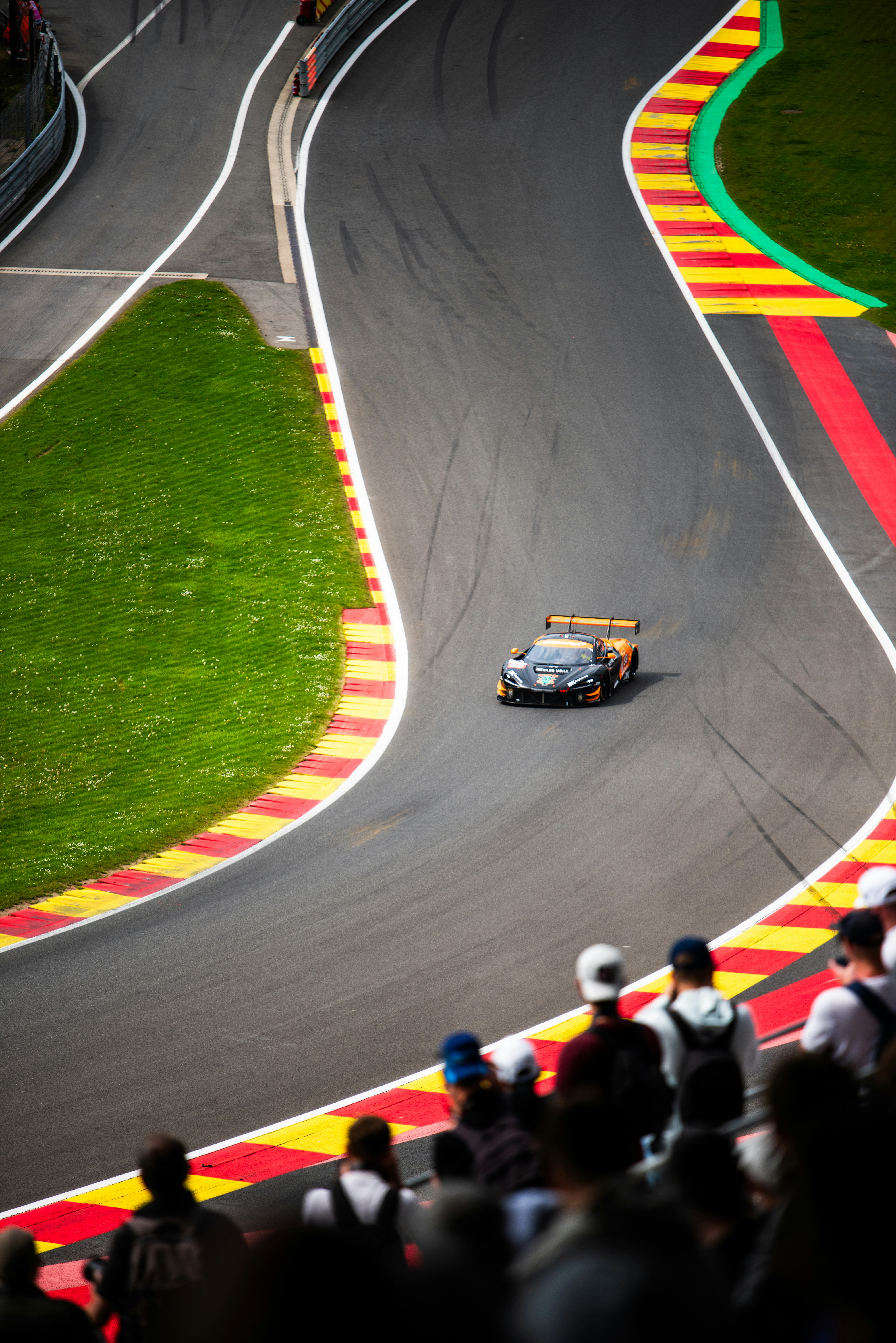
Subcategory
Members only
At extreme speeds, risk is not an abstract concept. It is immediate, measurable, and unforgiving. A misjudgment measured in milliseconds can end a race—or a life. In motorsport and other high-velocity environments, managing risk is not about eliminating danger. It is about understanding it deeply enough to operate within it.
“At 300 kilometers per hour, there’s no margin for denial,” said a senior safety engineer who has worked across multiple international racing series. “Risk isn’t something you avoid. It’s something you manage continuously.”
Managing risk at extreme speeds is a complex negotiation between human judgment, engineering safeguards, and institutional responsibility—where performance and survival are inseparable.
Why Speed Changes the Nature of Risk
Speed transforms risk qualitatively, not just quantitatively.
As velocity increases, reaction time shrinks, stopping distances expand exponentially, and mechanical failure escalates in consequence.
“At high speed, physics becomes absolute,” said the engineer. “There’s no room for interpretation.”
This reality forces a different mindset. Risk is no longer occasional—it is constant.
Every lap is exposure.
Risk as a System, Not an Event
In extreme-speed environments, risk is systemic.
It emerges from the interaction of vehicle design, track conditions, human behavior, and decision-making structures.
“Accidents are rarely single-point failures,” said a motorsport safety analyst. “They’re system failures.”
Managing risk means identifying weak links before they align.
Prevention replaces reaction.
Engineering the Margin
Modern motorsport relies heavily on engineered safety margins.
Crash structures, energy-absorbing materials, cockpit protection systems, and advanced restraints are designed to manage failure when it occurs.
“Safety engineering assumes things will go wrong,” said the safety engineer.
The goal is not to prevent crashes entirely—but to control outcomes when limits are exceeded.
Failure is planned for.
The Role of Regulation
Rules are a primary risk-management tool.
Speed limits in certain zones, technical restrictions, and standardized safety equipment reduce exposure.
“Regulation defines acceptable risk,” said a governance official involved in rule development.
These constraints often face resistance from competitors seeking advantage—but they shape survivability.
Rules translate ethics into structure.
Human Judgment Under Extreme Conditions
No system removes the human from risk.
Drivers make decisions at speed, under pressure, and while managing fatigue, heat, and cognitive overload.
“Risk management ultimately lives in the driver’s head,” said a performance psychologist working with elite racers.
Elite drivers develop situational awareness—knowing when to push and when to preserve.
Judgment becomes the final safeguard.
Risk Calibration, Not Risk Elimination
Elite performers do not seek maximum speed at all times.
They calibrate risk relative to context: tire condition, fuel load, weather, and race phase.
“Winning is about choosing when risk is worth it,” said a former champion.
Over-aggression increases crash probability. Excessive caution sacrifices competitiveness.
Risk is budgeted.
Data and Predictive Risk Modeling
Data plays an increasing role in risk management.
Telemetry identifies overheating components, brake degradation, and abnormal vibration.
“We can see risk forming before it’s visible,” said a race engineer.
Predictive modeling allows teams to intervene—altering strategy or instructing drivers to back off.
Data buys time.
Fatigue as a Hidden Risk Multiplier
Fatigue amplifies risk silently.
Reaction time slows. Decision quality declines. Emotional regulation weakens.
“Fatigue doesn’t announce itself,” said the psychologist. “It sneaks in.”
Training and scheduling account for cognitive endurance as much as physical strength.
Risk increases when fatigue is ignored.
Track Design and Environmental Control
Risk management extends beyond vehicles and drivers.
Track layout, runoff areas, barrier placement, and surface quality shape outcomes.
“Track design is safety design,” said the safety analyst.
Environmental control reduces consequence—even when mistakes occur.
Infrastructure absorbs error.
Communication as Risk Control
Clear communication mitigates risk.
Race control messages, flag systems, and team radio guide behavior.
“Confusion is dangerous at speed,” said the engineer.
Miscommunication can escalate minor issues into major incidents.
Clarity saves lives.
Learning From Failure
Every incident becomes data.
Accidents are analyzed exhaustively—mechanical, procedural, and human factors included.
“We don’t assign blame,” said the analyst. “We assign understanding.”
Learning prevents repetition.
Failure informs evolution.
The Psychological Weight of Risk
Living with constant risk affects mindset.
Drivers compartmentalize fear to function effectively.
“You can’t think about consequences in the moment,” said the former champion. “But you respect them.”
Mental resilience is essential.
Denial is dangerous. Obsession is paralyzing.
Balance sustains performance.
Public Perception and Risk Tolerance
Spectators are drawn to speed—but often underestimate risk.
Visibility of safety improvements can create false security.
“When safety works, people forget why it exists,” said the governance official.
Risk tolerance must be managed responsibly.
Entertainment does not justify recklessness.
Ethics at the Edge
Extreme-speed sport raises ethical questions.
How much risk is acceptable?
Who decides?
Who bears the cost when things go wrong?
“Risk is ethical when it’s informed and consensual,” said the safety engineer.
Institutions carry responsibility beyond competition.
Consent must be meaningful.
Why Managing Risk Is the Real Skill
At extreme speeds, success is not defined by fearlessness.
It is defined by awareness.
Drivers who survive and succeed are not reckless.
They are precise.
Measured.
Strategic.
Managing risk is not a limitation on performance—it is what enables performance to exist at all.
Because at the limit,
speed without judgment is chaos.
And judgment—
shaped by engineering, regulation, and human discipline—
is what allows humans to operate safely
where physics shows no mercy.
In the end, managing risk at extreme speeds is not about defying danger.
It is about respecting it enough
to keep going faster—
and coming back alive.
Subcategory
Members only
At extreme speeds, risk is not an abstract concept. It is immediate, measurable, and unforgiving. A misjudgment measured in milliseconds can end a race—or a life. In motorsport and other high-velocity environments, managing risk is not about eliminating danger. It is about understanding it deeply enough to operate within it.
“At 300 kilometers per hour, there’s no margin for denial,” said a senior safety engineer who has worked across multiple international racing series. “Risk isn’t something you avoid. It’s something you manage continuously.”
Managing risk at extreme speeds is a complex negotiation between human judgment, engineering safeguards, and institutional responsibility—where performance and survival are inseparable.
Why Speed Changes the Nature of Risk
Speed transforms risk qualitatively, not just quantitatively.
As velocity increases, reaction time shrinks, stopping distances expand exponentially, and mechanical failure escalates in consequence.
“At high speed, physics becomes absolute,” said the engineer. “There’s no room for interpretation.”
This reality forces a different mindset. Risk is no longer occasional—it is constant.
Every lap is exposure.
Risk as a System, Not an Event
In extreme-speed environments, risk is systemic.
It emerges from the interaction of vehicle design, track conditions, human behavior, and decision-making structures.
“Accidents are rarely single-point failures,” said a motorsport safety analyst. “They’re system failures.”
Managing risk means identifying weak links before they align.
Prevention replaces reaction.
Engineering the Margin
Modern motorsport relies heavily on engineered safety margins.
Crash structures, energy-absorbing materials, cockpit protection systems, and advanced restraints are designed to manage failure when it occurs.
“Safety engineering assumes things will go wrong,” said the safety engineer.
The goal is not to prevent crashes entirely—but to control outcomes when limits are exceeded.
Failure is planned for.
The Role of Regulation
Rules are a primary risk-management tool.
Speed limits in certain zones, technical restrictions, and standardized safety equipment reduce exposure.
“Regulation defines acceptable risk,” said a governance official involved in rule development.
These constraints often face resistance from competitors seeking advantage—but they shape survivability.
Rules translate ethics into structure.
Human Judgment Under Extreme Conditions
No system removes the human from risk.
Drivers make decisions at speed, under pressure, and while managing fatigue, heat, and cognitive overload.
“Risk management ultimately lives in the driver’s head,” said a performance psychologist working with elite racers.
Elite drivers develop situational awareness—knowing when to push and when to preserve.
Judgment becomes the final safeguard.
Risk Calibration, Not Risk Elimination
Elite performers do not seek maximum speed at all times.
They calibrate risk relative to context: tire condition, fuel load, weather, and race phase.
“Winning is about choosing when risk is worth it,” said a former champion.
Over-aggression increases crash probability. Excessive caution sacrifices competitiveness.
Risk is budgeted.
Data and Predictive Risk Modeling
Data plays an increasing role in risk management.
Telemetry identifies overheating components, brake degradation, and abnormal vibration.
“We can see risk forming before it’s visible,” said a race engineer.
Predictive modeling allows teams to intervene—altering strategy or instructing drivers to back off.
Data buys time.
Fatigue as a Hidden Risk Multiplier
Fatigue amplifies risk silently.
Reaction time slows. Decision quality declines. Emotional regulation weakens.
“Fatigue doesn’t announce itself,” said the psychologist. “It sneaks in.”
Training and scheduling account for cognitive endurance as much as physical strength.
Risk increases when fatigue is ignored.
Track Design and Environmental Control
Risk management extends beyond vehicles and drivers.
Track layout, runoff areas, barrier placement, and surface quality shape outcomes.
“Track design is safety design,” said the safety analyst.
Environmental control reduces consequence—even when mistakes occur.
Infrastructure absorbs error.
Communication as Risk Control
Clear communication mitigates risk.
Race control messages, flag systems, and team radio guide behavior.
“Confusion is dangerous at speed,” said the engineer.
Miscommunication can escalate minor issues into major incidents.
Clarity saves lives.
Learning From Failure
Every incident becomes data.
Accidents are analyzed exhaustively—mechanical, procedural, and human factors included.
“We don’t assign blame,” said the analyst. “We assign understanding.”
Learning prevents repetition.
Failure informs evolution.
The Psychological Weight of Risk
Living with constant risk affects mindset.
Drivers compartmentalize fear to function effectively.
“You can’t think about consequences in the moment,” said the former champion. “But you respect them.”
Mental resilience is essential.
Denial is dangerous. Obsession is paralyzing.
Balance sustains performance.
Public Perception and Risk Tolerance
Spectators are drawn to speed—but often underestimate risk.
Visibility of safety improvements can create false security.
“When safety works, people forget why it exists,” said the governance official.
Risk tolerance must be managed responsibly.
Entertainment does not justify recklessness.
Ethics at the Edge
Extreme-speed sport raises ethical questions.
How much risk is acceptable?
Who decides?
Who bears the cost when things go wrong?
“Risk is ethical when it’s informed and consensual,” said the safety engineer.
Institutions carry responsibility beyond competition.
Consent must be meaningful.
Why Managing Risk Is the Real Skill
At extreme speeds, success is not defined by fearlessness.
It is defined by awareness.
Drivers who survive and succeed are not reckless.
They are precise.
Measured.
Strategic.
Managing risk is not a limitation on performance—it is what enables performance to exist at all.
Because at the limit,
speed without judgment is chaos.
And judgment—
shaped by engineering, regulation, and human discipline—
is what allows humans to operate safely
where physics shows no mercy.
In the end, managing risk at extreme speeds is not about defying danger.
It is about respecting it enough
to keep going faster—
and coming back alive.
Subcategory
Members only
Every fighter understands risk. It is present in every training session, every contract negotiation, every walk toward the cage or ring. But what defines a fighter’s career is not the existence of risk—it is how that risk is weighed against reward over time.
“Fighters don’t make one big decision,” said a veteran manager who has guided multiple athletes through long professional careers. “They make hundreds of small ones, and each carries a cost.”
Risk and reward shape fighter careers at every stage, influencing health, earnings, longevity, and identity. Understanding this balance reveals why combat sports careers are often short, uneven, and psychologically demanding—even for those who succeed.
Why Risk Is Inescapable in Combat Sports
Unlike most professional sports, combat sports embed risk into performance itself.
Damage is not incidental—it is structural.
“In fighting, risk isn’t a byproduct,” said a ringside physician with decades of experience. “It’s part of the job description.”
Even careful fighters accumulate wear. The question is not if risk will appear, but how often and how severely.
Risk is cumulative.
Early Career: Opportunity Versus Exposure
Early-career fighters face stark trade-offs.
Opportunities often come with unfavorable terms: short notice fights, weight mismatches, limited medical oversight, and modest pay.
“You take risks early because saying no means disappearing,” said a former contender reflecting on his early years.
Exposure builds reputation—but also damage. Declining a fight can stall momentum.
Risk becomes currency.
Short-Term Payoffs, Long-Term Costs
A single high-profile fight can transform a career financially.
But those opportunities often require elevated risk.
“Big paydays usually mean big danger,” said the manager.
Short-notice bouts, elite opponents, and stylistic mismatches increase visibility—but accelerate wear.
The reward is immediate.
The cost is deferred.
The Myth of the Big Break
Popular narratives emphasize breakthrough moments.
In reality, most fighter careers progress unevenly.
“Careers are shaped by attrition, not miracles,” said the manager.
One loss can undo years of progress. One injury can end momentum.
Risk compounds unpredictability.
Health as a Negotiable Asset
Fighters routinely trade health for opportunity.
Cuts, concussions, and chronic injuries are managed strategically—sometimes hidden.
“Fighters learn to downplay pain,” said the physician.
This normalization protects short-term earning—but erodes long-term well-being.
Health becomes negotiable.
Career Longevity Versus Visibility
Longevity and visibility often conflict.
Active fighters stay relevant. Inactive fighters are forgotten.
“If you’re not fighting, you’re not earning,” said the former contender.
But frequent competition increases damage accumulation.
Consistency becomes a gamble.
The Psychological Toll of Risk Decisions
Risk management is not purely physical.
Anxiety, pressure, and identity intertwine.
“Fighters tie self-worth to willingness to risk,” said a sports psychologist working in combat sports.
Saying no can feel like weakness. Saying yes reinforces identity—but increases exposure.
Psychology amplifies risk.
Weight Cutting and Invisible Risk
Weight cutting adds hidden danger.
Extreme dehydration increases injury risk and cognitive impairment.
“Weight cuts shorten careers,” said the physician.
Yet competitive advantage incentivizes extreme measures.
Risk is normalized by culture.
Financial Uncertainty and Decision Pressure
Most fighters lack long-term financial security.
Few contracts guarantee stability.
“When rent depends on the next fight, risk tolerance skyrockets,” said the manager.
Economic precarity narrows choice.
Risk becomes necessity.
Management, Matchmaking, and Power Imbalance
Fighters rarely control matchmaking.
Promoters prioritize entertainment and marketability.
“Risk isn’t distributed equally,” said the manager.
Some fighters absorb disproportionate danger for organizational gain.
Power shapes exposure.
Late Career: Diminishing Returns
As fighters age, recovery slows.
Damage accumulates. Speed declines.
“The body keeps score,” said the physician.
Late-career fighters face painful choices: retire early and protect health—or continue fighting for diminishing reward.
Exit timing defines legacy.
Reinvention and Strategic Risk Reduction
Some fighters adapt.
They change styles, reduce output, or pursue selective matchups.
“Smart fighters reduce unnecessary risk,” said the manager.
Technical efficiency replaces attrition.
Adaptation extends careers.
The Role of Regulation and Safeguards
Regulation influences risk-reward balance.
Medical suspensions, contract minimums, and ranking transparency can reduce exploitation.
“Rules protect fighters when bargaining power doesn’t,” said the physician.
But enforcement varies widely.
Protection is inconsistent.
Identity Beyond the Fight
Retirement poses psychological risk.
Fighters often struggle with identity loss.
“When the fights stop, meaning disappears,” said the psychologist.
Career planning beyond competition mitigates this transition—but is rarely prioritized early.
Risk extends beyond the cage.
Rethinking Reward
Reward is often framed financially.
But long-term reward includes health, dignity, and post-career stability.
“The best career is not the loudest,” said the manager. “It’s the one that ends intact.”
Redefining success alters decision-making.
Why Risk and Reward Must Be Rebalanced
Combat sports will always involve risk.
But the distribution of risk—and the definition of reward—can change.
Fighter careers are shaped not just by courage—but by systems.
Systems that reward availability over safety.
That monetize damage without long-term care.
That celebrate toughness while externalizing cost.
Recognizing this imbalance does not diminish the sport.
It honors those who compete within it.
Because the real measure of a fighter’s career is not how much risk they accepted—
but whether the rewards they gained were worth the life they lived afterward.
And in a sport built on confrontation,
that may be the hardest fight of all.

Subcategory
Members only
Every fighter understands risk. It is present in every training session, every contract negotiation, every walk toward the cage or ring. But what defines a fighter’s career is not the existence of risk—it is how that risk is weighed against reward over time.
“Fighters don’t make one big decision,” said a veteran manager who has guided multiple athletes through long professional careers. “They make hundreds of small ones, and each carries a cost.”
Risk and reward shape fighter careers at every stage, influencing health, earnings, longevity, and identity. Understanding this balance reveals why combat sports careers are often short, uneven, and psychologically demanding—even for those who succeed.
Why Risk Is Inescapable in Combat Sports
Unlike most professional sports, combat sports embed risk into performance itself.
Damage is not incidental—it is structural.
“In fighting, risk isn’t a byproduct,” said a ringside physician with decades of experience. “It’s part of the job description.”
Even careful fighters accumulate wear. The question is not if risk will appear, but how often and how severely.
Risk is cumulative.
Early Career: Opportunity Versus Exposure
Early-career fighters face stark trade-offs.
Opportunities often come with unfavorable terms: short notice fights, weight mismatches, limited medical oversight, and modest pay.
“You take risks early because saying no means disappearing,” said a former contender reflecting on his early years.
Exposure builds reputation—but also damage. Declining a fight can stall momentum.
Risk becomes currency.
Short-Term Payoffs, Long-Term Costs
A single high-profile fight can transform a career financially.
But those opportunities often require elevated risk.
“Big paydays usually mean big danger,” said the manager.
Short-notice bouts, elite opponents, and stylistic mismatches increase visibility—but accelerate wear.
The reward is immediate.
The cost is deferred.
The Myth of the Big Break
Popular narratives emphasize breakthrough moments.
In reality, most fighter careers progress unevenly.
“Careers are shaped by attrition, not miracles,” said the manager.
One loss can undo years of progress. One injury can end momentum.
Risk compounds unpredictability.
Health as a Negotiable Asset
Fighters routinely trade health for opportunity.
Cuts, concussions, and chronic injuries are managed strategically—sometimes hidden.
“Fighters learn to downplay pain,” said the physician.
This normalization protects short-term earning—but erodes long-term well-being.
Health becomes negotiable.
Career Longevity Versus Visibility
Longevity and visibility often conflict.
Active fighters stay relevant. Inactive fighters are forgotten.
“If you’re not fighting, you’re not earning,” said the former contender.
But frequent competition increases damage accumulation.
Consistency becomes a gamble.
The Psychological Toll of Risk Decisions
Risk management is not purely physical.
Anxiety, pressure, and identity intertwine.
“Fighters tie self-worth to willingness to risk,” said a sports psychologist working in combat sports.
Saying no can feel like weakness. Saying yes reinforces identity—but increases exposure.
Psychology amplifies risk.
Weight Cutting and Invisible Risk
Weight cutting adds hidden danger.
Extreme dehydration increases injury risk and cognitive impairment.
“Weight cuts shorten careers,” said the physician.
Yet competitive advantage incentivizes extreme measures.
Risk is normalized by culture.
Financial Uncertainty and Decision Pressure
Most fighters lack long-term financial security.
Few contracts guarantee stability.
“When rent depends on the next fight, risk tolerance skyrockets,” said the manager.
Economic precarity narrows choice.
Risk becomes necessity.
Management, Matchmaking, and Power Imbalance
Fighters rarely control matchmaking.
Promoters prioritize entertainment and marketability.
“Risk isn’t distributed equally,” said the manager.
Some fighters absorb disproportionate danger for organizational gain.
Power shapes exposure.
Late Career: Diminishing Returns
As fighters age, recovery slows.
Damage accumulates. Speed declines.
“The body keeps score,” said the physician.
Late-career fighters face painful choices: retire early and protect health—or continue fighting for diminishing reward.
Exit timing defines legacy.
Reinvention and Strategic Risk Reduction
Some fighters adapt.
They change styles, reduce output, or pursue selective matchups.
“Smart fighters reduce unnecessary risk,” said the manager.
Technical efficiency replaces attrition.
Adaptation extends careers.
The Role of Regulation and Safeguards
Regulation influences risk-reward balance.
Medical suspensions, contract minimums, and ranking transparency can reduce exploitation.
“Rules protect fighters when bargaining power doesn’t,” said the physician.
But enforcement varies widely.
Protection is inconsistent.
Identity Beyond the Fight
Retirement poses psychological risk.
Fighters often struggle with identity loss.
“When the fights stop, meaning disappears,” said the psychologist.
Career planning beyond competition mitigates this transition—but is rarely prioritized early.
Risk extends beyond the cage.
Rethinking Reward
Reward is often framed financially.
But long-term reward includes health, dignity, and post-career stability.
“The best career is not the loudest,” said the manager. “It’s the one that ends intact.”
Redefining success alters decision-making.
Why Risk and Reward Must Be Rebalanced
Combat sports will always involve risk.
But the distribution of risk—and the definition of reward—can change.
Fighter careers are shaped not just by courage—but by systems.
Systems that reward availability over safety.
That monetize damage without long-term care.
That celebrate toughness while externalizing cost.
Recognizing this imbalance does not diminish the sport.
It honors those who compete within it.
Because the real measure of a fighter’s career is not how much risk they accepted—
but whether the rewards they gained were worth the life they lived afterward.
And in a sport built on confrontation,
that may be the hardest fight of all.
Subcategory
Members only
Every fighter understands risk. It is present in every training session, every contract negotiation, every walk toward the cage or ring. But what defines a fighter’s career is not the existence of risk—it is how that risk is weighed against reward over time.
“Fighters don’t make one big decision,” said a veteran manager who has guided multiple athletes through long professional careers. “They make hundreds of small ones, and each carries a cost.”
Risk and reward shape fighter careers at every stage, influencing health, earnings, longevity, and identity. Understanding this balance reveals why combat sports careers are often short, uneven, and psychologically demanding—even for those who succeed.
Why Risk Is Inescapable in Combat Sports
Unlike most professional sports, combat sports embed risk into performance itself.
Damage is not incidental—it is structural.
“In fighting, risk isn’t a byproduct,” said a ringside physician with decades of experience. “It’s part of the job description.”
Even careful fighters accumulate wear. The question is not if risk will appear, but how often and how severely.
Risk is cumulative.
Early Career: Opportunity Versus Exposure
Early-career fighters face stark trade-offs.
Opportunities often come with unfavorable terms: short notice fights, weight mismatches, limited medical oversight, and modest pay.
“You take risks early because saying no means disappearing,” said a former contender reflecting on his early years.
Exposure builds reputation—but also damage. Declining a fight can stall momentum.
Risk becomes currency.
Short-Term Payoffs, Long-Term Costs
A single high-profile fight can transform a career financially.
But those opportunities often require elevated risk.
“Big paydays usually mean big danger,” said the manager.
Short-notice bouts, elite opponents, and stylistic mismatches increase visibility—but accelerate wear.
The reward is immediate.
The cost is deferred.
The Myth of the Big Break
Popular narratives emphasize breakthrough moments.
In reality, most fighter careers progress unevenly.
“Careers are shaped by attrition, not miracles,” said the manager.
One loss can undo years of progress. One injury can end momentum.
Risk compounds unpredictability.
Health as a Negotiable Asset
Fighters routinely trade health for opportunity.
Cuts, concussions, and chronic injuries are managed strategically—sometimes hidden.
“Fighters learn to downplay pain,” said the physician.
This normalization protects short-term earning—but erodes long-term well-being.
Health becomes negotiable.
Career Longevity Versus Visibility
Longevity and visibility often conflict.
Active fighters stay relevant. Inactive fighters are forgotten.
“If you’re not fighting, you’re not earning,” said the former contender.
But frequent competition increases damage accumulation.
Consistency becomes a gamble.
The Psychological Toll of Risk Decisions
Risk management is not purely physical.
Anxiety, pressure, and identity intertwine.
“Fighters tie self-worth to willingness to risk,” said a sports psychologist working in combat sports.
Saying no can feel like weakness. Saying yes reinforces identity—but increases exposure.
Psychology amplifies risk.
Weight Cutting and Invisible Risk
Weight cutting adds hidden danger.
Extreme dehydration increases injury risk and cognitive impairment.
“Weight cuts shorten careers,” said the physician.
Yet competitive advantage incentivizes extreme measures.
Risk is normalized by culture.
Financial Uncertainty and Decision Pressure
Most fighters lack long-term financial security.
Few contracts guarantee stability.
“When rent depends on the next fight, risk tolerance skyrockets,” said the manager.
Economic precarity narrows choice.
Risk becomes necessity.
Management, Matchmaking, and Power Imbalance
Fighters rarely control matchmaking.
Promoters prioritize entertainment and marketability.
“Risk isn’t distributed equally,” said the manager.
Some fighters absorb disproportionate danger for organizational gain.
Power shapes exposure.
Late Career: Diminishing Returns
As fighters age, recovery slows.
Damage accumulates. Speed declines.
“The body keeps score,” said the physician.
Late-career fighters face painful choices: retire early and protect health—or continue fighting for diminishing reward.
Exit timing defines legacy.
Reinvention and Strategic Risk Reduction
Some fighters adapt.
They change styles, reduce output, or pursue selective matchups.
“Smart fighters reduce unnecessary risk,” said the manager.
Technical efficiency replaces attrition.
Adaptation extends careers.
The Role of Regulation and Safeguards
Regulation influences risk-reward balance.
Medical suspensions, contract minimums, and ranking transparency can reduce exploitation.
“Rules protect fighters when bargaining power doesn’t,” said the physician.
But enforcement varies widely.
Protection is inconsistent.
Identity Beyond the Fight
Retirement poses psychological risk.
Fighters often struggle with identity loss.
“When the fights stop, meaning disappears,” said the psychologist.
Career planning beyond competition mitigates this transition—but is rarely prioritized early.
Risk extends beyond the cage.
Rethinking Reward
Reward is often framed financially.
But long-term reward includes health, dignity, and post-career stability.
“The best career is not the loudest,” said the manager. “It’s the one that ends intact.”
Redefining success alters decision-making.
Why Risk and Reward Must Be Rebalanced
Combat sports will always involve risk.
But the distribution of risk—and the definition of reward—can change.
Fighter careers are shaped not just by courage—but by systems.
Systems that reward availability over safety.
That monetize damage without long-term care.
That celebrate toughness while externalizing cost.
Recognizing this imbalance does not diminish the sport.
It honors those who compete within it.
Because the real measure of a fighter’s career is not how much risk they accepted—
but whether the rewards they gained were worth the life they lived afterward.
And in a sport built on confrontation,
that may be the hardest fight of all.
Latest Articles
Subcategory
For much of the postwar era, coalition governments were treated as political compromises—necessary but undesirable arrangements formed when voters failed to deliver a clear mandate. They were assumed to be fragile, indecisive, and structurally weaker than single-party administrations.
That assumption is increasingly outdated.
Across parliamentary democracies, coalition governments are no longer transitional solutions. They are becoming the default framework through which power is exercised. And in the process, they are reshaping how authority, accountability, and leadership function in modern politics.
“Coalitions used to be seen as a sign of electoral failure,” said one senior parliamentary analyst in Berlin. “Today, they are better understood as a reflection of social and political plurality.”
From Electoral Winners to Negotiated Power
The classic theory of democratic governance relied on clear winners. Elections were expected to produce governing parties capable of translating campaign promises directly into policy. Coalition arrangements, by contrast, were often framed as temporary compromises that diluted political intent.
But as party systems fragment and voter alignments shift, decisive majorities have become the exception rather than the rule.
“In many countries, no single party can credibly claim to represent a majority of society,” said a political scientist who studies comparative governance. “Coalitions are not blocking democracy—they are how democracy now expresses itself.”
This shift has forced a redefinition of political power. Instead of being exercised through dominance, authority increasingly flows through negotiation, procedural control, and institutional coordination. Policy outcomes are shaped less by ideology alone and more by the architecture of coalition agreements, committee systems, and administrative continuity.
Executive Power Without Centralization
At first glance, coalition governments appear to weaken executive leadership. Prime ministers must consult partners, reconcile competing priorities, and accept constraints that majority leaders rarely face.
Yet this does not mean executives are powerless.
“What changes is not the existence of power, but its form,” said a former civil servant involved in coalition negotiations. “Decisions move from the podium to the process.”
In coalition systems, executive authority often relies more heavily on ministries, regulatory agencies, and legal frameworks. Individual ministers gain leverage within their policy domains, while prime ministers act less as commanders and more as coordinators.
This redistribution of authority can slow decision-making—but it can also stabilize it. Policies developed through coalition consensus tend to be more durable, precisely because they reflect broader political agreement.
“Once a policy survives coalition bargaining, it’s harder to undo,” the former official noted. “Too many actors have a stake in it.”
Parliament Reclaims Its Role
One of the most significant consequences of post-coalition governance is the renewed importance of legislatures.
Under majority governments, parliaments often functioned as confirmation bodies. In coalition systems, they become sites of genuine power. Committees matter. Procedural rules matter. Informal negotiations matter even more.
“In coalition politics, nothing is automatic,” said a senior legislator from a multiparty parliament. “Every vote has to be built.”
This dynamic empowers actors who were previously peripheral: committee chairs, policy specialists, and cross-party negotiators. Minority parties, often dismissed as marginal, become central to legislative outcomes.
Power, in this sense, is no longer vertical. It is horizontal, dispersed, and contingent.
The Rise of the Quiet Broker
As authority becomes more diffused, influence increasingly belongs to those who operate outside the spotlight.
Coalition governance rewards political actors who can manage relationships rather than dominate debates. These “quiet brokers” may not lead parties or headline campaigns, but they shape outcomes by maintaining trust across ideological lines.
“One of the biggest mistakes observers make is focusing only on party leaders,” said a longtime coalition negotiator. “The real work happens two levels below that.”
These actors translate political disagreements into workable compromises, often before conflicts become public. Their influence lies in process fluency: knowing when to intervene, when to delay, and how to frame concessions as shared gains.
It is a form of power that is subtle, procedural, and highly effective.
Accountability in a Shared-Responsibility System
Coalition governance complicates traditional notions of accountability.
When policies are negotiated across multiple parties, responsibility becomes collective. Voters may struggle to assign credit for success or blame for failure. Parties can emphasize their role in popular decisions while distancing themselves from unpopular outcomes.
Critics argue this erodes democratic clarity. Others see it as a more honest reflection of political reality.
“Accountability doesn’t disappear,” said a governance researcher. “It just moves—from personalities to institutions.”
In such systems, transparency mechanisms become essential. Legislative oversight, independent watchdogs, and clear documentation of coalition agreements play a larger role in maintaining democratic legitimacy.
Stability Through Complexity
Despite their reputation for fragility, coalition systems often prove remarkably resilient.
The constant negotiation that defines coalition governance acts as a stabilizing force. Extreme policy swings become less likely. Unilateral action becomes harder. Political shocks are absorbed through institutional processes rather than magnified by executive overreach.
“Coalitions are not slow because they are weak,” one analyst observed. “They are slow because they are complex.”
When coalitions fail, it is often not due to ideological differences alone, but to breakdowns in trust, communication, or external pressure. The system itself, however, tends to endure.
Power After the Era of Majorities
Post-coalition governance represents a shift in political logic.
Power is no longer measured by control alone, but by the ability to manage disagreement. Leadership is less about decisiveness in isolation and more about sustaining cooperation over time.
“This is not a temporary phase,” said one comparative politics scholar. “It’s a structural transformation.”
Coalition governments are not an aberration from democratic norms. They are the new normal. And in adapting to them, political systems are redefining what authority looks like—less centralized, less theatrical, and more deeply embedded in institutions.
Power, in the post-coalition era, is not louder.
It is quieter, negotiated, and shared.
Subcategory
Scientific discovery is often portrayed as a moment of revelation: a breakthrough experiment, a striking data point, a result that reshapes understanding overnight. In reality, discovery is rarely an ending. More often, it is the beginning of a longer, more uncertain process—one that determines whether new knowledge becomes useful, influential, or quietly forgotten.
“What people call a discovery is usually just the point at which uncertainty becomes visible,” said a senior research administrator at a European research institute. “What follows is the real work.”
That work unfolds far from the spotlight, across funding committees, peer review panels, regulatory systems, and institutional negotiations. It is here—after the discovery—that scientific progress is most fragile.
From Result to Recognition
The first stage after discovery is validation.
Before findings can shape policy, technology, or medicine, they must be tested, reproduced, and scrutinized. Peer review serves as the initial gatekeeper, but it is only one step in a longer process of acceptance.
“A published paper is not the same as an accepted truth,” said a journal editor familiar with high-impact research submissions. “It’s an invitation for the community to test your claim.”
Replication studies, follow-up experiments, and independent verification are essential—but they are often underfunded and undervalued. Research systems that reward novelty over confirmation can leave important findings insufficiently tested, slowing their integration into broader scientific understanding.
The Funding Gap
Once a discovery is validated, the question of funding becomes unavoidable.
Early-stage research is typically supported by public grants or academic institutions. But translating discovery into application—whether a new technology, treatment, or tool—often requires resources beyond the scope of basic research funding.
“This is where many promising ideas stall,” said a science policy advisor who studies research commercialization. “There’s a gap between discovery and deployment that few institutions are well equipped to bridge.”
Governments, private foundations, and industry partners play different roles at this stage, each with distinct priorities. Public funders may focus on societal benefit, while private investors prioritize scalability and return. Aligning these interests can be difficult, particularly for discoveries that promise long-term impact rather than immediate application.
Institutional Pathways and Friction
The journey from discovery to impact is shaped as much by institutions as by ideas.
Universities, research labs, and public agencies must decide how to support new findings: whether to patent them, license them, publish them openly, or pursue partnerships. Each choice carries trade-offs.
“Institutions are risk managers,” said a university technology transfer officer. “They’re balancing openness, reputation, and financial sustainability.”
These decisions influence who controls new knowledge, who benefits from it, and how quickly it spreads. In some cases, institutional caution can delay adoption. In others, aggressive commercialization can limit access or distort research priorities.
Regulation: Protection and Constraint
For discoveries that affect public health, safety, or the environment, regulation becomes central.
Regulatory frameworks are designed to protect the public—but they also shape the pace of innovation. Clinical trials, safety assessments, and compliance requirements can take years, even decades.
“Regulation is not the enemy of science,” said a former regulator involved in research oversight. “But it forces science to confront real-world consequences.”
The challenge lies in balancing caution with responsiveness. Too little oversight risks harm; too much can prevent beneficial discoveries from reaching society in time. The COVID-19 pandemic illustrated both the possibilities and tensions of accelerated scientific approval processes.
Credit, Ownership, and Conflict
As discoveries move toward application, questions of credit and ownership often intensify.
Who owns a discovery made with public funding? How should credit be distributed among collaborators? What happens when academic values collide with commercial interests?
“These are not peripheral issues,” said a sociologist of science. “They shape who participates in research and who trusts its outcomes.”
Disputes over authorship, patents, and intellectual property can slow progress and strain collaborations. Transparent policies and clear expectations are essential, yet many institutions struggle to keep pace with the complexity of modern research networks.
When Discovery Fails to Travel
Not all discoveries make the journey beyond the laboratory.
Some findings remain too specialized, too costly, or too disconnected from immediate needs to gain traction. Others are overtaken by competing technologies or shifts in political priorities.
“There’s a silent archive of discoveries that were technically sound but socially unadopted,” said a historian of science. “Their failure tells us as much as success does.”
Understanding why discoveries stall can inform better research design and funding strategies. It also challenges the assumption that progress is linear or inevitable.
The Role of Communication
Communication plays a decisive role in what happens after discovery.
Scientists must translate complex findings for policymakers, funders, and the public—often across disciplinary and cultural boundaries. Poor communication can undermine trust or lead to misapplication, while effective explanation can accelerate acceptance.
“Discovery doesn’t speak for itself,” said a science communication specialist. “Someone has to carry it into the world.”
Media coverage, institutional messaging, and public engagement shape how discoveries are perceived and used. In an era of misinformation, clarity and restraint are as important as enthusiasm.
A Process, Not a Moment
The mythology of discovery emphasizes moments of insight. The reality emphasizes systems.
Discovery initiates a process involving verification, funding, institutional negotiation, regulation, communication, and, often, compromise. Each step introduces friction—but also accountability.
“The question isn’t whether discovery changes the world,” said the research administrator. “It’s whether the systems around it are capable of change.”
Scientific progress depends not only on what is discovered, but on what follows: the structures that carry knowledge forward, the decisions that shape its use, and the values that guide its integration into society.
In the end, discovery is not an endpoint.
It is an opening—one that must be carefully, collectively navigated.
Subcategory
Sports have long been framed as a realm apart—a space governed by rules, records, and results, separate from the ethical tensions of politics, business, and society. Fair play, respect, and integrity are often treated as inherent values, embedded in the very idea of competition.
But ethics in sport do not begin at the whistle or end at the scoreboard.
They begin earlier, deeper, and often far from the field of play—shaped by institutions, incentives, and decisions that determine who gets to compete, under what conditions, and at what cost.
“Ethics in sports aren’t defined by what happens during a match,” said a former international sports administrator. “They’re defined by everything that happens before it.”
The Myth of the Neutral Arena
The idea that sport exists in a moral vacuum is persistent—and misleading.
Rules create the appearance of neutrality, but they are written, enforced, and interpreted by people operating within social and economic systems. Decisions about eligibility, funding, safety standards, and enforcement shape outcomes long before athletes take the field.
“Competition looks fair only if you ignore how uneven the starting lines are,” said a sports sociologist who studies inequality in athletics.
From access to training facilities to the distribution of resources across leagues and regions, ethical questions arise well before questions of performance. Who is supported, who is excluded, and who bears the risk are ethical choices, even when framed as logistical ones.
Performance, Pressure, and the Limits of Responsibility
Athletes are often positioned as the moral center of sport. They are expected to embody discipline, resilience, and integrity—while operating under intense pressure to perform.
This pressure is rarely self-generated.
“When careers are short and contracts are fragile, ethical decision-making becomes complicated,” said a former professional athlete. “The system rewards results, not restraint.”
Doping scandals, rule-bending, and risky training practices are frequently framed as individual failures. But they occur within environments that normalize extreme expectations and minimize long-term consequences.
Ethics, in this context, cannot be reduced to personal character alone. They must account for structural incentives that make certain choices more likely than others.
Institutions and the Delegation of Ethics
Governing bodies play a central role in defining ethical boundaries—but their authority is often constrained by competing interests.
Leagues and federations are tasked with enforcing rules while also protecting commercial value, audience engagement, and brand reputation. This dual mandate creates tension.
“Sports organizations want credibility without disruption,” said a governance expert who advises international federations. “Ethical enforcement is often strongest when it’s least costly.”
Sanctions may be applied unevenly. Investigations may stall. Reforms may follow public outrage rather than proactive oversight. In such cases, ethics become reactive—triggered by crisis rather than embedded in governance.
Safety, Risk, and Informed Consent
Few ethical issues in sport are as persistent as those surrounding athlete safety.
Contact sports, endurance competitions, and high-speed events expose participants to known risks. The ethical question is not whether risk exists, but how it is managed—and who is asked to bear it.
“Informed consent assumes equal power,” said a medical ethicist specializing in sports injuries. “In many cases, athletes don’t have that power.”
Young athletes, particularly those from disadvantaged backgrounds, may feel compelled to accept dangerous conditions in exchange for opportunity. When long-term health consequences emerge years later, accountability becomes diffuse.
Ethics begin, here, with transparency: clear communication of risks, independent medical oversight, and protections that prioritize health over spectacle.
Fairness Beyond the Rulebook
Fairness is often defined narrowly—as adherence to written rules. But ethical fairness extends further.
Technological advantages, unequal funding, and access to specialized training can tilt competition long before rules are broken. In some sports, success increasingly depends on resources rather than talent alone.
“When innovation moves faster than regulation, fairness becomes a moving target,” said a sports economist.
Ethical governance requires constant reassessment of what fairness means in evolving competitive landscapes. Static rules are rarely sufficient for dynamic systems.
The Role of Culture and Silence
Ethics are also shaped by what is tolerated—or ignored.
Cultures of silence around abuse, harassment, or exploitation have surfaced repeatedly across sports. In many cases, harmful behavior persisted not because rules were absent, but because enforcement threatened reputations and careers.
“Silence is not neutral,” said an advocate for athlete welfare. “It’s a choice that protects institutions over individuals.”
Where reporting mechanisms are weak or trust is absent, ethical failure becomes systemic rather than exceptional.
Fans, Media, and Shared Responsibility
Ethical responsibility does not rest solely with athletes and institutions.
Fans reward success, often regardless of cost. Media amplifies narratives that prioritize victory and spectacle over well-being and accountability. Commercial partners invest where attention flows.
“Ethics in sports are shaped by demand,” said a media analyst. “What audiences celebrate, organizations will defend.”
This shared ecosystem complicates moral judgment. Ethical reform requires not only rule changes, but shifts in expectation—about what success looks like and what trade-offs are acceptable.
Where Ethics Actually Begin
Ethics in sport do not begin with punishment. They begin with design.
They begin with how systems are built, incentives are aligned, and responsibilities are distributed. They begin with governance structures that value transparency over expediency and long-term welfare over short-term gain.
“The most ethical systems are the ones that make ethical behavior the easiest option,” said the governance expert.
This requires more than codes of conduct. It requires institutions willing to accept limits, fans willing to tolerate imperfection, and a culture that understands sport not as moral theater, but as a human system—capable of excellence, and error.
Ethics in sport do not start at the finish line.
They start long before the race is run.
Subcategory
For decades, personal finance advice has revolved around a narrow definition of success: higher returns, greater efficiency, earlier retirement. Money, in this framing, is something to optimize, accumulate, and measure against abstract benchmarks.
But for many people, that model no longer fits.
Rising living costs, unstable work patterns, longer life spans, and shifting priorities have forced a rethinking of what financial security actually means. Increasingly, the question is not how to make life serve finance—but how to make finance serve life.
“People don’t experience money as a spreadsheet,” said a financial counselor who works with middle-income households. “They experience it as stress, relief, freedom, or constraint.”
Beyond Optimization
Traditional financial advice often assumes stable careers, predictable incomes, and linear life paths. Save aggressively early. Invest consistently. Retire comfortably.
Those assumptions are breaking down.
“The old models were built for a different economy,” said a labor economist studying household finance. “Today, income volatility is the norm, not the exception.”
Freelance work, career changes, caregiving gaps, and geographic mobility complicate long-term planning. In this environment, financial success becomes less about maximizing returns and more about maintaining flexibility.
Optimization, once the goal, can become a liability when it leaves little room for uncertainty.
Redefining Financial Security
If wealth is no longer the sole measure of financial health, what replaces it?
For many households, security now means resilience: the ability to absorb shocks without long-term damage. Emergency savings matter not because they generate returns, but because they buy time and choice.
“Security is knowing you can say no,” said a personal finance educator. “No to a bad job, no to unsafe conditions, no to decisions made out of panic.”
This reframing shifts attention away from distant milestones and toward present stability—housing security, manageable debt, and access to healthcare.
The Emotional Dimension of Money
Money is often discussed as a rational tool. In practice, it is deeply emotional.
Spending and saving decisions are shaped by upbringing, cultural expectations, and past experiences. Financial behavior reflects identity as much as arithmetic.
“You can’t separate money from memory,” said a behavioral finance researcher. “People react to financial choices based on what money meant in their household growing up.”
Ignoring this emotional layer can lead to advice that feels technically sound but practically unworkable. Sustainable financial habits depend not on discipline alone, but on alignment with values and lived reality.
Work, Time, and Trade-Offs
Finance does not operate in isolation from work. The way people earn money shapes how they use it—and how they experience time.
Long hours, precarious contracts, and constant availability blur the boundary between earning and living. Financial strategies that demand perpetual sacrifice can erode well-being, even if they improve long-term projections.
“There’s a cost to every financial decision,” said a workplace researcher. “And sometimes that cost is time you don’t get back.”
Making finance work for life requires acknowledging trade-offs explicitly: income versus autonomy, savings versus rest, growth versus stability. There is no universal right answer—only context-specific choices.
Debt as a Structural Reality
Debt is often framed as a personal failure. In reality, it is frequently a structural necessity.
Housing, education, healthcare, and transportation costs have outpaced wages in many economies. For millions, debt is not optional—it is the price of participation.
“Moralizing debt misses the point,” said a policy analyst focused on household finance. “The question is not whether people borrow, but under what conditions.”
Ethical financial planning recognizes debt as a tool that can be harmful or helpful depending on terms, transparency, and alternatives. Managing debt responsibly often matters more than eliminating it entirely.
Simplicity Over Sophistication
In an era of financial apps, complex investment products, and algorithmic advice, sophistication is often mistaken for effectiveness.
Yet for most households, simpler systems outperform complex ones over time—not because they yield higher returns, but because they are easier to maintain.
“The best financial plan is the one you can stick with,” said a certified financial planner. “Complexity increases abandonment.”
Automated savings, clear budgets, and conservative assumptions reduce cognitive load and decision fatigue. Finance that fits into daily life is more durable than finance that demands constant attention.
Planning for Change, Not Perfection
Life rarely unfolds according to plan. Health changes, family responsibilities emerge, opportunities appear unexpectedly.
Financial systems built around rigidity struggle in such environments. Those designed for adaptation perform better.
“Flexibility is an asset,” said the financial counselor. “It’s just not one that shows up on a balance sheet.”
This means prioritizing liquidity, avoiding overcommitment, and revisiting plans regularly. Long-term goals still matter—but they must coexist with the reality of change.
A More Human Measure of Success
Making finance work for life requires a shift in perspective.
Success is not defined solely by net worth, early retirement, or outperforming benchmarks. It is defined by whether money supports the life a person wants to live—without constant anxiety or sacrifice of well-being.
“Money should be a stabilizer, not a source of permanent pressure,” said the educator.
This does not mean abandoning ambition or responsibility. It means grounding financial decisions in context, values, and realism.
Finance, at its best, is not a finish line.
It is a support system—quiet, adaptable, and in service of life itself.


" height="25.00139023844741px" id="jBymG44fK" transform="translate(7.499 7.499)" width="25.001390238447406px"/></svg>)