
Samuel Brooks reviews books and music, focusing on narrative, composition, and cultural relevance. His criticism examines how stories and sound are structured, interpreted, and situated within broader cultural conversations.
Subcategory
Members only
Predictions about the death of reading have surfaced with every major technological shift—from radio and television to the internet and smartphones. Each time, reading has adapted rather than disappeared. What is changing today is not whether people read, but how, where, and why they do so.
The future of reading is less about format and more about attention.
“Reading has never been a single activity,” said a publishing researcher who studies audience behavior. “It’s a collection of practices shaped by culture, technology, and time.”
As digital platforms, audio formats, and algorithmic recommendation systems reshape literary life, reading is becoming more fragmented, more social, and, paradoxically, more intentional.
From Linear Immersion to Fragmented Attention
For much of the twentieth century, reading was imagined as a linear, immersive act: a reader, a book, sustained focus. That model still exists—but it no longer defines the norm.
Today’s readers move between long-form texts, short articles, excerpts, summaries, and annotations. Screens encourage skimming as much as depth. Notifications interrupt continuity.
“We read in layers now,” said a cognitive psychologist specializing in attention. “Depth hasn’t vanished, but it competes with constant context-switching.”
This shift has prompted concern about diminished concentration. Yet some researchers argue that new reading habits reflect adaptation rather than decline—strategies for navigating information-dense environments.
The Persistence of Long-Form Reading
Despite anxieties about shrinking attention spans, long-form reading has not disappeared.
Print book sales remain resilient in many markets. Long essays, investigative journalism, and narrative nonfiction continue to attract committed audiences. What has changed is the reader’s relationship to time.
“People don’t read less,” said a literary editor. “They read more selectively.”
Readers increasingly reserve sustained reading for moments of deliberate choice—commutes, evenings, weekends—while using shorter formats to stay informed during the day. Long-form reading becomes less habitual, but more intentional.
Digital Platforms and the Reorganization of Discovery
One of the most significant changes in reading culture is how readers discover texts.
Bookstores, libraries, and critics once served as primary gateways. Today, discovery is increasingly shaped by algorithms, social media, and peer recommendation.
“Discovery has moved from institutions to networks,” said a publishing analyst. “Visibility now depends as much on circulation as on curation.”
Platforms reward shareability, emotional resonance, and immediacy. This can elevate diverse voices, but it can also narrow exposure by reinforcing existing preferences.
The challenge for readers is not scarcity, but excess: learning how to navigate abundance without surrendering agency.
Audiobooks and the Expansion of Reading
The rise of audiobooks has expanded the definition of reading itself.
Listening allows texts to enter moments previously inaccessible to print—commutes, household tasks, physical activity. For some, it restores a connection to literature in busy lives.
“Audiobooks don’t replace reading,” said a literacy researcher. “They extend it.”
Critics have questioned whether listening constitutes the same cognitive engagement as reading. Studies suggest differences, but not deficiencies. Comprehension, retention, and emotional response vary by format, not necessarily by quality.
The future of reading may be multi-modal rather than singular.
Reading as a Social Practice
Reading is often imagined as solitary. Increasingly, it is social.
Online book clubs, annotation platforms, and reader communities turn texts into shared experiences. Marginal notes become public dialogue. Interpretation becomes collaborative.
“Readers want conversation, not just content,” said a digital humanities scholar.
This social dimension reshapes authority. Critics and editors remain influential, but they now operate alongside communities that collectively shape interpretation and value.
Reading becomes not just consumption, but participation.
Education, Literacy, and Inequality
The future of reading is inseparable from questions of access.
Educational systems struggle to adapt curricula to changing reading habits. Digital tools promise personalization but risk widening gaps where access and support are uneven.
“Literacy isn’t just about decoding text,” said an education policy expert. “It’s about navigating information critically.”
Deep reading skills—analysis, inference, synthesis—remain essential. The challenge lies in teaching them across formats while resisting the false binary between digital and print.
Publishing and the Economics of Attention
Economic pressures shape what is published, promoted, and preserved.
Publishing increasingly competes with other forms of entertainment for attention. This has encouraged experimentation with format, pricing, and distribution—but also heightened risk aversion.
“There’s a tension between scale and depth,” said an independent publisher. “The market rewards what travels fast.”
At the same time, niche publishing and independent presses thrive by serving dedicated audiences. Sustainability, rather than mass reach, becomes the measure of success.
What Reading Might Become
The future of reading will not be uniform.
Some readers will seek immersion and slowness. Others will rely on summaries and audio. Many will combine formats fluidly. What matters is not conformity, but capacity—the ability to choose how and when to engage deeply.
“Reading survives because it adapts,” said the literary editor. “It meets people where they are.”
The essential function of reading—making sense of experience through language—remains unchanged. What evolves are the pathways.
Attention as a Cultural Choice
In the end, the future of reading is a question of values.
Technologies shape behavior, but they do not determine it entirely. Institutions, educators, publishers, and readers all participate in defining what reading means and why it matters.
Reading requires attention.
Attention requires intention.
The future of reading will belong not to the fastest format or the loudest platform, but to those practices that preserve space for thought, reflection, and connection—however they are delivered.

Subcategory
Members only
Predictions about the death of reading have surfaced with every major technological shift—from radio and television to the internet and smartphones. Each time, reading has adapted rather than disappeared. What is changing today is not whether people read, but how, where, and why they do so.
The future of reading is less about format and more about attention.
“Reading has never been a single activity,” said a publishing researcher who studies audience behavior. “It’s a collection of practices shaped by culture, technology, and time.”
As digital platforms, audio formats, and algorithmic recommendation systems reshape literary life, reading is becoming more fragmented, more social, and, paradoxically, more intentional.
From Linear Immersion to Fragmented Attention
For much of the twentieth century, reading was imagined as a linear, immersive act: a reader, a book, sustained focus. That model still exists—but it no longer defines the norm.
Today’s readers move between long-form texts, short articles, excerpts, summaries, and annotations. Screens encourage skimming as much as depth. Notifications interrupt continuity.
“We read in layers now,” said a cognitive psychologist specializing in attention. “Depth hasn’t vanished, but it competes with constant context-switching.”
This shift has prompted concern about diminished concentration. Yet some researchers argue that new reading habits reflect adaptation rather than decline—strategies for navigating information-dense environments.
The Persistence of Long-Form Reading
Despite anxieties about shrinking attention spans, long-form reading has not disappeared.
Print book sales remain resilient in many markets. Long essays, investigative journalism, and narrative nonfiction continue to attract committed audiences. What has changed is the reader’s relationship to time.
“People don’t read less,” said a literary editor. “They read more selectively.”
Readers increasingly reserve sustained reading for moments of deliberate choice—commutes, evenings, weekends—while using shorter formats to stay informed during the day. Long-form reading becomes less habitual, but more intentional.
Digital Platforms and the Reorganization of Discovery
One of the most significant changes in reading culture is how readers discover texts.
Bookstores, libraries, and critics once served as primary gateways. Today, discovery is increasingly shaped by algorithms, social media, and peer recommendation.
“Discovery has moved from institutions to networks,” said a publishing analyst. “Visibility now depends as much on circulation as on curation.”
Platforms reward shareability, emotional resonance, and immediacy. This can elevate diverse voices, but it can also narrow exposure by reinforcing existing preferences.
The challenge for readers is not scarcity, but excess: learning how to navigate abundance without surrendering agency.
Audiobooks and the Expansion of Reading
The rise of audiobooks has expanded the definition of reading itself.
Listening allows texts to enter moments previously inaccessible to print—commutes, household tasks, physical activity. For some, it restores a connection to literature in busy lives.
“Audiobooks don’t replace reading,” said a literacy researcher. “They extend it.”
Critics have questioned whether listening constitutes the same cognitive engagement as reading. Studies suggest differences, but not deficiencies. Comprehension, retention, and emotional response vary by format, not necessarily by quality.
The future of reading may be multi-modal rather than singular.
Reading as a Social Practice
Reading is often imagined as solitary. Increasingly, it is social.
Online book clubs, annotation platforms, and reader communities turn texts into shared experiences. Marginal notes become public dialogue. Interpretation becomes collaborative.
“Readers want conversation, not just content,” said a digital humanities scholar.
This social dimension reshapes authority. Critics and editors remain influential, but they now operate alongside communities that collectively shape interpretation and value.
Reading becomes not just consumption, but participation.
Education, Literacy, and Inequality
The future of reading is inseparable from questions of access.
Educational systems struggle to adapt curricula to changing reading habits. Digital tools promise personalization but risk widening gaps where access and support are uneven.
“Literacy isn’t just about decoding text,” said an education policy expert. “It’s about navigating information critically.”
Deep reading skills—analysis, inference, synthesis—remain essential. The challenge lies in teaching them across formats while resisting the false binary between digital and print.
Publishing and the Economics of Attention
Economic pressures shape what is published, promoted, and preserved.
Publishing increasingly competes with other forms of entertainment for attention. This has encouraged experimentation with format, pricing, and distribution—but also heightened risk aversion.
“There’s a tension between scale and depth,” said an independent publisher. “The market rewards what travels fast.”
At the same time, niche publishing and independent presses thrive by serving dedicated audiences. Sustainability, rather than mass reach, becomes the measure of success.
What Reading Might Become
The future of reading will not be uniform.
Some readers will seek immersion and slowness. Others will rely on summaries and audio. Many will combine formats fluidly. What matters is not conformity, but capacity—the ability to choose how and when to engage deeply.
“Reading survives because it adapts,” said the literary editor. “It meets people where they are.”
The essential function of reading—making sense of experience through language—remains unchanged. What evolves are the pathways.
Attention as a Cultural Choice
In the end, the future of reading is a question of values.
Technologies shape behavior, but they do not determine it entirely. Institutions, educators, publishers, and readers all participate in defining what reading means and why it matters.
Reading requires attention.
Attention requires intention.
The future of reading will belong not to the fastest format or the loudest platform, but to those practices that preserve space for thought, reflection, and connection—however they are delivered.
Subcategory
Members only
Predictions about the death of reading have surfaced with every major technological shift—from radio and television to the internet and smartphones. Each time, reading has adapted rather than disappeared. What is changing today is not whether people read, but how, where, and why they do so.
The future of reading is less about format and more about attention.
“Reading has never been a single activity,” said a publishing researcher who studies audience behavior. “It’s a collection of practices shaped by culture, technology, and time.”
As digital platforms, audio formats, and algorithmic recommendation systems reshape literary life, reading is becoming more fragmented, more social, and, paradoxically, more intentional.
From Linear Immersion to Fragmented Attention
For much of the twentieth century, reading was imagined as a linear, immersive act: a reader, a book, sustained focus. That model still exists—but it no longer defines the norm.
Today’s readers move between long-form texts, short articles, excerpts, summaries, and annotations. Screens encourage skimming as much as depth. Notifications interrupt continuity.
“We read in layers now,” said a cognitive psychologist specializing in attention. “Depth hasn’t vanished, but it competes with constant context-switching.”
This shift has prompted concern about diminished concentration. Yet some researchers argue that new reading habits reflect adaptation rather than decline—strategies for navigating information-dense environments.
The Persistence of Long-Form Reading
Despite anxieties about shrinking attention spans, long-form reading has not disappeared.
Print book sales remain resilient in many markets. Long essays, investigative journalism, and narrative nonfiction continue to attract committed audiences. What has changed is the reader’s relationship to time.
“People don’t read less,” said a literary editor. “They read more selectively.”
Readers increasingly reserve sustained reading for moments of deliberate choice—commutes, evenings, weekends—while using shorter formats to stay informed during the day. Long-form reading becomes less habitual, but more intentional.
Digital Platforms and the Reorganization of Discovery
One of the most significant changes in reading culture is how readers discover texts.
Bookstores, libraries, and critics once served as primary gateways. Today, discovery is increasingly shaped by algorithms, social media, and peer recommendation.
“Discovery has moved from institutions to networks,” said a publishing analyst. “Visibility now depends as much on circulation as on curation.”
Platforms reward shareability, emotional resonance, and immediacy. This can elevate diverse voices, but it can also narrow exposure by reinforcing existing preferences.
The challenge for readers is not scarcity, but excess: learning how to navigate abundance without surrendering agency.
Audiobooks and the Expansion of Reading
The rise of audiobooks has expanded the definition of reading itself.
Listening allows texts to enter moments previously inaccessible to print—commutes, household tasks, physical activity. For some, it restores a connection to literature in busy lives.
“Audiobooks don’t replace reading,” said a literacy researcher. “They extend it.”
Critics have questioned whether listening constitutes the same cognitive engagement as reading. Studies suggest differences, but not deficiencies. Comprehension, retention, and emotional response vary by format, not necessarily by quality.
The future of reading may be multi-modal rather than singular.
Reading as a Social Practice
Reading is often imagined as solitary. Increasingly, it is social.
Online book clubs, annotation platforms, and reader communities turn texts into shared experiences. Marginal notes become public dialogue. Interpretation becomes collaborative.
“Readers want conversation, not just content,” said a digital humanities scholar.
This social dimension reshapes authority. Critics and editors remain influential, but they now operate alongside communities that collectively shape interpretation and value.
Reading becomes not just consumption, but participation.
Education, Literacy, and Inequality
The future of reading is inseparable from questions of access.
Educational systems struggle to adapt curricula to changing reading habits. Digital tools promise personalization but risk widening gaps where access and support are uneven.
“Literacy isn’t just about decoding text,” said an education policy expert. “It’s about navigating information critically.”
Deep reading skills—analysis, inference, synthesis—remain essential. The challenge lies in teaching them across formats while resisting the false binary between digital and print.
Publishing and the Economics of Attention
Economic pressures shape what is published, promoted, and preserved.
Publishing increasingly competes with other forms of entertainment for attention. This has encouraged experimentation with format, pricing, and distribution—but also heightened risk aversion.
“There’s a tension between scale and depth,” said an independent publisher. “The market rewards what travels fast.”
At the same time, niche publishing and independent presses thrive by serving dedicated audiences. Sustainability, rather than mass reach, becomes the measure of success.
What Reading Might Become
The future of reading will not be uniform.
Some readers will seek immersion and slowness. Others will rely on summaries and audio. Many will combine formats fluidly. What matters is not conformity, but capacity—the ability to choose how and when to engage deeply.
“Reading survives because it adapts,” said the literary editor. “It meets people where they are.”
The essential function of reading—making sense of experience through language—remains unchanged. What evolves are the pathways.
Attention as a Cultural Choice
In the end, the future of reading is a question of values.
Technologies shape behavior, but they do not determine it entirely. Institutions, educators, publishers, and readers all participate in defining what reading means and why it matters.
Reading requires attention.
Attention requires intention.
The future of reading will belong not to the fastest format or the loudest platform, but to those practices that preserve space for thought, reflection, and connection—however they are delivered.
Subcategory
Members only
Sound is one of the earliest ways humans express themselves. Long before writing systems or visual symbols, rhythm, voice, and noise carried meaning across communities. Today, sound continues to operate as more than entertainment or background—it functions as a social signal, a cultural archive, and a form of collective identity.
“Sound tells you who belongs, who speaks, and who is heard,” said a cultural anthropologist who studies music and social behavior. “It’s never just aesthetic.”
From protest chants and club music to podcasts and ambient soundscapes, the ways societies produce and organize sound reflect power, resistance, and shared experience. Listening closely reveals not only what people enjoy, but how they relate to one another.
Sound Before Language
Sound precedes formal language in both human development and cultural history.
Lullabies, ritual drumming, and communal singing are among the earliest recorded forms of social coordination. These practices establish rhythm and emotional alignment before meaning is articulated through words.
“Sound creates synchrony,” said a neuroscientist researching music and cognition. “It aligns bodies before it aligns ideas.”
This capacity—to produce shared feeling without requiring explicit agreement—gives sound unique social power. It allows communities to form around sensation rather than ideology, creating bonds that are felt rather than argued.
Music as Identity Marker
Music has long functioned as a marker of identity.
Genres emerge within specific social contexts: geographic regions, political movements, generational shifts. To adopt a sound is often to affiliate oneself with a set of values, histories, and expectations.
“When people say they listen to a certain kind of music, they’re rarely just describing taste,” said a sociologist of culture. “They’re signaling belonging.”
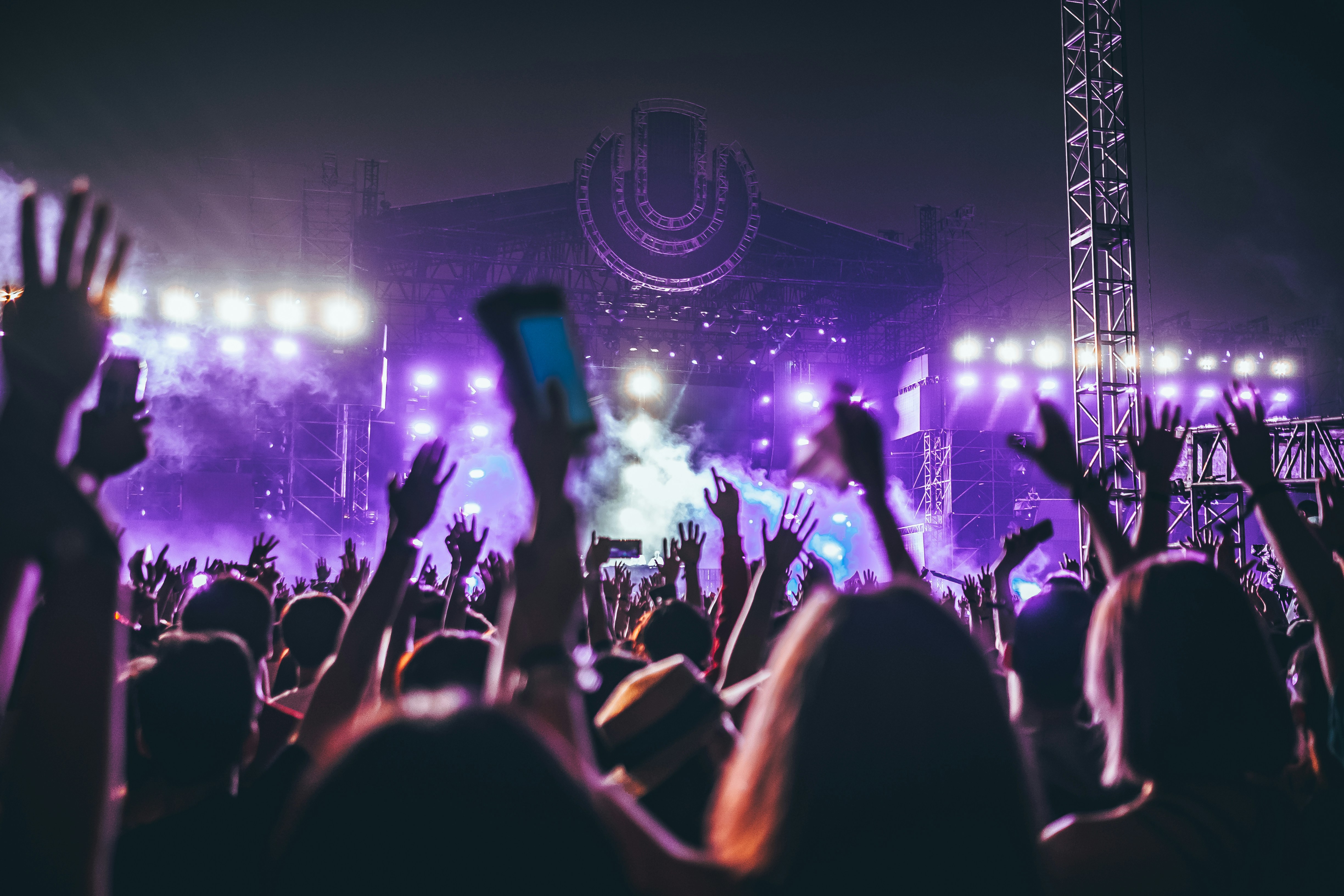
Subcultures form around sound, reinforced by shared spaces—clubs, festivals, online communities—and by rituals of listening and performance. These sound-based identities can be inclusive or exclusionary, liberating or prescriptive, depending on how they are policed.
Noise, Power, and Control
Sound is not distributed evenly across society.
Who is allowed to be loud, and who is expected to be quiet, reflects power dynamics. Noise regulations, zoning laws, and public complaints often reveal social hierarchies more than acoustic necessity.
“Noise is political,” said an urban studies researcher. “What counts as disturbance depends on who’s making it.”
Historically, the sounds of marginalized communities—street music, protest chants, informal gatherings—have been framed as disorderly or disruptive. At the same time, sanctioned sounds—sirens, announcements, industrial noise—are treated as necessary or neutral.
Control over sound is, in many ways, control over space.
Protest, Voice, and Collective Sound
Few forms of sound are as explicitly social as protest.
Chants, songs, and rhythmic repetition transform individual voices into collective presence. They compress complex demands into audible symbols that travel through streets, broadcasts, and memory.
“Sound gives movements momentum,” said a historian of social movements. “It turns crowds into something audible—and therefore harder to ignore.”
Even when words change across languages and contexts, rhythm and repetition remain constant. Protest sound operates both practically, coordinating action, and symbolically, asserting visibility in public space.
Technology and the Shaping of Sound
Technological change has reshaped how sound is produced, shared, and valued.
Recording technology detached sound from place, allowing voices to travel far beyond their origin. Streaming platforms further abstract sound, embedding it in algorithms and metrics.
“Sound is now organized by systems that prioritize engagement,” said a digital media researcher. “That changes what gets heard.”
These systems amplify certain sounds while marginalizing others, shaping cultural memory through recommendation rather than preservation. Popularity becomes a proxy for significance, even when social value lies elsewhere.
Listening as a Social Act
Listening is often treated as passive. In reality, it is a social act shaped by attention, context, and intention.
Who listens—and how—determines whether sound becomes expression or noise. Cultural norms dictate appropriate listening spaces, from concert halls to headphones, from communal rituals to private consumption.
“Listening is a form of participation,” said a sound artist who works with public installations. “It’s how people complete the work.”
In this sense, sound is co-created. Meaning emerges not only from what is produced, but from how it is received.
Silence and Exclusion
Silence, too, has social meaning.
Absence of sound can signal respect, fear, suppression, or erasure. In many cases, silence is not chosen, but imposed—through censorship, marginalization, or lack of access to platforms.
“Silence isn’t neutral,” said a media theorist. “It often reflects whose voices were never invited.”
Understanding sound as social expression requires attention not only to what is heard, but to what is missing.
Sound Beyond Music
Sound as social expression extends beyond music.
Podcasts, spoken-word recordings, ambient compositions, and everyday soundscapes shape how people experience time, place, and community. Even functional sounds—notifications, alerts, system tones—carry cultural assumptions about urgency and attention.
“Our sound environments teach us how to behave,” said the anthropologist. “They condition expectation.”
These everyday acoustics influence mood, stress, and interaction, often without conscious awareness.
A Shared Medium
Sound is ephemeral. It exists only as long as it is heard.
Yet its social impact can be lasting. Songs outlive movements. Voices become archives. Rhythms resurface across generations, carrying memory forward.
Sound expresses what cannot always be stated plainly: belonging, dissent, intimacy, grief, joy.
It binds people not by argument, but by resonance.
Sound, as social expression, does not ask to be decoded.
It asks to be felt—and, above all, to be listened to.

Subcategory
Members only
Sound is one of the earliest ways humans express themselves. Long before writing systems or visual symbols, rhythm, voice, and noise carried meaning across communities. Today, sound continues to operate as more than entertainment or background—it functions as a social signal, a cultural archive, and a form of collective identity.
“Sound tells you who belongs, who speaks, and who is heard,” said a cultural anthropologist who studies music and social behavior. “It’s never just aesthetic.”
From protest chants and club music to podcasts and ambient soundscapes, the ways societies produce and organize sound reflect power, resistance, and shared experience. Listening closely reveals not only what people enjoy, but how they relate to one another.
Sound Before Language
Sound precedes formal language in both human development and cultural history.
Lullabies, ritual drumming, and communal singing are among the earliest recorded forms of social coordination. These practices establish rhythm and emotional alignment before meaning is articulated through words.
“Sound creates synchrony,” said a neuroscientist researching music and cognition. “It aligns bodies before it aligns ideas.”
This capacity—to produce shared feeling without requiring explicit agreement—gives sound unique social power. It allows communities to form around sensation rather than ideology, creating bonds that are felt rather than argued.
Music as Identity Marker
Music has long functioned as a marker of identity.
Genres emerge within specific social contexts: geographic regions, political movements, generational shifts. To adopt a sound is often to affiliate oneself with a set of values, histories, and expectations.
“When people say they listen to a certain kind of music, they’re rarely just describing taste,” said a sociologist of culture. “They’re signaling belonging.”
Subcultures form around sound, reinforced by shared spaces—clubs, festivals, online communities—and by rituals of listening and performance. These sound-based identities can be inclusive or exclusionary, liberating or prescriptive, depending on how they are policed.
Noise, Power, and Control
Sound is not distributed evenly across society.
Who is allowed to be loud, and who is expected to be quiet, reflects power dynamics. Noise regulations, zoning laws, and public complaints often reveal social hierarchies more than acoustic necessity.
“Noise is political,” said an urban studies researcher. “What counts as disturbance depends on who’s making it.”
Historically, the sounds of marginalized communities—street music, protest chants, informal gatherings—have been framed as disorderly or disruptive. At the same time, sanctioned sounds—sirens, announcements, industrial noise—are treated as necessary or neutral.
Control over sound is, in many ways, control over space.
Protest, Voice, and Collective Sound
Few forms of sound are as explicitly social as protest.
Chants, songs, and rhythmic repetition transform individual voices into collective presence. They compress complex demands into audible symbols that travel through streets, broadcasts, and memory.
“Sound gives movements momentum,” said a historian of social movements. “It turns crowds into something audible—and therefore harder to ignore.”
Even when words change across languages and contexts, rhythm and repetition remain constant. Protest sound operates both practically, coordinating action, and symbolically, asserting visibility in public space.
Technology and the Shaping of Sound
Technological change has reshaped how sound is produced, shared, and valued.
Recording technology detached sound from place, allowing voices to travel far beyond their origin. Streaming platforms further abstract sound, embedding it in algorithms and metrics.
“Sound is now organized by systems that prioritize engagement,” said a digital media researcher. “That changes what gets heard.”
These systems amplify certain sounds while marginalizing others, shaping cultural memory through recommendation rather than preservation. Popularity becomes a proxy for significance, even when social value lies elsewhere.
Listening as a Social Act
Listening is often treated as passive. In reality, it is a social act shaped by attention, context, and intention.
Who listens—and how—determines whether sound becomes expression or noise. Cultural norms dictate appropriate listening spaces, from concert halls to headphones, from communal rituals to private consumption.
“Listening is a form of participation,” said a sound artist who works with public installations. “It’s how people complete the work.”
In this sense, sound is co-created. Meaning emerges not only from what is produced, but from how it is received.
Silence and Exclusion
Silence, too, has social meaning.
Absence of sound can signal respect, fear, suppression, or erasure. In many cases, silence is not chosen, but imposed—through censorship, marginalization, or lack of access to platforms.
“Silence isn’t neutral,” said a media theorist. “It often reflects whose voices were never invited.”
Understanding sound as social expression requires attention not only to what is heard, but to what is missing.
Sound Beyond Music
Sound as social expression extends beyond music.
Podcasts, spoken-word recordings, ambient compositions, and everyday soundscapes shape how people experience time, place, and community. Even functional sounds—notifications, alerts, system tones—carry cultural assumptions about urgency and attention.
“Our sound environments teach us how to behave,” said the anthropologist. “They condition expectation.”
These everyday acoustics influence mood, stress, and interaction, often without conscious awareness.
A Shared Medium
Sound is ephemeral. It exists only as long as it is heard.
Yet its social impact can be lasting. Songs outlive movements. Voices become archives. Rhythms resurface across generations, carrying memory forward.
Sound expresses what cannot always be stated plainly: belonging, dissent, intimacy, grief, joy.
It binds people not by argument, but by resonance.
Sound, as social expression, does not ask to be decoded.
It asks to be felt—and, above all, to be listened to.
Subcategory
Members only
Sound is one of the earliest ways humans express themselves. Long before writing systems or visual symbols, rhythm, voice, and noise carried meaning across communities. Today, sound continues to operate as more than entertainment or background—it functions as a social signal, a cultural archive, and a form of collective identity.
“Sound tells you who belongs, who speaks, and who is heard,” said a cultural anthropologist who studies music and social behavior. “It’s never just aesthetic.”
From protest chants and club music to podcasts and ambient soundscapes, the ways societies produce and organize sound reflect power, resistance, and shared experience. Listening closely reveals not only what people enjoy, but how they relate to one another.
Sound Before Language
Sound precedes formal language in both human development and cultural history.
Lullabies, ritual drumming, and communal singing are among the earliest recorded forms of social coordination. These practices establish rhythm and emotional alignment before meaning is articulated through words.
“Sound creates synchrony,” said a neuroscientist researching music and cognition. “It aligns bodies before it aligns ideas.”
This capacity—to produce shared feeling without requiring explicit agreement—gives sound unique social power. It allows communities to form around sensation rather than ideology, creating bonds that are felt rather than argued.
Music as Identity Marker
Music has long functioned as a marker of identity.
Genres emerge within specific social contexts: geographic regions, political movements, generational shifts. To adopt a sound is often to affiliate oneself with a set of values, histories, and expectations.
“When people say they listen to a certain kind of music, they’re rarely just describing taste,” said a sociologist of culture. “They’re signaling belonging.”
Subcultures form around sound, reinforced by shared spaces—clubs, festivals, online communities—and by rituals of listening and performance. These sound-based identities can be inclusive or exclusionary, liberating or prescriptive, depending on how they are policed.
Noise, Power, and Control
Sound is not distributed evenly across society.
Who is allowed to be loud, and who is expected to be quiet, reflects power dynamics. Noise regulations, zoning laws, and public complaints often reveal social hierarchies more than acoustic necessity.
“Noise is political,” said an urban studies researcher. “What counts as disturbance depends on who’s making it.”
Historically, the sounds of marginalized communities—street music, protest chants, informal gatherings—have been framed as disorderly or disruptive. At the same time, sanctioned sounds—sirens, announcements, industrial noise—are treated as necessary or neutral.
Control over sound is, in many ways, control over space.
Protest, Voice, and Collective Sound
Few forms of sound are as explicitly social as protest.
Chants, songs, and rhythmic repetition transform individual voices into collective presence. They compress complex demands into audible symbols that travel through streets, broadcasts, and memory.
“Sound gives movements momentum,” said a historian of social movements. “It turns crowds into something audible—and therefore harder to ignore.”
Even when words change across languages and contexts, rhythm and repetition remain constant. Protest sound operates both practically, coordinating action, and symbolically, asserting visibility in public space.
Technology and the Shaping of Sound
Technological change has reshaped how sound is produced, shared, and valued.
Recording technology detached sound from place, allowing voices to travel far beyond their origin. Streaming platforms further abstract sound, embedding it in algorithms and metrics.
“Sound is now organized by systems that prioritize engagement,” said a digital media researcher. “That changes what gets heard.”
These systems amplify certain sounds while marginalizing others, shaping cultural memory through recommendation rather than preservation. Popularity becomes a proxy for significance, even when social value lies elsewhere.
Listening as a Social Act
Listening is often treated as passive. In reality, it is a social act shaped by attention, context, and intention.
Who listens—and how—determines whether sound becomes expression or noise. Cultural norms dictate appropriate listening spaces, from concert halls to headphones, from communal rituals to private consumption.
“Listening is a form of participation,” said a sound artist who works with public installations. “It’s how people complete the work.”
In this sense, sound is co-created. Meaning emerges not only from what is produced, but from how it is received.
Silence and Exclusion
Silence, too, has social meaning.
Absence of sound can signal respect, fear, suppression, or erasure. In many cases, silence is not chosen, but imposed—through censorship, marginalization, or lack of access to platforms.
“Silence isn’t neutral,” said a media theorist. “It often reflects whose voices were never invited.”
Understanding sound as social expression requires attention not only to what is heard, but to what is missing.
Sound Beyond Music
Sound as social expression extends beyond music.
Podcasts, spoken-word recordings, ambient compositions, and everyday soundscapes shape how people experience time, place, and community. Even functional sounds—notifications, alerts, system tones—carry cultural assumptions about urgency and attention.
“Our sound environments teach us how to behave,” said the anthropologist. “They condition expectation.”
These everyday acoustics influence mood, stress, and interaction, often without conscious awareness.
A Shared Medium
Sound is ephemeral. It exists only as long as it is heard.
Yet its social impact can be lasting. Songs outlive movements. Voices become archives. Rhythms resurface across generations, carrying memory forward.
Sound expresses what cannot always be stated plainly: belonging, dissent, intimacy, grief, joy.
It binds people not by argument, but by resonance.
Sound, as social expression, does not ask to be decoded.
It asks to be felt—and, above all, to be listened to.
Subcategory
Members only
Books are often treated as containers of ideas—repositories of arguments, stories, or information. But this framing understates their function. Books do not merely hold thought; they organize it. They give ideas structure, sequence, and proportion. In this sense, books operate less like vessels and more like buildings: intellectual architectures designed to be entered, navigated, and inhabited.
“A book is a space you move through,” said a literary theorist who studies form and structure. “Its meaning emerges not just from what it says, but from how it’s built.”
From philosophy and history to fiction and criticism, books shape thinking by arranging ideas in time. Chapters, sections, digressions, and returns are not ornamental. They are load-bearing.
Structure as Argument
Every book makes an argument through its structure, whether explicit or implicit.
In non-fiction, the sequence of claims, evidence, and interpretation guides the reader through a logic that unfolds gradually. In fiction, narrative architecture—plot, pacing, point of view—organizes experience and meaning.
“You could summarize the ideas in a book,” said an editor of scholarly works. “But you’d lose the architecture. And that’s where understanding happens.”
Introductions orient readers. Conclusions reframe what has come before. Footnotes, appendices, and indexes extend the building outward, offering auxiliary rooms for deeper exploration.
A book’s structure determines not only what is understood, but how understanding is reached.
The Discipline of Length
Unlike articles or essays, books impose duration.
They require sustained attention across days or weeks. This temporal commitment shapes the kind of thinking books enable—slow, cumulative, resistant to immediacy.
“Books allow ideas to mature,” said a historian of ideas. “They create the conditions for complexity.”
Length permits contradiction, revision, and layered argument. Authors can return to earlier claims, complicate them, or dismantle them altogether. Readers, in turn, are invited into a longer conversation—one that unfolds rather than announces itself.
This discipline of length is not accidental. It is foundational to the book’s intellectual role.
Books as Systems of Thought
Many of the most influential books function as systems rather than statements.
They establish conceptual frameworks that readers carry beyond the text itself—ways of organizing experience, interpreting evidence, or asking questions.
“Some books don’t just teach you something,” said a philosophy lecturer. “They teach you how to think.”
These systems persist even when specific conclusions are contested or revised. The architecture remains, offering a scaffold for future inquiry.
In this sense, books operate as intellectual infrastructure. They support disciplines, debates, and traditions long after publication.
Material Form and Cognitive Space
The physical form of books has historically reinforced their architectural function.
Pagination, margins, and binding provide orientation. Readers know where they are within a text—near the beginning, deep inside, approaching an end. This spatial awareness aids comprehension and memory.
“When you remember a passage, you often remember where it was on the page,” said a cognitive psychologist studying reading. “That’s spatial cognition at work.”
Digital formats alter this experience. While accessibility increases, spatial cues diminish. Progress bars replace page numbers. Search replaces navigation.
The architecture remains—but its contours change.
Libraries as Cities of Thought
If books are buildings, libraries are cities.
They organize intellectual space at scale, arranging works by subject, discipline, or lineage. Proximity creates dialogue. Browsing reveals connections not dictated by search queries.
“Libraries teach you what a field looks like,” said a librarian responsible for academic collections. “Not just what’s popular, but what exists.”
This spatial arrangement fosters intellectual discovery. It exposes readers to adjacent ideas, forgotten works, and unexpected intersections.
In digital environments, where recommendation algorithms guide attention, this architectural randomness is harder to reproduce.
Authorship and Design
Authors are, in effect, architects.
They design routes through material, deciding what readers encounter first, what is deferred, and what is emphasized. These choices reflect values: what deserves prominence, what can remain peripheral.
“Writing a book is an act of design,” said a novelist known for formally ambitious work. “You’re shaping experience, not just content.”
Revisions often focus less on language than on structure—moving chapters, reordering sections, rebalancing emphasis. These changes can transform meaning without altering facts.
Architecture, here, is interpretation.
Reading as Occupation
To read a book deeply is to occupy it.
Readers move through its rooms, pause in its corridors, return to familiar spaces. Some books invite linear traversal; others reward wandering.
“Certain books feel like places you revisit,” said a literary critic. “Not because you forgot them, but because they contain more than one path.”
This occupation is active. Readers furnish books with their own questions, experiences, and marginal notes. Meaning emerges through interaction between structure and attention.
A book that endures is one that supports repeated habitation.
Books in a Fragmented Culture
In a media environment defined by speed and fragmentation, the book’s architectural role becomes more pronounced—and more contested.
Short-form content excels at transmission. Books excel at integration.
“The book resists interruption,” said the historian. “It asks for continuity.”
This resistance is not merely nostalgic. It serves a function. Certain ideas—ethical systems, historical narratives, theoretical frameworks—require extended space to unfold responsibly.
The future of books may depend less on format and more on whether culture continues to value such spaces.
Enduring Structures
Books age. Arguments are revised. Facts change. But architecture often outlasts content.
The most influential books are remembered not only for what they argued, but for how they organized thought—how they made complexity navigable.
“A good book gives you a map,” said the editor. “Even when the territory changes.”
In this sense, books do more than communicate ideas.
They shape the environments in which ideas live.
Books are not just read.
They are entered, explored, and, over time, built upon.

Subcategory
Members only
Books are often treated as containers of ideas—repositories of arguments, stories, or information. But this framing understates their function. Books do not merely hold thought; they organize it. They give ideas structure, sequence, and proportion. In this sense, books operate less like vessels and more like buildings: intellectual architectures designed to be entered, navigated, and inhabited.
“A book is a space you move through,” said a literary theorist who studies form and structure. “Its meaning emerges not just from what it says, but from how it’s built.”
From philosophy and history to fiction and criticism, books shape thinking by arranging ideas in time. Chapters, sections, digressions, and returns are not ornamental. They are load-bearing.
Structure as Argument
Every book makes an argument through its structure, whether explicit or implicit.
In non-fiction, the sequence of claims, evidence, and interpretation guides the reader through a logic that unfolds gradually. In fiction, narrative architecture—plot, pacing, point of view—organizes experience and meaning.
“You could summarize the ideas in a book,” said an editor of scholarly works. “But you’d lose the architecture. And that’s where understanding happens.”
Introductions orient readers. Conclusions reframe what has come before. Footnotes, appendices, and indexes extend the building outward, offering auxiliary rooms for deeper exploration.
A book’s structure determines not only what is understood, but how understanding is reached.
The Discipline of Length
Unlike articles or essays, books impose duration.
They require sustained attention across days or weeks. This temporal commitment shapes the kind of thinking books enable—slow, cumulative, resistant to immediacy.
“Books allow ideas to mature,” said a historian of ideas. “They create the conditions for complexity.”
Length permits contradiction, revision, and layered argument. Authors can return to earlier claims, complicate them, or dismantle them altogether. Readers, in turn, are invited into a longer conversation—one that unfolds rather than announces itself.
This discipline of length is not accidental. It is foundational to the book’s intellectual role.
Books as Systems of Thought
Many of the most influential books function as systems rather than statements.
They establish conceptual frameworks that readers carry beyond the text itself—ways of organizing experience, interpreting evidence, or asking questions.
“Some books don’t just teach you something,” said a philosophy lecturer. “They teach you how to think.”
These systems persist even when specific conclusions are contested or revised. The architecture remains, offering a scaffold for future inquiry.
In this sense, books operate as intellectual infrastructure. They support disciplines, debates, and traditions long after publication.
Material Form and Cognitive Space
The physical form of books has historically reinforced their architectural function.
Pagination, margins, and binding provide orientation. Readers know where they are within a text—near the beginning, deep inside, approaching an end. This spatial awareness aids comprehension and memory.
“When you remember a passage, you often remember where it was on the page,” said a cognitive psychologist studying reading. “That’s spatial cognition at work.”
Digital formats alter this experience. While accessibility increases, spatial cues diminish. Progress bars replace page numbers. Search replaces navigation.
The architecture remains—but its contours change.
Libraries as Cities of Thought
If books are buildings, libraries are cities.
They organize intellectual space at scale, arranging works by subject, discipline, or lineage. Proximity creates dialogue. Browsing reveals connections not dictated by search queries.
“Libraries teach you what a field looks like,” said a librarian responsible for academic collections. “Not just what’s popular, but what exists.”
This spatial arrangement fosters intellectual discovery. It exposes readers to adjacent ideas, forgotten works, and unexpected intersections.
In digital environments, where recommendation algorithms guide attention, this architectural randomness is harder to reproduce.
Authorship and Design
Authors are, in effect, architects.
They design routes through material, deciding what readers encounter first, what is deferred, and what is emphasized. These choices reflect values: what deserves prominence, what can remain peripheral.
“Writing a book is an act of design,” said a novelist known for formally ambitious work. “You’re shaping experience, not just content.”
Revisions often focus less on language than on structure—moving chapters, reordering sections, rebalancing emphasis. These changes can transform meaning without altering facts.
Architecture, here, is interpretation.
Reading as Occupation
To read a book deeply is to occupy it.
Readers move through its rooms, pause in its corridors, return to familiar spaces. Some books invite linear traversal; others reward wandering.
“Certain books feel like places you revisit,” said a literary critic. “Not because you forgot them, but because they contain more than one path.”
This occupation is active. Readers furnish books with their own questions, experiences, and marginal notes. Meaning emerges through interaction between structure and attention.
A book that endures is one that supports repeated habitation.
Books in a Fragmented Culture
In a media environment defined by speed and fragmentation, the book’s architectural role becomes more pronounced—and more contested.
Short-form content excels at transmission. Books excel at integration.
“The book resists interruption,” said the historian. “It asks for continuity.”
This resistance is not merely nostalgic. It serves a function. Certain ideas—ethical systems, historical narratives, theoretical frameworks—require extended space to unfold responsibly.
The future of books may depend less on format and more on whether culture continues to value such spaces.
Enduring Structures
Books age. Arguments are revised. Facts change. But architecture often outlasts content.
The most influential books are remembered not only for what they argued, but for how they organized thought—how they made complexity navigable.
“A good book gives you a map,” said the editor. “Even when the territory changes.”
In this sense, books do more than communicate ideas.
They shape the environments in which ideas live.
Books are not just read.
They are entered, explored, and, over time, built upon.
Subcategory
Members only
Books are often treated as containers of ideas—repositories of arguments, stories, or information. But this framing understates their function. Books do not merely hold thought; they organize it. They give ideas structure, sequence, and proportion. In this sense, books operate less like vessels and more like buildings: intellectual architectures designed to be entered, navigated, and inhabited.
“A book is a space you move through,” said a literary theorist who studies form and structure. “Its meaning emerges not just from what it says, but from how it’s built.”
From philosophy and history to fiction and criticism, books shape thinking by arranging ideas in time. Chapters, sections, digressions, and returns are not ornamental. They are load-bearing.
Structure as Argument
Every book makes an argument through its structure, whether explicit or implicit.
In non-fiction, the sequence of claims, evidence, and interpretation guides the reader through a logic that unfolds gradually. In fiction, narrative architecture—plot, pacing, point of view—organizes experience and meaning.
“You could summarize the ideas in a book,” said an editor of scholarly works. “But you’d lose the architecture. And that’s where understanding happens.”
Introductions orient readers. Conclusions reframe what has come before. Footnotes, appendices, and indexes extend the building outward, offering auxiliary rooms for deeper exploration.
A book’s structure determines not only what is understood, but how understanding is reached.
The Discipline of Length
Unlike articles or essays, books impose duration.
They require sustained attention across days or weeks. This temporal commitment shapes the kind of thinking books enable—slow, cumulative, resistant to immediacy.
“Books allow ideas to mature,” said a historian of ideas. “They create the conditions for complexity.”
Length permits contradiction, revision, and layered argument. Authors can return to earlier claims, complicate them, or dismantle them altogether. Readers, in turn, are invited into a longer conversation—one that unfolds rather than announces itself.
This discipline of length is not accidental. It is foundational to the book’s intellectual role.
Books as Systems of Thought
Many of the most influential books function as systems rather than statements.
They establish conceptual frameworks that readers carry beyond the text itself—ways of organizing experience, interpreting evidence, or asking questions.
“Some books don’t just teach you something,” said a philosophy lecturer. “They teach you how to think.”
These systems persist even when specific conclusions are contested or revised. The architecture remains, offering a scaffold for future inquiry.
In this sense, books operate as intellectual infrastructure. They support disciplines, debates, and traditions long after publication.
Material Form and Cognitive Space
The physical form of books has historically reinforced their architectural function.
Pagination, margins, and binding provide orientation. Readers know where they are within a text—near the beginning, deep inside, approaching an end. This spatial awareness aids comprehension and memory.
“When you remember a passage, you often remember where it was on the page,” said a cognitive psychologist studying reading. “That’s spatial cognition at work.”
Digital formats alter this experience. While accessibility increases, spatial cues diminish. Progress bars replace page numbers. Search replaces navigation.
The architecture remains—but its contours change.
Libraries as Cities of Thought
If books are buildings, libraries are cities.
They organize intellectual space at scale, arranging works by subject, discipline, or lineage. Proximity creates dialogue. Browsing reveals connections not dictated by search queries.
“Libraries teach you what a field looks like,” said a librarian responsible for academic collections. “Not just what’s popular, but what exists.”
This spatial arrangement fosters intellectual discovery. It exposes readers to adjacent ideas, forgotten works, and unexpected intersections.
In digital environments, where recommendation algorithms guide attention, this architectural randomness is harder to reproduce.
Authorship and Design
Authors are, in effect, architects.
They design routes through material, deciding what readers encounter first, what is deferred, and what is emphasized. These choices reflect values: what deserves prominence, what can remain peripheral.
“Writing a book is an act of design,” said a novelist known for formally ambitious work. “You’re shaping experience, not just content.”
Revisions often focus less on language than on structure—moving chapters, reordering sections, rebalancing emphasis. These changes can transform meaning without altering facts.
Architecture, here, is interpretation.
Reading as Occupation
To read a book deeply is to occupy it.
Readers move through its rooms, pause in its corridors, return to familiar spaces. Some books invite linear traversal; others reward wandering.
“Certain books feel like places you revisit,” said a literary critic. “Not because you forgot them, but because they contain more than one path.”
This occupation is active. Readers furnish books with their own questions, experiences, and marginal notes. Meaning emerges through interaction between structure and attention.
A book that endures is one that supports repeated habitation.
Books in a Fragmented Culture
In a media environment defined by speed and fragmentation, the book’s architectural role becomes more pronounced—and more contested.
Short-form content excels at transmission. Books excel at integration.
“The book resists interruption,” said the historian. “It asks for continuity.”
This resistance is not merely nostalgic. It serves a function. Certain ideas—ethical systems, historical narratives, theoretical frameworks—require extended space to unfold responsibly.
The future of books may depend less on format and more on whether culture continues to value such spaces.
Enduring Structures
Books age. Arguments are revised. Facts change. But architecture often outlasts content.
The most influential books are remembered not only for what they argued, but for how they organized thought—how they made complexity navigable.
“A good book gives you a map,” said the editor. “Even when the territory changes.”
In this sense, books do more than communicate ideas.
They shape the environments in which ideas live.
Books are not just read.
They are entered, explored, and, over time, built upon.
Subcategory
Members only
Music is often described as personal taste—something chosen, consumed, and enjoyed privately. Yet music rarely stays private for long. It spills into language, fashion, memory, and belonging. What people listen to often becomes shorthand for who they are, where they come from, and how they see the world.
“Music isn’t just something people like,” said a sociologist who studies culture and identity. “It’s something people use.”
Across societies and generations, music has functioned as a marker of identity—signaling affiliation, resistance, aspiration, and difference. It shapes individual self-understanding while binding people into communities that can be temporary or lifelong.
Identity Before Explanation
Long before individuals articulate who they are, they encounter music.
Songs are present in childhood rituals, family gatherings, religious practices, and public celebrations. These early encounters form emotional associations that often precede conscious choice.
“Music enters identity through feeling, not reasoning,” said a developmental psychologist who researches memory and emotion. “It attaches itself before people can name it.”
These early soundtracks become reference points. Even as tastes evolve, certain songs retain the power to summon past selves—places, relationships, and versions of identity that no longer exist but continue to shape perception.
Belonging and Boundary-Making
Music does not only express identity; it creates boundaries.
Genres and scenes form social worlds with shared norms, aesthetics, and values. To align with a particular sound is often to align with a community—whether local, global, or imagined.
“When someone says, ‘This is my music,’ they’re often saying, ‘This is my place,’” said a cultural anthropologist.
Subcultures built around music—punk, hip-hop, electronic, folk, metal—offer frameworks for belonging. They provide language, style, and attitude. At the same time, they draw lines between insiders and outsiders.
Identity through music is inclusive and exclusive at once.
Music as Resistance and Assertion
For marginalized communities, music has long served as a means of resistance and self-definition.
Songs articulate experiences that are ignored or suppressed elsewhere. They carry histories of struggle, survival, and solidarity. In these contexts, music is not merely expressive—it is declarative.
“When other forms of recognition are denied, music becomes a way of saying ‘we are here,’” said a historian of popular culture.
From protest songs to underground scenes, music allows identities to be asserted publicly, even when political or social power is limited. Sound becomes a vehicle for visibility.
Genre, Stereotype, and Expectation
Music-based identity is not always self-determined.
Genres are often loaded with stereotypes—about class, race, geography, or ideology. These associations can shape how listeners are perceived by others, sometimes in ways they did not choose.
“Taste gets read as character,” said a media critic. “And that can be unfair.”
People may feel pressure to conform to the expectations attached to certain musical identities, or to distance themselves from sounds that carry stigma. In this way, music can constrain identity as much as it enables it.
Global Circulation, Local Meaning
Digital platforms have transformed how music circulates, allowing sounds to travel instantly across borders.
This global reach has expanded access and hybridization. Listeners build identities from influences that span continents and traditions. Genres cross-pollinate. Local scenes absorb global sounds.
“Music moves faster than context,” said a researcher studying digital culture. “Meaning has to catch up.”
While global circulation can foster connection, it can also flatten difference. Detached from its original social conditions, music risks becoming aesthetic without understanding. Identity becomes stylized rather than situated.
Personal Narratives and Soundtracks of the Self
On an individual level, music often functions as a narrative tool.
People organize life events around songs: breakups, friendships, migrations, transformations. Playlists become autobiographies. Albums mark eras.
“Music helps people tell themselves a story about who they are becoming,” said a therapist who integrates music into counseling.
This narrative function explains why musical tastes can feel deeply personal—and why criticism of those tastes can feel like criticism of the self.
Changing Tastes, Changing Selves
Musical identity is not fixed.
As people age, relocate, or experience shifts in circumstance, their relationship to music often changes. New sounds enter. Old ones fade or return with altered meaning.
“Taste evolves as identity evolves,” said the sociologist. “Sometimes people grow out of music. Sometimes they grow back into it.”
What remains constant is not genre, but function: music continues to accompany transitions, providing continuity amid change.
Algorithms and the Shaping of Identity
In the digital era, musical identity is increasingly shaped by recommendation systems.
Algorithms suggest what to listen to next, nudging taste formation through patterns of similarity and popularity. Discovery becomes guided rather than accidental.
“Algorithms don’t just reflect who you are,” said the digital culture researcher. “They participate in shaping who you become.”
This raises questions about agency. When identity is partially curated by systems optimized for engagement, the line between choice and influence becomes blurred.
Listening as Self-Recognition
At its core, music’s role in identity lies in recognition.
Listeners hear something in music that resonates—emotionally, socially, or aesthetically. That resonance affirms experience, even when it cannot be articulated.
“People recognize themselves in sound,” said the anthropologist. “And that recognition is powerful.”
Music provides language where words fall short. It allows identity to be felt before it is explained.
More Than a Mirror
Music does not simply reflect identity. It participates in making it.
Through repetition, affiliation, memory, and emotion, sound becomes woven into how people understand themselves and others. It shapes belonging, difference, and aspiration.
Identity, like music, is relational and evolving.
Music gives it rhythm.
It gives it voice.
And in doing so, it helps turn experience into something recognizable—shared, remembered, and lived.
Subcategory
Members only
Music is often described as personal taste—something chosen, consumed, and enjoyed privately. Yet music rarely stays private for long. It spills into language, fashion, memory, and belonging. What people listen to often becomes shorthand for who they are, where they come from, and how they see the world.
“Music isn’t just something people like,” said a sociologist who studies culture and identity. “It’s something people use.”
Across societies and generations, music has functioned as a marker of identity—signaling affiliation, resistance, aspiration, and difference. It shapes individual self-understanding while binding people into communities that can be temporary or lifelong.
Identity Before Explanation
Long before individuals articulate who they are, they encounter music.
Songs are present in childhood rituals, family gatherings, religious practices, and public celebrations. These early encounters form emotional associations that often precede conscious choice.
“Music enters identity through feeling, not reasoning,” said a developmental psychologist who researches memory and emotion. “It attaches itself before people can name it.”
These early soundtracks become reference points. Even as tastes evolve, certain songs retain the power to summon past selves—places, relationships, and versions of identity that no longer exist but continue to shape perception.
Belonging and Boundary-Making
Music does not only express identity; it creates boundaries.
Genres and scenes form social worlds with shared norms, aesthetics, and values. To align with a particular sound is often to align with a community—whether local, global, or imagined.
“When someone says, ‘This is my music,’ they’re often saying, ‘This is my place,’” said a cultural anthropologist.
Subcultures built around music—punk, hip-hop, electronic, folk, metal—offer frameworks for belonging. They provide language, style, and attitude. At the same time, they draw lines between insiders and outsiders.
Identity through music is inclusive and exclusive at once.
Music as Resistance and Assertion
For marginalized communities, music has long served as a means of resistance and self-definition.
Songs articulate experiences that are ignored or suppressed elsewhere. They carry histories of struggle, survival, and solidarity. In these contexts, music is not merely expressive—it is declarative.
“When other forms of recognition are denied, music becomes a way of saying ‘we are here,’” said a historian of popular culture.
From protest songs to underground scenes, music allows identities to be asserted publicly, even when political or social power is limited. Sound becomes a vehicle for visibility.
Genre, Stereotype, and Expectation
Music-based identity is not always self-determined.
Genres are often loaded with stereotypes—about class, race, geography, or ideology. These associations can shape how listeners are perceived by others, sometimes in ways they did not choose.
“Taste gets read as character,” said a media critic. “And that can be unfair.”
People may feel pressure to conform to the expectations attached to certain musical identities, or to distance themselves from sounds that carry stigma. In this way, music can constrain identity as much as it enables it.
Global Circulation, Local Meaning
Digital platforms have transformed how music circulates, allowing sounds to travel instantly across borders.
This global reach has expanded access and hybridization. Listeners build identities from influences that span continents and traditions. Genres cross-pollinate. Local scenes absorb global sounds.
“Music moves faster than context,” said a researcher studying digital culture. “Meaning has to catch up.”
While global circulation can foster connection, it can also flatten difference. Detached from its original social conditions, music risks becoming aesthetic without understanding. Identity becomes stylized rather than situated.
Personal Narratives and Soundtracks of the Self
On an individual level, music often functions as a narrative tool.
People organize life events around songs: breakups, friendships, migrations, transformations. Playlists become autobiographies. Albums mark eras.
“Music helps people tell themselves a story about who they are becoming,” said a therapist who integrates music into counseling.
This narrative function explains why musical tastes can feel deeply personal—and why criticism of those tastes can feel like criticism of the self.
Changing Tastes, Changing Selves
Musical identity is not fixed.
As people age, relocate, or experience shifts in circumstance, their relationship to music often changes. New sounds enter. Old ones fade or return with altered meaning.
“Taste evolves as identity evolves,” said the sociologist. “Sometimes people grow out of music. Sometimes they grow back into it.”
What remains constant is not genre, but function: music continues to accompany transitions, providing continuity amid change.
Algorithms and the Shaping of Identity
In the digital era, musical identity is increasingly shaped by recommendation systems.
Algorithms suggest what to listen to next, nudging taste formation through patterns of similarity and popularity. Discovery becomes guided rather than accidental.
“Algorithms don’t just reflect who you are,” said the digital culture researcher. “They participate in shaping who you become.”
This raises questions about agency. When identity is partially curated by systems optimized for engagement, the line between choice and influence becomes blurred.
Listening as Self-Recognition
At its core, music’s role in identity lies in recognition.
Listeners hear something in music that resonates—emotionally, socially, or aesthetically. That resonance affirms experience, even when it cannot be articulated.
“People recognize themselves in sound,” said the anthropologist. “And that recognition is powerful.”
Music provides language where words fall short. It allows identity to be felt before it is explained.
More Than a Mirror
Music does not simply reflect identity. It participates in making it.
Through repetition, affiliation, memory, and emotion, sound becomes woven into how people understand themselves and others. It shapes belonging, difference, and aspiration.
Identity, like music, is relational and evolving.
Music gives it rhythm.
It gives it voice.
And in doing so, it helps turn experience into something recognizable—shared, remembered, and lived.
Subcategory
Members only
Music is often described as personal taste—something chosen, consumed, and enjoyed privately. Yet music rarely stays private for long. It spills into language, fashion, memory, and belonging. What people listen to often becomes shorthand for who they are, where they come from, and how they see the world.
“Music isn’t just something people like,” said a sociologist who studies culture and identity. “It’s something people use.”
Across societies and generations, music has functioned as a marker of identity—signaling affiliation, resistance, aspiration, and difference. It shapes individual self-understanding while binding people into communities that can be temporary or lifelong.
Identity Before Explanation
Long before individuals articulate who they are, they encounter music.
Songs are present in childhood rituals, family gatherings, religious practices, and public celebrations. These early encounters form emotional associations that often precede conscious choice.
“Music enters identity through feeling, not reasoning,” said a developmental psychologist who researches memory and emotion. “It attaches itself before people can name it.”
These early soundtracks become reference points. Even as tastes evolve, certain songs retain the power to summon past selves—places, relationships, and versions of identity that no longer exist but continue to shape perception.
Belonging and Boundary-Making
Music does not only express identity; it creates boundaries.
Genres and scenes form social worlds with shared norms, aesthetics, and values. To align with a particular sound is often to align with a community—whether local, global, or imagined.
“When someone says, ‘This is my music,’ they’re often saying, ‘This is my place,’” said a cultural anthropologist.
Subcultures built around music—punk, hip-hop, electronic, folk, metal—offer frameworks for belonging. They provide language, style, and attitude. At the same time, they draw lines between insiders and outsiders.
Identity through music is inclusive and exclusive at once.
Music as Resistance and Assertion
For marginalized communities, music has long served as a means of resistance and self-definition.
Songs articulate experiences that are ignored or suppressed elsewhere. They carry histories of struggle, survival, and solidarity. In these contexts, music is not merely expressive—it is declarative.
“When other forms of recognition are denied, music becomes a way of saying ‘we are here,’” said a historian of popular culture.
From protest songs to underground scenes, music allows identities to be asserted publicly, even when political or social power is limited. Sound becomes a vehicle for visibility.
Genre, Stereotype, and Expectation
Music-based identity is not always self-determined.
Genres are often loaded with stereotypes—about class, race, geography, or ideology. These associations can shape how listeners are perceived by others, sometimes in ways they did not choose.
“Taste gets read as character,” said a media critic. “And that can be unfair.”
People may feel pressure to conform to the expectations attached to certain musical identities, or to distance themselves from sounds that carry stigma. In this way, music can constrain identity as much as it enables it.
Global Circulation, Local Meaning
Digital platforms have transformed how music circulates, allowing sounds to travel instantly across borders.
This global reach has expanded access and hybridization. Listeners build identities from influences that span continents and traditions. Genres cross-pollinate. Local scenes absorb global sounds.
“Music moves faster than context,” said a researcher studying digital culture. “Meaning has to catch up.”
While global circulation can foster connection, it can also flatten difference. Detached from its original social conditions, music risks becoming aesthetic without understanding. Identity becomes stylized rather than situated.
Personal Narratives and Soundtracks of the Self
On an individual level, music often functions as a narrative tool.
People organize life events around songs: breakups, friendships, migrations, transformations. Playlists become autobiographies. Albums mark eras.
“Music helps people tell themselves a story about who they are becoming,” said a therapist who integrates music into counseling.
This narrative function explains why musical tastes can feel deeply personal—and why criticism of those tastes can feel like criticism of the self.
Changing Tastes, Changing Selves
Musical identity is not fixed.
As people age, relocate, or experience shifts in circumstance, their relationship to music often changes. New sounds enter. Old ones fade or return with altered meaning.
“Taste evolves as identity evolves,” said the sociologist. “Sometimes people grow out of music. Sometimes they grow back into it.”
What remains constant is not genre, but function: music continues to accompany transitions, providing continuity amid change.
Algorithms and the Shaping of Identity
In the digital era, musical identity is increasingly shaped by recommendation systems.
Algorithms suggest what to listen to next, nudging taste formation through patterns of similarity and popularity. Discovery becomes guided rather than accidental.
“Algorithms don’t just reflect who you are,” said the digital culture researcher. “They participate in shaping who you become.”
This raises questions about agency. When identity is partially curated by systems optimized for engagement, the line between choice and influence becomes blurred.
Listening as Self-Recognition
At its core, music’s role in identity lies in recognition.
Listeners hear something in music that resonates—emotionally, socially, or aesthetically. That resonance affirms experience, even when it cannot be articulated.
“People recognize themselves in sound,” said the anthropologist. “And that recognition is powerful.”
Music provides language where words fall short. It allows identity to be felt before it is explained.
More Than a Mirror
Music does not simply reflect identity. It participates in making it.
Through repetition, affiliation, memory, and emotion, sound becomes woven into how people understand themselves and others. It shapes belonging, difference, and aspiration.
Identity, like music, is relational and evolving.
Music gives it rhythm.
It gives it voice.
And in doing so, it helps turn experience into something recognizable—shared, remembered, and lived.
Subcategory
Members only
Literary criticism is often treated as a secondary activity—something that follows literature rather than shaping it. In an era dominated by ratings, summaries, and instant reactions, criticism can seem slow, academic, or unnecessary. Why analyze a book deeply when its plot can be explained in minutes or its reception measured in stars?
Yet literary criticism was never about verdicts alone.
At its best, criticism is a form of reading made public. It is an attempt to understand not only what a book says, but how it works, why it matters, and what it reveals about the world that produced it.
“Criticism is the continuation of literature by other means,” said a scholar of modern literary theory. “It keeps texts alive in conversation.”
More Than Judgment
Criticism is frequently misunderstood as evaluation: praise or condemnation, canon-building or dismissal.
But judgment is only one of its functions.
Literary criticism interprets, contextualizes, and connects. It situates individual works within traditions, movements, and historical moments. It asks what a text assumes about language, power, identity, and meaning.
“A review tells you whether someone liked a book,” said a literary editor. “Criticism tells you what kind of book it is.”
This distinction matters. Without criticism, literature risks being reduced to consumption—liked or disliked, finished or abandoned—rather than engagement.
Criticism as Cultural Memory
Literary criticism serves as a record of how societies read.
Critical essays, reviews, and debates document shifting values and priorities. They reveal how interpretations change over time and why certain works endure while others fade.
“When we reread old criticism, we see our own assumptions more clearly,” said a historian of reading practices.
A novel’s meaning is not fixed at publication. It evolves as readers bring new contexts and questions. Criticism preserves these interpretive layers, allowing literature to function as a living archive rather than a static artifact.
Reading Against the Obvious
One of criticism’s central roles is to resist the obvious.
Stories often present themselves as straightforward. Criticism asks what lies beneath surface meaning: whose perspective is centered, whose is excluded, what is taken for granted.
“Criticism slows reading down,” said a cultural critic. “It creates friction where consumption wants smoothness.”
This friction is productive. It prevents narratives from hardening into clichés or ideology. It invites skepticism without cynicism, curiosity without detachment.
Authority, Taste, and Power
Criticism has always been entangled with power.
Historically, critics influenced which authors were published, reviewed, taught, and remembered. Their judgments shaped canons and careers.
This authority has been challenged—rightly—by calls for broader representation and plural perspectives. Yet the decline of criticism has not eliminated power. It has merely redistributed it.
“When criticism retreats, algorithms step in,” said a media scholar. “Taste doesn’t disappear—it gets automated.”
Platforms now shape literary visibility through engagement metrics and recommendation systems. Without criticism, these mechanisms operate largely unquestioned, privileging popularity over depth.
Criticism and the Reader
Literary criticism is often imagined as speaking down to readers. In practice, it can do the opposite.
Good criticism equips readers with tools—concepts, vocabulary, context—that deepen engagement. It does not replace personal response; it enriches it.
“Criticism doesn’t tell you what to think,” said a teacher of literature. “It shows you how thinking happens.”
Readers who encounter criticism alongside literature often return to texts with sharper attention, noticing patterns, tensions, and choices they might otherwise miss.
The Digital Shift
The digital era has transformed criticism’s form and audience.
Blogs, newsletters, podcasts, and social platforms have expanded who can participate in critical discourse. Voices once excluded from traditional institutions now shape interpretation publicly.
This democratization has brought energy and diversity—but also volatility. Speed favors reaction over reflection. Hot takes replace sustained argument.
“There’s more commentary than ever,” said the literary editor. “But less criticism in the old sense of the word.”
The challenge is not access, but depth.
Criticism Without Certainty
Contemporary criticism increasingly resists authoritative finality.
Rather than issuing definitive interpretations, many critics foreground uncertainty—acknowledging partial perspectives and competing readings.
“This isn’t weakness,” said the literary theorist. “It’s intellectual honesty.”
Such criticism models how to engage complex texts without collapsing them into slogans or morals. It treats literature not as a puzzle to be solved, but as a field to be explored.
Why It Still Matters
In a culture driven by speed, criticism insists on time.
It asks readers to linger, to reread, to question initial impressions. It values attention over immediacy and interpretation over reaction.
“Criticism creates space for thought,” said the cultural critic. “And thought is increasingly scarce.”
Literary criticism matters because literature matters—not as entertainment alone, but as a way societies examine themselves. Without criticism, that examination becomes shallow, easily absorbed by trend and market.
A Practice of Care
At its core, criticism is an act of care.
It takes texts seriously. It assumes they are worth attention, argument, and disagreement. It treats reading as a shared cultural practice rather than a private transaction.
Criticism does not compete with literature.
It accompanies it.
As long as books continue to be written, read, and debated, criticism will remain necessary—not to declare what is good or bad, but to ask why it matters at all.
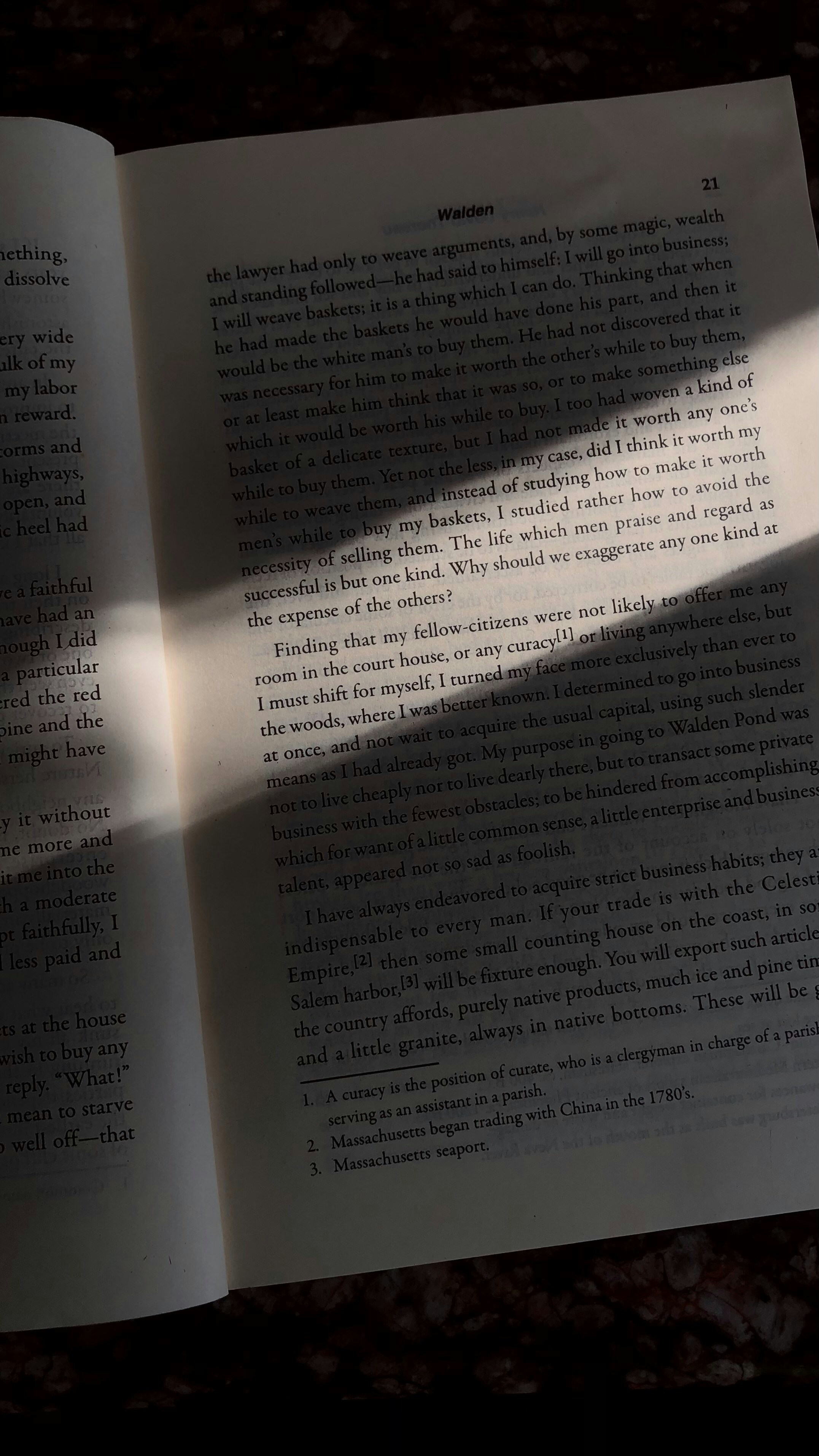
Subcategory
Members only
Literary criticism is often treated as a secondary activity—something that follows literature rather than shaping it. In an era dominated by ratings, summaries, and instant reactions, criticism can seem slow, academic, or unnecessary. Why analyze a book deeply when its plot can be explained in minutes or its reception measured in stars?
Yet literary criticism was never about verdicts alone.
At its best, criticism is a form of reading made public. It is an attempt to understand not only what a book says, but how it works, why it matters, and what it reveals about the world that produced it.
“Criticism is the continuation of literature by other means,” said a scholar of modern literary theory. “It keeps texts alive in conversation.”
More Than Judgment
Criticism is frequently misunderstood as evaluation: praise or condemnation, canon-building or dismissal.
But judgment is only one of its functions.
Literary criticism interprets, contextualizes, and connects. It situates individual works within traditions, movements, and historical moments. It asks what a text assumes about language, power, identity, and meaning.
“A review tells you whether someone liked a book,” said a literary editor. “Criticism tells you what kind of book it is.”
This distinction matters. Without criticism, literature risks being reduced to consumption—liked or disliked, finished or abandoned—rather than engagement.
Criticism as Cultural Memory
Literary criticism serves as a record of how societies read.
Critical essays, reviews, and debates document shifting values and priorities. They reveal how interpretations change over time and why certain works endure while others fade.
“When we reread old criticism, we see our own assumptions more clearly,” said a historian of reading practices.
A novel’s meaning is not fixed at publication. It evolves as readers bring new contexts and questions. Criticism preserves these interpretive layers, allowing literature to function as a living archive rather than a static artifact.
Reading Against the Obvious
One of criticism’s central roles is to resist the obvious.
Stories often present themselves as straightforward. Criticism asks what lies beneath surface meaning: whose perspective is centered, whose is excluded, what is taken for granted.
“Criticism slows reading down,” said a cultural critic. “It creates friction where consumption wants smoothness.”
This friction is productive. It prevents narratives from hardening into clichés or ideology. It invites skepticism without cynicism, curiosity without detachment.
Authority, Taste, and Power
Criticism has always been entangled with power.
Historically, critics influenced which authors were published, reviewed, taught, and remembered. Their judgments shaped canons and careers.
This authority has been challenged—rightly—by calls for broader representation and plural perspectives. Yet the decline of criticism has not eliminated power. It has merely redistributed it.
“When criticism retreats, algorithms step in,” said a media scholar. “Taste doesn’t disappear—it gets automated.”
Platforms now shape literary visibility through engagement metrics and recommendation systems. Without criticism, these mechanisms operate largely unquestioned, privileging popularity over depth.
Criticism and the Reader
Literary criticism is often imagined as speaking down to readers. In practice, it can do the opposite.
Good criticism equips readers with tools—concepts, vocabulary, context—that deepen engagement. It does not replace personal response; it enriches it.
“Criticism doesn’t tell you what to think,” said a teacher of literature. “It shows you how thinking happens.”
Readers who encounter criticism alongside literature often return to texts with sharper attention, noticing patterns, tensions, and choices they might otherwise miss.
The Digital Shift
The digital era has transformed criticism’s form and audience.
Blogs, newsletters, podcasts, and social platforms have expanded who can participate in critical discourse. Voices once excluded from traditional institutions now shape interpretation publicly.
This democratization has brought energy and diversity—but also volatility. Speed favors reaction over reflection. Hot takes replace sustained argument.
“There’s more commentary than ever,” said the literary editor. “But less criticism in the old sense of the word.”
The challenge is not access, but depth.
Criticism Without Certainty
Contemporary criticism increasingly resists authoritative finality.
Rather than issuing definitive interpretations, many critics foreground uncertainty—acknowledging partial perspectives and competing readings.
“This isn’t weakness,” said the literary theorist. “It’s intellectual honesty.”
Such criticism models how to engage complex texts without collapsing them into slogans or morals. It treats literature not as a puzzle to be solved, but as a field to be explored.
Why It Still Matters
In a culture driven by speed, criticism insists on time.
It asks readers to linger, to reread, to question initial impressions. It values attention over immediacy and interpretation over reaction.
“Criticism creates space for thought,” said the cultural critic. “And thought is increasingly scarce.”
Literary criticism matters because literature matters—not as entertainment alone, but as a way societies examine themselves. Without criticism, that examination becomes shallow, easily absorbed by trend and market.
A Practice of Care
At its core, criticism is an act of care.
It takes texts seriously. It assumes they are worth attention, argument, and disagreement. It treats reading as a shared cultural practice rather than a private transaction.
Criticism does not compete with literature.
It accompanies it.
As long as books continue to be written, read, and debated, criticism will remain necessary—not to declare what is good or bad, but to ask why it matters at all.
Subcategory
Members only
Literary criticism is often treated as a secondary activity—something that follows literature rather than shaping it. In an era dominated by ratings, summaries, and instant reactions, criticism can seem slow, academic, or unnecessary. Why analyze a book deeply when its plot can be explained in minutes or its reception measured in stars?
Yet literary criticism was never about verdicts alone.
At its best, criticism is a form of reading made public. It is an attempt to understand not only what a book says, but how it works, why it matters, and what it reveals about the world that produced it.
“Criticism is the continuation of literature by other means,” said a scholar of modern literary theory. “It keeps texts alive in conversation.”
More Than Judgment
Criticism is frequently misunderstood as evaluation: praise or condemnation, canon-building or dismissal.
But judgment is only one of its functions.
Literary criticism interprets, contextualizes, and connects. It situates individual works within traditions, movements, and historical moments. It asks what a text assumes about language, power, identity, and meaning.
“A review tells you whether someone liked a book,” said a literary editor. “Criticism tells you what kind of book it is.”
This distinction matters. Without criticism, literature risks being reduced to consumption—liked or disliked, finished or abandoned—rather than engagement.
Criticism as Cultural Memory
Literary criticism serves as a record of how societies read.
Critical essays, reviews, and debates document shifting values and priorities. They reveal how interpretations change over time and why certain works endure while others fade.
“When we reread old criticism, we see our own assumptions more clearly,” said a historian of reading practices.
A novel’s meaning is not fixed at publication. It evolves as readers bring new contexts and questions. Criticism preserves these interpretive layers, allowing literature to function as a living archive rather than a static artifact.
Reading Against the Obvious
One of criticism’s central roles is to resist the obvious.
Stories often present themselves as straightforward. Criticism asks what lies beneath surface meaning: whose perspective is centered, whose is excluded, what is taken for granted.
“Criticism slows reading down,” said a cultural critic. “It creates friction where consumption wants smoothness.”
This friction is productive. It prevents narratives from hardening into clichés or ideology. It invites skepticism without cynicism, curiosity without detachment.
Authority, Taste, and Power
Criticism has always been entangled with power.
Historically, critics influenced which authors were published, reviewed, taught, and remembered. Their judgments shaped canons and careers.
This authority has been challenged—rightly—by calls for broader representation and plural perspectives. Yet the decline of criticism has not eliminated power. It has merely redistributed it.
“When criticism retreats, algorithms step in,” said a media scholar. “Taste doesn’t disappear—it gets automated.”
Platforms now shape literary visibility through engagement metrics and recommendation systems. Without criticism, these mechanisms operate largely unquestioned, privileging popularity over depth.
Criticism and the Reader
Literary criticism is often imagined as speaking down to readers. In practice, it can do the opposite.
Good criticism equips readers with tools—concepts, vocabulary, context—that deepen engagement. It does not replace personal response; it enriches it.
“Criticism doesn’t tell you what to think,” said a teacher of literature. “It shows you how thinking happens.”
Readers who encounter criticism alongside literature often return to texts with sharper attention, noticing patterns, tensions, and choices they might otherwise miss.
The Digital Shift
The digital era has transformed criticism’s form and audience.
Blogs, newsletters, podcasts, and social platforms have expanded who can participate in critical discourse. Voices once excluded from traditional institutions now shape interpretation publicly.
This democratization has brought energy and diversity—but also volatility. Speed favors reaction over reflection. Hot takes replace sustained argument.
“There’s more commentary than ever,” said the literary editor. “But less criticism in the old sense of the word.”
The challenge is not access, but depth.
Criticism Without Certainty
Contemporary criticism increasingly resists authoritative finality.
Rather than issuing definitive interpretations, many critics foreground uncertainty—acknowledging partial perspectives and competing readings.
“This isn’t weakness,” said the literary theorist. “It’s intellectual honesty.”
Such criticism models how to engage complex texts without collapsing them into slogans or morals. It treats literature not as a puzzle to be solved, but as a field to be explored.
Why It Still Matters
In a culture driven by speed, criticism insists on time.
It asks readers to linger, to reread, to question initial impressions. It values attention over immediacy and interpretation over reaction.
“Criticism creates space for thought,” said the cultural critic. “And thought is increasingly scarce.”
Literary criticism matters because literature matters—not as entertainment alone, but as a way societies examine themselves. Without criticism, that examination becomes shallow, easily absorbed by trend and market.
A Practice of Care
At its core, criticism is an act of care.
It takes texts seriously. It assumes they are worth attention, argument, and disagreement. It treats reading as a shared cultural practice rather than a private transaction.
Criticism does not compete with literature.
It accompanies it.
As long as books continue to be written, read, and debated, criticism will remain necessary—not to declare what is good or bad, but to ask why it matters at all.
Subcategory
Members only
In an era dominated by playlists, singles, and algorithmic discovery, the album can seem like a relic—a format outpaced by speed, convenience, and fragmented listening habits. Music today arrives continuously, detached from sequence, context, or long-term commitment.
And yet, albums persist.
They continue to be made, released, discussed, and defended not out of nostalgia, but because they offer something that shorter forms rarely do: a sustained musical argument. An album is not merely a collection of tracks. It is a structure—temporal, emotional, and conceptual—that asks to be heard as a whole.
“An album is a conversation that unfolds,” said a veteran record producer. “You don’t interrupt it without losing something.”
The Album as Form, Not Container
The album has often been misunderstood as a packaging decision—a way to bundle songs for sale. Historically, however, it has functioned as a creative form in its own right.
Sequencing, pacing, tonal shifts, and thematic continuity shape how albums are experienced. Openings establish mood. Midpoints deepen or disrupt. Closings offer resolution or ambiguity.
“You’re designing a journey,” said a musician known for long-form records. “Track order isn’t technical—it’s narrative.”
This architectural quality distinguishes albums from playlists, which prioritize flexibility over intention. Albums impose order, asking listeners to move through sound in a deliberate way.
Time, Attention, and Commitment
Albums require time.
Unlike singles, which can be absorbed in moments, albums ask for sustained attention—often 40 minutes or more. This demand is precisely what makes them culturally significant.
“Albums slow listening down,” said a music psychologist who studies engagement. “They create space for immersion.”
In a fragmented media environment, this commitment becomes an act of choice. Listeners who sit with albums are not just consuming sound; they are allocating attention, accepting a pace set by someone else.
That exchange—time for vision—is central to the album’s enduring value.
Identity and Artistic Voice
Albums have long been central to how artists articulate identity.
Through recurring motifs, lyrical themes, and sonic palettes, albums allow musicians to present coherent perspectives. They offer room for complexity, contradiction, and evolution within a single work.
“Singles show what an artist can do,” said a music journalist. “Albums show who they are.”
For emerging artists, albums can establish voice. For established ones, they can redefine it. In both cases, the format supports depth rather than immediacy.
Albums in the Age of Streaming
Streaming platforms have reshaped how albums are produced and consumed.
Metrics favor frequent releases and early engagement. Skip rates influence visibility. The pressure to front-load impact has altered sequencing strategies.
“Streaming changed the economics, not the need for structure,” said a digital distribution strategist.
Some artists adapt by releasing shorter albums or staggered projects. Others double down on cohesion, using albums to distinguish themselves from the constant flow of content.
The album survives by evolving—not by disappearing.
Concept, Theme, and World-Building
Albums offer space for concept.
Whether explicit or subtle, thematic coherence allows artists to explore ideas across multiple tracks—identity, place, politics, memory. Sound becomes a medium for world-building.
“A concept album isn’t about gimmicks,” said a composer who works across genres. “It’s about sustained thinking.”
Even albums without overt narratives benefit from internal logic. Repetition gains meaning. Variation creates tension. Over time, listeners recognize patterns that deepen appreciation.
The Listener’s Role
Albums change how listeners listen.
Rather than selecting tracks à la carte, listeners are invited to follow a path. This fosters familiarity not just with songs, but with transitions, moods, and arcs.
“You remember albums as experiences,” said the psychologist. “Not as isolated moments.”
This experiential memory explains why albums often become tied to specific periods of life. They accompany transitions, routines, and emotional states, embedding themselves in personal history.
Cultural Memory and Legacy
Albums also function as cultural markers.
They capture moments in time—technological shifts, social climates, artistic movements. When revisited, they carry context that singles alone rarely retain.
“Albums age differently,” said a music historian. “They become documents.”
Critical discourse, reissues, and anniversaries further reinforce this role. Albums provide reference points for collective memory, anchoring conversations about genre, influence, and change.
Resistance to Disposability
In a music economy defined by abundance, albums resist disposability.
They are harder to skim, harder to replace, harder to forget. This resistance is not accidental—it is built into the form.
“Albums ask for patience,” said the producer. “And patience is increasingly rare.”
That rarity gives albums weight. They stand apart from the stream, offering an alternative to endless novelty.
Why They Still Matter
Albums matter because they preserve a way of thinking about music as more than content.
They allow artists to construct meaning over time. They invite listeners into sustained attention. They create shared cultural reference points that endure beyond release cycles.
Albums are not opposed to singles or playlists.
They serve a different purpose.
They remind us that music can unfold rather than interrupt,
that listening can be immersive rather than incidental,
and that sometimes, meaning emerges not from what comes next,
but from staying with what is already playing.
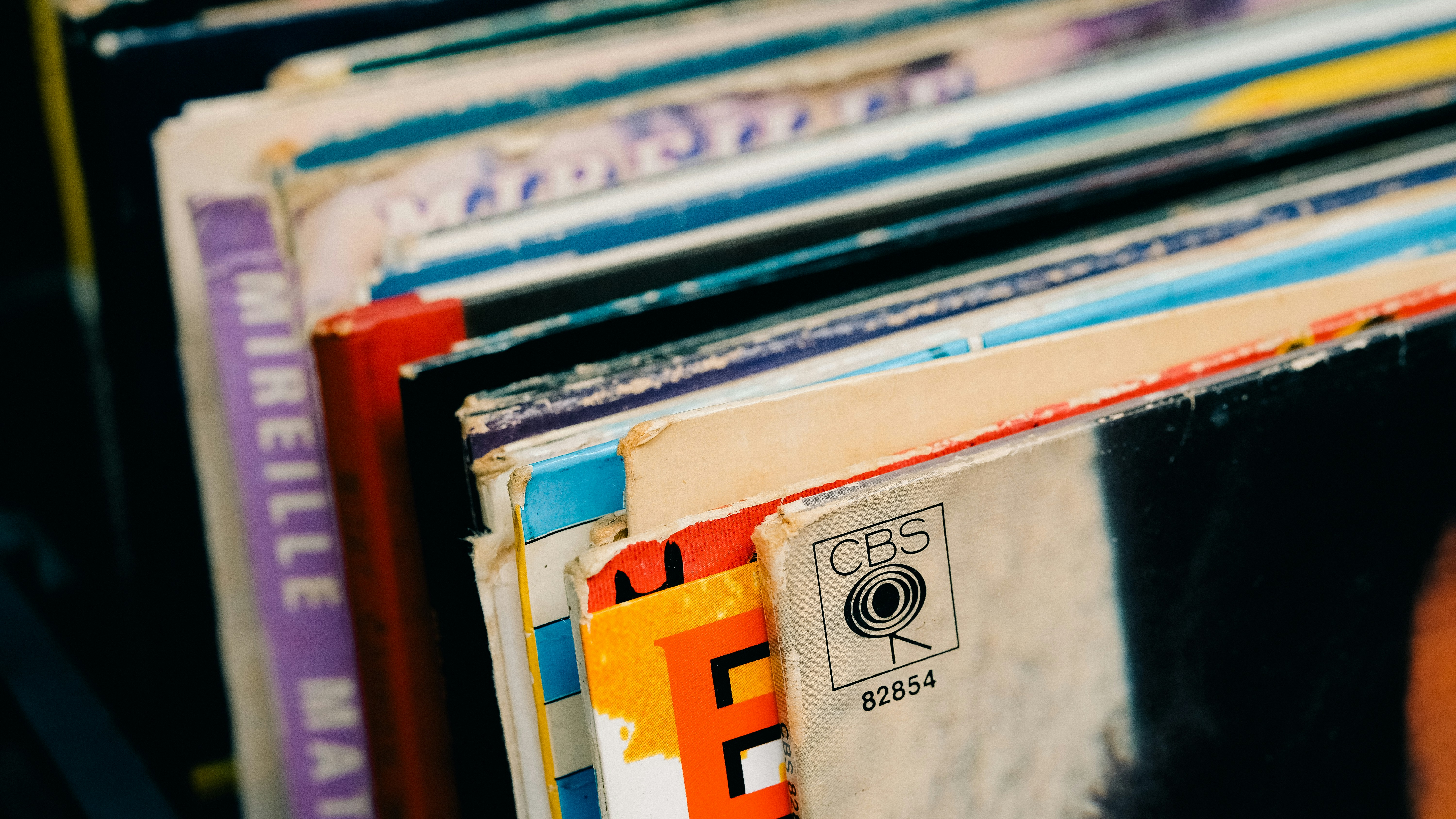
Subcategory
Members only
In an era dominated by playlists, singles, and algorithmic discovery, the album can seem like a relic—a format outpaced by speed, convenience, and fragmented listening habits. Music today arrives continuously, detached from sequence, context, or long-term commitment.
And yet, albums persist.
They continue to be made, released, discussed, and defended not out of nostalgia, but because they offer something that shorter forms rarely do: a sustained musical argument. An album is not merely a collection of tracks. It is a structure—temporal, emotional, and conceptual—that asks to be heard as a whole.
“An album is a conversation that unfolds,” said a veteran record producer. “You don’t interrupt it without losing something.”
The Album as Form, Not Container
The album has often been misunderstood as a packaging decision—a way to bundle songs for sale. Historically, however, it has functioned as a creative form in its own right.
Sequencing, pacing, tonal shifts, and thematic continuity shape how albums are experienced. Openings establish mood. Midpoints deepen or disrupt. Closings offer resolution or ambiguity.
“You’re designing a journey,” said a musician known for long-form records. “Track order isn’t technical—it’s narrative.”
This architectural quality distinguishes albums from playlists, which prioritize flexibility over intention. Albums impose order, asking listeners to move through sound in a deliberate way.
Time, Attention, and Commitment
Albums require time.
Unlike singles, which can be absorbed in moments, albums ask for sustained attention—often 40 minutes or more. This demand is precisely what makes them culturally significant.
“Albums slow listening down,” said a music psychologist who studies engagement. “They create space for immersion.”
In a fragmented media environment, this commitment becomes an act of choice. Listeners who sit with albums are not just consuming sound; they are allocating attention, accepting a pace set by someone else.
That exchange—time for vision—is central to the album’s enduring value.
Identity and Artistic Voice
Albums have long been central to how artists articulate identity.
Through recurring motifs, lyrical themes, and sonic palettes, albums allow musicians to present coherent perspectives. They offer room for complexity, contradiction, and evolution within a single work.
“Singles show what an artist can do,” said a music journalist. “Albums show who they are.”
For emerging artists, albums can establish voice. For established ones, they can redefine it. In both cases, the format supports depth rather than immediacy.
Albums in the Age of Streaming
Streaming platforms have reshaped how albums are produced and consumed.
Metrics favor frequent releases and early engagement. Skip rates influence visibility. The pressure to front-load impact has altered sequencing strategies.
“Streaming changed the economics, not the need for structure,” said a digital distribution strategist.
Some artists adapt by releasing shorter albums or staggered projects. Others double down on cohesion, using albums to distinguish themselves from the constant flow of content.
The album survives by evolving—not by disappearing.
Concept, Theme, and World-Building
Albums offer space for concept.
Whether explicit or subtle, thematic coherence allows artists to explore ideas across multiple tracks—identity, place, politics, memory. Sound becomes a medium for world-building.
“A concept album isn’t about gimmicks,” said a composer who works across genres. “It’s about sustained thinking.”
Even albums without overt narratives benefit from internal logic. Repetition gains meaning. Variation creates tension. Over time, listeners recognize patterns that deepen appreciation.
The Listener’s Role
Albums change how listeners listen.
Rather than selecting tracks à la carte, listeners are invited to follow a path. This fosters familiarity not just with songs, but with transitions, moods, and arcs.
“You remember albums as experiences,” said the psychologist. “Not as isolated moments.”
This experiential memory explains why albums often become tied to specific periods of life. They accompany transitions, routines, and emotional states, embedding themselves in personal history.
Cultural Memory and Legacy
Albums also function as cultural markers.
They capture moments in time—technological shifts, social climates, artistic movements. When revisited, they carry context that singles alone rarely retain.
“Albums age differently,” said a music historian. “They become documents.”
Critical discourse, reissues, and anniversaries further reinforce this role. Albums provide reference points for collective memory, anchoring conversations about genre, influence, and change.
Resistance to Disposability
In a music economy defined by abundance, albums resist disposability.
They are harder to skim, harder to replace, harder to forget. This resistance is not accidental—it is built into the form.
“Albums ask for patience,” said the producer. “And patience is increasingly rare.”
That rarity gives albums weight. They stand apart from the stream, offering an alternative to endless novelty.
Why They Still Matter
Albums matter because they preserve a way of thinking about music as more than content.
They allow artists to construct meaning over time. They invite listeners into sustained attention. They create shared cultural reference points that endure beyond release cycles.
Albums are not opposed to singles or playlists.
They serve a different purpose.
They remind us that music can unfold rather than interrupt,
that listening can be immersive rather than incidental,
and that sometimes, meaning emerges not from what comes next,
but from staying with what is already playing.
Subcategory
Members only
In an era dominated by playlists, singles, and algorithmic discovery, the album can seem like a relic—a format outpaced by speed, convenience, and fragmented listening habits. Music today arrives continuously, detached from sequence, context, or long-term commitment.
And yet, albums persist.
They continue to be made, released, discussed, and defended not out of nostalgia, but because they offer something that shorter forms rarely do: a sustained musical argument. An album is not merely a collection of tracks. It is a structure—temporal, emotional, and conceptual—that asks to be heard as a whole.
“An album is a conversation that unfolds,” said a veteran record producer. “You don’t interrupt it without losing something.”
The Album as Form, Not Container
The album has often been misunderstood as a packaging decision—a way to bundle songs for sale. Historically, however, it has functioned as a creative form in its own right.
Sequencing, pacing, tonal shifts, and thematic continuity shape how albums are experienced. Openings establish mood. Midpoints deepen or disrupt. Closings offer resolution or ambiguity.
“You’re designing a journey,” said a musician known for long-form records. “Track order isn’t technical—it’s narrative.”
This architectural quality distinguishes albums from playlists, which prioritize flexibility over intention. Albums impose order, asking listeners to move through sound in a deliberate way.
Time, Attention, and Commitment
Albums require time.
Unlike singles, which can be absorbed in moments, albums ask for sustained attention—often 40 minutes or more. This demand is precisely what makes them culturally significant.
“Albums slow listening down,” said a music psychologist who studies engagement. “They create space for immersion.”
In a fragmented media environment, this commitment becomes an act of choice. Listeners who sit with albums are not just consuming sound; they are allocating attention, accepting a pace set by someone else.
That exchange—time for vision—is central to the album’s enduring value.
Identity and Artistic Voice
Albums have long been central to how artists articulate identity.
Through recurring motifs, lyrical themes, and sonic palettes, albums allow musicians to present coherent perspectives. They offer room for complexity, contradiction, and evolution within a single work.
“Singles show what an artist can do,” said a music journalist. “Albums show who they are.”
For emerging artists, albums can establish voice. For established ones, they can redefine it. In both cases, the format supports depth rather than immediacy.
Albums in the Age of Streaming
Streaming platforms have reshaped how albums are produced and consumed.
Metrics favor frequent releases and early engagement. Skip rates influence visibility. The pressure to front-load impact has altered sequencing strategies.
“Streaming changed the economics, not the need for structure,” said a digital distribution strategist.
Some artists adapt by releasing shorter albums or staggered projects. Others double down on cohesion, using albums to distinguish themselves from the constant flow of content.
The album survives by evolving—not by disappearing.
Concept, Theme, and World-Building
Albums offer space for concept.
Whether explicit or subtle, thematic coherence allows artists to explore ideas across multiple tracks—identity, place, politics, memory. Sound becomes a medium for world-building.
“A concept album isn’t about gimmicks,” said a composer who works across genres. “It’s about sustained thinking.”
Even albums without overt narratives benefit from internal logic. Repetition gains meaning. Variation creates tension. Over time, listeners recognize patterns that deepen appreciation.
The Listener’s Role
Albums change how listeners listen.
Rather than selecting tracks à la carte, listeners are invited to follow a path. This fosters familiarity not just with songs, but with transitions, moods, and arcs.
“You remember albums as experiences,” said the psychologist. “Not as isolated moments.”
This experiential memory explains why albums often become tied to specific periods of life. They accompany transitions, routines, and emotional states, embedding themselves in personal history.
Cultural Memory and Legacy
Albums also function as cultural markers.
They capture moments in time—technological shifts, social climates, artistic movements. When revisited, they carry context that singles alone rarely retain.
“Albums age differently,” said a music historian. “They become documents.”
Critical discourse, reissues, and anniversaries further reinforce this role. Albums provide reference points for collective memory, anchoring conversations about genre, influence, and change.
Resistance to Disposability
In a music economy defined by abundance, albums resist disposability.
They are harder to skim, harder to replace, harder to forget. This resistance is not accidental—it is built into the form.
“Albums ask for patience,” said the producer. “And patience is increasingly rare.”
That rarity gives albums weight. They stand apart from the stream, offering an alternative to endless novelty.
Why They Still Matter
Albums matter because they preserve a way of thinking about music as more than content.
They allow artists to construct meaning over time. They invite listeners into sustained attention. They create shared cultural reference points that endure beyond release cycles.
Albums are not opposed to singles or playlists.
They serve a different purpose.
They remind us that music can unfold rather than interrupt,
that listening can be immersive rather than incidental,
and that sometimes, meaning emerges not from what comes next,
but from staying with what is already playing.
Subcategory
Members only
Publishing has always evolved alongside technology. From the printing press to mass-market paperbacks, shifts in format have reshaped how texts are produced, distributed, and valued. What distinguishes the current moment is not change itself, but its pace—and the way digital systems have restructured nearly every layer of the publishing ecosystem at once.
“Publishing didn’t just move online,” said a media industry analyst who studies digital transformation. “It was reorganized.”
Editors, authors, publishers, and readers now operate within a landscape defined by platforms, data, and constant availability. The challenge is no longer how to publish digitally, but how to preserve editorial purpose within systems optimized for scale and speed.
From Gatekeeping to Abundance
Traditional publishing was shaped by scarcity.
Printing, distribution, and shelf space imposed limits. Editorial selection was both a cultural function and an economic necessity. To be published meant to be chosen.
Digital environments reversed this logic.
Today, barriers to publication are minimal. Anyone can publish instantly, globally, and indefinitely. This has expanded access and diversified voices—but it has also flooded the field.
“When everything can be published, attention becomes the real bottleneck,” said the analyst.
Publishing shifts from selection to navigation: helping readers find what matters within abundance.
Platforms as Publishers
One of the most significant changes in the digital era is the rise of platforms as de facto publishers.
Search engines, social networks, and content platforms shape discovery, visibility, and monetization. While they do not always commission content, they determine how it circulates and who sees it.
“Platforms don’t edit content,” said a former publishing executive. “They edit outcomes.”
Algorithms prioritize engagement, frequency, and responsiveness. These metrics influence editorial decisions indirectly, rewarding speed and emotional resonance over depth or complexity.
Publishing increasingly happens within systems not designed primarily for publishing.
The Changing Role of the Publisher
Digital transformation has forced publishers to redefine their role.
Beyond production and distribution, publishers now act as curators, brand stewards, data analysts, and community managers. Editorial judgment remains central—but it must coexist with technical and commercial considerations.
“Publishing is now a hybrid profession,” said a senior editor at an independent press. “You’re balancing craft with infrastructure.”
Smaller publishers often gain flexibility and reach through digital tools. Larger institutions leverage scale. Yet all face similar pressures: visibility, sustainability, and relevance.
Economics and Sustainability
Digital publishing disrupted traditional revenue models.
Advertising revenue migrated to platforms. Print subscriptions declined. Free content became normalized. In response, publishers experimented with paywalls, memberships, newsletters, and direct reader support.
“No single model works for everyone,” said a media economist. “Sustainability is contextual.”
Subscription-based publishing emphasizes trust and long-term relationships. Advertising rewards scale. Patronage supports niche audiences. Each model shapes editorial incentives differently.
Economic structure influences what gets published—and how often.
Speed, Volume, and Editorial Judgment
Digital publishing rewards immediacy.
News cycles accelerate. Updates replace editions. Volume increases to maintain visibility. This environment challenges editorial judgment, which traditionally relies on time for verification, reflection, and revision.
“There’s constant pressure to publish now and refine later,” said the editor.
This pressure risks normalizing incompleteness. Corrections and updates mitigate error, but they also change expectations around authority and finality.
Publishing becomes iterative rather than definitive.
Authorship and Visibility
Digital environments have altered the relationship between authors and audiences.
Writers can publish directly, build personal platforms, and engage readers in real time. This autonomy offers opportunity—but also responsibility.
“Authors are now expected to manage their visibility,” said a literary agent working with digital-first writers.
Personal branding, audience interaction, and consistent output become part of authorship. For some, this fosters connection. For others, it adds labor unrelated to writing itself.
The boundary between writing and promotion blurs.
Editing in a Digital Context
Editing remains essential—but its function evolves.
Editors now consider not only language and structure, but discoverability, format, and lifecycle. Headlines must travel. Text must adapt to screens. Context must be embedded for readers arriving mid-stream.
“Editing is no longer just about clarity,” said the senior editor. “It’s about orientation.”
Good editing helps content survive fragmentation without losing coherence. It anticipates how texts will be encountered, shared, and recontextualized.
Global Reach, Local Responsibility
Digital publishing is inherently global.
Content crosses borders instantly, reaching audiences with different cultural references and expectations. This reach expands impact—but also complicates responsibility.
“A piece written for one context can be read very differently elsewhere,” said a cultural studies scholar.
Publishers must consider translation, interpretation, and representation more carefully. Global visibility amplifies both insight and misreading.
Publishing becomes not just distribution, but cultural mediation.
Archives and Permanence
Digital publishing promises permanence—but delivers uncertainty.
Links break. Platforms disappear. Formats change. What is published today may not remain accessible tomorrow without active preservation.
“The internet forgets more than we assume,” said a digital archivist.
Publishers now carry responsibility not only for producing content, but for maintaining archives—ensuring continuity of record in a shifting technological landscape.
The Reader’s Changing Role
Readers in the digital world are not passive.
They comment, share, annotate, and participate in interpretation. Reading becomes social, iterative, and sometimes confrontational.
“Readers shape meaning alongside publishers,” said the analyst.
This participation can strengthen engagement and accountability. It can also complicate authority, blurring the line between publication and conversation.
Publishing as Practice, Not Platform
Despite technological change, the core function of publishing endures.
Publishing is not defined by format or platform, but by practice: selecting, shaping, contextualizing, and sustaining ideas in public.
“Tools change,” said the editor. “Editorial responsibility doesn’t.”
The challenge of publishing in a digital world is not resisting technology, but resisting reduction—refusing to let metrics replace judgment, speed replace care, or reach replace meaning.
An Ongoing Negotiation
Digital publishing is not a settled state. It is an ongoing negotiation between possibility and constraint.
It expands access while intensifying competition. It democratizes voice while concentrating infrastructure. It accelerates circulation while testing attention.
Publishing in a digital world requires more than adaptation.
It requires intention.
The future of publishing will be shaped not only by platforms and technologies, but by choices—about what is worth publishing, how it should be supported, and why it matters at all.

Subcategory
Members only
Publishing has always evolved alongside technology. From the printing press to mass-market paperbacks, shifts in format have reshaped how texts are produced, distributed, and valued. What distinguishes the current moment is not change itself, but its pace—and the way digital systems have restructured nearly every layer of the publishing ecosystem at once.
“Publishing didn’t just move online,” said a media industry analyst who studies digital transformation. “It was reorganized.”
Editors, authors, publishers, and readers now operate within a landscape defined by platforms, data, and constant availability. The challenge is no longer how to publish digitally, but how to preserve editorial purpose within systems optimized for scale and speed.
From Gatekeeping to Abundance
Traditional publishing was shaped by scarcity.
Printing, distribution, and shelf space imposed limits. Editorial selection was both a cultural function and an economic necessity. To be published meant to be chosen.
Digital environments reversed this logic.
Today, barriers to publication are minimal. Anyone can publish instantly, globally, and indefinitely. This has expanded access and diversified voices—but it has also flooded the field.
“When everything can be published, attention becomes the real bottleneck,” said the analyst.
Publishing shifts from selection to navigation: helping readers find what matters within abundance.
Platforms as Publishers
One of the most significant changes in the digital era is the rise of platforms as de facto publishers.
Search engines, social networks, and content platforms shape discovery, visibility, and monetization. While they do not always commission content, they determine how it circulates and who sees it.
“Platforms don’t edit content,” said a former publishing executive. “They edit outcomes.”
Algorithms prioritize engagement, frequency, and responsiveness. These metrics influence editorial decisions indirectly, rewarding speed and emotional resonance over depth or complexity.
Publishing increasingly happens within systems not designed primarily for publishing.
The Changing Role of the Publisher
Digital transformation has forced publishers to redefine their role.
Beyond production and distribution, publishers now act as curators, brand stewards, data analysts, and community managers. Editorial judgment remains central—but it must coexist with technical and commercial considerations.
“Publishing is now a hybrid profession,” said a senior editor at an independent press. “You’re balancing craft with infrastructure.”
Smaller publishers often gain flexibility and reach through digital tools. Larger institutions leverage scale. Yet all face similar pressures: visibility, sustainability, and relevance.
Economics and Sustainability
Digital publishing disrupted traditional revenue models.
Advertising revenue migrated to platforms. Print subscriptions declined. Free content became normalized. In response, publishers experimented with paywalls, memberships, newsletters, and direct reader support.
“No single model works for everyone,” said a media economist. “Sustainability is contextual.”
Subscription-based publishing emphasizes trust and long-term relationships. Advertising rewards scale. Patronage supports niche audiences. Each model shapes editorial incentives differently.
Economic structure influences what gets published—and how often.
Speed, Volume, and Editorial Judgment
Digital publishing rewards immediacy.
News cycles accelerate. Updates replace editions. Volume increases to maintain visibility. This environment challenges editorial judgment, which traditionally relies on time for verification, reflection, and revision.
“There’s constant pressure to publish now and refine later,” said the editor.
This pressure risks normalizing incompleteness. Corrections and updates mitigate error, but they also change expectations around authority and finality.
Publishing becomes iterative rather than definitive.
Authorship and Visibility
Digital environments have altered the relationship between authors and audiences.
Writers can publish directly, build personal platforms, and engage readers in real time. This autonomy offers opportunity—but also responsibility.
“Authors are now expected to manage their visibility,” said a literary agent working with digital-first writers.
Personal branding, audience interaction, and consistent output become part of authorship. For some, this fosters connection. For others, it adds labor unrelated to writing itself.
The boundary between writing and promotion blurs.
Editing in a Digital Context
Editing remains essential—but its function evolves.
Editors now consider not only language and structure, but discoverability, format, and lifecycle. Headlines must travel. Text must adapt to screens. Context must be embedded for readers arriving mid-stream.
“Editing is no longer just about clarity,” said the senior editor. “It’s about orientation.”
Good editing helps content survive fragmentation without losing coherence. It anticipates how texts will be encountered, shared, and recontextualized.
Global Reach, Local Responsibility
Digital publishing is inherently global.
Content crosses borders instantly, reaching audiences with different cultural references and expectations. This reach expands impact—but also complicates responsibility.
“A piece written for one context can be read very differently elsewhere,” said a cultural studies scholar.
Publishers must consider translation, interpretation, and representation more carefully. Global visibility amplifies both insight and misreading.
Publishing becomes not just distribution, but cultural mediation.
Archives and Permanence
Digital publishing promises permanence—but delivers uncertainty.
Links break. Platforms disappear. Formats change. What is published today may not remain accessible tomorrow without active preservation.
“The internet forgets more than we assume,” said a digital archivist.
Publishers now carry responsibility not only for producing content, but for maintaining archives—ensuring continuity of record in a shifting technological landscape.
The Reader’s Changing Role
Readers in the digital world are not passive.
They comment, share, annotate, and participate in interpretation. Reading becomes social, iterative, and sometimes confrontational.
“Readers shape meaning alongside publishers,” said the analyst.
This participation can strengthen engagement and accountability. It can also complicate authority, blurring the line between publication and conversation.
Publishing as Practice, Not Platform
Despite technological change, the core function of publishing endures.
Publishing is not defined by format or platform, but by practice: selecting, shaping, contextualizing, and sustaining ideas in public.
“Tools change,” said the editor. “Editorial responsibility doesn’t.”
The challenge of publishing in a digital world is not resisting technology, but resisting reduction—refusing to let metrics replace judgment, speed replace care, or reach replace meaning.
An Ongoing Negotiation
Digital publishing is not a settled state. It is an ongoing negotiation between possibility and constraint.
It expands access while intensifying competition. It democratizes voice while concentrating infrastructure. It accelerates circulation while testing attention.
Publishing in a digital world requires more than adaptation.
It requires intention.
The future of publishing will be shaped not only by platforms and technologies, but by choices—about what is worth publishing, how it should be supported, and why it matters at all.
Subcategory
Members only
Publishing has always evolved alongside technology. From the printing press to mass-market paperbacks, shifts in format have reshaped how texts are produced, distributed, and valued. What distinguishes the current moment is not change itself, but its pace—and the way digital systems have restructured nearly every layer of the publishing ecosystem at once.
“Publishing didn’t just move online,” said a media industry analyst who studies digital transformation. “It was reorganized.”
Editors, authors, publishers, and readers now operate within a landscape defined by platforms, data, and constant availability. The challenge is no longer how to publish digitally, but how to preserve editorial purpose within systems optimized for scale and speed.
From Gatekeeping to Abundance
Traditional publishing was shaped by scarcity.
Printing, distribution, and shelf space imposed limits. Editorial selection was both a cultural function and an economic necessity. To be published meant to be chosen.
Digital environments reversed this logic.
Today, barriers to publication are minimal. Anyone can publish instantly, globally, and indefinitely. This has expanded access and diversified voices—but it has also flooded the field.
“When everything can be published, attention becomes the real bottleneck,” said the analyst.
Publishing shifts from selection to navigation: helping readers find what matters within abundance.
Platforms as Publishers
One of the most significant changes in the digital era is the rise of platforms as de facto publishers.
Search engines, social networks, and content platforms shape discovery, visibility, and monetization. While they do not always commission content, they determine how it circulates and who sees it.
“Platforms don’t edit content,” said a former publishing executive. “They edit outcomes.”
Algorithms prioritize engagement, frequency, and responsiveness. These metrics influence editorial decisions indirectly, rewarding speed and emotional resonance over depth or complexity.
Publishing increasingly happens within systems not designed primarily for publishing.
The Changing Role of the Publisher
Digital transformation has forced publishers to redefine their role.
Beyond production and distribution, publishers now act as curators, brand stewards, data analysts, and community managers. Editorial judgment remains central—but it must coexist with technical and commercial considerations.
“Publishing is now a hybrid profession,” said a senior editor at an independent press. “You’re balancing craft with infrastructure.”
Smaller publishers often gain flexibility and reach through digital tools. Larger institutions leverage scale. Yet all face similar pressures: visibility, sustainability, and relevance.
Economics and Sustainability
Digital publishing disrupted traditional revenue models.
Advertising revenue migrated to platforms. Print subscriptions declined. Free content became normalized. In response, publishers experimented with paywalls, memberships, newsletters, and direct reader support.
“No single model works for everyone,” said a media economist. “Sustainability is contextual.”
Subscription-based publishing emphasizes trust and long-term relationships. Advertising rewards scale. Patronage supports niche audiences. Each model shapes editorial incentives differently.
Economic structure influences what gets published—and how often.
Speed, Volume, and Editorial Judgment
Digital publishing rewards immediacy.
News cycles accelerate. Updates replace editions. Volume increases to maintain visibility. This environment challenges editorial judgment, which traditionally relies on time for verification, reflection, and revision.
“There’s constant pressure to publish now and refine later,” said the editor.
This pressure risks normalizing incompleteness. Corrections and updates mitigate error, but they also change expectations around authority and finality.
Publishing becomes iterative rather than definitive.
Authorship and Visibility
Digital environments have altered the relationship between authors and audiences.
Writers can publish directly, build personal platforms, and engage readers in real time. This autonomy offers opportunity—but also responsibility.
“Authors are now expected to manage their visibility,” said a literary agent working with digital-first writers.
Personal branding, audience interaction, and consistent output become part of authorship. For some, this fosters connection. For others, it adds labor unrelated to writing itself.
The boundary between writing and promotion blurs.
Editing in a Digital Context
Editing remains essential—but its function evolves.
Editors now consider not only language and structure, but discoverability, format, and lifecycle. Headlines must travel. Text must adapt to screens. Context must be embedded for readers arriving mid-stream.
“Editing is no longer just about clarity,” said the senior editor. “It’s about orientation.”
Good editing helps content survive fragmentation without losing coherence. It anticipates how texts will be encountered, shared, and recontextualized.
Global Reach, Local Responsibility
Digital publishing is inherently global.
Content crosses borders instantly, reaching audiences with different cultural references and expectations. This reach expands impact—but also complicates responsibility.
“A piece written for one context can be read very differently elsewhere,” said a cultural studies scholar.
Publishers must consider translation, interpretation, and representation more carefully. Global visibility amplifies both insight and misreading.
Publishing becomes not just distribution, but cultural mediation.
Archives and Permanence
Digital publishing promises permanence—but delivers uncertainty.
Links break. Platforms disappear. Formats change. What is published today may not remain accessible tomorrow without active preservation.
“The internet forgets more than we assume,” said a digital archivist.
Publishers now carry responsibility not only for producing content, but for maintaining archives—ensuring continuity of record in a shifting technological landscape.
The Reader’s Changing Role
Readers in the digital world are not passive.
They comment, share, annotate, and participate in interpretation. Reading becomes social, iterative, and sometimes confrontational.
“Readers shape meaning alongside publishers,” said the analyst.
This participation can strengthen engagement and accountability. It can also complicate authority, blurring the line between publication and conversation.
Publishing as Practice, Not Platform
Despite technological change, the core function of publishing endures.
Publishing is not defined by format or platform, but by practice: selecting, shaping, contextualizing, and sustaining ideas in public.
“Tools change,” said the editor. “Editorial responsibility doesn’t.”
The challenge of publishing in a digital world is not resisting technology, but resisting reduction—refusing to let metrics replace judgment, speed replace care, or reach replace meaning.
An Ongoing Negotiation
Digital publishing is not a settled state. It is an ongoing negotiation between possibility and constraint.
It expands access while intensifying competition. It democratizes voice while concentrating infrastructure. It accelerates circulation while testing attention.
Publishing in a digital world requires more than adaptation.
It requires intention.
The future of publishing will be shaped not only by platforms and technologies, but by choices—about what is worth publishing, how it should be supported, and why it matters at all.
Subcategory
Members only
Genre was once a shared cultural shorthand. Westerns, romantic comedies, crime novels, science fiction—these labels helped audiences know what to expect and helped creators know which conventions they were working within or against. Genre provided structure, context, and a common language between maker and audience.
Today, genre still exists—but it operates differently.
In an era shaped by recommendation systems, streaming platforms, and data-driven personalization, genre has become less a cultural agreement and more a computational tool.
“Genre used to describe stories,” said a media studies scholar. “Now it helps systems sort people.”
From Cultural Category to Data Signal
Historically, genre emerged from practice and repetition.
Audiences recognized patterns. Critics named them. Industries adopted them. Over time, genres accumulated meaning—social, political, aesthetic.
In algorithmic systems, genre is increasingly derived from behavior rather than tradition.
“What you watch, skip, rewatch, or abandon becomes the genre signal,” said a data analyst who has worked on recommendation systems. “It’s inferred, not declared.”
As a result, genre labels fragment. Instead of broad categories, platforms rely on micro-genres and behavioral clusters: mood-based, moment-based, context-specific. Genre becomes probabilistic—less about what something is and more about who might engage with it.
The Rise of Micro-Genres
One of the most visible effects of algorithmic classification is the explosion of micro-genres.
These labels combine tone, pacing, setting, and audience behavior into granular categories designed to optimize discovery. They often read less like cultural terms and more like functional descriptions.
“Micro-genres are about precision, not meaning,” said the media scholar.
This precision serves platforms well. It increases engagement by matching content to perceived preferences. But it also alters how genre functions culturally.
When genre becomes hyper-specific, it loses its role as a shared reference point. Audiences may find content more efficiently—but discuss it less collectively.
Genre as Expectation Management
Genre has always managed expectations.
It signals tone, structure, and likely outcomes. Algorithms amplify this function by minimizing surprise.
Recommendation systems favor content similar to what users have already consumed. Novelty is introduced gradually, often within familiar frameworks.
“Algorithms are conservative by design,” said a product strategist working in media platforms. “They optimize for satisfaction, not disruption.”
This can narrow exposure. Viewers are guided toward variations of known preferences rather than challenged with unfamiliar forms. Genre becomes a comfort mechanism rather than a site of experimentation.
Hybrid Forms and Blurred Boundaries
At the same time, algorithmic environments encourage hybridization.
Because content is discovered through patterns rather than categories, creators are less constrained by traditional genre boundaries. A single work can draw from multiple traditions without needing to fit a shelf label.
“Genre purity matters less when there are no shelves,” said a television writer.
This has enabled cross-genre experimentation—stories that blend drama and comedy, fiction and documentary, realism and fantasy. The algorithm evaluates performance, not classification.
Paradoxically, as genre dissolves structurally, it persists aesthetically—recombined rather than abandoned.
Creative Incentives and Algorithmic Taste
Algorithms do not create content, but they shape incentives.
Creators are increasingly aware of how platforms measure success: completion rates, engagement curves, retention. These metrics influence pacing, episode length, and narrative structure.
“Genre becomes a performance metric,” said a screenwriter. “You learn what holds attention.”
Slow builds may be compressed. Ambiguity may be reduced. Genre conventions that produce reliable engagement are reinforced, while those that demand patience risk marginalization.
The result is not uniformity, but pressure—subtle, persistent, and difficult to resist.
Genre, Identity, and Personalization
Algorithmic genre classification is deeply tied to identity.
Platforms construct profiles based on taste, linking genre preferences to assumptions about mood, lifestyle, and even values.
“When a system says ‘this is for you,’ it’s also saying something about who you are,” said a cultural sociologist.
This personalization can feel affirming. It can also be constraining, reinforcing self-images and limiting exposure to alternative cultural experiences.
Genre shifts from collective language to individualized mirror.
Criticism and the Loss of Shared Vocabulary
The fragmentation of genre poses challenges for criticism.
Traditional criticism relies on shared frameworks—common genre expectations that can be affirmed, subverted, or critiqued. When those frameworks splinter, evaluation becomes more difficult.
“How do you critique a genre that exists only for a segment of users?” asked a film critic.
Without shared categories, cultural conversation risks becoming siloed. People watch different versions of culture, recommended by systems rather than communities.
Genre once helped culture talk to itself. Algorithms complicate that dialogue.
The Persistence of Genre Meaning
Despite these shifts, genre has not disappeared as a cultural force.
Audiences still recognize archetypes, tropes, and narrative rhythms. Creators still draw consciously from genre traditions, whether to honor or disrupt them.
“People still think in genres,” said the television writer. “They just encounter them differently.”
Genre survives as memory, reference, and creative constraint—even when platforms treat it as metadata.
Algorithmic Classification vs. Cultural Interpretation
A key distinction lies between classification and interpretation.
Algorithms classify content to predict behavior. Culture interprets genre to produce meaning.
“These are different logics,” said the media scholar. “One optimizes. The other understands.”
When classification dominates, interpretation risks being sidelined. But interpretation persists—in criticism, fan communities, and creative practice.
Genre remains a site of meaning precisely because it exceeds computation.
What Comes Next
The future of genre will likely remain hybrid.
Algorithms will continue to refine classification, while creators and audiences negotiate meaning within and against those systems. Genre will be less stable, more fluid—defined by use rather than doctrine.
What may matter most is awareness.
Understanding how genre is shaped by algorithms allows creators to engage more consciously and audiences to recognize the forces guiding discovery.
Genre in the age of algorithms is not obsolete.
It is contested.
Between cultural tradition and computational logic, genre becomes a space of negotiation—where stories are sorted, surfaced, and sometimes transformed.
The question is not whether genre survives,
but who gets to define it—and for what purpose.

Subcategory
Members only
Genre was once a shared cultural shorthand. Westerns, romantic comedies, crime novels, science fiction—these labels helped audiences know what to expect and helped creators know which conventions they were working within or against. Genre provided structure, context, and a common language between maker and audience.
Today, genre still exists—but it operates differently.
In an era shaped by recommendation systems, streaming platforms, and data-driven personalization, genre has become less a cultural agreement and more a computational tool.
“Genre used to describe stories,” said a media studies scholar. “Now it helps systems sort people.”
From Cultural Category to Data Signal
Historically, genre emerged from practice and repetition.
Audiences recognized patterns. Critics named them. Industries adopted them. Over time, genres accumulated meaning—social, political, aesthetic.
In algorithmic systems, genre is increasingly derived from behavior rather than tradition.
“What you watch, skip, rewatch, or abandon becomes the genre signal,” said a data analyst who has worked on recommendation systems. “It’s inferred, not declared.”
As a result, genre labels fragment. Instead of broad categories, platforms rely on micro-genres and behavioral clusters: mood-based, moment-based, context-specific. Genre becomes probabilistic—less about what something is and more about who might engage with it.
The Rise of Micro-Genres
One of the most visible effects of algorithmic classification is the explosion of micro-genres.
These labels combine tone, pacing, setting, and audience behavior into granular categories designed to optimize discovery. They often read less like cultural terms and more like functional descriptions.
“Micro-genres are about precision, not meaning,” said the media scholar.
This precision serves platforms well. It increases engagement by matching content to perceived preferences. But it also alters how genre functions culturally.
When genre becomes hyper-specific, it loses its role as a shared reference point. Audiences may find content more efficiently—but discuss it less collectively.
Genre as Expectation Management
Genre has always managed expectations.
It signals tone, structure, and likely outcomes. Algorithms amplify this function by minimizing surprise.
Recommendation systems favor content similar to what users have already consumed. Novelty is introduced gradually, often within familiar frameworks.
“Algorithms are conservative by design,” said a product strategist working in media platforms. “They optimize for satisfaction, not disruption.”
This can narrow exposure. Viewers are guided toward variations of known preferences rather than challenged with unfamiliar forms. Genre becomes a comfort mechanism rather than a site of experimentation.
Hybrid Forms and Blurred Boundaries
At the same time, algorithmic environments encourage hybridization.
Because content is discovered through patterns rather than categories, creators are less constrained by traditional genre boundaries. A single work can draw from multiple traditions without needing to fit a shelf label.
“Genre purity matters less when there are no shelves,” said a television writer.
This has enabled cross-genre experimentation—stories that blend drama and comedy, fiction and documentary, realism and fantasy. The algorithm evaluates performance, not classification.
Paradoxically, as genre dissolves structurally, it persists aesthetically—recombined rather than abandoned.
Creative Incentives and Algorithmic Taste
Algorithms do not create content, but they shape incentives.
Creators are increasingly aware of how platforms measure success: completion rates, engagement curves, retention. These metrics influence pacing, episode length, and narrative structure.
“Genre becomes a performance metric,” said a screenwriter. “You learn what holds attention.”
Slow builds may be compressed. Ambiguity may be reduced. Genre conventions that produce reliable engagement are reinforced, while those that demand patience risk marginalization.
The result is not uniformity, but pressure—subtle, persistent, and difficult to resist.
Genre, Identity, and Personalization
Algorithmic genre classification is deeply tied to identity.
Platforms construct profiles based on taste, linking genre preferences to assumptions about mood, lifestyle, and even values.
“When a system says ‘this is for you,’ it’s also saying something about who you are,” said a cultural sociologist.
This personalization can feel affirming. It can also be constraining, reinforcing self-images and limiting exposure to alternative cultural experiences.
Genre shifts from collective language to individualized mirror.
Criticism and the Loss of Shared Vocabulary
The fragmentation of genre poses challenges for criticism.
Traditional criticism relies on shared frameworks—common genre expectations that can be affirmed, subverted, or critiqued. When those frameworks splinter, evaluation becomes more difficult.
“How do you critique a genre that exists only for a segment of users?” asked a film critic.
Without shared categories, cultural conversation risks becoming siloed. People watch different versions of culture, recommended by systems rather than communities.
Genre once helped culture talk to itself. Algorithms complicate that dialogue.
The Persistence of Genre Meaning
Despite these shifts, genre has not disappeared as a cultural force.
Audiences still recognize archetypes, tropes, and narrative rhythms. Creators still draw consciously from genre traditions, whether to honor or disrupt them.
“People still think in genres,” said the television writer. “They just encounter them differently.”
Genre survives as memory, reference, and creative constraint—even when platforms treat it as metadata.
Algorithmic Classification vs. Cultural Interpretation
A key distinction lies between classification and interpretation.
Algorithms classify content to predict behavior. Culture interprets genre to produce meaning.
“These are different logics,” said the media scholar. “One optimizes. The other understands.”
When classification dominates, interpretation risks being sidelined. But interpretation persists—in criticism, fan communities, and creative practice.
Genre remains a site of meaning precisely because it exceeds computation.
What Comes Next
The future of genre will likely remain hybrid.
Algorithms will continue to refine classification, while creators and audiences negotiate meaning within and against those systems. Genre will be less stable, more fluid—defined by use rather than doctrine.
What may matter most is awareness.
Understanding how genre is shaped by algorithms allows creators to engage more consciously and audiences to recognize the forces guiding discovery.
Genre in the age of algorithms is not obsolete.
It is contested.
Between cultural tradition and computational logic, genre becomes a space of negotiation—where stories are sorted, surfaced, and sometimes transformed.
The question is not whether genre survives,
but who gets to define it—and for what purpose.
Subcategory
Members only
Genre was once a shared cultural shorthand. Westerns, romantic comedies, crime novels, science fiction—these labels helped audiences know what to expect and helped creators know which conventions they were working within or against. Genre provided structure, context, and a common language between maker and audience.
Today, genre still exists—but it operates differently.
In an era shaped by recommendation systems, streaming platforms, and data-driven personalization, genre has become less a cultural agreement and more a computational tool.
“Genre used to describe stories,” said a media studies scholar. “Now it helps systems sort people.”
From Cultural Category to Data Signal
Historically, genre emerged from practice and repetition.
Audiences recognized patterns. Critics named them. Industries adopted them. Over time, genres accumulated meaning—social, political, aesthetic.
In algorithmic systems, genre is increasingly derived from behavior rather than tradition.
“What you watch, skip, rewatch, or abandon becomes the genre signal,” said a data analyst who has worked on recommendation systems. “It’s inferred, not declared.”
As a result, genre labels fragment. Instead of broad categories, platforms rely on micro-genres and behavioral clusters: mood-based, moment-based, context-specific. Genre becomes probabilistic—less about what something is and more about who might engage with it.
The Rise of Micro-Genres
One of the most visible effects of algorithmic classification is the explosion of micro-genres.
These labels combine tone, pacing, setting, and audience behavior into granular categories designed to optimize discovery. They often read less like cultural terms and more like functional descriptions.
“Micro-genres are about precision, not meaning,” said the media scholar.
This precision serves platforms well. It increases engagement by matching content to perceived preferences. But it also alters how genre functions culturally.
When genre becomes hyper-specific, it loses its role as a shared reference point. Audiences may find content more efficiently—but discuss it less collectively.
Genre as Expectation Management
Genre has always managed expectations.
It signals tone, structure, and likely outcomes. Algorithms amplify this function by minimizing surprise.
Recommendation systems favor content similar to what users have already consumed. Novelty is introduced gradually, often within familiar frameworks.
“Algorithms are conservative by design,” said a product strategist working in media platforms. “They optimize for satisfaction, not disruption.”
This can narrow exposure. Viewers are guided toward variations of known preferences rather than challenged with unfamiliar forms. Genre becomes a comfort mechanism rather than a site of experimentation.
Hybrid Forms and Blurred Boundaries
At the same time, algorithmic environments encourage hybridization.
Because content is discovered through patterns rather than categories, creators are less constrained by traditional genre boundaries. A single work can draw from multiple traditions without needing to fit a shelf label.
“Genre purity matters less when there are no shelves,” said a television writer.
This has enabled cross-genre experimentation—stories that blend drama and comedy, fiction and documentary, realism and fantasy. The algorithm evaluates performance, not classification.
Paradoxically, as genre dissolves structurally, it persists aesthetically—recombined rather than abandoned.
Creative Incentives and Algorithmic Taste
Algorithms do not create content, but they shape incentives.
Creators are increasingly aware of how platforms measure success: completion rates, engagement curves, retention. These metrics influence pacing, episode length, and narrative structure.
“Genre becomes a performance metric,” said a screenwriter. “You learn what holds attention.”
Slow builds may be compressed. Ambiguity may be reduced. Genre conventions that produce reliable engagement are reinforced, while those that demand patience risk marginalization.
The result is not uniformity, but pressure—subtle, persistent, and difficult to resist.
Genre, Identity, and Personalization
Algorithmic genre classification is deeply tied to identity.
Platforms construct profiles based on taste, linking genre preferences to assumptions about mood, lifestyle, and even values.
“When a system says ‘this is for you,’ it’s also saying something about who you are,” said a cultural sociologist.
This personalization can feel affirming. It can also be constraining, reinforcing self-images and limiting exposure to alternative cultural experiences.
Genre shifts from collective language to individualized mirror.
Criticism and the Loss of Shared Vocabulary
The fragmentation of genre poses challenges for criticism.
Traditional criticism relies on shared frameworks—common genre expectations that can be affirmed, subverted, or critiqued. When those frameworks splinter, evaluation becomes more difficult.
“How do you critique a genre that exists only for a segment of users?” asked a film critic.
Without shared categories, cultural conversation risks becoming siloed. People watch different versions of culture, recommended by systems rather than communities.
Genre once helped culture talk to itself. Algorithms complicate that dialogue.
The Persistence of Genre Meaning
Despite these shifts, genre has not disappeared as a cultural force.
Audiences still recognize archetypes, tropes, and narrative rhythms. Creators still draw consciously from genre traditions, whether to honor or disrupt them.
“People still think in genres,” said the television writer. “They just encounter them differently.”
Genre survives as memory, reference, and creative constraint—even when platforms treat it as metadata.
Algorithmic Classification vs. Cultural Interpretation
A key distinction lies between classification and interpretation.
Algorithms classify content to predict behavior. Culture interprets genre to produce meaning.
“These are different logics,” said the media scholar. “One optimizes. The other understands.”
When classification dominates, interpretation risks being sidelined. But interpretation persists—in criticism, fan communities, and creative practice.
Genre remains a site of meaning precisely because it exceeds computation.
What Comes Next
The future of genre will likely remain hybrid.
Algorithms will continue to refine classification, while creators and audiences negotiate meaning within and against those systems. Genre will be less stable, more fluid—defined by use rather than doctrine.
What may matter most is awareness.
Understanding how genre is shaped by algorithms allows creators to engage more consciously and audiences to recognize the forces guiding discovery.
Genre in the age of algorithms is not obsolete.
It is contested.
Between cultural tradition and computational logic, genre becomes a space of negotiation—where stories are sorted, surfaced, and sometimes transformed.
The question is not whether genre survives,
but who gets to define it—and for what purpose.
Subcategory
Members only
For centuries, the role of the author appeared relatively stable: write the work, deliver it to a publisher, and allow intermediaries—editors, critics, booksellers—to carry it into the world. Authorship implied a degree of distance from audience and market, a separation between creation and circulation.
That separation is eroding.
In the digital age, authors are no longer defined solely by what they write, but by how they appear, engage, and sustain visibility. Writing remains central—but it is no longer sufficient on its own.
“The author used to arrive at the end of the process,” said a publishing historian. “Now the author is present at every stage.”
From Authority to Presence
Traditionally, authorship carried a sense of authority.
The author’s voice was stabilized through print. Books arrived as finished objects. Interpretation followed publication, not alongside it. Readers encountered authors primarily through their work.
Digital environments reverse this order.
Today, authors often establish presence before publication—through newsletters, social platforms, readings, and direct audience engagement. Visibility precedes the book rather than following it.
“Being an author now involves being legible as a person,” said a literary agent working with debut writers. “Readers want context.”
Authorship shifts from distant authority to ongoing presence.
Writing and the Work of Visibility
Visibility has become part of the author’s labor.
Authors are expected to promote their work, maintain public profiles, and engage readers in real time. These activities shape discoverability and, increasingly, viability.
“Writing is still the core,” said an editor at a mid-sized press. “But it’s no longer the whole job.”
This expansion of role raises questions about equity. Not all writers have equal access to time, resources, or comfort with public performance. The ability to self-promote can influence opportunity, regardless of literary merit.
Authorship becomes unevenly distributed—not just creatively, but socially.
The Author as Brand
As markets fragment, authors increasingly function as brands.
Names signal genre, tone, and worldview. Readers follow authors across formats and platforms, seeking continuity of voice rather than individual titles.
“A recognizable author identity reduces risk,” said a publishing strategist. “It helps readers decide quickly.”
Branding can protect creative autonomy by building loyal audiences. But it can also constrain experimentation. Deviating from established expectations may confuse or alienate readers.
The author becomes both creator and category.
Collaboration and Collective Authorship
At the same time, authorship is becoming more collaborative.
Ghostwriters, editors, co-authors, and AI-assisted tools complicate traditional notions of sole authorship. In journalism, reporting is increasingly team-based. In fiction, shared universes and serialized storytelling blur individual ownership.
“Authorship has always been collective,” said a literary scholar. “We’re just acknowledging it now.”
This acknowledgment challenges romantic myths of solitary genius. It reframes authorship as coordination—organizing voices, research, and process into coherent form.
Direct Audiences and the Return of Serial Writing
Digital tools have revived forms of authorship that predate modern publishing.
Serialized fiction, essays, and reporting delivered directly to readers echo nineteenth-century models—now accelerated by technology.
“Direct publishing collapses the distance between writing and reading,” said a novelist who releases work in installments.
This immediacy allows authors to test ideas, respond to feedback, and sustain ongoing relationships with readers. It also shifts responsibility: authors become editors, publishers, and community managers.
The author’s role expands horizontally.
Economic Pressure and Precarity
While access has increased, stability has not.
Many authors operate in precarious economic conditions, combining writing with teaching, freelancing, or unrelated work. Advances shrink. Royalties fragment across platforms.
“The romantic image of authorship hides economic reality,” said a labor researcher studying creative industries.
Digital abundance drives down individual unit value, even as total output grows. Visibility does not guarantee income. Audience size does not ensure sustainability.
Authorship becomes entrepreneurial by necessity, not choice.
Authority, Expertise, and Trust
The changing role of authors also affects authority.
In a crowded information environment, expertise competes with visibility. Writers must establish credibility amid skepticism and misinformation.
“Authority now has to be performed,” said a media studies scholar. “It’s no longer assumed.”
This performance includes transparency about sources, methods, and perspective. Readers increasingly value honesty about limits rather than claims of objectivity or mastery.
Trust replaces distance as the foundation of authority.
Authorship Across Media
Authorship now spans formats.
Writers move between books, essays, podcasts, newsletters, and social media. Ideas circulate across mediums, reshaped for different contexts.
“You’re not writing one thing anymore,” said a nonfiction author. “You’re building a body of work in fragments.”
This fragmentation challenges coherence—but it also allows ideas to reach audiences where they already are. The author becomes a node within a network rather than a single point of origin.
The Reader’s Role in Authorship
Readers now participate more directly in shaping authorship.
Feedback, commentary, and community interaction influence tone, topic, and direction. While authors retain creative control, they operate in dialogue rather than isolation.
“Authorship is becoming conversational,” said the publishing historian.
This does not eliminate authority. It redistributes it—making meaning a shared process rather than a delivered one.
What Has Not Changed
Despite transformation, certain aspects of authorship endure.
Writing still requires attention, discipline, and risk. Ideas still take time to develop. Language still matters.
“The work is still the work,” said the editor. “Everything else circles around it.”
What has changed is the surrounding structure—the expectations placed on authors and the pathways through which work reaches readers.
An Expanded Role
The changing role of authors reflects broader shifts in culture and technology.
Authorship today involves writing, yes—but also presence, interpretation, and negotiation. It demands adaptability without surrendering intention.
The author is no longer only a producer of texts.
They are a participant in public meaning-making.
This expanded role is neither purely liberating nor purely burdensome. It is a condition—one that requires new skills, new boundaries, and new definitions of success.
Authorship has not disappeared.
It has widened.
And within that widening lies both risk and possibility—for writers, for readers, and for the future of written culture.

Subcategory
Members only
For centuries, the role of the author appeared relatively stable: write the work, deliver it to a publisher, and allow intermediaries—editors, critics, booksellers—to carry it into the world. Authorship implied a degree of distance from audience and market, a separation between creation and circulation.
That separation is eroding.
In the digital age, authors are no longer defined solely by what they write, but by how they appear, engage, and sustain visibility. Writing remains central—but it is no longer sufficient on its own.
“The author used to arrive at the end of the process,” said a publishing historian. “Now the author is present at every stage.”
From Authority to Presence
Traditionally, authorship carried a sense of authority.
The author’s voice was stabilized through print. Books arrived as finished objects. Interpretation followed publication, not alongside it. Readers encountered authors primarily through their work.
Digital environments reverse this order.
Today, authors often establish presence before publication—through newsletters, social platforms, readings, and direct audience engagement. Visibility precedes the book rather than following it.
“Being an author now involves being legible as a person,” said a literary agent working with debut writers. “Readers want context.”
Authorship shifts from distant authority to ongoing presence.
Writing and the Work of Visibility
Visibility has become part of the author’s labor.
Authors are expected to promote their work, maintain public profiles, and engage readers in real time. These activities shape discoverability and, increasingly, viability.
“Writing is still the core,” said an editor at a mid-sized press. “But it’s no longer the whole job.”
This expansion of role raises questions about equity. Not all writers have equal access to time, resources, or comfort with public performance. The ability to self-promote can influence opportunity, regardless of literary merit.
Authorship becomes unevenly distributed—not just creatively, but socially.
The Author as Brand
As markets fragment, authors increasingly function as brands.
Names signal genre, tone, and worldview. Readers follow authors across formats and platforms, seeking continuity of voice rather than individual titles.
“A recognizable author identity reduces risk,” said a publishing strategist. “It helps readers decide quickly.”
Branding can protect creative autonomy by building loyal audiences. But it can also constrain experimentation. Deviating from established expectations may confuse or alienate readers.
The author becomes both creator and category.
Collaboration and Collective Authorship
At the same time, authorship is becoming more collaborative.
Ghostwriters, editors, co-authors, and AI-assisted tools complicate traditional notions of sole authorship. In journalism, reporting is increasingly team-based. In fiction, shared universes and serialized storytelling blur individual ownership.
“Authorship has always been collective,” said a literary scholar. “We’re just acknowledging it now.”
This acknowledgment challenges romantic myths of solitary genius. It reframes authorship as coordination—organizing voices, research, and process into coherent form.
Direct Audiences and the Return of Serial Writing
Digital tools have revived forms of authorship that predate modern publishing.
Serialized fiction, essays, and reporting delivered directly to readers echo nineteenth-century models—now accelerated by technology.
“Direct publishing collapses the distance between writing and reading,” said a novelist who releases work in installments.
This immediacy allows authors to test ideas, respond to feedback, and sustain ongoing relationships with readers. It also shifts responsibility: authors become editors, publishers, and community managers.
The author’s role expands horizontally.
Economic Pressure and Precarity
While access has increased, stability has not.
Many authors operate in precarious economic conditions, combining writing with teaching, freelancing, or unrelated work. Advances shrink. Royalties fragment across platforms.
“The romantic image of authorship hides economic reality,” said a labor researcher studying creative industries.
Digital abundance drives down individual unit value, even as total output grows. Visibility does not guarantee income. Audience size does not ensure sustainability.
Authorship becomes entrepreneurial by necessity, not choice.
Authority, Expertise, and Trust
The changing role of authors also affects authority.
In a crowded information environment, expertise competes with visibility. Writers must establish credibility amid skepticism and misinformation.
“Authority now has to be performed,” said a media studies scholar. “It’s no longer assumed.”
This performance includes transparency about sources, methods, and perspective. Readers increasingly value honesty about limits rather than claims of objectivity or mastery.
Trust replaces distance as the foundation of authority.
Authorship Across Media
Authorship now spans formats.
Writers move between books, essays, podcasts, newsletters, and social media. Ideas circulate across mediums, reshaped for different contexts.
“You’re not writing one thing anymore,” said a nonfiction author. “You’re building a body of work in fragments.”
This fragmentation challenges coherence—but it also allows ideas to reach audiences where they already are. The author becomes a node within a network rather than a single point of origin.
The Reader’s Role in Authorship
Readers now participate more directly in shaping authorship.
Feedback, commentary, and community interaction influence tone, topic, and direction. While authors retain creative control, they operate in dialogue rather than isolation.
“Authorship is becoming conversational,” said the publishing historian.
This does not eliminate authority. It redistributes it—making meaning a shared process rather than a delivered one.
What Has Not Changed
Despite transformation, certain aspects of authorship endure.
Writing still requires attention, discipline, and risk. Ideas still take time to develop. Language still matters.
“The work is still the work,” said the editor. “Everything else circles around it.”
What has changed is the surrounding structure—the expectations placed on authors and the pathways through which work reaches readers.
An Expanded Role
The changing role of authors reflects broader shifts in culture and technology.
Authorship today involves writing, yes—but also presence, interpretation, and negotiation. It demands adaptability without surrendering intention.
The author is no longer only a producer of texts.
They are a participant in public meaning-making.
This expanded role is neither purely liberating nor purely burdensome. It is a condition—one that requires new skills, new boundaries, and new definitions of success.
Authorship has not disappeared.
It has widened.
And within that widening lies both risk and possibility—for writers, for readers, and for the future of written culture.
Subcategory
Members only
For centuries, the role of the author appeared relatively stable: write the work, deliver it to a publisher, and allow intermediaries—editors, critics, booksellers—to carry it into the world. Authorship implied a degree of distance from audience and market, a separation between creation and circulation.
That separation is eroding.
In the digital age, authors are no longer defined solely by what they write, but by how they appear, engage, and sustain visibility. Writing remains central—but it is no longer sufficient on its own.
“The author used to arrive at the end of the process,” said a publishing historian. “Now the author is present at every stage.”
From Authority to Presence
Traditionally, authorship carried a sense of authority.
The author’s voice was stabilized through print. Books arrived as finished objects. Interpretation followed publication, not alongside it. Readers encountered authors primarily through their work.
Digital environments reverse this order.
Today, authors often establish presence before publication—through newsletters, social platforms, readings, and direct audience engagement. Visibility precedes the book rather than following it.
“Being an author now involves being legible as a person,” said a literary agent working with debut writers. “Readers want context.”
Authorship shifts from distant authority to ongoing presence.
Writing and the Work of Visibility
Visibility has become part of the author’s labor.
Authors are expected to promote their work, maintain public profiles, and engage readers in real time. These activities shape discoverability and, increasingly, viability.
“Writing is still the core,” said an editor at a mid-sized press. “But it’s no longer the whole job.”
This expansion of role raises questions about equity. Not all writers have equal access to time, resources, or comfort with public performance. The ability to self-promote can influence opportunity, regardless of literary merit.
Authorship becomes unevenly distributed—not just creatively, but socially.
The Author as Brand
As markets fragment, authors increasingly function as brands.
Names signal genre, tone, and worldview. Readers follow authors across formats and platforms, seeking continuity of voice rather than individual titles.
“A recognizable author identity reduces risk,” said a publishing strategist. “It helps readers decide quickly.”
Branding can protect creative autonomy by building loyal audiences. But it can also constrain experimentation. Deviating from established expectations may confuse or alienate readers.
The author becomes both creator and category.
Collaboration and Collective Authorship
At the same time, authorship is becoming more collaborative.
Ghostwriters, editors, co-authors, and AI-assisted tools complicate traditional notions of sole authorship. In journalism, reporting is increasingly team-based. In fiction, shared universes and serialized storytelling blur individual ownership.
“Authorship has always been collective,” said a literary scholar. “We’re just acknowledging it now.”
This acknowledgment challenges romantic myths of solitary genius. It reframes authorship as coordination—organizing voices, research, and process into coherent form.
Direct Audiences and the Return of Serial Writing
Digital tools have revived forms of authorship that predate modern publishing.
Serialized fiction, essays, and reporting delivered directly to readers echo nineteenth-century models—now accelerated by technology.
“Direct publishing collapses the distance between writing and reading,” said a novelist who releases work in installments.
This immediacy allows authors to test ideas, respond to feedback, and sustain ongoing relationships with readers. It also shifts responsibility: authors become editors, publishers, and community managers.
The author’s role expands horizontally.
Economic Pressure and Precarity
While access has increased, stability has not.
Many authors operate in precarious economic conditions, combining writing with teaching, freelancing, or unrelated work. Advances shrink. Royalties fragment across platforms.
“The romantic image of authorship hides economic reality,” said a labor researcher studying creative industries.
Digital abundance drives down individual unit value, even as total output grows. Visibility does not guarantee income. Audience size does not ensure sustainability.
Authorship becomes entrepreneurial by necessity, not choice.
Authority, Expertise, and Trust
The changing role of authors also affects authority.
In a crowded information environment, expertise competes with visibility. Writers must establish credibility amid skepticism and misinformation.
“Authority now has to be performed,” said a media studies scholar. “It’s no longer assumed.”
This performance includes transparency about sources, methods, and perspective. Readers increasingly value honesty about limits rather than claims of objectivity or mastery.
Trust replaces distance as the foundation of authority.
Authorship Across Media
Authorship now spans formats.
Writers move between books, essays, podcasts, newsletters, and social media. Ideas circulate across mediums, reshaped for different contexts.
“You’re not writing one thing anymore,” said a nonfiction author. “You’re building a body of work in fragments.”
This fragmentation challenges coherence—but it also allows ideas to reach audiences where they already are. The author becomes a node within a network rather than a single point of origin.
The Reader’s Role in Authorship
Readers now participate more directly in shaping authorship.
Feedback, commentary, and community interaction influence tone, topic, and direction. While authors retain creative control, they operate in dialogue rather than isolation.
“Authorship is becoming conversational,” said the publishing historian.
This does not eliminate authority. It redistributes it—making meaning a shared process rather than a delivered one.
What Has Not Changed
Despite transformation, certain aspects of authorship endure.
Writing still requires attention, discipline, and risk. Ideas still take time to develop. Language still matters.
“The work is still the work,” said the editor. “Everything else circles around it.”
What has changed is the surrounding structure—the expectations placed on authors and the pathways through which work reaches readers.
An Expanded Role
The changing role of authors reflects broader shifts in culture and technology.
Authorship today involves writing, yes—but also presence, interpretation, and negotiation. It demands adaptability without surrendering intention.
The author is no longer only a producer of texts.
They are a participant in public meaning-making.
This expanded role is neither purely liberating nor purely burdensome. It is a condition—one that requires new skills, new boundaries, and new definitions of success.
Authorship has not disappeared.
It has widened.
And within that widening lies both risk and possibility—for writers, for readers, and for the future of written culture.
Subcategory
Members only
Creativity is often framed as a personal gift—an act of imagination detached from material conditions. In cultural narratives, artists, writers, designers, and musicians create because they must, driven by expression rather than economics.
In reality, creativity has always operated within economic systems.
Who gets to create, what gets produced, how work circulates, and whether creative labor is sustainable are shaped by markets, institutions, and power. Creativity does not exist outside the economy; it is structured by it.
“Creativity is romanticized precisely because its economics are uncomfortable,” said a cultural economist who studies creative labor. “But every creative act happens inside a system of incentives and constraints.”
Understanding the economics of creativity requires looking not only at individual creators, but at the frameworks that enable—or limit—their work.
Creativity as Labor
At its core, creative work is labor.
It requires time, skill, training, and emotional investment. Yet it has often been treated as exceptional—motivated by passion rather than compensation.
“That distinction has real consequences,” said a labor researcher focused on cultural industries. “Work framed as passion is easier to underpay.”
Creative labor is frequently compensated irregularly, indirectly, or not at all. Exposure substitutes for income. Opportunity replaces wages. Risk is shifted from institutions to individuals.
This model benefits platforms and intermediaries while leaving creators to absorb instability.
Markets That Value Output, Not Process
Economic systems tend to value creative output rather than creative process.
Finished works—books, albums, films, designs—are monetized. The years of training, experimentation, and failure that precede them are invisible.
“Most creative labor never becomes a product,” said a design researcher. “It still costs time and money.”
This mismatch creates structural pressure. Creators must produce continuously to remain visible, often at the expense of depth or sustainability. The economy rewards volume and speed over development.
Creativity becomes compressed.
Inequality of Access
The economics of creativity shape who gets to participate.
Creative careers often require upfront investment: education, equipment, unpaid internships, geographic mobility. Those costs filter access along lines of class, race, and geography.
“Talent is widely distributed,” said the cultural economist. “Opportunity is not.”
Individuals with financial support or institutional access can take creative risks. Others cannot afford prolonged uncertainty, regardless of ability.
As a result, the creative economy reflects existing inequalities rather than correcting them.
Platforms and the Price of Visibility
Digital platforms have expanded access to distribution—but they have also reshaped creative economics.
Creators can now publish, release, or share work globally with minimal gatekeeping. At the same time, platforms concentrate attention and revenue.
“Visibility has replaced payment as the primary currency,” said a media analyst.
Algorithms reward engagement, not sustainability. A small percentage of creators capture most attention, while the majority operate in obscurity. Even widely consumed work may generate limited income when revenue is diluted across scale.
The platform economy monetizes attention more reliably than creativity.
Intellectual Property and Ownership
Ownership remains central to creative economics.
Copyright, licensing, and royalties determine whether creators benefit from their work over time. Yet these systems are increasingly complex and asymmetrical.
“Ownership is often traded away early,” said an entertainment lawyer. “Usually under pressure.”
Young or independent creators frequently exchange long-term rights for short-term access. In global markets, enforcement varies widely, weakening protections.
Without ownership, creativity becomes extractive rather than generative.
Risk, Reward, and the Myth of Meritocracy
Creative industries often justify inequality through meritocratic narratives.
Success is framed as evidence of talent and effort. Failure is framed as personal inadequacy. Structural conditions fade into the background.
“The myth of meritocracy obscures how risk is distributed,” said the labor researcher.
Creative markets are highly skewed. A small number of successes subsidize widespread precarity. Outcomes depend as much on timing, network, and visibility as on quality.
Risk is individualized. Reward is concentrated.
Institutions as Economic Stabilizers
Historically, institutions have played a stabilizing role in creative economies.
Public funding, patronage, cultural grants, and salaried positions allowed creators to work without constant market pressure. These structures insulated creativity from short-term demand.
“When institutions retreat, markets fill the gap,” said a public policy scholar.
In many regions, public support has declined, leaving creators more exposed to market volatility. Where institutions remain strong, creative ecosystems tend to be more diverse and sustainable.
Economics shapes not just output, but cultural breadth.
The Cost of Free Culture
Digital culture has normalized free access.
While this has expanded participation, it has also devalued creative work in economic terms. Audiences accustomed to free content often resist paying—even when value is clear.
“Free access doesn’t mean free production,” said the media analyst.
Subscription models, patronage, and memberships attempt to rebalance this dynamic, emphasizing relationship over scale. Their success depends on trust and long-term commitment rather than virality.
Sustainability replaces reach as the challenge.
Creativity, Burnout, and Time
Economic pressure shapes the rhythm of creative life.
Irregular income, constant self-promotion, and algorithmic demands contribute to burnout. Time for rest, reflection, and development is eroded.
“Creativity requires slack,” said the design researcher. “Economies don’t like slack.”
When creators are pushed to maximize output, experimentation suffers. Risk-taking declines. The system rewards what already works.
Innovation becomes incremental rather than transformative.
Rethinking Value
The economics of creativity force a broader question: how should creative value be measured?
Market price captures popularity and demand, but not cultural significance, experimentation, or long-term influence. Many works that later prove essential were economically marginal at release.
“Markets are bad at recognizing future value,” said the cultural economist.
Alternative measures—public funding, critical support, institutional backing—attempt to account for this gap. They acknowledge that creativity produces social and cultural value beyond immediate profit.
Creativity as Infrastructure
Rather than treating creativity as a luxury or exception, some economists argue it should be understood as infrastructure.
Creative work shapes education, innovation, civic identity, and social cohesion. Its benefits are diffuse and long-term.
“Creative ecosystems don’t just entertain,” said the policy scholar. “They enable societies to think.”
Seen this way, investment in creativity is not indulgence—it is maintenance.
Beyond Romanticism
The economics of creativity are neither purely exploitative nor purely liberating.
Markets enable distribution and reward. They also distort incentives and concentrate power. Romanticizing creativity obscures these dynamics.
What is needed is not the abandonment of markets, but their rebalancing—toward models that recognize labor, reward ownership, and allow time for development.
Creativity does not flourish in spite of economics.
It flourishes through them—or fails because of them.
Understanding the economics of creativity is not about diminishing art.
It is about making its conditions visible.
And visibility, in economic systems as in culture, is the first step toward change.

Subcategory
Members only
Creativity is often framed as a personal gift—an act of imagination detached from material conditions. In cultural narratives, artists, writers, designers, and musicians create because they must, driven by expression rather than economics.
In reality, creativity has always operated within economic systems.
Who gets to create, what gets produced, how work circulates, and whether creative labor is sustainable are shaped by markets, institutions, and power. Creativity does not exist outside the economy; it is structured by it.
“Creativity is romanticized precisely because its economics are uncomfortable,” said a cultural economist who studies creative labor. “But every creative act happens inside a system of incentives and constraints.”
Understanding the economics of creativity requires looking not only at individual creators, but at the frameworks that enable—or limit—their work.
Creativity as Labor
At its core, creative work is labor.
It requires time, skill, training, and emotional investment. Yet it has often been treated as exceptional—motivated by passion rather than compensation.
“That distinction has real consequences,” said a labor researcher focused on cultural industries. “Work framed as passion is easier to underpay.”
Creative labor is frequently compensated irregularly, indirectly, or not at all. Exposure substitutes for income. Opportunity replaces wages. Risk is shifted from institutions to individuals.
This model benefits platforms and intermediaries while leaving creators to absorb instability.
Markets That Value Output, Not Process
Economic systems tend to value creative output rather than creative process.
Finished works—books, albums, films, designs—are monetized. The years of training, experimentation, and failure that precede them are invisible.
“Most creative labor never becomes a product,” said a design researcher. “It still costs time and money.”
This mismatch creates structural pressure. Creators must produce continuously to remain visible, often at the expense of depth or sustainability. The economy rewards volume and speed over development.
Creativity becomes compressed.
Inequality of Access
The economics of creativity shape who gets to participate.
Creative careers often require upfront investment: education, equipment, unpaid internships, geographic mobility. Those costs filter access along lines of class, race, and geography.
“Talent is widely distributed,” said the cultural economist. “Opportunity is not.”
Individuals with financial support or institutional access can take creative risks. Others cannot afford prolonged uncertainty, regardless of ability.
As a result, the creative economy reflects existing inequalities rather than correcting them.
Platforms and the Price of Visibility
Digital platforms have expanded access to distribution—but they have also reshaped creative economics.
Creators can now publish, release, or share work globally with minimal gatekeeping. At the same time, platforms concentrate attention and revenue.
“Visibility has replaced payment as the primary currency,” said a media analyst.
Algorithms reward engagement, not sustainability. A small percentage of creators capture most attention, while the majority operate in obscurity. Even widely consumed work may generate limited income when revenue is diluted across scale.
The platform economy monetizes attention more reliably than creativity.
Intellectual Property and Ownership
Ownership remains central to creative economics.
Copyright, licensing, and royalties determine whether creators benefit from their work over time. Yet these systems are increasingly complex and asymmetrical.
“Ownership is often traded away early,” said an entertainment lawyer. “Usually under pressure.”
Young or independent creators frequently exchange long-term rights for short-term access. In global markets, enforcement varies widely, weakening protections.
Without ownership, creativity becomes extractive rather than generative.
Risk, Reward, and the Myth of Meritocracy
Creative industries often justify inequality through meritocratic narratives.
Success is framed as evidence of talent and effort. Failure is framed as personal inadequacy. Structural conditions fade into the background.
“The myth of meritocracy obscures how risk is distributed,” said the labor researcher.
Creative markets are highly skewed. A small number of successes subsidize widespread precarity. Outcomes depend as much on timing, network, and visibility as on quality.
Risk is individualized. Reward is concentrated.
Institutions as Economic Stabilizers
Historically, institutions have played a stabilizing role in creative economies.
Public funding, patronage, cultural grants, and salaried positions allowed creators to work without constant market pressure. These structures insulated creativity from short-term demand.
“When institutions retreat, markets fill the gap,” said a public policy scholar.
In many regions, public support has declined, leaving creators more exposed to market volatility. Where institutions remain strong, creative ecosystems tend to be more diverse and sustainable.
Economics shapes not just output, but cultural breadth.
The Cost of Free Culture
Digital culture has normalized free access.
While this has expanded participation, it has also devalued creative work in economic terms. Audiences accustomed to free content often resist paying—even when value is clear.
“Free access doesn’t mean free production,” said the media analyst.
Subscription models, patronage, and memberships attempt to rebalance this dynamic, emphasizing relationship over scale. Their success depends on trust and long-term commitment rather than virality.
Sustainability replaces reach as the challenge.
Creativity, Burnout, and Time
Economic pressure shapes the rhythm of creative life.
Irregular income, constant self-promotion, and algorithmic demands contribute to burnout. Time for rest, reflection, and development is eroded.
“Creativity requires slack,” said the design researcher. “Economies don’t like slack.”
When creators are pushed to maximize output, experimentation suffers. Risk-taking declines. The system rewards what already works.
Innovation becomes incremental rather than transformative.
Rethinking Value
The economics of creativity force a broader question: how should creative value be measured?
Market price captures popularity and demand, but not cultural significance, experimentation, or long-term influence. Many works that later prove essential were economically marginal at release.
“Markets are bad at recognizing future value,” said the cultural economist.
Alternative measures—public funding, critical support, institutional backing—attempt to account for this gap. They acknowledge that creativity produces social and cultural value beyond immediate profit.
Creativity as Infrastructure
Rather than treating creativity as a luxury or exception, some economists argue it should be understood as infrastructure.
Creative work shapes education, innovation, civic identity, and social cohesion. Its benefits are diffuse and long-term.
“Creative ecosystems don’t just entertain,” said the policy scholar. “They enable societies to think.”
Seen this way, investment in creativity is not indulgence—it is maintenance.
Beyond Romanticism
The economics of creativity are neither purely exploitative nor purely liberating.
Markets enable distribution and reward. They also distort incentives and concentrate power. Romanticizing creativity obscures these dynamics.
What is needed is not the abandonment of markets, but their rebalancing—toward models that recognize labor, reward ownership, and allow time for development.
Creativity does not flourish in spite of economics.
It flourishes through them—or fails because of them.
Understanding the economics of creativity is not about diminishing art.
It is about making its conditions visible.
And visibility, in economic systems as in culture, is the first step toward change.
Subcategory
Members only
Creativity is often framed as a personal gift—an act of imagination detached from material conditions. In cultural narratives, artists, writers, designers, and musicians create because they must, driven by expression rather than economics.
In reality, creativity has always operated within economic systems.
Who gets to create, what gets produced, how work circulates, and whether creative labor is sustainable are shaped by markets, institutions, and power. Creativity does not exist outside the economy; it is structured by it.
“Creativity is romanticized precisely because its economics are uncomfortable,” said a cultural economist who studies creative labor. “But every creative act happens inside a system of incentives and constraints.”
Understanding the economics of creativity requires looking not only at individual creators, but at the frameworks that enable—or limit—their work.
Creativity as Labor
At its core, creative work is labor.
It requires time, skill, training, and emotional investment. Yet it has often been treated as exceptional—motivated by passion rather than compensation.
“That distinction has real consequences,” said a labor researcher focused on cultural industries. “Work framed as passion is easier to underpay.”
Creative labor is frequently compensated irregularly, indirectly, or not at all. Exposure substitutes for income. Opportunity replaces wages. Risk is shifted from institutions to individuals.
This model benefits platforms and intermediaries while leaving creators to absorb instability.
Markets That Value Output, Not Process
Economic systems tend to value creative output rather than creative process.
Finished works—books, albums, films, designs—are monetized. The years of training, experimentation, and failure that precede them are invisible.
“Most creative labor never becomes a product,” said a design researcher. “It still costs time and money.”
This mismatch creates structural pressure. Creators must produce continuously to remain visible, often at the expense of depth or sustainability. The economy rewards volume and speed over development.
Creativity becomes compressed.
Inequality of Access
The economics of creativity shape who gets to participate.
Creative careers often require upfront investment: education, equipment, unpaid internships, geographic mobility. Those costs filter access along lines of class, race, and geography.
“Talent is widely distributed,” said the cultural economist. “Opportunity is not.”
Individuals with financial support or institutional access can take creative risks. Others cannot afford prolonged uncertainty, regardless of ability.
As a result, the creative economy reflects existing inequalities rather than correcting them.
Platforms and the Price of Visibility
Digital platforms have expanded access to distribution—but they have also reshaped creative economics.
Creators can now publish, release, or share work globally with minimal gatekeeping. At the same time, platforms concentrate attention and revenue.
“Visibility has replaced payment as the primary currency,” said a media analyst.
Algorithms reward engagement, not sustainability. A small percentage of creators capture most attention, while the majority operate in obscurity. Even widely consumed work may generate limited income when revenue is diluted across scale.
The platform economy monetizes attention more reliably than creativity.
Intellectual Property and Ownership
Ownership remains central to creative economics.
Copyright, licensing, and royalties determine whether creators benefit from their work over time. Yet these systems are increasingly complex and asymmetrical.
“Ownership is often traded away early,” said an entertainment lawyer. “Usually under pressure.”
Young or independent creators frequently exchange long-term rights for short-term access. In global markets, enforcement varies widely, weakening protections.
Without ownership, creativity becomes extractive rather than generative.
Risk, Reward, and the Myth of Meritocracy
Creative industries often justify inequality through meritocratic narratives.
Success is framed as evidence of talent and effort. Failure is framed as personal inadequacy. Structural conditions fade into the background.
“The myth of meritocracy obscures how risk is distributed,” said the labor researcher.
Creative markets are highly skewed. A small number of successes subsidize widespread precarity. Outcomes depend as much on timing, network, and visibility as on quality.
Risk is individualized. Reward is concentrated.
Institutions as Economic Stabilizers
Historically, institutions have played a stabilizing role in creative economies.
Public funding, patronage, cultural grants, and salaried positions allowed creators to work without constant market pressure. These structures insulated creativity from short-term demand.
“When institutions retreat, markets fill the gap,” said a public policy scholar.
In many regions, public support has declined, leaving creators more exposed to market volatility. Where institutions remain strong, creative ecosystems tend to be more diverse and sustainable.
Economics shapes not just output, but cultural breadth.
The Cost of Free Culture
Digital culture has normalized free access.
While this has expanded participation, it has also devalued creative work in economic terms. Audiences accustomed to free content often resist paying—even when value is clear.
“Free access doesn’t mean free production,” said the media analyst.
Subscription models, patronage, and memberships attempt to rebalance this dynamic, emphasizing relationship over scale. Their success depends on trust and long-term commitment rather than virality.
Sustainability replaces reach as the challenge.
Creativity, Burnout, and Time
Economic pressure shapes the rhythm of creative life.
Irregular income, constant self-promotion, and algorithmic demands contribute to burnout. Time for rest, reflection, and development is eroded.
“Creativity requires slack,” said the design researcher. “Economies don’t like slack.”
When creators are pushed to maximize output, experimentation suffers. Risk-taking declines. The system rewards what already works.
Innovation becomes incremental rather than transformative.
Rethinking Value
The economics of creativity force a broader question: how should creative value be measured?
Market price captures popularity and demand, but not cultural significance, experimentation, or long-term influence. Many works that later prove essential were economically marginal at release.
“Markets are bad at recognizing future value,” said the cultural economist.
Alternative measures—public funding, critical support, institutional backing—attempt to account for this gap. They acknowledge that creativity produces social and cultural value beyond immediate profit.
Creativity as Infrastructure
Rather than treating creativity as a luxury or exception, some economists argue it should be understood as infrastructure.
Creative work shapes education, innovation, civic identity, and social cohesion. Its benefits are diffuse and long-term.
“Creative ecosystems don’t just entertain,” said the policy scholar. “They enable societies to think.”
Seen this way, investment in creativity is not indulgence—it is maintenance.
Beyond Romanticism
The economics of creativity are neither purely exploitative nor purely liberating.
Markets enable distribution and reward. They also distort incentives and concentrate power. Romanticizing creativity obscures these dynamics.
What is needed is not the abandonment of markets, but their rebalancing—toward models that recognize labor, reward ownership, and allow time for development.
Creativity does not flourish in spite of economics.
It flourishes through them—or fails because of them.
Understanding the economics of creativity is not about diminishing art.
It is about making its conditions visible.
And visibility, in economic systems as in culture, is the first step toward change.
Subcategory
Members only
Fiction has never been merely a vehicle for storytelling. Long before it was analyzed in classrooms or debated in reviews, fiction served as a mirror—sometimes polished, sometimes distorted—through which societies recognized themselves.
Stories capture what official records overlook: private fears, unspoken norms, moral uncertainty. They reflect how people imagine power, identity, and possibility, often revealing truths that are difficult to articulate directly.
“Fiction doesn’t report events,” said a literary scholar who studies narrative and society. “It records how it feels to live inside them.”
To understand fiction as cultural reflection is to see it not as escape, but as interpretation.
Fiction and the Social Imagination
Fiction operates within what scholars often call the social imagination—the shared set of assumptions, anxieties, and aspirations that shape a society’s self-understanding.
Through characters and plots, fiction explores questions that may be unresolved or unaskable in public discourse. It allows societies to test ideas safely, imagining outcomes without committing to them.
“Stories are rehearsal spaces,” said a novelist whose work explores political change. “They let cultures think aloud.”
This imaginative function makes fiction especially responsive during periods of transition, when norms are unstable and futures uncertain.
Reflecting Norms by Making Them Visible
One of fiction’s most powerful cultural functions is its ability to make norms visible.
Daily life is governed by habits so familiar they escape notice. Fiction isolates and exaggerates these habits, rendering them legible.
“When you recognize yourself in a character, it’s often uncomfortable,” said the literary scholar. “That discomfort is awareness.”
Marriage plots reveal assumptions about gender and intimacy. Workplace narratives expose hierarchies of power and belonging. Even speculative fiction reflects present-day fears through imagined futures.
By naming what is taken for granted, fiction turns culture into an object of reflection.
Fiction and Historical Experience
Fiction often captures historical experience more vividly than factual accounts.
While history records what happened, fiction explores how events were lived—emotionally, psychologically, and morally. It gives shape to experiences that statistics cannot convey.
“Fiction fills in the emotional record,” said a historian who works with literary sources.
Novels and short stories preserve the texture of everyday life: the pace of cities, the weight of silence, the private negotiations behind public change. Over time, these narratives become part of how societies remember themselves.
Cultural memory is as much imagined as documented.
Power, Perspective, and Voice
Fiction reflects culture through perspective.
Who speaks, who remains silent, and whose inner life is rendered in detail reveal a society’s power dynamics. Narrative voice assigns importance.
“Perspective is political,” said a writer focused on social realism. “It determines whose experience counts.”
When fiction expands perspective—centering marginalized voices or reexamining dominant ones—it reshapes cultural self-understanding. It does not simply add stories; it reorders attention.
Cultural reflection is inseparable from narrative choice.
Fiction as Ethical Inquiry
Fiction excels at ethical exploration.
Rather than arguing positions, it stages dilemmas. Characters confront choices without clear resolution, forcing readers to grapple with ambiguity.
“Fiction doesn’t tell you what’s right,” said the novelist. “It asks what you would do.”
This openness distinguishes fiction from moral instruction. It invites empathy without demanding agreement, allowing readers to inhabit conflicting viewpoints.
Through this process, fiction reflects not only cultural values, but cultural uncertainty.
Genre and Cultural Anxiety
Different genres reflect different cultural concerns.
Realism often responds to social organization and class. Crime fiction explores trust, authority, and justice. Science fiction externalizes fears about technology, environment, and power.
“Genres are emotional maps,” said a critic who studies popular fiction. “They show what a culture worries about.”
The rise or decline of genres often corresponds to shifts in collective anxiety. Fiction registers these shifts early, before they are articulated in policy or theory.
The Limits of Reflection
Fiction does not reflect culture neutrally.
It selects, shapes, and interprets. Authors write from specific positions, informed by their own contexts and constraints. Markets, censorship, and readership influence what stories circulate.
“No reflection is complete,” said the literary scholar. “Every mirror has a frame.”
Recognizing this limitation does not diminish fiction’s value. It clarifies its role: not as total representation, but as situated insight.
Fiction and Change
While fiction reflects culture, it can also influence it.
Stories shape empathy, normalize alternative viewpoints, and imagine futures that challenge existing assumptions. Cultural reflection can become cultural intervention.
“Sometimes fiction names something before society does,” said the writer.
This influence is gradual rather than directive. Fiction rarely causes change directly. It prepares the ground—shifting language, expanding imagination, and making new ideas thinkable.
Reading as Cultural Participation
Reading fiction is itself a cultural act.
Readers bring their own experiences, values, and expectations to texts. Interpretation varies across time and community, allowing stories to reflect different meanings back to different audiences.
“Fiction reflects the reader as much as the culture,” said the critic.
This reciprocity keeps fiction alive. Stories remain relevant not because they predict the future, but because they adapt to new contexts of reading.
Why Fiction Endures
Fiction endures because culture remains unfinished.
As long as societies change, struggle, and question themselves, they require narrative forms that can hold complexity without closure.
Fiction reflects culture not by copying it,
but by translating it into experience.
It gives shape to what is felt but not yet understood,
and language to what is known but not yet said.
In doing so, fiction becomes more than story.
It becomes a record of how societies imagine themselves—
and how they hope, fear, and change.

Subcategory
Members only
Fiction has never been merely a vehicle for storytelling. Long before it was analyzed in classrooms or debated in reviews, fiction served as a mirror—sometimes polished, sometimes distorted—through which societies recognized themselves.
Stories capture what official records overlook: private fears, unspoken norms, moral uncertainty. They reflect how people imagine power, identity, and possibility, often revealing truths that are difficult to articulate directly.
“Fiction doesn’t report events,” said a literary scholar who studies narrative and society. “It records how it feels to live inside them.”
To understand fiction as cultural reflection is to see it not as escape, but as interpretation.
Fiction and the Social Imagination
Fiction operates within what scholars often call the social imagination—the shared set of assumptions, anxieties, and aspirations that shape a society’s self-understanding.
Through characters and plots, fiction explores questions that may be unresolved or unaskable in public discourse. It allows societies to test ideas safely, imagining outcomes without committing to them.
“Stories are rehearsal spaces,” said a novelist whose work explores political change. “They let cultures think aloud.”
This imaginative function makes fiction especially responsive during periods of transition, when norms are unstable and futures uncertain.
Reflecting Norms by Making Them Visible
One of fiction’s most powerful cultural functions is its ability to make norms visible.
Daily life is governed by habits so familiar they escape notice. Fiction isolates and exaggerates these habits, rendering them legible.
“When you recognize yourself in a character, it’s often uncomfortable,” said the literary scholar. “That discomfort is awareness.”
Marriage plots reveal assumptions about gender and intimacy. Workplace narratives expose hierarchies of power and belonging. Even speculative fiction reflects present-day fears through imagined futures.
By naming what is taken for granted, fiction turns culture into an object of reflection.
Fiction and Historical Experience
Fiction often captures historical experience more vividly than factual accounts.
While history records what happened, fiction explores how events were lived—emotionally, psychologically, and morally. It gives shape to experiences that statistics cannot convey.
“Fiction fills in the emotional record,” said a historian who works with literary sources.
Novels and short stories preserve the texture of everyday life: the pace of cities, the weight of silence, the private negotiations behind public change. Over time, these narratives become part of how societies remember themselves.
Cultural memory is as much imagined as documented.
Power, Perspective, and Voice
Fiction reflects culture through perspective.
Who speaks, who remains silent, and whose inner life is rendered in detail reveal a society’s power dynamics. Narrative voice assigns importance.
“Perspective is political,” said a writer focused on social realism. “It determines whose experience counts.”
When fiction expands perspective—centering marginalized voices or reexamining dominant ones—it reshapes cultural self-understanding. It does not simply add stories; it reorders attention.
Cultural reflection is inseparable from narrative choice.
Fiction as Ethical Inquiry
Fiction excels at ethical exploration.
Rather than arguing positions, it stages dilemmas. Characters confront choices without clear resolution, forcing readers to grapple with ambiguity.
“Fiction doesn’t tell you what’s right,” said the novelist. “It asks what you would do.”
This openness distinguishes fiction from moral instruction. It invites empathy without demanding agreement, allowing readers to inhabit conflicting viewpoints.
Through this process, fiction reflects not only cultural values, but cultural uncertainty.
Genre and Cultural Anxiety
Different genres reflect different cultural concerns.
Realism often responds to social organization and class. Crime fiction explores trust, authority, and justice. Science fiction externalizes fears about technology, environment, and power.
“Genres are emotional maps,” said a critic who studies popular fiction. “They show what a culture worries about.”
The rise or decline of genres often corresponds to shifts in collective anxiety. Fiction registers these shifts early, before they are articulated in policy or theory.
The Limits of Reflection
Fiction does not reflect culture neutrally.
It selects, shapes, and interprets. Authors write from specific positions, informed by their own contexts and constraints. Markets, censorship, and readership influence what stories circulate.
“No reflection is complete,” said the literary scholar. “Every mirror has a frame.”
Recognizing this limitation does not diminish fiction’s value. It clarifies its role: not as total representation, but as situated insight.
Fiction and Change
While fiction reflects culture, it can also influence it.
Stories shape empathy, normalize alternative viewpoints, and imagine futures that challenge existing assumptions. Cultural reflection can become cultural intervention.
“Sometimes fiction names something before society does,” said the writer.
This influence is gradual rather than directive. Fiction rarely causes change directly. It prepares the ground—shifting language, expanding imagination, and making new ideas thinkable.
Reading as Cultural Participation
Reading fiction is itself a cultural act.
Readers bring their own experiences, values, and expectations to texts. Interpretation varies across time and community, allowing stories to reflect different meanings back to different audiences.
“Fiction reflects the reader as much as the culture,” said the critic.
This reciprocity keeps fiction alive. Stories remain relevant not because they predict the future, but because they adapt to new contexts of reading.
Why Fiction Endures
Fiction endures because culture remains unfinished.
As long as societies change, struggle, and question themselves, they require narrative forms that can hold complexity without closure.
Fiction reflects culture not by copying it,
but by translating it into experience.
It gives shape to what is felt but not yet understood,
and language to what is known but not yet said.
In doing so, fiction becomes more than story.
It becomes a record of how societies imagine themselves—
and how they hope, fear, and change.
Subcategory
Members only
Fiction has never been merely a vehicle for storytelling. Long before it was analyzed in classrooms or debated in reviews, fiction served as a mirror—sometimes polished, sometimes distorted—through which societies recognized themselves.
Stories capture what official records overlook: private fears, unspoken norms, moral uncertainty. They reflect how people imagine power, identity, and possibility, often revealing truths that are difficult to articulate directly.
“Fiction doesn’t report events,” said a literary scholar who studies narrative and society. “It records how it feels to live inside them.”
To understand fiction as cultural reflection is to see it not as escape, but as interpretation.
Fiction and the Social Imagination
Fiction operates within what scholars often call the social imagination—the shared set of assumptions, anxieties, and aspirations that shape a society’s self-understanding.
Through characters and plots, fiction explores questions that may be unresolved or unaskable in public discourse. It allows societies to test ideas safely, imagining outcomes without committing to them.
“Stories are rehearsal spaces,” said a novelist whose work explores political change. “They let cultures think aloud.”
This imaginative function makes fiction especially responsive during periods of transition, when norms are unstable and futures uncertain.
Reflecting Norms by Making Them Visible
One of fiction’s most powerful cultural functions is its ability to make norms visible.
Daily life is governed by habits so familiar they escape notice. Fiction isolates and exaggerates these habits, rendering them legible.
“When you recognize yourself in a character, it’s often uncomfortable,” said the literary scholar. “That discomfort is awareness.”
Marriage plots reveal assumptions about gender and intimacy. Workplace narratives expose hierarchies of power and belonging. Even speculative fiction reflects present-day fears through imagined futures.
By naming what is taken for granted, fiction turns culture into an object of reflection.
Fiction and Historical Experience
Fiction often captures historical experience more vividly than factual accounts.
While history records what happened, fiction explores how events were lived—emotionally, psychologically, and morally. It gives shape to experiences that statistics cannot convey.
“Fiction fills in the emotional record,” said a historian who works with literary sources.
Novels and short stories preserve the texture of everyday life: the pace of cities, the weight of silence, the private negotiations behind public change. Over time, these narratives become part of how societies remember themselves.
Cultural memory is as much imagined as documented.
Power, Perspective, and Voice
Fiction reflects culture through perspective.
Who speaks, who remains silent, and whose inner life is rendered in detail reveal a society’s power dynamics. Narrative voice assigns importance.
“Perspective is political,” said a writer focused on social realism. “It determines whose experience counts.”
When fiction expands perspective—centering marginalized voices or reexamining dominant ones—it reshapes cultural self-understanding. It does not simply add stories; it reorders attention.
Cultural reflection is inseparable from narrative choice.
Fiction as Ethical Inquiry
Fiction excels at ethical exploration.
Rather than arguing positions, it stages dilemmas. Characters confront choices without clear resolution, forcing readers to grapple with ambiguity.
“Fiction doesn’t tell you what’s right,” said the novelist. “It asks what you would do.”
This openness distinguishes fiction from moral instruction. It invites empathy without demanding agreement, allowing readers to inhabit conflicting viewpoints.
Through this process, fiction reflects not only cultural values, but cultural uncertainty.
Genre and Cultural Anxiety
Different genres reflect different cultural concerns.
Realism often responds to social organization and class. Crime fiction explores trust, authority, and justice. Science fiction externalizes fears about technology, environment, and power.
“Genres are emotional maps,” said a critic who studies popular fiction. “They show what a culture worries about.”
The rise or decline of genres often corresponds to shifts in collective anxiety. Fiction registers these shifts early, before they are articulated in policy or theory.
The Limits of Reflection
Fiction does not reflect culture neutrally.
It selects, shapes, and interprets. Authors write from specific positions, informed by their own contexts and constraints. Markets, censorship, and readership influence what stories circulate.
“No reflection is complete,” said the literary scholar. “Every mirror has a frame.”
Recognizing this limitation does not diminish fiction’s value. It clarifies its role: not as total representation, but as situated insight.
Fiction and Change
While fiction reflects culture, it can also influence it.
Stories shape empathy, normalize alternative viewpoints, and imagine futures that challenge existing assumptions. Cultural reflection can become cultural intervention.
“Sometimes fiction names something before society does,” said the writer.
This influence is gradual rather than directive. Fiction rarely causes change directly. It prepares the ground—shifting language, expanding imagination, and making new ideas thinkable.
Reading as Cultural Participation
Reading fiction is itself a cultural act.
Readers bring their own experiences, values, and expectations to texts. Interpretation varies across time and community, allowing stories to reflect different meanings back to different audiences.
“Fiction reflects the reader as much as the culture,” said the critic.
This reciprocity keeps fiction alive. Stories remain relevant not because they predict the future, but because they adapt to new contexts of reading.
Why Fiction Endures
Fiction endures because culture remains unfinished.
As long as societies change, struggle, and question themselves, they require narrative forms that can hold complexity without closure.
Fiction reflects culture not by copying it,
but by translating it into experience.
It gives shape to what is felt but not yet understood,
and language to what is known but not yet said.
In doing so, fiction becomes more than story.
It becomes a record of how societies imagine themselves—
and how they hope, fear, and change.
Subcategory
Members only
Listening to music was once an intentional act. Records were selected, albums played in sequence, and radio programs followed predictable schedules. Music arrived with limits—of time, access, and attention—that shaped how people heard, remembered, and valued it.
Streaming dismantled those limits.
Today, music is ubiquitous, instantly accessible, and endlessly personalized. The shift from ownership to access has not only transformed the music industry—it has reshaped listening habits themselves.
“Streaming didn’t just change how music is delivered,” said a music industry analyst. “It changed how people listen, think, and decide.”
From Ownership to Access
Before streaming, listening required commitment.
Purchasing a record or CD meant choosing carefully. Cost and effort encouraged repeated listening. Albums were absorbed gradually, their structure revealed over time.
Streaming removed that friction.
Millions of tracks became available at once, reducing the consequences of choice. Music shifted from possession to presence—always there, always replaceable.
“When music became infinite, attention became scarce,” said the analyst.
Listeners gained freedom, but lost constraints that once encouraged depth.
The Rise of the Playlist
The playlist is the defining form of the streaming era.
Rather than albums or artists, playlists organize listening around mood, activity, or moment: focus, commute, relaxation, energy. Music becomes functional.
“Playlists turned music into atmosphere,” said a music critic who studies listening culture.
This does not diminish music’s emotional power, but it changes its framing. Songs are selected for compatibility rather than contrast. Flow replaces narrative. Individual tracks matter more than album arcs.
The listener becomes a curator—but often with algorithmic assistance.
Algorithmic Discovery
Streaming platforms rely heavily on recommendation systems.
Algorithms analyze behavior—skips, repeats, time of day—to predict preference. Discovery becomes personalized, continuous, and largely invisible.
“Discovery used to be social,” said a former radio programmer. “Now it’s computational.”
This system excels at reinforcement. Listeners are guided toward music similar to what they already enjoy. Surprise occurs, but within narrow parameters.
Exploration becomes efficient—but potentially constrained.
Listening as Background Activity
Streaming has integrated music into everyday life.
Portable devices, wireless headphones, and smart speakers allow music to accompany nearly any activity. Listening becomes constant, but often peripheral.
“Music has shifted from event to environment,” said a cultural sociologist.
Background listening increases total consumption while reducing focused engagement. Songs are heard more often, but remembered less distinctly.
Music becomes part of the texture of daily life rather than a focal point.
The Decline—and Persistence—of the Album
Streaming disrupted the album as a dominant form.
Platforms reward frequent releases and individual tracks. Shorter songs perform better. Attention is front-loaded into the first seconds.
“The album stopped being the default,” said a record producer. “But it didn’t disappear.”
Many artists continue to work in album form, using it to create cohesion and depth. For listeners, albums remain meaningful—but increasingly as deliberate choices rather than habitual consumption.
Albums become acts of intention.
Changing Relationships to Artists
Streaming alters how listeners relate to artists.
Access to entire catalogs flattens time. New releases sit alongside decades-old tracks. Artist discovery often begins with a song rather than a body of work.
“You don’t ‘grow up’ with an artist the same way,” said the music critic. “You encounter fragments.”
At the same time, streaming allows deeper exploration for those who choose it. Entire discographies are available instantly. The difference lies in listener behavior, not access.
Engagement becomes optional rather than built-in.
Attention, Memory, and Repetition
Streaming reshapes musical memory.
When songs are replayed on demand, familiarity increases—but attachment may weaken. The effort once required to revisit music contributed to its emotional weight.
“Memory forms around scarcity,” said the sociologist.
Repetition still matters, but it is often automated—driven by playlists rather than choice. Emotional association becomes diffuse, spread across many tracks rather than anchored to a few.
Music becomes abundant—but less singular.
Economic Signals and Listening Behavior
Listening habits are influenced by economic design.
Streaming platforms measure success through streams, skips, and completion rates. These metrics shape playlists, promotion, and ultimately what listeners hear.
“Listening behavior feeds back into production,” said the industry analyst.
Songs are optimized for immediate engagement. Intros shorten. Dynamics flatten. These changes reflect how music is consumed, not just artistic choice.
Listening habits and creative decisions become interdependent.
Social Listening and Fragmentation
Streaming personalizes listening—but also fragments shared experience.
Playlists are individualized. Discovery paths diverge. Fewer songs feel universally known.
“There are fewer common reference points,” said the critic.
At the same time, social sharing and viral moments create temporary convergence. Songs trend briefly, then fade. Shared listening exists—but episodically rather than persistently.
Culture oscillates between intimacy and scale.
Resistance and Reclaiming Attention
Some listeners resist streaming norms.
They listen to albums front to back, collect physical media, or limit algorithmic influence. These practices reintroduce friction and focus.
“Listening deeply is a choice now,” said the sociologist.
Streaming does not eliminate attentive listening—it makes it intentional. Meaning emerges not from format, but from engagement.
A New Listening Ecology
Streaming has not destroyed listening habits. It has reorganized them.
Music is more accessible, more present, and more integrated into daily life than ever before. But it competes constantly for attention, shaped by systems designed for flow rather than reflection.
Streaming changed not what music is,
but how it lives alongside us.
Listening becomes flexible, personalized, and continuous—
less bounded by ritual, more shaped by context.
The challenge for listeners is not access,
but intention.
In an age where music never stops,
choosing how to listen may matter more than ever.
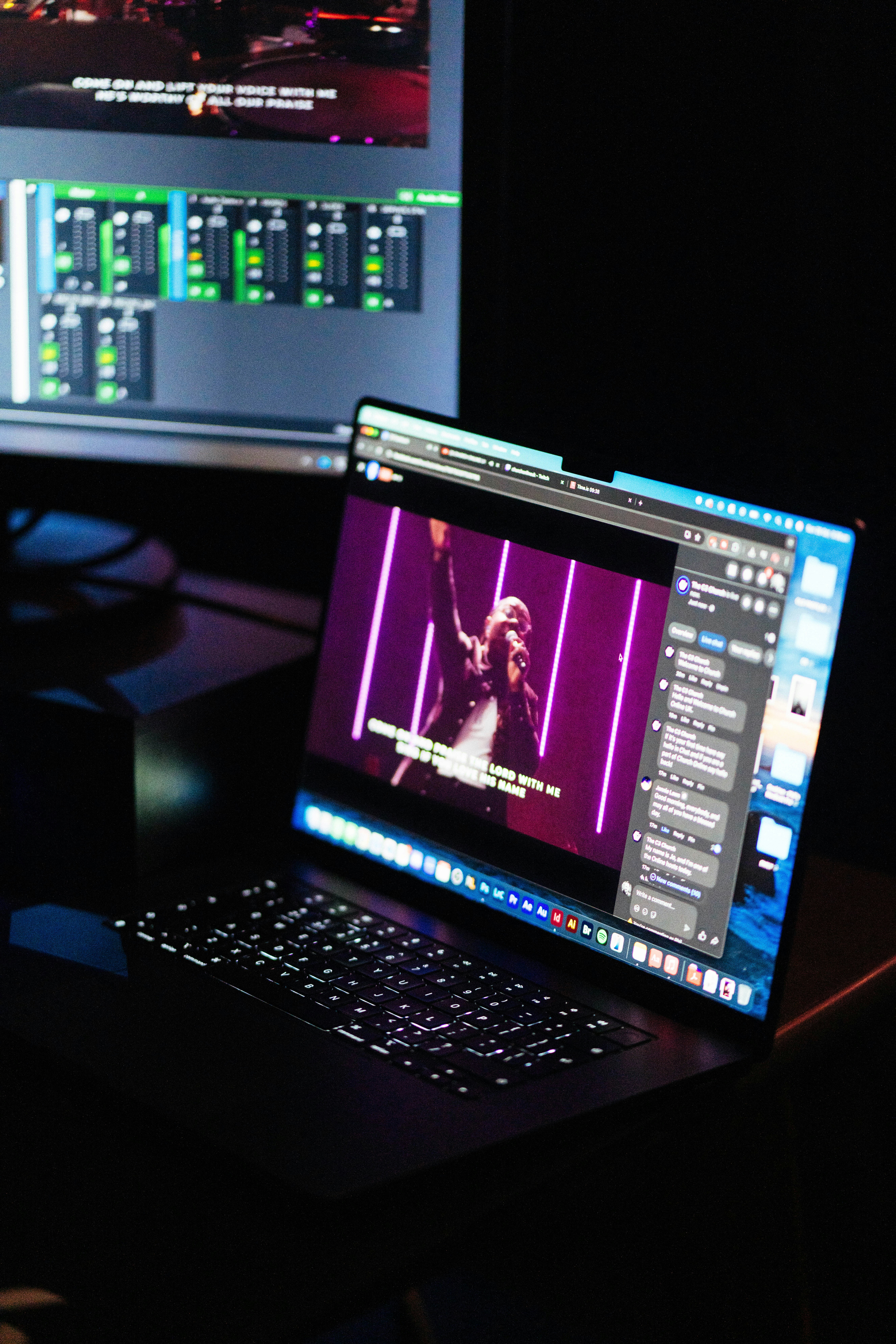
Subcategory
Members only
Listening to music was once an intentional act. Records were selected, albums played in sequence, and radio programs followed predictable schedules. Music arrived with limits—of time, access, and attention—that shaped how people heard, remembered, and valued it.
Streaming dismantled those limits.
Today, music is ubiquitous, instantly accessible, and endlessly personalized. The shift from ownership to access has not only transformed the music industry—it has reshaped listening habits themselves.
“Streaming didn’t just change how music is delivered,” said a music industry analyst. “It changed how people listen, think, and decide.”
From Ownership to Access
Before streaming, listening required commitment.
Purchasing a record or CD meant choosing carefully. Cost and effort encouraged repeated listening. Albums were absorbed gradually, their structure revealed over time.
Streaming removed that friction.
Millions of tracks became available at once, reducing the consequences of choice. Music shifted from possession to presence—always there, always replaceable.
“When music became infinite, attention became scarce,” said the analyst.
Listeners gained freedom, but lost constraints that once encouraged depth.
The Rise of the Playlist
The playlist is the defining form of the streaming era.
Rather than albums or artists, playlists organize listening around mood, activity, or moment: focus, commute, relaxation, energy. Music becomes functional.
“Playlists turned music into atmosphere,” said a music critic who studies listening culture.
This does not diminish music’s emotional power, but it changes its framing. Songs are selected for compatibility rather than contrast. Flow replaces narrative. Individual tracks matter more than album arcs.
The listener becomes a curator—but often with algorithmic assistance.
Algorithmic Discovery
Streaming platforms rely heavily on recommendation systems.
Algorithms analyze behavior—skips, repeats, time of day—to predict preference. Discovery becomes personalized, continuous, and largely invisible.
“Discovery used to be social,” said a former radio programmer. “Now it’s computational.”
This system excels at reinforcement. Listeners are guided toward music similar to what they already enjoy. Surprise occurs, but within narrow parameters.
Exploration becomes efficient—but potentially constrained.
Listening as Background Activity
Streaming has integrated music into everyday life.
Portable devices, wireless headphones, and smart speakers allow music to accompany nearly any activity. Listening becomes constant, but often peripheral.
“Music has shifted from event to environment,” said a cultural sociologist.
Background listening increases total consumption while reducing focused engagement. Songs are heard more often, but remembered less distinctly.
Music becomes part of the texture of daily life rather than a focal point.
The Decline—and Persistence—of the Album
Streaming disrupted the album as a dominant form.
Platforms reward frequent releases and individual tracks. Shorter songs perform better. Attention is front-loaded into the first seconds.
“The album stopped being the default,” said a record producer. “But it didn’t disappear.”
Many artists continue to work in album form, using it to create cohesion and depth. For listeners, albums remain meaningful—but increasingly as deliberate choices rather than habitual consumption.
Albums become acts of intention.
Changing Relationships to Artists
Streaming alters how listeners relate to artists.
Access to entire catalogs flattens time. New releases sit alongside decades-old tracks. Artist discovery often begins with a song rather than a body of work.
“You don’t ‘grow up’ with an artist the same way,” said the music critic. “You encounter fragments.”
At the same time, streaming allows deeper exploration for those who choose it. Entire discographies are available instantly. The difference lies in listener behavior, not access.
Engagement becomes optional rather than built-in.
Attention, Memory, and Repetition
Streaming reshapes musical memory.
When songs are replayed on demand, familiarity increases—but attachment may weaken. The effort once required to revisit music contributed to its emotional weight.
“Memory forms around scarcity,” said the sociologist.
Repetition still matters, but it is often automated—driven by playlists rather than choice. Emotional association becomes diffuse, spread across many tracks rather than anchored to a few.
Music becomes abundant—but less singular.
Economic Signals and Listening Behavior
Listening habits are influenced by economic design.
Streaming platforms measure success through streams, skips, and completion rates. These metrics shape playlists, promotion, and ultimately what listeners hear.
“Listening behavior feeds back into production,” said the industry analyst.
Songs are optimized for immediate engagement. Intros shorten. Dynamics flatten. These changes reflect how music is consumed, not just artistic choice.
Listening habits and creative decisions become interdependent.
Social Listening and Fragmentation
Streaming personalizes listening—but also fragments shared experience.
Playlists are individualized. Discovery paths diverge. Fewer songs feel universally known.
“There are fewer common reference points,” said the critic.
At the same time, social sharing and viral moments create temporary convergence. Songs trend briefly, then fade. Shared listening exists—but episodically rather than persistently.
Culture oscillates between intimacy and scale.
Resistance and Reclaiming Attention
Some listeners resist streaming norms.
They listen to albums front to back, collect physical media, or limit algorithmic influence. These practices reintroduce friction and focus.
“Listening deeply is a choice now,” said the sociologist.
Streaming does not eliminate attentive listening—it makes it intentional. Meaning emerges not from format, but from engagement.
A New Listening Ecology
Streaming has not destroyed listening habits. It has reorganized them.
Music is more accessible, more present, and more integrated into daily life than ever before. But it competes constantly for attention, shaped by systems designed for flow rather than reflection.
Streaming changed not what music is,
but how it lives alongside us.
Listening becomes flexible, personalized, and continuous—
less bounded by ritual, more shaped by context.
The challenge for listeners is not access,
but intention.
In an age where music never stops,
choosing how to listen may matter more than ever.
Subcategory
Members only
Listening to music was once an intentional act. Records were selected, albums played in sequence, and radio programs followed predictable schedules. Music arrived with limits—of time, access, and attention—that shaped how people heard, remembered, and valued it.
Streaming dismantled those limits.
Today, music is ubiquitous, instantly accessible, and endlessly personalized. The shift from ownership to access has not only transformed the music industry—it has reshaped listening habits themselves.
“Streaming didn’t just change how music is delivered,” said a music industry analyst. “It changed how people listen, think, and decide.”
From Ownership to Access
Before streaming, listening required commitment.
Purchasing a record or CD meant choosing carefully. Cost and effort encouraged repeated listening. Albums were absorbed gradually, their structure revealed over time.
Streaming removed that friction.
Millions of tracks became available at once, reducing the consequences of choice. Music shifted from possession to presence—always there, always replaceable.
“When music became infinite, attention became scarce,” said the analyst.
Listeners gained freedom, but lost constraints that once encouraged depth.
The Rise of the Playlist
The playlist is the defining form of the streaming era.
Rather than albums or artists, playlists organize listening around mood, activity, or moment: focus, commute, relaxation, energy. Music becomes functional.
“Playlists turned music into atmosphere,” said a music critic who studies listening culture.
This does not diminish music’s emotional power, but it changes its framing. Songs are selected for compatibility rather than contrast. Flow replaces narrative. Individual tracks matter more than album arcs.
The listener becomes a curator—but often with algorithmic assistance.
Algorithmic Discovery
Streaming platforms rely heavily on recommendation systems.
Algorithms analyze behavior—skips, repeats, time of day—to predict preference. Discovery becomes personalized, continuous, and largely invisible.
“Discovery used to be social,” said a former radio programmer. “Now it’s computational.”
This system excels at reinforcement. Listeners are guided toward music similar to what they already enjoy. Surprise occurs, but within narrow parameters.
Exploration becomes efficient—but potentially constrained.
Listening as Background Activity
Streaming has integrated music into everyday life.
Portable devices, wireless headphones, and smart speakers allow music to accompany nearly any activity. Listening becomes constant, but often peripheral.
“Music has shifted from event to environment,” said a cultural sociologist.
Background listening increases total consumption while reducing focused engagement. Songs are heard more often, but remembered less distinctly.
Music becomes part of the texture of daily life rather than a focal point.
The Decline—and Persistence—of the Album
Streaming disrupted the album as a dominant form.
Platforms reward frequent releases and individual tracks. Shorter songs perform better. Attention is front-loaded into the first seconds.
“The album stopped being the default,” said a record producer. “But it didn’t disappear.”
Many artists continue to work in album form, using it to create cohesion and depth. For listeners, albums remain meaningful—but increasingly as deliberate choices rather than habitual consumption.
Albums become acts of intention.
Changing Relationships to Artists
Streaming alters how listeners relate to artists.
Access to entire catalogs flattens time. New releases sit alongside decades-old tracks. Artist discovery often begins with a song rather than a body of work.
“You don’t ‘grow up’ with an artist the same way,” said the music critic. “You encounter fragments.”
At the same time, streaming allows deeper exploration for those who choose it. Entire discographies are available instantly. The difference lies in listener behavior, not access.
Engagement becomes optional rather than built-in.
Attention, Memory, and Repetition
Streaming reshapes musical memory.
When songs are replayed on demand, familiarity increases—but attachment may weaken. The effort once required to revisit music contributed to its emotional weight.
“Memory forms around scarcity,” said the sociologist.
Repetition still matters, but it is often automated—driven by playlists rather than choice. Emotional association becomes diffuse, spread across many tracks rather than anchored to a few.
Music becomes abundant—but less singular.
Economic Signals and Listening Behavior
Listening habits are influenced by economic design.
Streaming platforms measure success through streams, skips, and completion rates. These metrics shape playlists, promotion, and ultimately what listeners hear.
“Listening behavior feeds back into production,” said the industry analyst.
Songs are optimized for immediate engagement. Intros shorten. Dynamics flatten. These changes reflect how music is consumed, not just artistic choice.
Listening habits and creative decisions become interdependent.
Social Listening and Fragmentation
Streaming personalizes listening—but also fragments shared experience.
Playlists are individualized. Discovery paths diverge. Fewer songs feel universally known.
“There are fewer common reference points,” said the critic.
At the same time, social sharing and viral moments create temporary convergence. Songs trend briefly, then fade. Shared listening exists—but episodically rather than persistently.
Culture oscillates between intimacy and scale.
Resistance and Reclaiming Attention
Some listeners resist streaming norms.
They listen to albums front to back, collect physical media, or limit algorithmic influence. These practices reintroduce friction and focus.
“Listening deeply is a choice now,” said the sociologist.
Streaming does not eliminate attentive listening—it makes it intentional. Meaning emerges not from format, but from engagement.
A New Listening Ecology
Streaming has not destroyed listening habits. It has reorganized them.
Music is more accessible, more present, and more integrated into daily life than ever before. But it competes constantly for attention, shaped by systems designed for flow rather than reflection.
Streaming changed not what music is,
but how it lives alongside us.
Listening becomes flexible, personalized, and continuous—
less bounded by ritual, more shaped by context.
The challenge for listeners is not access,
but intention.
In an age where music never stops,
choosing how to listen may matter more than ever.
Latest Articles
Subcategory
For much of the postwar era, coalition governments were treated as political compromises—necessary but undesirable arrangements formed when voters failed to deliver a clear mandate. They were assumed to be fragile, indecisive, and structurally weaker than single-party administrations.
That assumption is increasingly outdated.
Across parliamentary democracies, coalition governments are no longer transitional solutions. They are becoming the default framework through which power is exercised. And in the process, they are reshaping how authority, accountability, and leadership function in modern politics.
“Coalitions used to be seen as a sign of electoral failure,” said one senior parliamentary analyst in Berlin. “Today, they are better understood as a reflection of social and political plurality.”
From Electoral Winners to Negotiated Power
The classic theory of democratic governance relied on clear winners. Elections were expected to produce governing parties capable of translating campaign promises directly into policy. Coalition arrangements, by contrast, were often framed as temporary compromises that diluted political intent.
But as party systems fragment and voter alignments shift, decisive majorities have become the exception rather than the rule.
“In many countries, no single party can credibly claim to represent a majority of society,” said a political scientist who studies comparative governance. “Coalitions are not blocking democracy—they are how democracy now expresses itself.”
This shift has forced a redefinition of political power. Instead of being exercised through dominance, authority increasingly flows through negotiation, procedural control, and institutional coordination. Policy outcomes are shaped less by ideology alone and more by the architecture of coalition agreements, committee systems, and administrative continuity.
Executive Power Without Centralization
At first glance, coalition governments appear to weaken executive leadership. Prime ministers must consult partners, reconcile competing priorities, and accept constraints that majority leaders rarely face.
Yet this does not mean executives are powerless.
“What changes is not the existence of power, but its form,” said a former civil servant involved in coalition negotiations. “Decisions move from the podium to the process.”
In coalition systems, executive authority often relies more heavily on ministries, regulatory agencies, and legal frameworks. Individual ministers gain leverage within their policy domains, while prime ministers act less as commanders and more as coordinators.
This redistribution of authority can slow decision-making—but it can also stabilize it. Policies developed through coalition consensus tend to be more durable, precisely because they reflect broader political agreement.
“Once a policy survives coalition bargaining, it’s harder to undo,” the former official noted. “Too many actors have a stake in it.”
Parliament Reclaims Its Role
One of the most significant consequences of post-coalition governance is the renewed importance of legislatures.
Under majority governments, parliaments often functioned as confirmation bodies. In coalition systems, they become sites of genuine power. Committees matter. Procedural rules matter. Informal negotiations matter even more.
“In coalition politics, nothing is automatic,” said a senior legislator from a multiparty parliament. “Every vote has to be built.”
This dynamic empowers actors who were previously peripheral: committee chairs, policy specialists, and cross-party negotiators. Minority parties, often dismissed as marginal, become central to legislative outcomes.
Power, in this sense, is no longer vertical. It is horizontal, dispersed, and contingent.
The Rise of the Quiet Broker
As authority becomes more diffused, influence increasingly belongs to those who operate outside the spotlight.
Coalition governance rewards political actors who can manage relationships rather than dominate debates. These “quiet brokers” may not lead parties or headline campaigns, but they shape outcomes by maintaining trust across ideological lines.
“One of the biggest mistakes observers make is focusing only on party leaders,” said a longtime coalition negotiator. “The real work happens two levels below that.”
These actors translate political disagreements into workable compromises, often before conflicts become public. Their influence lies in process fluency: knowing when to intervene, when to delay, and how to frame concessions as shared gains.
It is a form of power that is subtle, procedural, and highly effective.
Accountability in a Shared-Responsibility System
Coalition governance complicates traditional notions of accountability.
When policies are negotiated across multiple parties, responsibility becomes collective. Voters may struggle to assign credit for success or blame for failure. Parties can emphasize their role in popular decisions while distancing themselves from unpopular outcomes.
Critics argue this erodes democratic clarity. Others see it as a more honest reflection of political reality.
“Accountability doesn’t disappear,” said a governance researcher. “It just moves—from personalities to institutions.”
In such systems, transparency mechanisms become essential. Legislative oversight, independent watchdogs, and clear documentation of coalition agreements play a larger role in maintaining democratic legitimacy.
Stability Through Complexity
Despite their reputation for fragility, coalition systems often prove remarkably resilient.
The constant negotiation that defines coalition governance acts as a stabilizing force. Extreme policy swings become less likely. Unilateral action becomes harder. Political shocks are absorbed through institutional processes rather than magnified by executive overreach.
“Coalitions are not slow because they are weak,” one analyst observed. “They are slow because they are complex.”
When coalitions fail, it is often not due to ideological differences alone, but to breakdowns in trust, communication, or external pressure. The system itself, however, tends to endure.
Power After the Era of Majorities
Post-coalition governance represents a shift in political logic.
Power is no longer measured by control alone, but by the ability to manage disagreement. Leadership is less about decisiveness in isolation and more about sustaining cooperation over time.
“This is not a temporary phase,” said one comparative politics scholar. “It’s a structural transformation.”
Coalition governments are not an aberration from democratic norms. They are the new normal. And in adapting to them, political systems are redefining what authority looks like—less centralized, less theatrical, and more deeply embedded in institutions.
Power, in the post-coalition era, is not louder.
It is quieter, negotiated, and shared.
Subcategory
Scientific discovery is often portrayed as a moment of revelation: a breakthrough experiment, a striking data point, a result that reshapes understanding overnight. In reality, discovery is rarely an ending. More often, it is the beginning of a longer, more uncertain process—one that determines whether new knowledge becomes useful, influential, or quietly forgotten.
“What people call a discovery is usually just the point at which uncertainty becomes visible,” said a senior research administrator at a European research institute. “What follows is the real work.”
That work unfolds far from the spotlight, across funding committees, peer review panels, regulatory systems, and institutional negotiations. It is here—after the discovery—that scientific progress is most fragile.
From Result to Recognition
The first stage after discovery is validation.
Before findings can shape policy, technology, or medicine, they must be tested, reproduced, and scrutinized. Peer review serves as the initial gatekeeper, but it is only one step in a longer process of acceptance.
“A published paper is not the same as an accepted truth,” said a journal editor familiar with high-impact research submissions. “It’s an invitation for the community to test your claim.”
Replication studies, follow-up experiments, and independent verification are essential—but they are often underfunded and undervalued. Research systems that reward novelty over confirmation can leave important findings insufficiently tested, slowing their integration into broader scientific understanding.
The Funding Gap
Once a discovery is validated, the question of funding becomes unavoidable.
Early-stage research is typically supported by public grants or academic institutions. But translating discovery into application—whether a new technology, treatment, or tool—often requires resources beyond the scope of basic research funding.
“This is where many promising ideas stall,” said a science policy advisor who studies research commercialization. “There’s a gap between discovery and deployment that few institutions are well equipped to bridge.”
Governments, private foundations, and industry partners play different roles at this stage, each with distinct priorities. Public funders may focus on societal benefit, while private investors prioritize scalability and return. Aligning these interests can be difficult, particularly for discoveries that promise long-term impact rather than immediate application.
Institutional Pathways and Friction
The journey from discovery to impact is shaped as much by institutions as by ideas.
Universities, research labs, and public agencies must decide how to support new findings: whether to patent them, license them, publish them openly, or pursue partnerships. Each choice carries trade-offs.
“Institutions are risk managers,” said a university technology transfer officer. “They’re balancing openness, reputation, and financial sustainability.”
These decisions influence who controls new knowledge, who benefits from it, and how quickly it spreads. In some cases, institutional caution can delay adoption. In others, aggressive commercialization can limit access or distort research priorities.
Regulation: Protection and Constraint
For discoveries that affect public health, safety, or the environment, regulation becomes central.
Regulatory frameworks are designed to protect the public—but they also shape the pace of innovation. Clinical trials, safety assessments, and compliance requirements can take years, even decades.
“Regulation is not the enemy of science,” said a former regulator involved in research oversight. “But it forces science to confront real-world consequences.”
The challenge lies in balancing caution with responsiveness. Too little oversight risks harm; too much can prevent beneficial discoveries from reaching society in time. The COVID-19 pandemic illustrated both the possibilities and tensions of accelerated scientific approval processes.
Credit, Ownership, and Conflict
As discoveries move toward application, questions of credit and ownership often intensify.
Who owns a discovery made with public funding? How should credit be distributed among collaborators? What happens when academic values collide with commercial interests?
“These are not peripheral issues,” said a sociologist of science. “They shape who participates in research and who trusts its outcomes.”
Disputes over authorship, patents, and intellectual property can slow progress and strain collaborations. Transparent policies and clear expectations are essential, yet many institutions struggle to keep pace with the complexity of modern research networks.
When Discovery Fails to Travel
Not all discoveries make the journey beyond the laboratory.
Some findings remain too specialized, too costly, or too disconnected from immediate needs to gain traction. Others are overtaken by competing technologies or shifts in political priorities.
“There’s a silent archive of discoveries that were technically sound but socially unadopted,” said a historian of science. “Their failure tells us as much as success does.”
Understanding why discoveries stall can inform better research design and funding strategies. It also challenges the assumption that progress is linear or inevitable.
The Role of Communication
Communication plays a decisive role in what happens after discovery.
Scientists must translate complex findings for policymakers, funders, and the public—often across disciplinary and cultural boundaries. Poor communication can undermine trust or lead to misapplication, while effective explanation can accelerate acceptance.
“Discovery doesn’t speak for itself,” said a science communication specialist. “Someone has to carry it into the world.”
Media coverage, institutional messaging, and public engagement shape how discoveries are perceived and used. In an era of misinformation, clarity and restraint are as important as enthusiasm.
A Process, Not a Moment
The mythology of discovery emphasizes moments of insight. The reality emphasizes systems.
Discovery initiates a process involving verification, funding, institutional negotiation, regulation, communication, and, often, compromise. Each step introduces friction—but also accountability.
“The question isn’t whether discovery changes the world,” said the research administrator. “It’s whether the systems around it are capable of change.”
Scientific progress depends not only on what is discovered, but on what follows: the structures that carry knowledge forward, the decisions that shape its use, and the values that guide its integration into society.
In the end, discovery is not an endpoint.
It is an opening—one that must be carefully, collectively navigated.
Subcategory
Sports have long been framed as a realm apart—a space governed by rules, records, and results, separate from the ethical tensions of politics, business, and society. Fair play, respect, and integrity are often treated as inherent values, embedded in the very idea of competition.
But ethics in sport do not begin at the whistle or end at the scoreboard.
They begin earlier, deeper, and often far from the field of play—shaped by institutions, incentives, and decisions that determine who gets to compete, under what conditions, and at what cost.
“Ethics in sports aren’t defined by what happens during a match,” said a former international sports administrator. “They’re defined by everything that happens before it.”
The Myth of the Neutral Arena
The idea that sport exists in a moral vacuum is persistent—and misleading.
Rules create the appearance of neutrality, but they are written, enforced, and interpreted by people operating within social and economic systems. Decisions about eligibility, funding, safety standards, and enforcement shape outcomes long before athletes take the field.
“Competition looks fair only if you ignore how uneven the starting lines are,” said a sports sociologist who studies inequality in athletics.
From access to training facilities to the distribution of resources across leagues and regions, ethical questions arise well before questions of performance. Who is supported, who is excluded, and who bears the risk are ethical choices, even when framed as logistical ones.
Performance, Pressure, and the Limits of Responsibility
Athletes are often positioned as the moral center of sport. They are expected to embody discipline, resilience, and integrity—while operating under intense pressure to perform.
This pressure is rarely self-generated.
“When careers are short and contracts are fragile, ethical decision-making becomes complicated,” said a former professional athlete. “The system rewards results, not restraint.”
Doping scandals, rule-bending, and risky training practices are frequently framed as individual failures. But they occur within environments that normalize extreme expectations and minimize long-term consequences.
Ethics, in this context, cannot be reduced to personal character alone. They must account for structural incentives that make certain choices more likely than others.
Institutions and the Delegation of Ethics
Governing bodies play a central role in defining ethical boundaries—but their authority is often constrained by competing interests.
Leagues and federations are tasked with enforcing rules while also protecting commercial value, audience engagement, and brand reputation. This dual mandate creates tension.
“Sports organizations want credibility without disruption,” said a governance expert who advises international federations. “Ethical enforcement is often strongest when it’s least costly.”
Sanctions may be applied unevenly. Investigations may stall. Reforms may follow public outrage rather than proactive oversight. In such cases, ethics become reactive—triggered by crisis rather than embedded in governance.
Safety, Risk, and Informed Consent
Few ethical issues in sport are as persistent as those surrounding athlete safety.
Contact sports, endurance competitions, and high-speed events expose participants to known risks. The ethical question is not whether risk exists, but how it is managed—and who is asked to bear it.
“Informed consent assumes equal power,” said a medical ethicist specializing in sports injuries. “In many cases, athletes don’t have that power.”
Young athletes, particularly those from disadvantaged backgrounds, may feel compelled to accept dangerous conditions in exchange for opportunity. When long-term health consequences emerge years later, accountability becomes diffuse.
Ethics begin, here, with transparency: clear communication of risks, independent medical oversight, and protections that prioritize health over spectacle.
Fairness Beyond the Rulebook
Fairness is often defined narrowly—as adherence to written rules. But ethical fairness extends further.
Technological advantages, unequal funding, and access to specialized training can tilt competition long before rules are broken. In some sports, success increasingly depends on resources rather than talent alone.
“When innovation moves faster than regulation, fairness becomes a moving target,” said a sports economist.
Ethical governance requires constant reassessment of what fairness means in evolving competitive landscapes. Static rules are rarely sufficient for dynamic systems.
The Role of Culture and Silence
Ethics are also shaped by what is tolerated—or ignored.
Cultures of silence around abuse, harassment, or exploitation have surfaced repeatedly across sports. In many cases, harmful behavior persisted not because rules were absent, but because enforcement threatened reputations and careers.
“Silence is not neutral,” said an advocate for athlete welfare. “It’s a choice that protects institutions over individuals.”
Where reporting mechanisms are weak or trust is absent, ethical failure becomes systemic rather than exceptional.
Fans, Media, and Shared Responsibility
Ethical responsibility does not rest solely with athletes and institutions.
Fans reward success, often regardless of cost. Media amplifies narratives that prioritize victory and spectacle over well-being and accountability. Commercial partners invest where attention flows.
“Ethics in sports are shaped by demand,” said a media analyst. “What audiences celebrate, organizations will defend.”
This shared ecosystem complicates moral judgment. Ethical reform requires not only rule changes, but shifts in expectation—about what success looks like and what trade-offs are acceptable.
Where Ethics Actually Begin
Ethics in sport do not begin with punishment. They begin with design.
They begin with how systems are built, incentives are aligned, and responsibilities are distributed. They begin with governance structures that value transparency over expediency and long-term welfare over short-term gain.
“The most ethical systems are the ones that make ethical behavior the easiest option,” said the governance expert.
This requires more than codes of conduct. It requires institutions willing to accept limits, fans willing to tolerate imperfection, and a culture that understands sport not as moral theater, but as a human system—capable of excellence, and error.
Ethics in sport do not start at the finish line.
They start long before the race is run.
Subcategory
For decades, personal finance advice has revolved around a narrow definition of success: higher returns, greater efficiency, earlier retirement. Money, in this framing, is something to optimize, accumulate, and measure against abstract benchmarks.
But for many people, that model no longer fits.
Rising living costs, unstable work patterns, longer life spans, and shifting priorities have forced a rethinking of what financial security actually means. Increasingly, the question is not how to make life serve finance—but how to make finance serve life.
“People don’t experience money as a spreadsheet,” said a financial counselor who works with middle-income households. “They experience it as stress, relief, freedom, or constraint.”
Beyond Optimization
Traditional financial advice often assumes stable careers, predictable incomes, and linear life paths. Save aggressively early. Invest consistently. Retire comfortably.
Those assumptions are breaking down.
“The old models were built for a different economy,” said a labor economist studying household finance. “Today, income volatility is the norm, not the exception.”
Freelance work, career changes, caregiving gaps, and geographic mobility complicate long-term planning. In this environment, financial success becomes less about maximizing returns and more about maintaining flexibility.
Optimization, once the goal, can become a liability when it leaves little room for uncertainty.
Redefining Financial Security
If wealth is no longer the sole measure of financial health, what replaces it?
For many households, security now means resilience: the ability to absorb shocks without long-term damage. Emergency savings matter not because they generate returns, but because they buy time and choice.
“Security is knowing you can say no,” said a personal finance educator. “No to a bad job, no to unsafe conditions, no to decisions made out of panic.”
This reframing shifts attention away from distant milestones and toward present stability—housing security, manageable debt, and access to healthcare.
The Emotional Dimension of Money
Money is often discussed as a rational tool. In practice, it is deeply emotional.
Spending and saving decisions are shaped by upbringing, cultural expectations, and past experiences. Financial behavior reflects identity as much as arithmetic.
“You can’t separate money from memory,” said a behavioral finance researcher. “People react to financial choices based on what money meant in their household growing up.”
Ignoring this emotional layer can lead to advice that feels technically sound but practically unworkable. Sustainable financial habits depend not on discipline alone, but on alignment with values and lived reality.
Work, Time, and Trade-Offs
Finance does not operate in isolation from work. The way people earn money shapes how they use it—and how they experience time.
Long hours, precarious contracts, and constant availability blur the boundary between earning and living. Financial strategies that demand perpetual sacrifice can erode well-being, even if they improve long-term projections.
“There’s a cost to every financial decision,” said a workplace researcher. “And sometimes that cost is time you don’t get back.”
Making finance work for life requires acknowledging trade-offs explicitly: income versus autonomy, savings versus rest, growth versus stability. There is no universal right answer—only context-specific choices.
Debt as a Structural Reality
Debt is often framed as a personal failure. In reality, it is frequently a structural necessity.
Housing, education, healthcare, and transportation costs have outpaced wages in many economies. For millions, debt is not optional—it is the price of participation.
“Moralizing debt misses the point,” said a policy analyst focused on household finance. “The question is not whether people borrow, but under what conditions.”
Ethical financial planning recognizes debt as a tool that can be harmful or helpful depending on terms, transparency, and alternatives. Managing debt responsibly often matters more than eliminating it entirely.
Simplicity Over Sophistication
In an era of financial apps, complex investment products, and algorithmic advice, sophistication is often mistaken for effectiveness.
Yet for most households, simpler systems outperform complex ones over time—not because they yield higher returns, but because they are easier to maintain.
“The best financial plan is the one you can stick with,” said a certified financial planner. “Complexity increases abandonment.”
Automated savings, clear budgets, and conservative assumptions reduce cognitive load and decision fatigue. Finance that fits into daily life is more durable than finance that demands constant attention.
Planning for Change, Not Perfection
Life rarely unfolds according to plan. Health changes, family responsibilities emerge, opportunities appear unexpectedly.
Financial systems built around rigidity struggle in such environments. Those designed for adaptation perform better.
“Flexibility is an asset,” said the financial counselor. “It’s just not one that shows up on a balance sheet.”
This means prioritizing liquidity, avoiding overcommitment, and revisiting plans regularly. Long-term goals still matter—but they must coexist with the reality of change.
A More Human Measure of Success
Making finance work for life requires a shift in perspective.
Success is not defined solely by net worth, early retirement, or outperforming benchmarks. It is defined by whether money supports the life a person wants to live—without constant anxiety or sacrifice of well-being.
“Money should be a stabilizer, not a source of permanent pressure,” said the educator.
This does not mean abandoning ambition or responsibility. It means grounding financial decisions in context, values, and realism.
Finance, at its best, is not a finish line.
It is a support system—quiet, adaptable, and in service of life itself.


" height="25.00139023844741px" id="jBymG44fK" transform="translate(7.499 7.499)" width="25.001390238447406px"/></svg>)