
Lucas Bennett covers international sports, with a primary focus on football. His work combines on-the-ground reporting, analytical insight, and long-form storytelling to examine the game’s global structures, competitive dynamics, and cultural significance.
Subcategory
Members only
Domestic sports leagues have long formed the backbone of competitive sport. They anchor clubs to communities, develop talent, and structure national sporting identity. Yet today, their role feels increasingly uncertain.
Global broadcasting, transnational ownership, and international competitions pull attention and resources upward—away from domestic structures that once defined the sport.
“Domestic leagues are no longer the center of gravity,” said a sports economist who studies league sustainability. “They’re negotiating their relevance in a global ecosystem.”
The future of domestic leagues will depend on how they adapt to economic pressure, cultural change, and shifting fan behavior—without losing the local meaning that gives them purpose.
From National Pillars to Global Participants
Historically, domestic leagues were self-contained systems.
Revenue, talent, and attention circulated primarily within national borders. Local rivalries defined seasons. Television reinforced domestic loyalty.
“Leagues used to reflect national sporting culture,” said a sports historian.
Globalization changed that balance. International competitions, overseas broadcasts, and global fandom introduced new priorities.
Domestic leagues now operate within a multi-level hierarchy.
The Pull of International Competition
Top clubs increasingly prioritize international tournaments.
Financial rewards, prestige, and exposure often exceed domestic incentives.
“When global competition pays more, focus follows,” said the economist.
This shift creates tension. Domestic matches risk being perceived as secondary—particularly for elite teams balancing congested schedules.
Domestic relevance must be defended.
Competitive Balance and Financial Polarization
Financial inequality threatens domestic league integrity.
Revenue concentration among top clubs widens performance gaps. Predictability increases.
“Competitive imbalance erodes belief,” said a former league executive.
When outcomes feel predetermined, fan engagement declines—especially beyond top-tier clubs.
Sustainability depends on uncertainty.
Talent Drain and Development Pressure
Domestic leagues play a crucial role in talent development.
Youth academies, lower divisions, and regional clubs feed elite levels.
“Domestic leagues are development ecosystems,” said a youth development director.
Global transfer markets accelerate talent extraction. Young players leave earlier. Local heroes become scarce.
Retention becomes strategic.
Ownership Models and Governance
Ownership structures influence league futures.
Private equity, foreign investors, and multi-club ownership networks reshape priorities.
“Ownership is no longer local,” said the economist.
While capital stabilizes finances, it can distance clubs from communities. Governance must balance investment with accountability.
Control defines direction.
Broadcasting Fragmentation and Audience Behavior
Broadcasting revenue underpins domestic leagues—but the model is shifting.
Streaming platforms fragment audiences. Younger fans consume highlights rather than full matches.
“Attention is no longer linear,” said a sports media analyst.
Domestic leagues must adapt storytelling and access to remain visible.
Visibility is survival.
The Cultural Value of Local Competition
Domestic leagues still offer something irreplaceable: proximity.
Local rivalries, shared history, and routine presence create cultural continuity.
“You can’t globalize the feeling of a derby,” said the historian.
This emotional attachment distinguishes domestic leagues from global tournaments.
Place still matters.
Scheduling, Player Welfare, and Overload
Fixture congestion challenges domestic competition.
Expanded calendars strain players and dilute focus.
“Too much football reduces meaning,” said a player welfare advocate.
Protecting domestic match quality requires restraint—not expansion.
Less can mean more.
Innovation in Format and Presentation
Some leagues experiment with format changes.
Playoffs, revenue sharing, scheduling reform, and fan engagement initiatives aim to increase competitiveness.
“Innovation isn’t betrayal,” said the former executive. “It’s adaptation.”
But reforms must respect tradition to maintain legitimacy.
Change requires consent.
Grassroots Connection and Community Investment
The future of domestic leagues depends on grassroots integration.
Local outreach, youth programs, and community ownership reinforce relevance.
“Leagues that forget their base lose resilience,” said the development director.
Connection sustains loyalty beyond results.
Regulation and Collective Action
Strong governance supports league stability.
Financial regulation, cost controls, and fair distribution reduce systemic risk.
“Markets don’t self-correct in sport,” said the economist.
Collective frameworks preserve competition integrity.
Rules protect the game.
Domestic Leagues as Cultural Institutions
Domestic leagues are more than competitions.
They are weekly rituals. Social anchors. Shared reference points.
“When leagues disappear, culture thins,” said the historian.
Their future is not guaranteed—but neither is their obsolescence.
What the Future Requires
The future of domestic leagues will not be defined by isolation or imitation.
It will be shaped by balance.
Between global opportunity and local meaning.
Between commercial growth and competitive fairness.
Between innovation and tradition.
Domestic leagues must clarify their value—not as secondary products, but as primary cultural institutions.
If they succeed, domestic leagues will remain what they have always been at their best:
places where sport belongs to communities before markets,
where competition feels personal,
and where the game remains rooted—even as it evolves.
Their future depends not on resisting change—
but on choosing which changes matter.

Subcategory
Members only
Domestic sports leagues have long formed the backbone of competitive sport. They anchor clubs to communities, develop talent, and structure national sporting identity. Yet today, their role feels increasingly uncertain.
Global broadcasting, transnational ownership, and international competitions pull attention and resources upward—away from domestic structures that once defined the sport.
“Domestic leagues are no longer the center of gravity,” said a sports economist who studies league sustainability. “They’re negotiating their relevance in a global ecosystem.”
The future of domestic leagues will depend on how they adapt to economic pressure, cultural change, and shifting fan behavior—without losing the local meaning that gives them purpose.
From National Pillars to Global Participants
Historically, domestic leagues were self-contained systems.
Revenue, talent, and attention circulated primarily within national borders. Local rivalries defined seasons. Television reinforced domestic loyalty.
“Leagues used to reflect national sporting culture,” said a sports historian.
Globalization changed that balance. International competitions, overseas broadcasts, and global fandom introduced new priorities.
Domestic leagues now operate within a multi-level hierarchy.
The Pull of International Competition
Top clubs increasingly prioritize international tournaments.
Financial rewards, prestige, and exposure often exceed domestic incentives.
“When global competition pays more, focus follows,” said the economist.
This shift creates tension. Domestic matches risk being perceived as secondary—particularly for elite teams balancing congested schedules.
Domestic relevance must be defended.
Competitive Balance and Financial Polarization
Financial inequality threatens domestic league integrity.
Revenue concentration among top clubs widens performance gaps. Predictability increases.
“Competitive imbalance erodes belief,” said a former league executive.
When outcomes feel predetermined, fan engagement declines—especially beyond top-tier clubs.
Sustainability depends on uncertainty.
Talent Drain and Development Pressure
Domestic leagues play a crucial role in talent development.
Youth academies, lower divisions, and regional clubs feed elite levels.
“Domestic leagues are development ecosystems,” said a youth development director.
Global transfer markets accelerate talent extraction. Young players leave earlier. Local heroes become scarce.
Retention becomes strategic.
Ownership Models and Governance
Ownership structures influence league futures.
Private equity, foreign investors, and multi-club ownership networks reshape priorities.
“Ownership is no longer local,” said the economist.
While capital stabilizes finances, it can distance clubs from communities. Governance must balance investment with accountability.
Control defines direction.
Broadcasting Fragmentation and Audience Behavior
Broadcasting revenue underpins domestic leagues—but the model is shifting.
Streaming platforms fragment audiences. Younger fans consume highlights rather than full matches.
“Attention is no longer linear,” said a sports media analyst.
Domestic leagues must adapt storytelling and access to remain visible.
Visibility is survival.
The Cultural Value of Local Competition
Domestic leagues still offer something irreplaceable: proximity.
Local rivalries, shared history, and routine presence create cultural continuity.
“You can’t globalize the feeling of a derby,” said the historian.
This emotional attachment distinguishes domestic leagues from global tournaments.
Place still matters.
Scheduling, Player Welfare, and Overload
Fixture congestion challenges domestic competition.
Expanded calendars strain players and dilute focus.
“Too much football reduces meaning,” said a player welfare advocate.
Protecting domestic match quality requires restraint—not expansion.
Less can mean more.
Innovation in Format and Presentation
Some leagues experiment with format changes.
Playoffs, revenue sharing, scheduling reform, and fan engagement initiatives aim to increase competitiveness.
“Innovation isn’t betrayal,” said the former executive. “It’s adaptation.”
But reforms must respect tradition to maintain legitimacy.
Change requires consent.
Grassroots Connection and Community Investment
The future of domestic leagues depends on grassroots integration.
Local outreach, youth programs, and community ownership reinforce relevance.
“Leagues that forget their base lose resilience,” said the development director.
Connection sustains loyalty beyond results.
Regulation and Collective Action
Strong governance supports league stability.
Financial regulation, cost controls, and fair distribution reduce systemic risk.
“Markets don’t self-correct in sport,” said the economist.
Collective frameworks preserve competition integrity.
Rules protect the game.
Domestic Leagues as Cultural Institutions
Domestic leagues are more than competitions.
They are weekly rituals. Social anchors. Shared reference points.
“When leagues disappear, culture thins,” said the historian.
Their future is not guaranteed—but neither is their obsolescence.
What the Future Requires
The future of domestic leagues will not be defined by isolation or imitation.
It will be shaped by balance.
Between global opportunity and local meaning.
Between commercial growth and competitive fairness.
Between innovation and tradition.
Domestic leagues must clarify their value—not as secondary products, but as primary cultural institutions.
If they succeed, domestic leagues will remain what they have always been at their best:
places where sport belongs to communities before markets,
where competition feels personal,
and where the game remains rooted—even as it evolves.
Their future depends not on resisting change—
but on choosing which changes matter.
Subcategory
Members only
Domestic sports leagues have long formed the backbone of competitive sport. They anchor clubs to communities, develop talent, and structure national sporting identity. Yet today, their role feels increasingly uncertain.
Global broadcasting, transnational ownership, and international competitions pull attention and resources upward—away from domestic structures that once defined the sport.
“Domestic leagues are no longer the center of gravity,” said a sports economist who studies league sustainability. “They’re negotiating their relevance in a global ecosystem.”
The future of domestic leagues will depend on how they adapt to economic pressure, cultural change, and shifting fan behavior—without losing the local meaning that gives them purpose.
From National Pillars to Global Participants
Historically, domestic leagues were self-contained systems.
Revenue, talent, and attention circulated primarily within national borders. Local rivalries defined seasons. Television reinforced domestic loyalty.
“Leagues used to reflect national sporting culture,” said a sports historian.
Globalization changed that balance. International competitions, overseas broadcasts, and global fandom introduced new priorities.
Domestic leagues now operate within a multi-level hierarchy.
The Pull of International Competition
Top clubs increasingly prioritize international tournaments.
Financial rewards, prestige, and exposure often exceed domestic incentives.
“When global competition pays more, focus follows,” said the economist.
This shift creates tension. Domestic matches risk being perceived as secondary—particularly for elite teams balancing congested schedules.
Domestic relevance must be defended.
Competitive Balance and Financial Polarization
Financial inequality threatens domestic league integrity.
Revenue concentration among top clubs widens performance gaps. Predictability increases.
“Competitive imbalance erodes belief,” said a former league executive.
When outcomes feel predetermined, fan engagement declines—especially beyond top-tier clubs.
Sustainability depends on uncertainty.
Talent Drain and Development Pressure
Domestic leagues play a crucial role in talent development.
Youth academies, lower divisions, and regional clubs feed elite levels.
“Domestic leagues are development ecosystems,” said a youth development director.
Global transfer markets accelerate talent extraction. Young players leave earlier. Local heroes become scarce.
Retention becomes strategic.
Ownership Models and Governance
Ownership structures influence league futures.
Private equity, foreign investors, and multi-club ownership networks reshape priorities.
“Ownership is no longer local,” said the economist.
While capital stabilizes finances, it can distance clubs from communities. Governance must balance investment with accountability.
Control defines direction.
Broadcasting Fragmentation and Audience Behavior
Broadcasting revenue underpins domestic leagues—but the model is shifting.
Streaming platforms fragment audiences. Younger fans consume highlights rather than full matches.
“Attention is no longer linear,” said a sports media analyst.
Domestic leagues must adapt storytelling and access to remain visible.
Visibility is survival.
The Cultural Value of Local Competition
Domestic leagues still offer something irreplaceable: proximity.
Local rivalries, shared history, and routine presence create cultural continuity.
“You can’t globalize the feeling of a derby,” said the historian.
This emotional attachment distinguishes domestic leagues from global tournaments.
Place still matters.
Scheduling, Player Welfare, and Overload
Fixture congestion challenges domestic competition.
Expanded calendars strain players and dilute focus.
“Too much football reduces meaning,” said a player welfare advocate.
Protecting domestic match quality requires restraint—not expansion.
Less can mean more.
Innovation in Format and Presentation
Some leagues experiment with format changes.
Playoffs, revenue sharing, scheduling reform, and fan engagement initiatives aim to increase competitiveness.
“Innovation isn’t betrayal,” said the former executive. “It’s adaptation.”
But reforms must respect tradition to maintain legitimacy.
Change requires consent.
Grassroots Connection and Community Investment
The future of domestic leagues depends on grassroots integration.
Local outreach, youth programs, and community ownership reinforce relevance.
“Leagues that forget their base lose resilience,” said the development director.
Connection sustains loyalty beyond results.
Regulation and Collective Action
Strong governance supports league stability.
Financial regulation, cost controls, and fair distribution reduce systemic risk.
“Markets don’t self-correct in sport,” said the economist.
Collective frameworks preserve competition integrity.
Rules protect the game.
Domestic Leagues as Cultural Institutions
Domestic leagues are more than competitions.
They are weekly rituals. Social anchors. Shared reference points.
“When leagues disappear, culture thins,” said the historian.
Their future is not guaranteed—but neither is their obsolescence.
What the Future Requires
The future of domestic leagues will not be defined by isolation or imitation.
It will be shaped by balance.
Between global opportunity and local meaning.
Between commercial growth and competitive fairness.
Between innovation and tradition.
Domestic leagues must clarify their value—not as secondary products, but as primary cultural institutions.
If they succeed, domestic leagues will remain what they have always been at their best:
places where sport belongs to communities before markets,
where competition feels personal,
and where the game remains rooted—even as it evolves.
Their future depends not on resisting change—
but on choosing which changes matter.
Subcategory
Members only
Competition has always been shaped by borders. National leagues, domestic markets, and regional identities defined who competed with whom—and under what rules. Geography imposed limits that structured rivalry, access, and opportunity.
Those limits are eroding.
Today, athletes, clubs, companies, and audiences operate in increasingly borderless environments. Talent moves freely. Capital crosses jurisdictions instantly. Fans follow teams and individuals regardless of location.
“Competition no longer respects geography,” said a global sports economist who studies cross-border markets. “It follows attention, capital, and infrastructure.”
Competition in a borderless era forces a fundamental reconsideration of fairness, identity, and regulation—both in sport and beyond it.
From Local Arenas to Global Fields
Historically, competition was geographically bounded.
Domestic leagues competed internally. Markets were segmented. Rivalries were local and sustained.
“Borders created competitive ecosystems,” said a sports historian.
Globalization dissolved many of those constraints. Broadcasting, digital platforms, and mobility expanded the competitive field.
Competition now unfolds simultaneously at local and global levels.
Talent Mobility and Uneven Opportunity
Borderless competition increases mobility.
Elite talent can pursue the highest-paying or most visible opportunities regardless of origin.
“Mobility rewards excellence—but also concentrates advantage,” said the economist.
Regions with strong infrastructure attract more talent, widening gaps. Development systems struggle to retain top performers.
Opportunity becomes global—but uneven.
Capital Without Borders
Investment now flows globally.
Ownership groups operate across continents. Sponsorships target international audiences.
“Capital arbitrages regulation,” said a governance analyst.
This flexibility increases efficiency—but complicates oversight. Competitive balance becomes harder to enforce when financial power transcends jurisdiction.
Money reshapes competition silently.
The Pressure on Domestic Systems
Borderless competition challenges domestic institutions.
Local leagues, businesses, and organizations compete with global brands for attention and revenue.
“Domestic systems are no longer default choices,” said the historian.
Local competition must justify itself against global alternatives—often with fewer resources.
Relevance becomes contested.
Platform Competition and Algorithmic Reach
Digital platforms redefine competition.
Visibility depends less on location and more on algorithmic distribution.
“Platforms flatten geography,” said a media researcher.
This creates new gatekeepers. Competition becomes mediated by systems that reward engagement rather than merit.
Attention replaces proximity.
Identity in a Global Competitive Space
Borderless competition reshapes identity.
Fans support teams across borders. Consumers align with brands rather than places.
“Belonging becomes elective,” said a cultural sociologist.
Local loyalty competes with global affiliation. Identity becomes flexible—but also fragile.
Connection decouples from geography.
Regulation in a Fragmented World
Regulation struggles to keep pace.
Rules designed for national systems fail to govern global competition effectively.
“Competition without shared rules creates imbalance,” said the governance analyst.
Efforts to harmonize regulation face political resistance and enforcement challenges.
Fairness becomes negotiable.
Competitive Balance and Dominance
Borderless competition often accelerates dominance.
Entities with early advantage scale rapidly, reinforcing position.
“Winner-take-most dynamics intensify,” said the economist.
Without redistributive mechanisms, competition narrows.
Diversity declines.
Cultural Consequences of Global Competition
Competition shapes culture.
When global standards dominate, local variation risks erosion.
“Uniform competition produces uniform outcomes,” said the historian.
Local styles, traditions, and practices struggle to survive against optimized global models.
Efficiency displaces distinctiveness.
Resistance and Re-Localization
Not all responses embrace borderlessness.
Local leagues, cooperatives, and community-driven models emphasize place-based competition.
“Re-localization is strategic, not nostalgic,” said the sociologist.
These systems prioritize meaning over scale.
Limits become identity.
Ethical Questions of Borderless Competition
Borderless competition raises ethical concerns.
Labor standards vary. Accountability diffuses.
“When competition crosses borders, responsibility thins,” said the governance analyst.
Ensuring fairness requires new norms and shared values.
Ethics must travel too.
Innovation Versus Exploitation
Borderless competition accelerates innovation.
Ideas spread quickly. Best practices proliferate.
But it also risks exploitation—of labor, culture, and regulation.
“Speed amplifies both progress and harm,” said the economist.
Balance depends on governance.
The Psychological Experience of Constant Competition
Individuals experience borderless competition differently.
Comparison expands. Standards rise. Pressure increases.
“People compete against a global benchmark,” said a behavioral psychologist.
This can motivate—but also overwhelm.
Competition becomes ambient.
Rethinking What Competition Is For
Competition is often framed as inherently positive.
But borderless competition challenges that assumption.
“Competition is a tool,” said the sociologist. “Its value depends on design.”
Without boundaries, competition can erode the systems that support it.
Purpose matters.
Toward Meaningful Competition in a Borderless Era
Competition in a borderless era is not inherently destructive—or inherently fair.
It is powerful.
It reshapes markets, identities, and institutions.
The challenge is not restoring old borders—
but defining new boundaries of responsibility, fairness, and care.
Meaningful competition requires shared rules,
recognition of imbalance,
and protection of diversity.
Without these, competition becomes extraction.
With them, it can remain generative—even at global scale.
In a borderless world,
the future of competition will be decided not by who competes hardest—
but by how competition is governed,
and what societies choose to protect while pursuing it.

Subcategory
Members only
Competition has always been shaped by borders. National leagues, domestic markets, and regional identities defined who competed with whom—and under what rules. Geography imposed limits that structured rivalry, access, and opportunity.
Those limits are eroding.
Today, athletes, clubs, companies, and audiences operate in increasingly borderless environments. Talent moves freely. Capital crosses jurisdictions instantly. Fans follow teams and individuals regardless of location.
“Competition no longer respects geography,” said a global sports economist who studies cross-border markets. “It follows attention, capital, and infrastructure.”
Competition in a borderless era forces a fundamental reconsideration of fairness, identity, and regulation—both in sport and beyond it.
From Local Arenas to Global Fields
Historically, competition was geographically bounded.
Domestic leagues competed internally. Markets were segmented. Rivalries were local and sustained.
“Borders created competitive ecosystems,” said a sports historian.
Globalization dissolved many of those constraints. Broadcasting, digital platforms, and mobility expanded the competitive field.
Competition now unfolds simultaneously at local and global levels.
Talent Mobility and Uneven Opportunity
Borderless competition increases mobility.
Elite talent can pursue the highest-paying or most visible opportunities regardless of origin.
“Mobility rewards excellence—but also concentrates advantage,” said the economist.
Regions with strong infrastructure attract more talent, widening gaps. Development systems struggle to retain top performers.
Opportunity becomes global—but uneven.
Capital Without Borders
Investment now flows globally.
Ownership groups operate across continents. Sponsorships target international audiences.
“Capital arbitrages regulation,” said a governance analyst.
This flexibility increases efficiency—but complicates oversight. Competitive balance becomes harder to enforce when financial power transcends jurisdiction.
Money reshapes competition silently.
The Pressure on Domestic Systems
Borderless competition challenges domestic institutions.
Local leagues, businesses, and organizations compete with global brands for attention and revenue.
“Domestic systems are no longer default choices,” said the historian.
Local competition must justify itself against global alternatives—often with fewer resources.
Relevance becomes contested.
Platform Competition and Algorithmic Reach
Digital platforms redefine competition.
Visibility depends less on location and more on algorithmic distribution.
“Platforms flatten geography,” said a media researcher.
This creates new gatekeepers. Competition becomes mediated by systems that reward engagement rather than merit.
Attention replaces proximity.
Identity in a Global Competitive Space
Borderless competition reshapes identity.
Fans support teams across borders. Consumers align with brands rather than places.
“Belonging becomes elective,” said a cultural sociologist.
Local loyalty competes with global affiliation. Identity becomes flexible—but also fragile.
Connection decouples from geography.
Regulation in a Fragmented World
Regulation struggles to keep pace.
Rules designed for national systems fail to govern global competition effectively.
“Competition without shared rules creates imbalance,” said the governance analyst.
Efforts to harmonize regulation face political resistance and enforcement challenges.
Fairness becomes negotiable.
Competitive Balance and Dominance
Borderless competition often accelerates dominance.
Entities with early advantage scale rapidly, reinforcing position.
“Winner-take-most dynamics intensify,” said the economist.
Without redistributive mechanisms, competition narrows.
Diversity declines.
Cultural Consequences of Global Competition
Competition shapes culture.
When global standards dominate, local variation risks erosion.
“Uniform competition produces uniform outcomes,” said the historian.
Local styles, traditions, and practices struggle to survive against optimized global models.
Efficiency displaces distinctiveness.
Resistance and Re-Localization
Not all responses embrace borderlessness.
Local leagues, cooperatives, and community-driven models emphasize place-based competition.
“Re-localization is strategic, not nostalgic,” said the sociologist.
These systems prioritize meaning over scale.
Limits become identity.
Ethical Questions of Borderless Competition
Borderless competition raises ethical concerns.
Labor standards vary. Accountability diffuses.
“When competition crosses borders, responsibility thins,” said the governance analyst.
Ensuring fairness requires new norms and shared values.
Ethics must travel too.
Innovation Versus Exploitation
Borderless competition accelerates innovation.
Ideas spread quickly. Best practices proliferate.
But it also risks exploitation—of labor, culture, and regulation.
“Speed amplifies both progress and harm,” said the economist.
Balance depends on governance.
The Psychological Experience of Constant Competition
Individuals experience borderless competition differently.
Comparison expands. Standards rise. Pressure increases.
“People compete against a global benchmark,” said a behavioral psychologist.
This can motivate—but also overwhelm.
Competition becomes ambient.
Rethinking What Competition Is For
Competition is often framed as inherently positive.
But borderless competition challenges that assumption.
“Competition is a tool,” said the sociologist. “Its value depends on design.”
Without boundaries, competition can erode the systems that support it.
Purpose matters.
Toward Meaningful Competition in a Borderless Era
Competition in a borderless era is not inherently destructive—or inherently fair.
It is powerful.
It reshapes markets, identities, and institutions.
The challenge is not restoring old borders—
but defining new boundaries of responsibility, fairness, and care.
Meaningful competition requires shared rules,
recognition of imbalance,
and protection of diversity.
Without these, competition becomes extraction.
With them, it can remain generative—even at global scale.
In a borderless world,
the future of competition will be decided not by who competes hardest—
but by how competition is governed,
and what societies choose to protect while pursuing it.
Subcategory
Members only
Competition has always been shaped by borders. National leagues, domestic markets, and regional identities defined who competed with whom—and under what rules. Geography imposed limits that structured rivalry, access, and opportunity.
Those limits are eroding.
Today, athletes, clubs, companies, and audiences operate in increasingly borderless environments. Talent moves freely. Capital crosses jurisdictions instantly. Fans follow teams and individuals regardless of location.
“Competition no longer respects geography,” said a global sports economist who studies cross-border markets. “It follows attention, capital, and infrastructure.”
Competition in a borderless era forces a fundamental reconsideration of fairness, identity, and regulation—both in sport and beyond it.
From Local Arenas to Global Fields
Historically, competition was geographically bounded.
Domestic leagues competed internally. Markets were segmented. Rivalries were local and sustained.
“Borders created competitive ecosystems,” said a sports historian.
Globalization dissolved many of those constraints. Broadcasting, digital platforms, and mobility expanded the competitive field.
Competition now unfolds simultaneously at local and global levels.
Talent Mobility and Uneven Opportunity
Borderless competition increases mobility.
Elite talent can pursue the highest-paying or most visible opportunities regardless of origin.
“Mobility rewards excellence—but also concentrates advantage,” said the economist.
Regions with strong infrastructure attract more talent, widening gaps. Development systems struggle to retain top performers.
Opportunity becomes global—but uneven.
Capital Without Borders
Investment now flows globally.
Ownership groups operate across continents. Sponsorships target international audiences.
“Capital arbitrages regulation,” said a governance analyst.
This flexibility increases efficiency—but complicates oversight. Competitive balance becomes harder to enforce when financial power transcends jurisdiction.
Money reshapes competition silently.
The Pressure on Domestic Systems
Borderless competition challenges domestic institutions.
Local leagues, businesses, and organizations compete with global brands for attention and revenue.
“Domestic systems are no longer default choices,” said the historian.
Local competition must justify itself against global alternatives—often with fewer resources.
Relevance becomes contested.
Platform Competition and Algorithmic Reach
Digital platforms redefine competition.
Visibility depends less on location and more on algorithmic distribution.
“Platforms flatten geography,” said a media researcher.
This creates new gatekeepers. Competition becomes mediated by systems that reward engagement rather than merit.
Attention replaces proximity.
Identity in a Global Competitive Space
Borderless competition reshapes identity.
Fans support teams across borders. Consumers align with brands rather than places.
“Belonging becomes elective,” said a cultural sociologist.
Local loyalty competes with global affiliation. Identity becomes flexible—but also fragile.
Connection decouples from geography.
Regulation in a Fragmented World
Regulation struggles to keep pace.
Rules designed for national systems fail to govern global competition effectively.
“Competition without shared rules creates imbalance,” said the governance analyst.
Efforts to harmonize regulation face political resistance and enforcement challenges.
Fairness becomes negotiable.
Competitive Balance and Dominance
Borderless competition often accelerates dominance.
Entities with early advantage scale rapidly, reinforcing position.
“Winner-take-most dynamics intensify,” said the economist.
Without redistributive mechanisms, competition narrows.
Diversity declines.
Cultural Consequences of Global Competition
Competition shapes culture.
When global standards dominate, local variation risks erosion.
“Uniform competition produces uniform outcomes,” said the historian.
Local styles, traditions, and practices struggle to survive against optimized global models.
Efficiency displaces distinctiveness.
Resistance and Re-Localization
Not all responses embrace borderlessness.
Local leagues, cooperatives, and community-driven models emphasize place-based competition.
“Re-localization is strategic, not nostalgic,” said the sociologist.
These systems prioritize meaning over scale.
Limits become identity.
Ethical Questions of Borderless Competition
Borderless competition raises ethical concerns.
Labor standards vary. Accountability diffuses.
“When competition crosses borders, responsibility thins,” said the governance analyst.
Ensuring fairness requires new norms and shared values.
Ethics must travel too.
Innovation Versus Exploitation
Borderless competition accelerates innovation.
Ideas spread quickly. Best practices proliferate.
But it also risks exploitation—of labor, culture, and regulation.
“Speed amplifies both progress and harm,” said the economist.
Balance depends on governance.
The Psychological Experience of Constant Competition
Individuals experience borderless competition differently.
Comparison expands. Standards rise. Pressure increases.
“People compete against a global benchmark,” said a behavioral psychologist.
This can motivate—but also overwhelm.
Competition becomes ambient.
Rethinking What Competition Is For
Competition is often framed as inherently positive.
But borderless competition challenges that assumption.
“Competition is a tool,” said the sociologist. “Its value depends on design.”
Without boundaries, competition can erode the systems that support it.
Purpose matters.
Toward Meaningful Competition in a Borderless Era
Competition in a borderless era is not inherently destructive—or inherently fair.
It is powerful.
It reshapes markets, identities, and institutions.
The challenge is not restoring old borders—
but defining new boundaries of responsibility, fairness, and care.
Meaningful competition requires shared rules,
recognition of imbalance,
and protection of diversity.
Without these, competition becomes extraction.
With them, it can remain generative—even at global scale.
In a borderless world,
the future of competition will be decided not by who competes hardest—
but by how competition is governed,
and what societies choose to protect while pursuing it.
Subcategory
Members only
Managing a modern sports club is no longer a primarily local endeavor. While clubs remain rooted in cities, traditions, and supporter bases, their economic reality is increasingly global. Revenue streams, talent pipelines, ownership structures, and audiences now cross borders routinely.
“A club today is both a community institution and a global enterprise,” said a sports executive who has worked across European and North American leagues. “Balancing those identities is the central challenge.”
Managing clubs in a global market requires navigating commercial opportunity without eroding cultural legitimacy—an increasingly complex task in a borderless sports economy.
From Local Institutions to Global Brands
Historically, clubs operated within national ecosystems.
Revenue came from ticket sales, local sponsors, and domestic broadcasting. Identity was geographically anchored.
“Clubs were once defined by who lived nearby,” said a sports historian.
Global broadcasting and digital platforms changed that. Fans now follow clubs across continents. Merchandise, media rights, and sponsorships scale internationally.
Clubs evolve from institutions into brands—without losing their roots.
Ownership and Capital Mobility
Global markets attract global capital.
Foreign ownership, private equity, and multi-club networks reshape governance.
“Capital is no longer patient or local,” said a sports economist.
Investment brings resources and expertise—but also expectations of return. Decision-making accelerates. Accountability shifts.
Ownership defines strategic horizon.
Talent Acquisition in a Borderless Labor Market
Player recruitment operates globally.
Scouting networks span continents. Youth academies compete internationally.
“Talent moves where opportunity and infrastructure align,” said a recruitment director.
This mobility increases quality—but intensifies competition. Smaller clubs struggle to retain emerging talent.
Development becomes both mission and risk.
Multi-Club Ownership and Strategic Integration
Multi-club models grow in prominence.
Shared scouting, analytics, and development pipelines create efficiencies.
“Clubs become nodes in a network,” said the economist.
However, competitive integrity and local autonomy face scrutiny. Governance must manage conflicts of interest.
Scale complicates identity.
Commercial Strategy and Global Sponsorship
Global markets expand sponsorship opportunities.
Brands seek worldwide exposure. Partnerships align with international audiences.
“Commercial value is increasingly global,” said a marketing executive.
But generic branding risks diluting local character. Clubs must localize global partnerships thoughtfully.
Authenticity sustains loyalty.
Broadcasting, Streaming, and Audience Fragmentation
Media rights remain a financial cornerstone—but consumption patterns shift.
Streaming fragments audiences. Younger fans engage through highlights and social platforms.
“Attention is no longer guaranteed,” said a sports media analyst.
Clubs invest in direct-to-consumer content, storytelling, and digital engagement to maintain relevance.
Visibility requires strategy.
Fan Identity and Cultural Legitimacy
Global growth tests fan relationships.
Local supporters often fear marginalization. Global fans seek inclusion.
“You can’t replace your core base,” said the executive. “But you can expand without erasing them.”
Successful clubs manage layered identities—honoring tradition while welcoming new audiences.
Belonging must be shared.
Governance and Regulatory Complexity
Operating globally increases regulatory burden.
Transfer rules, financial regulations, and labor laws vary.
“Compliance becomes strategic,” said a governance advisor.
Clubs require legal sophistication and ethical clarity.
Regulation shapes sustainability.
Financial Fair Play and Competitive Balance
Global markets amplify inequality.
Wealthier clubs attract talent and attention, reinforcing dominance.
“Markets concentrate advantage,” said the economist.
Financial regulation attempts to preserve balance—but enforcement challenges persist.
Fairness requires collective action.
Risk Management and Reputation
Global exposure magnifies risk.
Controversies travel fast. Reputation affects sponsors and supporters.
“Clubs are reputational assets,” said the marketing executive.
Crisis management, transparency, and governance discipline become essential.
Trust is currency.
Technology, Data, and Competitive Operations
Global management relies on data.
Analytics inform recruitment, performance, and fan engagement.
“Data connects global operations,” said a performance director.
Technology supports coordination—but does not replace judgment.
Insight guides scale.
Cultural Sensitivity and Local Context
Global presence demands cultural intelligence.
Marketing, communication, and engagement must respect regional norms.
“One message doesn’t work everywhere,” said the executive.
Localization protects credibility.
Long-Term Strategy Versus Short-Term Pressure
Global markets increase pressure for immediate results.
Financial returns, performance metrics, and media scrutiny accelerate timelines.
“Sustainable clubs think in decades,” said the economist.
Balancing patience and ambition defines leadership.
Vision stabilizes volatility.
Clubs as Social Institutions
Despite globalization, clubs retain social responsibility.
Community engagement, youth development, and inclusion reinforce legitimacy.
“Clubs don’t exist only to win,” said the historian. “They exist to belong.”
Global success without local meaning is hollow.
The Future of Club Management
Managing clubs in a global market is not about choosing between local and global.
It is about integration.
Clubs that succeed will align commercial growth with cultural stewardship—using global resources to strengthen local identity rather than replace it.
The most resilient clubs will understand that scale brings responsibility,
that growth requires restraint,
and that legitimacy cannot be outsourced.
In a borderless sports economy,
the future belongs to clubs that manage not just markets—
but meaning.
Because when competition is global,
what keeps a club alive is not reach alone—
but the trust of those who believe it still belongs to them.

Subcategory
Members only
Managing a modern sports club is no longer a primarily local endeavor. While clubs remain rooted in cities, traditions, and supporter bases, their economic reality is increasingly global. Revenue streams, talent pipelines, ownership structures, and audiences now cross borders routinely.
“A club today is both a community institution and a global enterprise,” said a sports executive who has worked across European and North American leagues. “Balancing those identities is the central challenge.”
Managing clubs in a global market requires navigating commercial opportunity without eroding cultural legitimacy—an increasingly complex task in a borderless sports economy.
From Local Institutions to Global Brands
Historically, clubs operated within national ecosystems.
Revenue came from ticket sales, local sponsors, and domestic broadcasting. Identity was geographically anchored.
“Clubs were once defined by who lived nearby,” said a sports historian.
Global broadcasting and digital platforms changed that. Fans now follow clubs across continents. Merchandise, media rights, and sponsorships scale internationally.
Clubs evolve from institutions into brands—without losing their roots.
Ownership and Capital Mobility
Global markets attract global capital.
Foreign ownership, private equity, and multi-club networks reshape governance.
“Capital is no longer patient or local,” said a sports economist.
Investment brings resources and expertise—but also expectations of return. Decision-making accelerates. Accountability shifts.
Ownership defines strategic horizon.
Talent Acquisition in a Borderless Labor Market
Player recruitment operates globally.
Scouting networks span continents. Youth academies compete internationally.
“Talent moves where opportunity and infrastructure align,” said a recruitment director.
This mobility increases quality—but intensifies competition. Smaller clubs struggle to retain emerging talent.
Development becomes both mission and risk.
Multi-Club Ownership and Strategic Integration
Multi-club models grow in prominence.
Shared scouting, analytics, and development pipelines create efficiencies.
“Clubs become nodes in a network,” said the economist.
However, competitive integrity and local autonomy face scrutiny. Governance must manage conflicts of interest.
Scale complicates identity.
Commercial Strategy and Global Sponsorship
Global markets expand sponsorship opportunities.
Brands seek worldwide exposure. Partnerships align with international audiences.
“Commercial value is increasingly global,” said a marketing executive.
But generic branding risks diluting local character. Clubs must localize global partnerships thoughtfully.
Authenticity sustains loyalty.
Broadcasting, Streaming, and Audience Fragmentation
Media rights remain a financial cornerstone—but consumption patterns shift.
Streaming fragments audiences. Younger fans engage through highlights and social platforms.
“Attention is no longer guaranteed,” said a sports media analyst.
Clubs invest in direct-to-consumer content, storytelling, and digital engagement to maintain relevance.
Visibility requires strategy.
Fan Identity and Cultural Legitimacy
Global growth tests fan relationships.
Local supporters often fear marginalization. Global fans seek inclusion.
“You can’t replace your core base,” said the executive. “But you can expand without erasing them.”
Successful clubs manage layered identities—honoring tradition while welcoming new audiences.
Belonging must be shared.
Governance and Regulatory Complexity
Operating globally increases regulatory burden.
Transfer rules, financial regulations, and labor laws vary.
“Compliance becomes strategic,” said a governance advisor.
Clubs require legal sophistication and ethical clarity.
Regulation shapes sustainability.
Financial Fair Play and Competitive Balance
Global markets amplify inequality.
Wealthier clubs attract talent and attention, reinforcing dominance.
“Markets concentrate advantage,” said the economist.
Financial regulation attempts to preserve balance—but enforcement challenges persist.
Fairness requires collective action.
Risk Management and Reputation
Global exposure magnifies risk.
Controversies travel fast. Reputation affects sponsors and supporters.
“Clubs are reputational assets,” said the marketing executive.
Crisis management, transparency, and governance discipline become essential.
Trust is currency.
Technology, Data, and Competitive Operations
Global management relies on data.
Analytics inform recruitment, performance, and fan engagement.
“Data connects global operations,” said a performance director.
Technology supports coordination—but does not replace judgment.
Insight guides scale.
Cultural Sensitivity and Local Context
Global presence demands cultural intelligence.
Marketing, communication, and engagement must respect regional norms.
“One message doesn’t work everywhere,” said the executive.
Localization protects credibility.
Long-Term Strategy Versus Short-Term Pressure
Global markets increase pressure for immediate results.
Financial returns, performance metrics, and media scrutiny accelerate timelines.
“Sustainable clubs think in decades,” said the economist.
Balancing patience and ambition defines leadership.
Vision stabilizes volatility.
Clubs as Social Institutions
Despite globalization, clubs retain social responsibility.
Community engagement, youth development, and inclusion reinforce legitimacy.
“Clubs don’t exist only to win,” said the historian. “They exist to belong.”
Global success without local meaning is hollow.
The Future of Club Management
Managing clubs in a global market is not about choosing between local and global.
It is about integration.
Clubs that succeed will align commercial growth with cultural stewardship—using global resources to strengthen local identity rather than replace it.
The most resilient clubs will understand that scale brings responsibility,
that growth requires restraint,
and that legitimacy cannot be outsourced.
In a borderless sports economy,
the future belongs to clubs that manage not just markets—
but meaning.
Because when competition is global,
what keeps a club alive is not reach alone—
but the trust of those who believe it still belongs to them.
Subcategory
Members only
Managing a modern sports club is no longer a primarily local endeavor. While clubs remain rooted in cities, traditions, and supporter bases, their economic reality is increasingly global. Revenue streams, talent pipelines, ownership structures, and audiences now cross borders routinely.
“A club today is both a community institution and a global enterprise,” said a sports executive who has worked across European and North American leagues. “Balancing those identities is the central challenge.”
Managing clubs in a global market requires navigating commercial opportunity without eroding cultural legitimacy—an increasingly complex task in a borderless sports economy.
From Local Institutions to Global Brands
Historically, clubs operated within national ecosystems.
Revenue came from ticket sales, local sponsors, and domestic broadcasting. Identity was geographically anchored.
“Clubs were once defined by who lived nearby,” said a sports historian.
Global broadcasting and digital platforms changed that. Fans now follow clubs across continents. Merchandise, media rights, and sponsorships scale internationally.
Clubs evolve from institutions into brands—without losing their roots.
Ownership and Capital Mobility
Global markets attract global capital.
Foreign ownership, private equity, and multi-club networks reshape governance.
“Capital is no longer patient or local,” said a sports economist.
Investment brings resources and expertise—but also expectations of return. Decision-making accelerates. Accountability shifts.
Ownership defines strategic horizon.
Talent Acquisition in a Borderless Labor Market
Player recruitment operates globally.
Scouting networks span continents. Youth academies compete internationally.
“Talent moves where opportunity and infrastructure align,” said a recruitment director.
This mobility increases quality—but intensifies competition. Smaller clubs struggle to retain emerging talent.
Development becomes both mission and risk.
Multi-Club Ownership and Strategic Integration
Multi-club models grow in prominence.
Shared scouting, analytics, and development pipelines create efficiencies.
“Clubs become nodes in a network,” said the economist.
However, competitive integrity and local autonomy face scrutiny. Governance must manage conflicts of interest.
Scale complicates identity.
Commercial Strategy and Global Sponsorship
Global markets expand sponsorship opportunities.
Brands seek worldwide exposure. Partnerships align with international audiences.
“Commercial value is increasingly global,” said a marketing executive.
But generic branding risks diluting local character. Clubs must localize global partnerships thoughtfully.
Authenticity sustains loyalty.
Broadcasting, Streaming, and Audience Fragmentation
Media rights remain a financial cornerstone—but consumption patterns shift.
Streaming fragments audiences. Younger fans engage through highlights and social platforms.
“Attention is no longer guaranteed,” said a sports media analyst.
Clubs invest in direct-to-consumer content, storytelling, and digital engagement to maintain relevance.
Visibility requires strategy.
Fan Identity and Cultural Legitimacy
Global growth tests fan relationships.
Local supporters often fear marginalization. Global fans seek inclusion.
“You can’t replace your core base,” said the executive. “But you can expand without erasing them.”
Successful clubs manage layered identities—honoring tradition while welcoming new audiences.
Belonging must be shared.
Governance and Regulatory Complexity
Operating globally increases regulatory burden.
Transfer rules, financial regulations, and labor laws vary.
“Compliance becomes strategic,” said a governance advisor.
Clubs require legal sophistication and ethical clarity.
Regulation shapes sustainability.
Financial Fair Play and Competitive Balance
Global markets amplify inequality.
Wealthier clubs attract talent and attention, reinforcing dominance.
“Markets concentrate advantage,” said the economist.
Financial regulation attempts to preserve balance—but enforcement challenges persist.
Fairness requires collective action.
Risk Management and Reputation
Global exposure magnifies risk.
Controversies travel fast. Reputation affects sponsors and supporters.
“Clubs are reputational assets,” said the marketing executive.
Crisis management, transparency, and governance discipline become essential.
Trust is currency.
Technology, Data, and Competitive Operations
Global management relies on data.
Analytics inform recruitment, performance, and fan engagement.
“Data connects global operations,” said a performance director.
Technology supports coordination—but does not replace judgment.
Insight guides scale.
Cultural Sensitivity and Local Context
Global presence demands cultural intelligence.
Marketing, communication, and engagement must respect regional norms.
“One message doesn’t work everywhere,” said the executive.
Localization protects credibility.
Long-Term Strategy Versus Short-Term Pressure
Global markets increase pressure for immediate results.
Financial returns, performance metrics, and media scrutiny accelerate timelines.
“Sustainable clubs think in decades,” said the economist.
Balancing patience and ambition defines leadership.
Vision stabilizes volatility.
Clubs as Social Institutions
Despite globalization, clubs retain social responsibility.
Community engagement, youth development, and inclusion reinforce legitimacy.
“Clubs don’t exist only to win,” said the historian. “They exist to belong.”
Global success without local meaning is hollow.
The Future of Club Management
Managing clubs in a global market is not about choosing between local and global.
It is about integration.
Clubs that succeed will align commercial growth with cultural stewardship—using global resources to strengthen local identity rather than replace it.
The most resilient clubs will understand that scale brings responsibility,
that growth requires restraint,
and that legitimacy cannot be outsourced.
In a borderless sports economy,
the future belongs to clubs that manage not just markets—
but meaning.
Because when competition is global,
what keeps a club alive is not reach alone—
but the trust of those who believe it still belongs to them.
Subcategory
Members only
Sport has long been organized around geography. Clubs represented cities. National teams embodied borders. Competition was structured by place.
That model is eroding.
Today, teams increasingly operate across borders—assembling talent globally, cultivating international fan bases, and functioning as components of multinational networks. These transnational teams challenge traditional ideas of identity, loyalty, and competition.
“Teams are no longer defined solely by where they are based,” said a sports governance analyst. “They’re defined by how they operate.”
The rise of transnational teams reflects broader shifts in globalization, labor mobility, and commercial organization—reshaping the meaning of teamhood itself.
From Local Roots to Global Networks
Historically, teams emerged from local communities.
Players were recruited nearby. Supporters lived within reach of the stadium.
“Teams were civic institutions,” said a sports historian.
Globalization altered this foundation. Scouting networks expanded. Ownership diversified. Media exposure reached international audiences.
Teams evolved from local entities into global platforms.
Global Talent Assembly
Transnational teams recruit without borders.
Talent pipelines span continents. Players arrive from diverse cultural backgrounds.
“Roster construction is international by default,” said a recruitment director working for a top-tier club.
This diversity raises performance standards—but also demands cultural integration.
Chemistry becomes management.
Multi-Club Ownership and Networked Teams
Multi-club ownership accelerates transnational organization.
Parent entities manage multiple teams across leagues and countries.
“Teams become assets within a portfolio,” said the governance analyst.
Shared analytics, scouting, and development systems link clubs strategically.
Efficiency increases—but autonomy decreases.
Identity Without Geography
Transnational teams complicate identity.
Local supporters may feel disconnected. Global fans engage digitally.
“Belonging is no longer tied to proximity,” said a cultural sociologist.
Teams cultivate brand identity to bridge distance.
Identity becomes constructed—not inherited.
Nationality, Representation, and Eligibility
Player nationality becomes complex.
Athletes may represent clubs and countries distinct from upbringing or residence.
“Nationality is fluid in modern sport,” said the historian.
Eligibility rules struggle to reflect lived reality.
Representation becomes negotiated.
Competition Across Regulatory Environments
Transnational teams navigate multiple regulatory systems.
Labor laws, financial regulations, and sporting rules vary.
“Compliance is strategic,” said a legal advisor specializing in sports governance.
Inconsistency creates advantage—and risk.
Governance lags organization.
Commercial Expansion and Global Audiences
Transnational teams pursue global markets.
Merchandising, sponsorships, and media target international consumers.
“Revenue follows reach,” said a sports marketing executive.
But global branding risks homogenization.
Authenticity must be managed.
Cultural Integration Within Teams
Internal culture becomes complex.
Language, norms, and communication vary.
“Performance depends on integration,” said a team psychologist.
Successful teams invest in cultural education and inclusive leadership.
Diversity requires structure.
Competitive Balance and Market Power
Transnational teams often wield disproportionate resources.
Network effects amplify advantage.
“Scale compounds success,” said the governance analyst.
Smaller teams struggle to compete without similar access.
Inequality increases.
Fan Resistance and Cultural Tension
Not all supporters embrace transnationalization.
Concerns include loss of tradition, commodification, and detachment.
“Fans fear becoming customers,” said the sociologist.
Clubs must address skepticism through transparency and engagement.
Trust must be rebuilt.
The Role of Technology
Technology enables transnational operation.
Communication, data sharing, and remote coordination sustain networks.
“Digital infrastructure is the backbone,” said the recruitment director.
Technology shrinks distance—but not difference.
Management bridges gaps.
Ethical and Political Implications
Transnational teams raise ethical questions.
Labor exploitation, tax arbitrage, and political influence come under scrutiny.
“When teams transcend borders, accountability thins,” said the governance analyst.
Ethics require intentional design.
Responsibility must scale with reach.
Performance Benefits and Strategic Complexity
Transnational teams benefit competitively.
Shared knowledge accelerates learning. Best practices diffuse rapidly.
“Networks shorten learning curves,” said the psychologist.
But complexity increases management burden.
Coordination costs rise.
Rethinking Loyalty and Belonging
The rise of transnational teams challenges traditional loyalty.
Fans affiliate with narratives, values, and success rather than geography alone.
“Loyalty is increasingly chosen,” said the sociologist.
This reshapes fandom.
The Future of Transnational Teams
Transnational teams are not a passing phase.
They reflect structural change in sport’s political economy.
Their future depends on governance, cultural sensitivity, and ethical restraint.
Teams that succeed will integrate global efficiency with local meaning—
recognizing that identity cannot be outsourced,
and belonging cannot be automated.
In a transnational era,
the challenge is not whether teams cross borders—
but whether they carry responsibility with them.
Because when teams transcend place,
what sustains them is not geography—
but trust, coherence, and shared purpose.
And in that balance,
the future of team sport will be defined.

Subcategory
Members only
Sport has long been organized around geography. Clubs represented cities. National teams embodied borders. Competition was structured by place.
That model is eroding.
Today, teams increasingly operate across borders—assembling talent globally, cultivating international fan bases, and functioning as components of multinational networks. These transnational teams challenge traditional ideas of identity, loyalty, and competition.
“Teams are no longer defined solely by where they are based,” said a sports governance analyst. “They’re defined by how they operate.”
The rise of transnational teams reflects broader shifts in globalization, labor mobility, and commercial organization—reshaping the meaning of teamhood itself.
From Local Roots to Global Networks
Historically, teams emerged from local communities.
Players were recruited nearby. Supporters lived within reach of the stadium.
“Teams were civic institutions,” said a sports historian.
Globalization altered this foundation. Scouting networks expanded. Ownership diversified. Media exposure reached international audiences.
Teams evolved from local entities into global platforms.
Global Talent Assembly
Transnational teams recruit without borders.
Talent pipelines span continents. Players arrive from diverse cultural backgrounds.
“Roster construction is international by default,” said a recruitment director working for a top-tier club.
This diversity raises performance standards—but also demands cultural integration.
Chemistry becomes management.
Multi-Club Ownership and Networked Teams
Multi-club ownership accelerates transnational organization.
Parent entities manage multiple teams across leagues and countries.
“Teams become assets within a portfolio,” said the governance analyst.
Shared analytics, scouting, and development systems link clubs strategically.
Efficiency increases—but autonomy decreases.
Identity Without Geography
Transnational teams complicate identity.
Local supporters may feel disconnected. Global fans engage digitally.
“Belonging is no longer tied to proximity,” said a cultural sociologist.
Teams cultivate brand identity to bridge distance.
Identity becomes constructed—not inherited.
Nationality, Representation, and Eligibility
Player nationality becomes complex.
Athletes may represent clubs and countries distinct from upbringing or residence.
“Nationality is fluid in modern sport,” said the historian.
Eligibility rules struggle to reflect lived reality.
Representation becomes negotiated.
Competition Across Regulatory Environments
Transnational teams navigate multiple regulatory systems.
Labor laws, financial regulations, and sporting rules vary.
“Compliance is strategic,” said a legal advisor specializing in sports governance.
Inconsistency creates advantage—and risk.
Governance lags organization.
Commercial Expansion and Global Audiences
Transnational teams pursue global markets.
Merchandising, sponsorships, and media target international consumers.
“Revenue follows reach,” said a sports marketing executive.
But global branding risks homogenization.
Authenticity must be managed.
Cultural Integration Within Teams
Internal culture becomes complex.
Language, norms, and communication vary.
“Performance depends on integration,” said a team psychologist.
Successful teams invest in cultural education and inclusive leadership.
Diversity requires structure.
Competitive Balance and Market Power
Transnational teams often wield disproportionate resources.
Network effects amplify advantage.
“Scale compounds success,” said the governance analyst.
Smaller teams struggle to compete without similar access.
Inequality increases.
Fan Resistance and Cultural Tension
Not all supporters embrace transnationalization.
Concerns include loss of tradition, commodification, and detachment.
“Fans fear becoming customers,” said the sociologist.
Clubs must address skepticism through transparency and engagement.
Trust must be rebuilt.
The Role of Technology
Technology enables transnational operation.
Communication, data sharing, and remote coordination sustain networks.
“Digital infrastructure is the backbone,” said the recruitment director.
Technology shrinks distance—but not difference.
Management bridges gaps.
Ethical and Political Implications
Transnational teams raise ethical questions.
Labor exploitation, tax arbitrage, and political influence come under scrutiny.
“When teams transcend borders, accountability thins,” said the governance analyst.
Ethics require intentional design.
Responsibility must scale with reach.
Performance Benefits and Strategic Complexity
Transnational teams benefit competitively.
Shared knowledge accelerates learning. Best practices diffuse rapidly.
“Networks shorten learning curves,” said the psychologist.
But complexity increases management burden.
Coordination costs rise.
Rethinking Loyalty and Belonging
The rise of transnational teams challenges traditional loyalty.
Fans affiliate with narratives, values, and success rather than geography alone.
“Loyalty is increasingly chosen,” said the sociologist.
This reshapes fandom.
The Future of Transnational Teams
Transnational teams are not a passing phase.
They reflect structural change in sport’s political economy.
Their future depends on governance, cultural sensitivity, and ethical restraint.
Teams that succeed will integrate global efficiency with local meaning—
recognizing that identity cannot be outsourced,
and belonging cannot be automated.
In a transnational era,
the challenge is not whether teams cross borders—
but whether they carry responsibility with them.
Because when teams transcend place,
what sustains them is not geography—
but trust, coherence, and shared purpose.
And in that balance,
the future of team sport will be defined.
Subcategory
Members only
Sport has long been organized around geography. Clubs represented cities. National teams embodied borders. Competition was structured by place.
That model is eroding.
Today, teams increasingly operate across borders—assembling talent globally, cultivating international fan bases, and functioning as components of multinational networks. These transnational teams challenge traditional ideas of identity, loyalty, and competition.
“Teams are no longer defined solely by where they are based,” said a sports governance analyst. “They’re defined by how they operate.”
The rise of transnational teams reflects broader shifts in globalization, labor mobility, and commercial organization—reshaping the meaning of teamhood itself.
From Local Roots to Global Networks
Historically, teams emerged from local communities.
Players were recruited nearby. Supporters lived within reach of the stadium.
“Teams were civic institutions,” said a sports historian.
Globalization altered this foundation. Scouting networks expanded. Ownership diversified. Media exposure reached international audiences.
Teams evolved from local entities into global platforms.
Global Talent Assembly
Transnational teams recruit without borders.
Talent pipelines span continents. Players arrive from diverse cultural backgrounds.
“Roster construction is international by default,” said a recruitment director working for a top-tier club.
This diversity raises performance standards—but also demands cultural integration.
Chemistry becomes management.
Multi-Club Ownership and Networked Teams
Multi-club ownership accelerates transnational organization.
Parent entities manage multiple teams across leagues and countries.
“Teams become assets within a portfolio,” said the governance analyst.
Shared analytics, scouting, and development systems link clubs strategically.
Efficiency increases—but autonomy decreases.
Identity Without Geography
Transnational teams complicate identity.
Local supporters may feel disconnected. Global fans engage digitally.
“Belonging is no longer tied to proximity,” said a cultural sociologist.
Teams cultivate brand identity to bridge distance.
Identity becomes constructed—not inherited.
Nationality, Representation, and Eligibility
Player nationality becomes complex.
Athletes may represent clubs and countries distinct from upbringing or residence.
“Nationality is fluid in modern sport,” said the historian.
Eligibility rules struggle to reflect lived reality.
Representation becomes negotiated.
Competition Across Regulatory Environments
Transnational teams navigate multiple regulatory systems.
Labor laws, financial regulations, and sporting rules vary.
“Compliance is strategic,” said a legal advisor specializing in sports governance.
Inconsistency creates advantage—and risk.
Governance lags organization.
Commercial Expansion and Global Audiences
Transnational teams pursue global markets.
Merchandising, sponsorships, and media target international consumers.
“Revenue follows reach,” said a sports marketing executive.
But global branding risks homogenization.
Authenticity must be managed.
Cultural Integration Within Teams
Internal culture becomes complex.
Language, norms, and communication vary.
“Performance depends on integration,” said a team psychologist.
Successful teams invest in cultural education and inclusive leadership.
Diversity requires structure.
Competitive Balance and Market Power
Transnational teams often wield disproportionate resources.
Network effects amplify advantage.
“Scale compounds success,” said the governance analyst.
Smaller teams struggle to compete without similar access.
Inequality increases.
Fan Resistance and Cultural Tension
Not all supporters embrace transnationalization.
Concerns include loss of tradition, commodification, and detachment.
“Fans fear becoming customers,” said the sociologist.
Clubs must address skepticism through transparency and engagement.
Trust must be rebuilt.
The Role of Technology
Technology enables transnational operation.
Communication, data sharing, and remote coordination sustain networks.
“Digital infrastructure is the backbone,” said the recruitment director.
Technology shrinks distance—but not difference.
Management bridges gaps.
Ethical and Political Implications
Transnational teams raise ethical questions.
Labor exploitation, tax arbitrage, and political influence come under scrutiny.
“When teams transcend borders, accountability thins,” said the governance analyst.
Ethics require intentional design.
Responsibility must scale with reach.
Performance Benefits and Strategic Complexity
Transnational teams benefit competitively.
Shared knowledge accelerates learning. Best practices diffuse rapidly.
“Networks shorten learning curves,” said the psychologist.
But complexity increases management burden.
Coordination costs rise.
Rethinking Loyalty and Belonging
The rise of transnational teams challenges traditional loyalty.
Fans affiliate with narratives, values, and success rather than geography alone.
“Loyalty is increasingly chosen,” said the sociologist.
This reshapes fandom.
The Future of Transnational Teams
Transnational teams are not a passing phase.
They reflect structural change in sport’s political economy.
Their future depends on governance, cultural sensitivity, and ethical restraint.
Teams that succeed will integrate global efficiency with local meaning—
recognizing that identity cannot be outsourced,
and belonging cannot be automated.
In a transnational era,
the challenge is not whether teams cross borders—
but whether they carry responsibility with them.
Because when teams transcend place,
what sustains them is not geography—
but trust, coherence, and shared purpose.
And in that balance,
the future of team sport will be defined.
Subcategory
Members only
Football has never been static. From muddy pitches and rigid formations to global broadcasting and data-driven analysis, the sport has constantly adapted. Yet the changes unfolding now feel less incremental—and more existential.
“What’s shifting isn’t just how football is played,” said a football historian who has studied the sport across eras. “It’s what football means.”
Football’s ongoing identity shift reflects broader transformations in globalization, technology, economics, and culture. The game remains recognizable—but its center of gravity is moving.
From Local Ritual to Global Product
For much of its history, football was intensely local.
Clubs represented neighborhoods. Players grew up nearby. Matchdays were communal rituals.
“Football belonged to place,” said the historian.
Globalization altered that relationship. International broadcasting, global fanbases, and multinational ownership turned local clubs into global brands.
Belonging expanded—but thinned.
Tactical Evolution and Aesthetic Change
Modern football looks different.
Pressing systems, positional play, and data-informed decision-making dominate.
“Space is now engineered,” said a former professional coach turned analyst.
This tactical sophistication increases control—but can reduce spontaneity. Structured play replaces individual improvisation.
Beauty becomes systematized.
Data, Metrics, and the Quantification of Performance
Analytics shape recruitment, tactics, and evaluation.
Expected goals, pressing efficiency, and positional data guide decisions.
“We trust models more than instincts now,” said a club analyst.
Data clarifies patterns—but risks flattening interpretation.
Numbers reframe judgment.
The Changing Role of the Player
Players are no longer just athletes.
They are brands, data points, and assets within global markets.
“Players operate within systems far larger than themselves,” said a sports economist.
Transfers reflect financial strategy as much as sporting need.
Identity becomes transactional.
Youth Development and Early Professionalization
Academies increasingly shape football identity.
Young players are trained within defined tactical frameworks.
“We produce profiles, not just talent,” said a youth development director.
This efficiency improves consistency—but narrows expression.
Creativity competes with conformity.
Supporters and the Question of Belonging
Fans experience football differently.
Global supporters connect digitally. Local supporters navigate rising costs and commercial priorities.
“Supporters are being redefined as consumers,” said a fan culture researcher.
The emotional bond persists—but feels contested.
Belonging is renegotiated.
Commercial Pressure and Competitive Balance
Commercial growth widens inequality.
Elite clubs consolidate resources. Smaller clubs struggle to compete.
“Markets reward scale,” said the economist.
Competitive balance suffers. Predictability increases.
Identity shifts toward hierarchy.
Ownership, Governance, and Trust
Ownership models influence culture.
Private equity, state-backed ownership, and multi-club networks reshape priorities.
“Governance determines football’s direction,” said a regulatory analyst.
Trust between clubs, leagues, and supporters strains under opaque decision-making.
Legitimacy becomes fragile.
Media, Narrative, and Football’s Image
Media coverage accelerates change.
24/7 analysis, social media, and highlight culture fragment attention.
“Football is consumed in pieces now,” said a sports media analyst.
Narratives simplify complexity.
Image overtakes nuance.
The Loss—and Reinvention—of Spontaneity
Some critics argue football has lost unpredictability.
Systems minimize risk. Players adhere to roles.
“There’s less room for chaos,” said the former coach.
Others argue creativity has evolved—expressed through movement, coordination, and collective intelligence.
Spontaneity changes form.
Global Influence and Cultural Exchange
Football absorbs global influences.
Tactical ideas travel quickly. Coaches cross borders. Styles merge.
“Football is becoming a shared language,” said the historian.
Local styles blur—but hybrid identities emerge.
Uniformity competes with fusion.
The Emotional Core Remains
Despite transformation, football’s emotional power persists.
Goals still trigger collective joy. Loss still hurts.
“The feeling hasn’t disappeared,” said the fan researcher. “It’s just mediated differently.”
Emotion anchors identity.
Resistance, Reform, and Fan Agency
Supporters increasingly organize.
Protests, alternative ownership models, and fan representation push back against commercialization.
“Identity is contested, not lost,” said the researcher.
Fans demand voice.
What Football Is Becoming
Football’s identity shift is not a single movement.
It is a tension between past and future, local and global, art and system.
The game is negotiating its meaning in real time.
Football may no longer belong exclusively to neighborhoods—but it still belongs to people.
Its future depends not just on tactics or technology—but on trust, inclusion, and restraint.
Because football’s identity has always been relational.
It is shaped by who plays,
who watches,
who owns,
and who feels represented.
As football continues to change,
the question is not whether it can go back.
It is whether it can move forward
without forgetting what made it matter in the first place.

Subcategory
Members only
Football has never been static. From muddy pitches and rigid formations to global broadcasting and data-driven analysis, the sport has constantly adapted. Yet the changes unfolding now feel less incremental—and more existential.
“What’s shifting isn’t just how football is played,” said a football historian who has studied the sport across eras. “It’s what football means.”
Football’s ongoing identity shift reflects broader transformations in globalization, technology, economics, and culture. The game remains recognizable—but its center of gravity is moving.
From Local Ritual to Global Product
For much of its history, football was intensely local.
Clubs represented neighborhoods. Players grew up nearby. Matchdays were communal rituals.
“Football belonged to place,” said the historian.
Globalization altered that relationship. International broadcasting, global fanbases, and multinational ownership turned local clubs into global brands.
Belonging expanded—but thinned.
Tactical Evolution and Aesthetic Change
Modern football looks different.
Pressing systems, positional play, and data-informed decision-making dominate.
“Space is now engineered,” said a former professional coach turned analyst.
This tactical sophistication increases control—but can reduce spontaneity. Structured play replaces individual improvisation.
Beauty becomes systematized.
Data, Metrics, and the Quantification of Performance
Analytics shape recruitment, tactics, and evaluation.
Expected goals, pressing efficiency, and positional data guide decisions.
“We trust models more than instincts now,” said a club analyst.
Data clarifies patterns—but risks flattening interpretation.
Numbers reframe judgment.
The Changing Role of the Player
Players are no longer just athletes.
They are brands, data points, and assets within global markets.
“Players operate within systems far larger than themselves,” said a sports economist.
Transfers reflect financial strategy as much as sporting need.
Identity becomes transactional.
Youth Development and Early Professionalization
Academies increasingly shape football identity.
Young players are trained within defined tactical frameworks.
“We produce profiles, not just talent,” said a youth development director.
This efficiency improves consistency—but narrows expression.
Creativity competes with conformity.
Supporters and the Question of Belonging
Fans experience football differently.
Global supporters connect digitally. Local supporters navigate rising costs and commercial priorities.
“Supporters are being redefined as consumers,” said a fan culture researcher.
The emotional bond persists—but feels contested.
Belonging is renegotiated.
Commercial Pressure and Competitive Balance
Commercial growth widens inequality.
Elite clubs consolidate resources. Smaller clubs struggle to compete.
“Markets reward scale,” said the economist.
Competitive balance suffers. Predictability increases.
Identity shifts toward hierarchy.
Ownership, Governance, and Trust
Ownership models influence culture.
Private equity, state-backed ownership, and multi-club networks reshape priorities.
“Governance determines football’s direction,” said a regulatory analyst.
Trust between clubs, leagues, and supporters strains under opaque decision-making.
Legitimacy becomes fragile.
Media, Narrative, and Football’s Image
Media coverage accelerates change.
24/7 analysis, social media, and highlight culture fragment attention.
“Football is consumed in pieces now,” said a sports media analyst.
Narratives simplify complexity.
Image overtakes nuance.
The Loss—and Reinvention—of Spontaneity
Some critics argue football has lost unpredictability.
Systems minimize risk. Players adhere to roles.
“There’s less room for chaos,” said the former coach.
Others argue creativity has evolved—expressed through movement, coordination, and collective intelligence.
Spontaneity changes form.
Global Influence and Cultural Exchange
Football absorbs global influences.
Tactical ideas travel quickly. Coaches cross borders. Styles merge.
“Football is becoming a shared language,” said the historian.
Local styles blur—but hybrid identities emerge.
Uniformity competes with fusion.
The Emotional Core Remains
Despite transformation, football’s emotional power persists.
Goals still trigger collective joy. Loss still hurts.
“The feeling hasn’t disappeared,” said the fan researcher. “It’s just mediated differently.”
Emotion anchors identity.
Resistance, Reform, and Fan Agency
Supporters increasingly organize.
Protests, alternative ownership models, and fan representation push back against commercialization.
“Identity is contested, not lost,” said the researcher.
Fans demand voice.
What Football Is Becoming
Football’s identity shift is not a single movement.
It is a tension between past and future, local and global, art and system.
The game is negotiating its meaning in real time.
Football may no longer belong exclusively to neighborhoods—but it still belongs to people.
Its future depends not just on tactics or technology—but on trust, inclusion, and restraint.
Because football’s identity has always been relational.
It is shaped by who plays,
who watches,
who owns,
and who feels represented.
As football continues to change,
the question is not whether it can go back.
It is whether it can move forward
without forgetting what made it matter in the first place.
Subcategory
Members only
Football has never been static. From muddy pitches and rigid formations to global broadcasting and data-driven analysis, the sport has constantly adapted. Yet the changes unfolding now feel less incremental—and more existential.
“What’s shifting isn’t just how football is played,” said a football historian who has studied the sport across eras. “It’s what football means.”
Football’s ongoing identity shift reflects broader transformations in globalization, technology, economics, and culture. The game remains recognizable—but its center of gravity is moving.
From Local Ritual to Global Product
For much of its history, football was intensely local.
Clubs represented neighborhoods. Players grew up nearby. Matchdays were communal rituals.
“Football belonged to place,” said the historian.
Globalization altered that relationship. International broadcasting, global fanbases, and multinational ownership turned local clubs into global brands.
Belonging expanded—but thinned.
Tactical Evolution and Aesthetic Change
Modern football looks different.
Pressing systems, positional play, and data-informed decision-making dominate.
“Space is now engineered,” said a former professional coach turned analyst.
This tactical sophistication increases control—but can reduce spontaneity. Structured play replaces individual improvisation.
Beauty becomes systematized.
Data, Metrics, and the Quantification of Performance
Analytics shape recruitment, tactics, and evaluation.
Expected goals, pressing efficiency, and positional data guide decisions.
“We trust models more than instincts now,” said a club analyst.
Data clarifies patterns—but risks flattening interpretation.
Numbers reframe judgment.
The Changing Role of the Player
Players are no longer just athletes.
They are brands, data points, and assets within global markets.
“Players operate within systems far larger than themselves,” said a sports economist.
Transfers reflect financial strategy as much as sporting need.
Identity becomes transactional.
Youth Development and Early Professionalization
Academies increasingly shape football identity.
Young players are trained within defined tactical frameworks.
“We produce profiles, not just talent,” said a youth development director.
This efficiency improves consistency—but narrows expression.
Creativity competes with conformity.
Supporters and the Question of Belonging
Fans experience football differently.
Global supporters connect digitally. Local supporters navigate rising costs and commercial priorities.
“Supporters are being redefined as consumers,” said a fan culture researcher.
The emotional bond persists—but feels contested.
Belonging is renegotiated.
Commercial Pressure and Competitive Balance
Commercial growth widens inequality.
Elite clubs consolidate resources. Smaller clubs struggle to compete.
“Markets reward scale,” said the economist.
Competitive balance suffers. Predictability increases.
Identity shifts toward hierarchy.
Ownership, Governance, and Trust
Ownership models influence culture.
Private equity, state-backed ownership, and multi-club networks reshape priorities.
“Governance determines football’s direction,” said a regulatory analyst.
Trust between clubs, leagues, and supporters strains under opaque decision-making.
Legitimacy becomes fragile.
Media, Narrative, and Football’s Image
Media coverage accelerates change.
24/7 analysis, social media, and highlight culture fragment attention.
“Football is consumed in pieces now,” said a sports media analyst.
Narratives simplify complexity.
Image overtakes nuance.
The Loss—and Reinvention—of Spontaneity
Some critics argue football has lost unpredictability.
Systems minimize risk. Players adhere to roles.
“There’s less room for chaos,” said the former coach.
Others argue creativity has evolved—expressed through movement, coordination, and collective intelligence.
Spontaneity changes form.
Global Influence and Cultural Exchange
Football absorbs global influences.
Tactical ideas travel quickly. Coaches cross borders. Styles merge.
“Football is becoming a shared language,” said the historian.
Local styles blur—but hybrid identities emerge.
Uniformity competes with fusion.
The Emotional Core Remains
Despite transformation, football’s emotional power persists.
Goals still trigger collective joy. Loss still hurts.
“The feeling hasn’t disappeared,” said the fan researcher. “It’s just mediated differently.”
Emotion anchors identity.
Resistance, Reform, and Fan Agency
Supporters increasingly organize.
Protests, alternative ownership models, and fan representation push back against commercialization.
“Identity is contested, not lost,” said the researcher.
Fans demand voice.
What Football Is Becoming
Football’s identity shift is not a single movement.
It is a tension between past and future, local and global, art and system.
The game is negotiating its meaning in real time.
Football may no longer belong exclusively to neighborhoods—but it still belongs to people.
Its future depends not just on tactics or technology—but on trust, inclusion, and restraint.
Because football’s identity has always been relational.
It is shaped by who plays,
who watches,
who owns,
and who feels represented.
As football continues to change,
the question is not whether it can go back.
It is whether it can move forward
without forgetting what made it matter in the first place.
Subcategory
Members only
Sports governance has traditionally operated behind closed doors. Federations, leagues, and governing bodies set rules, negotiated deals, and resolved disputes largely outside public scrutiny. That era is ending.
Today, sports governance faces unprecedented pressure—from fans, athletes, governments, sponsors, and media.
“Sports organizations are no longer insulated,” said a governance expert who advises international federations. “They’re being judged by the same standards as public institutions.”
Understanding why sports governance is under pressure requires examining how power, money, and accountability have shifted across the global sports ecosystem.
The Expansion of Economic Stakes
Modern sport is a multibillion-dollar industry.
Broadcast rights, sponsorships, betting markets, and global events generate enormous revenue.
“When money scales, governance risk scales with it,” said a sports economist.
Decisions that once affected local competitions now influence global markets.
Economic expansion magnifies consequence.
Globalization and Jurisdictional Complexity
Sport operates across borders.
International federations govern competitions involving athletes, clubs, and sponsors from dozens of countries.
“Global reach complicates accountability,” said a legal scholar specializing in sports law.
Different legal systems, labor laws, and ethical standards create governance gaps.
Responsibility diffuses.
Concentration of Power
Many sports bodies concentrate authority.
Executive committees, long-serving officials, and opaque voting structures limit oversight.
“Governance models didn’t evolve with scale,” said the governance expert.
Power structures designed for smaller systems now oversee vast enterprises.
Checks lag behind influence.
Corruption and Credibility Crises
High-profile scandals exposed governance failures.
Bribery, vote-buying, and financial mismanagement damaged trust.
“Each scandal erodes legitimacy,” said the legal scholar.
Reforms often follow exposure—but rarely precede it.
Trust is fragile.
Athlete Voice and Labor Rights
Athletes demand greater representation.
Concerns include scheduling overload, health, compensation, and consent.
“Athletes are stakeholders—not assets,” said a former professional player now active in advocacy.
Governance structures historically marginalized athlete input.
Pressure builds from within.
Transparency and Public Scrutiny
Digital media amplifies scrutiny.
Leaks, investigative journalism, and social platforms expose internal decisions.
“Secrecy is no longer viable,” said the economist.
Public accountability expectations increase.
Opacity becomes liability.
Commercial Influence and Conflict of Interest
Commercial partners exert influence.
Sponsors, broadcasters, and investors shape calendars and formats.
“When governance answers to revenue, conflicts emerge,” said the governance expert.
Balancing commercial growth with integrity becomes harder.
Independence is tested.
Political Entanglement
Governments increasingly engage with sport.
Mega-events involve public funding, diplomacy, and national image.
“Sport has become political infrastructure,” said a political analyst.
Governance decisions carry geopolitical implications.
Neutrality becomes contested.
Integrity, Fair Play, and Enforcement
Maintaining integrity grows more complex.
Match-fixing, doping, and betting regulation challenge enforcement capacity.
“Rules without enforcement are symbolism,” said the legal scholar.
Global coordination struggles to keep pace with sophisticated abuse.
Credibility depends on consistency.
Gender Equity and Inclusion Demands
Governance faces pressure to address inequality.
Gender pay gaps, representation, and access issues persist.
“Equity is no longer optional,” said an inclusion advocate working in sport.
Structural change—not symbolic gestures—is demanded.
Visibility drives accountability.
Fan Trust and Cultural Legitimacy
Fans increasingly question governance decisions.
Closed leagues, ticket pricing, and ownership models strain relationships.
“When fans feel ignored, legitimacy erodes,” said a fan culture researcher.
Sport relies on emotional investment.
Governance affects belonging.
Crisis Response and Institutional Capacity
Crises test governance.
Pandemics, safety incidents, and political unrest require rapid, ethical response.
“Crisis exposes structure,” said the governance expert.
Weak systems fracture under pressure.
Preparedness becomes expectation.
Reform Efforts and Resistance
Many organizations pursue reform.
Term limits, ethics committees, and transparency initiatives emerge.
“Reform threatens incumbents,” said the legal scholar.
Resistance slows change.
Progress is uneven.
Why Pressure Will Continue
Sports governance pressure is structural—not temporary.
Economic scale, cultural visibility, and political entanglement ensure ongoing scrutiny.
“Sport no longer gets a pass,” said the economist.
Expectations have changed.
What the Pressure Reveals
The pressure on sports governance reveals a deeper truth.
Sport has become a public institution—whether governance bodies acknowledge it or not.
With that status comes responsibility.
The question is not whether sports governance should change—
but whether it can adapt fast enough.
Legitimacy now depends on transparency, representation, and ethical restraint.
Because in modern sport,
performance on the field is no longer enough.
How the game is governed—
who decides,
who benefits,
and who is heard—
has become part of the competition itself.
And in that arena,
the pressure is only increasing.

Subcategory
Members only
Sports governance has traditionally operated behind closed doors. Federations, leagues, and governing bodies set rules, negotiated deals, and resolved disputes largely outside public scrutiny. That era is ending.
Today, sports governance faces unprecedented pressure—from fans, athletes, governments, sponsors, and media.
“Sports organizations are no longer insulated,” said a governance expert who advises international federations. “They’re being judged by the same standards as public institutions.”
Understanding why sports governance is under pressure requires examining how power, money, and accountability have shifted across the global sports ecosystem.
The Expansion of Economic Stakes
Modern sport is a multibillion-dollar industry.
Broadcast rights, sponsorships, betting markets, and global events generate enormous revenue.
“When money scales, governance risk scales with it,” said a sports economist.
Decisions that once affected local competitions now influence global markets.
Economic expansion magnifies consequence.
Globalization and Jurisdictional Complexity
Sport operates across borders.
International federations govern competitions involving athletes, clubs, and sponsors from dozens of countries.
“Global reach complicates accountability,” said a legal scholar specializing in sports law.
Different legal systems, labor laws, and ethical standards create governance gaps.
Responsibility diffuses.
Concentration of Power
Many sports bodies concentrate authority.
Executive committees, long-serving officials, and opaque voting structures limit oversight.
“Governance models didn’t evolve with scale,” said the governance expert.
Power structures designed for smaller systems now oversee vast enterprises.
Checks lag behind influence.
Corruption and Credibility Crises
High-profile scandals exposed governance failures.
Bribery, vote-buying, and financial mismanagement damaged trust.
“Each scandal erodes legitimacy,” said the legal scholar.
Reforms often follow exposure—but rarely precede it.
Trust is fragile.
Athlete Voice and Labor Rights
Athletes demand greater representation.
Concerns include scheduling overload, health, compensation, and consent.
“Athletes are stakeholders—not assets,” said a former professional player now active in advocacy.
Governance structures historically marginalized athlete input.
Pressure builds from within.
Transparency and Public Scrutiny
Digital media amplifies scrutiny.
Leaks, investigative journalism, and social platforms expose internal decisions.
“Secrecy is no longer viable,” said the economist.
Public accountability expectations increase.
Opacity becomes liability.
Commercial Influence and Conflict of Interest
Commercial partners exert influence.
Sponsors, broadcasters, and investors shape calendars and formats.
“When governance answers to revenue, conflicts emerge,” said the governance expert.
Balancing commercial growth with integrity becomes harder.
Independence is tested.
Political Entanglement
Governments increasingly engage with sport.
Mega-events involve public funding, diplomacy, and national image.
“Sport has become political infrastructure,” said a political analyst.
Governance decisions carry geopolitical implications.
Neutrality becomes contested.
Integrity, Fair Play, and Enforcement
Maintaining integrity grows more complex.
Match-fixing, doping, and betting regulation challenge enforcement capacity.
“Rules without enforcement are symbolism,” said the legal scholar.
Global coordination struggles to keep pace with sophisticated abuse.
Credibility depends on consistency.
Gender Equity and Inclusion Demands
Governance faces pressure to address inequality.
Gender pay gaps, representation, and access issues persist.
“Equity is no longer optional,” said an inclusion advocate working in sport.
Structural change—not symbolic gestures—is demanded.
Visibility drives accountability.
Fan Trust and Cultural Legitimacy
Fans increasingly question governance decisions.
Closed leagues, ticket pricing, and ownership models strain relationships.
“When fans feel ignored, legitimacy erodes,” said a fan culture researcher.
Sport relies on emotional investment.
Governance affects belonging.
Crisis Response and Institutional Capacity
Crises test governance.
Pandemics, safety incidents, and political unrest require rapid, ethical response.
“Crisis exposes structure,” said the governance expert.
Weak systems fracture under pressure.
Preparedness becomes expectation.
Reform Efforts and Resistance
Many organizations pursue reform.
Term limits, ethics committees, and transparency initiatives emerge.
“Reform threatens incumbents,” said the legal scholar.
Resistance slows change.
Progress is uneven.
Why Pressure Will Continue
Sports governance pressure is structural—not temporary.
Economic scale, cultural visibility, and political entanglement ensure ongoing scrutiny.
“Sport no longer gets a pass,” said the economist.
Expectations have changed.
What the Pressure Reveals
The pressure on sports governance reveals a deeper truth.
Sport has become a public institution—whether governance bodies acknowledge it or not.
With that status comes responsibility.
The question is not whether sports governance should change—
but whether it can adapt fast enough.
Legitimacy now depends on transparency, representation, and ethical restraint.
Because in modern sport,
performance on the field is no longer enough.
How the game is governed—
who decides,
who benefits,
and who is heard—
has become part of the competition itself.
And in that arena,
the pressure is only increasing.
Subcategory
Members only
Sports governance has traditionally operated behind closed doors. Federations, leagues, and governing bodies set rules, negotiated deals, and resolved disputes largely outside public scrutiny. That era is ending.
Today, sports governance faces unprecedented pressure—from fans, athletes, governments, sponsors, and media.
“Sports organizations are no longer insulated,” said a governance expert who advises international federations. “They’re being judged by the same standards as public institutions.”
Understanding why sports governance is under pressure requires examining how power, money, and accountability have shifted across the global sports ecosystem.
The Expansion of Economic Stakes
Modern sport is a multibillion-dollar industry.
Broadcast rights, sponsorships, betting markets, and global events generate enormous revenue.
“When money scales, governance risk scales with it,” said a sports economist.
Decisions that once affected local competitions now influence global markets.
Economic expansion magnifies consequence.
Globalization and Jurisdictional Complexity
Sport operates across borders.
International federations govern competitions involving athletes, clubs, and sponsors from dozens of countries.
“Global reach complicates accountability,” said a legal scholar specializing in sports law.
Different legal systems, labor laws, and ethical standards create governance gaps.
Responsibility diffuses.
Concentration of Power
Many sports bodies concentrate authority.
Executive committees, long-serving officials, and opaque voting structures limit oversight.
“Governance models didn’t evolve with scale,” said the governance expert.
Power structures designed for smaller systems now oversee vast enterprises.
Checks lag behind influence.
Corruption and Credibility Crises
High-profile scandals exposed governance failures.
Bribery, vote-buying, and financial mismanagement damaged trust.
“Each scandal erodes legitimacy,” said the legal scholar.
Reforms often follow exposure—but rarely precede it.
Trust is fragile.
Athlete Voice and Labor Rights
Athletes demand greater representation.
Concerns include scheduling overload, health, compensation, and consent.
“Athletes are stakeholders—not assets,” said a former professional player now active in advocacy.
Governance structures historically marginalized athlete input.
Pressure builds from within.
Transparency and Public Scrutiny
Digital media amplifies scrutiny.
Leaks, investigative journalism, and social platforms expose internal decisions.
“Secrecy is no longer viable,” said the economist.
Public accountability expectations increase.
Opacity becomes liability.
Commercial Influence and Conflict of Interest
Commercial partners exert influence.
Sponsors, broadcasters, and investors shape calendars and formats.
“When governance answers to revenue, conflicts emerge,” said the governance expert.
Balancing commercial growth with integrity becomes harder.
Independence is tested.
Political Entanglement
Governments increasingly engage with sport.
Mega-events involve public funding, diplomacy, and national image.
“Sport has become political infrastructure,” said a political analyst.
Governance decisions carry geopolitical implications.
Neutrality becomes contested.
Integrity, Fair Play, and Enforcement
Maintaining integrity grows more complex.
Match-fixing, doping, and betting regulation challenge enforcement capacity.
“Rules without enforcement are symbolism,” said the legal scholar.
Global coordination struggles to keep pace with sophisticated abuse.
Credibility depends on consistency.
Gender Equity and Inclusion Demands
Governance faces pressure to address inequality.
Gender pay gaps, representation, and access issues persist.
“Equity is no longer optional,” said an inclusion advocate working in sport.
Structural change—not symbolic gestures—is demanded.
Visibility drives accountability.
Fan Trust and Cultural Legitimacy
Fans increasingly question governance decisions.
Closed leagues, ticket pricing, and ownership models strain relationships.
“When fans feel ignored, legitimacy erodes,” said a fan culture researcher.
Sport relies on emotional investment.
Governance affects belonging.
Crisis Response and Institutional Capacity
Crises test governance.
Pandemics, safety incidents, and political unrest require rapid, ethical response.
“Crisis exposes structure,” said the governance expert.
Weak systems fracture under pressure.
Preparedness becomes expectation.
Reform Efforts and Resistance
Many organizations pursue reform.
Term limits, ethics committees, and transparency initiatives emerge.
“Reform threatens incumbents,” said the legal scholar.
Resistance slows change.
Progress is uneven.
Why Pressure Will Continue
Sports governance pressure is structural—not temporary.
Economic scale, cultural visibility, and political entanglement ensure ongoing scrutiny.
“Sport no longer gets a pass,” said the economist.
Expectations have changed.
What the Pressure Reveals
The pressure on sports governance reveals a deeper truth.
Sport has become a public institution—whether governance bodies acknowledge it or not.
With that status comes responsibility.
The question is not whether sports governance should change—
but whether it can adapt fast enough.
Legitimacy now depends on transparency, representation, and ethical restraint.
Because in modern sport,
performance on the field is no longer enough.
How the game is governed—
who decides,
who benefits,
and who is heard—
has become part of the competition itself.
And in that arena,
the pressure is only increasing.
Subcategory
Members only
Sport has always been about patterns—of movement, decision, and advantage. What has changed is how clearly those patterns can now be seen. Sensors, tracking systems, and advanced models have turned the playing field into a continuous stream of information, reshaping not only how games are played, but how they are understood.
“Data doesn’t just analyze the game,” said a head of analytics at a leading professional club. “It changes how the game evolves.”
Across sports, data has moved from a support tool to a shaping force, influencing tactics, training, recruitment, and even the culture of competition itself.
From Observation to Measurement
For decades, understanding the game relied on observation.
Coaches watched. Scouts evaluated. Analysts reviewed tape.
“We trusted what we could see,” said a veteran coach who now works closely with data teams.
Modern tracking measures what eyes miss—off-ball movement, spacing efficiency, reaction times.
Measurement adds depth to perception.
Tactics Designed by Probability
Data reshapes tactical thinking.
Expected outcomes replace intuition-driven decisions.
“Every tactical choice has a probability attached now,” said the analytics head.
Teams choose actions that maximize long-term advantage, even if they conflict with tradition.
The game becomes optimized—not standardized.
Skill Redefined Through Data
Data changes how skill is understood.
Success is no longer only about visible brilliance.
“Impact happens between highlights,” said a performance analyst.
Movement efficiency, positioning, and decision speed define contribution.
Skill becomes measurable in silence.
Training Informed by Evidence
Training shifts from volume to precision.
Load management, recovery tracking, and micro-adjustments guide preparation.
“We train for sustainability,” said a high-performance manager.
Data reduces injury risk and preserves consistency.
Availability becomes performance.
Recruitment and the Search for Hidden Value
Data reshapes talent identification.
Undervalued skills emerge. Bias diminishes.
“Data helps us see players others overlook,” said a recruitment director.
Value is found in patterns—not reputation.
Markets become smarter.
The Democratization—and Stratification—of Advantage
Data lowers some barriers.
Smaller teams can access insights once reserved for elite clubs.
“Tools are more available,” said the analyst.
But implementation remains unequal.
Expertise—not access—creates advantage.
Strategy as Continuous Feedback
Strategy becomes iterative.
Data feedback loops refine plans in real time.
“There’s no fixed playbook anymore,” said the analytics head.
Adaptation accelerates.
Learning becomes constant.
Decision-Making Under Pressure
Data informs decisions—but humans execute them.
“In-game judgment still matters,” said the coach.
Elite performers integrate data without paralysis.
Trust balances evidence.
Fan Experience and Narrative Change
Data reshapes how fans experience sport.
Advanced metrics enter broadcasts and conversation.
“Fans are learning new languages,” said a media analyst.
Understanding deepens—but mystique shifts.
Narrative becomes analytical.
Cultural Resistance and Acceptance
Data faced resistance.
Tradition clashed with abstraction.
“People feared losing the soul of the game,” said the coach.
Over time, success softened skepticism.
Results legitimize method.
Ethical Questions and Player Trust
Data raises ethical concerns.
Monitoring bodies, behavior, and health requires consent.
“Trust is essential,” said a sports ethicist.
Data without transparency undermines relationships.
Governance evolves.
Creativity Within Constraints
Data does not eliminate creativity.
It reshapes its expression.
“Constraints focus creativity,” said the analytics head.
Players innovate within probabilistic frameworks.
Freedom is structured.
When Data Fails
Data is imperfect.
Models misread context. Numbers lag reality.
“Blind faith is dangerous,” said the analyst.
Judgment corrects models.
Balance protects performance.
The Game Evolves in Response
As teams adapt to data-driven strategies, opponents respond.
Defenses adjust. Rules evolve.
“The game pushes back,” said the coach.
Data accelerates evolution.
Data and the Pace of Change
Change now happens faster.
Tactical ideas spread quickly.
“What worked last season is copied instantly,” said the analytics head.
Competitive windows shrink.
Adaptation speeds up.
What Data Ultimately Changes
Data reshapes the game by changing incentives.
It rewards efficiency, discipline, and learning.
It challenges tradition without erasing it.
Sport becomes less romantic—but more revealing.
The Future of the Game
The future game will be data-aware, not data-controlled.
Human judgment remains central.
But ignorance is no longer an option.
“How we use data defines the game we get,” said the ethicist.
In the end, data does not replace competition.
It clarifies it.
By revealing patterns beneath chaos,
by sharpening decision-making,
and by forcing constant adaptation,
data reshapes the game—not by removing uncertainty,
but by making mastery harder to achieve.
And in that struggle between information and intuition,
the modern game finds its next evolution.
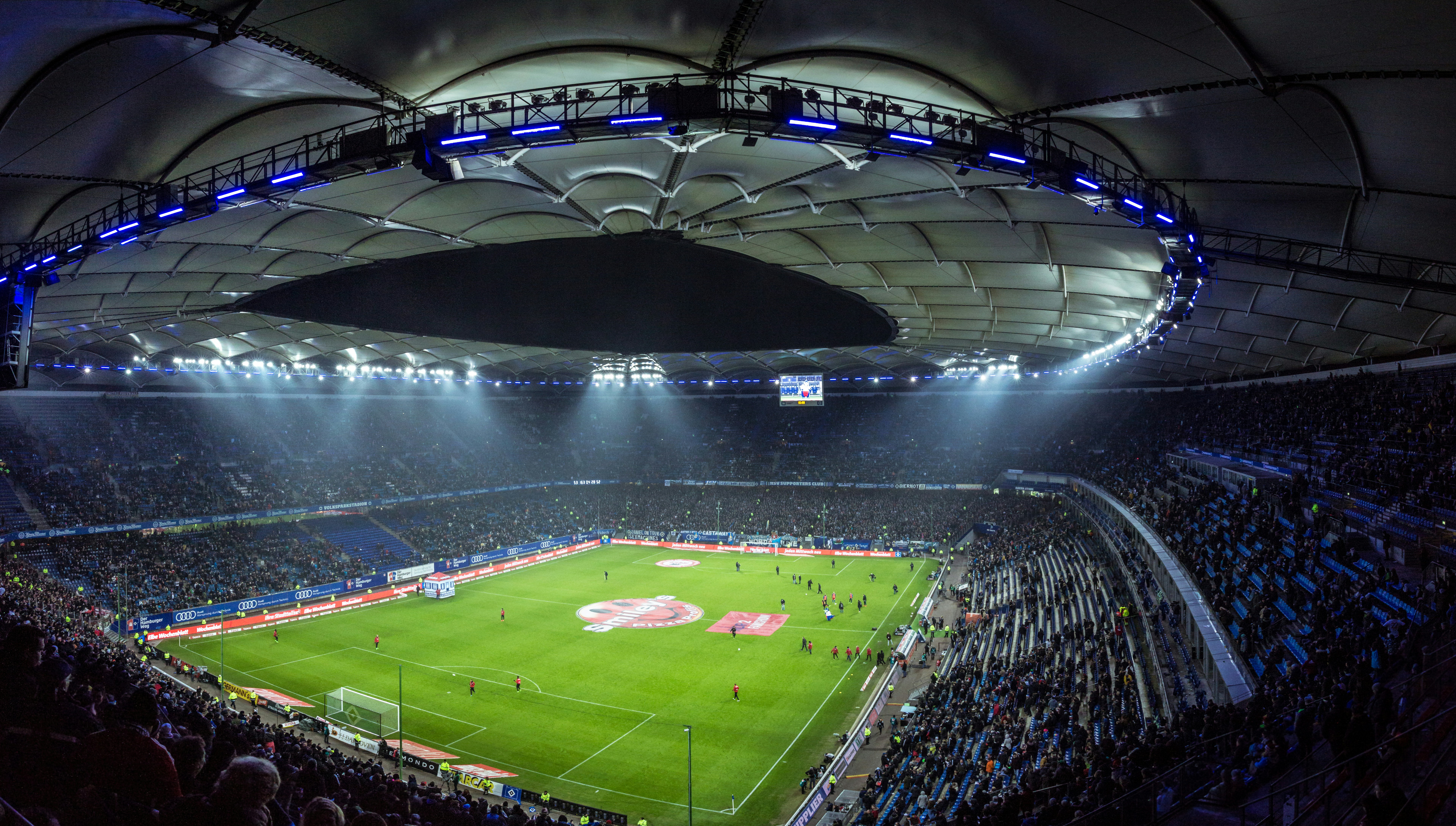
Subcategory
Members only
Sport has always been about patterns—of movement, decision, and advantage. What has changed is how clearly those patterns can now be seen. Sensors, tracking systems, and advanced models have turned the playing field into a continuous stream of information, reshaping not only how games are played, but how they are understood.
“Data doesn’t just analyze the game,” said a head of analytics at a leading professional club. “It changes how the game evolves.”
Across sports, data has moved from a support tool to a shaping force, influencing tactics, training, recruitment, and even the culture of competition itself.
From Observation to Measurement
For decades, understanding the game relied on observation.
Coaches watched. Scouts evaluated. Analysts reviewed tape.
“We trusted what we could see,” said a veteran coach who now works closely with data teams.
Modern tracking measures what eyes miss—off-ball movement, spacing efficiency, reaction times.
Measurement adds depth to perception.
Tactics Designed by Probability
Data reshapes tactical thinking.
Expected outcomes replace intuition-driven decisions.
“Every tactical choice has a probability attached now,” said the analytics head.
Teams choose actions that maximize long-term advantage, even if they conflict with tradition.
The game becomes optimized—not standardized.
Skill Redefined Through Data
Data changes how skill is understood.
Success is no longer only about visible brilliance.
“Impact happens between highlights,” said a performance analyst.
Movement efficiency, positioning, and decision speed define contribution.
Skill becomes measurable in silence.
Training Informed by Evidence
Training shifts from volume to precision.
Load management, recovery tracking, and micro-adjustments guide preparation.
“We train for sustainability,” said a high-performance manager.
Data reduces injury risk and preserves consistency.
Availability becomes performance.
Recruitment and the Search for Hidden Value
Data reshapes talent identification.
Undervalued skills emerge. Bias diminishes.
“Data helps us see players others overlook,” said a recruitment director.
Value is found in patterns—not reputation.
Markets become smarter.
The Democratization—and Stratification—of Advantage
Data lowers some barriers.
Smaller teams can access insights once reserved for elite clubs.
“Tools are more available,” said the analyst.
But implementation remains unequal.
Expertise—not access—creates advantage.
Strategy as Continuous Feedback
Strategy becomes iterative.
Data feedback loops refine plans in real time.
“There’s no fixed playbook anymore,” said the analytics head.
Adaptation accelerates.
Learning becomes constant.
Decision-Making Under Pressure
Data informs decisions—but humans execute them.
“In-game judgment still matters,” said the coach.
Elite performers integrate data without paralysis.
Trust balances evidence.
Fan Experience and Narrative Change
Data reshapes how fans experience sport.
Advanced metrics enter broadcasts and conversation.
“Fans are learning new languages,” said a media analyst.
Understanding deepens—but mystique shifts.
Narrative becomes analytical.
Cultural Resistance and Acceptance
Data faced resistance.
Tradition clashed with abstraction.
“People feared losing the soul of the game,” said the coach.
Over time, success softened skepticism.
Results legitimize method.
Ethical Questions and Player Trust
Data raises ethical concerns.
Monitoring bodies, behavior, and health requires consent.
“Trust is essential,” said a sports ethicist.
Data without transparency undermines relationships.
Governance evolves.
Creativity Within Constraints
Data does not eliminate creativity.
It reshapes its expression.
“Constraints focus creativity,” said the analytics head.
Players innovate within probabilistic frameworks.
Freedom is structured.
When Data Fails
Data is imperfect.
Models misread context. Numbers lag reality.
“Blind faith is dangerous,” said the analyst.
Judgment corrects models.
Balance protects performance.
The Game Evolves in Response
As teams adapt to data-driven strategies, opponents respond.
Defenses adjust. Rules evolve.
“The game pushes back,” said the coach.
Data accelerates evolution.
Data and the Pace of Change
Change now happens faster.
Tactical ideas spread quickly.
“What worked last season is copied instantly,” said the analytics head.
Competitive windows shrink.
Adaptation speeds up.
What Data Ultimately Changes
Data reshapes the game by changing incentives.
It rewards efficiency, discipline, and learning.
It challenges tradition without erasing it.
Sport becomes less romantic—but more revealing.
The Future of the Game
The future game will be data-aware, not data-controlled.
Human judgment remains central.
But ignorance is no longer an option.
“How we use data defines the game we get,” said the ethicist.
In the end, data does not replace competition.
It clarifies it.
By revealing patterns beneath chaos,
by sharpening decision-making,
and by forcing constant adaptation,
data reshapes the game—not by removing uncertainty,
but by making mastery harder to achieve.
And in that struggle between information and intuition,
the modern game finds its next evolution.
Subcategory
Members only
Sport has always been about patterns—of movement, decision, and advantage. What has changed is how clearly those patterns can now be seen. Sensors, tracking systems, and advanced models have turned the playing field into a continuous stream of information, reshaping not only how games are played, but how they are understood.
“Data doesn’t just analyze the game,” said a head of analytics at a leading professional club. “It changes how the game evolves.”
Across sports, data has moved from a support tool to a shaping force, influencing tactics, training, recruitment, and even the culture of competition itself.
From Observation to Measurement
For decades, understanding the game relied on observation.
Coaches watched. Scouts evaluated. Analysts reviewed tape.
“We trusted what we could see,” said a veteran coach who now works closely with data teams.
Modern tracking measures what eyes miss—off-ball movement, spacing efficiency, reaction times.
Measurement adds depth to perception.
Tactics Designed by Probability
Data reshapes tactical thinking.
Expected outcomes replace intuition-driven decisions.
“Every tactical choice has a probability attached now,” said the analytics head.
Teams choose actions that maximize long-term advantage, even if they conflict with tradition.
The game becomes optimized—not standardized.
Skill Redefined Through Data
Data changes how skill is understood.
Success is no longer only about visible brilliance.
“Impact happens between highlights,” said a performance analyst.
Movement efficiency, positioning, and decision speed define contribution.
Skill becomes measurable in silence.
Training Informed by Evidence
Training shifts from volume to precision.
Load management, recovery tracking, and micro-adjustments guide preparation.
“We train for sustainability,” said a high-performance manager.
Data reduces injury risk and preserves consistency.
Availability becomes performance.
Recruitment and the Search for Hidden Value
Data reshapes talent identification.
Undervalued skills emerge. Bias diminishes.
“Data helps us see players others overlook,” said a recruitment director.
Value is found in patterns—not reputation.
Markets become smarter.
The Democratization—and Stratification—of Advantage
Data lowers some barriers.
Smaller teams can access insights once reserved for elite clubs.
“Tools are more available,” said the analyst.
But implementation remains unequal.
Expertise—not access—creates advantage.
Strategy as Continuous Feedback
Strategy becomes iterative.
Data feedback loops refine plans in real time.
“There’s no fixed playbook anymore,” said the analytics head.
Adaptation accelerates.
Learning becomes constant.
Decision-Making Under Pressure
Data informs decisions—but humans execute them.
“In-game judgment still matters,” said the coach.
Elite performers integrate data without paralysis.
Trust balances evidence.
Fan Experience and Narrative Change
Data reshapes how fans experience sport.
Advanced metrics enter broadcasts and conversation.
“Fans are learning new languages,” said a media analyst.
Understanding deepens—but mystique shifts.
Narrative becomes analytical.
Cultural Resistance and Acceptance
Data faced resistance.
Tradition clashed with abstraction.
“People feared losing the soul of the game,” said the coach.
Over time, success softened skepticism.
Results legitimize method.
Ethical Questions and Player Trust
Data raises ethical concerns.
Monitoring bodies, behavior, and health requires consent.
“Trust is essential,” said a sports ethicist.
Data without transparency undermines relationships.
Governance evolves.
Creativity Within Constraints
Data does not eliminate creativity.
It reshapes its expression.
“Constraints focus creativity,” said the analytics head.
Players innovate within probabilistic frameworks.
Freedom is structured.
When Data Fails
Data is imperfect.
Models misread context. Numbers lag reality.
“Blind faith is dangerous,” said the analyst.
Judgment corrects models.
Balance protects performance.
The Game Evolves in Response
As teams adapt to data-driven strategies, opponents respond.
Defenses adjust. Rules evolve.
“The game pushes back,” said the coach.
Data accelerates evolution.
Data and the Pace of Change
Change now happens faster.
Tactical ideas spread quickly.
“What worked last season is copied instantly,” said the analytics head.
Competitive windows shrink.
Adaptation speeds up.
What Data Ultimately Changes
Data reshapes the game by changing incentives.
It rewards efficiency, discipline, and learning.
It challenges tradition without erasing it.
Sport becomes less romantic—but more revealing.
The Future of the Game
The future game will be data-aware, not data-controlled.
Human judgment remains central.
But ignorance is no longer an option.
“How we use data defines the game we get,” said the ethicist.
In the end, data does not replace competition.
It clarifies it.
By revealing patterns beneath chaos,
by sharpening decision-making,
and by forcing constant adaptation,
data reshapes the game—not by removing uncertainty,
but by making mastery harder to achieve.
And in that struggle between information and intuition,
the modern game finds its next evolution.
Subcategory
Members only
Global sports leagues often present themselves as competitions first and businesses second. Fans focus on rivalries, athletes, and trophies, while the economic machinery that sustains those spectacles operates largely out of view. Yet behind every global league sits a complex commercial system—one that increasingly determines how the sport itself evolves.
“Leagues are no longer just organizing competitions,” said a sports business executive who has advised multiple international leagues. “They’re managing multinational enterprises.”
Understanding the business behind global leagues is essential to understanding modern sport itself.
From Domestic Competition to Global Product
Most major leagues began as national or regional competitions.
Their early revenues came from gate receipts and local sponsorships.
“Leagues were once logistical coordinators,” said a sports historian.
Global broadcasting changed that role. Television and later digital platforms transformed leagues into content producers with worldwide audiences.
Scale redefined purpose.
Media Rights as the Economic Engine
Broadcast and streaming rights drive league revenue.
Media deals fund player salaries, club operations, and league expansion.
“Content distribution is the core business,” said a media rights analyst.
As consumption shifts toward streaming, leagues renegotiate how and where audiences watch.
Control over distribution equals leverage.
Global Audiences and Market Expansion
Global leagues pursue international fans aggressively.
Games are scheduled for multiple time zones. Marketing campaigns target new regions.
“Growth comes from outside traditional markets,” said the executive.
International tours and localized content extend reach—but raise questions about authenticity.
Expansion trades intimacy for scale.
League Structures and Revenue Sharing
League structure shapes financial stability.
Closed leagues emphasize revenue sharing and cost controls. Open leagues rely on competitive markets and promotion systems.
“Structure determines risk,” said a sports economist.
Revenue sharing promotes parity but limits autonomy.
Balance defines sustainability.
Franchising, Licensing, and Brand Control
Many global leagues operate on franchise models.
Teams license participation rights rather than earning them competitively.
“Franchising stabilizes investment,” said the economist.
Leagues protect brand integrity through centralized governance.
Control enhances value.
Sponsorship and Commercial Partnerships
Global sponsors seek visibility across borders.
League-level partnerships provide scale and consistency.
“Sponsors buy predictability,” said a marketing executive.
Commercial alignment shapes league identity and scheduling decisions.
Brand integration becomes strategic.
Player Labor Markets and Salary Economics
Leagues manage labor economics carefully.
Salary caps, luxury taxes, and transfer regulations control cost inflation.
“Labor peace is a business priority,” said the executive.
Negotiations with player unions influence revenue distribution.
Power dynamics evolve.
Competitive Balance as a Business Asset
Uncertainty sustains interest.
Leagues invest in parity mechanisms to prevent dominance.
“Competitive balance protects long-term value,” said the economist.
Predictability erodes audience engagement.
Fairness becomes commercial strategy.
Data, Analytics, and Commercial Intelligence
Leagues collect vast data.
Fan behavior, viewing habits, and engagement metrics guide decisions.
“Data drives monetization strategy,” said the media analyst.
Analytics inform pricing, content, and sponsorship valuation.
Insight fuels revenue.
Technology and Direct-to-Consumer Models
Leagues explore direct-to-consumer platforms.
Streaming services bypass traditional broadcasters.
“Ownership of audience relationships is strategic,” said the executive.
Direct models promise data and flexibility—but require infrastructure investment.
Control trades with risk.
Governance, Regulation, and Brand Protection
Leagues enforce rules to protect credibility.
Integrity, compliance, and dispute resolution maintain trust.
“Brand value collapses without legitimacy,” said the economist.
Governance balances growth and responsibility.
Reputation is capital.
International Politics and Cultural Sensitivity
Global leagues navigate geopolitical environments.
Events, sponsorships, and ownership intersect with politics.
“Global reach requires cultural intelligence,” said the executive.
Missteps carry reputational cost.
Context matters.
Cost Inflation and Financial Sustainability
Rising salaries and operational costs pressure margins.
Revenue growth must outpace inflation.
“Scale doesn’t guarantee stability,” said the economist.
Leagues monitor spending to preserve sustainability.
Discipline sustains growth.
Crisis Management and Resilience
Global leagues face systemic risks.
Pandemics, labor disputes, and media disruption test resilience.
“Crisis exposes business models,” said the executive.
Adaptive leagues survive.
Rigidity fails.
Innovation Versus Tradition
Leagues balance innovation with heritage.
Rule changes, format experiments, and digital engagement evolve the product.
“Change must respect identity,” said the historian.
Fans resist excessive commercialization.
Trust anchors experimentation.
The Future Business of Global Leagues
The business behind global leagues will continue to professionalize.
Media fragmentation, data-driven monetization, and global competition intensify.
Leagues that succeed will integrate business strategy with sporting integrity—recognizing that profit and credibility are intertwined.
Because global leagues do not merely sell games.
They sell meaning, continuity, and trust—
to audiences who care not just about who wins,
but about whether the competition itself feels real.
In the end, the strongest leagues will understand that their greatest asset is not scale alone—
but legitimacy,
earned through balance between commerce and competition.
And in a global market where attention is scarce,
that balance will define which leagues endure—and which fade.

Subcategory
Members only
Global sports leagues often present themselves as competitions first and businesses second. Fans focus on rivalries, athletes, and trophies, while the economic machinery that sustains those spectacles operates largely out of view. Yet behind every global league sits a complex commercial system—one that increasingly determines how the sport itself evolves.
“Leagues are no longer just organizing competitions,” said a sports business executive who has advised multiple international leagues. “They’re managing multinational enterprises.”
Understanding the business behind global leagues is essential to understanding modern sport itself.
From Domestic Competition to Global Product
Most major leagues began as national or regional competitions.
Their early revenues came from gate receipts and local sponsorships.
“Leagues were once logistical coordinators,” said a sports historian.
Global broadcasting changed that role. Television and later digital platforms transformed leagues into content producers with worldwide audiences.
Scale redefined purpose.
Media Rights as the Economic Engine
Broadcast and streaming rights drive league revenue.
Media deals fund player salaries, club operations, and league expansion.
“Content distribution is the core business,” said a media rights analyst.
As consumption shifts toward streaming, leagues renegotiate how and where audiences watch.
Control over distribution equals leverage.
Global Audiences and Market Expansion
Global leagues pursue international fans aggressively.
Games are scheduled for multiple time zones. Marketing campaigns target new regions.
“Growth comes from outside traditional markets,” said the executive.
International tours and localized content extend reach—but raise questions about authenticity.
Expansion trades intimacy for scale.
League Structures and Revenue Sharing
League structure shapes financial stability.
Closed leagues emphasize revenue sharing and cost controls. Open leagues rely on competitive markets and promotion systems.
“Structure determines risk,” said a sports economist.
Revenue sharing promotes parity but limits autonomy.
Balance defines sustainability.
Franchising, Licensing, and Brand Control
Many global leagues operate on franchise models.
Teams license participation rights rather than earning them competitively.
“Franchising stabilizes investment,” said the economist.
Leagues protect brand integrity through centralized governance.
Control enhances value.
Sponsorship and Commercial Partnerships
Global sponsors seek visibility across borders.
League-level partnerships provide scale and consistency.
“Sponsors buy predictability,” said a marketing executive.
Commercial alignment shapes league identity and scheduling decisions.
Brand integration becomes strategic.
Player Labor Markets and Salary Economics
Leagues manage labor economics carefully.
Salary caps, luxury taxes, and transfer regulations control cost inflation.
“Labor peace is a business priority,” said the executive.
Negotiations with player unions influence revenue distribution.
Power dynamics evolve.
Competitive Balance as a Business Asset
Uncertainty sustains interest.
Leagues invest in parity mechanisms to prevent dominance.
“Competitive balance protects long-term value,” said the economist.
Predictability erodes audience engagement.
Fairness becomes commercial strategy.
Data, Analytics, and Commercial Intelligence
Leagues collect vast data.
Fan behavior, viewing habits, and engagement metrics guide decisions.
“Data drives monetization strategy,” said the media analyst.
Analytics inform pricing, content, and sponsorship valuation.
Insight fuels revenue.
Technology and Direct-to-Consumer Models
Leagues explore direct-to-consumer platforms.
Streaming services bypass traditional broadcasters.
“Ownership of audience relationships is strategic,” said the executive.
Direct models promise data and flexibility—but require infrastructure investment.
Control trades with risk.
Governance, Regulation, and Brand Protection
Leagues enforce rules to protect credibility.
Integrity, compliance, and dispute resolution maintain trust.
“Brand value collapses without legitimacy,” said the economist.
Governance balances growth and responsibility.
Reputation is capital.
International Politics and Cultural Sensitivity
Global leagues navigate geopolitical environments.
Events, sponsorships, and ownership intersect with politics.
“Global reach requires cultural intelligence,” said the executive.
Missteps carry reputational cost.
Context matters.
Cost Inflation and Financial Sustainability
Rising salaries and operational costs pressure margins.
Revenue growth must outpace inflation.
“Scale doesn’t guarantee stability,” said the economist.
Leagues monitor spending to preserve sustainability.
Discipline sustains growth.
Crisis Management and Resilience
Global leagues face systemic risks.
Pandemics, labor disputes, and media disruption test resilience.
“Crisis exposes business models,” said the executive.
Adaptive leagues survive.
Rigidity fails.
Innovation Versus Tradition
Leagues balance innovation with heritage.
Rule changes, format experiments, and digital engagement evolve the product.
“Change must respect identity,” said the historian.
Fans resist excessive commercialization.
Trust anchors experimentation.
The Future Business of Global Leagues
The business behind global leagues will continue to professionalize.
Media fragmentation, data-driven monetization, and global competition intensify.
Leagues that succeed will integrate business strategy with sporting integrity—recognizing that profit and credibility are intertwined.
Because global leagues do not merely sell games.
They sell meaning, continuity, and trust—
to audiences who care not just about who wins,
but about whether the competition itself feels real.
In the end, the strongest leagues will understand that their greatest asset is not scale alone—
but legitimacy,
earned through balance between commerce and competition.
And in a global market where attention is scarce,
that balance will define which leagues endure—and which fade.
Subcategory
Members only
Global sports leagues often present themselves as competitions first and businesses second. Fans focus on rivalries, athletes, and trophies, while the economic machinery that sustains those spectacles operates largely out of view. Yet behind every global league sits a complex commercial system—one that increasingly determines how the sport itself evolves.
“Leagues are no longer just organizing competitions,” said a sports business executive who has advised multiple international leagues. “They’re managing multinational enterprises.”
Understanding the business behind global leagues is essential to understanding modern sport itself.
From Domestic Competition to Global Product
Most major leagues began as national or regional competitions.
Their early revenues came from gate receipts and local sponsorships.
“Leagues were once logistical coordinators,” said a sports historian.
Global broadcasting changed that role. Television and later digital platforms transformed leagues into content producers with worldwide audiences.
Scale redefined purpose.
Media Rights as the Economic Engine
Broadcast and streaming rights drive league revenue.
Media deals fund player salaries, club operations, and league expansion.
“Content distribution is the core business,” said a media rights analyst.
As consumption shifts toward streaming, leagues renegotiate how and where audiences watch.
Control over distribution equals leverage.
Global Audiences and Market Expansion
Global leagues pursue international fans aggressively.
Games are scheduled for multiple time zones. Marketing campaigns target new regions.
“Growth comes from outside traditional markets,” said the executive.
International tours and localized content extend reach—but raise questions about authenticity.
Expansion trades intimacy for scale.
League Structures and Revenue Sharing
League structure shapes financial stability.
Closed leagues emphasize revenue sharing and cost controls. Open leagues rely on competitive markets and promotion systems.
“Structure determines risk,” said a sports economist.
Revenue sharing promotes parity but limits autonomy.
Balance defines sustainability.
Franchising, Licensing, and Brand Control
Many global leagues operate on franchise models.
Teams license participation rights rather than earning them competitively.
“Franchising stabilizes investment,” said the economist.
Leagues protect brand integrity through centralized governance.
Control enhances value.
Sponsorship and Commercial Partnerships
Global sponsors seek visibility across borders.
League-level partnerships provide scale and consistency.
“Sponsors buy predictability,” said a marketing executive.
Commercial alignment shapes league identity and scheduling decisions.
Brand integration becomes strategic.
Player Labor Markets and Salary Economics
Leagues manage labor economics carefully.
Salary caps, luxury taxes, and transfer regulations control cost inflation.
“Labor peace is a business priority,” said the executive.
Negotiations with player unions influence revenue distribution.
Power dynamics evolve.
Competitive Balance as a Business Asset
Uncertainty sustains interest.
Leagues invest in parity mechanisms to prevent dominance.
“Competitive balance protects long-term value,” said the economist.
Predictability erodes audience engagement.
Fairness becomes commercial strategy.
Data, Analytics, and Commercial Intelligence
Leagues collect vast data.
Fan behavior, viewing habits, and engagement metrics guide decisions.
“Data drives monetization strategy,” said the media analyst.
Analytics inform pricing, content, and sponsorship valuation.
Insight fuels revenue.
Technology and Direct-to-Consumer Models
Leagues explore direct-to-consumer platforms.
Streaming services bypass traditional broadcasters.
“Ownership of audience relationships is strategic,” said the executive.
Direct models promise data and flexibility—but require infrastructure investment.
Control trades with risk.
Governance, Regulation, and Brand Protection
Leagues enforce rules to protect credibility.
Integrity, compliance, and dispute resolution maintain trust.
“Brand value collapses without legitimacy,” said the economist.
Governance balances growth and responsibility.
Reputation is capital.
International Politics and Cultural Sensitivity
Global leagues navigate geopolitical environments.
Events, sponsorships, and ownership intersect with politics.
“Global reach requires cultural intelligence,” said the executive.
Missteps carry reputational cost.
Context matters.
Cost Inflation and Financial Sustainability
Rising salaries and operational costs pressure margins.
Revenue growth must outpace inflation.
“Scale doesn’t guarantee stability,” said the economist.
Leagues monitor spending to preserve sustainability.
Discipline sustains growth.
Crisis Management and Resilience
Global leagues face systemic risks.
Pandemics, labor disputes, and media disruption test resilience.
“Crisis exposes business models,” said the executive.
Adaptive leagues survive.
Rigidity fails.
Innovation Versus Tradition
Leagues balance innovation with heritage.
Rule changes, format experiments, and digital engagement evolve the product.
“Change must respect identity,” said the historian.
Fans resist excessive commercialization.
Trust anchors experimentation.
The Future Business of Global Leagues
The business behind global leagues will continue to professionalize.
Media fragmentation, data-driven monetization, and global competition intensify.
Leagues that succeed will integrate business strategy with sporting integrity—recognizing that profit and credibility are intertwined.
Because global leagues do not merely sell games.
They sell meaning, continuity, and trust—
to audiences who care not just about who wins,
but about whether the competition itself feels real.
In the end, the strongest leagues will understand that their greatest asset is not scale alone—
but legitimacy,
earned through balance between commerce and competition.
And in a global market where attention is scarce,
that balance will define which leagues endure—and which fade.
Subcategory
Members only
Transfer markets are often framed as spectacles—deadline-day drama, record-breaking fees, and surprise moves that dominate headlines. But behind the noise sits a sophisticated economic system, one that governs how talent is valued, distributed, and monetized across global football.
“Transfers look chaotic from the outside,” said a football economist who advises clubs and governing bodies. “But they’re shaped by very rational incentives.”
Understanding the economics behind transfer markets reveals why prices escalate, why inequality persists, and why clubs often behave in ways that seem irrational—but aren’t.
Why Transfer Markets Exist at All
At their core, transfer markets allocate scarce talent.
Clubs compete for players who can improve performance, increase revenue, or both.
“Transfers are about reallocating human capital,” said the economist.
Unlike free labor markets, football transfers involve compensation between employers—reflecting contractual control over player services.
The market is structured, not free.
Contract Length as Economic Leverage
A player’s contract length is one of the strongest price determinants.
Longer contracts increase selling power. Shorter contracts shift leverage toward the player.
“Time is money in transfers,” said a sporting director.
Clubs price not just ability—but remaining control.
Contracts create artificial scarcity.
Transfer Fees as Option Pricing
Transfer fees function like financial options.
Clubs pay for the right to deploy a player’s future performance.
“You’re buying expected value,” said the economist. “Not guarantees.”
Age, injury history, adaptability, and resale potential shape valuation.
Risk is priced in.
The Role of Supply and Demand Imbalance
Elite talent is limited.
Top clubs compete for the same small pool of players.
“When many buyers chase few sellers, prices explode,” said the economist.
Demand is amplified by broadcasting revenue, sponsorship growth, and competitive pressure.
Supply cannot scale quickly.
Market Inflation and Revenue Growth
Transfer inflation mirrors revenue growth.
As broadcasting income rises, clubs reinvest surplus into players.
“Transfer fees track income, not morality,” said the economist.
Criticism of fees often ignores structural drivers.
Prices follow cash flow.
Resale Value and Asset Management
Clubs increasingly view players as assets.
Age curves, resale potential, and amortization shape recruitment strategy.
“Buying young is financial risk management,” said a recruitment analyst.
Sporting decisions align with balance sheets.
Performance and accounting intersect.
Amortization and Financial Reporting
Transfer fees are amortized over contract length.
This accounting practice spreads cost across seasons.
“Amortization makes big fees look manageable,” said a financial auditor.
But stacking amortized contracts increases long-term risk.
Delayed costs accumulate.
Agents and Intermediaries
Agents influence transfer economics significantly.
They broker deals, extract commissions, and shape player movement.
“Agents monetize information asymmetry,” said the economist.
Their incentives may diverge from clubs’ and players’ long-term interests.
Intermediation reshapes markets.
Player Power and Wage Dynamics
While clubs trade fees, players negotiate wages.
High transfer fees often correlate with higher salaries.
“Fees don’t go to players—but leverage does,” said a labor economist.
Wage inflation follows transfer inflation.
Costs compound.
The Bosman Effect and Free Transfers
Free agency altered the market.
Players approaching contract expiration reduce transfer fees but increase wages and bonuses.
“Fees didn’t disappear—they shifted,” said the economist.
Power migrated from clubs to players.
Markets adapted.
Competitive Inequality and Market Stratification
Transfer markets reinforce inequality.
Wealthier clubs outbid rivals and hoard talent.
“The market concentrates advantage,” said the economist.
Smaller clubs rely on development and resale.
Talent flows upward.
Feeder Clubs and Talent Pipelines
Some clubs specialize in producing and selling players.
Academies become revenue engines.
“Development is monetized,” said the recruitment analyst.
Sporting success and financial survival align—sometimes uneasily.
Production replaces retention.
Regulation, Financial Fair Play, and Constraints
Regulations aim to curb excess.
Spending limits, squad cost controls, and monitoring reduce risk.
“Markets need guardrails,” said a governance advisor.
But enforcement varies.
Loopholes persist.
Speculation, Herd Behavior, and Panic Buying
Transfer markets exhibit irrational dynamics.
Deadline pressure, fear of missing out, and copying behavior inflate prices.
“Clubs buy emotion as much as data,” said the economist.
Psychology distorts valuation.
Timing matters.
Data, Analytics, and Market Efficiency
Data improves market efficiency—but unevenly.
Clubs with advanced analytics identify undervalued profiles.
“Efficiency creates temporary advantage,” said the analyst.
Markets adapt quickly.
Edges decay.
The Human Cost of Market Logic
Behind transactions are people.
Relocation, uncertainty, and career disruption affect players and families.
“The market treats humans like assets,” said a player welfare advocate.
Economic efficiency carries emotional cost.
Transfer Windows and Artificial Volatility
Windows compress activity into short periods.
Scarcity and urgency drive inflation.
“Deadlines distort pricing,” said the economist.
Markets become theatrical.
Structure amplifies drama.
Why Transfer Markets Remain Contested
Transfer markets attract criticism for excess and inequality.
But they persist because they serve multiple functions: talent allocation, financial redistribution, and competitive signaling.
“They’re flawed,” said the economist. “But they’re functional.”
Reform must address incentives—not optics.
What the Economics Reveal
The economics behind transfer markets explain behavior that appears irrational—but isn’t.
Clubs overspend to avoid decline.
Players move to maximize leverage.
Agents exploit timing.
Fees inflate because revenues allow it.
Transfer markets are not about fairness.
They are about power, control, and probability.
And as long as football remains global, unequal, and commercially driven,
transfer markets will continue to reflect those realities—
not as anomalies,
but as their most visible expression.
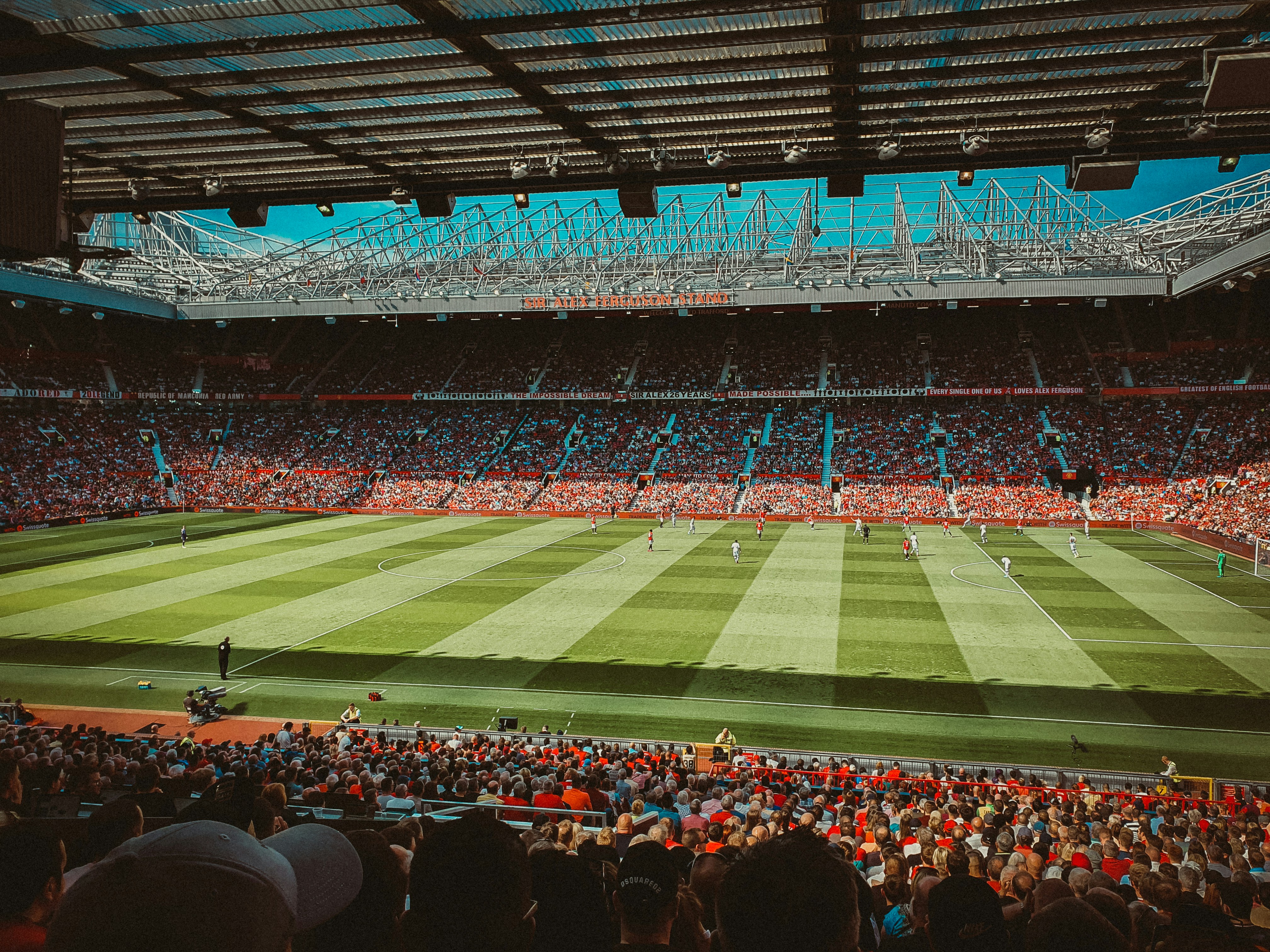
Subcategory
Members only
Transfer markets are often framed as spectacles—deadline-day drama, record-breaking fees, and surprise moves that dominate headlines. But behind the noise sits a sophisticated economic system, one that governs how talent is valued, distributed, and monetized across global football.
“Transfers look chaotic from the outside,” said a football economist who advises clubs and governing bodies. “But they’re shaped by very rational incentives.”
Understanding the economics behind transfer markets reveals why prices escalate, why inequality persists, and why clubs often behave in ways that seem irrational—but aren’t.
Why Transfer Markets Exist at All
At their core, transfer markets allocate scarce talent.
Clubs compete for players who can improve performance, increase revenue, or both.
“Transfers are about reallocating human capital,” said the economist.
Unlike free labor markets, football transfers involve compensation between employers—reflecting contractual control over player services.
The market is structured, not free.
Contract Length as Economic Leverage
A player’s contract length is one of the strongest price determinants.
Longer contracts increase selling power. Shorter contracts shift leverage toward the player.
“Time is money in transfers,” said a sporting director.
Clubs price not just ability—but remaining control.
Contracts create artificial scarcity.
Transfer Fees as Option Pricing
Transfer fees function like financial options.
Clubs pay for the right to deploy a player’s future performance.
“You’re buying expected value,” said the economist. “Not guarantees.”
Age, injury history, adaptability, and resale potential shape valuation.
Risk is priced in.
The Role of Supply and Demand Imbalance
Elite talent is limited.
Top clubs compete for the same small pool of players.
“When many buyers chase few sellers, prices explode,” said the economist.
Demand is amplified by broadcasting revenue, sponsorship growth, and competitive pressure.
Supply cannot scale quickly.
Market Inflation and Revenue Growth
Transfer inflation mirrors revenue growth.
As broadcasting income rises, clubs reinvest surplus into players.
“Transfer fees track income, not morality,” said the economist.
Criticism of fees often ignores structural drivers.
Prices follow cash flow.
Resale Value and Asset Management
Clubs increasingly view players as assets.
Age curves, resale potential, and amortization shape recruitment strategy.
“Buying young is financial risk management,” said a recruitment analyst.
Sporting decisions align with balance sheets.
Performance and accounting intersect.
Amortization and Financial Reporting
Transfer fees are amortized over contract length.
This accounting practice spreads cost across seasons.
“Amortization makes big fees look manageable,” said a financial auditor.
But stacking amortized contracts increases long-term risk.
Delayed costs accumulate.
Agents and Intermediaries
Agents influence transfer economics significantly.
They broker deals, extract commissions, and shape player movement.
“Agents monetize information asymmetry,” said the economist.
Their incentives may diverge from clubs’ and players’ long-term interests.
Intermediation reshapes markets.
Player Power and Wage Dynamics
While clubs trade fees, players negotiate wages.
High transfer fees often correlate with higher salaries.
“Fees don’t go to players—but leverage does,” said a labor economist.
Wage inflation follows transfer inflation.
Costs compound.
The Bosman Effect and Free Transfers
Free agency altered the market.
Players approaching contract expiration reduce transfer fees but increase wages and bonuses.
“Fees didn’t disappear—they shifted,” said the economist.
Power migrated from clubs to players.
Markets adapted.
Competitive Inequality and Market Stratification
Transfer markets reinforce inequality.
Wealthier clubs outbid rivals and hoard talent.
“The market concentrates advantage,” said the economist.
Smaller clubs rely on development and resale.
Talent flows upward.
Feeder Clubs and Talent Pipelines
Some clubs specialize in producing and selling players.
Academies become revenue engines.
“Development is monetized,” said the recruitment analyst.
Sporting success and financial survival align—sometimes uneasily.
Production replaces retention.
Regulation, Financial Fair Play, and Constraints
Regulations aim to curb excess.
Spending limits, squad cost controls, and monitoring reduce risk.
“Markets need guardrails,” said a governance advisor.
But enforcement varies.
Loopholes persist.
Speculation, Herd Behavior, and Panic Buying
Transfer markets exhibit irrational dynamics.
Deadline pressure, fear of missing out, and copying behavior inflate prices.
“Clubs buy emotion as much as data,” said the economist.
Psychology distorts valuation.
Timing matters.
Data, Analytics, and Market Efficiency
Data improves market efficiency—but unevenly.
Clubs with advanced analytics identify undervalued profiles.
“Efficiency creates temporary advantage,” said the analyst.
Markets adapt quickly.
Edges decay.
The Human Cost of Market Logic
Behind transactions are people.
Relocation, uncertainty, and career disruption affect players and families.
“The market treats humans like assets,” said a player welfare advocate.
Economic efficiency carries emotional cost.
Transfer Windows and Artificial Volatility
Windows compress activity into short periods.
Scarcity and urgency drive inflation.
“Deadlines distort pricing,” said the economist.
Markets become theatrical.
Structure amplifies drama.
Why Transfer Markets Remain Contested
Transfer markets attract criticism for excess and inequality.
But they persist because they serve multiple functions: talent allocation, financial redistribution, and competitive signaling.
“They’re flawed,” said the economist. “But they’re functional.”
Reform must address incentives—not optics.
What the Economics Reveal
The economics behind transfer markets explain behavior that appears irrational—but isn’t.
Clubs overspend to avoid decline.
Players move to maximize leverage.
Agents exploit timing.
Fees inflate because revenues allow it.
Transfer markets are not about fairness.
They are about power, control, and probability.
And as long as football remains global, unequal, and commercially driven,
transfer markets will continue to reflect those realities—
not as anomalies,
but as their most visible expression.
Subcategory
Members only
Transfer markets are often framed as spectacles—deadline-day drama, record-breaking fees, and surprise moves that dominate headlines. But behind the noise sits a sophisticated economic system, one that governs how talent is valued, distributed, and monetized across global football.
“Transfers look chaotic from the outside,” said a football economist who advises clubs and governing bodies. “But they’re shaped by very rational incentives.”
Understanding the economics behind transfer markets reveals why prices escalate, why inequality persists, and why clubs often behave in ways that seem irrational—but aren’t.
Why Transfer Markets Exist at All
At their core, transfer markets allocate scarce talent.
Clubs compete for players who can improve performance, increase revenue, or both.
“Transfers are about reallocating human capital,” said the economist.
Unlike free labor markets, football transfers involve compensation between employers—reflecting contractual control over player services.
The market is structured, not free.
Contract Length as Economic Leverage
A player’s contract length is one of the strongest price determinants.
Longer contracts increase selling power. Shorter contracts shift leverage toward the player.
“Time is money in transfers,” said a sporting director.
Clubs price not just ability—but remaining control.
Contracts create artificial scarcity.
Transfer Fees as Option Pricing
Transfer fees function like financial options.
Clubs pay for the right to deploy a player’s future performance.
“You’re buying expected value,” said the economist. “Not guarantees.”
Age, injury history, adaptability, and resale potential shape valuation.
Risk is priced in.
The Role of Supply and Demand Imbalance
Elite talent is limited.
Top clubs compete for the same small pool of players.
“When many buyers chase few sellers, prices explode,” said the economist.
Demand is amplified by broadcasting revenue, sponsorship growth, and competitive pressure.
Supply cannot scale quickly.
Market Inflation and Revenue Growth
Transfer inflation mirrors revenue growth.
As broadcasting income rises, clubs reinvest surplus into players.
“Transfer fees track income, not morality,” said the economist.
Criticism of fees often ignores structural drivers.
Prices follow cash flow.
Resale Value and Asset Management
Clubs increasingly view players as assets.
Age curves, resale potential, and amortization shape recruitment strategy.
“Buying young is financial risk management,” said a recruitment analyst.
Sporting decisions align with balance sheets.
Performance and accounting intersect.
Amortization and Financial Reporting
Transfer fees are amortized over contract length.
This accounting practice spreads cost across seasons.
“Amortization makes big fees look manageable,” said a financial auditor.
But stacking amortized contracts increases long-term risk.
Delayed costs accumulate.
Agents and Intermediaries
Agents influence transfer economics significantly.
They broker deals, extract commissions, and shape player movement.
“Agents monetize information asymmetry,” said the economist.
Their incentives may diverge from clubs’ and players’ long-term interests.
Intermediation reshapes markets.
Player Power and Wage Dynamics
While clubs trade fees, players negotiate wages.
High transfer fees often correlate with higher salaries.
“Fees don’t go to players—but leverage does,” said a labor economist.
Wage inflation follows transfer inflation.
Costs compound.
The Bosman Effect and Free Transfers
Free agency altered the market.
Players approaching contract expiration reduce transfer fees but increase wages and bonuses.
“Fees didn’t disappear—they shifted,” said the economist.
Power migrated from clubs to players.
Markets adapted.
Competitive Inequality and Market Stratification
Transfer markets reinforce inequality.
Wealthier clubs outbid rivals and hoard talent.
“The market concentrates advantage,” said the economist.
Smaller clubs rely on development and resale.
Talent flows upward.
Feeder Clubs and Talent Pipelines
Some clubs specialize in producing and selling players.
Academies become revenue engines.
“Development is monetized,” said the recruitment analyst.
Sporting success and financial survival align—sometimes uneasily.
Production replaces retention.
Regulation, Financial Fair Play, and Constraints
Regulations aim to curb excess.
Spending limits, squad cost controls, and monitoring reduce risk.
“Markets need guardrails,” said a governance advisor.
But enforcement varies.
Loopholes persist.
Speculation, Herd Behavior, and Panic Buying
Transfer markets exhibit irrational dynamics.
Deadline pressure, fear of missing out, and copying behavior inflate prices.
“Clubs buy emotion as much as data,” said the economist.
Psychology distorts valuation.
Timing matters.
Data, Analytics, and Market Efficiency
Data improves market efficiency—but unevenly.
Clubs with advanced analytics identify undervalued profiles.
“Efficiency creates temporary advantage,” said the analyst.
Markets adapt quickly.
Edges decay.
The Human Cost of Market Logic
Behind transactions are people.
Relocation, uncertainty, and career disruption affect players and families.
“The market treats humans like assets,” said a player welfare advocate.
Economic efficiency carries emotional cost.
Transfer Windows and Artificial Volatility
Windows compress activity into short periods.
Scarcity and urgency drive inflation.
“Deadlines distort pricing,” said the economist.
Markets become theatrical.
Structure amplifies drama.
Why Transfer Markets Remain Contested
Transfer markets attract criticism for excess and inequality.
But they persist because they serve multiple functions: talent allocation, financial redistribution, and competitive signaling.
“They’re flawed,” said the economist. “But they’re functional.”
Reform must address incentives—not optics.
What the Economics Reveal
The economics behind transfer markets explain behavior that appears irrational—but isn’t.
Clubs overspend to avoid decline.
Players move to maximize leverage.
Agents exploit timing.
Fees inflate because revenues allow it.
Transfer markets are not about fairness.
They are about power, control, and probability.
And as long as football remains global, unequal, and commercially driven,
transfer markets will continue to reflect those realities—
not as anomalies,
but as their most visible expression.
Subcategory
Members only
Sport is often framed as neutral—a space separate from politics, ideology, and power. Yet history consistently proves the opposite. From Olympic ceremonies to international tournaments and exhibition matches, sport has long functioned as a diplomatic instrument, shaping relationships between states when formal channels stall.
“Sport speaks when diplomacy struggles,” said a former ambassador who later advised international sporting organizations. “It creates contact without forcing agreement.”
Sports diplomacy operates in the space between symbolism and strategy, offering governments visibility, legitimacy, and influence through competition rather than negotiation.
What Sports Diplomacy Actually Means
Sports diplomacy refers to the use of sporting events, exchanges, and institutions to influence international relationships.
It is not limited to state actors.
“Athletes, federations, and fans all participate,” said a political scientist specializing in soft power.
Sports diplomacy can thaw tensions, project national identity, or reinforce political narratives.
Its power lies in visibility and emotion.
Why Sport Works Where Politics Fails
Sport lowers barriers.
Shared rules, universal language, and emotional engagement create common ground.
“In sport, opponents agree on the framework—even if they disagree on everything else,” said the former ambassador.
Competition becomes structured interaction.
Participation itself signals willingness to engage.
Historical Roots of Sports Diplomacy
Sports diplomacy predates modern international relations.
Early international competitions reflected imperial rivalry and national pride.
“Sport mirrored geopolitical hierarchies,” said the political scientist.
As global institutions developed, sport became a stage for ideological competition.
Visibility amplified meaning.
Cold War Competition and Symbolic Rivalry
During the Cold War, sport became ideological theater.
Olympic medal counts served as proxies for political systems.
“Winning was framed as proof of superiority,” said a historian of the era.
Sport did not resolve conflict—but it shaped perception.
Symbolism mattered.
The Power of Sporting Exchanges
Exchanges often precede political normalization.
Friendly matches, training programs, and joint events create informal contact.
“Human contact changes tone,” said a sports diplomacy advisor.
These interactions reduce abstraction.
Opponents become people.
Mega-Events and National Image
Hosting major events is a diplomatic act.
World Cups, Olympics, and continental championships project national narratives.
“Hosts curate identity,” said the political scientist.
Infrastructure, ceremony, and messaging shape global perception.
Reputation becomes strategic.
Soft Power and Global Visibility
Sports diplomacy operates through soft power—the ability to influence through attraction rather than coercion.
“A successful team makes a country feel familiar,” said the former ambassador.
Fans associate nations with athletes, styles, and moments.
Emotion precedes opinion.
Athletes as Unofficial Diplomats
Athletes often serve diplomatic roles unintentionally.
Their conduct, statements, and visibility shape perception.
“Athletes humanize nations,” said the historian.
But visibility brings pressure.
Individual actions carry national meaning.
The Limits of Neutrality
Sport claims neutrality—but rarely achieves it.
Political boycotts, protests, and eligibility disputes reveal tension.
“Neutrality often protects the status quo,” said the political scientist.
Choosing not to act is itself political.
Silence communicates values.
Contested Events and Diplomatic Risk
Sports diplomacy carries risk.
Boycotts, protests, and human rights concerns can undermine intended messaging.
“Visibility magnifies scrutiny,” said the advisor.
Mega-events attract attention—not just applause.
Reputation can backfire.
Regional Diplomacy and Shared Leagues
Shared leagues and tournaments foster regional integration.
Cross-border competition normalizes interaction.
“Regular contact reduces otherness,” said the political scientist.
Sport becomes infrastructure for cooperation.
Routine builds trust.
Sports Sanctions and Political Signaling
Exclusion from sport functions as sanction.
Bans signal condemnation without military escalation.
“Sporting isolation hurts symbolically,” said the former ambassador.
Participation signals legitimacy.
Access becomes leverage.
Grassroots Diplomacy and Civil Society
Not all sports diplomacy is state-driven.
Grassroots programs foster cross-cultural understanding.
“Young athletes learn cooperation before ideology,” said a development coordinator.
Sport builds relationships bottom-up.
Informal diplomacy persists.
Media Amplification and Narrative Control
Media coverage magnifies diplomatic impact.
Images circulate globally.
“Sport travels faster than policy,” said the historian.
Narratives shape interpretation.
Perception outpaces reality.
Ethics and Instrumentalization
Using sport diplomatically raises ethical questions.
When does engagement become propaganda?
“Instrumentalization risks hollowing sport’s integrity,” said the political scientist.
Ethical sports diplomacy requires transparency and accountability.
Intent matters.
When Sports Diplomacy Succeeds
Success is incremental.
Sports diplomacy rarely resolves conflict—but can create conditions for dialogue.
“It opens doors,” said the former ambassador. “It doesn’t walk through them.”
Expectation management is crucial.
Symbolism must align with substance.
When It Fails
Sports diplomacy fails when symbolism substitutes action.
When human rights concerns are ignored.
When events mask injustice.
When engagement legitimizes abuse.
“Sport can distract as easily as it connects,” said the advisor.
Critical engagement matters.
Why Sports Diplomacy Endures
Despite limitations, sports diplomacy persists because it works differently.
It bypasses formal language.
It engages emotion.
It creates shared experience.
Sport cannot solve political conflict—but it can reshape its atmosphere.
And in a fractured world, atmosphere matters.
The Role of Sport in a Divided World
As geopolitical tensions rise, sports diplomacy gains relevance.
Informal contact becomes valuable when formal channels close.
“Sport keeps conversation alive,” said the former ambassador.
Its strength lies in its ambiguity.
Conclusion: Beyond the Game
Sport is not a solution to global conflict.
But it is a medium—one that communicates identity, intention, and openness.
Sports diplomacy succeeds when it recognizes its limits, respects ethical responsibility, and aligns symbolism with substance.
In a world where words are often contested,
sport offers a language that does not require translation.
And while it cannot replace diplomacy,
it remains one of the few spaces where rivals still agree to meet—
under shared rules,
before a watching world.
That alone gives sport enduring diplomatic power.

Subcategory
Members only
Sport is often framed as neutral—a space separate from politics, ideology, and power. Yet history consistently proves the opposite. From Olympic ceremonies to international tournaments and exhibition matches, sport has long functioned as a diplomatic instrument, shaping relationships between states when formal channels stall.
“Sport speaks when diplomacy struggles,” said a former ambassador who later advised international sporting organizations. “It creates contact without forcing agreement.”
Sports diplomacy operates in the space between symbolism and strategy, offering governments visibility, legitimacy, and influence through competition rather than negotiation.
What Sports Diplomacy Actually Means
Sports diplomacy refers to the use of sporting events, exchanges, and institutions to influence international relationships.
It is not limited to state actors.
“Athletes, federations, and fans all participate,” said a political scientist specializing in soft power.
Sports diplomacy can thaw tensions, project national identity, or reinforce political narratives.
Its power lies in visibility and emotion.
Why Sport Works Where Politics Fails
Sport lowers barriers.
Shared rules, universal language, and emotional engagement create common ground.
“In sport, opponents agree on the framework—even if they disagree on everything else,” said the former ambassador.
Competition becomes structured interaction.
Participation itself signals willingness to engage.
Historical Roots of Sports Diplomacy
Sports diplomacy predates modern international relations.
Early international competitions reflected imperial rivalry and national pride.
“Sport mirrored geopolitical hierarchies,” said the political scientist.
As global institutions developed, sport became a stage for ideological competition.
Visibility amplified meaning.
Cold War Competition and Symbolic Rivalry
During the Cold War, sport became ideological theater.
Olympic medal counts served as proxies for political systems.
“Winning was framed as proof of superiority,” said a historian of the era.
Sport did not resolve conflict—but it shaped perception.
Symbolism mattered.
The Power of Sporting Exchanges
Exchanges often precede political normalization.
Friendly matches, training programs, and joint events create informal contact.
“Human contact changes tone,” said a sports diplomacy advisor.
These interactions reduce abstraction.
Opponents become people.
Mega-Events and National Image
Hosting major events is a diplomatic act.
World Cups, Olympics, and continental championships project national narratives.
“Hosts curate identity,” said the political scientist.
Infrastructure, ceremony, and messaging shape global perception.
Reputation becomes strategic.
Soft Power and Global Visibility
Sports diplomacy operates through soft power—the ability to influence through attraction rather than coercion.
“A successful team makes a country feel familiar,” said the former ambassador.
Fans associate nations with athletes, styles, and moments.
Emotion precedes opinion.
Athletes as Unofficial Diplomats
Athletes often serve diplomatic roles unintentionally.
Their conduct, statements, and visibility shape perception.
“Athletes humanize nations,” said the historian.
But visibility brings pressure.
Individual actions carry national meaning.
The Limits of Neutrality
Sport claims neutrality—but rarely achieves it.
Political boycotts, protests, and eligibility disputes reveal tension.
“Neutrality often protects the status quo,” said the political scientist.
Choosing not to act is itself political.
Silence communicates values.
Contested Events and Diplomatic Risk
Sports diplomacy carries risk.
Boycotts, protests, and human rights concerns can undermine intended messaging.
“Visibility magnifies scrutiny,” said the advisor.
Mega-events attract attention—not just applause.
Reputation can backfire.
Regional Diplomacy and Shared Leagues
Shared leagues and tournaments foster regional integration.
Cross-border competition normalizes interaction.
“Regular contact reduces otherness,” said the political scientist.
Sport becomes infrastructure for cooperation.
Routine builds trust.
Sports Sanctions and Political Signaling
Exclusion from sport functions as sanction.
Bans signal condemnation without military escalation.
“Sporting isolation hurts symbolically,” said the former ambassador.
Participation signals legitimacy.
Access becomes leverage.
Grassroots Diplomacy and Civil Society
Not all sports diplomacy is state-driven.
Grassroots programs foster cross-cultural understanding.
“Young athletes learn cooperation before ideology,” said a development coordinator.
Sport builds relationships bottom-up.
Informal diplomacy persists.
Media Amplification and Narrative Control
Media coverage magnifies diplomatic impact.
Images circulate globally.
“Sport travels faster than policy,” said the historian.
Narratives shape interpretation.
Perception outpaces reality.
Ethics and Instrumentalization
Using sport diplomatically raises ethical questions.
When does engagement become propaganda?
“Instrumentalization risks hollowing sport’s integrity,” said the political scientist.
Ethical sports diplomacy requires transparency and accountability.
Intent matters.
When Sports Diplomacy Succeeds
Success is incremental.
Sports diplomacy rarely resolves conflict—but can create conditions for dialogue.
“It opens doors,” said the former ambassador. “It doesn’t walk through them.”
Expectation management is crucial.
Symbolism must align with substance.
When It Fails
Sports diplomacy fails when symbolism substitutes action.
When human rights concerns are ignored.
When events mask injustice.
When engagement legitimizes abuse.
“Sport can distract as easily as it connects,” said the advisor.
Critical engagement matters.
Why Sports Diplomacy Endures
Despite limitations, sports diplomacy persists because it works differently.
It bypasses formal language.
It engages emotion.
It creates shared experience.
Sport cannot solve political conflict—but it can reshape its atmosphere.
And in a fractured world, atmosphere matters.
The Role of Sport in a Divided World
As geopolitical tensions rise, sports diplomacy gains relevance.
Informal contact becomes valuable when formal channels close.
“Sport keeps conversation alive,” said the former ambassador.
Its strength lies in its ambiguity.
Conclusion: Beyond the Game
Sport is not a solution to global conflict.
But it is a medium—one that communicates identity, intention, and openness.
Sports diplomacy succeeds when it recognizes its limits, respects ethical responsibility, and aligns symbolism with substance.
In a world where words are often contested,
sport offers a language that does not require translation.
And while it cannot replace diplomacy,
it remains one of the few spaces where rivals still agree to meet—
under shared rules,
before a watching world.
That alone gives sport enduring diplomatic power.
Subcategory
Members only
Sport is often framed as neutral—a space separate from politics, ideology, and power. Yet history consistently proves the opposite. From Olympic ceremonies to international tournaments and exhibition matches, sport has long functioned as a diplomatic instrument, shaping relationships between states when formal channels stall.
“Sport speaks when diplomacy struggles,” said a former ambassador who later advised international sporting organizations. “It creates contact without forcing agreement.”
Sports diplomacy operates in the space between symbolism and strategy, offering governments visibility, legitimacy, and influence through competition rather than negotiation.
What Sports Diplomacy Actually Means
Sports diplomacy refers to the use of sporting events, exchanges, and institutions to influence international relationships.
It is not limited to state actors.
“Athletes, federations, and fans all participate,” said a political scientist specializing in soft power.
Sports diplomacy can thaw tensions, project national identity, or reinforce political narratives.
Its power lies in visibility and emotion.
Why Sport Works Where Politics Fails
Sport lowers barriers.
Shared rules, universal language, and emotional engagement create common ground.
“In sport, opponents agree on the framework—even if they disagree on everything else,” said the former ambassador.
Competition becomes structured interaction.
Participation itself signals willingness to engage.
Historical Roots of Sports Diplomacy
Sports diplomacy predates modern international relations.
Early international competitions reflected imperial rivalry and national pride.
“Sport mirrored geopolitical hierarchies,” said the political scientist.
As global institutions developed, sport became a stage for ideological competition.
Visibility amplified meaning.
Cold War Competition and Symbolic Rivalry
During the Cold War, sport became ideological theater.
Olympic medal counts served as proxies for political systems.
“Winning was framed as proof of superiority,” said a historian of the era.
Sport did not resolve conflict—but it shaped perception.
Symbolism mattered.
The Power of Sporting Exchanges
Exchanges often precede political normalization.
Friendly matches, training programs, and joint events create informal contact.
“Human contact changes tone,” said a sports diplomacy advisor.
These interactions reduce abstraction.
Opponents become people.
Mega-Events and National Image
Hosting major events is a diplomatic act.
World Cups, Olympics, and continental championships project national narratives.
“Hosts curate identity,” said the political scientist.
Infrastructure, ceremony, and messaging shape global perception.
Reputation becomes strategic.
Soft Power and Global Visibility
Sports diplomacy operates through soft power—the ability to influence through attraction rather than coercion.
“A successful team makes a country feel familiar,” said the former ambassador.
Fans associate nations with athletes, styles, and moments.
Emotion precedes opinion.
Athletes as Unofficial Diplomats
Athletes often serve diplomatic roles unintentionally.
Their conduct, statements, and visibility shape perception.
“Athletes humanize nations,” said the historian.
But visibility brings pressure.
Individual actions carry national meaning.
The Limits of Neutrality
Sport claims neutrality—but rarely achieves it.
Political boycotts, protests, and eligibility disputes reveal tension.
“Neutrality often protects the status quo,” said the political scientist.
Choosing not to act is itself political.
Silence communicates values.
Contested Events and Diplomatic Risk
Sports diplomacy carries risk.
Boycotts, protests, and human rights concerns can undermine intended messaging.
“Visibility magnifies scrutiny,” said the advisor.
Mega-events attract attention—not just applause.
Reputation can backfire.
Regional Diplomacy and Shared Leagues
Shared leagues and tournaments foster regional integration.
Cross-border competition normalizes interaction.
“Regular contact reduces otherness,” said the political scientist.
Sport becomes infrastructure for cooperation.
Routine builds trust.
Sports Sanctions and Political Signaling
Exclusion from sport functions as sanction.
Bans signal condemnation without military escalation.
“Sporting isolation hurts symbolically,” said the former ambassador.
Participation signals legitimacy.
Access becomes leverage.
Grassroots Diplomacy and Civil Society
Not all sports diplomacy is state-driven.
Grassroots programs foster cross-cultural understanding.
“Young athletes learn cooperation before ideology,” said a development coordinator.
Sport builds relationships bottom-up.
Informal diplomacy persists.
Media Amplification and Narrative Control
Media coverage magnifies diplomatic impact.
Images circulate globally.
“Sport travels faster than policy,” said the historian.
Narratives shape interpretation.
Perception outpaces reality.
Ethics and Instrumentalization
Using sport diplomatically raises ethical questions.
When does engagement become propaganda?
“Instrumentalization risks hollowing sport’s integrity,” said the political scientist.
Ethical sports diplomacy requires transparency and accountability.
Intent matters.
When Sports Diplomacy Succeeds
Success is incremental.
Sports diplomacy rarely resolves conflict—but can create conditions for dialogue.
“It opens doors,” said the former ambassador. “It doesn’t walk through them.”
Expectation management is crucial.
Symbolism must align with substance.
When It Fails
Sports diplomacy fails when symbolism substitutes action.
When human rights concerns are ignored.
When events mask injustice.
When engagement legitimizes abuse.
“Sport can distract as easily as it connects,” said the advisor.
Critical engagement matters.
Why Sports Diplomacy Endures
Despite limitations, sports diplomacy persists because it works differently.
It bypasses formal language.
It engages emotion.
It creates shared experience.
Sport cannot solve political conflict—but it can reshape its atmosphere.
And in a fractured world, atmosphere matters.
The Role of Sport in a Divided World
As geopolitical tensions rise, sports diplomacy gains relevance.
Informal contact becomes valuable when formal channels close.
“Sport keeps conversation alive,” said the former ambassador.
Its strength lies in its ambiguity.
Conclusion: Beyond the Game
Sport is not a solution to global conflict.
But it is a medium—one that communicates identity, intention, and openness.
Sports diplomacy succeeds when it recognizes its limits, respects ethical responsibility, and aligns symbolism with substance.
In a world where words are often contested,
sport offers a language that does not require translation.
And while it cannot replace diplomacy,
it remains one of the few spaces where rivals still agree to meet—
under shared rules,
before a watching world.
That alone gives sport enduring diplomatic power.
Subcategory
Members only
Player development used to follow a familiar script: identify talent early, train intensely, specialize quickly, and hope the best rose to the top. For decades, this approach shaped academies, youth programs, and professional pipelines across sports.
That model is now being reexamined—and, in many cases, replaced.
“Development isn’t about producing stars faster anymore,” said a director of player development at a multi-sport elite academy. “It’s about producing adaptable athletes who last.”
Across professional and grassroots sport, player development is changing in response to new data, new science, and a growing awareness of the costs—physical, psychological, and competitive—of traditional systems.
The Old Model: Early Specialization and Linear Progress
Traditional development emphasized early identification.
Athletes were sorted young, trained intensively in a single discipline, and evaluated through performance outcomes.
“We believed more repetition meant more mastery,” said a veteran youth coach.
Progress was expected to be linear. Plateau or regression was treated as failure.
Development was narrow—and unforgiving.
Why That Model Is Breaking Down
The old model produced stars—but also casualties.
Early burnout, chronic injury, and dropout rates rose steadily.
“We were losing more athletes than we were developing,” said a sports medicine researcher.
Data revealed that early success often failed to predict elite adulthood performance.
Efficiency did not equal sustainability.
The Science of Growth and Adaptation
Advances in sports science reshaped understanding of development.
Growth spurts, neurological maturation, and hormonal changes affect coordination, strength, and learning capacity.
“You can’t rush biology,” said a performance physiologist.
Development is nonlinear.
Timing matters more than volume.
From Early Selection to Long-Term Potential
Modern systems prioritize potential over early dominance.
Late developers are protected rather than discarded.
“We look for learning capacity, not just current output,” said the development director.
Scouting shifts from performance snapshots to growth trajectories.
Patience becomes strategic.
Multi-Sport Foundations and Transferable Skills
Many programs now encourage multi-sport participation.
Diverse movement patterns reduce injury risk and enhance adaptability.
“Variety builds resilience,” said the physiologist.
Athletes develop broader motor skills before specializing.
Breadth precedes depth.
Skill Acquisition Over Repetition
Modern development emphasizes decision-making.
Rather than rote drills, athletes face variable, game-like scenarios.
“Skills stick when they’re contextual,” said the coach.
Learning focuses on perception, timing, and adaptability—not just execution.
Intelligence becomes developmental currency.
Individualized Development Pathways
One-size-fits-all programs are fading.
Athletes develop at different rates physically and psychologically.
“Uniform timelines don’t reflect reality,” said the development director.
Training loads, expectations, and progression are individualized.
Customization replaces standardization.
Load Management and Injury Prevention
Data-driven load monitoring reshapes development.
Training volume is managed carefully, especially during growth phases.
“Injuries derail development more than talent gaps,” said the sports medicine researcher.
Availability becomes a developmental metric.
Health protects potential.
Psychological Safety and Motivation
Modern development recognizes mental well-being.
Fear-based coaching undermines learning and retention.
“Confidence accelerates skill acquisition,” said a sports psychologist.
Psychological safety encourages experimentation and resilience.
Environment matters.
Redefining Competition in Development
Winning is no longer the primary developmental goal.
Competition is framed as learning opportunity.
“We judge progress, not just results,” said the coach.
This reduces anxiety and promotes skill transfer.
Process precedes outcome.
Data as a Development Tool—Not a Filter
Analytics informs development rather than eliminating athletes.
Tracking growth, workload, and learning rate guides support.
“Data should expand opportunity, not narrow it,” said the development director.
Metrics contextualize progress.
Numbers support—not decide—futures.
The Role of Coaches as Educators
Coaches are shifting roles.
From disciplinarians to facilitators of learning.
“The coach’s job is to design environments,” said the psychologist.
Teaching replaces commanding.
Guidance replaces control.
Equity, Access, and Broader Talent Pools
Development models are expanding access.
Late-entry pathways and community-based programs increase diversity.
“Talent exists everywhere,” said the development director. “Opportunity doesn’t.”
Inclusive systems widen the talent base.
Equity improves quality.
Professionalization of Youth Development
Youth development now mirrors elite performance systems.
Integrated support teams include medical, psychological, and educational expertise.
“Development is interdisciplinary,” said the physiologist.
Holistic models replace isolated training.
Care becomes infrastructure.
When Development Goes Wrong
Change is uneven.
Some programs adopt new language without new practice.
“Calling it modern doesn’t make it healthy,” said the researcher.
Superficial reform fails athletes.
Integrity matters.
Why Development Is Changing Now
Player development is changing because the cost of ignoring evidence became too high.
Injuries rose.
Burnout increased.
Talent pipelines narrowed.
“We couldn’t afford inefficiency anymore,” said the development director.
Change became necessary—not optional.
What the New Model Prioritizes
Modern development values:
Adaptability over early dominance
Health over volume
Learning over repetition
Individual pathways over uniform timelines
Sustainability over speed
Success is redefined.
Conclusion: Building Athletes, Not Just Players
Player development is no longer about producing winners at age twelve.
It is about creating environments where athletes can grow, adapt, and remain competitive over time.
The systems that succeed will be those that respect biology, protect psychology, and reward learning.
Because the future of sport does not belong to those who peak first—
but to those who are still improving when it matters most.
And in that future, development is no longer a race.
It is a long-term commitment—to athletes as people, not just performers.
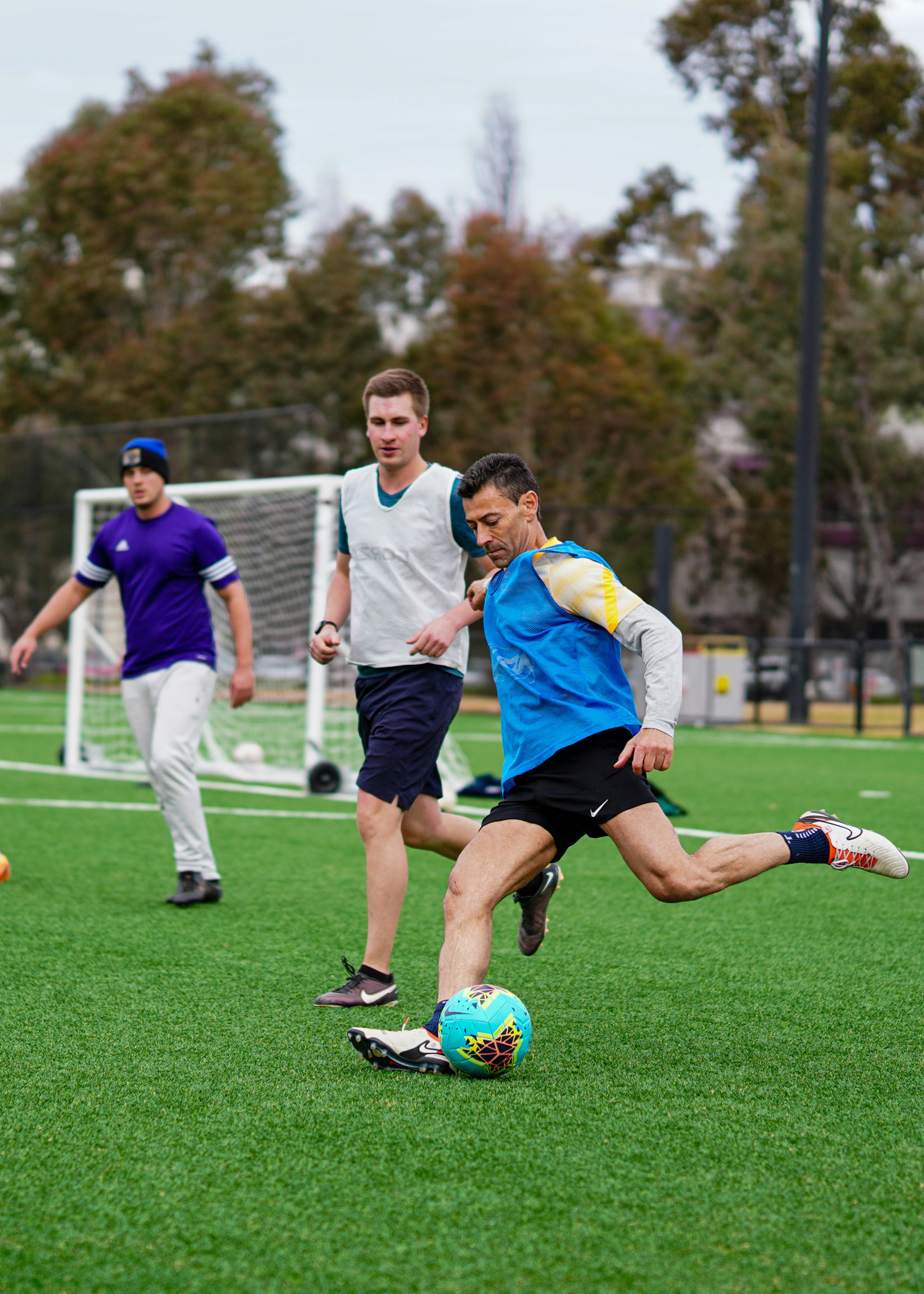
Subcategory
Members only
Player development used to follow a familiar script: identify talent early, train intensely, specialize quickly, and hope the best rose to the top. For decades, this approach shaped academies, youth programs, and professional pipelines across sports.
That model is now being reexamined—and, in many cases, replaced.
“Development isn’t about producing stars faster anymore,” said a director of player development at a multi-sport elite academy. “It’s about producing adaptable athletes who last.”
Across professional and grassroots sport, player development is changing in response to new data, new science, and a growing awareness of the costs—physical, psychological, and competitive—of traditional systems.
The Old Model: Early Specialization and Linear Progress
Traditional development emphasized early identification.
Athletes were sorted young, trained intensively in a single discipline, and evaluated through performance outcomes.
“We believed more repetition meant more mastery,” said a veteran youth coach.
Progress was expected to be linear. Plateau or regression was treated as failure.
Development was narrow—and unforgiving.
Why That Model Is Breaking Down
The old model produced stars—but also casualties.
Early burnout, chronic injury, and dropout rates rose steadily.
“We were losing more athletes than we were developing,” said a sports medicine researcher.
Data revealed that early success often failed to predict elite adulthood performance.
Efficiency did not equal sustainability.
The Science of Growth and Adaptation
Advances in sports science reshaped understanding of development.
Growth spurts, neurological maturation, and hormonal changes affect coordination, strength, and learning capacity.
“You can’t rush biology,” said a performance physiologist.
Development is nonlinear.
Timing matters more than volume.
From Early Selection to Long-Term Potential
Modern systems prioritize potential over early dominance.
Late developers are protected rather than discarded.
“We look for learning capacity, not just current output,” said the development director.
Scouting shifts from performance snapshots to growth trajectories.
Patience becomes strategic.
Multi-Sport Foundations and Transferable Skills
Many programs now encourage multi-sport participation.
Diverse movement patterns reduce injury risk and enhance adaptability.
“Variety builds resilience,” said the physiologist.
Athletes develop broader motor skills before specializing.
Breadth precedes depth.
Skill Acquisition Over Repetition
Modern development emphasizes decision-making.
Rather than rote drills, athletes face variable, game-like scenarios.
“Skills stick when they’re contextual,” said the coach.
Learning focuses on perception, timing, and adaptability—not just execution.
Intelligence becomes developmental currency.
Individualized Development Pathways
One-size-fits-all programs are fading.
Athletes develop at different rates physically and psychologically.
“Uniform timelines don’t reflect reality,” said the development director.
Training loads, expectations, and progression are individualized.
Customization replaces standardization.
Load Management and Injury Prevention
Data-driven load monitoring reshapes development.
Training volume is managed carefully, especially during growth phases.
“Injuries derail development more than talent gaps,” said the sports medicine researcher.
Availability becomes a developmental metric.
Health protects potential.
Psychological Safety and Motivation
Modern development recognizes mental well-being.
Fear-based coaching undermines learning and retention.
“Confidence accelerates skill acquisition,” said a sports psychologist.
Psychological safety encourages experimentation and resilience.
Environment matters.
Redefining Competition in Development
Winning is no longer the primary developmental goal.
Competition is framed as learning opportunity.
“We judge progress, not just results,” said the coach.
This reduces anxiety and promotes skill transfer.
Process precedes outcome.
Data as a Development Tool—Not a Filter
Analytics informs development rather than eliminating athletes.
Tracking growth, workload, and learning rate guides support.
“Data should expand opportunity, not narrow it,” said the development director.
Metrics contextualize progress.
Numbers support—not decide—futures.
The Role of Coaches as Educators
Coaches are shifting roles.
From disciplinarians to facilitators of learning.
“The coach’s job is to design environments,” said the psychologist.
Teaching replaces commanding.
Guidance replaces control.
Equity, Access, and Broader Talent Pools
Development models are expanding access.
Late-entry pathways and community-based programs increase diversity.
“Talent exists everywhere,” said the development director. “Opportunity doesn’t.”
Inclusive systems widen the talent base.
Equity improves quality.
Professionalization of Youth Development
Youth development now mirrors elite performance systems.
Integrated support teams include medical, psychological, and educational expertise.
“Development is interdisciplinary,” said the physiologist.
Holistic models replace isolated training.
Care becomes infrastructure.
When Development Goes Wrong
Change is uneven.
Some programs adopt new language without new practice.
“Calling it modern doesn’t make it healthy,” said the researcher.
Superficial reform fails athletes.
Integrity matters.
Why Development Is Changing Now
Player development is changing because the cost of ignoring evidence became too high.
Injuries rose.
Burnout increased.
Talent pipelines narrowed.
“We couldn’t afford inefficiency anymore,” said the development director.
Change became necessary—not optional.
What the New Model Prioritizes
Modern development values:
Adaptability over early dominance
Health over volume
Learning over repetition
Individual pathways over uniform timelines
Sustainability over speed
Success is redefined.
Conclusion: Building Athletes, Not Just Players
Player development is no longer about producing winners at age twelve.
It is about creating environments where athletes can grow, adapt, and remain competitive over time.
The systems that succeed will be those that respect biology, protect psychology, and reward learning.
Because the future of sport does not belong to those who peak first—
but to those who are still improving when it matters most.
And in that future, development is no longer a race.
It is a long-term commitment—to athletes as people, not just performers.
Subcategory
Members only
Player development used to follow a familiar script: identify talent early, train intensely, specialize quickly, and hope the best rose to the top. For decades, this approach shaped academies, youth programs, and professional pipelines across sports.
That model is now being reexamined—and, in many cases, replaced.
“Development isn’t about producing stars faster anymore,” said a director of player development at a multi-sport elite academy. “It’s about producing adaptable athletes who last.”
Across professional and grassroots sport, player development is changing in response to new data, new science, and a growing awareness of the costs—physical, psychological, and competitive—of traditional systems.
The Old Model: Early Specialization and Linear Progress
Traditional development emphasized early identification.
Athletes were sorted young, trained intensively in a single discipline, and evaluated through performance outcomes.
“We believed more repetition meant more mastery,” said a veteran youth coach.
Progress was expected to be linear. Plateau or regression was treated as failure.
Development was narrow—and unforgiving.
Why That Model Is Breaking Down
The old model produced stars—but also casualties.
Early burnout, chronic injury, and dropout rates rose steadily.
“We were losing more athletes than we were developing,” said a sports medicine researcher.
Data revealed that early success often failed to predict elite adulthood performance.
Efficiency did not equal sustainability.
The Science of Growth and Adaptation
Advances in sports science reshaped understanding of development.
Growth spurts, neurological maturation, and hormonal changes affect coordination, strength, and learning capacity.
“You can’t rush biology,” said a performance physiologist.
Development is nonlinear.
Timing matters more than volume.
From Early Selection to Long-Term Potential
Modern systems prioritize potential over early dominance.
Late developers are protected rather than discarded.
“We look for learning capacity, not just current output,” said the development director.
Scouting shifts from performance snapshots to growth trajectories.
Patience becomes strategic.
Multi-Sport Foundations and Transferable Skills
Many programs now encourage multi-sport participation.
Diverse movement patterns reduce injury risk and enhance adaptability.
“Variety builds resilience,” said the physiologist.
Athletes develop broader motor skills before specializing.
Breadth precedes depth.
Skill Acquisition Over Repetition
Modern development emphasizes decision-making.
Rather than rote drills, athletes face variable, game-like scenarios.
“Skills stick when they’re contextual,” said the coach.
Learning focuses on perception, timing, and adaptability—not just execution.
Intelligence becomes developmental currency.
Individualized Development Pathways
One-size-fits-all programs are fading.
Athletes develop at different rates physically and psychologically.
“Uniform timelines don’t reflect reality,” said the development director.
Training loads, expectations, and progression are individualized.
Customization replaces standardization.
Load Management and Injury Prevention
Data-driven load monitoring reshapes development.
Training volume is managed carefully, especially during growth phases.
“Injuries derail development more than talent gaps,” said the sports medicine researcher.
Availability becomes a developmental metric.
Health protects potential.
Psychological Safety and Motivation
Modern development recognizes mental well-being.
Fear-based coaching undermines learning and retention.
“Confidence accelerates skill acquisition,” said a sports psychologist.
Psychological safety encourages experimentation and resilience.
Environment matters.
Redefining Competition in Development
Winning is no longer the primary developmental goal.
Competition is framed as learning opportunity.
“We judge progress, not just results,” said the coach.
This reduces anxiety and promotes skill transfer.
Process precedes outcome.
Data as a Development Tool—Not a Filter
Analytics informs development rather than eliminating athletes.
Tracking growth, workload, and learning rate guides support.
“Data should expand opportunity, not narrow it,” said the development director.
Metrics contextualize progress.
Numbers support—not decide—futures.
The Role of Coaches as Educators
Coaches are shifting roles.
From disciplinarians to facilitators of learning.
“The coach’s job is to design environments,” said the psychologist.
Teaching replaces commanding.
Guidance replaces control.
Equity, Access, and Broader Talent Pools
Development models are expanding access.
Late-entry pathways and community-based programs increase diversity.
“Talent exists everywhere,” said the development director. “Opportunity doesn’t.”
Inclusive systems widen the talent base.
Equity improves quality.
Professionalization of Youth Development
Youth development now mirrors elite performance systems.
Integrated support teams include medical, psychological, and educational expertise.
“Development is interdisciplinary,” said the physiologist.
Holistic models replace isolated training.
Care becomes infrastructure.
When Development Goes Wrong
Change is uneven.
Some programs adopt new language without new practice.
“Calling it modern doesn’t make it healthy,” said the researcher.
Superficial reform fails athletes.
Integrity matters.
Why Development Is Changing Now
Player development is changing because the cost of ignoring evidence became too high.
Injuries rose.
Burnout increased.
Talent pipelines narrowed.
“We couldn’t afford inefficiency anymore,” said the development director.
Change became necessary—not optional.
What the New Model Prioritizes
Modern development values:
Adaptability over early dominance
Health over volume
Learning over repetition
Individual pathways over uniform timelines
Sustainability over speed
Success is redefined.
Conclusion: Building Athletes, Not Just Players
Player development is no longer about producing winners at age twelve.
It is about creating environments where athletes can grow, adapt, and remain competitive over time.
The systems that succeed will be those that respect biology, protect psychology, and reward learning.
Because the future of sport does not belong to those who peak first—
but to those who are still improving when it matters most.
And in that future, development is no longer a race.
It is a long-term commitment—to athletes as people, not just performers.
Subcategory
Members only
International tournaments do more than crown champions. They create moments in which nations, regions, and communities see themselves reflected on a global stage. Flags, anthems, jerseys, and rituals compress complex histories into shared emotional experiences—often lasting far longer than the tournament itself.
“International tournaments aren’t just competitions,” said a cultural sociologist who studies sport and nationalism. “They’re identity laboratories.”
In these high-visibility events, sport becomes a language through which collective identity is expressed, contested, and redefined.
Why International Tournaments Feel Different
Unlike domestic leagues, international tournaments carry symbolic weight beyond sport.
Athletes are not representing clubs or sponsors—but imagined communities.
“When players wear national colors, they carry narratives larger than themselves,” said a former international athlete.
The stakes are emotional, historical, and cultural.
Belonging becomes visible.
Sport as a Shared National Narrative
International tournaments create collective storytelling.
Moments of victory or heartbreak become reference points.
“People remember where they were during those matches,” said the sociologist.
These memories unify diverse populations—temporarily aligning class, region, and ideology.
Narrative creates cohesion.
Ritual, Symbolism, and Emotional Synchrony
Anthems, flags, and ceremonies synchronize emotion.
Millions watch the same moment simultaneously.
“This shared timing is powerful,” said a media researcher.
Emotion becomes communal rather than individual.
Ritual turns spectators into participants.
Identity Beyond the Nation-State
International tournaments also shape identities beyond borders.
Diasporas rally around teams. Regions assert distinction.
“For many communities, sport bridges geography,” said the researcher.
Identity becomes layered.
Belonging adapts.
Inclusion, Representation, and Visibility
Who appears on the field matters.
Teams reflect evolving societies.
“When people see themselves represented, identity expands,” said the sociologist.
Representation validates belonging.
Exclusion reinforces boundaries.
Political Context and Symbolic Resistance
International tournaments often intersect with politics.
Gestures, protests, and silence carry meaning.
“Sport amplifies symbolic acts,” said the sociologist.
Athletes become vessels for political expression—even when unintended.
Neutrality dissolves.
Hosting as Identity Projection
Host nations curate identity intentionally.
Opening ceremonies narrate history and aspiration.
“Hosting is self-definition,” said a cultural historian.
Infrastructure and spectacle signal global positioning.
Identity becomes performance.
Victory, Defeat, and Collective Self-Perception
Outcomes shape self-image.
Victory reinforces confidence. Defeat invites introspection.
“How a nation reacts to loss matters as much as winning,” said the historian.
Narratives of resilience or decline emerge.
Emotion informs identity.
Stereotypes Reinforced—and Challenged
International tournaments traffic in stereotypes.
Playing styles are labeled cultural traits.
“Those narratives simplify—but they also evolve,” said the sociologist.
Unexpected success disrupts assumptions.
Identity shifts through surprise.
Media Framing and Identity Construction
Media shapes interpretation.
Commentary frames meaning beyond play.
“Broadcast narratives teach audiences what to feel,” said the media researcher.
Identity is mediated.
Perception follows storytelling.
Youth, Memory, and Generational Identity
For many, first exposure to national identity occurs through sport.
“These tournaments mark generational memory,” said the historian.
Children inherit stories through highlights and rituals.
Identity transmits culturally.
Temporary Unity—and Its Limits
International tournaments create unity—but not permanence.
Social divisions reemerge after final whistles.
“Sport offers pauses, not solutions,” said the sociologist.
Unity is symbolic—but meaningful.
Moments matter.
Globalization and Hybrid Identities
Globalized teams reflect multicultural societies.
Dual-nationality athletes complicate traditional identity narratives.
“Identity is no longer singular,” said the researcher.
International tournaments reveal hybrid belonging.
Complexity replaces purity.
Fan Identity and Emotional Investment
Fans invest identity emotionally.
Wins feel personal. Losses feel collective.
“Fans borrow identity through teams,” said the sociologist.
Emotion sustains attachment.
Belonging is experienced.
Controversy and Identity Tension
Eligibility disputes, anthems, and symbols spark debate.
“What symbols mean is contested,” said the historian.
Identity is negotiated publicly.
Conflict reveals meaning.
When Sport Redefines National Self-Image
Occasionally, tournaments redefine how nations see themselves.
Underdog success alters confidence.
“Sport can accelerate identity change,” said the sociologist.
Narratives shift faster through emotion than policy.
Why International Tournaments Endure
Despite commercialization, international tournaments remain potent.
They compress complexity into shared experience.
They allow identity to be felt—not debated.
“Identity needs rituals,” said the sociologist.
Sport provides them.
Conclusion: Identity in Motion
International tournaments shape identity by offering moments of collective recognition.
They remind people who they believe they are—or want to be.
They expose contradictions, amplify pride, and invite reflection.
Sport does not create identity from nothing.
It reveals, intensifies, and occasionally transforms it.
In a fragmented world,
international tournaments remain rare moments
when millions look in the same direction—
see themselves reflected—
and feel, however briefly,
that they belong to something larger than themselves.
That feeling does not last forever.
But its imprint often does.

Subcategory
Members only
International tournaments do more than crown champions. They create moments in which nations, regions, and communities see themselves reflected on a global stage. Flags, anthems, jerseys, and rituals compress complex histories into shared emotional experiences—often lasting far longer than the tournament itself.
“International tournaments aren’t just competitions,” said a cultural sociologist who studies sport and nationalism. “They’re identity laboratories.”
In these high-visibility events, sport becomes a language through which collective identity is expressed, contested, and redefined.
Why International Tournaments Feel Different
Unlike domestic leagues, international tournaments carry symbolic weight beyond sport.
Athletes are not representing clubs or sponsors—but imagined communities.
“When players wear national colors, they carry narratives larger than themselves,” said a former international athlete.
The stakes are emotional, historical, and cultural.
Belonging becomes visible.
Sport as a Shared National Narrative
International tournaments create collective storytelling.
Moments of victory or heartbreak become reference points.
“People remember where they were during those matches,” said the sociologist.
These memories unify diverse populations—temporarily aligning class, region, and ideology.
Narrative creates cohesion.
Ritual, Symbolism, and Emotional Synchrony
Anthems, flags, and ceremonies synchronize emotion.
Millions watch the same moment simultaneously.
“This shared timing is powerful,” said a media researcher.
Emotion becomes communal rather than individual.
Ritual turns spectators into participants.
Identity Beyond the Nation-State
International tournaments also shape identities beyond borders.
Diasporas rally around teams. Regions assert distinction.
“For many communities, sport bridges geography,” said the researcher.
Identity becomes layered.
Belonging adapts.
Inclusion, Representation, and Visibility
Who appears on the field matters.
Teams reflect evolving societies.
“When people see themselves represented, identity expands,” said the sociologist.
Representation validates belonging.
Exclusion reinforces boundaries.
Political Context and Symbolic Resistance
International tournaments often intersect with politics.
Gestures, protests, and silence carry meaning.
“Sport amplifies symbolic acts,” said the sociologist.
Athletes become vessels for political expression—even when unintended.
Neutrality dissolves.
Hosting as Identity Projection
Host nations curate identity intentionally.
Opening ceremonies narrate history and aspiration.
“Hosting is self-definition,” said a cultural historian.
Infrastructure and spectacle signal global positioning.
Identity becomes performance.
Victory, Defeat, and Collective Self-Perception
Outcomes shape self-image.
Victory reinforces confidence. Defeat invites introspection.
“How a nation reacts to loss matters as much as winning,” said the historian.
Narratives of resilience or decline emerge.
Emotion informs identity.
Stereotypes Reinforced—and Challenged
International tournaments traffic in stereotypes.
Playing styles are labeled cultural traits.
“Those narratives simplify—but they also evolve,” said the sociologist.
Unexpected success disrupts assumptions.
Identity shifts through surprise.
Media Framing and Identity Construction
Media shapes interpretation.
Commentary frames meaning beyond play.
“Broadcast narratives teach audiences what to feel,” said the media researcher.
Identity is mediated.
Perception follows storytelling.
Youth, Memory, and Generational Identity
For many, first exposure to national identity occurs through sport.
“These tournaments mark generational memory,” said the historian.
Children inherit stories through highlights and rituals.
Identity transmits culturally.
Temporary Unity—and Its Limits
International tournaments create unity—but not permanence.
Social divisions reemerge after final whistles.
“Sport offers pauses, not solutions,” said the sociologist.
Unity is symbolic—but meaningful.
Moments matter.
Globalization and Hybrid Identities
Globalized teams reflect multicultural societies.
Dual-nationality athletes complicate traditional identity narratives.
“Identity is no longer singular,” said the researcher.
International tournaments reveal hybrid belonging.
Complexity replaces purity.
Fan Identity and Emotional Investment
Fans invest identity emotionally.
Wins feel personal. Losses feel collective.
“Fans borrow identity through teams,” said the sociologist.
Emotion sustains attachment.
Belonging is experienced.
Controversy and Identity Tension
Eligibility disputes, anthems, and symbols spark debate.
“What symbols mean is contested,” said the historian.
Identity is negotiated publicly.
Conflict reveals meaning.
When Sport Redefines National Self-Image
Occasionally, tournaments redefine how nations see themselves.
Underdog success alters confidence.
“Sport can accelerate identity change,” said the sociologist.
Narratives shift faster through emotion than policy.
Why International Tournaments Endure
Despite commercialization, international tournaments remain potent.
They compress complexity into shared experience.
They allow identity to be felt—not debated.
“Identity needs rituals,” said the sociologist.
Sport provides them.
Conclusion: Identity in Motion
International tournaments shape identity by offering moments of collective recognition.
They remind people who they believe they are—or want to be.
They expose contradictions, amplify pride, and invite reflection.
Sport does not create identity from nothing.
It reveals, intensifies, and occasionally transforms it.
In a fragmented world,
international tournaments remain rare moments
when millions look in the same direction—
see themselves reflected—
and feel, however briefly,
that they belong to something larger than themselves.
That feeling does not last forever.
But its imprint often does.
Subcategory
Members only
International tournaments do more than crown champions. They create moments in which nations, regions, and communities see themselves reflected on a global stage. Flags, anthems, jerseys, and rituals compress complex histories into shared emotional experiences—often lasting far longer than the tournament itself.
“International tournaments aren’t just competitions,” said a cultural sociologist who studies sport and nationalism. “They’re identity laboratories.”
In these high-visibility events, sport becomes a language through which collective identity is expressed, contested, and redefined.
Why International Tournaments Feel Different
Unlike domestic leagues, international tournaments carry symbolic weight beyond sport.
Athletes are not representing clubs or sponsors—but imagined communities.
“When players wear national colors, they carry narratives larger than themselves,” said a former international athlete.
The stakes are emotional, historical, and cultural.
Belonging becomes visible.
Sport as a Shared National Narrative
International tournaments create collective storytelling.
Moments of victory or heartbreak become reference points.
“People remember where they were during those matches,” said the sociologist.
These memories unify diverse populations—temporarily aligning class, region, and ideology.
Narrative creates cohesion.
Ritual, Symbolism, and Emotional Synchrony
Anthems, flags, and ceremonies synchronize emotion.
Millions watch the same moment simultaneously.
“This shared timing is powerful,” said a media researcher.
Emotion becomes communal rather than individual.
Ritual turns spectators into participants.
Identity Beyond the Nation-State
International tournaments also shape identities beyond borders.
Diasporas rally around teams. Regions assert distinction.
“For many communities, sport bridges geography,” said the researcher.
Identity becomes layered.
Belonging adapts.
Inclusion, Representation, and Visibility
Who appears on the field matters.
Teams reflect evolving societies.
“When people see themselves represented, identity expands,” said the sociologist.
Representation validates belonging.
Exclusion reinforces boundaries.
Political Context and Symbolic Resistance
International tournaments often intersect with politics.
Gestures, protests, and silence carry meaning.
“Sport amplifies symbolic acts,” said the sociologist.
Athletes become vessels for political expression—even when unintended.
Neutrality dissolves.
Hosting as Identity Projection
Host nations curate identity intentionally.
Opening ceremonies narrate history and aspiration.
“Hosting is self-definition,” said a cultural historian.
Infrastructure and spectacle signal global positioning.
Identity becomes performance.
Victory, Defeat, and Collective Self-Perception
Outcomes shape self-image.
Victory reinforces confidence. Defeat invites introspection.
“How a nation reacts to loss matters as much as winning,” said the historian.
Narratives of resilience or decline emerge.
Emotion informs identity.
Stereotypes Reinforced—and Challenged
International tournaments traffic in stereotypes.
Playing styles are labeled cultural traits.
“Those narratives simplify—but they also evolve,” said the sociologist.
Unexpected success disrupts assumptions.
Identity shifts through surprise.
Media Framing and Identity Construction
Media shapes interpretation.
Commentary frames meaning beyond play.
“Broadcast narratives teach audiences what to feel,” said the media researcher.
Identity is mediated.
Perception follows storytelling.
Youth, Memory, and Generational Identity
For many, first exposure to national identity occurs through sport.
“These tournaments mark generational memory,” said the historian.
Children inherit stories through highlights and rituals.
Identity transmits culturally.
Temporary Unity—and Its Limits
International tournaments create unity—but not permanence.
Social divisions reemerge after final whistles.
“Sport offers pauses, not solutions,” said the sociologist.
Unity is symbolic—but meaningful.
Moments matter.
Globalization and Hybrid Identities
Globalized teams reflect multicultural societies.
Dual-nationality athletes complicate traditional identity narratives.
“Identity is no longer singular,” said the researcher.
International tournaments reveal hybrid belonging.
Complexity replaces purity.
Fan Identity and Emotional Investment
Fans invest identity emotionally.
Wins feel personal. Losses feel collective.
“Fans borrow identity through teams,” said the sociologist.
Emotion sustains attachment.
Belonging is experienced.
Controversy and Identity Tension
Eligibility disputes, anthems, and symbols spark debate.
“What symbols mean is contested,” said the historian.
Identity is negotiated publicly.
Conflict reveals meaning.
When Sport Redefines National Self-Image
Occasionally, tournaments redefine how nations see themselves.
Underdog success alters confidence.
“Sport can accelerate identity change,” said the sociologist.
Narratives shift faster through emotion than policy.
Why International Tournaments Endure
Despite commercialization, international tournaments remain potent.
They compress complexity into shared experience.
They allow identity to be felt—not debated.
“Identity needs rituals,” said the sociologist.
Sport provides them.
Conclusion: Identity in Motion
International tournaments shape identity by offering moments of collective recognition.
They remind people who they believe they are—or want to be.
They expose contradictions, amplify pride, and invite reflection.
Sport does not create identity from nothing.
It reveals, intensifies, and occasionally transforms it.
In a fragmented world,
international tournaments remain rare moments
when millions look in the same direction—
see themselves reflected—
and feel, however briefly,
that they belong to something larger than themselves.
That feeling does not last forever.
But its imprint often does.
Latest Articles
Subcategory
For much of the postwar era, coalition governments were treated as political compromises—necessary but undesirable arrangements formed when voters failed to deliver a clear mandate. They were assumed to be fragile, indecisive, and structurally weaker than single-party administrations.
That assumption is increasingly outdated.
Across parliamentary democracies, coalition governments are no longer transitional solutions. They are becoming the default framework through which power is exercised. And in the process, they are reshaping how authority, accountability, and leadership function in modern politics.
“Coalitions used to be seen as a sign of electoral failure,” said one senior parliamentary analyst in Berlin. “Today, they are better understood as a reflection of social and political plurality.”
From Electoral Winners to Negotiated Power
The classic theory of democratic governance relied on clear winners. Elections were expected to produce governing parties capable of translating campaign promises directly into policy. Coalition arrangements, by contrast, were often framed as temporary compromises that diluted political intent.
But as party systems fragment and voter alignments shift, decisive majorities have become the exception rather than the rule.
“In many countries, no single party can credibly claim to represent a majority of society,” said a political scientist who studies comparative governance. “Coalitions are not blocking democracy—they are how democracy now expresses itself.”
This shift has forced a redefinition of political power. Instead of being exercised through dominance, authority increasingly flows through negotiation, procedural control, and institutional coordination. Policy outcomes are shaped less by ideology alone and more by the architecture of coalition agreements, committee systems, and administrative continuity.
Executive Power Without Centralization
At first glance, coalition governments appear to weaken executive leadership. Prime ministers must consult partners, reconcile competing priorities, and accept constraints that majority leaders rarely face.
Yet this does not mean executives are powerless.
“What changes is not the existence of power, but its form,” said a former civil servant involved in coalition negotiations. “Decisions move from the podium to the process.”
In coalition systems, executive authority often relies more heavily on ministries, regulatory agencies, and legal frameworks. Individual ministers gain leverage within their policy domains, while prime ministers act less as commanders and more as coordinators.
This redistribution of authority can slow decision-making—but it can also stabilize it. Policies developed through coalition consensus tend to be more durable, precisely because they reflect broader political agreement.
“Once a policy survives coalition bargaining, it’s harder to undo,” the former official noted. “Too many actors have a stake in it.”
Parliament Reclaims Its Role
One of the most significant consequences of post-coalition governance is the renewed importance of legislatures.
Under majority governments, parliaments often functioned as confirmation bodies. In coalition systems, they become sites of genuine power. Committees matter. Procedural rules matter. Informal negotiations matter even more.
“In coalition politics, nothing is automatic,” said a senior legislator from a multiparty parliament. “Every vote has to be built.”
This dynamic empowers actors who were previously peripheral: committee chairs, policy specialists, and cross-party negotiators. Minority parties, often dismissed as marginal, become central to legislative outcomes.
Power, in this sense, is no longer vertical. It is horizontal, dispersed, and contingent.
The Rise of the Quiet Broker
As authority becomes more diffused, influence increasingly belongs to those who operate outside the spotlight.
Coalition governance rewards political actors who can manage relationships rather than dominate debates. These “quiet brokers” may not lead parties or headline campaigns, but they shape outcomes by maintaining trust across ideological lines.
“One of the biggest mistakes observers make is focusing only on party leaders,” said a longtime coalition negotiator. “The real work happens two levels below that.”
These actors translate political disagreements into workable compromises, often before conflicts become public. Their influence lies in process fluency: knowing when to intervene, when to delay, and how to frame concessions as shared gains.
It is a form of power that is subtle, procedural, and highly effective.
Accountability in a Shared-Responsibility System
Coalition governance complicates traditional notions of accountability.
When policies are negotiated across multiple parties, responsibility becomes collective. Voters may struggle to assign credit for success or blame for failure. Parties can emphasize their role in popular decisions while distancing themselves from unpopular outcomes.
Critics argue this erodes democratic clarity. Others see it as a more honest reflection of political reality.
“Accountability doesn’t disappear,” said a governance researcher. “It just moves—from personalities to institutions.”
In such systems, transparency mechanisms become essential. Legislative oversight, independent watchdogs, and clear documentation of coalition agreements play a larger role in maintaining democratic legitimacy.
Stability Through Complexity
Despite their reputation for fragility, coalition systems often prove remarkably resilient.
The constant negotiation that defines coalition governance acts as a stabilizing force. Extreme policy swings become less likely. Unilateral action becomes harder. Political shocks are absorbed through institutional processes rather than magnified by executive overreach.
“Coalitions are not slow because they are weak,” one analyst observed. “They are slow because they are complex.”
When coalitions fail, it is often not due to ideological differences alone, but to breakdowns in trust, communication, or external pressure. The system itself, however, tends to endure.
Power After the Era of Majorities
Post-coalition governance represents a shift in political logic.
Power is no longer measured by control alone, but by the ability to manage disagreement. Leadership is less about decisiveness in isolation and more about sustaining cooperation over time.
“This is not a temporary phase,” said one comparative politics scholar. “It’s a structural transformation.”
Coalition governments are not an aberration from democratic norms. They are the new normal. And in adapting to them, political systems are redefining what authority looks like—less centralized, less theatrical, and more deeply embedded in institutions.
Power, in the post-coalition era, is not louder.
It is quieter, negotiated, and shared.
Subcategory
Scientific discovery is often portrayed as a moment of revelation: a breakthrough experiment, a striking data point, a result that reshapes understanding overnight. In reality, discovery is rarely an ending. More often, it is the beginning of a longer, more uncertain process—one that determines whether new knowledge becomes useful, influential, or quietly forgotten.
“What people call a discovery is usually just the point at which uncertainty becomes visible,” said a senior research administrator at a European research institute. “What follows is the real work.”
That work unfolds far from the spotlight, across funding committees, peer review panels, regulatory systems, and institutional negotiations. It is here—after the discovery—that scientific progress is most fragile.
From Result to Recognition
The first stage after discovery is validation.
Before findings can shape policy, technology, or medicine, they must be tested, reproduced, and scrutinized. Peer review serves as the initial gatekeeper, but it is only one step in a longer process of acceptance.
“A published paper is not the same as an accepted truth,” said a journal editor familiar with high-impact research submissions. “It’s an invitation for the community to test your claim.”
Replication studies, follow-up experiments, and independent verification are essential—but they are often underfunded and undervalued. Research systems that reward novelty over confirmation can leave important findings insufficiently tested, slowing their integration into broader scientific understanding.
The Funding Gap
Once a discovery is validated, the question of funding becomes unavoidable.
Early-stage research is typically supported by public grants or academic institutions. But translating discovery into application—whether a new technology, treatment, or tool—often requires resources beyond the scope of basic research funding.
“This is where many promising ideas stall,” said a science policy advisor who studies research commercialization. “There’s a gap between discovery and deployment that few institutions are well equipped to bridge.”
Governments, private foundations, and industry partners play different roles at this stage, each with distinct priorities. Public funders may focus on societal benefit, while private investors prioritize scalability and return. Aligning these interests can be difficult, particularly for discoveries that promise long-term impact rather than immediate application.
Institutional Pathways and Friction
The journey from discovery to impact is shaped as much by institutions as by ideas.
Universities, research labs, and public agencies must decide how to support new findings: whether to patent them, license them, publish them openly, or pursue partnerships. Each choice carries trade-offs.
“Institutions are risk managers,” said a university technology transfer officer. “They’re balancing openness, reputation, and financial sustainability.”
These decisions influence who controls new knowledge, who benefits from it, and how quickly it spreads. In some cases, institutional caution can delay adoption. In others, aggressive commercialization can limit access or distort research priorities.
Regulation: Protection and Constraint
For discoveries that affect public health, safety, or the environment, regulation becomes central.
Regulatory frameworks are designed to protect the public—but they also shape the pace of innovation. Clinical trials, safety assessments, and compliance requirements can take years, even decades.
“Regulation is not the enemy of science,” said a former regulator involved in research oversight. “But it forces science to confront real-world consequences.”
The challenge lies in balancing caution with responsiveness. Too little oversight risks harm; too much can prevent beneficial discoveries from reaching society in time. The COVID-19 pandemic illustrated both the possibilities and tensions of accelerated scientific approval processes.
Credit, Ownership, and Conflict
As discoveries move toward application, questions of credit and ownership often intensify.
Who owns a discovery made with public funding? How should credit be distributed among collaborators? What happens when academic values collide with commercial interests?
“These are not peripheral issues,” said a sociologist of science. “They shape who participates in research and who trusts its outcomes.”
Disputes over authorship, patents, and intellectual property can slow progress and strain collaborations. Transparent policies and clear expectations are essential, yet many institutions struggle to keep pace with the complexity of modern research networks.
When Discovery Fails to Travel
Not all discoveries make the journey beyond the laboratory.
Some findings remain too specialized, too costly, or too disconnected from immediate needs to gain traction. Others are overtaken by competing technologies or shifts in political priorities.
“There’s a silent archive of discoveries that were technically sound but socially unadopted,” said a historian of science. “Their failure tells us as much as success does.”
Understanding why discoveries stall can inform better research design and funding strategies. It also challenges the assumption that progress is linear or inevitable.
The Role of Communication
Communication plays a decisive role in what happens after discovery.
Scientists must translate complex findings for policymakers, funders, and the public—often across disciplinary and cultural boundaries. Poor communication can undermine trust or lead to misapplication, while effective explanation can accelerate acceptance.
“Discovery doesn’t speak for itself,” said a science communication specialist. “Someone has to carry it into the world.”
Media coverage, institutional messaging, and public engagement shape how discoveries are perceived and used. In an era of misinformation, clarity and restraint are as important as enthusiasm.
A Process, Not a Moment
The mythology of discovery emphasizes moments of insight. The reality emphasizes systems.
Discovery initiates a process involving verification, funding, institutional negotiation, regulation, communication, and, often, compromise. Each step introduces friction—but also accountability.
“The question isn’t whether discovery changes the world,” said the research administrator. “It’s whether the systems around it are capable of change.”
Scientific progress depends not only on what is discovered, but on what follows: the structures that carry knowledge forward, the decisions that shape its use, and the values that guide its integration into society.
In the end, discovery is not an endpoint.
It is an opening—one that must be carefully, collectively navigated.
Subcategory
Sports have long been framed as a realm apart—a space governed by rules, records, and results, separate from the ethical tensions of politics, business, and society. Fair play, respect, and integrity are often treated as inherent values, embedded in the very idea of competition.
But ethics in sport do not begin at the whistle or end at the scoreboard.
They begin earlier, deeper, and often far from the field of play—shaped by institutions, incentives, and decisions that determine who gets to compete, under what conditions, and at what cost.
“Ethics in sports aren’t defined by what happens during a match,” said a former international sports administrator. “They’re defined by everything that happens before it.”
The Myth of the Neutral Arena
The idea that sport exists in a moral vacuum is persistent—and misleading.
Rules create the appearance of neutrality, but they are written, enforced, and interpreted by people operating within social and economic systems. Decisions about eligibility, funding, safety standards, and enforcement shape outcomes long before athletes take the field.
“Competition looks fair only if you ignore how uneven the starting lines are,” said a sports sociologist who studies inequality in athletics.
From access to training facilities to the distribution of resources across leagues and regions, ethical questions arise well before questions of performance. Who is supported, who is excluded, and who bears the risk are ethical choices, even when framed as logistical ones.
Performance, Pressure, and the Limits of Responsibility
Athletes are often positioned as the moral center of sport. They are expected to embody discipline, resilience, and integrity—while operating under intense pressure to perform.
This pressure is rarely self-generated.
“When careers are short and contracts are fragile, ethical decision-making becomes complicated,” said a former professional athlete. “The system rewards results, not restraint.”
Doping scandals, rule-bending, and risky training practices are frequently framed as individual failures. But they occur within environments that normalize extreme expectations and minimize long-term consequences.
Ethics, in this context, cannot be reduced to personal character alone. They must account for structural incentives that make certain choices more likely than others.
Institutions and the Delegation of Ethics
Governing bodies play a central role in defining ethical boundaries—but their authority is often constrained by competing interests.
Leagues and federations are tasked with enforcing rules while also protecting commercial value, audience engagement, and brand reputation. This dual mandate creates tension.
“Sports organizations want credibility without disruption,” said a governance expert who advises international federations. “Ethical enforcement is often strongest when it’s least costly.”
Sanctions may be applied unevenly. Investigations may stall. Reforms may follow public outrage rather than proactive oversight. In such cases, ethics become reactive—triggered by crisis rather than embedded in governance.
Safety, Risk, and Informed Consent
Few ethical issues in sport are as persistent as those surrounding athlete safety.
Contact sports, endurance competitions, and high-speed events expose participants to known risks. The ethical question is not whether risk exists, but how it is managed—and who is asked to bear it.
“Informed consent assumes equal power,” said a medical ethicist specializing in sports injuries. “In many cases, athletes don’t have that power.”
Young athletes, particularly those from disadvantaged backgrounds, may feel compelled to accept dangerous conditions in exchange for opportunity. When long-term health consequences emerge years later, accountability becomes diffuse.
Ethics begin, here, with transparency: clear communication of risks, independent medical oversight, and protections that prioritize health over spectacle.
Fairness Beyond the Rulebook
Fairness is often defined narrowly—as adherence to written rules. But ethical fairness extends further.
Technological advantages, unequal funding, and access to specialized training can tilt competition long before rules are broken. In some sports, success increasingly depends on resources rather than talent alone.
“When innovation moves faster than regulation, fairness becomes a moving target,” said a sports economist.
Ethical governance requires constant reassessment of what fairness means in evolving competitive landscapes. Static rules are rarely sufficient for dynamic systems.
The Role of Culture and Silence
Ethics are also shaped by what is tolerated—or ignored.
Cultures of silence around abuse, harassment, or exploitation have surfaced repeatedly across sports. In many cases, harmful behavior persisted not because rules were absent, but because enforcement threatened reputations and careers.
“Silence is not neutral,” said an advocate for athlete welfare. “It’s a choice that protects institutions over individuals.”
Where reporting mechanisms are weak or trust is absent, ethical failure becomes systemic rather than exceptional.
Fans, Media, and Shared Responsibility
Ethical responsibility does not rest solely with athletes and institutions.
Fans reward success, often regardless of cost. Media amplifies narratives that prioritize victory and spectacle over well-being and accountability. Commercial partners invest where attention flows.
“Ethics in sports are shaped by demand,” said a media analyst. “What audiences celebrate, organizations will defend.”
This shared ecosystem complicates moral judgment. Ethical reform requires not only rule changes, but shifts in expectation—about what success looks like and what trade-offs are acceptable.
Where Ethics Actually Begin
Ethics in sport do not begin with punishment. They begin with design.
They begin with how systems are built, incentives are aligned, and responsibilities are distributed. They begin with governance structures that value transparency over expediency and long-term welfare over short-term gain.
“The most ethical systems are the ones that make ethical behavior the easiest option,” said the governance expert.
This requires more than codes of conduct. It requires institutions willing to accept limits, fans willing to tolerate imperfection, and a culture that understands sport not as moral theater, but as a human system—capable of excellence, and error.
Ethics in sport do not start at the finish line.
They start long before the race is run.
Subcategory
For decades, personal finance advice has revolved around a narrow definition of success: higher returns, greater efficiency, earlier retirement. Money, in this framing, is something to optimize, accumulate, and measure against abstract benchmarks.
But for many people, that model no longer fits.
Rising living costs, unstable work patterns, longer life spans, and shifting priorities have forced a rethinking of what financial security actually means. Increasingly, the question is not how to make life serve finance—but how to make finance serve life.
“People don’t experience money as a spreadsheet,” said a financial counselor who works with middle-income households. “They experience it as stress, relief, freedom, or constraint.”
Beyond Optimization
Traditional financial advice often assumes stable careers, predictable incomes, and linear life paths. Save aggressively early. Invest consistently. Retire comfortably.
Those assumptions are breaking down.
“The old models were built for a different economy,” said a labor economist studying household finance. “Today, income volatility is the norm, not the exception.”
Freelance work, career changes, caregiving gaps, and geographic mobility complicate long-term planning. In this environment, financial success becomes less about maximizing returns and more about maintaining flexibility.
Optimization, once the goal, can become a liability when it leaves little room for uncertainty.
Redefining Financial Security
If wealth is no longer the sole measure of financial health, what replaces it?
For many households, security now means resilience: the ability to absorb shocks without long-term damage. Emergency savings matter not because they generate returns, but because they buy time and choice.
“Security is knowing you can say no,” said a personal finance educator. “No to a bad job, no to unsafe conditions, no to decisions made out of panic.”
This reframing shifts attention away from distant milestones and toward present stability—housing security, manageable debt, and access to healthcare.
The Emotional Dimension of Money
Money is often discussed as a rational tool. In practice, it is deeply emotional.
Spending and saving decisions are shaped by upbringing, cultural expectations, and past experiences. Financial behavior reflects identity as much as arithmetic.
“You can’t separate money from memory,” said a behavioral finance researcher. “People react to financial choices based on what money meant in their household growing up.”
Ignoring this emotional layer can lead to advice that feels technically sound but practically unworkable. Sustainable financial habits depend not on discipline alone, but on alignment with values and lived reality.
Work, Time, and Trade-Offs
Finance does not operate in isolation from work. The way people earn money shapes how they use it—and how they experience time.
Long hours, precarious contracts, and constant availability blur the boundary between earning and living. Financial strategies that demand perpetual sacrifice can erode well-being, even if they improve long-term projections.
“There’s a cost to every financial decision,” said a workplace researcher. “And sometimes that cost is time you don’t get back.”
Making finance work for life requires acknowledging trade-offs explicitly: income versus autonomy, savings versus rest, growth versus stability. There is no universal right answer—only context-specific choices.
Debt as a Structural Reality
Debt is often framed as a personal failure. In reality, it is frequently a structural necessity.
Housing, education, healthcare, and transportation costs have outpaced wages in many economies. For millions, debt is not optional—it is the price of participation.
“Moralizing debt misses the point,” said a policy analyst focused on household finance. “The question is not whether people borrow, but under what conditions.”
Ethical financial planning recognizes debt as a tool that can be harmful or helpful depending on terms, transparency, and alternatives. Managing debt responsibly often matters more than eliminating it entirely.
Simplicity Over Sophistication
In an era of financial apps, complex investment products, and algorithmic advice, sophistication is often mistaken for effectiveness.
Yet for most households, simpler systems outperform complex ones over time—not because they yield higher returns, but because they are easier to maintain.
“The best financial plan is the one you can stick with,” said a certified financial planner. “Complexity increases abandonment.”
Automated savings, clear budgets, and conservative assumptions reduce cognitive load and decision fatigue. Finance that fits into daily life is more durable than finance that demands constant attention.
Planning for Change, Not Perfection
Life rarely unfolds according to plan. Health changes, family responsibilities emerge, opportunities appear unexpectedly.
Financial systems built around rigidity struggle in such environments. Those designed for adaptation perform better.
“Flexibility is an asset,” said the financial counselor. “It’s just not one that shows up on a balance sheet.”
This means prioritizing liquidity, avoiding overcommitment, and revisiting plans regularly. Long-term goals still matter—but they must coexist with the reality of change.
A More Human Measure of Success
Making finance work for life requires a shift in perspective.
Success is not defined solely by net worth, early retirement, or outperforming benchmarks. It is defined by whether money supports the life a person wants to live—without constant anxiety or sacrifice of well-being.
“Money should be a stabilizer, not a source of permanent pressure,” said the educator.
This does not mean abandoning ambition or responsibility. It means grounding financial decisions in context, values, and realism.
Finance, at its best, is not a finish line.
It is a support system—quiet, adaptable, and in service of life itself.


" height="25.00139023844741px" id="jBymG44fK" transform="translate(7.499 7.499)" width="25.001390238447406px"/></svg>)