
Joana Williams covers travel and food culture, blending on-the-ground reporting with personal experience and local context. Her work explores how place, tradition, and everyday practices shape culinary and travel experiences across different regions.
Subcategory
Members only
Dining is often framed as pleasure—an experience of taste, atmosphere, and social connection. But beneath every meal lies an economic structure that determines what appears on the plate, who prepares it, and what it costs to sustain.
From ingredient sourcing to labor, rent, and pricing, dining reflects broader economic forces. Restaurants are not just cultural spaces; they are complex systems operating under thin margins and constant pressure.
“Every menu is an economic document,” said a hospitality economist who studies food systems. “It tells you what’s possible—and what isn’t.”
Understanding the economics behind dining reveals why prices rise, why menus change, and why so many restaurants struggle to survive.
The Myth of the Profitable Restaurant
Restaurants are widely perceived as lucrative businesses.
In reality, they operate on some of the narrowest margins in the economy. Typical profit margins range from 2 to 5 percent—leaving little room for error.
“One bad month can undo a good year,” said a restaurant owner who operates a mid-sized neighborhood bistro.
High failure rates reflect this fragility. Rent, utilities, insurance, and licensing costs remain fixed regardless of customer volume. Revenue fluctuates; costs do not.
Dining is economically exposed by design.
The Cost Breakdown of a Meal
A restaurant bill reflects multiple cost layers.
Ingredients account for roughly 25–35 percent of menu price. Labor often exceeds that. The remainder covers rent, equipment, utilities, taxes, marketing, and debt service.
“Food cost is only part of the equation,” said the economist. “Labor is the real pressure point.”
Rising ingredient prices—driven by climate volatility, supply chain disruption, and global demand—compound these pressures. Restaurants absorb increases until they can’t.
Price adjustments lag reality.
Labor: The Invisible Backbone
Labor is central to dining economics—and its most contested element.
Restaurants rely on skilled, physically demanding work often performed under unpredictable schedules and modest pay. Tipped wage systems shift income responsibility onto customers.
“The industry was built on cheap labor,” said a labor researcher specializing in hospitality work.
Staffing shortages following the pandemic exposed long-standing vulnerabilities. Wages rose, but often without corresponding increases in menu prices—compressing margins further.
Dining culture depends on labor it struggles to value.
Rent, Location, and Survival
Location is one of the most significant determinants of success—and cost.
Urban rents have risen faster than dining revenue. Prime locations attract foot traffic but demand premium leases.
“You can cook perfectly and still fail because of rent,” said the restaurant owner.
As landlords prioritize higher-paying tenants, independent restaurants are displaced by chains or luxury concepts. Neighborhood character shifts accordingly.
Dining geography follows real estate economics.
Pricing Psychology and Consumer Expectation
Menu pricing is shaped as much by perception as by cost.
Consumers resist price increases—even as operating costs rise. Restaurants often underprice out of fear of losing customers.
“There’s a ceiling on what people think food should cost,” said the economist.
This expectation disconnects dining prices from actual labor and production costs. The result is chronic underpricing and financial strain.
Affordability is culturally enforced.
The Rise of Delivery Platforms
Delivery platforms altered dining economics dramatically.
While they expanded reach, they introduced new costs—commissions, packaging, and operational complexity.
“Delivery trades margin for volume,” said a digital food strategist.
For many restaurants, platforms are necessary but unprofitable. They provide exposure but extract value, reshaping how dining revenue is distributed.
Convenience has a cost—borne unevenly.
Scale, Chains, and Economic Advantage
Large restaurant groups benefit from scale.
They negotiate lower ingredient costs, streamline labor, and absorb volatility. Independent restaurants lack these buffers.
“Scale is economic protection,” said the labor researcher.
This advantage reshapes dining landscapes. Chains expand. Independents consolidate or disappear. Diversity gives way to efficiency.
Economic pressure shapes taste.
Sustainability and the Price of Ethics
Ethical sourcing carries economic consequences.
Local, organic, and fair-labor practices raise costs. Many diners support these values in principle—but resist higher prices.
“Sustainability has to be priced in,” said a food systems consultant. “Otherwise it’s performative.”
Restaurants committed to ethical practices face difficult trade-offs between values and viability.
Ethics require economic support.
Dining as Cultural Subsidy
Historically, dining culture has been subsidized—by underpaid labor, unpaid overtime, and thin margins.
This subsidy allowed affordability but concealed true costs.
“The system worked because someone absorbed the loss,” said the economist.
As labor asserts value and costs rise, the subsidy collapses. Prices increase—or businesses close.
Dining must confront its real price.
Changing Models of Survival
In response, restaurants experiment with new models.
Service charges replace tipping. Smaller menus reduce waste. Shared kitchens lower rent. Reservations require deposits.
“Restaurants are redesigning themselves to survive,” said the owner.
These changes challenge tradition but reflect economic necessity. Dining culture evolves under constraint.
Adaptation becomes strategy.
What Dining Reflects About Society
Dining economics mirror broader social values.
Who eats out, who works there, and who can afford sustainability reveals priorities around labor, leisure, and access.
“Restaurants show how much we value care work,” said the labor researcher.
They sit at the intersection of pleasure and precarity—celebrated culturally, neglected economically.
Eating With Awareness
Understanding the economics behind dining does not diminish enjoyment.
It adds context.
Dining is not just a transaction—it is participation in a system shaped by labor, land, and choice. Awareness shifts responsibility from abstract forces to shared decisions.
The future of dining depends not only on chefs and owners,
but on diners willing to confront real costs.
A meal is never just food.
It is an economy—served one plate at a time.

Subcategory
Members only
Dining is often framed as pleasure—an experience of taste, atmosphere, and social connection. But beneath every meal lies an economic structure that determines what appears on the plate, who prepares it, and what it costs to sustain.
From ingredient sourcing to labor, rent, and pricing, dining reflects broader economic forces. Restaurants are not just cultural spaces; they are complex systems operating under thin margins and constant pressure.
“Every menu is an economic document,” said a hospitality economist who studies food systems. “It tells you what’s possible—and what isn’t.”
Understanding the economics behind dining reveals why prices rise, why menus change, and why so many restaurants struggle to survive.
The Myth of the Profitable Restaurant
Restaurants are widely perceived as lucrative businesses.
In reality, they operate on some of the narrowest margins in the economy. Typical profit margins range from 2 to 5 percent—leaving little room for error.
“One bad month can undo a good year,” said a restaurant owner who operates a mid-sized neighborhood bistro.
High failure rates reflect this fragility. Rent, utilities, insurance, and licensing costs remain fixed regardless of customer volume. Revenue fluctuates; costs do not.
Dining is economically exposed by design.
The Cost Breakdown of a Meal
A restaurant bill reflects multiple cost layers.
Ingredients account for roughly 25–35 percent of menu price. Labor often exceeds that. The remainder covers rent, equipment, utilities, taxes, marketing, and debt service.
“Food cost is only part of the equation,” said the economist. “Labor is the real pressure point.”
Rising ingredient prices—driven by climate volatility, supply chain disruption, and global demand—compound these pressures. Restaurants absorb increases until they can’t.
Price adjustments lag reality.
Labor: The Invisible Backbone
Labor is central to dining economics—and its most contested element.
Restaurants rely on skilled, physically demanding work often performed under unpredictable schedules and modest pay. Tipped wage systems shift income responsibility onto customers.
“The industry was built on cheap labor,” said a labor researcher specializing in hospitality work.
Staffing shortages following the pandemic exposed long-standing vulnerabilities. Wages rose, but often without corresponding increases in menu prices—compressing margins further.
Dining culture depends on labor it struggles to value.
Rent, Location, and Survival
Location is one of the most significant determinants of success—and cost.
Urban rents have risen faster than dining revenue. Prime locations attract foot traffic but demand premium leases.
“You can cook perfectly and still fail because of rent,” said the restaurant owner.
As landlords prioritize higher-paying tenants, independent restaurants are displaced by chains or luxury concepts. Neighborhood character shifts accordingly.
Dining geography follows real estate economics.
Pricing Psychology and Consumer Expectation
Menu pricing is shaped as much by perception as by cost.
Consumers resist price increases—even as operating costs rise. Restaurants often underprice out of fear of losing customers.
“There’s a ceiling on what people think food should cost,” said the economist.
This expectation disconnects dining prices from actual labor and production costs. The result is chronic underpricing and financial strain.
Affordability is culturally enforced.
The Rise of Delivery Platforms
Delivery platforms altered dining economics dramatically.
While they expanded reach, they introduced new costs—commissions, packaging, and operational complexity.
“Delivery trades margin for volume,” said a digital food strategist.
For many restaurants, platforms are necessary but unprofitable. They provide exposure but extract value, reshaping how dining revenue is distributed.
Convenience has a cost—borne unevenly.
Scale, Chains, and Economic Advantage
Large restaurant groups benefit from scale.
They negotiate lower ingredient costs, streamline labor, and absorb volatility. Independent restaurants lack these buffers.
“Scale is economic protection,” said the labor researcher.
This advantage reshapes dining landscapes. Chains expand. Independents consolidate or disappear. Diversity gives way to efficiency.
Economic pressure shapes taste.
Sustainability and the Price of Ethics
Ethical sourcing carries economic consequences.
Local, organic, and fair-labor practices raise costs. Many diners support these values in principle—but resist higher prices.
“Sustainability has to be priced in,” said a food systems consultant. “Otherwise it’s performative.”
Restaurants committed to ethical practices face difficult trade-offs between values and viability.
Ethics require economic support.
Dining as Cultural Subsidy
Historically, dining culture has been subsidized—by underpaid labor, unpaid overtime, and thin margins.
This subsidy allowed affordability but concealed true costs.
“The system worked because someone absorbed the loss,” said the economist.
As labor asserts value and costs rise, the subsidy collapses. Prices increase—or businesses close.
Dining must confront its real price.
Changing Models of Survival
In response, restaurants experiment with new models.
Service charges replace tipping. Smaller menus reduce waste. Shared kitchens lower rent. Reservations require deposits.
“Restaurants are redesigning themselves to survive,” said the owner.
These changes challenge tradition but reflect economic necessity. Dining culture evolves under constraint.
Adaptation becomes strategy.
What Dining Reflects About Society
Dining economics mirror broader social values.
Who eats out, who works there, and who can afford sustainability reveals priorities around labor, leisure, and access.
“Restaurants show how much we value care work,” said the labor researcher.
They sit at the intersection of pleasure and precarity—celebrated culturally, neglected economically.
Eating With Awareness
Understanding the economics behind dining does not diminish enjoyment.
It adds context.
Dining is not just a transaction—it is participation in a system shaped by labor, land, and choice. Awareness shifts responsibility from abstract forces to shared decisions.
The future of dining depends not only on chefs and owners,
but on diners willing to confront real costs.
A meal is never just food.
It is an economy—served one plate at a time.
Subcategory
Members only
Dining is often framed as pleasure—an experience of taste, atmosphere, and social connection. But beneath every meal lies an economic structure that determines what appears on the plate, who prepares it, and what it costs to sustain.
From ingredient sourcing to labor, rent, and pricing, dining reflects broader economic forces. Restaurants are not just cultural spaces; they are complex systems operating under thin margins and constant pressure.
“Every menu is an economic document,” said a hospitality economist who studies food systems. “It tells you what’s possible—and what isn’t.”
Understanding the economics behind dining reveals why prices rise, why menus change, and why so many restaurants struggle to survive.
The Myth of the Profitable Restaurant
Restaurants are widely perceived as lucrative businesses.
In reality, they operate on some of the narrowest margins in the economy. Typical profit margins range from 2 to 5 percent—leaving little room for error.
“One bad month can undo a good year,” said a restaurant owner who operates a mid-sized neighborhood bistro.
High failure rates reflect this fragility. Rent, utilities, insurance, and licensing costs remain fixed regardless of customer volume. Revenue fluctuates; costs do not.
Dining is economically exposed by design.
The Cost Breakdown of a Meal
A restaurant bill reflects multiple cost layers.
Ingredients account for roughly 25–35 percent of menu price. Labor often exceeds that. The remainder covers rent, equipment, utilities, taxes, marketing, and debt service.
“Food cost is only part of the equation,” said the economist. “Labor is the real pressure point.”
Rising ingredient prices—driven by climate volatility, supply chain disruption, and global demand—compound these pressures. Restaurants absorb increases until they can’t.
Price adjustments lag reality.
Labor: The Invisible Backbone
Labor is central to dining economics—and its most contested element.
Restaurants rely on skilled, physically demanding work often performed under unpredictable schedules and modest pay. Tipped wage systems shift income responsibility onto customers.
“The industry was built on cheap labor,” said a labor researcher specializing in hospitality work.
Staffing shortages following the pandemic exposed long-standing vulnerabilities. Wages rose, but often without corresponding increases in menu prices—compressing margins further.
Dining culture depends on labor it struggles to value.
Rent, Location, and Survival
Location is one of the most significant determinants of success—and cost.
Urban rents have risen faster than dining revenue. Prime locations attract foot traffic but demand premium leases.
“You can cook perfectly and still fail because of rent,” said the restaurant owner.
As landlords prioritize higher-paying tenants, independent restaurants are displaced by chains or luxury concepts. Neighborhood character shifts accordingly.
Dining geography follows real estate economics.
Pricing Psychology and Consumer Expectation
Menu pricing is shaped as much by perception as by cost.
Consumers resist price increases—even as operating costs rise. Restaurants often underprice out of fear of losing customers.
“There’s a ceiling on what people think food should cost,” said the economist.
This expectation disconnects dining prices from actual labor and production costs. The result is chronic underpricing and financial strain.
Affordability is culturally enforced.
The Rise of Delivery Platforms
Delivery platforms altered dining economics dramatically.
While they expanded reach, they introduced new costs—commissions, packaging, and operational complexity.
“Delivery trades margin for volume,” said a digital food strategist.
For many restaurants, platforms are necessary but unprofitable. They provide exposure but extract value, reshaping how dining revenue is distributed.
Convenience has a cost—borne unevenly.
Scale, Chains, and Economic Advantage
Large restaurant groups benefit from scale.
They negotiate lower ingredient costs, streamline labor, and absorb volatility. Independent restaurants lack these buffers.
“Scale is economic protection,” said the labor researcher.
This advantage reshapes dining landscapes. Chains expand. Independents consolidate or disappear. Diversity gives way to efficiency.
Economic pressure shapes taste.
Sustainability and the Price of Ethics
Ethical sourcing carries economic consequences.
Local, organic, and fair-labor practices raise costs. Many diners support these values in principle—but resist higher prices.
“Sustainability has to be priced in,” said a food systems consultant. “Otherwise it’s performative.”
Restaurants committed to ethical practices face difficult trade-offs between values and viability.
Ethics require economic support.
Dining as Cultural Subsidy
Historically, dining culture has been subsidized—by underpaid labor, unpaid overtime, and thin margins.
This subsidy allowed affordability but concealed true costs.
“The system worked because someone absorbed the loss,” said the economist.
As labor asserts value and costs rise, the subsidy collapses. Prices increase—or businesses close.
Dining must confront its real price.
Changing Models of Survival
In response, restaurants experiment with new models.
Service charges replace tipping. Smaller menus reduce waste. Shared kitchens lower rent. Reservations require deposits.
“Restaurants are redesigning themselves to survive,” said the owner.
These changes challenge tradition but reflect economic necessity. Dining culture evolves under constraint.
Adaptation becomes strategy.
What Dining Reflects About Society
Dining economics mirror broader social values.
Who eats out, who works there, and who can afford sustainability reveals priorities around labor, leisure, and access.
“Restaurants show how much we value care work,” said the labor researcher.
They sit at the intersection of pleasure and precarity—celebrated culturally, neglected economically.
Eating With Awareness
Understanding the economics behind dining does not diminish enjoyment.
It adds context.
Dining is not just a transaction—it is participation in a system shaped by labor, land, and choice. Awareness shifts responsibility from abstract forces to shared decisions.
The future of dining depends not only on chefs and owners,
but on diners willing to confront real costs.
A meal is never just food.
It is an economy—served one plate at a time.
Subcategory
Members only
Culture is often understood as something to be observed: architecture admired, food tasted, art interpreted. Yet some of the most profound cultural understanding happens not through observation, but through movement—through walking, dancing, traveling, laboring, and inhabiting space with the body.
Movement is how culture is practiced before it is explained.
“You understand a place differently once your body has learned its rhythms,” said an anthropologist who studies embodied culture. “Movement teaches what language can’t.”
Experiencing culture through movement reveals values embedded in posture, pace, proximity, and repetition. It turns culture from an object into a lived process.
The Body as Cultural Instrument
The body is not culturally neutral.
How people move—how they stand, walk, gesture, or rest—reflects social norms and historical conditions. These movements are learned early and reinforced daily.
“Culture trains the body,” said the anthropologist. “Often without awareness.”
The distance kept between strangers, the speed of walking in cities, the choreography of greeting—all encode expectations about respect, urgency, and belonging.
To move within a culture is to participate in it.
Walking as Cultural Reading
Walking is one of the most immediate ways to encounter culture.
Routes reveal priorities: where sidewalks exist, where they disappear, how space is shared. The pace of walking signals social rhythm—hurried or leisurely, purposeful or communal.
“Cities speak through how they’re walked,” said an urban geographer.
Markets, plazas, and neighborhoods are understood through repetition. The body learns patterns that maps cannot convey—where people linger, where they avoid, where life concentrates.
Walking translates geography into experience.
Travel Beyond Observation
Tourism often encourages passive consumption.
Movement-based travel challenges this model. Traveling by foot, bicycle, or public transit exposes infrastructure, labor, and daily routines.
“When you move like residents move, you stop being just a visitor,” said a cultural historian.
This approach reveals inequalities and adaptations—who has access, who waits, who carries. Movement exposes how culture distributes effort and convenience.
Travel becomes participation rather than observation.
Dance as Cultural Memory
Dance is one of the most explicit expressions of culture through movement.
Traditional dances preserve histories, social structures, and cosmologies. Even contemporary dance reflects cultural values—discipline, freedom, hierarchy, improvisation.
“Dance remembers what societies forget,” said a choreographer working with archival movement forms.
Learning a dance requires submitting the body to unfamiliar patterns. In that process, abstract cultural knowledge becomes embodied understanding.
Movement becomes memory.
Labor, Repetition, and Cultural Rhythm
Work shapes movement.
Agricultural cycles, industrial labor, and service work impose rhythms on the body. These rhythms structure daily life and social organization.
“Labor teaches culture through repetition,” said a labor anthropologist.
The way people lift, bend, wait, or endure reflects economic systems and values. Movement reveals what is normalized and what is extracted.
Culture is carried in the muscles.
Ritual and Collective Motion
Rituals often involve synchronized movement.
Processions, ceremonies, and gatherings align bodies in shared action. These movements create cohesion and reinforce identity.
“Moving together produces belonging,” said a sociologist studying ritual behavior.
Collective motion dissolves individuality temporarily, emphasizing continuity over difference. The body experiences culture as shared orientation.
Belonging is felt physically.
Sports and Cultural Expression
Sports are structured movement systems that reflect cultural priorities.
Rules, styles of play, and spectator behavior encode values—competition, endurance, fairness, aggression, elegance.
“How people play tells you what they admire,” said a sports historian.
Participating in or observing sport teaches cultural norms about effort, cooperation, and recognition. Movement becomes moral instruction.
Sport translates values into action.
Stillness as Cultural Choice
Movement also includes stillness.
Cultures differ in how they value rest, waiting, and silence. Stillness can signal respect, resistance, or contemplation.
“Stillness is not absence,” said the anthropologist. “It’s a cultural position.”
Meditative practices, pauses in conversation, and unstructured time reflect attitudes toward productivity and presence.
How a culture rests reveals as much as how it moves.
Learning Through Discomfort
Experiencing culture through movement often involves discomfort.
Unfamiliar postures, distances, or rhythms challenge habitual patterns. This discomfort becomes instructive.
“When movement feels wrong, you’re learning,” said the choreographer.
Embodied learning resists quick judgment. It requires patience and openness. Understanding emerges slowly, through repetition.
The body adapts before the mind explains.
Digital Mediation and Disembodiment
Digital life reduces movement.
Screens compress interaction into static gestures. Cultural exchange becomes visual rather than physical.
“Digital culture flattens bodily difference,” said the urban geographer.
Yet this flattening increases the value of embodied experience. Movement becomes a counterbalance—a way to reclaim cultural specificity.
Physical presence restores texture.
Movement as Cultural Literacy
Experiencing culture through movement is a form of literacy.
It requires attention to posture, pace, and proximity. It demands listening with the body as well as the mind.
“Embodied knowledge is slow knowledge,” said the anthropologist.
This literacy cannot be acquired quickly or remotely. It grows through time, repetition, and participation.
Culture Felt, Not Explained
Culture is often described after the fact.
Movement allows it to be felt in real time. It bypasses abstraction and enters sensation.
To walk differently, dance differently, or rest differently
is to encounter culture at its most immediate.
Movement does not explain culture.
It enacts it.
And in a world increasingly mediated by screens and summaries,
experiencing culture through movement remains one of the most direct ways
to understand not just how people live—
but how life feels,
from the inside.

Subcategory
Members only
Culture is often understood as something to be observed: architecture admired, food tasted, art interpreted. Yet some of the most profound cultural understanding happens not through observation, but through movement—through walking, dancing, traveling, laboring, and inhabiting space with the body.
Movement is how culture is practiced before it is explained.
“You understand a place differently once your body has learned its rhythms,” said an anthropologist who studies embodied culture. “Movement teaches what language can’t.”
Experiencing culture through movement reveals values embedded in posture, pace, proximity, and repetition. It turns culture from an object into a lived process.
The Body as Cultural Instrument
The body is not culturally neutral.
How people move—how they stand, walk, gesture, or rest—reflects social norms and historical conditions. These movements are learned early and reinforced daily.
“Culture trains the body,” said the anthropologist. “Often without awareness.”
The distance kept between strangers, the speed of walking in cities, the choreography of greeting—all encode expectations about respect, urgency, and belonging.
To move within a culture is to participate in it.
Walking as Cultural Reading
Walking is one of the most immediate ways to encounter culture.
Routes reveal priorities: where sidewalks exist, where they disappear, how space is shared. The pace of walking signals social rhythm—hurried or leisurely, purposeful or communal.
“Cities speak through how they’re walked,” said an urban geographer.
Markets, plazas, and neighborhoods are understood through repetition. The body learns patterns that maps cannot convey—where people linger, where they avoid, where life concentrates.
Walking translates geography into experience.
Travel Beyond Observation
Tourism often encourages passive consumption.
Movement-based travel challenges this model. Traveling by foot, bicycle, or public transit exposes infrastructure, labor, and daily routines.
“When you move like residents move, you stop being just a visitor,” said a cultural historian.
This approach reveals inequalities and adaptations—who has access, who waits, who carries. Movement exposes how culture distributes effort and convenience.
Travel becomes participation rather than observation.
Dance as Cultural Memory
Dance is one of the most explicit expressions of culture through movement.
Traditional dances preserve histories, social structures, and cosmologies. Even contemporary dance reflects cultural values—discipline, freedom, hierarchy, improvisation.
“Dance remembers what societies forget,” said a choreographer working with archival movement forms.
Learning a dance requires submitting the body to unfamiliar patterns. In that process, abstract cultural knowledge becomes embodied understanding.
Movement becomes memory.
Labor, Repetition, and Cultural Rhythm
Work shapes movement.
Agricultural cycles, industrial labor, and service work impose rhythms on the body. These rhythms structure daily life and social organization.
“Labor teaches culture through repetition,” said a labor anthropologist.
The way people lift, bend, wait, or endure reflects economic systems and values. Movement reveals what is normalized and what is extracted.
Culture is carried in the muscles.
Ritual and Collective Motion
Rituals often involve synchronized movement.
Processions, ceremonies, and gatherings align bodies in shared action. These movements create cohesion and reinforce identity.
“Moving together produces belonging,” said a sociologist studying ritual behavior.
Collective motion dissolves individuality temporarily, emphasizing continuity over difference. The body experiences culture as shared orientation.
Belonging is felt physically.
Sports and Cultural Expression
Sports are structured movement systems that reflect cultural priorities.
Rules, styles of play, and spectator behavior encode values—competition, endurance, fairness, aggression, elegance.
“How people play tells you what they admire,” said a sports historian.
Participating in or observing sport teaches cultural norms about effort, cooperation, and recognition. Movement becomes moral instruction.
Sport translates values into action.
Stillness as Cultural Choice
Movement also includes stillness.
Cultures differ in how they value rest, waiting, and silence. Stillness can signal respect, resistance, or contemplation.
“Stillness is not absence,” said the anthropologist. “It’s a cultural position.”
Meditative practices, pauses in conversation, and unstructured time reflect attitudes toward productivity and presence.
How a culture rests reveals as much as how it moves.
Learning Through Discomfort
Experiencing culture through movement often involves discomfort.
Unfamiliar postures, distances, or rhythms challenge habitual patterns. This discomfort becomes instructive.
“When movement feels wrong, you’re learning,” said the choreographer.
Embodied learning resists quick judgment. It requires patience and openness. Understanding emerges slowly, through repetition.
The body adapts before the mind explains.
Digital Mediation and Disembodiment
Digital life reduces movement.
Screens compress interaction into static gestures. Cultural exchange becomes visual rather than physical.
“Digital culture flattens bodily difference,” said the urban geographer.
Yet this flattening increases the value of embodied experience. Movement becomes a counterbalance—a way to reclaim cultural specificity.
Physical presence restores texture.
Movement as Cultural Literacy
Experiencing culture through movement is a form of literacy.
It requires attention to posture, pace, and proximity. It demands listening with the body as well as the mind.
“Embodied knowledge is slow knowledge,” said the anthropologist.
This literacy cannot be acquired quickly or remotely. It grows through time, repetition, and participation.
Culture Felt, Not Explained
Culture is often described after the fact.
Movement allows it to be felt in real time. It bypasses abstraction and enters sensation.
To walk differently, dance differently, or rest differently
is to encounter culture at its most immediate.
Movement does not explain culture.
It enacts it.
And in a world increasingly mediated by screens and summaries,
experiencing culture through movement remains one of the most direct ways
to understand not just how people live—
but how life feels,
from the inside.
Subcategory
Members only
Culture is often understood as something to be observed: architecture admired, food tasted, art interpreted. Yet some of the most profound cultural understanding happens not through observation, but through movement—through walking, dancing, traveling, laboring, and inhabiting space with the body.
Movement is how culture is practiced before it is explained.
“You understand a place differently once your body has learned its rhythms,” said an anthropologist who studies embodied culture. “Movement teaches what language can’t.”
Experiencing culture through movement reveals values embedded in posture, pace, proximity, and repetition. It turns culture from an object into a lived process.
The Body as Cultural Instrument
The body is not culturally neutral.
How people move—how they stand, walk, gesture, or rest—reflects social norms and historical conditions. These movements are learned early and reinforced daily.
“Culture trains the body,” said the anthropologist. “Often without awareness.”
The distance kept between strangers, the speed of walking in cities, the choreography of greeting—all encode expectations about respect, urgency, and belonging.
To move within a culture is to participate in it.
Walking as Cultural Reading
Walking is one of the most immediate ways to encounter culture.
Routes reveal priorities: where sidewalks exist, where they disappear, how space is shared. The pace of walking signals social rhythm—hurried or leisurely, purposeful or communal.
“Cities speak through how they’re walked,” said an urban geographer.
Markets, plazas, and neighborhoods are understood through repetition. The body learns patterns that maps cannot convey—where people linger, where they avoid, where life concentrates.
Walking translates geography into experience.
Travel Beyond Observation
Tourism often encourages passive consumption.
Movement-based travel challenges this model. Traveling by foot, bicycle, or public transit exposes infrastructure, labor, and daily routines.
“When you move like residents move, you stop being just a visitor,” said a cultural historian.
This approach reveals inequalities and adaptations—who has access, who waits, who carries. Movement exposes how culture distributes effort and convenience.
Travel becomes participation rather than observation.
Dance as Cultural Memory
Dance is one of the most explicit expressions of culture through movement.
Traditional dances preserve histories, social structures, and cosmologies. Even contemporary dance reflects cultural values—discipline, freedom, hierarchy, improvisation.
“Dance remembers what societies forget,” said a choreographer working with archival movement forms.
Learning a dance requires submitting the body to unfamiliar patterns. In that process, abstract cultural knowledge becomes embodied understanding.
Movement becomes memory.
Labor, Repetition, and Cultural Rhythm
Work shapes movement.
Agricultural cycles, industrial labor, and service work impose rhythms on the body. These rhythms structure daily life and social organization.
“Labor teaches culture through repetition,” said a labor anthropologist.
The way people lift, bend, wait, or endure reflects economic systems and values. Movement reveals what is normalized and what is extracted.
Culture is carried in the muscles.
Ritual and Collective Motion
Rituals often involve synchronized movement.
Processions, ceremonies, and gatherings align bodies in shared action. These movements create cohesion and reinforce identity.
“Moving together produces belonging,” said a sociologist studying ritual behavior.
Collective motion dissolves individuality temporarily, emphasizing continuity over difference. The body experiences culture as shared orientation.
Belonging is felt physically.
Sports and Cultural Expression
Sports are structured movement systems that reflect cultural priorities.
Rules, styles of play, and spectator behavior encode values—competition, endurance, fairness, aggression, elegance.
“How people play tells you what they admire,” said a sports historian.
Participating in or observing sport teaches cultural norms about effort, cooperation, and recognition. Movement becomes moral instruction.
Sport translates values into action.
Stillness as Cultural Choice
Movement also includes stillness.
Cultures differ in how they value rest, waiting, and silence. Stillness can signal respect, resistance, or contemplation.
“Stillness is not absence,” said the anthropologist. “It’s a cultural position.”
Meditative practices, pauses in conversation, and unstructured time reflect attitudes toward productivity and presence.
How a culture rests reveals as much as how it moves.
Learning Through Discomfort
Experiencing culture through movement often involves discomfort.
Unfamiliar postures, distances, or rhythms challenge habitual patterns. This discomfort becomes instructive.
“When movement feels wrong, you’re learning,” said the choreographer.
Embodied learning resists quick judgment. It requires patience and openness. Understanding emerges slowly, through repetition.
The body adapts before the mind explains.
Digital Mediation and Disembodiment
Digital life reduces movement.
Screens compress interaction into static gestures. Cultural exchange becomes visual rather than physical.
“Digital culture flattens bodily difference,” said the urban geographer.
Yet this flattening increases the value of embodied experience. Movement becomes a counterbalance—a way to reclaim cultural specificity.
Physical presence restores texture.
Movement as Cultural Literacy
Experiencing culture through movement is a form of literacy.
It requires attention to posture, pace, and proximity. It demands listening with the body as well as the mind.
“Embodied knowledge is slow knowledge,” said the anthropologist.
This literacy cannot be acquired quickly or remotely. It grows through time, repetition, and participation.
Culture Felt, Not Explained
Culture is often described after the fact.
Movement allows it to be felt in real time. It bypasses abstraction and enters sensation.
To walk differently, dance differently, or rest differently
is to encounter culture at its most immediate.
Movement does not explain culture.
It enacts it.
And in a world increasingly mediated by screens and summaries,
experiencing culture through movement remains one of the most direct ways
to understand not just how people live—
but how life feels,
from the inside.
Subcategory
Members only
Food is often treated as sustenance or pleasure, but its deeper function is communicative. What people eat, how they prepare it, and who they share it with conveys meaning long before a word is spoken.
Meals signal care, hierarchy, belonging, exclusion, celebration, and grief. They express values, encode tradition, and mark social boundaries.
“Food is one of the first ways we learn how to relate to others,” said a cultural anthropologist who studies everyday rituals. “It teaches us what connection looks like.”
To understand food as social language is to recognize that eating is never just biological. It is symbolic, relational, and deeply cultural.
Eating as Communication
Every meal communicates something.
Serving size, timing, formality, and setting all carry social cues. A home-cooked dinner says something different than takeout. A shared table communicates something different than eating alone.
“Food organizes interaction,” said the anthropologist. “It structures who speaks, who serves, and who belongs.”
These signals are learned early and reinforced constantly. People read meals instinctively, often without conscious awareness.
Food speaks fluently where language hesitates.
Hospitality and Power
Hospitality is one of food’s most visible social functions.
Offering food signals welcome. Refusing it can signal distance—or offense. Hosting establishes roles of generosity and authority.
“Feeding someone is an assertion of care and control,” said a sociologist focused on domestic labor.
Who cooks, who eats first, and who cleans afterward reflect power dynamics within households and cultures. Even casual meals reproduce social hierarchies.
Food both connects and differentiates.
Food and Identity
Food plays a central role in identity formation.
Cuisines anchor people to place, family, and history. Recipes become heirlooms. Tastes carry memory.
“Food is how culture survives migration,” said the anthropologist.
Diasporic communities preserve identity through cooking, adapting ingredients while maintaining form. At the same time, food becomes a site of negotiation—between assimilation and distinction.
Identity is cooked, not declared.
Ritual, Celebration, and Mourning
Food structures ritual.
Birthdays, holidays, weddings, and funerals are organized around meals. Certain foods are reserved for specific moments.
“Ritual food stabilizes emotion,” said a cultural historian.
In celebration, food amplifies joy. In mourning, it offers comfort without requiring speech. The act of eating together acknowledges shared experience.
Food holds emotion when words fail.
Inclusion, Exclusion, and Belonging
Food marks social boundaries.
Dietary rules—religious, ethical, medical—signal belonging. Shared restrictions create community. Difference can isolate.
“Eating differently makes difference visible,” said the sociologist.
Invitations to eat together signal acceptance. Exclusion from meals signals marginalization. Food becomes a test of inclusion.
Belonging is often negotiated at the table.
Gender and Invisible Labor
Food preparation is deeply gendered.
Cooking, planning, and cleaning often fall disproportionately on women and marginalized groups. This labor is essential yet undervalued.
“Care work hides in kitchens,” said the sociologist.
The social language of food includes expectations about who provides nourishment and who receives it. These expectations shape relationships quietly but persistently.
Food communicates obligation as much as affection.
Food in Public Life
Beyond private spaces, food communicates publicly.
Restaurants signal class, taste, and status. Cafés serve as social intermediaries. Markets reveal economic access.
“Where people eat says a lot about how cities are organized,” said an urban food researcher.
Public dining reflects inequality—who can afford leisure, who works to provide it, and whose cuisines are commodified or marginalized.
Food narrates social structure.
Globalization and Translation
Global food circulation complicates social meaning.
Dishes travel across borders, often stripped of context. What once held cultural specificity becomes aesthetic or trend.
“Food gets translated—and sometimes mistranslated,” said the anthropologist.
Fusion can signal exchange or erasure. Authenticity becomes contested. Food’s social language is reinterpreted with each migration.
Meaning shifts with movement.
Silence, Refusal, and Resistance
Not eating can also communicate.
Hunger strikes, fasting, and dietary refusal carry political and moral meaning. Silence at the table can signal conflict.
“Refusal is part of food’s grammar,” said the cultural historian.
Choosing not to eat can assert autonomy, protest injustice, or express grief. Absence speaks.
Food communicates even when withheld.
Digital Food Culture
Digital platforms amplify food’s communicative role.
Images of meals signal lifestyle, health, ethics, and taste. Food becomes content—curated and broadcast.
“You’re not just eating,” said the urban researcher. “You’re publishing.”
This visibility alters behavior. Meals are chosen for appearance as well as nourishment. The social language of food expands into performance.
Eating becomes expressive beyond the table.
Learning the Language of Food
Food literacy extends beyond nutrition.
It involves understanding context, labor, history, and meaning. It requires attentiveness to what meals communicate to others.
“Reading food well is a social skill,” said the anthropologist.
This literacy fosters empathy. It recognizes difference without judgment. It respects boundaries while building connection.
What Food Ultimately Says
Food speaks across cultures because it is embodied, shared, and repetitive.
It tells stories of care and conflict, belonging and exclusion, memory and change.
Food does not explain itself.
It must be interpreted.
Every meal is a message—
about who we are,
how we relate,
and what we value.
To eat together is to communicate.
To cook for someone is to speak.
And to understand food as social language
is to listen carefully—
not just to what is served,
but to what it means.

Subcategory
Members only
Food is often treated as sustenance or pleasure, but its deeper function is communicative. What people eat, how they prepare it, and who they share it with conveys meaning long before a word is spoken.
Meals signal care, hierarchy, belonging, exclusion, celebration, and grief. They express values, encode tradition, and mark social boundaries.
“Food is one of the first ways we learn how to relate to others,” said a cultural anthropologist who studies everyday rituals. “It teaches us what connection looks like.”
To understand food as social language is to recognize that eating is never just biological. It is symbolic, relational, and deeply cultural.
Eating as Communication
Every meal communicates something.
Serving size, timing, formality, and setting all carry social cues. A home-cooked dinner says something different than takeout. A shared table communicates something different than eating alone.
“Food organizes interaction,” said the anthropologist. “It structures who speaks, who serves, and who belongs.”
These signals are learned early and reinforced constantly. People read meals instinctively, often without conscious awareness.
Food speaks fluently where language hesitates.
Hospitality and Power
Hospitality is one of food’s most visible social functions.
Offering food signals welcome. Refusing it can signal distance—or offense. Hosting establishes roles of generosity and authority.
“Feeding someone is an assertion of care and control,” said a sociologist focused on domestic labor.
Who cooks, who eats first, and who cleans afterward reflect power dynamics within households and cultures. Even casual meals reproduce social hierarchies.
Food both connects and differentiates.
Food and Identity
Food plays a central role in identity formation.
Cuisines anchor people to place, family, and history. Recipes become heirlooms. Tastes carry memory.
“Food is how culture survives migration,” said the anthropologist.
Diasporic communities preserve identity through cooking, adapting ingredients while maintaining form. At the same time, food becomes a site of negotiation—between assimilation and distinction.
Identity is cooked, not declared.
Ritual, Celebration, and Mourning
Food structures ritual.
Birthdays, holidays, weddings, and funerals are organized around meals. Certain foods are reserved for specific moments.
“Ritual food stabilizes emotion,” said a cultural historian.
In celebration, food amplifies joy. In mourning, it offers comfort without requiring speech. The act of eating together acknowledges shared experience.
Food holds emotion when words fail.
Inclusion, Exclusion, and Belonging
Food marks social boundaries.
Dietary rules—religious, ethical, medical—signal belonging. Shared restrictions create community. Difference can isolate.
“Eating differently makes difference visible,” said the sociologist.
Invitations to eat together signal acceptance. Exclusion from meals signals marginalization. Food becomes a test of inclusion.
Belonging is often negotiated at the table.
Gender and Invisible Labor
Food preparation is deeply gendered.
Cooking, planning, and cleaning often fall disproportionately on women and marginalized groups. This labor is essential yet undervalued.
“Care work hides in kitchens,” said the sociologist.
The social language of food includes expectations about who provides nourishment and who receives it. These expectations shape relationships quietly but persistently.
Food communicates obligation as much as affection.
Food in Public Life
Beyond private spaces, food communicates publicly.
Restaurants signal class, taste, and status. Cafés serve as social intermediaries. Markets reveal economic access.
“Where people eat says a lot about how cities are organized,” said an urban food researcher.
Public dining reflects inequality—who can afford leisure, who works to provide it, and whose cuisines are commodified or marginalized.
Food narrates social structure.
Globalization and Translation
Global food circulation complicates social meaning.
Dishes travel across borders, often stripped of context. What once held cultural specificity becomes aesthetic or trend.
“Food gets translated—and sometimes mistranslated,” said the anthropologist.
Fusion can signal exchange or erasure. Authenticity becomes contested. Food’s social language is reinterpreted with each migration.
Meaning shifts with movement.
Silence, Refusal, and Resistance
Not eating can also communicate.
Hunger strikes, fasting, and dietary refusal carry political and moral meaning. Silence at the table can signal conflict.
“Refusal is part of food’s grammar,” said the cultural historian.
Choosing not to eat can assert autonomy, protest injustice, or express grief. Absence speaks.
Food communicates even when withheld.
Digital Food Culture
Digital platforms amplify food’s communicative role.
Images of meals signal lifestyle, health, ethics, and taste. Food becomes content—curated and broadcast.
“You’re not just eating,” said the urban researcher. “You’re publishing.”
This visibility alters behavior. Meals are chosen for appearance as well as nourishment. The social language of food expands into performance.
Eating becomes expressive beyond the table.
Learning the Language of Food
Food literacy extends beyond nutrition.
It involves understanding context, labor, history, and meaning. It requires attentiveness to what meals communicate to others.
“Reading food well is a social skill,” said the anthropologist.
This literacy fosters empathy. It recognizes difference without judgment. It respects boundaries while building connection.
What Food Ultimately Says
Food speaks across cultures because it is embodied, shared, and repetitive.
It tells stories of care and conflict, belonging and exclusion, memory and change.
Food does not explain itself.
It must be interpreted.
Every meal is a message—
about who we are,
how we relate,
and what we value.
To eat together is to communicate.
To cook for someone is to speak.
And to understand food as social language
is to listen carefully—
not just to what is served,
but to what it means.
Subcategory
Members only
Food is often treated as sustenance or pleasure, but its deeper function is communicative. What people eat, how they prepare it, and who they share it with conveys meaning long before a word is spoken.
Meals signal care, hierarchy, belonging, exclusion, celebration, and grief. They express values, encode tradition, and mark social boundaries.
“Food is one of the first ways we learn how to relate to others,” said a cultural anthropologist who studies everyday rituals. “It teaches us what connection looks like.”
To understand food as social language is to recognize that eating is never just biological. It is symbolic, relational, and deeply cultural.
Eating as Communication
Every meal communicates something.
Serving size, timing, formality, and setting all carry social cues. A home-cooked dinner says something different than takeout. A shared table communicates something different than eating alone.
“Food organizes interaction,” said the anthropologist. “It structures who speaks, who serves, and who belongs.”
These signals are learned early and reinforced constantly. People read meals instinctively, often without conscious awareness.
Food speaks fluently where language hesitates.
Hospitality and Power
Hospitality is one of food’s most visible social functions.
Offering food signals welcome. Refusing it can signal distance—or offense. Hosting establishes roles of generosity and authority.
“Feeding someone is an assertion of care and control,” said a sociologist focused on domestic labor.
Who cooks, who eats first, and who cleans afterward reflect power dynamics within households and cultures. Even casual meals reproduce social hierarchies.
Food both connects and differentiates.
Food and Identity
Food plays a central role in identity formation.
Cuisines anchor people to place, family, and history. Recipes become heirlooms. Tastes carry memory.
“Food is how culture survives migration,” said the anthropologist.
Diasporic communities preserve identity through cooking, adapting ingredients while maintaining form. At the same time, food becomes a site of negotiation—between assimilation and distinction.
Identity is cooked, not declared.
Ritual, Celebration, and Mourning
Food structures ritual.
Birthdays, holidays, weddings, and funerals are organized around meals. Certain foods are reserved for specific moments.
“Ritual food stabilizes emotion,” said a cultural historian.
In celebration, food amplifies joy. In mourning, it offers comfort without requiring speech. The act of eating together acknowledges shared experience.
Food holds emotion when words fail.
Inclusion, Exclusion, and Belonging
Food marks social boundaries.
Dietary rules—religious, ethical, medical—signal belonging. Shared restrictions create community. Difference can isolate.
“Eating differently makes difference visible,” said the sociologist.
Invitations to eat together signal acceptance. Exclusion from meals signals marginalization. Food becomes a test of inclusion.
Belonging is often negotiated at the table.
Gender and Invisible Labor
Food preparation is deeply gendered.
Cooking, planning, and cleaning often fall disproportionately on women and marginalized groups. This labor is essential yet undervalued.
“Care work hides in kitchens,” said the sociologist.
The social language of food includes expectations about who provides nourishment and who receives it. These expectations shape relationships quietly but persistently.
Food communicates obligation as much as affection.
Food in Public Life
Beyond private spaces, food communicates publicly.
Restaurants signal class, taste, and status. Cafés serve as social intermediaries. Markets reveal economic access.
“Where people eat says a lot about how cities are organized,” said an urban food researcher.
Public dining reflects inequality—who can afford leisure, who works to provide it, and whose cuisines are commodified or marginalized.
Food narrates social structure.
Globalization and Translation
Global food circulation complicates social meaning.
Dishes travel across borders, often stripped of context. What once held cultural specificity becomes aesthetic or trend.
“Food gets translated—and sometimes mistranslated,” said the anthropologist.
Fusion can signal exchange or erasure. Authenticity becomes contested. Food’s social language is reinterpreted with each migration.
Meaning shifts with movement.
Silence, Refusal, and Resistance
Not eating can also communicate.
Hunger strikes, fasting, and dietary refusal carry political and moral meaning. Silence at the table can signal conflict.
“Refusal is part of food’s grammar,” said the cultural historian.
Choosing not to eat can assert autonomy, protest injustice, or express grief. Absence speaks.
Food communicates even when withheld.
Digital Food Culture
Digital platforms amplify food’s communicative role.
Images of meals signal lifestyle, health, ethics, and taste. Food becomes content—curated and broadcast.
“You’re not just eating,” said the urban researcher. “You’re publishing.”
This visibility alters behavior. Meals are chosen for appearance as well as nourishment. The social language of food expands into performance.
Eating becomes expressive beyond the table.
Learning the Language of Food
Food literacy extends beyond nutrition.
It involves understanding context, labor, history, and meaning. It requires attentiveness to what meals communicate to others.
“Reading food well is a social skill,” said the anthropologist.
This literacy fosters empathy. It recognizes difference without judgment. It respects boundaries while building connection.
What Food Ultimately Says
Food speaks across cultures because it is embodied, shared, and repetitive.
It tells stories of care and conflict, belonging and exclusion, memory and change.
Food does not explain itself.
It must be interpreted.
Every meal is a message—
about who we are,
how we relate,
and what we value.
To eat together is to communicate.
To cook for someone is to speak.
And to understand food as social language
is to listen carefully—
not just to what is served,
but to what it means.
Subcategory
Members only
Modern travel often begins with a list. Must-see landmarks. Top restaurants. Essential experiences. Itineraries promise efficiency—how to extract the most value from limited time.
But travel designed around checklists often delivers less than it promises.
“It turns places into tasks,” said a cultural geographer who studies tourism and place-making. “You finish the list, but you haven’t necessarily arrived.”
Travel beyond checklists is not about rejecting preparation. It is about shifting the purpose of travel—from completion to encounter, from accumulation to attention.
The Rise of Checklist Travel
Checklist travel reflects contemporary pressures.
Limited vacation time, abundant information, and social media visibility encourage optimization. Experiences become quantifiable—visited, photographed, reviewed.
“Travel started behaving like productivity,” said the geographer.
Guidebooks, algorithms, and influencer itineraries narrow possibility. They privilege landmarks over neighborhoods, highlights over rhythms.
The checklist promises certainty—but flattens experience.
Seeing Versus Being Somewhere
There is a difference between seeing a place and being in it.
Checklist travel emphasizes visual consumption. You stand where you are supposed to stand. You capture what you are supposed to capture.
“Presence requires time,” said a travel writer known for slow journeys. “Checklists compress it.”
Being somewhere involves repetition—walking the same street twice, sitting without purpose, noticing small variations. These moments rarely appear on lists.
Belonging begins when urgency fades.
The Tyranny of the Highlight
Highlights distort perception.
Iconic sites attract crowds, infrastructure, and performance. The experience becomes mediated—filtered through expectation and replication.
“You’re visiting a place already exhausted by attention,” said the writer.
This does not make landmarks meaningless—but it limits them. They reveal little about how people live, work, or rest.
Places are more than their symbols.
Travel as Relationship, Not Consumption
Travel beyond checklists treats place as relational.
It asks: How do people move here? Where do they pause? What rhythms shape daily life?
“Understanding a place means following its routines,” said an anthropologist studying everyday mobility.
This approach privileges observation over conquest. You learn by aligning with local pace rather than imposing your own.
Travel becomes interaction, not extraction.
The Value of Unstructured Time
Unstructured time is often treated as inefficiency.
In travel, it is essential.
Without fixed goals, attention widens. Accidental encounters occur. Curiosity leads rather than schedule.
“The best moments happen when nothing is planned,” said the travel writer.
Unstructured time allows place to assert itself—through weather, sound, and movement.
Travel breathes when space is left open.
Getting Lost, Intentionally
Getting lost has become rare.
Maps, translations, and recommendations remove uncertainty. Navigation becomes frictionless.
Yet disorientation is instructive.
“Getting lost teaches humility,” said the geographer. “You stop assuming the place owes you clarity.”
Moments of confusion slow movement and sharpen attention. You notice signage, patterns, and human cues.
Lostness becomes learning.
Eating Without Recommendation
Food lists dominate travel planning.
Top-rated restaurants attract crowds, reservations, and expectation. Meals become achievements.
“Eating well doesn’t require optimization,” said a food historian.
Eating beyond recommendations—small cafés, markets, repetition—reveals food as everyday practice rather than performance.
Taste develops through context, not rankings.
Travel and the Ethics of Presence
Checklist travel often overlooks impact.
Crowding, displacement, and cultural erosion follow mass visitation. Places adapt to being consumed.
“When travel is extractive, places pay the cost,” said the anthropologist.
Travel beyond checklists emphasizes ethical presence—staying longer, moving slower, supporting local systems.
Responsibility replaces entitlement.
Memory and What We Carry Home
Checklist travel produces documentation.
Photos, posts, and confirmations of having been somewhere. Memory becomes externalized.
“Experience doesn’t deepen because it’s recorded,” said the writer. “It deepens because it’s lived.”
Unscripted moments linger longer—because they are personal, unrepeatable, and unshareable.
Memory resists standardization.
Travel as Practice, Not Event
Travel beyond checklists reframes travel as practice.
It is something learned over time—how to listen, adapt, and remain open.
“Good travelers develop skills,” said the geographer. “They don’t just collect places.”
These skills include patience, humility, and attention—qualities that extend beyond travel.
The journey reshapes the traveler.
Letting Places Lead
Travel beyond checklists requires surrender.
You let weather change plans. You return to the same place twice. You stay longer than intended.
“You let the place tell you what matters,” said the writer.
This approach resists mastery. It accepts partial understanding.
Travel becomes less about knowing a place
and more about being changed by it.
What Remains After the List Is Gone
When the checklist falls away, something else emerges.
Not efficiency.
Not completion.
But relationship.
You remember the sound of morning traffic.
The route you walked daily.
The café where you were recognized.
Travel beyond checklists leaves fewer proofs—
but deeper traces.
It replaces the question “Did I see everything?”
with a quieter one:
“Did I stay long enough to notice?”
And often,
that is where travel truly begins.

Subcategory
Members only
Modern travel often begins with a list. Must-see landmarks. Top restaurants. Essential experiences. Itineraries promise efficiency—how to extract the most value from limited time.
But travel designed around checklists often delivers less than it promises.
“It turns places into tasks,” said a cultural geographer who studies tourism and place-making. “You finish the list, but you haven’t necessarily arrived.”
Travel beyond checklists is not about rejecting preparation. It is about shifting the purpose of travel—from completion to encounter, from accumulation to attention.
The Rise of Checklist Travel
Checklist travel reflects contemporary pressures.
Limited vacation time, abundant information, and social media visibility encourage optimization. Experiences become quantifiable—visited, photographed, reviewed.
“Travel started behaving like productivity,” said the geographer.
Guidebooks, algorithms, and influencer itineraries narrow possibility. They privilege landmarks over neighborhoods, highlights over rhythms.
The checklist promises certainty—but flattens experience.
Seeing Versus Being Somewhere
There is a difference between seeing a place and being in it.
Checklist travel emphasizes visual consumption. You stand where you are supposed to stand. You capture what you are supposed to capture.
“Presence requires time,” said a travel writer known for slow journeys. “Checklists compress it.”
Being somewhere involves repetition—walking the same street twice, sitting without purpose, noticing small variations. These moments rarely appear on lists.
Belonging begins when urgency fades.
The Tyranny of the Highlight
Highlights distort perception.
Iconic sites attract crowds, infrastructure, and performance. The experience becomes mediated—filtered through expectation and replication.
“You’re visiting a place already exhausted by attention,” said the writer.
This does not make landmarks meaningless—but it limits them. They reveal little about how people live, work, or rest.
Places are more than their symbols.
Travel as Relationship, Not Consumption
Travel beyond checklists treats place as relational.
It asks: How do people move here? Where do they pause? What rhythms shape daily life?
“Understanding a place means following its routines,” said an anthropologist studying everyday mobility.
This approach privileges observation over conquest. You learn by aligning with local pace rather than imposing your own.
Travel becomes interaction, not extraction.
The Value of Unstructured Time
Unstructured time is often treated as inefficiency.
In travel, it is essential.
Without fixed goals, attention widens. Accidental encounters occur. Curiosity leads rather than schedule.
“The best moments happen when nothing is planned,” said the travel writer.
Unstructured time allows place to assert itself—through weather, sound, and movement.
Travel breathes when space is left open.
Getting Lost, Intentionally
Getting lost has become rare.
Maps, translations, and recommendations remove uncertainty. Navigation becomes frictionless.
Yet disorientation is instructive.
“Getting lost teaches humility,” said the geographer. “You stop assuming the place owes you clarity.”
Moments of confusion slow movement and sharpen attention. You notice signage, patterns, and human cues.
Lostness becomes learning.
Eating Without Recommendation
Food lists dominate travel planning.
Top-rated restaurants attract crowds, reservations, and expectation. Meals become achievements.
“Eating well doesn’t require optimization,” said a food historian.
Eating beyond recommendations—small cafés, markets, repetition—reveals food as everyday practice rather than performance.
Taste develops through context, not rankings.
Travel and the Ethics of Presence
Checklist travel often overlooks impact.
Crowding, displacement, and cultural erosion follow mass visitation. Places adapt to being consumed.
“When travel is extractive, places pay the cost,” said the anthropologist.
Travel beyond checklists emphasizes ethical presence—staying longer, moving slower, supporting local systems.
Responsibility replaces entitlement.
Memory and What We Carry Home
Checklist travel produces documentation.
Photos, posts, and confirmations of having been somewhere. Memory becomes externalized.
“Experience doesn’t deepen because it’s recorded,” said the writer. “It deepens because it’s lived.”
Unscripted moments linger longer—because they are personal, unrepeatable, and unshareable.
Memory resists standardization.
Travel as Practice, Not Event
Travel beyond checklists reframes travel as practice.
It is something learned over time—how to listen, adapt, and remain open.
“Good travelers develop skills,” said the geographer. “They don’t just collect places.”
These skills include patience, humility, and attention—qualities that extend beyond travel.
The journey reshapes the traveler.
Letting Places Lead
Travel beyond checklists requires surrender.
You let weather change plans. You return to the same place twice. You stay longer than intended.
“You let the place tell you what matters,” said the writer.
This approach resists mastery. It accepts partial understanding.
Travel becomes less about knowing a place
and more about being changed by it.
What Remains After the List Is Gone
When the checklist falls away, something else emerges.
Not efficiency.
Not completion.
But relationship.
You remember the sound of morning traffic.
The route you walked daily.
The café where you were recognized.
Travel beyond checklists leaves fewer proofs—
but deeper traces.
It replaces the question “Did I see everything?”
with a quieter one:
“Did I stay long enough to notice?”
And often,
that is where travel truly begins.
Subcategory
Members only
Modern travel often begins with a list. Must-see landmarks. Top restaurants. Essential experiences. Itineraries promise efficiency—how to extract the most value from limited time.
But travel designed around checklists often delivers less than it promises.
“It turns places into tasks,” said a cultural geographer who studies tourism and place-making. “You finish the list, but you haven’t necessarily arrived.”
Travel beyond checklists is not about rejecting preparation. It is about shifting the purpose of travel—from completion to encounter, from accumulation to attention.
The Rise of Checklist Travel
Checklist travel reflects contemporary pressures.
Limited vacation time, abundant information, and social media visibility encourage optimization. Experiences become quantifiable—visited, photographed, reviewed.
“Travel started behaving like productivity,” said the geographer.
Guidebooks, algorithms, and influencer itineraries narrow possibility. They privilege landmarks over neighborhoods, highlights over rhythms.
The checklist promises certainty—but flattens experience.
Seeing Versus Being Somewhere
There is a difference between seeing a place and being in it.
Checklist travel emphasizes visual consumption. You stand where you are supposed to stand. You capture what you are supposed to capture.
“Presence requires time,” said a travel writer known for slow journeys. “Checklists compress it.”
Being somewhere involves repetition—walking the same street twice, sitting without purpose, noticing small variations. These moments rarely appear on lists.
Belonging begins when urgency fades.
The Tyranny of the Highlight
Highlights distort perception.
Iconic sites attract crowds, infrastructure, and performance. The experience becomes mediated—filtered through expectation and replication.
“You’re visiting a place already exhausted by attention,” said the writer.
This does not make landmarks meaningless—but it limits them. They reveal little about how people live, work, or rest.
Places are more than their symbols.
Travel as Relationship, Not Consumption
Travel beyond checklists treats place as relational.
It asks: How do people move here? Where do they pause? What rhythms shape daily life?
“Understanding a place means following its routines,” said an anthropologist studying everyday mobility.
This approach privileges observation over conquest. You learn by aligning with local pace rather than imposing your own.
Travel becomes interaction, not extraction.
The Value of Unstructured Time
Unstructured time is often treated as inefficiency.
In travel, it is essential.
Without fixed goals, attention widens. Accidental encounters occur. Curiosity leads rather than schedule.
“The best moments happen when nothing is planned,” said the travel writer.
Unstructured time allows place to assert itself—through weather, sound, and movement.
Travel breathes when space is left open.
Getting Lost, Intentionally
Getting lost has become rare.
Maps, translations, and recommendations remove uncertainty. Navigation becomes frictionless.
Yet disorientation is instructive.
“Getting lost teaches humility,” said the geographer. “You stop assuming the place owes you clarity.”
Moments of confusion slow movement and sharpen attention. You notice signage, patterns, and human cues.
Lostness becomes learning.
Eating Without Recommendation
Food lists dominate travel planning.
Top-rated restaurants attract crowds, reservations, and expectation. Meals become achievements.
“Eating well doesn’t require optimization,” said a food historian.
Eating beyond recommendations—small cafés, markets, repetition—reveals food as everyday practice rather than performance.
Taste develops through context, not rankings.
Travel and the Ethics of Presence
Checklist travel often overlooks impact.
Crowding, displacement, and cultural erosion follow mass visitation. Places adapt to being consumed.
“When travel is extractive, places pay the cost,” said the anthropologist.
Travel beyond checklists emphasizes ethical presence—staying longer, moving slower, supporting local systems.
Responsibility replaces entitlement.
Memory and What We Carry Home
Checklist travel produces documentation.
Photos, posts, and confirmations of having been somewhere. Memory becomes externalized.
“Experience doesn’t deepen because it’s recorded,” said the writer. “It deepens because it’s lived.”
Unscripted moments linger longer—because they are personal, unrepeatable, and unshareable.
Memory resists standardization.
Travel as Practice, Not Event
Travel beyond checklists reframes travel as practice.
It is something learned over time—how to listen, adapt, and remain open.
“Good travelers develop skills,” said the geographer. “They don’t just collect places.”
These skills include patience, humility, and attention—qualities that extend beyond travel.
The journey reshapes the traveler.
Letting Places Lead
Travel beyond checklists requires surrender.
You let weather change plans. You return to the same place twice. You stay longer than intended.
“You let the place tell you what matters,” said the writer.
This approach resists mastery. It accepts partial understanding.
Travel becomes less about knowing a place
and more about being changed by it.
What Remains After the List Is Gone
When the checklist falls away, something else emerges.
Not efficiency.
Not completion.
But relationship.
You remember the sound of morning traffic.
The route you walked daily.
The café where you were recognized.
Travel beyond checklists leaves fewer proofs—
but deeper traces.
It replaces the question “Did I see everything?”
with a quieter one:
“Did I stay long enough to notice?”
And often,
that is where travel truly begins.
Subcategory
Members only
Taste is often described as personal. A matter of preference. A question of what one happens to like. But taste has never been merely individual—and it has never been neutral.
What people consider tasteful or tasteless reflects social structures, cultural histories, and power relations. Taste organizes distinction, signals belonging, and quietly enforces hierarchy.
“Taste is learned long before it’s defended,” said a cultural sociologist who studies aesthetics and class. “By the time people call it personal, it already feels natural.”
To understand why taste is never neutral is to recognize it as a social language—one that communicates values, status, and identity without appearing to do so.
Taste as Social Education
Taste does not emerge spontaneously.
It is shaped through exposure, repetition, and reinforcement. Family habits, schooling, media, and peer groups all contribute to what feels familiar or refined.
“People inherit taste the same way they inherit language,” said the sociologist.
This inheritance operates quietly. Certain colors feel elegant. Certain foods feel excessive. Certain sounds feel sophisticated. These reactions appear instinctive—but they are learned.
Taste is education disguised as instinct.
The Illusion of Personal Preference
The idea of taste as purely personal obscures its social origins.
Preferences align predictably with class, geography, education, and cultural capital. What appears as choice often reflects access.
“Taste follows opportunity,” said an art historian specializing in cultural institutions.
Exposure to museums, cuisines, music, and design shapes what people recognize as valuable. Limited access narrows possibility.
Preference reflects environment.
Taste and Class Distinction
Taste has long functioned as a marker of class.
What is considered refined or vulgar often maps onto economic and social divisions. High-status taste values restraint, subtlety, and distance from necessity.
“Good taste is defined against need,” said the sociologist.
Luxury appears effortless because labor is hidden. Excess becomes acceptable when framed as minimalism. Simplicity signals status when it is chosen rather than imposed.
Taste naturalizes inequality.
Cultural Institutions and Authority
Museums, galleries, critics, and media institutions legitimize taste.
They decide what is preserved, celebrated, or dismissed. Their judgments appear objective—but reflect historical bias.
“Institutional taste is power wearing neutrality,” said the art historian.
Canon formation elevates certain traditions while marginalizing others. What counts as art, design, or culture is shaped by who gets to decide.
Taste is authorized, not discovered.
Taste and Exclusion
Taste includes by excluding.
Calling something “bad taste” dismisses not only objects, but people. It frames difference as deficiency.
“Taste judgments are social judgments,” said a cultural theorist.
Accent, dress, décor, and food choices become grounds for evaluation. People learn to self-censor to avoid being marked as unsophisticated.
Taste disciplines behavior.
The Politics of “Timelessness”
“Timeless” taste is often presented as universal.
In reality, it reflects specific historical conditions—often those associated with dominant cultures.
“What’s called timeless usually belongs to someone,” said the historian.
Timelessness erases context. It strips cultural specificity and presents one tradition as default.
Neutral taste is a myth maintained through repetition.
Globalization and Cultural Translation
Global circulation complicates taste.
Styles, cuisines, and aesthetics travel—but often without context. Some are elevated, others diluted.
“Global taste is selective,” said the sociologist. “It rewards what adapts easily.”
Cultural expressions that fit existing frameworks are embraced. Others are exoticized or ignored.
Taste translates unevenly.
Taste and Moral Judgment
Taste frequently merges with morality.
Certain foods are labeled “clean.” Certain styles are “classy.” Others are framed as excessive or irresponsible.
“Moral taste hides behind aesthetics,” said the cultural theorist.
These judgments shape behavior and self-worth. Taste becomes a way to enforce norms without explicit rules.
Judgment becomes polite.
Resistance Through Taste
Taste can also be resistant.
Subcultures, countercultures, and marginalized communities use aesthetics to assert identity and reject dominant standards.
“Bad taste can be strategic,” said the art historian.
Exaggeration, kitsch, and irony challenge norms. They expose taste as constructed rather than natural.
Resistance often begins with aesthetics.
Algorithms and the Standardization of Taste
Digital platforms reshape taste formation.
Algorithms surface what is already popular, reinforcing dominant aesthetics. Exposure narrows under the guise of personalization.
“Platforms flatten difference,” said a media analyst.
What feels like individual discovery often reflects collective reinforcement. Taste becomes optimized rather than explored.
Neutrality gives way to normalization.
Learning to See Taste Clearly
Recognizing taste as non-neutral does not mean abandoning preference.
It means understanding context.
“Taste becomes interesting when you examine where it comes from,” said the sociologist.
This awareness expands curiosity rather than constraining it. It allows people to see taste as flexible, historical, and relational.
Taste becomes a question, not a verdict.
Beyond Neutrality
Taste is never neutral because culture is never neutral.
Aesthetic judgments reflect histories of power, access, and exclusion. They shape who feels at home—and who does not.
Taste does not simply describe what we like.
It reveals how we have been shaped.
Understanding this does not diminish beauty or pleasure.
It deepens them.
When taste is recognized as learned rather than natural,
it becomes open to change.
And in that openness,
taste can move from judgment to dialogue—
from exclusion to exploration.
Not neutral,
but conscious.

Subcategory
Members only
Taste is often described as personal. A matter of preference. A question of what one happens to like. But taste has never been merely individual—and it has never been neutral.
What people consider tasteful or tasteless reflects social structures, cultural histories, and power relations. Taste organizes distinction, signals belonging, and quietly enforces hierarchy.
“Taste is learned long before it’s defended,” said a cultural sociologist who studies aesthetics and class. “By the time people call it personal, it already feels natural.”
To understand why taste is never neutral is to recognize it as a social language—one that communicates values, status, and identity without appearing to do so.
Taste as Social Education
Taste does not emerge spontaneously.
It is shaped through exposure, repetition, and reinforcement. Family habits, schooling, media, and peer groups all contribute to what feels familiar or refined.
“People inherit taste the same way they inherit language,” said the sociologist.
This inheritance operates quietly. Certain colors feel elegant. Certain foods feel excessive. Certain sounds feel sophisticated. These reactions appear instinctive—but they are learned.
Taste is education disguised as instinct.
The Illusion of Personal Preference
The idea of taste as purely personal obscures its social origins.
Preferences align predictably with class, geography, education, and cultural capital. What appears as choice often reflects access.
“Taste follows opportunity,” said an art historian specializing in cultural institutions.
Exposure to museums, cuisines, music, and design shapes what people recognize as valuable. Limited access narrows possibility.
Preference reflects environment.
Taste and Class Distinction
Taste has long functioned as a marker of class.
What is considered refined or vulgar often maps onto economic and social divisions. High-status taste values restraint, subtlety, and distance from necessity.
“Good taste is defined against need,” said the sociologist.
Luxury appears effortless because labor is hidden. Excess becomes acceptable when framed as minimalism. Simplicity signals status when it is chosen rather than imposed.
Taste naturalizes inequality.
Cultural Institutions and Authority
Museums, galleries, critics, and media institutions legitimize taste.
They decide what is preserved, celebrated, or dismissed. Their judgments appear objective—but reflect historical bias.
“Institutional taste is power wearing neutrality,” said the art historian.
Canon formation elevates certain traditions while marginalizing others. What counts as art, design, or culture is shaped by who gets to decide.
Taste is authorized, not discovered.
Taste and Exclusion
Taste includes by excluding.
Calling something “bad taste” dismisses not only objects, but people. It frames difference as deficiency.
“Taste judgments are social judgments,” said a cultural theorist.
Accent, dress, décor, and food choices become grounds for evaluation. People learn to self-censor to avoid being marked as unsophisticated.
Taste disciplines behavior.
The Politics of “Timelessness”
“Timeless” taste is often presented as universal.
In reality, it reflects specific historical conditions—often those associated with dominant cultures.
“What’s called timeless usually belongs to someone,” said the historian.
Timelessness erases context. It strips cultural specificity and presents one tradition as default.
Neutral taste is a myth maintained through repetition.
Globalization and Cultural Translation
Global circulation complicates taste.
Styles, cuisines, and aesthetics travel—but often without context. Some are elevated, others diluted.
“Global taste is selective,” said the sociologist. “It rewards what adapts easily.”
Cultural expressions that fit existing frameworks are embraced. Others are exoticized or ignored.
Taste translates unevenly.
Taste and Moral Judgment
Taste frequently merges with morality.
Certain foods are labeled “clean.” Certain styles are “classy.” Others are framed as excessive or irresponsible.
“Moral taste hides behind aesthetics,” said the cultural theorist.
These judgments shape behavior and self-worth. Taste becomes a way to enforce norms without explicit rules.
Judgment becomes polite.
Resistance Through Taste
Taste can also be resistant.
Subcultures, countercultures, and marginalized communities use aesthetics to assert identity and reject dominant standards.
“Bad taste can be strategic,” said the art historian.
Exaggeration, kitsch, and irony challenge norms. They expose taste as constructed rather than natural.
Resistance often begins with aesthetics.
Algorithms and the Standardization of Taste
Digital platforms reshape taste formation.
Algorithms surface what is already popular, reinforcing dominant aesthetics. Exposure narrows under the guise of personalization.
“Platforms flatten difference,” said a media analyst.
What feels like individual discovery often reflects collective reinforcement. Taste becomes optimized rather than explored.
Neutrality gives way to normalization.
Learning to See Taste Clearly
Recognizing taste as non-neutral does not mean abandoning preference.
It means understanding context.
“Taste becomes interesting when you examine where it comes from,” said the sociologist.
This awareness expands curiosity rather than constraining it. It allows people to see taste as flexible, historical, and relational.
Taste becomes a question, not a verdict.
Beyond Neutrality
Taste is never neutral because culture is never neutral.
Aesthetic judgments reflect histories of power, access, and exclusion. They shape who feels at home—and who does not.
Taste does not simply describe what we like.
It reveals how we have been shaped.
Understanding this does not diminish beauty or pleasure.
It deepens them.
When taste is recognized as learned rather than natural,
it becomes open to change.
And in that openness,
taste can move from judgment to dialogue—
from exclusion to exploration.
Not neutral,
but conscious.
Subcategory
Members only
Taste is often described as personal. A matter of preference. A question of what one happens to like. But taste has never been merely individual—and it has never been neutral.
What people consider tasteful or tasteless reflects social structures, cultural histories, and power relations. Taste organizes distinction, signals belonging, and quietly enforces hierarchy.
“Taste is learned long before it’s defended,” said a cultural sociologist who studies aesthetics and class. “By the time people call it personal, it already feels natural.”
To understand why taste is never neutral is to recognize it as a social language—one that communicates values, status, and identity without appearing to do so.
Taste as Social Education
Taste does not emerge spontaneously.
It is shaped through exposure, repetition, and reinforcement. Family habits, schooling, media, and peer groups all contribute to what feels familiar or refined.
“People inherit taste the same way they inherit language,” said the sociologist.
This inheritance operates quietly. Certain colors feel elegant. Certain foods feel excessive. Certain sounds feel sophisticated. These reactions appear instinctive—but they are learned.
Taste is education disguised as instinct.
The Illusion of Personal Preference
The idea of taste as purely personal obscures its social origins.
Preferences align predictably with class, geography, education, and cultural capital. What appears as choice often reflects access.
“Taste follows opportunity,” said an art historian specializing in cultural institutions.
Exposure to museums, cuisines, music, and design shapes what people recognize as valuable. Limited access narrows possibility.
Preference reflects environment.
Taste and Class Distinction
Taste has long functioned as a marker of class.
What is considered refined or vulgar often maps onto economic and social divisions. High-status taste values restraint, subtlety, and distance from necessity.
“Good taste is defined against need,” said the sociologist.
Luxury appears effortless because labor is hidden. Excess becomes acceptable when framed as minimalism. Simplicity signals status when it is chosen rather than imposed.
Taste naturalizes inequality.
Cultural Institutions and Authority
Museums, galleries, critics, and media institutions legitimize taste.
They decide what is preserved, celebrated, or dismissed. Their judgments appear objective—but reflect historical bias.
“Institutional taste is power wearing neutrality,” said the art historian.
Canon formation elevates certain traditions while marginalizing others. What counts as art, design, or culture is shaped by who gets to decide.
Taste is authorized, not discovered.
Taste and Exclusion
Taste includes by excluding.
Calling something “bad taste” dismisses not only objects, but people. It frames difference as deficiency.
“Taste judgments are social judgments,” said a cultural theorist.
Accent, dress, décor, and food choices become grounds for evaluation. People learn to self-censor to avoid being marked as unsophisticated.
Taste disciplines behavior.
The Politics of “Timelessness”
“Timeless” taste is often presented as universal.
In reality, it reflects specific historical conditions—often those associated with dominant cultures.
“What’s called timeless usually belongs to someone,” said the historian.
Timelessness erases context. It strips cultural specificity and presents one tradition as default.
Neutral taste is a myth maintained through repetition.
Globalization and Cultural Translation
Global circulation complicates taste.
Styles, cuisines, and aesthetics travel—but often without context. Some are elevated, others diluted.
“Global taste is selective,” said the sociologist. “It rewards what adapts easily.”
Cultural expressions that fit existing frameworks are embraced. Others are exoticized or ignored.
Taste translates unevenly.
Taste and Moral Judgment
Taste frequently merges with morality.
Certain foods are labeled “clean.” Certain styles are “classy.” Others are framed as excessive or irresponsible.
“Moral taste hides behind aesthetics,” said the cultural theorist.
These judgments shape behavior and self-worth. Taste becomes a way to enforce norms without explicit rules.
Judgment becomes polite.
Resistance Through Taste
Taste can also be resistant.
Subcultures, countercultures, and marginalized communities use aesthetics to assert identity and reject dominant standards.
“Bad taste can be strategic,” said the art historian.
Exaggeration, kitsch, and irony challenge norms. They expose taste as constructed rather than natural.
Resistance often begins with aesthetics.
Algorithms and the Standardization of Taste
Digital platforms reshape taste formation.
Algorithms surface what is already popular, reinforcing dominant aesthetics. Exposure narrows under the guise of personalization.
“Platforms flatten difference,” said a media analyst.
What feels like individual discovery often reflects collective reinforcement. Taste becomes optimized rather than explored.
Neutrality gives way to normalization.
Learning to See Taste Clearly
Recognizing taste as non-neutral does not mean abandoning preference.
It means understanding context.
“Taste becomes interesting when you examine where it comes from,” said the sociologist.
This awareness expands curiosity rather than constraining it. It allows people to see taste as flexible, historical, and relational.
Taste becomes a question, not a verdict.
Beyond Neutrality
Taste is never neutral because culture is never neutral.
Aesthetic judgments reflect histories of power, access, and exclusion. They shape who feels at home—and who does not.
Taste does not simply describe what we like.
It reveals how we have been shaped.
Understanding this does not diminish beauty or pleasure.
It deepens them.
When taste is recognized as learned rather than natural,
it becomes open to change.
And in that openness,
taste can move from judgment to dialogue—
from exclusion to exploration.
Not neutral,
but conscious.
Subcategory
Members only
Some places linger long after we leave them. Others fade almost immediately, despite photographs, souvenirs, or careful documentation. Memory does not correspond neatly to scale, beauty, or fame. A small street can leave a deeper imprint than a landmark; a quiet café can outlast a grand view.
“What makes a place memorable isn’t how impressive it is,” said an environmental psychologist who studies spatial memory. “It’s how deeply it’s felt.”
Understanding what makes a place memorable requires looking beyond attraction lists and visual impact, toward emotion, repetition, and embodied experience.
Memory Is Not Visual Alone
Places are often marketed visually.
Images emphasize skyline, architecture, or spectacle. But memory rarely operates through sight alone.
“We remember places with our whole bodies,” said the psychologist.
Sound, smell, texture, temperature, and movement anchor experience. The echo of footsteps, the smell of bread in the morning, the feel of stone under hand—these sensations attach place to emotion.
A place is remembered multisensorially.
Emotion as the Anchor of Place
Emotion plays a central role in spatial memory.
Moments of joy, uncertainty, connection, or calm attach feeling to location. Memory binds place to experience, not to appearance.
“You remember where something mattered,” said a cultural geographer.
A conversation on a bench. A walk taken daily. A first encounter in an unfamiliar neighborhood. Emotion transforms space into place.
Meaning, not scale, creates memory.
Repetition and Familiarity
Memorable places are often experienced repeatedly.
Passing through the same street, returning to the same café, sitting in the same spot—repetition builds intimacy.
“Familiarity is a form of affection,” said the geographer.
Repetition allows subtle details to emerge. You notice change: light at different hours, seasonal shifts, daily rhythms.
A place becomes known rather than observed.
The Role of Movement
Movement shapes how places are remembered.
Walking, cycling, waiting—these actions structure experience. A place encountered slowly embeds differently than one passed through quickly.
“Speed erases memory,” said the psychologist.
Movement creates narrative. Routes become stories. Transitions matter as much as destinations.
Places are remembered as sequences, not snapshots.
Time Spent Without Purpose
Unstructured time deepens place memory.
Moments without agenda—sitting, wandering, waiting—allow attention to expand. These moments resist optimization.
“When nothing is happening, memory forms,” said the geographer.
Without pressure to move on, place reveals itself. The ordinary becomes distinct.
Lingering makes space legible.
Human Interaction and Social Texture
People are central to place memory.
Conversations, gestures, shared routines—all infuse space with social meaning. Places become memorable through relationship.
“You remember how people treated you,” said a sociologist studying urban belonging.
A shopkeeper who recognizes you. A neighbor’s greeting. A shared silence. Social texture transforms location into experience.
Place is relational.
Imperfection and Irregularity
Perfect places are often forgettable.
Uniformity erases distinction. Irregularity invites attention.
“Memory needs friction,” said the psychologist.
Cracks in pavement, uneven streets, mismatched buildings—these imperfections create character. They resist abstraction.
Memorable places are slightly unresolved.
Story and Association
Places accumulate stories.
Personal narratives, local history, and shared myths attach meaning. Even imagined stories shape memory.
“Story gives place depth,” said the cultural geographer.
Knowing—or sensing—that something happened somewhere anchors it emotionally. History lingers even when unspoken.
Memory thickens with narrative.
The Power of Thresholds
Thresholds are especially memorable.
Arrivals, departures, entrances, crossings—these moments heighten awareness. Change focuses attention.
“You remember transitions,” said the psychologist.
Doorways, bridges, borders, staircases—thresholds mark movement between states.
Memory often crystallizes at edges.
Weather, Light, and Atmosphere
Atmosphere shapes memory subtly but powerfully.
Light quality, temperature, and weather conditions color experience. A place remembered in rain differs from one remembered in sun.
“Atmosphere frames emotion,” said the geographer.
These conditions cannot be replicated exactly. They give memory specificity.
A place is remembered in mood.
Why Famous Places Sometimes Fade
Fame does not guarantee memorability.
Highly mediated places arrive already interpreted. Expectations limit perception.
“When a place is overexplained, it’s harder to encounter,” said the sociologist.
The experience becomes confirmation rather than discovery. Memory struggles to take hold.
Surprise matters.
Making Space for Memory
What makes a place memorable is not planning—but presence.
Memory forms when attention is unhurried, when experience is embodied, and when place is allowed to unfold.
Memorable places are not necessarily extraordinary.
They are attended to.
They are walked, revisited, waited in.
They are associated with feeling rather than image.
In a culture that prioritizes speed and documentation,
memory asks for something quieter:
time, openness, and repetition.
A place becomes memorable
not when you see everything,
but when you stay long enough
for something to stay with you.
And often,
what stays
is not the place itself—
but who you were
when you were there.

Subcategory
Members only
Some places linger long after we leave them. Others fade almost immediately, despite photographs, souvenirs, or careful documentation. Memory does not correspond neatly to scale, beauty, or fame. A small street can leave a deeper imprint than a landmark; a quiet café can outlast a grand view.
“What makes a place memorable isn’t how impressive it is,” said an environmental psychologist who studies spatial memory. “It’s how deeply it’s felt.”
Understanding what makes a place memorable requires looking beyond attraction lists and visual impact, toward emotion, repetition, and embodied experience.
Memory Is Not Visual Alone
Places are often marketed visually.
Images emphasize skyline, architecture, or spectacle. But memory rarely operates through sight alone.
“We remember places with our whole bodies,” said the psychologist.
Sound, smell, texture, temperature, and movement anchor experience. The echo of footsteps, the smell of bread in the morning, the feel of stone under hand—these sensations attach place to emotion.
A place is remembered multisensorially.
Emotion as the Anchor of Place
Emotion plays a central role in spatial memory.
Moments of joy, uncertainty, connection, or calm attach feeling to location. Memory binds place to experience, not to appearance.
“You remember where something mattered,” said a cultural geographer.
A conversation on a bench. A walk taken daily. A first encounter in an unfamiliar neighborhood. Emotion transforms space into place.
Meaning, not scale, creates memory.
Repetition and Familiarity
Memorable places are often experienced repeatedly.
Passing through the same street, returning to the same café, sitting in the same spot—repetition builds intimacy.
“Familiarity is a form of affection,” said the geographer.
Repetition allows subtle details to emerge. You notice change: light at different hours, seasonal shifts, daily rhythms.
A place becomes known rather than observed.
The Role of Movement
Movement shapes how places are remembered.
Walking, cycling, waiting—these actions structure experience. A place encountered slowly embeds differently than one passed through quickly.
“Speed erases memory,” said the psychologist.
Movement creates narrative. Routes become stories. Transitions matter as much as destinations.
Places are remembered as sequences, not snapshots.
Time Spent Without Purpose
Unstructured time deepens place memory.
Moments without agenda—sitting, wandering, waiting—allow attention to expand. These moments resist optimization.
“When nothing is happening, memory forms,” said the geographer.
Without pressure to move on, place reveals itself. The ordinary becomes distinct.
Lingering makes space legible.
Human Interaction and Social Texture
People are central to place memory.
Conversations, gestures, shared routines—all infuse space with social meaning. Places become memorable through relationship.
“You remember how people treated you,” said a sociologist studying urban belonging.
A shopkeeper who recognizes you. A neighbor’s greeting. A shared silence. Social texture transforms location into experience.
Place is relational.
Imperfection and Irregularity
Perfect places are often forgettable.
Uniformity erases distinction. Irregularity invites attention.
“Memory needs friction,” said the psychologist.
Cracks in pavement, uneven streets, mismatched buildings—these imperfections create character. They resist abstraction.
Memorable places are slightly unresolved.
Story and Association
Places accumulate stories.
Personal narratives, local history, and shared myths attach meaning. Even imagined stories shape memory.
“Story gives place depth,” said the cultural geographer.
Knowing—or sensing—that something happened somewhere anchors it emotionally. History lingers even when unspoken.
Memory thickens with narrative.
The Power of Thresholds
Thresholds are especially memorable.
Arrivals, departures, entrances, crossings—these moments heighten awareness. Change focuses attention.
“You remember transitions,” said the psychologist.
Doorways, bridges, borders, staircases—thresholds mark movement between states.
Memory often crystallizes at edges.
Weather, Light, and Atmosphere
Atmosphere shapes memory subtly but powerfully.
Light quality, temperature, and weather conditions color experience. A place remembered in rain differs from one remembered in sun.
“Atmosphere frames emotion,” said the geographer.
These conditions cannot be replicated exactly. They give memory specificity.
A place is remembered in mood.
Why Famous Places Sometimes Fade
Fame does not guarantee memorability.
Highly mediated places arrive already interpreted. Expectations limit perception.
“When a place is overexplained, it’s harder to encounter,” said the sociologist.
The experience becomes confirmation rather than discovery. Memory struggles to take hold.
Surprise matters.
Making Space for Memory
What makes a place memorable is not planning—but presence.
Memory forms when attention is unhurried, when experience is embodied, and when place is allowed to unfold.
Memorable places are not necessarily extraordinary.
They are attended to.
They are walked, revisited, waited in.
They are associated with feeling rather than image.
In a culture that prioritizes speed and documentation,
memory asks for something quieter:
time, openness, and repetition.
A place becomes memorable
not when you see everything,
but when you stay long enough
for something to stay with you.
And often,
what stays
is not the place itself—
but who you were
when you were there.
Subcategory
Members only
Some places linger long after we leave them. Others fade almost immediately, despite photographs, souvenirs, or careful documentation. Memory does not correspond neatly to scale, beauty, or fame. A small street can leave a deeper imprint than a landmark; a quiet café can outlast a grand view.
“What makes a place memorable isn’t how impressive it is,” said an environmental psychologist who studies spatial memory. “It’s how deeply it’s felt.”
Understanding what makes a place memorable requires looking beyond attraction lists and visual impact, toward emotion, repetition, and embodied experience.
Memory Is Not Visual Alone
Places are often marketed visually.
Images emphasize skyline, architecture, or spectacle. But memory rarely operates through sight alone.
“We remember places with our whole bodies,” said the psychologist.
Sound, smell, texture, temperature, and movement anchor experience. The echo of footsteps, the smell of bread in the morning, the feel of stone under hand—these sensations attach place to emotion.
A place is remembered multisensorially.
Emotion as the Anchor of Place
Emotion plays a central role in spatial memory.
Moments of joy, uncertainty, connection, or calm attach feeling to location. Memory binds place to experience, not to appearance.
“You remember where something mattered,” said a cultural geographer.
A conversation on a bench. A walk taken daily. A first encounter in an unfamiliar neighborhood. Emotion transforms space into place.
Meaning, not scale, creates memory.
Repetition and Familiarity
Memorable places are often experienced repeatedly.
Passing through the same street, returning to the same café, sitting in the same spot—repetition builds intimacy.
“Familiarity is a form of affection,” said the geographer.
Repetition allows subtle details to emerge. You notice change: light at different hours, seasonal shifts, daily rhythms.
A place becomes known rather than observed.
The Role of Movement
Movement shapes how places are remembered.
Walking, cycling, waiting—these actions structure experience. A place encountered slowly embeds differently than one passed through quickly.
“Speed erases memory,” said the psychologist.
Movement creates narrative. Routes become stories. Transitions matter as much as destinations.
Places are remembered as sequences, not snapshots.
Time Spent Without Purpose
Unstructured time deepens place memory.
Moments without agenda—sitting, wandering, waiting—allow attention to expand. These moments resist optimization.
“When nothing is happening, memory forms,” said the geographer.
Without pressure to move on, place reveals itself. The ordinary becomes distinct.
Lingering makes space legible.
Human Interaction and Social Texture
People are central to place memory.
Conversations, gestures, shared routines—all infuse space with social meaning. Places become memorable through relationship.
“You remember how people treated you,” said a sociologist studying urban belonging.
A shopkeeper who recognizes you. A neighbor’s greeting. A shared silence. Social texture transforms location into experience.
Place is relational.
Imperfection and Irregularity
Perfect places are often forgettable.
Uniformity erases distinction. Irregularity invites attention.
“Memory needs friction,” said the psychologist.
Cracks in pavement, uneven streets, mismatched buildings—these imperfections create character. They resist abstraction.
Memorable places are slightly unresolved.
Story and Association
Places accumulate stories.
Personal narratives, local history, and shared myths attach meaning. Even imagined stories shape memory.
“Story gives place depth,” said the cultural geographer.
Knowing—or sensing—that something happened somewhere anchors it emotionally. History lingers even when unspoken.
Memory thickens with narrative.
The Power of Thresholds
Thresholds are especially memorable.
Arrivals, departures, entrances, crossings—these moments heighten awareness. Change focuses attention.
“You remember transitions,” said the psychologist.
Doorways, bridges, borders, staircases—thresholds mark movement between states.
Memory often crystallizes at edges.
Weather, Light, and Atmosphere
Atmosphere shapes memory subtly but powerfully.
Light quality, temperature, and weather conditions color experience. A place remembered in rain differs from one remembered in sun.
“Atmosphere frames emotion,” said the geographer.
These conditions cannot be replicated exactly. They give memory specificity.
A place is remembered in mood.
Why Famous Places Sometimes Fade
Fame does not guarantee memorability.
Highly mediated places arrive already interpreted. Expectations limit perception.
“When a place is overexplained, it’s harder to encounter,” said the sociologist.
The experience becomes confirmation rather than discovery. Memory struggles to take hold.
Surprise matters.
Making Space for Memory
What makes a place memorable is not planning—but presence.
Memory forms when attention is unhurried, when experience is embodied, and when place is allowed to unfold.
Memorable places are not necessarily extraordinary.
They are attended to.
They are walked, revisited, waited in.
They are associated with feeling rather than image.
In a culture that prioritizes speed and documentation,
memory asks for something quieter:
time, openness, and repetition.
A place becomes memorable
not when you see everything,
but when you stay long enough
for something to stay with you.
And often,
what stays
is not the place itself—
but who you were
when you were there.
Subcategory
Members only
Drinking has always been more than consumption. It is ritual, social glue, celebration, escape, and identity. Across cultures and centuries, alcohol has marked transitions—between work and leisure, solitude and company, restraint and release.
But the meaning of drinking is changing.
Shifts in health awareness, generational values, economic pressure, and social norms are reshaping how, why, and whether people drink at all.
“Drinking used to be a default social language,” said a sociologist who studies leisure and ritual. “Now it’s a choice that carries meaning.”
To understand drinking culture today is to examine how social connection, pleasure, and moderation are being renegotiated in public and private life.
Drinking as Social Infrastructure
Historically, drinking structured social interaction.
Bars, pubs, cafés, and communal tables provided third spaces—neither home nor work—where relationships formed and identities softened.
“Alcohol created permission,” said the sociologist. “Permission to talk, to linger, to be less guarded.”
Drinking rituals established rhythm: after-work drinks, weekend gatherings, celebrations. Participation signaled belonging.
Alcohol organized time and community.
The Shift From Default to Decision
For much of the twentieth century, drinking required little justification.
Today, abstaining often feels equally visible.
“You’re expected to explain why you don’t drink now,” said a cultural researcher focused on changing social norms. “That reversal is significant.”
Health research, wellness culture, and public conversations about addiction have reframed alcohol as a substance to be managed rather than assumed.
Drinking becomes intentional—or conspicuous in its absence.
Generational Change and Redefined Pleasure
Younger generations are drinking less than previous ones.
Surveys consistently show declines in alcohol consumption among younger adults, accompanied by greater openness to sobriety or moderation.
“Pleasure hasn’t disappeared,” said the researcher. “It’s been redefined.”
Experiences, mental clarity, and well-being increasingly compete with intoxication. Social status shifts from excess to control.
Pleasure becomes curated rather than surrendered to.
The Rise of Non-Alcoholic Sociality
Non-alcoholic alternatives are reshaping drinking culture.
Alcohol-free beers, wines, and spirits create participation without intoxication. They preserve ritual while altering outcome.
“People want the gesture without the effect,” said a beverage industry analyst.
This shift reflects broader cultural change: inclusion without pressure, social connection without impairment.
The glass remains—but its contents change.
Drinking, Identity, and Self-Image
Drinking choices increasingly signal identity.
Craft beer, natural wine, sober curiosity—each aligns with values and self-perception.
“People drink to express who they are,” said the sociologist.
What was once casual becomes expressive. Choice becomes narrative.
Drinking becomes part of personal branding.
Work Culture and the Decline of Mandatory Drinking
Workplace drinking norms are shifting.
Once central to networking and bonding, alcohol is increasingly seen as exclusionary.
“After-work drinks used to be a gatekeeper,” said an organizational psychologist. “That’s being questioned.”
Remote work, global teams, and inclusivity efforts reduce alcohol-centered professional culture.
Social capital decouples from drinking.
The Shadow Side: Harm and Awareness
Greater awareness of alcohol-related harm shapes contemporary attitudes.
Public health campaigns, personal stories, and cultural critique challenge normalization of excess.
“People are less willing to romanticize harm,” said a public health researcher.
This does not eliminate drinking—but it complicates it. Consumption carries awareness.
Pleasure coexists with caution.
Economic Pressure and Drinking Patterns
Economic uncertainty influences drinking habits.
Rising costs reduce discretionary spending. Home drinking replaces public spaces. Premium products become occasional rather than habitual.
“When money tightens, rituals adapt,” said the beverage analyst.
Drinking becomes less frequent but more intentional.
Quantity gives way to selectivity.
Cultural Differences and Global Change
Drinking culture varies widely across regions.
Mediterranean moderation, Northern European binge traditions, and emerging markets all respond differently to global trends.
“There is no single trajectory,” said the sociologist.
Globalization spreads norms, but local culture reshapes them. Drinking remains culturally specific even as discourse globalizes.
Change is uneven.
Sobriety, Moderation, and New Norms
Sobriety is increasingly visible.
Public figures, influencers, and everyday people share stories of quitting or cutting back—not as crisis, but as preference.
“Sobriety used to mean abstinence,” said the researcher. “Now it can mean choice.”
Moderation becomes acceptable. Non-participation loses stigma.
Silence around not drinking dissolves.
What Drinking Still Offers
Despite change, drinking retains meaning.
It still facilitates connection, celebration, and pause. It still holds symbolic power.
“Drinking hasn’t lost relevance,” said the sociologist. “It’s lost inevitability.”
Alcohol remains one way to mark moments—but no longer the only one.
Toward a More Flexible Drinking Culture
Drinking culture in a changing world is not disappearing.
It is diversifying.
It makes room for those who drink, those who don’t, and those who move between. It values consent over conformity.
The future of drinking is less about quantity
and more about context.
Less about pressure,
more about choice.
In a world increasingly attentive to health, identity, and inclusion,
drinking becomes one language among many—
spoken selectively,
understood differently,
and no longer assumed.
And perhaps that flexibility—
the freedom to participate or abstain without explanation—
is what defines drinking culture now.

Subcategory
Members only
Drinking has always been more than consumption. It is ritual, social glue, celebration, escape, and identity. Across cultures and centuries, alcohol has marked transitions—between work and leisure, solitude and company, restraint and release.
But the meaning of drinking is changing.
Shifts in health awareness, generational values, economic pressure, and social norms are reshaping how, why, and whether people drink at all.
“Drinking used to be a default social language,” said a sociologist who studies leisure and ritual. “Now it’s a choice that carries meaning.”
To understand drinking culture today is to examine how social connection, pleasure, and moderation are being renegotiated in public and private life.
Drinking as Social Infrastructure
Historically, drinking structured social interaction.
Bars, pubs, cafés, and communal tables provided third spaces—neither home nor work—where relationships formed and identities softened.
“Alcohol created permission,” said the sociologist. “Permission to talk, to linger, to be less guarded.”
Drinking rituals established rhythm: after-work drinks, weekend gatherings, celebrations. Participation signaled belonging.
Alcohol organized time and community.
The Shift From Default to Decision
For much of the twentieth century, drinking required little justification.
Today, abstaining often feels equally visible.
“You’re expected to explain why you don’t drink now,” said a cultural researcher focused on changing social norms. “That reversal is significant.”
Health research, wellness culture, and public conversations about addiction have reframed alcohol as a substance to be managed rather than assumed.
Drinking becomes intentional—or conspicuous in its absence.
Generational Change and Redefined Pleasure
Younger generations are drinking less than previous ones.
Surveys consistently show declines in alcohol consumption among younger adults, accompanied by greater openness to sobriety or moderation.
“Pleasure hasn’t disappeared,” said the researcher. “It’s been redefined.”
Experiences, mental clarity, and well-being increasingly compete with intoxication. Social status shifts from excess to control.
Pleasure becomes curated rather than surrendered to.
The Rise of Non-Alcoholic Sociality
Non-alcoholic alternatives are reshaping drinking culture.
Alcohol-free beers, wines, and spirits create participation without intoxication. They preserve ritual while altering outcome.
“People want the gesture without the effect,” said a beverage industry analyst.
This shift reflects broader cultural change: inclusion without pressure, social connection without impairment.
The glass remains—but its contents change.
Drinking, Identity, and Self-Image
Drinking choices increasingly signal identity.
Craft beer, natural wine, sober curiosity—each aligns with values and self-perception.
“People drink to express who they are,” said the sociologist.
What was once casual becomes expressive. Choice becomes narrative.
Drinking becomes part of personal branding.
Work Culture and the Decline of Mandatory Drinking
Workplace drinking norms are shifting.
Once central to networking and bonding, alcohol is increasingly seen as exclusionary.
“After-work drinks used to be a gatekeeper,” said an organizational psychologist. “That’s being questioned.”
Remote work, global teams, and inclusivity efforts reduce alcohol-centered professional culture.
Social capital decouples from drinking.
The Shadow Side: Harm and Awareness
Greater awareness of alcohol-related harm shapes contemporary attitudes.
Public health campaigns, personal stories, and cultural critique challenge normalization of excess.
“People are less willing to romanticize harm,” said a public health researcher.
This does not eliminate drinking—but it complicates it. Consumption carries awareness.
Pleasure coexists with caution.
Economic Pressure and Drinking Patterns
Economic uncertainty influences drinking habits.
Rising costs reduce discretionary spending. Home drinking replaces public spaces. Premium products become occasional rather than habitual.
“When money tightens, rituals adapt,” said the beverage analyst.
Drinking becomes less frequent but more intentional.
Quantity gives way to selectivity.
Cultural Differences and Global Change
Drinking culture varies widely across regions.
Mediterranean moderation, Northern European binge traditions, and emerging markets all respond differently to global trends.
“There is no single trajectory,” said the sociologist.
Globalization spreads norms, but local culture reshapes them. Drinking remains culturally specific even as discourse globalizes.
Change is uneven.
Sobriety, Moderation, and New Norms
Sobriety is increasingly visible.
Public figures, influencers, and everyday people share stories of quitting or cutting back—not as crisis, but as preference.
“Sobriety used to mean abstinence,” said the researcher. “Now it can mean choice.”
Moderation becomes acceptable. Non-participation loses stigma.
Silence around not drinking dissolves.
What Drinking Still Offers
Despite change, drinking retains meaning.
It still facilitates connection, celebration, and pause. It still holds symbolic power.
“Drinking hasn’t lost relevance,” said the sociologist. “It’s lost inevitability.”
Alcohol remains one way to mark moments—but no longer the only one.
Toward a More Flexible Drinking Culture
Drinking culture in a changing world is not disappearing.
It is diversifying.
It makes room for those who drink, those who don’t, and those who move between. It values consent over conformity.
The future of drinking is less about quantity
and more about context.
Less about pressure,
more about choice.
In a world increasingly attentive to health, identity, and inclusion,
drinking becomes one language among many—
spoken selectively,
understood differently,
and no longer assumed.
And perhaps that flexibility—
the freedom to participate or abstain without explanation—
is what defines drinking culture now.
Subcategory
Members only
Drinking has always been more than consumption. It is ritual, social glue, celebration, escape, and identity. Across cultures and centuries, alcohol has marked transitions—between work and leisure, solitude and company, restraint and release.
But the meaning of drinking is changing.
Shifts in health awareness, generational values, economic pressure, and social norms are reshaping how, why, and whether people drink at all.
“Drinking used to be a default social language,” said a sociologist who studies leisure and ritual. “Now it’s a choice that carries meaning.”
To understand drinking culture today is to examine how social connection, pleasure, and moderation are being renegotiated in public and private life.
Drinking as Social Infrastructure
Historically, drinking structured social interaction.
Bars, pubs, cafés, and communal tables provided third spaces—neither home nor work—where relationships formed and identities softened.
“Alcohol created permission,” said the sociologist. “Permission to talk, to linger, to be less guarded.”
Drinking rituals established rhythm: after-work drinks, weekend gatherings, celebrations. Participation signaled belonging.
Alcohol organized time and community.
The Shift From Default to Decision
For much of the twentieth century, drinking required little justification.
Today, abstaining often feels equally visible.
“You’re expected to explain why you don’t drink now,” said a cultural researcher focused on changing social norms. “That reversal is significant.”
Health research, wellness culture, and public conversations about addiction have reframed alcohol as a substance to be managed rather than assumed.
Drinking becomes intentional—or conspicuous in its absence.
Generational Change and Redefined Pleasure
Younger generations are drinking less than previous ones.
Surveys consistently show declines in alcohol consumption among younger adults, accompanied by greater openness to sobriety or moderation.
“Pleasure hasn’t disappeared,” said the researcher. “It’s been redefined.”
Experiences, mental clarity, and well-being increasingly compete with intoxication. Social status shifts from excess to control.
Pleasure becomes curated rather than surrendered to.
The Rise of Non-Alcoholic Sociality
Non-alcoholic alternatives are reshaping drinking culture.
Alcohol-free beers, wines, and spirits create participation without intoxication. They preserve ritual while altering outcome.
“People want the gesture without the effect,” said a beverage industry analyst.
This shift reflects broader cultural change: inclusion without pressure, social connection without impairment.
The glass remains—but its contents change.
Drinking, Identity, and Self-Image
Drinking choices increasingly signal identity.
Craft beer, natural wine, sober curiosity—each aligns with values and self-perception.
“People drink to express who they are,” said the sociologist.
What was once casual becomes expressive. Choice becomes narrative.
Drinking becomes part of personal branding.
Work Culture and the Decline of Mandatory Drinking
Workplace drinking norms are shifting.
Once central to networking and bonding, alcohol is increasingly seen as exclusionary.
“After-work drinks used to be a gatekeeper,” said an organizational psychologist. “That’s being questioned.”
Remote work, global teams, and inclusivity efforts reduce alcohol-centered professional culture.
Social capital decouples from drinking.
The Shadow Side: Harm and Awareness
Greater awareness of alcohol-related harm shapes contemporary attitudes.
Public health campaigns, personal stories, and cultural critique challenge normalization of excess.
“People are less willing to romanticize harm,” said a public health researcher.
This does not eliminate drinking—but it complicates it. Consumption carries awareness.
Pleasure coexists with caution.
Economic Pressure and Drinking Patterns
Economic uncertainty influences drinking habits.
Rising costs reduce discretionary spending. Home drinking replaces public spaces. Premium products become occasional rather than habitual.
“When money tightens, rituals adapt,” said the beverage analyst.
Drinking becomes less frequent but more intentional.
Quantity gives way to selectivity.
Cultural Differences and Global Change
Drinking culture varies widely across regions.
Mediterranean moderation, Northern European binge traditions, and emerging markets all respond differently to global trends.
“There is no single trajectory,” said the sociologist.
Globalization spreads norms, but local culture reshapes them. Drinking remains culturally specific even as discourse globalizes.
Change is uneven.
Sobriety, Moderation, and New Norms
Sobriety is increasingly visible.
Public figures, influencers, and everyday people share stories of quitting or cutting back—not as crisis, but as preference.
“Sobriety used to mean abstinence,” said the researcher. “Now it can mean choice.”
Moderation becomes acceptable. Non-participation loses stigma.
Silence around not drinking dissolves.
What Drinking Still Offers
Despite change, drinking retains meaning.
It still facilitates connection, celebration, and pause. It still holds symbolic power.
“Drinking hasn’t lost relevance,” said the sociologist. “It’s lost inevitability.”
Alcohol remains one way to mark moments—but no longer the only one.
Toward a More Flexible Drinking Culture
Drinking culture in a changing world is not disappearing.
It is diversifying.
It makes room for those who drink, those who don’t, and those who move between. It values consent over conformity.
The future of drinking is less about quantity
and more about context.
Less about pressure,
more about choice.
In a world increasingly attentive to health, identity, and inclusion,
drinking becomes one language among many—
spoken selectively,
understood differently,
and no longer assumed.
And perhaps that flexibility—
the freedom to participate or abstain without explanation—
is what defines drinking culture now.
Subcategory
Members only
Travel has long been framed as inherently enriching. It promises perspective, connection, and personal growth. To travel is often presented as a moral good—evidence of curiosity, openness, and cultural engagement.
But in a world shaped by mass tourism, climate urgency, and global inequality, travel is no longer ethically neutral.
“Travel is not just movement,” said a researcher specializing in tourism ethics. “It is an intervention.”
Every journey leaves traces—economic, environmental, and cultural. The ethics of modern travel lie in how those traces are understood, distributed, and addressed.
From Privilege to Practice
Historically, travel was a marker of privilege.
Access to time, money, and mobility determined who could move freely. Today, travel is more accessible—but still unevenly distributed.
“Mobility remains a form of power,” said the researcher.
Passports, visas, and borders shape who gets to travel easily and who does not. Ethical travel begins by acknowledging these asymmetries.
Travel is not a universal experience.
The Environmental Cost of Movement
The environmental impact of travel is one of its most pressing ethical challenges.
Aviation emissions, cruise ship pollution, and overdevelopment strain ecosystems already under pressure.
“Travel externalizes environmental cost,” said a climate policy analyst.
Individual travelers rarely see the cumulative effect of millions of journeys. Yet climate responsibility increasingly demands attention to frequency, distance, and alternatives.
Ethical travel requires confronting the cost of movement itself.
Tourism and Local Economies
Travel is often justified by its economic benefits.
Tourism creates jobs, supports businesses, and brings foreign income. But these benefits are unevenly distributed.
“Tourism can enrich communities—or hollow them out,” said a development economist.
Large operators extract value while local residents face rising rents, seasonal work, and cultural displacement. Ethical travel asks who benefits—and who bears the cost.
Economic impact is not inherently positive.
Cultural Exchange or Cultural Extraction
Travel is frequently framed as cultural exchange.
In practice, it can become cultural extraction—where traditions, spaces, and identities are consumed for experience.
“When culture becomes a backdrop, people lose agency,” said a cultural anthropologist.
Photography, social media, and curated experiences risk flattening lived cultures into aesthetic objects. Ethical travel resists treating places as stages.
Culture is not content.
The Problem of Over-Tourism
Over-tourism has reshaped cities and regions worldwide.
Crowding strains infrastructure, alters daily life, and displaces residents.
“Places stop functioning for locals,” said an urban planner.
Ethical travel includes awareness of capacity. It asks whether presence contributes to or undermines livability.
Not every place can host everyone, all the time.
Voluntourism and the Illusion of Help
Voluntourism promises ethical engagement.
Travelers seek to “give back” through short-term service. Yet outcomes are mixed.
“Good intentions don’t guarantee good outcomes,” said the development economist.
Unskilled labor, short-term interventions, and dependency can cause harm. Ethical engagement requires humility, expertise, and long-term commitment.
Help must be invited—not imposed.
Respect, Consent, and Visibility
Ethical travel prioritizes consent.
Being photographed, observed, or shared online affects communities differently. What feels harmless to visitors may feel intrusive to residents.
“Visibility is not always neutral,” said the anthropologist.
Ethical travelers consider when not to document. Presence does not entitle access.
Respect includes restraint.
Labor, Hospitality, and Invisible Work
Travel depends on invisible labor.
Hotel staff, guides, cleaners, drivers, and service workers sustain the experience—often under precarious conditions.
“Hospitality hides inequality behind comfort,” said a labor researcher.
Ethical travel acknowledges labor realities: fair wages, respectful behavior, and awareness of working conditions.
Comfort should not depend on exploitation.
Slowness as Ethical Practice
Speed intensifies harm.
Rapid itineraries increase emissions, consumption, and surface-level engagement.
“Slower travel reduces impact,” said the tourism ethicist.
Staying longer, moving less, and engaging locally distributes benefits more evenly and deepens understanding.
Slowness is an ethical choice.
Choosing Where—and Whether—to Go
Ethics also involves restraint.
Not every destination needs more visitors. Not every trip is necessary.
“Sometimes the ethical choice is not to go,” said the climate analyst.
Virtual engagement, regional travel, and fewer long-distance trips can reduce impact without eliminating curiosity.
Ethics includes limits.
Travel as Responsibility, Not Escape
Modern travel is often framed as escape.
Ethical travel reframes it as responsibility.
Travelers carry influence through money, attention, and behavior. Their presence shapes places.
“Ethical travel is relational,” said the anthropologist.
It requires listening, learning, and accountability.
Toward a More Ethical Travel Culture
The ethics of modern travel are not about perfection.
They are about awareness, intention, and adaptation.
Ethical travel does not mean never traveling.
It means traveling differently.
With humility rather than entitlement.
With curiosity rather than consumption.
With responsibility rather than denial.
In a changing world,
travel must reckon with its consequences.
The question is no longer simply “Where can I go?”
but “What does my going mean?”
And in asking that question—
honestly and repeatedly—
travel becomes not just movement through space,
but engagement with the world as it is.

Subcategory
Members only
Travel has long been framed as inherently enriching. It promises perspective, connection, and personal growth. To travel is often presented as a moral good—evidence of curiosity, openness, and cultural engagement.
But in a world shaped by mass tourism, climate urgency, and global inequality, travel is no longer ethically neutral.
“Travel is not just movement,” said a researcher specializing in tourism ethics. “It is an intervention.”
Every journey leaves traces—economic, environmental, and cultural. The ethics of modern travel lie in how those traces are understood, distributed, and addressed.
From Privilege to Practice
Historically, travel was a marker of privilege.
Access to time, money, and mobility determined who could move freely. Today, travel is more accessible—but still unevenly distributed.
“Mobility remains a form of power,” said the researcher.
Passports, visas, and borders shape who gets to travel easily and who does not. Ethical travel begins by acknowledging these asymmetries.
Travel is not a universal experience.
The Environmental Cost of Movement
The environmental impact of travel is one of its most pressing ethical challenges.
Aviation emissions, cruise ship pollution, and overdevelopment strain ecosystems already under pressure.
“Travel externalizes environmental cost,” said a climate policy analyst.
Individual travelers rarely see the cumulative effect of millions of journeys. Yet climate responsibility increasingly demands attention to frequency, distance, and alternatives.
Ethical travel requires confronting the cost of movement itself.
Tourism and Local Economies
Travel is often justified by its economic benefits.
Tourism creates jobs, supports businesses, and brings foreign income. But these benefits are unevenly distributed.
“Tourism can enrich communities—or hollow them out,” said a development economist.
Large operators extract value while local residents face rising rents, seasonal work, and cultural displacement. Ethical travel asks who benefits—and who bears the cost.
Economic impact is not inherently positive.
Cultural Exchange or Cultural Extraction
Travel is frequently framed as cultural exchange.
In practice, it can become cultural extraction—where traditions, spaces, and identities are consumed for experience.
“When culture becomes a backdrop, people lose agency,” said a cultural anthropologist.
Photography, social media, and curated experiences risk flattening lived cultures into aesthetic objects. Ethical travel resists treating places as stages.
Culture is not content.
The Problem of Over-Tourism
Over-tourism has reshaped cities and regions worldwide.
Crowding strains infrastructure, alters daily life, and displaces residents.
“Places stop functioning for locals,” said an urban planner.
Ethical travel includes awareness of capacity. It asks whether presence contributes to or undermines livability.
Not every place can host everyone, all the time.
Voluntourism and the Illusion of Help
Voluntourism promises ethical engagement.
Travelers seek to “give back” through short-term service. Yet outcomes are mixed.
“Good intentions don’t guarantee good outcomes,” said the development economist.
Unskilled labor, short-term interventions, and dependency can cause harm. Ethical engagement requires humility, expertise, and long-term commitment.
Help must be invited—not imposed.
Respect, Consent, and Visibility
Ethical travel prioritizes consent.
Being photographed, observed, or shared online affects communities differently. What feels harmless to visitors may feel intrusive to residents.
“Visibility is not always neutral,” said the anthropologist.
Ethical travelers consider when not to document. Presence does not entitle access.
Respect includes restraint.
Labor, Hospitality, and Invisible Work
Travel depends on invisible labor.
Hotel staff, guides, cleaners, drivers, and service workers sustain the experience—often under precarious conditions.
“Hospitality hides inequality behind comfort,” said a labor researcher.
Ethical travel acknowledges labor realities: fair wages, respectful behavior, and awareness of working conditions.
Comfort should not depend on exploitation.
Slowness as Ethical Practice
Speed intensifies harm.
Rapid itineraries increase emissions, consumption, and surface-level engagement.
“Slower travel reduces impact,” said the tourism ethicist.
Staying longer, moving less, and engaging locally distributes benefits more evenly and deepens understanding.
Slowness is an ethical choice.
Choosing Where—and Whether—to Go
Ethics also involves restraint.
Not every destination needs more visitors. Not every trip is necessary.
“Sometimes the ethical choice is not to go,” said the climate analyst.
Virtual engagement, regional travel, and fewer long-distance trips can reduce impact without eliminating curiosity.
Ethics includes limits.
Travel as Responsibility, Not Escape
Modern travel is often framed as escape.
Ethical travel reframes it as responsibility.
Travelers carry influence through money, attention, and behavior. Their presence shapes places.
“Ethical travel is relational,” said the anthropologist.
It requires listening, learning, and accountability.
Toward a More Ethical Travel Culture
The ethics of modern travel are not about perfection.
They are about awareness, intention, and adaptation.
Ethical travel does not mean never traveling.
It means traveling differently.
With humility rather than entitlement.
With curiosity rather than consumption.
With responsibility rather than denial.
In a changing world,
travel must reckon with its consequences.
The question is no longer simply “Where can I go?”
but “What does my going mean?”
And in asking that question—
honestly and repeatedly—
travel becomes not just movement through space,
but engagement with the world as it is.
Subcategory
Members only
Travel has long been framed as inherently enriching. It promises perspective, connection, and personal growth. To travel is often presented as a moral good—evidence of curiosity, openness, and cultural engagement.
But in a world shaped by mass tourism, climate urgency, and global inequality, travel is no longer ethically neutral.
“Travel is not just movement,” said a researcher specializing in tourism ethics. “It is an intervention.”
Every journey leaves traces—economic, environmental, and cultural. The ethics of modern travel lie in how those traces are understood, distributed, and addressed.
From Privilege to Practice
Historically, travel was a marker of privilege.
Access to time, money, and mobility determined who could move freely. Today, travel is more accessible—but still unevenly distributed.
“Mobility remains a form of power,” said the researcher.
Passports, visas, and borders shape who gets to travel easily and who does not. Ethical travel begins by acknowledging these asymmetries.
Travel is not a universal experience.
The Environmental Cost of Movement
The environmental impact of travel is one of its most pressing ethical challenges.
Aviation emissions, cruise ship pollution, and overdevelopment strain ecosystems already under pressure.
“Travel externalizes environmental cost,” said a climate policy analyst.
Individual travelers rarely see the cumulative effect of millions of journeys. Yet climate responsibility increasingly demands attention to frequency, distance, and alternatives.
Ethical travel requires confronting the cost of movement itself.
Tourism and Local Economies
Travel is often justified by its economic benefits.
Tourism creates jobs, supports businesses, and brings foreign income. But these benefits are unevenly distributed.
“Tourism can enrich communities—or hollow them out,” said a development economist.
Large operators extract value while local residents face rising rents, seasonal work, and cultural displacement. Ethical travel asks who benefits—and who bears the cost.
Economic impact is not inherently positive.
Cultural Exchange or Cultural Extraction
Travel is frequently framed as cultural exchange.
In practice, it can become cultural extraction—where traditions, spaces, and identities are consumed for experience.
“When culture becomes a backdrop, people lose agency,” said a cultural anthropologist.
Photography, social media, and curated experiences risk flattening lived cultures into aesthetic objects. Ethical travel resists treating places as stages.
Culture is not content.
The Problem of Over-Tourism
Over-tourism has reshaped cities and regions worldwide.
Crowding strains infrastructure, alters daily life, and displaces residents.
“Places stop functioning for locals,” said an urban planner.
Ethical travel includes awareness of capacity. It asks whether presence contributes to or undermines livability.
Not every place can host everyone, all the time.
Voluntourism and the Illusion of Help
Voluntourism promises ethical engagement.
Travelers seek to “give back” through short-term service. Yet outcomes are mixed.
“Good intentions don’t guarantee good outcomes,” said the development economist.
Unskilled labor, short-term interventions, and dependency can cause harm. Ethical engagement requires humility, expertise, and long-term commitment.
Help must be invited—not imposed.
Respect, Consent, and Visibility
Ethical travel prioritizes consent.
Being photographed, observed, or shared online affects communities differently. What feels harmless to visitors may feel intrusive to residents.
“Visibility is not always neutral,” said the anthropologist.
Ethical travelers consider when not to document. Presence does not entitle access.
Respect includes restraint.
Labor, Hospitality, and Invisible Work
Travel depends on invisible labor.
Hotel staff, guides, cleaners, drivers, and service workers sustain the experience—often under precarious conditions.
“Hospitality hides inequality behind comfort,” said a labor researcher.
Ethical travel acknowledges labor realities: fair wages, respectful behavior, and awareness of working conditions.
Comfort should not depend on exploitation.
Slowness as Ethical Practice
Speed intensifies harm.
Rapid itineraries increase emissions, consumption, and surface-level engagement.
“Slower travel reduces impact,” said the tourism ethicist.
Staying longer, moving less, and engaging locally distributes benefits more evenly and deepens understanding.
Slowness is an ethical choice.
Choosing Where—and Whether—to Go
Ethics also involves restraint.
Not every destination needs more visitors. Not every trip is necessary.
“Sometimes the ethical choice is not to go,” said the climate analyst.
Virtual engagement, regional travel, and fewer long-distance trips can reduce impact without eliminating curiosity.
Ethics includes limits.
Travel as Responsibility, Not Escape
Modern travel is often framed as escape.
Ethical travel reframes it as responsibility.
Travelers carry influence through money, attention, and behavior. Their presence shapes places.
“Ethical travel is relational,” said the anthropologist.
It requires listening, learning, and accountability.
Toward a More Ethical Travel Culture
The ethics of modern travel are not about perfection.
They are about awareness, intention, and adaptation.
Ethical travel does not mean never traveling.
It means traveling differently.
With humility rather than entitlement.
With curiosity rather than consumption.
With responsibility rather than denial.
In a changing world,
travel must reckon with its consequences.
The question is no longer simply “Where can I go?”
but “What does my going mean?”
And in asking that question—
honestly and repeatedly—
travel becomes not just movement through space,
but engagement with the world as it is.
Subcategory
Members only
Cuisine is often framed as a tension between past and future. On one side, tradition—recipes passed down, techniques refined, flavors anchored in memory. On the other, innovation—new tools, experimental combinations, and evolving aesthetics.
Yet modern cuisine does not simply choose between these poles. It negotiates them.
“Tradition and innovation aren’t opposites,” said a culinary historian who studies food cultures. “They exist in dialogue.”
Understanding how modern cuisine balances heritage and experimentation reveals how culture evolves—through continuity as much as disruption.
Tradition as Living Knowledge
Culinary tradition is often misunderstood as fixed.
In reality, it is adaptive. Recipes change with available ingredients, climate, and context.
“Tradition survives because it adjusts,” said the historian.
Home cooking, regional practices, and oral transmission allow variation. What remains consistent is not exact form, but underlying logic.
Tradition is practice, not preservation.
Innovation Rooted in Memory
Innovation in cuisine rarely begins from nothing.
Many contemporary techniques reinterpret familiar flavors or revive forgotten methods.
“Chefs innovate by remembering,” said a chef known for modern regional cuisine.
Innovation often involves reframing rather than replacing tradition. It asks what techniques mean today.
Memory fuels experimentation.
The Role of Technique and Technology
Modern tools have expanded culinary possibility.
Precision cooking, fermentation labs, and digital design tools reshape kitchens.
“Technology changes how chefs think,” said a food technologist.
Yet technique alone does not guarantee innovation. Tools are effective only when guided by purpose and understanding.
Technology extends tradition when used thoughtfully.
Global Exchange and Culinary Hybridity
Globalization intensifies culinary exchange.
Ingredients, techniques, and influences travel quickly. Fusion becomes commonplace.
“Global cuisine is conversation,” said the culinary historian.
However, hybridity raises questions of context and power. Respectful exchange differs from appropriation.
Innovation requires acknowledgment.
Restaurants as Cultural Laboratories
Restaurants function as experimental spaces.
Chefs test ideas, reinterpret classics, and respond to audience feedback.
“A menu is a hypothesis,” said the chef.
Tasting menus narrate journeys. Seasonal offerings adapt to environment. Innovation unfolds publicly.
Cuisine evolves in dialogue with diners.
The Revival of Forgotten Practices
Innovation often involves revival.
Ancient grains, preservation methods, and regional techniques reemerge as responses to sustainability and flavor.
“Looking backward can be radical,” said the food technologist.
These revivals restore diversity and resilience to food systems.
The past becomes future-facing.
Sustainability as Creative Constraint
Environmental concerns reshape modern cuisine.
Resource scarcity, climate change, and ethical sourcing impose constraints.
“Constraint sharpens creativity,” said the chef.
Sustainability encourages nose-to-tail cooking, seasonal menus, and reduced waste. Innovation emerges from limitation.
Responsibility informs invention.
The Role of Home Cooks
Innovation is not confined to professional kitchens.
Home cooks adapt traditions daily—adjusting recipes, blending influences, and responding to circumstance.
“Every kitchen is experimental,” said the historian.
These informal innovations sustain culinary evolution.
Culture changes one meal at a time.
Culinary Identity and Cultural Memory
Food anchors identity.
Traditional dishes connect people to place, family, and history. Innovation negotiates how identity evolves.
“Cuisine holds memory,” said the historian.
Modern chefs balance honoring origins with reflecting contemporary life.
Identity is both preserved and rewritten.
The Risk of Novelty for Its Own Sake
Innovation can become performative.
When novelty replaces meaning, cuisine loses grounding.
“Innovation without context is decoration,” said the chef.
Lasting change requires relevance—flavor, function, and respect.
Novelty fades. Meaning endures.
Teaching the Next Generation
Culinary education shapes future balance.
Teaching both tradition and experimentation prepares chefs for continuity and change.
“You need roots to reach forward,” said the culinary historian.
Transmission sustains culture.
Cuisine as Cultural Dialogue
Modern cuisine exists between remembrance and reinvention.
It responds to history, technology, environment, and identity.
Tradition provides language.
Innovation introduces new sentences.
Together, they keep cuisine alive—
responsive without forgetting,
experimental without erasing.
In modern kitchens, the question is not whether to choose tradition or innovation—
but how to allow them to inform each other,
dish by dish,
generation by generation.
That dialogue—
between what has been cooked
and what might be—
is what makes modern cuisine both grounded and alive.

Subcategory
Members only
Cuisine is often framed as a tension between past and future. On one side, tradition—recipes passed down, techniques refined, flavors anchored in memory. On the other, innovation—new tools, experimental combinations, and evolving aesthetics.
Yet modern cuisine does not simply choose between these poles. It negotiates them.
“Tradition and innovation aren’t opposites,” said a culinary historian who studies food cultures. “They exist in dialogue.”
Understanding how modern cuisine balances heritage and experimentation reveals how culture evolves—through continuity as much as disruption.
Tradition as Living Knowledge
Culinary tradition is often misunderstood as fixed.
In reality, it is adaptive. Recipes change with available ingredients, climate, and context.
“Tradition survives because it adjusts,” said the historian.
Home cooking, regional practices, and oral transmission allow variation. What remains consistent is not exact form, but underlying logic.
Tradition is practice, not preservation.
Innovation Rooted in Memory
Innovation in cuisine rarely begins from nothing.
Many contemporary techniques reinterpret familiar flavors or revive forgotten methods.
“Chefs innovate by remembering,” said a chef known for modern regional cuisine.
Innovation often involves reframing rather than replacing tradition. It asks what techniques mean today.
Memory fuels experimentation.
The Role of Technique and Technology
Modern tools have expanded culinary possibility.
Precision cooking, fermentation labs, and digital design tools reshape kitchens.
“Technology changes how chefs think,” said a food technologist.
Yet technique alone does not guarantee innovation. Tools are effective only when guided by purpose and understanding.
Technology extends tradition when used thoughtfully.
Global Exchange and Culinary Hybridity
Globalization intensifies culinary exchange.
Ingredients, techniques, and influences travel quickly. Fusion becomes commonplace.
“Global cuisine is conversation,” said the culinary historian.
However, hybridity raises questions of context and power. Respectful exchange differs from appropriation.
Innovation requires acknowledgment.
Restaurants as Cultural Laboratories
Restaurants function as experimental spaces.
Chefs test ideas, reinterpret classics, and respond to audience feedback.
“A menu is a hypothesis,” said the chef.
Tasting menus narrate journeys. Seasonal offerings adapt to environment. Innovation unfolds publicly.
Cuisine evolves in dialogue with diners.
The Revival of Forgotten Practices
Innovation often involves revival.
Ancient grains, preservation methods, and regional techniques reemerge as responses to sustainability and flavor.
“Looking backward can be radical,” said the food technologist.
These revivals restore diversity and resilience to food systems.
The past becomes future-facing.
Sustainability as Creative Constraint
Environmental concerns reshape modern cuisine.
Resource scarcity, climate change, and ethical sourcing impose constraints.
“Constraint sharpens creativity,” said the chef.
Sustainability encourages nose-to-tail cooking, seasonal menus, and reduced waste. Innovation emerges from limitation.
Responsibility informs invention.
The Role of Home Cooks
Innovation is not confined to professional kitchens.
Home cooks adapt traditions daily—adjusting recipes, blending influences, and responding to circumstance.
“Every kitchen is experimental,” said the historian.
These informal innovations sustain culinary evolution.
Culture changes one meal at a time.
Culinary Identity and Cultural Memory
Food anchors identity.
Traditional dishes connect people to place, family, and history. Innovation negotiates how identity evolves.
“Cuisine holds memory,” said the historian.
Modern chefs balance honoring origins with reflecting contemporary life.
Identity is both preserved and rewritten.
The Risk of Novelty for Its Own Sake
Innovation can become performative.
When novelty replaces meaning, cuisine loses grounding.
“Innovation without context is decoration,” said the chef.
Lasting change requires relevance—flavor, function, and respect.
Novelty fades. Meaning endures.
Teaching the Next Generation
Culinary education shapes future balance.
Teaching both tradition and experimentation prepares chefs for continuity and change.
“You need roots to reach forward,” said the culinary historian.
Transmission sustains culture.
Cuisine as Cultural Dialogue
Modern cuisine exists between remembrance and reinvention.
It responds to history, technology, environment, and identity.
Tradition provides language.
Innovation introduces new sentences.
Together, they keep cuisine alive—
responsive without forgetting,
experimental without erasing.
In modern kitchens, the question is not whether to choose tradition or innovation—
but how to allow them to inform each other,
dish by dish,
generation by generation.
That dialogue—
between what has been cooked
and what might be—
is what makes modern cuisine both grounded and alive.
Subcategory
Members only
Cuisine is often framed as a tension between past and future. On one side, tradition—recipes passed down, techniques refined, flavors anchored in memory. On the other, innovation—new tools, experimental combinations, and evolving aesthetics.
Yet modern cuisine does not simply choose between these poles. It negotiates them.
“Tradition and innovation aren’t opposites,” said a culinary historian who studies food cultures. “They exist in dialogue.”
Understanding how modern cuisine balances heritage and experimentation reveals how culture evolves—through continuity as much as disruption.
Tradition as Living Knowledge
Culinary tradition is often misunderstood as fixed.
In reality, it is adaptive. Recipes change with available ingredients, climate, and context.
“Tradition survives because it adjusts,” said the historian.
Home cooking, regional practices, and oral transmission allow variation. What remains consistent is not exact form, but underlying logic.
Tradition is practice, not preservation.
Innovation Rooted in Memory
Innovation in cuisine rarely begins from nothing.
Many contemporary techniques reinterpret familiar flavors or revive forgotten methods.
“Chefs innovate by remembering,” said a chef known for modern regional cuisine.
Innovation often involves reframing rather than replacing tradition. It asks what techniques mean today.
Memory fuels experimentation.
The Role of Technique and Technology
Modern tools have expanded culinary possibility.
Precision cooking, fermentation labs, and digital design tools reshape kitchens.
“Technology changes how chefs think,” said a food technologist.
Yet technique alone does not guarantee innovation. Tools are effective only when guided by purpose and understanding.
Technology extends tradition when used thoughtfully.
Global Exchange and Culinary Hybridity
Globalization intensifies culinary exchange.
Ingredients, techniques, and influences travel quickly. Fusion becomes commonplace.
“Global cuisine is conversation,” said the culinary historian.
However, hybridity raises questions of context and power. Respectful exchange differs from appropriation.
Innovation requires acknowledgment.
Restaurants as Cultural Laboratories
Restaurants function as experimental spaces.
Chefs test ideas, reinterpret classics, and respond to audience feedback.
“A menu is a hypothesis,” said the chef.
Tasting menus narrate journeys. Seasonal offerings adapt to environment. Innovation unfolds publicly.
Cuisine evolves in dialogue with diners.
The Revival of Forgotten Practices
Innovation often involves revival.
Ancient grains, preservation methods, and regional techniques reemerge as responses to sustainability and flavor.
“Looking backward can be radical,” said the food technologist.
These revivals restore diversity and resilience to food systems.
The past becomes future-facing.
Sustainability as Creative Constraint
Environmental concerns reshape modern cuisine.
Resource scarcity, climate change, and ethical sourcing impose constraints.
“Constraint sharpens creativity,” said the chef.
Sustainability encourages nose-to-tail cooking, seasonal menus, and reduced waste. Innovation emerges from limitation.
Responsibility informs invention.
The Role of Home Cooks
Innovation is not confined to professional kitchens.
Home cooks adapt traditions daily—adjusting recipes, blending influences, and responding to circumstance.
“Every kitchen is experimental,” said the historian.
These informal innovations sustain culinary evolution.
Culture changes one meal at a time.
Culinary Identity and Cultural Memory
Food anchors identity.
Traditional dishes connect people to place, family, and history. Innovation negotiates how identity evolves.
“Cuisine holds memory,” said the historian.
Modern chefs balance honoring origins with reflecting contemporary life.
Identity is both preserved and rewritten.
The Risk of Novelty for Its Own Sake
Innovation can become performative.
When novelty replaces meaning, cuisine loses grounding.
“Innovation without context is decoration,” said the chef.
Lasting change requires relevance—flavor, function, and respect.
Novelty fades. Meaning endures.
Teaching the Next Generation
Culinary education shapes future balance.
Teaching both tradition and experimentation prepares chefs for continuity and change.
“You need roots to reach forward,” said the culinary historian.
Transmission sustains culture.
Cuisine as Cultural Dialogue
Modern cuisine exists between remembrance and reinvention.
It responds to history, technology, environment, and identity.
Tradition provides language.
Innovation introduces new sentences.
Together, they keep cuisine alive—
responsive without forgetting,
experimental without erasing.
In modern kitchens, the question is not whether to choose tradition or innovation—
but how to allow them to inform each other,
dish by dish,
generation by generation.
That dialogue—
between what has been cooked
and what might be—
is what makes modern cuisine both grounded and alive.
Subcategory
Members only
For decades, tourism followed a familiar script. Visitors arrived in large numbers, followed established routes, stayed briefly, and left behind economic activity—and strain. Cities measured success by arrivals, hotel nights, and spending.
That model is being reexamined.
Faced with overcrowding, rising housing costs, environmental pressure, and resident backlash, cities around the world are redefining what tourism should look like—and what it should be for.
“Tourism can no longer be judged by volume alone,” said an urban policy researcher who studies visitor economies. “Cities are shifting from growth to balance.”
This redefinition marks a fundamental change in how cities think about visitors, residents, and shared space.
From Promotion to Management
Historically, cities competed to attract tourists.
Marketing campaigns highlighted landmarks, events, and experiences. Success meant more visibility and more visitors.
“Tourism policy used to be about selling the city,” said the researcher. “Now it’s about managing it.”
As visitor numbers grew, unintended consequences followed: congestion, infrastructure strain, displacement, and cultural dilution. Cities realized that promotion without management was unsustainable.
Tourism became an urban planning issue.
The Impact of Over-Tourism
Over-tourism forced change.
In popular destinations, daily life became difficult for residents. Public transport filled. Historic centers emptied of locals. Short-term rentals reshaped housing markets.
“When a city stops functioning for residents, tourism has failed,” said an urban sociologist.
Cities began imposing limits—caps on rentals, restrictions on tour groups, timed entry to landmarks. These measures signaled a shift from welcoming everyone to protecting livability.
Limits became tools of care.
Tourism as Shared Urban Space
Cities are reframing tourism as a shared experience.
Visitors and residents occupy the same streets, parks, and services. The question becomes how these spaces are used—and by whom.
“Tourism is not separate from everyday urban life,” said the sociologist.
New policies emphasize coexistence rather than separation. Clear codes of conduct, better information, and decentralized attractions reduce friction.
Tourism becomes relational.
Decentralizing the Visitor Experience
One major strategy is decentralization.
Instead of funneling visitors into historic centers, cities promote neighborhoods beyond traditional hotspots.
“Spreading visitors spreads benefits,” said a municipal tourism official.
New cultural routes, local markets, and community-led experiences redirect attention. This approach supports local economies while easing pressure on crowded areas.
The city becomes multi-centered.
Longer Stays, Deeper Engagement
Cities are encouraging longer stays.
Short, high-volume visits strain infrastructure and offer limited benefit. Longer stays reduce turnover and foster engagement.
“Time changes behavior,” said the urban researcher.
Slow tourism initiatives promote walking, cycling, and local participation. Visitors are encouraged to act more like temporary residents.
Duration replaces density.
Rethinking Accommodation Models
Accommodation plays a central role in tourism’s impact.
Cities increasingly regulate short-term rentals to protect housing supply.
“Unregulated rentals hollow out neighborhoods,” said the sociologist.
Policies now require registration, limit rental days, or restrict zones. At the same time, cities support hotels, hostels, and alternative models that integrate with urban planning.
Housing becomes non-negotiable.
Culture Beyond Landmarks
Cities are redefining what counts as culture.
Tourism once centered on monuments and museums. Now, everyday culture—food, music, craft, and local rituals—takes precedence.
“Culture isn’t just what’s preserved,” said a cultural planner. “It’s what’s lived.”
Supporting local festivals, community spaces, and independent venues diversifies the visitor experience and strengthens cultural ecosystems.
Culture becomes contemporary.
Data-Driven, Human-Centered Planning
Cities increasingly rely on data to manage tourism.
Real-time tracking of crowd flows, transport usage, and environmental impact informs decisions.
“Data helps cities respond, not just react,” said the urban policy researcher.
But data is paired with resident input. Surveys, consultations, and local councils ensure policies reflect lived experience.
Technology supports—not replaces—judgment.
Environmental Responsibility in Urban Tourism
Environmental concerns shape new tourism strategies.
Cities invest in public transport, pedestrian zones, and low-emission mobility. Cruise ship access is limited. Green standards are applied to accommodations.
“Urban tourism must align with climate goals,” said a sustainability advisor.
Tourism is evaluated not only by revenue, but by environmental cost.
Impact becomes measurable.
The Role of Visitors in the New Model
Redefined tourism asks more of visitors.
Respectful behavior, informed choices, and awareness of impact are expected—not optional.
“Visitors are part of the city while they’re there,” said the sociologist.
Information campaigns emphasize local norms, sustainability, and shared responsibility.
Tourism becomes participatory.
Economic Balance Over Maximum Growth
Cities are shifting economic priorities.
Instead of maximizing tourist spending, they seek stable, diversified local economies.
“Tourism should support the city—not dominate it,” said the municipal official.
Small businesses, creative industries, and resident services receive renewed focus.
Tourism becomes one component among many.
Toward a New Urban Tourism Ethic
How cities are redefining tourism reflects broader change.
Tourism is no longer about extraction—of sights, experiences, or revenue. It is about stewardship.
Cities are asking different questions:
Not How many visitors can we attract?
But How can visitors and residents coexist?
Not How do we promote more?
But How do we protect what makes the city livable?
In redefining tourism, cities are redefining themselves—
as places to live first,
and visit second.
And in that shift, tourism becomes not a force that overwhelms cities,
but one that fits within them—
thoughtfully, responsibly,
and with care for those who call them home.
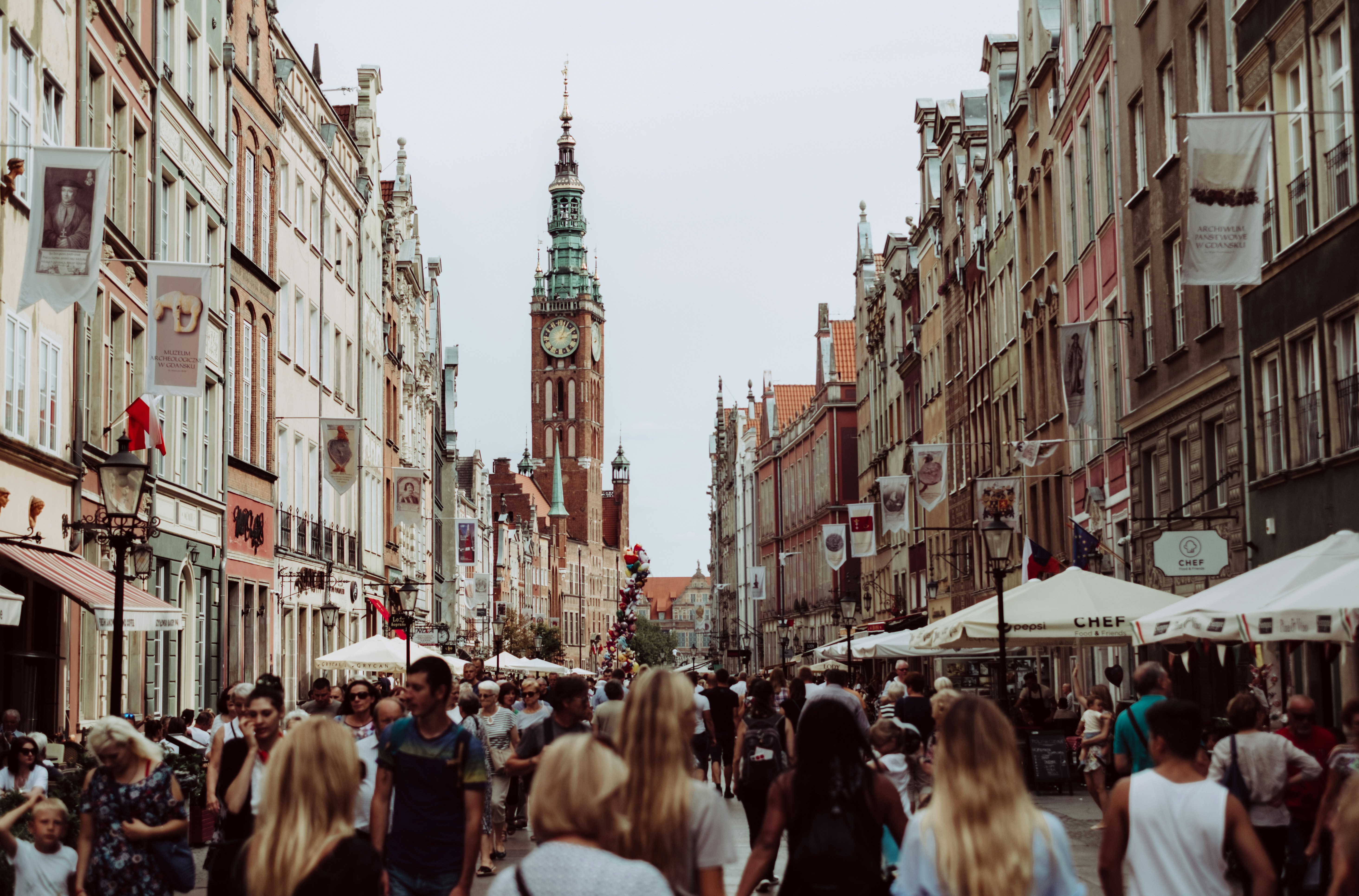
Subcategory
Members only
For decades, tourism followed a familiar script. Visitors arrived in large numbers, followed established routes, stayed briefly, and left behind economic activity—and strain. Cities measured success by arrivals, hotel nights, and spending.
That model is being reexamined.
Faced with overcrowding, rising housing costs, environmental pressure, and resident backlash, cities around the world are redefining what tourism should look like—and what it should be for.
“Tourism can no longer be judged by volume alone,” said an urban policy researcher who studies visitor economies. “Cities are shifting from growth to balance.”
This redefinition marks a fundamental change in how cities think about visitors, residents, and shared space.
From Promotion to Management
Historically, cities competed to attract tourists.
Marketing campaigns highlighted landmarks, events, and experiences. Success meant more visibility and more visitors.
“Tourism policy used to be about selling the city,” said the researcher. “Now it’s about managing it.”
As visitor numbers grew, unintended consequences followed: congestion, infrastructure strain, displacement, and cultural dilution. Cities realized that promotion without management was unsustainable.
Tourism became an urban planning issue.
The Impact of Over-Tourism
Over-tourism forced change.
In popular destinations, daily life became difficult for residents. Public transport filled. Historic centers emptied of locals. Short-term rentals reshaped housing markets.
“When a city stops functioning for residents, tourism has failed,” said an urban sociologist.
Cities began imposing limits—caps on rentals, restrictions on tour groups, timed entry to landmarks. These measures signaled a shift from welcoming everyone to protecting livability.
Limits became tools of care.
Tourism as Shared Urban Space
Cities are reframing tourism as a shared experience.
Visitors and residents occupy the same streets, parks, and services. The question becomes how these spaces are used—and by whom.
“Tourism is not separate from everyday urban life,” said the sociologist.
New policies emphasize coexistence rather than separation. Clear codes of conduct, better information, and decentralized attractions reduce friction.
Tourism becomes relational.
Decentralizing the Visitor Experience
One major strategy is decentralization.
Instead of funneling visitors into historic centers, cities promote neighborhoods beyond traditional hotspots.
“Spreading visitors spreads benefits,” said a municipal tourism official.
New cultural routes, local markets, and community-led experiences redirect attention. This approach supports local economies while easing pressure on crowded areas.
The city becomes multi-centered.
Longer Stays, Deeper Engagement
Cities are encouraging longer stays.
Short, high-volume visits strain infrastructure and offer limited benefit. Longer stays reduce turnover and foster engagement.
“Time changes behavior,” said the urban researcher.
Slow tourism initiatives promote walking, cycling, and local participation. Visitors are encouraged to act more like temporary residents.
Duration replaces density.
Rethinking Accommodation Models
Accommodation plays a central role in tourism’s impact.
Cities increasingly regulate short-term rentals to protect housing supply.
“Unregulated rentals hollow out neighborhoods,” said the sociologist.
Policies now require registration, limit rental days, or restrict zones. At the same time, cities support hotels, hostels, and alternative models that integrate with urban planning.
Housing becomes non-negotiable.
Culture Beyond Landmarks
Cities are redefining what counts as culture.
Tourism once centered on monuments and museums. Now, everyday culture—food, music, craft, and local rituals—takes precedence.
“Culture isn’t just what’s preserved,” said a cultural planner. “It’s what’s lived.”
Supporting local festivals, community spaces, and independent venues diversifies the visitor experience and strengthens cultural ecosystems.
Culture becomes contemporary.
Data-Driven, Human-Centered Planning
Cities increasingly rely on data to manage tourism.
Real-time tracking of crowd flows, transport usage, and environmental impact informs decisions.
“Data helps cities respond, not just react,” said the urban policy researcher.
But data is paired with resident input. Surveys, consultations, and local councils ensure policies reflect lived experience.
Technology supports—not replaces—judgment.
Environmental Responsibility in Urban Tourism
Environmental concerns shape new tourism strategies.
Cities invest in public transport, pedestrian zones, and low-emission mobility. Cruise ship access is limited. Green standards are applied to accommodations.
“Urban tourism must align with climate goals,” said a sustainability advisor.
Tourism is evaluated not only by revenue, but by environmental cost.
Impact becomes measurable.
The Role of Visitors in the New Model
Redefined tourism asks more of visitors.
Respectful behavior, informed choices, and awareness of impact are expected—not optional.
“Visitors are part of the city while they’re there,” said the sociologist.
Information campaigns emphasize local norms, sustainability, and shared responsibility.
Tourism becomes participatory.
Economic Balance Over Maximum Growth
Cities are shifting economic priorities.
Instead of maximizing tourist spending, they seek stable, diversified local economies.
“Tourism should support the city—not dominate it,” said the municipal official.
Small businesses, creative industries, and resident services receive renewed focus.
Tourism becomes one component among many.
Toward a New Urban Tourism Ethic
How cities are redefining tourism reflects broader change.
Tourism is no longer about extraction—of sights, experiences, or revenue. It is about stewardship.
Cities are asking different questions:
Not How many visitors can we attract?
But How can visitors and residents coexist?
Not How do we promote more?
But How do we protect what makes the city livable?
In redefining tourism, cities are redefining themselves—
as places to live first,
and visit second.
And in that shift, tourism becomes not a force that overwhelms cities,
but one that fits within them—
thoughtfully, responsibly,
and with care for those who call them home.
Subcategory
Members only
For decades, tourism followed a familiar script. Visitors arrived in large numbers, followed established routes, stayed briefly, and left behind economic activity—and strain. Cities measured success by arrivals, hotel nights, and spending.
That model is being reexamined.
Faced with overcrowding, rising housing costs, environmental pressure, and resident backlash, cities around the world are redefining what tourism should look like—and what it should be for.
“Tourism can no longer be judged by volume alone,” said an urban policy researcher who studies visitor economies. “Cities are shifting from growth to balance.”
This redefinition marks a fundamental change in how cities think about visitors, residents, and shared space.
From Promotion to Management
Historically, cities competed to attract tourists.
Marketing campaigns highlighted landmarks, events, and experiences. Success meant more visibility and more visitors.
“Tourism policy used to be about selling the city,” said the researcher. “Now it’s about managing it.”
As visitor numbers grew, unintended consequences followed: congestion, infrastructure strain, displacement, and cultural dilution. Cities realized that promotion without management was unsustainable.
Tourism became an urban planning issue.
The Impact of Over-Tourism
Over-tourism forced change.
In popular destinations, daily life became difficult for residents. Public transport filled. Historic centers emptied of locals. Short-term rentals reshaped housing markets.
“When a city stops functioning for residents, tourism has failed,” said an urban sociologist.
Cities began imposing limits—caps on rentals, restrictions on tour groups, timed entry to landmarks. These measures signaled a shift from welcoming everyone to protecting livability.
Limits became tools of care.
Tourism as Shared Urban Space
Cities are reframing tourism as a shared experience.
Visitors and residents occupy the same streets, parks, and services. The question becomes how these spaces are used—and by whom.
“Tourism is not separate from everyday urban life,” said the sociologist.
New policies emphasize coexistence rather than separation. Clear codes of conduct, better information, and decentralized attractions reduce friction.
Tourism becomes relational.
Decentralizing the Visitor Experience
One major strategy is decentralization.
Instead of funneling visitors into historic centers, cities promote neighborhoods beyond traditional hotspots.
“Spreading visitors spreads benefits,” said a municipal tourism official.
New cultural routes, local markets, and community-led experiences redirect attention. This approach supports local economies while easing pressure on crowded areas.
The city becomes multi-centered.
Longer Stays, Deeper Engagement
Cities are encouraging longer stays.
Short, high-volume visits strain infrastructure and offer limited benefit. Longer stays reduce turnover and foster engagement.
“Time changes behavior,” said the urban researcher.
Slow tourism initiatives promote walking, cycling, and local participation. Visitors are encouraged to act more like temporary residents.
Duration replaces density.
Rethinking Accommodation Models
Accommodation plays a central role in tourism’s impact.
Cities increasingly regulate short-term rentals to protect housing supply.
“Unregulated rentals hollow out neighborhoods,” said the sociologist.
Policies now require registration, limit rental days, or restrict zones. At the same time, cities support hotels, hostels, and alternative models that integrate with urban planning.
Housing becomes non-negotiable.
Culture Beyond Landmarks
Cities are redefining what counts as culture.
Tourism once centered on monuments and museums. Now, everyday culture—food, music, craft, and local rituals—takes precedence.
“Culture isn’t just what’s preserved,” said a cultural planner. “It’s what’s lived.”
Supporting local festivals, community spaces, and independent venues diversifies the visitor experience and strengthens cultural ecosystems.
Culture becomes contemporary.
Data-Driven, Human-Centered Planning
Cities increasingly rely on data to manage tourism.
Real-time tracking of crowd flows, transport usage, and environmental impact informs decisions.
“Data helps cities respond, not just react,” said the urban policy researcher.
But data is paired with resident input. Surveys, consultations, and local councils ensure policies reflect lived experience.
Technology supports—not replaces—judgment.
Environmental Responsibility in Urban Tourism
Environmental concerns shape new tourism strategies.
Cities invest in public transport, pedestrian zones, and low-emission mobility. Cruise ship access is limited. Green standards are applied to accommodations.
“Urban tourism must align with climate goals,” said a sustainability advisor.
Tourism is evaluated not only by revenue, but by environmental cost.
Impact becomes measurable.
The Role of Visitors in the New Model
Redefined tourism asks more of visitors.
Respectful behavior, informed choices, and awareness of impact are expected—not optional.
“Visitors are part of the city while they’re there,” said the sociologist.
Information campaigns emphasize local norms, sustainability, and shared responsibility.
Tourism becomes participatory.
Economic Balance Over Maximum Growth
Cities are shifting economic priorities.
Instead of maximizing tourist spending, they seek stable, diversified local economies.
“Tourism should support the city—not dominate it,” said the municipal official.
Small businesses, creative industries, and resident services receive renewed focus.
Tourism becomes one component among many.
Toward a New Urban Tourism Ethic
How cities are redefining tourism reflects broader change.
Tourism is no longer about extraction—of sights, experiences, or revenue. It is about stewardship.
Cities are asking different questions:
Not How many visitors can we attract?
But How can visitors and residents coexist?
Not How do we promote more?
But How do we protect what makes the city livable?
In redefining tourism, cities are redefining themselves—
as places to live first,
and visit second.
And in that shift, tourism becomes not a force that overwhelms cities,
but one that fits within them—
thoughtfully, responsibly,
and with care for those who call them home.
Subcategory
Members only
For much of the past century, food systems were built for scale. Centralized production, global supply chains, and industrial efficiency shaped what people ate and how food moved from field to table.
That model is now being questioned.
Across regions and cultures, local food systems—networks that prioritize regional production, shorter supply chains, and community-based distribution—are gaining renewed attention.
“Local food isn’t a trend,” said an agricultural economist who studies food resilience. “It’s a response to systemic vulnerability.”
The rise of local food systems reflects broader concerns about sustainability, resilience, equity, and the relationship between food, place, and people.
From Global Efficiency to Local Resilience
Industrial food systems optimized for efficiency.
Large-scale monoculture, centralized processing, and long-distance transport reduced costs and increased availability.
“But efficiency came at a price,” said the economist.
Environmental degradation, supply chain fragility, and farmer consolidation revealed the limits of scale. Climate disruptions and global shocks exposed how easily centralized systems can fail.
Local food systems prioritize resilience over maximum efficiency.
What Defines a Local Food System
Local food systems vary widely.
They include small and mid-scale farms, regional processors, farmers’ markets, cooperatives, community-supported agriculture (CSA), and local distribution hubs.
“Local doesn’t just mean nearby,” said a food systems researcher. “It means embedded.”
Embedded systems are rooted in regional ecology, labor, and culture. They shorten feedback loops between producers and consumers.
Distance becomes relational—not just geographic.
Supply Chain Vulnerability and Wake-Up Calls
Recent disruptions accelerated interest in local food.
Pandemics, climate events, and geopolitical instability revealed dependence on long supply chains.
“When transportation stops, local food matters,” said the researcher.
Communities with diversified local production recovered more quickly. Direct relationships enabled flexibility.
Crisis exposed value.
Environmental Benefits and Ecological Fit
Local food systems often align better with regional ecology.
Smaller operations can adapt practices to soil, climate, and biodiversity.
“Local agriculture works with landscape rather than against it,” said an agroecologist.
Reduced transportation lowers emissions. Crop diversity improves soil health.
Sustainability becomes contextual.
Economic Circulation and Community Wealth
Local food systems keep money circulating regionally.
Dollars spent locally support farmers, processors, and service providers.
“Local food multiplies economic impact,” said the economist.
Instead of flowing to distant corporations, value remains within communities.
Food becomes an economic anchor.
Farmers and Fairer Power Dynamics
Industrial systems concentrate power.
Large buyers dictate prices and standards. Small farmers operate on thin margins.
“Local systems rebalance power,” said a farmer who sells through regional markets.
Direct sales increase transparency and income stability. Relationships replace contracts.
Agency increases.
Consumer Trust and Transparency
Local food systems increase visibility.
Consumers know where food comes from, how it’s produced, and who grows it.
“Trust grows with proximity,” said the food systems researcher.
This transparency supports informed choice and accountability.
Food becomes personal again.
Access, Equity, and the Limits of Localism
Local food systems are not automatically equitable.
Higher prices, limited distribution, and urban-rural divides can restrict access.
“Local food must address affordability,” said the economist.
Programs that integrate local food into schools, hospitals, and public markets expand reach.
Equity requires intentional design.
Technology Supporting Local Networks
Technology plays a supportive role.
Digital platforms connect producers and buyers, coordinate logistics, and improve forecasting.
“Technology scales connection, not extraction,” said the researcher.
Used thoughtfully, technology strengthens local networks without replicating industrial concentration.
Tools enable—not dominate.
Urban Agriculture and New Production Models
Cities are participating in local food systems.
Urban farms, rooftop gardens, and community plots supplement regional supply.
“Urban agriculture reconnects cities to food production,” said an urban planner.
These projects offer education, resilience, and green infrastructure benefits.
Food re-enters the city.
Cultural Revival and Food Identity
Local food systems revive regional cuisine.
Seasonal ingredients shape menus. Traditional practices reemerge.
“Food culture thrives when it’s rooted,” said a culinary historian.
Local systems reinforce identity and continuity.
Cuisine becomes place-based.
Policy and Institutional Support
Public policy influences local food viability.
Zoning, procurement rules, and agricultural subsidies shape outcomes.
“Policy determines what systems survive,” said the economist.
Support for small producers, infrastructure investment, and fair regulation strengthens local systems.
Governance matters.
Not a Replacement, but a Rebalancing
Local food systems do not replace global ones entirely.
Some foods will always travel. Trade remains necessary.
“This isn’t about isolation,” said the researcher. “It’s about balance.”
Diversified systems reduce risk and increase choice.
Local complements global.
The Meaning of the Shift
The rise of local food systems reflects changing priorities.
People seek connection, resilience, and accountability in what they eat.
Local food is slower. It is more complex. It often costs more.
But it offers something industrial systems struggle to provide:
relationship.
Between eater and farmer.
Between land and community.
Between food and place.
In re-centering food locally,
communities are not rejecting modernity—
they are redefining progress.
Not as maximum output,
but as systems that endure.
And in a world facing environmental and economic uncertainty,
that durability may be the most valuable ingredient of all.

Subcategory
Members only
For much of the past century, food systems were built for scale. Centralized production, global supply chains, and industrial efficiency shaped what people ate and how food moved from field to table.
That model is now being questioned.
Across regions and cultures, local food systems—networks that prioritize regional production, shorter supply chains, and community-based distribution—are gaining renewed attention.
“Local food isn’t a trend,” said an agricultural economist who studies food resilience. “It’s a response to systemic vulnerability.”
The rise of local food systems reflects broader concerns about sustainability, resilience, equity, and the relationship between food, place, and people.
From Global Efficiency to Local Resilience
Industrial food systems optimized for efficiency.
Large-scale monoculture, centralized processing, and long-distance transport reduced costs and increased availability.
“But efficiency came at a price,” said the economist.
Environmental degradation, supply chain fragility, and farmer consolidation revealed the limits of scale. Climate disruptions and global shocks exposed how easily centralized systems can fail.
Local food systems prioritize resilience over maximum efficiency.
What Defines a Local Food System
Local food systems vary widely.
They include small and mid-scale farms, regional processors, farmers’ markets, cooperatives, community-supported agriculture (CSA), and local distribution hubs.
“Local doesn’t just mean nearby,” said a food systems researcher. “It means embedded.”
Embedded systems are rooted in regional ecology, labor, and culture. They shorten feedback loops between producers and consumers.
Distance becomes relational—not just geographic.
Supply Chain Vulnerability and Wake-Up Calls
Recent disruptions accelerated interest in local food.
Pandemics, climate events, and geopolitical instability revealed dependence on long supply chains.
“When transportation stops, local food matters,” said the researcher.
Communities with diversified local production recovered more quickly. Direct relationships enabled flexibility.
Crisis exposed value.
Environmental Benefits and Ecological Fit
Local food systems often align better with regional ecology.
Smaller operations can adapt practices to soil, climate, and biodiversity.
“Local agriculture works with landscape rather than against it,” said an agroecologist.
Reduced transportation lowers emissions. Crop diversity improves soil health.
Sustainability becomes contextual.
Economic Circulation and Community Wealth
Local food systems keep money circulating regionally.
Dollars spent locally support farmers, processors, and service providers.
“Local food multiplies economic impact,” said the economist.
Instead of flowing to distant corporations, value remains within communities.
Food becomes an economic anchor.
Farmers and Fairer Power Dynamics
Industrial systems concentrate power.
Large buyers dictate prices and standards. Small farmers operate on thin margins.
“Local systems rebalance power,” said a farmer who sells through regional markets.
Direct sales increase transparency and income stability. Relationships replace contracts.
Agency increases.
Consumer Trust and Transparency
Local food systems increase visibility.
Consumers know where food comes from, how it’s produced, and who grows it.
“Trust grows with proximity,” said the food systems researcher.
This transparency supports informed choice and accountability.
Food becomes personal again.
Access, Equity, and the Limits of Localism
Local food systems are not automatically equitable.
Higher prices, limited distribution, and urban-rural divides can restrict access.
“Local food must address affordability,” said the economist.
Programs that integrate local food into schools, hospitals, and public markets expand reach.
Equity requires intentional design.
Technology Supporting Local Networks
Technology plays a supportive role.
Digital platforms connect producers and buyers, coordinate logistics, and improve forecasting.
“Technology scales connection, not extraction,” said the researcher.
Used thoughtfully, technology strengthens local networks without replicating industrial concentration.
Tools enable—not dominate.
Urban Agriculture and New Production Models
Cities are participating in local food systems.
Urban farms, rooftop gardens, and community plots supplement regional supply.
“Urban agriculture reconnects cities to food production,” said an urban planner.
These projects offer education, resilience, and green infrastructure benefits.
Food re-enters the city.
Cultural Revival and Food Identity
Local food systems revive regional cuisine.
Seasonal ingredients shape menus. Traditional practices reemerge.
“Food culture thrives when it’s rooted,” said a culinary historian.
Local systems reinforce identity and continuity.
Cuisine becomes place-based.
Policy and Institutional Support
Public policy influences local food viability.
Zoning, procurement rules, and agricultural subsidies shape outcomes.
“Policy determines what systems survive,” said the economist.
Support for small producers, infrastructure investment, and fair regulation strengthens local systems.
Governance matters.
Not a Replacement, but a Rebalancing
Local food systems do not replace global ones entirely.
Some foods will always travel. Trade remains necessary.
“This isn’t about isolation,” said the researcher. “It’s about balance.”
Diversified systems reduce risk and increase choice.
Local complements global.
The Meaning of the Shift
The rise of local food systems reflects changing priorities.
People seek connection, resilience, and accountability in what they eat.
Local food is slower. It is more complex. It often costs more.
But it offers something industrial systems struggle to provide:
relationship.
Between eater and farmer.
Between land and community.
Between food and place.
In re-centering food locally,
communities are not rejecting modernity—
they are redefining progress.
Not as maximum output,
but as systems that endure.
And in a world facing environmental and economic uncertainty,
that durability may be the most valuable ingredient of all.
Subcategory
Members only
For much of the past century, food systems were built for scale. Centralized production, global supply chains, and industrial efficiency shaped what people ate and how food moved from field to table.
That model is now being questioned.
Across regions and cultures, local food systems—networks that prioritize regional production, shorter supply chains, and community-based distribution—are gaining renewed attention.
“Local food isn’t a trend,” said an agricultural economist who studies food resilience. “It’s a response to systemic vulnerability.”
The rise of local food systems reflects broader concerns about sustainability, resilience, equity, and the relationship between food, place, and people.
From Global Efficiency to Local Resilience
Industrial food systems optimized for efficiency.
Large-scale monoculture, centralized processing, and long-distance transport reduced costs and increased availability.
“But efficiency came at a price,” said the economist.
Environmental degradation, supply chain fragility, and farmer consolidation revealed the limits of scale. Climate disruptions and global shocks exposed how easily centralized systems can fail.
Local food systems prioritize resilience over maximum efficiency.
What Defines a Local Food System
Local food systems vary widely.
They include small and mid-scale farms, regional processors, farmers’ markets, cooperatives, community-supported agriculture (CSA), and local distribution hubs.
“Local doesn’t just mean nearby,” said a food systems researcher. “It means embedded.”
Embedded systems are rooted in regional ecology, labor, and culture. They shorten feedback loops between producers and consumers.
Distance becomes relational—not just geographic.
Supply Chain Vulnerability and Wake-Up Calls
Recent disruptions accelerated interest in local food.
Pandemics, climate events, and geopolitical instability revealed dependence on long supply chains.
“When transportation stops, local food matters,” said the researcher.
Communities with diversified local production recovered more quickly. Direct relationships enabled flexibility.
Crisis exposed value.
Environmental Benefits and Ecological Fit
Local food systems often align better with regional ecology.
Smaller operations can adapt practices to soil, climate, and biodiversity.
“Local agriculture works with landscape rather than against it,” said an agroecologist.
Reduced transportation lowers emissions. Crop diversity improves soil health.
Sustainability becomes contextual.
Economic Circulation and Community Wealth
Local food systems keep money circulating regionally.
Dollars spent locally support farmers, processors, and service providers.
“Local food multiplies economic impact,” said the economist.
Instead of flowing to distant corporations, value remains within communities.
Food becomes an economic anchor.
Farmers and Fairer Power Dynamics
Industrial systems concentrate power.
Large buyers dictate prices and standards. Small farmers operate on thin margins.
“Local systems rebalance power,” said a farmer who sells through regional markets.
Direct sales increase transparency and income stability. Relationships replace contracts.
Agency increases.
Consumer Trust and Transparency
Local food systems increase visibility.
Consumers know where food comes from, how it’s produced, and who grows it.
“Trust grows with proximity,” said the food systems researcher.
This transparency supports informed choice and accountability.
Food becomes personal again.
Access, Equity, and the Limits of Localism
Local food systems are not automatically equitable.
Higher prices, limited distribution, and urban-rural divides can restrict access.
“Local food must address affordability,” said the economist.
Programs that integrate local food into schools, hospitals, and public markets expand reach.
Equity requires intentional design.
Technology Supporting Local Networks
Technology plays a supportive role.
Digital platforms connect producers and buyers, coordinate logistics, and improve forecasting.
“Technology scales connection, not extraction,” said the researcher.
Used thoughtfully, technology strengthens local networks without replicating industrial concentration.
Tools enable—not dominate.
Urban Agriculture and New Production Models
Cities are participating in local food systems.
Urban farms, rooftop gardens, and community plots supplement regional supply.
“Urban agriculture reconnects cities to food production,” said an urban planner.
These projects offer education, resilience, and green infrastructure benefits.
Food re-enters the city.
Cultural Revival and Food Identity
Local food systems revive regional cuisine.
Seasonal ingredients shape menus. Traditional practices reemerge.
“Food culture thrives when it’s rooted,” said a culinary historian.
Local systems reinforce identity and continuity.
Cuisine becomes place-based.
Policy and Institutional Support
Public policy influences local food viability.
Zoning, procurement rules, and agricultural subsidies shape outcomes.
“Policy determines what systems survive,” said the economist.
Support for small producers, infrastructure investment, and fair regulation strengthens local systems.
Governance matters.
Not a Replacement, but a Rebalancing
Local food systems do not replace global ones entirely.
Some foods will always travel. Trade remains necessary.
“This isn’t about isolation,” said the researcher. “It’s about balance.”
Diversified systems reduce risk and increase choice.
Local complements global.
The Meaning of the Shift
The rise of local food systems reflects changing priorities.
People seek connection, resilience, and accountability in what they eat.
Local food is slower. It is more complex. It often costs more.
But it offers something industrial systems struggle to provide:
relationship.
Between eater and farmer.
Between land and community.
Between food and place.
In re-centering food locally,
communities are not rejecting modernity—
they are redefining progress.
Not as maximum output,
but as systems that endure.
And in a world facing environmental and economic uncertainty,
that durability may be the most valuable ingredient of all.
Subcategory
Members only
For decades, travel promised escape through acceleration. More destinations, shorter stays, fuller itineraries. Success was measured by distance covered and experiences collected.
That promise is fading.
Across regions and generations, travelers are rethinking what it means to go somewhere at all. In place of speed and accumulation, a quieter approach is returning: slow travel.
“People are no longer asking how much they can see,” said a tourism researcher who studies mobility and behavior. “They’re asking how deeply they can experience a place.”
The return of slow travel reflects broader cultural shifts—toward sustainability, presence, and a more deliberate relationship with time.
What Slow Travel Really Means
Slow travel is often misunderstood as simply moving less.
In practice, it is about changing orientation.
“It’s not about traveling slowly for its own sake,” said the researcher. “It’s about allowing place to set the pace.”
Slow travel prioritizes longer stays, fewer destinations, and everyday rhythms. It emphasizes immersion over spectacle.
Time becomes part of the experience—not something to defeat.
A Reaction to Acceleration Fatigue
Modern travel mirrors modern life.
Packed schedules, constant documentation, and performance-oriented experiences leave little room for rest.
“Many travelers return more exhausted than when they left,” said a psychologist who studies leisure and recovery.
Slow travel emerges as a response to burnout—not only from work, but from tourism itself.
Rest becomes intentional.
Fewer Places, Deeper Encounters
Slow travel reduces geographic scope.
Travelers choose one town instead of five cities. They revisit familiar places rather than chasing novelty.
“Depth replaces breadth,” said the tourism researcher.
Longer stays allow for repetition—returning to the same café, walking the same streets, noticing change.
Familiarity builds meaning.
Living, Not Visiting
Slow travel blurs the line between visitor and resident.
Travelers shop locally, cook meals, use public transport, and follow local routines.
“You start living instead of consuming,” said a traveler who spends months at a time abroad.
This approach shifts perspective. The destination stops being a stage and becomes a setting.
Belonging replaces observation.
Environmental Considerations
Environmental awareness drives slow travel’s return.
Fewer flights, longer stays, and regional travel reduce carbon impact.
“Movement has a cost,” said a sustainability advisor working with tourism boards.
Slow travel aligns with climate-conscious choices—trains over planes, walking over taxis.
Ethics influence itinerary.
Economic Benefits for Local Communities
Slow travel redistributes economic impact.
Longer stays support local businesses beyond tourist hotspots.
“Slow travelers spend less per day, but more over time,” said an economist studying visitor economies.
This steadier presence benefits small shops, markets, and service providers.
Tourism becomes less extractive.
Technology and the Paradox of Slowness
Technology both enables and challenges slow travel.
Remote work allows extended stays. Navigation tools reduce friction.
But constant connectivity can undermine presence.
“Slow travel requires digital restraint,” said the psychologist.
Turning off notifications becomes part of the practice.
Attention becomes the real destination.
Cultural Respect and Ethical Engagement
Slow travel encourages cultural sensitivity.
With time comes understanding—of norms, rhythms, and boundaries.
“Respect grows with duration,” said the tourism researcher.
Rushed tourism often flattens culture into experience. Slow travel allows complexity.
Understanding replaces interpretation.
The Appeal of Return Visits
Slow travelers often return to the same places.
Revisiting deepens relationship. Change becomes visible.
“You notice seasons, not highlights,” said the long-term traveler.
Places evolve. So do travelers.
Travel becomes a conversation over time.
Not Always Easy or Accessible
Slow travel is not universally available.
Time, money, visas, and responsibilities limit who can participate.
“Slowness is a privilege,” said the economist.
Acknowledging this prevents romanticization. Slow travel is an option—not a mandate.
Equity remains central.
Redefining the Purpose of Travel
Slow travel changes travel’s purpose.
Instead of escape, it offers engagement. Instead of novelty, continuity.
“Travel stops being about elsewhere,” said the psychologist. “It becomes about attention.”
The value lies not in movement—but in noticing.
The Meaning of the Return
The return of slow travel signals a cultural recalibration.
In a world optimized for speed, slowness becomes intentional.
Slow travel does not reject exploration.
It reframes it.
It asks travelers to move less,
stay longer,
and notice more.
To accept boredom as part of experience.
To value routine alongside discovery.
To let place unfold without urgency.
In doing so, travel becomes less about collecting memories
and more about forming relationships—
with places,
with people,
and with time itself.
And in that shift,
slow travel feels less like a trend
and more like a return—to how travel once was,
and perhaps,
how it should be again.

Subcategory
Members only
For decades, travel promised escape through acceleration. More destinations, shorter stays, fuller itineraries. Success was measured by distance covered and experiences collected.
That promise is fading.
Across regions and generations, travelers are rethinking what it means to go somewhere at all. In place of speed and accumulation, a quieter approach is returning: slow travel.
“People are no longer asking how much they can see,” said a tourism researcher who studies mobility and behavior. “They’re asking how deeply they can experience a place.”
The return of slow travel reflects broader cultural shifts—toward sustainability, presence, and a more deliberate relationship with time.
What Slow Travel Really Means
Slow travel is often misunderstood as simply moving less.
In practice, it is about changing orientation.
“It’s not about traveling slowly for its own sake,” said the researcher. “It’s about allowing place to set the pace.”
Slow travel prioritizes longer stays, fewer destinations, and everyday rhythms. It emphasizes immersion over spectacle.
Time becomes part of the experience—not something to defeat.
A Reaction to Acceleration Fatigue
Modern travel mirrors modern life.
Packed schedules, constant documentation, and performance-oriented experiences leave little room for rest.
“Many travelers return more exhausted than when they left,” said a psychologist who studies leisure and recovery.
Slow travel emerges as a response to burnout—not only from work, but from tourism itself.
Rest becomes intentional.
Fewer Places, Deeper Encounters
Slow travel reduces geographic scope.
Travelers choose one town instead of five cities. They revisit familiar places rather than chasing novelty.
“Depth replaces breadth,” said the tourism researcher.
Longer stays allow for repetition—returning to the same café, walking the same streets, noticing change.
Familiarity builds meaning.
Living, Not Visiting
Slow travel blurs the line between visitor and resident.
Travelers shop locally, cook meals, use public transport, and follow local routines.
“You start living instead of consuming,” said a traveler who spends months at a time abroad.
This approach shifts perspective. The destination stops being a stage and becomes a setting.
Belonging replaces observation.
Environmental Considerations
Environmental awareness drives slow travel’s return.
Fewer flights, longer stays, and regional travel reduce carbon impact.
“Movement has a cost,” said a sustainability advisor working with tourism boards.
Slow travel aligns with climate-conscious choices—trains over planes, walking over taxis.
Ethics influence itinerary.
Economic Benefits for Local Communities
Slow travel redistributes economic impact.
Longer stays support local businesses beyond tourist hotspots.
“Slow travelers spend less per day, but more over time,” said an economist studying visitor economies.
This steadier presence benefits small shops, markets, and service providers.
Tourism becomes less extractive.
Technology and the Paradox of Slowness
Technology both enables and challenges slow travel.
Remote work allows extended stays. Navigation tools reduce friction.
But constant connectivity can undermine presence.
“Slow travel requires digital restraint,” said the psychologist.
Turning off notifications becomes part of the practice.
Attention becomes the real destination.
Cultural Respect and Ethical Engagement
Slow travel encourages cultural sensitivity.
With time comes understanding—of norms, rhythms, and boundaries.
“Respect grows with duration,” said the tourism researcher.
Rushed tourism often flattens culture into experience. Slow travel allows complexity.
Understanding replaces interpretation.
The Appeal of Return Visits
Slow travelers often return to the same places.
Revisiting deepens relationship. Change becomes visible.
“You notice seasons, not highlights,” said the long-term traveler.
Places evolve. So do travelers.
Travel becomes a conversation over time.
Not Always Easy or Accessible
Slow travel is not universally available.
Time, money, visas, and responsibilities limit who can participate.
“Slowness is a privilege,” said the economist.
Acknowledging this prevents romanticization. Slow travel is an option—not a mandate.
Equity remains central.
Redefining the Purpose of Travel
Slow travel changes travel’s purpose.
Instead of escape, it offers engagement. Instead of novelty, continuity.
“Travel stops being about elsewhere,” said the psychologist. “It becomes about attention.”
The value lies not in movement—but in noticing.
The Meaning of the Return
The return of slow travel signals a cultural recalibration.
In a world optimized for speed, slowness becomes intentional.
Slow travel does not reject exploration.
It reframes it.
It asks travelers to move less,
stay longer,
and notice more.
To accept boredom as part of experience.
To value routine alongside discovery.
To let place unfold without urgency.
In doing so, travel becomes less about collecting memories
and more about forming relationships—
with places,
with people,
and with time itself.
And in that shift,
slow travel feels less like a trend
and more like a return—to how travel once was,
and perhaps,
how it should be again.
Subcategory
Members only
For decades, travel promised escape through acceleration. More destinations, shorter stays, fuller itineraries. Success was measured by distance covered and experiences collected.
That promise is fading.
Across regions and generations, travelers are rethinking what it means to go somewhere at all. In place of speed and accumulation, a quieter approach is returning: slow travel.
“People are no longer asking how much they can see,” said a tourism researcher who studies mobility and behavior. “They’re asking how deeply they can experience a place.”
The return of slow travel reflects broader cultural shifts—toward sustainability, presence, and a more deliberate relationship with time.
What Slow Travel Really Means
Slow travel is often misunderstood as simply moving less.
In practice, it is about changing orientation.
“It’s not about traveling slowly for its own sake,” said the researcher. “It’s about allowing place to set the pace.”
Slow travel prioritizes longer stays, fewer destinations, and everyday rhythms. It emphasizes immersion over spectacle.
Time becomes part of the experience—not something to defeat.
A Reaction to Acceleration Fatigue
Modern travel mirrors modern life.
Packed schedules, constant documentation, and performance-oriented experiences leave little room for rest.
“Many travelers return more exhausted than when they left,” said a psychologist who studies leisure and recovery.
Slow travel emerges as a response to burnout—not only from work, but from tourism itself.
Rest becomes intentional.
Fewer Places, Deeper Encounters
Slow travel reduces geographic scope.
Travelers choose one town instead of five cities. They revisit familiar places rather than chasing novelty.
“Depth replaces breadth,” said the tourism researcher.
Longer stays allow for repetition—returning to the same café, walking the same streets, noticing change.
Familiarity builds meaning.
Living, Not Visiting
Slow travel blurs the line between visitor and resident.
Travelers shop locally, cook meals, use public transport, and follow local routines.
“You start living instead of consuming,” said a traveler who spends months at a time abroad.
This approach shifts perspective. The destination stops being a stage and becomes a setting.
Belonging replaces observation.
Environmental Considerations
Environmental awareness drives slow travel’s return.
Fewer flights, longer stays, and regional travel reduce carbon impact.
“Movement has a cost,” said a sustainability advisor working with tourism boards.
Slow travel aligns with climate-conscious choices—trains over planes, walking over taxis.
Ethics influence itinerary.
Economic Benefits for Local Communities
Slow travel redistributes economic impact.
Longer stays support local businesses beyond tourist hotspots.
“Slow travelers spend less per day, but more over time,” said an economist studying visitor economies.
This steadier presence benefits small shops, markets, and service providers.
Tourism becomes less extractive.
Technology and the Paradox of Slowness
Technology both enables and challenges slow travel.
Remote work allows extended stays. Navigation tools reduce friction.
But constant connectivity can undermine presence.
“Slow travel requires digital restraint,” said the psychologist.
Turning off notifications becomes part of the practice.
Attention becomes the real destination.
Cultural Respect and Ethical Engagement
Slow travel encourages cultural sensitivity.
With time comes understanding—of norms, rhythms, and boundaries.
“Respect grows with duration,” said the tourism researcher.
Rushed tourism often flattens culture into experience. Slow travel allows complexity.
Understanding replaces interpretation.
The Appeal of Return Visits
Slow travelers often return to the same places.
Revisiting deepens relationship. Change becomes visible.
“You notice seasons, not highlights,” said the long-term traveler.
Places evolve. So do travelers.
Travel becomes a conversation over time.
Not Always Easy or Accessible
Slow travel is not universally available.
Time, money, visas, and responsibilities limit who can participate.
“Slowness is a privilege,” said the economist.
Acknowledging this prevents romanticization. Slow travel is an option—not a mandate.
Equity remains central.
Redefining the Purpose of Travel
Slow travel changes travel’s purpose.
Instead of escape, it offers engagement. Instead of novelty, continuity.
“Travel stops being about elsewhere,” said the psychologist. “It becomes about attention.”
The value lies not in movement—but in noticing.
The Meaning of the Return
The return of slow travel signals a cultural recalibration.
In a world optimized for speed, slowness becomes intentional.
Slow travel does not reject exploration.
It reframes it.
It asks travelers to move less,
stay longer,
and notice more.
To accept boredom as part of experience.
To value routine alongside discovery.
To let place unfold without urgency.
In doing so, travel becomes less about collecting memories
and more about forming relationships—
with places,
with people,
and with time itself.
And in that shift,
slow travel feels less like a trend
and more like a return—to how travel once was,
and perhaps,
how it should be again.
Latest Articles
Subcategory
For much of the postwar era, coalition governments were treated as political compromises—necessary but undesirable arrangements formed when voters failed to deliver a clear mandate. They were assumed to be fragile, indecisive, and structurally weaker than single-party administrations.
That assumption is increasingly outdated.
Across parliamentary democracies, coalition governments are no longer transitional solutions. They are becoming the default framework through which power is exercised. And in the process, they are reshaping how authority, accountability, and leadership function in modern politics.
“Coalitions used to be seen as a sign of electoral failure,” said one senior parliamentary analyst in Berlin. “Today, they are better understood as a reflection of social and political plurality.”
From Electoral Winners to Negotiated Power
The classic theory of democratic governance relied on clear winners. Elections were expected to produce governing parties capable of translating campaign promises directly into policy. Coalition arrangements, by contrast, were often framed as temporary compromises that diluted political intent.
But as party systems fragment and voter alignments shift, decisive majorities have become the exception rather than the rule.
“In many countries, no single party can credibly claim to represent a majority of society,” said a political scientist who studies comparative governance. “Coalitions are not blocking democracy—they are how democracy now expresses itself.”
This shift has forced a redefinition of political power. Instead of being exercised through dominance, authority increasingly flows through negotiation, procedural control, and institutional coordination. Policy outcomes are shaped less by ideology alone and more by the architecture of coalition agreements, committee systems, and administrative continuity.
Executive Power Without Centralization
At first glance, coalition governments appear to weaken executive leadership. Prime ministers must consult partners, reconcile competing priorities, and accept constraints that majority leaders rarely face.
Yet this does not mean executives are powerless.
“What changes is not the existence of power, but its form,” said a former civil servant involved in coalition negotiations. “Decisions move from the podium to the process.”
In coalition systems, executive authority often relies more heavily on ministries, regulatory agencies, and legal frameworks. Individual ministers gain leverage within their policy domains, while prime ministers act less as commanders and more as coordinators.
This redistribution of authority can slow decision-making—but it can also stabilize it. Policies developed through coalition consensus tend to be more durable, precisely because they reflect broader political agreement.
“Once a policy survives coalition bargaining, it’s harder to undo,” the former official noted. “Too many actors have a stake in it.”
Parliament Reclaims Its Role
One of the most significant consequences of post-coalition governance is the renewed importance of legislatures.
Under majority governments, parliaments often functioned as confirmation bodies. In coalition systems, they become sites of genuine power. Committees matter. Procedural rules matter. Informal negotiations matter even more.
“In coalition politics, nothing is automatic,” said a senior legislator from a multiparty parliament. “Every vote has to be built.”
This dynamic empowers actors who were previously peripheral: committee chairs, policy specialists, and cross-party negotiators. Minority parties, often dismissed as marginal, become central to legislative outcomes.
Power, in this sense, is no longer vertical. It is horizontal, dispersed, and contingent.
The Rise of the Quiet Broker
As authority becomes more diffused, influence increasingly belongs to those who operate outside the spotlight.
Coalition governance rewards political actors who can manage relationships rather than dominate debates. These “quiet brokers” may not lead parties or headline campaigns, but they shape outcomes by maintaining trust across ideological lines.
“One of the biggest mistakes observers make is focusing only on party leaders,” said a longtime coalition negotiator. “The real work happens two levels below that.”
These actors translate political disagreements into workable compromises, often before conflicts become public. Their influence lies in process fluency: knowing when to intervene, when to delay, and how to frame concessions as shared gains.
It is a form of power that is subtle, procedural, and highly effective.
Accountability in a Shared-Responsibility System
Coalition governance complicates traditional notions of accountability.
When policies are negotiated across multiple parties, responsibility becomes collective. Voters may struggle to assign credit for success or blame for failure. Parties can emphasize their role in popular decisions while distancing themselves from unpopular outcomes.
Critics argue this erodes democratic clarity. Others see it as a more honest reflection of political reality.
“Accountability doesn’t disappear,” said a governance researcher. “It just moves—from personalities to institutions.”
In such systems, transparency mechanisms become essential. Legislative oversight, independent watchdogs, and clear documentation of coalition agreements play a larger role in maintaining democratic legitimacy.
Stability Through Complexity
Despite their reputation for fragility, coalition systems often prove remarkably resilient.
The constant negotiation that defines coalition governance acts as a stabilizing force. Extreme policy swings become less likely. Unilateral action becomes harder. Political shocks are absorbed through institutional processes rather than magnified by executive overreach.
“Coalitions are not slow because they are weak,” one analyst observed. “They are slow because they are complex.”
When coalitions fail, it is often not due to ideological differences alone, but to breakdowns in trust, communication, or external pressure. The system itself, however, tends to endure.
Power After the Era of Majorities
Post-coalition governance represents a shift in political logic.
Power is no longer measured by control alone, but by the ability to manage disagreement. Leadership is less about decisiveness in isolation and more about sustaining cooperation over time.
“This is not a temporary phase,” said one comparative politics scholar. “It’s a structural transformation.”
Coalition governments are not an aberration from democratic norms. They are the new normal. And in adapting to them, political systems are redefining what authority looks like—less centralized, less theatrical, and more deeply embedded in institutions.
Power, in the post-coalition era, is not louder.
It is quieter, negotiated, and shared.
Subcategory
Scientific discovery is often portrayed as a moment of revelation: a breakthrough experiment, a striking data point, a result that reshapes understanding overnight. In reality, discovery is rarely an ending. More often, it is the beginning of a longer, more uncertain process—one that determines whether new knowledge becomes useful, influential, or quietly forgotten.
“What people call a discovery is usually just the point at which uncertainty becomes visible,” said a senior research administrator at a European research institute. “What follows is the real work.”
That work unfolds far from the spotlight, across funding committees, peer review panels, regulatory systems, and institutional negotiations. It is here—after the discovery—that scientific progress is most fragile.
From Result to Recognition
The first stage after discovery is validation.
Before findings can shape policy, technology, or medicine, they must be tested, reproduced, and scrutinized. Peer review serves as the initial gatekeeper, but it is only one step in a longer process of acceptance.
“A published paper is not the same as an accepted truth,” said a journal editor familiar with high-impact research submissions. “It’s an invitation for the community to test your claim.”
Replication studies, follow-up experiments, and independent verification are essential—but they are often underfunded and undervalued. Research systems that reward novelty over confirmation can leave important findings insufficiently tested, slowing their integration into broader scientific understanding.
The Funding Gap
Once a discovery is validated, the question of funding becomes unavoidable.
Early-stage research is typically supported by public grants or academic institutions. But translating discovery into application—whether a new technology, treatment, or tool—often requires resources beyond the scope of basic research funding.
“This is where many promising ideas stall,” said a science policy advisor who studies research commercialization. “There’s a gap between discovery and deployment that few institutions are well equipped to bridge.”
Governments, private foundations, and industry partners play different roles at this stage, each with distinct priorities. Public funders may focus on societal benefit, while private investors prioritize scalability and return. Aligning these interests can be difficult, particularly for discoveries that promise long-term impact rather than immediate application.
Institutional Pathways and Friction
The journey from discovery to impact is shaped as much by institutions as by ideas.
Universities, research labs, and public agencies must decide how to support new findings: whether to patent them, license them, publish them openly, or pursue partnerships. Each choice carries trade-offs.
“Institutions are risk managers,” said a university technology transfer officer. “They’re balancing openness, reputation, and financial sustainability.”
These decisions influence who controls new knowledge, who benefits from it, and how quickly it spreads. In some cases, institutional caution can delay adoption. In others, aggressive commercialization can limit access or distort research priorities.
Regulation: Protection and Constraint
For discoveries that affect public health, safety, or the environment, regulation becomes central.
Regulatory frameworks are designed to protect the public—but they also shape the pace of innovation. Clinical trials, safety assessments, and compliance requirements can take years, even decades.
“Regulation is not the enemy of science,” said a former regulator involved in research oversight. “But it forces science to confront real-world consequences.”
The challenge lies in balancing caution with responsiveness. Too little oversight risks harm; too much can prevent beneficial discoveries from reaching society in time. The COVID-19 pandemic illustrated both the possibilities and tensions of accelerated scientific approval processes.
Credit, Ownership, and Conflict
As discoveries move toward application, questions of credit and ownership often intensify.
Who owns a discovery made with public funding? How should credit be distributed among collaborators? What happens when academic values collide with commercial interests?
“These are not peripheral issues,” said a sociologist of science. “They shape who participates in research and who trusts its outcomes.”
Disputes over authorship, patents, and intellectual property can slow progress and strain collaborations. Transparent policies and clear expectations are essential, yet many institutions struggle to keep pace with the complexity of modern research networks.
When Discovery Fails to Travel
Not all discoveries make the journey beyond the laboratory.
Some findings remain too specialized, too costly, or too disconnected from immediate needs to gain traction. Others are overtaken by competing technologies or shifts in political priorities.
“There’s a silent archive of discoveries that were technically sound but socially unadopted,” said a historian of science. “Their failure tells us as much as success does.”
Understanding why discoveries stall can inform better research design and funding strategies. It also challenges the assumption that progress is linear or inevitable.
The Role of Communication
Communication plays a decisive role in what happens after discovery.
Scientists must translate complex findings for policymakers, funders, and the public—often across disciplinary and cultural boundaries. Poor communication can undermine trust or lead to misapplication, while effective explanation can accelerate acceptance.
“Discovery doesn’t speak for itself,” said a science communication specialist. “Someone has to carry it into the world.”
Media coverage, institutional messaging, and public engagement shape how discoveries are perceived and used. In an era of misinformation, clarity and restraint are as important as enthusiasm.
A Process, Not a Moment
The mythology of discovery emphasizes moments of insight. The reality emphasizes systems.
Discovery initiates a process involving verification, funding, institutional negotiation, regulation, communication, and, often, compromise. Each step introduces friction—but also accountability.
“The question isn’t whether discovery changes the world,” said the research administrator. “It’s whether the systems around it are capable of change.”
Scientific progress depends not only on what is discovered, but on what follows: the structures that carry knowledge forward, the decisions that shape its use, and the values that guide its integration into society.
In the end, discovery is not an endpoint.
It is an opening—one that must be carefully, collectively navigated.
Subcategory
Sports have long been framed as a realm apart—a space governed by rules, records, and results, separate from the ethical tensions of politics, business, and society. Fair play, respect, and integrity are often treated as inherent values, embedded in the very idea of competition.
But ethics in sport do not begin at the whistle or end at the scoreboard.
They begin earlier, deeper, and often far from the field of play—shaped by institutions, incentives, and decisions that determine who gets to compete, under what conditions, and at what cost.
“Ethics in sports aren’t defined by what happens during a match,” said a former international sports administrator. “They’re defined by everything that happens before it.”
The Myth of the Neutral Arena
The idea that sport exists in a moral vacuum is persistent—and misleading.
Rules create the appearance of neutrality, but they are written, enforced, and interpreted by people operating within social and economic systems. Decisions about eligibility, funding, safety standards, and enforcement shape outcomes long before athletes take the field.
“Competition looks fair only if you ignore how uneven the starting lines are,” said a sports sociologist who studies inequality in athletics.
From access to training facilities to the distribution of resources across leagues and regions, ethical questions arise well before questions of performance. Who is supported, who is excluded, and who bears the risk are ethical choices, even when framed as logistical ones.
Performance, Pressure, and the Limits of Responsibility
Athletes are often positioned as the moral center of sport. They are expected to embody discipline, resilience, and integrity—while operating under intense pressure to perform.
This pressure is rarely self-generated.
“When careers are short and contracts are fragile, ethical decision-making becomes complicated,” said a former professional athlete. “The system rewards results, not restraint.”
Doping scandals, rule-bending, and risky training practices are frequently framed as individual failures. But they occur within environments that normalize extreme expectations and minimize long-term consequences.
Ethics, in this context, cannot be reduced to personal character alone. They must account for structural incentives that make certain choices more likely than others.
Institutions and the Delegation of Ethics
Governing bodies play a central role in defining ethical boundaries—but their authority is often constrained by competing interests.
Leagues and federations are tasked with enforcing rules while also protecting commercial value, audience engagement, and brand reputation. This dual mandate creates tension.
“Sports organizations want credibility without disruption,” said a governance expert who advises international federations. “Ethical enforcement is often strongest when it’s least costly.”
Sanctions may be applied unevenly. Investigations may stall. Reforms may follow public outrage rather than proactive oversight. In such cases, ethics become reactive—triggered by crisis rather than embedded in governance.
Safety, Risk, and Informed Consent
Few ethical issues in sport are as persistent as those surrounding athlete safety.
Contact sports, endurance competitions, and high-speed events expose participants to known risks. The ethical question is not whether risk exists, but how it is managed—and who is asked to bear it.
“Informed consent assumes equal power,” said a medical ethicist specializing in sports injuries. “In many cases, athletes don’t have that power.”
Young athletes, particularly those from disadvantaged backgrounds, may feel compelled to accept dangerous conditions in exchange for opportunity. When long-term health consequences emerge years later, accountability becomes diffuse.
Ethics begin, here, with transparency: clear communication of risks, independent medical oversight, and protections that prioritize health over spectacle.
Fairness Beyond the Rulebook
Fairness is often defined narrowly—as adherence to written rules. But ethical fairness extends further.
Technological advantages, unequal funding, and access to specialized training can tilt competition long before rules are broken. In some sports, success increasingly depends on resources rather than talent alone.
“When innovation moves faster than regulation, fairness becomes a moving target,” said a sports economist.
Ethical governance requires constant reassessment of what fairness means in evolving competitive landscapes. Static rules are rarely sufficient for dynamic systems.
The Role of Culture and Silence
Ethics are also shaped by what is tolerated—or ignored.
Cultures of silence around abuse, harassment, or exploitation have surfaced repeatedly across sports. In many cases, harmful behavior persisted not because rules were absent, but because enforcement threatened reputations and careers.
“Silence is not neutral,” said an advocate for athlete welfare. “It’s a choice that protects institutions over individuals.”
Where reporting mechanisms are weak or trust is absent, ethical failure becomes systemic rather than exceptional.
Fans, Media, and Shared Responsibility
Ethical responsibility does not rest solely with athletes and institutions.
Fans reward success, often regardless of cost. Media amplifies narratives that prioritize victory and spectacle over well-being and accountability. Commercial partners invest where attention flows.
“Ethics in sports are shaped by demand,” said a media analyst. “What audiences celebrate, organizations will defend.”
This shared ecosystem complicates moral judgment. Ethical reform requires not only rule changes, but shifts in expectation—about what success looks like and what trade-offs are acceptable.
Where Ethics Actually Begin
Ethics in sport do not begin with punishment. They begin with design.
They begin with how systems are built, incentives are aligned, and responsibilities are distributed. They begin with governance structures that value transparency over expediency and long-term welfare over short-term gain.
“The most ethical systems are the ones that make ethical behavior the easiest option,” said the governance expert.
This requires more than codes of conduct. It requires institutions willing to accept limits, fans willing to tolerate imperfection, and a culture that understands sport not as moral theater, but as a human system—capable of excellence, and error.
Ethics in sport do not start at the finish line.
They start long before the race is run.
Subcategory
For decades, personal finance advice has revolved around a narrow definition of success: higher returns, greater efficiency, earlier retirement. Money, in this framing, is something to optimize, accumulate, and measure against abstract benchmarks.
But for many people, that model no longer fits.
Rising living costs, unstable work patterns, longer life spans, and shifting priorities have forced a rethinking of what financial security actually means. Increasingly, the question is not how to make life serve finance—but how to make finance serve life.
“People don’t experience money as a spreadsheet,” said a financial counselor who works with middle-income households. “They experience it as stress, relief, freedom, or constraint.”
Beyond Optimization
Traditional financial advice often assumes stable careers, predictable incomes, and linear life paths. Save aggressively early. Invest consistently. Retire comfortably.
Those assumptions are breaking down.
“The old models were built for a different economy,” said a labor economist studying household finance. “Today, income volatility is the norm, not the exception.”
Freelance work, career changes, caregiving gaps, and geographic mobility complicate long-term planning. In this environment, financial success becomes less about maximizing returns and more about maintaining flexibility.
Optimization, once the goal, can become a liability when it leaves little room for uncertainty.
Redefining Financial Security
If wealth is no longer the sole measure of financial health, what replaces it?
For many households, security now means resilience: the ability to absorb shocks without long-term damage. Emergency savings matter not because they generate returns, but because they buy time and choice.
“Security is knowing you can say no,” said a personal finance educator. “No to a bad job, no to unsafe conditions, no to decisions made out of panic.”
This reframing shifts attention away from distant milestones and toward present stability—housing security, manageable debt, and access to healthcare.
The Emotional Dimension of Money
Money is often discussed as a rational tool. In practice, it is deeply emotional.
Spending and saving decisions are shaped by upbringing, cultural expectations, and past experiences. Financial behavior reflects identity as much as arithmetic.
“You can’t separate money from memory,” said a behavioral finance researcher. “People react to financial choices based on what money meant in their household growing up.”
Ignoring this emotional layer can lead to advice that feels technically sound but practically unworkable. Sustainable financial habits depend not on discipline alone, but on alignment with values and lived reality.
Work, Time, and Trade-Offs
Finance does not operate in isolation from work. The way people earn money shapes how they use it—and how they experience time.
Long hours, precarious contracts, and constant availability blur the boundary between earning and living. Financial strategies that demand perpetual sacrifice can erode well-being, even if they improve long-term projections.
“There’s a cost to every financial decision,” said a workplace researcher. “And sometimes that cost is time you don’t get back.”
Making finance work for life requires acknowledging trade-offs explicitly: income versus autonomy, savings versus rest, growth versus stability. There is no universal right answer—only context-specific choices.
Debt as a Structural Reality
Debt is often framed as a personal failure. In reality, it is frequently a structural necessity.
Housing, education, healthcare, and transportation costs have outpaced wages in many economies. For millions, debt is not optional—it is the price of participation.
“Moralizing debt misses the point,” said a policy analyst focused on household finance. “The question is not whether people borrow, but under what conditions.”
Ethical financial planning recognizes debt as a tool that can be harmful or helpful depending on terms, transparency, and alternatives. Managing debt responsibly often matters more than eliminating it entirely.
Simplicity Over Sophistication
In an era of financial apps, complex investment products, and algorithmic advice, sophistication is often mistaken for effectiveness.
Yet for most households, simpler systems outperform complex ones over time—not because they yield higher returns, but because they are easier to maintain.
“The best financial plan is the one you can stick with,” said a certified financial planner. “Complexity increases abandonment.”
Automated savings, clear budgets, and conservative assumptions reduce cognitive load and decision fatigue. Finance that fits into daily life is more durable than finance that demands constant attention.
Planning for Change, Not Perfection
Life rarely unfolds according to plan. Health changes, family responsibilities emerge, opportunities appear unexpectedly.
Financial systems built around rigidity struggle in such environments. Those designed for adaptation perform better.
“Flexibility is an asset,” said the financial counselor. “It’s just not one that shows up on a balance sheet.”
This means prioritizing liquidity, avoiding overcommitment, and revisiting plans regularly. Long-term goals still matter—but they must coexist with the reality of change.
A More Human Measure of Success
Making finance work for life requires a shift in perspective.
Success is not defined solely by net worth, early retirement, or outperforming benchmarks. It is defined by whether money supports the life a person wants to live—without constant anxiety or sacrifice of well-being.
“Money should be a stabilizer, not a source of permanent pressure,” said the educator.
This does not mean abandoning ambition or responsibility. It means grounding financial decisions in context, values, and realism.
Finance, at its best, is not a finish line.
It is a support system—quiet, adaptable, and in service of life itself.


" height="25.00139023844741px" id="jBymG44fK" transform="translate(7.499 7.499)" width="25.001390238447406px"/></svg>)