|

|

|

Art Between Commerce and Expression

Art Between Commerce and Expression

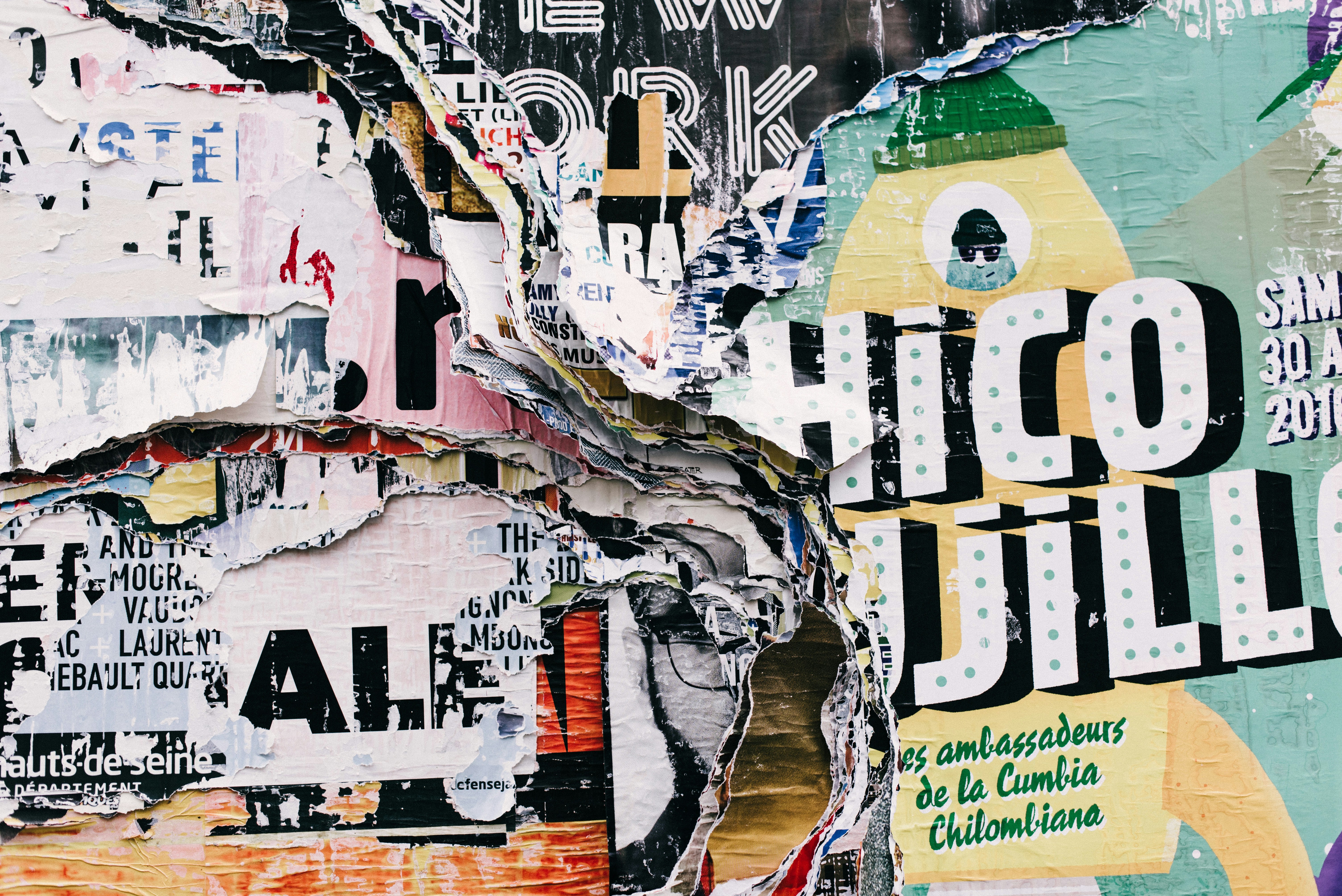
closeup photo of torn papers

Photo source:

An article by

Camille Dupont writes about visual arts and design, with a focus on creative practice and in-depth interviews. Her work explores how artists and designers think, work, and respond to cultural, material, and institutional contexts.

Art has always existed in tension with commerce. From patronage systems and royal commissions to galleries, auctions, and brand collaborations, artistic expression has rarely been separate from economic reality. Yet the nature of that relationship—and the balance of power within it—has changed dramatically.

Today, artists navigate a cultural landscape shaped not only by institutions and markets, but by visibility metrics, social platforms, and global branding. The question is no longer whether art and commerce intersect, but how that intersection shapes what art becomes.

“Art doesn’t lose meaning when money enters the room,” said a curator at a contemporary art museum. “It changes meaning. And that change deserves scrutiny.”

Get unlimited access to exclusive content

Monthly

$4.00

pay every month

Yearly

$24.00

pay once a year

By subscribing, I agree to the Privacy Policy, Cookie Policy and Membership Terms

✓ Unlimited access to all current and archived articles

✓ Read premium and in-depth stories without restrictions

✓ Ad-free reading across the entire site

✓ Priority access to selected features and long reads

✓ Help sustain high-quality, independent reporting

You can cancel anytime. Charges will apply after your subscription period ends, and automatic renewal will be initiated.

Other Articles by

Camille Dupont

In an age defined by speed, commentary, and constant response, listening has become an undervalued act. Conversation often moves faster than understanding, and visibility is frequently mistaken for insight. To listen—to pause, absorb, and withhold immediate judgment—can feel almost countercultural.

Yet across creative fields, from art and design to journalism and performance, listening is increasingly recognized not as a passive skill, but as an active discipline. It shapes how stories are told, how power is distributed, and how meaning is created.

“Listening is not the absence of speaking,” said a curator who works closely with interdisciplinary artists. “It’s a form of participation.”

Listening as a Creative Practice

In interviews, listening is often treated as a means to an end—a way to extract quotes or confirm narratives already in mind. But for many practitioners, listening itself is the work.

Artists and designers describe listening as a method for uncovering perspectives that resist easy categorization. It requires openness to uncertainty and a willingness to let conversations move in unexpected directions.

“The most interesting ideas rarely arrive fully formed,” said a documentary filmmaker. “They surface when you give people the space to think out loud.”

This kind of listening prioritizes process over outcome. It values silence as much as speech and treats hesitation not as a flaw, but as a signal that something meaningful is emerging.

Power, Voice, and Who Gets Heard

Listening is inseparable from questions of power.

In cultural institutions, whose voices are amplified—and whose are overlooked—shapes collective understanding. Listening, in this context, is not neutral. It can reinforce hierarchies or challenge them, depending on how it is practiced.

“Being invited to speak is not the same as being listened to,” said a writer whose work explores representation in media. “Listening implies responsibility.”

True listening requires attention to context: who is speaking, under what conditions, and with what risks. It demands recognition of structural barriers that limit who feels able to speak freely—and who is accustomed to being heard without challenge.

The Discipline of Silence

Silence is often uncomfortable. In interviews and public conversations, it can feel like failure or loss of control.

But many experienced interviewers see silence as essential.

“If you don’t rush to fill the gap, people often say what they were holding back,” said a cultural journalist. “Silence gives permission.”

This discipline runs counter to the rhythms of modern media, which reward immediacy and reaction. Listening well means resisting the urge to respond instantly, to clarify prematurely, or to steer conversation toward familiar conclusions.

It requires patience—and trust in the process.

Listening Across Difference

Listening becomes more complex when conversations cross cultural, social, or experiential boundaries.

Misunderstanding is not always a failure of intent. Often, it reflects differences in reference points, language, or expectation. Effective listening acknowledges these gaps rather than attempting to erase them.

“You don’t listen to confirm sameness,” said a sociologist studying intercultural dialogue. “You listen to understand difference without trying to resolve it too quickly.”

In creative interviews, this means allowing contradictions to stand, resisting simplification, and accepting that not all perspectives will align neatly.

The Ethics of Listening

Listening carries ethical weight.

When stories involve vulnerability—personal histories, trauma, or marginalization—the listener assumes responsibility. How information is received, framed, and shared matters.

“Listening creates an obligation,” said an oral historian. “Once someone trusts you with their experience, how you handle it becomes part of the story.”

Ethical listening requires transparency, consent, and care in representation. It also demands restraint: knowing when not to publish, when to anonymize, and when to step back.

Listening in a Noisy Culture

The value of listening is sharpened by its scarcity.

Digital platforms encourage broadcasting rather than dialogue. Algorithms reward certainty and outrage over nuance. In this environment, listening becomes a form of resistance.

“To listen deeply today is to slow down,” said the curator. “And slowing down is increasingly radical.”

Cultural spaces—galleries, interviews, long-form journalism—offer rare opportunities for sustained attention. They create conditions where listening can unfold without immediate pressure to conclude or convert.

What Listening Makes Possible

Listening does not guarantee agreement. It does not eliminate conflict or misunderstanding.

What it offers instead is the possibility of complexity.

By listening carefully, interviewers and artists can surface tensions without flattening them, present voices without appropriating them, and create work that reflects lived experience rather than imposed narratives.

“The goal isn’t harmony,” said the filmmaker. “It’s honesty.”

Listening, in this sense, becomes a method of inquiry—one that values presence over performance and curiosity over certainty.

An Act Worth Protecting

As public discourse grows louder, the value of listening becomes clearer.

It is not a soft skill or a courtesy. It is a practice that shapes how culture is documented, how stories are preserved, and how understanding is built over time.

Listening does not demand agreement.
It demands attention.

And in a culture defined by noise, attention may be the most meaningful offering of all.

a man and a woman sitting at a table

Craft has long been associated with skill, patience, and tradition. It evokes images of hands at work—wood shaped, clay formed, fabric woven—processes grounded in time and repetition. For much of the modern era, craft was positioned as something secondary to art: practical rather than conceptual, functional rather than expressive.

That hierarchy is quietly dissolving.

Across contemporary culture, craft is being reconsidered not as a nostalgic practice, but as a framework for thinking about value, labor, and meaning in a world increasingly shaped by speed and abstraction.

“Craft is no longer about resisting the present,” said a design historian who studies material culture. “It’s about responding to it.”

From Margins to Center

Historically, distinctions between art, design, and craft reflected social divisions.

Fine art was associated with intellectual authorship and cultural prestige. Craft was linked to utility, repetition, and manual labor—often feminized, localized, or marginalized within cultural institutions.

“These categories were never neutral,” said a museum curator focused on decorative arts. “They reflected who had the authority to define value.”

In recent decades, those boundaries have blurred. Museums exhibit ceramics alongside sculpture. Fashion embraces techniques once considered purely artisanal. Designers foreground process as much as outcome.

Craft has moved from the margins to the center of cultural discourse—not by abandoning tradition, but by reframing it.

Craft as Process, Not Aesthetic

One of the most significant shifts in how craft is understood today is its emphasis on process over style.

Craft is no longer defined solely by how something looks, but by how it is made. Time, technique, and material knowledge become integral to meaning.

“When you understand the process, you read the object differently,” said a contemporary ceramicist. “You see the decisions, the risks, the labor.”

This focus on making resonates in a culture saturated with frictionless digital production. Craft introduces resistance—materials push back, mistakes are visible, outcomes are uncertain.

In this sense, craft offers an alternative rhythm to mass production and instant replication.

Labor, Visibility, and Value

Craft foregrounds labor in a way many contemporary systems obscure.

In industrial and digital economies, work is often hidden behind interfaces and automation. Craft makes labor legible. Time is embedded in the object.

“Craft reminds people that things don’t appear fully formed,” said a sociologist studying work and production. “They’re the result of effort.”

This visibility has political implications. It challenges assumptions about efficiency, cost, and disposability. It asks viewers to consider who made something, under what conditions, and at what pace.

In an era of precarious labor, craft becomes a lens through which work itself is re-examined.

Craft and Technology: Not Opposites

Craft is often framed as the opposite of technology. In practice, the relationship is more complex.

Digital tools are increasingly integrated into craft practices—from computer-guided looms to 3D-printed molds and laser-cut patterns. Technology becomes an extension of the hand rather than its replacement.

“The question isn’t analog versus digital,” said a designer working at the intersection of code and textiles. “It’s how tools are used, and who controls them.”

This hybrid approach challenges simplistic narratives about authenticity. Craft today can involve software, algorithms, and machines—without abandoning attention, skill, or intention.

Sustainability and the Ethics of Making

Craft has gained renewed attention amid growing concern about sustainability.

Slow production, durable materials, and repairability contrast sharply with fast fashion and planned obsolescence. Craft practices often emphasize longevity over volume.

“Craft asks you to think in terms of care,” said an environmental design researcher. “Not just creation, but maintenance.”

Yet craft is not automatically sustainable. Materials sourcing, scale, and access all matter. The ethical value of craft lies not in romanticism, but in transparency—clear choices about process and impact.

Craft, Identity, and Community

For many practitioners, craft is inseparable from identity.

Techniques are passed through families, regions, and cultural traditions. Making becomes a form of storytelling—encoding history, memory, and belonging into objects.

“Craft carries knowledge that isn’t always written down,” said an anthropologist who studies traditional practices. “It lives in bodies.”

At the same time, contemporary craft communities are increasingly global, connected through digital platforms and shared concerns. This creates opportunities for exchange—but also risks appropriation when context is lost.

Respectful engagement requires attention to origin, authorship, and cultural meaning.

The Marketplace and the Pressure of Authenticity

As interest in craft grows, so does its market value.

Handmade objects are marketed as authentic, ethical, and unique. These narratives can elevate craft—but they can also burden makers with expectations.

“There’s pressure to perform authenticity,” said a craft practitioner who sells work internationally. “To stay small, visible, and personal, even as demand grows.”

Craft becomes both labor and brand. Navigating this tension requires balancing sustainability—financial and creative—without reducing craft to a lifestyle aesthetic.

Education and the Return of Making

Craft is also re-emerging in educational contexts.

Design schools, art programs, and even technology curricula increasingly emphasize hands-on learning. Making is seen not just as skill acquisition, but as a way of thinking.

“Working with materials teaches patience and problem-solving,” said an educator who integrates craft into interdisciplinary courses. “You learn by doing.”

This pedagogical shift reflects broader recognition that knowledge is not only abstract. It is embodied, iterative, and shaped by interaction with the physical world.

Why Craft Matters Now

The renewed attention to craft is not accidental.

In a world defined by speed, scale, and abstraction, craft offers a counterpoint. It values slowness, specificity, and care. It insists that how something is made matters—not just what it becomes.

“Craft is a form of attention,” said the design historian. “And attention is increasingly rare.”

This does not mean craft rejects modernity. It means it asks modernity to account for its processes.

A Practice of Presence

Craft today is not about retreating into the past. It is about engaging the present with intention.

It invites a reconsideration of value—not as efficiency alone, but as depth. Not as scale, but as meaning. Not as novelty, but as continuity.

Craft does not promise solutions.
It offers a practice.

A way of working—and of seeing—that reminds us that making is never neutral, and that care, once embedded, leaves a trace.

A woman is working on a pottery wheel

Members only

Dialogue is often understood as exchange: a conversation between two or more voices, a mechanism for clarification or persuasion. In cultural life, however, dialogue performs a deeper function. It is not simply a means of communication, but a method of understanding—one that reveals how meaning is formed, contested, and shared.

“Dialogue doesn’t just transmit ideas,” said a cultural theorist who studies discourse and interpretation. “It exposes the assumptions beneath them.”

Across interviews, public conversations, artistic collaborations, and civic debate, dialogue operates as a lens through which cultures examine themselves. What is said matters—but how people respond, interrupt, hesitate, or refuse to answer often matters just as much.

Dialogue Beyond Agreement

Dialogue is frequently framed as a path to consensus. In practice, its value often lies elsewhere.

Cultural dialogue rarely resolves differences. Instead, it surfaces them—bringing tensions, contradictions, and competing frameworks into view.

“The goal of dialogue isn’t harmony,” said a sociologist focused on public discourse. “It’s intelligibility.”

When individuals speak from different histories, values, or power positions, dialogue becomes a site of exposure. It reveals where language aligns and where it fractures, offering insight into the boundaries of shared understanding.

The Interview as Cultural Form

Few formats illustrate dialogue’s cultural function more clearly than the interview.

An interview is not merely a vehicle for extracting information. It is a constructed encounter shaped by power, trust, framing, and time. The questions asked—and those left unasked—define the intellectual space of the exchange.

“A good interview is an act of listening under pressure,” said a journalist with decades of experience conducting long-form conversations. “You’re responsible for both curiosity and restraint.”

Through interviews, cultural values become legible. What a society asks its artists, thinkers, or public figures reflects what it finds important—or troubling—at a given moment.

Power and Asymmetry in Dialogue

Dialogue is never neutral.

Who is invited to speak, who is expected to listen, and whose words are recorded or amplified reflect existing power structures. Even the most well-intentioned conversations are shaped by asymmetry.

“Dialogue doesn’t erase hierarchy,” said a researcher studying institutional communication. “It reveals how hierarchy operates.”

Cultural insight emerges not only from what marginalized voices say, but from the conditions under which they are asked to speak—and the risks attached to speaking at all. Silence, deflection, or guarded language can be as revealing as openness.

Listening as Cultural Labor

Listening is often treated as passive. In dialogue, it is active labor.

To listen across difference requires attention, patience, and the willingness to remain unsettled. It demands suspension of immediate judgment and resistance to premature interpretation.

“Listening is work,” said an oral historian. “It requires effort, especially when what you hear challenges your framework.”

In cultural contexts, listening becomes a form of interpretation. How responses are received—whether they are respected, reframed, or dismissed—shapes what dialogue produces.

Dialogue and the Construction of Meaning

Meaning in dialogue is not fixed at the moment of speech.

It emerges through interaction: through follow-up questions, clarification, disagreement, and reflection. Dialogue allows ideas to be tested publicly, refined in response to others, or exposed as incomplete.

“Dialogue is where thinking becomes visible,” said a philosophy lecturer. “You can watch ideas change in real time.”

This visibility makes dialogue valuable not only for its conclusions, but for its process. It documents how understanding is built—incrementally, collaboratively, and often imperfectly.

Cultural Translation and Misunderstanding

Dialogue frequently involves translation—not only between languages, but between cultural reference points.

Misunderstanding is not necessarily failure. In many cases, it reveals the limits of shared assumptions and the work required to bridge them.

“When people talk past each other, it’s usually because they’re using the same words differently,” said a linguist who studies intercultural communication.

Dialogue, when sustained, can clarify these divergences. When rushed or instrumentalized, it can entrench them.

Public Dialogue and Performance

In contemporary media environments, dialogue increasingly takes place in public—on stages, screens, and platforms where visibility shapes behavior.

Public dialogue often carries performative pressure. Participants may speak not only to each other, but to imagined audiences, critics, or supporters.

“Public dialogue is never just conversation,” said a media studies scholar. “It’s also positioning.”

This dynamic can constrain openness, encouraging certainty over exploration. Yet it can also expand dialogue’s reach, turning individual exchanges into shared cultural reference points.

The Ethics of Dialogue

Dialogue carries ethical responsibility.

Those who facilitate or publish conversations—journalists, editors, curators—shape how dialogue is framed, edited, and contextualized. These choices influence interpretation.

“Dialogue doesn’t end when the conversation ends,” said the oral historian. “It continues in how it’s presented.”

Ethical dialogue requires care: accurate representation, respect for context, and acknowledgment of limits. It involves knowing when to probe, when to pause, and when not to speak for others.

Dialogue as Cultural Record

Over time, dialogues become archives.

Interviews, debates, and recorded conversations document how societies think about themselves at particular moments. They capture uncertainty as well as conviction, transition as well as stability.

“When future readers look back, they won’t just see what people believed,” said the cultural theorist. “They’ll see how they argued, questioned, and justified.”

Dialogue preserves the texture of thought—not as finished doctrine, but as lived process.

Why Dialogue Still Matters

In an era of accelerated opinion and polarized discourse, dialogue can feel fragile or inefficient. It requires time, trust, and tolerance for ambiguity.

Yet its cultural value lies precisely in these demands.

Dialogue slows interpretation. It resists simplification. It creates space for complexity in environments that often reward certainty.

Dialogue does not promise resolution.
It offers insight.

And in cultural life, insight—how people think, listen, and respond—is often the most revealing story of all.

woman holding paint brush

Members only

Culture & Arts

Interviews

In an age defined by speed, commentary, and constant response, listening has become an undervalued act. Conversation often moves faster than understanding, and visibility is frequently mistaken for insight. To listen—to pause, absorb, and withhold immediate judgment—can feel almost countercultural.

Yet across creative fields, from art and design to journalism and performance, listening is increasingly recognized not as a passive skill, but as an active discipline. It shapes how stories are told, how power is distributed, and how meaning is created.

“Listening is not the absence of speaking,” said a curator who works closely with interdisciplinary artists. “It’s a form of participation.”

Listening as a Creative Practice

In interviews, listening is often treated as a means to an end—a way to extract quotes or confirm narratives already in mind. But for many practitioners, listening itself is the work.

Artists and designers describe listening as a method for uncovering perspectives that resist easy categorization. It requires openness to uncertainty and a willingness to let conversations move in unexpected directions.

“The most interesting ideas rarely arrive fully formed,” said a documentary filmmaker. “They surface when you give people the space to think out loud.”

This kind of listening prioritizes process over outcome. It values silence as much as speech and treats hesitation not as a flaw, but as a signal that something meaningful is emerging.

Power, Voice, and Who Gets Heard

Listening is inseparable from questions of power.

In cultural institutions, whose voices are amplified—and whose are overlooked—shapes collective understanding. Listening, in this context, is not neutral. It can reinforce hierarchies or challenge them, depending on how it is practiced.

“Being invited to speak is not the same as being listened to,” said a writer whose work explores representation in media. “Listening implies responsibility.”

True listening requires attention to context: who is speaking, under what conditions, and with what risks. It demands recognition of structural barriers that limit who feels able to speak freely—and who is accustomed to being heard without challenge.

The Discipline of Silence

Silence is often uncomfortable. In interviews and public conversations, it can feel like failure or loss of control.

But many experienced interviewers see silence as essential.

“If you don’t rush to fill the gap, people often say what they were holding back,” said a cultural journalist. “Silence gives permission.”

This discipline runs counter to the rhythms of modern media, which reward immediacy and reaction. Listening well means resisting the urge to respond instantly, to clarify prematurely, or to steer conversation toward familiar conclusions.

It requires patience—and trust in the process.

Listening Across Difference

Listening becomes more complex when conversations cross cultural, social, or experiential boundaries.

Misunderstanding is not always a failure of intent. Often, it reflects differences in reference points, language, or expectation. Effective listening acknowledges these gaps rather than attempting to erase them.

“You don’t listen to confirm sameness,” said a sociologist studying intercultural dialogue. “You listen to understand difference without trying to resolve it too quickly.”

In creative interviews, this means allowing contradictions to stand, resisting simplification, and accepting that not all perspectives will align neatly.

The Ethics of Listening

Listening carries ethical weight.

When stories involve vulnerability—personal histories, trauma, or marginalization—the listener assumes responsibility. How information is received, framed, and shared matters.

“Listening creates an obligation,” said an oral historian. “Once someone trusts you with their experience, how you handle it becomes part of the story.”

Ethical listening requires transparency, consent, and care in representation. It also demands restraint: knowing when not to publish, when to anonymize, and when to step back.

Listening in a Noisy Culture

The value of listening is sharpened by its scarcity.

Digital platforms encourage broadcasting rather than dialogue. Algorithms reward certainty and outrage over nuance. In this environment, listening becomes a form of resistance.

“To listen deeply today is to slow down,” said the curator. “And slowing down is increasingly radical.”

Cultural spaces—galleries, interviews, long-form journalism—offer rare opportunities for sustained attention. They create conditions where listening can unfold without immediate pressure to conclude or convert.

What Listening Makes Possible

Listening does not guarantee agreement. It does not eliminate conflict or misunderstanding.

What it offers instead is the possibility of complexity.

By listening carefully, interviewers and artists can surface tensions without flattening them, present voices without appropriating them, and create work that reflects lived experience rather than imposed narratives.

“The goal isn’t harmony,” said the filmmaker. “It’s honesty.”

Listening, in this sense, becomes a method of inquiry—one that values presence over performance and curiosity over certainty.

An Act Worth Protecting

As public discourse grows louder, the value of listening becomes clearer.

It is not a soft skill or a courtesy. It is a practice that shapes how culture is documented, how stories are preserved, and how understanding is built over time.

Listening does not demand agreement.
It demands attention.

And in a culture defined by noise, attention may be the most meaningful offering of all.

Interviews

In an age defined by speed, commentary, and constant response, listening has become an undervalued act. Conversation often moves faster than understanding, and visibility is frequently mistaken for insight. To listen—to pause, absorb, and withhold immediate judgment—can feel almost countercultural.

Yet across creative fields, from art and design to journalism and performance, listening is increasingly recognized not as a passive skill, but as an active discipline. It shapes how stories are told, how power is distributed, and how meaning is created.

“Listening is not the absence of speaking,” said a curator who works closely with interdisciplinary artists. “It’s a form of participation.”

Listening as a Creative Practice

In interviews, listening is often treated as a means to an end—a way to extract quotes or confirm narratives already in mind. But for many practitioners, listening itself is the work.

Artists and designers describe listening as a method for uncovering perspectives that resist easy categorization. It requires openness to uncertainty and a willingness to let conversations move in unexpected directions.

“The most interesting ideas rarely arrive fully formed,” said a documentary filmmaker. “They surface when you give people the space to think out loud.”

This kind of listening prioritizes process over outcome. It values silence as much as speech and treats hesitation not as a flaw, but as a signal that something meaningful is emerging.

Power, Voice, and Who Gets Heard

Listening is inseparable from questions of power.

In cultural institutions, whose voices are amplified—and whose are overlooked—shapes collective understanding. Listening, in this context, is not neutral. It can reinforce hierarchies or challenge them, depending on how it is practiced.

“Being invited to speak is not the same as being listened to,” said a writer whose work explores representation in media. “Listening implies responsibility.”

True listening requires attention to context: who is speaking, under what conditions, and with what risks. It demands recognition of structural barriers that limit who feels able to speak freely—and who is accustomed to being heard without challenge.

The Discipline of Silence

Silence is often uncomfortable. In interviews and public conversations, it can feel like failure or loss of control.

But many experienced interviewers see silence as essential.

“If you don’t rush to fill the gap, people often say what they were holding back,” said a cultural journalist. “Silence gives permission.”

This discipline runs counter to the rhythms of modern media, which reward immediacy and reaction. Listening well means resisting the urge to respond instantly, to clarify prematurely, or to steer conversation toward familiar conclusions.

It requires patience—and trust in the process.

Listening Across Difference

Listening becomes more complex when conversations cross cultural, social, or experiential boundaries.

Misunderstanding is not always a failure of intent. Often, it reflects differences in reference points, language, or expectation. Effective listening acknowledges these gaps rather than attempting to erase them.

“You don’t listen to confirm sameness,” said a sociologist studying intercultural dialogue. “You listen to understand difference without trying to resolve it too quickly.”

In creative interviews, this means allowing contradictions to stand, resisting simplification, and accepting that not all perspectives will align neatly.

The Ethics of Listening

Listening carries ethical weight.

When stories involve vulnerability—personal histories, trauma, or marginalization—the listener assumes responsibility. How information is received, framed, and shared matters.

“Listening creates an obligation,” said an oral historian. “Once someone trusts you with their experience, how you handle it becomes part of the story.”

Ethical listening requires transparency, consent, and care in representation. It also demands restraint: knowing when not to publish, when to anonymize, and when to step back.

Listening in a Noisy Culture

The value of listening is sharpened by its scarcity.

Digital platforms encourage broadcasting rather than dialogue. Algorithms reward certainty and outrage over nuance. In this environment, listening becomes a form of resistance.

“To listen deeply today is to slow down,” said the curator. “And slowing down is increasingly radical.”

Cultural spaces—galleries, interviews, long-form journalism—offer rare opportunities for sustained attention. They create conditions where listening can unfold without immediate pressure to conclude or convert.

What Listening Makes Possible

Listening does not guarantee agreement. It does not eliminate conflict or misunderstanding.

What it offers instead is the possibility of complexity.

By listening carefully, interviewers and artists can surface tensions without flattening them, present voices without appropriating them, and create work that reflects lived experience rather than imposed narratives.

“The goal isn’t harmony,” said the filmmaker. “It’s honesty.”

Listening, in this sense, becomes a method of inquiry—one that values presence over performance and curiosity over certainty.

An Act Worth Protecting

As public discourse grows louder, the value of listening becomes clearer.

It is not a soft skill or a courtesy. It is a practice that shapes how culture is documented, how stories are preserved, and how understanding is built over time.

Listening does not demand agreement.
It demands attention.

And in a culture defined by noise, attention may be the most meaningful offering of all.

a man and a woman sitting at a table

Media Criticism

Members only

Media rarely presents itself as an authority. It claims instead to inform, to document, to reflect. Yet over time, the institutions that shape public narratives—newsrooms, broadcasters, platforms, and cultural critics—have accumulated a quieter form of power: the ability to define what matters, how it should be understood, and which voices are granted legitimacy.

This is not authority in the traditional sense of command or coercion. It is cultural authority—exercised through selection, framing, repetition, and omission.

“Media doesn’t just tell us what happened,” said a scholar of communication and culture. “It tells us what counts as happening.”

From Messenger to Meaning-Maker

Historically, media positioned itself as an intermediary between events and audiences. Journalistic norms emphasized objectivity, verification, and distance from power.

But even at its most restrained, media has never been neutral.

Decisions about what to cover, where to place a story, and which voices to quote are acts of interpretation. Over time, these decisions accumulate, shaping shared understandings of politics, culture, and identity.

“Authority doesn’t come from declaring truth,” said a former newspaper editor. “It comes from being consistently present when people try to make sense of the world.”

As media outlets became embedded in daily life—through newspapers, broadcast schedules, and now digital feeds—their role expanded from reporting events to organizing meaning.

Agenda, Frame, Repeat

Cultural authority operates less through persuasion than through structure.

Agenda-setting determines which issues enter public conversation. Framing shapes how those issues are interpreted. Repetition stabilizes certain narratives until they feel natural.

“These mechanisms are subtle,” said a media theorist. “They don’t force agreement. They establish boundaries.”

What falls outside those boundaries—stories left uncovered, perspectives excluded, contexts unexplored—often disappears from collective awareness. Authority emerges not from overt control, but from sustained influence over attention.

Platforms and the Diffusion of Authority

The rise of digital platforms has complicated traditional models of media authority.

On the surface, authority appears fragmented. Anyone can publish. Audiences can bypass traditional gatekeepers. Influence seems decentralized.

Yet power has not vanished—it has shifted.

“Platforms didn’t eliminate authority,” said a researcher who studies digital media ecosystems. “They reorganized it.”

Algorithms prioritize certain content over others, shaping visibility at scale. Metrics reward engagement, often favoring emotional intensity over nuance. Authority becomes data-driven, distributed across systems that are opaque to users but highly influential.

In this environment, cultural authority is exercised not only by editors and critics, but by code.

Expertise and Its Discontents

Media has long functioned as a mediator of expertise—deciding which experts are credible, relevant, or newsworthy.

That role has become increasingly contested.

Public skepticism toward institutions has eroded trust in traditional authorities, including journalists, academics, and cultural critics. At the same time, misinformation thrives in spaces where expertise is dismissed entirely.

“We’re in a paradox,” said a science communication specialist. “Expertise is more necessary than ever, and more fragile than ever.”

Media’s authority now depends not only on accuracy, but on transparency: explaining how knowledge is produced, why certain sources are chosen, and where uncertainty remains.

Cultural Legitimacy and Representation

Media authority is also cultural.

Which stories are elevated, which aesthetics are celebrated, and which voices are normalized shape broader definitions of legitimacy. In arts and culture coverage, this influence is particularly visible.

“When media validates a form, it changes its status,” said a curator at a contemporary art institution. “It moves from marginal to mainstream.”

This power carries responsibility. Historically, media institutions have privileged certain cultural traditions while marginalizing others. Correcting those imbalances requires more than inclusion—it requires rethinking whose perspectives define cultural value.

Criticism as Authority

Cultural criticism occupies a distinct position within media authority.

Critics do more than evaluate individual works. They contextualize movements, articulate standards, and shape taste. Over time, criticism becomes a reference point—a framework through which culture is interpreted.

“Criticism doesn’t just respond to culture,” said a longtime arts critic. “It participates in making it.”

As platforms diversify and attention fragments, the authority of critics has weakened in visibility but not in function. Thoughtful criticism continues to influence creators, institutions, and audiences—even when its reach is less obvious.

Trust, Accountability, and Decline

Media authority depends on trust. When trust erodes, authority becomes contested.

Economic pressure, political polarization, and platform incentives have strained traditional media institutions. Mistakes are amplified. Corrections are scrutinized. Motives are questioned.

“Authority without accountability collapses,” said a media ethicist. “But accountability without trust doesn’t function either.”

Rebuilding authority requires acknowledging error, clarifying standards, and resisting the temptation to chase attention at the expense of credibility. Cultural authority cannot be asserted—it must be earned repeatedly.

Authority Without Absolutism

Recognizing media as a cultural authority does not require treating it as infallible.

Authority, in this sense, is provisional. It emerges from consistent practice, ethical standards, and a willingness to adapt. It exists alongside critique, not above it.

“The healthiest media systems are those that accept scrutiny,” said the communication scholar. “Authority should invite challenge, not suppress it.”

This view reframes authority not as dominance, but as stewardship: a responsibility to curate, contextualize, and communicate with care.

The Quiet Power of Interpretation

Media’s greatest influence lies not in telling people what to think, but in shaping the frameworks through which thinking occurs.

By selecting stories, naming trends, and contextualizing events, media constructs shared reference points. These reference points guide conversation long after headlines fade.

Cultural authority, then, is not loud.
It is cumulative.

It operates through habit, trust, and presence—shaping understanding not through force, but through familiarity.

To recognize media as a cultural authority is not to surrender judgment.
It is to understand how meaning is made—and why responsibility matters in its making.

Media Criticism

Members only

Media rarely presents itself as an authority. It claims instead to inform, to document, to reflect. Yet over time, the institutions that shape public narratives—newsrooms, broadcasters, platforms, and cultural critics—have accumulated a quieter form of power: the ability to define what matters, how it should be understood, and which voices are granted legitimacy.

This is not authority in the traditional sense of command or coercion. It is cultural authority—exercised through selection, framing, repetition, and omission.

“Media doesn’t just tell us what happened,” said a scholar of communication and culture. “It tells us what counts as happening.”

From Messenger to Meaning-Maker

Historically, media positioned itself as an intermediary between events and audiences. Journalistic norms emphasized objectivity, verification, and distance from power.

But even at its most restrained, media has never been neutral.

Decisions about what to cover, where to place a story, and which voices to quote are acts of interpretation. Over time, these decisions accumulate, shaping shared understandings of politics, culture, and identity.

“Authority doesn’t come from declaring truth,” said a former newspaper editor. “It comes from being consistently present when people try to make sense of the world.”

As media outlets became embedded in daily life—through newspapers, broadcast schedules, and now digital feeds—their role expanded from reporting events to organizing meaning.

Agenda, Frame, Repeat

Cultural authority operates less through persuasion than through structure.

Agenda-setting determines which issues enter public conversation. Framing shapes how those issues are interpreted. Repetition stabilizes certain narratives until they feel natural.

“These mechanisms are subtle,” said a media theorist. “They don’t force agreement. They establish boundaries.”

What falls outside those boundaries—stories left uncovered, perspectives excluded, contexts unexplored—often disappears from collective awareness. Authority emerges not from overt control, but from sustained influence over attention.

Platforms and the Diffusion of Authority

The rise of digital platforms has complicated traditional models of media authority.

On the surface, authority appears fragmented. Anyone can publish. Audiences can bypass traditional gatekeepers. Influence seems decentralized.

Yet power has not vanished—it has shifted.

“Platforms didn’t eliminate authority,” said a researcher who studies digital media ecosystems. “They reorganized it.”

Algorithms prioritize certain content over others, shaping visibility at scale. Metrics reward engagement, often favoring emotional intensity over nuance. Authority becomes data-driven, distributed across systems that are opaque to users but highly influential.

In this environment, cultural authority is exercised not only by editors and critics, but by code.

Expertise and Its Discontents

Media has long functioned as a mediator of expertise—deciding which experts are credible, relevant, or newsworthy.

That role has become increasingly contested.

Public skepticism toward institutions has eroded trust in traditional authorities, including journalists, academics, and cultural critics. At the same time, misinformation thrives in spaces where expertise is dismissed entirely.

“We’re in a paradox,” said a science communication specialist. “Expertise is more necessary than ever, and more fragile than ever.”

Media’s authority now depends not only on accuracy, but on transparency: explaining how knowledge is produced, why certain sources are chosen, and where uncertainty remains.

Cultural Legitimacy and Representation

Media authority is also cultural.

Which stories are elevated, which aesthetics are celebrated, and which voices are normalized shape broader definitions of legitimacy. In arts and culture coverage, this influence is particularly visible.

“When media validates a form, it changes its status,” said a curator at a contemporary art institution. “It moves from marginal to mainstream.”

This power carries responsibility. Historically, media institutions have privileged certain cultural traditions while marginalizing others. Correcting those imbalances requires more than inclusion—it requires rethinking whose perspectives define cultural value.

Criticism as Authority

Cultural criticism occupies a distinct position within media authority.

Critics do more than evaluate individual works. They contextualize movements, articulate standards, and shape taste. Over time, criticism becomes a reference point—a framework through which culture is interpreted.

“Criticism doesn’t just respond to culture,” said a longtime arts critic. “It participates in making it.”

As platforms diversify and attention fragments, the authority of critics has weakened in visibility but not in function. Thoughtful criticism continues to influence creators, institutions, and audiences—even when its reach is less obvious.

Trust, Accountability, and Decline

Media authority depends on trust. When trust erodes, authority becomes contested.

Economic pressure, political polarization, and platform incentives have strained traditional media institutions. Mistakes are amplified. Corrections are scrutinized. Motives are questioned.

“Authority without accountability collapses,” said a media ethicist. “But accountability without trust doesn’t function either.”

Rebuilding authority requires acknowledging error, clarifying standards, and resisting the temptation to chase attention at the expense of credibility. Cultural authority cannot be asserted—it must be earned repeatedly.

Authority Without Absolutism

Recognizing media as a cultural authority does not require treating it as infallible.

Authority, in this sense, is provisional. It emerges from consistent practice, ethical standards, and a willingness to adapt. It exists alongside critique, not above it.

“The healthiest media systems are those that accept scrutiny,” said the communication scholar. “Authority should invite challenge, not suppress it.”

This view reframes authority not as dominance, but as stewardship: a responsibility to curate, contextualize, and communicate with care.

The Quiet Power of Interpretation

Media’s greatest influence lies not in telling people what to think, but in shaping the frameworks through which thinking occurs.

By selecting stories, naming trends, and contextualizing events, media constructs shared reference points. These reference points guide conversation long after headlines fade.

Cultural authority, then, is not loud.
It is cumulative.

It operates through habit, trust, and presence—shaping understanding not through force, but through familiarity.

To recognize media as a cultural authority is not to surrender judgment.
It is to understand how meaning is made—and why responsibility matters in its making.

man in black crew neck t-shirt standing in front of people

Books

Members only

Predictions about the death of reading have surfaced with every major technological shift—from radio and television to the internet and smartphones. Each time, reading has adapted rather than disappeared. What is changing today is not whether people read, but how, where, and why they do so.

The future of reading is less about format and more about attention.

“Reading has never been a single activity,” said a publishing researcher who studies audience behavior. “It’s a collection of practices shaped by culture, technology, and time.”

As digital platforms, audio formats, and algorithmic recommendation systems reshape literary life, reading is becoming more fragmented, more social, and, paradoxically, more intentional.

From Linear Immersion to Fragmented Attention

For much of the twentieth century, reading was imagined as a linear, immersive act: a reader, a book, sustained focus. That model still exists—but it no longer defines the norm.

Today’s readers move between long-form texts, short articles, excerpts, summaries, and annotations. Screens encourage skimming as much as depth. Notifications interrupt continuity.

“We read in layers now,” said a cognitive psychologist specializing in attention. “Depth hasn’t vanished, but it competes with constant context-switching.”

This shift has prompted concern about diminished concentration. Yet some researchers argue that new reading habits reflect adaptation rather than decline—strategies for navigating information-dense environments.

The Persistence of Long-Form Reading

Despite anxieties about shrinking attention spans, long-form reading has not disappeared.

Print book sales remain resilient in many markets. Long essays, investigative journalism, and narrative nonfiction continue to attract committed audiences. What has changed is the reader’s relationship to time.

“People don’t read less,” said a literary editor. “They read more selectively.”

Readers increasingly reserve sustained reading for moments of deliberate choice—commutes, evenings, weekends—while using shorter formats to stay informed during the day. Long-form reading becomes less habitual, but more intentional.

Digital Platforms and the Reorganization of Discovery

One of the most significant changes in reading culture is how readers discover texts.

Bookstores, libraries, and critics once served as primary gateways. Today, discovery is increasingly shaped by algorithms, social media, and peer recommendation.

“Discovery has moved from institutions to networks,” said a publishing analyst. “Visibility now depends as much on circulation as on curation.”

Platforms reward shareability, emotional resonance, and immediacy. This can elevate diverse voices, but it can also narrow exposure by reinforcing existing preferences.

The challenge for readers is not scarcity, but excess: learning how to navigate abundance without surrendering agency.

Audiobooks and the Expansion of Reading

The rise of audiobooks has expanded the definition of reading itself.

Listening allows texts to enter moments previously inaccessible to print—commutes, household tasks, physical activity. For some, it restores a connection to literature in busy lives.

“Audiobooks don’t replace reading,” said a literacy researcher. “They extend it.”

Critics have questioned whether listening constitutes the same cognitive engagement as reading. Studies suggest differences, but not deficiencies. Comprehension, retention, and emotional response vary by format, not necessarily by quality.

The future of reading may be multi-modal rather than singular.

Reading as a Social Practice

Reading is often imagined as solitary. Increasingly, it is social.

Online book clubs, annotation platforms, and reader communities turn texts into shared experiences. Marginal notes become public dialogue. Interpretation becomes collaborative.

“Readers want conversation, not just content,” said a digital humanities scholar.

This social dimension reshapes authority. Critics and editors remain influential, but they now operate alongside communities that collectively shape interpretation and value.

Reading becomes not just consumption, but participation.

Education, Literacy, and Inequality

The future of reading is inseparable from questions of access.

Educational systems struggle to adapt curricula to changing reading habits. Digital tools promise personalization but risk widening gaps where access and support are uneven.

“Literacy isn’t just about decoding text,” said an education policy expert. “It’s about navigating information critically.”

Deep reading skills—analysis, inference, synthesis—remain essential. The challenge lies in teaching them across formats while resisting the false binary between digital and print.

Publishing and the Economics of Attention

Economic pressures shape what is published, promoted, and preserved.

Publishing increasingly competes with other forms of entertainment for attention. This has encouraged experimentation with format, pricing, and distribution—but also heightened risk aversion.

“There’s a tension between scale and depth,” said an independent publisher. “The market rewards what travels fast.”

At the same time, niche publishing and independent presses thrive by serving dedicated audiences. Sustainability, rather than mass reach, becomes the measure of success.

What Reading Might Become

The future of reading will not be uniform.

Some readers will seek immersion and slowness. Others will rely on summaries and audio. Many will combine formats fluidly. What matters is not conformity, but capacity—the ability to choose how and when to engage deeply.

“Reading survives because it adapts,” said the literary editor. “It meets people where they are.”

The essential function of reading—making sense of experience through language—remains unchanged. What evolves are the pathways.

Attention as a Cultural Choice

In the end, the future of reading is a question of values.

Technologies shape behavior, but they do not determine it entirely. Institutions, educators, publishers, and readers all participate in defining what reading means and why it matters.

Reading requires attention.
Attention requires intention.

The future of reading will belong not to the fastest format or the loudest platform, but to those practices that preserve space for thought, reflection, and connection—however they are delivered.

Books

Members only

Predictions about the death of reading have surfaced with every major technological shift—from radio and television to the internet and smartphones. Each time, reading has adapted rather than disappeared. What is changing today is not whether people read, but how, where, and why they do so.

The future of reading is less about format and more about attention.

“Reading has never been a single activity,” said a publishing researcher who studies audience behavior. “It’s a collection of practices shaped by culture, technology, and time.”

As digital platforms, audio formats, and algorithmic recommendation systems reshape literary life, reading is becoming more fragmented, more social, and, paradoxically, more intentional.

From Linear Immersion to Fragmented Attention

For much of the twentieth century, reading was imagined as a linear, immersive act: a reader, a book, sustained focus. That model still exists—but it no longer defines the norm.

Today’s readers move between long-form texts, short articles, excerpts, summaries, and annotations. Screens encourage skimming as much as depth. Notifications interrupt continuity.

“We read in layers now,” said a cognitive psychologist specializing in attention. “Depth hasn’t vanished, but it competes with constant context-switching.”

This shift has prompted concern about diminished concentration. Yet some researchers argue that new reading habits reflect adaptation rather than decline—strategies for navigating information-dense environments.

The Persistence of Long-Form Reading

Despite anxieties about shrinking attention spans, long-form reading has not disappeared.

Print book sales remain resilient in many markets. Long essays, investigative journalism, and narrative nonfiction continue to attract committed audiences. What has changed is the reader’s relationship to time.

“People don’t read less,” said a literary editor. “They read more selectively.”

Readers increasingly reserve sustained reading for moments of deliberate choice—commutes, evenings, weekends—while using shorter formats to stay informed during the day. Long-form reading becomes less habitual, but more intentional.

Digital Platforms and the Reorganization of Discovery

One of the most significant changes in reading culture is how readers discover texts.

Bookstores, libraries, and critics once served as primary gateways. Today, discovery is increasingly shaped by algorithms, social media, and peer recommendation.

“Discovery has moved from institutions to networks,” said a publishing analyst. “Visibility now depends as much on circulation as on curation.”

Platforms reward shareability, emotional resonance, and immediacy. This can elevate diverse voices, but it can also narrow exposure by reinforcing existing preferences.

The challenge for readers is not scarcity, but excess: learning how to navigate abundance without surrendering agency.

Audiobooks and the Expansion of Reading

The rise of audiobooks has expanded the definition of reading itself.

Listening allows texts to enter moments previously inaccessible to print—commutes, household tasks, physical activity. For some, it restores a connection to literature in busy lives.

“Audiobooks don’t replace reading,” said a literacy researcher. “They extend it.”

Critics have questioned whether listening constitutes the same cognitive engagement as reading. Studies suggest differences, but not deficiencies. Comprehension, retention, and emotional response vary by format, not necessarily by quality.

The future of reading may be multi-modal rather than singular.

Reading as a Social Practice

Reading is often imagined as solitary. Increasingly, it is social.

Online book clubs, annotation platforms, and reader communities turn texts into shared experiences. Marginal notes become public dialogue. Interpretation becomes collaborative.

“Readers want conversation, not just content,” said a digital humanities scholar.

This social dimension reshapes authority. Critics and editors remain influential, but they now operate alongside communities that collectively shape interpretation and value.

Reading becomes not just consumption, but participation.

Education, Literacy, and Inequality

The future of reading is inseparable from questions of access.

Educational systems struggle to adapt curricula to changing reading habits. Digital tools promise personalization but risk widening gaps where access and support are uneven.

“Literacy isn’t just about decoding text,” said an education policy expert. “It’s about navigating information critically.”

Deep reading skills—analysis, inference, synthesis—remain essential. The challenge lies in teaching them across formats while resisting the false binary between digital and print.

Publishing and the Economics of Attention

Economic pressures shape what is published, promoted, and preserved.

Publishing increasingly competes with other forms of entertainment for attention. This has encouraged experimentation with format, pricing, and distribution—but also heightened risk aversion.

“There’s a tension between scale and depth,” said an independent publisher. “The market rewards what travels fast.”

At the same time, niche publishing and independent presses thrive by serving dedicated audiences. Sustainability, rather than mass reach, becomes the measure of success.

What Reading Might Become

The future of reading will not be uniform.

Some readers will seek immersion and slowness. Others will rely on summaries and audio. Many will combine formats fluidly. What matters is not conformity, but capacity—the ability to choose how and when to engage deeply.

“Reading survives because it adapts,” said the literary editor. “It meets people where they are.”

The essential function of reading—making sense of experience through language—remains unchanged. What evolves are the pathways.

Attention as a Cultural Choice

In the end, the future of reading is a question of values.

Technologies shape behavior, but they do not determine it entirely. Institutions, educators, publishers, and readers all participate in defining what reading means and why it matters.

Reading requires attention.
Attention requires intention.

The future of reading will belong not to the fastest format or the loudest platform, but to those practices that preserve space for thought, reflection, and connection—however they are delivered.

a woman writing on a book

Music

Members only

Sound is one of the earliest ways humans express themselves. Long before writing systems or visual symbols, rhythm, voice, and noise carried meaning across communities. Today, sound continues to operate as more than entertainment or background—it functions as a social signal, a cultural archive, and a form of collective identity.

“Sound tells you who belongs, who speaks, and who is heard,” said a cultural anthropologist who studies music and social behavior. “It’s never just aesthetic.”

From protest chants and club music to podcasts and ambient soundscapes, the ways societies produce and organize sound reflect power, resistance, and shared experience. Listening closely reveals not only what people enjoy, but how they relate to one another.

Sound Before Language

Sound precedes formal language in both human development and cultural history.

Lullabies, ritual drumming, and communal singing are among the earliest recorded forms of social coordination. These practices establish rhythm and emotional alignment before meaning is articulated through words.

“Sound creates synchrony,” said a neuroscientist researching music and cognition. “It aligns bodies before it aligns ideas.”

This capacity—to produce shared feeling without requiring explicit agreement—gives sound unique social power. It allows communities to form around sensation rather than ideology, creating bonds that are felt rather than argued.

Music as Identity Marker

Music has long functioned as a marker of identity.

Genres emerge within specific social contexts: geographic regions, political movements, generational shifts. To adopt a sound is often to affiliate oneself with a set of values, histories, and expectations.

“When people say they listen to a certain kind of music, they’re rarely just describing taste,” said a sociologist of culture. “They’re signaling belonging.”

Subcultures form around sound, reinforced by shared spaces—clubs, festivals, online communities—and by rituals of listening and performance. These sound-based identities can be inclusive or exclusionary, liberating or prescriptive, depending on how they are policed.

Noise, Power, and Control

Sound is not distributed evenly across society.

Who is allowed to be loud, and who is expected to be quiet, reflects power dynamics. Noise regulations, zoning laws, and public complaints often reveal social hierarchies more than acoustic necessity.

“Noise is political,” said an urban studies researcher. “What counts as disturbance depends on who’s making it.”

Historically, the sounds of marginalized communities—street music, protest chants, informal gatherings—have been framed as disorderly or disruptive. At the same time, sanctioned sounds—sirens, announcements, industrial noise—are treated as necessary or neutral.

Control over sound is, in many ways, control over space.

Protest, Voice, and Collective Sound

Few forms of sound are as explicitly social as protest.

Chants, songs, and rhythmic repetition transform individual voices into collective presence. They compress complex demands into audible symbols that travel through streets, broadcasts, and memory.

“Sound gives movements momentum,” said a historian of social movements. “It turns crowds into something audible—and therefore harder to ignore.”

Even when words change across languages and contexts, rhythm and repetition remain constant. Protest sound operates both practically, coordinating action, and symbolically, asserting visibility in public space.

Technology and the Shaping of Sound

Technological change has reshaped how sound is produced, shared, and valued.

Recording technology detached sound from place, allowing voices to travel far beyond their origin. Streaming platforms further abstract sound, embedding it in algorithms and metrics.

“Sound is now organized by systems that prioritize engagement,” said a digital media researcher. “That changes what gets heard.”

These systems amplify certain sounds while marginalizing others, shaping cultural memory through recommendation rather than preservation. Popularity becomes a proxy for significance, even when social value lies elsewhere.

Listening as a Social Act

Listening is often treated as passive. In reality, it is a social act shaped by attention, context, and intention.

Who listens—and how—determines whether sound becomes expression or noise. Cultural norms dictate appropriate listening spaces, from concert halls to headphones, from communal rituals to private consumption.

“Listening is a form of participation,” said a sound artist who works with public installations. “It’s how people complete the work.”

In this sense, sound is co-created. Meaning emerges not only from what is produced, but from how it is received.

Silence and Exclusion

Silence, too, has social meaning.

Absence of sound can signal respect, fear, suppression, or erasure. In many cases, silence is not chosen, but imposed—through censorship, marginalization, or lack of access to platforms.

“Silence isn’t neutral,” said a media theorist. “It often reflects whose voices were never invited.”

Understanding sound as social expression requires attention not only to what is heard, but to what is missing.

Sound Beyond Music

Sound as social expression extends beyond music.

Podcasts, spoken-word recordings, ambient compositions, and everyday soundscapes shape how people experience time, place, and community. Even functional sounds—notifications, alerts, system tones—carry cultural assumptions about urgency and attention.

“Our sound environments teach us how to behave,” said the anthropologist. “They condition expectation.”

These everyday acoustics influence mood, stress, and interaction, often without conscious awareness.

A Shared Medium

Sound is ephemeral. It exists only as long as it is heard.

Yet its social impact can be lasting. Songs outlive movements. Voices become archives. Rhythms resurface across generations, carrying memory forward.

Sound expresses what cannot always be stated plainly: belonging, dissent, intimacy, grief, joy.

It binds people not by argument, but by resonance.

Sound, as social expression, does not ask to be decoded.
It asks to be felt—and, above all, to be listened to.

Music

Members only

Sound is one of the earliest ways humans express themselves. Long before writing systems or visual symbols, rhythm, voice, and noise carried meaning across communities. Today, sound continues to operate as more than entertainment or background—it functions as a social signal, a cultural archive, and a form of collective identity.

“Sound tells you who belongs, who speaks, and who is heard,” said a cultural anthropologist who studies music and social behavior. “It’s never just aesthetic.”

From protest chants and club music to podcasts and ambient soundscapes, the ways societies produce and organize sound reflect power, resistance, and shared experience. Listening closely reveals not only what people enjoy, but how they relate to one another.

Sound Before Language

Sound precedes formal language in both human development and cultural history.

Lullabies, ritual drumming, and communal singing are among the earliest recorded forms of social coordination. These practices establish rhythm and emotional alignment before meaning is articulated through words.

“Sound creates synchrony,” said a neuroscientist researching music and cognition. “It aligns bodies before it aligns ideas.”

This capacity—to produce shared feeling without requiring explicit agreement—gives sound unique social power. It allows communities to form around sensation rather than ideology, creating bonds that are felt rather than argued.

Music as Identity Marker

Music has long functioned as a marker of identity.

Genres emerge within specific social contexts: geographic regions, political movements, generational shifts. To adopt a sound is often to affiliate oneself with a set of values, histories, and expectations.

“When people say they listen to a certain kind of music, they’re rarely just describing taste,” said a sociologist of culture. “They’re signaling belonging.”

Subcultures form around sound, reinforced by shared spaces—clubs, festivals, online communities—and by rituals of listening and performance. These sound-based identities can be inclusive or exclusionary, liberating or prescriptive, depending on how they are policed.

Noise, Power, and Control

Sound is not distributed evenly across society.

Who is allowed to be loud, and who is expected to be quiet, reflects power dynamics. Noise regulations, zoning laws, and public complaints often reveal social hierarchies more than acoustic necessity.

“Noise is political,” said an urban studies researcher. “What counts as disturbance depends on who’s making it.”

Historically, the sounds of marginalized communities—street music, protest chants, informal gatherings—have been framed as disorderly or disruptive. At the same time, sanctioned sounds—sirens, announcements, industrial noise—are treated as necessary or neutral.

Control over sound is, in many ways, control over space.

Protest, Voice, and Collective Sound

Few forms of sound are as explicitly social as protest.

Chants, songs, and rhythmic repetition transform individual voices into collective presence. They compress complex demands into audible symbols that travel through streets, broadcasts, and memory.

“Sound gives movements momentum,” said a historian of social movements. “It turns crowds into something audible—and therefore harder to ignore.”

Even when words change across languages and contexts, rhythm and repetition remain constant. Protest sound operates both practically, coordinating action, and symbolically, asserting visibility in public space.

Technology and the Shaping of Sound

Technological change has reshaped how sound is produced, shared, and valued.

Recording technology detached sound from place, allowing voices to travel far beyond their origin. Streaming platforms further abstract sound, embedding it in algorithms and metrics.

“Sound is now organized by systems that prioritize engagement,” said a digital media researcher. “That changes what gets heard.”

These systems amplify certain sounds while marginalizing others, shaping cultural memory through recommendation rather than preservation. Popularity becomes a proxy for significance, even when social value lies elsewhere.

Listening as a Social Act

Listening is often treated as passive. In reality, it is a social act shaped by attention, context, and intention.

Who listens—and how—determines whether sound becomes expression or noise. Cultural norms dictate appropriate listening spaces, from concert halls to headphones, from communal rituals to private consumption.

“Listening is a form of participation,” said a sound artist who works with public installations. “It’s how people complete the work.”

In this sense, sound is co-created. Meaning emerges not only from what is produced, but from how it is received.

Silence and Exclusion

Silence, too, has social meaning.

Absence of sound can signal respect, fear, suppression, or erasure. In many cases, silence is not chosen, but imposed—through censorship, marginalization, or lack of access to platforms.

“Silence isn’t neutral,” said a media theorist. “It often reflects whose voices were never invited.”

Understanding sound as social expression requires attention not only to what is heard, but to what is missing.

Sound Beyond Music

Sound as social expression extends beyond music.

Podcasts, spoken-word recordings, ambient compositions, and everyday soundscapes shape how people experience time, place, and community. Even functional sounds—notifications, alerts, system tones—carry cultural assumptions about urgency and attention.

“Our sound environments teach us how to behave,” said the anthropologist. “They condition expectation.”

These everyday acoustics influence mood, stress, and interaction, often without conscious awareness.

A Shared Medium

Sound is ephemeral. It exists only as long as it is heard.

Yet its social impact can be lasting. Songs outlive movements. Voices become archives. Rhythms resurface across generations, carrying memory forward.

Sound expresses what cannot always be stated plainly: belonging, dissent, intimacy, grief, joy.

It binds people not by argument, but by resonance.

Sound, as social expression, does not ask to be decoded.
It asks to be felt—and, above all, to be listened to.

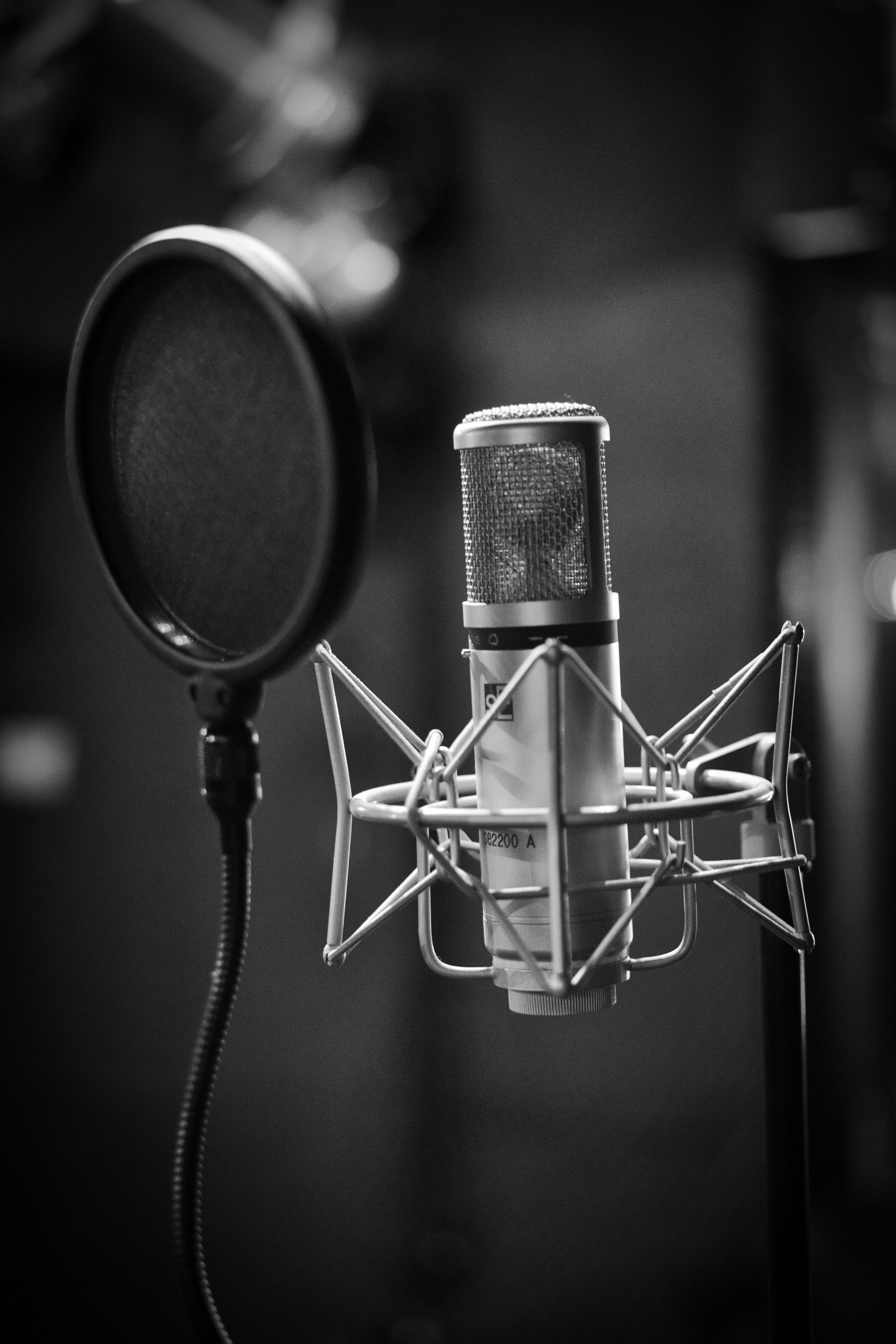
grayscale photo of condenser microphone beside pop filter

Create a free website with Framer, the website builder loved by startups, designers and agencies.