
Photo source:
An article by

Predictions about the death of reading have surfaced with every major technological shift—from radio and television to the internet and smartphones. Each time, reading has adapted rather than disappeared. What is changing today is not whether people read, but how, where, and why they do so.
The future of reading is less about format and more about attention.
“Reading has never been a single activity,” said a publishing researcher who studies audience behavior. “It’s a collection of practices shaped by culture, technology, and time.”
As digital platforms, audio formats, and algorithmic recommendation systems reshape literary life, reading is becoming more fragmented, more social, and, paradoxically, more intentional.
Get unlimited access to exclusive content
Monthly
$4.00
pay every month
Yearly
$24.00
pay once a year
By subscribing, I agree to the Privacy Policy, Cookie Policy and Membership Terms
✓ Unlimited access to all current and archived articles
✓ Read premium and in-depth stories without restrictions
✓ Ad-free reading across the entire site
✓ Priority access to selected features and long reads
✓ Help sustain high-quality, independent reporting
You can cancel anytime. Charges will apply after your subscription period ends, and automatic renewal will be initiated.
Other Articles by
Samuel Brooks
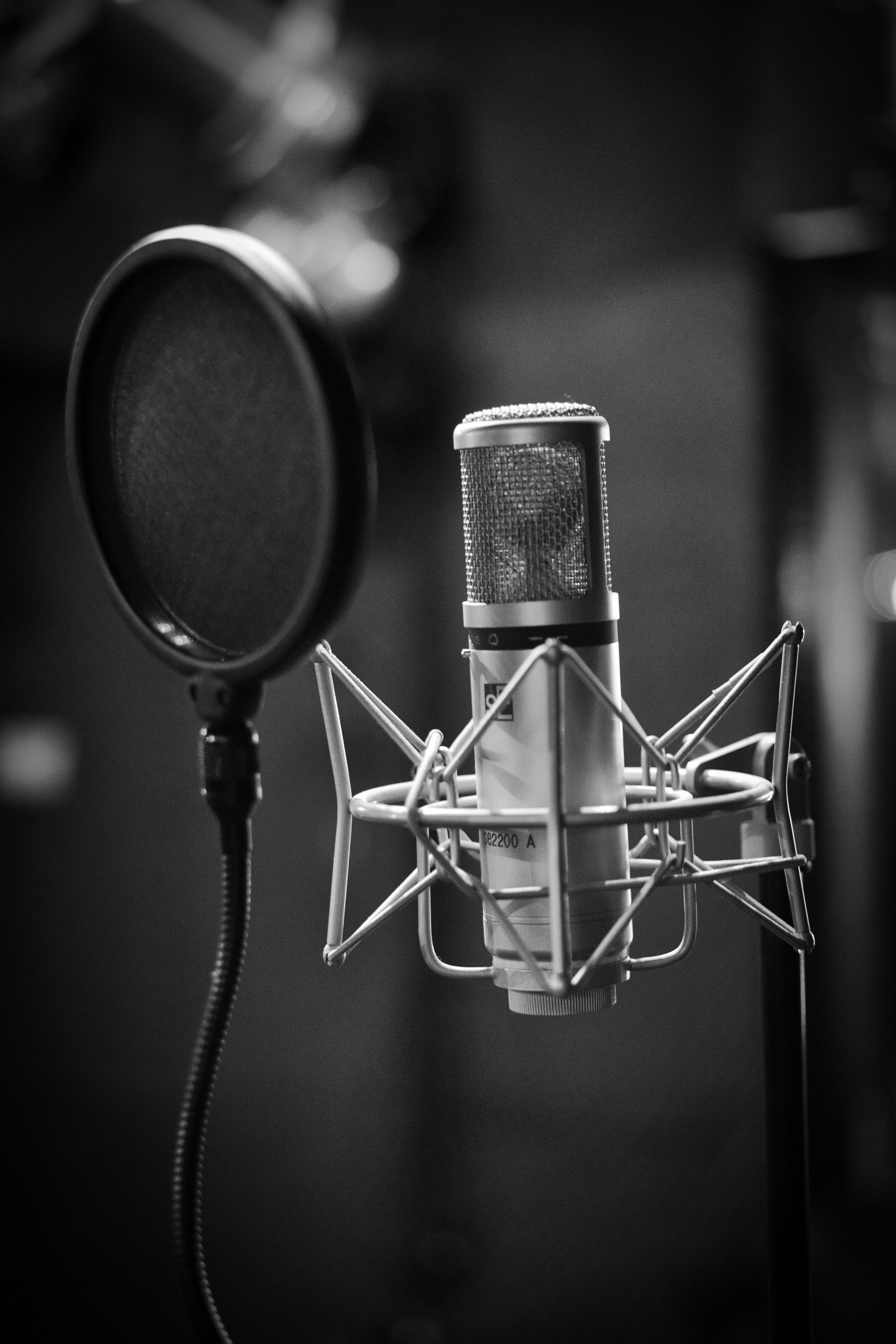
Sound is one of the earliest ways humans express themselves. Long before writing systems or visual symbols, rhythm, voice, and noise carried meaning across communities. Today, sound continues to operate as more than entertainment or background—it functions as a social signal, a cultural archive, and a form of collective identity.
“Sound tells you who belongs, who speaks, and who is heard,” said a cultural anthropologist who studies music and social behavior. “It’s never just aesthetic.”
From protest chants and club music to podcasts and ambient soundscapes, the ways societies produce and organize sound reflect power, resistance, and shared experience. Listening closely reveals not only what people enjoy, but how they relate to one another.
Sound Before Language
Sound precedes formal language in both human development and cultural history.
Lullabies, ritual drumming, and communal singing are among the earliest recorded forms of social coordination. These practices establish rhythm and emotional alignment before meaning is articulated through words.
“Sound creates synchrony,” said a neuroscientist researching music and cognition. “It aligns bodies before it aligns ideas.”
This capacity—to produce shared feeling without requiring explicit agreement—gives sound unique social power. It allows communities to form around sensation rather than ideology, creating bonds that are felt rather than argued.
Music as Identity Marker
Music has long functioned as a marker of identity.
Genres emerge within specific social contexts: geographic regions, political movements, generational shifts. To adopt a sound is often to affiliate oneself with a set of values, histories, and expectations.
“When people say they listen to a certain kind of music, they’re rarely just describing taste,” said a sociologist of culture. “They’re signaling belonging.”
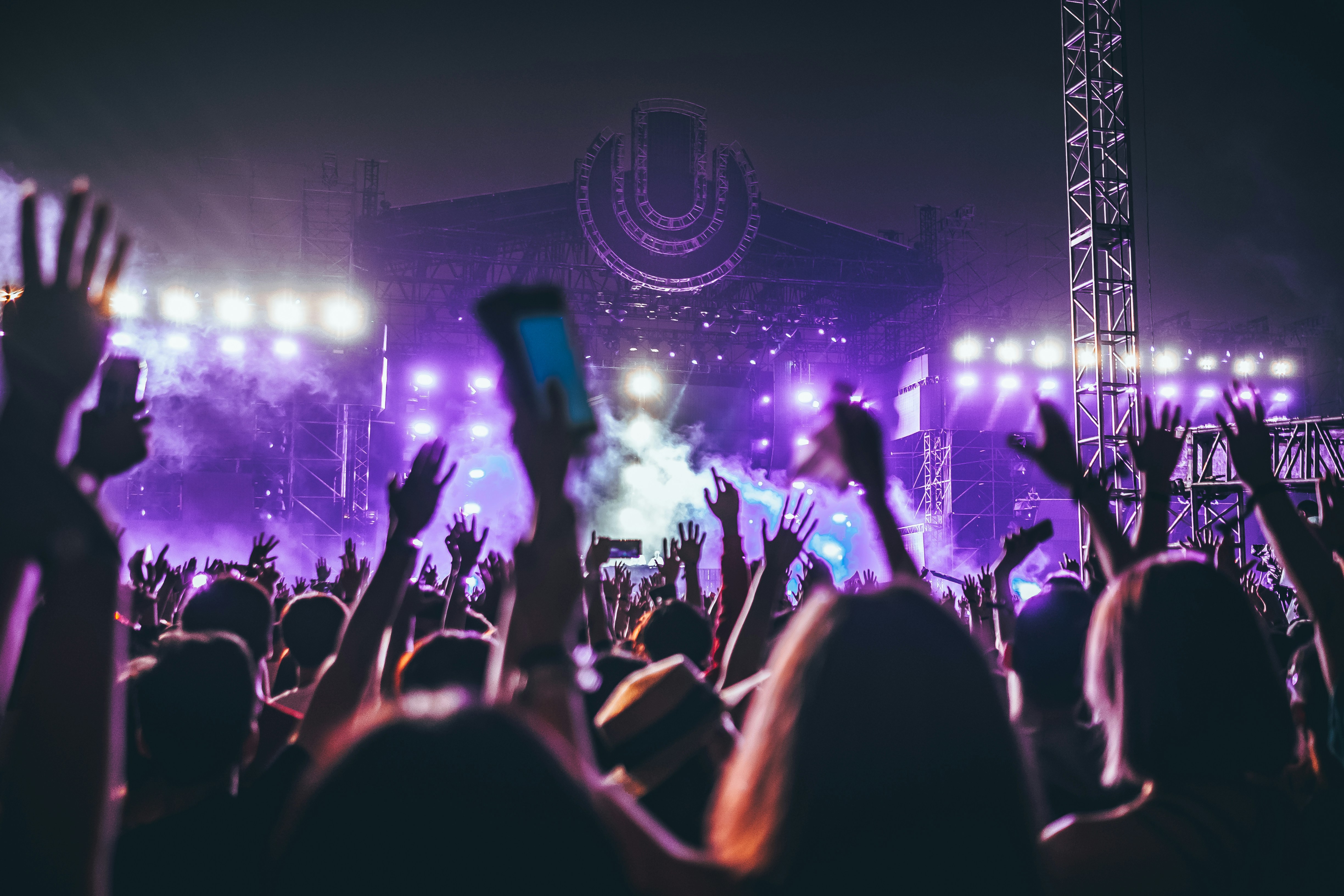
Subcultures form around sound, reinforced by shared spaces—clubs, festivals, online communities—and by rituals of listening and performance. These sound-based identities can be inclusive or exclusionary, liberating or prescriptive, depending on how they are policed.
Noise, Power, and Control
Sound is not distributed evenly across society.
Who is allowed to be loud, and who is expected to be quiet, reflects power dynamics. Noise regulations, zoning laws, and public complaints often reveal social hierarchies more than acoustic necessity.
“Noise is political,” said an urban studies researcher. “What counts as disturbance depends on who’s making it.”
Historically, the sounds of marginalized communities—street music, protest chants, informal gatherings—have been framed as disorderly or disruptive. At the same time, sanctioned sounds—sirens, announcements, industrial noise—are treated as necessary or neutral.
Control over sound is, in many ways, control over space.
Protest, Voice, and Collective Sound
Few forms of sound are as explicitly social as protest.
Chants, songs, and rhythmic repetition transform individual voices into collective presence. They compress complex demands into audible symbols that travel through streets, broadcasts, and memory.
“Sound gives movements momentum,” said a historian of social movements. “It turns crowds into something audible—and therefore harder to ignore.”
Even when words change across languages and contexts, rhythm and repetition remain constant. Protest sound operates both practically, coordinating action, and symbolically, asserting visibility in public space.
Technology and the Shaping of Sound
Technological change has reshaped how sound is produced, shared, and valued.
Recording technology detached sound from place, allowing voices to travel far beyond their origin. Streaming platforms further abstract sound, embedding it in algorithms and metrics.
“Sound is now organized by systems that prioritize engagement,” said a digital media researcher. “That changes what gets heard.”
These systems amplify certain sounds while marginalizing others, shaping cultural memory through recommendation rather than preservation. Popularity becomes a proxy for significance, even when social value lies elsewhere.
Listening as a Social Act
Listening is often treated as passive. In reality, it is a social act shaped by attention, context, and intention.
Who listens—and how—determines whether sound becomes expression or noise. Cultural norms dictate appropriate listening spaces, from concert halls to headphones, from communal rituals to private consumption.
“Listening is a form of participation,” said a sound artist who works with public installations. “It’s how people complete the work.”
In this sense, sound is co-created. Meaning emerges not only from what is produced, but from how it is received.
Silence and Exclusion
Silence, too, has social meaning.
Absence of sound can signal respect, fear, suppression, or erasure. In many cases, silence is not chosen, but imposed—through censorship, marginalization, or lack of access to platforms.
“Silence isn’t neutral,” said a media theorist. “It often reflects whose voices were never invited.”
Understanding sound as social expression requires attention not only to what is heard, but to what is missing.
Sound Beyond Music
Sound as social expression extends beyond music.
Podcasts, spoken-word recordings, ambient compositions, and everyday soundscapes shape how people experience time, place, and community. Even functional sounds—notifications, alerts, system tones—carry cultural assumptions about urgency and attention.
“Our sound environments teach us how to behave,” said the anthropologist. “They condition expectation.”
These everyday acoustics influence mood, stress, and interaction, often without conscious awareness.
A Shared Medium
Sound is ephemeral. It exists only as long as it is heard.
Yet its social impact can be lasting. Songs outlive movements. Voices become archives. Rhythms resurface across generations, carrying memory forward.
Sound expresses what cannot always be stated plainly: belonging, dissent, intimacy, grief, joy.
It binds people not by argument, but by resonance.
Sound, as social expression, does not ask to be decoded.
It asks to be felt—and, above all, to be listened to.
Members only
Books are often treated as containers of ideas—repositories of arguments, stories, or information. But this framing understates their function. Books do not merely hold thought; they organize it. They give ideas structure, sequence, and proportion. In this sense, books operate less like vessels and more like buildings: intellectual architectures designed to be entered, navigated, and inhabited.
“A book is a space you move through,” said a literary theorist who studies form and structure. “Its meaning emerges not just from what it says, but from how it’s built.”
From philosophy and history to fiction and criticism, books shape thinking by arranging ideas in time. Chapters, sections, digressions, and returns are not ornamental. They are load-bearing.
Structure as Argument
Every book makes an argument through its structure, whether explicit or implicit.
In non-fiction, the sequence of claims, evidence, and interpretation guides the reader through a logic that unfolds gradually. In fiction, narrative architecture—plot, pacing, point of view—organizes experience and meaning.
“You could summarize the ideas in a book,” said an editor of scholarly works. “But you’d lose the architecture. And that’s where understanding happens.”
Introductions orient readers. Conclusions reframe what has come before. Footnotes, appendices, and indexes extend the building outward, offering auxiliary rooms for deeper exploration.
A book’s structure determines not only what is understood, but how understanding is reached.
The Discipline of Length
Unlike articles or essays, books impose duration.
They require sustained attention across days or weeks. This temporal commitment shapes the kind of thinking books enable—slow, cumulative, resistant to immediacy.
“Books allow ideas to mature,” said a historian of ideas. “They create the conditions for complexity.”
Length permits contradiction, revision, and layered argument. Authors can return to earlier claims, complicate them, or dismantle them altogether. Readers, in turn, are invited into a longer conversation—one that unfolds rather than announces itself.
This discipline of length is not accidental. It is foundational to the book’s intellectual role.
Books as Systems of Thought
Many of the most influential books function as systems rather than statements.
They establish conceptual frameworks that readers carry beyond the text itself—ways of organizing experience, interpreting evidence, or asking questions.
“Some books don’t just teach you something,” said a philosophy lecturer. “They teach you how to think.”
These systems persist even when specific conclusions are contested or revised. The architecture remains, offering a scaffold for future inquiry.
In this sense, books operate as intellectual infrastructure. They support disciplines, debates, and traditions long after publication.
Material Form and Cognitive Space
The physical form of books has historically reinforced their architectural function.
Pagination, margins, and binding provide orientation. Readers know where they are within a text—near the beginning, deep inside, approaching an end. This spatial awareness aids comprehension and memory.
“When you remember a passage, you often remember where it was on the page,” said a cognitive psychologist studying reading. “That’s spatial cognition at work.”
Digital formats alter this experience. While accessibility increases, spatial cues diminish. Progress bars replace page numbers. Search replaces navigation.
The architecture remains—but its contours change.
Libraries as Cities of Thought
If books are buildings, libraries are cities.
They organize intellectual space at scale, arranging works by subject, discipline, or lineage. Proximity creates dialogue. Browsing reveals connections not dictated by search queries.
“Libraries teach you what a field looks like,” said a librarian responsible for academic collections. “Not just what’s popular, but what exists.”
This spatial arrangement fosters intellectual discovery. It exposes readers to adjacent ideas, forgotten works, and unexpected intersections.
In digital environments, where recommendation algorithms guide attention, this architectural randomness is harder to reproduce.
Authorship and Design
Authors are, in effect, architects.
They design routes through material, deciding what readers encounter first, what is deferred, and what is emphasized. These choices reflect values: what deserves prominence, what can remain peripheral.
“Writing a book is an act of design,” said a novelist known for formally ambitious work. “You’re shaping experience, not just content.”
Revisions often focus less on language than on structure—moving chapters, reordering sections, rebalancing emphasis. These changes can transform meaning without altering facts.
Architecture, here, is interpretation.
Reading as Occupation
To read a book deeply is to occupy it.
Readers move through its rooms, pause in its corridors, return to familiar spaces. Some books invite linear traversal; others reward wandering.
“Certain books feel like places you revisit,” said a literary critic. “Not because you forgot them, but because they contain more than one path.”
This occupation is active. Readers furnish books with their own questions, experiences, and marginal notes. Meaning emerges through interaction between structure and attention.
A book that endures is one that supports repeated habitation.
Books in a Fragmented Culture
In a media environment defined by speed and fragmentation, the book’s architectural role becomes more pronounced—and more contested.
Short-form content excels at transmission. Books excel at integration.
“The book resists interruption,” said the historian. “It asks for continuity.”
This resistance is not merely nostalgic. It serves a function. Certain ideas—ethical systems, historical narratives, theoretical frameworks—require extended space to unfold responsibly.
The future of books may depend less on format and more on whether culture continues to value such spaces.
Enduring Structures
Books age. Arguments are revised. Facts change. But architecture often outlasts content.
The most influential books are remembered not only for what they argued, but for how they organized thought—how they made complexity navigable.
“A good book gives you a map,” said the editor. “Even when the territory changes.”
In this sense, books do more than communicate ideas.
They shape the environments in which ideas live.
Books are not just read.
They are entered, explored, and, over time, built upon.

Members only
Music is often described as personal taste—something chosen, consumed, and enjoyed privately. Yet music rarely stays private for long. It spills into language, fashion, memory, and belonging. What people listen to often becomes shorthand for who they are, where they come from, and how they see the world.
“Music isn’t just something people like,” said a sociologist who studies culture and identity. “It’s something people use.”
Across societies and generations, music has functioned as a marker of identity—signaling affiliation, resistance, aspiration, and difference. It shapes individual self-understanding while binding people into communities that can be temporary or lifelong.
Identity Before Explanation
Long before individuals articulate who they are, they encounter music.
Songs are present in childhood rituals, family gatherings, religious practices, and public celebrations. These early encounters form emotional associations that often precede conscious choice.
“Music enters identity through feeling, not reasoning,” said a developmental psychologist who researches memory and emotion. “It attaches itself before people can name it.”
These early soundtracks become reference points. Even as tastes evolve, certain songs retain the power to summon past selves—places, relationships, and versions of identity that no longer exist but continue to shape perception.
Belonging and Boundary-Making
Music does not only express identity; it creates boundaries.
Genres and scenes form social worlds with shared norms, aesthetics, and values. To align with a particular sound is often to align with a community—whether local, global, or imagined.
“When someone says, ‘This is my music,’ they’re often saying, ‘This is my place,’” said a cultural anthropologist.
Subcultures built around music—punk, hip-hop, electronic, folk, metal—offer frameworks for belonging. They provide language, style, and attitude. At the same time, they draw lines between insiders and outsiders.
Identity through music is inclusive and exclusive at once.
Music as Resistance and Assertion
For marginalized communities, music has long served as a means of resistance and self-definition.
Songs articulate experiences that are ignored or suppressed elsewhere. They carry histories of struggle, survival, and solidarity. In these contexts, music is not merely expressive—it is declarative.
“When other forms of recognition are denied, music becomes a way of saying ‘we are here,’” said a historian of popular culture.
From protest songs to underground scenes, music allows identities to be asserted publicly, even when political or social power is limited. Sound becomes a vehicle for visibility.
Genre, Stereotype, and Expectation
Music-based identity is not always self-determined.
Genres are often loaded with stereotypes—about class, race, geography, or ideology. These associations can shape how listeners are perceived by others, sometimes in ways they did not choose.
“Taste gets read as character,” said a media critic. “And that can be unfair.”
People may feel pressure to conform to the expectations attached to certain musical identities, or to distance themselves from sounds that carry stigma. In this way, music can constrain identity as much as it enables it.
Global Circulation, Local Meaning
Digital platforms have transformed how music circulates, allowing sounds to travel instantly across borders.
This global reach has expanded access and hybridization. Listeners build identities from influences that span continents and traditions. Genres cross-pollinate. Local scenes absorb global sounds.
“Music moves faster than context,” said a researcher studying digital culture. “Meaning has to catch up.”
While global circulation can foster connection, it can also flatten difference. Detached from its original social conditions, music risks becoming aesthetic without understanding. Identity becomes stylized rather than situated.
Personal Narratives and Soundtracks of the Self
On an individual level, music often functions as a narrative tool.
People organize life events around songs: breakups, friendships, migrations, transformations. Playlists become autobiographies. Albums mark eras.
“Music helps people tell themselves a story about who they are becoming,” said a therapist who integrates music into counseling.
This narrative function explains why musical tastes can feel deeply personal—and why criticism of those tastes can feel like criticism of the self.
Changing Tastes, Changing Selves
Musical identity is not fixed.
As people age, relocate, or experience shifts in circumstance, their relationship to music often changes. New sounds enter. Old ones fade or return with altered meaning.
“Taste evolves as identity evolves,” said the sociologist. “Sometimes people grow out of music. Sometimes they grow back into it.”
What remains constant is not genre, but function: music continues to accompany transitions, providing continuity amid change.
Algorithms and the Shaping of Identity
In the digital era, musical identity is increasingly shaped by recommendation systems.
Algorithms suggest what to listen to next, nudging taste formation through patterns of similarity and popularity. Discovery becomes guided rather than accidental.
“Algorithms don’t just reflect who you are,” said the digital culture researcher. “They participate in shaping who you become.”
This raises questions about agency. When identity is partially curated by systems optimized for engagement, the line between choice and influence becomes blurred.
Listening as Self-Recognition
At its core, music’s role in identity lies in recognition.
Listeners hear something in music that resonates—emotionally, socially, or aesthetically. That resonance affirms experience, even when it cannot be articulated.
“People recognize themselves in sound,” said the anthropologist. “And that recognition is powerful.”
Music provides language where words fall short. It allows identity to be felt before it is explained.
More Than a Mirror
Music does not simply reflect identity. It participates in making it.
Through repetition, affiliation, memory, and emotion, sound becomes woven into how people understand themselves and others. It shapes belonging, difference, and aspiration.
Identity, like music, is relational and evolving.
Music gives it rhythm.
It gives it voice.
And in doing so, it helps turn experience into something recognizable—shared, remembered, and lived.
Members only



" height="25.00139023844741px" id="jBymG44fK" transform="translate(7.499 7.499)" width="25.001390238447406px"/></svg>)